| Welcome, Guest |
You have to register before you can post on our site.
|
| Online Users |
There are currently 99 online users.
» 0 Member(s) | 91 Guest(s)
Ahrefs, Amazon, Bing, Claude, DotBot, Google, OpenAI, Semrush
|
| Latest Threads |
Identifying and Sourcing ...
Forum: Parts , Attachments & Tools
Last Post: MikePhua
01-07-2026, 06:29 PM
» Replies: 0
» Views: 530
|
Cat 931B Brake Parts
Forum: Parts , Attachments & Tools
Last Post: MikePhua
01-07-2026, 06:29 PM
» Replies: 0
» Views: 283
|
Choosing Between Cat 228,...
Forum: General Discussion
Last Post: MikePhua
01-07-2026, 06:28 PM
» Replies: 0
» Views: 563
|
Hydraulic Delay When Lowe...
Forum: Troubleshooting & Diagnosing
Last Post: MikePhua
01-07-2026, 06:27 PM
» Replies: 0
» Views: 449
|
Bale Chopper and Mulcher ...
Forum: General Discussion
Last Post: MikePhua
01-07-2026, 06:26 PM
» Replies: 0
» Views: 324
|
Mini UC Maintenance
Forum: General Discussion
Last Post: MikePhua
01-07-2026, 06:25 PM
» Replies: 0
» Views: 314
|
Locating Wiring Informati...
Forum: General Discussion
Last Post: MikePhua
01-07-2026, 06:24 PM
» Replies: 0
» Views: 347
|
Case Industrial Brown Sub...
Forum: Parts , Attachments & Tools
Last Post: MikePhua
01-07-2026, 06:23 PM
» Replies: 0
» Views: 275
|
Dirt Work in West Virgini...
Forum: Construction & Urban Infrastructure Forum
Last Post: MikePhua
01-07-2026, 06:23 PM
» Replies: 0
» Views: 379
|
D207 P Hydraulic Steering...
Forum: Parts , Attachments & Tools
Last Post: MikePhua
01-07-2026, 06:22 PM
» Replies: 0
» Views: 305
|
|
|
| The World's Largest Telehandlers: Giants of Heavy Lifting |
|
Posted by: MikePhua - 08-13-2025, 08:11 PM - Forum: General Discussion
- No Replies
|
 |
Introduction
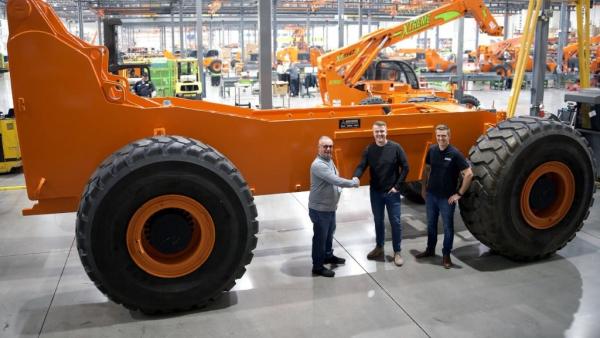
Telehandlers, also known as telescopic handlers or rough terrain forklifts, are versatile machines widely used in construction, agriculture, and industrial applications. They combine the functionality of a forklift with the reach of a crane, making them invaluable for lifting heavy loads to significant heights. Over the years, manufacturers have developed increasingly powerful and capable telehandlers to meet the demands of heavy-duty industries. This article explores some of the largest telehandlers in the world, highlighting their specifications, applications, and unique features.
Magni HTH50.14: The Heavyweight Champion
The Magni HTH50.14 stands as the world's largest telehandler, boasting an impressive lift capacity of 50,000 kg (approximately 110,000 lbs). Designed specifically for heavy-lift industries such as shipping, mining, and oil & gas, this telehandler is equipped with a 350 hp Mercedes engine, enabling it to reach a top speed of 25 km/h. Its four-wheel drive and steering system, coupled with a leveling system on the tires, ensure stability and adaptability on uneven ground. With a maximum lift height of 14 meters and a machine weight of 65,000 kg, the HTH50.14 is a formidable presence on any job site.
Xtreme XR7038: The Capacity Leader
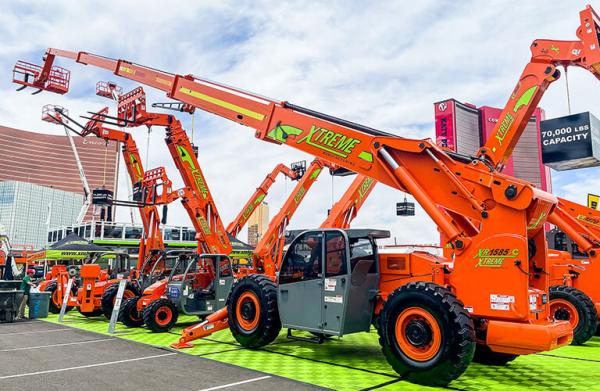
The Xtreme XR7038 holds the title for the largest capacity rough terrain telehandler in North America, with a lifting capacity of 70,000 lbs (approximately 31,750 kg). This machine is tailored for demanding applications in industries like mining and oil & gas. It features a fork-positioning carriage and is available in three cab configurations, offering versatility to suit various operational needs.
Xtreme XR50100-G: The Reach Specialist
Affectionately nicknamed "Trackzilla," the Xtreme XR50100-G is renowned for its exceptional reach capabilities. With a maximum lift height of 100 feet (30.48 meters) and a forward reach of 75 feet (22.86 meters), it sets industry records. Powered by a 675 hp engine, this telehandler can lift up to 50,000 lbs (approximately 22,680 kg). Its tracked design allows for superior stability and maneuverability on rough terrain, making it ideal for challenging job sites.
Manitou MHT 11250 ST5: The Versatile Performer
The Manitou MHT 11250 ST5 is a heavy-duty telehandler capable of lifting just over 55,000 lbs (approximately 24,948 kg). Equipped with a 211 hp engine, it offers a maximum lift height of 35 feet (10.67 meters). Its four-wheel drive and multiple steering modes ensure it can operate on various terrains. The MHT 11250 is designed for versatility, making it suitable for a wide range of applications across different industries.
Magni RTH 6.51: The Tallest Telehandler
The Magni RTH 6.51 is the tallest rotating telehandler in the world, achieving a lifting height of 167 feet (50.90 meters). Despite its towering reach, it maintains a maximum load capacity of 13,200 lbs (approximately 5,987 kg). This telehandler is ideal for construction or industrial sites requiring exceptional vertical reach and lifting capacities.
Comparative Overview of the Largest Telehandlers - Magni HTH50.14
- Max Lift Capacity: 50,000 kg
- Max Lift Height: 14 m
- Engine Power: 350 hp
- Notable Features: Heavy-duty design for industrial use
- Xtreme XR7038
- Max Lift Capacity: 70,000 lbs (≈31,750 kg)
- Notable Features: Highest capacity telehandler in North America; fork-positioning carriage; three cab configurations
- Xtreme XR50100-G ("Trackzilla")
- Max Lift Capacity: 50,000 lbs (≈22,680 kg)
- Max Lift Height: 100 ft (≈30.48 m)
- Max Forward Reach: 75 ft (≈22.86 m)
- Engine Power: 675 hp
- Notable Features: Exceptional reach; tracked design for rough terrain stability
- Manitou MHT 11250 ST5
- Max Lift Capacity: 55,000 lbs (≈24,948 kg)
- Max Lift Height: 35 ft (≈10.67 m)
- Engine Power: 211 hp
- Notable Features: Versatile and multi-terrain capable; four-wheel drive with multiple steering modes
- Magni RTH 6.51
- Max Lift Capacity: 13,200 lbs (≈5,987 kg)
- Max Lift Height: 167 ft (≈50.90 m)
- Notable Features: Tallest rotating telehandler in the world; ideal for sites requiring extreme vertical reach
Applications and Industries
These giant telehandlers are indispensable in various heavy-duty industries:- Construction: Transporting and placing large materials at significant heights.
- Mining: Handling heavy equipment and materials in rugged terrains.
- Oil & Gas: Lifting heavy components in offshore and onshore facilities.
- Shipping and Logistics: Moving large containers and cargo in ports and warehouses.
Conclusion
The development of large-capacity telehandlers has revolutionized material handling in heavy industries. Machines like the Magni HTH50.14, Xtreme XR7038, and others exemplify the advancements in engineering and design, offering unparalleled lifting capacities and reach. As industries continue to evolve, these telehandlers will remain at the forefront of heavy lifting, ensuring efficiency and safety in demanding applications.
|

|
|
| Detailed Overview of Demolition Excavators at the Golden Gate Bridge Approach Demo |
|
Posted by: MikePhua - 08-13-2025, 08:09 PM - Forum: Construction & Urban Infrastructure Forum
- No Replies
|
|
Introduction to the Demolition Project
The demolition of the old southern approach to the iconic Golden Gate Bridge, known as Doyle Drive, was a high-profile and logistically complex project aimed at replacing a seismically unsafe structure with a safer, modern bypass called the Presidio Parkway. The demolition project was notable for its extreme time constraints, scale, and the advanced demolition equipment utilized. Within a strict 57-hour window over a weekend, crews demolished approximately 4,700 linear feet of roadway, including 150 spans across multiple structures. This tight schedule demanded meticulous planning, coordinated teamwork, and the deployment of specialized machinery.
Fleet and Equipment Overview - Demolition Excavators and Attachments:
The demolition fleet comprised around 40 pieces of heavy equipment, with about 20 hydraulic excavators playing a central role. These excavators were outfitted with a variety of attachments designed to handle different materials and demolition tasks. Key attachment types included:- Hydraulic Hammers: For breaking concrete and rock structures.
- Grapples: Used for picking up and sorting debris efficiently.
- Pulverizers and Shears: Pulverizers crushed concrete into manageable pieces, while shears could cut through both concrete and steel components.
- Mobile Demolition Processors (MDP): Specialized rotating jaws designed to process concrete and steel reinforcement bars quickly.
- Supporting Equipment:
Complementing the excavators were other machines such as backhoe loaders, track loaders, wheeled loaders, and articulated dump trucks. These were essential for debris removal, site grading, and material transport, enabling continuous workflow without bottlenecks.
Operational Challenges and Solutions- Tight Timeframe:
The demolition had to be completed within a weekend closure, allowing only a 57-hour window. This requirement placed extreme demands on equipment reliability, operator skill, and logistical coordination. Crews worked in shifts, around the clock, maintaining continuous operation under night conditions with safety and precision.
- Dust and Environmental Controls:
One of the main concerns was minimizing dust and protecting the environment. The operators deployed atomized misting systems to suppress demolition dust effectively. Using advanced monitoring and mitigation techniques ensured compliance with environmental regulations and protected nearby communities.
- Structural Complexity:
The demolished structures included concrete viaducts and heavily reinforced girders supporting the roadway. Thanks to the high force output and versatility of demolition attachments, excavators were able to cut through tough materials with precision. For instance, specialized shears handling 4,000 psi concrete were able to crumble reinforced concrete "like cookie crumbs," facilitating faster clearance.
- Safety and Coordination:
Rigorous safety protocols and multi-crew coordination were implemented to handle concurrent work above and below the deck. Equipment operators and ground personnel communicated meticulously to avoid hazards, especially during simultaneous demolition and debris removal activities.
Technical Insights on Demolition Attachments- LaBounty Attachments:
Among the standout tools in use were LaBounty demolition attachments, which gave operators versatility and power to disassemble steel and concrete elements efficiently. Models such as the UP 75 Universal Processor, MDP30 Mobile Demolition Processor, and massive metal shears were critical in speeding up the work, especially in cutting steel reinforcements and beams.
- Crusher and Shear Performance:
The crushing and shearing tools featured technologies like rotation capability, which allowed abrasive demolition around columns and complex geometries. Attachments were sized to fit tight spaces while delivering enormous crushing force, often in single passes to maximize speed.
Case Story: A Marathon Demolition Effort
The project was compared by one Caltrans official as one of the most intensive demolition efforts ever witnessed. The demolition crews operated for continuous 12-hour shifts, utilizing the robust fleet of excavators without any significant equipment downtime or failures. At the end of the demolition weekend, the temporary bypass road was completed and opened ahead of schedule.
Operators praised the demolitions tools' ability to maintain continuous cutting and crushing without needing frequent adjustments or replacements. The use of state-of-the-art excavators and attachments was pivotal for completing such an enormous task within the restrictive timeframe.
Practical Recommendations for Similar Demolition Projects- Comprehensive Equipment Planning: Ensuring availability and readiness of specialized excavators and work tools suited for both concrete and steel demolition.
- Shift Work and Crew Rotation: Maintaining high productivity through multiple shifts to utilize the limited working window effectively.
- Environmental Controls: Integrating dust suppression systems and monitoring air quality on-site to meet safety and environmental standards.
- Operator Training: Skilled operators familiar with demolition attachments enhance both efficiency and safety, minimizing risks of equipment misuse or accidents.
- Maintenance and Inspections: Regular checks of attachment wear, hydraulic systems, and machine health prevent failures during critical operations.
Terminology Explained- Hydraulic Excavator: A powerful construction machine using hydraulic cylinders and systems to operate its arm, boom, and attachments.
- Hydraulic Hammer: A heavy-duty percussion tool attached to excavators for breaking rock or concrete.
- Pulverizer: An attachment that crushes concrete into smaller pieces for easier removal or recycling.
- Universal Processor: A type of demolition attachment capable of cutting and crushing various materials with rotating jaws.
- Mobile Demolition Processor (MDP): A specialized tool designed for high-speed cutting and crushing, often with rotating capabilities for versatility.
- Atomized Mist: Fine spray used to suppress dust by capturing airborne particulates.
- Grapple: An attachment with claw-like arms used for picking up and moving debris.
Summary List: Key Features and Lessons from the Golden Gate Bridge Approach Demo- Extensive fleet of around 40 demolition machines including 20 hydraulic excavators.
- Use of versatile attachments: hammers, shears, pulverizers, processors, and grapples.
- Demolition completed in a difficult 57-hour weekend closure window.
- Effective dust control strategies employed via atomized mist systems.
- High operator skill essential for synchronized multitasking and simultaneous demolition.
- Strategic use of specialized tools (e.g., LaBounty shears) to quickly dismantle reinforced concrete and steel.
- Coordinated scheduling and shift work ensured continuous operation without downtime.
- Environmental and safety protocols strictly followed amid complex urban site conditions.
Conclusion
The demolition of the Golden Gate Bridge’s iconic southern approach was a landmark operation showcasing how advanced heavy equipment and high-powered excavators equipped with modern demolition attachments can execute monumental tasks under stringent time constraints. Combining robust machinery, innovative work tools, expert operator skill, and careful environmental management enabled the successful removal of massive infrastructure while minimizing disruption and maintaining safety.
This feat illustrates the evolving capabilities of demolition technology and operational planning in modern heavy construction projects. Lessons learned provide valuable insights for future large-scale demolition efforts, emphasizing precision equipment selection, efficient scheduling, and integrated dust and safety control measures to achieve exceptional results.
This detailed overview blends technical knowledge, operational experience, and practical advice for professionals involved in heavy demolition operations and infrastructure renewal projects.
|
|
|
|
| Comprehensive Guide to Excavator Undercarriage Parts and Maintenance |
|
Posted by: MikePhua - 08-13-2025, 08:08 PM - Forum: Parts , Attachments & Tools
- No Replies
|
|
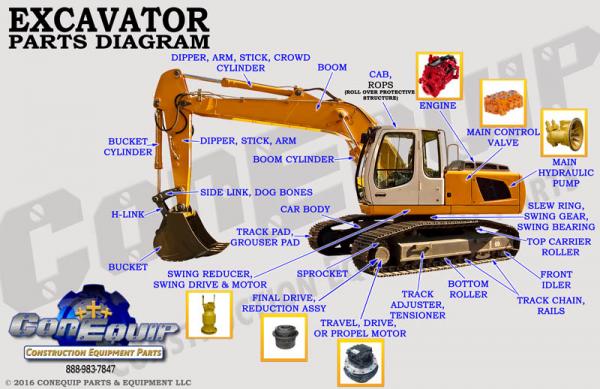
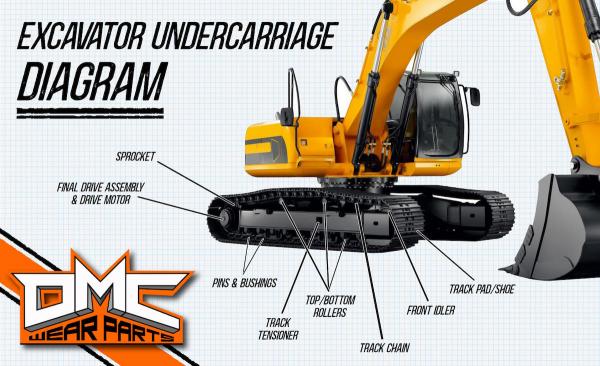
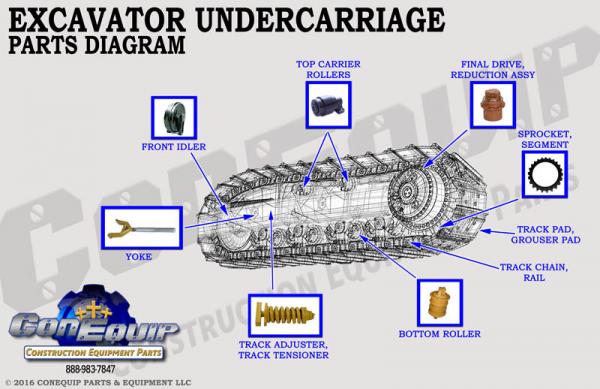
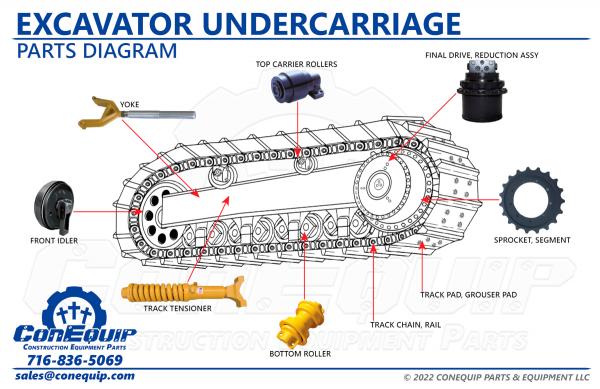
The undercarriage of an excavator is fundamental to its performance, supporting the machine's weight and enabling mobility across various terrains. Understanding its components and maintenance is crucial for operators and fleet managers to ensure longevity and efficiency.
Key Components of Excavator Undercarriage
- Track Chains: Forming the continuous loop around the undercarriage, track chains bear the machine's weight and facilitate movement. They are composed of multiple metal links designed to withstand heavy use.
- Track Shoes: Attached to the track chains, track shoes provide traction. Their width and design vary based on terrain; wider shoes are suited for soft ground, while narrower ones are ideal for rocky surfaces.
- Rollers:
- Bottom Rollers: Located beneath the track chains, they support the machine's weight and guide movement.
- Carrier Rollers: Situated above the track chains, they maintain track tension and assist in guiding the tracks.
- Idlers: Found at the front of the undercarriage, idlers help maintain track tension and prevent the track from derailing.
- Sprockets: These toothed wheels engage with the track chain, driving the excavator forward or backward.
- Recoil Springs: Absorb shocks and vibrations, enhancing the comfort and stability of the machine.
- Frame and Bottom Guard: The structural foundation of the undercarriage, providing protection to internal components.
Maintenance Tips for Undercarriage Longevity
- Regular Cleaning: Debris accumulation can accelerate wear. Use a shovel or pressure washer to clean the undercarriage, especially after working in muddy or rocky conditions.
- Track Tension Adjustment: Both loose and tight tracks can lead to premature wear. Regularly check and adjust track tension according to the manufacturer's specifications.
- Lubrication: Proper lubrication of moving parts reduces friction and prevents corrosion. Follow the manufacturer's guidelines for lubrication intervals and types.
- Component Inspection: Regularly inspect parts for signs of wear or damage. Replace worn components promptly to prevent further damage and ensure optimal performance.
- Operational Practices:
- Avoid sudden starts and stops to reduce stress on the undercarriage.
- Operate the machine at consistent speeds to minimize uneven wear.
- When possible, dig toward the idlers and avoid digging backward toward the sprockets.
Signs of Undercarriage Wear- Uneven or excessive wear on track shoes.
- Oil leaks from rollers or idlers.
- Loose or damaged track chains.
- Excessive vibration during operation.
- Misalignment of tracks or components.
Upgrading Undercarriage Components
Upgrading certain undercarriage components can enhance performance, especially in challenging terrains:- Heavy-Duty Rollers: Designed for high-impact applications, they offer increased durability.
- Swamp Tracks: Wider track shoes and extended frames provide better flotation in soft, marshy conditions.
- Enhanced Sprockets: Durable sprockets reduce wear and improve engagement with track chains.
Conclusion
The undercarriage is a vital component of an excavator, influencing its performance and longevity. Regular maintenance, timely upgrades, and adherence to operational best practices are essential to maximize the efficiency and lifespan of the machine. Investing in quality undercarriage parts and maintenance can lead to significant cost savings and reduced downtime.
|
|
|
|
| Comprehensive Guide to the Caterpillar D6M Transmission: Specifications, Features, and Practical Insights |
|
Posted by: MikePhua - 08-13-2025, 08:07 PM - Forum: Parts , Attachments & Tools
- No Replies
|
|
Introduction to the Caterpillar D6M Transmission
The Caterpillar D6M is a medium-sized track-type tractor, widely recognized for its durability and performance in heavy construction, earthmoving, and forestry applications. At the core of its reliable operation lies its advanced transmission system, designed to provide smooth power delivery, excellent maneuverability, and robustness under challenging conditions. This article offers an in-depth overview of the D6M transmission, technical specifications, key features, terminology explanations, and practical advice including maintenance and troubleshooting.
Technical Specifications of the Caterpillar D6M Transmission - Type:
- 3-speed planetary power shift transmission
- Robust design optimized for smooth gear changes under load
- Power shift mechanism allows clutchless shifting reducing operator fatigue and wear
- Gears:
- 3 forward speeds
- 3 reverse speeds
- Provides a range of operating speeds suitable for various terrains and applications
- Operating Speeds (approximate):
- Forward 1st gear: 2.1 mph (3.4 km/h)
- Forward 2nd gear: 3.7 mph (6.0 km/h)
- Forward 3rd gear: 6.4 mph (10.3 km/h)
- Reverse 1st gear: 2.6 mph (4.2 km/h)
- Reverse 2nd gear: 4.6 mph (7.5 km/h)
- Reverse 3rd gear: 7.9 mph (12.8 km/h)
- Oil Capacity:
- Transmission oil capacity approximately 128.8 quarts (121.9 liters)
- Adequate oil volume for cooling, lubrication, and smooth operation
- Hydraulic System:
- Load-sensing, variable displacement piston pump
- Pump output: ~31.5 gallons per minute (119 liters per minute) at full pressure
- System pressure: Approximately 3600 psi (248 bar)
- Drive and Final Drives:
- Crawler type with single-reduction planetary final drives
- Final drives isolated from ground impact and blade loads to enhance durability and ease maintenance
- Control:
- Power shift with steering clutches and brakes for responsive maneuverability
- Separate controls allow simultaneous dozing and steering operations
Features and Design Insights- Power Shift Transmission:
The power shift transmission enables smooth, clutchless gear changes, improving operator comfort and reducing mechanical wear. The planetary gear sets provide efficient torque conversion and multiple speed options, assisting in both heavy dozing and precise maneuvering.
- Hydraulics Integration:
The D6M’s transmission works in tandem with a sophisticated hydraulic system featuring a load-sensing variable displacement pump that efficiently supplies hydraulic power only as needed, optimizing fuel economy and machine responsiveness.
- Modular Final Drive Components:
The final drives are designed with modular components such as segmented sprockets that simplify maintenance and replacement, minimizing machine downtime.
- Transmission Placement:
Positioned remotely from the engine to reduce heat transfer and facilitate service accessibility, conserving engine power and enhancing cooling.
- Durability and Serviceability:
The transmission assembly is built for rugged use in harsh environments, employing durable materials and seals. It is designed to allow relatively quick removal and installation, which reduces labor time during overhaul or repairs.
Terminology Explained- Power Shift Transmission: A transmission type that allows gear changes without clutching by using hydraulic or mechanical power-shifting mechanisms.
- Planetary Gear Set: A gear arrangement consisting of a sun gear, planet gears, and a ring gear to provide multiple gear ratios in a compact configuration.
- Load-Sensing Pump: A hydraulic pump that adjusts flow and pressure based on system demands, increasing efficiency.
- Steering Clutches and Brakes: Hydraulic components that enable the machine to steer by slowing or stopping one track independently.
- Single-Reduction Final Drive: A gear system reducing rotational speed once between the transmission output and the final track sprocket.
- Segmented Sprocket: A sprocket made of several replaceable segments that reduces maintenance costs by allowing partial replacement rather than the entire sprocket.
Maintenance and Operational Advice- Regular Fluid Checks and Changes:
Maintain proper transmission oil levels and change oil at manufacturer-recommended intervals to avoid contamination and wear. Use OEM-approved oil grades.
- Hydraulic System Maintenance:
Inspect and service the load-sensing pump, hydraulic valves, and filters regularly to maintain optimal pressure and flow for both transmission and steering functions.
- Steering Clutch and Brake Inspection:
Regularly check clutch pack wear, brake pads, and hydraulic seals. Proper adjustment of steering clutches is crucial for precise maneuvering.
- Cooling System Monitoring:
Ensure the transmission and hydraulic fluids are adequately cooled; overheating reduces fluid life and accelerates component wear.
- Final Drive and Sprocket Service:
Check for sprocket wear, track tension, and final drive seals. Replace segmented sprockets as needed to maintain track engagement and prevent damage.
- Filter Replacement:
Transmission and hydraulic filters must be changed periodically to trap contaminants and preserve component life.
- Diagnostic Tools:
Utilize Caterpillar’s service manuals and diagnostic equipment for troubleshooting transmission issues, ensuring accurate fault identification and repair.
Case Story: Efficient Transmission Repair on a Caterpillar D6M
A contractor operating a Caterpillar D6M on a demanding earthmoving project experienced slipping and delayed shifting. After fluid tests, contaminated transmission oil was identified as the root cause. The maintenance team performed a full oil and filter change, adjusted the steering clutches, and inspected planetary gear sets for damage.
Upon limited wear, the transmission performed reliably post-service. The contractor improved its preventive maintenance program, with regular fluid sampling and clutch adjustments, avoiding future transmission downtime and maximizing productive machine hours.
Summary List of Caterpillar D6M Transmission Highlights- 3-speed power shift transmission with clutchless shifting
- 3 forward and 3 reverse gear options
- Transmission oil capacity ~128.8 quarts (121.9 liters)
- Load-sensing variable displacement hydraulic pump supplying ~31.5 gpm at 3600 psi
- Single-reduction planetary final drives with modular segmented sprockets
- Remote placement from engine to reduce heat and ease service
- Steering clutches and brakes for responsive machine control
- Designed for durability with modular components for streamlined maintenance
Additional Recommendations- Follow OEM service intervals strictly for oil, filters, and hydraulic system checks.
- Engage trained operators in understanding the transmission’s power shift controls for smooth operation.
- Use genuine Caterpillar parts and lubricants to ensure component compatibility and longevity.
- Implement scheduled steering clutch inspections and adjustments to maintain responsive steering.
- Document all maintenance and repairs for reliable service history and warranty compliance.
Conclusion
The Caterpillar D6M transmission exemplifies a well-engineered, robust powertrain system tailored for medium-sized track-type tractors performing tough earthmoving tasks. Its power shift transmission, combined with a sophisticated hydraulic system and modular final drives, delivers smooth operation, durability, and ease of maintenance.
Adhering to recommended maintenance practices, understanding key transmission functions, and employing proper operational techniques assure prolonged machine reliability and optimal productivity. Real-world maintenance experiences emphasize the importance of regular fluid and component inspections to prevent costly failures.
This comprehensive overview provides a detailed technical and practical resource for operators, technicians, and fleet managers working with the Caterpillar D6M, supporting efficient transmission operation and upkeep.
|
|
|
|
| Exploring the 1971 Case 580 CK Backhoe Loader with Extendahoe |
|
Posted by: MikePhua - 08-13-2025, 08:06 PM - Forum: General Discussion
- No Replies
|
|
The 1971 Case 580 CK, also known as the "Construction King," stands as a testament to the durability and versatility of vintage backhoe loaders. Renowned for its robust design and adaptability, this model continues to serve in various applications, from construction sites to agricultural operations.
Key Specifications - Engine Power: Approximately 47.5 horsepower, providing ample power for demanding tasks.
- Digging Depth: Standard backhoe models offer a digging depth of around 14 feet. However, the Extendahoe version features a telescoping boom, extending the reach to approximately 16 feet, enhancing versatility in trenching and digging operations.
- Loader Bucket Capacity: Typically around 1 cubic yard, suitable for various loading tasks.
- Weight: Ranges from 3,630 to 9,500 pounds, depending on configuration and attachments.
- Tire Specifications: Front tires are usually 7.50x16, while rear tires are 14.9x24, providing stability and traction.
The Extendahoe Advantage
The Extendahoe is a notable feature of the 580 CK, offering a hydraulic telescoping boom that extends the backhoe's reach. This extension allows operators to access deeper or more challenging areas without repositioning the machine, improving efficiency and reducing time spent on tasks.
Maintenance and Common Issues
While the 580 CK is celebrated for its reliability, like any vintage machinery, it requires regular maintenance to ensure optimal performance. Common maintenance areas include:- Hydraulic System: Regular checks for leaks and ensuring proper fluid levels are crucial.
- Engine Maintenance: Routine oil changes and air filter replacements help maintain engine health.
- Tire Inspection: Monitoring tire wear and maintaining proper inflation ensures stability and safety.
Owners often share experiences of refurbishing their 580 CKs, highlighting the satisfaction of restoring these machines to their former glory. For instance, one owner mentioned: "After some elbow grease and a few new parts, my 580 CK is back to digging like a champ."
Conclusion
The 1971 Case 580 CK with Extendahoe remains a valuable asset for those seeking a reliable and versatile backhoe loader. Its combination of power, reach, and durability makes it a preferred choice for various applications. With proper maintenance and care, the 580 CK can continue to serve effectively for many years.
|
|
|
|
| Comprehensive Guide to the Caterpillar TH63 Telehandler: Specifications, Features, and Practical Insights |
|
Posted by: MikePhua - 08-13-2025, 08:06 PM - Forum: General Discussion
- No Replies
|
|
Introduction to the Caterpillar TH63
The Caterpillar TH63 is a powerful and versatile telehandler designed for heavy-duty lifting, material handling, and jobsite productivity. Renowned for its exceptional lift capacity and reach, the TH63 serves a wide range of industries including construction, agriculture, logistics, and industrial operations. This machine is engineered with robust components, advanced hydraulics, and operator-friendly features to maximize efficiency and safety on the worksite.
This detailed guide presents technical specifications, key features, operational benefits, terminology clarifications, practical tips, and real-world applications for the Caterpillar TH63 telehandler.
Key Specifications and Performance Metrics - Engine and Power:
- Model: Caterpillar 3054T turbocharged, 4-cylinder, four-stroke diesel engine
- Gross Power: 78 kW (105 hp)
- Net Power (SAE J1349): Approximately 75 kW (101 hp)
- Maximum Torque: 365 Nm (269 ft-lb) at 1600 rpm
- Displacement: 4.0 liters (243 cubic inches)
- Bore x Stroke: 100 mm x 127 mm (3.94 in x 5 in)
- Operating Weight:
- Approximately 9,200 kg (20,282 lbs)
- Lift Capacity:
- Rated Load: 2,721 kg (6,000 lbs) at maximum height or with stabilizers down
- Capacity at Maximum Reach (8.2 m / 27 ft): 907 kg (2,000 lbs) with stabilizers, less without
- Lift and Reach Performance:
- Maximum Lift Height: 12.5 meters (41 feet)
- Maximum Forward Reach: 8.2 meters (27 feet)
- Boom: Synchronized three-section telescopic boom with hydraulic quick coupler
- Coupler Tilt: Hydraulic control with 140° fore/aft range and lock valves for load holding
- Hydraulic System:
- Load-sensing variable displacement axial piston pump
- Maximum System Pressure: 250 bar (3,625 psi)
- Pump Flow Rate: 105 liters per minute (28 gallons per minute)
- Auxiliary Hydraulic Flow: 71 liters per minute (18.8 gallons per minute) at 124 bar (1,800 psi)
- Hydraulic Cycle Times (approximate): Boom raise 13 sec, boom lower 10 sec, telescoping out 15 sec, telescoping in 12 sec
- Transmission and Drivetrain:
- Full-time all-wheel drive mechanical powertrain
- Powershift transmission with 4 forward and 3 reverse gears
- Differential lock on front axle for enhanced traction
- Turning Radius: Approximately 3.8 meters (12 ft 6 in)
- Dimensions:
- Length: Approximately 5.8 meters (230 in)
- Width: Approximately 2 meters (80 in)
- Height: About 2.4 meters (96 in)
- Ground Clearance: 435 mm (17 in)
- Wheelbase: 2.4 meters (95 in)
- Tires: Four equal-sized tires, standard 13.0-24 12PR, optional larger tires available
- Fuel and Hydraulic Capacities:
- Fuel Tank: 117 liters (31 gallons)
- Hydraulic Tank: 136 liters (36 gallons)
- Speed:
- Travel Speed: Up to 20 mph (14 mph typical working speed)
- Steering: Selectable between three modes for maneuvering efficiency
Essential Features and Operating Benefits- Hydraulic Quick Coupler and Boom Design:
The TH63’s synchronized three-section boom with a hydraulic quick coupler enables rapid attachment changes and high precision placement of loads. Non-metallic boom wear pads reduce friction and wear during boom extension/retraction.
- Load Holding and Safety:
Lock valves on all load holding cylinders provide security against sudden load drops. The frame leveling system with ±10° tilt combined with lock valve maintains stability on uneven terrain.
- Operator Comfort and Control:
Pilot-operated joystick controls offer smooth, proportional operation of boom functions. The cab features ergonomic seating with suspension and retractable seat belts. Rearview mirrors and backup alarms improve site safety.
- Braking System:
Power-assisted, foot-operated service brakes with fully enclosed oil-disc brakes on both axles. Modulating parking brake operates on front axle brake discs, with transmission interlock during parking brake engagement.
- Electrical and Auxiliary Systems:
12V/55A alternator, back-up alarm, and auxiliary hydraulics at boom head for powering tools and attachments enhance versatility.
Work Tools and Attachments
Caterpillar offers an extensive range of attachments designed for the TH63, such as:- General purpose buckets
- Grapple buckets
- Light material buckets
- Multi-purpose buckets
- Block forks and pallet forks
- Fixed and rotating carriages
- Lifting hooks
- Self-tipping hoppers
- Truss booms
- Access platforms
These tools broaden the telehandler’s application from material handling to light excavation and personnel lifting.
Terminology Clarified- Telehandler (Telescopic Handler): A material handling machine with a telescoping boom that can extend for increased reach and lift height.
- Hydraulic Quick Coupler: A device allowing rapid, hydraulic-actuated attachment changes without manual removal of pins.
- Load-Sensing Hydraulic Pump: A pump that adjusts flow and pressure based on demand to improve efficiency.
- Power-Assisted Brakes: Brakes that use hydraulic or mechanical assistance to reduce operator pedal effort.
- Differential Lock: Mechanical locking of axle differentials to ensure equal power distribution in low traction conditions.
- Boom Wear Pads: Non-metallic pads that reduce wear and noise between sliding boom sections.
- Load Holding Valve: A check valve that prevents hydraulic cylinder movement in case of leakage or sudden pressure loss.
- Pilot-Operated Joystick: Operator control device that translates small inputs into proportional hydraulic flow.
- Frame Leveling: Hydraulic adjustment of machine tilt to provide a stable base on uneven ground.
Real-world Application and Case Example
A rental fleet operating Caterpillar TH63 telehandlers in a busy urban construction environment noted enhanced workflow efficiency due to the machine's high lift height and strong load capacity. Operators appreciated the smooth joystick controls and quick attachment changes that reduced downtime between tasks.
During one project involving placing steel beams on a multi-story building, the TH63’s telescopic boom and framing leveling capability allowed precise material placement from a safe distance on sloped terrain. The machine’s robust hydraulic system handled bulky loads with stability, while safety features like load-holding valves and automatic locking prevented accidents.
Routine maintenance, including hydraulic fluid checks and attachment inspection, ensured sustained performance and minimal downtime. This case underscores the machine’s adaptability, strength, and operator-focused design.
Summary List of Caterpillar TH63 Telehandler Strengths- Powerful 105 hp Cat 3054T diesel engine with turbocharging and good torque
- 6,000 lb (2,721 kg) lift capacity with 12.5 m (41 ft) maximum lift height
- Long 8.2 m (27 ft) maximum reach with load capacity scaling accordingly
- Synchronised three-section telescopic boom with hydraulic quick coupler and 140° tilt
- Load sensing, variable displacement axial piston pump hydraulic system with flow share
- Full-time all-wheel drive with powershift transmission and differential lock
- Power-assisted, oil-disc brakes with modulating parking brake
- Frame leveling system ±10° for stability on slopes
- Advanced pilot-operated joystick controls for smooth operation
- Extensive range of work tools to meet diverse jobsite demands
Additional Recommendations and Solutions- Perform regular hydraulic and engine maintenance to preserve pump efficiency and power delivery
- Inspect and replace boom wear pads to prevent uneven wear and sticking during boom extension
- Use stabilizers where applicable to maximize load holding and machine stability for heavy lifts
- Train operators on boom positioning, load management, and use of frame leveling for safe operation
- Regularly check and service brakes, differential locks, and steering systems for responsive control
- Maintain spare parts inventory for hydraulic seals, filters, and key mechanical components for minimal downtime
Conclusion
The Caterpillar TH63 telehandler stands out as a durable, powerful, and versatile machine engineered for efficient material handling and lifting tasks across a spectrum of industries. Its strong engine, advanced hydraulics, long reach, and operator-friendly features provide a balance of productivity, safety, and control.
With careful maintenance, operator training, and use of appropriate attachments, the TH63 proves to be a reliable asset on challenging job sites requiring precise heavy lifting and stable maneuvering. A blend of cutting-edge technology and rugged construction makes this telehandler a trusted choice for demanding lifting and material placement needs.
This comprehensive guide, drawing on technical data, practical experience, and operational insights, serves as a full resource for understanding and maximizing the capabilities of the Caterpillar TH63 telehandler.
|
|
|
|
| Choosing the Right Power Steering Fluid for Your Case 508CK Backhoe Loader |
|
Posted by: MikePhua - 08-13-2025, 08:05 PM - Forum: Parts , Attachments & Tools
- No Replies
|
|
Introduction
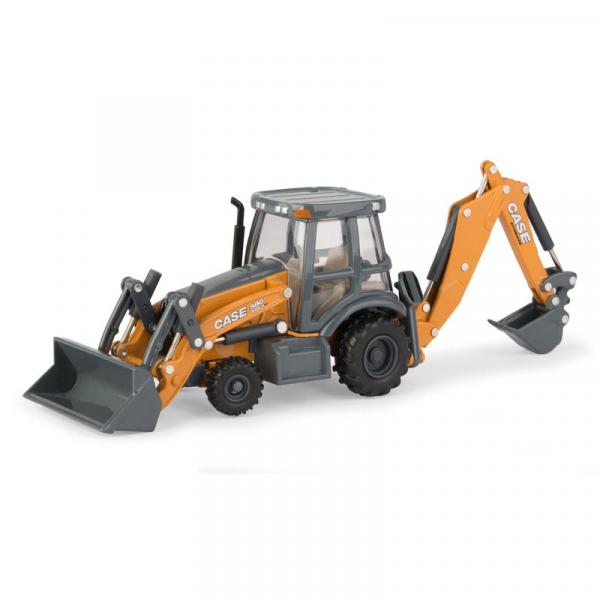
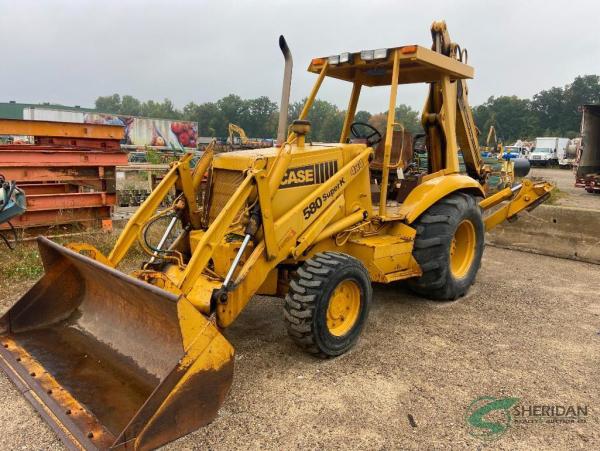
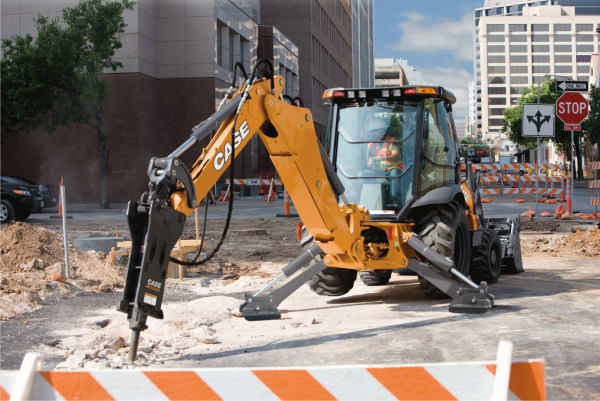
The Case 508CK backhoe loader, a reliable piece of equipment from the late 1960s, has been a staple in construction and agricultural operations. Maintaining its hydraulic systems, particularly the power steering, is crucial for optimal performance. Selecting the appropriate power steering fluid ensures smooth operation and longevity of the system.
Understanding the Power Steering System
The power steering system in the Case 508CK utilizes hydraulic pressure to assist in steering, reducing manual effort. This system is integrated with the machine's overall hydraulic system, meaning the fluid used must meet specific requirements to ensure compatibility and performance.
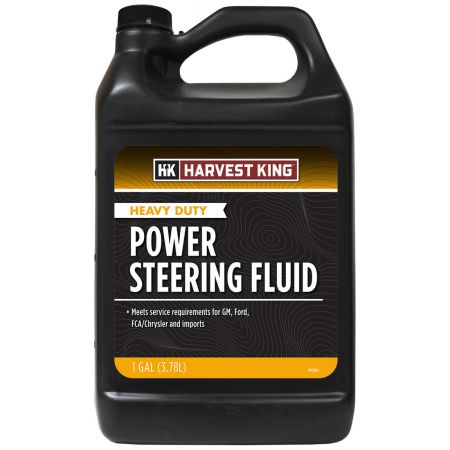
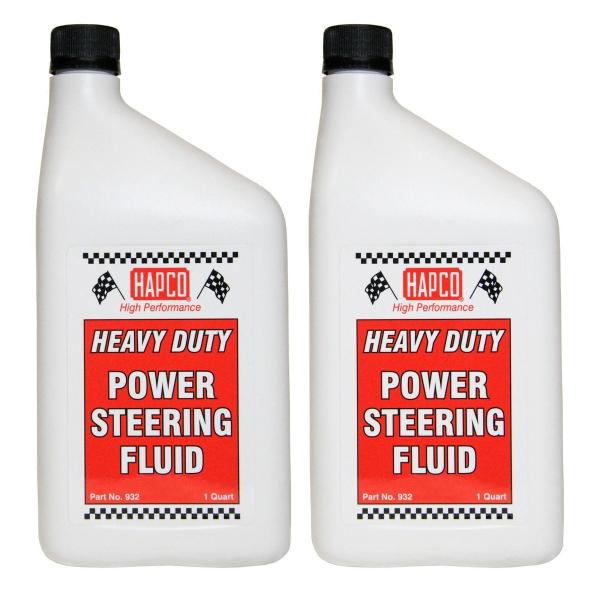
Recommended Power Steering Fluids
- Case TCH Fluid: Case's Torque Converter Hydraulic (TCH) fluid is the manufacturer-recommended fluid for the 508CK's power steering system. This fluid is designed to meet the specific viscosity and lubrication requirements of Case equipment.
- Case Hy-Tran Ultra Fluid: For later models, Case recommends Hy-Tran Ultra fluid, which offers enhanced performance and protection. While the 508CK may not require this fluid, it can be used as a substitute if TCH fluid is unavailable.
- Automotive Power Steering Fluid: Some operators have used automotive power steering fluids, such as Dexron II or III Automatic Transmission Fluid (ATF), as a substitute. However, this is not recommended by the manufacturer and may not provide the necessary lubrication and protection for the system.
Considerations When Choosing a Fluid- Viscosity: The fluid's viscosity must be suitable for the operating temperatures and pressures of the power steering system.
- Additives: The presence of appropriate additives ensures the fluid performs well under varying conditions and extends the life of the system components.
- Compatibility: Using a fluid that is compatible with the existing hydraulic system is essential to prevent damage and ensure optimal performance.
Case Study: Fluid Selection in Practice
A Case 508CK owner reported using Dexron II ATF in their power steering system for several years without noticeable issues. However, upon switching to Case TCH fluid, they observed improved steering responsiveness and quieter operation. This anecdote highlights the importance of using the manufacturer-recommended fluid for optimal performance.
Maintenance Tips- Regular Checks: Periodically check the power steering fluid level and condition. Low or contaminated fluid can lead to steering issues.
- Proper Filling: Ensure the fluid is filled to the recommended level, as specified in the operator's manual.
- Avoid Contamination: Keep the fluid reservoir clean and avoid introducing contaminants that could damage the system.
Conclusion
Maintaining the power steering system of your Case 508CK backhoe loader is vital for safe and efficient operation. Using the recommended Case TCH fluid ensures compatibility and optimal performance. While alternatives like automotive ATF have been used by some operators, they are not recommended by the manufacturer and may not provide the necessary protection for the system. Regular maintenance and proper fluid selection will extend the life of your equipment and enhance its performance.
|
|
|
|
| Troubleshooting Ingersoll Rand Compressors That Shut Off After 15–20 Seconds |
|
Posted by: MikePhua - 08-13-2025, 08:02 PM - Forum: Troubleshooting & Diagnosing
- No Replies
|
|
Experiencing an Ingersoll Rand compressor that starts and then shuts off after 15 to 20 seconds is a common issue that can stem from several potential causes. Understanding these causes and how to address them can help restore your compressor's functionality.
1. Thermal Overload Protection Activation
Compressors are equipped with thermal overload protectors to prevent damage from overheating. If the motor temperature rises beyond safe limits, the protector will shut the compressor off. This can occur due to: - Restricted Airflow: Obstructions or dirt can impede airflow, causing the motor to overheat.
- Faulty Motor Components: Worn bearings or damaged windings can increase friction and heat.
- Improper Voltage: Low or fluctuating voltage can cause the motor to overheat.
2. Pressure Switch Malfunction
The pressure switch controls the compressor's operation based on tank pressure. A malfunctioning switch can cause the compressor to shut off prematurely. Issues include:- Incorrect Pressure Settings: Misadjusted settings can lead to early shutdowns.
- Worn Contacts: Aged or corroded contacts can cause erratic behavior.
- Clogged Ports: Dirt or debris in the switch ports can affect performance.
3. Unloader Valve Issues
The unloader valve releases pressure from the compressor head when the motor stops, allowing the motor to restart without resistance. If this valve sticks or fails, residual pressure can prevent the motor from starting or cause it to shut off quickly.
4. Electrical Problems
Electrical issues can cause the compressor to shut off unexpectedly:- Loose Connections: Wiring issues can interrupt power supply.
- Faulty Capacitors: Start or run capacitors that are worn out can prevent the motor from operating correctly.
- Contactor Failures: A malfunctioning contactor can disrupt the electrical circuit.
5. Oil and Lubrication Problems
Inadequate lubrication can lead to increased friction and overheating:- Low Oil Levels: Insufficient oil can cause the motor to overheat.
- Incorrect Oil Type: Using the wrong oil can affect performance.
- Dirty Oil: Contaminated oil can lead to internal wear.
6. Environmental Factors
External conditions can impact compressor performance:- Ambient Temperature: High temperatures can cause overheating.
- Ventilation: Poor airflow around the compressor can lead to heat buildup.
Preventive Measures
To minimize the risk of your compressor shutting off unexpectedly:- Regular Maintenance: Perform routine checks and servicing.
- Proper Installation: Ensure adequate ventilation and correct voltage supply.
- Monitor Operating Conditions: Keep an eye on ambient temperatures and airflow.
Conclusion
Understanding the common causes of compressor shutdowns and implementing preventive measures can help maintain your Ingersoll Rand compressor's reliability. Regular maintenance and attention to operating conditions are key to preventing unexpected shutdowns.
|
|
|
|
| Innovative Concepts and Practical Insights for Backhoe Loader Enhancements |
|
Posted by: MikePhua - 08-13-2025, 08:02 PM - Forum: General Discussion
- No Replies
|
|
Introduction to Creative Backhoe Loader Ideas
Backhoe loaders are inherently versatile machines combining a front loader and a backhoe digging arm, enabling a broad spectrum of construction, landscaping, and utility tasks. The unique dual functionality of these machines offers fertile ground for innovative upgrades and unconventional applications that can boost efficiency, operator comfort, and operational capabilities. Exploring creative ideas around backhoe loaders encourages improved productivity and adaptation to specialized site demands.
Exploring Unconventional Backhoe Loader Ideas - Dual Attachment Integration for Efficiency:
Some innovative approaches involve configuring backhoes with simultaneous auxiliary functions—such as mounting different attachments on either end or employing multi-tool quick couplers—for rapid switching between digging, lifting, and compacting tasks without relocating machines frequently.
- Enhanced Hydraulic Circuit Modifications:
Modifying hydraulic plumbing to supply additional circuits empowers operators to run specialty attachments like hydraulic breakers, augers, or mulchers. This approach enables the backhoe to tackle demolition, planting holes, or forestry slash clearing without extra dedicated machines.
- Operator Control Upgrades:
Incorporating pilot-operated joystick controls or proportional valves improves precision in boom and bucket movements. Some innovators retrofit backhoes with electronic control modules to integrate programmable sequences, easing repetitive tasks and reducing operator fatigue.
- Extended Reach and Boom Configurations:
Altering boom geometry or adding telescoping extensions can expand digging reach or depth beyond standard models, helping execute deeper excavations or harder-to-reach tasks without repositioning.
- Safety and Ergonomic Innovations:
Ideas include adding enhanced cab suspension systems, remote control operation, or augmented reality (AR) overlays showing digging contours and underground utilities for safer, more accurate excavation.
Technical Enhancements and Solutions- Hydraulic System Adaptations:
Modifying pressure flows, adding relief valves, and installing high-flow auxiliary pumps ensure efficient driving of added attachments. Careful routing of hoses and use of OEM or compatible components prevent leaks or pressure loss.
- Structural Reinforcements:
When increasing boom length or adding heavier tools, reinforcing the boom arm and loader frame is critical to maintain machine stability and prevent fatigue cracks. Material selection, such as high-strength steel alloys, enhances durability.
- Quick Coupler Advances:
Designing or retrofitting quick couplers with secure locking mechanisms facilitates rapid, safe attachment changes, promoting multi-functionality and minimizing downtime.
- Control System Integration:
Electronic sensor installation for boom positioning combined with intuitive control panels helps operators monitor and adjust attachments with greater accuracy and feedback.
Practical Challenges and Solutions- Hydraulic Overload and Heat Management:
Additional hydraulic circuits increase system demand and heat generation. Incorporating larger hydraulic coolers, heat exchangers, or variable displacement pumps prevents performance degradation.
- Operator Training and Adaptability:
Innovative controls and attachments require tailored operator training programs to ensure safe and effective machine operation.
- Maintenance Considerations:
Modifications often increase maintenance complexity. Establishing rigorous inspection routines for hoses, fittings, and structural welds is essential to avoid unexpected failures.
- Cost-Benefit Analysis:
While creative upgrades enhance capability, balancing investment costs against operational gains is vital for practical decision-making.
Terminology Explained- Quick Coupler: A hydraulic or mechanical device allowing rapid attachment changes on the backhoe arm or loader bucket.
- Pilot-Operated Joystick: A hydraulic control device enabling precise, proportional control of boom and bucket functions.
- Auxiliary Hydraulic Circuit: Additional hydraulic lines added to power specialty attachments beyond basic loader or backhoe functions.
- Boom Extension: A mechanical modification that increases the effective reach of the backhoe digging arm.
- Relief Valve: A hydraulic valve that maintains system pressure by releasing excess fluid to prevent damage.
Case Story: Creative Backhoe Modification for Rock Excavation
A landscaping contractor faced challenges moving and breaking large rocks during site preparation. They adapted a standard backhoe by installing an auxiliary hydraulic circuit and a hydraulic breaker attachment. The contractor further reinforced the boom with steel plates to withstand pounding forces. Operators were trained to smoothly handle the hydraulic breakers with new joystick controls installed for incremental power delivery.
This modification enabled the team to demolish rocks onsite, avoiding costly transport and speeding up excavation, proving the value of backward-compatible, creative modifications to improve backhoe utility.
Summary List of Backhoe Innovation Ideas and Solutions- Dual-use attachments or multi-coupler systems for rapid jobsite adaptation
- Upgraded hydraulic circuits for specialty tool power
- Enhanced remote or electronic operator controls for precision and comfort
- Telescoping or extended reach booms for deeper or wider excavation
- Structural reinforcements with high-strength materials
- Improved safety systems including remote operation and AR overlays
- Additional cooling and hydraulic flow management solutions
- Operator training tailored for new controls and attachments
- Regular maintenance programs addressing increased system complexity
Additional Recommendations- Before undertaking modifications, consult equipment manufacturer guidelines to preserve warranty and ensure compatibility.
- Prioritize safety by integrating fail-safe locking and overload protection devices.
- Invest in operator training programs emphasizing new machine capabilities and hazards.
- Monitor performance post-modification with frequent inspections and fluid analyses to ensure system health.
- Consider modular upgrades allowing reversible changes or future expansions.
Conclusion
Creative backhoe loader applications and modifications unlock new dimensions of productivity, versatility, and operator satisfaction on the jobsite. Whether through hydraulic upgrades, control enhancements, or structural reinforcement, such innovations enable these machines to perform beyond their conventional roles, adapting to complex and specialized tasks efficiently.
Achieving success with backhoe modifications requires a careful blend of technical expertise, safety mindfulness, operator training, and maintenance foresight. Real-world examples underscore that well-planned innovations not only boost performance but also extend the operational lifespan of backhoe loaders.
By embracing proven upgrade paths and pioneering ideas responsibly, owners and operators can transform their backhoe loaders into multifaceted assets tailored for evolving jobsite demands.
This comprehensive guide synthesizes practical knowledge, accessory integration, and safety considerations into a coherent resource for backhoe enthusiasts and professionals seeking intelligent enhancements.
|
|
|
|
| Skid Steer Loaders: Essential Tools for Homeowners |
|
Posted by: MikePhua - 08-13-2025, 08:01 PM - Forum: General Discussion
- No Replies
|
|
Introduction
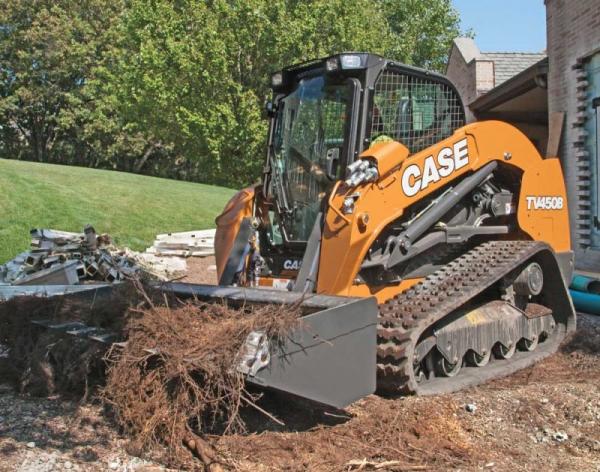
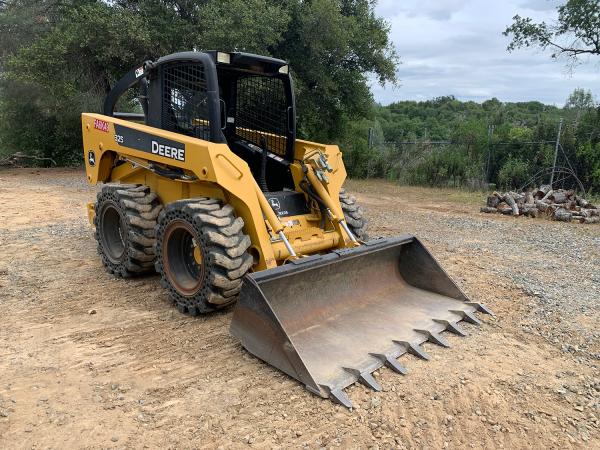
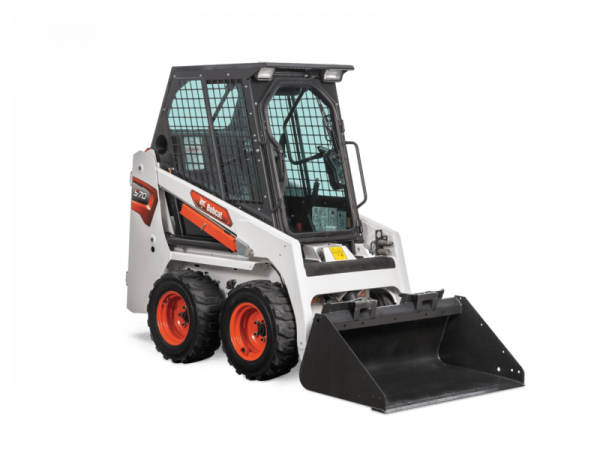
Skid steer loaders, often referred to as skid steers, are compact, versatile machines commonly used in construction and landscaping. Their ability to maneuver in tight spaces and handle a variety of tasks makes them increasingly popular among homeowners for personal projects. This article explores the benefits, considerations, and practical applications of using a skid steer loader at home.
Understanding Skid Steer Loaders
A skid steer loader is a small, rigid-frame machine with lift arms used to attach a wide variety of labor-saving tools or attachments. They are typically equipped with either wheels or tracks, offering different advantages depending on the terrain. Wheeled skid steers are faster and more maneuverable on hard surfaces, while tracked models provide better flotation and traction on soft or uneven ground.
Advantages of Owning a Skid Steer Loader
- Versatility: Skid steers can be equipped with various attachments, such as buckets, augers, and pallet forks, enabling them to perform tasks like digging, lifting, and material handling.
- Maneuverability: Their compact size allows them to navigate through narrow spaces and around obstacles, making them ideal for residential properties with limited access.
- Time and Cost Savings: Owning a skid steer can reduce the need to rent equipment for multiple projects, leading to long-term savings. For instance, a homeowner who frequently undertakes landscaping projects may find it more economical to purchase a skid steer rather than renting one repeatedly.
- Increased Property Value: Well-maintained landscapes and hardscapes can enhance the curb appeal and value of a property. Skid steers facilitate efficient grading, planting, and construction of features like patios and retaining walls.
Considerations Before Purchasing
- Space Requirements: Ensure that you have adequate storage space for the skid steer and its attachments. Consider the dimensions of gates and pathways to ensure the machine can access all areas of your property.
- Terrain Type: Assess the terrain of your property. If your land is predominantly flat and paved, a wheeled skid steer may suffice. For uneven or soft ground, a tracked model may be more appropriate.
- Attachment Compatibility: Different models of skid steers may have varying attachment compatibility. Ensure that the attachments you plan to use are compatible with the skid steer you intend to purchase.
- Maintenance and Operation: Operating a skid steer requires training and understanding of safety protocols. Regular maintenance is also essential to keep the machine in good working condition.
Practical Applications at Home
- Landscaping: Skid steers can assist in tasks like grading, soil preparation, and planting. They can also be used to transport materials such as mulch, soil, and rocks.
- Snow Removal: In regions with heavy snowfall, skid steers equipped with snowplow or blower attachments can efficiently clear driveways and walkways.
- Demolition and Excavation: For homeowners undertaking renovation projects, skid steers can be used to remove debris, dig trenches, and prepare sites for construction.
- Material Handling: Skid steers can move heavy materials like lumber, stone, and equipment, reducing manual labor and increasing efficiency.
Case Study: Residential Landscaping Project
Jane and Rob, homeowners with a large backyard, decided to transform their underutilized space into a functional outdoor living area. They purchased a mini skid steer to assist with the project. The machine enabled them to efficiently grade the land, remove debris, and transport materials. With the skid steer, they completed the project in a fraction of the time it would have taken using manual labor alone. The result was a beautiful patio area that enhanced their home's value and provided a space for family gatherings.
Conclusion
Skid steer loaders offer homeowners a versatile and efficient solution for a variety of tasks, from landscaping to material handling. While there are considerations to keep in mind before purchasing, the benefits can be substantial, including time and cost savings, increased property value, and the ability to undertake a wide range of projects. For homeowners with the space and need for such equipment, a skid steer loader can be a valuable addition to their toolkit.
|
|
|
|
|



