| Welcome, Guest |
You have to register before you can post on our site.
|
| Online Users |
There are currently 99 online users.
» 0 Member(s) | 91 Guest(s)
Ahrefs, Amazon, Bing, Claude, DotBot, Google, OpenAI, Semrush
|
| Latest Threads |
Identifying and Sourcing ...
Forum: Parts , Attachments & Tools
Last Post: MikePhua
01-07-2026, 06:29 PM
» Replies: 0
» Views: 530
|
Cat 931B Brake Parts
Forum: Parts , Attachments & Tools
Last Post: MikePhua
01-07-2026, 06:29 PM
» Replies: 0
» Views: 283
|
Choosing Between Cat 228,...
Forum: General Discussion
Last Post: MikePhua
01-07-2026, 06:28 PM
» Replies: 0
» Views: 563
|
Hydraulic Delay When Lowe...
Forum: Troubleshooting & Diagnosing
Last Post: MikePhua
01-07-2026, 06:27 PM
» Replies: 0
» Views: 449
|
Bale Chopper and Mulcher ...
Forum: General Discussion
Last Post: MikePhua
01-07-2026, 06:26 PM
» Replies: 0
» Views: 324
|
Mini UC Maintenance
Forum: General Discussion
Last Post: MikePhua
01-07-2026, 06:25 PM
» Replies: 0
» Views: 314
|
Locating Wiring Informati...
Forum: General Discussion
Last Post: MikePhua
01-07-2026, 06:24 PM
» Replies: 0
» Views: 347
|
Case Industrial Brown Sub...
Forum: Parts , Attachments & Tools
Last Post: MikePhua
01-07-2026, 06:23 PM
» Replies: 0
» Views: 275
|
Dirt Work in West Virgini...
Forum: Construction & Urban Infrastructure Forum
Last Post: MikePhua
01-07-2026, 06:23 PM
» Replies: 0
» Views: 379
|
D207 P Hydraulic Steering...
Forum: Parts , Attachments & Tools
Last Post: MikePhua
01-07-2026, 06:22 PM
» Replies: 0
» Views: 305
|
|
|
| Aftermarket Decals for Heavy Equipment: Enhancing Safety, Branding, and Maintenance |
|
Posted by: MikePhua - 08-13-2025, 08:24 PM - Forum: General Discussion
- No Replies
|
 |

Introduction
In the realm of heavy machinery, aftermarket decals play a pivotal role beyond mere aesthetics. These decals serve as essential components for safety compliance, brand identity, and equipment maintenance. Whether you're operating a fleet of construction vehicles or managing a single piece of equipment, understanding the significance and options available for aftermarket decals is crucial.
The Importance of Aftermarket Decals
- Safety Compliance: Decals provide vital safety information, including hazard warnings, operational instructions, and maintenance guidelines. For instance, OSHA (Occupational Safety and Health Administration) mandates specific decals on machinery to ensure operator safety.
- Brand Identity: Custom decals featuring company logos and slogans help in establishing brand presence on job sites and during transport.
- Maintenance and Operational Guidance: Decals indicating maintenance schedules, operational limits, and safety procedures aid in prolonging equipment lifespan and ensuring efficient operation.
Types of Aftermarket Decals- Safety Decals: These include warning signs, operational instructions, and hazard indicators.
- Branding Decals: Custom logos, company names, and contact information.
- Instructional Decals: Maintenance schedules, operational limits, and procedural guidelines.
Materials and Durability
Aftermarket decals are crafted from various materials to withstand harsh environmental conditions:- Vinyl: Offers flexibility and resistance to UV rays and water.
- Polycarbonate: Known for its impact resistance and durability.
- Reflective Materials: Enhance visibility in low-light conditions.
High-quality decals can last between 5 to 10 years, depending on environmental exposure and maintenance.
Choosing the Right Aftermarket Decal Provider
When selecting a supplier for aftermarket decals, consider the following:- Customization Options: Ability to replicate OEM designs or create unique decals.
- Material Quality: Use of durable, weather-resistant materials.
- Turnaround Time: Quick production and delivery times.
- Customer Support: Responsive service for inquiries and issues.
Recommended Aftermarket Decal Suppliers
- Pro Decal: Offers a vast library of over 10,000 decal sets for various equipment types.
- Equipment Decals: Provides high-quality aftermarket decal kits for heavy machinery.
- Machinery Parts Warehouse: Offers a large selection of decal packages for most makes, including safety decals.
- QuipCal: Specializes in replacement machine decals, safety and warning decals, as well as company branding and identity decals.
- StickerApp: Provides ultra-durable custom stickers for industrial purposes, designed to last 6-7 years and are weatherproof against the elements.
Conclusion
Aftermarket decals are more than just decorative elements on heavy equipment; they are vital for safety, branding, and operational efficiency. By selecting quality decals from reputable suppliers, operators can ensure compliance, enhance brand visibility, and maintain equipment effectively. Investing in high-quality aftermarket decals is a proactive step towards safer and more efficient machinery operation.
|

|
|
| Master Link Bolt Shear Issues on Caterpillar D4H Dozers: Causes, Solutions, and Best Practices |
|
Posted by: MikePhua - 08-13-2025, 08:23 PM - Forum: Troubleshooting & Diagnosing
- No Replies
|
|
Caterpillar D4H dozers are renowned for their durability and performance in various construction and agricultural applications. However, like any heavy machinery, they are susceptible to wear and tear, particularly in the undercarriage system. One common issue that operators may encounter is the shearing of master link bolts in the track assembly. Understanding the causes, implications, and solutions to this problem is crucial for maintaining the dozer's efficiency and longevity.
Understanding the Master Link and Its Bolts
The master link is a critical component in the track chain assembly of a dozer. It connects the two ends of the track chain, allowing for the continuous movement of the tracks. The master link bolts secure the master link to the track links, ensuring the integrity of the track assembly. These bolts are designed to withstand significant stresses during operation.
Causes of Master Link Bolt Shear
Several factors can contribute to the shearing of master link bolts: - Overloading: Excessive weight or force applied to the dozer can increase the stress on the master link bolts, leading to potential failure.
- Improper Torque: Incorrectly torqued bolts, whether over-tightened or under-tightened, can cause uneven stress distribution, making them more prone to shearing.
- Wear and Fatigue: Continuous operation without proper maintenance can lead to wear and fatigue of the bolts, reducing their strength over time.
- Corrosion: Exposure to harsh environmental conditions can cause corrosion, weakening the bolts and making them susceptible to failure.
Implications of Sheared Master Link Bolts
Shearing of master link bolts can have several detrimental effects:- Track Failure: A sheared bolt can cause the master link to detach, leading to track failure and potential damage to other undercarriage components.
- Operational Downtime: Repairing or replacing the master link and bolts can result in significant downtime, affecting productivity.
- Increased Repair Costs: Addressing the damage caused by sheared bolts, including potential damage to the track chain and other components, can lead to increased repair costs.
Solutions and Best Practices
To prevent and address master link bolt shear issues, consider the following:- Regular Inspection: Conduct routine inspections of the undercarriage, focusing on the master link bolts for signs of wear, corrosion, or damage.
- Proper Torqueing: Ensure that master link bolts are torqued to the manufacturer's specifications. Both over-tightening and under-tightening can lead to issues.
- Use of Quality Bolts: Always use high-quality, OEM or equivalent bolts to ensure strength and durability.
- Corrosion Protection: Apply anti-corrosion treatments to the bolts and surrounding areas to prevent rust and degradation.
- Timely Replacement: Replace any worn or damaged bolts promptly to maintain the integrity of the track assembly.
Case Study: Addressing Sheared Master Link Bolts
In a practical scenario, an operator noticed unusual wear patterns on the tracks of a D4H dozer. Upon inspection, it was discovered that several master link bolts had sheared. The cause was traced back to improper torqueing during a previous maintenance session. To rectify the issue, the operator replaced the damaged bolts with OEM parts, ensuring they were torqued to the specified settings. Additionally, a corrosion-resistant coating was applied to the new bolts to prevent future issues. Since the repair, the dozer has operated without further incidents of master link bolt shear.
Conclusion
Master link bolt shear is a preventable issue that can significantly impact the performance and longevity of a Caterpillar D4H dozer. By understanding the causes and implementing best practices for maintenance, operators can ensure the continued reliability of their equipment. Regular inspections, proper torqueing, and the use of quality components are essential steps in preventing this problem. Addressing any issues promptly can save time and resources, keeping the dozer operating efficiently.
|
|
|
|
| Comprehensive Guide to the Volvo L90F Wheel Loader: Specifications, Cooling System Challenges, and Practical Solutions |
|
Posted by: MikePhua - 08-13-2025, 08:22 PM - Forum: General Discussion
- No Replies
|
|
Introduction to the Volvo L90F Wheel Loader
The Volvo L90F is a robust, versatile wheel loader designed for demanding jobs in construction, industrial applications, logging yards, and material handling tasks. It is well-regarded for high productivity, powerful hydraulic systems, and operator comfort. Its advanced load-sensing hydraulics and Torque Parallel (TP) linkage ensure efficient lifting, breakout forces, and precise bucket control.
This guide delves into the L90F’s key specifications, highlights a detailed case involving cooling system challenges encountered in field operation, and provides practical advice for diagnostics and solutions. Terminology explanations and real-world insights aim to assist owners, operators, and maintenance technicians in maintaining optimal performance and reliability.
Core Specifications of the Volvo L90F - Engine:
- Model: Volvo D6E LA E3, 6-cylinder, turbocharged diesel
- Power Output: Approximately 128 kW (174 hp) net (ISO 9249, SAE J1349 standards) at 1700 rpm
- Maximum Torque: ~736 Nm at 1600 rpm
- Displacement: 5.7 liters
- Operating Weight:
Ranges between 15,000 – 17,000 kg (33,000 – 37,500 lbs) depending on configuration
- Bucket Capacity:
Adjustable between 2.1 – 7.0 m³ (2.7 – 9.1 yd³) according to the job requirement
- Breakout Force:
Around 118.5 kN (26,600 lbf), enabling powerful digging and lifting
- Tipping Load at Full Turn:
Approximately 9,570 kg (21,100 lbs), reflecting excellent machine stability
- Hydraulic System:
Advanced load-sensing axial piston pumps with variable displacement allowing efficient power distribution- Steering system priority
- Double-acting 2-spool main valve controlled by a 2-spool pilot valve
- Torque Parallel (TP) linkage maintains parallel attachment movement ensuring precise load control
- Transmission:
Volvo Automatic Power Shift (APS) countershaft transmission with:- Fully automatic shifting through four gears with selectable programs including AUTO mode
- Torque multiplication ratio around 2.45:1
- Maximum speeds up to ~46 km/h (28.6 mph), depending on gear
- Axles and Suspension:
- Front axle fixed with differential lock
- Oscillating rear axle with ±13° articulation and ground clearance of 470 mm (18.5 inches)
- Fully floating axle shafts and planetary hub reductions ensure durability
- Braking System:
Dual-circuit hydraulic system with fully sealed oil circulation-cooled wet disc brakes
Operator-selectable automatic disengagement improves efficiency
- Cab Comfort Features:
Ergonomic controls, ample ventilation (9 m³/min), optional air conditioning up to 8 kW, and heating capacity of 11 kW support operator productivity
Case Study: Cooling System Challenges and Diagnostics on a Volvo L90F
A Volvo L90F recently acquired second-hand from a sawmill exhibited persistent overheating under normal working conditions. Initial inspection revealed:- Missing expansion tank cap causing improper pressure regulation in the cooling system
- Early-stage oil cooler leaks allowing hydraulic oil to mix with coolant
- Cooling system airbound condition that led to overheating even with replacement parts
Diagnostic Approach Taken:- A new expansion tank cap and replacement oil cooler were installed
- The cooling system was flushed using water mixed with detergent to remove residues and contaminants
- After refill, overheating occurred rapidly within minutes, indicating air pockets trapped inside the system
- Approximately 4.5 gallons of coolant were drained, and the system refilled multiple times to expel air
- Top radiator hose was removed and refilled carefully using a garden hose until no air bubbles escaped
- Despite these measures, with the engine idling and running, flow through top and bottom radiator hoses was minimal—almost negligible, suggesting inadequate coolant circulation
- Thermostat and water pump were then inspected; the thermostat was removed, but overheating persisted
- The water pump exhibited slight bearing play, though not significant enough on its own to stop coolant flow
- Removal and replacement of all hoses confirmed no blockage present
- Compressed air passed easily through coolant ports, suggesting no significant internal blockages
Analysis and Possible Causes:- The water pump, despite bearing play, is suspected of internal wear or partial failure reducing its pumping efficiency
- Air trapped in hard-to-bleed areas of the cooling system causing intermittent or poor circulation
- Coolant flow is insufficient to remove engine heat despite system cleaning, possibly related to pump impeller wear or cavitation
- Leakage of oil into coolant through the oil cooler accelerating contamination and heat dissipation problems
Key Components and Terms Explained- Expansion Tank Cap: Maintains system pressure and allows coolant expansion; missing or faulty caps cause pressure loss and overheating
- Oil Cooler: Heat exchanger for hydraulic oil; leaks introduce contamination to coolant reducing heat transfer efficiency
- Airbound System: Condition where trapped air pockets prevent proper coolant flow within the system
- Thermostat: Regulates coolant flow based on engine temperature, blocking flow until warmed
- Water Pump: Circulates coolant; internal wear or damage reduces flow rate causing overheating
- Coolant Hoses: Must allow unobstructed flow; blockages or collapse disrupt cooling
- Cavitation: Formation and collapse of vapor bubbles damaging pump impellers
- Detergent Flush: Cleaning process removing deposits and residues increasing system efficiency
Practical Recommendations and Solutions- Install a new, quality expansion tank cap immediately to restore proper system pressure
- Replace leaking oil cooler and inspect for internal coolant-oil passage failures
- Perform multiple coolant system bleeding cycles, focusing on known air trap points such as heater cores, cylinder heads, and radiator top tanks
- Consider replacing the water pump if minimal flow persists despite bleeding and hose clearance; bearings and impellers wear can drastically cut pumping efficiency
- Utilize pressure testing tools to check for head gasket leaks that might introduce combustion gases into the cooling system, causing air locking
- Use correct coolant grade and maintain proper coolant mixture ratios for optimal thermal performance and corrosion protection
- Regularly inspect and replace worn hoses and clamps to prevent collapse or leaks
- Monitor engine temperature during incremental tests post-repair, ensuring coolant flow and heat dissipation are restored
Additional Insights and Lessons Learned- Missing or faulty expansion caps are a frequent but often overlooked cause of overheating in older or second-hand machinery
- Oil cooler leaks can silently degrade coolant quality and maximum heat transfer, accelerating overheating problems if ignored
- Air pockets entrapped deep in cooling passages are challenging to bleed but critical to resolve for restoring effective cooling
- Slight play in water pump bearings is an early sign that may foreshadow pump inefficiency; preventative replacement can avoid costly engine damage
- Field flushing with detergents can quickly expose air locking and circulation problems but requires careful subsequent flushing to avoid residue build-up
Summary List for Maintaining Volvo L90F Cooling System Health- Ensure expansion tank caps are properly installed and functioning
- Regularly inspect oil coolers for leaks to prevent coolant contamination
- Conduct frequent coolant flushes and proper bleeding to eliminate air pockets
- Assess water pump condition and replace at signs of bearing play or reduced flow
- Monitor thermostat operation but consider by-passing for troubleshooting flow issues
- Maintain coolant hoses, clamps, and radiator clean and unobstructed
- Use genuine Volvo or recommended parts and OEM coolant mixtures
- Document maintenance and inspection activities for ongoing reliability tracking
Conclusion
The Volvo L90F is a powerful wheel loader designed for heavy-duty operations, featuring advanced engine, hydraulic, and drivetrain systems. However, proper cooling system maintenance is critical to sustaining its performance and longevity. Field cases of overheating due to missing expansion caps, oil cooler leaks, airbound coolant, and water pump wear highlight the complexity of diagnosing such issues.
By following a methodical maintenance approach—emphasizing sealing system integrity, thorough bleeding, component inspection, and cautious replacement—operators can prevent overheating and costly downtime. Understanding cooling system dynamics, key components, and their failure modes is essential for technicians managing the Volvo L90F or similar heavy equipment.
This comprehensive overview integrates technical data, practical diagnostics, and real-world repair experience to provide a valuable resource for keeping the Volvo L90F operating at peak efficiency under demanding site conditions.
|
|
|
|
| Understanding Radial Piston Motors: Design, Applications, and Maintenance |
|
Posted by: MikePhua - 08-13-2025, 08:21 PM - Forum: Parts , Attachments & Tools
- No Replies
|
|
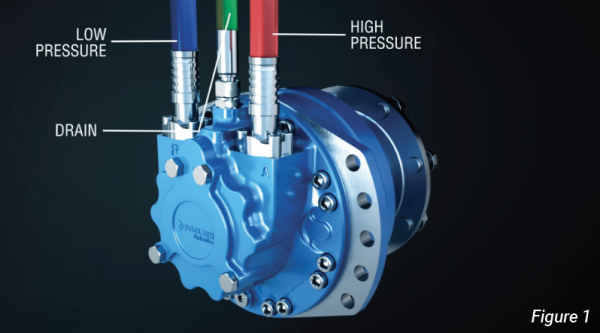
Introduction
Radial piston motors are integral components in hydraulic systems, renowned for their ability to deliver high torque at low speeds. Their unique design and functionality make them indispensable in various industrial applications, from construction machinery to marine equipment. This article delves into the working principles, advantages, applications, and maintenance of radial piston motors, providing a comprehensive understanding for engineers, technicians, and enthusiasts.
Design and Working Principle
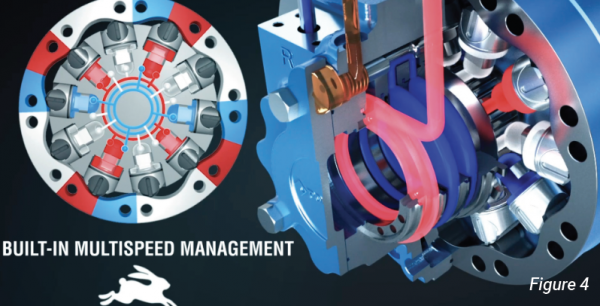
At the heart of a radial piston motor lies a set of pistons arranged radially around a central drive shaft. These pistons operate within a cylindrical barrel, each connected to a cam ring that imparts motion. As pressurized hydraulic fluid enters the motor, it forces the pistons outward, causing them to push against the cam ring. This action generates rotational force, converting hydraulic energy into mechanical motion.
The cam ring's eccentric design ensures that each piston moves in a reciprocating manner, providing consistent torque output. This configuration allows radial piston motors to achieve high efficiency and reliability, even under demanding conditions.
Advantages of Radial Piston Motors - High Torque at Low Speeds: Ideal for applications requiring substantial force at minimal rotational speeds.
- Durability: Designed to withstand harsh environments and heavy-duty operations.
- Compact Design: Offers space-saving solutions without compromising on power output.
- Versatility: Suitable for both clockwise and counterclockwise operations, enhancing adaptability.
- Low Maintenance: Fewer moving parts reduce wear and tear, leading to extended service life.
Applications
Radial piston motors are employed across various industries due to their robust performance:- Construction Equipment: Powering machinery like excavators and loaders, where high torque is essential.
- Marine Industry: Used in winches and deck machinery, benefiting from their reliability in marine environments.
- Agriculture: Driving equipment such as harvesters and plows, providing the necessary force for field operations.
- Industrial Manufacturing: Utilized in plastic injection molding machines and other manufacturing processes requiring precise control.
Maintenance and Troubleshooting
Regular maintenance is crucial to ensure the longevity and optimal performance of radial piston motors:- Lubrication: Ensure that the motor is adequately lubricated with the recommended hydraulic fluid to prevent wear and overheating.
- Seals and Bearings: Regularly inspect seals and bearings for signs of wear or damage, replacing them as necessary to maintain efficiency.
- Contamination Control: Keep the hydraulic system free from contaminants to prevent internal damage and ensure smooth operation.
- Pressure Monitoring: Regularly check system pressure to ensure it remains within the manufacturer's specified range, preventing overloading.
Case Study: Application in Trenching Machines
In the 1980s, the development of the SMA radial piston motor revolutionized trenching operations. These motors provided the necessary high torque to power trenchers capable of digging deep channels for laying electrical cables and drainage pipes. The robust design of the SMA motor ensured reliable performance in challenging ground conditions, significantly improving efficiency in construction projects.
Conclusion
Radial piston motors play a pivotal role in hydraulic systems, offering high torque, durability, and versatility across various industries. Understanding their design, advantages, applications, and maintenance requirements is essential for maximizing their performance and longevity. By adhering to proper maintenance practices and selecting the appropriate motor for specific applications, operators can ensure efficient and reliable operation of their hydraulic systems.
For a visual demonstration of how a radial piston motor operates, you can watch the following video:
|
|
|
|
| Comparative Analysis of Kobelco SK160 and Caterpillar 315CL Excavators |
|
Posted by: MikePhua - 08-13-2025, 08:19 PM - Forum: General Discussion
- No Replies
|
|
When evaluating mid-sized hydraulic excavators, the Kobelco SK160 and Caterpillar 315CL are prominent models that often come under consideration. Both machines offer robust performance, but they cater to slightly different operational needs and preferences. This article delves into a detailed comparison of these two excavators, examining their specifications, performance metrics, and suitability for various applications.
Kobelco SK160 Specifications - Operating Weight: Approximately 16,800 kg (37,000 lbs)
- Engine Power: Around 93 hp (69.4 kW)
- Hydraulic Pump Flow Capacity: 308 L/min (81 gpm)
- Hydraulic System Relief Valve Pressure: 34.3 MPa (4,980 psi)
- Swing Speed: 11 rpm
- Fuel Tank Capacity: Approximately 281 liters (74.2 gallons)
- Transport Length: 8.65 meters (28.4 ft)
- Transport Width: 2.59 meters (8.5 ft)
- Transport Height: 2.95 meters (9.7 ft)
- Bucket Capacity: Typically ranges from 0.6 to 1.0 m³
- Undercarriage: Long carriage (LC)
- Track Width: 500 mm (19.7 inches)
- Maximum Digging Depth: Approximately 6.57 meters (21.5 ft)
- Maximum Reach: Around 9.5 meters (31.2 ft)
Caterpillar 315CL Specifications- Operating Weight: Approximately 16,800 kg (36,840 lbs)
- Engine Power: Approximately 90 hp (67.1 kW)
- Hydraulic Pump Flow Capacity: 280 L/min (74 gpm)
- Hydraulic System Relief Valve Pressure: 34.3 MPa (4,980 psi)
- Swing Speed: 11 rpm
- Fuel Tank Capacity: Approximately 280 liters (74 gallons)
- Transport Length: 8.41 meters (27.6 ft)
- Transport Width: 2.49 meters (8.2 ft)
- Transport Height: 3.0 meters (9.8 ft)
- Bucket Capacity: Typically ranges from 0.7 to 1.2 m³
- Undercarriage: Long carriage (L)
- Track Width: 600 mm (23.6 inches)
- Maximum Digging Depth: Approximately 5.5 meters (18.0 ft)
- Maximum Reach: Around 8.5 meters (27.9 ft)
Performance Comparison- Engine Power: Kobelco SK160 – 93 hp; Caterpillar 315CL – 90 hp
- Hydraulic Flow: Kobelco SK160 – 308 L/min; Caterpillar 315CL – 280 L/min
- Maximum Digging Depth: Kobelco SK160 – 6.57 meters; Caterpillar 315CL – 5.5 meters
- Maximum Reach: Kobelco SK160 – 9.5 meters; Caterpillar 315CL – 8.5 meters
- Swing Speed: Both – 11 rpm
- Fuel Tank Capacity: Kobelco SK160 – 281 liters; Caterpillar 315CL – 280 liters
Suitability for Applications- Kobelco SK160
- Ideal for tasks requiring deeper digging and extended reach, such as trenching and foundation work
- Higher hydraulic flow allows for faster cycle times in high-productivity environments
- Caterpillar 315CL
- Suitable for applications prioritizing durability and ease of maintenance
- Slightly higher bucket capacity benefits material handling tasks
Real-World Considerations- Contractors handling urban infrastructure projects might prefer Kobelco SK160 for its superior digging depth and reach in confined spaces
- Companies focused on long-term projects in remote areas might favor Caterpillar 315CL due to its reputation for reliability and ease of servicing
Conclusion
Both the Kobelco SK160 and Caterpillar 315CL provide strong performance for mid-sized excavator applications. The choice should be guided by project-specific requirements, including desired digging depth, reach, and maintenance considerations. Matching the machine to the work ensures optimal efficiency and performance.
Note: Specifications are based on available data and may vary with specific models or configurations. Always consult the manufacturer for precise details.
|
|
|
|
| Case 580CK Differential Lock: Troubleshooting and Maintenance |
|
Posted by: MikePhua - 08-13-2025, 08:16 PM - Forum: Troubleshooting & Diagnosing
- No Replies
|
|
Introduction
The Case 580CK backhoe loader, a staple in construction and agricultural operations, is renowned for its durability and versatility. However, like any heavy machinery, it is susceptible to mechanical issues over time. One such issue that operators may encounter is a malfunctioning differential lock. The differential lock is crucial for providing additional traction by locking the rear wheels together, ensuring both wheels rotate at the same speed. When this system fails, it can lead to reduced maneuverability and increased wear on other drivetrain components.
Common Symptoms of Differential Lock Issues
Operators may notice several signs indicating a problem with the differential lock: - Inability to Engage or Disengage: The differential lock pedal or lever becomes stiff or unresponsive.
- Uneven Wheel Rotation: One rear wheel spins freely while the other remains stationary, even when the differential lock is engaged.
- Grinding or Clunking Noises: Unusual sounds emanate from the rear axle area during operation.
- Excessive Vibration: The backhoe experiences increased vibrations, especially when turning or operating on uneven terrain.
Potential Causes
Several factors can contribute to differential lock malfunctions:
- Contaminated or Insufficient Lubrication: Lack of proper lubrication can cause internal components to seize or wear prematurely.
- Worn or Damaged Components: Over time, parts such as the locking collar, springs, and engagement pins can wear out or become damaged.
- Corrosion and Rust: Exposure to moisture and harsh conditions can lead to rust buildup, hindering the movement of internal parts.
- Hydraulic System Failures: For models utilizing hydraulic actuators for the differential lock, issues like fluid leaks or air in the system can impair function.
Diagnostic and Repair Procedures
To address differential lock issues, operators can follow these steps:
- Visual Inspection: Begin by examining the differential lock mechanism for visible signs of damage, rust, or contamination.
- Check Lubrication Levels: Ensure that the differential housing is filled with the appropriate type and amount of lubricant. Low or contaminated fluid can impede the system's operation.
- Disassemble the Differential Lock Assembly: Carefully remove any covers or panels to access the differential lock components. Inspect parts like the locking collar, springs, and engagement pins for wear or damage.
- Clean and Lubricate Components: Thoroughly clean all parts to remove dirt, rust, and old lubricant. Apply a light coat of high-quality grease to moving components to ensure smooth operation.
- Reassemble and Test: After reassembling the differential lock mechanism, test its function by engaging and disengaging the system several times. Ensure that both rear wheels rotate simultaneously when the lock is engaged and that the system disengages smoothly.
Preventative Maintenance Tips
To prolong the life of the differential lock system:- Regular Lubrication: Schedule routine maintenance to check and replace lubricants as needed.
- Environmental Protection: Operate the backhoe in conditions that minimize exposure to moisture and corrosive elements.
- Component Inspection: Periodically inspect the differential lock components for signs of wear or damage.
- Hydraulic System Maintenance: For models with hydraulic actuators, ensure that the hydraulic fluid is clean and at the proper level.
Conclusion
The differential lock is a vital component of the Case 580CK backhoe loader's drivetrain, providing enhanced traction in challenging conditions. By understanding the common issues associated with this system and implementing regular maintenance practices, operators can ensure optimal performance and longevity of their equipment. Always consult the operator's manual and consider seeking professional assistance if problems persist.
|
|
|
|
| Comprehensive Analysis of Case 580K Backhoe Hydraulic and Drive Issues: Causes, Diagnosis, and Solutions |
|
Posted by: MikePhua - 08-13-2025, 08:15 PM - Forum: Troubleshooting & Diagnosing
- No Replies
|
|
Introduction to Case 580K Hydraulic and Drive Problems
The Case 580K backhoe loader is a powerful, versatile machine widely used in construction and earthmoving. However, users sometimes face frustrating hydraulic and drive system issues that severely limit machine performance—such as the inability to move forward, sluggish reverse movement, and poor hydraulics response. These problems often arise due to hydraulic pump failures, clogged filters, relief valve malfunctions, or drive transmission faults.
This article provides a detailed, coherent narrative explaining typical causes of such issues, diagnostic steps, terminologies, suggested solutions, and practical advice grounded in real-world troubleshooting and repair experiences.
Typical Symptoms and Problem Description - The loader refuses to move forward and barely moves backward under low power.
- Hydraulic functions appear weak; the hydraulic system seems bogged down, with controls responding sluggishly and low hydraulic pressure.
- Loud noises from the hydraulic valves when maximum hydraulic flow or pressure is attempted.
- Engine runs strongly but power is not fully transferred to drive functions.
- Frequent hydraulic failures including blown cylinders and ruptured hoses in related cases.
- Rapid hydraulic fluid depletion, indicating leaks or inefficiencies.
- Slow or no movement despite engine and pump appearing functional.
Core Technical Causes- Hydraulic Pump Failure:
The main hydraulic pump (often a Webster or equivalent) may fail internally or have worn seals, causing insufficient hydraulic flow and pressure needed for drive and implement functions.
- Clogged Breather Screens and Filters:
Dirty or clogged breather screens inside the hydraulic reservoir limit fluid flow to the pump suction side, causing cavitation, reduced pressure, and pump damage over time. Main hydraulic filters, if clogged or old, also restrict flow and increase system strain.
- Relief Valve Misadjustments or Failure:
Relief valves in front and rear valve bodies might be incorrectly set or damaged, causing insufficient hydraulic pressure or forcing valves to lift prematurely, producing noise and poor cylinder performance.
- Hydraulic Hose and Cylinder Failures:
Repeated hose failures and cylinder leaks cause fluid loss and pressure drops, undermining the entire hydraulic system operation.
- Drive Transmission and Control Valve Issues:
Mechanical problems or hydraulic control valves responsible for the transmission drive may be malfunctioning, resulting in poor or no power transfer to the wheels or tracks.
- Air Contamination and Fluid Degradation:
Air trapped in the hydraulic lines or degraded hydraulic fluid adversely affects system response and efficiency.
Step-by-Step Diagnostic Approach- Visual and Fluid Checks:
- Verify hydraulic fluid levels and quality (color, contamination).
- Inspect reservoir for clogged breather screen and clean/replace as needed.
- Examine filter condition; replace filters that are old or clogged.
- Pump Testing and Inspection:
- Remove and visually inspect the hydraulic pump for signs of wear or internal failure.
- Rotate pump input shaft manually; check flow output if possible.
- Replace pump seals or the entire pump if damage is found or flow inadequate.
- Relief Valve and Control Valve Testing:
- Use diagnostic pressure gauges to verify relief valve pressure settings and adjust if necessary.
- Inspect valve springs and seats for wear; replace malfunctioning valves.
- Listen for abnormal noises indicating valve lifting or leakage.
- Hydraulic Line and Cylinder Examination:
- Check all hoses for cracks, kinks, or bulges. Replace damaged hoses promptly.
- Test cylinders for leaks, rod straightness, and seal integrity. Repair or rebuild as needed.
- Drive System Inspection:
- Confirm transmission and drive clutch engagement and function.
- Inspect hydraulic drive motors and linkages for correct operation.
- System Bleeding and Air Removal:
- Thoroughly bleed hydraulic system to remove trapped air for optimal pressure and flow.
Practical Repair and Maintenance Recommendations- Regular cleaning or replacement of reservoir breather screens is critical to prevent pump cavitation and failure.
- Use high-quality, manufacturer-recommended hydraulic fluid and change per specified intervals.
- Replace hydraulic filters regularly with OEM or equivalent replacements to maintain fluid cleanliness and system health.
- Relief valves should be tested, adjusted, or replaced periodically to ensure correct system pressure and prevent valve popping noises.
- Pay attention to hose and cylinder maintenance schedules and promptly fix leaks or damaged hoses.
- Consider hydraulic pump rebuild kits or complete replacements if severe wear or seal damage is detected.
- Maintain a detailed service log noting hydraulic component condition and part changes to foresee recurring issues early.
- Operator training on machine hydraulic limits prevents overloading and premature system wear.
Terminology Explained- Hydraulic Pump: The main component pressurizing hydraulic fluid to power the backhoe’s systems.
- Breather Screen: A filter covering the reservoir opening, preventing dirt ingress while allowing air flow.
- Relief Valve: Safety valve regulating maximum system pressure by diverting excess fluid.
- Hydraulic Fluid: Liquid used to transmit power within the hydraulic system; quality greatly affects performance.
- Cavitation: Formation of vapor bubbles in fluid due to low pressure, damaging pump components.
- Hydraulic Cylinder: Actuator converting hydraulic pressure into mechanical movement.
- Control Valve: Directs hydraulic fluid flow to specific functions or drive mechanisms.
Case Story: Overcoming Persistent Hydraulic Struggles on a Case 580K
A backhoe owner experienced severe hydraulic performance issues shortly after purchasing a Case 580K. The machine exhibited poor digging power, sluggish hydraulics, and nearly no drive forward with faint reverse movement. Repeated hose bursts and cylinder replacements exacerbated frustrations.
After extensive diagnostics, the root causes were traced to a clogged reservoir breather screen causing pump cavitation, a worn hydraulic pump with leaking seals, and misadjusted relief valves. The owner replaced breather screens, rebuilt the pump, and recalibrated relief valves, restoring fluid flow and system pressure. Subsequent diligent maintenance and filter replacements prevented recurrence, ultimately returning the machine to reliable service.
This case underscores the necessity of inspecting simple components like screens alongside complex pump and valve systems during hydraulic troubleshooting.
Summary List of Key Issues and Solutions for Case 580K Hydraulic and Drive Troubles- Poor or no forward movement caused by hydraulic pump failure and insufficient pressure.
- Sluggish hydraulic functions resulting from clogged breather screens and old filters.
- Loud noises may indicate relief valve popping due to misadjustment or damage.
- Hose and cylinder failures cause hydraulic fluid loss and pressure drops.
- Perform comprehensive diagnostics: fluid checks, pump inspection, valve testing, and line/cylinder examination.
- Regular maintenance: clean breather screens, change hydraulic fluid and filters, adjust relief valves.
- Prompt repair or replacement of pump seals, hoses, valves, and cylinders.
- Bleed hydraulic system properly to eliminate air cavitation effects.
- Use OEM or high quality parts to ensure durability and compatibility.
Additional Practical Advice- Preventative maintenance beats costly breakdowns: prioritize easy fixes like cleaning reservoir components and maintaining fluid cleanliness.
- Keep spares for filters, seals, and hoses for quick repairs minimizing downtime.
- If system continues to struggle despite repairs, consider professional hydraulic diagnostics or pump rebuild services.
- Educate operators on avoiding overloading hydraulic functions beyond machine capacity to reduce component stress.
Conclusion
The Case 580K backhoe loader’s failure to move forward and sluggish hydraulic performance typically stem from a combination of hydraulic pump wear, clogged inlet screens, relief valve problems, and fluid contamination. A thorough and systematic approach to diagnostics and repairs ensures that all potential issues—from simple blocked filters to complex pump seal failures—are identified and corrected.
This improves machine reliability, operator confidence, and productivity while reducing costly downtime and repair expenses. The story of persistent hydraulic troubles resolved through detailed investigation highlights the importance of routine maintenance and careful system checks.
This comprehensive guide synthesizes technical understanding, practical troubleshooting, and maintenance best practices, serving as a valuable resource for operators, mechanics, and fleet managers working with Case 580K backhoe hydraulic and drive systems.
|
|
|
|
| Skid Steer Dozer Blades: Transforming Compact Loaders into Versatile Earthmovers |
|
Posted by: MikePhua - 08-13-2025, 08:14 PM - Forum: General Discussion
- No Replies
|
|
Skid steer loaders are renowned for their agility and versatility on construction and landscaping sites. By adding a dozer blade attachment, operators can significantly expand their machine's capabilities, enabling tasks such as grading, leveling, and snow removal. This article delves into the features, applications, and considerations of skid steer dozer blades, providing insights for both seasoned professionals and enthusiasts.
Understanding Skid Steer Dozer Blades
A skid steer dozer blade is an attachment that converts a skid steer loader into a mini bulldozer. These blades are designed to push, level, and grade various materials, including soil, gravel, sand, and snow. The primary configurations include: - 4-Way Dozer Blades: These blades can tilt forward and backward and angle left and right, offering basic maneuverability for tasks like leveling and grading.
- 6-Way Dozer Blades: In addition to the movements of a 4-way blade, 6-way blades can also tilt side to side, providing enhanced control and precision for more complex tasks.
Key Features and Specifications
When selecting a dozer blade for a skid steer, consider the following specifications:- Blade Width: Typically ranges from 72 inches to 96 inches, depending on the skid steer's size and the scope of work.
- Blade Material: High-strength steel is commonly used for durability and resistance to wear.
- Hydraulic System: Most modern blades feature hydraulic controls for adjusting tilt and angle, allowing for precise adjustments from the operator's seat.
- Mounting System: Quick-attach systems are standard, ensuring easy installation and removal.
Applications in the Field
Skid steer dozer blades are invaluable in various scenarios:- Landscaping: Ideal for leveling yards, creating swales, and spreading mulch.
- Construction Sites: Useful for grading surfaces, preparing foundations, and clearing debris.
- Snow Removal: Effective for clearing driveways, parking lots, and roads during winter months.
- Agricultural Projects: Assist in creating terraces, leveling fields, and managing irrigation ditches.
Real-World Example
Consider a contractor tasked with grading a residential driveway. Using a skid steer equipped with a 6-way dozer blade, the operator can efficiently level the surface, ensuring proper drainage and a smooth finish. This setup proves more cost-effective and maneuverable than using a full-sized bulldozer, especially in tight spaces.
Maintenance and Care
To ensure longevity and optimal performance of the dozer blade:- Regular Inspection: Check for wear on the blade edge and replace as necessary.
- Hydraulic Maintenance: Periodically inspect hydraulic hoses and connections for leaks or damage.
- Cleaning: After each use, clean the blade to remove soil and debris, preventing buildup that can affect performance.
Conclusion
Integrating a dozer blade with a skid steer loader enhances the machine's versatility, making it a valuable asset for various tasks. By understanding the features, applications, and maintenance requirements, operators can maximize the efficiency and lifespan of their equipment. Whether for professional use or personal projects, a skid steer dozer blade is a worthwhile investment that expands the capabilities of a compact loader.
|
|
|
|
| Comprehensive Guide to Universal Tandem Trailers: Specifications, Applications, and Maintenance |
|
Posted by: MikePhua - 08-13-2025, 08:13 PM - Forum: General Discussion
- No Replies
|
|
Introduction to Universal Tandem Trailers
Universal tandem trailers are versatile hauling solutions designed to transport a wide range of equipment, machinery, and materials. Their adaptability makes them a preferred choice for contractors, landscapers, and recreational users alike. These trailers are equipped with two axles, providing enhanced stability and load distribution compared to single-axle trailers.
Key Specifications and Features
- Deck Dimensions and Capacity
- Length: Typically ranges from 12 to 22 feet.
- Width: Common widths include 83 inches.
- Gross Vehicle Weight Rating (GVWR): Varies between 6,000 to 17,000 lbs, depending on the model and intended use.
- Load Capacity: Ranges from 5,500 to 7,749 lbs.
- Construction Materials
- Frame: Constructed from heavy-duty steel or aluminum for durability.
- Decking: Options include treated wood, diamond plate steel, or aluminum, chosen based on the intended load and environmental conditions.
- Axle Configuration
- Axles: Equipped with two axles, often rated at 3,500 lbs each, totaling a 7,000 lbs capacity.
- Suspension: Equalizing spring suspension systems are commonly used to ensure smooth towing and load distribution.
- Safety and Compliance Features
- Brakes: Electric brakes are standard on one or both axles, depending on the GVWR.
- Lighting: DOT-approved LED lights and wiring harnesses for compliance with road safety standards.
- Tie-Down Points: Multiple D-rings or stake pockets are provided for secure load fastening.
Applications of Universal Tandem Trailers- Construction and Landscaping: Transporting equipment such as skid steers, lawn mowers, and construction materials.
- Recreational Use: Hauling ATVs, motorcycles, or boats.
- General Hauling: Moving bulk materials like mulch, gravel, or firewood.
Maintenance Tips for Longevity
- Regular Cleaning
- After each use, especially in muddy or salty environments, clean the trailer to prevent corrosion and debris buildup.
- Lubrication
- Apply grease to moving parts such as the coupler, jack, and suspension components to ensure smooth operation.
- Tire Maintenance
- Check tire pressure regularly and inspect for signs of wear or damage.
- Rotate tires periodically to ensure even wear.
- Brake System Inspection
- Test electric brakes for proper function before each trip.
- Inspect brake pads and wiring for wear or damage.
- Structural Checks
- Examine the frame and decking for cracks, rust, or loose bolts.
- Ensure that all tie-down points are secure and free from damage.
Considerations When Purchasing a Universal Tandem Trailer- Intended Use: Determine the primary purpose of the trailer to select appropriate features and specifications.
- Weight Capacity: Ensure the trailer's GVWR exceeds the combined weight of the equipment and materials to be hauled.
- Storage Space: Consider the available storage area when selecting the trailer's size.
- Budget: Factor in the cost of the trailer, maintenance, and any additional accessories or upgrades.
Conclusion
Universal tandem trailers are indispensable tools for a variety of hauling needs. Their robust construction, coupled with thoughtful design features, ensures reliability and versatility. By adhering to regular maintenance practices and carefully selecting a trailer that aligns with specific requirements, users can maximize the lifespan and performance of their investment.
|
|
|
|
| Comprehensive Guide to Understanding and Handling Spring Compression in Heavy Equipment |
|
Posted by: MikePhua - 08-13-2025, 08:12 PM - Forum: Parts , Attachments & Tools
- No Replies
|
|
Introduction to Spring Compression in Heavy Equipment
Springs are fundamental mechanical components used extensively in heavy machinery such as bulldozers, excavators, and track loaders. They perform critical roles including absorbing shocks, maintaining tension, and supporting moving parts under load. Among them, track and recoil springs on machines like the Komatsu D31 are vital for optimal track tension and suspension.
Proper understanding of spring compression—the process of the spring being compressed and holding energy—is essential when performing maintenance tasks such as welding brackets or replacing springs. Knowing when a spring is fully uncompressed ensures safety and prevents damage during disassembly or reassembly.
Working Principle of Compression Springs - Compression springs store mechanical energy when an external force compresses them, decreasing their length and coil spacing (called the pitch).
- According to Hooke’s Law, the force FF required to compress a spring is proportional to the deflection ΔxΔx, expressed as F=k×ΔxF=k×Δx where kk is the spring constant, reflecting stiffness.
- Springs exhibit elasticity, meaning once the compressive force is removed, they expand back to their original length, releasing stored energy.
- Overcompressing springs beyond their solid height (fully closed coils) can cause permanent deformation or failure.
- In heavy equipment, compression springs are often designed to withstand very high loads, made from durable materials like chrome silicon or alloy steel, with specific coatings for corrosion resistance.
Recognizing When a Track/Recoil Spring is Fully Uncompressed- The fully uncompressed state is the spring’s relaxed length with no external force applied.
- In practical maintenance such as on Komatsu D31 machines, this can be observed by comparing the length of the spring sides. For example, a broken mounting bracket may cause a spring to stretch longer on one side. When reinstalling or removing, the spring should not be under tension—meaning no extension beyond the natural length.
- Visual cues:
- Coils are evenly spaced; no tension causing elongation or compression.
- No deformation or pinch points along the wire.
- Mechanical confirmation may involve ensuring that mounting brackets or tensioning mechanisms do not force the spring to extend or compress beyond neutral. Specialized tools or jigs may be needed for safe compression or release.
- For safety and welding, make sure the spring is uncompressed to avoid sudden energy release which can cause injury or damage.
Practical Advice and Safety Recommendations- Always support the spring securely when loosening mounting brackets to prevent sudden decompression or movement.
- Use appropriate spring compressors or retaining devices designed for heavy-duty springs to control compression safely.
- Observe spring length differences, like a longer left side on a damaged Komatsu D31 spring, as indications of deformation or improper tension.
- If possible, measure and document original spring length or compare with the opposite side before removal for reference during reassembly.
- When welding brackets or modifying mounting points, ensure the spring is totally uncompressed and immobilized.
- Wear personal protective equipment (PPE) such as gloves, face shields, and safety boots during spring maintenance work.
- Inspect springs for wear, corrosion, or cracks before and after maintenance; replace springs showing damage.
- Consult official service manuals for specific torque specifications and procedures related to spring removal and installation.
Common Applications of Heavy-Duty Compression Springs in Machinery- Track tensioning systems in bulldozers and track loaders.
- Recoil mechanisms in hydraulic pumps and cylinders.
- Shock absorption in suspension systems for heavy gateways or wheels.
- Load-bearing elements in industrial presses and heavy lifting devices.
Terminology Explained- Compression Spring: A helical spring designed to compress under load and return energy upon release.
- Spring Constant (k): A measure of stiffness indicating force per unit deflection.
- Deflection: The amount by which a spring is compressed or stretched from its resting length.
- Solid Height: The length of a spring when fully compressed with all coils touching.
- Recoil Spring: A spring used to absorb or counteract recoil forces in mechanical systems.
- Pitch: The distance between coils of a spring.
- Spring Compressor: A device or tool used to safely compress or hold a spring during maintenance.
Case Story: Safe Handling of a Broken Track Spring on a Komatsu D31
A technician encountered a broken mounting bracket on the left track spring of a Komatsu D31. Due to the damaged bracket, the left spring was observed to be about one inch longer than the right—signifying an unintentional release of tension. Before welding a new bracket, the technician ensured the spring was completely uncompressed to prevent sudden release of stored energy.
Using spring compressors and secure supports, the spring was immobilized. After welding and careful reassembly, the track spring’s tension was restored evenly. This method prevented injury and ensured machine reliability. The technician noted that proper compression knowledge and handling tools made the operation smoother and safer, highlighting the importance of understanding spring compression states in heavy equipment maintenance.
Summary List of Key Points on Spring Compression Maintenance- Compression springs store energy when compressed and release when decompressed.
- Hooke’s Law governs the proportional relationship between applied force and spring deflection.
- Fully uncompressed spring means natural relaxed length with no tension or compression.
- Visual and mechanical inspection confirm spring state before maintenance.
- Use proper support and compressors to handle springs safely during disassembly or welding.
- Compare length differences on symmetric springs as indicators of damage or tension abnormalities.
- Personal protective equipment is essential during spring service.
- Follow manufacturer guidelines for torque, installation, and part replacement.
Additional Recommendations- Maintain a spring compression tool kit suitable for the size and load of springs encountered.
- When in doubt, consult equipment-specific service manuals for illustrations and exact procedures.
- Regularly inspect springs during routine equipment maintenance to catch wear early.
- Train maintenance personnel on the principles of spring forces and safe handling techniques.
- Document maintenance actions and spring conditions to track performance over time.
Conclusion
Spring compression understanding and proper handling are vital for maintaining the safety, performance, and longevity of heavy machinery components like track tensioners and recoil systems. Recognizing when a spring is fully uncompressed prevents accidents and equipment damage during maintenance tasks such as bracket welding or spring replacement.
By combining theoretical knowledge of compression spring mechanics with practical tools and safety protocols, technicians can execute repairs and inspections confidently and efficiently. Real-world experiences, including the Komatsu D31 spring condition case, emphasize that careful spring management is a cornerstone of heavy equipment reliability and operator safety.
This comprehensive guide serves as a resource for operators, mechanics, and maintenance professionals seeking to deepen their understanding of spring compression and apply best practices in heavy equipment care.
|
|
|
|
|



