| Welcome, Guest |
You have to register before you can post on our site.
|
| Online Users |
There are currently 99 online users.
» 0 Member(s) | 91 Guest(s)
Ahrefs, Amazon, Bing, Claude, DotBot, Google, OpenAI, Semrush
|
| Latest Threads |
Identifying and Sourcing ...
Forum: Parts , Attachments & Tools
Last Post: MikePhua
01-07-2026, 06:29 PM
» Replies: 0
» Views: 530
|
Cat 931B Brake Parts
Forum: Parts , Attachments & Tools
Last Post: MikePhua
01-07-2026, 06:29 PM
» Replies: 0
» Views: 283
|
Choosing Between Cat 228,...
Forum: General Discussion
Last Post: MikePhua
01-07-2026, 06:28 PM
» Replies: 0
» Views: 563
|
Hydraulic Delay When Lowe...
Forum: Troubleshooting & Diagnosing
Last Post: MikePhua
01-07-2026, 06:27 PM
» Replies: 0
» Views: 449
|
Bale Chopper and Mulcher ...
Forum: General Discussion
Last Post: MikePhua
01-07-2026, 06:26 PM
» Replies: 0
» Views: 324
|
Mini UC Maintenance
Forum: General Discussion
Last Post: MikePhua
01-07-2026, 06:25 PM
» Replies: 0
» Views: 314
|
Locating Wiring Informati...
Forum: General Discussion
Last Post: MikePhua
01-07-2026, 06:24 PM
» Replies: 0
» Views: 347
|
Case Industrial Brown Sub...
Forum: Parts , Attachments & Tools
Last Post: MikePhua
01-07-2026, 06:23 PM
» Replies: 0
» Views: 275
|
Dirt Work in West Virgini...
Forum: Construction & Urban Infrastructure Forum
Last Post: MikePhua
01-07-2026, 06:23 PM
» Replies: 0
» Views: 379
|
D207 P Hydraulic Steering...
Forum: Parts , Attachments & Tools
Last Post: MikePhua
01-07-2026, 06:22 PM
» Replies: 0
» Views: 305
|
|
|
| GM15L-A-63-1-B13-E-1 Travel Motor: Technical Specifications and Maintenance Insights |
|
Posted by: MikePhua - 08-13-2025, 07:59 PM - Forum: Parts , Attachments & Tools
- No Replies
|
 |
Introduction
The GM15L-A-63-1-B13-E-1 is a specific model of travel motor, a crucial component in the undercarriage system of construction machinery such as excavators and bulldozers. Manufactured by Teijin Seiki, this travel motor plays a vital role in driving the tracks, enabling the machine to move efficiently across various terrains. Understanding its technical specifications and maintenance requirements is essential for ensuring optimal performance and longevity.
Technical Specifications
While detailed technical drawings for the GM15L-A-63-1-B13-E-1 are proprietary and not publicly available, the following general specifications can be inferred based on industry standards and similar models: - Type: Hydraulic travel motor
- Displacement: Approximately 63 cc/rev
- Mounting Flange: B13 (ISO 3019-2)
- Shaft Type: E-1 (splined shaft)
- Operating Pressure: Up to 350 bar
- Maximum Speed: Varies based on application and hydraulic flow rate
- Weight: Approximately 25-30 kg
Common Applications
The GM15L-A-63-1-B13-E-1 travel motor is commonly used in:- Excavators: Providing mobility for various digging and lifting operations.
- Bulldozers: Enabling movement for earth-moving tasks.
- Crawler Cranes: Assisting in positioning and stability.
- Tracked Loaders: Facilitating maneuverability in confined spaces.
Maintenance and Troubleshooting
Regular maintenance is crucial for the longevity and efficiency of the GM15L-A-63-1-B13-E-1 travel motor. Common issues and recommended solutions include:- Oil Leaks: Inspect seals and gaskets for wear; replace as necessary.
- Reduced Speed or Power: Check hydraulic fluid levels and cleanliness; replace filters and ensure proper fluid viscosity.
- Excessive Noise or Vibration: Examine bearings and internal components for damage; perform necessary repairs or replacements.
Case Study: TL130 Final Drive Repair
A practical example of travel motor maintenance involves a Takeuchi TL130 skid steer loader. The owner noticed gear oil leaking onto the tracks, prompting the removal of the final drive for inspection. The repair process included replacing floating seals and bearings, which were sourced after a few months of effort. This case underscores the importance of timely maintenance and the challenges that can arise when sourcing specific parts.
Conclusion
The GM15L-A-63-1-B13-E-1 travel motor is a vital component in the undercarriage system of various construction machines. While detailed technical drawings are not publicly available, understanding its general specifications and maintenance needs can aid in ensuring its optimal performance. Regular maintenance and prompt attention to issues can significantly extend the service life of this essential component.
|

|
|
| Comprehensive Guide to the Caterpillar 455D Leveler Indicator: Functions, Features, and Practical Insights |
|
Posted by: MikePhua - 08-13-2025, 07:59 PM - Forum: General Discussion
- No Replies
|
|
Introduction to the Caterpillar 455D Leveler Indicator
The Caterpillar 455D is a powerful and efficient track loader known for its strong performance in construction, material handling, and industrial applications. A key component aiding the operator’s precision and productivity is the leveler indicator, a vital instrument for controlling and achieving accurate grading and leveling tasks. Understanding the design, operation, and troubleshooting of the leveler indicator helps users maximize machine effectiveness and work quality.
This guide explores the nature and role of the leveler indicator on the Caterpillar 455D, supplemented by related technical terminology, practical maintenance suggestions, and real-world application stories that illustrate its impact on job site efficiency.
Role and Function of the Leveler Indicator - The leveler indicator is an onboard gauge or display that provides visual feedback on the blade or bucket angle relative to the ground or reference plane.
- It assists operators in maintaining consistent grading slopes, avoiding overcutting or undercutting materials.
- In manual or early mechanized grading tasks, the leveler indicator acts as a tactile guide, reducing the need for manual measurements and increasing job speed.
Types and Specifications- Leveler indicators can be mechanical, hydraulic, or electronic. Early Caterpillar 455D models often use mechanical or hydraulic gauges calibrated to show blade pitch or tilt.
- Modern adaptations may integrate electronic sensors with digital displays to provide precise angle readouts.
- Sensors linked to the hydraulic cylinders controlling the tilt or angle detect position changes and convert these into readable indicators.
- Typical units display angles in degrees or percent grade, often marked with color-coded zones indicating optimal working ranges.
Installation and Calibration- The leveler indicator is usually mounted in the operator’s cab or control console for easy visibility during operation.
- Sensors or mechanical linkages attach to the blade tilt cylinder or frame points, calibrated to ensure the indicator accurately reflects blade position.
- Calibration involves setting the neutral (level) position, then verifying indicator sensitivity across the full range of blade motion.
- Calibration should be periodic, especially after major services involving hydraulic systems or blade linkage adjustments.
Common Issues and Troubleshooting- Faulty or Stuck Indicators: Mechanical linkages can seize or sensors fail, causing inaccurate readings.
- Misalignment: Improper installation or frame deformation can cause incorrect angle display, misleading operators.
- Hydraulic Leaks or Pressure Drops: Affect sensor inputs linked to hydraulic cylinders, degrading indicator accuracy.
- Electrical Failures: For electronic indicators, wiring problems, sensor malfunctions, or display faults reduce effectiveness.
- Environmental Impact: Dust, vibration, and exposure to moisture or heat can damage indicator components or cause drift.
Maintenance Tips and Solutions- Routinely clean indicator gauges and sensor housings to prevent dust and grime buildup.
- Inspect mechanical linkages and sensor mounts for tightness and absence of play or damage.
- Verify hydraulic system integrity, ensuring no leaks, and maintain proper fluid levels and pressure.
- Perform electrical continuity checks on wiring and connectors for electronic indicators.
- Replace faulty sensors or indicators with OEM parts to maintain system reliability.
- Conduct calibration checks regularly, especially if altered grading precision is noticed or after service work.
Practical Advice for Operators- Use the leveler indicator in conjunction with manual judgment and external checking for best results.
- Understand the indicator’s scale and color zones to make quick, informed adjustments during grading.
- Combine indicator feedback with machine controls for smooth tilt adjustments, avoiding sudden movements that can degrade finish quality.
- Report any indicator anomalies to maintenance personnel promptly to avoid work errors.
Terminology Explained- Leveler Indicator: Instrument showing blade or bucket angle relative to a reference level.
- Blade Tilt Cylinder: Hydraulic cylinder controlling the tilt or angle of the loader blade.
- Calibration: The process of adjusting and verifying measurement accuracy of gauges or sensors.
- Sensor: A device detecting physical position or changes and converting them into signals for display.
- Hydraulic Pressure: The force exerted by hydraulic fluid inside cylinders controlling machine movements.
- Mechanical Linkages: Physical rods or arms transferring movement between parts or to gauges.
Case Story: Enhancing Grading Accuracy with the 455D Leveler Indicator
A construction company using a Caterpillar 455D for road base preparation noted inconsistent grading quality initially. The operator relied on the leveler indicator but found it occasionally misread angles due to sensor drift and minor hydraulic leaks. After a thorough maintenance session including recalibration and replacement of worn sensor parts, grading precision improved markedly.
The operator could now trust the indicator to maintain consistent grades, reducing costly rework and speeding project completion. This experience highlighted the importance of maintaining the leveler indicator system and integrating its feedback with optimal operator technique.
Summary List of Best Practices and Key Points- The leveler indicator provides critical real-time blade angle information for precise grading.
- Installation requires careful sensor placement and accurate calibration for dependable operation.
- Regular cleaning and inspection prevent mechanical seizure or sensor failure.
- Hydraulics affecting sensor function must be leak-free and properly pressurized.
- Electrical components in electronic systems need routine checks and maintenance.
- Operators should combine leveler feedback with skillful control for best grading results.
- OEM parts and professional calibration ensure system longevity and accuracy.
Additional Recommendations- Consider upgrading to electronic levelers if using mechanical systems with frequent maintenance issues.
- Implement operator training focused on using leveler indicators effectively for various soil and material conditions.
- Use diagnostic tools if available to check sensor outputs and machine hydraulic pressures.
- Maintain a stock of common sensor and indicator replacement parts to minimize downtime.
- Integrate leveler indicator data with other machine control systems for enhanced automation where feasible.
Conclusion
The leveler indicator on the Caterpillar 455D track loader is a vital aid in achieving accurate, efficient, and consistent grading results. It reduces reliance on manual measurement, increases job productivity, and augments operator confidence in complex earthmoving tasks. Proper installation, regular maintenance, and calibration of the leveler indicator system are essential to ensure accurate performance.
Through practical maintenance and effective use, operators and technicians can maximize the machine’s grading precision and overall operational efficiency. Stories from real-world applications emphasize that attention to these systems significantly reduces costly rework and enhances project timelines.
This comprehensive overview combines functional explanation, troubleshooting guidance, terminology clarification, and actionable advice, serving as a detailed resource for anyone working with Caterpillar 455D leveler indicators.
|
|
|
|
| Nissan Hanix S&B 30 Mini Excavator: Specifications, Maintenance, and Market Insights |
|
Posted by: MikePhua - 08-13-2025, 07:58 PM - Forum: General Discussion
- No Replies
|
|
The Nissan Hanix S&B 30, often referred to as the Hanix S&B 30, is a compact and versatile mini excavator that has been a staple in the construction and landscaping industries since its inception in the late 1980s. Manufactured by Nissan's Hanix division, this machine is renowned for its robust performance, maneuverability, and cost-effectiveness.
Key Specifications - Operating Weight: Approximately 5.5 tons (5,500 kg)
- Engine: Mitsubishi K4M, delivering around 30 kW of power
- Bucket Capacity: 0.25 m³
- Track Width: 420 mm
- Transport Dimensions: Length: 5.31 m, Width: 2.01 m, Height: 2.36 m
- Dredging Depth: Up to 4.01 m
- Max Horizontal Reach: Approximately 5.77 m
- Tear-Out Force: 32.47 kN
These specifications position the S&B 30 as an ideal choice for urban construction projects, utility work, and residential landscaping, where space constraints and precision are paramount.
Maintenance and Common Issues
Owners and operators of the Hanix S&B 30 often commend its durability and ease of maintenance. However, like all machinery, it is susceptible to certain issues over time.- Hydraulic System: Leaks and pressure inconsistencies can arise, especially in older models. Regular inspection and timely replacement of seals and hoses are recommended.
- Swing Bearing: The swing bearing, a crucial component for the machine's rotation, may wear out after extensive use. Replacing this part can restore the excavator's full range of motion.
- Starter Motor: A common challenge reported by users is the difficulty in sourcing replacement starter motors. It's advisable to consult with specialized suppliers or consider aftermarket options compatible with the Mitsubishi K4M engine.
Market Trends and Availability
The Hanix S&B 30 has maintained a presence in the used equipment market, with units available for purchase through various online platforms. For instance, a 1995 model with approximately 7,892 operating hours was listed for around €8,000, showcasing its continued demand and value retention.
Aftermarket Parts and Support
For those seeking replacement parts or accessories, several suppliers offer components compatible with the S&B 30:- TVH Parts: Provides a comprehensive range of parts, including filters, engine components, hydraulic parts, and undercarriage items. They offer fast delivery and technical support tailored to the Hanix S&B 30.
- Broken Tractor: Specializes in swing bearings and other critical components for Hanix excavators.
- eBay: Offers individual parts like front idlers for the S&B 30, with listings from various sellers.
Conclusion
The Nissan Hanix S&B 30 mini excavator remains a reliable and efficient machine for various construction and landscaping tasks. Its compact size, combined with powerful performance, makes it a valuable asset for projects requiring precision and maneuverability. With proper maintenance and access to quality aftermarket parts, the S&B 30 can continue to serve operators effectively for many years.
|
|
|
|
| Red Line Gear Oil: Performance, Applications, and Considerations |
|
Posted by: MikePhua - 08-13-2025, 07:58 PM - Forum: Parts , Attachments & Tools
- No Replies
|
|
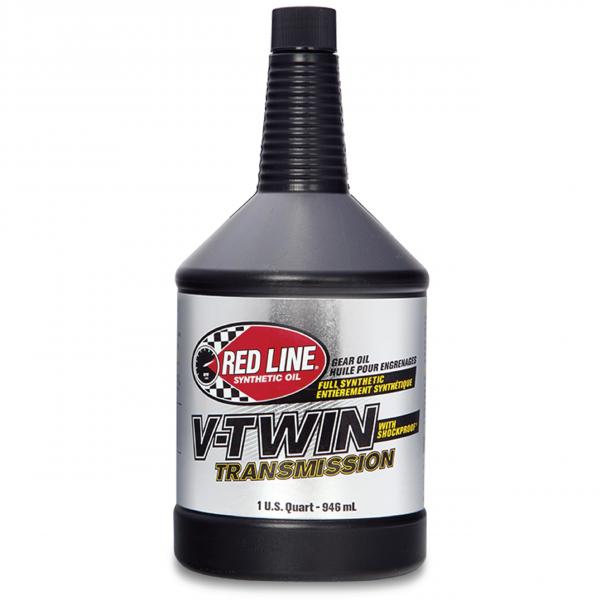
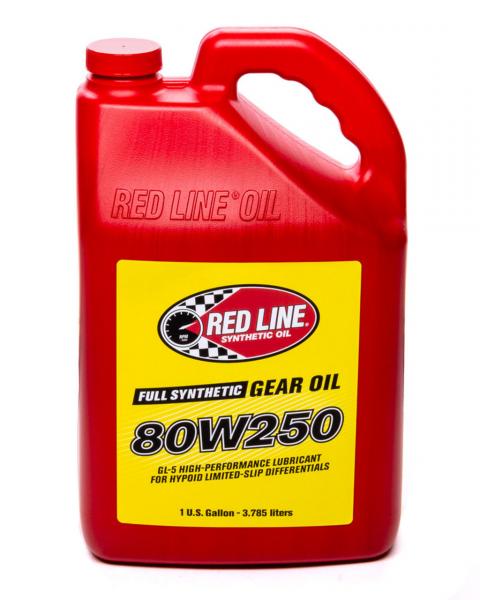
Red Line Synthetic Oil has established itself as a prominent brand in the automotive and motorsport industries, renowned for its high-performance lubricants. Among its diverse product line, Red Line gear oils stand out for their advanced formulations designed to meet the rigorous demands of various applications.
Understanding Red Line Gear Oils
Red Line gear oils are fully synthetic lubricants formulated to provide superior protection and performance in gearboxes, differentials, and manual transmissions. These oils are engineered to withstand high temperatures and pressures, ensuring optimal lubrication and minimizing wear. They are available in various viscosities and specifications to cater to different vehicle requirements.
Key Features and Benefits - High Viscosity Index: Red Line gear oils maintain their viscosity across a wide temperature range, ensuring consistent performance in both hot and cold conditions.
- Advanced Additive Package: The oils contain a robust blend of additives that provide excellent protection against wear, corrosion, and foam, extending the life of the components.
- Enhanced Load-Carrying Capacity: Designed to handle high torque and heavy loads, Red Line gear oils help prevent gear failure under extreme conditions.
- Compatibility: Many of Red Line's gear oils are compatible with limited-slip differentials and can be used in a variety of vehicles, including street cars, racing vehicles, and heavy-duty trucks.
Popular Red Line Gear Oil Products
- Red Line 75W90 GL-5 Gear Oil
- Viscosity: 75W90
- Specification: API GL-5
- Applications: Suitable for most passenger vehicles and light trucks.
- Benefits: Provides excellent protection against wear and corrosion, ensuring long-term reliability.
- Red Line MT-90 75W90 GL-4 Gear Oil
- Viscosity: 75W90
- Specification: API GL-4
- Applications: Ideal for manual transmissions and transaxles requiring GL-4 oils.
- Benefits: Offers smooth shifting and reduces wear in gear teeth and synchronizers.
- Red Line Heavy ShockProof Gear Oil
- Viscosity: Equivalent to SAE 75W250
- Specification: GL-5
- Applications: Designed for high-performance racing applications and heavy-duty vehicles.
- Benefits: Provides exceptional load-carrying capacity and reduces heat generation under extreme conditions.
Considerations and Compatibility- Transmission Type: It's crucial to select the appropriate gear oil based on the type of transmission or differential. For instance, GL-5 oils are suitable for hypoid gears but may not be compatible with certain manual transmissions requiring GL-4 oils due to potential incompatibility with yellow metals.
- Viscosity Requirements: Choosing the correct viscosity is essential for optimal performance. Using an oil with too high or too low viscosity can lead to increased wear or inadequate lubrication.
- Manufacturer Recommendations: Always refer to the vehicle manufacturer's specifications for gear oil to ensure compatibility and maintain warranty coverage.
Real-World Applications and Testimonials
Many enthusiasts and professionals have reported positive experiences with Red Line gear oils. For example, users have noted smoother shifting and reduced transmission noise after switching to Red Line MT-90 in their manual transmissions. Similarly, the Heavy ShockProof Gear Oil has been praised for its performance in high-stress racing environments, where it helps prevent gear failure under extreme loads.
Conclusion
Red Line gear oils offer a range of products tailored to meet the needs of various vehicles and applications. Their advanced formulations provide enhanced protection and performance, making them a preferred choice for many automotive enthusiasts and professionals. However, it's essential to select the appropriate product based on specific requirements and manufacturer recommendations to ensure optimal performance and longevity of the vehicle's drivetrain components.
|
|
|
|
| Rebuilding the Case 580B Shuttle Shift Transmission: A Comprehensive Guide |
|
Posted by: MikePhua - 08-13-2025, 07:31 PM - Forum: Parts , Attachments & Tools
- No Replies
|
|
The Case 580B backhoe loader, equipped with the 188D engine and shuttle shift transmission, is a workhorse in various industries, from construction to agriculture. However, over time, the shuttle shift transmission may exhibit signs of wear or failure, necessitating a rebuild. This guide provides a detailed overview of the shuttle shift system, common issues, and step-by-step instructions for a successful rebuild.
Understanding the Shuttle Shift Transmission
The shuttle shift transmission allows for seamless forward and reverse operation without the need to manually disengage the clutch. It utilizes a hydraulic system to engage and disengage the forward and reverse clutches, providing smooth transitions and enhancing operational efficiency.
Common Issues in the Case 580B Shuttle Shift System
Several issues can arise in the shuttle shift transmission, including: - Slipping Clutches: Over time, clutch discs can wear out, leading to slipping and reduced power transfer.
- Hydraulic Leaks: Seals and O-rings can degrade, causing hydraulic fluid leaks and loss of pressure.
- Contaminated Fluid: Debris and contaminants can enter the system, leading to wear and potential damage to internal components.
- Worn Bearings and Bushings: Continuous operation can lead to wear, affecting the performance and longevity of the transmission.
Rebuilding the Shuttle Shift Transmission
Rebuilding the shuttle shift transmission involves several key steps:
- Preparation and Safety Measures
- Disconnect the battery and relieve any hydraulic pressure.
- Drain the transmission fluid and remove any components obstructing access to the shuttle shift unit.
- Disassembly
- Carefully remove the shuttle shift unit from the backhoe.
- Document the orientation and condition of all components for reference during reassembly.
- Inspection
- Thoroughly inspect all components for wear, cracks, or damage.
- Measure clutch discs, bearings, and bushings to ensure they meet manufacturer specifications.
- Cleaning
- Clean all components using appropriate solvents to remove debris and contaminants.
- Flush the hydraulic lines and cooler to ensure they are free of contaminants.
- Replacement of Worn Components
- Replace worn or damaged components with high-quality OEM or aftermarket parts.
- Common replacement parts include clutch discs, seals, O-rings, bearings, and bushings.
- Reassembly
- Reassemble the shuttle shift unit, ensuring all components are correctly oriented and torqued to specifications.
- Install the unit back into the backhoe, reversing the disassembly steps.
- Testing
- Refill the transmission with the recommended hydraulic fluid.
- Test the shuttle shift system for proper operation, checking for smooth engagement and disengagement of forward and reverse gears.
Recommended Rebuild Kits
Several aftermarket rebuild kits are available for the Case 580B shuttle shift transmission:- A574015 Power Shuttle Master Rebuild Kit: This comprehensive kit includes clutch discs, seals, bearings, and a transmission pump, designed for models 480C, 480D, 480E, 480F, 580C, 580D, 580 Super D, 580E, 580 Super E, and 580K (before Serial # JJG0020000).
- 574136 Shuttle Shift Transmission Rebuild Kit: Suitable for models 480C, 480D, 480E, 580C, 580D, 580E, and 580K, this kit includes essential components for a complete rebuild.
Maintenance Tips
To prolong the life of the shuttle shift transmission:- Regularly check and maintain hydraulic fluid levels.
- Replace filters and seals at recommended intervals.
- Flush the hydraulic system periodically to remove contaminants.
- Address any signs of slipping or unusual noises promptly to prevent further damage.
Conclusion
Rebuilding the shuttle shift transmission on a Case 580B backhoe loader is a manageable task for experienced operators and mechanics. By understanding the system, identifying common issues, and following a systematic rebuild process, you can restore the transmission to optimal performance. Always ensure the use of quality parts and adhere to manufacturer specifications to achieve the best results.
|
|
|
|
| Comprehensive Guide to the Ford 4500 TLB (Tractor Loader Backhoe): Specifications, Features, and Practical Insights |
|
Posted by: MikePhua - 08-13-2025, 07:31 PM - Forum: General Discussion
- No Replies
|
|
Introduction to the Ford 4500 TLB
The Ford 4500 TLB is a versatile, industrial tractor loader backhoe renowned for its durability, power, and adaptability in construction, landscaping, and agricultural projects. Combining a robust tractor base with a front loader and rear backhoe, the 4500 offers operators a flexible tool capable of handling digging, lifting, loading, and material handling with efficiency and reliability.
This guide provides an in-depth review of the Ford 4500 TLB’s technical specifications, operational benefits, maintenance recommendations, and practical advice, supplemented with terminology explanations, examples, and tips for maximizing equipment performance.
Key Technical Specifications - Engine Options:
- Ford 3.3L 3-cylinder diesel engine delivering approximately 55.3 net horsepower (gross about 58.2 hp).
- Gasoline variant offered with a 3.1L 3-cylinder gasoline engine producing around 63.7 horsepower.
Both engines are known for reliability and torque suited to industrial and utility applications.
- Transmission:
- Offerings include a 6-speed mechanical shuttle, 10-speed full power shift, 4-speed power shuttle, and 8-speed gear transmission variants.
- Equipped with power-assist steering for driver comfort and control.
- Hydraulic System:
- Total hydraulic flow about 26.6 gallons per minute (100.7 liters per minute), divided among hitch (4.5 gpm), loader (21.3 gpm), and backhoe (unspecified but typically within system capacity).
- Valve configurations range from 0 to 2, allowing optional auxiliary hydraulic plumbing for attachments.
- Hydraulic fluid capacities: 6.5 gallons for hitch, 14 gallons for loader, and 8 gallons for backhoe.
- Dimensions and Weight:
- Wheelbase: 79.4 inches (201 cm).
- Overall length around 122 inches (309 cm) for the tractor alone; extended when loader or backhoe attachments are fitted—loader tractors about 177.4 inches (450 cm) and backhoe loaders up to 276 inches (701 cm).
- Weight varies from approximately 4,510 lbs (2,045 kg) for bare tractors to over 7,200 lbs (3,280 kg) with loader attachments and counterweights.
- Tire sizes offered include 7.50-16 front tires and 16.9-24 or 16.9-28 rear tires for industrial and agricultural use.
- Loader Performance:
- Front loader model 740, capable of breaking out up to 6,000 lbs and lifting approximately 3,000 lbs to full height.
- Loader equipped with appropriate front axle designed to support these loads.
- Backhoe Attachment:
- Backhoe model 755 series, featuring four-stick control for precise digging and operation.
- Backhoe hydraulic controls offer smooth operation of boom, dipper, bucket, and swing functions.
- Fuel and Capacities:
- Fuel tank capacity approximately 16 gallons (60.6 liters), allowing extended operation between refills.
- Hydraulic oil capacity supports efficient circulation for loader, hitch, and backhoe systems.
Operational Features and Benefits- The Ford 4500 TLB is designed to provide dependable power and ease of use for applications including trenching, excavation, material loading, landscaping grading, and utility maintenance.
- Power assist steering and mechanical wet disc brakes enhance maneuverability and stopping power.
- Open operator station typical, though four-post ROPS (Roll-Over Protective Structure) available for enhanced safety.
- Backhoe controls and hydraulic systems are designed for operator precision and reduced fatigue during long hours.
Maintenance Tips and Practical Advice- Regular Hydraulic Checks: Monitor hydraulic oil levels in hitch, loader, and backhoe loops to ensure optimum pressure and flow. Replace hydraulic filters at recommended intervals to prevent contamination and component wear.
- Engine Maintenance: Follow service schedules for oil and filter changes; inspect air intake and cooling systems to maintain engine efficiency.
- Transmission and Brakes: Check fluid levels and components; mechanical wet disc brakes are generally straightforward for replacement and adjustment.
- Loader and Backhoe Inspections: Regularly inspect linkage pins, hoses, cylinders, and control valves for leaks and wear. Grease all pivot points to maintain smooth operation.
- Safety Systems: Ensure ROPS (if installed) is intact, and operator station safety features function properly.
- Tire and Undercarriage Care: Maintain proper tire pressure and inspect tires for damage; industrial tires should be robust for construction environments.
Terminology Explained- TLB (Tractor Loader Backhoe): A versatile machine combining a tractor with a front loader and rear backhoe attachment.
- Power Shuttle Transmission: A transmission that allows easy direction changes without clutching, improving operator efficiency.
- Mechanical Wet Disc Brakes: Braking system using multiple disc plates immersed in oil for smooth, durable braking performance.
- Valve Section: The number of hydraulic valves controlling different functions in the hydraulic system; more valves allow additional auxiliary functions.
- Loader Breakout Force: The maximum force the loader can exert to pry or lift material.
- ROPS: Roll-Over Protective Structure providing operator safety during machine overturns.
Case Story: Restoring a Ford 4500 Backhoe Loader to Reliable Service
A farmer purchased a used Ford 4500 TLB with a diesel engine and loader/backhoe attachments suffering from hydraulic sluggishness and minor leaks. After a thorough hydraulic system flush, replacement of worn hoses and seals, and adjustment of control valves, the machine’s responsiveness greatly improved. The operator reported ease in trench digging and material loading during farm drainage projects.
Further, strengthening routine maintenance habits on the engine and transmission improved fuel efficiency and extended component life. This restoration underscores the Ford 4500’s durability and the value of systematic service to maintain performance in aging equipment.
Summary List of Key Features and Maintenance Points- Engine: Ford 3.3L diesel producing ~55 hp; gasoline 3.1L alternative.
- Transmission options include 6-speed shuttle and 10-speed power shift for varied applications.
- Hydraulic flow totaling approximately 26.6 gpm with capacity split among hitch, loader, and backhoe.
- Robust size with wheelbase ~79 inches and estimated operating weight between 4,500-7,200 lbs.
- Loader 740 offers substantial breakout and lift capacities supporting heavy work.
- Backhoe 755 with four-stick control provides precise digging and material handling.
- Fuel tank capacity around 16 gallons supporting long operation cycles.
- Essential maintenance includes hydraulic system flushing, filter replacement, linkage lubrication, and brake inspections.
Additional Recommendations and Practical Solutions- Use only manufacturer-recommended hydraulic fluids and fuel types to ensure system longevity.
- Keep a log of maintenance dates, parts replaced, and hours of operation to optimize service intervals.
- Train operators on smooth joystick control techniques to minimize hydraulic shock and wear.
- Store machines in sheltered environments to protect from weather-induced corrosion.
- Source OEM or high-quality aftermarket parts for hydraulic components and brakes to assure compatibility.
- Consider upgrading to ROPS if not factory equipped for enhanced operator safety.
Conclusion
The Ford 4500 TLB remains a dependable and effective machine blending power, versatility, and ease of use suited to industrial, agricultural, and construction tasks. Its patented combination of reliable diesel or gasoline engines, robust hydraulic flow, and durable mechanical components ensures strong performance in demanding environments.
Regular maintenance, careful operation, and timely component replacements extend the lifespan of the 4500 TLB, making it a valuable asset for those needing a versatile tractor loader backhoe solution. Real-world examples underline the importance of service diligence to maintain productivity and reliability.
This comprehensive guide encapsulates technical details, practical advice, and user experiences, serving as a thorough reference for owners, operators, and technicians working with the Ford 4500 TLB.
|
|
|
|
| Purchasing Undercarriage Parts from Chinese Suppliers: A Comprehensive Guide |
|
Posted by: MikePhua - 08-13-2025, 07:30 PM - Forum: Parts , Attachments & Tools
- No Replies
|
|
The undercarriage system is a critical component of heavy machinery, including excavators, bulldozers, and track loaders. This system comprises parts such as track chains, rollers, sprockets, and idlers, which are essential for the mobility and stability of the equipment. Given the high cost of original equipment manufacturer (OEM) parts, many operators and fleet managers are exploring alternative sources, including suppliers from China. Platforms like Alibaba have become popular for sourcing these parts due to their competitive pricing and wide range of options.
Understanding the Undercarriage System
The undercarriage of heavy equipment is designed to support the machine's weight, provide mobility, and distribute the load evenly across the tracks. Key components include: - Track Chains: These are the continuous loops of steel links that form the track.
- Rollers: Mounted on the track frame, they support the weight of the machine and guide the track.
- Sprockets: These toothed wheels engage with the track chain to drive the movement.
- Idlers: Located at the front or rear, they help in tensioning the track.
Regular maintenance of these components is vital to ensure optimal performance and longevity of the equipment.
Exploring Alibaba for Undercarriage Parts
Alibaba hosts a vast array of suppliers offering undercarriage parts for various machinery brands and models. For instance, products like track rollers and track chains are available for machines such as Caterpillar, Komatsu, and Hitachi. Prices can vary significantly based on the component type and quality. For example, track rollers may range from $10 to $30 per piece, while track chains can cost between $150 to $1,500, depending on the specifications and quantity ordered.
Evaluating Supplier Reliability
When considering purchasing from Chinese suppliers on Alibaba, it's crucial to assess the supplier's credibility and the quality of their products. Here are some steps to ensure a reliable transaction:- Check Certifications: Look for suppliers with ISO certifications or other industry-standard accreditations.
- Review Feedback: Examine customer reviews and ratings to gauge product quality and supplier service.
- Request Samples: Before placing a bulk order, request samples to inspect the quality firsthand.
- Verify Warranty and Return Policies: Ensure the supplier offers warranties and has clear return policies in case of defects.
- Assess Communication: Effective communication is key; ensure the supplier is responsive and transparent.
Case Study: A Real-World Experience
An operator from Skagit County shared their experience of considering a purchase of undercarriage parts from Alibaba. They were offered a complete set of chains, rollers, sprockets, and idlers for approximately $3,000, which seemed unusually low. Upon further research and consultation with industry experts, it was suggested that such a comprehensive package would typically cost between $10,000 to $11,000 from reputable aftermarket suppliers. This discrepancy raised concerns about the quality and authenticity of the parts offered at such a low price point.
Potential Risks and Considerations
While sourcing parts from Chinese suppliers can offer cost savings, there are inherent risks involved:- Quality Assurance: Lower-priced parts may not meet the durability standards required for heavy machinery, leading to premature wear or failure.
- Compatibility Issues: Non-OEM parts may not fit perfectly, causing operational inefficiencies or damage to other components.
- After-Sales Support: Obtaining support for defective parts can be challenging, especially if the supplier is unresponsive or lacks a local presence.
- Shipping and Customs Delays: International shipping can lead to delays, and customs procedures may add unexpected costs or complications.
Tips for Safe Procurement
To mitigate risks when purchasing undercarriage parts from Chinese suppliers:- Start with Small Orders: Place small initial orders to test the quality and reliability of the supplier.
- Use Secure Payment Methods: Opt for payment methods that offer buyer protection, such as credit cards or escrow services.
- Consult with Industry Peers: Engage with other operators who have experience sourcing parts from international suppliers.
- Consider Local Distributors: Sometimes, local distributors offer competitive pricing and can provide better support and warranty services.
Conclusion
Purchasing undercarriage parts from Chinese suppliers via platforms like Alibaba can be a cost-effective option for heavy equipment operators. However, it's essential to conduct thorough due diligence to ensure the quality and reliability of the parts. By carefully evaluating suppliers, starting with small orders, and considering the potential risks, operators can make informed decisions that balance cost savings with equipment longevity.
|
|
|
|
| Troubleshooting and Repairing the Caterpillar D3C Crawler Dozer |
|
Posted by: MikePhua - 08-13-2025, 07:30 PM - Forum: Troubleshooting & Diagnosing
- No Replies
|
|
The Caterpillar D3C crawler dozer is a robust and versatile piece of equipment, widely used in construction, landscaping, and land clearing. However, like all heavy machinery, it is susceptible to various issues that can impact performance and productivity. This guide delves into common problems associated with the D3C, offering insights into their causes, diagnostic procedures, and recommended solutions.
1. Hydraulic System Failures
The hydraulic system is crucial for the operation of the D3C, controlling functions such as blade movement and steering. Common hydraulic issues include: - Hydraulic Oil Contamination: Contaminants in the hydraulic fluid can cause wear and damage to components. Regularly check and replace hydraulic filters, and ensure the oil is clean and at the correct level.
- Hydraulic Leaks: Leaking hoses or cylinders can lead to loss of hydraulic fluid and reduced performance. Inspect all hydraulic lines and connections for signs of leakage and replace damaged components promptly.
- Hydraulic Pump Failures: A failing hydraulic pump can result in poor blade response or steering issues. If the pump is suspected to be faulty, it should be tested and replaced if necessary.
2. Engine Overheating and Oil Pressure Issues
Overheating and low oil pressure are critical concerns that can lead to engine damage. Common causes include:- Clogged Radiator: Debris accumulation can obstruct airflow, leading to overheating. Regularly clean the radiator and ensure the cooling system is functioning properly.
- Faulty Thermostat: A malfunctioning thermostat may not regulate engine temperature correctly, causing overheating. Test the thermostat and replace it if necessary.
- Low Oil Pressure: Insufficient oil pressure can result from low oil levels, worn oil pumps, or clogged oil passages. Regularly check oil levels and pressure, and replace the oil pump if required.
3. Transmission and Steering Clutch Issues
Transmission and steering clutches are vital for the movement and maneuverability of the D3C. Common problems include:- Slipping Clutches: Worn or damaged clutch packs can cause slipping, leading to loss of power. Inspect and replace worn clutch components as needed.
- Steering Clutch Malfunctions: Issues with steering clutches can affect the dozer's ability to turn. Inspect the steering clutches and associated components for wear or damage.
4. Undercarriage Wear and Track Problems
The undercarriage endures significant stress and wear. Common issues include:- Worn Track Rollers and Idlers: Over time, these components can wear out, leading to uneven track movement. Regularly inspect and replace worn parts.
- Track Tension Problems: Improper track tension can cause excessive wear or slippage. Adjust track tension according to manufacturer specifications.
5. Electrical System Failures
Electrical issues can disrupt the operation of various systems on the D3C. Common problems include:- Faulty Sensors: Malfunctioning sensors can provide inaccurate readings, leading to incorrect operation. Test and replace faulty sensors as needed.
- Wiring Issues: Damaged or corroded wiring can cause intermittent electrical problems. Inspect wiring harnesses for damage and repair or replace as necessary.
Diagnostic Procedures
To accurately diagnose issues with the D3C, consider the following steps:- Visual Inspection: Regularly inspect the machine for signs of wear, leaks, or damage.
- Use Diagnostic Tools: Utilize Caterpillar's electronic diagnostic tools to read fault codes and assess system performance.
- Consult the Service Manual: Refer to the D3C service manual for detailed diagnostic procedures and specifications.
Maintenance Tips
Regular maintenance is key to prolonging the life of the D3C:- Change Filters Regularly: Replace air, fuel, and hydraulic filters at recommended intervals.
- Check Fluid Levels: Regularly check and maintain proper fluid levels for engine oil, hydraulic fluid, and coolant.
- Lubricate Moving Parts: Regularly lubricate all moving parts to reduce wear and prevent seizing.
- Monitor Performance: Pay attention to any changes in machine performance and address issues promptly.
Conclusion
The Caterpillar D3C crawler dozer is a reliable and durable machine when properly maintained. By understanding common issues and adhering to regular maintenance schedules, operators can ensure optimal performance and longevity of the equipment. Always consult the service manual and seek professional assistance when necessary to address complex issues.
|
|
|
|
| Comprehensive Guide to the John Deere 700J LT Air Conditioning System: Specifications, Features, and Practical Insights |
|
Posted by: MikePhua - 08-13-2025, 07:29 PM - Forum: General Discussion
- No Replies
|
|
Introduction to the John Deere 700J LT Air Conditioning System
The John Deere 700J LT crawler dozer is a powerful machine designed for heavy-duty earthmoving and grading tasks, equipped with operator comfort features including an advanced air conditioning (AC) system. The AC system plays a crucial role in maintaining operator comfort and productivity in varying environmental conditions, ensuring a cool and controlled cab atmosphere in hot weather while contributing to safety and focus during work.
This article provides a detailed overview of the 700J LT’s AC system specifications, operational features, maintenance considerations, common challenges, and practical solutions, along with explanations of relevant technical terms.
Key Specifications of the 700J LT Air Conditioning System - Cooling Capacity: Approximately 24,000 BTU/hr, delivering sufficient cooling power to maintain operator comfort inside the enclosed cab even in hot working environments.
- System Type: Extreme-service air conditioning system designed to withstand the demanding operational conditions typical of heavy machinery.
- Compressor: Typically a Denso compressor using R134a refrigerant, rated with about 3.5 lbs (1.58 kg) of refrigerant charge.
- Cab Integration: The AC system is integrated with the cab’s HVAC, providing cooling, heating, and ventilation through molded air ducts for consistent airflow directed to the operator.
- Heater: Under-seat heater capability rated at 30,000 BTU/hr supports operator warmth during cold or inclement conditions.
- Filtration and Air Quality: Equipped with fresh air intake, air precleaner, and dual-stage dry-type air filters to maintain clean air and protect HVAC components.
- Power Supply: The system runs on the vehicle’s 24-volt electrical system powered by a 55-amp alternator.
Operational Features and Benefits- Robust Design for Construction Environments: The 700J LT AC system is built to resist dust, vibration, and temperature extremes found on construction sites.
- Efficient Cooling and Heating: The combination of a potent compressor and effective ducting provides rapid cabin temperature regulation, enhancing operator comfort and focus.
- User Controls: Operators can adjust airflow direction, fan speed, and temperature settings easily using cab controls.
- Cab Pressurization: The system helps maintain positive pressure inside the cab to minimize dust and contaminants ingress.
- Ventilation and Defrost: Air conditioning is integrated with defrost and ventilation to maintain visibility and comfort.
Maintenance Tips and Practical Advice- Regular Inspection of Refrigerant Levels: Periodic checks ensure the refrigerant (R134a) maintains optimal levels for efficient cooling.
- Filter Replacement: Replace or clean air filters regularly to prevent dust buildup, which can compromise airflow and system longevity.
- Compressor Care: Monitor the compressor operation for noise or vibration abnormalities, indicating wear or potential failure.
- System Leak Checks: Use leak detection tools periodically to identify refrigerant leaks, repairing promptly to avoid coolant loss and environmental harm.
- Electrical System Checks: Ensure wiring and connectors related to the AC system are secure and corrosion-free.
- Cab Seal Maintenance: Inspect cab door seals and window seals to prevent loss of conditioned air and ingress of dust or moisture.
- HVAC Controls Verification: Regularly test cab control interface for proper responsiveness and functionality.
Common Issues and Troubleshooting- Reduced Cooling Performance: Often caused by low refrigerant, dirty filters, or malfunctioning compressor.
- Compressor Failure: Symptoms include loud noises, inability to engage clutch, or overheating; may require replacement or professional servicing.
- Electrical Failures: Blown fuses, damaged wiring, or faulty switches can disable the AC system.
- Airflow Blockages: Debris in ducts or clogged cabin filters reduce airflow, causing discomfort.
- Cab Leakages: Faulty seals or door misalignment can reduce system effectiveness by allowing cooled air to escape.
Terminology Explained- BTU (British Thermal Unit): A measure of cooling or heating capacity; 24,000 BTU/hr means the system can remove that amount of heat per hour.
- Compressor: The component that compresses refrigerant gas and circulates it through the AC system.
- R134a Refrigerant: A common environmentally friendly coolant used in vehicle AC systems.
- Air Filter: A component that captures dust and particles before air enters the HVAC system.
- Cab Pressurization: The technique of maintaining slightly higher air pressure inside the cab to keep contaminants out.
- HVAC: Heating, Ventilation, and Air Conditioning system integrated for cabin climate control.
Case Story: Improving Operator Comfort with 700J LT AC Maintenance
A construction company operating John Deere 700J LT dozers in southern U.S. summers noticed increased complaints from operators about cab heat and fatigue. A thorough inspection revealed low refrigerant levels and clogged filters in the AC system. After recharging the refrigerant and replacing the cabin air filters, operators experienced significantly improved cooling performance.
Further, the company instituted a preventative maintenance program focusing on regular AC inspections, filter changes, and seal upkeep. This reduced operator heat stress and downtime associated with equipment comfort complaints, leading to increased productivity on hot job sites.
Summary List of John Deere 700J LT AC System Highlights- Cooling capacity: 24,000 BTU/hr
- Compressor: Denso type, using R134a refrigerant (~3.5 lbs charge)
- Integration with cab HVAC provides heating, cooling, ventilation, and defrost
- Under-seat heater rated at 30,000 BTU/hr
- Powered by 24-volt electrical system with 55-amp alternator
- Equipped with fresh air intake and dual-stage air filtration
- Designed to withstand dust, vibration, and harsh jobsite conditions
- Maintenance includes refrigerant level checks, filter replacements, and electrical inspections
Additional Recommendations- Schedule annual professional AC system servicing including leak detection and compressor inspection.
- Use OEM or high-quality replacement components to maintain system performance and durability.
- Train operators on operating AC controls efficiently to balance comfort and energy use.
- Keep the cab clean and seals intact to maximize AC system effectiveness.
- Monitor for early signs of AC issues such as unusual noises or decreased airflow to address problems promptly.
Conclusion
The John Deere 700J LT’s air conditioning system is a robust, well-engineered component critical to operator comfort and productivity under challenging environmental conditions. With a 24,000 BTU/hr cooling capacity, integrated heating, and advanced filtration, it provides an effective climate-controlled cab environment.
Proper maintenance, including refrigerant management, filter care, and component inspections, ensures reliable, efficient operation and extends system life. Attention to electrical and cab sealing systems further supports optimal performance.
By understanding the technical features and implementing proactive service routines, operators and maintenance teams can keep the 700J LT air conditioning system functioning at peak levels, enhancing overall machine utility and operator safety.
This comprehensive overview offers detailed knowledge, practical recommendations, and real-world insights to support John Deere 700J LT owners and technicians in managing and optimizing their cab climate control systems.
|
|
|
|
| Troubleshooting and Resolving Grease Fitting Blockages in Heavy Equipment |
|
Posted by: MikePhua - 08-13-2025, 07:29 PM - Forum: Troubleshooting & Diagnosing
- No Replies
|
|
Grease fittings, commonly known as Zerk fittings, are essential components in maintaining the longevity and performance of heavy machinery. They facilitate the application of lubricants to various moving parts, ensuring smooth operation and reducing wear. However, over time, these fittings can become clogged, hindering the lubrication process and potentially leading to mechanical failures. This article delves into the causes of grease fitting blockages, methods for clearing them, and preventive measures to avoid future issues.
Understanding Grease Fitting Blockages
Grease fittings can become obstructed due to several reasons: - Drying of Grease: Over time, the grease inside the fitting can harden, especially if the machinery has been idle for extended periods. This hardened grease can block the passage, preventing new grease from entering.
- Contaminants: Dirt, debris, or moisture can enter the fitting, leading to the formation of sludge or rust, which can obstruct the grease flow.
- Improper Grease Application: Using incompatible or incorrect types of grease can lead to chemical reactions that cause the lubricant to solidify or degrade, resulting in blockages.
Methods to Clear Blocked Grease Fittings
Several techniques can be employed to address clogged grease fittings:
- Manual Cleaning:
- Remove the Fitting: Unscrew the Zerk fitting from its housing.
- Clean the Passage: Use a small wire, pick, or drill bit to clear any hardened grease or debris from the fitting and the surrounding area.
- Check the Fitting: Ensure that the ball and spring mechanism inside the fitting moves freely. If not, consider replacing the fitting.
- Applying Heat:
- Heat the Area: Use a heat gun or propane torch to gently warm the area around the grease fitting. This can soften the hardened grease, making it easier to expel.
- Apply Grease: While the area is still warm, attach the grease gun and apply grease to push out the softened lubricant.
- Using Penetrating Oils:
- Apply Penetrant: Introduce a penetrating oil, such as PB Blaster or Liquid Wrench, into the fitting. Allow it to sit for several hours to break down the hardened grease.
- Flush with Grease: After the penetrant has had time to work, apply grease to flush out the loosened material.
- Utilizing High-Pressure Tools:
- Use an Air-Powered Grease Gun: Some users have found success by connecting an air-powered grease gun to the fitting and allowing it to apply pressure over time. This method can help push out obstructions.
- Hydraulic Pressure: In extreme cases, hydraulic pressure can be used to force the blockage out, but this should be done with caution to avoid damage.
- Replacement:
- If all else fails, replacing the Zerk fitting may be the most effective solution. Ensure that the new fitting is compatible with the equipment and properly installed.
Preventive Measures
To minimize the risk of grease fitting blockages:- Regular Maintenance: Implement a routine lubrication schedule to ensure that grease does not have the opportunity to harden or degrade.
- Use Appropriate Grease: Always use the manufacturer's recommended type of grease to prevent chemical reactions that could lead to blockages.
- Inspect Fittings: Regularly inspect grease fittings for signs of wear or damage and replace them as necessary.
- Protect Fittings: Use protective caps to shield grease fittings from dirt and debris when the equipment is not in use.
Conclusion
Grease fitting blockages are a common issue in heavy machinery, but with proper maintenance and timely intervention, they can be effectively managed. By understanding the causes of these blockages and employing the appropriate methods to clear them, operators can ensure the continued smooth operation of their equipment, thereby extending its lifespan and reducing the risk of costly repairs.
|
|
|
|
|



