| Welcome, Guest |
You have to register before you can post on our site.
|
| Online Users |
There are currently 106 online users.
» 0 Member(s) | 96 Guest(s)
Ahrefs, Amazon, Applebot, Baidu, Bing, Claude, DotBot, Google, Semrush
|
| Latest Threads |
Identifying and Sourcing ...
Forum: Parts , Attachments & Tools
Last Post: MikePhua
01-07-2026, 06:29 PM
» Replies: 0
» Views: 528
|
Cat 931B Brake Parts
Forum: Parts , Attachments & Tools
Last Post: MikePhua
01-07-2026, 06:29 PM
» Replies: 0
» Views: 283
|
Choosing Between Cat 228,...
Forum: General Discussion
Last Post: MikePhua
01-07-2026, 06:28 PM
» Replies: 0
» Views: 561
|
Hydraulic Delay When Lowe...
Forum: Troubleshooting & Diagnosing
Last Post: MikePhua
01-07-2026, 06:27 PM
» Replies: 0
» Views: 447
|
Bale Chopper and Mulcher ...
Forum: General Discussion
Last Post: MikePhua
01-07-2026, 06:26 PM
» Replies: 0
» Views: 324
|
Mini UC Maintenance
Forum: General Discussion
Last Post: MikePhua
01-07-2026, 06:25 PM
» Replies: 0
» Views: 314
|
Locating Wiring Informati...
Forum: General Discussion
Last Post: MikePhua
01-07-2026, 06:24 PM
» Replies: 0
» Views: 346
|
Case Industrial Brown Sub...
Forum: Parts , Attachments & Tools
Last Post: MikePhua
01-07-2026, 06:23 PM
» Replies: 0
» Views: 275
|
Dirt Work in West Virgini...
Forum: Construction & Urban Infrastructure Forum
Last Post: MikePhua
01-07-2026, 06:23 PM
» Replies: 0
» Views: 377
|
D207 P Hydraulic Steering...
Forum: Parts , Attachments & Tools
Last Post: MikePhua
01-07-2026, 06:22 PM
» Replies: 0
» Views: 304
|
|
|
| Comprehensive Guide to Repairing the Caterpillar 963 Track Loader |
|
Posted by: MikePhua - 08-13-2025, 07:28 PM - Forum: General Discussion
- No Replies
|
 |
The Caterpillar 963 Track Loader is a versatile and robust machine commonly used in construction, agriculture, and material handling. However, like any heavy equipment, it is susceptible to wear and mechanical issues over time. This guide provides an in-depth look at common repair challenges faced by 963 owners and operators, along with practical solutions and maintenance tips to ensure optimal performance and longevity.
Common Repair Issues in the Caterpillar 963
- Undercarriage Wear and Tear
The undercarriage of the 963 is subject to constant stress and wear, especially in demanding environments. Common issues include:- Worn Track Rollers and Idlers: Over time, rollers and idlers can become worn, leading to uneven track movement and potential derailment.
- Damaged Sprockets: The sprockets, which engage with the track, can wear down, causing poor traction and increased strain on the drivetrain.
- Track Tension Problems: Improper track tension can lead to excessive wear or slippage.
Solution: Regular inspection and maintenance are crucial. Replacing worn components with high-quality parts and ensuring proper track tension can mitigate these issues. Utilizing Caterpillar's Custom Track Service (CTS) can help monitor undercarriage performance and predict wear rates, allowing for informed maintenance decisions.
- Hydraulic System Failures
The hydraulic system is vital for the loader's operation, controlling functions like lifting and tilting. Common hydraulic issues include:- Leaking Hydraulic Hoses: Over time, hoses can develop leaks, leading to loss of hydraulic fluid and reduced performance.
- Faulty Hydraulic Pumps: A malfunctioning pump can cause erratic movements or complete loss of hydraulic function.
Solution: Regularly inspect hydraulic hoses for signs of wear or leaks and replace them promptly. Periodically check the hydraulic pump's performance and replace it if necessary. Using high-quality hydraulic fluid and ensuring the system is free from contaminants can prolong the life of the hydraulic components.
- Engine Overheating and Oil Pressure Issues
Some 963 models, particularly the 963B, have experienced overheating warnings and false oil pressure alarms during extended operation. This can be due to:- Faulty Sensors: Malfunctioning temperature or oil pressure sensors can provide inaccurate readings.
- Clogged Radiators: A buildup of debris can obstruct airflow, leading to overheating.
Solution: Inspect and clean the radiator regularly to ensure proper airflow. Test sensors with a multimeter and replace faulty units to maintain accurate readings. Regularly check coolant and oil levels to prevent overheating and ensure proper lubrication.
- Turbocharger and Exhaust System Issues
Problems with the turbocharger and exhaust system can lead to performance issues, such as:- Exhaust Leaks: Leaks can cause loss of power and increased fuel consumption.
- Turbocharger Failures: A failing turbocharger can result in reduced engine efficiency and potential engine damage.
Solution: Inspect the exhaust system for leaks and repair them promptly. Check the turbocharger for signs of wear or damage and replace it if necessary. Regular maintenance of the exhaust system can prevent these issues.
Maintenance Tips for Prolonging the Life of the 963- Regular Inspections: Conduct routine checks of the undercarriage, hydraulic system, engine, and exhaust system to identify potential issues early.
- Proper Lubrication: Ensure all moving parts are adequately lubricated to reduce wear and prevent overheating.
- Use Quality Parts: When replacing components, use genuine Caterpillar parts or high-quality aftermarket alternatives to ensure compatibility and longevity.
- Operator Training: Ensure operators are trained in proper machine operation to prevent unnecessary strain and wear.
Case Study: Undercarriage Rebuild
A notable example of undercarriage issues in the 963 involves a case where the shaft was worn, necessitating removal for machining. The process was challenging, requiring the use of wedges and significant force to extract the shaft. This case underscores the importance of regular undercarriage maintenance and the potential challenges in repairing worn components.
Conclusion
The Caterpillar 963 Track Loader is a durable and reliable machine when properly maintained. By addressing common repair issues promptly and adhering to recommended maintenance practices, operators can extend the life of their equipment and ensure consistent performance. Regular inspections, timely repairs, and proper operator training are key to maximizing the value and efficiency of the 963 Track Loader.
|

|
|
| Comprehensive Guide to Side Mirrors for Heavy Equipment: Specifications, Selection, and Practical Advice |
|
Posted by: MikePhua - 08-13-2025, 07:28 PM - Forum: General Discussion
- No Replies
|
|
The Vital Role of Side Mirrors on Heavy Equipment
Side mirrors are essential components on heavy machinery, trucks, and construction vehicles, providing operators with critical rear and side visibility to safely maneuver in complex jobsite environments. They reduce blind spots, help prevent accidents, and comply with safety regulations, thus ensuring the safety of operators, ground personnel, and nearby infrastructure while protecting valuable equipment.
Key Specifications and Regulatory Standards - Mirror Types and Reflectivity:
Heavy equipment side mirrors are typically flat (unit magnification) or convex. Convex mirrors are widely used on the passenger side or for supplementary applications because their curved shape offers a wider field of view, albeit with some distortion. Reflectance must meet minimum standards (at least 35% average reflectance for single reflectance mirrors) to ensure clarity.
- Size and Coverage:
For vehicles weighing over 4,536 kg (around 10,000 lbs), mirrors must provide a minimum reflective surface area of approximately 323 cm² (~50 square inches) per side to afford adequate rearward visibility. Smaller vehicles have lower requirements (about 126 cm² for multipurpose vehicles under 4,536 kg).
- Adjustability:
Standard requirements specify that side mirrors must be adjustable in both horizontal and vertical axes. This adjustability can be manual or powered, allowing operators to align mirrors precisely for optimal visibility.
- Mounting and Stability:
Mirror mounts must be securely attached with robust supports designed to withstand vibration and avoid loosening. The mounting design favors stable support free of sharp edges to reduce injury risk upon contact.
- Markings and Legislation Compliance:
Convex mirrors typically carry the warning label “Objects in Mirror Are Closer Than They Appear,” prominently etched on the lower edge of the reflective surface. Various countries have regulations—such as the Federal Motor Vehicle Safety Standard No. 111 in the U.S.—that dictate side mirror specifications to ensure compatibility, durability, and visibility standards.
Materials and Construction- Safety mirrors for heavy equipment often feature shatter-resistant coatings and impact-absorbing housings made from heavy-duty plastic or metal to survive adverse site conditions.
- Some mirrors have integrated heating elements to prevent fogging or icing in cold climates.
- Off-the-shelf or aftermarket mirrors frequently offer features like extendable or fold-away arms to reduce damage risks during transport or tight maneuvers.
Side Mirror Types Commonly Used on Heavy Equipment- Flat Mirrors: Provide a true 1:1 image but limited field of view, mostly used on driver’s side and close-range inspections.
- Convex Mirrors: Offer expanded fields of view to cover blind spots, installed primarily on passenger side or as supplementary mirrors.
- Wide-Angle Mirrors: Specially designed to cover adjacent lanes or close obstacles, aiding operators in confined spaces.
- Heated Mirrors: Reduce condensation and ice build-up, ensuring clear vision in harsh climates.
- Adjustable and Telescopic Mirrors: Allow extension or retraction and fine-tuned positioning for different operator preferences or tasks.
Challenges in Sourcing Side Mirrors for Heavy Equipment- Heavy equipment often uses manufacturer-specific mirror designs, making it necessary to verify compatibility before purchase.
- Aftermarket mirrors may differ in mounting styles, arm lengths, and mirror shapes requiring adaptation or custom brackets.
- Larger vehicles or specialized equipment may need oversized or specially curved mirrors to meet visibility requirements.
- Durability and resistance to vibration, dust, and impact need consideration for prolonged performance under jobsite stresses.
Practical Advice for Selecting and Installing Side Mirrors- Confirm vehicle weight class and applicable regional safety standards to select appropriate mirror size and type.
- Choose mirrors with adjustable mounts that allow easy positioning from inside the cab or manual adjustment without tools.
- For environments prone to dust, mud, or impact, prioritize mirrors with robust housing and replaceable glass or lens inserts.
- Incorporate mirror extensions or supplementary spot mirrors on blind-spot-prone vehicles for enhanced coverage.
- Use vibration dampening mounts or rubber gaskets to extend mirror and mount life.
- Regularly clean mirror surfaces and inspect for cracks, scratches, or loosening to maintain optimal visibility and compliance.
Terminology Explained- Unit Magnification Mirror: A flat mirror showing a true image size with limited peripheral coverage.
- Convex Mirror: A curved mirror providing a wider field of view but with smaller and sometimes distorted images.
- Field of View: The extent of the observable area visible through the mirror from the operator’s seating position.
- Mounting Bracket: Hardware used to securely attach the mirror assembly to the vehicle structure.
- Reflectance: The percentage of light reflected by the mirror surface, affecting image brightness and clarity.
- Blind Spot: Areas not visible to the driver through mirrors or direct line of sight, posing collision risks.
Case Story: Upgrading Side Mirrors for Enhanced Safety on a Fleet of Wheel Loaders
A construction company operating a fleet of heavy wheel loaders faced recurring near-misses due to limited rear visibility on tight sites. After a safety audit, they retrofitted all loaders with extended-arm heavy-duty convex side mirrors equipped with wide-angle supplemental mirrors and vibration-resistant mounts.
The operators reported immediate improvement in situational awareness and confidence during reversing and tight turning maneuvers. Maintenance downtime due to damage decreased with foldable mirror arms, protecting mirrors during transport. Additionally, heated mirror options prevented fogging during early morning shifts in cold weather.
This upgrade contributed significantly to reducing property damage incidents and boosting overall site safety culture.
Summary List of Key Points for Side Mirror Use in Heavy Equipment- Mirrors must meet size, reflectance, and adjustability standards per applicable vehicle class and safety regulations.
- Use convex or wide-angle mirrors on the passenger side or blind spot areas for expanded visibility.
- Choose durable construction with shatter-resistant glass and robust housings for jobsite resilience.
- Proper mounting to avoid vibration and easy adjustability enhance both safety and operator comfort.
- Incorporate heated mirror options and fold-away designs for all-weather operation and damage prevention.
- Regular inspection and cleaning maintain mirror effectiveness and compliance.
Additional Recommendations and Solutions- Consult vehicle or equipment manuals and regional regulations for mirror specifications before procurement.
- When using aftermarket or universal mirrors, verify compatibility with mounting points and hydraulic or electrical connections for heated mirrors.
- Train operators on mirror adjustment best practices and the importance of regular visibility checks.
- Consider integrating camera systems to supplement mirrors in complex environments for comprehensive coverage.
- Maintain an inventory of replacement mirrors and mounts to reduce equipment downtime.
Conclusion
Side mirrors on heavy equipment are indispensable safety devices that enhance operator visibility, reduce blind spots, and help prevent accidents in demanding work environments. Compliance with size, reflectance, mounting, and adjustability requirements ensures mirrors provide effective coverage tailored to the specific operational needs of each vehicle class.
By selecting the right mirror types—whether flat, convex, or wide-angle—and ensuring durable, vibration-resistant mounting, equipment owners can optimize safety and operational efficiency. Complementing mirrors with modern technologies like heated surfaces and backup cameras further enhances visibility in diverse conditions.
Real-world experiences underscore the value of investing in quality mirrors adapted to the unique demands of heavy equipment, fostering safer job sites and protecting valuable machinery.
This detailed guide synthesizes technical standards, practical advice, case examples, and terminology to assist equipment owners, operators, and maintenance professionals in sourcing, installing, and maintaining effective side mirrors for heavy equipment.
|
|
|
|
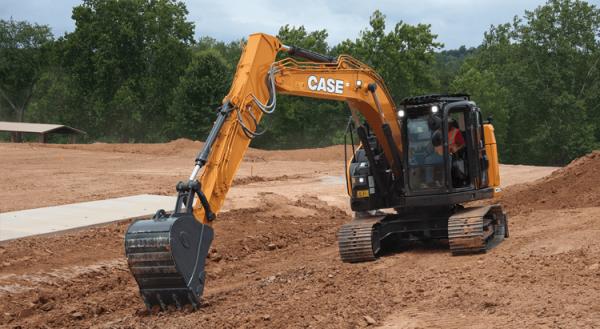
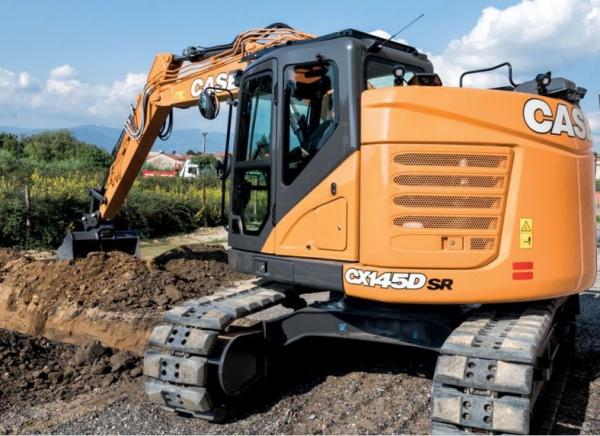
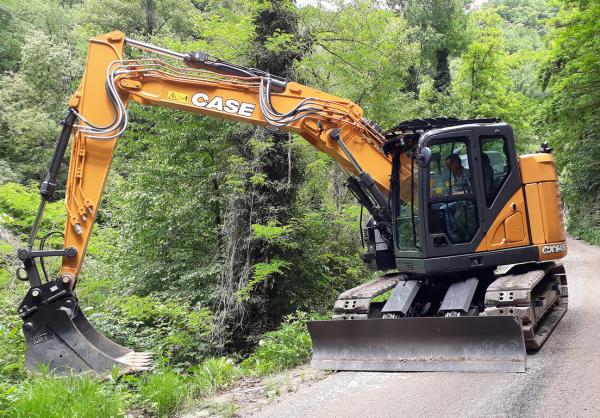
| Case CX145D SR: Compact Powerhouse for Urban Excavation |
|
Posted by: MikePhua - 08-13-2025, 07:27 PM - Forum: General Discussion
- No Replies
|
|
Introduction
The Case CX145D SR is a minimum-swing radius (MSR) crawler excavator designed to deliver substantial digging and lifting capabilities within confined spaces. With an operating weight of 32,100 lbs (14,560 kg) and a 102 hp (76 kW) Tier 4 Final engine, it combines power, efficiency, and maneuverability, making it ideal for urban construction, utilities, and landscaping applications.
Key Specifications - Operating Weight: 32,100 lbs (14,560 kg)
- Engine Power: 102 hp (76 kW)
- Max Digging Depth: 18 ft 1 in (5.51 m)
- Max Reach: 27 ft 11 in (8.51 m)
- Bucket Digging Force: 21,400 lbf (95.2 kN)
- Lift Capacity: Up to 21,350 lbs (9,686 kg)
- Swing Speed: 11.5 rpm
- Travel Speed: 3.5 mph (5.6 km/h)
- Ground Pressure: 5.2 psi (0.36 bar)
Design and Features
The CX145D SR's short-radius design allows for operation in tight spaces without compromising performance. Its compact counterweight and modified boom placement enhance maneuverability, making it suitable for work along roadsides and in urban environments. The machine's hydraulics are load-sensing, providing efficient power delivery and responsive control.
Performance and Productivity
Equipped with a 102 hp engine, the CX145D SR offers impressive digging and lifting capabilities. The bucket digging force reaches up to 21,400 lbf (95.2 kN), enabling efficient material handling. The lift capacity of up to 21,350 lbs (9,686 kg) allows for the handling of heavy loads, making it versatile for various tasks. The machine's swing speed of 11.5 rpm and travel speed of 3.5 mph (5.6 km/h) contribute to its overall productivity.
Maintenance and Serviceability
Regular maintenance is crucial for ensuring the longevity and optimal performance of the CX145D SR. Common maintenance tasks include:- Engine Maintenance: Regularly check and replace engine oil and filters.
- Hydraulic System: Monitor hydraulic fluid levels and inspect for leaks.
- Undercarriage: Inspect tracks and rollers for wear and proper tension.
- Cooling System: Clean radiators and ensure proper coolant levels.
Adhering to the manufacturer's maintenance schedule and using genuine parts can help prevent common issues such as engine overheating, stalling, or hydraulic system failures.
Real-World Applications
The CX145D SR is utilized in various applications, including:- Urban Construction: Ideal for projects in confined spaces where maneuverability is essential.
- Utilities: Suitable for trenching and installing utilities in urban environments.
- Landscaping: Efficient for grading and material handling in landscaping projects.
- Road and Bridge Work: Effective for excavation tasks in road and bridge construction.
Conclusion
The Case CX145D SR crawler excavator is a compact yet powerful machine designed to meet the demands of urban construction and other confined-space applications. Its combination of impressive specifications, efficient hydraulics, and maneuverability makes it a valuable asset for contractors seeking versatility and performance in their equipment.
Note: For specific model details and configurations, refer to the manufacturer's specifications or consult with a Case dealer.
|
|
|
|
| Understanding and Resolving Track Tension Issues in Kubota Mini Excavators |
|
Posted by: MikePhua - 08-13-2025, 07:26 PM - Forum: General Discussion
- No Replies
|
|
Kubota mini excavators, renowned for their compact design and versatility, are equipped with rubber tracks that provide traction and stability. Maintaining proper track tension is crucial for optimal performance and longevity of the machine. Over time, various factors can lead to issues with track tension, including slack tracks, inability to adjust tension, or tracks coming off. This article delves into the common causes of track tension problems in Kubota mini excavators and offers practical solutions.
Common Causes of Track Tension Issues
- Over-tightened Tracks: Excessive tension can lead to increased wear on rollers and sprockets, reduced power, and potential track damage.
- Under-tightened Tracks: Loose tracks may cause derailing, especially on slopes, and can lead to uneven wear.
- Inability to Adjust Tension: If the track adjuster valve is clogged or malfunctioning, it may prevent proper tension adjustment.
- Tracks Coming Off: Improper tension or worn components can cause tracks to derail.
Adjusting Track Tension
Proper track tension is essential for the efficient operation of Kubota mini excavators. The track tension is controlled by a track adjuster located behind the front idler. Adjustments are made by pumping or draining grease through the track adjuster valve. Even small adjustments in track sag have a significant impact on tension. A change in sag from 1 inch to 0.5 inches increases tension by about 3,000 pounds.
Steps to Adjust Track Tension:
- Position the Excavator: Park the excavator on flat, level ground. Lift the dozer blade to its highest position. Ensure the boom and arm are perpendicular to the tracks, then lower the boom so the tracks lift off the ground by about 10 centimeters (4 inches).
- Remove the Track Tension Cover Plate: Locate the track tension adjustment cover plate. Using a wrench, remove the bolts securing the cover plate to access the adjustment components.
- Adjust the Track Tension: With the cover removed, you'll see a tension adjustment rod with a locknut. Loosen the locknut to allow adjustment of the tension rod. To tighten the track, turn the adjustment rod clockwise to push the idler forward. To loosen the track, turn the rod counterclockwise.
- Secure the Adjustment: Once the correct tension is achieved, tighten the locknut to secure the adjustment rod in place.
- Reinstall the Cover Plate: After adjusting the track tension, replace the cover plate and secure it with bolts to protect the tensioning mechanism.
Troubleshooting Track Tension Issues
If you encounter difficulties with track tension adjustment, consider the following:- Clogged Grease Valve: The grease valve may be clogged, preventing grease from entering or exiting the adjuster. Remove the valve and clean it thoroughly.
- Seized Track Adjuster: Over time, the track adjuster can become seized due to rust or debris. In such cases, applying penetrating oil and gently tapping the adjuster with a hammer may help loosen it.
- Worn Components: Inspect the track adjuster, idler, and rollers for signs of wear. Worn components may need to be replaced to restore proper track tension.
Preventative Maintenance Tips
To prevent track tension issues:- Regular Inspections: Periodically check track tension and adjust as needed.
- Clean Components: Keep the track adjuster and surrounding areas clean to prevent debris buildup.
- Proper Lubrication: Ensure the track adjuster is properly lubricated to prevent rust and wear.
- Avoid Overloading: Do not exceed the machine's rated capacity, as excessive weight can strain the tracks and adjuster.
Conclusion
Maintaining proper track tension in Kubota mini excavators is vital for optimal performance and longevity. Regular adjustments and inspections, along with addressing any issues promptly, can prevent costly repairs and downtime. By understanding the causes of track tension problems and implementing effective solutions, operators can ensure their machines operate efficiently and safely.
|
|
|
|
| Effective Techniques for Recovering a Stuck Mini Excavator |
|
Posted by: MikePhua - 08-13-2025, 07:20 PM - Forum: Troubleshooting & Diagnosing
- No Replies
|
|
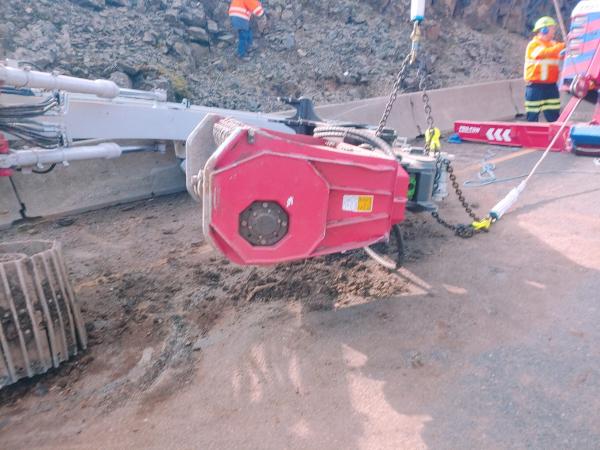
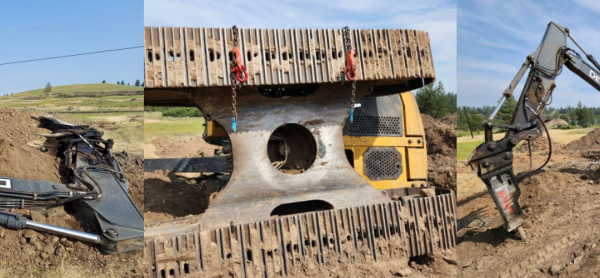
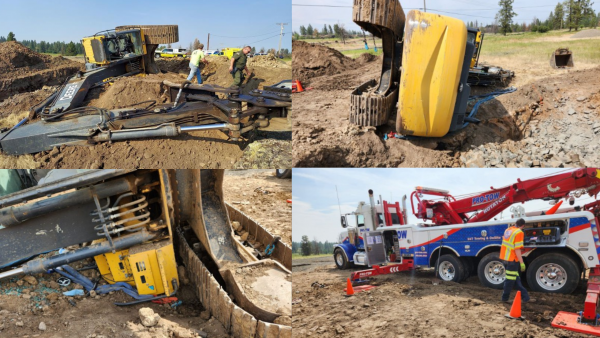
Mini excavators are indispensable tools in construction, landscaping, and utility work, offering maneuverability and efficiency in confined spaces. However, their compact size can sometimes lead to them becoming stuck in challenging terrains such as soft mud, clay, or uneven ground. Understanding the proper techniques for recovery is crucial to avoid equipment damage and ensure safety.
Common Causes of Mini Excavator Stuck Situations
Mini excavators can become immobilized due to various factors: - Soft or Wet Ground: Operating on saturated soil can cause the tracks to sink, leading to loss of traction.
- Uneven Terrain: Navigating slopes or uneven surfaces can destabilize the machine, causing it to tip or become lodged.
- Improper Loading: Excessive weight or improper distribution of load can overwhelm the machine's capacity, leading to entrapment.
Step-by-Step Recovery Techniques
- Assess the Situation: Before attempting any recovery, evaluate the depth of entrapment and the surrounding terrain. Ensure that the area is safe and that no hazards are present.
- Lighten the Load: Remove any attachments or tools from the excavator to reduce weight. This makes the machine easier to maneuver and lessens strain during recovery.
- Digging for Traction: Use the excavator's bucket or hand tools to dig around the tracks, removing mud or debris that may be causing the obstruction. Creating a clear path can facilitate movement.
- Utilize Recovery Equipment: If the machine remains stuck, employ recovery tools such as:
- Tow Straps or Chains: Attach to designated recovery points on the excavator and a suitable towing vehicle.
- Winches: Use a winch to pull the excavator out, ensuring that the winch is rated for the machine's weight.
- Hydraulic Jacks: Lift the excavator slightly to place materials like wooden planks or mats under the tracks for added traction.
- Gradual Movement: Attempt to move the excavator slowly and steadily. Sudden jerks can cause further entrenchment or damage.
- Professional Assistance: If recovery efforts are unsuccessful, contact professional recovery services experienced in heavy equipment extrication.
Preventative Measures
To minimize the risk of a mini excavator becoming stuck:- Assess Ground Conditions: Before operating, evaluate the terrain for softness or instability.
- Use Mats or Planks: Placing mats or wooden planks under the tracks can distribute weight and prevent sinking.
- Avoid Overloading: Ensure that the excavator's load does not exceed its rated capacity.
- Regular Maintenance: Keep the undercarriage clean and inspect tracks for wear to maintain optimal performance.
Case Study: Successful Recovery of a Stuck Mini Excavator
In a recent incident, a mini excavator became stuck in deep mud while performing trenching operations. The operator followed the recovery steps outlined above, including lightening the load and using a winch to pull the machine out. With careful planning and execution, the excavator was successfully recovered without sustaining damage.
Conclusion
While mini excavators are versatile and efficient, operators must be prepared for situations where the machine becomes stuck. By understanding the causes of entrapment and employing proper recovery techniques, operators can safely extricate their equipment and minimize downtime. Always prioritize safety and, when in doubt, seek professional assistance.
|
|
|
|
| Comprehensive Guide to Sealing Hydraulic Tank Hatches: Best Practices, Materials, and Practical Insights |
|
Posted by: MikePhua - 08-13-2025, 07:19 PM - Forum: General Discussion
- No Replies
|
|
Introduction to Hydraulic Tank Hatch Sealing
Hydraulic tank hatches provide access for maintenance and inspection but must be securely sealed to prevent contamination, fluid leaks, and pressure loss. Effective sealing ensures the hydraulic system remains clean, maintains proper internal pressure, and avoids costly damage or downtime. This guide covers key techniques, materials, common challenges, maintenance tips, and practical advice for sealing hydraulic tank hatches on heavy equipment, drawing from industry experience and technical knowledge.
Key Considerations in Hydraulic Tank Hatch Sealing - Purpose of Sealing
The primary goals are to prevent hydraulic oil leakage, keep dirt and moisture out, maintain system pressure integrity, and prolong component life. An effective seal also minimizes environmental hazards by containing hydraulic fluid within the tank.
- Common Issues Without Proper Sealing
- Oil leaks causing messy work areas and potential slips or fire hazards
- Contaminant ingress leading to filter clogging, pump wear, and system failures
- Loss of internal system pressure affecting hydraulic performance
- Accelerated corrosion inside the tank from moisture ingress
Best Materials for Hydraulic Tank Hatch Seals- Gaskets
Rubber or elastomeric gaskets are the most common sealing elements used on hydraulic tank hatches. Materials like nitrile rubber (NBR), Viton (FKM), or silicone provide good resistance to hydraulic fluids, temperature extremes, and mechanical wear. Gaskets should be cut or molded to fit the hatch precisely for uniform compression.
- Gasket Adhesive
Applying a gasket adhesive or sealant helps hold the gasket in position during assembly and enhances the seal by filling minor surface irregularities. Adhesives compatible with hydraulic fluids and temperature ranges are preferred to maintain integrity over time.
- O-Rings and Compression Seals
In some hatch designs, O-rings or molded compression seals provide reliable sealing under pressure. Proper sizing and groove design ensure effective sealing without excessive compression that could damage the seal.
Effective Methods for Sealing the Hyd Tank Hatch- Surface Preparation
Thoroughly clean gasket surfaces on both the hatch and tank flange to remove old sealant, dirt, oil, or corrosion. Smooth and even surfaces promote proper gasket sealing.
- Gasket Installation
Lay the gasket carefully on the flange; use gasket adhesive sparingly to hold it in place. Avoid overapplication which can squeeze out and contaminate hydraulic fluid.
- Proper Hatch Closure
Tighten hatch bolts or fasteners evenly in a crisscross pattern to ensure uniform gasket compression. Over-tightening can deform the gasket or flange, while undertightening can lead to leaks.
- Use of Sealant for Additional Protection
In some cases, a thin bead of compatible hydraulic sealant or silicone around the gasket edge provides extra protection from leaks.
- Regular Inspection and Replacement
Periodically inspect the gasket for signs of wear, deformation, or cracking. Replace gaskets showing damage to maintain sealing efficacy.
Additional Practical Tips and Solutions- Avoid Using Duct Tape or Non-Specialized Sealants
While some temporary fixes involve tape or general-purpose adhesives, these are not durable or compatible with hydraulic systems and can worsen problems.
- Account for Thermal Expansion and Vibration
Hydraulic tanks are subject to temperature changes and vibration; select seals and gasket materials that accommodate movement without cracking or losing compression.
- Consider Upgraded Seal Designs for Harsh Environments
For tanks exposed to extreme temperatures, chemicals, or heavy mechanical stress, consider reinforced or multi-layer gaskets and compression seals designed for industrial hydraulics.
- Keep Spare Gaskets and Adhesive on Hand
Having replacement gaskets and recommended adhesives readily available minimizes downtime during routine maintenance.
- Document Seal Material Specifications
Maintain records of gasket material types and installation procedures for quality control and future servicing consistency.
Terminology Explained- Gasket: A pliable sealing material placed between two surfaces to prevent fluid leaks.
- Gasket Adhesive: A specialized glue used to hold gaskets in place and improve the seal.
- O-Ring: Circular rubber ring used in grooves to form a tight seal under compression.
- Compression Seal: A seal that is compressed between two surfaces to block fluid passage.
- Flange: The raised edge or surface on the tank opening where the hatch attaches and seals.
- Sealant: Fluid or paste material applied to joints to enhance or replace physical seals.
Case Story: Avoiding Hydraulic Leaks with Proper Hatch Sealing
A heavy equipment maintainer of a large excavator fleet consistently faced hydraulic fluid leaks around hatch covers due to worn and improperly installed gaskets. After switching to high-quality nitrile rubber gaskets combined with a compatible gasket adhesive and rigorously following a bolt tightening pattern, the leaks stopped completely.
The new approach also reduced contamination in the fluid reservoir, extending pump life and reducing filter changes. This example underscores that attention to proper gasket material choice and installation method can yield significant reliability and cost benefits.
Summary List of Hydraulic Tank Hatch Sealing Best Practices- Clean sealing surfaces thoroughly before gasket installation.
- Use quality rubber or elastomeric gaskets compatible with hydraulic fluids and temperatures.
- Apply gasket adhesive moderately to hold gasket in place without excess squeeze-out.
- Tighten hatch fasteners evenly and to correct torque using a crisscross pattern.
- Inspect seals periodically and replace at signs of wear or damage.
- Avoid temporary fixes with non-specialized tapes or sealants.
- Choose gasket materials with flexibility to accommodate vibration and thermal changes.
- Maintain spare gasket inventory and document installation procedures.
- Consider enhanced seal designs in harsh operating environments.
Conclusion
Sealing hydraulic tank hatches effectively is crucial for maintaining the integrity, performance, and safety of hydraulic systems in heavy equipment. Employing the right gasket materials, adhesives, and installation methods prevents leaks and contamination, reduces maintenance costs, and improves machine longevity. Regular inspection and adherence to best practices ensure reliable sealing under diverse operating conditions.
Drawing from practical insights and technical standards, this comprehensive guide aims to assist operators, technicians, and maintenance personnel in achieving durable and effective hydraulic tank hatch seals, safeguarding equipment performance and environmental safety.
|
|
|
|
| Komatsu WA450 Wheel Loader: Performance, Specifications, and Real-World Applications |
|
Posted by: MikePhua - 08-13-2025, 07:19 PM - Forum: General Discussion
- No Replies
|
|
Introduction
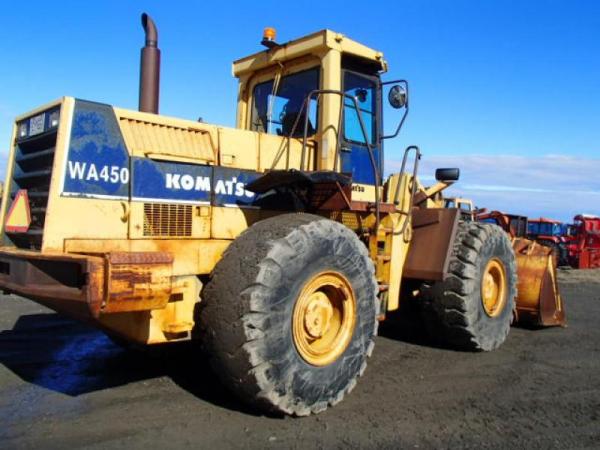
The Komatsu WA450 wheel loader is a versatile and robust machine designed for heavy-duty tasks in construction, mining, and material handling. Known for its impressive lift capacity and durability, the WA450 has been a staple in the industry for decades. This article delves into the specifications, performance metrics, and practical applications of the Komatsu WA450, highlighting its evolution and real-world performance.
Specifications and Performance
The Komatsu WA450 series encompasses various models, each with specific enhancements to meet the demands of different industries. Below is a detailed overview of the key specifications and performance metrics: - Operating Weight: Approximately 50,080 lbs (22,700 kg), depending on the model and configuration.
- Bucket Capacity: Ranges from 3.5 to 5.5 cubic yards (2.7 to 4.2 cubic meters), allowing for efficient material handling.
- Engine Power: Varies by model; for instance, the WA450-6 is equipped with a 273 hp (203 kW) engine, providing ample power for demanding tasks.
- Lift Capacity: The WA450 series is capable of lifting substantial loads, with specific capacities varying based on the model and configuration.
- Dimensions: Standard operating length is approximately 30 ft 3 in (9.2 m), width 9 ft 9 in (2.97 m), and height 11 ft 1 in (3.38 m).
- Breakout Force: The WA450-6 model boasts a breakout force of 43,160 lbs (19,585 kg), ensuring efficient digging and lifting capabilities.
Real-World Applications
The Komatsu WA450 wheel loader is utilized in various industries due to its versatility and performance. Some common applications include:- Construction: Used for loading and transporting materials such as soil, gravel, and aggregates.
- Mining: Employed in extracting and moving materials from mining sites.
- Material Handling: Ideal for loading and unloading materials in warehouses and distribution centers.
- Road Maintenance: Assists in clearing debris and maintaining roadways.
Case Study: WA450 in Road Construction
In a recent road construction project in the Midwest, a fleet of Komatsu WA450 wheel loaders was deployed to handle the excavation and transportation of materials. The loaders' impressive lift capacity and efficient fuel consumption contributed to the project's timely completion. Operators noted the machines' stability and ease of maneuverability, even in challenging terrain.
Maintenance and Longevity
Regular maintenance is crucial to ensure the longevity and optimal performance of the Komatsu WA450 wheel loader. Key maintenance practices include:- Regular Oil Changes: Ensuring the engine oil is changed at recommended intervals to maintain engine health.
- Hydraulic System Checks: Monitoring and maintaining the hydraulic system to ensure smooth operation.
- Tire Inspections: Regularly checking tire condition and pressure to prevent downtime.
- Cooling System Maintenance: Cleaning and inspecting the cooling system to prevent overheating.
Conclusion
The Komatsu WA450 wheel loader stands out as a reliable and efficient machine in the heavy equipment industry. Its impressive specifications, coupled with real-world performance, make it a preferred choice for various applications. By adhering to regular maintenance practices, operators can ensure the longevity and optimal performance of the WA450, making it a valuable asset in any fleet.
Note: For specific model details and configurations, refer to the manufacturer's specifications or consult with a Komatsu dealer.
|
|
|
|
| Designing and Implementing a Steel Arm Attachment for a Loader Bucket |
|
Posted by: MikePhua - 08-13-2025, 07:18 PM - Forum: Parts , Attachments & Tools
- No Replies
|
|
In the realm of heavy equipment modifications, customizing attachments to meet specific operational needs is a common practice. One such modification involves adding a steel arm to a loader bucket, transforming it into a versatile tool capable of handling various tasks beyond its original design.
Understanding the Purpose of the Steel Arm Attachment
The primary objective of attaching a steel arm to a loader bucket is to enhance its functionality. This modification allows the loader to perform tasks such as: - Material Handling: Transporting and manipulating materials that require additional reach or leverage.
- Demolition Support: Assisting in demolition activities by providing a battering ram effect.
- Custom Applications: Facilitating specialized tasks tailored to specific project requirements.
Design Considerations for the Steel Arm
When designing a steel arm attachment, several factors must be considered to ensure safety and functionality:- Material Selection: Opt for high-strength steel alloys that can withstand the stresses encountered during operation.
- Attachment Points: Design robust connection points that can be securely bolted to the loader bucket.
- Reinforcement: Incorporate gussets or braces to reinforce the arm and prevent deformation under load.
- Weight Distribution: Ensure the added weight does not adversely affect the loader's balance or lifting capacity.
Implementation and Installation
The installation process involves several key steps:
- Fabrication: Cut and weld the steel components according to the design specifications.
- Surface Preparation: Clean and prepare the attachment points on the loader bucket to ensure a secure fit.
- Attachment: Align the steel arm with the prepared points and secure it using high-strength bolts.
- Testing: Conduct operational tests to verify the attachment's performance and make adjustments as necessary.
Safety Considerations
Modifying heavy equipment can introduce new risks. To mitigate potential hazards:- Operator Training: Ensure operators are trained on the new attachment's capabilities and limitations.
- Regular Inspections: Implement a routine inspection schedule to check for wear, loose bolts, or other issues.
- Load Limits: Adhere to the manufacturer's specified load limits to prevent overloading.
Case Study: Custom Steel Arm for a Loader
A notable example of this modification is a project where a steel arm was added to a loader bucket to assist in demolition tasks. The design featured a reinforced arm with a battering ram effect, allowing the loader to break through structures more effectively. The implementation involved careful planning and testing to ensure the modification enhanced the loader's capabilities without compromising safety.
Conclusion
Attaching a steel arm to a loader bucket is a practical modification that can significantly expand the machine's functionality. By carefully considering design, materials, and safety, operators can create a versatile tool tailored to their specific needs. However, it is crucial to approach such modifications with caution and ensure compliance with safety standards to maintain operational integrity.
|
|
|
|
| In-Depth Analysis of Slow Arm Function on Komatsu PC78 Excavators: Causes, Diagnostics, and Solutions |
|
Posted by: MikePhua - 08-13-2025, 07:17 PM - Forum: Troubleshooting & Diagnosing
- No Replies
|
|
Understanding Slow Arm Movement on Komatsu PC78
The hydraulic arm on the Komatsu PC78 excavator is crucial for excavation, grading, and material handling tasks. When the arm movement becomes slow or sluggish, it significantly reduces operational efficiency and productivity. The causes of slow arm function often lie within the hydraulic system, mechanical wear, or operational factors.
This article details various potential reasons, diagnostic approaches, maintenance recommendations, and practical solutions for slow arm function on the Komatsu PC78, supported by technical insights and industry experience.
Common Causes of Slow Arm Movement - Hydraulic Fluid Issues
- Low hydraulic oil level or degraded oil quality can cause insufficient pressure and flow, impairing arm speed.
- Improper viscosity, especially in cold conditions, can thicken oil, resulting in sluggish hydraulic response.
- Contaminated oil with dirt or water can clog valves and damage components.
- Relief Valve or Pressure Problems
- Faulty or improperly adjusted secondary relief valves in the bucket’s large chamber or arm circuit limit pressure, reducing flow and speed.
- Relief valve springs may weaken or become stuck due to debris, causing pressure leaks.
- Valve Block and Spool Malfunction
- The main control valve or individual spool valves can stick or bind, restricting hydraulic fluid flow to the arm cylinder.
- Internal contamination or wear may cause valve spools to fail moving smoothly.
- Pilot Valve or Pilot Pressure Deficiency
- Pilot valve issues lead to inadequate pilot pressure, causing sluggish or no response in arm movements.
- Blocked pilot lines or malfunctioning pilot pumps also reduce control precision and speed.
- Cylinder or Seal Wear and Damage
- Worn piston seals in the arm cylinder cause internal leakage, decreasing extension and retraction speed.
- Bent piston rods or damaged cylinder barrels constrain smooth movement.
- Hydraulic Filter Clogging
- Blocked filters reduce flow rates, causing sluggish arm movement and pressure drops.
- Mechanical Binding or External Damage
- Bent or damaged linkages, pins, or bushings increase mechanical resistance to arm movement.
- Improper lubrication at pins or pivot points leads to increased friction.
- Engine or Pump Performance Issues
- Reduced engine power or failing hydraulic pumps cause insufficient pressure and flow.
- Control system malfunctions limit effective power delivery.
Step-by-Step Diagnostic Process- Check Hydraulic Oil Level and Condition
Ensure proper level and clean oil, warmed to operating temperature (~45–55°C) for accurate assessment. Replace or top-up as necessary.
- Inspect Hydraulic Filters
Replace clogged filters to restore proper flow and pressure.
- Test Relief Valve Pressure and Operation
Measure pressure settings and confirm relief valves function correctly; adjust or replace springs and valves if abnormal.
- Examine Valve Block and Pilot Valve
Clean or rebuild control valve components; verify smooth spool operation and pilot pressure delivery.
- Assess Arm Cylinder and Seals
Look for leaks, seal integrity, rod straightness, and cylinder smoothness; replace seals or repair cylinders if damaged.
- Inspect Mechanical Components
Lubricate and check linkage pins, bushings, and pivot points for wear or binding.
- Monitor Engine RPM and Hydraulic Pump Output
Confirm engine runs at rated speed and pump delivers expected flow; service engine or pump if needed.
Practical Maintenance and Improvement Suggestions- Regularly check and maintain hydraulic oil at correct levels and quality. Replace oil and filters per OEM interval recommendations.
- Keep hydraulic fluid warmed to operating temperature before conducting trouble diagnosis.
- Periodically inspect and service relief valves, pilot valves, and the main control valve block for smooth operation.
- Maintain mechanical linkages and pins with lubrication schedules to prevent binding.
- Avoid operating the arm against heavy loads at slow speeds to reduce stress on hydraulic components.
- Train operators on smooth control use to minimize sudden pressure spikes and reduce wear.
- Use quality OEM or approved hydraulic oils meeting specifications for Komatsu PC78.
Terminology Explained- Hydraulic Relief Valve: A device limiting system pressure to prevent hydraulic component damage, with adjustable spring tension.
- Pilot Valve/Pressure: Low-pressure control fluid used to operate main hydraulic valves.
- Spool Valve: A slide valve in the control block directing fluid flow to cylinders.
- Arm Cylinder: Hydraulic cylinder responsible for moving the excavator arm.
- Hydraulic Filter: A filter removing contaminants from hydraulic fluid.
- Pilot Line: Small hydraulic line delivering pilot pressure to valve spools.
- Piston Seal: A sealing element preventing fluid leakage within cylinders.
Case Story: Restoring Arm Speed on a Komatsu PC78
A construction company reported slow arm extension on their Komatsu PC78 during precision trenching. Initial checks found the hydraulic oil was low and visibly contaminated. After topping up and replacing the hydraulic filters, no significant improvement occurred.
Further inspection revealed the secondary relief valve spring in the bucket’s large chamber was stuck due to debris accumulation. After disassembling and cleaning the valve block and replacing the relief valve spring, arm speed returned to normal.
Additionally, a slight bend in an arm cylinder rod was discovered causing increased friction; repairing the cylinder improved the smoothness. This case underscored the need for systematic troubleshooting, starting with basic fluid checks and progressing to valve and mechanical inspections.
Summary of Key Points for Addressing Slow Arm Function on Komatsu PC78- Ensure hydraulic oil quantity and quality meet specifications.
- Replace clogged hydraulic filters promptly.
- Check and service relief valves, especially secondary relief valve springs.
- Clean and test control valve block and pilot valves for smooth operation.
- Inspect arm cylinder seals and rods for damage or wear.
- Lubricate mechanical linkages, pins, and bushings thoroughly.
- Monitor engine and pump performance for adequate power delivery.
- Train operators in smooth hydraulic control use.
Further Recommendations- Schedule regular hydraulic system maintenance, including oil analysis and filter changes.
- Use OEM parts to ensure compatibility and longevity.
- Address minor hydraulic or mechanical issues promptly to prevent escalation.
- Consider professional service if internal valve block repairs are required.
- Maintain a warm hydraulic system during cold weather to avoid temporary sluggishness.
Conclusion
Slow arm function on the Komatsu PC78 excavator typically results from hydraulic system issues such as low or contaminated oil, relief valve problems, valve block malfunctions, or cylinder wear. Mechanical factors like bent rods or inadequate lubrication also contribute.
A comprehensive diagnosis—starting with fluid checks and progressing through valves, cylinders, and mechanical linkage inspection—is key to identifying root causes. Preventive maintenance, proper fluid management, and operator training further support sustained optimal arm performance.
This detailed overview integrates technical insights, practical troubleshooting, and maintenance best practices, equipping owners and technicians to restore and maintain efficient arm operation on Komatsu PC78 excavators.
|
|
|
|
| Crane Operator Certification: Ensuring Safety and Compliance in Construction |
|
Posted by: MikePhua - 08-13-2025, 07:16 PM - Forum: General Discussion
- No Replies
|
|



Introduction
Crane operators play a pivotal role in construction, lifting and maneuvering heavy loads with precision. To ensure safety and compliance, operators must undergo proper certification. This article delves into the certification process, requirements, and best practices for crane operators.
OSHA Regulations and Certification Requirements
The Occupational Safety and Health Administration (OSHA) mandates that crane operators in construction be certified under 29 CFR 1926.1427. This regulation requires operators to demonstrate sufficient knowledge and skill through both written and practical tests .
Certification Process
- Training Programs: Operators must complete training programs accredited by recognized bodies such as the National Commission for the Certification of Crane Operators (NCCCO). These programs offer both classroom instruction and hands-on training.
- Written Examination: The written exam consists of a core test and, depending on the crane type, one or more specialty exams. Topics include crane operations, load charts, and safety protocols.
- Practical Examination: Operators must pass a practical test demonstrating their ability to perform tasks such as pre-operational inspections, load handling, and emergency procedures.
- Recertification: Certification is valid for five years. Operators must undergo recertification, which may involve retaking exams or completing continuing education courses, to ensure they remain current with industry standards and safety practices .
State and Local Licensing
In addition to federal certification, some states and municipalities require separate licensing. For instance, New York and California have specific licensing requirements for crane operators. It's essential for operators to be aware of and comply with local regulations to avoid legal issues and ensure workplace safety .
Best Practices for Crane Operators- Regular Training: Continuous education helps operators stay updated on new technologies and safety protocols.
- Pre-Operational Inspections: Before each shift, operators should inspect cranes for any signs of wear or malfunction.
- Load Management: Operators must understand load charts and ensure they never exceed the crane's rated capacity.
- Emergency Procedures: Familiarity with emergency shutdowns and rescue operations is crucial.
Conclusion
Crane operator certification is not just a regulatory requirement but a critical component of construction safety. By adhering to certification processes and best practices, operators contribute to safer work environments and the successful completion of projects.
|
|
|
|
|



