| Welcome, Guest |
You have to register before you can post on our site.
|
| Online Users |
There are currently 87 online users.
» 0 Member(s) | 79 Guest(s)
Ahrefs, Amazon, Bing, Claude, DotBot, MJ12, OpenAI, Semrush
|
| Latest Threads |
Identifying and Sourcing ...
Forum: Parts , Attachments & Tools
Last Post: MikePhua
01-07-2026, 06:29 PM
» Replies: 0
» Views: 528
|
Cat 931B Brake Parts
Forum: Parts , Attachments & Tools
Last Post: MikePhua
01-07-2026, 06:29 PM
» Replies: 0
» Views: 283
|
Choosing Between Cat 228,...
Forum: General Discussion
Last Post: MikePhua
01-07-2026, 06:28 PM
» Replies: 0
» Views: 561
|
Hydraulic Delay When Lowe...
Forum: Troubleshooting & Diagnosing
Last Post: MikePhua
01-07-2026, 06:27 PM
» Replies: 0
» Views: 447
|
Bale Chopper and Mulcher ...
Forum: General Discussion
Last Post: MikePhua
01-07-2026, 06:26 PM
» Replies: 0
» Views: 323
|
Mini UC Maintenance
Forum: General Discussion
Last Post: MikePhua
01-07-2026, 06:25 PM
» Replies: 0
» Views: 314
|
Locating Wiring Informati...
Forum: General Discussion
Last Post: MikePhua
01-07-2026, 06:24 PM
» Replies: 0
» Views: 346
|
Case Industrial Brown Sub...
Forum: Parts , Attachments & Tools
Last Post: MikePhua
01-07-2026, 06:23 PM
» Replies: 0
» Views: 275
|
Dirt Work in West Virgini...
Forum: Construction & Urban Infrastructure Forum
Last Post: MikePhua
01-07-2026, 06:23 PM
» Replies: 0
» Views: 377
|
D207 P Hydraulic Steering...
Forum: Parts , Attachments & Tools
Last Post: MikePhua
01-07-2026, 06:22 PM
» Replies: 0
» Views: 304
|
|
|
| Comprehensive Guide to Troubleshooting and Rebuilding the Hydraulic Pump of the Caterpillar 320BL Excavator |
|
Posted by: MikePhua - 08-13-2025, 06:59 PM - Forum: Troubleshooting & Diagnosing
- No Replies
|
 |
The Caterpillar 320BL hydraulic excavator, equipped with the 3066 engine, is renowned for its robust performance in various construction and earthmoving tasks. However, like all heavy machinery, it is susceptible to issues related to its hydraulic system, particularly the main hydraulic pump. Understanding common problems, diagnostic methods, and maintenance strategies is crucial for ensuring optimal engine performance and longevity.
Understanding the Hydraulic Pump's Role
The main hydraulic pump in the 320BL is responsible for generating the hydraulic flow necessary to operate various functions of the excavator, including the boom, arm, bucket, and swing mechanisms. It converts mechanical energy from the engine into hydraulic energy, providing the force required for these operations. The pump's efficiency is vital for the machine's overall performance.
Common Hydraulic Pump Issues
- Loss of Hydraulic Power
One of the most common issues faced by operators is a noticeable loss of hydraulic power. This manifests as sluggish or unresponsive hydraulic functions, such as slow boom movements or weak bucket lifting capabilities.
Case Study: An operator reported that their 320BL exhibited reduced hydraulic power, particularly during simultaneous operations like lifting and swinging. Upon inspection, it was found that the main hydraulic pump was experiencing internal wear, leading to decreased efficiency. Rebuilding the pump restored normal functionality.
- Unusual Noises from the Hydraulic System
Unusual noises, such as whining or grinding sounds, can indicate problems within the hydraulic pump. These noises often result from cavitation, internal component wear, or contamination within the hydraulic fluid.
Example: A contractor working in a quarry noticed a high-pitched whining noise emanating from the hydraulic system. After thorough inspection, the hydraulic pump was found to have cavitation damage due to low fluid levels and contamination. Flushing the system and replacing the pump resolved the issue.
- Hydraulic Fluid Leaks
Leaks around the hydraulic pump can lead to a loss of fluid, resulting in decreased hydraulic pressure and potential damage to other components. Leaks may occur due to worn seals, loose fittings, or cracks in the pump housing.
Incident: During routine maintenance, a technician discovered a significant hydraulic fluid leak near the pump. The leak was traced to a worn seal, which was promptly replaced, preventing further fluid loss and potential damage.
Diagnostic Methods- Pressure Testing
Using a pressure gauge, measure the hydraulic pressure at various points in the system. Low pressure readings can indicate issues with the pump, such as internal wear or blockage.
- Flow Testing
Measure the hydraulic flow rate to ensure it meets the specifications. Reduced flow rates can signify pump inefficiency or internal damage.
- Visual Inspections
Regularly inspect the hydraulic pump and associated components for signs of wear, leaks, or damage. Early detection can prevent more severe issues.
Rebuilding the Hydraulic Pump
Rebuilding the hydraulic pump involves disassembling the unit, inspecting all internal components, and replacing worn or damaged parts. This process requires specialized knowledge and tools to ensure proper reassembly and calibration.
Rebuilding Process:
- Disassembly
Carefully disassemble the hydraulic pump, noting the orientation and condition of each component.
- Inspection
Inspect all internal components, including pistons, valve plates, and bearings, for signs of wear or damage.
- Cleaning
Thoroughly clean all parts to remove contaminants that could affect performance.
- Replacement
Replace any worn or damaged components with OEM parts to ensure compatibility and reliability.
- Reassembly
Reassemble the pump, ensuring all components are correctly installed and torqued to specifications.
- Testing
Perform functional tests to verify that the rebuilt pump operates correctly and meets performance standards.
Preventive Maintenance Tips- Regular Fluid Changes
Regularly change the hydraulic fluid to prevent contamination and ensure optimal pump performance.
- Monitor Fluid Levels
Keep an eye on hydraulic fluid levels and top up as necessary to prevent air from entering the system.
- Inspect Filters
Regularly inspect and replace hydraulic filters to prevent debris from entering the system.
- Check for Leaks
Routinely check for hydraulic fluid leaks and address them promptly to prevent fluid loss and potential damage.
Conclusion
Maintaining the hydraulic pump in the Caterpillar 320BL excavator is essential for preventing hydraulic system failures and ensuring optimal performance. Regular inspections, timely maintenance, and prompt attention to issues can significantly extend the lifespan of the hydraulic system and the machine as a whole. By understanding common hydraulic pump-related problems and implementing preventive measures, operators can minimize downtime and enhance the efficiency of their equipment.
|

|
|
| Comprehensive Guide to Aftermarket Plumbing and Quick Coupler Installation on the Volvo L90F Wheel Loader |
|
Posted by: MikePhua - 08-13-2025, 06:58 PM - Forum: General Discussion
- No Replies
|
|
Introduction to Quick Coupler Conversion on Volvo L90F
The Volvo L90F wheel loader is a versatile machine commonly used in construction, landscaping, and agricultural industries. Adding a quick coupler system allows operators to shift efficiently between different attachments—such as buckets, forks, or grapples—without manual pin removal, substantially improving productivity.
Retrofit or aftermarket quick couplers require specific hydraulic plumbing, electrical connections, and mechanical components to work seamlessly with the Volvo L90F’s existing systems. This guide details the plumbing adaptations, electrical considerations, installation tips, challenges, and recommended practices for installing a quick coupler system on the L90F, integrating real-world experience and technical insights.
Hydraulic Plumbing for Quick Coupler Integration - Hydraulic Circuit Modifications
Adding a quick coupler typically involves plumbing additional hydraulic lines to supply and control the coupler’s locking mechanism. This generally means integrating a dedicated auxiliary hydraulic circuit or tapping into existing lines capable of handling the flow and pressure demands of the quick coupler.
- Pressure and Flow Requirements
The quick coupler’s locking cylinders require a steady hydraulic pressure—usually matching the loader’s standard auxiliary hydraulic pressure range—to ensure reliable attachment engagement and release. Careful flow management is essential to prevent slow or erratic coupler operation.
- Valve and Control Integration
An additional hydraulic valve or solenoid-operated spool valve is often installed to manage the coupler lock/unlock functions independently of the loader’s primary hydraulics. This valve receives input from an electrical switch or joystick control in the operator’s cab.
- Hose Routing and Couplings
It is critical to route hoses carefully to avoid interference with loader arms' normal movement and avoid damage from pinch points or abrasion. Durable, OEM-style quick couplings or specialized coupler fittings protect against leaks and facilitate easy disconnection.
- Retrofitting Existing Hydraulic Lines
Some retrofit solutions use T-fittings or parallel circuits to share hydraulic oil flow without compromising existing loader functions. However, caution is needed to prevent pressure drops or flow restrictions that could affect attachment or machine performance.
Electrical System Adaptations for Quick Coupler Control- Electric Switches and Joystick Modifications
Installer must add switches—typically rocker or push-button types—in the operator workstation to actuate the coupler locking valve. Alternatively, more integrated joystick control solutions exist, which may require retraining operators.
- Solenoid Valve Wiring
Wiring the coupler control solenoid involves tapping into the loader’s existing 12V or 24V electrical system, often routing wires through the cab harness to protect them from environmental damage and wear.
- Safety Interlocks
Safety considerations include wiring interlocks to prevent accidental coupler release during travel or operation, ensuring the attachment remains firmly locked except when intentionally disengaged.
- Electrical Connectors
Use OEM-grade connectors or weatherproof plug connectors in the electrical wiring to ensure reliability amid dust, moisture, and vibration common in construction environments.
Mechanical Considerations and Mounting- Compatibility of Coupler and Attachments
The aftermarket quick coupler and attachments must match the Volvo L90F’s pin dimensions, hydraulic cylinder sizes, and mechanical load ratings to ensure structural safety.
- Mounting Adaptors or Brackets
Installation often requires custom or semi-custom mounting brackets to affix the quick coupler assembly securely to the loader arms and boom, maintaining proper geometry and alignment.
- Pin Retention and Locking Mechanism
Most couplers rely on hydraulic cylinders to move pins or hooks into position. Inspect and maintain locking components regularly, paying attention to wear items like bushings, pins, and seals.
Challenges and Solutions- Flow and Pressure Loss Issues
Improperly plumbed hydraulic lines can cause sluggish coupler operation or incomplete locking. Use correct hose sizes, quality fittings, and avoid unnecessary bends or restrictions.
- Electrical Failures or Wiring Damage
Inadequate protection of wiring can result in shorts, disconnections, or erratic coupler behavior. Secure harnesses and use protective conduits.
- Physical Interference with Loader Movement
Poor hose routing or oversized mounting brackets can limit loader arm motion, increase stress on hydraulic components, or cause damage during bucket operation.
- Operator Adjustment and Training
Operators need to become familiar with new control interfaces and safe coupling procedures to prevent accidents or accidental attachment release.
Real-World Case Story: Retrofit Success on a Volvo L90F
A construction company retrofitted their Volvo L90F with an aftermarket quick coupler to transition from pin-on buckets to a hydraulic coupler system. The installer added a dedicated auxiliary circuit with a solenoid valve controlled via new rocker switches in the cab. Hoses were routed along factory lines with protective clamps to avoid chafing. Electrical wiring was routed through the cab harness using weatherproof connectors.
Operators reported significant time savings switching attachments on-site, increasing project efficiency. Initial challenges with slow locking response were solved by upsizing hydraulic hoses and ensuring valve compatibility with loader pressure. Proper operator training emphasized safety protocols, preventing any accidental decoupling.
Terminology Explained- Quick Coupler: A hydraulic-mechanical device allowing rapid attachment changes without manual pin removal.
- Auxiliary Hydraulic Circuit: An additional set of hydraulic lines used for operating attachments or coupler mechanisms.
- Solenoid Valve: An electrically actuated valve controlling hydraulic fluid flow for locking/unlocking.
- Hydraulic Cylinder: A device converting hydraulic pressure into mechanical movement, used to actuate coupler pins.
- Rocker Switch: A toggle switch mounted in the cab for operator control.
- Hydraulic Hose Routing: The pathway and securing method for hydraulic lines, critical for durability and function.
Recommended Best Practices- Consult Volvo’s specifications for auxiliary hydraulic flow and pressure before installation.
- Use OEM or high-quality aftermarket hydraulic components and fittings to ensure durability and compatibility.
- Plan and secure wiring and hoses carefully to protect against damage and interference.
- Test the entire coupling system under various load conditions before full machine operation.
- Provide comprehensive operator training focused on control use and quick coupler safety.
- Regularly inspect the coupler system, including hydraulics and mechanical linkage, for wear and leaks.
Summary of Aftermarket Quick Coupler Plumbing on Volvo L90F- Dedicated auxiliary hydraulics or tapping into existing circuits with proper flow management.
- Installation of solenoid valves controlled via cab switches or joystick modifications.
- Robust hose routing and connection fittings preventing damage and leaks.
- Mechanical mounting compatibility and custom brackets as needed.
- Electrical interlocks and weatherproof connectors for reliability and safety.
- Operator training critical for safe and effective use.
Conclusion
Retrofit installation of quick coupler hydraulic plumbing and electrical control on the Volvo L90F wheel loader significantly enhances operational efficiency by facilitating fast attachment changes. Success depends on careful hydraulic circuit integration, secure electrical wiring, mechanical compatibility, and thorough operator training. Addressing hydraulic flow, pressure needs, and protective routing ensures reliable, safe function.
Drawing insights from practical projects and manufacturer specifications, this guide serves as a detailed resource for operators, mechanics, and fleet managers seeking to upgrade Volvo L90F loaders with aftermarket quick coupler systems for improved productivity and versatility.
|
|
|
|
| Comprehensive Guide to the 2006 Peterbilt 378 Electrical System |
|
Posted by: MikePhua - 08-13-2025, 06:57 PM - Forum: General Discussion
- No Replies
|
|
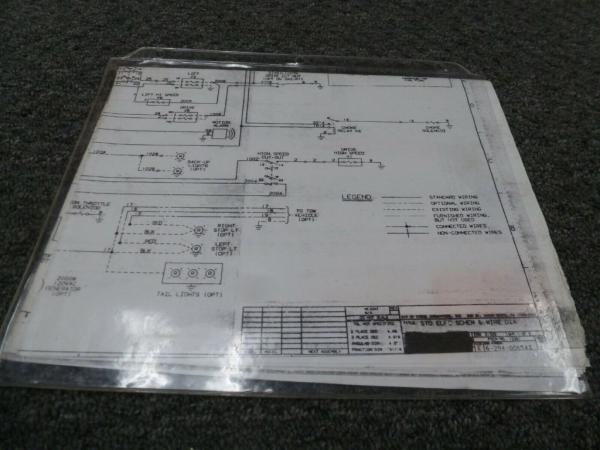
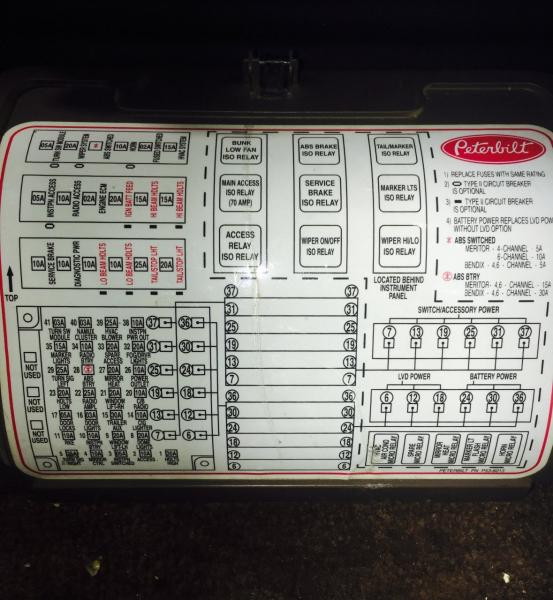
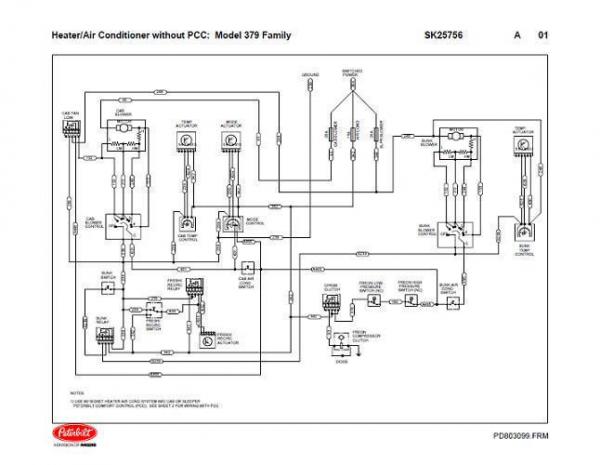
Introduction
The 2006 Peterbilt 378 is a heavy-duty truck renowned for its durability and performance. Equipped with advanced electrical systems, understanding its wiring and schematics is crucial for effective maintenance and troubleshooting. This guide delves into the electrical architecture of the Peterbilt 378, offering insights into its components, common issues, and practical solutions.
Electrical System Overview
The electrical system of the 2006 Peterbilt 378 is designed to manage various functions, including lighting, engine control, HVAC systems, and trailer connections. Key components include: - Main Fuse Panel: Distributes power to various circuits and protects against overloads.
- Relays and Circuit Breakers: Control high-current devices and provide overload protection.
- Wiring Harnesses: Transmit electrical signals and power throughout the vehicle.
- Grounding Points: Ensure proper return paths for electrical currents.
- Trailer Connector: Facilitates electrical communication between the truck and attached trailer.
Common Electrical Issues and Solutions
- Headlight and Running Light Malfunctions
Symptoms: Headlights staying on, running lights remaining illuminated.
Possible Causes:- Faulty headlight switch or relay.
- Worn or corroded wiring connections.
- Malfunctioning body control module.
Solutions:- Inspect and replace the headlight switch if necessary.
- Clean and secure all wiring connections.
- Test the body control module and replace if faulty.
- AC Compressor Power Loss
Symptoms: No power reaching the AC compressor, resulting in non-functional air conditioning.
Possible Causes:- Blown fuse or tripped relay.
- Faulty pressure switch.
- Damaged wiring or connectors.
Solutions:- Check and replace any blown fuses or tripped relays.
- Test the pressure switch for proper operation.
- Inspect wiring and connectors for damage and repair as needed.
- Electrical Shorts and Grounding Issues
Symptoms: Blown fuses, erratic electrical behavior, or complete power loss.
Possible Causes:- Damaged wiring harnesses.
- Loose or corroded ground connections.
- Improperly routed wires causing abrasion.
Solutions:- Perform a thorough inspection of wiring harnesses for damage.
- Clean and tighten all ground connections.
- Re-route wires to prevent contact with sharp edges or moving parts.
Electrical Schematic Resources
For detailed wiring diagrams and schematics, the following resources are recommended:- Supermiller P94-6016: Covers the electrical system for the 379 model family, including main cab, engine, trailer, and chassis harnesses.
- Supermiller P94-6023: Includes schematics for charge/start circuits, power distribution, turn signals, lights, cab door locks, and modules like fuse blocks and GPS antennas.
- DIY Repair Manuals: Offers the 2006 Peterbilt 378 Electrical Wiring Diagram Manual for $283.73, providing original factory diagrams targeted towards troubleshooting the vehicle's electrical system.
Case Study: Troubleshooting Headlight Malfunctions
A common issue reported by Peterbilt 378 owners is headlight malfunctions, where headlights remain on even when the switch is off. In one instance, an operator experienced this problem and sought assistance online. Upon reviewing the wiring schematic, it was determined that a faulty headlight switch was causing the issue. After replacing the switch, the problem was resolved, restoring normal headlight operation.
Conclusion
Understanding the electrical system of the 2006 Peterbilt 378 is essential for effective maintenance and troubleshooting. By familiarizing oneself with the components, common issues, and available resources, operators can ensure the longevity and reliability of their vehicles. Regular inspections and prompt attention to electrical problems can prevent costly repairs and downtime.
|
|
|
|
| Detailed Exploration of Moldboard Lengths in Grading and Plowing: Insights, Effects, and Practical Advice |
|
Posted by: MikePhua - 08-13-2025, 06:56 PM - Forum: General Discussion
- No Replies
|
|
Introduction to Moldboard Length and Its Importance
Moldboards are critical components used in graders and plows, responsible for cutting, lifting, and turning soil or gravel during grading and tillage operations. The length of the moldboard directly influences machine behavior, work precision, material handling, and operator control. Understanding how different moldboard lengths affect operation can help users select the right equipment and optimize performance for various surface maintenance tasks such as gravel road maintenance or soil cultivation.
Effects of Moldboard Length on Operation - Machine Stability and Control
Longer moldboards, such as 14 feet or more, create a longer lever arm at the front of the machine. This can cause subtle front-end instability, especially in graders, as the extended blade tends to increase resistance when cutting through material. Operators may notice the machine’s front end wanting to move or wander more, requiring more attentive steering inputs to maintain an accurate line.
- Material Flow and Accuracy
With increased moldboard length, gravity causes more material to fall beneath the blade rather than being pushed forward. This reduces the precision when adjusting toe or heel heights, as material tends to spill under the blade instead of following the intended profile. Consequently, achieving fine grading accuracy often requires additional passes or adjusted techniques.
- Pass Planning and Efficiency
Longer blades cover more surface per pass but might necessitate multiple passes to refine the grade due to material scattering. Operators need to consider the balance between coverage and control, adapting the number of passes to site conditions and desired finish.
- Operator Adjustment and Technique
Operators working with longer blades need to adjust their control approach, focusing more on fine joystick or steering wheel inputs, careful speed regulation, and mindful grading angles to compensate for the blade’s increased size and weight.
Common Moldboard Lengths and Typical Uses- 12-foot Moldboards:
Preferred for increased accuracy and control in sensitive areas or where precise grading is required. Easier to maneuver and causes less front-end movement in graders.
- 14-foot Moldboards:
Standard on many graders for gravel road maintenance, balancing coverage and operational control. Suitable for moderate-sized job sites.
- 16-foot and Longer Moldboards:
Used for larger-scale grading tasks where maximum coverage per pass is desirable. Requires more skill to manage material flow and machine stability.
Technical Factors Influencing Performance- Blade Weight and Balance: Longer moldboards add weight to the front, affecting machine center of gravity and traction on front tires or tracks.
- Hydraulic and Steering Load: Increased blade length demands more from lift and tilt hydraulic systems and steering controls due to higher forces transmitted during operation.
- Ground Conditions: Soft or uneven surfaces amplify the front-end movement caused by long moldboards, necessitating cautious speed and angle management.
Practical Recommendations for Moldboard Use- Choose Moldboard Length Based on Task and Terrain: For fine grading in confined or sensitive areas, shorter blades improve control. For broad, less precise tasks, longer blades enhance efficiency.
- Adjust Machine Speed: Slower speeds with longer moldboards reduce disturbance and improve grading quality.
- Frequent Blade Height and Angle Checks: Regularly verify toe, heel, and pitch adjustments to maintain the desired grade profile.
- Plan Grading Passes Thoughtfully: Incorporate multiple passes with overlapping coverage when using longer blades to compensate for material scattering.
- Operator Training: Educate operators on the nuances of handling different blade lengths to prevent mistakes and improve outcomes.
Case Story: Adapting to a 14-Foot Moldboard in Gravel Road Maintenance
A grader operator accustomed to a 12-foot moldboard hired a machine equipped with a 14-foot blade for a multi-day gravel road maintenance project. Initially, the operator noticed the front end’s tendency to drift, requiring more frequent steering corrections. Adjusting toe and heel heights was less precise due to material falling under the blade.
By slowing travel speed and adopting a two-pass approach—one to push material broadly, followed by a finer pass—the operator achieved a much smoother and more consistent road surface. Over time, the operator appreciated the increased efficiency from wider blade coverage while mastering the techniques to control its effects on material flow.
Terminology Explained- Moldboard: The curved blade that lifts and turns soil or gravel during grading or plowing.
- Toe and Heel: Terms describing the lower front and rear edges of the moldboard blade, crucial for cutting angle adjustment.
- Blade Pitch: The angle of the moldboard relative to the ground, influencing material flow.
- Pass: A single forward travel of a grader or plow performing work across the surface.
- Front-End Movement: The lateral or vertical motion of the machine’s front during blade operation.
Summary List of Key Moldboard Length Impacts- Longer blades increase front-end movement and steering demands.
- Material tends to fall under longer blades, reducing grading precision.
- More passes may be needed with longer moldboards to achieve smooth finish.
- Shorter blades offer improved control and accuracy in sensitive or precise work.
- Operator technique and speed adjustments essential for effective moldboard use.
- Blade weight and hydraulic load increase with blade length, affecting machine dynamics.
Additional Tips and Solutions- Regularly inspect and maintain blade edges, cutting shoes, and hydraulic systems to ensure consistent performance regardless of moldboard length.
- Use proper blade pitch and angle settings specific to soil or gravel conditions.
- Integrate GPS or laser grading technology to assist in maintaining precise grades with longer moldboards.
- For challenging terrains, consider using moldboards with adjustable lengths or modular blade systems.
Conclusion
Moldboard length plays a vital role in the operation, control, and efficiency of graders and plows, directly impacting machine dynamics and material handling characteristics. Understanding the effects of different blade lengths, adapting operator technique, and employing suitable equipment options allow for optimized grading performance across varied job sites. Whether maintaining gravel roads or working on soil tillage, selecting the right moldboard length balanced with skilled operation ensures a productive and quality outcome.
This comprehensive overview blends operator experience, technical knowledge, and practical advice to guide users in navigating the challenges and benefits of varying moldboard lengths for construction and agricultural applications.
|
|
|
|
| Comprehensive Guide to Troubleshooting and Maintaining the Radiator of the Caterpillar 320BL Excavator |
|
Posted by: MikePhua - 08-13-2025, 06:56 PM - Forum: Troubleshooting & Diagnosing
- No Replies
|
|
The Caterpillar 320BL hydraulic excavator, equipped with the 3066 engine, is renowned for its robust performance in various construction and earthmoving tasks. However, like all heavy machinery, it is susceptible to issues related to its cooling system, particularly the radiator. Understanding common problems, diagnostic methods, and maintenance strategies is crucial for ensuring optimal engine performance and longevity.
Understanding the Radiator's Role in Engine Cooling
The radiator in the 320BL serves as a critical component in dissipating the heat generated by the engine. It operates by transferring heat from the engine coolant to the surrounding air, facilitated by the radiator fins and the airflow provided by the cooling fan. The efficiency of this heat exchange process is vital for maintaining the engine's operating temperature within safe limits.
Common Radiator-Related Issues
- Overheating Due to Clogged Radiator Fins
Over time, the radiator fins can accumulate dirt, debris, and other contaminants, obstructing airflow and reducing the radiator's cooling efficiency. This can lead to engine overheating, especially during prolonged operation in dusty or dirty environments.
Case Study: A contractor operating a 320BL in a construction zone noticed the engine temperature rising above normal levels. Upon inspection, the radiator fins were found to be clogged with mud and dust. After thoroughly cleaning the fins, the engine temperature returned to normal operating levels.
- Coolant Leaks from Radiator
Physical damage to the radiator, such as cracks or punctures, can result in coolant leaks. This not only leads to a loss of coolant but can also cause engine overheating if not promptly addressed.
Example: An excavator in a mining operation experienced sudden overheating. A visual inspection revealed a crack in the radiator core, causing a significant coolant leak. Replacing the damaged radiator resolved the issue and restored normal engine temperatures.
- Radiator Core Corrosion
Exposure to harsh environmental conditions, including chemicals and saline environments, can lead to corrosion of the radiator core. Corrosion weakens the radiator structure and can cause leaks or blockages, impairing cooling efficiency.
Incident: A 320BL operating in a coastal area developed corrosion on the radiator core due to exposure to saltwater mist. Regular maintenance and periodic inspections helped identify the issue early, preventing major engine damage.
- Faulty Cooling Fan or Fan Clutch
The cooling fan plays a pivotal role in drawing air through the radiator. A malfunctioning fan or fan clutch can lead to inadequate airflow, resulting in engine overheating.
Scenario: An excavator experienced intermittent overheating. Diagnostic checks revealed that the fan clutch was not engaging properly, leading to insufficient airflow through the radiator. Replacing the faulty fan clutch restored normal cooling function.
Diagnostic Methods- Infrared Thermometer Measurements
Using an infrared thermometer, measure the temperature at various points on the radiator and engine. Significant temperature differences can indicate blockages or cooling inefficiencies.
- Visual Inspections
Regularly inspect the radiator for signs of physical damage, corrosion, or debris accumulation. Early detection of issues can prevent costly repairs.
- Coolant Flow Tests
Check the coolant flow by observing the radiator cap during engine operation. Persistent bubbles or foaming can indicate internal leaks or head gasket issues.
Maintenance and Preventive Measures- Regular Cleaning
Periodically clean the radiator fins using compressed air or a soft brush to remove accumulated dirt and debris. This ensures optimal airflow and cooling efficiency.
- Coolant Replacement
Regularly replace the engine coolant as per the manufacturer's recommendations to prevent corrosion and scale buildup within the radiator.
- Radiator Inspections
Conduct thorough inspections of the radiator for signs of leaks, corrosion, or physical damage. Address any issues promptly to prevent overheating.
- Fan and Clutch Maintenance
Regularly check the operation of the cooling fan and fan clutch. Ensure that the fan operates smoothly and that the clutch engages and disengages properly.
When to Replace the Radiator
If the radiator exhibits signs of severe corrosion, multiple leaks, or significant physical damage, replacement may be necessary. Using OEM parts ensures compatibility and reliability.
Conclusion
Maintaining the radiator in the Caterpillar 320BL excavator is essential for preventing engine overheating and ensuring optimal performance. Regular inspections, timely maintenance, and prompt attention to issues can significantly extend the lifespan of the cooling system and the engine. By understanding common radiator-related problems and implementing preventive measures, operators can minimize downtime and enhance the efficiency of their equipment.
|
|
|
|
| Comprehensive Guide to the Grove 66A Boom Lift: Specifications, Features, and Practical Insights |
|
Posted by: MikePhua - 08-13-2025, 06:55 PM - Forum: General Discussion
- No Replies
|
|
Introduction to the Grove 66A Boom Lift
The Grove 66A boom lift is a robust, self-propelled aerial work platform designed for accessing elevated work areas with safety and precision. Known for its telescoping boom and compact maneuverability, it serves industries such as construction, maintenance, utilities, and industrial installation projects requiring heights up to approximately 66 feet.
This boom lift combines durable structural design, user-friendly controls, and reliable power systems, making it an optimal choice for professionals demanding dependable aerial access solutions.
Key Technical Specifications - Working Height: Approximately 66 feet (20.1 meters), allowing operators to reach elevated work areas safely and efficiently.
- Platform Capacity: Unrestricted load capacity up to 500 lbs (227 kg), accommodating multiple workers or tools simultaneously.
- Platform Dimensions: Typical platform size is around 36 x 60 inches (0.91 x 1.52 meters), offering ample workspace plus handrails 44 inches (1.12 meters) high with a toeboard for extra safety.
- Boom Design: An all-steel trapezoidal boom structure designed exclusively by Grove for strength and durability.
- Boom Sections: The boom features a telescoping multi-section arrangement, often with three or more sections extended by hydraulic cylinders and cable systems to offer stable, synchronized movement.
- Rotation: 360° continuous boom rotation powered by a hydraulic motor and planetary double reduction gearbox, providing flexible positioning around the worksite.
- Drive System: Usually rear-wheel drive with two-speed planetary drive hubs equipped with dynamic braking and automatic spring-applied hydraulic parking brakes.
- Travel Speed: Approximately 3 mph (4.8 km/h) suitable for stable, controlled movement on job sites.
- Gradeability: Able to handle up to 25-40% grade in typical configurations depending on tires and model variations.
- Hydraulic System: Equipped with a variable displacement axial piston pump producing around 26 gallons per minute (98 lpm) and a maximum system pressure of 3500 psi (241 bar).
- Power Plant: Commonly powered by a Nissan A-15 4-cylinder water-cooled gasoline engine delivering about 42.5 hp (31 kW). Variants may use similar powerplants like the Deutz F3L-1011 3-cylinder diesel engine with 41.5 hp (30.5 kW) in alternative configurations.
- Fuel Capacity: About 30 gallons (114 liters) providing extended work cycles without frequent refueling.
Operational and Control Features- Platform Controls: Hydraulic proportional joystick controls with “ramp-to-zero” responsiveness provide smooth drive, lift, telescope, and swing operations. Ground-level and platform controls both enable full machine operation.
- Safety Systems: Includes an interlock control enabling operation only when operators have secured the foot pedal and safety switches, plus emergency stop functions.
- Additional Controls: Non-proportional switches control boom rotation, platform level adjustments, and auxiliary power. Multi-function selectors switch control between upper and lower panels.
- Electrical: Equipped with 110-volt AC wiring to platform for powering tools and lighting, with ground fault interrupter safety. Optional 2000-watt generators and platform work lights improve operational efficiency.
Structural and Safety Highlights- Boom and Platform: The trapezoidal boom offers structural rigidity while maintaining relatively low weight for transport. An exclusive cable back-up and synchronized fly section extension improve reliability.
- Swing Circle: Uses ball bearing swing circle for smooth and reliable 360° rotation.
- Brakes: Automatic spring-applied, hydraulically released disk-type parking brakes provide secure stopping and holding.
- Chassis: Compact dimensions with overall height under 8 feet (for transport) allow easy movement between sites. The wheelbase and tires support stability and maneuverability.
- Platform Guards: High handrails and toe boards prevent falls; platform gates slide for safe access and egress.
Maintenance and Practical Advice- Regular Hydraulic Checks: Monitor hydraulic fluid levels, inspect for leaks, and maintain clean filtration to ensure smooth boom and platform movement.
- Engine Maintenance: Follow OEM schedules for oil, coolant, and fuel filter changes. Check cooling system operation to prevent overheating.
- Safety Devices Testing: Regularly test the interlock, limit switches, emergency stops, and brake systems to ensure full functionality.
- Electrical System Integrity: Inspect wiring harnesses and AC power supply connections to the platform, repairing any signs of wear or corrosion.
- Boom Inspection: Periodically check boom welds, cable tension, and extension synchronizers to avoid mechanical failures.
- Tire and Drive System: Monitor tire pressure and wear; service planetary drive hubs and brakes according to intervals.
- Operator Training: Provide thorough training on proportional joystick use and emergency procedures to prevent accidents and enhance productivity.
Terminology Explained- Trapezoidal Boom: A boom design with trapezoid-shaped cross-section providing improved strength-to-weight ratio.
- Variable Displacement Axial Piston Pump: A hydraulic pump type that varies output flow according to system requirements, boosting efficiency.
- Planetary Drive Hub: A compact gear system involving sun and planet gears providing high torque in small spaces.
- Ramp-to-Zero Control: A proportional joystick feature that steadily returns to zero flow or motion, preventing sudden jerks.
- Swing Circle: The mechanical bearing and gear assembly allowing the boom to rotate smoothly.
- Dynamic Braking: A braking system that uses the hydraulic circuit resistance to slow vehicle movement safely.
Case Story: Enhancing Urban Maintenance Efficiency with the Grove 66A
A city maintenance team acquired a Grove 66A boom lift to tackle lighting repairs and building maintenance tasks in densely packed urban environments. Its compact size enabled transport through narrow streets and storage in limited yards. The 360° boom rotation and telescoping extension allowed workers to reach difficult areas without repositioning the base frequently, significantly improving job efficiency.
Operators praised the smooth proportional controls, which eased handling in crowded conditions. Regular preventative maintenance of the hydraulic system and safety devices reduced downtime. The team adopted a scheduled training refresher to maintain high safety standards, resulting in zero accidents during maintenance work spanning several years.
Summary of Grove 66A Key Features- Working height: ~66 feet (20.1 meters)
- Platform capacity: 500 lbs (227 kg) unrestricted load
- Platform size: approx. 36 x 60 inches (0.91 x 1.52 m)
- Boom: All-steel trapezoidal telescoping with synchronized extension
- 360° hydraulic continuous rotation with ball bearing swing circle
- Rear-wheel, two-speed planetary drive hubs with dynamic braking
- Travel speed: ~3 mph (4.8 km/h)
- Gradeability: 25-40% depending on configurations
- Power source: Nissan A-15 gas engine (~42.5 hp) or Deutz diesel alternatives (~41.5 hp)
- Hydraulic pump: Variable displacement axial piston pump, 26 GPM at 3500 psi
- Fuel capacity: 30 gallons (114 liters)
- Safety: Proportional and non-proportional controls, interlock systems, emergency stop, high railing, toeboard
- Electrical: Ground fault interrupter protected AC outlets on platform
Additional Recommendations- Keep a stock of essential spare parts for boom cables, hydraulic seals, and filters to minimize downtime.
- Schedule seasonal checks especially before cold weather to ensure hydraulic fluid viscosity and battery condition.
- Use proper transport restraints and covers to protect the machine during transit.
- Stay updated on Grove service bulletins or third-party technical advisories for model-specific improvements.
Conclusion
The Grove 66A boom lift exemplifies a well-balanced aerial platform offering height, capacity, and maneuverability suitable for a variety of elevated work tasks. Its robust boom design, comprehensive safety features, and reliable powertrain make it a trusted tool across multiple industries. Operators and fleet managers who implement solid maintenance routines and provide training gain maximum productivity and machine longevity.
Through combining structural innovation, precise control systems, and practical safety measures, the Grove 66A continues to be a relevant and effective solution for demanding work-at-height applications.
This guide integrates technical knowledge, operational best practices, and real-world usage examples, providing a detailed resource for anyone working with or considering the Grove 66A boom lift.
|
|
|
|
| Troubleshooting and Maintenance of the Galion 503L Motor Grader with Detroit Diesel 353 Engine |
|
Posted by: MikePhua - 08-13-2025, 06:55 PM - Forum: Troubleshooting & Diagnosing
- No Replies
|
|
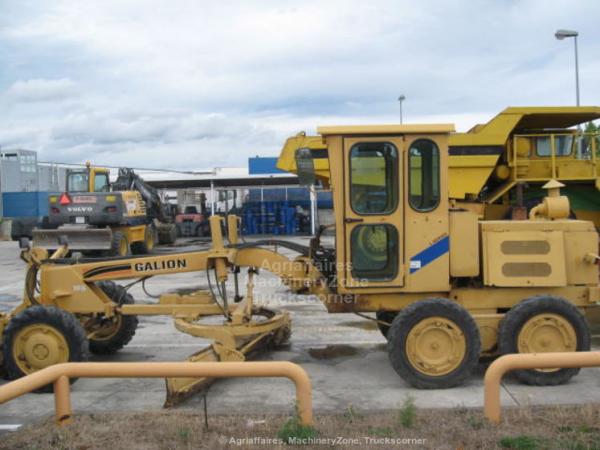
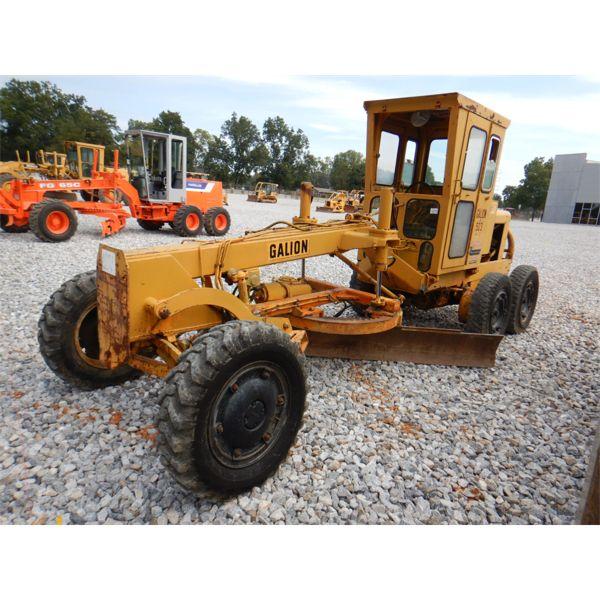
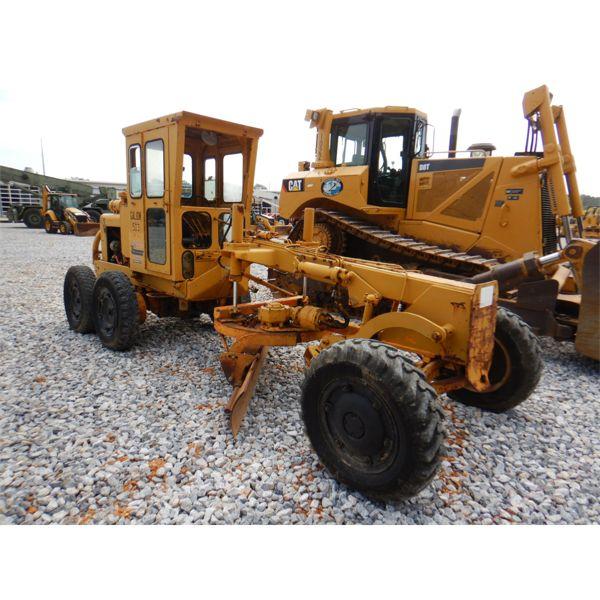
Introduction
The Galion 503L motor grader, equipped with the Detroit Diesel 353 engine, is a robust machine renowned for its durability and performance in various construction and grading applications. However, like any heavy machinery, it requires regular maintenance and occasional troubleshooting to ensure optimal functionality. This guide delves into common issues faced by operators of the Galion 503L, particularly concerning the Detroit Diesel 353 engine, and provides practical solutions and maintenance tips.
Engine Specifications
The Detroit Diesel 353 is a two-stroke, in-line six-cylinder engine known for its reliability and power output. It typically produces between 100 to 130 horsepower, depending on the specific configuration and application. This engine is commonly found in various industrial equipment, including motor graders, due to its robust design and performance characteristics.
Common Issues and Solutions
- Engine Overheating
Cause: Clogged radiator fins, malfunctioning thermostat, or low coolant levels.
Solution: Regularly inspect the radiator for debris and clean the fins to ensure proper airflow. Check the thermostat's functionality and replace it if faulty. Maintain adequate coolant levels and inspect hoses for leaks.
- Hard Starting or No Start
Cause: Weak or discharged batteries, faulty starter motor, or issues with the fuel system.
Solution: Test the battery voltage and replace if necessary. Inspect the starter motor for proper operation. Check fuel filters for clogging and ensure the fuel system is free of air.
- Loss of Power
Cause: Dirty air filters, fuel contamination, or injector problems.
Solution: Replace air filters at regular intervals. Use clean, high-quality fuel and replace fuel filters as needed. Have injectors tested and cleaned or replaced if necessary.
- Hydraulic System Leaks
Cause: Worn seals or O-rings in the hydraulic system.
Solution: Regularly inspect hydraulic lines and components for leaks. Replace worn seals and O-rings promptly to prevent further damage. Ensure hydraulic fluid levels are maintained within the recommended range.
Maintenance Tips- Regular Inspections: Conduct daily pre-operation checks, including fluid levels, tire pressure, and visual inspections for leaks or damage.
- Scheduled Maintenance: Follow the manufacturer's recommended service intervals for oil changes, filter replacements, and other routine maintenance tasks.
- Proper Storage: When not in use, store the motor grader in a dry, sheltered location to protect it from environmental elements that could cause wear or corrosion.
- Operator Training: Ensure that all operators are properly trained in the use and maintenance of the Galion 503L to prevent misuse and premature wear.
Case Study: Hydraulic Leak Repair
A common issue reported by Galion 503L operators is hydraulic leaks, particularly in the blade control valve. These leaks often result from worn seals or O-rings within the valve assembly. One operator reported that even without visible wear, internal seal degradation led to significant hydraulic fluid loss, affecting the blade's raise and lower functions. The recommended solution involved carefully disassembling the control valve, inspecting all seals, and replacing them with OEM parts. Thorough cleaning of all components before reassembly was crucial to restore proper functionality and prevent future leaks.
Conclusion
The Galion 503L motor grader, powered by the Detroit Diesel 353 engine, is a reliable piece of equipment when properly maintained. By adhering to regular maintenance schedules, promptly addressing common issues, and ensuring operators are well-trained, the longevity and performance of the grader can be maximized. Operators facing specific challenges are encouraged to consult the operator's manual and seek advice from experienced professionals to ensure the continued success of their operations.
|
|
|
|
| Troubleshooting Bucket Tilt Issues on New Holland LS180 Skid Steer Loaders |
|
Posted by: MikePhua - 08-13-2025, 06:53 PM - Forum: Troubleshooting & Diagnosing
- No Replies
|
|
The New Holland LS180 skid steer loader is a versatile machine widely used in construction, landscaping, and agriculture. However, operators may encounter issues with the bucket tilt function, leading to reduced productivity. Understanding the common causes and solutions for these problems can help maintain the machine's performance.
Common Causes of Bucket Tilt Problems
- Hydraulic Cylinder Seal Failure
Over time, the seals in the hydraulic cylinders can wear out, leading to internal leaks. This results in the bucket failing to hold its position or not tilting as expected. A user reported that after removing the cylinder, they discovered a loose bolt connecting the plunger to the shaft, causing the hydraulic fluid to bypass the seal and preventing proper operation.
- Control Valve Malfunction
The control valve directs hydraulic fluid to the appropriate cylinders. If the valve becomes stuck or fails internally, it can cause erratic or unresponsive bucket movements. In some cases, the valve may allow fluid to feed both the tilt and auxiliary hydraulics simultaneously, leading to unintended movements.
- Auxiliary Hydraulic Interference
Engaging auxiliary hydraulics can sometimes interfere with the bucket tilt function. If the auxiliary system is activated, it may divert hydraulic fluid from the tilt circuit, causing the bucket to lose its ability to tilt properly.
- Electrical Solenoid Issues
The LS180 utilizes solenoids to control hydraulic functions. A malfunctioning solenoid, especially the one controlling the bucket lock, can prevent the bucket from tilting. It's essential to check the solenoid's operation and ensure it's receiving the correct voltage.
Diagnostic Steps- Check Hydraulic Fluid Levels
Low or contaminated hydraulic fluid can cause erratic movements. Ensure the fluid is at the recommended level and is clean.
- Inspect Hydraulic Hoses and Fittings
Look for visible signs of wear, leaks, or damage. Even small leaks can lead to significant performance issues.
- Test the Control Valve
With the engine running, operate the bucket tilt function and listen for any unusual sounds. A malfunctioning valve may produce a whining noise or fail to respond promptly.
- Verify Solenoid Operation
Use a multimeter to check the voltage at the solenoid terminals. If the voltage is within the specified range and the solenoid is not functioning, it may need replacement.
Solutions- Rebuild or Replace Hydraulic Cylinders
If seal failure is detected, consider rebuilding the cylinders or replacing them entirely. Ensure that all components, including bolts and shafts, are in good condition.
- Repair or Replace the Control Valve
If the valve is found to be faulty, it may need cleaning, repair, or replacement. Consult the machine's manual for specific procedures.
- Deactivate Auxiliary Hydraulics
Before operating the bucket tilt, ensure that auxiliary hydraulics are disengaged to prevent interference.
- Replace Faulty Solenoids
If a solenoid is malfunctioning, replace it with a genuine New Holland part to ensure compatibility and reliability.
Preventive Maintenance Tips- Regularly Check Hydraulic Fluid Levels
Monitor fluid levels and quality to prevent issues related to contamination or low fluid levels.
- Inspect Hydraulic Components Periodically
Regular inspections can help identify potential problems before they lead to significant failures.
- Operate the Machine Within Recommended Parameters
Avoid overloading the machine or operating it beyond its designed capabilities to prolong the life of hydraulic components.
Conclusion
Bucket tilt issues on the New Holland LS180 skid steer loader can stem from various causes, including hydraulic cylinder seal failure, control valve malfunction, auxiliary hydraulic interference, and electrical solenoid problems. By systematically diagnosing the issue and performing the necessary repairs or replacements, operators can restore the machine's functionality and ensure efficient operation. Regular maintenance and adherence to operational guidelines are crucial in preventing such issues and extending the lifespan of the equipment.
|
|
|
|
| Troubleshooting Hydraulic Issues in the Hitachi Zaxis 210 Excavator |
|
Posted by: MikePhua - 08-13-2025, 06:53 PM - Forum: Troubleshooting & Diagnosing
- No Replies
|
|
Introduction
The Hitachi Zaxis 210 is a versatile and robust hydraulic excavator widely used in construction and mining operations. However, like any complex machinery, it can experience hydraulic system issues that may affect performance and productivity. This guide delves into common hydraulic problems encountered with the Zaxis 210, their potential causes, diagnostic steps, and recommended solutions.
Understanding the Hydraulic System
The hydraulic system in the Hitachi Zaxis 210 is integral to its operation, powering functions such as boom, arm, bucket, and swing movements. It comprises components like hydraulic pumps, control valves, actuators, and sensors. Proper maintenance and timely troubleshooting of these components are essential to ensure optimal performance.
Common Hydraulic Issues and Diagnostic Steps
- Reduced Hydraulic Power
Symptom: The machine operates with reduced speed and power, and multiple functions cannot be used simultaneously.
Potential Causes:- Clogged or restricted load sensing lines.
- Faulty or worn-out hydraulic pumps.
- Contaminated hydraulic fluid.
Diagnostic Steps:- Inspect and clean load sensing lines.
- Check hydraulic fluid condition and replace if necessary.
- Test hydraulic pump performance and replace if faulty.
- Erratic or Unresponsive Controls
Symptom: Hydraulic functions respond unpredictably or not at all.
Potential Causes:- Faulty or damaged solenoid valves.
- Electrical issues such as poor wiring connections.
- Sensor malfunctions.
Diagnostic Steps:- Test solenoid valve operation.
- Inspect wiring and connections for continuity and integrity.
- Check sensor outputs and replace if necessary.
- Hydraulic Fluid Leaks
Symptom: Visible hydraulic fluid leaks around hoses, cylinders, or pumps.
Potential Causes:- Worn or damaged seals and O-rings.
- Loose or improperly tightened fittings.
- Corroded or damaged hydraulic lines.
Diagnostic Steps:- Inspect seals and O-rings for wear and replace as needed.
- Tighten or replace loose fittings.
- Replace damaged hydraulic lines.
- Overheating of Hydraulic System
Symptom: Hydraulic fluid temperature exceeds normal operating range.
Potential Causes:- Clogged or dirty hydraulic filters.
- Faulty hydraulic cooler.
- Overuse of hydraulic functions without adequate cooling periods.
Diagnostic Steps:- Clean or replace hydraulic filters.
- Inspect and repair hydraulic cooler.
- Implement operational practices that allow for adequate cooling periods.
Case Study: Resolving Hydraulic Issues in a Hitachi Zaxis 210
A construction company operating a Hitachi Zaxis 210 excavator experienced significant hydraulic issues, including reduced power and unresponsive controls. Upon inspection, it was found that the load sensing lines were clogged, and the hydraulic fluid was contaminated. After cleaning the load sensing lines and replacing the hydraulic fluid, the excavator's performance improved significantly, demonstrating the importance of regular maintenance and timely troubleshooting.
Conclusion
Hydraulic issues in the Hitachi Zaxis 210 excavator can stem from various sources, including clogged lines, faulty components, and contaminated fluids. By systematically diagnosing and addressing these issues, operators can ensure the longevity and optimal performance of their equipment. Regular maintenance and prompt attention to hydraulic problems are key to minimizing downtime and maximizing productivity.
|
|
|
|
| Detailed Analysis of Water in Oil Issue on a 1986 JCB 3CX 1400: Causes, Diagnosis, and Solutions |
|
Posted by: MikePhua - 08-13-2025, 06:52 PM - Forum: Troubleshooting & Diagnosing
- No Replies
|
|
Introduction to the Water in Oil Problem on JCB 3CX 1400
Experiencing water contamination in the engine oil or gearbox oil of a 1986 JCB 3CX 1400 backhoe loader is a serious concern that can affect machine reliability and component lifespan. Water presence in oil often appears as milky or frothy oil, reduced lubrication effectiveness, and possible contamination-related damage. Its detection near the exhaust pipe region suggests potential connections to engine or turbocharger issues causing coolant or water ingress into the lubrication system.
Understanding possible causes, diagnostic methods, and remedial solutions is vital for operators and technicians to restore machine health and prevent costly failures.
Common Causes of Water in Oil in JCB 3CX 1400 - Condensation inside the Exhaust and Turbo System:
Water vapor formed during operation condenses inside the exhaust pipe or turbocharger housing. This condensate can drip into the engine’s oil system, contaminating the oil. This is especially pronounced when the machine operates intermittently or in cold conditions where full engine temperature is not reached.
- Leaking Head Gasket or Engine Block Cracks:
A blown head gasket or cracks in the engine block or cylinder head can allow coolant to mix with engine oil. This results in water presence in the oil and can cause overheating, white smoke from the exhaust, or coolant loss.
- Oil Cooler Failure and Water Intrusion:
The oil cooler, which often uses engine coolant to reduce oil temperature, can develop internal leaks if its tubes or seals become porous or damaged. This leak lets coolant seep into the oil passages, contaminating the oil with water.
- Water Entry through Intake or Exhaust System Components:
Water can enter if there is condensation buildup or if environmental water (rain, washing, snow melt) gets sucked in or collects inside exhaust piping and then enters the engine or turbo.
- Turbocharger Seal Failure:
Worn or damaged seals in the turbocharger can allow water or coolant from the cooling system to enter the oil side, mixing with engine oil.
Symptoms and Signs of Water in Oil- Milky or creamy appearance in engine or gearbox oil when checked via dipstick or oil filler cap.
- Foamy oil or bubbles seen during oil inspection.
- Decreased engine lubrication and unusual noises or performance degradation.
- White smoke from the exhaust, especially during startup or operation.
- Coolant loss without visible external leaks.
- Possible overheating or erratic engine temperature fluctuations.
- Water dripping or accumulation visible around the exhaust pipe or turbo.
- Contaminated oil leading to accelerated wear or clutch slippage in the gearbox.
Diagnostic Methods- Visual Oil Inspection:
Check the engine oil and transmission/gearbox oil for discoloration or creamy texture indicating water presence.
- Pressure and Leak Testing:
Perform a compression or leak-down test to detect head gasket failure or cracks in cylinder heads or engine block.
- Oil Cooler Inspection:
Inspect and test the oil cooler for internal leaks or signs of corrosion and damage that can allow coolant into oil passages.
- Turbocharger Seal Check:
Assess turbo seals and surrounding areas for oil-water mixture or coolant leaks.
- Coolant System Pressure Test:
Pressurize the cooling system to check for leaks into the oil system or exhaust components.
- Exhaust System Inspection:
Examine for water buildup in exhaust piping, water collecting points, or blocked drainage paths.
Common Solutions and Repair Approaches- Replace or Repair the Oil Cooler:
Installing a new or rebuilt oil cooler will prevent coolant from mixing with the oil. Ensure proper sealing and pressure test after installation.
- Fix Engine Head Gasket or Cracked Components:
Head gasket replacement or engine block/head repairs restore seal integrity, preventing coolant leaks into oil.
- Turbocharger Seal Replacement or Rebuild:
Repair or replace worn turbo seals to stop contamination ingress. Ensure proper turbo cooling and lubrication system integrity.
- Flush the Oil and Cooling Systems:
After repairs, thoroughly flush engine oil and cooling systems to remove residual contaminants and prevent damage.
- Improve Exhaust Drainage and Ventilation:
Modify or maintain exhaust piping to reduce condensate accumulation and improve water drainage.
- Regular Maintenance and Inspections:
Frequent oil and coolant checks allow early detection of water contamination, minimizing damage.
Terminology Clarified- Head Gasket: A seal between the engine block and cylinder head preventing leakage of fluids and gases.
- Oil Cooler: A heat exchanger that lowers oil temperature by transferring heat to coolant.
- Turbocharger Seal: Seals within the turbo protecting oil and coolant passages from mixing and contamination.
- Compression Test: A diagnostic method checking cylinder sealing integrity.
- Leak-Down Test: A precise test confirming leaks in the combustion chamber or associated areas.
- Condensation: Water vapor that forms and collects into liquid inside cold surfaces such as exhaust pipes.
Case Story: Water Contamination Resolved on a JCB 3CX
A JCB 3CX 1400 operator reported milky engine oil and water dripping from the exhaust pipe. Initial checks ruled out external coolant leaks. A compression test revealed a minor head gasket leak. The oil cooler also tested positive for internal leaks. Replacing the head gasket and oil cooler, along with turbo seal inspection and replacement, restored oil integrity. Post-repair flushing removed water contaminants. The operator noted improved engine smoothness and no further water presence after several weeks of operation. This case underscores the importance of integrated diagnostics addressing both engine and cooling system components when water contamination in oil is present.
Practical Advice and Preventive Measures- Avoid short, frequent operation cycles that don’t allow the engine to reach full operating temperature and evaporate condensation.
- Monitor oil condition regularly and change oil and filters according to recommended intervals or sooner if contamination is suspected.
- Maintain the cooling system meticulously to avoid excessive pressure or overheating that can damage gaskets or coolers.
- Insulate or modify exhaust piping to minimize condensation buildup, especially in cold climates.
- Use high-quality replacement parts for oil coolers, gaskets, and turbo seals to ensure long-term reliability.
- Train operators to recognize early signs of water contamination such as milky oil or white exhaust smoke.
Summary List of Key Points- Water in oil often results from condensation, head gasket failure, oil cooler leaks, or turbo seal damage.
- Milky, foamy oil and white exhaust smoke are primary indicators.
- Diagnostic steps include oil inspection, compression and leak-down testing, cooler and turbo inspection, and cooling system pressure testing.
- Repair involves gasket replacements, oil cooler servicing, turbo seal repairs, system flushing, and exhaust maintenance.
- Regular maintenance and operating practices can prevent or minimize water contamination issues.
- Early diagnosis and repair prevent costly engine or transmission damage and loss of machine availability.
Conclusion
Water contamination in oil on a 1986 JCB 3CX 1400 backhoe loader is a multifaceted issue linked primarily to cooling system components, engine sealing, and exhaust system condensation. A detailed diagnostic approach exploring engine, cooling, and turbo components is vital for accurate root cause identification.
Implementing timely repairs such as oil cooler replacement, head gasket service, and turbo seal refurbishment, combined with comprehensive flushing and preventive maintenance strategies, will restore oil cleanliness and machine reliability. Operators and technicians attentive to these factors can significantly extend the service life of the 3CX and reduce unplanned downtime.
This detailed overview integrates technical explanations, case experiences, and practical solutions, providing a comprehensive resource for addressing water in oil problems on JCB 3CX backhoe loaders.
|
|
|
|
|



