| Welcome, Guest |
You have to register before you can post on our site.
|
| Online Users |
There are currently 105 online users.
» 0 Member(s) | 97 Guest(s)
Ahrefs, Amazon, Baidu, Bing, Claude, DotBot, Google, Semrush
|
| Latest Threads |
Identifying and Sourcing ...
Forum: Parts , Attachments & Tools
Last Post: MikePhua
01-07-2026, 06:29 PM
» Replies: 0
» Views: 528
|
Cat 931B Brake Parts
Forum: Parts , Attachments & Tools
Last Post: MikePhua
01-07-2026, 06:29 PM
» Replies: 0
» Views: 283
|
Choosing Between Cat 228,...
Forum: General Discussion
Last Post: MikePhua
01-07-2026, 06:28 PM
» Replies: 0
» Views: 561
|
Hydraulic Delay When Lowe...
Forum: Troubleshooting & Diagnosing
Last Post: MikePhua
01-07-2026, 06:27 PM
» Replies: 0
» Views: 447
|
Bale Chopper and Mulcher ...
Forum: General Discussion
Last Post: MikePhua
01-07-2026, 06:26 PM
» Replies: 0
» Views: 324
|
Mini UC Maintenance
Forum: General Discussion
Last Post: MikePhua
01-07-2026, 06:25 PM
» Replies: 0
» Views: 314
|
Locating Wiring Informati...
Forum: General Discussion
Last Post: MikePhua
01-07-2026, 06:24 PM
» Replies: 0
» Views: 346
|
Case Industrial Brown Sub...
Forum: Parts , Attachments & Tools
Last Post: MikePhua
01-07-2026, 06:23 PM
» Replies: 0
» Views: 275
|
Dirt Work in West Virgini...
Forum: Construction & Urban Infrastructure Forum
Last Post: MikePhua
01-07-2026, 06:23 PM
» Replies: 0
» Views: 377
|
D207 P Hydraulic Steering...
Forum: Parts , Attachments & Tools
Last Post: MikePhua
01-07-2026, 06:22 PM
» Replies: 0
» Views: 304
|
|
|
| Comprehensive Overview of the Caterpillar 613 Motor Scraper: Specifications, Maintenance, and Operational Insights |
|
Posted by: MikePhua - 08-13-2025, 07:15 PM - Forum: General Discussion
- No Replies
|
 |
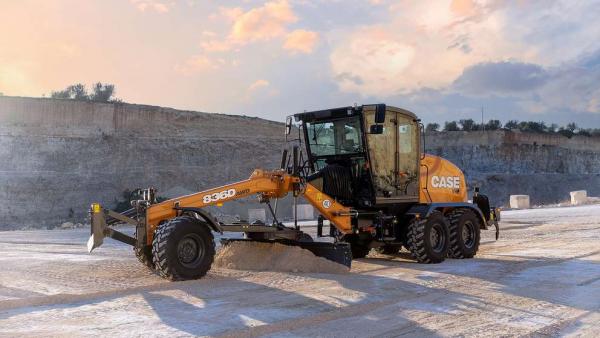
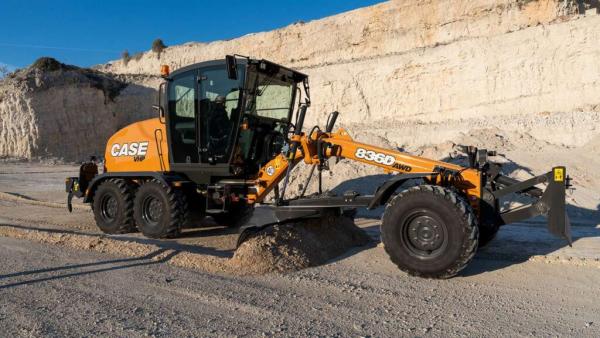
The Caterpillar 613 Motor Scraper, introduced in the 1970s, has been a pivotal machine in earthmoving operations, particularly for tasks like grading, hauling, and material spreading. This article delves into its specifications, common issues, maintenance practices, and real-world applications to provide a comprehensive understanding of this iconic piece of machinery.
Technical Specifications
The Caterpillar 613 Motor Scraper comes in various models, each with specific features tailored to different operational needs. Below is a detailed overview of its specifications: - Engine:
- Model: Caterpillar 3306 or 3116 Diesel Engine
- Displacement: Approximately 6.6 liters
- Net Power: Varies by model; typically around 181 hp (135 kW)
- Transmission:
- Type: Hydrostatic drive with multiple forward and reverse gears
- Transmission Fluid: Typically 15W-40 oil is recommended for hydrostatic systems
- Dimensions:
- Overall Length: Approximately 32.81 ft (10.0 m)
- Width: 8.01 ft (2.44 m)
- Height: 9.39 ft (2.86 m)
- Wheelbase: 20.84 ft (6.35 m)
- Scraper Bowl:
- Capacity: Heaped capacity of 11 cu yd (8.4 m³)
- Cutting Width: Approximately 8 ft (2.44 m)
- Depth of Cut: Maximum 6 in (15 cm)
- Depth of Spread: Maximum 15 in (38 cm)
Common Operational Challenges
While the 613 Motor Scraper is renowned for its versatility, operators have reported several recurring issues:
- Transmission Slippage: Instances of gear slippage at higher RPMs often indicate insufficient transmission oil flow. This can be due to a clogged or faulty oil pump, leading to inadequate lubrication and potential damage to internal components.
- Gear Engagement Issues: Some operators have experienced difficulties with certain gears not engaging properly. For example, a 1991 Cat 613C scraper exhibited issues where it would shift into first and second gears and pull fine but would not engage third, fourth, or fifth gears. This problem persisted even after checking the transmission oil and finding no metal debris.
- Engine Clutch Problems: Reports suggest that the engine clutch may slip or grab intermittently under load. This could be indicative of wear or improper adjustment, affecting the machine's performance.
Maintenance Best Practices
To ensure the longevity and optimal performance of the Caterpillar 613 Motor Scraper, adhering to a rigorous maintenance schedule is crucial:- Daily Inspections: Conduct thorough pre- and post-operation inspections, focusing on fluid levels, hydraulic systems, and any signs of wear or damage.
- Hydraulic System Care: Regularly check for leaks and ensure that hydraulic fluid levels are adequate. Replace filters and seals as needed to maintain system efficiency.
- Transmission Maintenance: Monitor the condition of the transmission fluid, and replace it periodically. Inspect the oil pump and associated components for wear or damage to prevent slippage issues.
- Clutch Adjustments: Regularly inspect and adjust the engine clutch to ensure proper engagement and prevent slipping or grabbing under load.
Real-World Applications and Operator Experiences
The Caterpillar 613 Motor Scraper has been utilized in various projects, from large-scale construction to agricultural applications. Operators have shared their experiences, highlighting both the machine's capabilities and limitations:- Versatility in Small to Medium Projects: Operators have found the 613 Motor Scraper to be ideal for small to medium-sized grading and hauling tasks, offering flexibility and efficiency.
- Challenges in Large-Scale Operations: In larger projects, the 613 may face challenges due to its size and complexity. Some operators have noted that it may be too small for large yardage tasks and too complex for small-scale jobs, making it less productive in certain scenarios.
Conclusion
The Caterpillar 613 Motor Scraper remains a valuable asset in the earthmoving industry, known for its versatility and reliability. By understanding its specifications, addressing common issues proactively, and adhering to recommended maintenance practices, operators can maximize the machine's performance and longevity. Whether used in construction, agriculture, or other applications, the 613 continues to serve as a testament to Caterpillar's engineering excellence.
|

|
|
| Repairing a Loose Bearing Race in a John Deere Pull Scraper Hub |
|
Posted by: MikePhua - 08-13-2025, 07:14 PM - Forum: Troubleshooting & Diagnosing
- No Replies
|
|
Introduction
A common issue faced by operators of John Deere pull scrapers is the loosening of bearing races within the hub assembly. This problem can lead to increased wear, reduced performance, and potential failure of the scraper's wheel assembly if not addressed promptly. Understanding the causes, symptoms, and repair methods for a loose bearing race is crucial for maintaining the scraper's operational efficiency.
Understanding the Problem
The bearing race is a critical component that houses the rolling elements of the bearing, allowing for smooth rotation of the wheel assembly. Over time, due to factors such as excessive load, improper installation, or lack of maintenance, the bearing race can become loose within the hub. This looseness can result in uneven wear, increased vibration, and potential damage to other components of the scraper.
Symptoms of a Loose Bearing Race
Operators should be vigilant for the following signs that may indicate a loose bearing race: - Unusual Noise: Grinding or rumbling sounds emanating from the wheel assembly.
- Excessive Play: Noticeable movement or wobbling of the wheel when manually rocked.
- Uneven Wear Patterns: Irregular tire wear or scuffing on the wheel rim.
- Vibration: Increased vibration felt through the machine during operation.
Repair Methods
Several approaches can be employed to address a loose bearing race in a John Deere pull scraper hub:
- Machining and Press-Fitting a New Bushing: A common method involves machining the worn bearing race seat to a larger diameter and then press-fitting a new bushing or bearing race into place. This restores the original dimensions and provides a secure seating for the bearing.
- Welding and Machining: In cases where machining is not feasible, welding the bearing race seat and then machining it to the correct dimensions can be an effective solution. This method requires careful control of heat to prevent warping and ensure proper alignment.
- Using Retaining Compounds: For minor looseness, applying a high-strength retaining compound, such as Loctite 660, can help secure the bearing race in place. This method is typically a temporary fix and should be monitored closely.
Case Study: Machining and Press-Fitting
A contractor operating a John Deere 2112E pull pan scraper encountered a loose bearing race in the wheel hub. The machinist removed the worn bearing race, machined the hub to the appropriate size, and press-fitted a new bearing race. This repair restored the scraper's performance and extended the lifespan of the wheel assembly.
Preventive Measures
To prevent the recurrence of a loose bearing race, operators should:- Regularly Inspect: Conduct routine inspections of the wheel assemblies for signs of wear or looseness.
- Proper Loading: Avoid overloading the scraper, as excessive weight can accelerate wear on bearing components.
- Maintain Lubrication: Ensure that bearings are adequately lubricated to reduce friction and wear.
- Timely Repairs: Address any signs of bearing issues promptly to prevent further damage.
Conclusion
A loose bearing race in a John Deere pull scraper hub is a repairable issue that requires timely attention to maintain the machine's performance and longevity. By understanding the symptoms, employing appropriate repair methods, and implementing preventive measures, operators can ensure the continued efficiency of their equipment.
|
|
|
|
| Comprehensive Guide to the Case 580SE Backhoe Loader: Specifications, Troubleshooting, and Maintenance |
|
Posted by: MikePhua - 08-13-2025, 07:13 PM - Forum: General Discussion
- No Replies
|
|
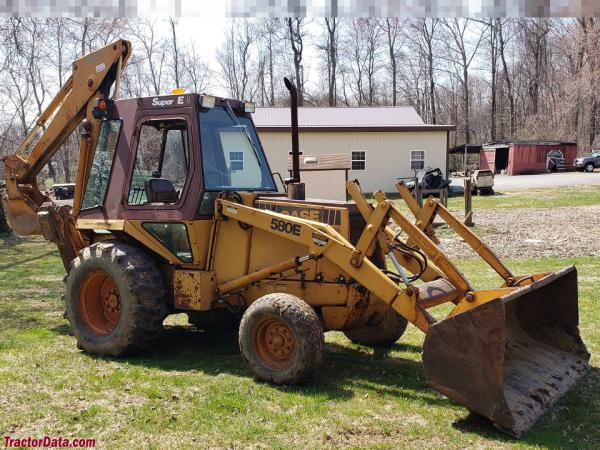
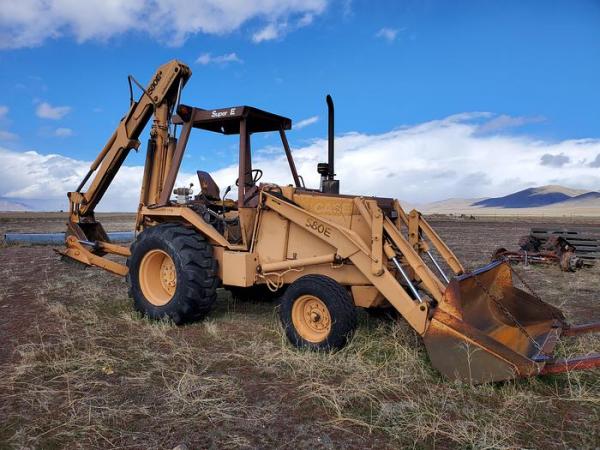
The Case 580SE Backhoe Loader, introduced in the mid-1980s, has been a cornerstone in construction and agricultural operations due to its robust design and versatile capabilities. This article delves into its specifications, common issues, and maintenance practices to ensure optimal performance and longevity.
Specifications of the Case 580SE
The Case 580SE is engineered to handle various tasks, from digging trenches to lifting heavy materials. Below is a detailed overview of its specifications: - Engine Power: Approximately 69 horsepower, providing sufficient power for demanding tasks.
- Operating Weight: Around 10,660 lbs (4,835 kg), balancing stability and maneuverability.
- Digging Depth: Standard digging depth of 14.2 ft (4.3 m), extendable to 18.3 ft (5.6 m) with the Extendahoe option.
- Loader Lift Capacity: Approximately 4,390 lbs (1,990 kg), suitable for various lifting operations.
- Breakout Force: Around 7,040 lbs (3,190 kg), ensuring efficient material handling.
- Transport Dimensions:
- Length: 21.76 ft (6.63 m)
- Width: 6.76 ft (2.06 m)
- Height: 18.8 ft (5.73 m)
- Wheelbase: 10.77 ft (3.28 m)
Common Issues and Troubleshooting
Despite its reliability, the Case 580SE may encounter certain issues over time. Understanding these problems and their solutions can aid in efficient troubleshooting:
- Hydraulic System Failures: Common issues include leaks in cylinders and slow operation of the backhoe swing. Regular inspection and maintenance of hydraulic components are essential.
- Shuttle Shift Transmission Problems: Some models experience forward motion issues due to stuck shuttle clutch solenoids or hydraulic fluid contamination. Regular fluid changes and solenoid inspections can mitigate these problems.
- Steering Cylinder Failures: Worn steering cylinders can lead to steering issues. Replacing worn components and ensuring proper installation of seal kits can prevent these failures.
Maintenance Practices
Regular maintenance is crucial to extend the lifespan of the Case 580SE and maintain its performance:- Hydraulic System Maintenance: Regularly check for leaks and ensure that hydraulic fluid levels are adequate. Replace filters and seals as needed.
- Transmission Care: Monitor the condition of the shuttle shift transmission. Change hydraulic fluid periodically and inspect solenoids for proper function.
- Steering System Upkeep: Inspect steering cylinders and tie rod ends for wear. Replace components showing signs of damage to maintain steering responsiveness.
- General Inspections: Conduct routine checks on the engine, tires, and other critical components to identify potential issues before they become major problems.
Conclusion
The Case 580SE Backhoe Loader remains a valuable asset in various industries due to its durability and versatility. By understanding its specifications, recognizing common issues, and adhering to regular maintenance practices, operators can ensure that the 580SE continues to perform efficiently for years to come.
|
|
|
|
| Detailed Exploration of Heavy Equipment Operator Safety: Best Practices, Common Mistakes, and Practical Solutions |
|
Posted by: MikePhua - 08-13-2025, 07:12 PM - Forum: General Discussion
- No Replies
|
|
Understanding the Importance of Heavy Equipment Operator Safety
Operating heavy machinery requires rigorous attention to safety due to the inherent risks of working with large, powerful equipment in dynamic and often hazardous environments. Operator error or negligence can lead to severe injuries, fatalities, equipment damage, and costly project delays. Therefore, cultivating a comprehensive safety mindset, thorough equipment knowledge, and disciplined operational habits is imperative.
This detailed guide elucidates essential safety best practices, highlights common mistakes made by operators (informally known as "idiots behind the wheel"), explains key terminology, and supplements with real-world stories emphasizing lessons learned. It also provides actionable recommendations to minimize human error, enhance workplace safety, and protect lives and assets.
Common Operator Mistakes and Their Consequences - Neglecting Pre-Operation Inspection
Operators who skip or inadequately perform daily machine inspections risk working with malfunctioning equipment, leading to unexpected failures or accidents. This includes ignoring low fluid levels, loose components, worn tires, or defective safety devices.
- Ignoring Blind Spots and Surroundings
Heavy equipment often has significant blind zones. Operators distracted or inattentive to their surroundings can inadvertently strike workers, structures, or obstacles. Failure to use spotters exacerbates this risk.
- Improper Use of Safety Gear
Not wearing seat belts, helmets, or failing to use fall protection during ingress/egress exposes operators to serious injury during rollovers or slips.
- Unsafe Entry and Exit Practices
Climbing on or off equipment without maintaining three points of contact leads to common falls and injuries.
- Unsafe Driving and Load Handling
Excessive speed, abrupt turns, or overloading degrade control and increase the likelihood of tip-overs or loss of load. Operating on uneven terrain or slopes without caution further elevates hazards.
- Bypassing Safety Systems or Disabling Alarms
Operators who disable backup alarms or safety interlocks eliminate critical warnings intended to prevent incidents.
- Lack of Communication with Ground Workers
Poor verbal or visual communication causes misunderstandings about equipment movements, increasing injury risks to nearby personnel.
Key Safety Best Practices for Operators- Conduct Thorough Pre-Shift Machine Checks
- Walk around the equipment, check fluid levels (oil, coolant, hydraulic), tire/wheel conditions, and inspect for leaks or damage.
- Verify lights, horns, backup alarms, and mirrors are functional.
- Confirm safety devices like seat belts and fire extinguishers are intact.
- Maintain Three Points of Contact During Mounting/Dismounting
Always keep two hands and one foot (or two feet and one hand) securely in contact with the machine to prevent falls.
- Wear Appropriate Personal Protective Equipment (PPE)
This includes seat belts, hard hats, steel-toe boots, high visibility vests, gloves, and eye protection.
- Understand and Respect Blind Spots
Use mirrors effectively, install cameras or proximity alarms if available, and employ trained spotters when needed.
- Operate Equipment Within Safe Parameters
Drive at controlled speeds appropriate to terrain and equipment load, avoid sharp turns or sudden movements, and adhere to maximum load limits.
- Use All Machine Safety Features
Never bypass alarms, interlocks, or safety locks. Ensure emergency stop mechanisms are known and functional.
- Establish Clear Communication Protocols
Use standardized hand signals, radios, or horns to coordinate movements with ground personnel.
- Stay Alert and Minimize Distractions
Avoid phone use, fatigue, or other distractions while operating machinery.
Terminology Clarified- Three-Point Contact: A climbing technique ensuring two hands and one foot or two feet and one hand are always anchored.
- Blind Spots: Areas around machinery invisible to the operator, posing collision risks.
- PPE (Personal Protective Equipment): Gear like helmets and gloves designed to protect workers from hazards.
- Safety Interlocks: Systems that prevent machine operation unless certain conditions are met (e.g., seat belt fastened).
- Spotter: A trained person who guides the equipment operator to enhance safety in blind or tight areas.
- Lockout Device: Equipment used to ensure machinery cannot operate during maintenance.
Practical Solutions to Reduce Operator Errors- Implement mandatory operator training programs emphasizing hazard recognition and equipment familiarity.
- Develop and enforce standard operating procedures (SOPs) including daily inspection checklists.
- Equip machines with additional safety technology such as rearview cameras, proximity sensors, and audible alerts.
- Establish workplace culture prioritizing safety accountability and open communication.
- Schedule regular refresher courses focusing on common accident causes and prevention tactics.
- Perform routine safety audits to identify and correct unsafe behaviors or equipment deficiencies.
- Encourage reporting of near-misses without fear of punishment to proactively address risks.
Compelling Stories and News Illustrating Operator Safety Importance- A well-publicized case involved a loader operator failing to use the locking pin on a bucket pivot, causing the bucket to detach mid-operation, yet fortunately causing no injuries. This incident prompted stricter safety checks on pin usage and personnel training.
- In another instance, the lack of a spotter during a crane operation led to collision with power lines, causing fatalities and severe regulatory consequences. This tragedy underscores the necessity of communication and support personnel.
- Conversely, a company’s proactive adoption of mandatory seatbelt use and installation of backup cameras reduced heavy equipment-related accidents by over 50%, demonstrating the effectiveness of safety culture investment.
Summary List of Safety Recommendations- Conduct comprehensive pre-operation inspections consistently.
- Always wear seat belts and appropriate PPE.
- Maintain three points of contact during ingress and egress.
- Know and respect blind spots; use spotters and camera systems.
- Operate equipment mindfully within load and speed limits.
- Do not disable safety systems or alarms.
- Communicate clearly using established signals and radios.
- Participate in ongoing safety training and refreshers.
- Report and analyze near misses to improve protocols.
- Ensure machinery is well-maintained, with all safety devices functional.
Conclusion
Heavy equipment operator safety is a multi-faceted responsibility blending proper equipment knowledge, cautious operation, adherence to safety protocols, and ongoing training. Many accidents and equipment failures stem from simple operator oversights such as neglecting inspections, poor communication, and bypassing safety features. By embracing thorough pre-shift checks, disciplined use of PPE and safety devices, careful attention to surroundings, and fostering a safety-oriented mindset, operators can dramatically reduce risks to themselves and their coworkers.
This comprehensive guide, enriched with terminology explanations, real-world case examples, best practices, and practical solutions, serves as a vital resource for heavy equipment operators, supervisors, and safety professionals committed to promoting safe and efficient machinery operation on job sites worldwide. Safety truly begins with the operator behind the wheel.
|
|
|
|
| Comprehensive Guide to Skid Steer Operation and Maintenance |
|
Posted by: MikePhua - 08-13-2025, 07:12 PM - Forum: General Discussion
- No Replies
|
|
Introduction
Skid steer loaders are indispensable machines in the construction, landscaping, and agricultural sectors due to their versatility and compact design. Proper operation and maintenance are essential to ensure their longevity and optimal performance.
Understanding Skid Steer Loaders
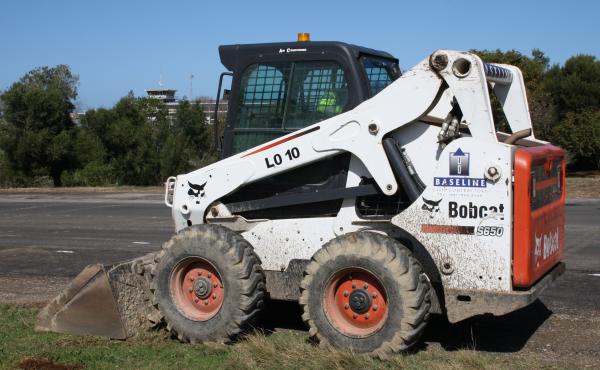
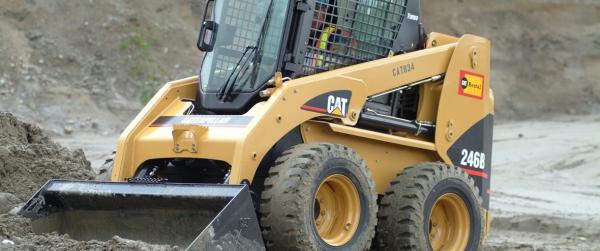
A skid steer loader, often referred to as a skid loader, is a small, rigid-frame, engine-powered machine with lift arms used to attach a wide variety of labor-saving tools or attachments. These machines are characterized by their unique steering mechanism, where the left and right wheels or tracks are driven independently, allowing for zero-radius turns. Skid steers are available in wheeled and tracked versions, each suited for different terrains and applications.
Key Components and Controls - Lift Arms and Attachments: The lift arms are the primary components that connect to various attachments such as buckets, forks, and augers.
- Hydraulic System: Skid steers utilize a hydraulic system to operate lift arms and attachments. Regular checks and maintenance of hydraulic fluid levels and filters are crucial.
- Engine and Cooling System: Regular inspection of the engine, oil levels, and cooling system ensures efficient operation and prevents overheating.
- Electrical System: Monitoring the battery, alternator, and wiring helps prevent electrical failures.
Daily Operational Checks
Before each use, operators should perform the following checks:- Fluid Levels: Verify engine oil, hydraulic fluid, coolant, and fuel levels.
- Tire or Track Condition: Inspect for wear, punctures, or damage.
- Attachments: Ensure attachments are securely connected and in good working condition.
- Controls and Safety Features: Test all controls, including lift arms, bucket, and steering.
Routine Maintenance Schedule
Adhering to a regular maintenance schedule is vital for the skid steer's performance:- Every 10 Hours:
- Check and clean the air filter.
- Inspect hydraulic hoses for leaks or damage.
- Grease all pivot points and fittings.
- Every 50 Hours:
- Change engine oil and replace the oil filter.
- Inspect and clean the radiator and cooling system.
- Check battery terminals and clean if necessary.
- Every 250 Hours:
- Replace hydraulic fluid and filter.
- Inspect and replace fuel filters.
- Check and adjust the tension of drive belts.
Common Maintenance Mistakes to Avoid- Neglecting Hydraulic System: Low or contaminated hydraulic fluid can lead to system failure.
- Overloading the Machine: Exceeding the rated capacity can cause structural damage and premature wear.
- Ignoring Warning Lights: Warning indicators should never be ignored, as they signal potential issues that could lead to costly repairs.
- Using Incorrect Lubricants: Always use manufacturer-recommended oils and greases to ensure compatibility and performance.
Case Study: Hydraulic System Failure
A contractor operating a skid steer loader experienced sluggish performance and overheating. Upon inspection, it was found that the hydraulic fluid was low due to a slow leak in a hose. The leak had gone unnoticed during routine checks, leading to system strain and eventual failure. After replacing the damaged hose and refilling the hydraulic fluid, the machine returned to normal operation.
Conclusion
Regular operation and maintenance of skid steer loaders are essential for maximizing their lifespan and ensuring safety on the job site. By adhering to a structured maintenance schedule and being vigilant about potential issues, operators can minimize downtime and costly repairs. Always consult the manufacturer's manual for specific guidelines and recommendations tailored to your machine model.
|
|
|
|
| Essential Guide to Always Using Locking Pins in Heavy Equipment: Safety, Benefits, and Practical Advice |
|
Posted by: MikePhua - 08-13-2025, 07:11 PM - Forum: General Discussion
- No Replies
|
|
The Critical Role of Locking Pins
Locking pins, sometimes known as safety pins, locking clips, or safety clips, are small but vital devices used extensively in heavy equipment to secure movable parts, attachments, or components in place. These pins prevent unintended movement or dislodgement caused by vibration, load shifts, or accidental impacts. Despite their simple design, the correct use of locking pins is fundamental to operational safety, equipment longevity, and regulatory compliance.
Why Always Use Locking Pins? - Prevent Accidental Dislodgement:
Locking pins keep components such as attachment pins, pivot points, or beams firmly engaged. Without the pin properly in place, even a minor bump or vibration may cause a pin or part to slip out, leading to dropped attachments, sudden releases, or structural failures.
- Enhance Operator and Workplace Safety:
Dislodged parts can result in severe injuries or fatalities on job sites. Locking pins act as an essential safeguard against unexpected hazards by securing loads and mechanical linkages during operation or maintenance.
- Maintain Equipment Integrity and Stability:
Many machines rely on pins to hold heavy booms, buckets, blades, or articulated sections. Locking pins contribute to the machine’s structural integrity, preventing damage caused by movement or misalignment under load.
- Ensure Regulatory and Insurance Compliance:
Safety standards often mandate the use of locking pins on critical connections. Failure to use them may result in non-compliance with workplace safety regulations and could affect insurance coverage in the event of an accident.
Common Applications of Locking Pins- Securing boom sections, bucket pins, and linkage joints on excavators, loaders, and backhoes.
- Locking pallet racking beams in warehouses to prevent beam slipping or collapse under load.
- Retaining pins in towing, hitch systems, or implement mounting on agricultural and construction equipment.
- Safety latch lock pins in elevators, cranes, and lifting systems to secure load-bearing parts.
- Mechanical joints in vehicle steering and suspension components for reliable operation.
Terminology Explained- Locking Pin: A mechanical fastener inserted through aligned holes to prevent movement or separation of components.
- Safety Clip/Safety Pin: A retaining clip used alongside the locking pin to prevent its accidental removal.
- Beam Locking Device: In pallet racks, a safety clip or pin securing horizontal beams to vertical uprights.
- Pivot Pin: A bolt or pin acting as a pivot point in articulated machinery, requiring locking for secure operation.
- Lockout Device: A device used to secure energy-isolating equipment in a safe position during maintenance—related but distinct from locking pins securing mechanical components.
Practical Advice and Best Practices- Always double-check that locking pins are fully engaged and secured with clips or retainers before operating machinery or moving attachments.
- Use locking pins sized and rated according to manufacturer specifications; undersized or worn pins may fail under load.
- Regularly inspect locking pins and associated clips for wear, corrosion, bending, or damage and replace if necessary.
- Educate operators, maintenance personnel, and riggers about the importance of locking pin use and the risks of neglect.
- Maintain an inventory of appropriate locking pins and clips for different machinery and applications to ensure availability when needed.
- Incorporate locking pin verification into pre-operation safety checklists and maintenance routines.
Supplementary Solutions and Safety Enhancements- Consider locking pins with safety latches, spring clips, or cotter pins to minimize accidental disengagement.
- For critical applications, use locking pins with electronic or visual indicators showing when pins are properly seated.
- Where feasible, implement secondary mechanical interlocks or fail-safe devices for attachment security.
- Use corrosion-resistant materials (e.g., stainless steel pins) in harsh environments to sustain reliable function over time.
Case Story: Preventing Catastrophic Failure Through Locking Pin Use
A construction site faced a near-accident when an excavator’s bucket pin slipped partially loose during digging. Luckily, the operator had inserted the recommended locking pin with a safety clip. This simple yet crucial step prevented the bucket from falling off under load, avoiding injuries and costly equipment damage. Post-incident, the site instituted mandatory locking pin inspections in daily safety briefings, significantly reducing mechanical mishaps.
Summary of Locking Pin Importance and Recommendations- Locking pins prevent accidental dislodgement and maintain equipment stability.
- Use pins compliant with manufacturer ratings and fitted with retainers to secure them.
- Regular inspection and replacement of worn pins ensure ongoing safety and function.
- Educate all personnel regarding the risks of neglecting locking pin usage.
- Document locking pin checks in maintenance and operation protocols.
- Keep a stockpile of suitable locking pins for quick replacement.
- Employ corrosion-resistant pins and consider enhanced safety features when applicable.
Conclusion
Locking pins are indispensable safety components in heavy equipment operation, providing a simple yet effective solution to secure critical parts and attachments. Their use dramatically reduces risk of injury, equipment damage, and operational downtime. Operators and maintenance teams must prioritize the correct selection, installation, and inspection of locking pins as an integral part of safety culture.
This comprehensive examination highlights the technical rationale, safety implications, practical procedures, and lessons learned related to locking pin use. By embedding this knowledge into daily work habits, heavy equipment operations become safer, more reliable, and compliant with regulatory and industry standards. The straightforward act of always using locking pins is a powerful safeguard that protects lives, machines, and productivity.
|
|
|
|
| Troubleshooting Genie GS1930 GCOM Controller Malfunctions |
|
Posted by: MikePhua - 08-13-2025, 07:10 PM - Forum: Troubleshooting & Diagnosing
- No Replies
|
|
The Genie GS1930 scissor lift is a versatile and widely used piece of equipment in various industries. However, operators may encounter issues with the Ground Control Operator Module (GCOM), leading to non-responsive controls. Understanding the potential causes and solutions is essential for efficient troubleshooting and repair.
Understanding the GCOM System
The GCOM in the Genie GS1930 serves as the interface between the operator and the machine's control system. It allows the operator to control various functions, including lifting and driving the platform. The system comprises several components: - Joystick Controller: Translates operator inputs into electronic signals.
- Control Box: Processes signals from the joystick and communicates with the machine's main control system.
- Wiring Harness: Connects the joystick and control box to the main control system.
- Emergency Stop (E-Stop) Buttons: Safety features that disable all machine functions when activated.
Common Issues and Diagnostic Steps
- No Response from GCOM
If the GCOM is powered on but unresponsive, consider the following:- Check Emergency Stop Buttons: Ensure both platform and ground control E-Stop buttons are in the 'ON' position.
- Inspect Joystick and Control Box: Verify that the joystick is correctly connected to the control box and that the control box is receiving power.
- Examine Wiring Harness: Look for any visible damage or loose connections in the wiring harness.
- Error Codes Displayed
Error codes can provide insight into the malfunction:- Code 2: Indicates a low voltage or communication error between the battery and control system.
- Code 21: Signifies lost communication from the platform controller to the chassis controller, often due to a CANbus signal issue.
- Code 31: Appears when the lift function is enabled, and the joystick is in the center position before releasing the function enable button.
Advanced Troubleshooting
For persistent issues:- Test Continuity: Use a multimeter to check for continuity in the wiring between the joystick, control box, and main control system.
- Inspect Main Control System: If the GCOM and wiring are functional, the issue may lie within the main control system.
- Consult Service Manual: Refer to the Genie GS1930 service manual for detailed wiring diagrams and troubleshooting procedures.
Preventive Maintenance Tips
To minimize future issues:- Regular Inspections: Periodically check the GCOM components for wear and tear.
- Clean Connections: Ensure all connectors are free from corrosion and securely fastened.
- Update Software: Keep the machine's software up to date to benefit from the latest improvements and bug fixes.
Conclusion
Addressing GCOM malfunctions in the Genie GS1930 requires a systematic approach, starting with basic checks and progressing to more advanced diagnostics if necessary. By understanding the system's components and potential issues, operators can efficiently troubleshoot and maintain their equipment, ensuring optimal performance and safety.
|
|
|
|
| Troubleshooting Warning Lights on the 2005 Case 580 Super M Series 2: A Comprehensive Guide |
|
Posted by: MikePhua - 08-13-2025, 07:10 PM - Forum: Troubleshooting & Diagnosing
- No Replies
|
|
Introduction
The 2005 Case 580 Super M Series 2 backhoe loader is a robust piece of machinery widely used in construction and agricultural applications. However, like all heavy equipment, it is prone to various issues, one of the most common being the illumination of warning lights on the dashboard. These warning lights serve as indicators of potential problems that require attention. Understanding the causes and solutions for these warning lights is crucial for maintaining the machine's performance and longevity.
Understanding the Warning Lights
The warning lights on the Case 580 Super M Series 2 are designed to alert the operator to specific issues within the machine's systems. Each light corresponds to a particular function or component, and interpreting these lights correctly is the first step in troubleshooting.
Common Warning Lights and Their Meanings
- Oil Pressure Warning Light: Illuminates when the engine oil pressure is low, indicating potential issues with the oil pump, oil level, or oil pressure sensor.
- Coolant Temperature Warning Light: Activates when the engine coolant temperature exceeds normal levels, suggesting possible overheating due to coolant leaks, radiator blockages, or thermostat failures.
- Battery Charge Warning Light: Signals when the battery is not charging properly, which could be due to a faulty alternator, loose belts, or electrical connection issues.
- Transmission Oil Temperature Warning Light: Indicates that the transmission oil temperature is too high, often caused by low fluid levels, contaminated fluid, or issues with the transmission cooler.
- Hydraulic System Warning Light: Illuminates when there is a problem with the hydraulic system, such as low fluid levels, filter blockages, or pump failures.
Troubleshooting Steps
When a warning light appears, follow these steps to diagnose and address the issue:
- Consult the Operator's Manual: Refer to the machine's manual to identify the specific warning light and its associated system. This will provide a starting point for troubleshooting.
- Check Fluid Levels: Verify that all essential fluids—engine oil, coolant, transmission oil, and hydraulic fluid—are at the recommended levels. Low fluid levels are a common cause of warning lights.
- Inspect for Leaks: Look for any visible signs of fluid leaks around hoses, seals, and connections. Leaks can lead to low fluid levels and trigger warning lights.
- Examine Electrical Connections: Ensure that all electrical connections, including sensors and wiring, are secure and free from corrosion. Faulty connections can lead to false readings and warning lights.
- Test Components: Use diagnostic tools to test components such as sensors, switches, and relays. Malfunctioning components can cause warning lights to activate.
- Reset the System: After addressing the identified issue, reset the machine's system to clear the warning light. If the light remains off, the problem has been resolved.
Case Study: Resolving a Hydraulic System Warning Light
A Case 580 Super M Series 2 owner reported that the hydraulic system warning light illuminated during operation. After checking the hydraulic fluid level and finding it adequate, the owner inspected the hydraulic filter and discovered it was clogged. Replacing the filter resolved the issue, and the warning light turned off.
Preventative Maintenance Tips
To minimize the occurrence of warning lights and ensure the longevity of your Case 580 Super M Series 2:- Regularly Check Fluid Levels: Monitor and maintain the recommended fluid levels for all systems.
- Replace Filters Periodically: Change filters at the manufacturer's recommended intervals to prevent blockages and system failures.
- Inspect Hoses and Seals: Regularly check for signs of wear, cracks, or leaks in hoses and seals.
- Clean Electrical Connections: Keep connectors and terminals clean and free from corrosion to ensure accurate sensor readings.
- Schedule Regular Servicing: Adhere to the maintenance schedule outlined in the operator's manual to keep the machine in optimal condition.
Conclusion
The illumination of warning lights on the 2005 Case 580 Super M Series 2 is an important indicator of potential issues that require attention. By understanding the meaning of each warning light and following a systematic troubleshooting approach, operators can diagnose and resolve problems efficiently. Regular maintenance and prompt attention to warning lights will help ensure the machine's reliability and longevity, minimizing downtime and repair costs.
|
|
|
|
| Comprehensive Guide to the John Deere 455G Crawler Loader: Specifications, Features, and Practical Advice |
|
Posted by: MikePhua - 08-13-2025, 07:09 PM - Forum: General Discussion
- No Replies
|
|
Introduction to the John Deere 455G
The John Deere 455G is a robust and versatile crawler loader widely used in construction, land clearing, and heavy-duty earthmoving tasks. Known for its durable design and reliable performance, the 455G balances power, maneuverability, and operator comfort, making it ideal for operations on mixed and challenging terrains such as clay-heavy soils, rocky grounds, and steeper inclines.
This guide presents an in-depth look at the 455G’s technical features, operational benefits, recommended applications, and maintenance tips, supplemented by practical insights and case-related advice for prospective and current users.
Key Technical Specifications - Engine:
- Model: John Deere 4045T, 4-cylinder turbocharged diesel with altitude compensating turbocharger.
- Rated Power: Around 70 hp (52 kW) net at 2100 rpm, with a gross of approximately 73 hp (54.5 kW).
- Known for strong torque output supporting sustained heavy loading.
- Dimensions and Weight:
- Operating Weight: Approximately 18,745 lbs (8,500 kg).
- Length (with bucket on ground): Around 15 ft (4.57 m).
- Width (outside of tracks): About 6 ft (1.83 m).
- Height to Top of Cab: Roughly 9 ft (2.74 m).
- Ground Clearance: Approximately 1.09 ft (33 cm).
- Track Width: 14 inches, enhancing stability on soft or uneven ground.
- Hydraulic System:
- Flow: About 31 gallons per minute (GPM), supplying ample fluid power for lift arms, bucket movements, and auxiliary attachments.
- Hydraulic power facilitates smooth control and effective lifting capacity.
- Capacities:
- Bucket Capacity: Around 1 cubic yard, adaptable for various materials from soil to rock.
- Dump Height: Approximately 8 ft 6 in, enabling comfortable loading into trucks or hoppers.
- Tipping Load: About 11,800 lbs (5,350 kg), reflecting strong machine stability under load.
- Transmission and Controls:
- Typically equipped with hydrostatic transmission providing infinite speed control and smooth maneuvering.
- Dual-path hydrostatic drive enhances reliability and response.
Performance and Operational Insights- Terrain Handling:
The steel tracks and robust undercarriage deliver excellent traction and flotation in slippery, muddy, or rocky conditions typical of clay soils and quarry terrains. Track loaders like the 455G excel where wheeled loaders might struggle with ground pressure.
- Versatility:
Capable of clearing trails, moving rocks, managing erosion control earthworks, and general site maintenance. The bucket size and hydraulic flow support a broad range of materials and loading operations.
- Operator Comfort:
The cab design provides good visibility, ergonomic controls, and climate comfort features supporting long hours of weekend or part-time use without excessive fatigue.
Practical Considerations and User Advice- Maintenance Requirements:
- Regular oil, filter, and hydraulic fluid changes are essential to minimize downtime.
- Despite reputed durability, steel-tracked machines require periodic track tension adjustment and inspection of undercarriage parts for wear especially in abrasive quarry environments.
- Hydrostatic transmissions benefit from fluid condition monitoring to ensure smooth operation and prevent costly repairs.
- Suitability for Weekend or Limited-Hours Use:
- The 455G is well suited for several hundred hours per year of intermittent use, balancing power and ease of start-up/shut-down procedures.
- Users should maintain scheduled maintenance even with light usage to prevent fluid degradation or seal drying.
- Advantages Over Comparable Machines (e.g., Bobcat T250):
- Steel tracks provide superior ground contact and flotation on slippery and soft soils compared to rubber tracks on skid steers.
- The 455G’s higher tipping load and larger bucket capacity favor heavier earthmoving and rock clearing tasks.
- Hydrostatic transmission allows smoother control for precise grading or delicate manipulation on uneven ground.
Terminology Explained- Crawler Loader: A tracked machine combining features of loaders and bulldozers with a front bucket and crawler tracks for enhanced traction.
- Turbocharged Engine: An engine equipped with a turbocharger to increase power and efficiency by forcing more air into the combustion chamber.
- Hydrostatic Transmission (HST): A transmission using hydraulic fluid to drive the vehicle’s movement, providing smooth, infinitely variable speed control.
- Flotation: The ability of the tracks or tires to distribute machine weight over a larger surface area to prevent sinking in soft ground.
- Tipping Load: The maximum weight a loader can lift before it becomes unstable or tips over.
Case Story: Effective Land Clearing and Trail Maintenance with a John Deere 455G
A small land management group operating on a 90-acre former clay brick quarry found the John Deere 455G to be a strong asset for weekend land restoration work. The steep slopes and soggy clay-laden soils presented challenges that other machines, especially wheeled skid steers, struggled to overcome. The steel tracks of the 455G significantly improved traction, making it possible to clear trails and move sizable rocks efficiently.
Operators appreciated the reliable power and easy hydrostatic controls, which required minimal adjustment between operators. Periodic undercarriage inspections and routine maintenance prevented downtime during the work season. Over the years, the machine proved durable and well-matched to the demands of erosion control and trail repairs on uneven quarry grounds.
Summary List of John Deere 455G Strengths and Features- 70 hp, 4-cylinder turbocharged diesel engine (John Deere 4045T)
- Operating weight ~18,745 lbs with 14-inch steel tracks for superior flotation
- Bucket capacity approximately 1 cubic yard; tipping load near 11,800 lbs
- Hydrostatic dual-path transmission offering infinite speed control and smooth operation
- Hydraulic flow around 31 GPM supporting robust lifting and auxiliary tool power
- Dimensions accommodating maneuverability in varied terrain (length ~15 ft, width ~6 ft, height ~9 ft)
- Well-suited for heavy earthmoving, trail clearing, rock moving, and erosion management
- Durable for intermittent or weekend use with proper maintenance
Additional Advice and Solutions- Prioritize maintenance schedules regardless of hourly use to maintain reliability.
- Consider investing in track maintenance tools such as tensioners and track pin greasers.
- For wet or slippery conditions, the steel tracks will offer a significant advantage over rubber-tracked skid steers.
- When working on erosion or delicate terrain, employ slow, controlled movements to avoid destabilizing soil further.
- Explore optional or aftermarket bucket attachments for specialized rock handling or clearing tasks.
Conclusion
The John Deere 455G crawler loader stands out as a powerful, reliable, and versatile machine particularly suited for challenging terrains like clay quarries, muddy slopes, and rocky sites. Its combination of a turbocharged diesel engine, steel tracks providing excellent flotation, and hydrostatic transmission offers operators smooth, controlled performance for a variety of earthmoving and land maintenance projects.
With attention to regular service and operation mindful of soil conditions, the 455G provides excellent value, durability, and effectiveness, especially for users seeking sturdy weekend or part-time equipment. Real-world experiences underline its capability to handle heavy-duty tasks efficiently while maintaining operator comfort and machine longevity.
This comprehensive overview merges detailed specifications, operational recommendations, terminology explanations, and practical insights to support owners and prospective buyers in making informed decisions about the John Deere 455G crawler loader.
|
|
|
|
| Comprehensive Guide to Troubleshooting and Resolving Overheating Issues in Perkins Diesel Engines |
|
Posted by: MikePhua - 08-13-2025, 07:08 PM - Forum: Troubleshooting & Diagnosing
- No Replies
|
|
Overheating in Perkins diesel engines, such as the Perkins 4.108 and 1004-4 models, is a common concern among operators and mechanics. This issue can lead to significant engine damage if not addressed promptly. Understanding the root causes and implementing effective solutions is crucial for maintaining engine performance and longevity.
Common Causes of Overheating in Perkins Diesel Engines
- Insufficient Coolant Levels
Low coolant levels are a primary cause of engine overheating. This can result from leaks in the cooling system or improper maintenance. Regularly checking and maintaining the correct coolant level is essential to prevent overheating.
- Clogged or Damaged Radiator
A blocked or damaged radiator impairs heat dissipation, leading to increased engine temperatures. Debris, corrosion, or scale buildup can obstruct the radiator's cooling fins, reducing airflow and cooling efficiency. Cleaning the radiator and ensuring it's free from obstructions can help maintain optimal cooling performance.
- Faulty Water Pump
The water pump circulates coolant throughout the engine. A malfunctioning pump can hinder coolant flow, causing localized overheating. Inspecting the pump for wear or damage and replacing it if necessary can resolve this issue.
- Thermostat Malfunction
The thermostat regulates coolant flow based on engine temperature. A stuck or malfunctioning thermostat can restrict coolant flow, leading to overheating. Testing the thermostat's operation and replacing it if faulty can prevent such problems.
- Contaminated or Improper Coolant
Using the wrong type of coolant or contaminated coolant can impair heat transfer and cause overheating. Ensuring the use of the correct coolant type and regularly flushing the cooling system can mitigate this risk.
Diagnostic Steps for Overheating Issues
- Check Coolant Levels
Ensure the coolant is at the recommended level and is free from contaminants. Low or dirty coolant can lead to overheating.
- Inspect the Radiator
Examine the radiator for any signs of blockage, corrosion, or damage. Clean the radiator fins and ensure proper airflow.
- Test the Water Pump
Check the water pump for proper operation. A malfunctioning pump can cause inadequate coolant circulation.
- Evaluate the Thermostat
Test the thermostat to ensure it opens and closes at the correct temperatures. A faulty thermostat can disrupt coolant flow.
- Examine the Cooling System for Leaks
Inspect hoses, clamps, and connections for leaks. Leaks can lead to coolant loss and overheating.
Preventive Maintenance Tips- Regular Coolant Checks
Frequently monitor coolant levels and quality. Top up or replace coolant as needed to maintain optimal engine temperature.
- Radiator Maintenance
Periodically clean the radiator to remove debris and scale buildup. Ensure the radiator is free from obstructions to allow proper airflow.
- Water Pump Inspection
Regularly inspect the water pump for signs of wear or damage. Replace the pump if it shows signs of malfunction.
- Thermostat Testing
Test the thermostat periodically to ensure it operates correctly. Replace it if it fails to open or close at the correct temperatures.
- Coolant System Flushing
Flush the cooling system at regular intervals to remove contaminants and prevent scale buildup.
Case Studies and Real-World Examples- Case Study 1: Perkins 4.108 Overheating
An operator reported that their Perkins 4.108 engine began overheating after several years of operation. Upon inspection, the radiator was found to be clogged with debris, reducing airflow and cooling efficiency. Cleaning the radiator and replacing the thermostat resolved the overheating issue.
- Case Study 2: Perkins 1004-4 Overheating
A mechanic encountered overheating issues in a Perkins 1004-4 engine. The water pump was found to be malfunctioning, leading to inadequate coolant circulation. Replacing the water pump restored proper cooling and resolved the overheating problem.
Conclusion
Overheating in Perkins diesel engines can stem from various causes, including insufficient coolant, clogged radiators, faulty water pumps, and thermostat malfunctions. By conducting thorough diagnostics and adhering to preventive maintenance practices, operators can effectively manage and resolve overheating issues, ensuring the longevity and reliability of their engines.
|
|
|
|
|



