| Welcome, Guest |
You have to register before you can post on our site.
|
| Online Users |
There are currently 107 online users.
» 0 Member(s) | 97 Guest(s)
Ahrefs, Amazon, Applebot, Baidu, Bing, Claude, DotBot, Google, Semrush
|
| Latest Threads |
Identifying and Sourcing ...
Forum: Parts , Attachments & Tools
Last Post: MikePhua
01-07-2026, 06:29 PM
» Replies: 0
» Views: 528
|
Cat 931B Brake Parts
Forum: Parts , Attachments & Tools
Last Post: MikePhua
01-07-2026, 06:29 PM
» Replies: 0
» Views: 283
|
Choosing Between Cat 228,...
Forum: General Discussion
Last Post: MikePhua
01-07-2026, 06:28 PM
» Replies: 0
» Views: 561
|
Hydraulic Delay When Lowe...
Forum: Troubleshooting & Diagnosing
Last Post: MikePhua
01-07-2026, 06:27 PM
» Replies: 0
» Views: 447
|
Bale Chopper and Mulcher ...
Forum: General Discussion
Last Post: MikePhua
01-07-2026, 06:26 PM
» Replies: 0
» Views: 324
|
Mini UC Maintenance
Forum: General Discussion
Last Post: MikePhua
01-07-2026, 06:25 PM
» Replies: 0
» Views: 314
|
Locating Wiring Informati...
Forum: General Discussion
Last Post: MikePhua
01-07-2026, 06:24 PM
» Replies: 0
» Views: 346
|
Case Industrial Brown Sub...
Forum: Parts , Attachments & Tools
Last Post: MikePhua
01-07-2026, 06:23 PM
» Replies: 0
» Views: 275
|
Dirt Work in West Virgini...
Forum: Construction & Urban Infrastructure Forum
Last Post: MikePhua
01-07-2026, 06:23 PM
» Replies: 0
» Views: 377
|
D207 P Hydraulic Steering...
Forum: Parts , Attachments & Tools
Last Post: MikePhua
01-07-2026, 06:22 PM
» Replies: 0
» Views: 304
|
|
|
| Comprehensive Guide to Knuckleboom Slasher Saws: Features, Operation, and Practical Insights |
|
Posted by: MikePhua - 08-13-2025, 07:08 PM - Forum: Parts , Attachments & Tools
- No Replies
|
 |
Introduction to Knuckleboom Slasher Saws
Knuckleboom slasher saws are specialized forestry attachments mounted on knuckleboom loaders designed for efficient tree processing tasks such as delimbing, topping, and slashing. These powerful and versatile tools contribute significantly to forestry, logging, and land clearing operations by improving productivity, reducing manual labor, and ensuring cleaner cut stems. Their integration with hydraulic knuckleboom loaders allows operators to execute complex timber merchandising jobs with precision and ease.
Key Features and Technical Specifications - Boom and Loader Integration
Knuckleboom slashers are designed to mount securely on hydraulic knuckleboom loaders with reinforced frames and extended sub-frames to withstand heavy, pull-through delimbing operations. The boom has excellent maneuverability with smooth and responsive hydraulic controls for lift, swing, and rotation.
- Saw Types and Options
- Bar Saw Slashers: Utilize a chainsaw bar for topping and slashing. Typically equipped with features such as automatic chain tensioning systems, large oil reservoirs for bar and chain lubrication, and easy chain replacement.
- Circle Saw Slashers: Employ a circular blade for faster, clean cutting with lower maintenance on chains and bars. Some machines allow easy switching between circle and bar saw setups for versatility.
- Live Heel Hydraulics: Provide enhanced control and positioning of the saw assembly for efficient and safe operation.
- Hydraulics and Power
Machines often use high-performance multi-function hydraulic systems with variable displacement pumps, multi-function control valves, and auxiliary hydraulic packages to power the saws and ancillary tools. These hydraulic systems offer precise flow control to optimize fuel efficiency and component life.
- Powertrain
Typical knuckleboom slasher loaders are powered by tier-compliant Cat® engines (e.g., C4.4 ACERT™ delivering around 173 hp) which balance power, torque, and fuel efficiency needed for heavy forestry tasks.
- Operator Comfort and Safety
Equipped with ergonomic cabs including advanced joystick controls, excellent visibility, HVAC systems, and electronic monitoring systems to reduce operator fatigue and enhance safety. Features such as pilot accumulators and manual boom lowering valves help maintain control during operations.
- Saw Maintenance Features
- Auto chain tensioning systems maintain optimal chain slack, extending chain and bar life while simplifying operator service tasks.
- Central lubrication banks and ground-accessible oil reservoirs facilitate routine maintenance without needing elevated access.
- Saw speed and pressure controls can be adjusted for cutting different tree diameters and species.
Operation and Versatility- Knuckleboom slasher saws excel in fast, efficient delimbing and topping, with minimal damage to wood fibers compared to manual saws.
- The hydraulic boom's multiple degrees of freedom enable precise tree manipulation and placement, improving load stability for transport.
- The combination of grapple saws or delimbing grapples on the loader increases picking, sorting, and loading efficiency.
- Attachments and accessories are often designed for easy interchangeability, allowing switching between slashers, grapples, and other forestry tools with minimal downtime.
Practical Solutions and Maintenance Advice- Regular hydraulic system checks including fluid level, filter condition, and hose integrity are vital to maintain smooth saw operation and boom responsiveness.
- Keep saw chains sharp and lubricated to ensure clean cuts and reduce power demand on hydraulic motors.
- Inspect saw bars for wear or damage, and replace sprockets and chains as needed to prevent breakdowns.
- Maintain the automatic chain tensioning mechanism as per manufacturer guidelines to avoid slippage or excessive wear.
- Use OEM replacement parts for saw components and hydraulic fittings to ensure compatibility and safety.
- Train operators in safe saw operation, including proper boom positioning, cutting techniques, and awareness of kickback risks.
- Follow recommended schedules for engine, hydraulic, and general machine maintenance to maximize uptime.
Terminology Explained- Knuckleboom Loader: A boom-equipped loader with articulated joints, providing flexible reach and movement in forestry and heavy lifting operations.
- Slasher Saw: A saw attachment (bar or circle blade) used for cutting tree limbs, tops, or small trunks during logging or land clearing.
- Auto Chain Tensioning: A mechanism that automatically adjusts the bar chain tension to optimal levels during operation.
- Pilot Accumulator: A hydraulic component storing energy to ease boom lowering and improve control precision.
- Variable Displacement Pump: A hydraulic pump that adjusts flow rate based on demand, improving fuel efficiency and system responsiveness.
- Delimbing: The process of removing branches from a felled or standing tree.
- Multi-function Controls: Joystick or control systems allowing simultaneous operation of lift, swing, and saw functions.
Case Story: Increasing Timber Processing Efficiency with a Knuckleboom Slasher
A logging operation upgraded to a Cat 559D knuckleboom loader fitted with a factory-installed delimber slash saw package. The introduction of an automatic chain tensioning bar saw combined with a high-capacity grapple significantly increased the volume of timber processed per hour. Operators reported smoother boom control with the advanced hydraulics, allowing them to position trees precisely and reduce saw wear.
Maintenance tasks were simplified by ground-accessible lubrication points and service features, reducing downtime. This practical experience showcases how modern knuckleboom slashers improve safety, productivity, and operational costs in demanding forestry environments.
Summary List of Knuckleboom Slasher Saw Key Points- Heavy-duty hydraulics with variable displacement pumps and multifunction control valves.
- Choice of bar saw or circle saw slashers with automatic chain tensioning options.
- Robust loader booms with precise maneuverability and strong lifting capacity.
- Tier-compliant Cat® engines delivering around 170+ hp for optimal power.
- Ergonomic operator environments with excellent visibility, controls, and safety features.
- Designed for quick maintenance with centralized lubrication and easy filter access.
- Compatible with various forestry attachments including grapples and delimbers.
- Emphasize operator training and regular maintenance for safe, efficient operations.
Additional Recommendations- Incorporate GPS or electronic monitoring systems for precise saw operation data and maintenance alerts.
- Utilize OEM or recommended hydraulic fluids and saw lubricants to extend component life.
- Plan for seasonal maintenance considering increased wear during heavy spring or winter logging.
- Keep a stock of critical spare parts like chains, sprockets, hydraulic seals, and filters.
- Train operators on the nuances of switching between bar saw and circle saw operations safely.
Conclusion
Knuckleboom slasher saws represent an advanced integration of hydraulic power, mechanical design, and cutting technology, tailored for forestry and land clearing efficiency. Their heavy-duty construction, adaptable saw options, and sophisticated hydraulic controls enable operators to execute demanding timber processing tasks with improved speed, safety, and precision.
By combining robust machine design with operator comfort and ease of maintenance, these systems reduce operational costs and enhance productivity in challenging environments. Real-world operational success stories affirm the value of investing in quality knuckleboom slashers with appropriate training and maintenance practices.
This comprehensive guide synthesizes technical specifications, operational insights, maintenance tips, and practical applications to serve as a valuable resource for forestry professionals, equipment owners, and technicians working with knuckleboom slasher saws.
|

|
|
| Reviving the Past: The Resurgence of Antique Truck Salvage Yards After 25 Years |
|
Posted by: MikePhua - 08-13-2025, 07:07 PM - Forum: General Discussion
- No Replies
|
|


Introduction
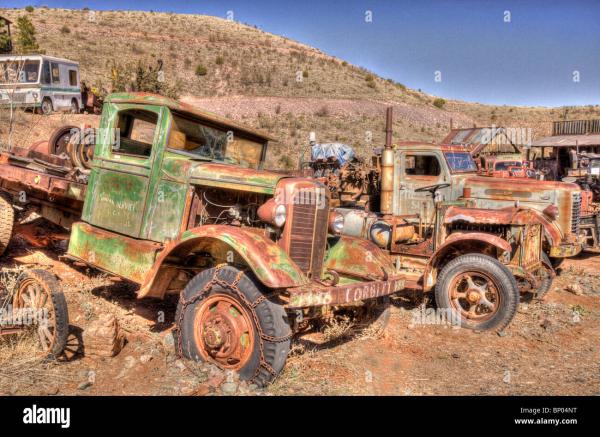
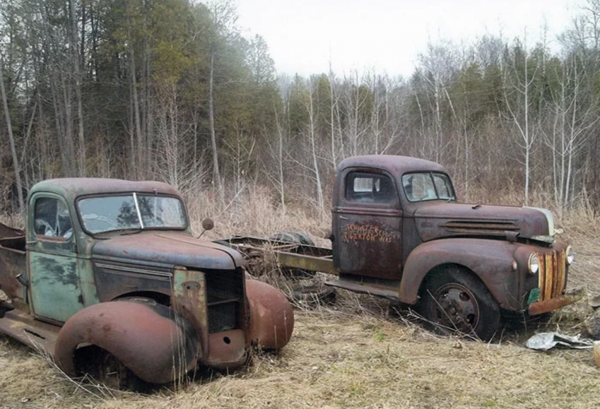
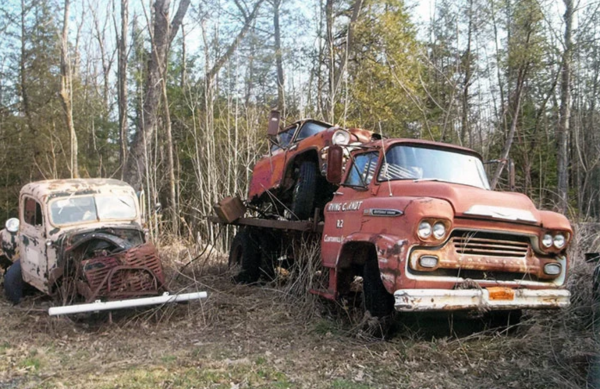
In the world of classic vehicle restoration, salvage yards serve as treasure troves for enthusiasts seeking original parts and project vehicles. However, many of these yards have faced closure due to various challenges, including economic pressures and environmental regulations. The reopening of such a yard after 25 years is a rare and significant event, offering a unique opportunity for collectors and restorers.
Historical Significance of Antique Truck Salvage Yards
Antique truck salvage yards have played a crucial role in preserving automotive history. They house vehicles and parts that are no longer in production, making them invaluable resources for restoration projects. For instance, yards like Greiner Auto Parts in Cold Brook, NY, have been known to contain vehicles from the late 1940s to the mid-1960s, offering rare components for restoration enthusiasts.
Challenges Faced by Antique Truck Salvage Yards
Operating antique truck salvage yards presents several challenges: - Environmental Regulations: Stringent laws regarding waste disposal and hazardous materials can make it difficult to maintain such yards.
- Economic Pressures: The decline in demand for antique parts and the rising costs of operation can lead to closures.
- Property Development: Increasing land values often result in the sale of salvage yards for redevelopment purposes.
The Revival of a Classic Yard
The reopening of an antique truck salvage yard after 25 years is a testament to the enduring passion for classic vehicles. This revival not only provides access to rare parts but also serves as a hub for the community of restorers and collectors. It offers a chance to relive the golden era of trucking and preserve the legacy of these machines for future generations.
Conclusion
The resurgence of antique truck salvage yards is a beacon of hope for the preservation of automotive history. It underscores the importance of these yards in maintaining the cultural heritage of the trucking industry. For enthusiasts and restorers, these yards are more than just places to find parts—they are gateways to the past, offering a tangible connection to the vehicles that shaped the roads we travel today.
|
|
|
|
| Comprehensive Guide to Servicing the 1945 Caterpillar D4 2T Transmission: Detailed Procedures, Technical Insights, and Practical Advice |
|
Posted by: MikePhua - 08-13-2025, 07:05 PM - Forum: Parts , Attachments & Tools
- No Replies
|
|
Introduction to the Caterpillar 1945 D4 2T Transmission
The Caterpillar D4 is a classic crawler tractor, and the 1945 2T transmission version is a robust, mechanical gearbox designed to handle the demanding tasks typical of mid-20th-century crawler operations. Servicing this transmission requires a clear understanding of its components, mechanical linkages, hydraulic controls, and clutch mechanisms. Proper maintenance is essential to ensure reliable operation, prolonged machine life, and safety during usage.
This guide provides an in-depth breakdown of how to service the 2T transmission in the Caterpillar D4 from 1945, expanding on technical features, operational principles, common problems, maintenance recommendations, and useful tips inspired by practical experiences and historical restoration projects.
Overview of the 2T Transmission System - The 2T transmission is a multi-speed mechanical gearbox combined with integrated steering clutches and brakes to control directional movement.
- Gear selection is achieved through manual shifting coupled with a foot-operated clutch system.
- The transmission interacts with a steering differential and planetary final drives.
- The system includes an interlock mechanism to prevent shifting while the clutch is disengaged improperly.
- Steering clutches are hydraulic, and their function is critical to the machine’s maneuverability.
Key Components and Features- Clutch Assembly: Includes friction plates with teeth, return springs, and an interlock bar designed to synchronize clutch engagement with gear shifting.
- Gearbox: Typically a 5-speed general transmission with a neutral position and a reverse gear.
- Hydraulic Steering Clutches: Engage the tracks independently to enable turning.
- Transmission Cover: Houses the clutch and gear sets; removal requires careful handling due to heavy and large components.
- Interlock Mechanism: A safety system preventing shifting with the clutch disengaged to avoid damage or operator errors.
- Oil and Lubrication System: Transmission oil is critical for cooling, lubrication, and clutch function; contamination or improper oil levels cause poor performance.
- Return Springs: Clutch return springs maintain proper mechanical positioning and may fail or detach, affecting clutch operation.
- Steering Clutch Springs and Seals: These components frequently experience wear due to exposure to hydraulic fluids and mechanical stress.
Signs and Common Issues Indicating Need for Transmission Service- Difficulty or inability to shift gears smoothly.
- Grinding or unusual noises when changing gears.
- Slippage or ineffective steering clutch performance.
- Transmission fluid contamination or milky appearance suggesting hydraulic issues.
- Failure of the interlock mechanism causing improper gear engagement.
- Broken or detached return springs affecting clutch disengagement.
- Presence of broken clutch teeth inside the transmission cover.
- Hydraulic steering clutch malfunction or damage leading to loss of directional control.
Step-by-Step Service Procedure Highlights
- Preparation and Safety
- Park the machine on a stable, level surface, and engage safety brakes.
- Drain transmission fluid carefully to avoid spills and environmental contamination.
- Remove any obstructions like fenders, seats, or tanks required for access.
- Removing Transmission Cover
- Unbolt large nuts and bolts securing the heavy transmission cover.
- Use proper lifting equipment or assistance due to the weight and awkward shape.
- Inspect the cover for signs of previous repairs such as welding or non-factory modifications.
- Inspection and Cleaning
- Remove and inspect clutch discs for broken teeth or excessive wear.
- Check return springs for breakage or displacement; replace as necessary.
- Clean all parts thoroughly to remove sludge, metal debris, and old lubricant.
- Inspect hydraulic clutches, seals, and springs for functionality and leaks.
- Examine interlock components for wear or malfunction.
- Repair or Replacement
- Replace clutch plates or discs showing damage.
- Install new return springs if originals are broken or weakened.
- Repair or replace faulty hydraulic clutch seals and components.
- Service or rebuild steering clutches as needed.
- Address any interlock mechanism issues to restore gear shifting safety.
- Reassembly and Lubrication
- Carefully reassemble all components in reverse order.
- Use manufacturer-specified transmission oil; ensure correct fill levels.
- Torque nuts and bolts to specifications to ensure sealing and structural integrity.
- Testing and Adjustment
- Verify interlock function by checking that shifting is only possible with clutch properly engaged.
- Test steering clutches for smooth engagement and disengagement.
- Listen for abnormal noises and check for smooth gear changes.
- Monitor hydraulic fluid condition and clutch response under load.
Terminology Explained- Interlock: Mechanical or hydraulic system preventing gear shifting unless safety conditions are met.
- Clutch Return Spring: A spring designed to retract the clutch mechanism to its resting position after disengagement.
- Hydraulic Steering Clutch: Uses hydraulic pressure to engage and disengage track drive for turning.
- Transmission Cover: The large metal casing enclosing gears, clutches, and shafts in the transmission.
- Friction Plates with Teeth: Clutch plates with teeth designed to interlock with gears and transmit torque.
- Seal: A component that prevents oil or hydraulic fluid leakage between moving parts.
- Planetary Final Drive: Gear assembly that multiplies torque to the tracks in crawler machines.
Case Story: Restoring a 1945 Caterpillar D4 2T Transmission
A restoration enthusiast working on a 1945 Caterpillar D4 found multiple issues after removing the transmission cover. A clutch return spring was broken and detached, allowing the clutch to remain partially engaged, hampering smooth gear shifts. Inside the clutch housing, numerous teeth had broken off a friction plate, remnants of which caused noise and further damage in operation.
The interlock mechanism was not functioning correctly, enabling shifting with the clutch disengaged, leading to gear grinding. The hydraulic steering clutches were found soaked in dirty fluid, causing sluggish response during turns.
After sourcing replacement springs, clutch plates, seals, and thoroughly cleaning the transmission components, the assembly was reinstalled with fresh Caterpillar-approved transmission oil. Careful adjustment of the interlock restored safe shifting. Post-service testing showed a marked improvement in gear engagement, clutch smoothness, and reliable steering response. This project highlighted the importance of detailed inspection, genuine parts replacement, and methodical reassembly to preserve vintage equipment functionality.
Additional Tips and Recommendations- Use only genuine or OEM-quality parts for clutch discs, springs, and seals to maintain original performance standards.
- Monitor transmission oil regularly for contamination or water presence to prevent internal damage.
- Regularly test the clutch interlock function as an early warning for mechanical wear.
- Consider a full hydraulic clutch rebuild if fluid contamination is observed.
- When servicing such vintage transmissions, consult original Caterpillar service manuals for torque specs and detailed diagrams.
- Plan for heavy lifting assistance when removing the transmission cover and components.
- Record service dates and components replaced to maintain a thorough maintenance history.
Summary Checklist for 1945 Caterpillar D4 2T Transmission Service- Assess and replace broken clutch return springs.
- Inspect and replace clutch friction plates with missing or damaged teeth.
- Check and repair interlock mechanism ensuring safe gear shifting.
- Clean transmission cover and internal components of debris and sludge.
- Inspect, repair, or replace hydraulic steering clutch parts and seals.
- Drain and refill with the correct transmission oil at proper levels.
- Use correct torques for cover bolts and assembly fasteners.
- Test clutch, shifting, and steering functions post-service.
- Use OEM or recommended replacement parts for durability.
Conclusion
The 1945 Caterpillar D4 2T transmission is a rugged, mechanical system integral to the tractor’s performance, demanding meticulous attention during servicing. Challenges such as broken clutch springs, damaged friction plate teeth, hydraulic steering clutch failure, and interlock malfunctions are common but manageable with thorough inspection and adherence to proper repair procedures.
Maintaining cleanliness, employing quality replacement parts, and following correct assembly and adjustment protocols ensure this historic transmission continues to operate reliably. Real-world restoration and repair efforts underscore the importance of patience, technical knowledge, and safety considerations when tackling these heavy and complex components.
This detailed guide merges technical understanding, historical insights, practical repair steps, and maintenance best practices to support owners, restorers, and technicians working with the classic 1945 Caterpillar D4 2T transmission.
|
|
|
|
| Understanding and Troubleshooting the Steering Box of the Caterpillar 320BL Excavator |
|
Posted by: MikePhua - 08-13-2025, 07:04 PM - Forum: Troubleshooting & Diagnosing
- No Replies
|
|
The Caterpillar 320BL hydraulic excavator is renowned for its robust performance in various construction and earthmoving tasks. However, like all heavy machinery, it is susceptible to issues related to its steering system. Understanding common problems, diagnostic methods, and maintenance strategies is crucial for ensuring optimal performance and longevity.
The Role of the Steering Box in the 320BL
The steering box in the Caterpillar 320BL is an integral component of the hydraulic steering system. It translates hydraulic pressure into mechanical force, allowing the operator to control the movement of the tracks. The system comprises several key components: - Steering Valves: Direct hydraulic fluid to the appropriate side of the steering cylinders.
- Steering Cylinders: Actuate the tracks in the desired direction.
- Hydraulic Pump: Provides the necessary pressure for the system.
- Control Levers: Allow the operator to command the steering system.
Common Steering Box Issues
- Unresponsive Steering
One of the most common issues is unresponsive steering, where the operator's input does not result in the expected movement of the tracks. This can be caused by:- Low Hydraulic Fluid Levels: Insufficient fluid can lead to inadequate pressure, affecting steering performance.
- Air in the Hydraulic System: Air pockets can disrupt fluid flow, leading to erratic steering behavior.
- Faulty Steering Valves: Worn or damaged valves can fail to direct fluid properly.
Example: An operator reported that their 320BL exhibited sluggish steering, especially when attempting sharp turns. After checking the hydraulic fluid levels and purging air from the system, the steering responsiveness improved significantly.
- Steering Drift
Steering drift occurs when the excavator continues to move in a particular direction even after the operator has released the control lever. This can be caused by:- Leaking Seals: Worn seals in the steering cylinders can allow fluid to bypass, causing unintended movement.
- Contaminated Hydraulic Fluid: Dirt or debris in the fluid can cause internal wear and leaks.
Case Study: A contractor noticed that their 320BL would veer to the left even after releasing the steering lever. Upon inspection, they found that the left steering cylinder had a leaking seal, which was replaced to restore proper steering control.
- Noisy Steering Operation
Unusual noises during steering, such as whining or grinding sounds, can indicate:- Low Hydraulic Fluid Levels: Insufficient fluid can cause the pump to draw air, leading to noise.
- Contaminated Fluid: Dirty fluid can cause cavitation, leading to noise and potential damage.
Incident: An excavator in a construction zone began emitting a high-pitched whining noise during steering. After flushing the hydraulic system and replacing the fluid, the noise subsided, indicating that contamination was the likely cause.
Diagnostic Methods
To diagnose steering box issues, consider the following steps:- Check Hydraulic Fluid Levels: Ensure that the fluid is at the recommended level and is clean.
- Inspect for Leaks: Look for signs of fluid leakage around the steering cylinders and valves.
- Listen for Unusual Noises: Pay attention to any abnormal sounds during steering operations.
- Test Steering Responsiveness: Operate the steering controls and observe the response of the tracks.
Maintenance and Preventive Measures
Regular maintenance can help prevent steering box issues:- Regular Fluid Changes: Replace hydraulic fluid at intervals recommended by the manufacturer to prevent contamination and maintain performance.
- Inspect Seals and Hoses: Regularly check for signs of wear or damage and replace as necessary.
- Purge Air from the System: Periodically bleed the hydraulic system to remove any trapped air.
- Monitor Fluid Quality: Use the recommended hydraulic fluid and ensure it remains clean.
When to Seek Professional Assistance
If the above measures do not resolve the steering issues, it may be necessary to consult a professional technician. They can perform more in-depth diagnostics, such as:- Pressure Testing: To check for internal leaks or blockages.
- Component Inspection: To assess the condition of internal components like the steering motor or valves.
Conclusion
Maintaining the steering system of the Caterpillar 320BL excavator is essential for safe and efficient operation. By understanding common issues, performing regular maintenance, and seeking professional assistance when necessary, operators can ensure the longevity and reliability of their equipment. Remember, proactive care can prevent costly repairs and downtime, keeping your projects on track.
|
|
|
|
| Caterpillar 307E2 Mini Hydraulic Excavator: Performance, Common Issues, and Maintenance Insights |
|
Posted by: MikePhua - 08-13-2025, 07:04 PM - Forum: General Discussion
- No Replies
|
|

Introduction
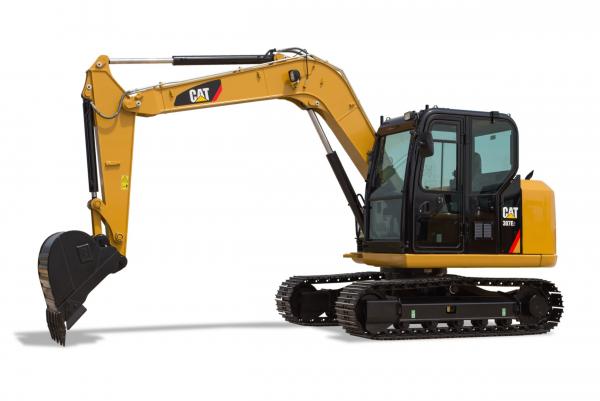
The Caterpillar 307E2 Mini Hydraulic Excavator, introduced in 2016, is a compact yet powerful machine designed for versatility in various construction and excavation tasks. With a net power of 50.6 horsepower and digging forces up to 11,375 pounds, it offers excellent performance in confined spaces. Its compact dimensions and advanced hydraulic systems ensure efficiency and precision, while the comfortable cab provides operators with a safe and productive work environment.
Technical Specifications - Engine: Cat C2.4 turbocharged diesel engine
- Net Power: 50.6 hp (37.7 kW)
- Operating Weight: Approximately 7,200 kg
- Digging Force: Up to 11,375 lbs
- Hydraulic System: Load sensing and flow sharing for superior performance
- Dimensions: Compact design suitable for tight spaces
Performance and Operator Experience
The 307E2 is praised for its smooth hydraulics, good power, and excellent parts support. Operators have reported that it delivers high performance, durability, and versatility, making it suitable for a variety of applications.
Common Issues and Troubleshooting
While the 307E2 is generally reliable, some users have reported issues:- Throttle Control Problems: Pulsating throttle and clicking sounds may stem from a faulty throttle control linkage or hydraulic pump issues. Inspecting the throttle cable for wear or misalignment, and checking hydraulic fluid levels and filters can help diagnose the problem.
- Hydraulic System Leaks: Leaks in the hydraulic system can lead to performance issues. Regular inspection and maintenance are essential to prevent and address such problems.
Maintenance Tips- Regular Inspections: Conduct routine checks of the hydraulic system, engine, and other critical components to identify potential issues early.
- Use Genuine Parts: Always replace worn or damaged parts with genuine Caterpillar components to ensure compatibility and reliability.
- Service Records: Maintain detailed service records to track maintenance activities and identify recurring issues.
Conclusion
The Caterpillar 307E2 Mini Hydraulic Excavator is a robust and versatile machine that delivers high performance in various applications. While it is generally reliable, regular maintenance and prompt attention to any issues can help ensure its longevity and optimal performance.
|
|
|
|
| Detailed Guide to Removing the Track Motor on the Caterpillar 21Z-963 Track Loader: Procedure, Tips, and Practical Advice |
|
Posted by: MikePhua - 08-13-2025, 07:03 PM - Forum: Troubleshooting & Diagnosing
- No Replies
|
|
Introduction: Understanding the Track Motor in the 21Z-963
The track motor on the Caterpillar 21Z-963 track loader is a critical hydraulic component that drives the tracks, enabling precise and powerful movement. These motors are bent-axis type, high-torque devices connected via splines to the final drive system. Removing the track motor is an essential task during maintenance, repair, or replacement, especially if the motor becomes worn, damaged, or stuck.
This guide provides a detailed, step-by-step approach to removing the track motor from the 21Z-963 track loader, enriched with practical suggestions, troubleshooting advice, terminology explanations, and case experiences to aid technicians and operators.
Preparation and Safety Considerations - Park the machine on a firm, level surface, engage the parking brake, and shut down the engine.
- Relieve hydraulic pressure in the drive system to prevent fluid spray or component damage.
- Drain hydraulic oil from the relevant circuits to avoid spills during disconnection.
- Clean the area around the track motor to reduce contamination ingress during disassembly.
- Have appropriate tools ready, including pry bars, wrenches, lifting chains or hoists, and seal replacement kits.
- Use proper personal protective equipment (PPE) including gloves, eye protection, and safety footwear.
Step-by-Step Track Motor Removal Procedure
- Disconnect Hydraulic Lines from the Track Motor
- Loosen and remove the hydraulic hoses attached to the motor ports.
- Cap or plug hoses and fittings immediately to prevent dirt ingress and hydraulic fluid leakage.
- Remove Pilot Line Connections
- Detach any pilot pressure lines connected to the motor for controlling braking functions.
- Remove Retaining Hardware
- Find and remove bolts or nuts securing the track motor to the final drive housing. These fasteners generally hold the motor flange or adapter in place.
- Free Motor from Splines
- The motor is splined onto the final drive shaft, often making removal difficult due to corrosion or binding.
- Use a suitable pry bar carefully inserted between the motor flange and final drive housing to apply even, gradual force.
- Avoid using excessive force or hammering directly on the motor body to prevent damage.
- Address Stuck or Bound Motor
- If the motor remains stuck on the splines, apply penetrating lubricants around the spline connection and allow time to soak.
- Reattempt prying with gradual alternating force distribution.
- Using heat (such as a torch) around the motor mounting flange cautiously can expand metal parts differentially, easing removal (do not heat seals or rubber components).
- In severe cases, professional hydraulic or mechanical pullers designed for spline extraction may be necessary.
- Carefully Lift the Motor Away
- Once loose, use lifting gear such as chains attached to designated lifting points on the motor for safe removal.
- Slowly slide the motor off the splined shaft, avoiding tilt or side loading to prevent shaft or seal damage.
- Inspect Removed Motor and Related Components
- Check the motor splines and final drive splines for damage or wear.
- Inspect shaft seals, bearings, and mounting surfaces.
- Prepare for seal replacement or housing cleaning as necessary before reinstallation.
Practical Tips and Additional Advice- Avoid Excessive Pry Bar Force: Repeated heavy prying risks distorting motor housing and splines. Apply penetrating oil and be patient.
- Cleanliness is Critical: Prevent dirt and debris entering hydraulic passages or seals during disassembly.
- Seal Kit and Parts Ready: Have a comprehensive seal kit available to replace all hydraulic and shaft seals during reassembly.
- Document Disassembly: Photograph components and take notes to aid in correct reinstallation and torque specifications.
- Consult Service Manuals: Reference Caterpillar’s official service manuals for torque specs, seal part numbers, and hydraulic line routing.
- Hydraulic Oil Management: Plan for hydraulic fluid flushing or replacement after motor removal to maintain system cleanliness.
Terminology Explained- Track Motor: The hydraulic motor driving the track sprocket through a splined shaft.
- Splines: Grooved shaft sections that provide a secure, rotational interlock between components.
- Final Drive: The assembly transmitting motor output to the track’s sprocket and tracks itself.
- Pilot Line: Hydraulic line supplying low-pressure fluid for brake or control functions on the motor.
- Penetrating Oil: Lubricant designed to seep into narrow gaps to loosen rusted or corroded parts.
- Hydraulic Seal Kit: A set of replacement seals for preventing leakage around hydraulic components.
Case Story: Overcoming a Stuck Track Motor on a 21Z-963
A technician working on a Caterpillar 21Z-963 track loader experienced difficulty removing the right track motor as it was firmly wedged onto the final drive splines. After disconnecting hydraulic lines and removing mounting bolts, the motor refused to budge despite hours of prying.
The technician applied a professional-grade penetrating lubricant and carefully heated the motor mounting flange with a propane torch, avoiding the seal areas. After repeated gentle prying and patience, the motor loosened enough to be lifted safely with a chain hoist.
Post-removal inspection revealed minor spline corrosion and a worn shaft seal, which was replaced during reassembly. The incident underscored the importance of avoiding rush or brute force, emphasizing a methodical approach using lubrication, heat, and proper tools.
Summary Checklist for 21Z-963 Track Motor Removal- Park safely and relieve hydraulic pressure
- Drain relevant hydraulic oil circuits
- Disconnect all hydraulic and pilot lines; cap openings
- Remove motor mounting bolts securely
- Apply penetrating oil and patiently pry motor from splines
- Use cautious heat application if necessary
- Lift motor using chains or hoist; avoid mechanical damage
- Inspect splines, seals, and mounting surfaces
- Prepare new seals and clean components for reinstallation
- Consult official service guides for torque and procedures
Conclusion
Removing the track motor from a Caterpillar 21Z-963 track loader demands careful preparation, appropriate tools, and stepwise execution to avoid damage to expensive hydraulic components and final drive parts. Patience and methodical approaches—leveraging penetrating lubricants, cautious heating, and proper lifting techniques—are essential when faced with stubborn, stuck motors.
Maintaining cleanliness, inspecting seals, and planning hydraulic fluid management further ensure a smooth removal and reinstallation process. Real-world experiences highlight the value of combining practical field methods with official service manual guidance to resolve challenges confidently and efficiently.
This detailed overview offers a comprehensive, easy-to-follow resource for technicians undertaking track motor removal on the Caterpillar 21Z-963, ultimately helping reduce downtime and increase machine reliability.
|
|
|
|
| Mastering Heavy Equipment Operation: A Comprehensive Guide for Apprentices |
|
Posted by: MikePhua - 08-13-2025, 07:02 PM - Forum: General Discussion
- No Replies
|
|
Embarking on a career as a heavy equipment operator is both challenging and rewarding. For apprentices entering this field, mastering operational techniques, safety protocols, and maintenance practices is crucial. This guide delves into essential skills, provides practical tips, and shares real-world insights to help you navigate your apprenticeship successfully.
Understanding the Role of a Heavy Equipment Operator
Heavy equipment operators are responsible for operating machinery such as excavators, bulldozers, backhoes, and cranes to perform tasks like digging, grading, and lifting. Their role is vital in construction, mining, and infrastructure projects. A typical workday involves: - Pre-Operation Inspections: Checking fluid levels, tire pressure, and ensuring all safety features are functional.
- Machine Operation: Using controls to maneuver equipment efficiently and safely.
- Post-Operation Maintenance: Cleaning machines and reporting any issues to supervisors.
Essential Skills and Techniques
- Control Familiarity
Understanding the machine's controls is fundamental. Each piece of equipment has its own control layout, and becoming proficient requires practice and familiarity.
- Smooth Operation
Operate machinery with smooth, deliberate movements. Jerky motions can lead to equipment strain and potential safety hazards.
- Load Management
Always be aware of the machine's load limits. Overloading can cause tipping or mechanical failure.
- Spatial Awareness
Maintain awareness of your surroundings to avoid obstacles and ensure safety for yourself and others on the site.
Safety Protocols
Safety is paramount in heavy equipment operation. Key safety practices include:- Personal Protective Equipment (PPE): Always wear appropriate PPE, including helmets, gloves, and steel-toed boots.
- Communication: Use hand signals or radios to communicate with ground personnel.
- Machine Stability: Ensure the equipment is on stable ground before operation to prevent tipping.
Maintenance and Troubleshooting
Regular maintenance ensures the longevity of equipment. Basic maintenance tasks include:- Cleaning: Remove debris and clean filters regularly.
- Lubrication: Apply lubricants to moving parts as per the manufacturer's guidelines.
- Fluid Checks: Regularly check and replace hydraulic fluids and oils.
In case of issues like overheating or hydraulic failure, consult the machine's manual and report problems promptly.
Learning from Experienced Operators
Engage with seasoned operators to gain insights and practical knowledge. Their experiences can provide valuable lessons and shortcuts to mastering equipment operation.
Training Programs and Resources
Consider enrolling in formal training programs offered by institutions like the International Union of Operating Engineers (IUOE) or Job Corps. These programs offer structured learning and hands-on experience.
Conclusion
Becoming a proficient heavy equipment operator requires dedication, continuous learning, and a commitment to safety. By honing your skills, adhering to safety protocols, and seeking guidance from experienced professionals, you can build a successful career in this field. Remember, every expert was once a beginner, and with perseverance, you can achieve mastery in heavy equipment operation.
|
|
|
|
| Comprehensive Guide to Troubleshooting and Resolving Starting Issues After Injector Replacement on a Caterpillar 580SL |
|
Posted by: MikePhua - 08-13-2025, 07:01 PM - Forum: Troubleshooting & Diagnosing
- No Replies
|
|
Introduction to Injector Replacement Challenges on the Caterpillar 580SL
Replacing fuel injectors on a Caterpillar 580SL backhoe loader is a critical maintenance task aimed at restoring engine performance and efficiency. However, post-replacement issues such as the engine refusing to start are common frustrations encountered by operators and technicians. Understanding the causes, diagnostic steps, and solutions for starting problems after injector changes can prevent prolonged downtime and costly repairs.
Understanding the Role of Injectors and ECM Programming
Fuel injectors deliver precise amounts of diesel fuel into the combustion chamber at exact timing and pressure, which is vital for efficient engine operation. Modern Caterpillar engines use an Engine Control Module (ECM) that monitors and controls injector performance using specific trim codes or calibration data unique to each injector.
Proper injector replacement is not just mechanical installation; it also requires reprogramming the ECM with updated injector trim codes. Failure to input or correctly program these codes results in improper fuel delivery, causing no-start conditions or poor running.
Common Reasons for No-Start After Injector Replacement - Missing or Incorrect ECM Injector Programming
Injectors have unique digital “trim codes” that must be uploaded to the ECM. Running the engine without programming causes the ECM to use old injector data, disrupting fuel timing and quantity.
- Air in Fuel System
After injector removal and installation, trapped air pockets in the fuel lines or injection pumps can prevent proper fuel delivery. Bleeding the fuel system thoroughly is essential.
- Fuel Leaks or Improper Seals
Damaged or missing O-rings, seals, or copper washers during injector installation can cause fuel leaks, pressure loss, or contamination, leading to engine start failure.
- Injector Installation Errors
Incorrect injector seating, improper torque settings on injector hold-downs, or damaged injector tips may prevent correct atomization and combustion.
- Fuel Supply Issues Post-Disassembly
Filters clogged or not properly reinstalled, damaged fuel lines, or contamination introduced during injector replacement can affect fuel flow.
- Electrical Connection Problems (For Electronic Injectors)
Loose or disconnected wiring to injectors or ECM may interrupt injector operation.
Step-by-Step Diagnostic and Repair Approach- Verify Injector Programming Status
Use Caterpillar diagnostic software (such as Cat ET or similar) with an appropriate adapter to check if correct injector trim codes have been programmed into the ECM. If missing, upload the new injector codes as provided with injectors.
- Bleed the Fuel System Thoroughly
Open bleed valves at injector lines, fuel filters, and injection pump to ensure all air is expelled. A properly bled system restores consistent fuel pressure and flow.
- Inspect Injectors and Seals
Remove and check injector O-rings, copper washers, and seals for damage or improper installation. Replace any compromised parts and clean sealing surfaces prior to reassembly.
- Check Torque and Injector Seating
Confirm injector hold-down bolts are tightened to manufacturer-specified torque values. Loose mounting affects injection pressure and may cause leaks or starting problems.
- Examine Fuel Filters and Lines
Replace fuel filters if suspect or overdue. Inspect fuel feed and return lines for cracks, blockages, or wear.
- Electrical Inspection
Ensure injector connectors are fully seated and wiring harnesses show no damage or corrosion.
- Evaluate Fuel Quality and Contamination
Dirty or adulterated fuel can clog injectors or cause poor combustion.
Practical Tips and Preventive Measures- Always keep injector trim codes supplied by the manufacturer or dealer for programming immediately after replacement.
- Maintain a clean workspace when working on injectors to prevent dirt ingress into fuel lines or combustion chambers.
- Use OEM or high-quality replacement seals and washers to guarantee proper sealing and pressure containment.
- Follow manufacturer torque specifications and sequence during reassembly.
- After programming, perform a system test to verify injector operation and engine response.
- Monitor fuel and air filters to prevent contamination.
- If possible, engage professional diagnostic tools early in troubleshooting to save time.
Terminology Explained- Injector Trim Codes: Digital calibration information specific to each injector used by the ECM for precise fuel delivery.
- ECM (Engine Control Module): The computer controlling engine fuel injection, timing, and performance.
- Bleeding Fuel System: Releasing trapped air from fuel lines and components to ensure uninterrupted fuel flow.
- O-rings and Copper Washers: Sealing components preventing fuel leaks around injectors.
- Torque Specification: The exact tightness level required on bolts to ensure secure assembly without damage.
- Injector Hold-Down: The clamp or bracket securing the injector in place.
Case Story: Resolving a No-Start Issue After Injector Change on a 580SL
An operator replaced all fuel injectors on a Caterpillar 580SL but was unable to start the engine afterward despite successful bleeding of fuel lines. Diagnostic testing with Cat ET revealed no injector trim codes programmed into the ECM. After uploading the correct trim codes, the engine started smoothly, running with improved power and fuel efficiency.
During the repair, it was also noted that a copper washer on one injector was omitted, causing a slight fuel leak that was corrected, preventing future pressure loss. This case emphasized the importance of both mechanical precision and electronic calibration in injector replacement jobs.
Summary List of Common Causes and Solutions- Missing injector trim code programming → Reprogram ECM with correct injector trim codes
- Air trapped in fuel lines → Thoroughly bleed fuel system
- Damaged or missing O-rings/copper washers → Inspect and replace seals
- Incorrect injector installation or torque → Verify seating and torque to spec
- Fuel contamination or filter issues → Replace filters, ensure clean fuel supply
- Loose or faulty electrical connections → Secure wiring and connectors
- Fuel pump or supply line issues → Inspect and repair as needed
Conclusion
Starting issues after injector replacement on the Caterpillar 580SL commonly stem from overlooked injector programming, fuel system air, and sealing problems. A comprehensive approach combining mechanical inspection, fuel system bleeding, and use of diagnostic software to program trim codes is essential for successful repair.
Technicians and operators who adhere to detailed installation procedures, maintain cleanliness, and leverage proper ECM programming tools can restore reliable engine operation efficiently. This prevents unnecessary downtime and prolongs the life and performance of the Caterpillar 580SL engine after injector servicing.
This detailed overview integrates practical repair advice, key concepts, and real-world insights, serving as a valuable resource for addressing injector-related no-start issues on heavy equipment.
|
|
|
|
| Hanomag MF 22: A Detailed Overview |
|
Posted by: MikePhua - 08-13-2025, 07:01 PM - Forum: General Discussion
- No Replies
|
|
Introduction
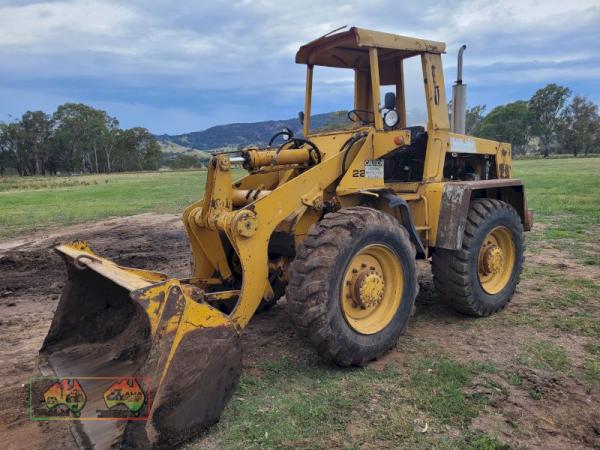
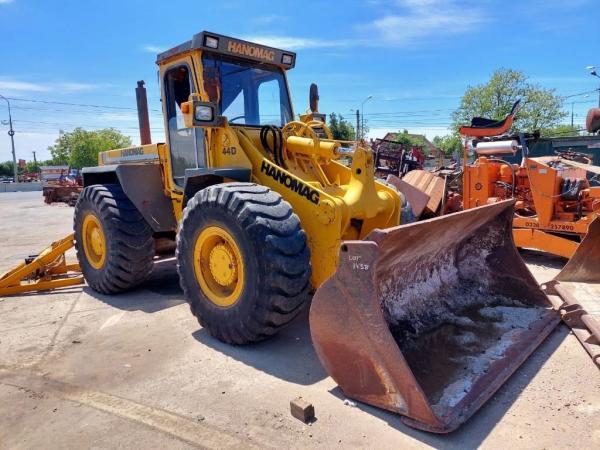
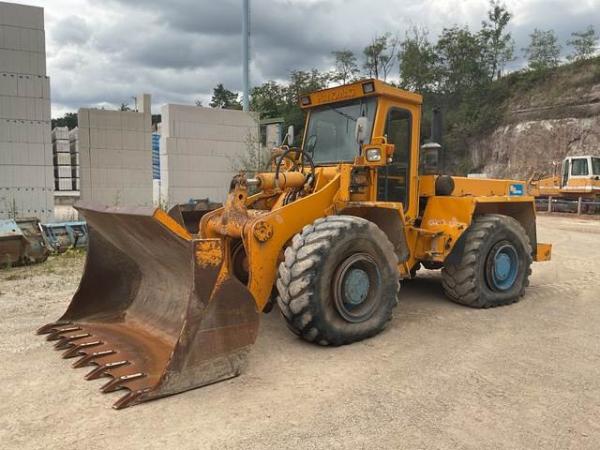
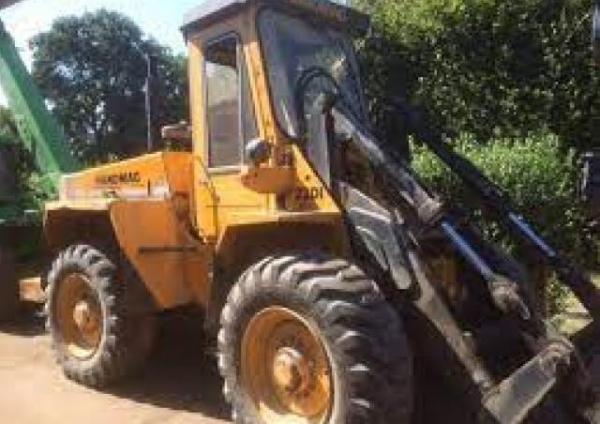
The Hanomag MF 22 is a wheel loader that gained recognition for its robustness and versatility in various industrial applications. Manufactured by Hanomag, a German company with a rich history in construction machinery, the MF 22 was designed to meet the demands of material handling in construction and agricultural settings.
Historical Background of Hanomag
Hanomag, short for Hannoversche Maschinenbau AG, was founded in 1871 in Hanover, Germany. Initially, the company focused on producing steam locomotives and later expanded into manufacturing tractors, trucks, and construction machinery. In 1974, Hanomag's construction machinery division was acquired by Massey Ferguson, leading to the development of models like the MF 22. In 1989, Komatsu acquired a majority stake in Hanomag, and by 2002, it became a fully owned subsidiary, now operating as Komatsu Germany GmbH.
Technical Specifications
The Hanomag MF 22 was equipped with a range of features that made it suitable for various tasks: - Engine: Powered by a 4-cylinder Perkins diesel engine, the MF 22 delivered reliable performance for demanding operations.
- Transmission: Featured a 3-speed shuttle shift transmission, allowing for smooth directional changes and efficient operation.
- Hydraulic System: Equipped with a hydraulic system capable of handling heavy lifting tasks, essential for construction and agricultural applications.
- Dimensions: The loader had a transport length of 5.9 meters, a transport width of 2.13 meters, and a transport height of 3.04 meters, making it maneuverable in various environments.
Applications and Use Cases
The MF 22 was versatile in its applications:- Construction Sites: Utilized for loading and transporting materials, enhancing productivity on construction projects.
- Agricultural Operations: Employed in tasks such as loading fertilizers and other bulk materials, contributing to efficient farm management.
- Material Handling: Its robust design made it suitable for handling heavy loads in various industrial settings.
Maintenance and Longevity
Owners of the MF 22 have reported that with proper maintenance, the loader can serve reliably for many years. Regular servicing of the engine, hydraulic system, and transmission is crucial to ensure optimal performance. For instance, one owner mentioned investing over $7,000 in recent maintenance, including a new hydraulic pump and control linkage cables, to keep the loader in good working condition.
Challenges and Considerations
While the MF 22 is known for its durability, some owners have noted the need for attention to certain components:- Braking System: Regular inspection and maintenance are necessary to ensure the braking system functions effectively.
- Tire Wear: Monitoring tire condition is important, as wear can impact the loader's performance and safety.
Conclusion
The Hanomag MF 22 remains a testament to German engineering, offering reliability and versatility in various industrial applications. Its legacy continues as owners maintain and operate these machines, ensuring they remain valuable assets in their respective fields.
|
|
|
|
| Comprehensive Guide to Atlas Lifts: Specifications, Features, and Practical Insights |
|
Posted by: MikePhua - 08-13-2025, 06:59 PM - Forum: General Discussion
- No Replies
|
|
Introduction to Atlas Lifts
Atlas lifts are widely recognized in automotive and heavy equipment service industries for their reliability, safety, and versatility. These lifts are designed to raise vehicles and machinery for maintenance, repairs, and inspections, offering features that cater to both professional shops and home garages. Atlas offers a range of lift types including two-post, four-post, overhead, and portable lifts, designed to accommodate different vehicle weights, sizes, and service requirements.
Key Types and Specifications of Atlas Lifts - Atlas Two-Post Lifts
These lifts provide overhead open-floor designs with symmetric arms and are favored for their efficiency in lifting vehicles with ease of access around the wheels and undercarriage.- Typical lifting capacity: 9,000 lbs
- Overall height: Approx. 12 feet (144 inches)
- Overall floor width: Around 11 feet
- Maximum lift height: Around 6’4” to 6’8” without adapters, slightly higher with adapters
- Features: Dual hydraulic chain-drive cylinders, automatic arm restraints, dual-point lock releases, secondary lock systems for safety
- Electrical requirements: 220V single phase, 30 amp breaker recommended
- Often includes accessories such as adjustable screw-up adapters, truck adapter sets, and sliding arm adapters
- Requires a concrete floor with a minimum of 4 inches thickness rated at 3,000 PSI for stable mounting
- Atlas Four-Post Lifts
Designed for heavy-duty and commercial applications, these lifts offer large lifting capacities, wider platform runways, and greater vehicle support.- Typical capacity ranges from 8,000 lbs to 14,000 lbs depending on the model
- Lifting height: Around 6 to 6.5 feet
- Overall width of columns: Approximately 10 to 12 feet
- Runway length can exceed 16 feet, designed for wide vehicles or trucks
- Features include diamond-plated runways, air-operated single point lock releases, double lock safety systems, and integrated mounting hardware
- Electrical needs usually 220V single phase with 30 amp breakers
- Requires external air supply (85-115 PSI) for air-operated locks in many models
- Structural warranties typically 2 to 5 years, with hydraulic parts coverage for 1 to 2 years
- Portable and Hobbyist Lifts
Smaller-capacity lifts designed for hobbyists or light-duty applications include models with a capacity of around 8,000 lbs, and compact overall dimensions, suitable for personal garages.- Lifting height around 6 feet
- Narrower column widths allowing installation in smaller spaces
- Often powered by 110V with 30 amp breaker requirements
- Features include approach ramps and integrated safety locks
- Portable models weigh around 1,800 lbs for ease of moving within the workshop
Features and Benefits of Atlas Lifts- Safety Systems
Dual lock mechanisms ensure the lift secures vehicles at multiple points, providing redundancy against accidental drops. Lifts also include rubber guards on carriages and adjustable adapters to protect vehicles from damage.
- Hydraulic System
High-quality hydraulic power units operate chain or cable lifting mechanisms. Hydraulic cylinders are often enclosed or integrated to avoid exposed parts, reducing maintenance and risk of damage.
- Ease of Use
Symmetric arm designs with automatic arm restraints and multiple adapter sizes allow the operator to position vehicles quickly and lift with stability. Many models have built-in tracks or runways enabling the use of rolling bridge jacks for tire service under lifted vehicles.
- Durability and Warranty
Atlas lifts are constructed with thick steel columns and bases designed for years of heavy use. Manufacturers typically provide multi-year structural warranties and hydraulic coverage to ensure long-term reliability.
Practical Considerations and Suggestions- Concrete Floor Requirements
Installation requires a flat, level concrete floor with a minimum thickness of 4 inches and compressive strength of 3,000 PSI to securely anchor the lift and prevent shifting or tipping.
- Electrical and Air Supply Needs
Single-phase 220V electrical service is common, with a 30-amp breaker recommended. Air supply is necessary for air-operated lock releases on some four-post models, needing 85-115 PSI external supply.
- Adapter and Accessory Usage
For trucks, SUVs, or lifted vehicles, use height-adjustable adapters and truck adapter sets to accommodate different wheelbases and frame heights safely.
- Maintenance Tips
Regularly inspect hydraulic fluid levels (usually 3-5 gallons of AW32 or AW46 hydraulic oil recommended) and replace as needed. Check safety lock function and arm restraints for wear or damage. Lubricate moving parts per manufacturer guidelines.
Terminology Explained- Two-Post Lift: A lift with two vertical columns and overhead arms for lifting vehicles by the chassis.
- Four-Post Lift: A lift with four vertical posts and runways for supporting the entire vehicle weight on tires.
- Runway: The platform or track on four-post lifts where the vehicle’s tires rest.
- Automatic Arm Restraints: Safety devices that lock the lift arms automatically when lifting begins.
- Dual Hydraulic Chain-Drive Cylinder: Hydraulic cylinders connected to chains that raise and lower the lift.
- Air-Operated Lock Release: A pneumatic safety system to release locks safely using compressed air.
- Adapter Height: The adjustable height of pads or adapters that contact the vehicle’s lifting points.
Case Story: Enhancing Shop Productivity with Atlas 412 Four-Post Lift
An independent auto repair shop installed an Atlas 412 four-post lift to accommodate larger SUVs and trucks that required high-capacity lifting. The boost in lifting height and runway length allowed safe servicing of longer wheelbases and heavy-duty vehicles. The shop owner noted that the air-operated lock release system significantly sped up vehicle positioning and locking, improving workflow.
Safe vibration-free lifting and the robust double-lock system gave the technicians confidence during undercarriage inspections and repairs. Routine maintenance of hydraulic fluids and lock systems kept downtime minimal.
This investment translated into faster turnaround times and the ability to service more varied vehicles, expanding the shop’s clientele.
Summary of Atlas Lift Key Specifications and Features- Capacities typically range from 7,000 lbs to 14,000 lbs
- Lifting heights: 6 to 6.5 feet standard without adapters
- Structural steel columns with thickness around 5mm or more
- Hydraulic systems powered by 220V single-phase motors requiring 30 amp circuits
- Air lock systems with external air supply for some models
- Adjustable adapters to suit a wide range of vehicle types
- Base sizes require 4-inch-thick concrete slabs rated at 3000 PSI for mounting
- Warranty coverage: 2-5 years structural, 1-2 years hydraulic parts
Additional Recommendations- Ensure electrical supply matches lift requirements before purchase.
- Select a lift capacity and size appropriate for the vehicle types serviced.
- Perform periodic safety audits and keep lock mechanisms well maintained.
- Utilize proper adapter setups for lifted or oversized vehicles to avoid damage.
- Train operators on safe lifting procedures and emergency lowering protocols.
Conclusion
Atlas lifts offer dependable, safe, and versatile lifting solutions adaptable to various automotive service environments. Their range of two-post, four-post, and portable lifts caters to light hobbyist use up to commercial and heavy-duty workshop demands. With robust construction, safety features, and flexible configurations, Atlas lifts help shops and technicians improve safety, efficiency, and vehicle access during maintenance and repairs.
By following proper installation guidelines, maintaining hydraulic and safety systems, and using appropriate adapters, operators will maximize the benefits and operational life of their Atlas lifts. Stories from shops employing these lifts highlight the value of combining robust equipment with good maintenance and training practices in creating productive service environments.
This detailed overview provides a practical, technical, and operational resource for anyone looking to use or purchase Atlas lifting equipment in professional or personal garages.
|
|
|
|
|



