| Welcome, Guest |
You have to register before you can post on our site.
|
| Online Users |
There are currently 207 online users.
» 0 Member(s) | 197 Guest(s)
Ahrefs, Amazon, Bing, Claude, DotBot, Google, MJ12, Semrush, Seznam, Trendiction
|
| Latest Threads |
Identifying and Sourcing ...
Forum: Parts , Attachments & Tools
Last Post: MikePhua
01-07-2026, 06:29 PM
» Replies: 0
» Views: 530
|
Cat 931B Brake Parts
Forum: Parts , Attachments & Tools
Last Post: MikePhua
01-07-2026, 06:29 PM
» Replies: 0
» Views: 283
|
Choosing Between Cat 228,...
Forum: General Discussion
Last Post: MikePhua
01-07-2026, 06:28 PM
» Replies: 0
» Views: 563
|
Hydraulic Delay When Lowe...
Forum: Troubleshooting & Diagnosing
Last Post: MikePhua
01-07-2026, 06:27 PM
» Replies: 0
» Views: 449
|
Bale Chopper and Mulcher ...
Forum: General Discussion
Last Post: MikePhua
01-07-2026, 06:26 PM
» Replies: 0
» Views: 324
|
Mini UC Maintenance
Forum: General Discussion
Last Post: MikePhua
01-07-2026, 06:25 PM
» Replies: 0
» Views: 314
|
Locating Wiring Informati...
Forum: General Discussion
Last Post: MikePhua
01-07-2026, 06:24 PM
» Replies: 0
» Views: 347
|
Case Industrial Brown Sub...
Forum: Parts , Attachments & Tools
Last Post: MikePhua
01-07-2026, 06:23 PM
» Replies: 0
» Views: 276
|
Dirt Work in West Virgini...
Forum: Construction & Urban Infrastructure Forum
Last Post: MikePhua
01-07-2026, 06:23 PM
» Replies: 0
» Views: 379
|
D207 P Hydraulic Steering...
Forum: Parts , Attachments & Tools
Last Post: MikePhua
01-07-2026, 06:22 PM
» Replies: 0
» Views: 305
|
|
|
| Designing and Building Brush Screens for Heavy Equipment: A Comprehensive Guide |
|
Posted by: MikePhua - 08-13-2025, 08:33 PM - Forum: General Discussion
- No Replies
|
 |
In forestry, land clearing, and site preparation, brush screens are essential attachments for heavy equipment like bulldozers and skid steers. They protect operators from flying debris, enhance machine visibility, and ensure safety in dense vegetation. While commercial options are available, many operators choose to fabricate custom brush screens tailored to their specific needs. This guide explores the considerations, materials, and methods for constructing effective brush screens.
Understanding the Importance of Brush Screens
Brush screens serve multiple purposes: - Operator Protection: Shielding the cab from branches, rocks, and other debris.
- Improved Visibility: Allowing operators to maintain sightlines while working in dense brush.
- Machine Preservation: Preventing damage to critical components like radiators and hydraulic lines.
- Compliance with Safety Standards: Meeting industry regulations for equipment used in forestry operations.
Materials and Design Considerations
When designing and constructing brush screens, consider the following materials and design elements:- Expanded Metal Mesh: Provides visibility while offering protection. However, some operators find it challenging to see through.
- Square Mesh Screen: Offers better visibility and is often sourced from gravel plants.
- Steel Tubing: Used for the frame, ensuring durability and strength.
- Mounting Brackets: Custom-designed to fit specific equipment models.
Step-by-Step Guide to Building a Brush Screen
- Measure and Plan: Determine the dimensions based on the equipment's size and the desired coverage area.
- Select Materials: Choose appropriate mesh and steel tubing based on the design considerations mentioned above.
- Fabricate the Frame: Weld the steel tubing to create a sturdy frame that can support the mesh.
- Attach the Mesh: Secure the mesh to the frame using welding or bolts, ensuring it's taut and free from sagging.
- Install Mounting Brackets: Affix the brush screen to the equipment using custom brackets, ensuring it's securely fastened and easily removable if necessary.
Safety and Maintenance Tips- Regular Inspections: Check for any loose bolts, cracks, or wear points regularly.
- Clean the Mesh: Remove accumulated debris to maintain visibility and prevent overheating.
- Reinforce Weak Points: Areas prone to high stress may require additional bracing or thicker materials.
Case Study: Custom Brush Screen for a D4H Bulldozer
An operator in Western Kentucky constructed a custom brush screen for their Caterpillar D4H bulldozer. Opting for 2-inch square mesh from a local gravel plant, they ensured optimal visibility and protection. The frame was built using 1.5-inch steel tubing, and mounting brackets were custom-fabricated to fit the D4H's specifications. The result was a durable and effective brush screen tailored to the operator's needs.
Conclusion
Building a custom brush screen for heavy equipment is a practical solution for operators seeking enhanced safety and functionality. By carefully selecting materials, planning the design, and following a structured construction process, operators can create brush screens that meet their specific requirements. Regular maintenance ensures longevity and continued effectiveness, making custom brush screens a valuable investment in forestry and land-clearing operations.
|

|
|
| Comprehensive Guide to Heavy Equipment Setup: Best Practices, Tips, and Practical Solutions |
|
Posted by: MikePhua - 08-13-2025, 08:32 PM - Forum: General Discussion
- No Replies
|
|
Introduction to Heavy Equipment Setup
Setting up heavy equipment correctly is pivotal to ensuring efficient operation, safety, and longevity of machinery on construction sites, industrial projects, and infrastructure works. The process demands precise planning, coordinated efforts among multiple teams, adherence to manufacturer specifications, and a strong emphasis on safety protocols. This guide unfolds detailed insights, practical advice, and illustrative examples aimed at helping contractors, operators, and maintenance personnel optimize heavy equipment setup.
Fundamental Preparations for Successful Equipment Setup - Thorough Site Assessment and Layout Planning
Evaluate ground bearing capacity, spatial clearance, access routes, and existing infrastructure to prevent clashes and guarantee equipment function. Detailed site surveys allow for identifying hazards early and planning foundation or support structures accordingly.
- Review Manufacturer Specifications and Guidelines
Always consult OEM (Original Equipment Manufacturer) instructions detailing anchor bolt placements, torque settings, alignment tolerances, and assembly sequences. Following OEM data ensures warranty compliance, regulatory adherence, and machine reliability.
- Effective Project Coordination and Schedule Management
Engage all stakeholders early—engineers, rigging crews, electricians, and safety officers—to preempt delays and clarify responsibilities. Time-sensitive operations benefit from clear communication and collaborative workflow design.
Precision Techniques in Equipment Setting and Alignment- Use of Precision Leveling and Grouting Practices
Machinery must be seated flat and stable using shims or grout to achieve level foundations. Uneven surfaces lead to premature wear through vibrations and misalignment.
- Application of Laser Alignment Tools
Employ laser-guided instruments for shaft-to-shaft alignments, ensuring near-perfect collinearity which minimizes bearing and seal wear. The use of high-precision tools reduces human error and expedites installation.
- Vibration Isolation and Dampening Measures
Install vibration isolation pads or mounts to protect equipment bases and surrounding structures. Proper damping mitigates fatigue failures and noise issues.
Safety and Regulatory Compliance Considerations- Lockout/Tagout (LOTO) Procedures
Before installation or maintenance, isolate energy sources, including hydraulic, electrical, and pneumatic supplies to prevent accidental energization.
- Rigging and Fall Protection
Utilize certified rigging techniques and personnel. Heavy machinery lifts require adherence to OSHA standards regarding load handling, fall protection, and proximity dangers to safeguard personnel.
- Comprehensive Post-Installation Inspections
Conduct thorough assessments that include leak detection, alignment verification, functionality checks, and dry-run operations to ensure readiness and safety compliance.
Commissioning and Operational Testing- Cold Commissioning
Perform electrical and sensor testing without load to verify circuits, interlocks, and safety systems function correctly.
- Hot Commissioning
Operate machinery under working conditions, constantly monitoring parameters such as pressures, temperatures, and vibrations to confirm performance within specification.
- Documentation and Handover
Record installation details including torque readings, alignment results, calibration data, and inspection findings. Such documentation facilitates future maintenance and audit compliance.
Common Pitfalls and How to Avoid Them- Neglecting leveling or rushing the grouting stage, leading to unstable foundations
- Overlooking OEM torque specifications on critical fasteners, risking premature loosening or failure
- Insufficient training of installation teams on specialized equipment requirements
- Poor inter-trade communication causing workflow conflicts and rework
- Failure to document installation changes or adjustments, complicating later troubleshooting
Supplementary Tips and Practical Solutions- Maintain a Clear Maintenance and Setup Log for Each Equipment Piece
Tracking service history, parts used, and setup parameters aids in troubleshooting and ensures consistent quality.
- Invest in Operator and Installer Training
Skilled personnel reduce installation errors, improve safety, and enhance equipment uptime.
- Use Quality Materials and Tools
Utilizing proper grade grout, sealants, lubricants, and precision tools guarantees installation robustness.
- Engage Experienced Contractors for Critical Installations
Partner with firms specializing in heavy machinery setup, capable of managing complex projects with technical rigor.
Terminology Explained- OEM Specifications: Manufacturer-provided instructions and tolerances for installation
- Grouting: Process of applying high-strength cementitious material to create a stable foundation for machinery
- Lockout/Tagout (LOTO): Safety procedure to isolate energy sources before maintenance
- Laser Alignment: Precision measurement method to align rotating shafts or machine parts
- Vibration Isolation Pads: Materials used to absorb and reduce vibration transfer from equipment to foundations
- Cold Commissioning: Testing equipment systems without load for safety verification
- Hot Commissioning: Testing equipment under operational conditions to validate performance
Case Story: Achieving Precision Setup on a Large Industrial Pump
During a plant expansion, an industrial pump installation encountered early bearing failures attributed to misalignment. After revisiting the setup, the team implemented laser alignment tools and precision grout leveling. Vibration isolation mounts reduced structural resonance, and strict LOTO procedures ensured worker safety.
Post-correction, the pump operated smoothly with improved reliability, reducing maintenance intervals by 35%. This success underscored the impact of meticulous setup processes on equipment longevity and operational excellence.
Summary List: Best Practices for Heavy Equipment Setup- Conduct comprehensive site evaluation and layout planning
- Follow all OEM installation specifications scrupulously
- Utilize laser alignment for critical shaft or component alignments
- Achieve proper leveling and grouting to provide stable equipment foundations
- Implement vibration isolation to protect machinery and surroundings
- Enforce rigorous LOTO and rigging safety protocols
- Complete thorough inspections and commissioning phases before operation
- Maintain detailed installation and maintenance records
- Train installation teams and equipment operators comprehensively
- Engage specialized contractors for complex or large-scale equipment installations
Conclusion
Proper setup of heavy equipment is the cornerstone of safe, efficient, and long-lasting machinery operation. Through diligent planning, adherence to manufacturer standards, use of precision tools, and uncompromising safety practices, operators and contractors can prevent premature failures, optimize uptime, and enhance overall productivity on job sites and industrial settings.
The detailed understanding of setup procedures, from site analysis and rigging to commissioning and documentation, empowers all participants to contribute to successful equipment deployment. Incorporating lessons learned and case experiences demonstrates the tangible benefits of investing in quality setup work, affirming that precision installation is a key driver of heavy equipment performance and safety.
This comprehensive guide aims to equip professionals with the knowledge and practical solutions necessary to master heavy equipment setup with confidence and technical excellence.
|
|
|
|
| Understanding and Resolving Fuse Blowing Issues in Caterpillar 279C Skid Steer Loaders |
|
Posted by: MikePhua - 08-13-2025, 08:31 PM - Forum: Parts , Attachments & Tools
- No Replies
|
|
Introduction
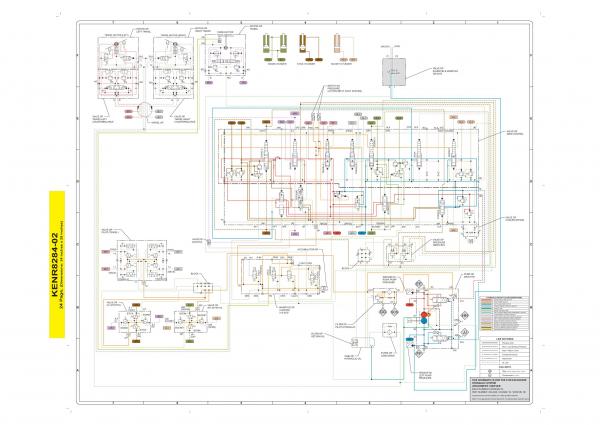
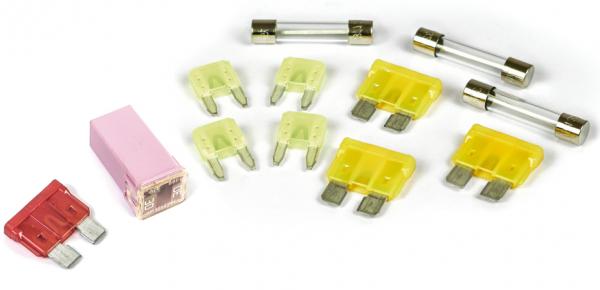
The Caterpillar 279C compact track loader is a versatile and robust machine widely used in construction and landscaping. However, like all complex equipment, it can experience electrical issues that may disrupt operations. One common problem reported by operators is the frequent blowing of fuses, leading to various malfunctions. This guide aims to provide a comprehensive understanding of the causes, diagnostics, and solutions for fuse-related issues in the 279C.
Common Causes of Fuse Blowing
- Short Circuits in Wiring Harnesses
Over time, the wiring harnesses in the 279C can develop short circuits due to wear, corrosion, or physical damage. These shorts can cause excessive current flow, leading to blown fuses. Inspecting and repairing damaged wiring is crucial to prevent recurring fuse failures.
- Faulty Electrical Components
Components such as solenoids, relays, and switches can malfunction, drawing more current than designed. This overcurrent can blow fuses and cause system failures. Regular testing and replacement of faulty components are recommended to maintain electrical system integrity.
- Improper Fuse Ratings
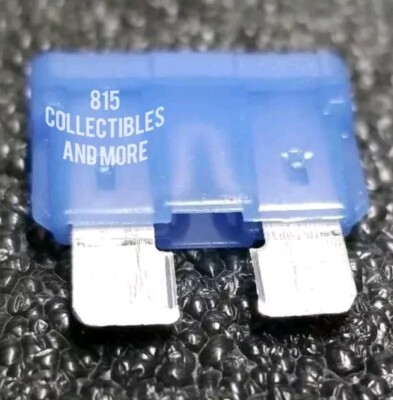
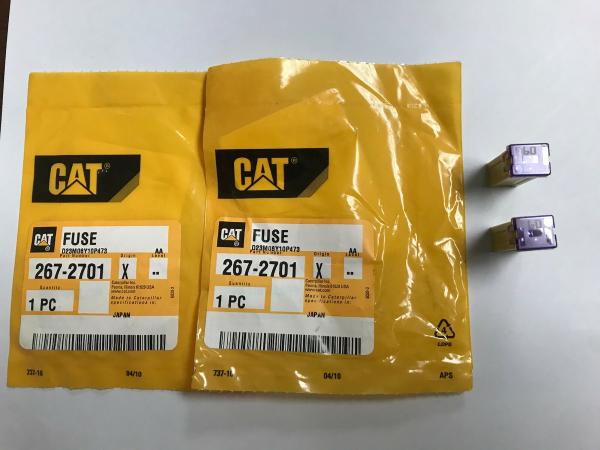
Installing fuses with incorrect amperage ratings can lead to premature fuse blowing. Always refer to the manufacturer's specifications to ensure the correct fuse is used for each circuit.
Diagnostic Steps
- Visual Inspection
- Check for Blown Fuses: Inspect all fuses for signs of damage or discoloration.
- Examine Wiring Harnesses: Look for signs of wear, corrosion, or physical damage.
- Test Electrical Components: Use a multimeter to check the functionality of solenoids, relays, and switches.
- Use Diagnostic Tools
- Diagnostic Software: Utilize Caterpillar's diagnostic software to retrieve fault codes and system data.
- Multimeter: Measure voltage and current at various points to identify inconsistencies.
- Component Testing
- Test Alternator Output: Verify it produces the correct voltage.
- Check Starter Motor: Ensure it engages and turns the engine over.
- Inspect Solenoids and Relays: Test for proper operation.
Preventive Maintenance Tips- Regularly Clean Battery Terminals: Prevent corrosion buildup.
- Schedule Routine Inspections: Check wiring and connectors for wear.
- Replace Worn Components Promptly: Address issues before they lead to failures.
- Keep Software Updated: Ensure the machine's control systems have the latest updates.
Case Study: Fuse Blowing in a 279C
An operator reported that after lifting the cab and washing underneath, the parking brake would not release, and the hydraulics wouldn't engage. Diagnostic codes indicated low voltage in joystick circuits. Upon inspection, it was found that the upper half of the fuse box had low voltage, while the lower half had normal voltage. The issue was traced to a faulty relay module supplying power to the upper fuse box. Replacing the faulty relay resolved the problem.
Conclusion
Fuse blowing issues in the Caterpillar 279C can stem from various sources, including short circuits, faulty components, and improper fuse ratings. By following systematic diagnostic procedures and adhering to preventive maintenance practices, operators can ensure the longevity and reliability of their machines. For complex issues, consulting with a certified Caterpillar technician is recommended to achieve accurate diagnosis and repair.
|
|
|
|
| Comprehensive Guide to Caterpillar 977K Bucket Pins: Specifications, Selection, and Practical Advice |
|
Posted by: MikePhua - 08-13-2025, 08:30 PM - Forum: General Discussion
- No Replies
|
|
Introduction to Caterpillar 977K Bucket Pins
The bucket pins on the Caterpillar 977K track loader are critical components that connect the bucket to the loader arm and linkage, enabling smooth articulation and secure attachment during heavy-duty excavation, loading, and material handling tasks. Proper selection, correct sizing, and compatibility of bucket pins ensure operational reliability, minimize wear, and prevent damage or excessive downtime.
This guide provides detailed information on 977K bucket pin dimensions, common issues related to aftermarket part numbers, tips for verifying pin fitment, examples of machine modifications that affect pin sizes, terminology explanations, and practical advice for sourcing and maintaining bucket pins.
Key Specifications and Dimensions of Caterpillar 977K Bucket Pins - Typical bucket pin dimensions for Caterpillar 977K:
- Diameter: Approximately 2 1/2 inches (about 64 mm)
- Length: Around 13 3/4 inches (350 mm)
- Keeper (retaining pin) hole diameter: About 3/4 inch (19 mm)
- Commonly referenced part numbers and sizes:
- Many sources list part number 5K6383, which corresponds to a pin with a 2-inch diameter, leading to confusion when measured pins are larger.
- Correct and confirmed bucket pins that match the physical dimensions above may be different part numbers such as 6K1983, which is approximately 3 inches in diameter and about 8 1/2 inches long for some other pin locations, indicating that pin sizes vary depending on position on the bucket linkage assembly.
- Variations:
- The 977K loader may have different bucket pins for different linkage points (e.g., pivot pins, linkage pins, keeper pins) with varying dimensions.
- Machines may have been modified or retrofitted, resulting in non-standard pin sizes or custom replacements.
Common Issues in Sourcing Aftermarket Bucket Pins- Many aftermarket vendors list pins with dimensions that differ from the actual OEM measurements, creating challenges in finding a perfect fit.
- Discrepancies in diameter or length may indicate the machine has been altered or uses upgraded components.
- Ensuring proper pin size requires measuring the existing pins and keeper hole diameters carefully before ordering replacements.
- Some replacement pins require matched keepers or lock rings designed for their specific diameter and hole size.
Terminology Explained- Bucket Pin: The cylindrical steel pin that passes through the bucket and linkage ears to form pivot connections.
- Keeper Hole: A hole drilled through the pin near one or both ends where retaining clips, lock pins, or snap rings are installed to prevent pin movement.
- Aftermarket Pin: A non-OEM replacement part made by third-party manufacturers, often varying in quality and dimensions.
- OEM (Original Equipment Manufacturer) Part: Parts produced by the machine manufacturer or certified suppliers designed to exact specifications of the original machine.
- Pin Diameter and Length: Critical dimensions ensuring that the pin fits snugly for optimal function without excessive play.
- Modified Machine: Equipment that has undergone structural or component changes that may affect standard part compatibility.
Practical Advice and Solutions for Bucket Pin Replacement- Always measure the existing pins accurately before sourcing replacements; include diameter, length, and keeper hole size.
- Confirm part numbers through official Caterpillar parts catalogs or trusted dealers to cross-reference with measured dimensions.
- If dimensions differ significantly from OEM specs, verify whether the machine has modifications or retrofits that require customized pins.
- Use OEM or high-quality aftermarket pins made from hardened steel with proper heat treatment to ensure durability.
- When installing pins, ensure keepers (cotter pins, snap rings) match the pin hole size to secure the assembly safely.
- Regularly inspect pins and bushings for wear; replacement intervals depend on usage severity.
- Seek expert advice or dealer assistance when uncertain about compatibility or installation procedures.
Case Story: Resolving Pin Size Confusion on a Caterpillar 977K
A heavy equipment operator attempted to replace worn bucket pins on a Caterpillar 977K based on common aftermarket part numbers found online (5K6383). Upon removal, the original pins measured larger—2 1/2 inches in diameter and 13 3/4 inches long—mismatching the listed 2-inch diameter pins.
After detailed measurement and consultation, the operator discovered the machine had a custom or upgraded bucket linkage assembly requiring pins different from standard catalog listings. The correct pin part number was identified through the dealer as one matching the larger dimensions.
The lesson highlighted the importance of physical measurement and dealer verification before ordering pins. Using incorrect diameter pins risked unsafe fitment and premature wear, while correct pins restored stable, safe bucket operation.
Summary List of Key Points on Caterpillar 977K Bucket Pins- Bucket pins are typically around 2 1/2" diameter and 13 3/4" length on standard 977K machines.
- Keepers generally use 3/4" diameter holes for secure locking.
- Part number 5K6383 often cited corresponds to smaller 2" pins, possibly for other models or linkage positions.
- Machines may be modified causing differences in pin size and requiring custom parts.
- Always measure existing pins and keeper hole diameters precisely before ordering.
- Prefer OEM or quality aftermarket pins with certified specifications for strength and durability.
- Confirm pin compatibility through official dealer catalogs or verified parts sources.
- Regular inspection and timely replacement prevent bucket linkage failures.
- Use correct keeper pins or clips matched to hole size to ensure safe pin retention.
Additional Recommendations- Maintain a detailed equipment parts log including pin sizes and replacement history for efficient maintenance.
- Store spare pins and compatible keepers to reduce downtime during repairs.
- Train maintenance personnel in proper measurement techniques and component identification.
- Inspect pin bore holes in bucket linkage for wear to determine if bushings or pins need replacement together.
- Utilize axle grease or anti-seize compound on pins to reduce wear and ease future removal.
- In custom or modified equipment, consult engineering or certified technicians for specially fabricated pins.
Conclusion
Bucket pins on the Caterpillar 977K track loader are essential components whose proper sizing and quality directly impact bucket performance, safety, and machine reliability. Due to common confusion caused by varying aftermarket listings and potential machine modifications, precise measurement and careful verification of part numbers are critical before replacement.
By understanding pin dimensions, ensuring compatibility, and choosing OEM or high-quality aftermarket parts, equipment owners and technicians can maintain robust bucket linkages that withstand demanding load cycles. The shared case example underscores practical lessons in avoiding common pitfalls linked to pin misidentification, facilitating safe and efficient heavy equipment operation.
This comprehensive overview blends technical details, maintenance advice, terminology explanations, and user experience, providing a valuable reference for all engaged in maintaining or repairing Caterpillar 977K bucket pins.
|
|
|
|
| Comprehensive Guide to Soil Compaction Equipment: Selection, Techniques, and Best Practices |
|
Posted by: MikePhua - 08-13-2025, 08:29 PM - Forum: General Discussion
- No Replies
|
|
Soil compaction is a fundamental process in construction and civil engineering, ensuring that the ground beneath structures is stable, durable, and capable of bearing loads without excessive settlement. The choice of compaction equipment plays a pivotal role in achieving the desired soil density and uniformity. This guide delves into the various types of compaction equipment, their applications, and best practices to optimize compaction efforts.
Understanding Soil Compaction
Soil compaction involves the densification of soil by reducing air voids between particles, thereby increasing its load-bearing capacity and stability. This is achieved through mechanical means that apply force to the soil, rearranging the particles into a denser configuration. Proper compaction is crucial for preventing future settlement and ensuring the longevity of structures built upon the soil.
Types of Compaction Equipment
- Plate Compactors (Vibratory Plate Compactors)
- Description: These are compact, walk-behind machines equipped with a flat, vibrating plate. They are ideal for small to medium-sized areas.
- Applications: Best suited for granular soils like sand and gravel, especially in confined spaces such as trenches, sidewalks, and around utilities.
- Advantages: High maneuverability and efficiency in small areas.
- Limitations: Less effective on cohesive soils like clay.
- Rammers (Trench Rollers)
- Description: Hand-guided machines that deliver high-impact force through a foot or pad, suitable for confined spaces.
- Applications: Ideal for compacting cohesive soils in trenches and narrow spaces.
- Advantages: Effective on cohesive soils; suitable for confined areas.
- Limitations: Lower coverage area compared to other equipment.
- Vibratory Rollers
- Description: Heavy-duty machines with one or two large drums that vibrate to compact soil.
- Applications: Used for large-scale compaction tasks, such as road construction and large foundations.
- Types:
- Smooth Drum Rollers: Best for granular soils; provide uniform compaction.
- Padfoot Rollers (Sheepsfoot Rollers): Equipped with protrusions to penetrate and compact cohesive soils.
- Advantages: High efficiency for large areas; suitable for both granular and cohesive soils.
- Limitations: Require large operational space; may not be suitable for confined areas.
- Combination Rollers
- Description: Machines that combine the features of smooth drum and padfoot rollers, offering versatility.
- Applications: Suitable for projects requiring compaction of both granular and cohesive soils.
- Advantages: Versatile; reduces the need for multiple machines.
- Limitations: May not achieve the same level of compaction as specialized equipment.
Compaction Techniques- Static Compaction: Applies a large, steady force to compress the soil. Suitable for granular soils.
- Impact Compaction: Uses repeated dropping of a heavy weight to compact the soil. Effective for granular soils.
- Vibratory Compaction: Employs high-frequency vibrations to rearrange soil particles. Suitable for both granular and cohesive soils.
- Dynamic Compaction: Involves dropping a heavy weight from a height to compact deep layers of soil. Used for improving weak soils.
Best Practices for Effective Compaction
- Soil Moisture Control: Achieve optimal moisture content to facilitate compaction. Too much moisture can lead to soil pumping, while too little can cause inadequate compaction.
- Layer Thickness: Compact soil in thin layers (typically 4–6 inches) to ensure uniform compaction.
- Equipment Selection: Choose the appropriate compaction equipment based on soil type, area size, and project requirements.
- Monitoring and Testing: Conduct field tests, such as the Proctor test, to determine the optimal compaction effort and ensure compliance with specifications.
Case Study: Road Construction Project
In a recent road construction project, a combination of padfoot rollers and vibratory plate compactors was used. The padfoot rollers effectively compacted the cohesive subgrade, while the vibratory plate compactors were employed for granular base materials. This combination ensured a stable and durable foundation for the road, minimizing future settlement issues.
Conclusion
Selecting the right compaction equipment is crucial for the success of construction projects. Understanding the characteristics of different equipment types and their applications allows for optimized compaction efforts, leading to stable and durable structures. By adhering to best practices and continuously monitoring compaction quality, construction professionals can ensure the longevity and safety of their projects.
|
|
|
|
| Comprehensive Guide to the Caterpillar 950G Wheel Loader: Specifications, Features, and Practical Insights |
|
Posted by: MikePhua - 08-13-2025, 08:29 PM - Forum: General Discussion
- No Replies
|
|
Introduction to the Caterpillar 950G Wheel Loader
The Caterpillar 950G is a rugged, high-performance medium-sized wheel loader designed for a wide range of demanding tasks in construction, mining, quarrying, and material handling. Renowned for its reliability, productivity, and operator comfort, the 950G combines robust powertrain technology, advanced hydraulics, and operator-focused designs to deliver efficient and precise loading capabilities.
This guide provides a detailed overview of the 950G’s key specifications, technical features, operational advantages, practical maintenance tips, and useful recommendations for maximizing machine longevity and productivity.
Key Specifications and Technical Data - Engine and Powertrain:
- Engine Model: Caterpillar 3126B ATAAC (Advanced Turbocharged Aftercooler)
- Flywheel Power: 183 hp (maximum 196 hp)
- Peak Torque: 669 ft-lb
- Total Torque Rise: 53%
- Bore x Stroke: 4.3 in x 5 in (109.22 mm x 127 mm)
- Displacement: 439 in³ (7.2 liters)
- Transmission: Automatic planetary power shift with 4 forward and 4 reverse speeds
- Variable Shift Control (VSC) for smooth shifting and responsiveness
- Weights and Dimensions:
- Operating Weight: Approximately 39,198 lbs (17,774 kg)
- Ground Clearance: 1.32 ft (402 mm)
- Length with Bucket on Ground: About 26.33 ft (8.0 m)
- Width Over Tires: 9.49 ft (2.89 m)
- Buckets and Linkage:
- Bucket Capacities: 2.7 to 3.5 m³ (3.5 to 4.5 yd³)
- Maximum Bucket Capacity: 4.5 yd³ (3.44 m³)
- Breakout Force: Approximately 34,666 lbs (153.7 kN)
- Static Tipping Load (full 40° turn): 23,411 lbs (10,623 kg)
- Linkage: Optimized Z-bar linkage offering parallel lift capability
- Performance Series Buckets designed for efficient fill and material retention
- Hydraulic System:
- Maximum Pump Output: Around 8,500 psi bucket system pressure
- Hydraulic Cycle Times:
- Lift: ~6.5 seconds
- Tilt: ~2.7 seconds
- Total cycle time: ~11 seconds
- Pilot System Flow: Approx. 8.9 gal/min at 375 psi and 500 psi pressures
- Load-sensing hydraulic system with dedicated variable displacement piston pumps
- Brakes and Axles:
- Brakes: Full hydraulic enclosed wet-disc brakes meeting required standards
- Front Axle: Fixed
- Rear Axle: Oscillating with ±13° articulation for smooth travel over uneven terrain
- Fuel and Service Capacities:
- Fuel Tank: 75.3 gallons (US)
- Cooling System: 14.5 gallons (US)
- Crankcase: 8 gallons (US)
- Transmission: 9 gallons (US)
- Differentials and Final Drives (front and rear): 9.5 gallons each (US)
- Hydraulic System: 40 gallons (US)
- Hydraulic Tank: 23 gallons (US)
- Operator Environment:
- Pressurized and sound-suppressed cab for reduced noise and dust ingress
- Adjustable steering column with tilt and telescoping on some models
- KAB mechanical suspension seat with multiple trim levels and optional 4-point harness
- Automatic temperature control with air conditioning
- Computerized monitoring system with intuitive, user-friendly dashboard and high-resolution touch displays
- Ride control system to smooth operator ride over rough terrain
- Wet-arm wipers and washers front and rear
- Standard rearview mirrors (internally mounted) and other operator convenience features such as coat hooks and drink holders
- Electrical System:
- 24-volt starting and charging system with heavy-duty electric starter and maintenance-free batteries (950 CCA)
- Halogen lighting systems including work lights, tower lights, and rear-vision lights
Operational Advantages and Features- Powerful and Efficient Engine:
The Cat 3126B engine combines proven turbocharging and aftercooling technologies to deliver strong horsepower and torque with excellent fuel economy. The 53% torque rise ensures consistent power delivery to the bucket and drivetrain.
- Advanced Transmission:
The automatic planetary power shift transmission with variable shift control allows smooth gear changes under load, enhancing operator comfort and machine responsiveness.
- Optimized Z-Bar Linkage:
The Z-bar linkage gives high breakout forces at ground level and parallel lift capability, enabling efficient digging, loading, and dumping operations with precise control.
- Hydraulic System:
The load-sensing hydraulic system with dedicated piston pumps provides high efficiency and hydraulic power precisely when needed, contributing to lower fuel consumption and responsive hydraulic functions.
- Operator Comfort and Safety:
Sound suppression, pressurized cab, ergonomic controls, and advanced monitoring systems reduce operator fatigue and support longer productive working hours, improving overall site safety and efficiency.
- Versatility and Attachments:
The 950G supports a variety of buckets and tools suited for general construction, quarry work, or material handling, including Performance Series Buckets designed for high fill and retention rates.
Terminology Explained- ATAAC (Advanced Turbocharged Aftercooler): Engine technology that improves air induction efficiency, raising power output and reducing emissions.
- Planetary Power Shift Transmission: Gearbox design that provides multiple speeds and smooth shifting by engaging gears hydraulically without clutching.
- Z-Bar Linkage: A type of loader linkage that offers high breakout force and parallelogram-style lifting for consistent bucket angle.
- Load-Sensing Hydraulic System: A hydraulic circuit that adjusts pump flow based on system demand to improve efficiency and reduce fuel consumption.
- Breakout Force: The force applied by the bucket to break or pry material from the ground.
- Ride Control: Hydraulic dampening system in the lift cylinders improving ride smoothness over rough terrain.
- Static Tipping Load: The maximum load a loader can lift before becoming unstable when steering at a 40° angle.
Case Story: Enhancing Productivity with the Caterpillar 950G
A quarry operation replacing an aging wheel loader with a Caterpillar 950G experienced significant gains in productivity and fuel efficiency. Operators appreciated the smooth powertrain and precise hydraulic controls, which allowed them to fill trucks faster with fewer passes. The pressurized, sound-suppressed cab improved operator comfort during long shifts, reducing fatigue.
Regular use of Performance Series Buckets improved material retention in transport, reducing spillage and cleanup times. The automatic monitoring system allowed timely diagnostics and proactive maintenance, reducing unexpected downtime.
This case highlights how the 950G’s combination of durability, ergonomic design, and advanced hydraulics contributes to operational excellence in demanding environments.
Practical Tips, Recommendations, and Maintenance Solutions- Follow manufacturer-recommended service intervals for engine oil, filters, transmission fluid, and hydraulic oil changes to extend machine life.
- Regularly inspect tires and maintain correct tire pressure to optimize traction and fuel efficiency.
- Utilize onboard monitoring systems to track machine performance, fluid temperatures, and warning indicators proactively.
- Use quality Cat XT™ hoses and OEM or equivalent parts when servicing hydraulic systems to ensure durability and compatibility.
- Maintain the hydraulic system’s cleanliness and fluid levels to avoid costly component failures.
- Train operators in using application profiles and job-aid features to maximize machine utilization and fuel savings.
- Monitor bucket wear and replace or rotate buckets as needed for optimal performance and efficiency.
- Inspect the oscillating rear axle articulation and suspension components to ensure smooth machine operation on rough ground.
- Check and maintain cab sealing to preserve pressurization and operator comfort.
Summary List of Caterpillar 950G Key Points- Cat 3126B ATAAC engine delivering up to 196 hp with 669 ft-lb torque
- Automatic planetary power shift transmission with 4F/4R speeds and variable shift control
- Operating weight near 39,200 lbs with ground clearance of 1.32 ft
- Bucket capacities from 3.5 to 4.5 yd³ with breakout force over 34,600 lbs
- Optimized Z-bar linkage with parallel lift and high breakout performance
- Advanced load-sensing hydraulic system with 8,500 psi pressure and fast cycle times
- Full hydraulic enclosed wet-disc brakes, fixed front and oscillating rear axle (+/-13°)
- Pressurized, sound-suppressed cab with ergonomic controls, touch displays, and ride control
- Comprehensive operator aids including application profiles and automatic engine idle shutdown
- Robust electrical system with heavy-duty starter, halogen work lights, and backup alarms
Conclusion
The Caterpillar 950G wheel loader stands as a robust, efficient, and operator-friendly machine designed to meet the demanding needs of modern construction, mining, and material handling. Its combination of a powerful engine, advanced transmission, optimized linkage, and efficient hydraulic system delivers strong performance, smooth operation, and excellent fuel economy.
Operator comfort is enhanced through a pressurized, quiet cab equipped with ergonomic controls and advanced monitoring systems. Practical features such as application profiles, ride control, and job aids boost productivity while reducing fatigue and operational costs.
With diligent maintenance, proper operator training, and attention to machine settings, the 950G proves to be a highly reliable and productive asset in demanding environments. Real-world success stories further emphasize this model’s value and adaptability across a variety of heavy-duty applications.
This comprehensive guide provides both technical insight and practical advice supporting owners, operators, and technicians in maximizing the Caterpillar 950G’s capabilities and lifespan.
|
|
|
|
| Comprehensive Troubleshooting Guide for 2009 Caterpillar 279C Electrical Issues |
|
Posted by: MikePhua - 08-13-2025, 08:28 PM - Forum: Troubleshooting & Diagnosing
- No Replies
|
|
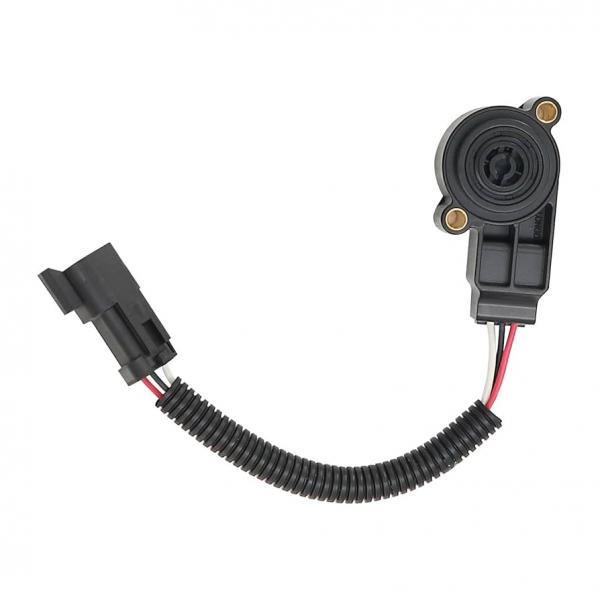
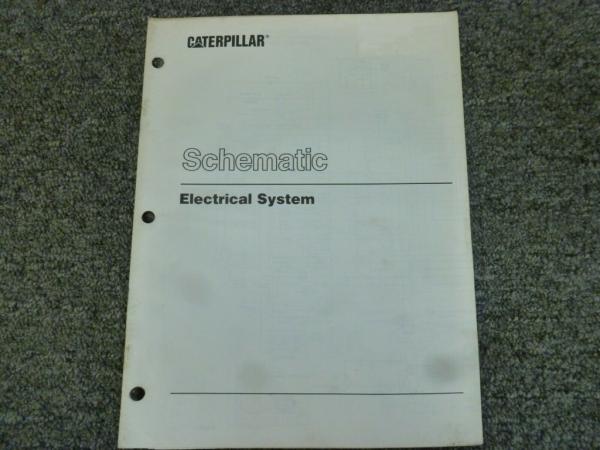
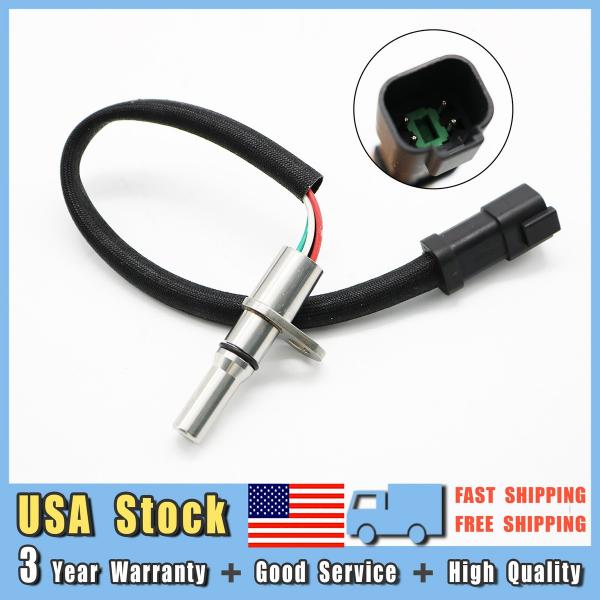
Introduction
The 2009 Caterpillar 279C compact track loader is a versatile machine widely used in construction and landscaping. However, like all complex equipment, it can experience electrical issues that may disrupt operations. This guide provides a detailed overview of common electrical problems, diagnostic steps, and solutions to help operators and technicians address these challenges effectively.
Common Electrical Issues in the 279C
- Intermittent Power Loss
Operators have reported instances where the machine loses power intermittently, especially during operation. This can be caused by:- Faulty Battery Connections: Loose or corroded battery terminals can lead to inconsistent power supply.
- Worn Alternator: A malfunctioning alternator may fail to charge the battery adequately.
- Blown Fuses: Electrical fuses protect circuits; a blown fuse can interrupt power to critical components.
- Non-Responsive Joystick Controls
Some users have experienced situations where joystick controls become unresponsive after a short period of use. This issue often points to:- Hydraulic Lockout: Engaged inadvertently, this safety feature disables hydraulic functions.
- Joystick Wiring Issues: Damaged or disconnected wires can disrupt communication between the joystick and the control system.
- Solenoid Valve Failures: These valves control hydraulic flow; if they malfunction, hydraulic movements may cease.
- Starting Problems
Instances where the machine fails to start, despite having power, are not uncommon. Potential causes include:- Faulty Starter Motor: A worn-out starter may not engage the engine properly.
- Ignition Switch Issues: A malfunctioning ignition switch can prevent the starting circuit from completing.
- Safety Switch Malfunctions: Safety interlock switches ensure the machine operates under safe conditions; if they fail, starting can be inhibited.
Diagnostic Steps
To accurately diagnose electrical issues in the 279C:
- Visual Inspection
- Check Battery Terminals: Ensure they are clean and tightly connected.
- Inspect Wiring Harnesses: Look for signs of wear, corrosion, or disconnections.
- Examine Fuses: Replace any blown fuses with ones of the correct rating.
- Utilize Diagnostic Tools
- Multimeter: Measure voltage at various points to identify inconsistencies.
- Diagnostic Software: Use Caterpillar's service tools to retrieve fault codes and system data.
- Component Testing
- Test Alternator Output: Verify it produces the correct voltage.
- Check Starter Motor: Ensure it engages and turns the engine over.
- Inspect Solenoids and Relays: Test for proper operation.
Preventive Maintenance Tips
To minimize electrical issues:- Regularly Clean Battery Terminals: Prevent corrosion buildup.
- Schedule Routine Inspections: Check wiring and connectors for wear.
- Replace Worn Components Promptly: Address issues before they lead to failures.
- Keep Software Updated: Ensure the machine's control systems have the latest updates.
Conclusion
Electrical issues in the 2009 Caterpillar 279C can stem from various sources, including power supply inconsistencies, control system malfunctions, and starting circuit problems. By following systematic diagnostic procedures and adhering to preventive maintenance practices, operators can ensure the longevity and reliability of their machines. For complex issues, consulting with a certified Caterpillar technician is recommended to achieve accurate diagnosis and repair.
|
|
|
|
| Comprehensive Guide to Rear Planetary Drive Gears in Heavy Equipment: Understanding Issues, Maintenance, and Solutions |
|
Posted by: MikePhua - 08-13-2025, 08:27 PM - Forum: Parts , Attachments & Tools
- No Replies
|
|
Introduction to Rear Planetary Drive Gears
Rear planetary drive gears are critical components in heavy machinery such as bulldozers, excavators, and track loaders. These gears transform the rotational energy from hydraulic motors into the torque needed to drive the machine’s tracks, enabling controlled movement over various terrains. Planetary gear systems are compact, powerful, and capable of handling high loads and stresses typical of demanding jobsite conditions.
Understanding how rear planetary drive gears function, recognizing early warning signs of trouble, and implementing proper maintenance are essential to avoid costly breakdowns and downtime.
How Rear Planetary Drive Gears Work - The planetary gear system includes a central sun gear, multiple planet gears mounted on a carrier, and an outer ring gear.
- Hydraulic motor power rotates the sun gear, which drives the planet gears around it. The planet gears engage with the ring gear, transmitting torque efficiently to the final drive output (the sprocket).
- This arrangement provides high torque multiplication in a compact package, suitable for the limited space in track drive housings.
- Because the gears share load among multiple planet gears, stress distribution helps improve durability.
Common Problems and Warning Signs in Rear Planetary Gears- Metal Shavings or Chips in Gear Oil:
The presence of metal debris indicates abnormal wear or component damage inside the planetary assembly. It often precedes gear tooth failure or bearing destruction.
- Unusual Noises:
Grinding, whining, or knocking sounds when driving may signify worn or damaged gears and bearings.
- Reduced Machine Performance:
Loss of drive efficiency, slipping tracks, or overheating indicate mechanical problems in the planetary drive.
- Oil Leaks or Contamination:
Leaking seals cause lubricant loss and entry of dirt or water, accelerating gear and bearing wear.
- Heat Build-Up:
Excessive operating temperatures degrade lubricant quality and indicate mechanical resistance or inadequate lubrication.
Root Causes of Rear Planetary Gear Issues- Insufficient or Contaminated Lubrication:
Lack of proper gear oil or degraded oil leads to increased friction and wear. Dirt or water contamination severely reduces bearing and gear life.
- Worn or Damaged Bearings:
Bearings supporting planetary gears may wear unevenly or fail due to load stress or poor maintenance.
- Gear Tooth Damage:
Broken, chipped, or excessively worn teeth reduce load capacity, increase noise, and can cause complete gear failure.
- Seal Failure and Oil Leakage:
Aging or damaged seals allow lubricant to escape and contaminants to enter, compounding wear.
- Misalignment or Improper Installation:
Incorrect assembly or misalignment causes uneven gear load, premature wear, and noise.
Maintenance Best Practices and Practical Solutions- Regular Oil Inspection and Change:
Drain and replace gear oil at intervals recommended by the equipment manufacturer using suitable viscosity gear lubricants (typically 80W-90 gear oil). Check oil for metal particles, discoloration, or smell of burning.
- Oil Filtration and Sealing:
Maintain seals in good condition to prevent leaks and contamination. Regularly clean or replace breather filters and inspect seals for deterioration.
- Visual and Physical Inspection:
During service, remove planetary covers to inspect gears, bearings, and carriers for signs of wear, pitting, cracking, or metal debris.
- Replace Damaged Components Promptly:
If metal chips or broken teeth are found, replace damaged planetary gears or bearings immediately to avoid complete failure.
- Proper Assembly and Alignment:
Use manufacturer instructions for torque settings and alignment procedures during reassembly to guarantee correct gear mesh and balance.
- Lubrication Practices:
Use high-quality, OEM-approved lubricants. Some recommend synthetic or extreme pressure (EP) additives for extended gear life.
- Use Monitoring Tools:
Employ oil analysis and condition monitoring to detect early signs of wear and plan preventive maintenance.
Case Story: Early Detection Saves a Planter’s Planetary Drive
A farming equipment operator noticed fine metal particles in the oil during routine inspection of a rear planetary drive on a tracked planter. Acting on this early warning, they scheduled a repair during off-season, avoiding catastrophic machine failure during planting. The inspection revealed cracked gear teeth and bearing race damage likely caused by degraded oil.
After replacing the damaged gears and upgrading seals to prevent contamination, the operator resumed productive service without unexpected downtime. This case highlights the value of oil analysis and proactive inspection in heavy equipment planetary gear maintenance.
Terminology Explained- Planetary Gear Set: Comprises sun gear, planet gears, and ring gear functioning together for torque multiplication.
- Final Drive: The assembly connecting the planetary gears to the track sprockets, transferring torque to the ground.
- Gear Oil: Specialized lubricant formulated to withstand high pressures and reduce wear in gearboxes.
- Bearing: Mechanical components supporting rotating shafts and gears, enabling smooth rotation.
- Seal: A device preventing lubricant leakage and contaminant ingress in rotating assemblies.
- Torque Multiplication: The increase in torque achieved via gear ratios within the planetary gear set.
- Metal Debris: Small particles of metal worn from gears or bearings indicating wear or damage.
- Lubricant Contamination: The presence of dirt, water, or degradation products causing accelerated wear.
Summary List of Recommendations for Rear Planetary Gear Care- Change gear oil regularly with manufacturer-recommended grade and monitor for metal particles.
- Inspect planetary gears and bearings during scheduled maintenance or if unusual symptoms occur.
- Replace seals and breather filters to maintain lubricant cleanliness and pressure balance.
- Address any oil leaks immediately to prevent damage.
- Use OEM parts or high-quality replacements for gears, bearings, and seals.
- Follow exact torque and alignment specifications during reassembly to ensure proper gear meshing.
- Consider using oil analysis services to detect early wear and plan repairs accordingly.
- Train maintenance staff on the critical importance of planetary gear preservation.
Additional Practical Advice- Avoid machine overloading to reduce excessive stresses on planetary gears.
- In dusty or wet environments, increase frequency of lubricant checks and seal inspections.
- When disassembling planetary drives, handle components carefully and keep work areas clean to avoid contamination.
- Document maintenance actions, oil changes, and observations to track planetary gear health over time.
- Consult authorized service manuals and technical support for complicated repairs or troubleshooting.
Conclusion
Rear planetary drive gears are vital to heavy equipment mobility and operational success. Early signs of trouble—such as metal shavings in gear oil, noises, or reduced performance—should prompt immediate investigation and maintenance. Proactive care, including regular lubrication, inspection, seal maintenance, and component replacement, prolongs planetary gear life and prevents costly breakdowns.
Real-world experiences emphasize that attention to detail, adherence to manufacturer guidelines, and consistent oil monitoring are the keys to sustaining reliable rear planetary drive performance. This comprehensive understanding aids operators, technicians, and fleet managers in preserving essential drivetrain components, ensuring machine uptime and safety on job sites.
This article integrates technical knowledge, maintenance best practices, case insights, and terminology to serve as a thorough reference on rear planetary drive gears in heavy equipment.
|
|
|
|
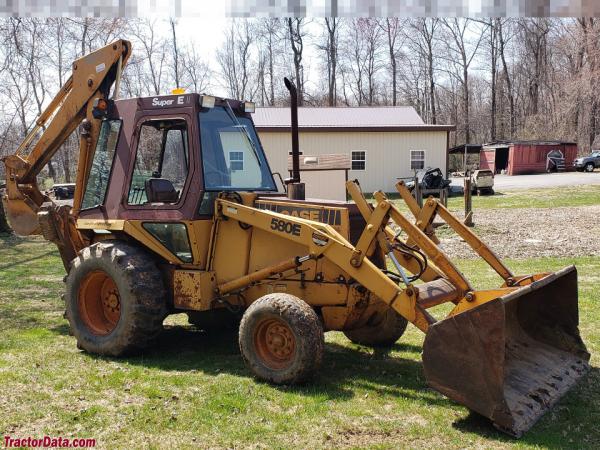
| Case 580E Loader Backhoe: Market Trends, Pricing, and Considerations |
|
Posted by: MikePhua - 08-13-2025, 08:26 PM - Forum: General Discussion
- No Replies
|
|
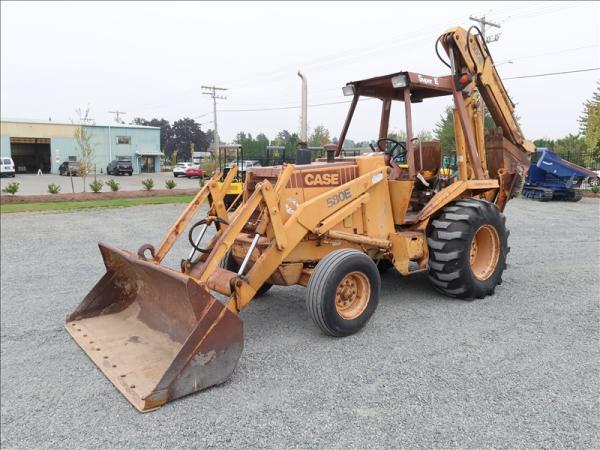
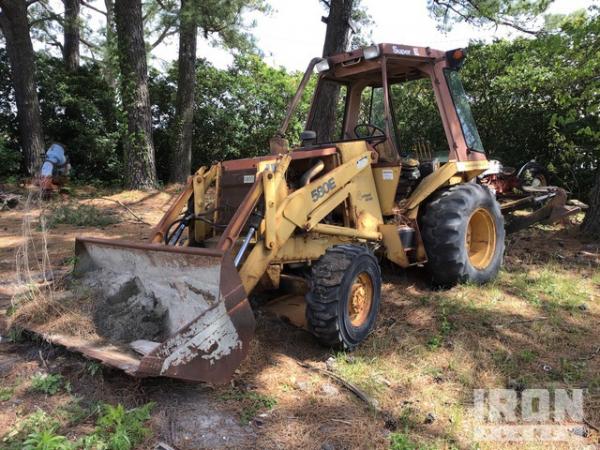
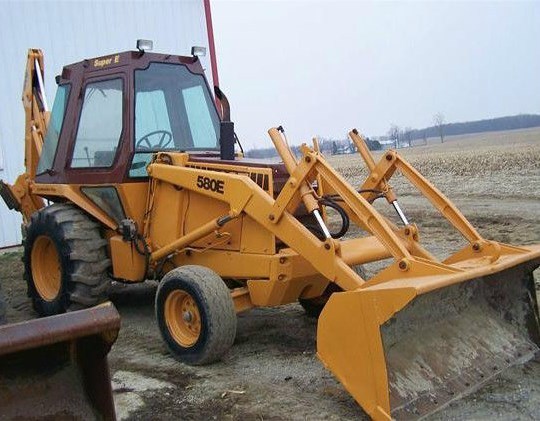
Introduction
The Case 580E Loader Backhoe, a staple in the construction and agricultural sectors, has seen varied pricing trends over the years. Understanding its market value is crucial for potential buyers and sellers. This article delves into the factors influencing the pricing of the Case 580E, provides current market data, and offers insights into making informed purchasing decisions.
Understanding the Case 580E Loader Backhoe
Manufactured by Case Construction Equipment, the 580E model is renowned for its durability and versatility. Key specifications include: - Engine: Approximately 69 horsepower, typically powered by a Cummins 4-390 diesel engine.
- Transmission: 4-speed manual transmission with shuttle shift.
- Drive Type: Available in both 2WD and 4WD configurations.
- Hydraulics: Open-center hydraulic system with a pump flow of around 30 GPM.
- Digging Depth: Approximately 14.5 feet.
- Operating Weight: Between 10,660 to 11,280 pounds, depending on configuration.
These specifications make the 580E suitable for a range of tasks, from trenching to material handling.
Factors Influencing Pricing
Several elements impact the market value of a Case 580E Loader Backhoe:
- Condition: Machines with low operating hours and well-maintained components command higher prices.
- Attachments: Inclusion of additional attachments, such as extendahoe or hydraulic thumb, can increase value.
- Location: Regional demand and availability can cause price fluctuations.
- Market Trends: Economic conditions and industry demand influence equipment pricing.
Current Market Pricing
Based on recent listings and auction results, the Case 580E Loader Backhoe is priced as follows:- Low End: Approximately $10,000 for units with higher operating hours or in need of repairs.
- Mid Range: Between $14,500 to $18,500 for well-maintained machines with moderate hours.
- High End: Up to $30,141 for units in excellent condition with low hours and additional features.
Considerations for Buyers
When evaluating a Case 580E Loader Backhoe:- Inspect Hydraulic Systems: Ensure there are no leaks and that the system operates smoothly.
- Check Engine Performance: Listen for unusual noises and check for excessive smoke.
- Examine Tires and Undercarriage: Worn tires or undercarriage components can be costly to replace.
- Review Maintenance Records: Consistent maintenance history can indicate a well-cared-for machine.
Conclusion
The Case 580E Loader Backhoe remains a valuable asset in the construction and agricultural industries. By understanding the factors that influence its pricing and conducting thorough evaluations, buyers and sellers can make informed decisions in the current market.
|
|
|
|
| Comprehensive Guide to Diagnosing and Resolving High-Flow Hydraulic Issues on Caterpillar 315BL Excavators |
|
Posted by: MikePhua - 08-13-2025, 08:25 PM - Forum: Troubleshooting & Diagnosing
- No Replies
|
|
Introduction to Caterpillar 315BL Hydraulic High-Flow Challenges
The hydraulic system in the Caterpillar 315BL excavator is a vital component that controls boom, arm, bucket, and attachment functions with precision and power. A common issue faced by operators is the failure of the hydraulic system to engage high flow, resulting in sluggish hydraulic operation and loss of expected attachment performance regardless of engine speed or throttle settings. This condition affects productivity, machine responsiveness, and task efficiency.
This guide dives deeply into the probable causes of such hydraulic system slowdowns on the 315BL, explains system operation principles, offers step-by-step diagnostics, clarifies critical terminology, and outlines practical maintenance and repair solutions. Real-world experiences and case examples illustrate how to successfully troubleshoot and fix high-flow engagement problems.
Understanding the Hydraulic System High-Flow Function - The 315BL uses dual hydraulic pumps whose flow can combine to deliver approximately 60 gallons per minute (GPM) of hydraulic fluid to attachments in high-flow mode, doubling the normal pump output.
- High flow is controlled by a combination of pilot valves and physical pump supply valves:
- A two-pump flow pilot valve inside the cab activates hydraulic pressure to open the main pump flow circuit for combined output.
- A pump supply ball valve (often located near the cab, sometimes by cab windows) physically enables the second pump flow to combine with the first.
- Both valves must be open and functional for the system to engage and maintain high flow.
Common Causes of Hydraulic System Failure to Engage High Flow- Pilot Valve Closed or Faulty:
If the pilot valve responsible for activating two-pump flow is closed or malfunctioning, the system will remain in single-pump mode, limiting hydraulic flow.
- Pump Supply Ball Valve Closed or Blocked:
A closed, clogged, or malfunctioning pump supply valve prevents the physical joining of the two pump flows, reducing total hydraulic volume.
- Hydraulic Flow Control Configuration:
Incorrect valve settings or switches can inadvertently keep the system in single-acting or single-pump mode.
- Hydraulic Spool Valve or Control Valve Issues:
If the attachment spool valves that direct hydraulic flow malfunction or stick, the hydraulic fluid flow to attachments can be restricted regardless of pump output.
- Hydraulic Oil Condition and Filter Blockage:
Contaminated or degraded hydraulic fluid and clogged filters restrict fluid flow and diminish system pressure, causing slow hydraulics.
- Mechanical Problems in Pumps:
Damage or wear in internal pump components reduces output volume and pressure.
- Air Entrapment or System Leaks:
Air bubbles or leaks reduce hydraulic efficiency and can cause delayed or weak attachment response.
Step-by-Step Diagnostic Approach
- Check Pilot Valve and Pump Supply Ball Valve Positions:
- Physically locate and inspect the pilot valve and ball valve for two-pump flow engagement.
- Verify that both are fully open and not stuck in closed positions.
- Inspect Hydraulic Lines and Fittings for Blockages or Damage:
- Examine lines connected to these valves for leaks, kinks, or debris causing flow restriction.
- Test Hydraulic Flow Using Flow Meters:
- Measure actual hydraulic flow being delivered to the attachment circuit. Significant differences between single and two-pump flow indicate valve or pump issues.
- Check Hydraulic Fluid and Filters:
- Ensure fluid is clean, at proper levels, and filters are not clogged or overdue for change.
- Inspect Control and Spool Valves:
- Verify spool movement is smooth and that valves are free from internal blockage or wear.
- Verify Pump Operation:
- Check for unusual noises or vibrations.
- Conduct pump output tests if possible, using OEM diagnostics or technician tools.
- Check for Air in System and Leak Points:
- Bleed air from hydraulic circuits to eliminate cavitation effects.
- Inspect seals, hoses, and fittings for leaks and repair as needed.
Practical Solutions and Recommendations- Open any closed pilot or ball valves related to the two-pump flow operation. Ensure valves are properly lubricated and free to operate.
- Replace faulty pilot valves or ball valves if manual operation feels stiff or they fail to hold the open position.
- Clean or replace hydraulic filters on return and supply lines according to manufacturer schedules.
- Flush and replace hydraulic fluid if contamination or degradation is detected.
- Service or rebuild hydraulic pumps if output remains low despite valve correction and fluid maintenance.
- Apply preventive maintenance schedules focusing on hydraulic system health, including valve inspection and timely fluid changes.
- Train operators on correct valve settings and system configurations to avoid inadvertent disabling of high-flow functions.
- Use OEM parts for replacement valves and hydraulic components to ensure compatibility and durability.
Terminology Clarified- Two-Pump Flow: Hydraulic system operation mode where output from two pumps combines to deliver increased fluid volume.
- Pilot Valve: A small control valve using low hydraulic pressure to control larger hydraulic circuits or valves.
- Ball Valve: A valve featuring a rotating ball to allow or stop fluid flow, often manually operated.
- Spool Valve: A directional control valve that directs hydraulic fluid to various actuators by shifting an internal spool.
- Hydraulic Flow Meter: A device measuring the rate of fluid movement in gallons or liters per minute.
- Single Acting/Dual Acting: Describes hydraulic cylinders where fluid acts on one side (single) or both sides (dual) to create movement.
- Hydraulic Cavitation: Formation of vapor pockets in fluid caused by low pressure, which damages pumps.
Case Story: Resolving Hydraulic High-Flow Issues on a Caterpillar 315BL
An excavator operator complained that the hydraulic attachment flow was sluggish and did not increase regardless of engine throttle. After observing the hydraulic circuitry, the technician found the pilot valve for two-pump flow was closed, and the pump supply ball valve was partially stuck.
Once both valves were manually opened and lubricated, the system achieved full two-pump flow with about 60 GPM reaching the attachments, restoring expected hydraulic power and response. Further inspection revealed a clogged hydraulic return filter causing minor back pressure, which was replaced in routine maintenance.
The operator was trained to check valve positions before operation to prevent recurrent issues. This intervention restored attachment performance and saved downtime, illustrating the critical role of valve operation in hydraulic flow control.
Summary List of Tips for Managing 315BL Hydraulic High-Flow Problems- Always verify pilot and pump supply ball valves for two-pump flow are open and operational.
- Regularly inspect and replace hydraulic filters to ensure unobstructed fluid flow.
- Maintain clean, contaminant-free hydraulic fluid at correct levels.
- Check for valve and spool movement smoothness and absence of internal jams.
- Test hydraulic pump health if flow deficiencies persist after valve correction.
- Bleed system air and check for leaks to maximize hydraulic efficiency.
- Educate operators on hydraulic system controls and valve settings preventing accidental deactivation.
- Use quality OEM parts for all hydraulic system repairs and maintenance.
Additional Recommendations- Implement a hydraulic system diagnostic protocol including flow and pressure testing during scheduled maintenance.
- Monitor system performance indicators such as hydraulic pressure gauges and control responsiveness for early fault detection.
- Consider installing flow meters or pressure sensors for real-time monitoring on critical hydraulic circuits.
- Consult service manuals and authorized Caterpillar technical support for complex troubleshooting.
- Keep a maintenance log documenting hydraulic service dates, valve positions, and component replacements to track and anticipate system needs.
Conclusion
High-flow hydraulic function on the Caterpillar 315BL excavator is essential for optimal attachment performance and operational productivity. When high-flow fails to engage, common causes include closed or faulty pilot and pump supply valves, filter blockages, pump wear, and control valve malfunctions.
A systematic approach focusing on valve inspection and operation, fluid cleanliness, filter maintenance, and pump health testing helps restore hydraulic power efficiently. Real-world cases highlight that simple valve positions can dramatically affect flow availability.
By following recommended diagnostic steps and maintenance schedules, operators and technicians can prevent or quickly resolve high-flow hydraulic issues, ensuring the 315BL excavator continues performing at full capability.
This comprehensive overview synthesizes practical guidance, technical explanations, and case insights to assist heavy equipment professionals in maintaining and repairing Caterpillar 315BL hydraulic systems effectively.
|
|
|
|
|



