| Welcome, Guest |
You have to register before you can post on our site.
|
| Online Users |
There are currently 207 online users.
» 0 Member(s) | 197 Guest(s)
Ahrefs, Amazon, Bing, Claude, DotBot, Google, MJ12, Semrush, Seznam, Trendiction
|
| Latest Threads |
Identifying and Sourcing ...
Forum: Parts , Attachments & Tools
Last Post: MikePhua
01-07-2026, 06:29 PM
» Replies: 0
» Views: 530
|
Cat 931B Brake Parts
Forum: Parts , Attachments & Tools
Last Post: MikePhua
01-07-2026, 06:29 PM
» Replies: 0
» Views: 283
|
Choosing Between Cat 228,...
Forum: General Discussion
Last Post: MikePhua
01-07-2026, 06:28 PM
» Replies: 0
» Views: 563
|
Hydraulic Delay When Lowe...
Forum: Troubleshooting & Diagnosing
Last Post: MikePhua
01-07-2026, 06:27 PM
» Replies: 0
» Views: 449
|
Bale Chopper and Mulcher ...
Forum: General Discussion
Last Post: MikePhua
01-07-2026, 06:26 PM
» Replies: 0
» Views: 324
|
Mini UC Maintenance
Forum: General Discussion
Last Post: MikePhua
01-07-2026, 06:25 PM
» Replies: 0
» Views: 314
|
Locating Wiring Informati...
Forum: General Discussion
Last Post: MikePhua
01-07-2026, 06:24 PM
» Replies: 0
» Views: 347
|
Case Industrial Brown Sub...
Forum: Parts , Attachments & Tools
Last Post: MikePhua
01-07-2026, 06:23 PM
» Replies: 0
» Views: 276
|
Dirt Work in West Virgini...
Forum: Construction & Urban Infrastructure Forum
Last Post: MikePhua
01-07-2026, 06:23 PM
» Replies: 0
» Views: 379
|
D207 P Hydraulic Steering...
Forum: Parts , Attachments & Tools
Last Post: MikePhua
01-07-2026, 06:22 PM
» Replies: 0
» Views: 305
|
|
|
| Comprehensive Guide to Caterpillar Heavy Equipment Dealers and Availability in Ontario, Canada |
|
Posted by: MikePhua - 08-13-2025, 08:42 PM - Forum: Used Excavators Trade
- No Replies
|
 |
Introduction to Caterpillar Equipment in Ontario
Ontario is home to a robust market for Caterpillar heavy equipment, serving diverse industries such as construction, mining, forestry, agriculture, and material handling. Accessing authentic Cat machines, parts, and professional service in this region is supported primarily through authorized dealerships, with Toromont Cat being the dominant and most established provider.
This guide explores the landscape of Caterpillar heavy equipment dealerships in Ontario, highlighting dealer locations, product offerings, service capabilities, and practical advice for buyers and operators seeking reliable machine solutions. It also includes explanations of relevant terms and considerations for selecting appropriate dealers and equipment.
Authorized Caterpillar Dealership Network in Ontario - Toromont Cat:
The leading and authorized dealer for Caterpillar equipment in Ontario, Toromont Cat operates multiple branch locations across the province, ensuring wide coverage and local support. Key branches include:- Concord (Corporate and Parts Hub)
- Hamilton
- Kingston (Glenburnie)
- London
- Orillia (Oro-Medonte)
- Ottawa
- Sault Ste. Marie
- St. Catharines
- Sudbury (Lively)
- Thunder Bay
- Timmins
- Windsor (Maidstone)
These locations provide sales of new and used equipment, parts, rentals, service, and power systems. Toromont Cat is known for its extensive inventory of Cat machines and attachments suitable for various heavy equipment needs.
- Product Range and Services Offered
- New Equipment: Wide selection including wheel loaders, excavators, dozers, articulated trucks, telehandlers, backhoes, and mining machinery.
- Used Equipment: Certified used Cat machines vetted for quality and operational readiness, offering cost-effective options.
- Parts & Attachments: OEM Cat parts and a broad catalogue of accessories and attachments tailored for diverse applications.
- Maintenance & Repairs: Full service including preventive maintenance, machine rebuilds, and emergency repairs.
- Power Systems: Backup power generators and industrial engines, supporting operations beyond earthmoving.
Advantages of Dealing with Authorized Cat Dealers- Genuine Caterpillar Products: Assurance of original equipment meeting strict quality and performance standards.
- Experienced Technical Support: Factory-trained technicians provide expert repair, diagnostics, and machine optimization.
- Comprehensive Warranty and Service Plans: Dealers offer warranties and maintenance programs to ensure machine longevity and reduce downtime.
- Availability of Modern Technology: Access to the latest Cat innovations, including telematics, machine monitoring systems, and equipment management software.
- Flexible Financing and Rental Solutions: Support for diverse budget needs with financing options and short or long-term rentals.
Advice for Equipment Buyers and Operators- Evaluate dealer proximity relative to your primary work sites to ensure rapid service response and parts availability.
- Assess the dealer’s inventory breadth to match your equipment needs, whether for new builds, used machines, or attachments.
- Review customer support and after-sales service reputations through references or testimonials.
- Seek dealers offering training programs for operators and maintenance teams to maximize equipment benefits.
- Consider potential machine upgrade paths and technology integrations supported by the dealer.
- Explore power system offerings if backup energy or industrial engine needs coincide with equipment purchases.
Terminology Explained- OEM (Original Equipment Manufacturer): Equipment or parts made by Caterpillar to original factory specifications.
- Telematics: Systems installed in machines to monitor and transmit data on usage, diagnostics, and location.
- Attachments: Additional components like buckets, grapples, breakers fitted to machines to expand functionality.
- Preventive Maintenance: Scheduled servicing aimed at preventing machine breakdown and prolonging equipment life.
- Power Systems: Backup generators and engines that support continuous operations in industrial or remote settings.
Case Story: Successful Fleet Upgrade Through Local Dealer Partnership
An Ontario-based construction company expanded its fleet by partnering closely with Toromont Cat. Leveraging the dealer’s broad product line and servicing capabilities, the company gradually incorporated newer Cat wheel loaders, excavators, and articulated trucks suited to their site requirements.
The dealer’s training workshops improved operator efficiency, while scheduled maintenance contracts reduced costly downtime. The company also benefited from telematics to optimize machine utilization and maintenance scheduling across Ontario project sites. This collaborative approach enhanced productivity and budget control significantly.
List of Practical Tips for Engaging Caterpillar Dealers in Ontario- Identify the nearest authorized dealer branches and assess their service offerings.
- Confirm parts availability and lead times for critical components.
- Investigate used equipment programs for reliable cost-effective options.
- Inquire about rental equipment availability for project flexibility.
- Verify warranty coverage and extended service programs tailored for your application.
- Utilize dealer training and support to improve machine operation and safety.
- Explore dealer-sponsored technology solutions like Cat Connect for fleet management.
Conclusion
Ontario’s Caterpillar equipment marketplace is well-served by a robust network of authorized dealerships, with Toromont Cat positioned as the leading provider offering extensive machine selections, genuine parts, expert service, and support tailored to heavy equipment operators’ needs.
By leveraging these local dealer resources, equipment buyers and users benefit from quality assurance, responsive maintenance, financing flexibility, and cutting-edge operational technologies. This access empowers projects across Ontario’s construction, mining, forestry, and industrial sectors to achieve higher productivity, reduced downtime, and better cost management.
Understanding the dealer ecosystem, service offerings, and strategic partnership opportunities forms the foundation for successful Caterpillar equipment acquisition and ownership in the Ontario heavy equipment landscape.
This comprehensive overview combines dealership information, practical advice, terminology insights, and real-world examples to aid prospective buyers and users in navigating Ontario’s Caterpillar heavy equipment market efficiently.
|

|
|
| Fluid Recommendations for the John Deere 550G Crawler Dozer: A Comprehensive Guide |
|
Posted by: MikePhua - 08-13-2025, 08:40 PM - Forum: Parts , Attachments & Tools
- No Replies
|
|
Introduction
The John Deere 550G Crawler Dozer, a staple in construction and land-clearing operations, requires meticulous attention to its fluid maintenance to ensure optimal performance and longevity. Proper lubrication and fluid management are paramount, as they directly influence the machine's efficiency, reliability, and operational costs. This guide delves into the recommended fluids for various systems of the 550G, offering insights into capacities, specifications, and best practices.
Engine Oil
The engine oil serves as the lifeblood of the dozer's power unit, providing lubrication to reduce friction, dissipate heat, and prevent corrosion. For the 550G, the recommended engine oil is: - Type: SAE 10W-30, such as John Deere's TORQ-GARD SUPREME®
- Capacity: Approximately 3.3 gallons (12.5 liters)
Regular oil changes are crucial, with intervals typically set at every 250 hours of operation. Utilizing high-quality oils like TORQ-GARD SUPREME® ensures superior protection against wear and extends engine life.
Transmission and Hydraulic Fluid
The transmission and hydraulic systems of the 550G share a common fluid reservoir, necessitating the use of a fluid that meets both transmission and hydraulic requirements. The recommended fluid is:- Type: John Deere Hy-Gard™ or Low-Viscosity Hy-Gard™
- Capacity: Approximately 27 gallons (102 liters)
Hy-Gard™ fluids are designed to provide excellent wear protection, resist foaming, and offer superior oxidation stability. These characteristics are vital for the performance of both the transmission and hydraulic systems.
Hydraulic System
The hydraulic system operates under high pressure and is responsible for powering various components such as the blade and ripper. The recommended hydraulic fluid is:- Type: John Deere Hy-Gard™
- Capacity: Approximately 14.6 gallons (55 liters)
Maintaining the correct hydraulic fluid level is essential. Low fluid levels can lead to loss of power, especially on inclines, and may cause the drive unit to stall. Regularly check and maintain fluid levels using the manufacturer's recommended hydraulic oil.
Final Drive Oil
The final drives are critical for the dozer's mobility and require proper lubrication to function efficiently. The recommended oil for the final drives is:- Type: John Deere Final Drive Oil or equivalent
- Capacity: Approximately 3 gallons (11.4 liters) per side
Regular inspection and maintenance of the final drive oil ensure smooth operation and prevent costly repairs.
Cooling System
The cooling system maintains optimal engine temperatures, preventing overheating and ensuring efficient operation. The recommended coolant is:- Type: John Deere Cool-Gard™ or equivalent
- Capacity: Approximately 5 gallons (19 liters)
Using the recommended coolant helps protect against corrosion and scale buildup, enhancing the longevity of the cooling system components.
Maintenance Tips
To ensure the longevity and optimal performance of the John Deere 550G, consider the following maintenance practices:- Regular Fluid Checks: Consistently monitor fluid levels and top off as necessary to prevent system failures.
- Scheduled Fluid Changes: Adhere to the recommended intervals for fluid changes to maintain system integrity.
- Use of Recommended Fluids: Always use fluids that meet or exceed John Deere's specifications to ensure compatibility and performance.
- Leak Inspections: Regularly inspect for leaks around hoses and seals, especially in the hydraulic system, to prevent fluid loss and potential damage.
- System Bleeding: If air is suspected in the hydraulic system, bleed the system to restore proper function.
Conclusion
Proper fluid maintenance is integral to the performance and longevity of the John Deere 550G Crawler Dozer. By adhering to the recommended fluid types and capacities, operators can ensure efficient operation, reduce downtime, and extend the lifespan of their equipment. Always consult the operator's manual for specific maintenance schedules and fluid specifications tailored to your machine's needs.
|
|
|
|
| Comprehensive Guide to Hydraulic Hammer Identification, Parts, and Usage in Heavy Equipment |
|
Posted by: MikePhua - 08-13-2025, 08:39 PM - Forum: General Discussion
- No Replies
|
|
Introduction to Hydraulic Hammers
Hydraulic hammers, also known as hydraulic breakers, are essential attachments for heavy machinery such as excavators and backhoes. They are primarily used for demolition, mining, quarrying, and construction tasks that require breaking concrete, rocks, asphalt, or other tough materials. Understanding how to identify different hydraulic hammer models, their key parts, and operational principles helps users select the right tool for their application and maintain it efficiently for prolonged performance.
Key Features and Identification of Hydraulic Hammers - Purpose and Use:
Hydraulic hammers deliver powerful impacts through a piston that drives a chisel or moil point into hard materials to break them apart. These tools replace traditional jackhammers for large-scale or mobile jobs requiring robust force.
- Types by Impact Energy and Carrier Weight:
Hammers vary widely in size and energy output, often matched to excavator or carrier machine weight. Smaller hammers (under 200 kg) suit mini-excavators, while larger ones exceeding one ton are used on heavy excavators for demanding demolition.
- Basic Components to Identify:
- Tool (Chisel/Moilter) or Bit: The working end that makes contact with the material, available in various shapes—flat chisels for demolition, moil points for breaking concrete, or blunt types for compacting.
- Piston: Internal moving component powered by hydraulic pressure generating the hammering action.
- Cylinder/Body: Houses the piston and oil, designed to withstand hydraulic pressure and impact forces.
- Accumulator: A nitrogen-charged chamber that stores compressed gas to smooth energy delivery and improve impact consistency.
- Hydraulic Hoses and Couplings: Connect the hammer to the carrier’s hydraulic circuit, requiring correct pressure and flow ratings.
- Bracket/Mounting System: Structural interface between the hammer and the excavator arm, sometimes featuring quick coupler compatibility for rapid attachment changes.
Common Parts and Their Functions- Chisel or Tool Bit: Breaks, splits, or pries materials depending on shape and hardness. The right bit selection impacts efficiency and wear rate.
- Piston: Converts hydraulic energy into mechanical impact, sliding rapidly in the cylinder to strike the tool bit. Piston condition affects hammer power.
- Accumulator: Maintains uniform strike force and helps reduce shock loads transmitted to the carrier, improving durability.
- Control Valve: Regulates hydraulic flow direction and rate to the hammer, controlling strike frequency and power.
- Housing/Cylinder: Provides structural support and seals to contain hydraulic fluid pressure.
- Nitrogen Chamber: Usually isolated from hydraulic oil, its pressure level is critical for optimal hammer performance.
- Seal Kits: Include O-rings and other sealing components essential for preventing leaks and maintaining hydraulic pressure.
Identification Tips for New Hydraulic Hammers- Check manufacturer labels or serial plates indicating model number, impact energy (measured in joules or ft-lb), and recommended carrier weight.
- Match hammer size and weight with the carrier excavator’s maximum hydraulic flow and pressure specifications.
- Observe physical characteristics such as length, diameter, and mounting style to cross-reference with manufacturer data or catalogs.
- Use parts diagrams often available from manufacturers or dealers for precise identification of components and accessory compatibility.
Terminology Explained- Impact Energy: The kinetic energy delivered by the piston to the tool bit per strike, usually expressed in joules (J) or foot-pounds (ft-lb).
- Carrier Weight: Recommended excavator or machinery weight that the hammer can be safely mounted on.
- Moir Point: A pointed tool bit designed for concentrated impact and breaking concrete or rock.
- Accumulator Pressure: Nitrogen pressure within the hammer’s gas chamber supporting piston impact force.
- Hydraulic Flow: Volume of hydraulic fluid supplied to the hammer, measured in liters per minute (L/min) or gallons per minute (GPM).
- Stroke Length: The distance the piston travels during each hammer cycle, influencing impact force and frequency.
Practical Advice and Solutions- Select hydraulic hammers by matching impact energy and weight with the machine’s hydraulic capabilities to prevent underperformance or equipment damage.
- Regularly inspect and replace wear parts such as chisels, seals, and hoses to maintain power and prevent leaks.
- Maintain proper nitrogen accumulator pressure—pressure drops lead to reduced hammer efficiency and potential damage.
- Use correct hydraulic oil grades and ensure filtering to protect valve function and cylinder seals.
- Train operators to monitor hydraulic pressure and flow conditions that influence hammer operation and longevity.
- Store bits properly and ensure frequent sharpening or replacement to preserve breaking efficiency.
Case Story: Enhancing Urban Demolition Efficiency with the Right Hammer
An urban demolition contractor upgraded a mid-sized excavator with a new hydraulic hammer model designed for high impact energy but moderate carrier weight compatibility. By choosing a moil point bit tailored for reinforced concrete, they accelerated breaking cycles on bridge abutment removal. Regular checks revealed early seal wear, prompting scheduled servicing that avoided costly downtime.
This improved selection and maintenance routine resulted in smoother project flow and extended hammer lifespan, exemplifying the importance of precise hammer identification and part care in challenging environments.
Summary List of Key Points for Hydraulic Hammer Identification and Maintenance- Match hammer impact energy and weight with carrier hydraulic specs.
- Identify all critical components: piston, tool bit, accumulator, control valve, seals.
- Inspect hydraulic hoses and connectors for wear and proper pressure rating.
- Maintain nitrogen accumulator pressure and seal integrity for consistent power.
- Use manufacturer parts catalogs or dealer support for precise part identification.
- Regularly replace worn chisels/tools and service seals/hydraulic components.
- Train operators for proper system monitoring and maintenance detection.
- Maintain cleanliness of hydraulic systems to prevent contamination-related failures.
Additional Recommendations- Maintain a parts inventory for common wear items to reduce repair turnaround.
- Consult manufacturer or authorized dealers for troubleshooting complex hammer issues.
- Consider advanced monitoring systems or sensors for critical hammer operation diagnostics.
- Comply with all safety protocols when handling or servicing hydraulic hammers due to high stored energy and pressure.
- Participate in operator and technician training programs to improve hammer usage and maintenance skills.
Conclusion
Proper identification and understanding of hydraulic hammer models, components, and operating principles are essential for selecting the right hammer for your equipment and ensuring optimal performance on tough demolition tasks. Efficient maintenance, regular inspection of critical parts, and matching hammer specifications with hydraulic system capabilities extend hammer service life and reduce costly downtime.
Combining technical knowledge with practical maintenance strategies, operators and technicians can maximize the utility and reliability of hydraulic hammers, evidenced by real-world success stories emphasizing equipment longevity and project efficiency.
This comprehensive guide integrates detailed component descriptions, terminology, practical tips, and illustrative experiences to serve as a resource for professionals managing hydraulic hammer attachments on heavy equipment.
|
|
|
|
| Comprehensive Guide to the Takeuchi TB175 Mini Excavator: Specifications, Common Issues, and Maintenance Tips |
|
Posted by: MikePhua - 08-13-2025, 08:39 PM - Forum: General Discussion
- No Replies
|
|
Introduction
The Takeuchi TB175 is a versatile mini excavator that has gained popularity in various industries due to its compact size, powerful performance, and reliability. Manufactured from 2005 to 2011, the TB175 is designed for tasks requiring maneuverability in confined spaces without compromising on power. This guide provides an in-depth look at the TB175's specifications, common issues faced by operators, and maintenance tips to ensure optimal performance.
Specifications - Engine: The TB175 is powered by a Yanmar 4TNV98 engine, delivering 58 horsepower (43 kW) at 2,100 rpm.
- Operating Weight: Approximately 7,230 kg (15,950 lbs), making it suitable for both urban construction sites and landscaping projects.
- Dimensions:
- Length: 6,400 mm (252 inches)
- Width: 2,300 mm (91 inches)
- Height: 2,580 mm (101 inches)
- Tail Swing Radius: 1,600 mm (63 inches)
- Ground Clearance: 300 mm (12 inches)
- Hydraulic System:
- Maximum Flow Rate: 105 l/min (27.7 gpm)
- Operating Pressure: 24.5 MPa (3,553 psi)
- Digging Depth: Up to 4,590 mm (181 inches), allowing for deep trenching and excavation tasks.
- Bucket Capacity: Varies depending on the attachment, but typically ranges from 0.25 to 0.35 m³ (0.33 to 0.46 yd³).
Common Issues and Troubleshooting
- Engine Stalling and Throttle Irregularities:
- Symptoms: The engine stalls after a few minutes of operation, or the throttle exhibits stuttering at full speed.
- Possible Causes:
- Clogged fuel filters or air filters.
- Faulty fuel pump or air intake system.
- Vacuum leaks or issues with the throttle linkage.
- Recommended Actions:
- Inspect and replace fuel and air filters as needed.
- Check the fuel pump operation and ensure proper fuel delivery.
- Examine the throttle linkage for smooth movement and proper calibration.
- Look for any vacuum leaks and repair them promptly.
- Overheating:
- Symptoms: The engine temperature rises beyond normal operating levels, potentially leading to engine shutdown.
- Possible Causes:
- Radiator clogging due to debris buildup.
- Faulty thermostat or water pump.
- Low coolant levels or pressure issues.
- Recommended Actions:
- Clean the radiator fins thoroughly to remove any debris.
- Test the thermostat to ensure it opens at the correct temperature.
- Inspect the water pump for proper operation.
- Check coolant levels and ensure the radiator cap maintains proper pressure.
- Electrical Issues:
- Symptoms: Auxiliary hydraulics, two-speed tracks, or other electrical components fail to operate.
- Possible Causes:
- Wiring issues or faulty connections.
- Blown fuses or malfunctioning relays.
- Problems with the control panel or sensors.
- Recommended Actions:
- Inspect all wiring for signs of wear or damage.
- Check and replace any blown fuses or faulty relays.
- Test the control panel and sensors for proper functionality.
Maintenance Tips- Regular Inspections: Conduct daily pre-operation checks to identify any potential issues before they become major problems.
- Lubrication: Ensure all moving parts are properly lubricated to reduce wear and tear.
- Hydraulic System Maintenance: Regularly check hydraulic fluid levels and inspect hoses for leaks or damage.
- Cooling System Care: Keep the radiator clean and ensure the cooling system is functioning efficiently to prevent overheating.
- Electrical System Checks: Inspect the battery, wiring, and electrical components periodically to ensure reliable operation.
Conclusion
The Takeuchi TB175 mini excavator is a robust and reliable machine suitable for a variety of tasks. By understanding its specifications, being aware of common issues, and adhering to regular maintenance practices, operators can ensure the longevity and optimal performance of the TB175. Always refer to the manufacturer's manual for detailed maintenance procedures and consult with professionals if complex issues arise.
|
|
|
|
| Comprehensive Guide to Jaltest Diagnostic Software: Features, Benefits, and Practical Insights |
|
Posted by: MikePhua - 08-13-2025, 08:38 PM - Forum: Troubleshooting & Diagnosing
- No Replies
|
|
Introduction to Jaltest Diagnostic Software
Jaltest diagnostic software is a leading solution in the heavy equipment and commercial vehicle maintenance industry, revered for its comprehensive functionality, extensive vehicle coverage, and advanced diagnostic capabilities. Designed to support technicians working on a wide range of equipment—from big rigs, excavators, and agricultural machinery to zero-turn mowers—Jaltest consolidates fault code reading, troubleshooting, and repair guidance into a single platform. Its versatility makes it an increasingly popular choice for shops aiming to modernize diagnostics and reduce reliance on legacy methods.
Key Features and Functional Advantages of Jaltest - Wide Equipment and Brand Coverage:
Jaltest supports numerous heavy-duty truck marques (including Volvo, Freightliner, Peterbilt), construction machinery, agricultural vehicles, and material handling equipment. It also covers a broad spectrum of systems including engines, transmissions, ABS, ADAS, cab modules, and hydraulics. This wide-ranging compatibility reduces the need for multiple diagnostic tools, enhancing workshop efficiency.
- Intuitive, User-Friendly Interface:
The software features a clean, interactive dashboard that self-identifies vehicle modules quickly and displays comprehensive fault code results in an easy-to-navigate format. Technicians benefit from guided troubleshooting that links fault codes with specific system information, wiring diagrams, and repair instructions, expediting problem resolution.
- Advanced Diagnostics and Bi-Directional Controls:
Beyond fault code reading, Jaltest allows users to perform active tests and calibrations—including bi-directional control of components, forced regenerations, injector coding, module programming, and system resets. This control supports in-depth troubleshooting and precise system diagnostics rarely matched by competitor tools.
- Specialized Functionality for Diesel and Construction Equipment:
Diesel particulate filters (DPF) require forced regeneration when soot accumulates; Jaltest facilitates this process efficiently for trucks and off-highway equipment. Calibration of hydraulic systems, attachment controls, and sensors can be performed seamlessly, maintaining equipment precision under harsh field conditions.
- Integrated Wiring Diagrams and Repair Information:
Interactive wiring diagrams simplify complex electrical troubleshooting, guiding technicians visually to relevant circuits and connectors. The software includes OEM-level repair bulletins, maintenance instructions, and circuit testing information—consolidating critical service data within the diagnostic workflow.
Practical Benefits and Shop Integration- Single Tool Multi-Connector System:
Shops servicing mixed fleets find Jaltest especially convenient because it supports a “one device, multiple connectors” approach, accommodating diverse machinery while minimizing hardware investment and simplifying staff training.
- Improved Diagnostic Accuracy and Efficiency:
Swift vehicle and system recognition reduce diagnostic time. Accurate fault code interpretation and actionable troubleshooting reduce guesswork, improving first-time repair rates and minimizing downtime.
- Support for Modern Emissions Systems and DEF:
In an era of stringent emissions regulations, Jaltest’s ability to interface with DEF (Diesel Exhaust Fluid) systems and aftertreatment components ensures compliance and functional monitoring, overcoming challenges posed by advanced environmental controls.
- Dedicated Customer Support and Frequent Updates:
Jaltest software benefits from regular triannual updates informed by direct user feedback and market trends, ensuring it remains current with the latest vehicle models and systems. North American-based support and training resources further enhance user experience.
Terminology Explained- Bi-Directional Control: Ability of the diagnostic tool to send commands to vehicle systems to activate or test components actively.
- Forced Regeneration: Manual initiation of particulate filter cleaning processes in diesel engines to burn off soot accumulation.
- DPF (Diesel Particulate Filter): Emission control device that traps soot particles in exhaust gases.
- OEM (Original Equipment Manufacturer): The company that originally manufactures vehicle or equipment components, providing official specifications and parts.
- ADAS (Advanced Driver Assistance Systems): Safety and automation systems including cameras, sensors, and control modules aiding vehicle operation.
- Wiring Diagram: Visual representation of electrical circuits within the vehicle or equipment, critical for troubleshooting.
- Hydraulic Calibration: Adjusting and programming hydraulic system components for optimal performance and response.
Case Story: Modernizing Diagnostics in a Heavy Equipment Shop
A maintenance shop with a diverse fleet faced challenges relying on outdated diagnostic tools and manual troubleshooting. Legacy software and expired licenses for OEM programs hindered efficient service delivery. Transitioning to Jaltest allowed the shop to consolidate diagnostics across trucks, excavators, and tractors using one device with interchangeable connectors. Technicians quickly adapted to the intuitive interface, leveraging advanced features like active component testing and forced regenerations.
The upgrade led to reduced equipment downtime, faster fault identification, and smoother workflow integration. Shop managers reported improved technician confidence, less reliance on external support calls, and better fleet availability overall. This case underscores the value of investing in modern, comprehensive diagnostic software to meet evolving equipment technology demands.
Summary List of Jaltest Key Features and Recommendations- Extensive multi-brand, multi-equipment support including heavy trucks, construction, and ag machinery
- Intuitive software with automatic vehicle module recognition and consolidated fault code display
- Bi-directional diagnostic control enabling active component testing and system resets
- Integrated OEM-level wiring diagrams and repair instructions within diagnostics
- Specialized functions like DPF forced regeneration and hydraulic calibration
- Single device multiple connectors reduce hardware cost and complexity
- Regular software updates and dedicated customer support ensure relevance
- Ideal for transitioning shops upgrading from limited or expired OEM diagnostic solutions
- Supports modern emissions controls including DEF and advanced driver assistance systems
Additional Tips for Choosing and Using Diagnostic Software Like Jaltest- Verify equipment fleet coverage beforehand to ensure compatibility with key vehicle makes and models.
- Integrate training programs for technicians to maximize software utility and reduce learning curves.
- Maintain active software licenses and install updates promptly to gain access to new vehicle data and features.
- Combine Jaltest usage with routine maintenance programs to preempt faults through data trending and diagnostics.
- Consider the total cost of ownership, including connectors, updates, and support when budgeting for diagnostic investments.
- Balance between dealer OEM software and universal solutions like Jaltest depending on shop fleet diversity and needs.
Conclusion
Jaltest diagnostic software represents a comprehensive, versatile solution for heavy equipment and commercial vehicle diagnostics, empowering technicians with advanced tools for effective maintenance, precise troubleshooting, and regulatory compliance. Its extensive coverage, user-friendly interface, and active control functions position it as a premier choice for modern workshops managing mixed fleets and complex systems.
Real-world experiences confirm that adopting Jaltest brings significant operational efficiency and reduces reliance on fragmented or expired proprietary diagnostic solutions. As equipment technology evolves, comprehensive diagnostics software like Jaltest is essential to sustain uptime, improve repair accuracy, and support the expertise of new technician generations in an increasingly computerized environment.
This detailed overview combines technical insights, practical applications, terminology clarifications, and maintenance advice to guide industry professionals considering or currently using Jaltest diagnostic tools.
|
|
|
|
| Repairing the Damaged Slewing Ring on a Caterpillar 301.8 Mini Excavator: A Comprehensive Guide |
|
Posted by: MikePhua - 08-13-2025, 08:37 PM - Forum: Troubleshooting & Diagnosing
- No Replies
|
|
Introduction
The Caterpillar 301.8 mini excavator is a compact yet powerful machine widely used in urban construction, landscaping, and utility maintenance. A critical component of its design is the slewing ring, which allows the upper structure to rotate smoothly over the undercarriage. However, like all mechanical parts, the slewing ring can experience wear and damage over time, leading to operational issues. This article delves into the causes, identification, and repair of slewing ring damage in the CAT 301.8, drawing insights from real-world experiences and expert recommendations.
Understanding the Slewing Ring
The slewing ring, also known as a swing bearing, is a large bearing that supports the upper structure of the excavator, enabling it to rotate relative to the undercarriage. It typically consists of an inner and outer ring, with a gear mechanism that facilitates rotation. The bearing is subjected to various stresses, including axial, radial, and tilting moments, making its maintenance crucial for the machine's performance.
Common Causes of Slewing Ring Damage
Several factors can contribute to the deterioration of the slewing ring: - Insufficient Lubrication: Lack of proper lubrication can lead to increased friction, causing wear and potential failure of the bearing.
- Contamination: Ingress of dirt, debris, or water can contaminate the lubrication, accelerating wear and corrosion.
- Overloading: Exceeding the machine's rated capacity can impose excessive loads on the slewing ring, leading to premature failure.
- Improper Maintenance: Neglecting regular inspections and maintenance can result in undetected issues escalating into significant damage.
Identifying Slewing Ring Damage
Operators should be vigilant for signs indicating potential slewing ring issues:- Unusual Noises: Grinding or squealing sounds during rotation may suggest internal damage or lack of lubrication.
- Excessive Play: Noticeable movement or wobbling during rotation can indicate wear in the bearing.
- Uneven Rotation: Jerky or inconsistent movement may be a sign of gear damage or misalignment.
- Visual Inspection: Check for visible cracks, dents, or missing teeth on the gear ring.
Case Study: CAT 301.8 with Damaged Slewing Ring
A user reported purchasing a CAT 301.8 mini excavator with a damaged slewing ring. Upon disassembly, it was found that the hydraulic rotation motor was not original, bearing a "Nachi Hydraulic Equipment" label. Additionally, the gearwheel exhibited significant wear, indicating the need for replacement.
Repairing the Slewing Ring
Repairing or replacing the slewing ring involves several steps:
- Disassembly: Remove the upper structure from the undercarriage to access the slewing ring.
- Inspection: Thoroughly inspect the bearing for signs of wear, cracks, or other damage.
- Replacement: If necessary, replace the damaged slewing ring with a new or refurbished unit.
- Reassembly: Reinstall the upper structure, ensuring proper alignment and torque specifications.
- Lubrication: Apply the recommended type and amount of lubricant to the bearing.
Selecting Replacement Parts
When sourcing replacement slewing rings, consider the following options:- OEM Parts: Original Equipment Manufacturer (OEM) parts ensure compatibility and reliability. For instance, the CAT 301.8C slewing ring with part number 213-1517 is available for approximately $2,156.00.
- Aftermarket Parts: High-quality aftermarket parts can offer cost savings without compromising performance. For example, aftermarket slewing rings for the CAT 301.8C are priced around €1,068.75.
Maintenance Tips to Extend Slewing Ring Life
To prolong the lifespan of the slewing ring:- Regular Lubrication: Ensure the bearing is lubricated at the intervals specified in the operator's manual.
- Seal Integrity: Inspect and replace seals as needed to prevent contamination.
- Load Management: Avoid exceeding the machine's rated capacity to reduce stress on the bearing.
- Routine Inspections: Conduct regular checks for signs of wear or damage.
Conclusion
The slewing ring is a vital component of the CAT 301.8 mini excavator, and its maintenance is essential for optimal performance. By understanding the causes of damage, recognizing the signs, and following proper repair and maintenance procedures, operators can ensure the longevity and reliability of their equipment. Always consult the operator's manual and seek professional assistance when necessary to address slewing ring issues effectively.
|
|
|
|
| Comprehensive Guide to Log Pulling Techniques and Equipment |
|
Posted by: MikePhua - 08-13-2025, 08:36 PM - Forum: Farming, Landscaping, Forestry Industry Forum
- No Replies
|
|
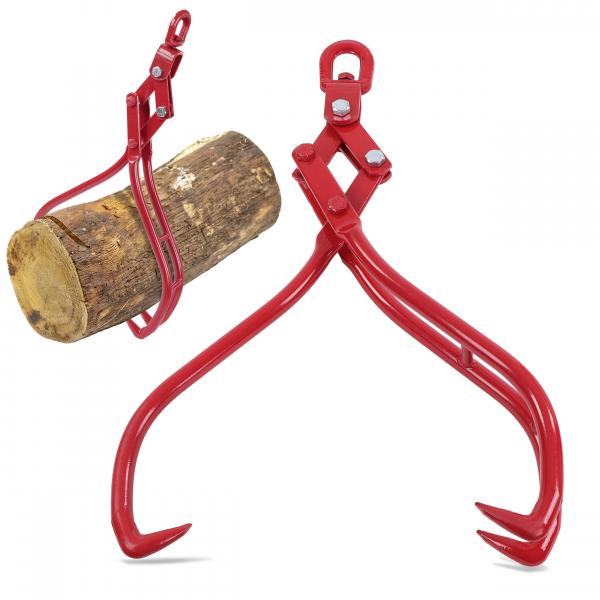
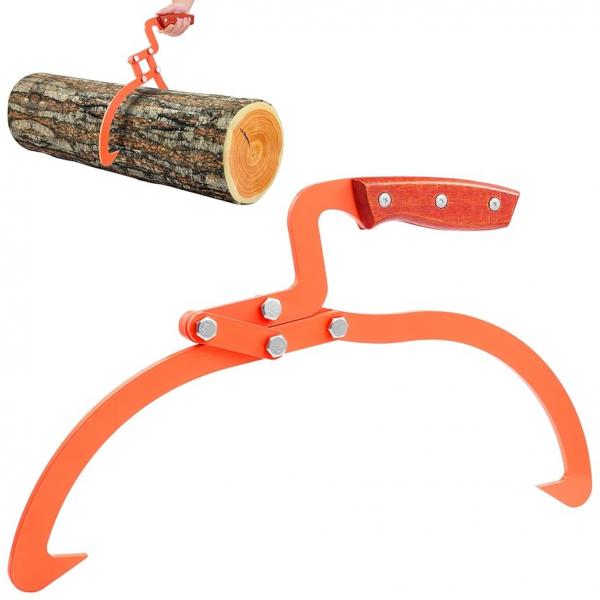
Log pulling, also known as log skidding, is a fundamental operation in forestry and land clearing. It involves transporting felled trees from the cutting site to a landing area for processing or transport. The method chosen depends on factors such as terrain, log size, available equipment, and environmental considerations.
Understanding Log Skidding
Skidding is the process of dragging logs from the stump to a designated area using various equipment. This operation is crucial for efficient timber harvesting and minimizing environmental impact. Proper skidding techniques ensure that logs are moved safely and efficiently, reducing damage to both the logs and the surrounding environment.
Types of Equipment Used in Log Pulling
- Cable Skidders: These machines use a winch and cable system to drag logs. They are effective on steep terrains and can handle large volumes of timber.
- Tractors with Skidding Arches: Farm tractors equipped with skidding arches are commonly used for lighter operations. The arch lifts the front end of the log, reducing ground friction and making the pulling process more efficient.
- ATVs and UTVs: All-terrain vehicles and utility task vehicles are used for small-scale operations. They are suitable for accessing remote areas but have limitations in terms of load capacity.
- Winches and Snatch Blocks: Portable winches can be used in conjunction with snatch blocks to redirect pulling force, allowing logs to be moved around obstacles or up inclines.
Safety Considerations
Safety is paramount when engaging in log pulling operations. Operators should wear appropriate personal protective equipment (PPE), including helmets, gloves, and steel-toed boots. It's also essential to be aware of the terrain and potential hazards, such as unstable ground or overhead obstacles.
Environmental Impact
Log pulling can have significant environmental effects if not managed correctly. Improper skidding can lead to soil compaction, erosion, and damage to remaining vegetation. Implementing best management practices (BMPs), such as creating designated skid trails and using low-impact equipment, can mitigate these effects.
Case Study: Small-Scale Log Pulling Operation
In a small-scale logging operation in Kentucky, a landowner utilized a farm tractor equipped with a skidding arch to move logs from a hardwood forest. By lifting the front end of the logs, the tractor reduced ground contact, minimizing soil disturbance. The operator also employed a portable winch to navigate around obstacles, demonstrating the effectiveness of combining different tools for efficient log pulling.
Conclusion
Log pulling is a critical component of forestry operations, requiring careful planning and appropriate equipment. By understanding the various methods and tools available, operators can enhance efficiency, ensure safety, and minimize environmental impact. Whether using heavy machinery or small-scale equipment, the key to successful log pulling lies in selecting the right approach for the specific conditions and objectives of the operation.
|
|
|
|
| Comprehensive Guide to Purchasing a Dozer: Specifications, Selection Tips, and Practical Advice |
|
Posted by: MikePhua - 08-13-2025, 08:35 PM - Forum: General Discussion
- No Replies
|
|
Introduction to Dozer Purchase Considerations
Buying a dozer is a significant investment typically aimed at improving earthmoving efficiency, productivity, and safety on construction, mining, forestry, or agricultural sites. Choosing the right dozer involves understanding machine specifications, operational requirements, maintenance factors, and matching the dozer size and capabilities to specific job conditions. This detailed guide provides insights into popular dozer models, their key parameters, selection criteria, common challenges buyers face, and practical solutions to optimize the buying decision.
Understanding Dozer Classes and Model Characteristics
Dozers are broadly classified into small, medium, and large categories based on horsepower, operating weight, blade size, and application scope: - Small Dozers (e.g., Cat D1, D2, D3):
- Typically in the 80 to 105 horsepower range with operating weights around 18,000 to 22,000 lbs.
- Blade widths generally span 9 to 11 feet with push capacities suitable for landscaping, residential work, and light site prep.
- Advantages include high maneuverability, lower fuel consumption, and suitability for confined spaces.
- Medium Dozers (e.g., Cat D4, D5, Komatsu D51, Develon DD100):
- Power ratings from 125 to 170 horsepower and operating weights ranging 30,000 to 45,000 lbs.
- Equipped with larger blades (10 to 12 feet), they are suitable for general construction, road building, and mid-scale earthmoving projects.
- Often feature load-sensing hydraulics, advanced operator aids, and enhanced durability.
- Large Dozers (e.g., Cat D8, D9, Liebherr 746):
- Engines delivering from 200 to 250+ horsepower with weights exceeding 60,000 lbs.
- Fitted with blades up to 15 feet wide and designed for heavy mining, quarrying, and large infrastructure projects.
- Emphasize power, fuel efficiency, advanced automatic controls, and long service intervals.
Key Technical Specifications to Evaluate- Operating Weight: Heavier machines provide better traction and pushing power but consume more fuel. Match weight to ground conditions and material density.
- Horsepower: Must be sufficient for the intended load and terrain; higher power generally correlates to faster cycle times and ability to handle difficult material.
- Blade Size and Type: Blade width and capacity determine material moved per pass. Choose between straight blades, semi-U blades, or universal (U) blades based on soil type and project needs.
- Ground Pressure: Lower ground pressure reduces soil compaction and improves flotation on soft ground. Critical for landscaping and environmental projects.
- Transmission: Options include power shift, hydrostatic, or manual transmissions; power shift is common for smooth operation and responsiveness.
- Hydraulic System: Look for load-sensing pumps and efficient flow controls that optimize fuel economy and operator comfort.
- Operator Comfort and Technology: Modern cabs feature ergonomic seating, climate control, visibility enhancements, and integrated grade control systems.
Practical Tips for Selecting the Right Dozer- Assess Jobsite Requirements: Consider soil types, material hardness, site size, and elevation changes to determine machine size and blade compatibility.
- Existing Fleet and Attachments: Evaluate maintenance capacity, compatibility with your current fleet, and availability of spare parts.
- Fuel Efficiency vs. Power: Balance power needs against operating costs; newer models often incorporate fuel-saving technology without sacrificing performance.
- Operator Skill Level: More advanced dozers with automated grade control may require operator training but improve precision and reduce rework.
- Availability of Aftermarket Support: Regional dealer networks and availability of parts and service contractors can significantly impact uptime.
- New vs. Used Equipment: Used dozers may offer cost savings but require thorough condition inspection, service history review, and budget for potential repairs.
Common Challenges and Recommended Solutions- Undercarriage Wear: Frequent maintenance and replacement are major cost factors. Regular inspection and use of high-quality track components extend service life.
- Hydraulic System Issues: Prioritize machines with advanced filtration and load sensing; routine fluid analysis can prevent costly breakdowns.
- Technology Integration: Implement training programs for operators when upgrading to dozers with embedded technology for grade control and telematics.
- Machine Versatility: Ensure machine attachments (rippers, winches, multi-shank tools) match future project demands.
- Resale and Depreciation: Maintain thorough service records and keep machines in good condition to retain resale value.
Terminology Explained- Operating Weight: Total weight of machine ready for work including fluids and operator.
- Horsepower: Engine power output affecting work capacity and speed.
- Blade Capacity: Volume of material the blade can carry or push, measured in cubic yards.
- Ground Pressure: Pressure exerted on the ground, measured in pounds per square inch (psi).
- Load-Sensing Hydraulics: Hydraulic system that modulates power supply based on operational demand for efficiency.
- Power Shift Transmission: Gear shifting under load without interrupting power flow for smooth operation.
- U-Blade: Curved blade designed to carry large amounts of material.
- Track Undercarriage: Components including tracks, rollers, and sprockets that contact the ground and enable movement.
Case Story: Making the Right Dozer Investment for a Mid-Sized Contractor
A mid-sized construction firm was replacing aging equipment and evaluated medium-class dozers to improve productivity on their diverse projects ranging from road-building to landscaping. After detailed comparison between several models—including Cat D4 and Komatsu D51—they chose a machine with excellent fuel efficiency, an advanced load-sensing hydraulic system, and a modern cab with grade control capabilities.
Post-purchase, the company invested in operator training, which quickly resulted in reduced cycle times and less material rework. Their maintenance team implemented proactive undercarriage monitoring and fluid analysis. The selected dozer’s balance of power, operator comfort, and low operating costs significantly enhanced their jobsite capability and profitability, validating the investment approach.
Summary List of Dozer Purchase Key Points- Match dozer size (small, medium, large) to jobsite and task complexity.
- Evaluate engine horsepower and operating weight for performance balance.
- Select blade type and size based on material and operational needs.
- Prioritize machines with modern hydraulic systems for fuel efficiency.
- Consider operator comfort features to reduce fatigue and improve productivity.
- Factor in parts availability, dealer support, and service plans.
- Assess used vs. new equipment pros and cons carefully.
- Include operator training and maintenance planning in purchase budget.
- Monitor undercarriage condition regularly to control wear costs.
- Document all inspections and repairs to sustain machine value.
Additional Recommendations- Utilize machine telematics and diagnostics to track usage, maintenance needs, and fuel consumption for operational insights.
- Consult experienced dealers and industry professionals for tailored machine recommendations.
- Explore rental options for short-term projects or trial runs before purchasing.
- Investigate financing programs that include service packages for better ownership management.
- Stay updated on emerging dozer technology, such as autonomous operation or hybrid powertrains, for future-proofing investments.
Conclusion
Purchasing a dozer demands a comprehensive evaluation of machine specifications, operational parameters, and long-term maintenance implications. Understanding the distinctions between different size classes, hydraulic technologies, operator amenities, and machine versatility helps buyers make informed choices aligned with their unique needs.
With proper planning, equipment matching, and post-purchase support through training and maintenance, owners can maximize productivity, minimize downtime, and achieve favorable returns on investment. Real-world examples confirm that a well-selected dozer tailored to the job environment significantly enhances project efficiency and operator satisfaction.
This detailed guide integrates technical data, practical insights, terminology, and strategic advice to empower heavy equipment buyers in making the best possible dozer purchase decisions.
|
|
|
|
| Exploring the Insley H-1000-C Backhoe: Specifications, Legacy, and Maintenance Insights |
|
Posted by: MikePhua - 08-13-2025, 08:35 PM - Forum: General Discussion
- No Replies
|
|
Introduction
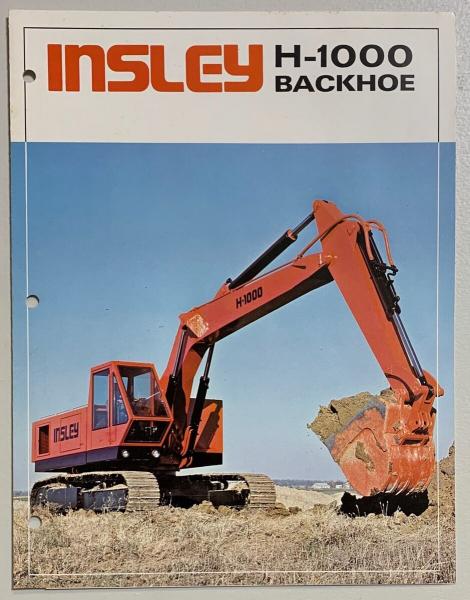
The Insley H-1000-C backhoe stands as a testament to the durability and engineering prowess of late 20th-century construction machinery. Manufactured between 1980 and 1990, this model was designed to meet the demanding needs of heavy-duty excavation tasks. Despite its age, the H-1000-C continues to be a valuable asset for operators seeking a reliable and robust machine.
Technical Specifications - Engine: Detroit 471-TV, 6-cylinder turbocharged diesel engine
- Engine Power: Approximately 127 kW (170 hp)
- Operating Weight: Approximately 23.85 metric tons (52,540 lbs)
- Transport Dimensions:
- Length: 10.54 meters (34 ft 7 in)
- Width: 3.18 meters (10 ft 5 in)
- Height: 3.00 meters (10 ft 6 in)
- Track Width: 762 mm (30 in)
- Maximum Horizontal Reach: 10.516 meters (34 ft 9 in)
- Dredging Depth: 7.01 meters (23 ft)
- Bucket Width: 1.067 meters (3 ft 6 in)
- Special Features: Air conditioning, adjustable cabin, diesel particulate filter, track adjustment
Historical Context and Legacy
Founded in 1907 by William Henry Insley, Insley Manufacturing Co. was renowned for its innovative cable-operated digging equipment, including dragline excavators and power shovels. The H-1000-C model was part of the company's efforts to modernize and compete in the hydraulic excavator market. However, by 1986, Insley was acquired by Badger Construction Equipment, which relocated the factory from Indianapolis to Winona, Minnesota. The H-1000-C was among the last models produced before the discontinuation of the Insley product line in 1996 .
Maintenance and Operational Insights
Maintaining an Insley H-1000-C requires attention to several key areas:- Hydraulic System: Regularly check for leaks and ensure that hydraulic fluid levels are within the recommended range.
- Engine Care: Monitor engine performance and address any irregularities promptly to prevent major failures.
- Undercarriage: Given the machine's age, inspect the undercarriage for wear and replace components as necessary to maintain stability and mobility.
- Electrical System: Ensure that all wiring and connections are intact to prevent electrical failures.
Challenges in Parts Availability
As with many legacy machines, sourcing replacement parts for the H-1000-C can be challenging. Operators have reported difficulties in obtaining components from suppliers like WC Sales Inc. in Aurora, Illinois. It's advisable to establish relationships with specialized vintage equipment suppliers or consider fabricating parts when necessary .
Market Value and Collectibility
The value of a used Insley H-1000-C varies based on condition, hours of operation, and included attachments. For instance, a 1976 model with 5,000 operating hours was listed for $12,000, indicating its continued utility and demand in niche markets .
Conclusion
The Insley H-1000-C backhoe remains a robust and reliable machine for those who appreciate its engineering and historical significance. While challenges in parts availability exist, dedicated operators can continue to extract value from this classic piece of equipment with proper maintenance and care.
|
|
|
|
| Comprehensive Guide to the Caterpillar 450B Backhoe Loader: Specifications, Features, and Practical Insights |
|
Posted by: MikePhua - 08-13-2025, 08:34 PM - Forum: General Discussion
- No Replies
|
|
Introduction to the Caterpillar 450B Backhoe Loader
The Caterpillar 450B backhoe loader is a powerful and versatile machine designed to meet the demands of construction, excavation, and utility tasks. It combines enhanced machine performance, advanced hydraulic systems, improved operator controls, and ergonomic design to improve productivity and operator comfort. Known for its hydraulic power and smart features, the 450B offers exceptional digging, lifting, and loading capabilities with high efficiency and reliability.
This detailed guide explains the 450B’s technical specifications, key features, operation tips, maintenance recommendations, and practical solutions. It also provides terminology explanations, use cases, and safety advice to support equipment users, technicians, and operators in optimizing their work.
Core Specifications of the Caterpillar 450B - Engine:
- Model: Cat C4.4 ACERT, a direct-injection, turbocharged, electronic engine
- Power Output: Gross power approximately 143 horsepower (106 kW) at 2200 rpm
- Net Power: Around 131-134 horsepower under various standards (SAE J1349, ISO 9249)
- Displacement: 4.4 liters (268 cubic inches)
- Bore x Stroke: 105 mm x 127 mm (4.13 in x 5 in)
- Emissions: Meets U.S. EPA Tier 4 Final and EU Stage IV standards using Selective Catalytic Reduction and Diesel Oxidation Catalyst technologies
- Operating Weight:
- Estimated operating weight around 24,000 lbs (10,904 kg)
- Maximum handling and rollover protective structure (ROPS) capacity up to 29,321 lbs (13,300 kg)
- Backhoe:
- Excavator-style center pivot backhoe with a digging depth of about 17 feet (5185 mm)
- Redesigned boom and improved linkage for increased dig forces and lift capacity
- Loader:
- Enhanced loader linkage with improved breakout forces and lift capacity
- Integrated Tool Carrier available for quick attachment changes
- Transmission:
- Autoshift transmission with six forward and three reverse gears
- Neutral safety switch for operator safety
- Hydraulic System:
- Load-sensing piston pump providing full hydraulic forces even at low engine speeds
- Adjustable auxiliary flow controls for both loader and backhoe
- Programmable features for loader bucket kickout, return to dig, and parallel lift modes
- Brakes and Parking:
- Hydraulically boosted, oil disc brakes with dual pedals and interlocking features
- Spring Applied Hydraulically Released (SAHR) parking brake activated by button
- Operator Station and Ergonomics:
- Fully adjustable seat with mounted controls to increase operator comfort and reduce fatigue
- Variable speed steer reducing steering wheel rotations needed, lowering operator strain
- Canopy with ROPS/FOPS protection, sound suppression, and various comfort features like dome light, coat restraint, and diagnostic ports
- Electrical and Safety Features:
- 150-amp alternator and heavy-duty, maintenance-free battery (1000 CCA)
- Back-up alarm and audible system fault alarms
- Battery disconnect switch and external lockable battery box for security
- Additional Equipment:
- Boom transport lock and lift cylinder brace for safe transportation
- Counterweight of about 974 kg (2,147 lbs) to improve machine stability
- Coolant with extended-life antifreeze for engine reliability
Key Functional Features and Benefits- Advanced Hydraulic Performance:
The load-sensing hydraulic system dynamically adjusts pump output to deliver optimal power, improving fuel efficiency and reducing wear. Operators can customize auxiliary hydraulic flow to match attachment requirements, enhancing versatility.
- Improved Operator Controls:
Loader and backhoe controls are positioned within easy reach, allowing seamless switching between functions and improved productivity. The adjustable seat and ergonomically designed cab reduce operator fatigue, particularly during long shifts.
- Enhanced Machine Stability and Balance:
Redesigns of the loader linkage and backhoe boom contribute to superior balance and stability across different terrain conditions, allowing safer and more efficient operation.
- Integrated Tool Carrier (IT Coupler):
This factory option or field-installable feature enables rapid attachment changes with a single tilt loader arm, increasing jobsite versatility by accommodating a wide range of Cat attachments.
Terminology Explained- Load-Sensing Piston Pump: A hydraulic pump that varies flow and pressure based on demand to improve efficiency.
- Selective Catalytic Reduction (SCR): Emission control technology reducing nitrogen oxides via a chemical reaction with diesel exhaust fluid.
- Diesel Oxidation Catalyst (DOC): A device that reduces hydrocarbons and carbon monoxide in exhaust.
- SAHR Parking Brake: A spring-applied and hydraulically released parking brake enhancing safety and ease of use.
- Autoshift Transmission: An automatic transmission allowing smooth gear changes without clutch engagement.
- Kickout Function: Automated loader bucket positioning for repetitive dumping or digging tasks to increase efficiency.
- ROPS/FOPS: Roll-Over Protective Structure and Falling Object Protective Structure for operator safety.
Practical Maintenance Advice and Solutions- Regularly inspect and maintain hydraulic fluid levels and filters to ensure system efficiency and prevent premature wear.
- Monitor engine coolant and antifreeze levels, and replace per manufacturer schedules to avoid overheating.
- Periodically check brake system function, including the SAHR parking brake and oil-disc brakes.
- Keep battery terminals clean, check alternator output, and ensure secure battery box locking for electrical reliability.
- Regular lubrication and inspection of pivot points and linkage improve component lifespan and smooth operation.
- Train operators on variable speed steer and hydraulic adjustments to maximize efficiency and reduce strain.
Case Story: Improving Productivity on a Utility Construction Site
A utility company upgraded their fleet with the Cat 450B to enhance productivity in confined urban environments. Operators noted the variable speed steering significantly reduced fatigue during truck loading cycles. The programmable auxiliary hydraulics allowed quick setup of trenching attachments, accelerating work pace.
During excavation, the machine’s redesigned backhoe boom offered precise control and stronger digging forces, enabling faster trench completion. The integrated tool carrier feature reduced downtime between attachment changes. Regular maintenance routines kept the machines reliable through challenging schedules, illustrating the 450B’s value in demanding utility and construction roles.
Summary List of Caterpillar 450B Highlights- Cat C4.4 ACERT engine with 131-143 hp power and Tier 4 Final compliance
- Operating weight near 24,000 lbs with ROPS/FOPS protection
- 17 ft excavator-style backhoe digging depth
- Autoshift transmission: 6 forward, 3 reverse gears with neutral safety
- Load-sensing piston hydraulic system with customizable auxiliary flow
- Programmable loader bucket kickout, return to dig, and parallel lift modes
- Hydraulic oil disc brakes with SAHR parking brake
- Adjustable ergonomic operator controls and seating
- Variable speed steering to reduce operator fatigue
- Integrated Tool Carrier (IT Coupler) for enhanced versatility
- Robust electrical system with 150-amp alternator and 1000 CCA battery
Additional Recommendations- Keep up with OEM-recommended maintenance intervals, especially for hydraulic and engine components.
- Use genuine Cat parts and fluids to ensure compatibility and longevity.
- Invest in operator training emphasizing hydraulic flow adjustments and ergonomic controls.
- Regularly inspect all safety features, including brakes, parking brake, and backup alarms.
- Customize auxiliary hydraulics for each attachment to optimize performance and minimize wear.
- Maintain detailed service logs to track maintenance and repairs for improved asset management.
Conclusion
The Caterpillar 450B backhoe loader represents a balanced combination of power, advanced hydraulics, operator-friendly controls, and safety systems. Its robust C4.4 ACERT engine paired with an efficient load-sensing hydraulic system delivers reliable performance across diverse construction and utility applications.
Features such as variable speed steer, programmable hydraulic settings, and the integrated tool carrier enhance operational flexibility and reduce operator fatigue. Adhering to proper maintenance routines and safety protocols ensures longevity and dependable service life.
Real-world success stories demonstrate the 450B’s effectiveness in improving productivity and comfort on demanding job sites. This comprehensive guide serves as an essential resource for operators, fleet managers, and maintenance personnel seeking to maximize their Caterpillar 450B backhoe loader’s capabilities.
This detailed overview blends technical knowledge, practical advice, and safety insights, supporting confident and efficient use of this versatile heavy machine.
|
|
|
|
|



