| Welcome, Guest |
You have to register before you can post on our site.
|
| Online Users |
There are currently 207 online users.
» 0 Member(s) | 197 Guest(s)
Ahrefs, Amazon, Bing, Claude, DotBot, Google, MJ12, Semrush, Seznam, Trendiction
|
| Latest Threads |
Identifying and Sourcing ...
Forum: Parts , Attachments & Tools
Last Post: MikePhua
01-07-2026, 06:29 PM
» Replies: 0
» Views: 530
|
Cat 931B Brake Parts
Forum: Parts , Attachments & Tools
Last Post: MikePhua
01-07-2026, 06:29 PM
» Replies: 0
» Views: 283
|
Choosing Between Cat 228,...
Forum: General Discussion
Last Post: MikePhua
01-07-2026, 06:28 PM
» Replies: 0
» Views: 563
|
Hydraulic Delay When Lowe...
Forum: Troubleshooting & Diagnosing
Last Post: MikePhua
01-07-2026, 06:27 PM
» Replies: 0
» Views: 449
|
Bale Chopper and Mulcher ...
Forum: General Discussion
Last Post: MikePhua
01-07-2026, 06:26 PM
» Replies: 0
» Views: 324
|
Mini UC Maintenance
Forum: General Discussion
Last Post: MikePhua
01-07-2026, 06:25 PM
» Replies: 0
» Views: 314
|
Locating Wiring Informati...
Forum: General Discussion
Last Post: MikePhua
01-07-2026, 06:24 PM
» Replies: 0
» Views: 347
|
Case Industrial Brown Sub...
Forum: Parts , Attachments & Tools
Last Post: MikePhua
01-07-2026, 06:23 PM
» Replies: 0
» Views: 276
|
Dirt Work in West Virgini...
Forum: Construction & Urban Infrastructure Forum
Last Post: MikePhua
01-07-2026, 06:23 PM
» Replies: 0
» Views: 379
|
D207 P Hydraulic Steering...
Forum: Parts , Attachments & Tools
Last Post: MikePhua
01-07-2026, 06:22 PM
» Replies: 0
» Views: 305
|
|
|
| Troubleshooting JLG 40HA Boom Lift: Diagnosing and Resolving Starting Issues |
|
Posted by: MikePhua - 08-13-2025, 08:52 PM - Forum: Troubleshooting & Diagnosing
- No Replies
|
 |
Introduction
The JLG 40HA is a versatile articulated boom lift widely used in construction and maintenance tasks. However, like any complex machinery, it can encounter issues that prevent it from starting. Understanding the common causes and solutions can help operators and technicians efficiently diagnose and address these problems.
Common Causes of Starting Issues
- Faulty Shutdown Solenoid
A prevalent issue with the JLG 40HA is a malfunctioning shutdown solenoid. This component controls the fuel supply to the engine; if it fails, the engine may not start. Symptoms include the engine cranking without starting. To diagnose, test the harness leading to the solenoid for voltage and ground while cranking the engine. If both are present, remove the solenoid and connect it directly to power and ground to check for operation. If the solenoid doesn't activate, it likely needs replacement.
- Alternator Charging Issues
The JLG 40HA's engine relies on a functional alternator to charge the battery. If the alternator isn't charging properly, the engine may shut down automatically to prevent damage. Symptoms include the engine starting briefly and then stopping. Have the alternator tested to ensure it's charging the battery adequately.
- Electrical System Faults
Electrical issues such as blown fuses, faulty relays, or corroded connections can disrupt the starting circuit. Inspect all fuses and relays associated with the starting system. Check for continuity and replace any faulty components. Ensure all electrical connections are clean and secure to facilitate proper operation.
- Engine Mechanical Problems
Mechanical issues like a broken timing belt, faulty oil pressure switch, or issues with the ignition circuit can prevent the engine from starting. Inspect the timing belt for integrity and replace it if necessary. Check the oil pressure switch for proper function and replace it if faulty. Verify the ignition circuit components for continuity and replace any defective parts.
Diagnostic Steps
- Check Battery Voltage
Ensure the battery is fully charged and in good condition. A weak or dead battery can prevent the engine from starting.
- Test Shutdown Solenoid
As previously mentioned, test the shutdown solenoid for proper operation. If it fails to activate, replace it.
- Inspect Alternator Output
Test the alternator to confirm it's charging the battery. A malfunctioning alternator can lead to starting issues.
- Examine Electrical Components
Inspect all fuses, relays, and wiring associated with the starting system. Replace any faulty components and clean corroded connections.
- Assess Engine Components
Check the timing belt, oil pressure switch, and ignition circuit for proper function. Replace any defective parts as needed.
Preventive Maintenance Tips- Regular Inspections
Conduct routine inspections of the electrical and mechanical systems to identify potential issues before they lead to starting problems.
- Battery Maintenance
Keep the battery terminals clean and ensure the battery is fully charged. Replace the battery if it's old or shows signs of wear.
- Component Lubrication
Lubricate moving parts as recommended by the manufacturer to prevent wear and ensure smooth operation.
- System Calibration
Periodically calibrate the electrical and hydraulic systems to maintain optimal performance.
Conclusion
Understanding the common causes of starting issues in the JLG 40HA and following systematic diagnostic steps can help resolve problems efficiently. Regular maintenance and timely repairs are essential to keep the equipment in optimal working condition, ensuring safety and productivity on the job site.
|

|
|
| Comprehensive Guide to Replacing the Track Adjuster Seal on a Caterpillar 931B Crawler Loader |
|
Posted by: MikePhua - 08-13-2025, 08:51 PM - Forum: Parts , Attachments & Tools
- No Replies
|
|
Introduction
The Caterpillar 931B Crawler Loader, a robust machine from the 1970s and 1980s, is renowned for its durability and versatility in various construction tasks. A critical component of its undercarriage system is the track adjuster, which maintains the proper tension of the tracks. Over time, the seals within the track adjuster can wear out, leading to hydraulic fluid leakage and compromised track tensioning. This guide provides a detailed overview of the track adjuster seal replacement process for the 931B model, incorporating insights from industry manuals and expert recommendations.
Understanding the Track Adjuster System
The track adjuster in the 931B operates hydraulically to maintain optimal track tension. It comprises several key components: - Hydraulic Cylinder: Powers the extension and retraction of the track adjuster.
- Seals: Prevent hydraulic fluid leakage and contamination.
- Spring: Provides mechanical force to assist in track tensioning.
- Yoke and Head Assembly: Connects the adjuster to the front idler.
Symptoms of Seal Failure
Common indicators of seal failure in the track adjuster include:- Visible Hydraulic Fluid Leaks: Around the track adjuster area.
- Rapid Track Wear: Due to improper tension.
- Difficulty in Track Adjustment: Indicating loss of hydraulic pressure.
- Erratic Track Behavior: Such as sudden loosening or tightening.
Seal Replacement Procedure
Note: Always refer to the official Caterpillar service manual for the most accurate and detailed instructions.
- Preparation:
- Ensure the machine is on a stable surface and the engine is off.
- Relieve any hydraulic pressure in the system.
- Place safety blocks under the machine for added security.
- Removal of Components:
- Detach the front idler by removing the securing bolts.
- Remove the yoke assembly, which connects the track adjuster to the front idler.
- Extract the head assembly from the track adjuster cylinder.
- Seal Extraction:
- Carefully remove the old seals from the head and cylinder assemblies.
- Inspect the sealing surfaces for wear or damage.
- Installation of New Seals:
- Lubricate the new seals with clean hydraulic oil to facilitate installation.
- Install the inner seal with the lip facing the inside of the spring.
- Install the outer seal with the lip facing the front idler.
- Ensure all seals are seated properly to prevent future leaks.
- Reassembly:
- Reinstall the head assembly into the cylinder.
- Attach the yoke assembly and secure it with the appropriate bolts.
- Reattach the front idler to the machine.
- Testing:
- Operate the machine and check for any signs of hydraulic fluid leakage.
- Verify that the track adjuster maintains proper tension.
- Monitor the system for any unusual noises or behaviors.
Maintenance Tips- Regular Inspections: Conduct routine checks for hydraulic fluid levels and signs of leakage.
- Proper Lubrication: Ensure all moving parts are adequately lubricated to reduce wear.
- Timely Seal Replacement: Replace seals at the first sign of wear to prevent further damage.
- Use Quality Parts: Always use OEM or high-quality aftermarket seals to ensure longevity and performance.
Conclusion
Replacing the track adjuster seals on a Caterpillar 931B is a manageable task for those with mechanical expertise. By following the outlined procedure and adhering to maintenance best practices, operators can ensure the longevity and optimal performance of their machine's undercarriage system. Always consult the official Caterpillar service manual for the most accurate and detailed instructions.
References- Caterpillar 931B Service Manual
- Caterpillar Parts Manual for 931B
- Industry Best Practices for Undercarriage Maintenance
Additional Resources
For visual guidance on track adjuster seal replacement, consider watching the following instructional video:
|
|
|
|
| Comprehensive Guide to Hydraulic Return Filter Issues and Maintenance in Heavy Equipment |
|
Posted by: MikePhua - 08-13-2025, 08:50 PM - Forum: General Discussion
- No Replies
|
|
Introduction to Hydraulic Return Filters
Hydraulic return filters play a crucial role in maintaining the health and efficiency of heavy equipment hydraulic systems. Positioned typically in the return line to the hydraulic reservoir, these filters remove contaminants such as dirt, metal particles, and debris from the hydraulic fluid after it has circulated through the system. By filtering the oil before it returns to the tank, they prevent abrasive materials from re-entering hydraulic components, thereby reducing wear, preventing failures, and prolonging machine life.
A clogged or malfunctioning hydraulic return filter can trigger warning messages like "hydraulic return filter plugged," signaling that fluid flow through the filter is restricted. Addressing this issue promptly is vital to avoid pressure drop, sluggish hydraulics, and potential damage.
Understanding Hydraulic Return Filter Function and Location - Function:
Return filters purify hydraulic oil coming back from actuators, valves, and cylinders before it re-enters the reservoir. This prevents contaminants internal to the system (wear debris) or external ingress from circulating and damaging pumps and components.
- Common Locations:
Return filters are usually tank-mounted inside or on top of the hydraulic reservoir and may be semi-immersed in the fluid to avoid air entrainment and cavitation. They can be large cartridge elements or spin-on types, facilitating replacement during maintenance.
- Associated Filters:
Besides the return filter, hydraulic systems often include suction filters (protect pumps from incoming fluid contamination) and pressure filters (protect components downstream of the pump). Maintenance schedules often recommend changing all relevant filters together.
Identifying and Diagnosing Hydraulic Return Filter Blockage- Symptoms of a Plugged Filter:
- Warning lights or messages on machine displays indicating "hydraulic return filter plugged."
- Hydraulic functions operate sluggishly or lose power after some operating time, especially as fluid heats up and thickens.
- Hydraulic pressure increases on the inlet side of the filter and drops downstream.
- Noise from hydraulic valves or pumps may increase due to flow restrictions.
- Machine may show no significant functional differences at idle but degrade under load.
- Causes of Filter Plugging:
- Accumulated dirt, sludge, and metal particles from component wear.
- Lack of regular filter changes causing filter media clogging.
- Contaminated or degraded hydraulic fluid accelerating debris generation.
- Faulty or malfunctioning pressure relief valves causing irregular flow and premature clogging.
Common Problems Beyond Simple Filter Replacement- Sensor or Indicator Faults:
Sometimes the filter is changed but the warning remains due to faulty pressure differential sensors or clogged indicator tubes. Sensor inspection or replacement may be necessary if the machine continues to signal plugged filters post-maintenance without performance loss.
- Fluid Viscosity and Operating Temperature:
Hydraulic fluid thickening at temperature rises can increase pressure differentials across filters, triggering warnings. Cooling issues or fluid change intervals can contribute.
- Improper Filter Installation or Quality:
Using incorrect or low-quality filters can lead to bypass or premature blockage. Always use OEM or equivalent high-efficiency filters designed for the machine.
Maintenance Practices and Solutions- Regular Filter Replacement Intervals:
As a rule of thumb, replace return filters every 1,000 to 2,000 operating hours or as recommended by the manufacturer. Replace associated suction and case drain filters simultaneously to optimize hydraulic cleanliness.
- Filter Change Procedure:
- Relieve system pressure and put the machine in a safe state.
- Place oil pans or absorbent mats to catch fluid during filter removal.
- Remove the filter cartridge or spin-on filter carefully, capturing residual oil.
- Clean the filter head and inspect for debris or damage.
- Lubricate the new filter gasket with clean hydraulic oil before installation.
- Install the new filter hand-tight per torque specs, avoiding overtightening.
- Start the machine and check for leaks or warning lights.
- System Flushing:
If the hydraulic system shows heavy contamination, consider flushing to remove sludge and debris that clog filters prematurely.
- Sensor and Indicator Check:
Test for correct sensor function and reset warning indicators post-filter change to avoid false alarms.
- Fluid Analysis and Change:
Regular hydraulic fluid testing helps identify contamination, viscosity issues, and oxidation, guiding fluid change intervals and additives use.
Practical Tips for Operators- Monitor hydraulic system warning lights daily during operation.
- Avoid operating with plugged filter warnings; prolonged use may cause hydraulic component damage.
- Keep spare filters in stock for quick replacements on site.
- Use only filters specified by the equipment manufacturer to maintain warranty and reliability.
- Periodically inspect hydraulic hoses and fittings feeding the filter housing for leaks or blockages.
Terminology Explained- Hydraulic Return Filter: A filter removing contaminants from the fluid returning to the hydraulic reservoir.
- Pressure Differential Sensor: A device detecting differences in pressure before and after the filter to indicate clogging.
- Spin-On Filter: A disposable hydraulic filter unit that screws onto a threaded base for easy replacement.
- Filter Bypass Valve: A valve allowing fluid flow around the filter if clogging becomes severe, preventing system starvation but allowing unfiltered fluid circulation.
- Hydraulic Fluid Viscosity: Thickness of the fluid affecting flow characteristics, varying with temperature.
Case Story: Persistent Hydraulic Return Filter Warning on a Case 322CL
An operator of a Case 322CL excavator observed a recurring "hydraulic return filter plugged" warning shortly after replacing the filter. The alert appeared after about 20 minutes of operation at working temperature but disappeared after idling and cooling down.
Despite the warning, no hydraulic performance loss was evident. The issue was eventually traced to a faulty pressure sensor or screen in the return line rather than a clogged filter. After confirming normal flow and replacing the sensor, warnings ceased.
This case underscores the importance of diagnosing sensor function as well as filter condition, especially when warnings persist post-maintenance without operational symptoms.
Summary List of Hydraulic Return Filter Maintenance and Troubleshooting- Replace return filters regularly per manufacturer schedules.
- Change associated hydraulic filters (case drain, suction) alongside return filters.
- Use OEM or high-quality equivalent filters to ensure effective filtration.
- Inspect and test pressure differential sensors and reset warnings after replacement.
- Monitor system pressures and temperatures to anticipate filter loading.
- Conduct hydraulic fluid analysis and replace fluid if contaminated or degraded.
- Ensure proper filter installation and gasket lubrication during changes.
- Investigate persistent filter warnings for sensor or system anomalies.
- Maintain a clean workspace and prevent external contaminant ingress during filter changes.
Additional Recommendations- Develop a preventive maintenance log for hydraulic filters and fluid changes.
- Train operators and technicians to recognize signs of filtration issues early.
- In dusty or severe service conditions, increase frequency of filter changes.
- Coordinate with equipment dealers or service centers for up-to-date filter specifications and catalogues.
- Use inline pressure gauges or electronic monitors for continuous system health tracking.
Conclusion
Hydraulic return filters are vital to maintaining clean hydraulic fluid and protecting components in heavy equipment. Timely replacement, proper installation, and monitoring of these filters are essential for preventing flow restrictions that can trigger "hydraulic return filter plugged" warnings and reduce system efficiency.
In some cases, persistent filter warning signals may be due to sensor faults rather than actual clogging, emphasizing the need for thorough diagnosis combining mechanical inspection with electronic troubleshooting.
Combining regular maintenance, high-quality filter use, and attentive monitoring helps ensure hydraulic systems operate smoothly, reducing costly downtime and extending machine life in demanding heavy equipment applications.
This detailed guide integrates technical knowledge, maintenance best practices, case experience, and practical advice to assist operators, mechanics, and fleet managers in managing hydraulic return filter challenges effectively.
|
|
|
|
| Link-Belt 210LXS Excavator: Comprehensive Overview and Maintenance Insights |
|
Posted by: MikePhua - 08-13-2025, 08:49 PM - Forum: General Discussion
- No Replies
|
|
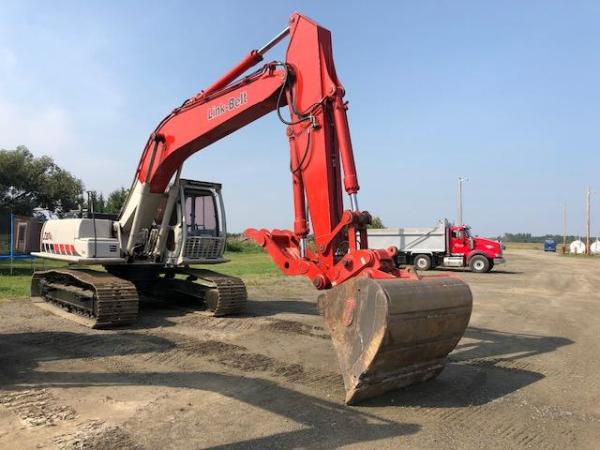
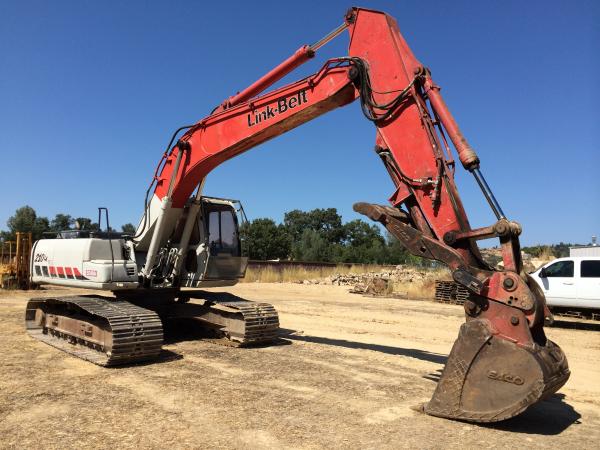
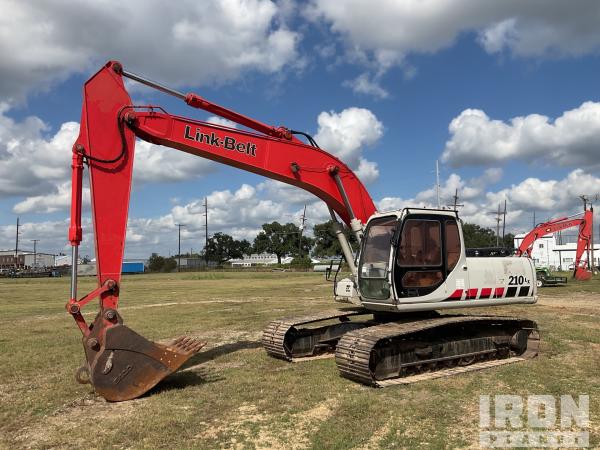
Introduction
The Link-Belt 210LXS is a mid-sized hydraulic crawler excavator renowned for its robust performance in various construction and excavation tasks. Manufactured by Link-Belt Excavators, a subsidiary of LBX Company, the 210LXS model is designed to offer a balance between power, efficiency, and operator comfort.
Key Specifications - Engine Power: The 210LXS is equipped with a 138 hp (103 kW) Isuzu BB-6BG1T diesel engine, providing ample power for demanding tasks.
- Operating Weight: Approximately 44,800 lbs (20,321 kg), making it suitable for a wide range of applications without compromising mobility.
- Digging Depth: Up to 22 ft (6.7 m), allowing for deep excavation work.
- Maximum Reach: Approximately 32 ft (9.8 m), facilitating extended reach for various tasks.
- Bucket Capacity: Ranges from 0.5 to 0.86 cubic yards (0.38 to 0.66 cubic meters), depending on the attachment used.
Common Issues and Troubleshooting
While the Link-Belt 210LXS is a reliable machine, operators have reported certain issues over time:
- Fuel System Problems: Some units have experienced fuel starvation and air ingress, leading to hard starts and stalling during operation. It's essential to check the fuel line sequence and ensure there are no blockages or leaks.
- Electrical Faults: Instances of electrical issues have been noted, such as erratic gauge readings and persistent beeping alarms. These problems often stem from faulty wiring or sensor malfunctions.
- Hydraulic System Failures: The hydraulic system is crucial for the excavator's performance. Regular maintenance and timely replacement of hydraulic filters can prevent common failures.
Maintenance Recommendations
To ensure the longevity and optimal performance of the Link-Belt 210LXS:- Regular Inspections: Conduct daily checks of the engine, hydraulic system, and undercarriage.
- Fluid Changes: Adhere to the manufacturer's recommended intervals for oil and filter changes.
- Component Replacements: Replace worn-out parts promptly to prevent further damage and maintain efficiency.
- Operator Training: Ensure that all operators are adequately trained to handle the machine, reducing the risk of misuse and subsequent issues.
Conclusion
The Link-Belt 210LXS excavator is a versatile and durable machine suitable for various construction and excavation tasks. By adhering to regular maintenance schedules and promptly addressing any issues, operators can maximize the machine's lifespan and performance. Always consult the operator's manual and seek professional assistance when necessary to ensure the best results.
|
|
|
|
| Komatsu PC200LC-3 Excavator: Comprehensive Overview and Maintenance Guide |
|
Posted by: MikePhua - 08-13-2025, 08:47 PM - Forum: General Discussion
- No Replies
|
|
Introduction
The Komatsu PC200LC-3 is a mid-sized hydraulic crawler excavator renowned for its durability and versatility in various construction and excavation tasks. Manufactured between 1988 and 1995, this model has become a staple in the heavy equipment industry. Despite its age, many units remain operational, testament to Komatsu's engineering excellence.
Technical Specifications - Engine: Komatsu SAA6D107E-1, 6-cylinder turbocharged diesel
- Net Power: 148 HP (110 kW) at 2,000 RPM
- Operating Weight: Approximately 19.14 tons (19,160 kg)
- Transport Dimensions:
- Length: 9.38 meters
- Width: 3.09 meters
- Height: 2.94 meters
- Track Width: 710 mm
- Bucket Capacity: 1.4 cubic meters
- Maximum Digging Depth: 7.68 meters
- Maximum Horizontal Reach: 10.69 meters
Common Issues and Troubleshooting
- Hydraulic Pressure Loss and Engine Stalling
A prevalent issue with the PC200LC-3 is hydraulic pressure loss, particularly under boom load conditions, leading to engine stalling. This problem often arises from internal valve failures or relief valve malfunctions. Regular inspection and maintenance of the hydraulic system, including checking for internal leaks and ensuring proper valve function, are crucial.
- Hydraulic Valve Failures
The hydraulic valves in the PC200LC-3 are susceptible to internal porting issues, which can cause significant operational problems. In some cases, internal breaks have led to unexpected machine behavior. It's advisable to monitor the hydraulic system closely and replace valves showing signs of wear or damage.
- Electrical System Failures
Electrical issues, such as wiring fires or short circuits, have been reported in older Komatsu models. These problems can lead to complete system failures if not addressed promptly. Regular inspection of the wiring harnesses and electrical components, along with timely replacement of faulty parts, can mitigate these risks.
Maintenance Recommendations- Regular Hydraulic System Checks: Monitor hydraulic fluid levels and pressure regularly. Replace filters and fluids as per the manufacturer's schedule to ensure optimal performance.
- Electrical System Inspections: Conduct routine checks of the electrical wiring and components to identify and rectify potential issues before they lead to system failures.
- Engine Maintenance: Regularly service the engine, including oil changes and air filter replacements, to maintain its performance and longevity.
- Undercarriage and Track Maintenance: Inspect the undercarriage and tracks for wear and damage. Replace worn components promptly to prevent further damage and ensure safe operation.
Case Study: Overcoming Hydraulic System Challenges
A contractor in the Midwest faced frequent hydraulic pressure drops and engine stalling during boom operations with their PC200LC-3. Upon inspection, it was discovered that the hydraulic relief valves were malfunctioning, causing pressure inconsistencies. After replacing the faulty valves and recalibrating the system, the excavator's performance improved significantly, reducing downtime and repair costs.
Conclusion
The Komatsu PC200LC-3 remains a reliable and robust machine when properly maintained. By adhering to regular maintenance schedules and promptly addressing common issues, operators can extend the lifespan of this excavator and ensure its continued efficiency on the job site.
|
|
|
|
| Comprehensive Guide to the Case 450 Dozer Drive Shaft: Specifications, Maintenance, and Practical Insights |
|
Posted by: MikePhua - 08-13-2025, 08:46 PM - Forum: General Discussion
- No Replies
|
|
Introduction to the Case 450 Drive Shaft
The drive shaft in the Case 450 dozer is a fundamental component within the final drive system, transmitting power from the transmission to the sprockets that move the tracks. Its proper function ensures smooth power delivery, reliable machine movement, and overall operational efficiency. Understanding the specifications, maintenance needs, common issues, and solutions associated with the Case 450 drive shaft is crucial for operators, mechanics, and fleet managers aiming to maximize uptime and reduce costly repairs.
This detailed guide covers technical data, component features, troubleshooting advice, terminology, real-world case insights, and practical recommendations related to the Case 450 dozer drive shaft system.
Technical Specifications and Key Features - Drive Shaft Type:
The Case 450 utilizes a sprocket shaft within the final drive assembly, often referred to as the final drive sprocket shaft.
- Dimensions and Characteristics:
- Length: Approximately 11.5 inches to 11 3/8 inches depending on serial number and model version.
- Splines: 33 spline count on the shaft end for secure mechanical fitment.
- Outer Diameter of Spline: Approximately 2-13/16 inches.
- Quantity: The machine typically uses two sprocket shafts, one per track final drive.
- Part Numbers and Variants:
- Common replacement part number: A51737 for the sprocket shaft of later serial Case 450 models.
- Earlier serial models may use shorter sprocket shafts (~10.5 inches) with part number A50484.
- Shaft weights: Generally heavy-duty to withstand considerable torque and load stresses (weights vary, e.g., around 50-60 lbs depending on exact spec).
- Final Drive Configuration:
- The drive shaft works within a spur and bull gear type single reduction final drive system, known for robust torque multiplication and reliability.
Common Issues and Troubleshooting- Shaft Wear and Damage:
Splines can wear out or become damaged due to contamination, misalignment, or lack of lubrication, leading to slippage or poor power transfer.
- Seal Failure:
Seal components around sprocket shafts protect against oil leaks and contamination ingress. Worn seals cause lubricant loss, accelerating shaft and gear wear.
- Bearing and Housing Problems:
Bearings supporting the drive shaft may wear or fail under heavy loads, causing misalignment, vibration, and eventual shaft damage.
- Corrosion and Contamination:
Exposure to dirt, water, and abrasive material leads to accelerated deterioration of the shaft and adjoining parts if not properly sealed and maintained.
- Misalignment and Installation Errors:
Incorrect installation during maintenance can lead to uneven loads on the shaft splines and accelerated wear or failure.
Maintenance Best Practices and Solutions- Regular Inspection:
Periodically check sprocket shaft splines, seals, and bearings for wear and damage during scheduled service intervals.
- Lubrication and Seal Replacement:
Use OEM or high-quality lubricants to maintain proper oil film and replace seals with genuine parts to prevent leaks.
- Timely Component Replacement:
Replace worn sprocket shafts, seals, or bearings promptly to avoid cascading damage within the final drive.
- Cleaning and Protection:
Keep drive assembly clean and protected from contaminants during work to prolong shaft life.
- Proper Installation Procedures:
Follow manufacturer torque settings, alignment protocols, and assembly sequence to ensure correct shaft and final drive assembly installation.
Terminology Explained- Drive Shaft / Sprocket Shaft: The shaft transferring rotational power to the final drive sprocket which engages with the track chain.
- Spline: Series of ridges on the shaft that fit matching grooves inside the mating part, securing torque transmission.
- Final Drive: The final gearbox assembly converting hydraulic motor power into track movement through gears and shafts.
- Seal: A device preventing oil leakage and entry of dirt or water into sensitive mechanical assemblies.
- Single Reduction Final Drive: A gear reduction system using one stage of gearing to amplify torque.
- Bearing: Component facilitating smooth rotation and supporting shafts against load.
Case Story: Prolonging Drive Shaft Life on a Case 450 Dozer
A construction company operating multiple Case 450 dozers experienced frequent final drive failures traced to worn sprocket shafts and leaking seals. After switching to OEM replacement shafts (part number A51737) and seal kits, combined with enhanced lubrication routines, shaft life improved dramatically.
Maintenance technicians also emphasized the importance of proper cleaning during shaft installation and verified correct spline engagement. These efforts reduced downtime caused by final drive repairs and extended overall machine operational life.
This case demonstrates how attention to genuine parts procurement, proper maintenance, and careful assembly contributes to drive shaft reliability and machine productivity.
Summary List of Case 450 Drive Shaft Key Points- Sprocket shaft length approximately 11.5 inches (later serials) or shorter in early models.
- 33 spline configuration with roughly 2-13/16 inch spline diameter.
- Final drives use single reduction spur and bull gear designs.
- Shaft requires clean lubrication and good seal integrity to prevent wear.
- Replace seals and bearings during shaft service to maintain assembly health.
- Use genuine OEM parts confirmed by part numbers (e.g., A51737) for replacements.
- Regular inspection for spline wear, seal leaks, and bearing condition is critical.
- Follow correct installation procedures to avoid misalignment and premature failure.
Additional Recommendations- Maintain a stock of OEM sprocket shafts, seals, and bearing kits for quick repairs in remote locations.
- Train maintenance staff on final drive disassembly and shaft handling to avoid damage.
- Implement oil analysis for final drive fluid to detect early contamination or wear products.
- Consider preventative replacement if worn splines or seals are detected before catastrophic failure occurs.
- Consult official service manuals for serial number-specific parts and torque specifications.
Conclusion
The drive shaft in the Case 450 dozer is a robust but wear-sensitive component crucial to the final drive and overall machine mobility. Proper knowledge of shaft specifications, maintenance best practices, and timely replacement with genuine parts ensures reliable power transmission and maximizes equipment uptime.
Operator stories and maintenance experiences reiterate the value of preventive care, correct assembly, and quality parts in preserving drive shaft functionality over long service lives. This detailed overview supplies essential information and practical guidance for technicians and owners aiming to optimize their Case 450 dozer's drivetrain health and performance.
|
|
|
|
| Understanding and Troubleshooting Speed Sensor Issues in Komatsu 700H Dozers |
|
Posted by: MikePhua - 08-13-2025, 08:46 PM - Forum: Troubleshooting & Diagnosing
- No Replies
|
|
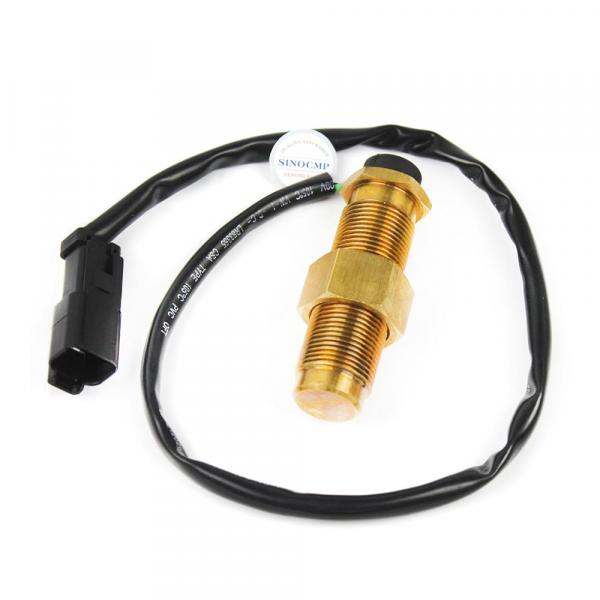
Introduction
The Komatsu 700H series dozers are renowned for their robust performance in heavy-duty applications. However, like any complex machinery, they are susceptible to specific component failures. One such critical component is the speed sensor, which plays a pivotal role in the dozer's operation. Understanding its function, common issues, and troubleshooting methods is essential for maintaining optimal performance.
Function of the Speed Sensor
The speed sensor in the Komatsu 700H dozer monitors the rotational speed of the tracks. This data is crucial for the machine's control system to adjust hydraulic pressures, manage travel speeds, and ensure smooth operation. A malfunctioning speed sensor can lead to erratic behavior, such as unintended jerking or uneven tracking.
Common Symptoms of Speed Sensor Failure
Operators may notice several signs indicative of a failing speed sensor: - Unintended Jerking: The dozer may lurch forward or to the side without input from the operator.
- Uneven Tracking: One track may move faster than the other, causing the dozer to veer off course.
- Error Codes: Diagnostic systems may display fault codes related to speed sensor malfunctions.
For instance, a user reported that their late serial number 700H exhibited jerking to the left without any operator input, both while pushing and traveling. This behavior was suspected to be a symptom of a speed sensor failure.
Troubleshooting Speed Sensor Issues
To diagnose and address speed sensor problems:
- Visual Inspection: Check for any visible damage to the sensor or its wiring.
- Electrical Testing: Using a multimeter, measure the sensor's output voltage. Refer to the machine's service manual for the expected voltage range.
- Sensor Replacement: If the sensor is faulty, replace it with an OEM part to ensure compatibility and reliability.
Preventive Maintenance Tips
To prolong the life of the speed sensor and other critical components:- Regular Cleaning: Keep the sensor and surrounding areas free from dirt and debris.
- Routine Inspections: Conduct regular checks of the sensor's wiring and connections.
- Use OEM Parts: Always replace faulty sensors with original equipment manufacturer parts to maintain system integrity.
Conclusion
The speed sensor is integral to the Komatsu 700H dozer's performance. Understanding its function and being aware of potential issues can help operators maintain smooth and efficient operation. Regular maintenance and prompt attention to any symptoms of failure will ensure the longevity and reliability of the machine.
|
|
|
|
| Troubleshooting Final Drive Motor Issues in Heavy Equipment |
|
Posted by: MikePhua - 08-13-2025, 08:44 PM - Forum: Troubleshooting & Diagnosing
- No Replies
|
|
Introduction
Final drive motors, integral to the movement of tracked machinery, are susceptible to various issues that can impede their performance. Understanding these problems and their solutions is crucial for maintaining operational efficiency.
Common Final Drive Motor Problems
- Noise
- Cause: Insufficient lubrication or worn bearings.
- Solution: Check and replace gear oil; inspect and replace bearings if necessary.
- Vibration
- Cause: Loose sprockets or internal damage.
- Solution: Tighten or replace sprockets; inspect for internal damage and replace components as needed.
- Overheating
- Cause: Low lubrication levels or high hydraulic fluid temperatures.
- Solution: Ensure proper lubrication; check and maintain hydraulic fluid temperatures below 180°F.
- Leaks
- Cause: Worn seals or damaged components.
- Solution: Inspect and replace seals; repair or replace damaged components.
- Loss of Power
- Cause: Low hydraulic pressure, high friction, or worn components.
- Solution: Check hydraulic pressure; inspect and replace worn components.
Preventive Maintenance Tips- Regular Lubrication: Change gear oil every 1,000 hours to prevent wear.
- Component Inspections: Regularly inspect bearings, sprockets, and seals for signs of wear or damage.
- Hydraulic System Maintenance: Monitor hydraulic fluid levels and temperatures to ensure optimal performance.
Conclusion
Proactive maintenance and timely intervention are key to extending the lifespan of final drive motors in heavy equipment. By addressing common issues promptly, operators can ensure reliable performance and reduce downtime.
|
|
|
|
| Comprehensive Guide to Construction Production Estimating Books and Software: Resources, Techniques, and Practical Recommendations |
|
Posted by: MikePhua - 08-13-2025, 08:44 PM - Forum: Construction & Urban Infrastructure Forum
- No Replies
|
|
Introduction to Construction Production Estimating
Accurate estimating of construction production is central to project success, influencing budgeting, scheduling, resource allocation, and profitability. Estimating production involves quantifying the volumes of earthworks, durations for machinery tasks, labor inputs, material costs, and operational efficiencies. This guide explores key resources—including authoritative books and modern estimating software tools—essential techniques, terminology, and practical advice to equip estimators, managers, and contractors with reliable methods. Real-world examples and industry insights further illuminate effective estimating practices.
Authoritative Books for Construction Production Estimating - Construction Equipment Economics (C.E.M.P. Central Inc.)
This volume is a comprehensive resource focused on managing heavy equipment ownership and operation costs. It sharpens understanding of fleet utilization, cost management, reliability tracking, and long-term equipment lifecycle economics, which indirectly informs production estimates by emphasizing equipment availability and cost efficiency.
Key features include methods for:- Building effective fleet management organizations.
- Calculating owning and operating costs factoring utilization and reliability.
- Understanding optimum machine ownership periods to control expenses.
- Using data-driven metrics such as deployment, availability, and utilization to project realistic productivity.
- Harnessing maintenance and proactive measures to sustain operational uptime.
- RSMeans Construction Cost Data Series
RSMeans is widely regarded as an industry standard for cost estimating, covering labor, materials, and equipment costs across a variety of construction sectors including residential, commercial, industrial, and heavy construction.
Their books, including Residential Cost, Light Commercial, Heavy Construction, and specialized titles for renovation or electrical work, provide detailed unit cost breakdowns such as:- Cost per square foot for specific concrete types and thicknesses.
- Linear foot costs for framing with 2x4s, spacing, and height considerations.
- Equipment hourly rental rates, labor manhours, overhead, and profit factors.
These works enable estimators to quickly compose line item estimates with material, labor, and equipment components.
- Craftsman Book Company National Estimator
Available in cloud and software versions, this comprehensive database integrates multiple cost books (over 400 pages each) covering labor, material costs, equipment, waste factors, subcontract phases, and installation details.
Benefits include:- Automated and consistent cost generation accessible through an internet browser.
- Real-time data updates ensuring current pricing.
- Integration with accounting software like QuickBooks for streamlined bidding and invoicing.
- User-friendly interfaces with options to customize detail levels.
- Extensive coverage across trades including plumbing, HVAC, electrical, framing, finishing, heavy equipment, and concrete/masonry.
Useful for reducing estimating time while improving accuracy on large or complex projects.
Estimating Techniques and Practical Advice- Establish Baseline Productivity Data
Use machine and labor productivity rates from reputable cost books to calibrate estimates reflecting soil type, equipment size, and working conditions. Productivity should consider operator skill levels, site accessibility, and environmental factors.
- Incorporate Equipment Ownership and Operating Costs
Referencing equipment economics books aids in assigning realistic hourly rates, factoring in fuel consumption, maintenance, depreciation, and operator wages to equipment productivity estimates.
- Break Down Costs by Unit Measures
Typical units include cubic yards or meters for earthworks, square feet or meters for surface areas, and linear feet for trenches or framing. Pinpoint associated labor and equipment costs per unit with referenced data for precision.
- Adjust for Project Complexity and Site Conditions
Plans should factor in constraints like soil hardness, overhead clearance, weather impacts, and traffic constraints that modify productivity rates.
- Leverage Software Tools for Efficiency
Modern estimating tools, like the Craftsman Book National Estimator cloud-based platform, accelerate bid preparation, reduce human error, and enable easy updates as prices or project details evolve.
- Maintain Historical Data and Calibration
Track actual project production versus estimates to refine assumptions continually. Experience-based adjustments enhance future accuracy.
Terminology Explained- Productivity Rate: The amount of work completed per unit time, often quantified as volume per hour (e.g., cubic yards/hour).
- Owning Cost: Fixed costs associated with equipment ownership, including depreciation, interest, insurance, and taxes.
- Operating Cost: Variable costs such as fuel, repairs, maintenance, and operator wages incurred through equipment use.
- Utilization: The percentage of available machine time actively spent performing productive work.
- Cycle Time: The time required to complete a repeated work task component, such as an excavator loading and dumping a bucket.
- Unit Cost: The total cost associated with a single unit of work, eg. cost per cubic yard of excavation including labor and equipment.
- Bid Preparation: The process of compiling estimated costs to quote a project price.
- Overhead and Profit: Additional percentage added to direct costs to cover indirect expenses and desired profit margins.
Real-World Case Story: Enhancing a Mining Project’s Cost Estimation
A mine scheduling engineer supporting multi-million-dollar projects relied heavily on combining experience, engineering judgment, and current estimation handbooks to predict earthmoving durations accurately. The team referenced RSMeans and specialized excavation handbooks to select appropriate equipment sizes and productivity rates for varying soil layers. Using this blend, they created a project timeline incorporating seasonal constraints and equipment replacement forecasts from equipment economics principles.
Monitoring actual production against estimates enabled iterative refinements in cycle time assumptions and equipment utilization rates, resulting in more competitive bids and realistic schedules. This approach reduced project risks linked to overly optimistic production forecasts and enhanced contractor confidence during negotiations.
Summary List of Recommended Estimating Resources and Approaches- Construction Equipment Economics — for detailed cost and fleet management insights
- RSMeans Cost Data Series — for comprehensive labor, material, and equipment pricing
- Craftsman Book National Estimator Cloud — for integrated, constantly updated estimating software
- Calibrate productivity rates using real project data and site conditions
- Break work into measurable units with cost assigned per unit
- Consider equipment ownership and operating costs for realistic hourly rates
- Use technology and software to increase bid accuracy and reduce preparation time
- Maintain detailed records of estimates vs actual production for continuous improvement
- Train estimators on interpreting cost data and adjusting for project-specific variables
Additional Recommendations and Practical Solutions- Regularly update estimating databases with current market prices and supplier quotes to remain competitive and accurate.
- Apply varying productivity factors for different soil types, moisture conditions, and terrain challenges.
- Integrate historical project data into modern software tools for tailored, project-specific estimates.
- Use scenario planning within software to assess the impact of equipment changes or schedule adjustments.
- Encourage cross-disciplinary collaboration among estimators, project managers, and field engineers for comprehensive evaluating of site realities.
- Invest in training on both traditional estimating principles and new digital tools for balanced expertise.
Conclusion
Construction production estimating is a multifaceted discipline requiring a blend of reliable data sources, practical experience, and technological tools. Authoritative cost manuals like those from RSMeans and comprehensive fleet management guides such as Construction Equipment Economics provide foundational knowledge on costs, productivity, and machine economics.
Modern software options, exemplified by the Craftsman Book National Estimator Cloud, complement these by delivering dynamic, up-to-date pricing, easy integration with accounting systems, and user-friendly estimate generation. The judicious use of these resources, coupled with calibration based on actual project results and site conditions, enables contractors and estimators to develop actionable, reliable production forecasts and competitive bids.
This comprehensive guide synthesizes current books, data resources, terminology, and pragmatic advice to support professionals in mastering construction production estimating with clarity and precision. It empowers better planning, cost control, and project success across diverse construction endeavors.
|
|
|
|
| Troubleshooting Hydraulic Issues in the Komatsu WA300-1 Wheel Loader |
|
Posted by: MikePhua - 08-13-2025, 08:43 PM - Forum: Troubleshooting & Diagnosing
- No Replies
|
|
Introduction
The Komatsu WA300-1 wheel loader, a robust machine renowned for its versatility in construction and material handling, can encounter hydraulic system issues that impede its performance. One such issue involves the necessity to rev the engine to activate hydraulic functions, accompanied by a pulsating brake pedal. This article delves into potential causes and solutions for these hydraulic anomalies, drawing insights from industry practices and expert recommendations.
Understanding the Hydraulic System
The hydraulic system in the WA300-1 is pivotal for various functions, including steering, lifting, and braking. It comprises components such as the hydraulic pump, control valves, actuators, and reservoirs. A malfunction in any of these parts can lead to operational inefficiencies.
Identifying the Symptoms
Operators have reported that the loader requires increased engine speed to perform hydraulic functions, and the brake pedal exhibits a pulsating action when depressed. These symptoms suggest potential issues within the hydraulic system that warrant thorough investigation.
Potential Causes and Solutions
- Air Entrapment in the Hydraulic System
- Cause: Air ingress into the hydraulic system can lead to cavitation, causing erratic hydraulic responses and pulsating brake pedals.
- Solution: Bleed the hydraulic system to remove trapped air. This involves operating the hydraulic cylinders through their full range to expel air pockets. Refer to the WA300-1 brake system manual for detailed procedures.
- Low Hydraulic Fluid Levels
- Cause: Insufficient hydraulic fluid can result in inadequate pressure, leading to sluggish hydraulic operations and pulsating brakes.
- Solution: Check the hydraulic fluid levels and top up as necessary using the recommended fluid type. Ensure there are no leaks in the system that could deplete fluid levels.
- Faulty Hydraulic Pump
- Cause: A malfunctioning hydraulic pump may not generate sufficient pressure, affecting hydraulic performance.
- Solution: Inspect the hydraulic pump for signs of wear or damage. If necessary, replace the pump with a compatible part, such as the Komatsu 705-51-20140 hydraulic pump.
- Brake Master Cylinder Issues
- Cause: A defective brake master cylinder can cause inconsistent brake pressure, leading to a pulsating brake pedal.
- Solution: Inspect the brake master cylinder for leaks or internal failures. Replace or repair the cylinder as needed to restore proper braking function.
Preventive Maintenance Tips- Regular Fluid Checks: Consistently monitor hydraulic fluid levels and condition. Replace fluid at intervals recommended by the manufacturer.
- Component Inspections: Periodically inspect hydraulic components, including hoses, cylinders, and pumps, for signs of wear or damage.
- System Bleeding: After any maintenance involving the hydraulic system, ensure proper bleeding to remove air pockets.
- Brake System Maintenance: Regularly check the brake system for leaks and ensure the master cylinder operates correctly.
Conclusion
Hydraulic issues in the Komatsu WA300-1 can stem from various sources, including air in the system, low fluid levels, faulty components, or brake system malfunctions. By systematically diagnosing and addressing these potential causes, operators can restore optimal performance to their machines. Regular maintenance and prompt attention to symptoms can prevent prolonged downtime and costly repairs.
|
|
|
|
|



