| Welcome, Guest |
You have to register before you can post on our site.
|
| Forum Statistics |
» Members: 79
» Latest member: cioCruch
» Forum threads: 47,411
» Forum posts: 47,417
Full Statistics
|
| Online Users |
There are currently 96 online users.
» 0 Member(s) | 85 Guest(s)
Ahrefs, Amazon, Applebot, Baidu, Bing, Claude, Google, OpenAI, Petalbot, Semrush
|
| Latest Threads |
Identifying and Sourcing ...
Forum: Parts , Attachments & Tools
Last Post: MikePhua
01-07-2026, 06:29 PM
» Replies: 0
» Views: 495
|
Cat 931B Brake Parts
Forum: Parts , Attachments & Tools
Last Post: MikePhua
01-07-2026, 06:29 PM
» Replies: 0
» Views: 276
|
Choosing Between Cat 228,...
Forum: General Discussion
Last Post: MikePhua
01-07-2026, 06:28 PM
» Replies: 0
» Views: 519
|
Hydraulic Delay When Lowe...
Forum: Troubleshooting & Diagnosing
Last Post: MikePhua
01-07-2026, 06:27 PM
» Replies: 0
» Views: 435
|
Bale Chopper and Mulcher ...
Forum: General Discussion
Last Post: MikePhua
01-07-2026, 06:26 PM
» Replies: 0
» Views: 307
|
Mini UC Maintenance
Forum: General Discussion
Last Post: MikePhua
01-07-2026, 06:25 PM
» Replies: 0
» Views: 296
|
Locating Wiring Informati...
Forum: General Discussion
Last Post: MikePhua
01-07-2026, 06:24 PM
» Replies: 0
» Views: 332
|
Case Industrial Brown Sub...
Forum: Parts , Attachments & Tools
Last Post: MikePhua
01-07-2026, 06:23 PM
» Replies: 0
» Views: 269
|
Dirt Work in West Virgini...
Forum: Construction & Urban Infrastructure Forum
Last Post: MikePhua
01-07-2026, 06:23 PM
» Replies: 0
» Views: 366
|
D207 P Hydraulic Steering...
Forum: Parts , Attachments & Tools
Last Post: MikePhua
01-07-2026, 06:22 PM
» Replies: 0
» Views: 296
|
|
|
| The Evolution of Forestry Equipment in the 1950s and 1960s |
|
Posted by: MikePhua - 08-23-2025, 11:32 PM - Forum: Farming, Landscaping, Forestry Industry Forum
- No Replies
|
 |
Introduction
The 1950s and 1960s were transformative decades for the forestry industry, ushering in a new era of mechanization that dramatically altered logging practices. This period saw the introduction of innovative equipment and techniques that increased efficiency, safety, and productivity in timber harvesting operations.
Advancements in Logging Equipment
- Chainsaws
The mid-1950s marked a significant shift in tree felling with the widespread adoption of chainsaws. These tools replaced traditional axes and bucksaws, allowing loggers to fell and limb trees more efficiently. Early chainsaws were heavy and required two operators, but advancements led to lighter, one-man models by the late 1950s. For instance, the Homelite XL-12, introduced in 1963, weighed only 12 pounds and became widely popular among loggers .
- Skidders
The introduction of wheeled skidders in the 1960s revolutionized the transportation of logs from the forest to the landing area. These machines, equipped with grapples or cables, could drag multiple trees simultaneously over rough terrain, reducing the need for manual labor and increasing efficiency .
- Caterpillar Tractors
Caterpillar tractors, particularly models like the RD8, became integral to logging operations during this period. Their robust design and versatility allowed them to perform various tasks, from building access roads to hauling logs, making them indispensable in forest management .
Impact on Logging Practices
The mechanization of logging brought about several notable changes:- Increased Productivity: The adoption of chainsaws and skidders allowed loggers to process more timber in less time, significantly boosting output.
- Improved Safety: Mechanized equipment reduced the need for manual labor in hazardous conditions, leading to fewer accidents and injuries.
- Economic Efficiency: While the initial investment in machinery was substantial, the long-term savings in labor costs and increased productivity made mechanization financially viable for many logging operations.
Challenges and Considerations
Despite the benefits, the shift towards mechanization presented certain challenges:- High Capital Costs: The expense of purchasing and maintaining advanced equipment was a significant barrier for smaller logging operations.
- Skilled Labor Requirements: Operating complex machinery required specialized training, leading to a demand for skilled workers.
- Environmental Concerns: Increased logging efficiency raised concerns about overharvesting and its impact on forest ecosystems, prompting the need for sustainable forestry practices.
Legacy and Continuing Evolution
The innovations of the 1950s and 1960s laid the foundation for modern forestry practices. Companies like Caterpillar and Homelite continued to develop and refine equipment, setting industry standards that persist today. The legacy of this era is evident in contemporary logging operations, which continue to utilize and build upon the technologies introduced during this transformative period.
Conclusion
The mechanization of the forestry industry in the 1950s and 1960s marked a pivotal moment in its history. The introduction of chainsaws, skidders, and versatile tractors not only increased efficiency and safety but also set the stage for the advanced logging technologies used in today's sustainable forest management practices.
|

|
|
| Understanding and Troubleshooting the Case 580 Powershift Transmission |
|
Posted by: MikePhua - 08-23-2025, 11:32 PM - Forum: Troubleshooting & Diagnosing
- No Replies
|
|
Introduction
The Case 580 series backhoe loaders, renowned for their versatility and durability, have been a staple in the construction and agricultural industries. Among the various models, the 580 Super L Series II stands out for its advanced powershift transmission system. This system, while efficient, can present challenges when malfunctions occur. Understanding the common issues and diagnostic procedures is essential for maintenance and repair.
Overview of the Case 580 Powershift Transmission
The powershift transmission in the Case 580 Super L Series II is designed to provide seamless gear shifts without the need for manual clutch operation. This system relies on a combination of hydraulic pressure and electronic controls to engage and disengage gears. While this setup offers convenience and efficiency, it also introduces complexity, making diagnostics and repairs more intricate.
Common Issues with the Powershift Transmission
- Intermittent Shifting Problems
One prevalent issue reported by operators is intermittent shifting problems, where the transmission fails to engage or disengage gears consistently. This can be attributed to several factors, including:- Faulty Shift Solenoids: These components control the flow of hydraulic fluid to the transmission's clutch packs. A malfunction can prevent proper gear engagement.
- Wiring Harness Issues: Corrosion or wear can lead to poor electrical connections, disrupting communication between the transmission control module and the solenoids.
- Transmission Control Module (TCM) Failures: The TCM orchestrates the shifting process. A failure can result in erratic shifting behavior.
- Sticking or Slipping Gears
Another common complaint is gears that stick or slip unexpectedly. This can be caused by:- Contaminated Hydraulic Fluid: Dirt or debris in the fluid can obstruct valves and passages, leading to improper gear engagement.
- Worn Clutch Packs: Over time, the friction materials in clutch packs degrade, causing slippage.
- Incorrect Fluid Levels: Both overfilling and underfilling can affect hydraulic pressure, impacting gear performance.
- No Forward or Reverse Motion
In some cases, the backhoe may fail to move forward or reverse. Potential causes include:- Clutch Pack Failures: If the clutch packs for forward or reverse are damaged, the corresponding gear will not engage.
- Hydraulic Pump Issues: A malfunctioning pump can result in insufficient pressure, preventing gear engagement.
- Valve Body Problems: Blockages or wear in the valve body can disrupt the flow of hydraulic fluid, affecting gear shifts.
Diagnostic Procedures
- Visual and Physical Inspections
- Check Fluid Levels and Condition: Ensure that the hydraulic fluid is at the correct level and is free from contaminants.
- Inspect for Leaks: Look for signs of hydraulic fluid leaks around the transmission and associated components.
- Examine Wiring and Connectors: Ensure that all electrical connections are secure and free from corrosion.
- Electronic Diagnostics
- Scan for Error Codes: Use a diagnostic tool to retrieve any stored error codes from the TCM.
- Test Shift Solenoids: Activate each solenoid individually to ensure proper operation.
- Monitor TCM Inputs and Outputs: Check the signals being sent and received by the TCM to identify any discrepancies.
- Hydraulic Pressure Testing
- Measure System Pressure: Using a pressure gauge, check the hydraulic pressure at various test ports to ensure they are within specifications.
- Check Pump Output: Verify that the hydraulic pump is delivering the required flow and pressure.
- Inspect Relief Valves: Ensure that relief valves are functioning correctly to prevent overpressure situations.
Maintenance Tips- Regular Fluid Changes: Replace hydraulic fluid and filters at recommended intervals to prevent contamination and ensure smooth operation.
- Monitor Fluid Temperature: Overheating can degrade fluid and components; ensure that the cooling system is functioning correctly.
- Inspect Electrical Connections: Regularly check wiring and connectors for signs of wear or corrosion.
- Test Drive: After repairs or maintenance, conduct a test drive to ensure that all gears engage smoothly and the machine operates as expected.
Conclusion
The Case 580 powershift transmission is a sophisticated system that, when maintained properly, offers reliable performance. Understanding the common issues and diagnostic procedures can aid in timely repairs and minimize downtime. Regular maintenance and vigilant monitoring are key to prolonging the life of the transmission and ensuring the backhoe loader remains a valuable asset on the job site.
|
|
|
|
| Evolution of Mining Equipment in the 1950s and 1960s |
|
Posted by: MikePhua - 08-23-2025, 11:31 PM - Forum: Mining Industry Forum
- No Replies
|
|
Introduction
The 1950s and 1960s marked a transformative era in the mining industry, characterized by significant advancements in equipment and techniques. This period witnessed the transition from manual labor-intensive methods to mechanized operations, leading to increased efficiency and productivity.
Technological Advancements
- Electric Shovels and Draglines
The introduction of electric shovels revolutionized surface mining operations. These machines, powered by electricity, offered greater digging capacities and efficiency compared to their steam-powered predecessors. Draglines, equipped with large buckets suspended from a boom, became essential for overburden removal in strip mining operations.
- Rubber-Tired Dozers
Rubber-tired dozers replaced traditional crawler tractors in many mining operations. Their mobility and speed allowed for more efficient material handling and site preparation.
- Euclid Dump Trucks
Euclid dump trucks, known for their robust design, played a crucial role in transporting mined materials. Their ability to carry heavy loads over rough terrains made them indispensable in large-scale mining operations.
Impact on Mining Operations
The adoption of these advanced machines led to several notable changes in mining practices:- Increased Production Capacity: The enhanced capabilities of new equipment allowed mines to increase their output significantly. For instance, the introduction of larger draglines and shovels enabled the removal of greater volumes of overburden, exposing more coal seams for extraction.
- Improved Safety: Mechanization reduced the need for manual labor in hazardous underground environments, thereby decreasing the risk of accidents and fatalities.
- Economic Efficiency: While the initial investment in new machinery was substantial, the long-term benefits included reduced labor costs and increased operational efficiency, leading to higher profitability.
Challenges and Considerations
Despite the advantages, the shift towards mechanization presented certain challenges:- High Capital Investment: The cost of acquiring and maintaining advanced machinery was significant, posing financial challenges for smaller mining operations.
- Skilled Labor Requirement: Operating complex machinery required a skilled workforce, necessitating training programs and potentially leading to labor shortages.
- Environmental Concerns: The increased scale of mining operations raised environmental issues, including land degradation and pollution, prompting the need for regulatory measures.
Legacy and Continuing Evolution
The innovations of the 1950s and 1960s laid the foundation for modern mining practices. Companies like Marion Power Shovel Company and Bucyrus-Erie continued to develop larger and more efficient machines, setting industry standards for decades. The legacy of this era is evident in today's mining operations, which continue to utilize and build upon the technologies introduced during this transformative period.
Conclusion
The 1950s and 1960s were pivotal decades in the history of mining, marking the transition to mechanized operations that significantly enhanced productivity and safety. The advancements made during this time continue to influence mining practices, underscoring the importance of innovation in the evolution of the industry.
|
|
|
|
| Performing an On-Site Stall Test Without Gauges |
|
Posted by: MikePhua - 08-23-2025, 11:30 PM - Forum: Troubleshooting & Diagnosing
- No Replies
|
|
Introduction
In the realm of heavy equipment diagnostics, assessing the health of a machine's powertrain is crucial. One effective method is the stall test, which evaluates the engine's ability to transfer power through the torque converter to the transmission. While pressure gauges offer precise measurements, they aren't always available on-site. Fortunately, experienced technicians have developed techniques to conduct stall tests without the need for these instruments.
Understanding the Stall Test
A stall test involves running the engine at full throttle while the transmission is in gear, causing the engine to reach its maximum RPM without the vehicle moving. This test helps determine if the engine and torque converter are functioning correctly. Typically, the engine's RPM should stabilize at a certain point, known as the stall speed. Any significant deviation from this can indicate issues such as a slipping torque converter or transmission problems.
Procedure for Conducting a Stall Test Without Gauges
- Preparation: Ensure the machine is on level ground and the parking brake is engaged. Allow the engine and transmission to reach normal operating temperatures.
- Engine RPM Check: With the transmission in neutral, accelerate the engine to its maximum RPM. Note this value as the baseline engine speed.
- Engage Transmission: Shift the transmission into a forward gear, preferably the highest available. Apply the service brake fully.
- Full Throttle Application: While holding the brake, apply full throttle. Observe the engine RPM. A healthy system should show a decrease in RPM from the baseline, indicating the torque converter is stalling the engine as designed.
- Observation: Monitor the engine's behavior. If the RPM drops significantly or the engine stalls, it may suggest issues with the torque converter or transmission.
Interpreting Results
Without gauges, interpreting the results relies on the technician's experience and the machine's response. A slight decrease in RPM is normal, but a substantial drop or engine stall indicates potential problems. It's essential to compare the observed behavior with known specifications for the specific machine model.
Safety Considerations
Performing a stall test places significant stress on the engine and transmission. To minimize risks:- Limit the duration of the test to 30 seconds.
- Ensure the machine is on stable, level ground.
- Have a second person present to assist and monitor the situation.
- Be prepared to disengage quickly if the engine exhibits abnormal behavior.
Conclusion
Conducting a stall test without gauges is a valuable skill for technicians working in the field. By understanding the procedure and interpreting the machine's responses, professionals can diagnose powertrain issues effectively. However, for precise diagnostics and to confirm findings, using appropriate gauges and equipment is recommended when available.
|
|
|
|
| Komatsu SK815 Skid Steer Loaders |
|
Posted by: MikePhua - 08-23-2025, 11:30 PM - Forum: General Discussion
- No Replies
|
|
Introduction
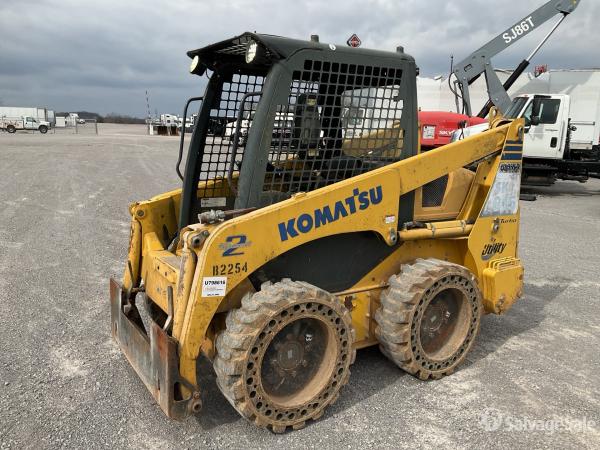
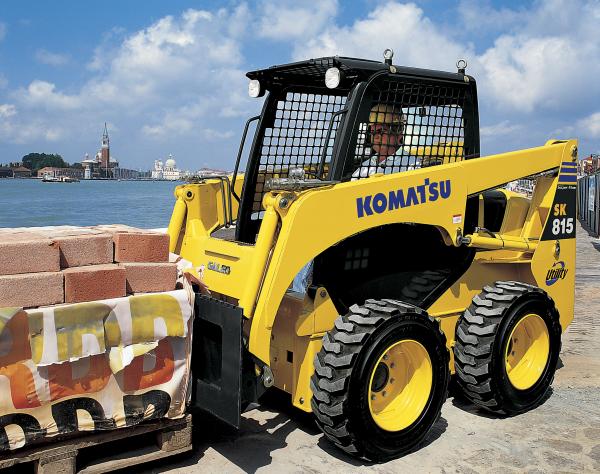
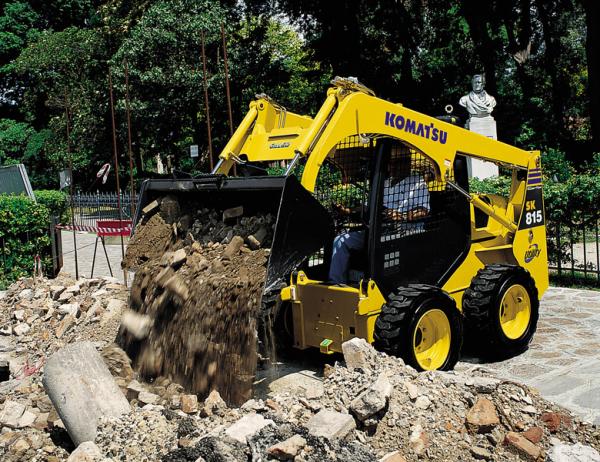
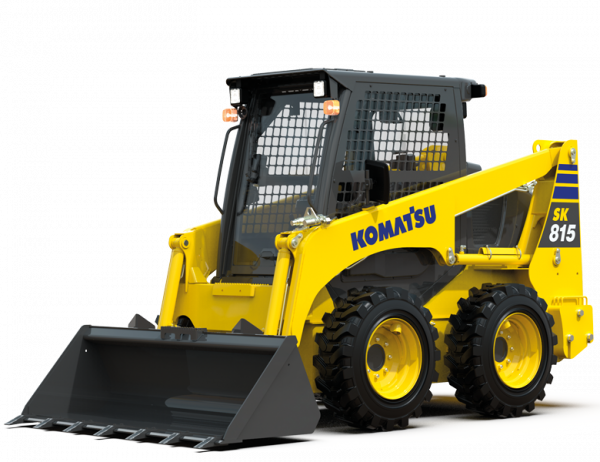
The Komatsu SK815 series of skid steer loaders exemplify the company's commitment to producing versatile, compact, and high-performance machinery. Designed for a wide range of applications, these loaders have become a staple in construction, landscaping, and agricultural sectors. Their development reflects Komatsu's ongoing efforts to innovate and meet the evolving needs of equipment operators worldwide.
Komatsu's Legacy and Evolution
Established over a century ago, Komatsu Ltd. has grown from a small ironworks in Japan to a global leader in heavy equipment manufacturing. The company's dedication to quality and innovation has led to the development of numerous machines that set industry standards. The SK815 series is a testament to this legacy, incorporating advanced technologies and user-centric designs.
SK815 Series: A Closer Look
SK815-5
The SK815-5, produced from 2001 to 2017, is renowned for its robust performance and reliability. Key specifications include: - Engine Power: 54 hp (40.3 kW)
- Operating Weight: 2,630 kg (5,785 lbs)
- Rated Operating Capacity: 700 kg (1,543 lbs)
- Bucket Capacity: 0.4 m³
- Travel Speed: 10 mph (16 km/h)
- Auxiliary Hydraulic Flow: 16.1 gpm (60.9 L/min), with an optional "Super Flow" at 26 gpm (98.4 L/min)
These specifications highlight the SK815-5's capability to handle various tasks efficiently. Its two-speed transmission and advanced hydraulic system ensure smooth operation and versatility.
SK815-8
The SK815-8, a more recent model, offers enhanced features:- Engine Power: 50.3 hp (37.5 kW)
- Operating Weight: 2,960 kg (6,520 lbs)
- Rated Operating Capacity: 750 kg (1,653 lbs)
- Bucket Capacity: 0.4 m³
This model emphasizes improved fuel efficiency and reduced emissions, aligning with global sustainability trends.
Technological Innovations
Komatsu's SK815 loaders incorporate several technological advancements:- HydrauMind Hydraulic System: Ensures efficient power delivery and precise control.
- Automatic Power Control (APC): Adjusts engine power to match load conditions, optimizing fuel consumption.
- Proportional Pressure Control (PPC) Joysticks: Provide smooth and responsive control over machine functions.
- Two-Speed Transmission: Allows shift-on-the-go speed changes, enhancing operational flexibility.
Maintenance and Longevity
Regular maintenance is crucial for the longevity of the SK815 loaders:- Hydraulic System: Regularly check and replace hydraulic fluid to maintain system efficiency.
- Engine Oil: Change engine oil at recommended intervals to ensure optimal engine performance.
- Tires: Inspect tires for wear and replace them as necessary to maintain traction and stability.
Real-World Applications
The SK815 series has been employed in various projects worldwide:- Urban Construction: Navigating tight spaces in city environments for tasks like trenching and material handling.
- Landscaping: Efficiently moving soil, mulch, and debris in residential and commercial landscaping projects.
- Agriculture: Handling feed, manure, and other materials on farms.
Conclusion
The Komatsu SK815 skid steer loaders stand out for their blend of power, efficiency, and versatility. Whether in urban construction, landscaping, or agriculture, these machines continue to meet the demands of operators globally. Komatsu's commitment to innovation ensures that the SK815 series remains a reliable choice for various applications.
|
|
|
|
| Replacing Hydraulic Lines on the John Deere 310E Backhoe Loader |
|
Posted by: MikePhua - 08-23-2025, 11:29 PM - Forum: Troubleshooting & Diagnosing
- No Replies
|
|
Introduction
The John Deere 310E backhoe loader, part of John Deere's 310 series, is a versatile and durable machine widely used in construction, landscaping, and utility work. Equipped with a 4.5L PowerTech™ engine, it delivers reliable performance. However, like all heavy equipment, it requires regular maintenance to ensure optimal functionality. One common maintenance task is the replacement of hydraulic lines, which can wear out or become damaged over time. This article provides a comprehensive guide on how to replace hydraulic lines on the 310E backhoe loader, including preparation, step-by-step procedures, and safety precautions.
Understanding the Hydraulic System
The hydraulic system of the 310E backhoe loader is crucial for operating various functions such as the boom, dipper, and bucket. It relies on high-pressure hoses to transmit hydraulic fluid from the pump to the actuators. Over time, these hoses can deteriorate due to factors like abrasion, exposure to elements, or internal pressure surges. Recognizing signs of hydraulic line failure, such as leaks or reduced performance, is essential for timely maintenance.
Preparation Before Replacement
Before beginning the replacement process, ensure you have the necessary tools and replacement parts: - New hydraulic hoses of the correct specifications
- Wrenches and crowfoot wrenches
- Hydraulic fluid
- Rags and containers for fluid drainage
- Safety gloves and eye protection
Step-by-Step Replacement Procedure
- Safety First: Engage the parking brake and place wheel chocks around the tires to prevent movement.
- Relieve Hydraulic Pressure: Start the engine and operate all hydraulic functions to relieve any residual pressure in the system.
- Drain Hydraulic Fluid: Place a container under the hydraulic fluid reservoir, remove the drain plug, and allow the fluid to drain completely.
- Remove the Damaged Hose: Using the appropriate wrenches, disconnect the fittings at both ends of the damaged hydraulic hose. Be prepared for residual fluid to leak out.
- Install the New Hose: Position the new hose in place, ensuring it follows the same routing as the old one to avoid interference with other components. Connect the fittings and tighten them securely.
- Refill Hydraulic Fluid: Fill the hydraulic reservoir with the recommended type and amount of hydraulic fluid.
- Test the System: Start the engine and operate all hydraulic functions to check for leaks and ensure proper operation.
Troubleshooting Tips- Persistent Leaks: If leaks persist after hose replacement, inspect the fittings for damage or wear. Ensure that all connections are tight and properly aligned.
- Reduced Hydraulic Performance: If the hydraulic system operates sluggishly, check for air in the system or low fluid levels. Bleed the system if necessary and top up the fluid.
Maintenance Recommendations- Regular Inspections: Periodically inspect hydraulic hoses for signs of wear, such as cracks or bulges.
- Proper Routing: Ensure that hydraulic hoses are routed away from sharp edges and hot surfaces to prevent premature wear.
- Use OEM Parts: Always use John Deere-approved hydraulic hoses and components to maintain system integrity.
Conclusion
Replacing hydraulic lines on the John Deere 310E backhoe loader is a manageable task that can be performed with basic mechanical skills and the right tools. By following the steps outlined above and adhering to safety and maintenance guidelines, operators can ensure the longevity and reliability of their equipment. Regular maintenance and timely replacement of hydraulic components are key to minimizing downtime and maximizing productivity.
|
|
|
|
| Troubleshooting and Repairing the Steering System of the 1971 Case 580CK |
|
Posted by: MikePhua - 08-23-2025, 11:28 PM - Forum: Troubleshooting & Diagnosing
- No Replies
|
|
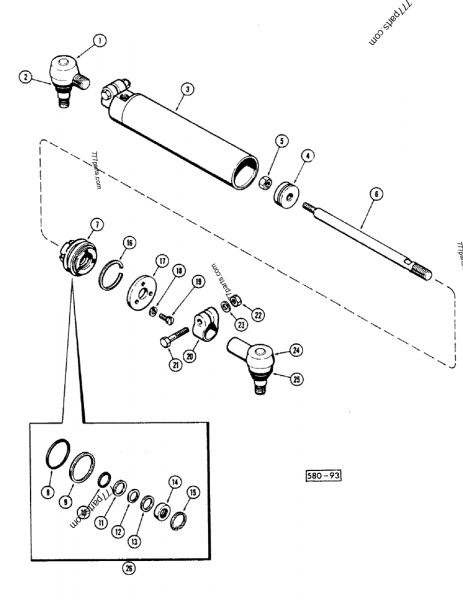
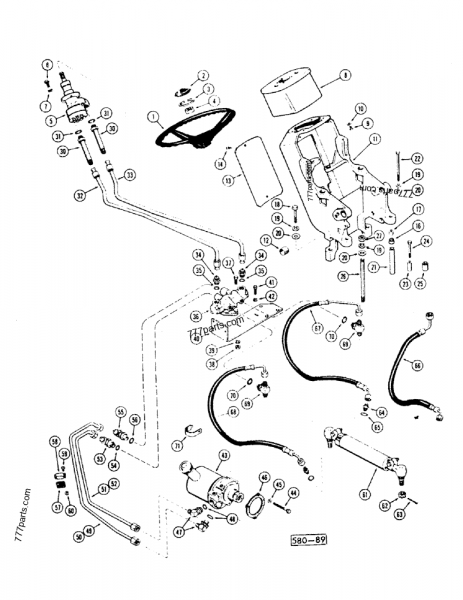
Introduction
The 1971 Case 580CK is a versatile and robust machine, widely used in construction and agricultural applications. However, like any heavy equipment, it is susceptible to mechanical issues over time. One common problem faced by operators is a steering wheel that spins freely without engaging the wheels. This issue can be attributed to various components within the steering system, including the steering pump, orbital valve, and steering cylinders. Understanding the underlying causes and implementing effective solutions is crucial for restoring the machine's functionality.
Understanding the Steering System
The steering system of the 1971 Case 580CK is hydraulically operated, relying on a combination of components to facilitate smooth and responsive steering: - Steering Pump: Driven by the engine, it generates hydraulic pressure to assist in steering.
- Orbital Valve: Located beneath the steering wheel, it directs hydraulic fluid to the steering cylinders based on the operator's input.
- Steering Cylinders: Actuate the movement of the wheels in response to hydraulic pressure.
A failure in any of these components can lead to a situation where the steering wheel spins without effecting wheel movement.
Common Causes of Steering Failure
Several factors can contribute to the steering wheel spinning freely:
- Low Hydraulic Fluid Levels: Insufficient fluid can prevent the steering pump from generating adequate pressure.
- Air in the Hydraulic System: Air pockets can disrupt fluid flow, leading to erratic steering behavior.
- Faulty Steering Pump: A malfunctioning pump may fail to produce the necessary hydraulic pressure.
- Damaged Orbital Valve: Internal damage or blockage can impede the valve's ability to direct fluid properly.
- Worn or Leaking Steering Cylinders: Internal bypassing or external leaks can reduce steering effectiveness.
- Disconnected or Slipped Linkages: Mechanical linkages between the steering wheel and the steering mechanism may become loose or detached.
Diagnostic and Repair Procedures
To address the steering issue, follow these steps:
- Check Hydraulic Fluid Levels: Ensure the hydraulic reservoir is filled to the recommended level with the appropriate fluid.
- Inspect for Air in the System: Bleed the hydraulic system to remove any trapped air. This can be done by loosening fittings at high points while operating the machine to allow air to escape.
- Test the Steering Pump: With the engine running, check for proper fluid flow from the pump. Low or no flow may indicate a pump failure.
- Examine the Orbital Valve: Listen for unusual noises or check for leaks around the valve. A malfunctioning valve may need to be replaced.
- Inspect Steering Cylinders: Look for signs of leaks or damage. If cylinders are bypassing internally, they may require rebuilding or replacement.
- Verify Linkage Connections: Ensure all mechanical linkages are securely connected and free from wear.
Preventive Maintenance Tips
To prolong the life of the steering system:- Regularly Check Hydraulic Fluid Levels: Maintain proper fluid levels to ensure consistent steering performance.
- Use the Recommended Hydraulic Fluid: Always use the manufacturer's specified fluid to prevent system damage.
- Inspect for Leaks: Regularly check hoses and connections for signs of leakage.
- Lubricate Moving Parts: Apply lubricant to moving components to reduce wear.
- Service the Steering System Periodically: Follow the manufacturer's maintenance schedule for the steering system.
Conclusion
A steering wheel that spins freely on a 1971 Case 580CK is a sign of underlying issues within the hydraulic steering system. By systematically diagnosing and addressing potential causes—such as low fluid levels, air in the system, or component failures—operators can restore proper steering functionality. Regular maintenance and prompt attention to steering system issues are essential for ensuring the machine's reliability and longevity.
|
|
|
|
| Engine Speed Issues in Caterpillar 323D and 320D Excavators |
|
Posted by: MikePhua - 08-23-2025, 11:27 PM - Forum: Troubleshooting & Diagnosing
- No Replies
|
|
Introduction
Caterpillar's 323D and 320D excavators, equipped with the C6.4 ACERT™ engine, are renowned for their performance and reliability in various construction applications. However, some operators have reported issues related to engine speed, particularly when attempting to increase RPM beyond certain points. Understanding the potential causes and solutions is crucial for maintaining optimal machine performance.
Common Symptoms
Operators have observed that the engine speed dial functions correctly from settings 1 to 5 but fails to increase beyond that, remaining at the same RPM as setting 5. This behavior suggests a possible "limp mode," a protective feature designed to prevent engine damage under certain conditions. Interestingly, manual throttle adjustments near the injector pump can still achieve normal engine speeds, indicating that the issue may not be with the engine itself but with the electronic controls or sensors.
Potential Causes
- Throttle Position Sensor Malfunction
The throttle position sensor plays a vital role in communicating the operator's throttle input to the engine control module (ECM). A malfunction or miscalibration of this sensor can lead to discrepancies between the actual engine speed and the desired speed set by the operator. Inspecting and recalibrating or replacing the throttle position sensor may resolve this issue.
- Hydraulic Load Sensing Issues
The C6.4 engine's performance is influenced by hydraulic load sensing, which adjusts engine power based on the demands of hydraulic functions. If there's a fault in the hydraulic system, such as issues with the hydraulic pump or pressure sensors, the engine may not respond correctly to throttle inputs. Regular maintenance and inspection of the hydraulic system can help identify and rectify such problems.
- Electronic Control Module (ECM) Faults
The ECM is responsible for managing various engine parameters, including speed regulation. Faults in the ECM, such as corrupted software or internal failures, can lead to erratic engine behavior. Diagnostic tools can be used to check for error codes and perform necessary repairs or software updates.
- Fuel System Restrictions
Restricted fuel flow due to clogged filters or malfunctioning fuel pumps can cause the engine to underperform, especially under load. Ensuring that fuel filters are clean and fuel pumps are functioning correctly is essential for maintaining engine performance.
- Engine Speed Sensor Issues
The engine speed sensor provides real-time data to the ECM about the engine's RPM. If this sensor is faulty or its wiring is damaged, the ECM may not receive accurate RPM data, leading to improper engine speed regulation. Replacing a faulty engine speed sensor can often resolve such issues.
Diagnostic and Maintenance Steps- Check for Error Codes: Utilize diagnostic tools to retrieve any stored error codes from the ECM, which can provide insights into the underlying issue.
- Inspect Sensors and Wiring: Examine the throttle position sensor, engine speed sensor, and associated wiring for signs of damage or wear.
- Test Hydraulic System: Assess the hydraulic system's performance, checking for proper pressure levels and the condition of hydraulic components.
- Evaluate Fuel System: Inspect fuel filters for clogging and ensure that the fuel pump is delivering adequate pressure.
- Monitor Engine Performance: Observe the engine's behavior under various load conditions to identify any irregularities.
Conclusion
Engine speed issues in Caterpillar 323D and 320D excavators can stem from various sources, including sensor malfunctions, hydraulic system faults, ECM issues, fuel system restrictions, and engine speed sensor problems. By systematically diagnosing and addressing these potential causes, operators can restore their machines to optimal performance levels. Regular maintenance and timely repairs are key to preventing such issues and ensuring the longevity of the equipment.
|
|
|
|
| What Is the Real Cost of a Custom ROPS for Older Equipment |
|
Posted by: MikePhua - 08-23-2025, 11:26 PM - Forum: General Discussion
- No Replies
|
|
Understanding the Oliver 77 TLB and Its Historical Context
The Oliver 77 Tractor Loader Backhoe (TLB) is a rare industrial variant of the Oliver Super 77, a machine originally designed for agricultural use in the 1950s. The Super 77 was powered by a robust six-cylinder engine and became popular for its torque and reliability. The industrial TLB version, however, was produced in limited numbers and often retrofitted with heavier loader frames and backhoe attachments. These machines were never designed with modern safety standards in mind, particularly when it comes to rollover protection.
Oliver, founded in the early 20th century and later merged into White Farm Equipment, was known for its engineering precision and rugged builds. But by the 1980s, the brand had faded from mainstream production, leaving machines like the 77 TLB in the hands of collectors, farmers, and small contractors. Today, finding documentation or serial numbers on these units is a challenge, and retrofitting safety systems like ROPS (Roll Over Protective Structures) requires ingenuity and caution.
What Is ROPS and Why It Matters
ROPS is a structural framework designed to protect the operator in the event of a rollover. It’s typically made from high-strength steel tubing and engineered to withstand the forces generated during a tip-over. There are two main types: - Two-post ROPS: Often seen on farm tractors, these consist of vertical posts behind the operator.
- Four-post ROPS: Common on loader-equipped machines, these surround the operator and offer better protection from falling objects.
Terminology Explained- ROPS Certification: A formal process where the structure is tested to meet standards like SAE J2194 or OSHA/MSHA requirements.
- Canopy: A sunshade or weather shield mounted on top of the ROPS.
- U-bolts: Fasteners shaped like the letter “U” used to clamp ROPS to axle housings or frames.
Cost Breakdown and Practical Options
For a certified, engineered ROPS with a cab, prices can exceed $20,000. This includes design, material, fabrication, destructive testing, and documentation. Certification is mandatory for machines used in regulated environments like mines or commercial job sites with employees.
For personal use on private land, many opt for non-certified ROPS built from heavy-wall steel tubing. A competent welder using 3" or 4" square tubing can fabricate a basic four-post structure for around $1,200 to $2,500, depending on material costs and labor rates. This includes:- Steel tubing: $400–$800
- Welding labor: $600–$1,200
- Mounting hardware: $100–$300
- Optional canopy: $200–$500
Safety vs. Certification
While certification ensures legal compliance, it doesn’t guarantee survival in every scenario. Conversely, a well-built non-certified ROPS can offer substantial protection, especially when combined with safe operating practices. However, modifying a certified ROPS—such as cutting or welding to fit a different machine—voids its certification and legal standing.
Field Anecdote and Practical Advice
One operator in Pennsylvania retrofitted his Oliver 77 TLB with a homemade cab and was concerned about being trapped inside during a rollover. He opted for a removable design using bolt-on mounts and reinforced loader towers. The machine weighed around 11,000 lbs, and its wide stance gave a false sense of security on slopes. His decision was driven not by regulation, but by peace of mind.
Another technician warned against using two-post ROPS on loader-equipped machines. He described a scenario where a log in the bucket could roll back during a hydraulic malfunction, crushing the operator. Four-post designs, especially those integrated with loader towers and rear axle mounts, offer superior protection.
Alternative Solutions and Equipment Swaps
In some cases, swapping the machine for a newer model with factory ROPS may be more economical. Older Case or Ford backhoes with integrated ROPS can be found for under $10,000. This avoids the engineering and liability concerns of custom fabrication.
For rare machines like the Oliver 77 TLB, collectors may value originality. In such cases, removable ROPS structures preserve the machine’s integrity while enhancing safety.
Regulatory Landscape and Testing Standards
In the U.S., OSHA and MSHA require certified ROPS for machines used in workplaces. The SAE J2194 standard outlines testing procedures, including:- Static load testing
- Dynamic crush testing
- Energy absorption metrics
These tests are destructive and expensive, which is why one-off certifications are rare and costly.
Preventive Measures and Operator Training
Even with ROPS, safety depends on behavior. Operators should:- Always wear seat belts
- Avoid steep slopes and unstable terrain
- Keep loads low during transport
- Inspect hydraulic systems regularly
A 2019 study by the National Institute for Occupational Safety and Health (NIOSH) found that 80% of tractor rollover fatalities involved machines without ROPS. The same study showed that retrofitting ROPS reduced fatality risk by over 70%.
Conclusion
Building a custom ROPS for an older machine like the Oliver 77 TLB is a balance between cost, safety, and practicality. While certified structures offer legal protection, well-built non-certified systems can still save lives. The key is thoughtful design, quality materials, and an understanding of the machine’s dynamics. Whether fabricating from scratch or swapping for a newer model, the goal remains the same: protect the operator without compromising the machine’s utility or heritage.
|
|
|
|
| Adjusting Track Tension on the Caterpillar 963: A Comprehensive Guide |
|
Posted by: MikePhua - 08-23-2025, 11:26 PM - Forum: Troubleshooting & Diagnosing
- No Replies
|
|
Introduction
Maintaining proper track tension on the Caterpillar 963 track loader is crucial for optimal performance and longevity of the undercarriage components. Incorrect tension can lead to increased wear, reduced traction, and potential damage to the track system. This guide provides detailed instructions on how to adjust the track tension, identify potential issues, and perform necessary repairs.
Understanding Track Tension
Track tension refers to the amount of force applied to the track chain, ensuring it remains taut during operation. Proper tension allows for efficient power transfer and minimizes excessive wear on components such as sprockets, rollers, and idlers. Both under-tight and over-tight conditions can lead to premature component failure and decreased machine efficiency.
Tools and Equipment Required
Before beginning the adjustment process, ensure you have the following tools and equipment: - Grease gun with appropriate grease
- Torque wrench
- Measuring tape or ruler
- Hydraulic jacks or lifting equipment
- Safety gear (gloves, safety glasses)
Step-by-Step Track Tension Adjustment
- Preparation
- Park the machine on a level surface and engage the parking brake.
- Lift the track loader using appropriate lifting equipment to relieve weight from the tracks.
- Accessing the Track Adjuster
- Locate the track adjuster valve, typically found near the rear of the track frame.
- Remove any covers or guards obstructing access to the valve.
- Adjusting Track Tension
- To Tighten the Track:
- Use the grease gun to add grease into the adjuster valve.
- Monitor the track as it tightens, ensuring it reaches the desired tension without over-tightening.
- To Loosen the Track:
- Slowly loosen the relief valve to allow grease to escape.
- Allow the track to loosen to the desired tension, then close the relief valve securely.
- Verification
- Measure the sag between the sprocket and front idler using a straight edge or measuring tape.
- Compare the measurement to the specifications provided in the machine's service manual to ensure proper tension.
Common Issues and Troubleshooting- Grease Leakage:
- If grease leaks from the adjuster area, it may indicate a damaged seal or worn components.
- Inspect the adjuster cylinder and seals for wear or damage.
- Replace any faulty components as necessary.
- Persistent Slack:
- If the track remains slack despite adjustments, the track adjuster mechanism may be faulty.
- Consider removing the track adjuster for inspection and repair.
- This process may require specialized tools and expertise.
Maintenance Tips- Regularly inspect the track tension and adjust as needed to maintain optimal performance.
- Keep the track adjuster area clean and free from debris to prevent contamination.
- Lubricate the track system as per the manufacturer's recommendations to ensure smooth operation.
Conclusion
Proper track tension is vital for the Caterpillar 963 track loader's performance and longevity. By following the outlined steps and performing regular maintenance, operators can ensure efficient operation and reduce the risk of costly repairs. Always refer to the machine's service manual for specific guidelines and specifications.
|
|
|
|
|



