| Welcome, Guest |
You have to register before you can post on our site.
|
| Forum Statistics |
» Members: 79
» Latest member: cioCruch
» Forum threads: 47,411
» Forum posts: 47,417
Full Statistics
|
| Online Users |
There are currently 96 online users.
» 0 Member(s) | 85 Guest(s)
Ahrefs, Amazon, Applebot, Baidu, Bing, Claude, Google, OpenAI, Petalbot, Semrush
|
| Latest Threads |
Identifying and Sourcing ...
Forum: Parts , Attachments & Tools
Last Post: MikePhua
01-07-2026, 06:29 PM
» Replies: 0
» Views: 495
|
Cat 931B Brake Parts
Forum: Parts , Attachments & Tools
Last Post: MikePhua
01-07-2026, 06:29 PM
» Replies: 0
» Views: 276
|
Choosing Between Cat 228,...
Forum: General Discussion
Last Post: MikePhua
01-07-2026, 06:28 PM
» Replies: 0
» Views: 519
|
Hydraulic Delay When Lowe...
Forum: Troubleshooting & Diagnosing
Last Post: MikePhua
01-07-2026, 06:27 PM
» Replies: 0
» Views: 435
|
Bale Chopper and Mulcher ...
Forum: General Discussion
Last Post: MikePhua
01-07-2026, 06:26 PM
» Replies: 0
» Views: 307
|
Mini UC Maintenance
Forum: General Discussion
Last Post: MikePhua
01-07-2026, 06:25 PM
» Replies: 0
» Views: 296
|
Locating Wiring Informati...
Forum: General Discussion
Last Post: MikePhua
01-07-2026, 06:24 PM
» Replies: 0
» Views: 332
|
Case Industrial Brown Sub...
Forum: Parts , Attachments & Tools
Last Post: MikePhua
01-07-2026, 06:23 PM
» Replies: 0
» Views: 269
|
Dirt Work in West Virgini...
Forum: Construction & Urban Infrastructure Forum
Last Post: MikePhua
01-07-2026, 06:23 PM
» Replies: 0
» Views: 366
|
D207 P Hydraulic Steering...
Forum: Parts , Attachments & Tools
Last Post: MikePhua
01-07-2026, 06:22 PM
» Replies: 0
» Views: 296
|
|
|
| Diesel Fuel in Crankcase |
|
Posted by: MikePhua - 08-23-2025, 11:38 PM - Forum: Parts , Attachments & Tools
- No Replies
|
 |
Understanding Diesel Fuel Dilution in Engine Oil
Diesel fuel dilution occurs when unburned diesel fuel seeps into the engine's crankcase, mixing with the engine oil. This phenomenon is particularly concerning in diesel engines, as it can compromise the oil's lubricating properties, leading to increased wear and potential engine damage. While some level of fuel dilution is inevitable due to the nature of diesel combustion, excessive dilution poses significant risks.
Primary Causes of Diesel Fuel Dilution
- Incomplete Combustion: When the combustion process is not fully efficient, unburned fuel can bypass the piston rings and enter the crankcase. Factors contributing to incomplete combustion include low engine temperatures and improper air-fuel mixtures.
- Leaking Fuel Injectors: Faulty or leaking fuel injectors can introduce excess fuel into the combustion chamber, increasing the likelihood of fuel bypassing the piston rings.
- Cold Engine Operation: Engines operating at lower temperatures may not reach the optimal conditions for complete combustion, leading to increased fuel dilution.
- Short Trip Driving: Frequent short trips prevent the engine from reaching its ideal operating temperature, allowing fuel to condense and mix with the oil.
- Excessive Idling: Prolonged idling periods can result in incomplete combustion, contributing to fuel dilution.
Consequences of Diesel Fuel Dilution
Excessive diesel fuel in the crankcase can lead to several detrimental effects:- Reduced Oil Viscosity: Diluted oil loses its ability to lubricate effectively, increasing friction and wear on engine components.
- Increased Engine Wear: Inadequate lubrication accelerates the wear of critical engine parts, potentially leading to premature engine failure.
- Potential for Hydrolock: In severe cases, excessive fuel accumulation can lead to hydrolock, where the engine's cylinders fill with liquid, preventing piston movement and causing catastrophic engine damage.
Detecting Fuel Dilution
Regular oil analysis is essential for identifying fuel dilution:- Flash Point Testing: A significant drop in the oil's flash point indicates the presence of fuel.
- Gas Chromatography: This method separates and quantifies hydrocarbons in the oil, detecting fuel contamination.
- Viscosity Measurements: A decrease in oil viscosity can signal dilution.
Preventive Measures
To mitigate the risk of diesel fuel dilution:- Maintain Optimal Operating Temperatures: Ensure the engine reaches and maintains its ideal operating temperature to promote complete combustion.
- Regularly Inspect Fuel Injectors: Replace or repair faulty injectors promptly to prevent excess fuel introduction.
- Avoid Prolonged Idling: Limit engine idling times to reduce the chances of incomplete combustion.
- Implement Proper Driving Practices: Engage in driving habits that allow the engine to reach and sustain optimal temperatures.
Conclusion
Diesel fuel dilution in the crankcase is a serious issue that can compromise engine performance and longevity. By understanding its causes and implementing preventive measures, operators can safeguard their engines against the detrimental effects of fuel contamination. Regular maintenance and vigilant monitoring are key to ensuring engine health and efficiency.
|

|
|
| Sewer Cleaning: Evolution, Techniques, and Modern Practices |
|
Posted by: MikePhua - 08-23-2025, 11:38 PM - Forum: Construction & Urban Infrastructure Forum
- No Replies
|
|
Introduction
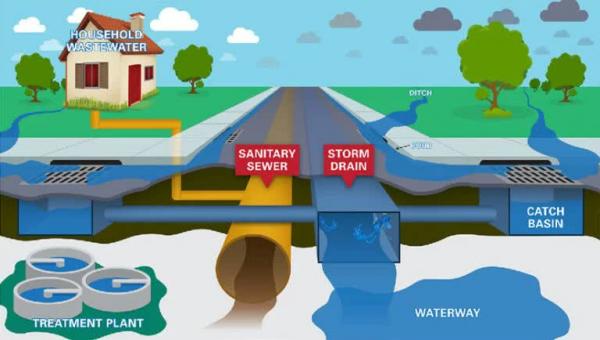
Sewer systems are vital for maintaining public health and environmental safety. Over time, the methods and tools used for sewer cleaning have evolved significantly, adapting to the growing challenges posed by urbanization and increased waste production. This article delves into the history, techniques, and modern practices of sewer cleaning, highlighting key developments and innovations.
Historical Overview
The concept of managing waste dates back to ancient civilizations. The Romans, for instance, constructed the Cloaca Maxima around 800 BC, an extensive sewer system that utilized gravity to transport waste away from populated areas . However, it wasn't until the late 19th century that mechanized sewer cleaning began to take shape.
In 1907, George W. Blickensderfer patented the first motorized sewage truck, featuring a vacuum system powered by a gasoline engine. This innovation marked a significant milestone in the evolution of sewage trucks, eliminating the need for manual labor and improving efficiency .
Advancements in Sewer Cleaning Technology
The mid-20th century saw further advancements in sewer cleaning technology. In 1969, Myers-Sherman introduced the first combination sewer cleaner that featured both water jetting and vacuuming capabilities. This dual-functionality allowed for more efficient and thorough cleaning of sewer lines .
In 1985, Adelio's Contracting acquired its first sewer jet, or hydro jet, which is used to clean mud and debris and to cut stubborn tree roots inside downspout drains, drain tiles, footer drains, and sewer pipes. This acquisition marked a significant step forward in the company's ability to handle more challenging sewer cleaning tasks .
Modern Sewer Cleaning Practices
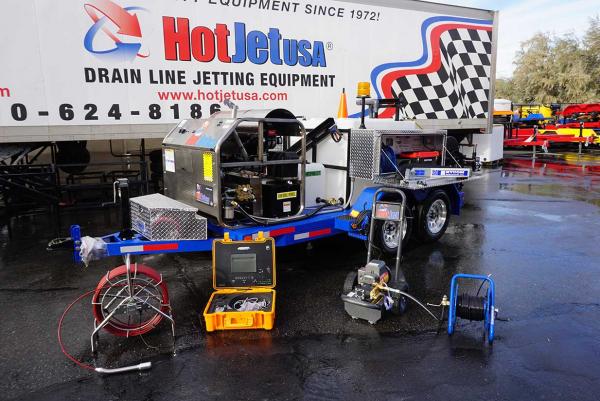
Today, sewer cleaning employs a range of techniques and equipment to address various challenges. High-pressure water jetting, or hydro jetting, is commonly used to remove grease, debris, and tree roots from sewer lines. This method involves using a specialized nozzle that directs high-pressure water into the pipe, effectively clearing blockages.
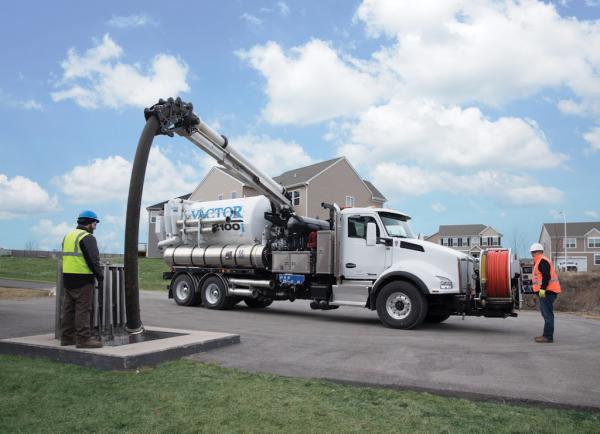
Vacuum trucks, equipped with powerful suction systems, are used to remove solid waste and debris from sewer lines. These trucks are particularly effective in cleaning large-diameter pipes and handling significant volumes of waste.
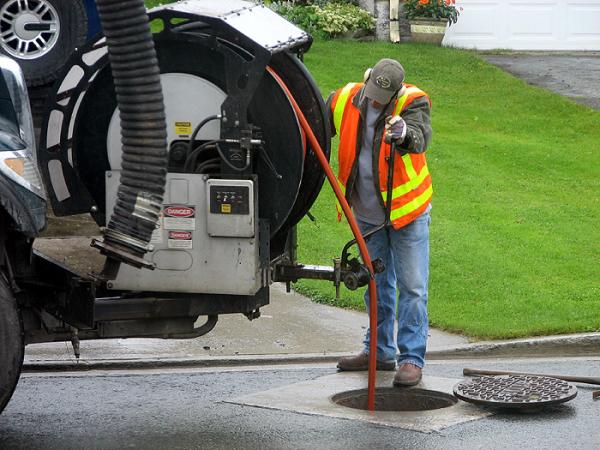
In urban areas, sewer cleaning is often performed using specialized equipment that can navigate narrow streets and confined spaces. For instance, compact sewer cleaning machines are designed to access hard-to-reach areas, ensuring comprehensive cleaning of the entire sewer system.
Challenges and Innovations
Despite technological advancements, sewer cleaning continues to face challenges. One significant issue is the accumulation of fatbergs—large masses of congealed fat, oil, and non-biodegradable materials that clog sewer systems. To combat this, utilities like Thames Water have employed sewer-scrubbing robots equipped with high-pressure water jets to efficiently clear blockages .
Additionally, the integration of artificial intelligence and robotics is transforming sewer inspection and maintenance. Automated systems can now inspect sewer lines, identify issues, and even perform repairs, reducing the need for manual labor and improving safety.
Conclusion
The evolution of sewer cleaning from manual labor to sophisticated machinery reflects the growing complexity of urban infrastructure and the need for efficient waste management solutions. As cities continue to expand, ongoing innovation in sewer cleaning technologies will be essential to ensure the health and safety of urban populations.
|
|
|
|
| Takeuchi TB135 Track Came Off with No Grease Coming Out |
|
Posted by: MikePhua - 08-23-2025, 11:36 PM - Forum: Troubleshooting & Diagnosing
- No Replies
|
|
Introduction to the Takeuchi TB135
The Takeuchi TB135 is a compact yet powerful mini-excavator, renowned for its versatility and reliability in various construction and landscaping tasks. Introduced in the early 2000s, the TB135 offers a balance between performance and maneuverability, making it a popular choice for operators dealing with confined spaces. Equipped with a 24.8-horsepower engine and a hydraulic system capable of delivering up to 3,000 psi, the TB135 is designed to handle demanding workloads efficiently.
Understanding the Track Tensioning System
The track tensioning system in the TB135 is crucial for maintaining optimal track performance and longevity. It consists of a grease-filled cylinder that adjusts the tension of the track by extending or retracting the idler wheel. This system ensures that the track remains tight enough to prevent slipping but not so tight that it causes excessive wear. Regular maintenance and proper lubrication are essential to keep the tensioning system functioning correctly.
Common Issue: Track Coming Off with No Grease Flow
A reported issue with the TB135 involves the track coming off the undercarriage, accompanied by no grease flowing when the grease fitting is loosened. This situation can be indicative of several underlying problems within the track tensioning system.
Possible Causes
- Clogged or Damaged Grease Fitting: Over time, grease fittings can become clogged with dirt or debris, preventing grease from entering the tensioning cylinder.
- Failed Seals in the Tensioning Cylinder: The seals within the tensioning cylinder can wear out or become damaged, leading to grease leakage and loss of tension.
- Corrosion or Rust on the Tensioning Rod: Exposure to moisture and dirt can cause rust to form on the tensioning rod, leading to sticking or failure to extend/retract properly.
Troubleshooting Steps
To address the issue of the track coming off with no grease flow:
- Inspect the Grease Fitting: Check for any blockages or damage. If clogged, clean or replace the fitting.
- Examine the Tensioning Cylinder: Look for signs of grease leakage around the cylinder seals. If seals are damaged, they may need to be replaced.
- Check for Corrosion: Inspect the tensioning rod for rust or corrosion. If present, clean the rod and apply a rust inhibitor.
- Test the Track Tension: After addressing the above issues, attempt to adjust the track tension by pumping grease into the fitting. Monitor for any resistance or unusual movement.
Preventive Maintenance Tips
To prevent future issues with the track tensioning system:- Regularly Lubricate the System: Ensure the tensioning system is greased according to the manufacturer's recommendations.
- Keep Components Clean: Regularly clean the grease fittings and surrounding areas to prevent dirt and debris buildup.
- Inspect Seals and Rods: Periodically check the seals and rods for signs of wear or damage and replace as necessary.
Conclusion
The issue of the track coming off with no grease flow in the Takeuchi TB135 is often related to problems within the track tensioning system. By systematically troubleshooting and addressing potential causes such as clogged grease fittings, failed seals, or corrosion, operators can restore proper track tension and prevent further issues. Regular maintenance and vigilance are key to ensuring the longevity and reliability of the TB135's undercarriage components.
|
|
|
|
| Adjusting the Winch Linkage on the Caterpillar D6C Dozer |
|
Posted by: MikePhua - 08-23-2025, 11:36 PM - Forum: Troubleshooting & Diagnosing
- No Replies
|
|
The D6C and Its Industrial Legacy
The Caterpillar D6C is part of the iconic D6 series, a mid-size crawler dozer line that has been a staple in earthmoving operations since the 1940s. Produced during the 1960s and 1970s, the D6C featured a robust 3306 diesel engine and a direct-drive transmission, making it ideal for logging, land clearing, and construction. Caterpillar, founded in 1925, has sold millions of dozers globally, and the D6 series remains one of its most enduring product lines.
The D6C was often paired with rear-mounted winches for forestry and recovery work. These winches, typically mechanical or hydraulic, were supplied by third-party manufacturers like Hyster or Caterpillar’s own branded units. However, identifying and adjusting these winches—especially decades later—can be challenging due to missing model numbers, undocumented retrofits, and cable-based control systems.
Understanding Winch Linkage and Control Systems
Winch linkage refers to the mechanical connection between the operator’s control lever and the internal clutch and brake mechanisms of the winch. On older dozers like the D6C, this linkage is often cable-actuated, with three distinct cables controlling: - Clutch engagement (spool in)
- Brake release (spool out)
- Neutral or hold position
These cables must be precisely adjusted to ensure smooth operation. Too much slack can prevent full engagement, while excessive tension can cause premature wear or unintended movement.
Terminology Explained- Spool In/Out: Refers to the winch drum rotating to pull in or release cable.
- Clutch Pack: A set of friction discs that engage the winch drum when activated.
- Brake Band: A friction surface that holds the drum stationary when disengaged.
- Control Cable: A flexible steel cable that transmits motion from the operator lever to the winch mechanism.
Identifying the Winch Model
In many cases, the winch model is cast into the housing. However, some units lack visible markings, especially if repainted or modified. A common retrofit on D6C dozers is the Caterpillar 55 or 56 series winch, which uses a three-cable control system and is documented in service manuals like SMHS6847.
If the winch lacks branding, visual inspection of the control layout and drum housing can help identify it. For example:- Hyster D series winches typically have a side-mounted clutch lever and a large brake drum.
- Caterpillar 55/56 winches feature a top-mounted cable control tower and compact drum housing.
Adjustment Procedure for Control Cables
Proper adjustment ensures that each cable reaches its full travel without binding or overextending. The general steps are:
- Inspect Cable Routing
Ensure cables are free of kinks, corrosion, and obstructions. Lubricate with graphite or light oil.
- Set Neutral Position
With the control lever in neutral, adjust all cables so that the clutch and brake are disengaged. The drum should rotate freely by hand.
- Adjust Clutch Cable
Move the lever to “spool in” and tighten the clutch cable until the drum engages smoothly. Avoid over-tightening, which can cause clutch drag.
- Adjust Brake Cable
Move the lever to “spool out” and adjust the brake cable to release fully. The drum should rotate under load without resistance.
- Test Under Load
Apply tension to the winch cable and cycle through all positions. Listen for grinding or slipping, which indicates misalignment.
- Secure Cable Ends
Use locking nuts or cable clamps to prevent slippage during operation.
Field Anecdote and Practical Insight
A forestry operator in Arkansas reported difficulty engaging the winch on his D6C. After confirming the winch was a Caterpillar 55 series, he followed the adjustment procedure outlined above. The issue was traced to a stretched clutch cable that no longer reached full engagement. Replacing the cable and fine-tuning the brake tension restored full functionality.
He noted that the control lever had excessive play due to worn bushings, which caused inconsistent cable movement. Replacing the lever pivot and adding a return spring improved responsiveness.
Preventive Maintenance and Long-Term Reliability- Replace control cables every 1,000 hours or when frayed
- Inspect clutch and brake linings annually
- Keep cable guides and pulleys clean and lubricated
- Avoid sudden lever movements that stress the linkage
Alternative Solutions and Modern Upgrades
Some operators retrofit hydraulic winches with joystick controls, eliminating cable linkage entirely. These systems offer smoother operation and reduced maintenance but require hydraulic plumbing and electrical integration.
For vintage machines, sourcing OEM parts can be difficult. Specialty suppliers and salvage yards often carry compatible cables, drums, and clutch packs. Custom fabrication may be necessary for rare models.
Industry Trends and Safety Considerations
Winch safety remains a critical concern. A 2021 report from the U.S. Forest Service highlighted that 12% of logging injuries involved winch-related incidents, often due to improper cable tension or brake failure. Modern winches include load sensors and automatic shutoffs, but older units rely entirely on operator skill and maintenance.
Training programs now emphasize winch dynamics, including cable stretch, drum inertia, and anchor point selection. Operators are encouraged to wear gloves, eye protection, and avoid standing in the line of pull.
Conclusion
Adjusting the winch linkage on a Caterpillar D6C requires mechanical precision and an understanding of cable dynamics. Whether dealing with a Caterpillar 55 series or an unmarked retrofit, the key is methodical inspection, careful tensioning, and thorough testing. With proper maintenance and adjustment, these legacy machines continue to serve in demanding environments, proving that even decades-old equipment can be safe, reliable, and productive.
|
|
|
|
| Understanding Rimpull Curves in Heavy Equipment |
|
Posted by: MikePhua - 08-23-2025, 11:35 PM - Forum: General Discussion
- No Replies
|
|
Introduction
In the realm of heavy equipment, particularly in mining and construction, understanding the dynamics of machine performance is crucial. One fundamental aspect of this is the rimpull curve. This graphical representation illustrates the relationship between a vehicle's tractive effort (rimpull) and its speed across various gears. By analyzing these curves, operators and engineers can make informed decisions about equipment selection, operational efficiency, and safety.
What is a Rimpull Curve?
A rimpull curve plots the available tractive force (rimpull) against the vehicle's speed for each gear. Tractive force is the force that propels the vehicle forward, generated by the engine and transmitted through the drivetrain to the wheels. The curve typically shows a decrease in rimpull as speed increases, reflecting the engine's diminishing ability to generate torque at higher velocities.
Key Components of a Rimpull Curve
- Tractive Force (Rimpull): Measured in kilonewtons (kN) or pounds-force (lbf), this represents the force available to move the vehicle.
- Speed: Indicated on the horizontal axis, usually in kilometers per hour (km/h) or miles per hour (mph).
- Gears: Different curves are drawn for each gear, showing how rimpull varies with speed in that particular gear.
- Gradeability: Some curves incorporate the effect of slope, indicating how the vehicle's performance changes on inclines.
Factors Influencing Rimpull
Several factors can affect the rimpull curve:- Engine Power: Higher engine power can increase the maximum rimpull available.
- Transmission Efficiency: Losses in the drivetrain reduce the effective rimpull.
- Tire Characteristics: Tire size and tread impact traction and, consequently, rimpull.
- Vehicle Weight: Heavier vehicles can generate more rimpull but require more force to move.
- Grade: Uphill grades require more rimpull to overcome gravitational resistance.
Practical Applications
Rimpull curves are invaluable in various scenarios:- Equipment Selection: By comparing rimpull curves, one can select the appropriate machine for specific tasks, ensuring optimal performance.
- Operational Planning: Understanding how a vehicle performs at different speeds and gears aids in planning efficient routes and schedules.
- Safety Considerations: Recognizing the limits of rimpull can prevent overloading and reduce the risk of accidents.
Real-World Example
Consider a mining operation using a Caterpillar 793D haul truck. The rimpull curve for this truck shows that at lower speeds, the rimpull is high, allowing the truck to climb steep grades effectively. However, as speed increases, rimpull decreases, and the truck may struggle on inclines. By analyzing the curve, operators can determine the optimal speed and gear for various terrains, enhancing efficiency and safety.
Conclusion
Understanding and utilizing rimpull curves is essential for maximizing the performance and safety of heavy equipment. By considering the factors that influence rimpull and applying this knowledge in real-world scenarios, operators can make informed decisions that lead to improved operational outcomes.
|
|
|
|
| Understanding the TCU 2034.09 Error Code in John Deere 210K |
|
Posted by: MikePhua - 08-23-2025, 11:35 PM - Forum: Troubleshooting & Diagnosing
- No Replies
|
|
Introduction to the John Deere 210K
The John Deere 210K is a versatile and robust tractor-loader backhoe, designed to handle a variety of tasks on construction sites, including digging, lifting, and material handling. Introduced in the early 2010s, the 210K model has been a reliable choice for contractors and operators seeking a balance between power and maneuverability. Equipped with a 4.5L engine and a hydrostatic transmission, the 210K offers efficient performance and ease of operation.
Transmission Control Unit (TCU) Overview
The Transmission Control Unit (TCU) is a critical component in modern heavy machinery, including the John Deere 210K. It functions as the brain of the transmission system, managing gear shifts and ensuring optimal performance based on inputs from various sensors and the engine control unit (ECU). The TCU communicates via the Controller Area Network (CAN) bus, a robust vehicle bus standard designed to facilitate communication among various in-vehicle systems without a host computer. A common error code associated with TCU issues is "TCU 2034.09: No CAN from AVC," indicating a communication failure between the TCU and the Automatic Vehicle Controller (AVC).
Symptoms of the TCU 2034.09 Error Code
When the TCU 2034.09 error code appears, operators may experience several symptoms: - Engine Cranks but Does Not Start: The engine may turn over without starting, as the TCU is not receiving necessary signals from the AVC.
- Transmission Inoperability: The transmission may fail to engage or shift properly, as the TCU cannot communicate with the AVC to control gear changes.
- Warning Lights: The instrument panel may display warning lights or error messages indicating a transmission or electronic control issue.
Troubleshooting Steps
To address the TCU 2034.09 error code, consider the following steps:
- Check Electrical Connections: Inspect all wiring and connectors between the TCU and AVC for signs of damage, corrosion, or loose connections.
- Verify Fuses: Ensure that all relevant fuses are intact and functioning. A blown fuse can disrupt communication between the TCU and AVC.
- Inspect Grounds: Confirm that all ground connections are secure and free of corrosion. Poor grounding can lead to erratic electronic behavior.
- Test the AVC: Using diagnostic tools, check the functionality of the AVC. If the AVC is faulty, it may need to be repaired or replaced.
- Calibrate the TCU: If the above steps do not resolve the issue, calibrating the TCU may restore proper communication. This process involves adjusting the TCU to recognize the current operating parameters of the transmission system.
TCU Calibration Procedure
Calibrating the TCU is a precise process that should be performed with caution. It typically involves:- Ensuring the machine is on level ground and at normal operating temperature.
- Accessing the TCU calibration mode through the machine's diagnostic interface.
- Following on-screen prompts to adjust settings such as idle speed, throttle response, and gear shift points.
- Testing the transmission's response to ensure proper calibration.
Preventative Measures
To minimize the risk of encountering TCU-related issues:- Regular Maintenance: Adhere to the manufacturer's recommended maintenance schedule, including inspections of electrical systems and transmission components.
- Environmental Considerations: Operate the machine within its specified environmental conditions to prevent overheating or exposure to corrosive elements.
- Software Updates: Keep the machine's software up to date to benefit from improvements and fixes related to the TCU and other electronic systems.
Conclusion
The TCU 2034.09 error code in the John Deere 210K signifies a communication failure between the TCU and the AVC, leading to potential operational issues. By systematically troubleshooting electrical connections, verifying components, and calibrating the TCU, operators can address this issue and restore the machine's functionality. Regular maintenance and adherence to operational guidelines can further reduce the likelihood of encountering such errors in the future.
|
|
|
|
| Finding the Right Hydraulic Cylinder for a Custom Quick Attach System |
|
Posted by: MikePhua - 08-23-2025, 11:34 PM - Forum: Parts , Attachments & Tools
- No Replies
|
|
The TB015 Mini Excavator and Its Versatile Legacy
The Takeuchi TB015 is a compact excavator that gained popularity in the late 1990s and early 2000s for its reliability, simplicity, and ease of transport. Takeuchi, a Japanese manufacturer founded in 1963, pioneered the compact excavator category and has sold hundreds of thousands of units globally. The TB015, with its 3,300 lb operating weight and 15 hp engine, was designed for tight spaces and light-duty excavation. Its mechanical simplicity makes it a favorite among small contractors and DIY operators.
However, one limitation of the TB015 is its fixed bucket mounting system. Unlike newer models equipped with hydraulic quick couplers, the TB015 requires manual pin removal to change attachments. This has led many owners to explore custom quick attach solutions—often involving small hydraulic cylinders to automate the locking mechanism.
What Is a Quick Attach System
A quick attach system allows operators to swap buckets and tools without leaving the cab. It typically uses a hydraulic cylinder to extend or retract locking pins that secure the attachment. These systems are common on skid steers and modern excavators, but retrofitting one to an older machine requires careful design.
Terminology Explained - Quick Attach Coupler: A device mounted to the end of the excavator arm that allows rapid attachment changes.
- Hydraulic Cylinder: A mechanical actuator that uses pressurized fluid to produce linear motion.
- Stroke Length: The distance the cylinder rod travels from fully retracted to fully extended.
- Bore Diameter: The internal diameter of the cylinder barrel, which determines force output.
Design Constraints and Cylinder Selection
For a TB015 retrofit, the cylinder must be extremely compact. The required specifications are:- Stroke: Approximately 2 inches
- Bore: Less than 1 inch
- Mounting: Clevis or threaded ends for easy integration
- Pressure Rating: Minimum 1,500 psi to ensure reliable pin actuation
These dimensions are smaller than typical industrial cylinders, which often start at 2-inch bores and 4-inch strokes. Finding such a cylinder requires searching niche suppliers or repurposing components from other industries.
Creative Sourcing and Cross-Industry Inspiration
One technician recalled seeing miniature hydraulic cylinders used in automotive convertible tops—specifically on the Cadillac XLR. These cylinders are compact, high-pressure, and designed for tight spaces. While not originally intended for heavy equipment, they offer a potential solution for custom quick attach systems.
Another approach is to explore surplus industrial suppliers. Some vendors offer cylinders with 0.87-inch bores and 1.8-inch strokes, originally designed for automation or robotics. These units are often affordable, with prices ranging from $40 to $120 depending on configuration.
Field Anecdote and Practical Advice
A Canadian operator attempting this retrofit struggled to find a suitable cylinder online. After extensive searching, he located a surplus unit with the right dimensions and pressure rating. He fabricated a mounting bracket from 3/8" steel plate and used stainless steel pins to connect the cylinder to the coupler arms. The result was a functional quick attach system that allowed bucket changes in under 30 seconds.
He noted that the biggest challenge was sealing the hydraulic lines in such a confined space. He used compact 90-degree fittings and high-pressure hoses rated to 3,000 psi. The system was powered by tapping into the auxiliary hydraulic circuit, with a toggle switch mounted near the joystick.
Preventive Maintenance and Safety Considerations- Inspect cylinder seals every 100 hours to prevent leaks
- Use thread sealant on all fittings to avoid pressure loss
- Ensure the locking pins are hardened steel and properly aligned
- Test the system under load before field use
Alternative Solutions and Cost Comparison
If a hydraulic solution proves too complex, mechanical quick attach systems are available. These use spring-loaded pins or manual levers and cost between $300 and $800. While not as convenient, they offer reliability and simplicity.
A full hydraulic retrofit, including cylinder, hoses, fittings, and fabrication, typically costs:- Cylinder: $80–$150
- Hoses and fittings: $100–$200
- Fabrication materials: $50–$100
- Labor: 6–10 hours depending on skill level
Total estimated cost: $300–$600
Industry Trends and Future Outlook
As compact equipment continues to evolve, manufacturers are integrating quick attach systems as standard features. Takeuchi’s newer models, like the TB216 and TB240, come with factory-installed hydraulic couplers and auxiliary circuits. Retrofitting older machines remains a niche but valuable pursuit, especially for operators who rely on legacy equipment.
In 2022, a small equipment rental company in Oregon retrofitted its entire fleet of TB015s with quick attach systems to reduce downtime. The move increased productivity by 18% and reduced operator fatigue. Their success highlights the growing demand for customization in compact equipment.
Conclusion
Building a custom quick attach system for a TB015 excavator is a rewarding challenge that blends mechanical creativity with practical engineering. By sourcing compact hydraulic cylinders from unconventional suppliers and designing a robust mounting system, operators can dramatically improve efficiency. Whether through surplus automation parts or repurposed automotive components, the solution lies in thinking beyond traditional equipment catalogs. With careful planning and attention to detail, even the smallest excavator can gain big capabilities.
|
|
|
|
| Caterpillar 320C Hydraulic Excavator |
|
Posted by: MikePhua - 08-23-2025, 11:34 PM - Forum: General Discussion
- No Replies
|
|
Introduction to the Caterpillar 320C
The Caterpillar 320C hydraulic excavator, introduced in the early 2000s, is a testament to Caterpillar's commitment to delivering powerful, reliable, and efficient construction machinery. Designed for a variety of applications, including digging, lifting, and grading, the 320C has been a staple in the construction industry, known for its durability and performance.
Specifications and Performance
The 320C is equipped with the Cat® 3066T engine, delivering a gross power of 143 hp (106 kW). This engine powers a hydraulic system capable of delivering a maximum flow of 205 L/min (54.2 gal/min) with a maximum pressure of 34,300 kPa (4,980 psi) for the implement system. The machine's operating weight is approximately 47,972.6 lbs (21,750 kg), making it suitable for medium to heavy-duty tasks. With a maximum digging depth of 19.6 ft (6 m) and a maximum reach along the ground of 31.2 ft (9.5 m), the 320C offers impressive versatility and reach for various excavation tasks.
Design and Build Quality
Caterpillar's focus on structural integrity is evident in the 320C's design. The excavator features an X-shaped, box-section carbody that provides excellent resistance to torsional bending, ensuring stability and durability in challenging work environments. Over 95% of the structural welds on the 320C are completed by robotic welding, achieving over three times the penetration of manual welds, which contributes to the machine's overall strength and longevity.
Hydraulic System and Efficiency
The 320C's hydraulic system is designed to provide exceptional power and efficiency. With a maximum implement pressure of 34,300 kPa (4,980 psi) and a maximum swing pressure of 25,000 kPa (3,625 psi), the system delivers high performance across various applications. The pilot system operates at a maximum pressure of 4,120 kPa (600 psi), ensuring precise control and responsiveness. This hydraulic efficiency allows the 320C to perform tasks with reduced fuel consumption and increased productivity.
Operator Comfort and Safety
Caterpillar has prioritized operator comfort and safety in the 320C's design. The excavator features a spacious cab with excellent visibility, reducing operator fatigue and enhancing safety on the job site. The cab meets SAE J1356 FEB88 standards and ISO 10262 standards, ensuring compliance with industry safety regulations. Additionally, the 320C is equipped with a full-coverage falling object guard structure (FOGS), providing added protection for the operator in hazardous environments.
Maintenance and Serviceability
The 320C is designed with serviceability in mind. Routine maintenance tasks, such as checking fluid levels and replacing filters, are made accessible through strategically placed service points. The machine's design facilitates easy access to key components, reducing downtime and maintenance costs. Caterpillar's extensive dealer network ensures that parts and service support are readily available, further enhancing the 320C's reliability and uptime.
Global Reach and Legacy
Since its introduction, the Caterpillar 320C has been sold worldwide, with units operating in various countries and climates. Its reputation for durability and performance has made it a preferred choice among contractors and fleet owners. The 320C's legacy continues to influence Caterpillar's design philosophy, with subsequent models building upon its strengths and incorporating advanced technologies to meet evolving industry demands.
Conclusion
The Caterpillar 320C hydraulic excavator stands as a benchmark in the construction equipment industry. Its combination of power, efficiency, and durability has made it a reliable partner for construction professionals worldwide. As the industry continues to evolve, the 320C's legacy endures, reflecting Caterpillar's commitment to excellence and innovation in construction machinery.
|
|
|
|
| Troubleshooting Ford LRG-425 Engine Control Module (ECM) Issues |
|
Posted by: MikePhua - 08-23-2025, 11:33 PM - Forum: Training & Certification
- No Replies
|
|
Introduction
The Ford LRG-425 engine, a 2.5L four-cylinder unit, is commonly used in various industrial applications, including scissor lifts and boom lifts. These engines are equipped with an Engine Control Module (ECM) that manages critical functions such as fuel injection, ignition timing, and idle control. Over time, the ECM can develop issues that affect engine performance. This article explores common ECM-related problems in the Ford LRG-425 engine and provides guidance on diagnostics and solutions.
Common ECM-Related Issues
- Starting Difficulties in Warm Weather
A recurring issue reported by operators is the engine's reluctance to start in warm weather conditions. Interestingly, the same engine may start without problems in colder temperatures. For instance, one user noted that their engine struggled to start at 65°F but started immediately at 0°F. The engine exhibited weak or inconsistent spark, even when starting fluid was used. This behavior suggests a potential fault in the ignition system, possibly linked to the ECM's control over ignition timing and coil operation.
- Erratic Idle and Engine Stalling
Another common symptom is erratic idle speeds or engine stalling shortly after startup. In some cases, the engine may surge or oscillate between high and low idle speeds. These issues can be exacerbated when the engine is operating on gasoline, as opposed to propane. Notably, disconnecting the engine coolant temperature sensor has resolved similar problems for some users, indicating that the ECM might be receiving incorrect temperature data, leading to improper fuel and air mixture adjustments.
- Throttle Body Cycling and Unstable Idle
When the ignition is turned on, the electronic throttle body may cycle open and shut rapidly. Upon starting, the engine may run at a high idle and then shut off after a short period. This behavior is often associated with faulty ECMs, which may fail to correctly interpret sensor inputs, leading to improper throttle control and engine performance issues.
Diagnostic Steps
To diagnose ECM-related issues in the Ford LRG-425 engine, consider the following steps:- Check for Fault Codes: Use a diagnostic scanner compatible with Ford Power Products engines to retrieve any stored fault codes from the ECM. Codes related to sensors, ignition, or fuel systems can provide valuable insights.
- Inspect Sensor Inputs: Verify the functionality of critical sensors, including the crankshaft position sensor, camshaft position sensor, throttle position sensor, and engine coolant temperature sensor. Faulty sensors can send incorrect signals to the ECM, leading to performance issues.
- Examine Wiring Harnesses: Inspect the wiring harnesses for signs of wear, corrosion, or loose connections. Damaged or corroded wires can disrupt communication between the ECM and sensors.
- Test the ECM: If no issues are found with sensors or wiring, the ECM itself may be faulty. Testing the ECM's output signals and comparing them to expected values can help confirm its condition.
Solutions
If diagnostics point to a faulty ECM, consider the following solutions:- ECM Replacement: Replace the faulty ECM with a new or refurbished unit. Ensure that the replacement ECM matches the original part number exactly to maintain compatibility.
- Reprogramming: Some ECMs may require reprogramming to match the specific configuration of your engine. This process typically involves using specialized software and equipment.
- Component Upgrades: In some cases, upgrading to a newer ECM version with enhanced features and improved reliability may be beneficial. Consult with a qualified technician to determine the best course of action.
Conclusion
ECM-related issues in the Ford LRG-425 engine can lead to a range of performance problems, including starting difficulties, erratic idle, and engine stalling. By systematically diagnosing sensor inputs, wiring integrity, and the ECM itself, operators can identify and address these issues effectively. When necessary, replacing or reprogramming the ECM can restore optimal engine performance. Regular maintenance and timely diagnostics are key to ensuring the longevity and reliability of the Ford LRG-425 engine.
|
|
|
|
| Understanding Tier III Emissions Standards in Construction Equipment |
|
Posted by: MikePhua - 08-23-2025, 11:33 PM - Forum: Training & Certification
- No Replies
|
|
Introduction
The introduction of Tier III emissions standards marked a significant milestone in the evolution of environmental regulations for nonroad diesel engines, particularly in the construction sector. Implemented by the U.S. Environmental Protection Agency (EPA) in the early 2000s, these standards aimed to reduce harmful emissions from construction equipment, thereby improving air quality and public health.
Development and Implementation
The EPA's nonroad diesel engine regulations began with the establishment of Tier 1 standards in 1996, followed by Tier 2 in 2001. Tier 3 standards, which came into effect between 2006 and 2008, represented a substantial tightening of emission limits for engines used in construction, agricultural, and industrial applications. These standards were part of a phased approach to reduce emissions of nitrogen oxides (NOx) and particulate matter (PM), both of which are linked to respiratory and cardiovascular diseases.
Key Emission Reductions
Tier 3 standards focused on reducing NOx and non-methane hydrocarbons (NMHC). For instance, in the 37–56 kW engine category, NOx emissions were limited to 4.0 g/kWh, a significant reduction from the previous standard of 6.9 g/kWh under Tier 2. This reduction was achieved through advanced engine technologies, including improved fuel injection systems, turbocharging, and intercooling.
Technological Advancements
To meet Tier 3 standards, manufacturers developed and implemented various technologies. For example, Komatsu introduced its "ecot3" engine series, which incorporated electronic controls and optimized combustion processes to reduce emissions. Similarly, Caterpillar's Tier 3-compliant engines utilized advanced fuel management systems to achieve the required emission reductions.
Impact on the Industry
The implementation of Tier 3 standards had a profound impact on the construction industry. Equipment manufacturers invested heavily in research and development to produce engines that complied with the new regulations. This led to the introduction of more fuel-efficient and environmentally friendly machinery. Contractors and fleet owners were required to upgrade or replace older equipment to meet the new standards, leading to increased operational costs in the short term. However, over time, the adoption of Tier 3-compliant equipment resulted in lower fuel consumption and reduced maintenance costs, offering long-term savings.
Challenges and Considerations
While the Tier 3 standards brought about significant environmental benefits, they also presented challenges. The need for advanced technologies increased the complexity and cost of manufacturing engines. Additionally, the transition period required careful planning to ensure that existing equipment could be upgraded or replaced without disrupting ongoing projects. Furthermore, the implementation of these standards highlighted the need for a skilled workforce capable of maintaining and servicing the new generation of engines.
Legacy and Transition to Tier 4
The success of Tier 3 standards paved the way for even stricter regulations under Tier 4, which were phased in starting in 2014. Tier 4 standards introduced the use of aftertreatment technologies, such as selective catalytic reduction (SCR) and diesel particulate filters (DPF), to further reduce emissions. These advancements continue to drive innovation in the construction equipment industry, emphasizing the importance of environmental stewardship alongside operational efficiency.
Conclusion
The implementation of Tier III emissions standards was a pivotal moment in the construction industry's commitment to environmental responsibility. By setting higher emission limits and encouraging technological innovation, these standards not only improved air quality but also demonstrated the industry's ability to adapt to regulatory challenges. As the sector continues to evolve, the legacy of Tier 3 serves as a foundation for ongoing efforts to balance environmental sustainability with operational performance.
|
|
|
|
|



