| Welcome, Guest |
You have to register before you can post on our site.
|
| Forum Statistics |
» Members: 79
» Latest member: cioCruch
» Forum threads: 47,411
» Forum posts: 47,417
Full Statistics
|
| Online Users |
There are currently 199 online users.
» 0 Member(s) | 189 Guest(s)
Ahrefs, Amazon, Bing, Bytespider, Claude, DotBot, DuckDuckGo, Google, OpenAI, Semrush
|
| Latest Threads |
Identifying and Sourcing ...
Forum: Parts , Attachments & Tools
Last Post: MikePhua
01-07-2026, 06:29 PM
» Replies: 0
» Views: 495
|
Cat 931B Brake Parts
Forum: Parts , Attachments & Tools
Last Post: MikePhua
01-07-2026, 06:29 PM
» Replies: 0
» Views: 276
|
Choosing Between Cat 228,...
Forum: General Discussion
Last Post: MikePhua
01-07-2026, 06:28 PM
» Replies: 0
» Views: 519
|
Hydraulic Delay When Lowe...
Forum: Troubleshooting & Diagnosing
Last Post: MikePhua
01-07-2026, 06:27 PM
» Replies: 0
» Views: 435
|
Bale Chopper and Mulcher ...
Forum: General Discussion
Last Post: MikePhua
01-07-2026, 06:26 PM
» Replies: 0
» Views: 307
|
Mini UC Maintenance
Forum: General Discussion
Last Post: MikePhua
01-07-2026, 06:25 PM
» Replies: 0
» Views: 296
|
Locating Wiring Informati...
Forum: General Discussion
Last Post: MikePhua
01-07-2026, 06:24 PM
» Replies: 0
» Views: 332
|
Case Industrial Brown Sub...
Forum: Parts , Attachments & Tools
Last Post: MikePhua
01-07-2026, 06:23 PM
» Replies: 0
» Views: 269
|
Dirt Work in West Virgini...
Forum: Construction & Urban Infrastructure Forum
Last Post: MikePhua
01-07-2026, 06:23 PM
» Replies: 0
» Views: 366
|
D207 P Hydraulic Steering...
Forum: Parts , Attachments & Tools
Last Post: MikePhua
01-07-2026, 06:22 PM
» Replies: 0
» Views: 296
|
|
|
| Caterpillar 318BL Excavator Hydraulic Pump Failure Analysis and Solutions |
|
Posted by: MikePhua - 08-23-2025, 09:57 PM - Forum: Troubleshooting & Diagnosing
- No Replies
|
 |
Introduction
The Caterpillar 318BL hydraulic excavator, powered by the 3046T engine, is renowned for its durability and performance in various construction applications. However, like all heavy machinery, it is susceptible to hydraulic system issues over time. One such issue is hydraulic pump failure, which can manifest suddenly and disrupt operations.
Symptoms of Hydraulic Pump Failure
Operators may notice several signs indicating potential hydraulic pump failure: - Pump Noise: A sudden onset of loud chattering or whining noises emanating from the hydraulic pump.
- Case Drain Line Pulsation: The case drain line exhibits noticeable pulsations, often accompanied by increased oil flow.
- Excessive Oil Flow: Testing the case drain line reveals an unusually high quantity of oil being expelled, even at idle speeds.
- Debris in Filters: Inspection of the case drain filter may reveal the presence of brass slivers or other metallic debris.
- Seal Leaks: Visible oil leakage near the pump seal, particularly where the pump couples to the drive.
For instance, an operator reported that their 318BL excavator began emitting a loud pump chatter, and upon inspecting the case drain line, approximately 1.6 liters of oil were expelled in 8 seconds at high idle. Additionally, the case drain filter contained brass slivers, and the pump seal had been leaking for some time.
Potential Causes
Several factors can contribute to hydraulic pump failure in the 318BL excavator:- Internal Component Wear: Over time, components such as retainer plates or piston slipper feet can wear out, leading to reduced pump efficiency and eventual failure.
- Seal Degradation: Worn or damaged seals can cause internal leakage, leading to pressure loss and contamination of the hydraulic fluid.
- Contamination: Foreign particles entering the hydraulic system can cause abrasion and wear on internal components, accelerating failure.
- Improper Maintenance: Neglecting regular maintenance, such as fluid changes and filter replacements, can lead to the accumulation of contaminants and reduced system performance.
Recommended Actions
When faced with hydraulic pump failure, the following steps are recommended:- Pump Replacement: In cases of severe internal damage, replacing the hydraulic pump with a new or rebuilt unit is often the most effective solution.
- System Flushing: Thoroughly flush the hydraulic system to remove any contaminants and prevent damage to the new pump.
- Filter Inspection: Inspect and replace all filters to ensure proper filtration and prevent recontamination.
- Seal Replacement: Replace any worn or damaged seals to maintain system integrity and prevent leaks.
- Regular Maintenance: Implement a routine maintenance schedule to monitor system performance and address issues before they lead to failure.
Conclusion
Hydraulic pump failure in the Caterpillar 318BL excavator can be a significant issue, but with prompt diagnosis and appropriate action, it can be effectively managed. By understanding the symptoms, causes, and recommended solutions, operators can ensure the longevity and reliability of their equipment.
|

|
|
| Caterpillar D5H LGP Crawler Dozer |
|
Posted by: MikePhua - 08-23-2025, 09:57 PM - Forum: General Discussion
- No Replies
|
|
Introduction
The Caterpillar D5H LGP (Low Ground Pressure) Crawler Dozer is a robust and versatile machine designed to handle a variety of earthmoving tasks. Introduced in the mid-1980s, the D5H series marked a significant advancement in Caterpillar's line of track-type tractors. The LGP variant, with its wide and long tracks, is specifically engineered for operations on soft or marshy ground, providing enhanced flotation and reduced ground pressure.
Development and Evolution
Caterpillar's D5 series traces its origins back to 1939, with the D5 (9M) model. The series saw various iterations, including the D5B in 1977 and the D5H in 1985. The D5H featured the elevated sprocket design, which improved track life and overall durability. The LGP version was introduced to cater to applications requiring minimal ground disturbance, such as wetland construction and land clearing in soft soils.
Technical Specifications
The D5H LGP is equipped with a turbocharged engine delivering approximately 120 horsepower. It boasts a blade capacity of 4.2 cubic yards and a top speed of 6.3 mph. The machine's dimensions are as follows: - Length with Blade: 17.39 ft
- Width Over Tracks: 9.91 ft
- Height to Top of Cab: 10.07 ft
- Length without Blade: 13.55 ft
- Ground Clearance: 1.46 ft
- Track Width: 860 mm
These specifications contribute to the D5H LGP's ability to perform efficiently in challenging terrains.
Applications
The D5H LGP is well-suited for a range of applications, including:- Land Clearing: Efficiently clearing vegetation and debris from large areas.
- Wetland Construction: Building and maintaining wetlands with minimal environmental impact.
- Road Building: Constructing and maintaining roads in soft or marshy areas.
- Agricultural Land Preparation: Preparing land for farming in areas with soft soils.
Its low ground pressure allows it to operate in conditions where other dozers might struggle, making it a valuable asset in specialized projects.
Maintenance and Longevity
Owners and operators of the D5H LGP have reported that with proper maintenance, the machine can provide reliable service for many years. Regular inspections, timely replacement of wear parts, and adherence to Caterpillar's recommended maintenance schedules are essential to ensure optimal performance and extend the machine's lifespan.
Conclusion
The Caterpillar D5H LGP Crawler Dozer stands as a testament to Caterpillar's commitment to innovation and quality. Its specialized design for low ground pressure applications has made it a preferred choice for projects requiring minimal soil disturbance. With its robust build and versatile capabilities, the D5H LGP continues to be a valuable asset in various earthmoving applications.
|
|
|
|
| Caterpillar D6N vs D6R |
|
Posted by: MikePhua - 08-23-2025, 09:56 PM - Forum: General Discussion
- No Replies
|
|
Introduction
Caterpillar's D6 series bulldozers have long been a staple in heavy construction, mining, and land reclamation projects. The D6N and D6R models, introduced in the late 1990s and early 2000s respectively, represent significant advancements in dozer technology. Understanding their differences is crucial for operators and fleet managers aiming to select the most suitable machine for their specific needs.
Caterpillar D6N Precision and Efficiency
The D6N, introduced as a successor to the D6H, was designed to offer a balance between power and maneuverability. Equipped with a Cat C6.6 ACERT™ engine, it delivers a net power of 150 hp (112 kW) at 1,800 rpm. This model is particularly noted for its efficiency in grading applications, thanks to its precise controls and advanced hydraulic systems.
Key Specifications - Engine Model: Cat C6.6 ACERT™
- Net Power: 150 hp (112 kW) at 1,800 rpm
- Operating Weight: Approximately 36,392 lbs (16,507 kg) for the XL configuration
- Blade Capacity: Up to 5.6 yd³ (4.3 m³) for the XL SU blade
- Hydraulic System: Variable displacement load sensing, with a pump flow of 127 L/min (33.5 gal/min)
Caterpillar D6R Power and Durability
The D6R was designed for heavy-duty applications requiring greater power and durability. It features a Cat C9 engine with ACERT™ technology, providing a net power of 185 hp (138 kW) at 1,800 rpm. The D6R's robust construction and higher hydraulic pressures make it suitable for demanding tasks such as heavy dozing and land clearing.
Key Specifications- Engine Model: Cat C9 with ACERT™
- Net Power: 185 hp (138 kW) at 1,800 rpm
- Operating Weight: Ranges from 32,600 to 45,600 lbs (14,750 to 20,700 kg), depending on configuration
- Blade Capacity: Up to 6.6 yd³ (5.0 m³) for the XL SU blade
- Hydraulic System: Load sensing variable displacement, with a pump flow of 190 L/min (50.2 gal/min)
Comparative Features- Engine Power: D6N – 150 hp (112 kW); D6R – 185 hp (138 kW)
- Operating Weight: D6N – ~36,392 lbs (16,507 kg); D6R – 32,600–45,600 lbs (14,750–20,700 kg)
- Blade Capacity: D6N – Up to 5.6 yd³ (4.3 m³); D6R – Up to 6.6 yd³ (5.0 m³)
- Hydraulic Flow: D6N – 127 L/min (33.5 gal/min); D6R – 190 L/min (50.2 gal/min)
- Ideal Application: D6N – Grading, light to medium dozing; D6R – Heavy dozing, land clearing
Operator Preferences
Feedback from operators indicates a preference for the D6R in heavy-duty applications due to its increased power and durability. However, for tasks requiring precision and efficiency, such as grading, the D6N is often favored. The choice between the two models ultimately depends on the specific requirements of the job site and the nature of the tasks to be performed.
Conclusion
Both the Caterpillar D6N and D6R offer distinct advantages tailored to different operational needs. The D6N excels in precision and efficiency, making it ideal for grading and light to medium dozing tasks. In contrast, the D6R's enhanced power and durability suit it for heavy-duty applications requiring robust performance. Understanding these differences allows operators and fleet managers to select the most appropriate machine for their specific requirements, ensuring optimal performance and productivity.
|
|
|
|
| Caterpillar 252B Skid Steer Loader Electrical Wiring Troubleshooting |
|
Posted by: MikePhua - 08-23-2025, 09:55 PM - Forum: Troubleshooting & Diagnosing
- No Replies
|
|
Introduction
The Caterpillar 252B Skid Steer Loader, a part of Caterpillar's B-Series lineup, is renowned for its versatility and durability in various construction and landscaping applications. However, like any complex machinery, it can experience electrical issues that may impede its performance. Understanding the electrical wiring system and common issues associated with it is crucial for effective troubleshooting and maintenance.
Understanding the Electrical System
The electrical system of the Caterpillar 252B comprises various components working in unison to ensure the machine operates efficiently. Key components include: - Battery: Provides the necessary power to start the engine and operate electrical systems.
- Alternator: Charges the battery while the engine is running.
- Fuses and Relays: Protect circuits from overloads and control the flow of electricity.
- Wiring Harness: Connects all electrical components, allowing for communication and power distribution.
- Control Modules: Manage various machine functions based on inputs from sensors and switches.
Common Electrical Issues
- No Power at the Ignition Switch
A frequent issue reported by operators is the lack of power at the ignition switch, preventing the machine from starting. This can be due to faulty connections, blown fuses, or issues with the main power relay. For instance, one operator noted that power was leaving the ignition switch but not reaching the solenoid, indicating a potential wiring or relay problem.
- Auxiliary Electrical Line Malfunctions
The auxiliary electrical lines are crucial for powering attachments. An operator reported that the brown wire (labeled 'H') on the end of the auxiliary electrical connector had power all the time, even when the button in the cab was not pressed. This suggests a wiring issue where power is not properly controlled, potentially causing attachments to malfunction.
- Intermittent Starting Issues
Intermittent starting problems can arise from loose or corroded connections, especially at the battery terminals or starter solenoid. Regular inspection and cleaning of these connections can help mitigate such issues.
Troubleshooting Steps
- Inspect Fuses and Relays
Check all fuses and relays associated with the ignition and auxiliary circuits. Replace any that are blown or malfunctioning.
- Examine Wiring Harness
Inspect the wiring harness for signs of wear, corrosion, or damage. Pay special attention to areas where wires may rub against other components, leading to shorts or open circuits.
- Test Power at Key Components
Use a multimeter to test for voltage at key components, such as the ignition switch, solenoid, and auxiliary connectors. This can help identify where the power loss occurs.
- Check Battery and Starter Connections
Ensure that the battery terminals are clean and tightly connected. Inspect the starter solenoid for proper operation and replace if necessary.
Maintenance Tips- Regular Inspections: Perform routine checks of the electrical system to identify potential issues before they become major problems.
- Use OEM Parts: When replacing components, use Original Equipment Manufacturer (OEM) parts to ensure compatibility and reliability.
- Keep Wiring Clean and Protected: Use wire loom or protective sleeves to shield wires from abrasion and environmental damage.
Conclusion
Electrical issues in the Caterpillar 252B Skid Steer Loader can disrupt operations and lead to costly repairs if not addressed promptly. By understanding the electrical system, recognizing common issues, and following systematic troubleshooting steps, operators can maintain the machine's performance and longevity. Regular maintenance and attention to detail are key to preventing electrical problems and ensuring the Caterpillar 252B continues to meet the demands of various applications.
|
|
|
|
| Adjusting the Right-Hand Loader Control on a 2004 Caterpillar 216B Skid Steer Loader |
|
Posted by: MikePhua - 08-23-2025, 09:54 PM - Forum: Troubleshooting & Diagnosing
- No Replies
|
|
Introduction
The Caterpillar 216B Skid Steer Loader, part of Caterpillar's B-Series lineup, is renowned for its versatility and reliability in various construction and landscaping applications. A key feature of this machine is its pilot-operated joystick controls, which offer precise handling with minimal effort. However, over time, these controls may require adjustment to maintain optimal performance. This article provides a comprehensive guide to adjusting the right-hand loader control on a 2004 Caterpillar 216B, ensuring smooth operation and enhanced operator comfort.
Understanding the Control System
The 2004 Caterpillar 216B is equipped with ergonomic pilot hydraulic controls. The right joystick is responsible for controlling the loader's raise, lower, and tilt functions, while the left joystick manages forward and reverse travel speed and direction. These controls utilize an intuitive “S” control pattern, allowing operators to perform tasks with ease and precision. Optional deluxe joysticks offer additional auxiliary controls, providing fingertip control of various machine functions, including proportional work tool hydraulics and electrical systems.
Common Issues with Right-Hand Controls
Over time, several issues may arise with the right-hand loader control: - Unresponsive or Sticky Joystick: The joystick may become less responsive or sticky due to wear or contamination.
- Erratic Loader Movement: The loader may exhibit jerky or unpredictable movements, indicating potential issues with the joystick or hydraulic system.
- Misalignment: The joystick may become misaligned, affecting the operator's ability to control the loader accurately.
Adjusting the Right-Hand Loader Control
To address these issues, follow these steps to adjust the right-hand loader control:
- Safety Precautions: Before beginning any maintenance, ensure the machine is on a stable surface. Engage the parking brake and disconnect the battery to prevent accidental operation.
- Accessing the Joystick Assembly: Locate the right-hand joystick assembly within the operator's compartment. Depending on the machine's configuration, you may need to remove the armrest or other components to gain access.
- Inspecting the Joystick: Examine the joystick for any signs of wear, damage, or contamination. Clean the joystick and surrounding area to remove any debris or buildup that may hinder movement.
- Adjusting the Joystick: If the joystick is misaligned, adjust its position to ensure it is centered and moves freely within its range of motion. Refer to the machine's service manual for specific adjustment procedures.
- Checking Hydraulic Connections: Inspect the hydraulic lines and connections associated with the joystick control for any leaks or damage. Tighten or replace components as necessary to ensure proper hydraulic function.
- Testing the Controls: Reconnect the battery and start the machine. Test the right-hand joystick to ensure smooth and responsive operation. Make further adjustments as needed.
Maintenance Tips for Longevity
To prolong the life of the right-hand loader control and ensure consistent performance:- Regular Cleaning: Periodically clean the joystick and surrounding area to prevent debris buildup.
- Lubrication: Apply appropriate lubricants to moving parts as specified in the machine's service manual.
- Hydraulic System Maintenance: Regularly check hydraulic fluid levels and replace filters to maintain optimal hydraulic performance.
- Operator Training: Ensure operators are trained in proper joystick handling techniques to prevent unnecessary wear.
Conclusion
Proper adjustment and maintenance of the right-hand loader control on a 2004 Caterpillar 216B Skid Steer Loader are essential for maintaining optimal performance and operator comfort. By following the steps outlined above and adhering to regular maintenance practices, operators can ensure the longevity and reliability of their equipment, minimizing downtime and repair costs. Always consult the machine's service manual for specific instructions and safety guidelines.
|
|
|
|
| Evaluating Dealer Product Support in Heavy Equipment |
|
Posted by: MikePhua - 08-23-2025, 09:54 PM - Forum: General Discussion
- No Replies
|
|
Introduction
In the heavy equipment industry, the relationship between a dealer and their customers extends far beyond the initial sale. The quality of product support—including maintenance services, parts availability, and customer service—can significantly influence the longevity and performance of machinery. This article delves into the importance of dealer product support, factors to consider when choosing a dealer, and examples from industry leaders.
The Importance of Dealer Product Support
Dealer product support encompasses a range of services provided by equipment dealers after the sale of machinery. These services are crucial for maintaining equipment performance, minimizing downtime, and ensuring customer satisfaction. Effective product support can lead to increased customer loyalty and repeat business.
Key Factors in Dealer Product Support
- Warranty and Service Agreements: Comprehensive warranty coverage and service agreements are essential. Dealers should offer clear terms that cover parts and labor, providing peace of mind to customers.
- Parts Availability: Quick access to genuine parts reduces downtime. Dealers with well-stocked inventories or efficient ordering systems can better serve their customers.
- Technical Expertise: Skilled technicians familiar with the equipment are vital. Ongoing training and certification ensure that service personnel can address complex issues effectively.
- Customer Service: Responsive and knowledgeable customer service teams can resolve issues promptly, enhancing the overall customer experience.
- Communication: Regular updates on service status, parts availability, and maintenance schedules help customers plan operations efficiently.
Industry Examples- Volvo Construction Equipment: Volvo CE has been recognized for its exceptional customer satisfaction, ranking first in the Customer Satisfaction Survey (COSS). This achievement reflects their commitment to providing comprehensive product support and building strong customer relationships.
- Caterpillar (CAT): Caterpillar's dealer network is known for its extensive service offerings, including preventive maintenance, repairs, and parts replacement. Their product support services are designed to maximize equipment uptime and performance.
- Warren CAT: Celebrating its 40th anniversary, Warren CAT emphasizes the importance of skilled technicians and customer-focused services. Their investment in training and technician recruitment underscores their dedication to product support.
Customer Perspectives
Feedback from customers highlights the significance of dealer support in their purchasing decisions. Many customers prioritize dealers that offer reliable service, quick response times, and effective solutions to equipment issues. A strong service reputation can be a deciding factor when selecting a dealer.
Conclusion
Dealer product support is a critical component in the heavy equipment industry. Choosing a dealer that offers comprehensive support services can lead to improved equipment performance, reduced downtime, and enhanced customer satisfaction. By considering factors such as warranty coverage, parts availability, technical expertise, customer service, and communication, customers can make informed decisions that benefit their operations in the long term.
|
|
|
|
| Grove AMZ66 Swing Gearbox: Maintenance and Troubleshooting |
|
Posted by: MikePhua - 08-23-2025, 09:53 PM - Forum: Troubleshooting & Diagnosing
- No Replies
|
|
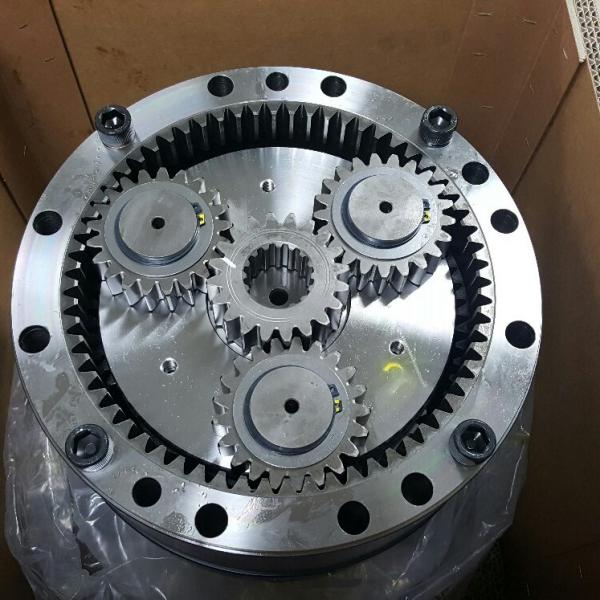
Introduction
The Grove AMZ66 is a versatile aerial work platform known for its robust performance in various industrial applications. Central to its mobility and stability is the swing gearbox, a critical component that enables the rotation of the upper structure. Understanding the function, maintenance, and troubleshooting of the swing gearbox is essential for ensuring the longevity and reliability of the AMZ66.
Understanding the Swing Gearbox
The swing gearbox, often referred to as the swing drive, is a mechanical assembly that facilitates the rotation of the upper structure of the AMZ66. It connects the hydraulic motor to the swing bearing, translating hydraulic power into rotational movement. Key components include: - Hydraulic Motor: Provides the necessary torque for rotation.
- Planetary Gear Set: Reduces the speed of the hydraulic motor to a usable level.
- Swing Bearing: Supports the upper structure and allows for smooth rotation.
- Seals and Bearings: Ensure fluid containment and reduce friction.
Common Issues and Troubleshooting
- Sluggish or No Rotation
- Possible Causes:
- Low hydraulic fluid levels or pressure.
- Worn-out seals or bearings.
- Contaminated hydraulic fluid.
- Solutions:
- Check and replenish hydraulic fluid levels.
- Inspect and replace seals and bearings as needed.
- Flush the hydraulic system to remove contaminants.
- Unusual Noises During Operation
- Possible Causes:
- Lack of lubrication.
- Damaged gears or bearings.
- Misalignment of components.
- Solutions:
- Ensure proper lubrication of all moving parts.
- Inspect gears and bearings for damage and replace if necessary.
- Check alignment and adjust as needed.
- Leaks Around the Gearbox
- Possible Causes:
- Damaged seals or gaskets.
- Loose bolts or fittings.
- Solutions:
- Replace damaged seals or gaskets.
- Tighten loose bolts and fittings to the manufacturer's specifications.
Maintenance Tips- Regular Inspection: Periodically check the swing gearbox for signs of wear, leaks, or unusual noises.
- Lubrication: Ensure all moving parts are adequately lubricated to reduce friction and wear.
- Hydraulic Fluid Maintenance: Regularly check hydraulic fluid levels and quality. Replace fluid as recommended by the manufacturer.
- Component Alignment: Ensure that all components are properly aligned to prevent undue stress and potential failure.
Replacement and Repair
When issues cannot be resolved through maintenance, replacement or repair of the swing gearbox may be necessary. It's crucial to use genuine parts to maintain the integrity and performance of the AMZ66. Consult the manufacturer's manual for specific part numbers and procedures.
Conclusion
The swing gearbox is a vital component of the Grove AMZ66, directly influencing its operational efficiency and safety. Regular maintenance and prompt attention to issues can prolong the lifespan of the gearbox and ensure the overall reliability of the equipment. Always refer to the manufacturer's guidelines and consult professionals when necessary to maintain optimal performance.
|
|
|
|
| Hydraulic Hose Replacement on Kubota KX080-3 |
|
Posted by: MikePhua - 08-23-2025, 09:52 PM - Forum: Parts , Attachments & Tools
- No Replies
|
|
Introduction
The Kubota KX080-3 is a robust mini-excavator commonly used in construction and landscaping projects. Over time, hydraulic hoses may wear out or become damaged, necessitating replacement. One of the more challenging tasks is replacing the main hydraulic hoses that run from the pump to the valve body, as they are routed under the cab, making access difficult.
Accessing the Hydraulic Hoses
The main hydraulic hoses are positioned beneath the cab, adjacent to the engine firewall, and extend to the valve body. This placement restricts direct access, and while some operators have attempted to replace these hoses without raising the cab, it is generally advised to elevate the cab for better accessibility. Attempting the replacement without proper access can lead to difficulties in removing and installing the hoses, potentially causing damage to surrounding components.
Procedure for Raising the Cab
- Preparation: Ensure the excavator is on a stable, level surface. Engage the parking brake and shut down the engine. Disconnect the battery to prevent any electrical hazards.
- Cab Lifting Mechanism: The KX080-3 is equipped with a hydraulic cab-tilt system. Locate the hydraulic release valve or mechanism that allows the cab to tilt. Consult the operator's manual for the exact location and procedure.
- Raising the Cab: Activate the cab-tilt mechanism to raise the cab. Support the cab securely once elevated to prevent accidental lowering.
- Securing the Cab: Use appropriate safety supports or locking mechanisms to keep the cab in the raised position during the hose replacement process.
Replacing the Hydraulic Hoses
- Depressurize the System: Before disconnecting any hydraulic lines, relieve the system pressure to prevent fluid spray and potential injury.
- Remove Old Hoses: Carefully disconnect the old hoses from the pump and valve body. Note the routing and connections for accurate installation of the new hoses.
- Install New Hoses: Route the new hoses in the same path as the old ones, ensuring they are secured with clamps to prevent movement and potential abrasion. Connect the hoses to the pump and valve body, tightening the fittings to the manufacturer's specifications.
- Check for Leaks: After installation, lower the cab and reconnect the battery. Start the engine and operate the hydraulic system to check for any leaks or abnormal noises. If any issues are detected, shut down the engine and address the problem before resuming operation.
Maintenance Tips- Regular Inspections: Periodically check hydraulic hoses for signs of wear, leaks, or abrasion. Early detection can prevent unexpected failures.
- Use Genuine Parts: Always use OEM (Original Equipment Manufacturer) hoses and components to ensure compatibility and reliability.
- Proper Routing: Ensure hoses are routed away from sharp edges, hot surfaces, or moving parts to prolong their service life.
Conclusion
Replacing the main hydraulic hoses on the Kubota KX080-3 can be a challenging task due to their location beneath the cab. While some operators have attempted the replacement without raising the cab, it is generally recommended to elevate the cab for better access. Proper preparation, following the manufacturer's procedures, and using genuine parts will ensure a successful hose replacement and maintain the excavator's optimal performance.
|
|
|
|
| Troubleshooting Auxiliary Hydraulics on the Caterpillar 315DL Excavator |
|
Posted by: MikePhua - 08-23-2025, 09:52 PM - Forum: Troubleshooting & Diagnosing
- No Replies
|
|
Introduction
The Caterpillar 315DL is a versatile and compact hydraulic excavator widely used in construction, demolition, and landscaping. One of its key features is the auxiliary hydraulic system, which allows operators to power various attachments such as demolition grapples, augers, and compactors. However, like any complex hydraulic system, the auxiliary hydraulics can encounter issues that affect performance. This article delves into common problems associated with the 315DL's auxiliary hydraulics and provides insights into their causes and solutions.
Understanding the Auxiliary Hydraulic System
The auxiliary hydraulic system on the 315DL is designed to provide hydraulic flow to attachments independent of the main boom and arm functions. It typically comprises: - Auxiliary lines: These are hydraulic hoses running from the main hydraulic system to the attachment points on the boom or arm.
- Control valves: These valves regulate the flow of hydraulic fluid to the attachment, allowing for functions such as opening and closing a grapple.
- Solenoid valves: Electrically controlled valves that manage the activation of the auxiliary hydraulics.
- Pressure and flow settings: Adjustable parameters that determine the output pressure and flow rate to the attachment.
Common Issues with Auxiliary Hydraulics
- Insufficient Flow or Pressure
Operators may notice that the attachment operates sluggishly or not at all. In the case of a demolition grapple, for instance, it might close but fail to open. This issue can arise from several factors:- Incorrect flow settings: The auxiliary hydraulic flow may be set too low for the attachment's requirements.
- Faulty control valves: If the control valve is malfunctioning, it may not direct the hydraulic fluid correctly.
- Clogged filters or hoses: Debris or contaminants can obstruct the flow of hydraulic fluid.
- Worn-out hydraulic pump: Over time, the pump may lose efficiency, leading to reduced hydraulic pressure.
- Electrical Issues
Since solenoid valves control the activation of auxiliary hydraulics, electrical problems can prevent proper operation:- Damaged wiring or connectors: Broken or corroded connections can interrupt the signal to the solenoid valve.
- Faulty solenoid valve: The solenoid itself may fail, preventing the valve from opening or closing as needed.
- ECM (Electronic Control Module) errors: The ECM may not send the correct signals due to software glitches or sensor failures.
- Attachment Compatibility
Not all attachments are compatible with the 315DL's auxiliary hydraulics. Using an attachment with incorrect pressure or flow requirements can lead to operational issues or even damage the hydraulic system.
Diagnostic Steps
To identify the root cause of auxiliary hydraulic issues, follow these steps:
- Check the auxiliary flow settings: Ensure that the flow rate is appropriate for the attachment in use.
- Inspect the control valves: Look for signs of wear or damage that could impede fluid flow.
- Examine the hydraulic lines: Check for leaks, kinks, or blockages in the hoses.
- Test the solenoid valve: Use a multimeter to check for continuity and proper operation.
- Verify the ECM signals: Ensure that the ECM is sending the correct signals to the solenoid valve.
- Consult the service manual: Refer to the Caterpillar 315DL service manual for specific troubleshooting procedures and specifications.
Maintenance Tips
Regular maintenance can prevent many auxiliary hydraulic issues:- Change hydraulic filters: Replace filters at recommended intervals to prevent contamination.
- Use clean hydraulic fluid: Ensure that the hydraulic fluid is clean and at the correct level.
- Inspect hoses and fittings: Regularly check for signs of wear or leaks.
- Calibrate the auxiliary flow settings: Adjust the flow settings as needed to match the attachment's requirements.
- Update ECM software: Keep the ECM software up to date to ensure optimal performance.
Conclusion
The auxiliary hydraulic system on the Caterpillar 315DL is a vital component that enhances the machine's versatility. By understanding its components and common issues, operators can troubleshoot and resolve problems efficiently. Regular maintenance and adherence to manufacturer guidelines will ensure the longevity and reliability of the auxiliary hydraulics, keeping the 315DL performing at its best.
|
|
|
|
| Liebherr R954C Excavator |
|
Posted by: MikePhua - 08-23-2025, 09:51 PM - Forum: General Discussion
- No Replies
|
|
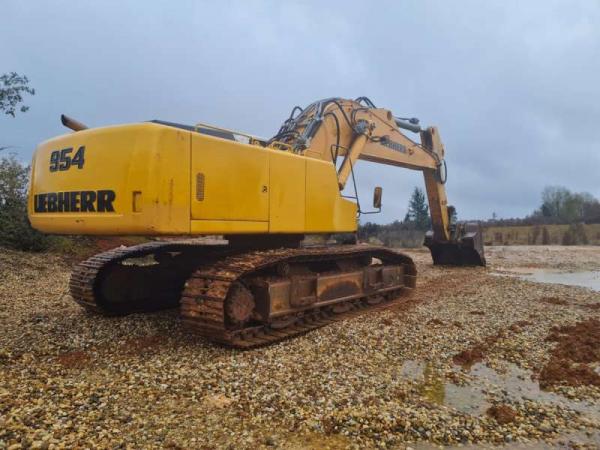
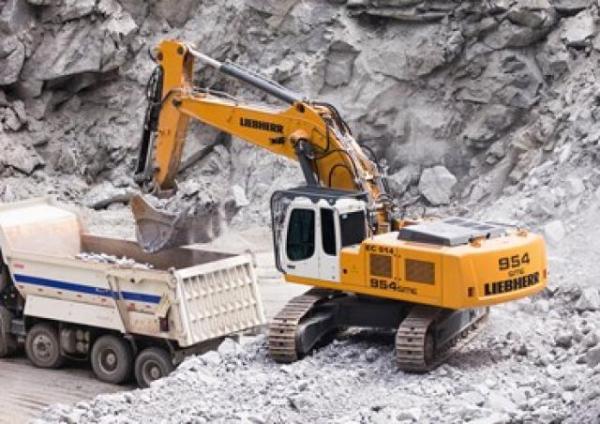
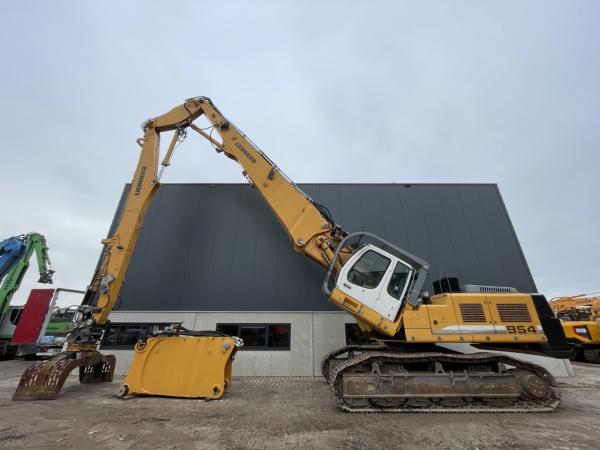
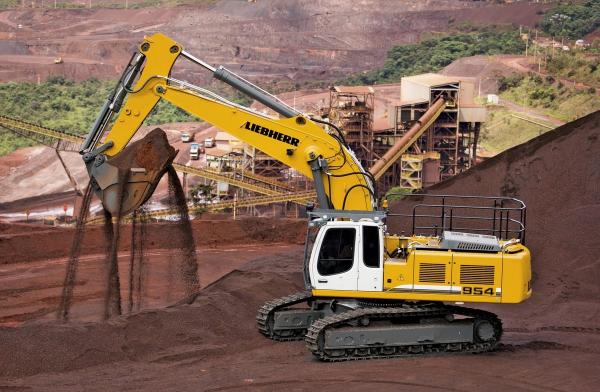
Introduction
The Liebherr R954C is a robust and versatile crawler excavator designed for heavy-duty applications in construction, mining, and demolition. Manufactured between 2005 and 2012, the R954C series has been a reliable choice for operators seeking performance and durability in challenging environments.
Development and History
Liebherr, a renowned German manufacturer of construction machinery, introduced the R954C as part of its R900 series. The R954C was engineered to meet the increasing demands for higher lifting capacities and enhanced operational efficiency in the mid-2000s. Its design incorporated advanced hydraulic systems and reinforced structures to handle the rigors of intensive work sites.
Specifications
The R954C is equipped with a 6-cylinder in-line diesel engine delivering 240 kW (326 HP), providing the necessary power for demanding tasks. The operating weight varies depending on the configuration, ranging from 49,200 kg to 57,000 kg. The excavator's bucket capacity spans from 1.30 to 3.00 m³, accommodating various material handling needs.
Key dimensions include a shipping length of 12.15 meters, a width of 3.715 meters, and a height of 3.9 meters. The track width is 600 mm, ensuring stability and maneuverability on uneven terrains. The machine's maximum digging depth reaches up to 8.3 meters, with a maximum horizontal reach of 12 meters, making it suitable for deep excavation tasks.
Performance and Capabilities
The R954C's hydraulic system is designed for high efficiency, offering powerful digging forces and smooth operation. The reinforced undercarriage and heavy-duty attachments enhance the machine's durability, allowing it to perform effectively in demanding conditions. The excavator's stability and lifting capacities are further optimized through its advanced design and engineering.
Applications
The R954C is well-suited for a variety of applications, including: - Construction: Excavating foundations, trenching, and site preparation.
- Mining: Overburden removal and material handling.
- Demolition: Dismantling structures and material sorting.
- Landscaping: Grading and land development.
Operator Comfort and Safety
Liebherr prioritized operator comfort and safety in the R954C's design. The cabin is spacious and ergonomically arranged, featuring air conditioning and low-noise levels to reduce operator fatigue. The machine's controls are intuitively placed, and visibility is optimized, enhancing safety during operation.
Maintenance and Durability
The R954C is built for longevity, with components designed to withstand the stresses of heavy-duty work. Regular maintenance is facilitated by easily accessible service points and a user-friendly maintenance interface. The machine's design minimizes downtime, contributing to higher productivity and lower operational costs.
Conclusion
The Liebherr R954C crawler excavator stands as a testament to Liebherr's commitment to quality and innovation. Its powerful performance, versatile capabilities, and operator-friendly design have made it a valuable asset in various industries. For operators seeking a reliable and efficient excavator, the R954C remains a commendable choice.
|
|
|
|
|



