| Welcome, Guest |
You have to register before you can post on our site.
|
| Forum Statistics |
» Members: 79
» Latest member: cioCruch
» Forum threads: 47,411
» Forum posts: 47,417
Full Statistics
|
| Online Users |
There are currently 227 online users.
» 0 Member(s) | 215 Guest(s)
Ahrefs, Amazon, Applebot, Baidu, Bing, Claude, DotBot, Google, OpenAI, Petalbot, Semrush
|
| Latest Threads |
Identifying and Sourcing ...
Forum: Parts , Attachments & Tools
Last Post: MikePhua
01-07-2026, 06:29 PM
» Replies: 0
» Views: 495
|
Cat 931B Brake Parts
Forum: Parts , Attachments & Tools
Last Post: MikePhua
01-07-2026, 06:29 PM
» Replies: 0
» Views: 276
|
Choosing Between Cat 228,...
Forum: General Discussion
Last Post: MikePhua
01-07-2026, 06:28 PM
» Replies: 0
» Views: 519
|
Hydraulic Delay When Lowe...
Forum: Troubleshooting & Diagnosing
Last Post: MikePhua
01-07-2026, 06:27 PM
» Replies: 0
» Views: 435
|
Bale Chopper and Mulcher ...
Forum: General Discussion
Last Post: MikePhua
01-07-2026, 06:26 PM
» Replies: 0
» Views: 307
|
Mini UC Maintenance
Forum: General Discussion
Last Post: MikePhua
01-07-2026, 06:25 PM
» Replies: 0
» Views: 296
|
Locating Wiring Informati...
Forum: General Discussion
Last Post: MikePhua
01-07-2026, 06:24 PM
» Replies: 0
» Views: 332
|
Case Industrial Brown Sub...
Forum: Parts , Attachments & Tools
Last Post: MikePhua
01-07-2026, 06:23 PM
» Replies: 0
» Views: 269
|
Dirt Work in West Virgini...
Forum: Construction & Urban Infrastructure Forum
Last Post: MikePhua
01-07-2026, 06:23 PM
» Replies: 0
» Views: 366
|
D207 P Hydraulic Steering...
Forum: Parts , Attachments & Tools
Last Post: MikePhua
01-07-2026, 06:22 PM
» Replies: 0
» Views: 296
|
|
|
| Champion C70A Motor Grader Hydrostatic Drive Troubleshooting |
|
Posted by: MikePhua - 08-23-2025, 09:37 PM - Forum: Troubleshooting & Diagnosing
- No Replies
|
 |
Introduction
The Champion C70A motor grader, a product of Champion Road Machinery, is renowned for its durability and performance in various construction and grading applications. However, like any complex machinery, it is susceptible to operational issues, particularly concerning its hydrostatic drive system. Understanding the common problems and maintenance practices can help operators and technicians address these challenges effectively.
Hydrostatic Drive System Overview
The hydrostatic drive system in the Champion C70A utilizes hydraulic pumps and motors to transmit power to the wheels, allowing for smooth and variable speed control. This system offers advantages such as precise control and reduced mechanical wear compared to traditional mechanical drive systems. However, its performance is highly dependent on the condition of hydraulic components and the quality of the hydraulic fluid.
Common Issues and Symptoms
- Loss of Forward Motion
Operators have reported instances where the grader moves in reverse with normal power but struggles to move forward, often stalling after a short distance. This issue can be indicative of problems within the hydrostatic drive system, such as:- Air or water contamination in the hydraulic fluid.
- Faulty or worn hydraulic pumps or motors.
- Clogged or restricted hydraulic lines.
- Improper hydraulic fluid levels or quality.
- Erratic or Unresponsive Operation
Inconsistent or unresponsive movement can occur due to:- Contaminated or aerated hydraulic fluid.
- Malfunctioning control valves or sensors.
- Leaks in the hydraulic system leading to pressure drops.
- Overheating
Excessive heat buildup can result from:- Inadequate cooling of the hydraulic fluid.
- Overfilled hydraulic fluid reservoirs.
- Restricted airflow around the hydraulic components.
Diagnostic and Maintenance Procedures
- Hydraulic Fluid Inspection
- Check for signs of contamination, such as discoloration or the presence of water.
- Verify the fluid level and top up if necessary, using the manufacturer-recommended hydraulic fluid.
- Replace the hydraulic fluid and filters if contamination is detected.
- System Pressure Testing
- Use pressure gauges to test the hydraulic system's pressure at various points.
- Compare readings with the specifications provided in the service manual to identify deviations.
- Component Inspection
- Inspect hydraulic pumps, motors, and valves for signs of wear or damage.
- Check hydraulic lines for blockages or leaks.
- Examine sensors and control valves for proper operation.
- Cooling System Check
- Ensure that the hydraulic cooler is clean and free from obstructions.
- Verify that the cooling fan operates correctly and that airflow is not restricted.
Preventive Maintenance Tips- Regular Fluid Changes: Adhere to the manufacturer's recommended intervals for changing hydraulic fluid and filters to maintain system cleanliness and efficiency.
- Monitor Fluid Quality: Regularly check the condition of the hydraulic fluid for signs of contamination or degradation.
- System Inspections: Conduct routine inspections of the hydraulic system components to identify potential issues before they lead to failures.
- Proper Storage: Store hydraulic fluid in clean, sealed containers to prevent contamination during handling and refilling.
Conclusion
The hydrostatic drive system in the Champion C70A motor grader is a critical component that requires regular maintenance and attention to ensure optimal performance. By understanding common issues, implementing diagnostic procedures, and adhering to preventive maintenance practices, operators can minimize downtime and extend the lifespan of their equipment. For detailed service procedures and specifications, refer to the official Champion service manuals and consult with authorized service providers.
|

|
|
| Replacing the Orbital Steering Valve on the Lull 644TT-34 Highlander II Telehandler |
|
Posted by: MikePhua - 08-23-2025, 09:36 PM - Forum: Troubleshooting & Diagnosing
- No Replies
|
|
The Lull 644TT-34 Highlander II telehandler, a robust piece of equipment introduced by JLG Industries, has been a staple in construction and material handling since its debut. With a lift capacity of 6,000 lbs and a maximum lift height of 34 feet, it offers versatility and power for various tasks. However, like all machinery, its components, such as the orbital steering valve, can wear out over time, leading to steering issues.
Understanding the Orbital Steering Valve
The orbital steering valve is a crucial component in the hydraulic steering system of the telehandler. It translates the driver's steering input into hydraulic pressure, directing fluid to the steering cylinders, which in turn move the wheels. A malfunctioning valve can result in erratic or unresponsive steering, posing safety risks on the job site.
Identifying Symptoms of a Faulty Steering Valve
Common signs of a failing orbital steering valve include: - Unresponsive Steering: Difficulty in turning the steering wheel or delayed wheel movement.
- Erratic Steering Behavior: Wheels turning unpredictably or not returning to center.
- Hydraulic Fluid Leaks: Visible leaks around the valve or steering cylinders.
- Increased Steering Effort: Heavier than usual steering, indicating potential internal resistance.
If these issues arise, it's imperative to inspect the orbital steering valve promptly to prevent further damage and ensure operator safety.
Steps to Replace the Orbital Steering Valve
- Safety Precautions: Before beginning, ensure the telehandler is on a stable surface, the engine is off, and the hydraulic pressure is relieved.
- Locate the Valve: The orbital steering valve is typically mounted on the steering column or near the steering cylinders. Refer to the Lull 644TT-34 service manual for precise location details.
- Disconnect Hydraulic Lines: Carefully disconnect the hydraulic lines from the valve, using appropriate tools to prevent damage.
- Remove the Faulty Valve: Unbolt and remove the old valve from its mounting position.
- Install the New Valve: Position the new orbital steering valve and secure it with bolts.
- Reconnect Hydraulic Lines: Attach the hydraulic lines to the new valve, ensuring all connections are tight and leak-free.
- Bleed the System: Activate the steering system to remove any air trapped in the hydraulic lines, ensuring smooth operation.
- Test the Steering: Operate the telehandler to verify that the steering functions correctly and there are no leaks.
Sourcing a Replacement Orbital Steering Valve
Replacement valves can be sourced from various suppliers:- OEM Parts: Original Equipment Manufacturer parts ensure compatibility and reliability.
- Aftermarket Suppliers: Companies like Eaton, Char-Lynn, and Danfoss offer compatible orbital steering valves.
- Used Parts: For budget-conscious operators, used valves from reputable dealers can be a viable option.
When selecting a replacement, ensure it matches the specifications of the original valve to maintain optimal performance.
Maintenance Tips to Prolong Valve Life- Regular Inspections: Periodically check for signs of wear or leaks around the steering system.
- Hydraulic Fluid Maintenance: Use the recommended hydraulic fluid and change it at intervals specified in the service manual.
- Seal Checks: Inspect seals for wear and replace them as needed to prevent contamination.
- Avoid Overloading: Operating within the telehandler's rated capacity reduces strain on the steering system.
Real-World Considerations
Operators have reported that addressing steering issues promptly not only restores functionality but also enhances safety on the job site. For instance, one operator noted that after replacing the orbital steering valve, the telehandler's maneuverability improved significantly, reducing the risk of accidents.
Conclusion
The orbital steering valve plays a pivotal role in the Lull 644TT-34 Highlander II telehandler's performance. Regular maintenance and timely replacement of this component ensure smooth operation and safety. By following the outlined steps and sourcing quality replacement parts, operators can keep their equipment running efficiently for years to come.
|
|
|
|
| Caterpillar 320B Excavator: Specifications, Maintenance, and Parts Identification |
|
Posted by: MikePhua - 08-23-2025, 08:59 PM - Forum: General Discussion
- No Replies
|
|
Introduction
The Caterpillar 320B excavator, produced from 1992 to 2007, stands as a testament to Caterpillar's commitment to engineering excellence in the construction machinery sector. This mid-sized hydraulic excavator was designed to deliver optimal performance in various applications, including construction, mining, and demolition. Understanding its specifications, maintenance requirements, and parts identification is crucial for operators and fleet managers to ensure longevity and efficiency.
Engine and Performance
At the heart of the 320B is the Cat 3066T diesel engine, renowned for its durability and fuel efficiency. This engine delivers a net power output of 128 horsepower (ISO 9249), enabling the excavator to perform demanding tasks with ease. The hydraulic system, complemented by a variable displacement piston pump, provides smooth and responsive operation, enhancing productivity on the job site.
Dimensions and Operating Weights
The 320B's dimensions vary depending on the specific configuration and attachments. However, typical specifications include: - Operating Weight: Approximately 42,770 lbs (19,400 kg)
- Transport Length: Around 31 ft 2 in (9.5 m)
- Transport Width: Approximately 9 ft 10 in (3.0 m)
- Transport Height: About 11 ft 4 in (3.5 m)
- Tail Swing Radius: Approximately 9 ft 3 in (2.8 m)
- Ground Clearance: Around 1 ft 6 in (0.46 m)
These dimensions make the 320B suitable for urban and confined-space operations, offering a balance between power and maneuverability.
Hydraulic System and Attachments
The hydraulic system of the 320B is designed to provide high lifting and digging forces, contributing to its versatility. Common attachments include:- Buckets: Various sizes for digging and material handling
- Hydraulic Hammers: For breaking concrete and rock
- Thumbs: For handling irregularly shaped materials
- Augers: For drilling holes in the ground
Each attachment requires specific hydraulic flow rates and pressure settings, which should be verified against the machine's specifications to ensure compatibility and optimal performance.
Maintenance and Common Issues
Regular maintenance is vital to prolong the lifespan of the 320B and maintain its performance. Common maintenance tasks include:- Engine Oil and Filter Changes: To ensure proper lubrication and engine health.
- Hydraulic Fluid and Filter Replacement: To maintain hydraulic system efficiency.
- Track Tension Adjustment: To prevent excessive wear and ensure proper ground contact.
- Cooling System Inspection: To prevent overheating and potential engine damage.
Operators should also be aware of common issues such as hydraulic leaks, undercarriage wear, and electrical system faults. Prompt diagnosis and repair of these issues can prevent costly downtime.
Parts Identification and Serial Numbers
Accurate parts identification is essential for effective maintenance and repair. The 320B utilizes a system of part numbers that correspond to specific components. For example, the bucket cylinder seal kit for the 320B includes:- Cylinder Numbers: 1232044
- Rod Diameter: 90 mm
- Bore Diameter: 130 mm
- Seal Kit Type: Type 1
These part numbers can be cross-referenced using Caterpillar's parts manuals or online parts lookup tools to ensure compatibility and correct ordering.
Conclusion
The Caterpillar 320B excavator remains a reliable and versatile machine in the construction industry. By understanding its specifications, adhering to maintenance schedules, and accurately identifying parts, operators can maximize the machine's performance and longevity. For detailed parts information and service manuals, referring to Caterpillar's official resources or authorized dealers is recommended.
|
|
|
|
| Identifying the Correct Part Number for a Caterpillar 320B Excavator with Serial Number 5MS00221 |
|
Posted by: MikePhua - 08-23-2025, 08:58 PM - Forum: General Discussion
- No Replies
|
|
Introduction
Accurately identifying the correct part number for specific components of heavy machinery, such as the Caterpillar 320B excavator, is crucial for effective maintenance and repair. The serial number of the machine plays a vital role in determining the exact specifications and compatible parts. In this case, the serial number 5MS00221 corresponds to a Caterpillar 320B model, which was part of Caterpillar's medium-sized hydraulic excavator lineup produced during the 1990s and early 2000s.
Understanding the Importance of Serial Numbers
Caterpillar assigns unique serial numbers to each piece of equipment, which are essential for identifying the machine's specific configuration, manufacturing details, and compatible parts. For the 320B series, serial numbers starting from 5MS00001 are used, indicating that 5MS00221 falls within this range. This specificity ensures that maintenance and replacement parts are tailored to the exact requirements of the machine, enhancing performance and longevity.
Common Components and Their Part Numbers
Several components of the Caterpillar 320B excavator have well-documented part numbers. For instance, the bucket cylinder seal kit for the 320B, 320B L, 320B LN, 320B N, and 320B S models with serial numbers 5MS00001 and up includes: - Cylinder Numbers: 1232044
- Rod Diameter: 90 mm
- Bore Diameter: 130 mm
- Seal Kit Type: Type 1
This seal kit is designed to rebuild or repair the bucket cylinder, ensuring proper sealing and functionality. It's important to note that while this part is compatible with serial numbers starting from 5MS00001, it's always advisable to verify compatibility with the specific machine in question.
Utilizing Caterpillar's Parts Lookup Tools
To accurately identify part numbers for specific components, Caterpillar provides online resources such as the and the . By entering the machine's serial number, users can access detailed parts diagrams and manuals, facilitating the identification of the correct parts for maintenance and repair tasks.
Conclusion
Determining the correct part number for a Caterpillar 320B excavator with serial number 5MS00221 involves understanding the machine's specific configuration and utilizing resources like Caterpillar's parts lookup tools. By ensuring the use of accurate part numbers, operators and technicians can maintain the machine's performance and extend its operational lifespan.
|
|
|
|
| Grease Frequency in Heavy Equipment Maintenance |
|
Posted by: MikePhua - 08-23-2025, 08:57 PM - Forum: General Discussion
- No Replies
|
|
Introduction
Regular greasing is a cornerstone of effective maintenance for heavy machinery. Proper lubrication reduces friction, prevents wear, and extends the lifespan of components such as pins, bushings, and bearings. However, determining the correct grease frequency is essential—too little can lead to premature wear, while over-greasing can cause contamination and seal damage.
Factors Influencing Grease Frequency
- Manufacturer Recommendations
Always consult the equipment's operator manual for specific lubrication intervals. For instance, some manufacturers may recommend greasing every 50 hours for certain components, while others might suggest longer intervals for different parts. Adhering to these guidelines ensures optimal performance and longevity of the machinery.
- Operating Conditions
The environment in which the equipment operates significantly impacts lubrication needs. Machines working in dusty, wet, or high-temperature conditions may require more frequent greasing to combat contaminants and heat-induced grease breakdown. Conversely, equipment in cleaner, cooler environments might need less frequent lubrication.
- Usage Intensity
Heavy-duty operations with high cycles or loads demand more frequent lubrication. For example, a loader operating in a quarry will experience more stress on its joints than one used in light landscaping, necessitating more frequent greasing.
- Type of Grease
The choice of grease affects lubrication intervals. High-quality, synthetic greases often last longer and perform better under extreme conditions, potentially extending the time between applications. It's crucial to select the appropriate grease type as per the manufacturer's specifications.
Best Practices for Greasing- Daily Inspections: Incorporate greasing into the daily maintenance routine, especially for high-use equipment. This practice helps in identifying potential issues early and ensures consistent lubrication.
- Cleanliness: Before applying new grease, clean the grease fittings to prevent introducing contaminants into the system. Dirt and debris can compromise the effectiveness of the lubrication.
- Proper Application: Apply grease until fresh lubricant begins to emerge from the bearing or joint, indicating that the old grease has been purged. Avoid over-greasing, as excessive lubricant can attract contaminants and cause seal damage.
- Regular Monitoring: Keep detailed records of lubrication activities, including dates, components serviced, and any anomalies observed. This documentation aids in tracking maintenance schedules and identifying recurring issues.
Conclusion
Establishing a consistent and informed greasing schedule tailored to the specific needs of the equipment and its operating conditions is vital. By balancing manufacturer guidelines with practical observations, operators can ensure the longevity and reliability of their heavy machinery. Regular greasing not only protects components but also contributes to the overall efficiency and cost-effectiveness of operations.
|
|
|
|
| Hydraulic System Troubleshooting in Hyundai 130LC-3 Excavators |
|
Posted by: MikePhua - 08-23-2025, 08:55 PM - Forum: Troubleshooting & Diagnosing
- No Replies
|
|
Introduction
The Hyundai 130LC-3 excavator, a prominent model in Hyundai's Robex series, is renowned for its robust performance and advanced hydraulic system. However, like all complex machinery, it is susceptible to hydraulic issues that can impede its functionality. Understanding these potential problems and their solutions is crucial for maintaining optimal performance.
Common Hydraulic Issues
- Intermittent Loss of Hydraulic Power
Operators have reported sudden and unexplained loss of hydraulic power, rendering the machine inoperable mid-operation. This issue often arises from electrical malfunctions, such as faulty sensors or wiring problems. For instance, a broken wire near the throttle activator can prevent the engine from ramping up, leading to insufficient hydraulic pressure.
- Engine Stalling Under Load
Another prevalent issue is the engine stalling when the hydraulic system is under load. This can occur after prolonged operation, especially when the machine is working at full capacity. The problem may stem from clogged filters, degraded hydraulic fluid, or issues with the hydraulic pump.
- Erratic Hydraulic Functioning
Some users have experienced erratic hydraulic behavior, where the system intermittently locks out, causing the machine to stop moving or operating the boom. This malfunction can be attributed to issues with the hydraulic control valves or the hydraulic pump's performance.
Diagnostic and Troubleshooting Steps
- Electrical System Inspection
Begin by examining the electrical components, including sensors, wiring harnesses, and connectors. Corrosion or loose connections can disrupt the hydraulic system's operation. Ensure that all components are properly grounded and that the CAN bus communication lines are intact.
- Hydraulic Fluid Assessment
Check the hydraulic fluid for proper levels, cleanliness, and viscosity. Contaminated or low-quality fluid can lead to pump cavitation and reduced system efficiency. Regularly replacing the hydraulic fluid and filters is essential to maintain system health.
- Component Testing
Test individual components such as the hydraulic pump, control valves, and relief valves. Ensure that the pump is delivering the correct pressure and that valves are functioning as intended. Use diagnostic tools to monitor system performance and identify any anomalies.
Preventive Maintenance Recommendations- Regular Inspections
Conduct routine inspections of the hydraulic system, focusing on hoses, fittings, and seals for signs of wear or leaks.
- Timely Fluid Changes
Adhere to the manufacturer's recommendations for hydraulic fluid replacement intervals to prevent contamination and maintain system efficiency.
- System Calibration
Periodically calibrate the hydraulic system to ensure that all components are operating within specified parameters.
Conclusion
The Hyundai 130LC-3 excavator's hydraulic system is integral to its performance and productivity. By understanding common issues, implementing effective troubleshooting techniques, and adhering to preventive maintenance practices, operators can ensure the longevity and reliability of their equipment. Staying proactive in maintenance and addressing issues promptly will minimize downtime and enhance operational efficiency.
|
|
|
|
| John Deere 315D Backhoe Loader Gearbox Issues |
|
Posted by: MikePhua - 08-23-2025, 08:55 PM - Forum: Parts , Attachments & Tools
- No Replies
|
|
The John Deere 315D backhoe loader, a robust machine designed for construction and agricultural tasks, has been reported to experience gearbox-related issues. These problems can manifest in various ways, affecting the machine's performance and efficiency.
Common Gearbox Problems
- Clicking Noise During Forward Motion
Operators have noted a distinct clicking noise emanating from the gearbox when the machine moves forward. This noise often increases in frequency as the machine accelerates through different gears. Interestingly, the sound is typically absent when the machine moves in reverse. Such symptoms suggest potential issues within the gearbox assembly.
- Loss of Drive
Another prevalent issue is the sudden loss of drive, where the machine fails to move forward or backward despite the engine running. This can be particularly concerning for operators relying on the machine for critical tasks.
Potential Causes
Several factors can contribute to these gearbox-related problems:- Worn or Damaged Components: Over time, components within the gearbox can wear out or become damaged, leading to operational issues.
- Hydraulic System Failures: The 315D utilizes a hydrostatic transmission system. Failures in the hydraulic pump, valves, or clutch packs can result in loss of drive or erratic gearbox behavior.
- Electrical Malfunctions: Faulty sensors or wiring issues can disrupt the gearbox's electronic control systems, leading to improper gear engagement.
- Contaminated or Low Transmission Fluid: Insufficient or contaminated fluid can impair the gearbox's performance, causing slipping or failure to engage gears.
Diagnostic Steps
To accurately diagnose and address gearbox issues:
- Inspect Transmission Fluid: Check the fluid level and condition. Low or dirty fluid can lead to operational problems.
- Examine Hydraulic Components: Inspect the hydraulic pump, valves, and clutch packs for signs of wear or damage.
- Test Electrical Systems: Ensure that all sensors and wiring are functioning correctly and are free from faults.
- Listen for Unusual Noises: Pay attention to any abnormal sounds during operation, as they can provide clues about the nature of the problem.
Maintenance Recommendations
Regular maintenance can help prevent gearbox issues:- Routine Fluid Changes: Regularly replace the transmission fluid to ensure optimal performance.
- Component Inspections: Periodically check hydraulic components for signs of wear or damage.
- Electrical System Checks: Regularly test sensors and wiring to ensure proper functionality.
- Operator Training: Educate operators on the importance of proper machine operation and maintenance practices.
Conclusion
Gearbox issues in the John Deere 315D backhoe loader can stem from various sources, including mechanical wear, hydraulic system failures, and electrical malfunctions. By adhering to regular maintenance schedules and promptly addressing any signs of trouble, operators can ensure the longevity and reliability of their equipment.
|
|
|
|
| International Harvester TD-14 Steering Clutch System: Design, Maintenance, and Upgrades |
|
Posted by: MikePhua - 08-23-2025, 08:54 PM - Forum: Parts , Attachments & Tools
- No Replies
|
|
Introduction
The International Harvester TD-14 crawler tractor, introduced in the late 1940s, was a significant advancement in agricultural and construction machinery. One of its most notable features was its steering system, which utilized multiple dry-disc, spring-loaded steering clutches. These clutches allowed for precise control and maneuverability, essential for the tasks the TD-14 was designed to perform.
Steering Clutch Design
The TD-14's steering system comprised two multiple dry-disc clutches, each consisting of: - 13 fiber friction discs
- 12 steel discs
This configuration enabled the operator to engage or disengage power to either track independently, facilitating sharp turns and precise positioning. The clutches were actuated by a hydraulic booster, which was operated manually via a steering lever. This design was a hallmark of the TD-14's engineering, providing both power and finesse in operation.
Common Issues and Maintenance
Over time, the steering clutches of the TD-14 could encounter several issues:- Clutch Sticking: The friction discs could become stuck due to rust, dirt, or wear, leading to the inability to disengage the clutch properly.
- Slipping: Worn or damaged discs could cause the clutch to slip, reducing the effectiveness of steering.
- Hydraulic Failure: Issues with the hydraulic booster could impair the operator's ability to engage or disengage the clutch smoothly.
Maintenance procedures typically involved:- Disassembly: Carefully removing the clutch assembly to inspect for wear or damage.
- Cleaning: Thoroughly cleaning all components to remove debris and contaminants.
- Inspection: Checking the condition of the friction and steel discs, springs, and hydraulic components.
- Replacement: Replacing any worn or damaged parts with new or refurbished components.
Upgrades and Modernization
To enhance the performance and longevity of the steering clutches, many operators have opted for upgrades:- Bimetallic Friction Discs: Replacing the original fiber friction discs with bimetallic discs can offer several advantages:
- Increased Durability: Bimetallic discs are more resistant to wear and can withstand higher temperatures.
- Improved Friction Coefficient: These discs provide a higher coefficient of friction, leading to more responsive steering.
- Moisture Resistance: Bimetallic discs are less affected by moisture, reducing the likelihood of clutch sticking.
- Reduced Maintenance: The enhanced durability leads to longer intervals between maintenance and repairs.
- Compatibility: Bimetallic discs can be used in both the left and right steering clutches, simplifying inventory and maintenance procedures.
- Hydraulic System Enhancements: Upgrading the hydraulic booster to a more modern unit can improve the responsiveness and reliability of the steering system.
Legacy and Impact
The TD-14's steering clutch system set a standard for crawler tractors of its era. Its design influenced future models and remains a point of reference for vintage machinery enthusiasts and restorers. The ability to upgrade and maintain the steering system has ensured that many TD-14s continue to operate effectively, preserving a piece of agricultural and construction history.
In conclusion, the International Harvester TD-14's steering clutch system exemplifies the blend of innovation and practicality that characterized mid-20th-century machinery. Through understanding its design, addressing common issues, and implementing thoughtful upgrades, operators can continue to benefit from the TD-14's capabilities for years to come.
|
|
|
|
| Understanding Error Code 20151 on Kobelco SK140SRL Excavators |
|
Posted by: MikePhua - 08-23-2025, 08:54 PM - Forum: Troubleshooting & Diagnosing
- No Replies
|
|
Kobelco SK140SRL excavators are renowned for their efficiency and reliability in various construction and demolition tasks. However, like any complex machinery, they can encounter issues that require attention. One such issue is the appearance of error code 20151, which pertains to a specific malfunction within the machine's system.
What Does Error Code 20151 Indicate?
Error code 20151 on a Kobelco SK140SRL excavator signifies a "Common Rail Pressure Governor Deviation." This means that the fuel pressure regulator, which controls the pressure within the common rail system, is not operating within its designated parameters. The common rail system is crucial for the engine's performance, as it ensures precise fuel delivery to the injectors, optimizing combustion efficiency.
Potential Causes of Code 20151
Several factors can lead to the activation of error code 20151: - Faulty Fuel Pressure Regulator: If the regulator fails, it cannot maintain the required fuel pressure, leading to deviations.
- Clogged Fuel Filters: Blockages can restrict fuel flow, causing pressure inconsistencies.
- Fuel Contamination: Impurities in the fuel can damage components and affect pressure regulation.
- Worn Fuel Injectors: Malfunctioning injectors can disrupt the balance of the common rail system.
- Electrical Issues: Wiring problems or sensor malfunctions can send incorrect signals to the engine control unit (ECU).
Implications of the Error
When error code 20151 appears, the excavator may experience several symptoms:- Reduced Engine Power: Inability to maintain optimal fuel pressure can lead to sluggish performance.
- Increased Fuel Consumption: Inefficient fuel delivery can cause the engine to burn more fuel than necessary.
- Engine Stalling: In severe cases, the engine may stall due to improper fuel supply.
- Potential Damage to Engine Components: Prolonged operation under these conditions can lead to wear and tear on engine parts.
Diagnostic Steps
To address error code 20151, follow these diagnostic steps:
- Inspect the Fuel Pressure Regulator: Check for any signs of wear or malfunction.
- Examine Fuel Filters: Ensure they are clean and free from blockages.
- Test Fuel Injectors: Verify their operation and look for any irregularities.
- Check Electrical Connections: Inspect wiring and sensors for any faults.
- Use Diagnostic Tools: Employ specialized equipment to read ECU codes and pinpoint issues.
Solutions and Recommendations
Depending on the findings from the diagnostic steps, consider the following solutions:- Replace Faulty Components: If any part is found to be defective, replace it with genuine Kobelco parts.
- Clean or Replace Fuel Filters: Ensure that the fuel system is free from contaminants.
- Calibrate the Fuel Pressure Regulator: Adjust settings to match manufacturer specifications.
- Repair Electrical Issues: Fix any wiring or sensor problems to restore proper communication with the ECU.
Preventive Measures
To prevent the recurrence of error code 20151:- Regular Maintenance: Adhere to the recommended maintenance schedule provided by Kobelco.
- Use Quality Fuel: Ensure that the fuel used is clean and free from contaminants.
- Monitor Engine Performance: Regularly check for any signs of reduced performance or unusual behavior.
- Train Operators: Ensure that all operators are well-trained and understand the importance of maintaining the machine in optimal condition.
Conclusion
Error code 20151 on a Kobelco SK140SRL excavator is a serious issue that requires prompt attention. By understanding its causes, implications, and solutions, operators can ensure the longevity and efficiency of their equipment. Regular maintenance and proactive measures are key to preventing such errors and keeping the excavator running smoothly.
|
|
|
|
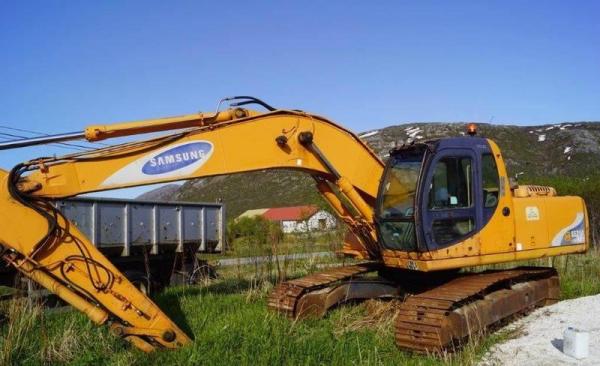
| Samsung SE210LC-3 Crawler Excavator: Specifications and Legacy |
|
Posted by: MikePhua - 08-23-2025, 08:53 PM - Forum: General Discussion
- No Replies
|
|
Introduction
The Samsung SE210LC-3 is a mid-sized crawler excavator that gained recognition in the late 1990s for its robust performance and versatility. Manufactured by Samsung Heavy Industries, this model was designed to meet the demands of various construction and excavation projects. Its reputation for reliability and durability has made it a sought-after choice in the used equipment market.
Key Specifications - Engine: Equipped with a Cummins B5.9-C engine, delivering a rated output of 146 horsepower. This engine provides the necessary power for demanding excavation tasks.
- Operating Weight: Approximately 20.5 tons, making it suitable for a wide range of applications, from residential construction to large-scale infrastructure projects.
- Dimensions:
- Length: 42 ft 0 in (12.8 m)
- Width: 10 ft 6 in (3.2 m)
- Height: 10 ft 4 in (3.15 m)
- Ground Clearance: 1.51 ft (0.46 m)
- Track Width: 600 mm
- Shipping Length: 42 ft (12.8 m)
- Shipping Height: 10 ft 4 in (3.15 m)
- Hydraulic System:
- Hydraulic Pump Flow Capacity: 106 gallons per minute (400 liters per minute)
- Hydraulic System Relief Valve Pressure: 4,980 psi (34.3 MPa)
- Swing Speed: 11.6 rpm
- Bucket Capacity: Ranges from 0.5 to 1.13 cubic meters, depending on the specific configuration and attachments used.
Performance and Applications
The SE210LC-3's combination of power and size allows it to excel in various tasks:- Excavation: Efficiently digging trenches, foundations, and other earthworks.
- Material Handling: Transporting and placing materials on construction sites.
- Demolition: Assisting in the demolition of structures through precise and controlled movements.
- Landscaping: Shaping and leveling land for landscaping projects.
Its versatility makes it a valuable asset for contractors and construction companies.
Legacy and Market Presence
Samsung Heavy Industries, a division of the Samsung Group, produced the SE210LC-3 as part of its line of construction equipment. In 1998, Volvo Construction Equipment acquired Samsung's construction equipment division, leading to the integration of Samsung models into Volvo's product lineup. The SE210LC-3, along with other Samsung models, contributed to Volvo's expanded presence in the global construction equipment market.
Conclusion
The Samsung SE210LC-3 crawler excavator stands as a testament to engineering excellence, offering a blend of power, efficiency, and versatility. Its legacy continues through its integration into Volvo's product offerings, ensuring that its impact on the construction industry endures. For those seeking a reliable and capable machine, the SE210LC-3 remains a noteworthy option in the used equipment market.
|
|
|
|
|



