| Welcome, Guest |
You have to register before you can post on our site.
|
| Forum Statistics |
» Members: 79
» Latest member: cioCruch
» Forum threads: 47,411
» Forum posts: 47,417
Full Statistics
|
| Online Users |
There are currently 173 online users.
» 0 Member(s) | 163 Guest(s)
Ahrefs, Amazon, Applebot, Baidu, Bing, Bytespider, Claude, Petalbot, Semrush
|
| Latest Threads |
Identifying and Sourcing ...
Forum: Parts , Attachments & Tools
Last Post: MikePhua
01-07-2026, 06:29 PM
» Replies: 0
» Views: 504
|
Cat 931B Brake Parts
Forum: Parts , Attachments & Tools
Last Post: MikePhua
01-07-2026, 06:29 PM
» Replies: 0
» Views: 280
|
Choosing Between Cat 228,...
Forum: General Discussion
Last Post: MikePhua
01-07-2026, 06:28 PM
» Replies: 0
» Views: 529
|
Hydraulic Delay When Lowe...
Forum: Troubleshooting & Diagnosing
Last Post: MikePhua
01-07-2026, 06:27 PM
» Replies: 0
» Views: 438
|
Bale Chopper and Mulcher ...
Forum: General Discussion
Last Post: MikePhua
01-07-2026, 06:26 PM
» Replies: 0
» Views: 316
|
Mini UC Maintenance
Forum: General Discussion
Last Post: MikePhua
01-07-2026, 06:25 PM
» Replies: 0
» Views: 304
|
Locating Wiring Informati...
Forum: General Discussion
Last Post: MikePhua
01-07-2026, 06:24 PM
» Replies: 0
» Views: 339
|
Case Industrial Brown Sub...
Forum: Parts , Attachments & Tools
Last Post: MikePhua
01-07-2026, 06:23 PM
» Replies: 0
» Views: 273
|
Dirt Work in West Virgini...
Forum: Construction & Urban Infrastructure Forum
Last Post: MikePhua
01-07-2026, 06:23 PM
» Replies: 0
» Views: 371
|
D207 P Hydraulic Steering...
Forum: Parts , Attachments & Tools
Last Post: MikePhua
01-07-2026, 06:22 PM
» Replies: 0
» Views: 300
|
|
|
| Reviving Clutch Pedal Feel: Tackling the Return Spring Issue in the Kenworth T800 (2007) |
|
Posted by: MikePhua - 08-08-2025, 11:28 AM - Forum: Troubleshooting & Diagnosing
- No Replies
|
 |
What Goes Wrong—and Why It Matters
A common issue among Kenworth T800 drivers is when the clutch pedal doesn’t spring back fully. Typically, it floats in the final inches of its freeplay, which can disable cruise control and engine brake (Jake Brake)—forcing drivers to hold the pedal manually just to regain those features.
Technical Terms You Should Know - Freeplay: The small initial pedal travel before the clutch linkage engages.
- Return spring: A coil spring that pulls the pedal back into its resting position once released.
- Linkage/bellcrank: The mechanical arms and pivots that connect pedal movement to the clutch mechanism.
- Pedal cross‑shaft: A pivot point under the dash where the pedal rotates.
Where the Spring Lives—and How It’s Installed
The clutch return spring is mounted right behind the steering column. To reach it:- Remove the dash cover secured by four bolts.
- With the dash panel tipped back and wiring cleared, you’ll find the spring between the pedal cross-shaft and clutch linkage.
Step-by-Step Installation Tips- Start from the bottom hook: Attach the lower end of the spring to the steering column housing before attempting the upper connection.
- Use a looped mechanic’s wire to stretch the spring upward and hook it onto the upper linkage joint—this maneuver makes installation much simpler.
Real-World Fixes and Hacks- In the absence of the return spring, some operators have jury-rigged a bungee cord. It’s secured from the bellcrank by the clutch linkage and attached to a nearby bracket, pulling the pedal up enough to restore functionality temporarily.
Replacement Part Details- The OEM replacement spring carries part number K224-130 and is available from parts suppliers at a modest price—around $12—making it an affordable fix.
Quick Checklist: Spring Replacement Workflow- Remove steering column cover (4 bolts).
- Access and observe pedal linkage from above.
- Hook bottom end of spring first onto column housing.
- Stretch and attach spring top to linkage using wire or hook tool.
- Test pedal—ensure it returns into full freeplay range.
- Restore dash panel after testing.
Final Reflections
While the clutch return spring is compact and low-cost, its role is crucial—especially for smooth pedal action and maintaining cruise control and Jake Brake functions. Installing or replacing it is achievable with basic tools and some patience. A dash panel off and a bit of finesse with wire ensures the T800 pedal feels reliable and restores full control features.
|

|
|
| Custom Paint Schemes for Heavy Equipment: Trends, Safety, and Branding |
|
Posted by: MikePhua - 08-08-2025, 11:27 AM - Forum: General Discussion
- No Replies
|
|
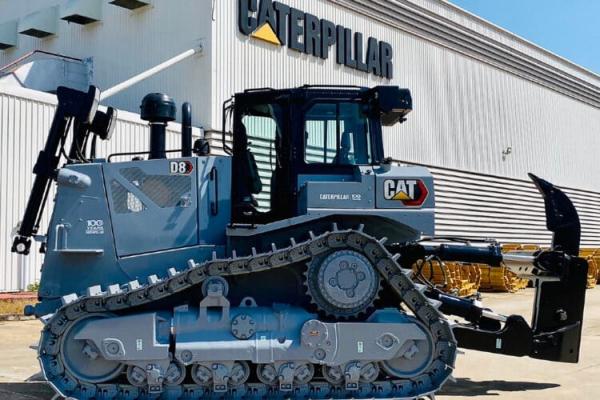
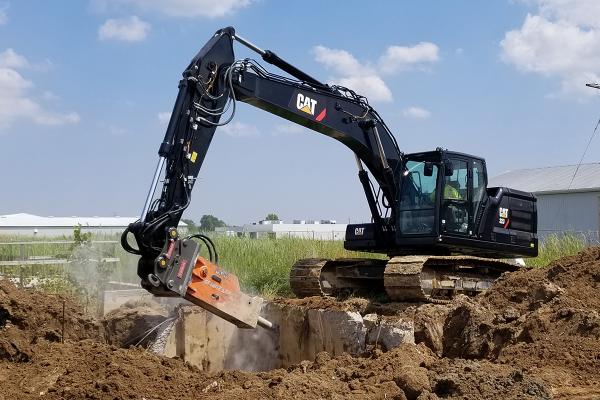
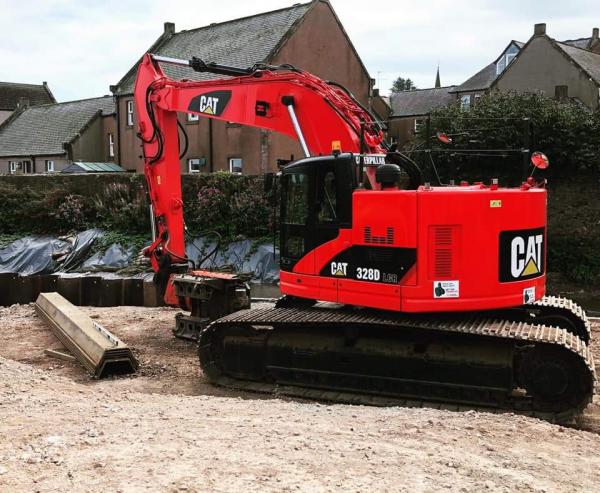
Why Yellow Reigns Supreme—and Why Some Go Red or Black
Yellow has become the standard color for most heavy equipment: more than 75 percent of excavators globally wear this hue. This isn’t just aesthetic—it’s about visibility, safety, and legacy. Yellow stands out in dusty, low-light conditions, automatically signaling caution and vibrant activity on-site. Workers intuitively associate it with construction, making it both practical and culturally embedded .
But not everyone conforms. Yanmar Compact Equipment adopted a bold Premium Red as its new factory livery—an intentional shift designed to break the monotony of yellow and express renewed confidence and focus on customers .
Caterpillar has also ventured beyond yellow for special projects. A flood of equipment painted Copart-blue was created to honor a partnership with an auction company, with the machine becoming a visible symbol of pride and customer appreciation .
Even more striking: for its centennial celebration, Caterpillar released a series of Limited Edition machines in “Centennial Grey”, recalling the company's earliest color schemes and signaling a nod to heritage .
Safety and Color: The Codes Behind the Choice
In industrial contexts, color isn’t just branding—it conveys vital meaning: - Red signals immediate hazards and emergency equipment.
- Yellow warns of potential risks, calling for caution.
- Orange denotes serious hazards between caution and danger .
Many manufacturers stick with yellow because it achieves both branding familiarity and safety compliance in one.
Branding Impact: How Color Becomes a Marketing Asset
Custom-painted equipment isn’t just eye-catching—it’s a mobile billboard:- Contractors who paint their fleet in distinctive colors’ve reported up to an 80 percent increase in brand recognition. At job sites, the equipment itself becomes a marketer, sparking conversations and building visibility for the company .
- One example: DC Excavation’s all-black Cat D6 bulldozer earned more attention than traditional ads ever could, becoming a statement piece on wheels.
Emerging Paint Trends from the Design World
While heavy equipment tends toward utilitarian tones, broader color trends are moving toward richer, more expressive hues:- Design-forecast platforms and paint brands like Sherwin-Williams anticipate a year filled with bold and earthy palettes—think deep greens, warm neutrals, jewel tones, and tactile textures .
- Rust-Oleum’s 2025 palette introduces comforting, nature-inspired colors like Earthy Green, Smokey Beige, and Gloss Burgundy—suggesting a rising demand for more nuanced and grounded aesthetics .
These trends may slowly push fleets beyond traditional yellows toward richer, more personality-driven schemes.
Real-World Transformations: Paint That Tells a Story- Schouten Excavating turned heads by repainting its fleet black to match its trucks—a bold choice that unified its brand appearance and left a strong public impression .
- Historical examples abound: Euclid Trucks, a major equipment maker from the early 20th century, painted its machines bright green, cementing a visual legacy that endures in vintage catalogs and restorations today .
Quick Reference: Paint Scheme Considerations
Traditional Colors- Yellow: Highly visible, trusted, safety-oriented
- International Orange / OSHA Orange: Used for safety marking and emergency components
Alternative Brand-Driven Colors- Red (e.g. Yanmar’s Premium Red): Distinctive, energetic, breaks convention
- Black (e.g. DC Excavation): Memorable, sleek, marketing-driven
- Grey (e.g. Caterpillar’s Centennial Grey): Heritage homage, collector appeal
Design & Trend Inspirations- Earthy Green, Smokey Beige, Warm Caramel, Gloss Burgundy
- Deep greens, jewel tones, soft neutrals—reflecting comfort and nature
Bottom Line
Color choices on heavy machinery mean more than meets the eye: they bridge safety, brand identity, and visual impact. Traditional yellow remains dominant for good reason, but companies increasingly tap color to express identity—whether through bold new liveries, custom models, or even historic throwbacks. Meanwhile, evolving design trends beckon a future where construction equipment might wander closer to the palettes of modern interiors—while still standing out in the dirt.
Let me know if you'd like help exploring practical steps for repainting a fleet or choosing a standout color scheme!
|
|
|
|
| Troubleshooting Loose Tracks on the Caterpillar D6C: Causes, Fixes, and Safety |
|
Posted by: MikePhua - 08-08-2025, 11:26 AM - Forum: Troubleshooting & Diagnosing
- No Replies
|
|
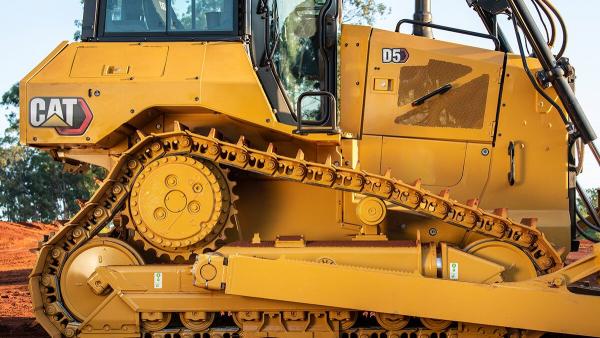
Understanding Track Tension and Adjustment Mechanisms
The Caterpillar D6C uses a hydraulic (grease) track adjuster to control track tension. A grease-filled cylinder pushes the front idler forward, tightening the track. To loosen it, a relief valve is opened to release grease and retract the idler.
Key Terms & Components - Hydraulic track adjuster: Uses grease pressure to adjust track tension.
- Idler: Front roller that determines track tightness.
- Relief valve: Releases pressure to reduce tension.
- Recoil spring: Helps absorb shock and stabilize the track.
- Seal: Prevents grease leakage from the adjuster cylinder.
Common Causes of Loose or Failing Tracks- Leaky or failed seals in the adjuster cylinder leading to lost grease and lost tension.
- Misadjusted relief valves—left open or improperly closed—resulting in insufficient tension.
- Worn idler bushings or misaligned track frames, especially when both sides tend to derail.
- Improper installation of recoil spring and adjuster components, making the adjustment mechanism ineffective.
Step-by-Step Troubleshooting and Fixes- Tightening the track:
- Remove access cover to the adjuster.
- Use a grease gun to pump grease into the adjuster cylinder until the idler is in the proper forward position.
- Once the correct tension is reached, close the relief valve to lock it.
- Loosening the track:
- Open the relief valve slowly to allow grease to escape.
- Let the idler retract until desired slack is achieved, then close the valve.
- Replacing seals:
- Push the idler forward, remove four bolts from cylinder flange.
- Pry cylinder back and extract the piston; inspect and replace seals if worn.
- Be mindful of recoil spring tension (which can exceed 25,000 lbs) during disassembly.
- Checking alignment:
- If both tracks derail, inspect idler bushings and measure track alignment front to back to detect toe-in or toe-out issues.
Real-World Insights
One operator described needing to pump grease daily just to maintain tension—a strong indicator of a worn or leaking seal. Another user reached a temporary solution by wedging angle iron to hold the idler in position when a quick fix was needed.
Safety Guidelines and Cautionary Notes- Relief valves release high-pressure grease—open slowly and stand clear to avoid injury.
- Recoil spring holds massive compressive force—risks serious harm if released improperly. Always secure or relieve spring tension before servicing.
- Manual disassembly requires precision tools and experience, especially when removing the adjuster cylinder under load.
Maintenance Best Practices Checklist- Inspect adjuster seals for leaks or grease loss.
- Clean around the adjuster area to prevent contamination.
- Regularly check track tension and adjust as needed.
- Validate alignment and inspect bushings and rollers for wear.
- Replace failed seals promptly to maintain hydraulic pressure.
Final Thoughts
Maintaining proper track tension on a Caterpillar D6C is essential for safe, efficient operation. Loose tracks often stem from hydraulic adjuster issues—especially failed seals—or misalignment. Knowing the correct procedures, recognizing warning signs, and respecting the power of components like recoil springs are key to diagnosing and resolving issues effectively. When in doubt, consult technical manuals or a trained technician to ensure safe repairs.
|
|
|
|
| John Deere 690E LC Excavator: Speed, Strength, and Longevity in Mid‑Size Performance |
|
Posted by: MikePhua - 08-08-2025, 11:25 AM - Forum: General Discussion
- No Replies
|
|
Design Highlights & General Performance
The John Deere 690E LC is praised for its quick operation—operators commonly note that “You can set the pump to run the machine fast or slow it down,” demonstrating its adaptable responsiveness in diverse work scenarios . It combines electronic and manual hydraulic controls, offering a reliable fallback should electronics falter . The machine is known for starting reliably even in frigid conditions, and operators report units lasting over 13,000 hours with minimal major maintenance .
Real‑World Operator Insights
One owner from South Dakota shared that his 1994 690E LC, upgraded with a 210 Case undercarriage and running around 7,000 hours, remained productive. Despite moderate wear on the tracks, he noted the machine could “last you forever” depending on application . Another user transformed their 690E LC into a reliable farm workhorse, using it 20 hours a month at local rates—comfortably covering operating costs and proving its value as a versatile work tool .
Technical Specifications at a Glance
Dimensions & Weight - Operating Weight: ~19,908 kg (43,890 lb)
- Transport Length: ~12 m (39 ft)
- Width (tracks): ~3.13 m (10 ft 3 in)
- Height to top of cab: ~3 m (9 ft 3 in)
Reach & Digging Parameters- Maximum horizontal reach: ~15 m (50 ft)
- Maximum digging depth: ~11 m (37 ft)
- Maximum cutting height: ~14 m (45 ft)
Engine & Hydraulics- Engine: John Deere 6068T, turbocharged
- Net Power: 130 hp (97 kW); Gross Power: 140 hp (105 kW)
- Max Torque: 575 Nm (424 lb‑ft) at ~1,300 RPM
- Hydraulics: Closed‑center system, dual axial‑piston pumps; Relief Pressure: 5,000 psi
- Pump Flow: ~100 gpm (379 L/min); Power‑Boost: ~5,500 psi
Fluid Capacities & Fuel- Fuel Tank: 85 gal (322 L)
- Engine Oil: 20 gal (76 L)
- Cooling System: 44 gal (167 L)
- Hydraulic System: 84 gal (318 L)
- Swing Drive: 4 gal (15 L)
- Electrical: 24 V system with 42 A alternator – two 12‑V batteries, ~160 min reserve
Undercarriage & Mobility- Track Gauge: ~3 m (8 ft)
- Shoe Options: 26″ triple-grouser shoes
- Ground Pressure: ~5.6 psi
- Drawbar Pull: ~40,300 lb
- Travel Speed: up to ~6 kph (4 mph)
- Track Rollers: 9 per side; Carrier Rollers: 2 per side; Shoes: 49 per side
Brake Functionality & Reliability
The drive motor features an integrated spring-applied clutch-pack brake that automatically engages when travel pressure ceases; the swing function is similarly braked. Though field testing on inclines can confirm brake performance, final drive rebuilds are known to be costly and not easy DIY projects . Additionally, some operators report stalling during rapid track movements, suggesting possible fuel delivery or control response tuning may be needed .
Terminology Explained- Hydraulic Control Modes: Combines electronic precision with a manual backup to maintain operation under diverse conditions.
- Closed‑Center System: Hydraulic configuration that ensures fluid is always under pressure when not in use, aiding responsiveness.
- Power‑Boost: An elevated pressure mode used briefly to improve digging performance when needed.
- Ground Pressure: Weight distributed over the tracks—lower values mean less soil disturbance.
Anecdote
A seasoned operator once said: “The 690E will out-dig a 200 JD.” They credited reliability to Linde hydraulic pumps and robust build—some units have confidently exceeded 13,000 hours with minimal overhaul. For them, the combination of power, simplicity, and longevity made the 690E LC an indispensable machine on the jobsite .
Summary
The John Deere 690E LC excavator stands out for its agile responsiveness, solid mid‑size power, and resilient hydraulic systems. With robust hydraulics, dependable engines, and operator‑friendly controls, it continues to earn trust across decades—even as competition evolves. Whether restoring an older unit or upgrading a fleet, its combination of performance and durability remains compelling.
Let me know if you’d like a spec-by-spec comparison with newer counterparts or further operator-use drifts!
|
|
|
|
| Caterpillar 994 Wheel Loader: A Mining Giant Unpacked |
|
Posted by: MikePhua - 08-08-2025, 11:24 AM - Forum: General Discussion
- No Replies
|
|
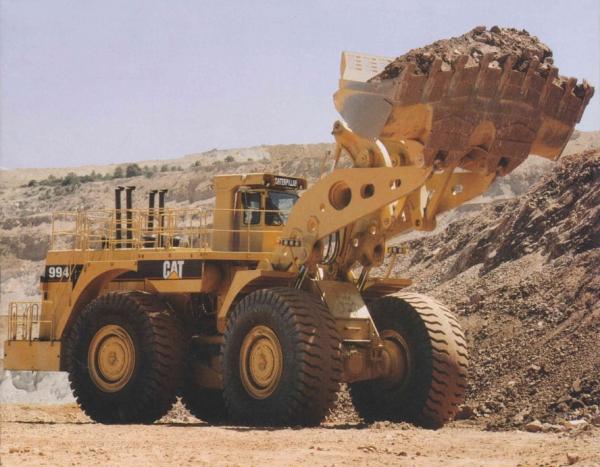
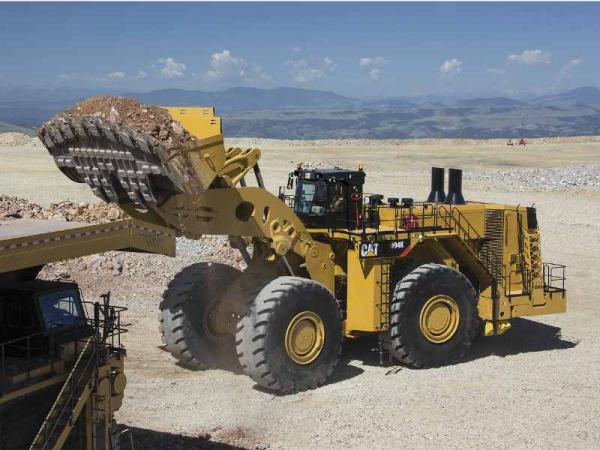
Origins and Monumental Scale - Introduced in the early 1990s, the Caterpillar 994 quickly became the largest wheel loader ever built by the company .
- Weighing approximately 427,209 lb (about 194 t), it towered over its predecessor, the 992, and marked a leap forward in heavy-duty loading capacity .
- Its massive tires—measuring nearly 13 feet in diameter and weighing over 13,800 lb—spoke to the machine’s colossal footprint .
- A 23 yd³ bucket enabled it to haul up to 70,000 lb per load and fully load a 150-ton haul truck in just four passes .
Specifications at a Glance (Standard 994 Model)- Manufactured: From 1992 through to the present .
- Operating Weight: Around 172 t (~379,000 lb) .
- Bucket Capacity: Standard ~10 m³; Max up to ~31 m³ .
- Size Profile:
- Length: ~16.65 m
- Width: ~5.21 m
- Height: ~6.53 m .
- Performance Metrics:
- Max discharge height: ~5.66 m
- Top travel speed: ~22.8 km/h
- Outside turning radius: ~11.44 m .
Evolution to the 994H and 994K- Egypt-wide upgrades emerged over time, like the 994D with reinforced components and the introduction of joystick steering .
- The 994H weighed around 430,858 lb, utilizing a 1,577 hp engine and offering improved torque of 6,289 lb-ft at 1,000 rpm .
- The modern 994K, introduced mid‑2010s, takes payload and power to a new level:
- Equipped with a Cat 3516E engine producing up to 1,739 hp (net) / 1,870 hp (gross) .
- Operating weight climbs to 534,852 lb (~242 t) .
- Bucket capacities range from 22.3 to 57 yd³ (17.2 to 43.6 m³) .
- Efficient hydraulic cycles—rack-back in ~4.9 s, raise in ~12.6 s, dump in ~3.1 s—totaling ~23.5 seconds per cycle .
- Designed to load key Cat mining trucks in fewer passes (e.g., Cat 785 in 4, Cat 789 in 5, Cat 793 in 6) for optimized productivity .
Technical Term Highlights- Operating Weight: Total mass used in planning haulage and site logistics.
- Bucket Capacity: Volume of material moved per load—critical for productivity.
- Torque Rise: Percentage increase in engine torque under load; higher values help performance.
- Dump Clearance/Reach: Determines which haul trucks the loader can service.
- Hydraulic Cycle Time: Efficiency metric—how long each load movement takes from fill to dump.
Behind the Machines: Anecdotes and Legacy- At its launch, operators reportedly grappled with finding suitable tires—available ones were only barely adequate for the enormous 994—highlighting how technological advances often drive supply innovation .
- The 994 was frequently called upon to substitute for electric shovels when downtime struck, thanks to its sheer volume capacity and mobility .
- Its decades-long production run speaks volumes about its design success. From the original 994 through to the potent 994K, each model iteration served as a testament to Cat's engineering evolution.
Enduring Impact
The Caterpillar 994 series encapsulates an era of heavy machinery defined by scale, strength, and innovation. Its ongoing legacy—from towering dimensions to engine power and seamless hydraulics—reflects not only mining efficiency but also the creative solutions demanded by modern operations.
If you'd like, I can follow up with comparisons to competitors, maintenance best practices, or operator ergonomics next.
|
|
|
|
| Link‑Belt LS‑4300 C II: Rugged Reliability from Decades of Excavator Engineering |
|
Posted by: MikePhua - 08-08-2025, 11:23 AM - Forum: General Discussion
- No Replies
|
|
Heritage and Lineage - Link‑Belt’s roots date back to hydraulic innovations in the 1930s—it introduced “Speed‑O‑Matic” power hydraulic controls, long-regarded as a milestone in excavator and crane design .
- The LS‑4300C II carries forward this legacy, embodying decades of evolving design and manufacturing excellence, blending classic mechanical simplicity with robust components.
Core Specifications- Weight: Approximately 30 metric tons, reflecting its heavy-duty crawler design .
- Transport Dimensions:
- Length: ~10 m
- Width: ~3 m
- Height: ~3 m .
- Bucket Capacity: Up to 1 m³, with a bucket width around 1.219 m .
- Undercarriage: Standard, featuring 800 mm track shoes—built for stability on varied terrain .
- Reach & Digging Depth:
- Maximum horizontal reach: ~11.86 m
- Excavation depth: ~8.2 m .
- Tear-Out Force: Roughly 172.6 kN, enabling strong breakout power .
Powertrain Essentials- Engine: Isuzu 6SD1T, a reliable six-cylinder diesel engine renowned for field-proven performance .
- Displacement: ~9.84 L
- Max torque: ~792 Nm at ~1,500 RPM .
Mechanical Simplicity- The LS‑4300 C II is fully mechanical and straightforward—no electronic controllers—making it a strong candidate for operators seeking longevity and ease of service .
- Older machines like these often attract enthusiasts restoring them—some even reengineer travel circuits using switch-ready solenoids to bypass missing controller setups .
Maintenance & Common Challenges- Overheating: Operators report coolant temperature creeping past 200°F, rising past 240°F during heavy-work cycles—highlighting potential cooling-system attention points for older units .
- Travel System Repairs: One reported issue involved bypassing in travel motors—excessive return flow causing poor movement. Diagnosis required tracing hoses to the swing joint to ensure correct routing .
- Hydrostatic Components: Replacement or repair of hydrostatic pumps and motors remains possible—spare parts are listed for main pumps ($7,900 USD) and swing or travel motors ($3,600 USD) .
Terminology Highlights- Crawler Excavator: Machine on tracks—offering excellent traction and stability on rough terrain.
- Hydrostatic Drive: Uses hydraulic fluid to transmit power to motors driving movement.
- Mechanical Simplicity: Refers to fewer electronics and more reliance on hardened mechanical parts.
- ROPS (Roll‑Over Protective Structure): Safety cab standard for operator protection.
Anecdote from the Field
One restoration enthusiast spent almost a year reviving a 1989 LS‑4300 C II excavator. After overcoming issues like overheating, electrical replacements, and travel motor bypass, they finally got the machine moving again using a hand‑crafted switch console linked to solenoids—a testament to mechanical ingenuity and the excavator’s resilient design .
Key Takeaways- Robust Construction: With solid mechanical systems and proven powertrain, it's built for difficult environments.
- Transparent Serviceability: Ideal for those who prefer wrench-and-wrench diagnostics and repairs.
- Still Relevant: Even today, excavators like the LS‑4300 C II are sought after by operators who value durability, simplicity, and field adaptability.
Let me know if you'd like a breakdown of restoration parts or a comparison with other legacy Link‑Belt models!
|
|
|
|
| Extending Engine Life: The Role and Maintenance of the D4D Precleaner |
|
Posted by: MikePhua - 08-08-2025, 11:22 AM - Forum: General Discussion
- No Replies
|
|
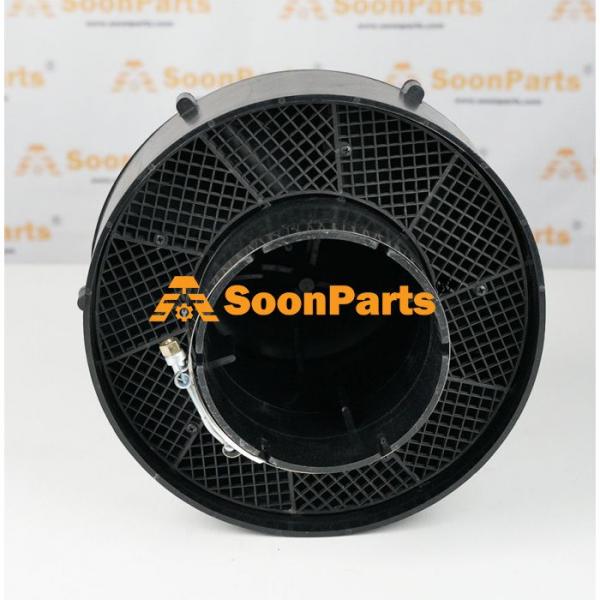
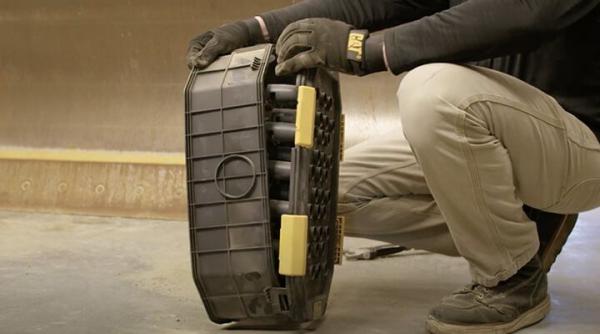
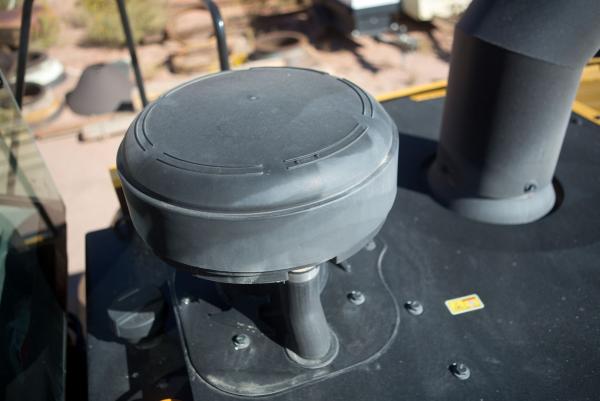
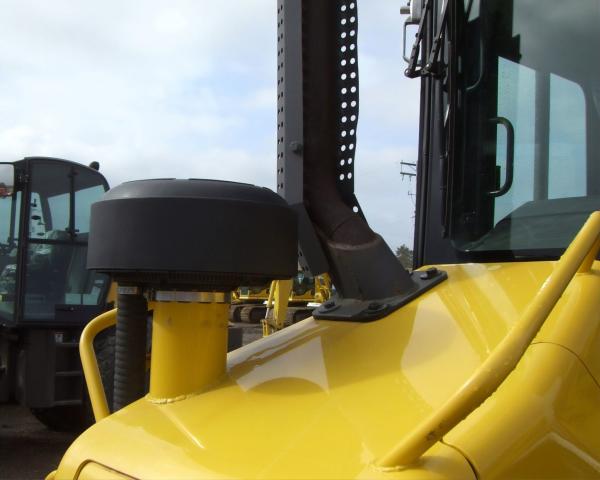
What Is a Precleaner—and Why It Matters
The precleaner serves as the crucial first line of defense in a machine’s air intake system by removing heavier debris—like dust, leaves, and chaff—before it even reaches the main air filter. This initial cleaning: - Extends engine air filter life by three to seven times depending on conditions
- Helps maintain consistent engine performance and fuel efficiency
- Reduces downtime and lowers maintenance costs by preventing filter clogging
- Can handle airflow ranging from 50 to 1,400 CFM through proper sizing and multiple-unit setups
Technical Breakdown of How It Works
Unlike static filters, the precleaner leverages centrifugal separation through key components:- Prescreen inlet: Captures large debris and prevents clogging
- Rotating vanes or rotor blades: Accelerate the air and debris outward
- Internal strakes (angled fins inside the dome): Guide heavy particles to the ejection port
- Toroidal dome shape: Enhances airflow and ensures debris isn’t re-entrained
- Debris ejection port: Continuously expels heavier particles back into the environment while clean air flows downward into the engine intake
Terminology Snapshot- CFM (Cubic Feet per Minute): Measures airflow capacity
- Prescreen: Initial intake mesh to block large debris
- Rotor/Vaned blade assembly: Mechanism that spins incoming air to separate contaminants
- Strake: Directional vane channeling debris toward exit
- Toroidal dome: Rounded chamber fostering efficient air flow dynamics
- Ejection port: Exit mechanism for expelled debris
Routine Maintenance: Best Practices for Longevity
Regular care of your precleaner is straightforward but essential:- Daily visual inspections: Ensure the port is clear and the compartment is clean
- Periodic cleaning steps:
- Remove the precleaner and gently shake it to dislodge dust
- If stubborn debris remains, soak in water and dry with low-pressure air while wearing PPE
- Check the condition of gaskets before reassembly
- Service intervals: Replace the unit according to your machine’s manual—or sooner if mud buildup accelerates wear
Real‑World Benefit: Filter Life Multiplied
A case study in a ready‑mix plant revealed:- With precleaner: Filter life increased dramatically—reaching up to five times longer lifespan under heavy concrete dust conditions
- Outcome: Significant reductions in labor, parts consumption, and machine downtime
Maintenance Summary Checklist- Visually inspect the precleaner daily
- Remove and shake to clear loose debris
- Wash and dry gently when needed (use PPE)
- Inspect and replace gasket if worn
- Follow service schedule or replace early if clogging occurs
Practical Anecdote
An operator in a forestry operation noticed filters plugging in just a few hours due to airborne sawdust. Installing a turbine-style precleaner transformed the scenario—filter changes fell from weekly to monthly. The time and money saved far outweighed the initial investment, especially in such dusty environments.
Final Takeaway
For the Caterpillar D4D—and similar heavy machinery—the precleaner is an unsung hero. Its cleverly engineered design allows airborne debris to be expelled before it reaches the engine, greatly extending air filter life and reducing maintenance burdens. Simple upkeep—daily checks, periodic cleaning, and timely replacement—keeps your equipment running cleaner, longer, and more efficiently.
Let me know if you'd like to explore installation options, model compatibility, or how this integrates with multi-stage air filtration systems next!
|
|
|
|
| Choosing Between Komatsu PC 225LC and PC 215LC for Steep-Slope Work: A Detailed Examination |
|
Posted by: MikePhua - 08-08-2025, 11:20 AM - Forum: General Discussion
- No Replies
|
|
Overview of the Two Models - PC 215LC: A solid mid-size excavator, typically with a lighter operating weight, making it agile and suitable for general use—though data is limited for exact specs on slope performance.
- PC 225LC: A slightly larger variant, offering enhanced stability, improved hydraulic efficiency, and better traction—qualities especially beneficial on steep or uneven ground .
Key Technical Differences- Operating Weight & Stability
The PC 225LC, being heavier, provides better ground adherence, reducing risk of slippage on inclines.
- Engine Power & Performance
While the PC 215LC isn’t often spotlighted in recent materials, the PC 225LC boasts newer engine tech, optimized control systems, and improved fuel efficiency—up to 7% lower fuel use compared to earlier models .
- Hydraulic System & Controls
PC 225LC features advanced control logic and a high-efficiency pump, enabling smooth, coordinated movements—crucial when maneuvering on hillsides .
- Comfort & Visibility
Operator experience is enhanced on the PC 225LC with better ergonomic controls and clearer feedback—helpful when fine control is needed on challenging terrain .
Technical Terms Explained- Operating Weight: Overall mass of the machine including fluids and operator—heavier means more stability.
- Control Logic: Software that manages hydraulic flow for smooth and efficient operation.
- Fuel Efficiency: Measures like a 7% reduction represent real savings during extended slope work.
- Hydraulic Pump: Supplies power to the arm, bucket, and swing systems—higher efficiency aids precise operation under load.
Why the PC 225LC Outperforms on Steep Terrain- Greater Traction and Stability: Heavier weight ensures firmer contact with the ground.
- Improved Control Response: Advanced hydraulics and control logic facilitate safe, precise operation.
- Fuel Savings Add Up: On steep slopes, working fluids and efficiency matter—lower consumption helps.
- Operator Focus: Ergonomic enhancements reduce fatigue and improve precision when working on uneven slopes.
Real-World Illustration
Imagine a civil contractor building mountain access roads. On steep embankments, they found the lighter PC 215LC had trouble holding ground—often slipping or struggling to position the boom accurately. Upgrading to the PC 225LC, with its improved hydraulic responsiveness and higher stability, transformed the workflow. The machine tracked securely, moved implements with confidence, and saved notable fuel—earning the nickname “Slope Master” among the crew.
Summary in a Nutshell- PC 215LC: Adequate for many tasks; agile and lighter—but potentially less stable on steep slopes.
- PC 225LC: Superior in traction, hydraulic control, and efficiency—especially for slope-intensive applications. Enhanced operator comfort and fuel savings make it a stand-out choice when terrain challenges demand precision and reliability.
Let me know if you’d like a spec-by-spec list or comparisons to other slope-capable machines!
|
|
|
|
| Keeping Trailer Tires Secure: Causes, Prevention, and Real-Life Stories |
|
Posted by: MikePhua - 08-08-2025, 11:20 AM - Forum: General Discussion
- No Replies
|
|
Understanding the Issue: Why Trailer Tires Come Off
Trailer tires detaching isn’t just inconvenient—it can be dangerous. There are several root causes: - Wheel bearings that are severely worn or fail completely, allowing the wheel to detach .
- Axle nut inadequacies, where if not properly secured and safety‑pinned, the wheel can fall off .
- Improperly torqued lug nuts or over‑tightening, which stretches bolts or damages studs over time .
Technical Terms You Should Know- Wheel bearing: The rotating joint between wheel and axle that enables smooth spin and supports the load.
- Axle nut and safety device: A nut that preloads the bearing and must be secured with a cotter pin or locking washer.
- Lug nuts and studs: Fasteners that keep the wheel attached to the hub; improper tension or thread damage can compromise security.
Preventive Inspection and Maintenance Checklist
To reduce the risk of tire separation:- Repack and grease wheel bearings regularly—cleaning and fresh lubrication go a long way .
- Torque the axle nut correctly, using recommended specifications and secure it with a cotter pin, tang washer, or similar safety method .
- Inspect lug nuts and studs for signs of thread stretching or damage, and re-torque daily if towing frequently .
- Perform regular maintenance checks, especially before long trips or after heavy use.
Real-Life Anecdote
In one near‑miss scenario, a trailer wheel separated while driving. The culprit wasn’t a cracked stud or worn bearing—it was a missing cotter pin on the axle nut. The wheel spun loose and stopped just before causing major chaos. Fortunately, nobody was hurt; it was a sharp reminder of how small hardware can avert a disaster.
Broader Impacts and Related Issues
While missing tires create immediate hazards, they’re part of a broader suite of towing issues:- Trailer bounce or porpoising—imbalanced tongue weight, worn suspension, or incorrect tire pressure can cause instability .
- Wheel and tire blowouts—often tied to underinflation, overloading, or manufacturing flaws—can also lead to control loss or detachment .
Key Insights and Takeaways- A seemingly minor element like a cotter pin or proper grease can prevent tire separation.
- Overlooked components—like axle nut locking, bearing condition, or lug nut integrity—are often the cause of mechanical failures.
- Routine pre-trip checks and maintenance are not just best practice—they’re safety-critical.
Would you like to dive into proper torque settings, bearing maintenance steps, or weight distribution techniques next?
|
|
|
|
| Essential Fluids for the CAT 307B Excavator: Types, Capacities, and Best Practices |
|
Posted by: MikePhua - 08-08-2025, 11:19 AM - Forum: Parts , Attachments & Tools
- No Replies
|
|
Engine and Fuel System Fluids - Fuel Tank: Capacity ~35.7 gal (135 L)
- Engine Oil (Crankcase): Approximately 1.9–2 gal (7–7.2 L)
- Cooling System: Holds around 4 gal (15 L)
Final Drives and Swing Gear- Swing Drive (each side): ~0.4 gal (1.5 L)
- Final Drive (each side): ~0.45–0.5 gal (1.7–2 L)
Hydraulic System Capacities- Total Hydraulic System (including tank): ~24.8–25 gal (94 L)
- Hydraulic Tank Only: ~15 gal (57 L)
Hydraulic Pressures & Flow Rates- Maximum Travel Pressure: ~4,550 psi
- Maximum Swing Pressure: ~3,980 psi
- Pilot System:
- Flow: ~4.9 gpm (19 L/min)
- Pressure: ~500 psi
- Implement (blade) Circuit:
- Flow: ~9 gpm
- Max Pressure: ~2,990 psi
Terminology & Fluid Types- BF‑2 Hydraulic Oil: A Cat-approved biodegradable hydraulic fluid ideal for environmentally sensitive applications—always verify machine compatibility first.
- Cat HYDO: The standard hydraulic oil for Caterpillar machines, available in SAE 10W or 30, formulated to maximize component life.
- SAE 10W Hydraulic Oil: Widely used across Cat excavators, offering reliable performance across temperature ranges.
- Diesel Engine Oil (15W‑40): Recommended as a secondary option for hydraulic systems when HYDO is unavailable.
Why Fluid Selection Matters
Hydraulic fluid does far more than just transfer power. It also:- Maintains non-compressibility for consistent responsiveness
- Provides thermal and film lubrication stability
- Protects components from corrosion, wear, and air entrainment
- Supports filterability and cleanliness essential for machine health
Using improper fluids can lead to accelerated wear, valve sticking, efficiency loss, or even catastrophic failures.
Real-World Anecdote
A rental contractor in cold-weather Canada nearly froze a jobsite when the CAT 307B began digging sluggishly at dawn. The culprit? Thin, low-viscosity hydraulic fluid that couldn’t maintain pressure in frigid temps. After flushing and refilling with SAE 10W HYDO recommended by the manual, the excavator perked right up—fluid responsiveness returned, hydraulic performance normalized, and the job no longer risked slipping behind schedule.
Summary Table (As Lists)
Capacities–Fluid Type- Fuel Tank: 35.7 gal (135 L)
- Engine Oil: 1.9–2 gal (7–7.2 L)
- Cooling System: 4 gal (15 L)
- Swing Drive (each): 0.4 gal (1.5 L)
- Final Drive (each): 0.45–0.5 gal (1.7–2 L)
- Hydraulic System (total): 24.8–25 gal (94 L)
- Hydraulic Tank Only: 15 gal (57 L)
Hydraulic Pressure & Flow- Travel Pressure: ~4,550 psi
- Swing Pressure: ~3,980 psi
- Pilot System Flow/Pressure: ~4.9 gpm / ~500 psi
- Blade Circuit Flow/Pressure: ~9 gpm / ~2,990 psi
Choosing the right fluids—from engine oil to hydraulic oil—matters more than many operators realize. Proper maintenance not only ensures peak performance but also extends the lifespan of your CAT 307B. If you'd like help selecting condition-based fluid change intervals or compatible alternatives, just let me know!
|
|
|
|
|



