| Welcome, Guest |
You have to register before you can post on our site.
|
| Forum Statistics |
» Members: 79
» Latest member: cioCruch
» Forum threads: 47,411
» Forum posts: 47,417
Full Statistics
|
| Online Users |
There are currently 455 online users.
» 0 Member(s) | 444 Guest(s)
Ahrefs, Amazon, Applebot, Baidu, Bing, Claude, DotBot, Google, MJ12, Semrush
|
| Latest Threads |
Identifying and Sourcing ...
Forum: Parts , Attachments & Tools
Last Post: MikePhua
01-07-2026, 06:29 PM
» Replies: 0
» Views: 504
|
Cat 931B Brake Parts
Forum: Parts , Attachments & Tools
Last Post: MikePhua
01-07-2026, 06:29 PM
» Replies: 0
» Views: 280
|
Choosing Between Cat 228,...
Forum: General Discussion
Last Post: MikePhua
01-07-2026, 06:28 PM
» Replies: 0
» Views: 529
|
Hydraulic Delay When Lowe...
Forum: Troubleshooting & Diagnosing
Last Post: MikePhua
01-07-2026, 06:27 PM
» Replies: 0
» Views: 438
|
Bale Chopper and Mulcher ...
Forum: General Discussion
Last Post: MikePhua
01-07-2026, 06:26 PM
» Replies: 0
» Views: 316
|
Mini UC Maintenance
Forum: General Discussion
Last Post: MikePhua
01-07-2026, 06:25 PM
» Replies: 0
» Views: 304
|
Locating Wiring Informati...
Forum: General Discussion
Last Post: MikePhua
01-07-2026, 06:24 PM
» Replies: 0
» Views: 339
|
Case Industrial Brown Sub...
Forum: Parts , Attachments & Tools
Last Post: MikePhua
01-07-2026, 06:23 PM
» Replies: 0
» Views: 273
|
Dirt Work in West Virgini...
Forum: Construction & Urban Infrastructure Forum
Last Post: MikePhua
01-07-2026, 06:23 PM
» Replies: 0
» Views: 371
|
D207 P Hydraulic Steering...
Forum: Parts , Attachments & Tools
Last Post: MikePhua
01-07-2026, 06:22 PM
» Replies: 0
» Views: 300
|
|
|
| Do Air Dryers Actually Keep Your Tanks Dry? A Thorough Exploration |
|
Posted by: MikePhua - 08-08-2025, 10:57 AM - Forum: General Discussion
- No Replies
|
 |
Ensuring that your compressed‐air tanks stay dry is far more than just good practice—it's vital for braking safety, system longevity, and maintenance efficiency. Here, we dive deep into how air dryers work, why they’re essential, how to maintain them, and what real-world operators say about their effectiveness.
How Air Dryers Function in Brake Systems - Placed between the compressor and the air tanks, air dryers filter out moisture and contaminants before air enters the brake reservoirs.
- Most use desiccant materials (like silica gel) and oil-separating media to absorb water vapor and filter solids and oil particles.
- Over time, the dryer purges—releasing trapped moisture and contaminants when system pressure reaches a threshold—ensuring the desiccant is renewed for continued performance.
The Imperfect Reality: “Relatively Dry,” Not Bone Dry- A seasoned equipment operator noted:
Quote:"Air dryers only keep tanks relatively dry provided they are serviced properly...even so, primary air tanks still accumulate a certain amount of water."
- Moisture—and oil—can still slip through, especially if the dryer’s desiccant is saturated or degraded. Even small amounts of oil can impair the drying media and reduce efficacy.
Why Air Dryers Are Essential: The Benefits- They reduce corrosion within tanks and piping and prevent freezing of brake components in cold climates.
- By delivering cleaner, drier air, air dryers protect valves and control components from oil buildup and blockage.
- As a result, they lower maintenance costs, extend system life, and reduce vehicle downtime.
Maintaining Effectiveness: Tips for Operators- Replace the desiccant cartridge according to manufacturer’s schedule—or sooner—if heavy moisture or sluggish system pressure is noticed.
- Monitor the dryer’s purge behavior: excessive or erratic purging may indicate a failing unit.
- In colder environments, stay vigilant for signs of ice formation in the air lines—an indicator that the dryer may no longer be functioning effectively.
Community Consensus
Longtime operators reinforce the practical truths: air dryers dramatically reduce moisture-related issues—but they aren’t magic. Without proper maintenance, even dryers can’t keep systems completely dry.
Summary
Air dryers are indispensable for keeping brake system tanks relatively dry. They filter and purge moisture, protect components from corrosion and freezing, and improve overall reliability. However, they don’t eliminate moisture entirely—regular servicing and attention are essential to maintain their performance.
Let me know if you'd like help building a maintenance checklist or choosing the right air dryer replacement parts!
|

|
|
| Troubleshooting the PPM ATT400 Electrical Swivel System |
|
Posted by: MikePhua - 08-08-2025, 10:57 AM - Forum: Troubleshooting & Diagnosing
- No Replies
|
|
The PPM ATT400, a versatile and highly functional piece of machinery, relies on its electrical swivel system for smooth operation, especially in industries requiring high levels of precision. The electrical swivel is crucial for rotating the platform and facilitating power transmission to various machine components. However, like many systems in heavy equipment, electrical swivels can experience issues that hinder performance. This article provides an in-depth look at common problems, troubleshooting steps, and preventive measures to ensure the longevity and efficiency of the ATT400.
Understanding the Electrical Swivel System
The electrical swivel in the PPM ATT400 is designed to allow electrical signals and power to pass from a stationary part to a rotating part of the machine. This is essential for powering sensors, motors, or other components that require a continuous electrical connection while the machinery is in motion. It consists of a rotary joint that ensures electrical continuity without affecting the machine’s mobility or function.
Key components include: - Rotary electrical joints: These allow for the transfer of electrical power or signals without wear on the physical wires.
- Slip rings: These are vital in the swivel assembly, ensuring continuous transmission of electrical current from a stationary to a rotating structure.
- Brushes and contacts: These provide the physical interface between the moving and stationary parts of the swivel system.
Common Issues with the Electrical Swivel
Several issues can arise in the electrical swivel system of the ATT400, most of which stem from wear and tear, improper maintenance, or electrical faults. These can cause significant disruptions in operation. Some of the most common problems include:
- Loss of Electrical Continuity
The most noticeable sign of malfunction is a loss of power or signal transmission. This can happen when the slip rings wear out, causing intermittent or complete disconnection between the stationary and rotating components.
- Signal Interference or Noise
When the electrical swivel system begins to degrade, electrical noise or interference can disrupt the communication between the various machine systems. This can result in erratic performance, inaccurate readings, or delayed response times.
- Overheating of Electrical Components
Prolonged use or a failure to properly maintain the swivel system can lead to overheating. This could be due to a poor connection, worn-out brushes, or a misalignment of the slip rings, all of which can increase resistance and lead to heat buildup.
- Physical Wear on the Swivel Mechanism
As with any rotating assembly, mechanical wear is inevitable. Over time, the brushes that maintain contact with the slip rings can degrade, resulting in poor electrical transfer and eventual system failure.
- Moisture and Contaminant Infiltration
If the swivel is exposed to water or other contaminants, corrosion can occur, which may result in electrical shorts or other damage to the system. These external factors often lead to circuit failures and electrical malfunctions.
Troubleshooting the PPM ATT400 Electrical Swivel
Diagnosing issues with the electrical swivel requires a systematic approach. Below are the key steps to effectively troubleshoot the system.
- Inspect the Slip Rings and Brushes
The first step is to check the slip rings for wear and damage. If they are worn unevenly or have visible scoring, they need to be replaced. The brushes should also be inspected for wear and replaced if they are no longer in contact with the slip rings.
- Check for Electrical Continuity
Use a multimeter to check for continuity between the rotating and stationary parts of the swivel. If there is no continuity or the resistance is too high, this could indicate a faulty slip ring or broken wiring.
- Test for Signal Interference
When troubleshooting signal interference, check for any external sources of electrical noise near the swivel, such as nearby power lines or equipment. Also, ensure that all electrical connections are secure and properly grounded.
- Examine the Wiring and Connections
Inspect all wiring connected to the electrical swivel. Look for signs of fraying, corrosion, or loose connections. Damaged wires should be replaced, and connections should be cleaned and tightened.
- Monitor the System for Overheating
Overheating can often be detected by feeling the temperature of the electrical components. If any part of the system becomes excessively hot to the touch, it may indicate high resistance or a malfunctioning component.
- Check for Moisture or Contaminants
If moisture or contaminants have entered the system, clean the area and ensure that the swivel is sealed properly. Replace any damaged components that may have been corroded.
Preventive Maintenance for the Electrical Swivel
Preventing issues with the electrical swivel is far more effective than troubleshooting after a failure. Proper maintenance can extend the lifespan of the swivel system and avoid costly repairs. The following maintenance practices are recommended:
- Regular Cleaning
Keep the swivel mechanism clean and free from debris. Periodically clean the slip rings and brushes to remove dust, dirt, and moisture that could cause friction or electrical short circuits.
- Routine Inspections
Regularly inspect the condition of the slip rings, brushes, and wiring. Catching wear and tear early can prevent major system failures.
- Lubrication
Lubricating the swivel system, especially the rotating parts, can help minimize friction and prevent premature wear. However, care must be taken to avoid using too much lubricant, as this could attract dirt and debris.
- Sealing and Protection
Ensure that the swivel is properly sealed to prevent moisture or contaminants from entering. Consider using weatherproof covers if the machinery operates in harsh environments.
- Electrical Testing
Perform regular electrical testing to ensure that the swivel system is functioning properly. Using diagnostic equipment can help detect problems early, before they impact machine performance.
Real-World Case: A Preventive Approach to Swivel Maintenance
A construction company had been experiencing intermittent electrical failures on their ATT400, causing downtime on several high-priority projects. Upon inspection, they found that the slip rings were excessively worn and had failed to maintain proper electrical continuity. The company took proactive steps by replacing the damaged components and implementing a regular maintenance schedule. They also sealed the swivel system more effectively to prevent future moisture infiltration. As a result, the machine’s performance improved significantly, and they saw a decrease in unplanned downtime, ultimately saving time and repair costs.
Conclusion
The PPM ATT400 electrical swivel is a critical part of the machinery, enabling efficient operation by providing electrical continuity during movement. Troubleshooting and proper maintenance are key to preventing issues such as signal loss, overheating, and mechanical wear. By following systematic inspection and maintenance procedures, you can ensure that the swivel system remains in optimal condition, enhancing the reliability and productivity of your machinery.
|
|
|
|
| International DT466 Top-End Overhaul: A Deep-Dive Guide |
|
Posted by: MikePhua - 08-08-2025, 10:56 AM - Forum: General Discussion
- No Replies
|
|
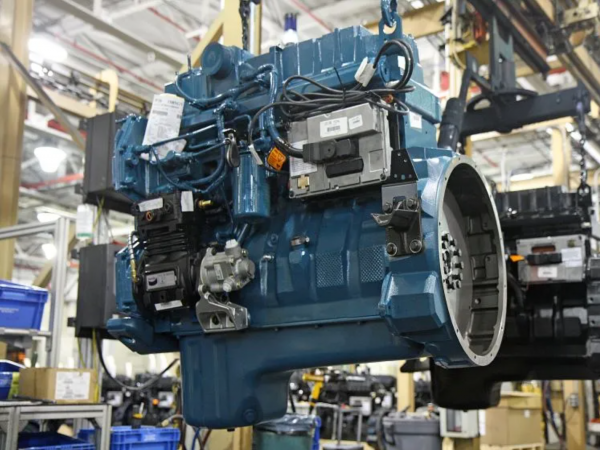
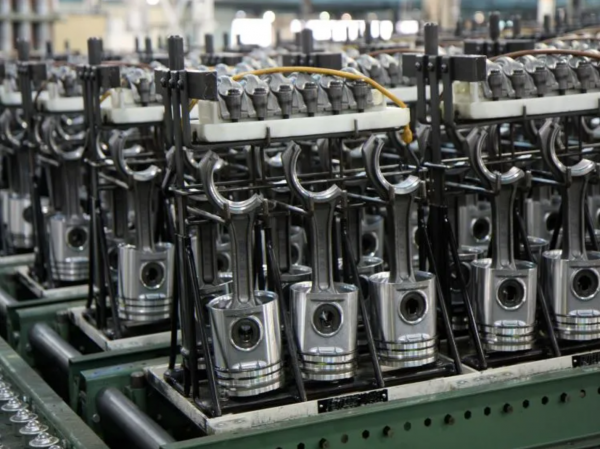
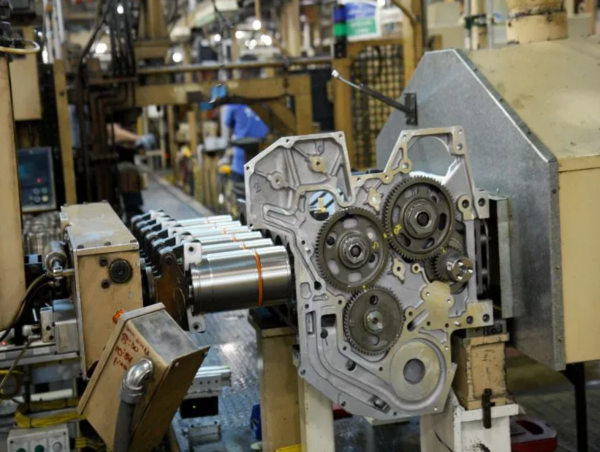
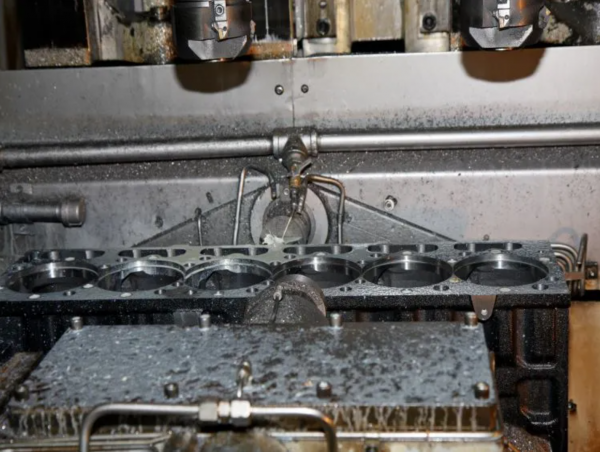
The International DT466 engine has earned its status as a rock-solid workhorse in trucks and machinery. Its modular design makes it especially friendly to top-end work—repairing components like the cylinder head, liners, and pistons without removing the entire engine block. Here's a richly detailed breakdown of how to tackle this kind of rebuild, complete with technical insights, real-world anecdotes, and practical tips.
Why In-Frame Overhaul of the Top End is Preferred - Allows removal and replacement of the cylinder head, pistons, liners, and related parts while the engine block remains in place
- Saves time, reduces labor, and avoids the complexity of dropping the engine out of the chassis
Top-End Overhaul Workflow- Prepare the Work Area
- Secure the vehicle so the engine remains immobile.
- Disconnect fluids, sensors, and required linkages.
- Drain coolant and oil to prevent contamination during disassembly.
- Cylinder Head and Components Removal
- Remove the cylinder head carefully, noting bolt torque sequence and placement.
- Label each injector, valve cover, and associated parts for reassembly ease.
- Pistons and Cylinders Extraction
- Use a proper liner puller; if unavailable, a block of wood and hammer may suffice with great caution .
- Extract pistons and liners, then assess for wear, scoring, or taper.
- Cleaning and Inspection
- Clean the crankcase thoroughly—preferably via hot tank or chemical bath—and use compressed air to clear oil galleries and block passages .
- Install clean oil gallery cup plugs following OEM specifications.
- Measure and Evaluate Cylinder Sleeves
- Use bore gauges to measure liner wear at top and bottom to assess taper .
- Replace liners that fall outside manufacturer tolerances.
- Top-End Reassembly
- Install new liners, pistons (with rings), head gasket, and cylinder head following torque specs and sequence.
- Reassemble injectors, sensors, and retorque as needed.
- Refill oil and coolant, prime fuel system, and test for leaks.
Technical Terms Clarified- In-Frame Rebuild: Repairs made without removing the engine block from the vehicle frame.
- Cylinder Liner/Sleeve: The replaceable cylinder surface that interacts with pistons and rings.
- Oil Gallery Cup Plug: Device sealing access points to internal oil passages—must be clean and secure.
- Bore Gauge: Tool for measuring internal cylinder diameter to detect wear or taper.
Shared Experiences from the Field
One bus owner found coolant in the oil—a telltale sign of worn liner seals—and opted for an in-frame overhaul right on the street, using jury-rigged support and space limitations to complete the repair under less-than-ideal conditions—but successfully, nonetheless .
On community forums, mechanics often cite overheating, failed injector cups, and fan-clutch issues as typical failure points in DT466 engines, with top-end wear being rare when maintenance is consistent .
Common Related Engine Issues to Be Aware Of- Coolant contamination of oil due to failing liner seals—a surprisingly common complaint in older engines
- Fuel system disruptions from damaged Injection Pressure Regulators (IPR) causing stalling or pressure loss
Why the DT466 Endures- Built with durability in mind—from grey iron blocks and plateau-honed sleeves to sturdy head designs
- Its reliable design allows decades of use, rebuilds, and upgrades—it's a favorite among mechanics for its longevity and rebuildability
Final Reflections
Performing a top-end overhaul on a DT466 through an in-frame method is a smart, efficient, and effective approach—especially when executed with proper tools and attention to detail. Whether you’re replacing liners, addressing seal failures, or aging injectors, this method reignites engine resilience while avoiding the headache of block removal. Keen to walk through a step-by-step checklist or warrant part sourcing? I’m here to help.
|
|
|
|
| Cat 963 LGP with a Six‑Way Blade: Innovation, Capability, and Real‑World Insight |
|
Posted by: MikePhua - 08-08-2025, 10:54 AM - Forum: General Discussion
- No Replies
|
|
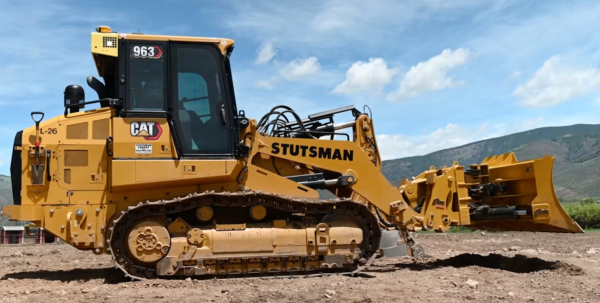
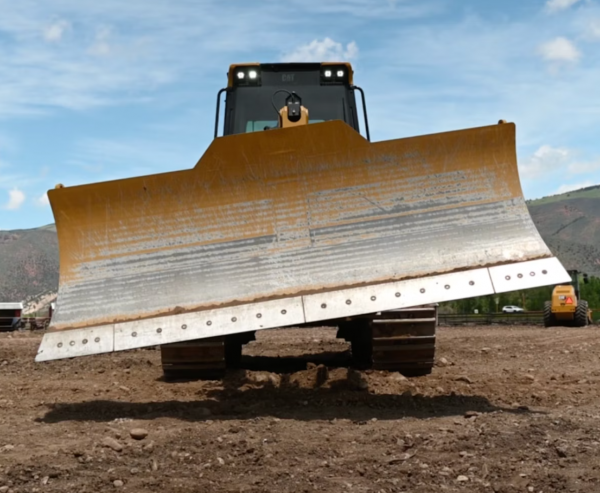
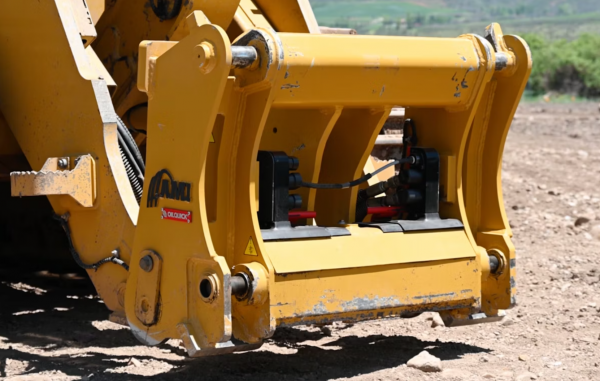
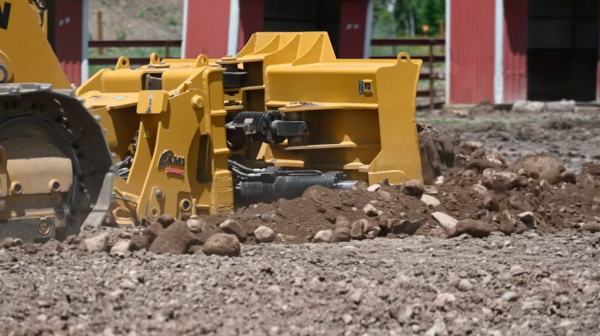
The Cat 963 LGP (Low Ground Pressure) track loader is known for its versatility—from land clearing and loading to grading and slope work—thanks to the Caterpillar C7.1 engine, load-sensing hydraulics, and optional Fusion™ quick coupler system . Its LGP configuration further enhances traction in challenging terrains .
Why Add a Six‑Way Blade?
A six-way blade—allowing the operator to raise, lower, tilt, and angle the blade—greatly expands the dozing capabilities of the machine. In a standout real-world case, an Aspen contractor collaborated with AMI Attachments, OilQuick, Caterpillar, and Trimble to equip a Cat 963 with a quick-attach six-way dozer blade and integrated 3D machine control .
This configuration enables: - Instant switching between attachments from the cab.
- Elimination of the need for additional machines (like an excavator or dedicated dozer) on site.
- Precision grading across complex slopes and varied terrain.
- More streamlined project workflows—especially helpful in grading and spoil management.
The contractor remarked that the unique setup means it’s effectively a track loader that can perform like a mid-size D5 or D6N dozer—all with one operator, one machine .
Building and Adapting: Insights from the Field
In earlier DIY discussions, one equipment owner posed the idea of fitting a six-way blade from a D6K onto a 963LGP to better handle brush piles and tree clearing—especially where pushing and fine grading were both necessary . Fellow operators chimed in, recalling setups such as a six-way blade on a Cat 953, with suggestions that if hydraulics were already set up, the conversion was very doable .
This shows a broader desire among operators for hybrid functionality—combining pushing power with digging and clearing capabilities in one machine.
Real-World Story: Smarter, Leaner Jobsites
On a horse arena build, the contractor using the Cat 963LGP six-way configuration avoided stacking multiple machines on the site. Without a separate dozer or excavator, they switched rapidly between bucket and blade, efficiently pushing spoils and grading—all with one operator. The setup simplified logistics, reduced downtime, and supported more agile workflows .
Summary: Key Themes in Five Bullet Points- Enhanced Versatility: Adds dozer-grade control to a track loader, reducing the need for separate machines.
- Efficiency Gains: Quick-attach blade and integrated 3D control streamline operations and reduce operator fatigue.
- Design Complexity: Innovative but requires strong hydraulic integration and structural considerations.
- DIY Possibilities: Savvy operators have considered retrofitting blades from larger dozers—success depends on hydraulic compatibility.
- Operator Edge: Ideal for professions involving varied terrain and multifunction needs—e.g., land clearing, grading, site prep.
Technical Terms Glossary- Low Ground Pressure (LGP): Enhanced flotation via wider track shoes for soft or muddy conditions.
- Quick Attach Coupler: Hydraulic system enabling cab-controlled, tool-free attachment swaps.
- Six‑Way Blade: Dozer blade capable of being lifted, lowered, angled, and tilted for fine grading control.
- 3D Machine Control: GPS-guided blade control to maintain precise grade and slope.
Final Thought
Equipping a Cat 963 LGP with a six-way blade reflects a growing trend in construction equipment: maximizing multi-functionality with smart engineering. With the right design in place, operators can tackle earthmoving, grading, and clearing tasks with one adaptable machine—saving time, cost, and complexity on modern jobsites.
|
|
|
|
| The John Deere 772D Motor Grader: A Deep Dive into Performance and Reliability |
|
Posted by: MikePhua - 08-08-2025, 10:52 AM - Forum: General Discussion
- No Replies
|
|
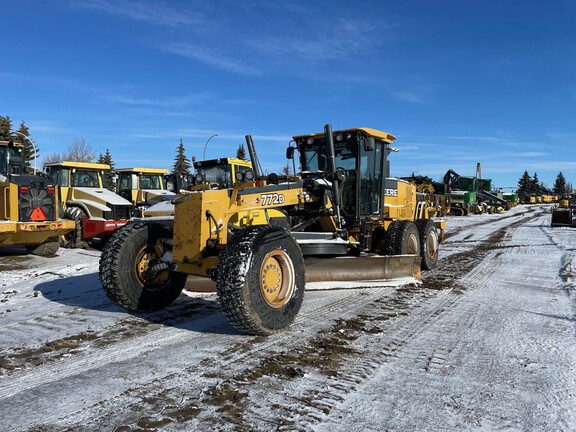
The John Deere 772D is a robust, six‑wheel drive motor grader renowned for its powerful performance, durability, and ease of maintenance. Favored in demanding road‑building and earthmoving tasks, this machine combines impressive specifications with smart design choices to excel in a variety of conditions.
Core Specifications and Dimensions - Overall length: ~28 ft 10 in (28.89 ft), crucial for transport and maneuvering
- Width over tires: ~8 ft 2 in (8.24 ft)
- Wheelbase: ~20.08 ft; tandem axle wheelbase: ~5.06 ft
- Height to top of cab: ~10 ft 5 in (10.44 ft)
- Working weight: ~34,280 lb
Engine and Performance Highlights- Turbocharged 6‑cylinder engine (model 6081H) delivering up to 230 hp in gears 5‑6, with varied torque across gear ranges
- Powerful hydraulic system delivering approximately 54.7 gallons per minute, enabling smooth circle rotation (360°) and effective blade manipulation
- Designed for high horsepower and torque under demanding load conditions—ideal for cutting, leveling, and grading tasks
Serviceability & Operator Comfort- Remote diagnostics and fluid sample ports facilitate proactive maintenance and rapid troubleshooting
- Ground-level access to vertical engine, transmission, and hydraulic filters, plus maintenance-free inboard wet-disc brakes and environmental drains, enhance service efficiency
- Isomount cab design improves operator comfort and reduces vibration, while providing effective climate control
Technical Terms Clarified- Isomount Cab: Enclosed operator cabin mounted using vibration-dampening mounts for improved comfort.
- Turbocharged with Aftercooler: A forced induction system that cools the compressed air for better performance.
- Inboard Wet‑Disc Brakes: Enclosed brake components designed for minimal maintenance and long life.
- Hydraulic Flow (gpm): The volume of hydraulic fluid the system can move per minute, affecting grader responsiveness.
- Blade Pull / Circle Rotation: The grader’s blade force capacity and universal turning ability, directly impacting precision work.
Operational Anecdote
One longtime grader operator shared how the 772D’s reliability delivered consistent performance even under years of heavy use. With timely oil changes—sometimes done every 2,000 hours instead of the recommended 4,000 due to early contamination detection via oil sampling—the machine maintained optimal function and avoided costly downtime .
Common Faults & Problem-Solving
Some challenges operators may encounter include engine stalling under heavy load, which can be traced to starter solenoid, battery, safety switch issues, or wiring faults . Another example involves loss of power and fluctuating RPMs when the fuel injection pump overheats; possible causes include pump failure, sensor degradation, or wiring faults in the fuel rail/RPM sensor circuits . Proactive troubleshooting of electrical connections and sensors typically resolves such issues.
Historical Context of John Deere Motor Graders
The 772D model builds on Deere’s legacy of innovation in grader technology—dating back to industry firsts like the front‑wheel articulated‑frame‑steering designs. This heritage underpins modern reliability and operator-friendly engineering .
Why the 772D Stands Out- Bold power and hydraulic efficiency designed for challenging workloads
- Focused effort on service access and reduced downtime through strategic design
- Proven reliability in the field when paired with vigilant maintenance practices
- Smart ergonomics for operator effectiveness during long shifts
In Summary
The John Deere 772D Motor Grader blends rugged performance, intuitive maintenance features, and operator comfort. Whether grading long stretches or shaping road profiles, its balanced engineering and practical design make it a dependable choice. For personalized maintenance schedules, troubleshooting guidance, or selecting attachments, I’d be happy to assist further!
|
|
|
|
| Case 580D Backhoe: In‑Depth Insights into Common Issues, Diagnostics, and Real‑World Fixes |
|
Posted by: MikePhua - 08-08-2025, 10:50 AM - Forum: General Discussion
- No Replies
|
|
The Case 580D backhoe, a stalwart of construction and agricultural work, is celebrated for its rugged durability. Yet like any equipment with age and use, it presents a handful of recurring challenges—mainly involving shuttle/transmission issues, fuel delivery quirks, hydraulic sluggishness, and injector pump wear. What follows is a detailed, reader‑friendly breakdown packed with practical pointers, terminology notes, and illustrative stories to help you diagnose and address these concerns effectively.
Shuttle/Transmission Troubles - Forward motion failure
Many 580D owners report the machine refusing to move forward while reverse remains operational. A common culprit: misadjusted shuttle linkage preventing the control valve from fully engaging the forward clutch.
Quote:“Sounds like you have a linkage problem... adjust them.”
- Low oil or internal damage
Running with low transmission fluid can mimic these symptoms—or worse, wreck the forward clutch pack. After a shuttle pan clean-out, one owner discovered the clutch was “smoked”—the likely result of an input‑shaft seal failure that had been leaking for some time.
Fuel System and Engine Performance- Fuel clogging, especially after sitting idle
When a 580D runs fine initially but begins lugging under load, dirty fuel or clogged filters are often at fault. "I have seen them get better after setting and then clog up after a little use."
- Injector pump contamination
Debris in the injector-pump check valve can gradually foul engine performance. In one case, cleaning the pump’s return-line connector temporarily resolved the issue—but it returned due to worn internal governor components. A rebuild kit and new retainer ring ultimately fixed it.
Hydraulic Performance Degradation- Slow or weak hydraulic response
When both the loader and backhoe operate sluggishly—even at wide-open throttle—the problem may lie in relief valve bypass or pump suction issues rather than poor hydraulic fluid choice. Checking pressure at the main relief valve and ensuring good pump suction is a smart first step.
Fuel Leaks- Common leak points behind the fuel pump
It's not uncommon to find fuel weeping near the pump or sensor areas. These leaks often stem from failed seals or plugs and can usually be corrected without major disassembly.
Engine Gasket and Cooling Concerns- Water in oil, smoke, and head gasket failures
Some 580D users report coolant mixing with oil and exhaust smoke, even after head gasket replacement. In such cases, cracked liners or warped heads are likely, warranting thorough system pressure testing and compression checks.
Field-Tested Stories- Shuttle mystery solved
A hydraulic technician’s careful reflection paid off for a 580D owner unable to go forward. It turned out the input-shaft seal had been quietly leaking—ruining the forward clutch over time. Focused fluid checks and a professional shuttle/transmission inspection saved the day.
- Dirty pump debris revealed
Another operator, frustrated by repeated power loss, cleaned the fuel pump only to find worn governor parts spewing black particles. A simple kit and rebuild brought the engine back to life—illustrating how small internal failures can mimic bigger problems.
Summary: Key Pitfalls & Fix‑It Checklist (as a list)- Shuttle linkages
- Out of adjustment → forward doesn’t engage
- Low oil leaks → smoking forward clutch
- Fuel issues
- Stale fuel or blocked filters → bogging under load
- Injection pump contamination → erratic running, rebuild needed
- Hydraulics
- Pressure relief bypass or pump suction failure → sluggish loader/backhoe response
- Seals & cooling
- Fuel pump seal leaks → dripping behind pump
- Gasket or liner cracks → water‑in‑oil, smoke, coolant loss
By understanding these recurrent failure modes and approaching diagnostics systematically—starting with fluid levels, linkage checks, fuel cleanliness, and component inspections—you’ll be well-equipped to keep your Case 580D running strong and dependable.
|
|
|
|
| Pin and Bushing Replacement on the Case 580 Super N Backhoe: A Thorough Guide |
|
Posted by: MikePhua - 08-08-2025, 10:50 AM - Forum: General Discussion
- No Replies
|
|
Heavy use gradually creates “slop” in the joints of a backhoe’s boom and linkage. Tackling pin and bushing replacement on a Case 580 Super N is a vital service that restores precise movement, prevents accelerated wear, and keeps the machine running efficiently.
Why Sloppy Pins Matter
When pins and bushings wear, you may notice: - Excessive play or looseness in the boom, dipper arm, or swing tower.
- Inefficient hydraulic response and rough movement.
- Accelerated wear on adjacent structural parts—a lesson many operators learn too late when a minor wobble results in a costly boom replacement.
Preparatory Steps for Precise Service- Lift and support the boom and dipper securely on stable blocking or using a crane—safety first.
- Clean the working area thoroughly; grease and debris left in bushing bores can cause install issues later.
Technical note: Grease retention can expand bushings during heating, disrupting alignment.
Removing Worn Pins and Bushings- Cut through old bushings carefully—some operators use a torch or grinder to split worn bushings for removal, taking care not to damage the surrounding housing.
Quote:“Slice down both sides of the bushing and knock it out… clean out all the grease or it will pop out on you.”
- Alternatively, a proper driver tool or shaft puller with threaded rod makes the process neater and safer for the housing.
Preparing New Components for Installation- Chill new bushings in the freezer—this shrinks their diameter slightly, easing installation with less force.
- Inspect pinwear, housing integrity, and any tapered or distorted surfaces before reassembling.
Parts Kits—What You’ll Need
Options are available depending on the section being serviced:- Standard Boom & Dipper Kit includes:
- Pins for boom and dipper
- Bushings at boom, dipper stick, and inner dipper
- Snap rings and washers
- Swing Tower Rebuild Kit typically includes:
- Multiple pins and bushings for boom pivot, cylinder connections, swing cylinder, and frame
- Snap rings, rod bushings, and related components
These kits help ensure comprehensive repair and save sourcing effort.
Installation Best Practices- Heat the housing slightly only if necessary—but heavily greased bores or deformed parts demand careful tuning.
- Align bushings precisely; frozen bushings ease the drop-in fit.
- Drive new pins with controlled force, checking that thrust washers or retaining rings seat correctly.
- Make sure to install snap rings and washers as specified—omissions can lead to joint separation during operation.
Real‑Life Insight
One diligent owner noted that a small feeling of looseness turned into a fast-growing problem when link pins wore further. After replacing pins and bushings using a full kit, the machine regained tight control and the boom no longer bounced under load. The job paid for itself in reduced downtime and smoother operation.
Glossary of Key Terms- Pin: A hardened steel shaft allowing pivoting motion between link components.
- Bushing: A cylindrical insert (often bronze) that fits within a housing and wears instead of the housing.
- Housing: The structural part of the linkage where bushings sit.
- Driver/Puller Tool: Specialized tools for pressing pins and bushings in or out with control, reducing damage risk.
- Snap Ring: A circular retaining ring preventing pins from moving out of place.
- Freezer Trick: Cooling bushings to shrink them for easier installation.
Wrap‑Up Thoughts
Replacing pins and bushings on a Case 580 Super N backhoe isn’t just maintenance—it’s restorative surgery. When done correctly, it brings back tight articulation, safer operation, and longevity. Use frozen bushings for ease, protect housing during removal, rely on full kits for completeness, and inspect neighboring components while you’re at it. Machines run better when these critical joints feel dead‑solid again.
|
|
|
|
| John Deere 25C & 35C: Understanding Their “Goldish-Yellow” Hue |
|
Posted by: MikePhua - 08-08-2025, 10:49 AM - Forum: General Discussion
- No Replies
|
|
Many owners of the compact utility tractors like the John Deere 25C and 35C have noted their distinctive “goldish‑yellow” bodywork and wondered exactly what color that is and how to match it accurately for touch-ups or repainting.
** What Is That Unique Color?**
John Deere’s classic “gold‑yellow” industrial tone isn’t the same as the standard tractor green and yellow pair. It belongs to their construction equipment palette—often referred to as Construction Yellow or Construction Gold. Enthusiasts and technicians commonly search for paint codes using keywords like "construction colors, John Deere color, excavator color, construction yellow, construction gold" to locate the proper reference sources.
** Official Paint Codes You Can Use**
According to sources familiar with John Deere’s color standards: - The iconic John Deere Green is typically referenced with code F9A.
- For their yellow tones, two common paint codes appear in parts catalogs: F9H and F9LA.
These codes can help source matching enamel paints when ordering from John Deere parts suppliers or third‑party vendors.
** Tips for Matching and Painting**
Here are some helpful tips when dealing with this color nuance:- Use OEM Paint Sources: Many parts suppliers offer high-performance enamel touch‑up paints labeled as “Construction Yellow”—exactly the tone used on machinery like the 25C/35C.
- Ask for the Specific Code: If you’re ordering paint, specify F9H or F9LA to ensure the closest match.
- Test a Sample: Apply a small swatch in natural daylight—lighting conditions significantly affect perception of yellow tones.
- Consider Age and Fade: Older tractors may have slightly faded color; matching might require subtle tint adjustments.
** Anecdote from the Field**
One owner shared their quest to repaint aging panels on their 25C and stumbled upon the elusive "goldish‑yellow" match. After some searching, they discovered that the tone aligns with John Deere’s industrial construction palette, not the familiar lawn‑equipment yellow. Finding and applying paint labeled as Construction Gold with code F9H transformed their faded panels back to factory‑fresh vibrance. Local John Deere dealers found the formula in a paint PDF chart, confirming the exact shade.
** Summary: Color Insights (As a List)**- The 25C/35C “goldish‑yellow” matches John Deere Construction Yellow/Gold
- Paint codes: F9H and F9LA
- Standard green code: F9A
- Use John Deere enamel paints labeled “Construction Yellow” for best results
- Test sample patches and consider fading when matching
In essence, if you’re aiming to restore or touch up that subtle golden hue on a John Deere 25C or 35C, you’re dealing with a construction‑equipment color—not the typical tractor yellow—best replicated using codes like F9H or F9LA from OEM enamel paints.
|
|
|
|
| Resolving Steering Issues on the Caterpillar 973 Series Wheel Loader |
|
Posted by: MikePhua - 08-08-2025, 10:48 AM - Forum: Troubleshooting & Diagnosing
- No Replies
|
|
The steering system on the Caterpillar 973-series is vital for precise control and safe operation. When issues arise—like sluggish response, erratic behavior, or complete loss of steering—they warrant prompt and methodical attention. Below is an in-depth guide covering diagnostics, potential causes, and real-world examples to aid technicians and operators in restoring smooth and reliable steering performance.
Symptom Spotlight: Sticky Pedal Behavior and Steering Lock-Up
One operator observed that steering ceased whenever the brake pedal was pressed—even a minor turn of the steering wheel would not result in actual movement. However, lifting the cab and applying lubricant to the foot-pedal pivot bearings gradually restored mobility. This indicates that mechanical binding rather than hydraulic failure can be the root of steering dysfunction.
Common Steering Malfunction Paths - Mechanical Binding in Pedal Linkage
Worn or dry pivot bearings may impede motion in brake or steering pedals, effectively freezing steering control. Regular lubrication and visual inspection are essential.
- Hydraulic Drive Failures
The 973 may suffer from right-track non-engagement, impairing one-directional steering. Faulty valves or low hydraulic pressure could underlie this issue, as revealed by pressure gauge testing and filter assessments.
- Hydraulic System Degradation
A blend of insufficient or contaminated hydraulic fluid, worn steering cylinders, failing pumps, malfunctioning control valves, or clogged filters can all disrupt smooth steering movement.- Low or Contaminated Fluid: Leads to low system pressure and erratic steering.
- Damaged Cylinders: Internal leaks or seal wear reduce actuation force.
- Pump Wear: Causes slow steering response and noise.
- Valve Issues: Internal leakage or sticking valves impair control.
- Blocked Filters: Restrict flow and aggravate steering lag.
Step-by-Step Diagnostic Strategy
- Inspect and Lubricate Pedal Mechanisms
Tip up the cab if needed, access the brake/steering pedal pivots, apply penetrating oil, and operate the pedals to confirm restoration of motion.
- Test Hydraulic Pressures
Use a gauge on transmission or steering circuit fittings to compare pressures against service manual specifications.
- Evaluate Fluid and Filters
Check hydraulic fluid levels, clarity, and filter condition. Replace fluids and filters if any contamination or restriction is evident.
- Examine Control Valves and Cylinders
Look for leaks, unusual noises, or delayed responses in steering components. Repair or replace the steering orbitrol, valves, or cylinder parts if malfunctioning.
- Conduct Full System Audit
Combine mechanical and hydraulic checks. Overlooked issues often stem from cumulative wear or neglected maintenance.
Real-World Story: A Sticky Situation
A loader operator found steering inexplicably locked up whenever the brake pedal was pressed. Working solo, he raised the cab and sprayed penetrating oil into the pivoting joints of the pedals. Gradually, fluid movement returned, and steering control was restored. A classic case of a small maintenance lapse causing major control issues.
Glossary of Key Terms- Pivot Bearings: Bearings at joints in pedal assemblies enabling smooth movement.
- Orbitrol Valve: A hydraulic control valve translating steering wheel movement into flow direction.
- Hydraulic Cylinder: Converts hydraulic pressure into force to enact movement.
- Pressure Gauges: Tools used for measuring fluid pressure in hydraulic systems.
- Hydraulic Fluid Contamination: Presence of water, debris, or degraded fluid that impairs system function.
Final Thoughts
Steering concerns on Cat 973-series loaders often stem from either a simple mechanical issue—like a stuck pedal hinge—or more complex hydraulic system failures. Addressing both dimensions systematically ensures safety, restores operational reliability, and can uncover hidden weak points before they escalate.
Need help creating a diagnostic checklist or sourcing recommended replacement components? I’d be happy to assist!
|
|
|
|
| Chevy Silverado 5500 4×4 Medium‑Duty Truck: A Detailed Guide |
|
Posted by: MikePhua - 08-08-2025, 10:47 AM - Forum: General Discussion
- No Replies
|
|
Powerful, versatile, and built for heavy-duty work, the Chevy Silverado 5500HD in its 4×4 configuration stands out as a dependable medium‑duty chassis‑cab performer. Whether you're customizing it for utility service, hauling, or vocational tasks, this truck brings strength and functionality together.
Overview of the Silverado 5500 4×4
General Motors revived its medium‑duty trucks in 2019 with the Silverado 4500HD, 5500HD, and 6500HD series. The Silverado 5500HD is offered in both rear‑wheel and four‑wheel‑drive formats, and includes Regular Cab and Crew Cab variants. The solid front axle in the 4×4 is paired with a gear‑driven transfer case.
Under the bonnet lies the robust 6.6 L Duramax turbo‑diesel V8, putting out up to 350 hp and 750 lb‑ft of torque, coupled with an Allison automatic transmission.
Key Specifications - Drive Lines: Available in both 4×2 and 4×4.
- GVWR: Ranges from about 17,500 lb to 19,500 lb.
- Frame & Upfit Design: Built with a single-piece frame rail and clean top-of-rail design for easy upfitting (dump bodies, utility beds, tow rigs, etc.).
- Maintenance-Friendly Features:
- Forward-tilting hood and up to 50° wheel cut for exceptional engine bay access.
- Accessible battery box with a handy auxiliary jump-start stud.
- Strategically placed DEF fill port to prevent mix-ups.
Performance and Capability Highlights- Engine & Transmission: The 6.6 L Duramax V8 paired with Allison automatic ensures smooth power delivery. Optional Allison PTS transmission supports shuttle-bus and bus applications.
- Payload & Towing: GVWR total reaches up to 19,500 lb. Payload can approach 11,300 lb and combined towing capacity can reach over 17,000 lb depending on configuration.
- Handling & Stability: Features like locking rear axle, hill‑start assist, and StabiliTrak with trailer sway control improve safety and control off-road and on difficult terrain.
Real‑World Usage and Anecdotes
On a jobsite in Michigan, a construction company swapped to the Silverado 5500HD for towing and hauling heavy equipment across rough terrain. The powerful Duramax engine and Allison transmission delivered smooth, worry-free performance even with full loads. The easy-access engine compartment helped technicians perform quick maintenance, reducing downtime and boosting productivity.
In another instance, a fleet hauler used a 4×4 model for snowplowing and utility work in winter conditions. The locking rear axle and 4×4 capability made early-morning snow routes more efficient and safer.
Summary Table (as List)- Configurations:
- 4×2 and 4×4 options
- Regular and Crew Cab
- Powertrain:
- 6.6 L Duramax Turbo‑Diesel V8 (350 hp / 750 lb‑ft)
- Allison automatic transmission
- Capabilities:
- GVWR up to ~19,500 lb
- Payload up to ~11,300 lb
- Towing up to ~17,500 lb
- Design & Upfit-Friendly:
- Single-piece frame rail
- Forward-tilting hood and 50° wheel cut
- Accessible battery and DEF ports
- Performance Safety Features:
- Locking rear axle
- StabiliTrak with trailer sway control
- Hill-start assist
- Common Applications: Dump truck, service body, tow truck, utility vehicle, environmental/snow fleet
In short, the Chevrolet Silverado 5500 4×4 is a formidable, customizable platform for commercial applications—combining serious power, durability, and smart design to empower fleets and operators alike.
|
|
|
|
|



