| Welcome, Guest |
You have to register before you can post on our site.
|
| Online Users |
There are currently 152 online users.
» 0 Member(s) | 140 Guest(s)
Ahrefs, Amazon, Applebot, Bing, Claude, Facebook, Google, MJ12, OpenAI, Semrush, Twitter
|
| Latest Threads |
Identifying and Sourcing ...
Forum: Parts , Attachments & Tools
Last Post: MikePhua
01-07-2026, 06:29 PM
» Replies: 0
» Views: 527
|
Cat 931B Brake Parts
Forum: Parts , Attachments & Tools
Last Post: MikePhua
01-07-2026, 06:29 PM
» Replies: 0
» Views: 283
|
Choosing Between Cat 228,...
Forum: General Discussion
Last Post: MikePhua
01-07-2026, 06:28 PM
» Replies: 0
» Views: 558
|
Hydraulic Delay When Lowe...
Forum: Troubleshooting & Diagnosing
Last Post: MikePhua
01-07-2026, 06:27 PM
» Replies: 0
» Views: 446
|
Bale Chopper and Mulcher ...
Forum: General Discussion
Last Post: MikePhua
01-07-2026, 06:26 PM
» Replies: 0
» Views: 323
|
Mini UC Maintenance
Forum: General Discussion
Last Post: MikePhua
01-07-2026, 06:25 PM
» Replies: 0
» Views: 313
|
Locating Wiring Informati...
Forum: General Discussion
Last Post: MikePhua
01-07-2026, 06:24 PM
» Replies: 0
» Views: 345
|
Case Industrial Brown Sub...
Forum: Parts , Attachments & Tools
Last Post: MikePhua
01-07-2026, 06:23 PM
» Replies: 0
» Views: 275
|
Dirt Work in West Virgini...
Forum: Construction & Urban Infrastructure Forum
Last Post: MikePhua
01-07-2026, 06:23 PM
» Replies: 0
» Views: 374
|
D207 P Hydraulic Steering...
Forum: Parts , Attachments & Tools
Last Post: MikePhua
01-07-2026, 06:22 PM
» Replies: 0
» Views: 303
|
|
|
| Comprehensive Guide to the 2004 Caterpillar 287B Skid Steer Loader |
|
Posted by: MikePhua - 08-12-2025, 11:34 PM - Forum: General Discussion
- No Replies
|
 |
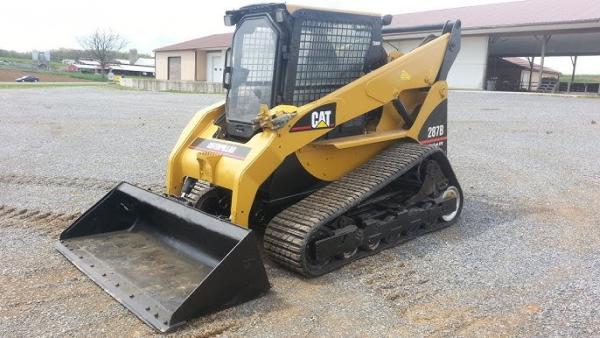
The 2004 Caterpillar 287B Multi-Terrain Loader (MTL) is a versatile and robust machine designed for various applications, including landscaping, construction, and forestry. With its advanced features and capabilities, it has become a popular choice among operators seeking efficiency and reliability.
Key Specifications - Engine: The 287B is equipped with a 3044C DIT engine, delivering 82 horsepower. This engine provides ample power for demanding tasks while maintaining fuel efficiency.
- Operating Weight: Weighing approximately 4,660 kg (10,275 lbs), the 287B offers a solid foundation for stability and traction.
- Rated Operating Capacity: With a rated operating capacity of 1,633 kg (3,600 lbs), the 287B can handle heavy loads, making it suitable for lifting and transporting materials.
- Hydraulic System: The standard hydraulic system operates at a pressure of 23,000 kPa (3,335 psi), providing sufficient force for various attachments. For high-flow applications, the optional High Flow XPS system delivers up to 28,000 kPa (4,060 psi) at a flow rate of 125 L/min (33 gal/min).
- Dimensions: The 287B has a length of 3.7 meters (12 ft 1 in), a width of 1.98 meters (6 ft 6 in), and a height of 2.12 meters (7 ft). These compact dimensions allow for maneuverability in tight spaces.
Common Issues and Troubleshooting
While the 287B is known for its durability, operators may encounter certain issues:- Hydraulic System Problems: Issues such as slow or unresponsive hydraulics can arise due to contamination or wear. Regular maintenance, including fluid changes and filter replacements, is essential to prevent such problems.
- Track Drive Issues: Uneven track movement or loss of power may indicate problems with the drive motors or hydraulic components. Inspecting and servicing these components can restore proper functionality.
- Electrical Failures: Malfunctions in the electrical system, such as non-responsive controls, may be due to faulty wiring or connections. Conducting thorough electrical diagnostics can help identify and resolve these issues.
Maintenance Tips
To ensure the longevity and optimal performance of the 287B:- Regular Fluid Checks: Monitor hydraulic fluid levels and quality. Low or contaminated fluid can lead to performance issues.
- Filter Replacements: Replace hydraulic and engine filters at recommended intervals to prevent clogging and ensure efficient operation.
- Track Maintenance: Inspect tracks for wear and tension. Properly maintained tracks enhance traction and extend service life.
- Electrical Inspections: Regularly check wiring and connections for signs of wear or corrosion to prevent electrical failures.
Operator Experiences
Operators have shared various experiences with the 287B:- Versatility: Many appreciate the machine's ability to handle a wide range of attachments, from buckets to augers, enhancing its utility on the job site.
- Comfort: The enclosed cab with heating and air conditioning provides a comfortable working environment, even in extreme weather conditions.
- Maneuverability: The compact size and skid-steer design allow for excellent maneuverability in confined spaces, making it ideal for urban construction projects.
Conclusion
The 2004 Caterpillar 287B Multi-Terrain Loader stands out as a reliable and versatile machine capable of handling various tasks across different industries. By adhering to regular maintenance schedules and addressing common issues promptly, operators can maximize the machine's lifespan and performance. Its blend of power, agility, and comfort makes it a valuable asset for any construction or landscaping project.
|

|
|
| Troubleshooting Parking Brake Issues on the Case 430 Skid Loader: A Diagnostic Guide |
|
Posted by: MikePhua - 08-12-2025, 11:32 PM - Forum: Troubleshooting & Diagnosing
- No Replies
|
|
Introduction: When the Brakes Won’t Let Go
Parking brake failures on skid loaders can bring operations to a halt—literally. In the case of the Case 430 skid loader, a persistent issue with the parking brake refusing to release can stem from hydraulic, electrical, or mechanical faults. This article explores the diagnostic path for resolving such issues, drawing from field experience, technical principles, and real-world operator challenges.
Understanding the Case 430 Brake System
The Case 430 skid loader uses a hydraulically released parking brake system. This means the brakes are spring-applied and require hydraulic pressure to disengage. If pressure isn’t reaching the brake actuator, the brakes remain locked.
Key components involved: - Hydraulic pump
- Suction line and filters
- Brake solenoid valve
- Pressure switch and wiring harness
- Brake actuator (spring-applied, hydraulic-release type)
Terminology:- Spring-applied hydraulic-release (SAHR): A brake system where springs apply the brake by default, and hydraulic pressure is needed to release it.
- Solenoid valve: An electrically controlled valve that directs hydraulic flow to the brake actuator.
- Actuator: The mechanical device that applies or releases the brake based on hydraulic input.
Initial Checks and Common Pitfalls
When the parking brake won’t release, start with the basics:- Verify hydraulic fluid level and condition
- Inspect suction line for leaks or blockages
- Check pump output pressure (should exceed 2,000 psi under load)
- Confirm solenoid valve operation with multimeter or test light
Field anecdote: A technician in Pennsylvania replaced the pump and suction line on a Case 430 but still couldn’t release the brakes. The issue turned out to be a faulty solenoid coil that wasn’t energizing, despite appearing intact.
Electrical Diagnostics: Don’t Overlook the Wiring
The brake solenoid relies on electrical signals from the operator controls. A break in the circuit, failed relay, or bad ground can prevent activation.
Steps to diagnose:- Check fuse panel for blown fuses related to brake circuit
- Inspect wiring harness for chafing or corrosion
- Test continuity from control switch to solenoid
- Verify voltage at solenoid connector when brake release is commanded
Tip: Use a jumper wire to manually energize the solenoid. If the brakes release, the issue is upstream—likely in the control circuit.
Hydraulic Pressure and Flow: The Invisible Culprit
Even with a new pump, insufficient pressure or flow can prevent brake release. Consider these checks:- Test pressure at the brake actuator port
- Inspect relief valves for sticking or incorrect settings
- Replace hydraulic filters if clogged
- Ensure pump is properly primed and not cavitating
Case example: A contractor in Alberta found that a new pump was installed without bleeding the system. Air pockets prevented pressure buildup, leaving the brakes locked. After proper priming and filter replacement, the system functioned normally.
Mechanical Failures: When Springs and Pistons Fight Back
If hydraulic and electrical systems check out, the brake actuator itself may be jammed or damaged.
Signs of mechanical failure:- Audible clicking or grinding when attempting release
- Brake remains engaged despite full hydraulic pressure
- Actuator piston seized due to rust or contamination
Solution:- Remove actuator and inspect for internal damage
- Clean and lubricate piston and seals
- Replace actuator if spring tension is compromised
Preventive advice: Regularly cycle the parking brake during maintenance to prevent corrosion and ensure smooth operation.
Upgrade Options and Long-Term Solutions
For machines frequently facing brake issues, consider these enhancements:- Install a pressure gauge on the brake circuit for quick diagnostics
- Upgrade to a sealed solenoid valve with better moisture resistance
- Add a manual override switch for emergency release
- Use synthetic hydraulic fluid to reduce moisture absorption
Suggested parameters:- Brake release pressure: 1,800–2,200 psi
- Solenoid voltage: 12V DC (verify with manufacturer)
- Actuator stroke: 1.5–2.0 inches for full release
Conclusion: Diagnosing with Discipline
Parking brake issues on skid loaders like the Case 430 can be deceptively complex. A methodical approach—starting with fluid and pressure checks, moving through electrical diagnostics, and ending with mechanical inspection—ensures no stone is left unturned.
As one seasoned mechanic put it, “You don’t fix brakes by guessing—you fix them by listening, testing, and trusting the system logic.” Whether you're in the field or the shop, the key is to treat every symptom as a clue, not a conclusion.
|
|
|
|
| Locating and Understanding the Pins in a Case 1845C Skid Steer: A Detailed Guide |
|
Posted by: MikePhua - 08-12-2025, 11:31 PM - Forum: General Discussion
- No Replies
|
|
Introduction
The Case 1845C skid steer loader is a durable and versatile machine used extensively in construction and industrial applications. A key aspect of its operation and maintenance involves understanding the location and function of various pins used throughout the machine, especially in the loader arms, brake system, and linkage components. Pins are crucial for pivot points, securing parts, and ensuring smooth mechanical movement. Their wear, damage, or loss can lead to operational issues, safety hazards, and expensive repairs.
This detailed guide explores where the important pins are located in the Case 1845C, their roles, common issues related to them, and practical maintenance tips with illustrative examples from real-world experiences and expert sources.
Key Pin Locations on the Case 1845C - Loader Arm and Bucket Pins
- These pins serve as pivot points where the loader arms and bucket connect.
- They allow the arms to raise, lower, and tilt the bucket efficiently.
- Usually large-diameter steel pins secured with retaining clips or bolts.
- Wear or play in these pins manifests as looseness, rattling, or uneven loader movement.
- Parking Brake Pin
- A critical steel pin located within the chain case assembly.
- It slides through a hole in a sprocket to mechanically hold the parking brake engaged, similar to sticking a "stick through bicycle spokes."
- This pin often experiences freezing, rusting, or jamming due to dirt or moisture ingress, causing brake drag or inability to disengage.
- The pin is operated via a cable and linkage from the brake lever or pedal in the operator cab.
- Drive Chain Pins
- Connect the segments of heavy-duty drive chains that transfer hydraulic motor torque to sprockets and wheels.
- These pins include pin locks which can shear or loosen, causing chain noise or skips.
- Regular inspection is essential to prevent catastrophic drive failures.
- Control Linkage Pins
- Found in the linkage systems controlling boom, bucket, and drive functions.
- Allow movement and force transmission through various mechanical arms and levers.
- These pins are smaller but equally vital for precise control and safe operation.
Common Issues and Solutions Related to Pins- Pin Wear and Looseness
- Over time, pins can wear down from continuous movement and load stress.
- Loose pins cause wobble or uneven operation, impairing machine precision.
- Solution: Measure pin and bushing clearances regularly. Replace worn pins and bushings to restore tight tolerances.
- Corrosion and Freezing
- Especially relevant for the parking brake pin, exposure to moisture leads to rust.
- Rust causes the pin to freeze in place, resulting in brake failure or difficulty in operation.
- Solution: Regular cleaning, lubrication, and inspection before winter operations help prevent rust seizing. Replacement of corroded pins is necessary when damage occurs.
- Broken or Missing Pin Locks
- Retaining clips or locks holding pins in position can break or fall off.
- Without locks, pins may shift or fall out, causing loss of mechanical function.
- Solution: Use high-quality, properly sized retaining pins and clips. Check locking mechanisms during routine maintenance.
- Dirt and Debris Ingress
- Pins in locations such as brake chaincases or loader arm joints can accumulate dirt.
- Accumulated grit accelerates wear and can cause jamming.
- Solution: Frequent cleaning and protective greasing of pin areas reduce risk.
Maintenance Tips and Best Practices- Regular Inspection
- Visually and physically examine pin joints for wear, corrosion, cracks, or looseness.
- Pay special attention to parking brake pins and drive chain pins monthly or more frequently in harsh conditions.
- Proper Lubrication
- Use appropriate grease on pivot and chain pins to protect against wear and moisture.
- Avoid over-greasing to prevent attracting excessive dirt.
- Replacement Guidelines
- Replace pins immediately if excessive wear, bending, or corrosion is noticed.
- Always use OEM or high-quality aftermarket pins designed for Case 1845C specifications.
- Winter Preparation
- Before cold seasons, clean parking brake pin assemblies thoroughly and apply anti-corrosion sprays or grease.
- Test brake functionality to ensure no pin jamming will occur.
Practical Examples and Stories- An experienced Case 1845C operator shared how a seized parking brake pin in winter immobilized the machine on-site. After carefully dismantling the chaincase and replacing the rusted pin and cable linkage, normal brake function was restored. This scenario underlines the importance of early seasonal maintenance.
- A maintenance crew working on an older 1845C found significant wear on the loader arm pins causing unusual bucket play. Replacing the pins and bushings, along with routine greasing schedules, eliminated the slack and improved operator control precision.
- In another case, frequent chain noise traced back to failed pin locks in drive chains led to unexpected downtime. The team adopted a stricter inspection routine and stocked spare pins and locks, reducing chain-related failures by 40%.
Terminology Explained- Pin: A cylindrical fastener used to secure parts allowing relative rotation or movement at joints.
- Parking Brake Pin: A locking pin that physically stops the drive sprocket from rotating to hold the machine in place.
- Pin Lock / Retaining Clip: A mechanism to hold the pin securely, preventing unintended movement or loss.
- Chaincase: Enclosure protecting drive chains and pins from dirt and damage.
- Bushing: A lining within the pin hole that reduces friction and wear between moving parts.
Summary
Pins in the Case 1845C skid steer are fundamental components located in loader arms, parking brake systems, drive chains, and control linkages. Their proper condition is critical to machine safety, reliability, and performance. Common issues include wear, corrosion, locking pin failure, and dirt contamination, which can cause operational difficulties or safety hazards.
Effective maintenance includes regular inspection, cleaning, lubrication, timely replacement, and special attention to the parking brake pin, which often causes brake issues due to rust and freezing. Real-world cases highlight the importance of these practices to prevent costly repairs and downtime.
By understanding pin functions, locations, and maintenance needs, operators and technicians can ensure smooth and safe operation of the Case 1845C skid steer loader for years of reliable service.
|
|
|
|
| Troubleshooting a Case 211 LC Excavator Track Working Only in Reverse |
|
Posted by: MikePhua - 08-12-2025, 11:31 PM - Forum: Troubleshooting & Diagnosing
- No Replies
|
|
Overview
A common issue reported in Case 211 LC excavators is when one of the tracks operates exclusively in reverse and refuses to move forward. This condition not only hampers productivity but also indicates underlying mechanical or hydraulic problems. Understanding the root causes and implementing systematic diagnostic and repair procedures can help restore proper functionality.
Terminology and Components - Final Drive: The component that transmits power from the hydraulic motor to the track sprocket.
- Travel Motor: Hydraulic motor responsible for driving each track.
- Hydraulic Control Valve: Regulates hydraulic fluid flow to control travel motor direction and speed.
- Swash Plate: Part of the hydraulic motor that controls fluid displacement and direction.
- Directional Spool Valve: Controls the flow of hydraulic fluid to determine forward or reverse motion.
Common Causes of Track Operating Only in Reverse
- Hydraulic Control Valve Malfunction
The control valve responsible for directing hydraulic fluid to the travel motor might have internal leaks or damage. If the valve spool is worn or stuck, it may fail to route fluid correctly for forward motion.
- Travel Motor Issues
Internal damage in the travel motor, such as a defective swash plate or faulty pistons, can cause it to operate improperly in one direction.
- Hydraulic Leak or Blockage
Leaks in hydraulic lines or blockage can reduce pressure needed for forward travel, while still allowing reverse due to differential flow paths.
- Mechanical Problems in Final Drive
Worn or damaged gears or bearings inside the final drive can cause insufficient power transfer in one direction.
- Control Linkage or Electrical Failures
If the control linkage or electrical signals that command direction are compromised, the system may fail to initiate forward movement.
Diagnostic Steps- Check Hydraulic Fluid Levels and Condition
Ensure the fluid is at proper levels and free from contaminants that could damage components.
- Inspect Hydraulic Control Valve
Remove and inspect the directional spool valve for wear or damage. Testing with hydraulic pressure gauges can reveal pressure inconsistencies.
- Test Travel Motor Function
Swap travel motors (if possible) between sides to isolate motor issues. Also, measure motor displacement and check for internal leaks.
- Examine Final Drive Components
Remove final drive and inspect gears and bearings for damage or excessive wear.
- Verify Control Linkage and Electrical Systems
Inspect control cables, joystick linkage, and any electronic sensors or switches that control track direction.
Solutions and Recommendations- Valve Repair or Replacement
If the hydraulic control valve is defective, repair or replace it with OEM parts.
- Travel Motor Overhaul
Rebuild or replace the travel motor if internal damage is detected.
- Hydraulic Line Repair
Fix leaks and flush the hydraulic system to ensure proper flow.
- Final Drive Service
Replace worn gears, seals, and bearings as needed.
- Control System Calibration
Adjust or repair control linkages and confirm electrical connections.
Preventive Measures- Conduct regular maintenance including fluid checks and filter replacements.
- Avoid overheating hydraulic fluid by monitoring operating temperatures.
- Schedule periodic inspection of hydraulic and mechanical components.
Case Example
A user experienced one track working only in reverse on a Case 211 LC. After inspecting the hydraulic control valve, it was found that the spool valve had internal scoring causing leakage and loss of forward drive pressure. Replacing the valve restored normal track operation. This case highlights the importance of control valve integrity in travel functions.
Conclusion
When a Case 211 LC excavator track only works in reverse, the issue often lies within the hydraulic control valve, travel motor, or final drive system. Systematic diagnostics focusing on hydraulic flow, mechanical wear, and control linkages are essential to pinpoint the fault. Prompt repair and diligent maintenance ensure reliable excavator operation and extended equipment life.
|
|
|
|
| Bolt-On vs. Weld-On Bucket Teeth: Choosing the Right Setup for Digging Efficiency and Durability |
|
Posted by: MikePhua - 08-12-2025, 11:30 PM - Forum: Parts , Attachments & Tools
- No Replies
|
|
Understanding Bucket Teeth Systems
Bucket teeth are critical components for excavators, skid steers, and backhoes engaged in digging, trenching, and demolition. They enhance penetration, reduce wear on the bucket edge, and improve material handling. Two primary systems dominate the market: bolt-on tooth bars and weld-on shanks with replaceable teeth. Each has its merits, and choosing the right one depends on your machine, soil conditions, and operational needs.
Bolt-On Tooth Bars: Versatility and Simplicity
Bolt-on tooth bars are pre-assembled units that attach directly to the bucket’s cutting edge using bolts. They’re popular among owner-operators and contractors who want a quick upgrade without permanent modification.
Advantages: - Easy installation and removal
- Preserves the original bucket edge
- Ideal for occasional digging tasks
- Can be transferred between buckets
Limitations:- Less robust than welded systems under heavy use
- May flex or shift under extreme loads
- Teeth wear faster if not properly aligned
Case example: A contractor in Georgia used a bolt-on bar for eight years of concrete removal. Despite heavy use, the bar maintained ground contact and protected the bucket edge. He noted that the V-shaped shanks allowed flexing, which distributed stress and prevented cracking.
Weld-On Shanks: Strength and Customization
Weld-on shanks are permanently affixed to the bucket and accept replaceable teeth. This setup is favored for high-duty applications like trenching in rocky soils or demolition.
Advantages:- Superior strength and rigidity
- Custom spacing and alignment
- Better suited for aggressive digging
- Flush-mount options reduce scalping
Limitations:- Requires welding and fabrication skills
- Permanent modification to the bucket
- Harder to remove or transfer
Operator insight: One user in Arkansas retrofitted a smooth bucket with weld-on shanks spaced 9 inches center-to-center, using Type 23 teeth. He aimed for a flush fit to maintain grading capability while improving penetration in gravel and sandy loam.
Tooth Types and Compatibility
Tooth systems vary by manufacturer and application. Common types include:- Type 23: Standard for skid steers and small excavators
- Type 230: Larger variant for heavier machines
- Cat J-Series: Widely used in construction and mining
- ITR: Aftermarket brand offering cost-effective alternatives
Tips for selection:- Match tooth type to machine weight and bucket width
- Ensure adapter compatibility with cutting edge profile
- Consider reversible cutting edges to extend life
Example setup: A 66-inch bucket fitted with 8 ITR teeth showed minimal wear after 900 hours of use. The operator noted they performed comparably to OEM Cat teeth at half the cost.
Fabrication and Fitment Considerations
Whether bolt-on or weld-on, proper fitment is crucial. Misaligned teeth can cause uneven wear, reduce efficiency, and damage the bucket.
Recommendations:- Use a straightedge to check tooth alignment before welding
- Maintain flush contact with the ground for grading
- Reinforce the bucket lip with flat bar if needed
- Inspect tire pressure and loader geometry to ensure level contact
Fabrication anecdote: A contractor modified a Cat bucket by welding shanks onto a reversible cutting edge. This eliminated scalloping between teeth and improved grading performance. After 1,200 hours in mixed soils, the setup remained intact.
Buying Tips and Aftermarket Options
Tooth systems are available from OEMs, dealers, and online platforms. While eBay and surplus yards offer deals, quality varies.
Buying advice:- Inspect used buckets for wear, cracks, and edge condition
- Compare tooth hardness ratings (e.g., Brinell scale)
- Ask dealers about bulk pricing for replacement teeth
- Consider local suppliers for faster turnaround and support
Story from the field: One operator bought a used bucket from a retired contractor. It had a bolt-on tooth bar and a wooden 4x4 bolted underneath. Despite its odd setup, the bucket graded better than newer models—proof that ingenuity sometimes trumps design.
Conclusion: Match the System to the Job
There’s no universal answer to whether bolt-on or weld-on teeth are better. Bolt-on bars offer flexibility and ease, while weld-on shanks provide strength and longevity. The best choice depends on your workload, soil type, and maintenance capacity.
Final suggestions:- For light-duty or multi-purpose use: bolt-on tooth bar
- For heavy-duty digging or demolition: weld-on shanks with replaceable teeth
- For resale value: maintain a smooth bucket and keep tooth systems modular
In the end, the right tooth system turns your bucket from a passive scoop into an active cutting tool—one that can slice through gravel, clay, or concrete with precision and power.
|
|
|
|
| Troubleshooting the Dresser TD15E Dozer: Addressing Starting and Cranking Issues |
|
Posted by: MikePhua - 08-12-2025, 11:29 PM - Forum: Troubleshooting & Diagnosing
- No Replies
|
|
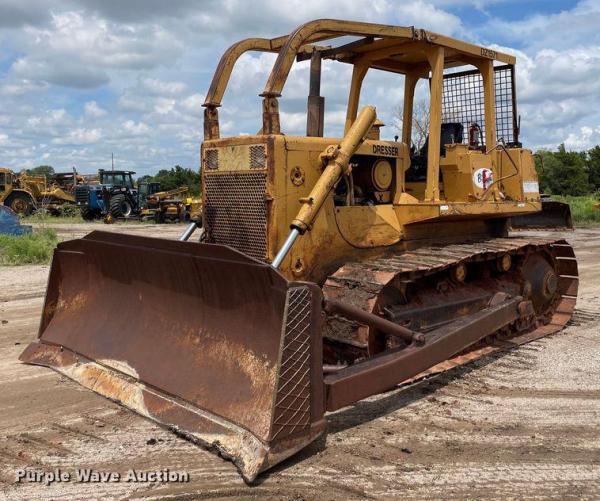
Introduction
The Dresser TD15E dozer, a robust machine from the late 1980s, is renowned for its durability and performance in heavy-duty applications. However, like all machinery, it can encounter issues over time. A common problem reported by operators is the inability to start or crank the engine, often characterized by a single "click" sound when attempting to start. This guide delves into potential causes and solutions for this issue, drawing insights from real-world experiences and technical expertise.
Understanding the Problem
When a Dresser TD15E dozer fails to start or crank, and only a click is heard, it typically indicates an issue with the starting system. This could be due to a faulty starter motor, solenoid, battery, or electrical connections. In some cases, the engine may be seized, preventing the starter from turning.
Potential Causes and Solutions
- Battery Issues
- Cause: A weak or discharged battery can lack the necessary power to engage the starter motor.
- Solution: Ensure the battery is fully charged and in good condition. If the battery is old or damaged, consider replacing it.
- Faulty Starter Motor
- Cause: A malfunctioning starter motor may fail to engage or turn the engine over.
- Solution: Remove the starter motor and bench-test it to confirm its operation. If defective, replace it with a compatible unit.
- Defective Solenoid
- Cause: The solenoid acts as a switch to engage the starter motor. If it's faulty, it may not complete the circuit.
- Solution: Test the solenoid for continuity. If it fails, replace it.
- Electrical Connections
- Cause: Loose or corroded battery terminals or ground connections can impede current flow.
- Solution: Inspect and clean all electrical connections, ensuring they are tight and free from corrosion.
- Engine Seizure
- Cause: Internal engine issues, such as stuck valves or lack of lubrication, can cause the engine to seize.
- Solution: Attempt to manually rotate the engine using a wrench on the crankshaft pulley bolt. If the engine turns over, address any internal issues.
Case Study: A Real-World Example
An operator reported that after the dozer had been idle for several years, it failed to start. The starter motor would click but not engage. Upon inspection, the battery was found to be discharged, and the starter motor was seized. After replacing the battery and starter motor, the dozer started without issues.
Conclusion
Addressing starting and cranking issues in the Dresser TD15E dozer involves a systematic approach to diagnose and rectify potential problems. By ensuring the battery is charged, the starter motor and solenoid are functioning correctly, electrical connections are secure, and the engine is not seized, operators can restore the dozer to optimal performance. Regular maintenance and timely interventions can prolong the life of the equipment and prevent unexpected downtimes.
|
|
|
|
| Troubleshooting Intermittent Track Power Loss on Case 850 Dozers |
|
Posted by: MikePhua - 08-12-2025, 11:28 PM - Forum: Troubleshooting & Diagnosing
- No Replies
|
|
Experiencing intermittent track power loss on a Case 850 dozer, especially on inclines, can be perplexing. A user reported that after pushing dirt for over 120 hours, the machine performed flawlessly on flat ground and uphill but began losing power to the tracks when operating on a slight incline or when pushing downhill and attempting to back up. Interestingly, the power would return after moving to level ground for a brief period. This issue persisted despite thorough maintenance, including replacing all filters and screens during the refurbishment.
Potential Causes and Diagnostic Steps
- Hydraulic Fluid Levels and Quality
Low or contaminated hydraulic fluid can lead to insufficient pressure, affecting track performance. It's crucial to check the hydraulic fluid levels and ensure they are within the recommended range. Additionally, inspect the fluid for contamination or degradation, which can impair system function.
- Transmission and Final Drive Systems
The transmission and final drive systems are integral to track movement. Issues such as low fluid levels, worn components, or internal leaks can cause power loss. Regular maintenance and timely replacement of worn parts are essential to prevent such problems.
- Brake System Malfunctions
A malfunctioning brake system can impede track movement. For instance, a user reported that the left track on a Case 850K dozer wouldn't operate, and upon inspection, it was found that the brake system wasn't releasing properly. After checking the brake pressure and solenoid function, the issue was traced back to a faulty brake system component.
- Hydraulic Control Valves and Filters
Clogged or malfunctioning hydraulic control valves can disrupt fluid flow, leading to power loss. It's advisable to inspect and clean all hydraulic filters and control valves regularly to ensure optimal performance.
Recommended Solutions- Regular Maintenance: Adhere to the manufacturer's recommended maintenance schedule, including timely replacement of filters and fluids.
- System Inspections: Conduct thorough inspections of the hydraulic, transmission, final drive, and brake systems to identify and address potential issues promptly.
- Professional Assistance: If the problem persists after performing basic diagnostics and maintenance, consider seeking assistance from a professional technician with experience in Case dozers.
Conclusion
Intermittent track power loss on a Case 850 dozer can stem from various issues, including hydraulic fluid problems, transmission or final drive malfunctions, brake system failures, and hydraulic control valve obstructions. By systematically diagnosing and addressing these potential causes, operators can restore their dozer's performance and prevent future occurrences.
|
|
|
|
| Comprehensive Guide to Caterpillar 931 Loader: Specifications, Features, and Practical Insights |
|
Posted by: MikePhua - 08-12-2025, 11:28 PM - Forum: General Discussion
- No Replies
|
|
Introduction to Caterpillar 931 Crawler Loader
The Caterpillar 931 is a classic crawler loader designed for versatile earthmoving and construction applications. Known for its reliable performance and durable build, the 931 has served in various capacities where strong traction and precise material handling are essential. It combines a robust diesel engine with a hydrostatic transmission system, delivering steady power and operational efficiency.
Engine and Powertrain - Engine Model: Cat 3204, a water-cooled, 4-cylinder diesel engine.
- Horsepower: Approximately 62 hp.
- Fuel Capacity: 30.3 gallons.
- This engine delivers dependable torque and is appreciated for its durability in demanding environments.
- The hydrostatic transmission enables smooth and responsive control without frequent gear changes, easing operator workload and enhancing maneuverability.
Dimensions and Weight- Operating Weight: About 6,900 kg (15,211 lbs), balancing stability with mobility.
- Ground Clearance: Approximately 1.04 ft (12.5 inches), allowing for moderate off-road capability.
- Width to Outside of Tracks: Roughly 5.84 ft.
- Height to Top of Cab: Around 8.92 ft.
- Length with Bucket on Ground: About 13.42 ft.
- These dimensions provide enough footprint for stability during heavy lifting while allowing access to confined job sites.
Bucket and Performance- Bucket Capacity: Approximately 0.84 to 0.9 cubic meters (about 1.1 to 1.3 cubic yards).
- Max Speed Forward: Around 6.9 mph.
- The bucket's size facilitates efficient loading and digging cycles while maintaining machine balance.
- The quick responsiveness of the crane and hydraulic systems supports precise material placement and handling.
Hydraulic System and Controls- The Caterpillar 931 utilizes advanced hydrostatic drive controls, making operator input intuitive and smooth.
- The hydraulic system powers the loader arms and bucket tilt functions, promoting efficiency and reducing operator fatigue.
- Ergonomic control layouts favor both novice and experienced operators by simplifying machine response.
Maintenance Insights and Best Practices- Regular oil and filter changes in both engine and transmission ensure consistent performance and extended equipment life.
- Track tension and undercarriage inspections are critical to avoid premature wear.
- Hydraulic fluid checks and filter replacements maintain responsive controls and prevent costly failures.
- Monitoring fuel quality and scheduling routine engine tune-ups preserves power output and fuel efficiency.
Common Issues and Solutions- Chain and track wear can lead to reduced traction or excessive noise; timely replacement avoids operational delays.
- Hydraulic leaks or control delays are often resolved through inspection of hoses, fittings, and valve adjustments.
- Engine overheating may occur from cooling system blockages; routine radiator and coolant maintenance prevent this.
- Electrical system hitches may affect instrumentation or ignition; inspecting connectors and grounding often resolves faults.
Real-World Examples and Anecdotes- Operators have reported that upgrading to genuine Cat filters and fluids enhances machine longevity noticeably over generic products.
- One construction team credited the 931 with excellent performance in muddy terrain due to its crawler tracks and reliable engine torque.
- A maintenance crew's preventive care program focused on daily walkarounds and fluid checks cut unplanned downtime by 25%, underscoring the importance of regular attention in heavy equipment care.
Terminology Explained- Hydrostatic Transmission: A system using hydraulic fluid to transmit power, allowing variable speed and torque control without gear shifts.
- Crawler Loader: A tracked machine capable of digging and loading, combining features of bulldozers and wheel loaders.
- Operating Weight: The total weight of the machine ready for work, including fuel and fluids.
- Ground Clearance: The distance between the bottom of the machine and the ground, affecting maneuverability over rough terrain.
- Bucket Capacity: The volume of material the loader bucket can carry per scoop.
Additional Tips and Recommendations- Use OEM parts for replacements to ensure compatibility and durability.
- Train operators on smooth control inputs to minimize wear and fuel consumption.
- Schedule periodic professional inspections focusing on undercarriage and hydraulic system health.
- Keep detailed maintenance logs to spot trends and address issues early.
- Consider machine attachments and configuration to optimize for specific job site tasks.
Summary
The Caterpillar 931 crawler loader represents a balanced combination of power, durability, and operator-friendly controls, making it well-suited for a range of heavy-duty construction and earthmoving projects. Its robust Cat 3204 engine and hydrostatic transmission provide reliable propulsion and smooth operation. Proper maintenance, including fluid management, track upkeep, and hydraulic system care, is essential to maintaining performance and extending machine life.
Real-world experience underlines the benefits of adherence to manufacturer maintenance schedules and use of quality parts. These efforts translate into reduced downtime, safer operation, and more effective project completion.
By mastering the technical details and care practices outlined, owners and technicians can maximize productivity and longevity of the Caterpillar 931 crawler loader in demanding work environments.
|
|
|
|
| Chimney Demolition: Techniques, Safety, and Case Studies |
|
Posted by: MikePhua - 08-12-2025, 11:27 PM - Forum: General Discussion
- No Replies
|
|
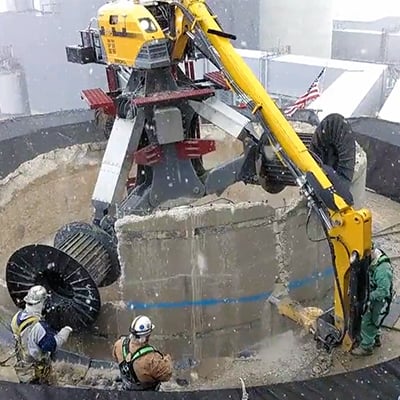
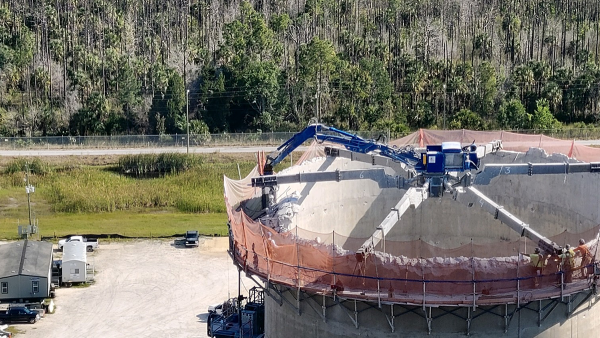
Chimney demolition is a specialized field within the construction industry, requiring precise planning, advanced techniques, and stringent safety measures. This article delves into the various methods employed in chimney demolition, highlights notable case studies, and discusses the safety protocols essential for such operations.
Chimney Demolition Techniques
- Controlled Blasting
Controlled blasting is a method where explosives are strategically placed at the base of the chimney to bring it down in a controlled manner. This technique is often used for tall industrial chimneys where other methods may be impractical.- Case Study: The demolition of the 183-meter chimney at Rugeley power station in Birmingham utilized controlled blasting to safely collapse the structure without causing damage to surrounding areas .
- Mechanical Demolition
Mechanical demolition involves the use of heavy machinery such as cranes, excavators, and specialized equipment like the MANTIS system. These machines are used to dismantle the chimney piece by piece, ensuring controlled and safe removal.- Case Study: At the Harllee Branch Power Plant in Georgia, USA, a 400-foot tall reinforced concrete chimney was demolished using mechanical methods. The process included removing the outer concrete shell and addressing internal components like steel liners and ductwork .
- Spider Technology
Spider technology employs remotely operated machines that can access difficult-to-reach areas of the chimney. This method is particularly useful for chimneys located in confined spaces or where traditional equipment cannot operate.- Case Study: In Frankfurt am Main, Germany, a reinforced concrete chimney was dismantled using spider technology. The machine was raised to the top of the chimney using strand jacks and began demolition from the top down, removing all but the bottom 30 feet .
- Chimney Demolition Saw
For chimneys located in urban areas or near sensitive structures, a chimney demolition saw is used. This specialized equipment allows for precise cutting of the chimney structure, minimizing vibrations and debris.- Case Study: The demolition of a 200-meter high chimney at BASF involved the use of a chimney demolition saw. This method enabled the project to be completed within 8 weeks, compared to an estimated 6 months using traditional methods .
Safety Protocols in Chimney Demolition
Given the complexities and risks associated with chimney demolition, adhering to safety protocols is paramount:- Personal Protective Equipment (PPE): Workers must wear appropriate PPE, including helmets, gloves, safety boots, and eye protection.
- Structural Assessment: Before demolition, a thorough assessment of the chimney's structural integrity is conducted to identify potential hazards.
- Debris Management: Measures are put in place to manage falling debris, such as using netting or barriers to protect workers and nearby structures.
- Environmental Considerations: Dust suppression techniques and monitoring for hazardous materials like asbestos are essential to protect both workers and the surrounding environment.
Conclusion
Chimney demolition is a complex process that requires specialized knowledge, equipment, and strict adherence to safety standards. By employing appropriate demolition techniques and safety protocols, the risks associated with such operations can be effectively managed, ensuring the safety of workers and the surrounding community.
|
|
|
|
| Euclid TS-S40 Tandem Scraper: In-Depth Overview, Features, and Operational Insights |
|
Posted by: MikePhua - 08-12-2025, 11:25 PM - Forum: General Discussion
- No Replies
|
|
Introduction to the Euclid TS-S40
The Euclid TS-S40 is a powerful tandem scraper designed for high-capacity earthmoving tasks, widely respected for its robust construction and impressive performance in heavy construction, mining, and large-scale earthmoving projects. Built in an era when industrial earthmoving machinery was advancing rapidly, the TS-S40 stands out for its impressive engine options and reliable automatic transmission that helped it become a workhorse on demanding sites.
Engine and Powertrain - The TS-S40 was typically equipped with a choice between premium heavy-duty diesel engines, notably:
- Detroit Diesel 12V-71 V12 engine, delivering around 432 horsepower.
- Alternatively, a Cummins NVH-12 engine, providing approximately 450 horsepower.
- The Detroit Diesel V12 featured twin 1271 blowers and two turbochargers, making it a powerhouse with ample torque and responsiveness essential for scraper operations.
- The power was managed through an automatic transmission, simplifying operation by allowing smooth shifts without manual intervention, thereby facilitating operator focus on material handling and site navigation.
- The drivetrain was optimized for tandem scraper operation, delivering consistent traction and power to both scraper bowls, enabling efficient loading and hauling, especially in challenging terrains and heavy-duty cycles.
Scraper Design and Capacity- The TS-S40 featured a robust tandem scraper design with two large scraper bowls, offering significant material carrying capacity suitable for large earthmoving projects.
- The scraper bowls were engineered to maximize material retention during hauling, reducing spillage and ensuring optimal productivity.
- The machine’s weight and balance catered to excellent stability, even when fully loaded, enhancing safety and operator confidence during operation on slopes or uneven ground.
Hydraulic and Control Systems- The scraper incorporated well-integrated hydraulic controls for bowl elevation, apron operation, and ejection mechanisms.
- Hydraulic systems were designed for durable performance, with generous fluid capacities and robust pump systems helping maintain consistent pressure and flow, essential for efficient scraper cycle operations.
- Operator controls were straightforward yet effective, facilitating quick response during loading and dumping cycles.
Operational Efficiency and Performance- The combination of high horsepower engines and automatic transmission enabled the TS-S40 to deliver smooth acceleration and consistent speed, critical for maintaining cycle times on large projects.
- The powerful dredging capacity and reliable drivetrain made the TS-S40 a preferred choice for operations requiring both productivity and reliability.
- The machine’s design allowed for relatively easier maintenance compared to other heavy equipment of the era, contributing to better uptime and lower overall operating costs.
Maintenance and Troubleshooting Recommendations- Regular inspection of the hydraulic system to prevent leaks and maintain pressure integrity is fundamental. Particular attention should be given to pumps, lines, and cylinder seals.
- Engine maintenance including proper servicing of the Detroit Diesel or Cummins engines ensures sustained power output and fuel efficiency.
- Automatic transmission fluid levels and condition should be regularly monitored and replaced as per manufacturer intervals to avoid shifting issues.
- Track and tire inspection will help maintain traction and stability, especially important for tandem scraper operation.
- Tightening and lubricating all hinge points, apron assemblies, and ejector mechanisms prevents wear and maintains smooth cycle functions.
Real-World Experience and Anecdotes- Operators who have run the TS-S40 report the Detroit Diesel 12V-71 engine’s twin blowers and turbos provided exceptional low-end torque for initial loading, while turbochargers supported the machine through hauling heavy loads over extended distances.
- The automatic transmission was especially praised for reducing operator fatigue on long shifts, allowing smoother gear transitions even on uneven terrain.
- On a notable construction project in the 1970s, a fleet of TS-S40 scrapers was used to move millions of cubic yards of earth, setting a benchmark in scraper productivity at that time.
- One owner detailed a case where regular preventative maintenance, particularly on the hydraulic pump and transmission fluid, prevented what could have been costly downtime during peak construction phases.
Terminology Explained- Tandem Scraper: Heavy machinery with two connected scraper bowls designed for efficient earth excavation and transport.
- Detroit Diesel 12V-71 Engine: A V12 diesel engine with twin superchargers and turbochargers, known for high power and durability.
- Automatic Transmission: A transmission system that automatically selects gear ratios as the vehicle moves, enhancing operation ease.
- Scraper Bowl: Large metal containers that hold excavated material during transportation.
- Apron: The front gate of the scraper bowl that raises to allow material to enter during loading.
- Ejector Mechanism: Hydraulic system that pushes material out of the scraper bowl during dumping.
Additional Tips and Solutions- Employ high-quality replacement parts for hydraulic pumps and engine components to preserve machine longevity.
- Maintain clean cooling system fluids and monitor engine temperature to prevent overheating and engine damage.
- Utilize routine hydraulic system flushes and transmission service to avoid contamination-related issues.
- Train operators on the nuances of automatic transmission scrapers to maximize machine performance and lifespan.
- Implement scheduled preventive maintenance to inspect structural welds and frame integrity to avoid costly repairs.
Summary
The Euclid TS-S40 tandem scraper is a hallmark machine of its era, combining powerful diesel engines—either Detroit Diesel’s V12 or Cummins’ high-performance engine—with an automatic transmission and rugged scraper design. Its strong capabilities in both loading and hauling made it an efficient and reliable workhorse for large-scale earthmoving projects, known for its impressive productivity and relative ease of operation.
Through solid design, powerful engine options, and hydraulic reliability, the TS-S40 continues to be respected among heavy equipment historians and enthusiasts. Proper maintenance and operational understanding are key to realizing the full potential of this iconic scraper.
This detailed overview provides insights into the TS-S40’s technical strengths, practical use, maintenance needs, and the enduring legacy it holds within the heavy equipment industry. Understanding these aspects benefits operators, technicians, and collectors alike, ensuring the continued appreciation and functional preservation of the Euclid TS-S40 in various earthmoving environments.
|
|
|
|
|



