| Welcome, Guest |
You have to register before you can post on our site.
|
| Online Users |
There are currently 88 online users.
» 0 Member(s) | 76 Guest(s)
Ahrefs, Amazon, Applebot, Bing, Claude, DotBot, Facebook, Google, OpenAI, Semrush, Twitter
|
| Latest Threads |
Identifying and Sourcing ...
Forum: Parts , Attachments & Tools
Last Post: MikePhua
01-07-2026, 06:29 PM
» Replies: 0
» Views: 527
|
Cat 931B Brake Parts
Forum: Parts , Attachments & Tools
Last Post: MikePhua
01-07-2026, 06:29 PM
» Replies: 0
» Views: 283
|
Choosing Between Cat 228,...
Forum: General Discussion
Last Post: MikePhua
01-07-2026, 06:28 PM
» Replies: 0
» Views: 557
|
Hydraulic Delay When Lowe...
Forum: Troubleshooting & Diagnosing
Last Post: MikePhua
01-07-2026, 06:27 PM
» Replies: 0
» Views: 446
|
Bale Chopper and Mulcher ...
Forum: General Discussion
Last Post: MikePhua
01-07-2026, 06:26 PM
» Replies: 0
» Views: 323
|
Mini UC Maintenance
Forum: General Discussion
Last Post: MikePhua
01-07-2026, 06:25 PM
» Replies: 0
» Views: 313
|
Locating Wiring Informati...
Forum: General Discussion
Last Post: MikePhua
01-07-2026, 06:24 PM
» Replies: 0
» Views: 345
|
Case Industrial Brown Sub...
Forum: Parts , Attachments & Tools
Last Post: MikePhua
01-07-2026, 06:23 PM
» Replies: 0
» Views: 275
|
Dirt Work in West Virgini...
Forum: Construction & Urban Infrastructure Forum
Last Post: MikePhua
01-07-2026, 06:23 PM
» Replies: 0
» Views: 374
|
D207 P Hydraulic Steering...
Forum: Parts , Attachments & Tools
Last Post: MikePhua
01-07-2026, 06:22 PM
» Replies: 0
» Views: 303
|
|
|
| Detailed Guide to Changing Coolant on a 2004 Bobcat 331D Compact Excavator |
|
Posted by: MikePhua - 08-12-2025, 11:13 PM - Forum: General Discussion
- No Replies
|
 |
Introduction to Coolant Maintenance for Bobcat 331D
Proper coolant maintenance is critical for the reliable operation and longevity of the Bobcat 331D compact excavator. The cooling system prevents engine overheating, protects against freezing in cold conditions, and ensures optimal engine performance. Regular coolant changes remove degraded antifreeze and contaminants, maintaining the system’s efficiency and reducing corrosion risks.
According to Bobcat recommendations, coolant replacement is generally advised every 1,500 operational hours or every 24 months. However, some operators prefer to perform flushes at 1,000 hours for better preventive care.
Overview of Bobcat 331D Cooling System - The 331D cooling system holds about 4 gallons (16 quarts) of coolant.
- It uses a propylene glycol-based antifreeze, identifiable by its purple color, which offers excellent freeze protection and engine safety.
- The coolant circulates through the radiator, engine block, oil cooler, and heater hoses.
- The system maintains pressure via a radiator cap, with an expansion/recovery tank for overflow management.
Step-by-Step Coolant Change Procedure
- Safety First:
- Ensure the engine is cool before opening the radiator cap to avoid serious burns from hot coolant spray.
- Work in a well-ventilated area and use protective gloves and eyewear.
- Prepare Tools and Materials:
- Drain pans for catching old coolant.
- Approximately 4 gallons of propylene glycol-based coolant.
- Hose pinch pliers to clamp hoses.
- Flexible hose (5/8 inch recommended) to direct draining coolant cleanly.
- Funnel for refilling coolant.
- Drain Existing Coolant:
- Open the radiator drain petcock located at the bottom of the radiator.
- Drain coolant from the engine block using the drain valve beneath the injector pump (engine side).
- Remove heater hoses and drain residual coolant from them.
- Use hose pinch pliers to clamp hoses and control spills.
- Remove the radiator cap to allow air in and promote better drainage.
- When most coolant has drained, close all valves and reconnect heater hoses.
- Flush the System (Optional but Recommended):
- Some operators run distilled water through the system to flush contaminants, followed by complete drainage.
- However, the propylene glycol coolant used typically maintains system cleanliness, so thorough flushing with water may not be required every time.
- Refill with Proper Coolant:
- Refill the system slowly using the Bobcat-recommended propylene glycol antifreeze mixture (typically 47% water and 53% antifreeze).
- Fill until the radiator and recovery tank reach correct levels, usually requiring just over 4 gallons.
- Avoid using green ethylene glycol antifreeze or alternatives that are not OEM-approved.
- Bleed Air from the Cooling System:
- Some models have bleeder valves; otherwise, run the engine with the radiator cap off to allow trapped air to escape.
- Top off coolant as needed during bleeding.
- Ensure no air bubbles remain, to maintain optimal cooling efficiency.
- Final Checks:
- Securely close the radiator cap.
- Inspect all connections and hoses for leaks.
- Run the engine to operating temperature, monitor temperature gauges, and recheck coolant levels once cooled.
Common Challenges and Tips- Coolant Volume Residue: Due to system design complexity, some coolant (up to 10 quarts) may remain after draining. It's acceptable and normal, but regular flushes help prevent buildup.
- Hose Clamping: Using appropriate hose pinch pliers is crucial to prevent coolant spills and make hose disconnection easier.
- Coolant Type: Always use manufacturer-specified propylene glycol coolant to prevent component damage and ensure freeze protection.
- System Pressure: Release radiator cap pressure cautiously; sudden release can cause coolant to squirt forcefully.
Terminology Explained- Propylene Glycol Coolant: A nontoxic antifreeze coolant commonly used in Bobcat machines, offering freeze protection and corrosion inhibition.
- Radiator Drain Petcock: A valve at the radiator base used for draining coolant.
- Heater Hoses: Hoses that carry coolant to and from the cabin heater core.
- Bleeding Air: Removing trapped air from the cooling system to prevent overheating and maintain coolant flow.
- Radiator Cap: A pressure valve that maintains system pressure and allows coolant reservoir refilling.
Practical Examples and Stories
A Bobcat 331D operator in the field shared that performing coolant changes on a strict 1,000-hour schedule prevented any overheating or cooling system corrosion, even under heavy construction workloads and high ambient temperatures. The operator emphasized the importance of using the correct purple propylene glycol coolant instead of cheaper generic antifreeze, citing component longevity.
In another case, a maintenance technician recalled that failing to clamp heater hoses properly during coolant changes caused significant coolant spillage and cleanup delays. Since switching to proper hose pinch pliers and a short hose extension to direct drainage, the procedure became cleaner and faster.
Additionally, some construction fleets have adopted regular coolant flushes combined with visual inspections of radiator fins and hoses, reducing unexpected downtime caused by cooling system failures in winter and summer extremes.
Maintenance Recommendations- Replace coolant every 1,000 to 1,500 hours or every two years, whichever comes first.
- Inspect hoses and clamps for wear or cracks at each coolant change and replace as necessary.
- Monitor engine temperature gauges during operation for early signs of cooling issues.
- Use only OEM or approved coolant types to maintain warranty protection and machine integrity.
- Keep coolant containers tightly sealed to avoid contamination.
Summary
Changing coolant on the 2004 Bobcat 331D compact excavator is a vital maintenance task that safeguards the engine against overheating and freeze damage. Using proper tools, approved propylene glycol-based coolant, and following systematic draining, refilling, and bleeding steps ensure the cooling system functions optimally.
Operators who adhere to recommended schedules and pay attention to detail—such as securing hoses and carefully managing coolant flow—prolong engine life, reduce operational interruptions, and maintain equipment reliability in diverse working conditions.
This comprehensive guidance, enriched by real-world user experiences and practical tips, empowers Bobcat 331D owners and technicians to perform coolant maintenance confidently, keeping their machines productive and safe.
|

|
|
| Kobelco 330 Excavator with Waratah Head: Diagnosing Half-Speed Hydraulic Performance |
|
Posted by: MikePhua - 08-12-2025, 11:12 PM - Forum: Parts , Attachments & Tools
- No Replies
|
|
Introduction: When Travel Is Fine but Work Functions Lag
The Kobelco 330 is a powerful forestry-class excavator often paired with processing heads like the Waratah for timber harvesting. These machines are designed to deliver high hydraulic flow and responsive control across multiple functions. But when travel speed is normal and all other hydraulic operations—including boom, stick, and processing head—run at half speed, it points to a systemic issue in flow distribution or control logic. This article explores the likely causes, diagnostic strategies, and repair options for such performance degradation.
Symptoms: Travel Normal, Processing Head and Boom Slow
The machine in question traveled without issue, but: - Boom and stick movements were sluggish.
- Waratah processing head operated at reduced speed.
- Hydraulic output to attachments was limited.
- No fault codes or alarms were reported.
This suggests the travel circuit is receiving full hydraulic priority, while auxiliary and implement circuits are restricted.
Understanding Hydraulic Flow Distribution in Kobelco Excavators
Kobelco excavators use a load-sensing hydraulic system with multiple pumps and electronic control valves. The system prioritizes travel functions when moving, and redistributes flow to implements when stationary.
Key components:- Main Hydraulic Pumps: Typically two variable-displacement piston pumps.
- ECM (Electronic Control Module): Manages flow distribution based on operator input and machine status.
- Flow Control Valves: Direct hydraulic oil to travel motors, boom cylinders, and auxiliary circuits.
- Waratah Head Interface: Requires high flow and pressure, often through a dedicated auxiliary circuit.
If the ECM misinterprets machine status or if a valve is stuck, flow may be restricted to non-travel functions.
Possible Causes of Half-Speed Operation
Several issues can cause reduced hydraulic performance:- ECM Misconfiguration: If the machine was recently reprogrammed or paired with a new head, the ECM may limit flow to protect components.
- Hydraulic Pump De-Stroking: Pumps may not reach full displacement due to sensor faults or control valve issues.
- Priority Valve Stuck: A valve that prioritizes travel may be stuck open, starving other circuits.
- Flow Divider Malfunction: Internal wear or contamination can prevent proper flow splitting.
- Waratah Head Demand Limiting: If the head’s controller limits flow due to perceived overpressure or temperature, performance drops.
Field anecdote: A logger in Oregon experienced similar symptoms after installing a new Waratah head. The head’s controller had default flow limits set for a smaller carrier. Once reprogrammed to match the Kobelco’s specs, full speed was restored.
Diagnostic Strategy
To isolate the fault, follow these steps:- Check hydraulic pressure at multiple test ports (main pump, boom, auxiliary).
- Monitor pump displacement via diagnostic software or pressure sensors.
- Inspect ECM settings for flow limits or travel priority overrides.
- Test valve actuation manually or via scan tool.
- Disconnect Waratah head and test boom/stick speed independently.
If boom and stick speed return to normal without the head, the issue lies in the head’s controller or flow demand settings.
Recommended Solutions
Depending on the root cause, consider these fixes:- Reprogram ECM to match attachment flow requirements.
- Clean or replace priority and flow control valves.
- Inspect hydraulic pump control solenoids for sticking or electrical faults.
- Update Waratah head software and verify flow demand parameters.
- Flush hydraulic system if contamination is suspected.
Suggested parameters:- Main pump pressure: 4,500 psi (310 bar) nominal.
- Auxiliary flow: 60–80 gpm depending on head type.
- ECM firmware: Match to machine serial and attachment model.
Preventive Measures for Attachment Integration
To ensure smooth integration of processing heads:- Always match hydraulic specs between carrier and attachment.
- Use OEM or certified interface kits for wiring and flow control.
- Perform full system calibration after installation.
- Monitor hydraulic temperatures during initial operation.
Conclusion: Flow Logic Is the Key to Full-Speed Operation
When a Kobelco 330 runs at half speed on everything but travel, the issue is rarely mechanical—it’s hydraulic logic. Whether it’s a misconfigured ECM, a stuck priority valve, or a mismatched attachment controller, the solution lies in understanding how flow is distributed and controlled. With proper diagnostics and calibration, these machines can return to full productivity—turning timber into profit with every stroke.
As one technician put it, “Hydraulics don’t guess—they follow orders. You just have to find out who’s giving the wrong ones.”
|
|
|
|
| Mud Mountain Haulers: Inside the World of Logging and Hauling in British Columbia |
|
Posted by: MikePhua - 08-12-2025, 11:12 PM - Forum: Farming, Landscaping, Forestry Industry Forum
- No Replies
|
|
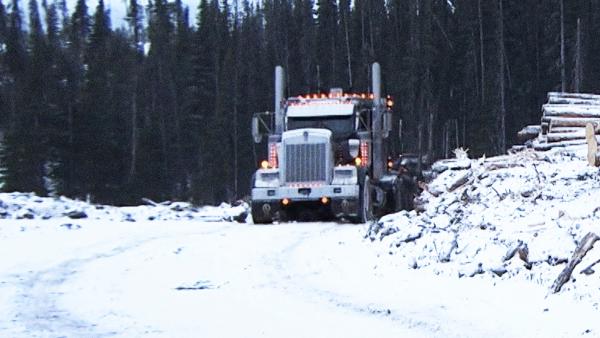
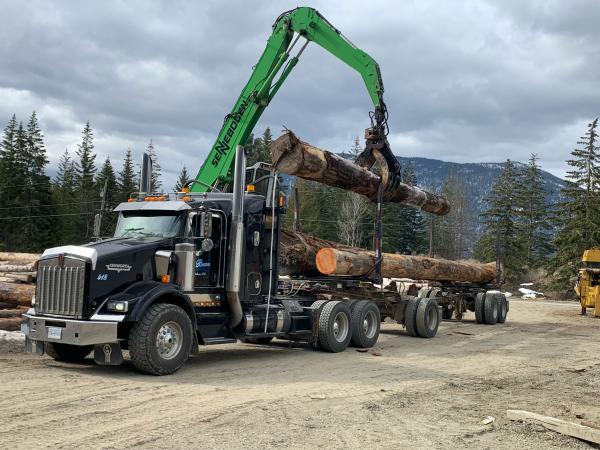
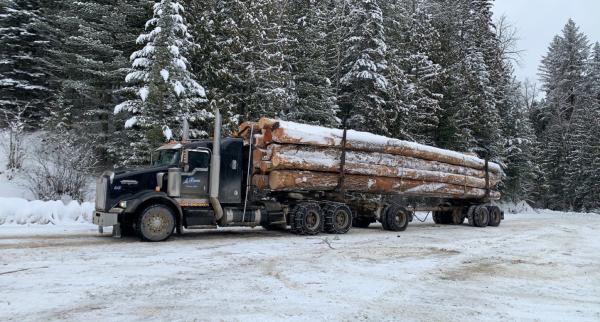
Introduction
Logging and hauling in the rugged terrains of British Columbia (BC) are not for the faint of heart. The province's steep slopes, unpredictable weather, and challenging road conditions make it one of the most demanding environments for loggers and truckers. The television series "Mud Mountain Haulers" offers an unfiltered look into this high-risk industry, showcasing the daily lives of those who navigate these treacherous conditions to deliver timber to the mills.
The Terrain and Challenges
BC's mountainous landscapes present unique challenges for the logging industry. Steep slopes, often exceeding 30 degrees, require specialized equipment and techniques to safely extract timber. The "breakup" season, when thawing snow and rain turn roads into impassable mud, further complicates operations. Loggers and haulers must time their operations precisely to avoid delays and equipment damage.
Key Equipment Used in the Industry - Kenworth C500: A heavy-duty truck known for its durability and ability to handle BC's rough terrains.
- Self-Loading Trailers: These trailers allow operators to load logs without additional machinery, increasing efficiency.
- Log Loader Cranes: Mounted on trucks, these cranes assist in loading logs onto the hauler, especially in remote areas.
Safety and Regulations
Safety is paramount in the logging industry. Operators must adhere to strict regulations set by WorkSafeBC and other governing bodies. These regulations cover equipment standards, road safety, and environmental considerations. Regular training and certification ensure that workers are prepared for the hazards they face daily.
Environmental Considerations
Logging in BC is subject to rigorous environmental assessments. Companies must implement sustainable practices to minimize their ecological footprint. This includes reforestation efforts, wildlife habitat preservation, and water quality monitoring. The industry collaborates with environmental organizations to ensure that logging activities do not compromise the province's rich biodiversity.
Conclusion
The logging and hauling industry in British Columbia is a testament to human resilience and ingenuity. Through innovative equipment, stringent safety protocols, and a commitment to environmental stewardship, workers continue to meet the demands of this challenging profession. Shows like "Mud Mountain Haulers" bring to light the dedication and hard work of those who operate in one of the most demanding industries in the world.
|
|
|
|
| CAT 299D2 Hydraulic Drive Speed Sensor: Removal, Diagnosis, and Replacement |
|
Posted by: MikePhua - 08-12-2025, 11:10 PM - Forum: Parts , Attachments & Tools
- No Replies
|
|
Introduction: When Pulse Width Alerts Point to a Hidden Fault
The CAT 299D2 Compact Track Loader is a high-performance machine designed for precision and power. But like many modern machines, its reliability depends on a network of sensors feeding data to the control system. One critical component is the hydraulic drive speed sensor, which monitors wheel speed and helps regulate drive performance. When the system throws an “abnormal pulse width speed frequency” alert—especially on one side—it’s often the sensor itself or its wiring at fault. This article walks through the diagnosis, removal, and replacement of the speed sensor, with practical advice from field experience.
Symptoms: RH Speed Sensor Alert and Drive Performance Issues
Operators reported the following symptoms: - Alert on the right-hand hydraulic drive speed sensor.
- Verified signal voltage at the machine-side plug.
- No visible chafing or damage to the wiring harness.
- Swapping connectors under the cab moved the fault to the opposite side.
This confirmed the issue was sensor-related, not wiring or controller logic.
Sensor Location and Removal Challenges
The speed sensor is mounted near the hydraulic drive motor, protected by a guard and connected via a sheath and conduit. Removing it requires patience and precision.
Steps for removal:- Remove the retaining nut securing the sensor’s sheath.
- Unbolt the cover housing the sensor harness (typically four bolts).
- Locate the sensor plug beneath the cover.
- Remove the 6mm Allen screw securing the sensor.
- Gently pry the sensor out using a flat screwdriver.
Important notes:- The sensor is sealed with an O-ring, making it a tight fit.
- Avoid twisting or forcing the sensor—damage to the bore or sensor body can occur.
- Limited working space may require removing the guard or slightly shifting the track frame.
Field tip: Jacking up the machine and sliding the track frame outward a few inches can provide better access. Just be cautious not to slide it off the axle shaft more than halfway.
Testing and Troubleshooting Before Replacement
Before replacing the sensor, technicians performed several diagnostic steps:- Checked continuity on all four wires from the harness.
- Verified signal voltage at the machine-side plug.
- Cleaned connectors thoroughly and reassembled.
- Swapped left and right sensor plugs under the cab.
When the fault moved to the left side after swapping plugs, it confirmed the sensor was the root cause.
Additional suggestions:- If unsure about sensor integrity, swap the plug to the opposite sensor and observe fault location.
- Use a multimeter to test continuity and resistance across sensor terminals.
- Inspect for corrosion or bent pins in the connector.
Replacement and Final Fix
Once confirmed, the faulty sensor was replaced. The new sensor resolved the alert and restored normal drive performance.
Installation tips:- Lubricate the O-ring lightly before inserting the new sensor.
- Ensure the Allen screw is torqued properly to avoid vibration loosening.
- Reconnect the harness and secure the sheath and guard.
Field anecdote: One technician spent over four hours removing a seized sensor on a CAT 299C. The sensor was aftermarket and fit tighter than OEM, requiring careful prying and patience. He now recommends using OEM parts for critical sensors to avoid fitment issues.
Preventive Measures and Maintenance Advice
To avoid future sensor failures:- Inspect sensor harnesses during routine service for signs of wear or chafing.
- Avoid pressure washing directly at sensor locations.
- Use dielectric grease on connectors to prevent corrosion.
- Replace sensors in pairs if one fails—especially in high-hour machines.
Suggested parameters:- Sensor voltage range: 5V reference, signal varies with speed.
- Connector torque: hand-tight plus 1/8 turn.
- Allen screw torque: 6–8 Nm.
Conclusion: Small Sensors, Big Impact
The CAT 299D2’s hydraulic drive speed sensors may be small, but their role in machine performance is critical. A single faulty sensor can trigger alerts, affect drive response, and lead to unnecessary downtime. By following a structured diagnostic approach—starting with wiring checks and ending with sensor swaps—technicians can isolate faults efficiently and restore full functionality.
As one operator put it after a successful repair: “It wasn’t the wires, it wasn’t the controller—it was that stubborn little sensor hiding behind the track.” In compact equipment, precision matters, and patience pays off.
|
|
|
|
| Hyd-Connect Under Pressure Quick Couplers: Comprehensive Overview and Practical Guide |
|
Posted by: MikePhua - 08-12-2025, 11:10 PM - Forum: Parts , Attachments & Tools
- No Replies
|
|
Introduction
Hyd-Connect Under Pressure Quick Couplers are innovative hydraulic connectors designed to enable safe, efficient, and leak-free coupling and uncoupling of hydraulic lines under pressure. These couplers significantly improve worksite efficiency by eliminating the need to relieve hydraulic system pressure before disconnecting, thus saving time and reducing fluid loss and contamination risks.
Key Features - Under Pressure Operation: Allows connection and disconnection of hydraulic lines without system shutdown or pressure release.
- Leak-Free Design: Incorporates specialized valves and seals to prevent hydraulic fluid leaks during coupling and uncoupling.
- Durability: Manufactured from high-grade steel or stainless steel, ensuring resistance to corrosion and wear.
- Safety Mechanisms: Features locking systems to prevent accidental disconnection under pressure.
- Compatibility: Available in various sizes and types to fit different hydraulic systems and equipment brands.
Technical Parameters- Pressure Rating: Typically rated for pressures up to 3500 PSI (approximately 240 bar), with some models capable of handling higher pressures.
- Flow Rate: Designed to support high flow rates with minimal pressure drop to maintain hydraulic system efficiency.
- Material: High tensile strength steel, sometimes with protective coatings for harsh environments.
- Connection Types: Push-to-connect or twist-lock mechanisms depending on the model.
Operation Principle
The coupler contains spring-loaded check valves on both the male and female ends. When disconnected, these valves automatically close to prevent fluid escape. Upon connection, the valves are mechanically opened by the coupling action, allowing fluid flow. This design ensures zero loss of hydraulic fluid and prevents contamination ingress.
Advantages- Time Saving: Operators can change attachments or perform maintenance without shutting down the hydraulic system.
- Reduced Fluid Loss: Minimizes hydraulic oil spillage, preserving fluid levels and protecting the environment.
- Lower Contamination Risk: Sealed design prevents dirt and debris from entering hydraulic circuits during coupling.
- Improved Safety: Prevents high-pressure fluid sprays, reducing the risk of operator injury.
- Extended Equipment Life: Prevents damage to hydraulic components caused by contaminants or improper connections.
Common Applications- Construction Equipment: Skid steers, excavators, loaders that frequently switch attachments.
- Agricultural Machinery: Implements and tools that require quick hydraulic connections.
- Industrial Hydraulics: Machines needing flexible hydraulic line changes.
- Forestry Equipment: Frequent tool changes and harsh operating environments.
Maintenance and Troubleshooting- Regular Inspection: Check for wear, corrosion, and damage on the coupler bodies and seals.
- Seal Replacement: Replace worn or damaged seals promptly to maintain leak-free performance.
- Cleanliness: Keep coupler ends clean and protected with dust caps when disconnected.
- Leak Detection: Monitor for any leaks during operation, which could indicate seal or valve failure.
- Avoid Contamination: Prevent dirt ingress during connection/disconnection by proper handling.
Common Issues- Difficulty Connecting or Disconnecting: May be due to dirt, damaged seals, or misalignment.
- Leakage Under Pressure: Typically caused by worn seals or damaged valves.
- Valve Sticking: Caused by debris or corrosion inside the coupler.
Solutions and Recommendations- Clean couplers before use to avoid debris causing valve sticking.
- Use compatible coupler models matched to hydraulic system specifications.
- Store couplers with protective caps to prevent contamination.
- Train operators on correct coupling techniques to minimize damage and wear.
- Schedule routine maintenance and inspection as part of equipment servicing.
Case Example
A landscaping company using skid steers with multiple hydraulic attachments switched to Hyd-Connect Under Pressure Quick Couplers. This change reduced their attachment swap time by 40%, virtually eliminated hydraulic fluid spills, and improved safety on site. Regular maintenance of the couplers ensured consistent performance over multiple seasons.
Terminology Explanation- Hydraulic Pressure: The force per unit area exerted by the hydraulic fluid within the system.
- Quick Coupler: A device that connects and disconnects hydraulic lines rapidly without tools.
- Check Valve: A valve that allows fluid flow in one direction and prevents backflow.
- Seal: A component that prevents leakage of fluid from joints or interfaces.
- Push-to-Connect: A mechanism where couplers connect by simply pushing them together.
- Twist-Lock: A coupling method where the connectors lock into place by twisting.
Summary List- Allows hydraulic coupling/decoupling under system pressure
- Leak-free operation using spring-loaded check valves
- High pressure rating (typically up to 3500 PSI)
- Durable, corrosion-resistant materials
- Safety features to prevent accidental disconnection
- Wide compatibility for various equipment and applications
- Maintenance involves regular inspection, cleaning, and seal replacement
- Common issues include leaks, sticking valves, and connection difficulties
- Proper handling and storage extend service life and reliability
- Enhances safety, reduces downtime, and minimizes hydraulic fluid loss
Conclusion
Hyd-Connect Under Pressure Quick Couplers represent a vital advancement in hydraulic system technology, offering enhanced safety, efficiency, and convenience for operators. Their robust design and reliable performance make them essential for modern equipment operations involving frequent hydraulic tool changes. Adhering to maintenance protocols and best practices ensures maximum lifespan and trouble-free service.
|
|
|
|
| Caterpillar D8T Crawler Dozer: Hydraulic System Overview and Troubleshooting |
|
Posted by: MikePhua - 08-12-2025, 11:09 PM - Forum: General Discussion
- No Replies
|
|
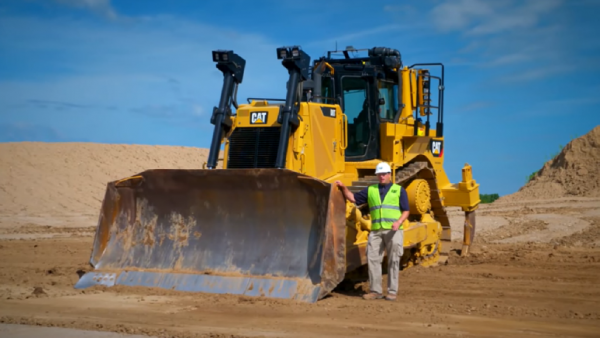
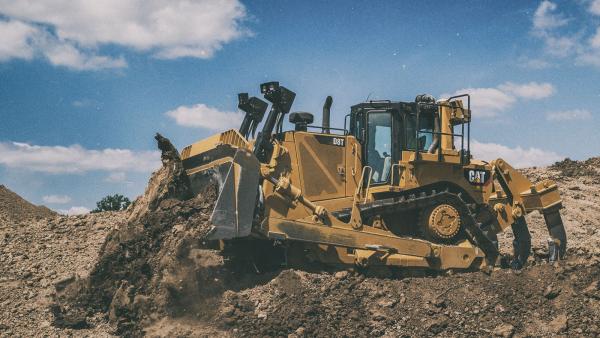
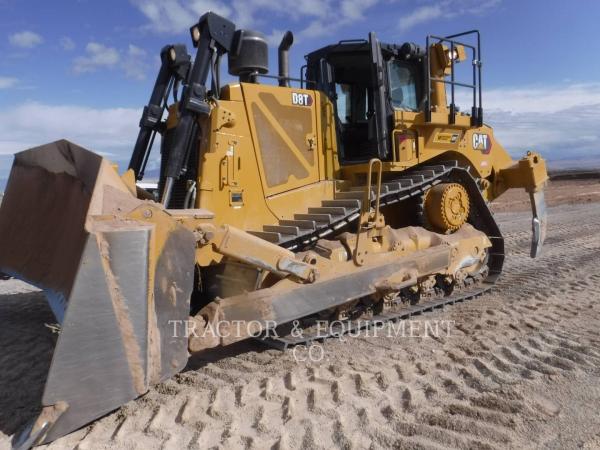
The Caterpillar D8T is a robust and versatile crawler dozer widely used in heavy construction, mining, and land reclamation projects. One of its standout features is its advanced hydraulic system, which powers essential functions such as blade control, steering, and ripper operation. Understanding the specifications, common issues, and maintenance practices of this system is crucial for operators and fleet managers.
Hydraulic System Specifications
The D8T's hydraulic system is designed for high efficiency and durability, featuring: - Pump Type: Piston-type, variable displacement
- Pump Flow Capacity: 73 gallons per minute (276 liters per minute)
- Relief Valve Pressure: 5,700 psi (39,200 kPa)
- Steering Pump Output: Measured at 2,300 rpm, delivering 30,000 kPa (4,351 psi)
- Implement Pump Output: Measured at 1,850 rpm, delivering 6,895 kPa (1,000 psi)
- System Components: Includes pump, tank with filter, oil cooler, valves, lines, and control levers
- Control System: Electro-hydraulic pilot valve assists operations of ripper and dozer controls
These specifications ensure that the D8T can handle demanding tasks with precision and reliability.
Common Hydraulic Issues and Troubleshooting
Operators may encounter various hydraulic-related problems during the operation of the D8T. It's essential to diagnose and address these issues promptly to maintain optimal performance.- Hydraulic Lockout Activation: Ensure that the hydraulic lockout switch is not engaged. If activated, it can prevent hydraulic functions from operating. Deactivating the lockout switch should restore normal hydraulic operations.
- Limp Home Mode: Utilize the "LIMP HOME" feature in the advisor system to determine if the Implement Electronic Control Module (ECM) can operate the solenoids. If the ECM does not respond, check the lockout solenoid on the control valve for potential issues.
- Overheating: Overheating can be caused by various factors, including blocked cooling systems, low coolant levels, or faulty sensors. Inspect the cooling fan clutch, radiator, and coolant levels for blockages or leaks. Check wiring harnesses and connectors related to temperature sensors and fan controls for damage or corrosion. Use a diagnostic tool to read specific circuit codes, then trace wiring diagrams to identify shorts or open circuits. Repair or replace faulty sensors, relays, or wiring as necessary.
Maintenance and Preventive Measures
Regular maintenance is vital to ensure the longevity and efficiency of the D8T's hydraulic system:- Fluid Checks: Regularly check hydraulic fluid levels and quality. Contaminated or low fluid levels can lead to system inefficiencies or failures.
- Filter Replacements: Replace hydraulic filters at recommended intervals to prevent contaminants from damaging the system.
- Component Inspections: Periodically inspect hydraulic hoses, valves, and cylinders for signs of wear or leaks. Address any issues promptly to prevent further damage.
- System Calibration: Ensure that the electro-hydraulic pilot valve and other control systems are calibrated correctly for optimal performance.
Case Study: Hydraulic System Upgrade
A notable example of hydraulic system enhancement involves the modification of D8T models with serial numbers up to J8B04479. These earlier models were equipped with two power train filter housings. An upgrade was introduced to consolidate the system into a single filter housing, improving efficiency and reducing maintenance complexity. The modification involved replacing the existing two filter housings with one and changing the standard filter element part number from 328-3655 to 337-5270. This upgrade has been beneficial in streamlining maintenance procedures and enhancing system reliability.
Conclusion
The Caterpillar D8T's hydraulic system is a testament to engineering excellence, providing the power and precision required for demanding tasks. By understanding its specifications, recognizing potential issues, and adhering to maintenance best practices, operators can ensure the dozer's optimal performance and longevity. Regular attention to the hydraulic system not only prevents costly repairs but also enhances the overall efficiency of operations.
|
|
|
|
| O&K L15.5 Wheel Loader (2002 Model): Detailed Overview, Troubleshooting, and Maintenance Guide |
|
Posted by: MikePhua - 08-12-2025, 11:08 PM - Forum: General Discussion
- No Replies
|
|
Introduction to the O&K L15.5 Wheel Loader
The O&K L15.5, produced around 2002, is a compact yet powerful wheel loader widely used in construction, landscaping, and industrial material handling. Known for its robust build and reliable performance, this machine features hydraulic-driven operations and advanced control systems for its time, making maintenance and troubleshooting key to sustained productivity.
Key Features and Specifications - Engine and Power
Typically equipped with a diesel engine providing sufficient horsepower for mid-range loader tasks; specific engine model varies by market, but generally balancing fuel efficiency with power output.
- Hydraulic System
Closed-center load-sensing hydraulics with variable displacement pumps, providing smooth and efficient control of boom lift, tilt functions, and steering.
- Transmission and Drive
Hydraulic or hydrostatic transmission enabling versatile drive control, with separate circuits for drive and implement hydraulics.
- Operator Controls
Ergonomic joystick and pedal controls designed for precise operation, complemented by a dashboard display with diagnostic fault code capability.
- Loading Capacity and Bucket
Bucket sizes typically range around 1.2 to 1.5 cubic meters, suited for material handling, digging, and loading applications.
Common Fault Codes and Their Meaning
One frequently encountered fault code on O&K L15 series loaders, including the L15.5, is Error Code E8000. This code may indicate an electrical or sensor communication fault, particularly related to the Electronic Control Unit (ECU) or hydraulic system sensors.
Typical Troubleshooting Steps- Visual and Pre-Start Inspection
- Inspect hydraulic lines, connections, and cylinders for leaks or damage.
- Check engine oil, coolant, hydraulic fluid levels, and refill as necessary.
- Ensure battery terminals are clean and connections tight.
- Reading Diagnostic Codes
- Use onboard diagnostic tools or external scanners to retrieve fault codes.
- Note E8000 or any other codes displayed and reference model-specific manuals for precise troubleshooting steps.
- Hydraulic System Checks
- Inspect and test pressure sensors and flow sensors that communicate with the ECU.
- Check for contamination in hydraulic fluid; replace filters regularly to prevent clogging.
- Verify pump output pressure matches specifications.
- Electrical System Diagnosis
- Check wiring harnesses for damaged insulation, corrosion, or loose connectors, especially near sensors and ECU.
- Test sensor functionality with multimeters or diagnostic equipment.
- Inspect fuses, relays, and switches for faults.
- Mechanical Inspection
- Examine drive system components including transmission clutch packs or hydrostatic motors.
- Assess wear or damage to bucket linkage, pins, and pivot points; grease and lubricate regularly.
Maintenance Best Practices- Fluid Management:
Replace engine oil, hydraulic fluid, and filters according to manufacturer schedules (commonly every 250-500 operating hours). Maintain proper fluid levels daily.
- Filter Replacement:
Ensure air filters and fuel filters are cleaned or replaced routinely to prevent contaminants from damaging engine or hydraulic components.
- Lubrication:
Grease all pivot points, axles, and linkage components at intervals to reduce wear and ensure smooth operation.
- Battery and Electrical Care:
Regularly inspect battery health, clean terminals, and protect wiring harnesses from abrasion and moisture.
- System Calibration:
Periodically calibrate sensors and perform software updates if applicable to maintain control accuracy.
Practical Case Example
A European construction company operating several O&K L15.5 loaders reported recurring E8000 error codes associated with intermittent loss of hydraulic response. After systematic inspection, the root cause was traced to faulty pressure sensor wiring near the boom cylinder. Replacing the sensor and repairing wiring restored normal hydraulic control and eliminated the error. The experience highlighted the importance of thorough wiring verification in electronic-hydraulic systems.
Common Issues and Solutions Summary- E8000 Error Code:
- Typically linked to sensor faults or ECU communication errors.
- Solution: Inspect sensor wiring, test sensor outputs, replace faulty sensors or repair wiring.
- Hydraulic Leaks and Pressure Loss:
- Regularly check seals, hoses, and fittings; replace damaged parts immediately.
- Flush hydraulics and change filters according to schedule.
- Engine Starting Issues:
- Verify battery charge and fuel supply quality.
- Check electrical connections, ignition switches, and starter motor condition.
- Bucket and Linkage Wear:
- Frequent greasing and pin inspections prevent mechanical failure.
- Replace worn bushings and pins as needed.
Key Terminology Explained- Electronic Control Unit (ECU): The computer module managing hydraulic and engine operations via sensor input.
- Load-Sensing Hydraulics: A system that adjusts hydraulic pump output based on demand to improve efficiency.
- Fault Code: An error code generated by the ECU indicating a specific malfunction or sensor anomaly.
- Hydraulic Pressure Sensor: Device that monitors pressure within hydraulic circuits, providing feedback to the ECU.
- Linkage Pins: Mechanical joints allowing movement between loader components, requiring lubrication.
- Diagnostic Scanner: A tool used to read machine fault codes and sensor data.
Additional Tips and Recommendations- Keep a maintenance log including all fluid changes, filter replacements, error codes, and repairs.
- Train operators on early signs of hydraulic and electrical faults to prompt timely reporting.
- Consider periodic professional diagnostic inspections to catch hidden issues before failure.
- Use high-quality replacement parts specific to O&K L15.5 to ensure compatibility and durability.
- In cold climates, use appropriate low-temperature hydraulic fluids and battery maintenance techniques.
Summary
The O&K L15.5 wheel loader from 2002 is a reliable machine when properly maintained with attention to its integrated hydraulic and electronic systems. Common issues such as the E8000 fault code typically stem from sensor or wiring problems impacting machine control. Thorough inspection, regular maintenance, and methodical troubleshooting are vital to minimize downtime and maintain loader performance.
Real-world experiences emphasize the value of addressing sensor faults and wiring integrity proactively. By following a comprehensive maintenance and troubleshooting approach, operators can ensure the continual effective operation of the O&K L15.5, optimizing productivity and equipment longevity in demanding work environments.
If further detailed service manuals, hydraulic schematics, or wiring diagrams are required, those typically can be sourced through authorized O&K dealers or specialized heavy equipment service providers.
|
|
|
|
| Understanding and Maintaining the Swing Gearbox on Hitachi Excavators |
|
Posted by: MikePhua - 08-12-2025, 11:07 PM - Forum: Parts , Attachments & Tools
- No Replies
|
|
Introduction
The swing gearbox on Hitachi excavators is a critical component that facilitates the rotation of the upper structure, enabling operators to perform tasks efficiently. Understanding its function, maintenance, and common issues is essential for ensuring optimal performance and longevity of the equipment.
Function of the Swing Gearbox
The swing gearbox, often referred to as the swing reduction gearbox, connects the swing motor to the swing bearing. It serves to reduce the high-speed rotation of the motor to a more manageable speed suitable for the upper structure's rotation. This reduction is achieved through a series of gears and bearings within the gearbox. Additionally, the gearbox houses seals and lubrication systems to ensure smooth operation and prevent contamination.
Common Issues and Troubleshooting
- Abnormal Noise
- Symptoms: Grinding, whining, or knocking sounds during swing operations.
- Causes: Worn gears, insufficient lubrication, or damaged bearings.
- Solution: Inspect the gearbox for wear, check lubrication levels, and replace damaged components as necessary.
- Oil Leakage
- Symptoms: Visible oil stains around the gearbox or a drop in oil levels.
- Causes: Damaged seals, loose bolts, or worn-out bearings.
- Solution: Identify the source of the leak, replace damaged seals or components, and ensure all bolts are properly tightened.
- Overheating
- Symptoms: Excessive heat emanating from the gearbox or high-temperature readings.
- Causes: Insufficient lubrication, excessive load, or damaged cooling system.
- Solution: Check and replenish lubrication, reduce operational load, and inspect the cooling system for functionality.
Maintenance Practices- Regular Lubrication: Ensure the gearbox is adequately lubricated to reduce friction and wear.
- Seal Inspection: Regularly check seals for signs of wear or damage to prevent oil leaks.
- Component Checks: Periodically inspect gears and bearings for signs of wear or damage.
- Operational Practices: Avoid overloading the excavator and ensure smooth operation to prevent undue stress on the gearbox.
Case Study
A construction company operating a Hitachi EX200LC-3 excavator experienced intermittent overheating and abnormal noise during swing operations. Upon inspection, it was discovered that the swing gearbox was low on oil due to a minor seal leak. After replacing the seal and replenishing the oil, the issues were resolved, leading to smoother operations and reduced downtime.
Conclusion
The swing gearbox is integral to the efficient operation of Hitachi excavators. Regular maintenance and prompt attention to any issues can significantly extend the lifespan of the gearbox and ensure the excavator operates at peak performance.
Summary List- Function: Reduces motor speed for upper structure rotation.
- Common Issues: Abnormal noise, oil leakage, overheating.
- Maintenance Practices: Regular lubrication, seal inspection, component checks, proper operational practices.
- Resolution: Timely identification and repair of issues to maintain optimal performance.
Terminology- Swing Motor: Hydraulic motor that drives the rotation of the upper structure.
- Swing Bearing: Large bearing that supports the upper structure's rotation.
- Lubrication: Application of oil or grease to reduce friction between moving parts.
- Seal: Component that prevents leakage of fluids from the gearbox.
- Overheating: Condition where the gearbox temperature exceeds safe operational limits.
By adhering to these guidelines and understanding the swing gearbox's role, operators can ensure the longevity and reliability of their Hitachi excavators.
|
|
|
|
| Case 580B Backhoe: Diagnosing Forward Gear Failure with Strong Reverse |
|
Posted by: MikePhua - 08-12-2025, 11:06 PM - Forum: Troubleshooting & Diagnosing
- No Replies
|
|
Introduction: When Reverse Works but Forward Disappears
The Case 580B is a classic backhoe-loader known for its mechanical simplicity and rugged design. But even these dependable machines can develop transmission quirks—especially when previous repairs were done hastily. One such issue involves a 580B that reverses with full power but refuses to move forward. This article explores the hydraulic shuttle system, common failure points, and how silicone sealant misuse can sabotage oil flow to clutch packs.
Symptoms: Strong Reverse, Sluggish or No Forward
After replacing shuttle clutches and cleaning the valve body, the machine worked well for about 30 minutes. Then, after sitting for three days, forward motion became sluggish and eventually stopped altogether. Reverse remained strong and responsive.
Key observations: - Shuttle clutches had been replaced by the previous owner.
- Valve body was cleaned and O-rings replaced.
- Silicone sealant was found throughout the shuttle housing.
- Fluid was changed twice, and the pickup tube screen was cleaned.
- Reverse gear worked flawlessly; forward gear failed gradually.
Understanding the Shuttle Transmission System
The Case 580B uses a hydraulic shuttle transmission to control forward and reverse motion. This system relies on directional clutch packs—one for forward, one for reverse—engaged by hydraulic pressure from the shuttle valve.
Key components:- Shuttle Valve Body: Directs hydraulic fluid to forward or reverse clutch packs.
- Clutch Packs: Engage the transmission in either direction.
- Pickup Tube Screen: Filters debris before fluid enters the shuttle system.
- Main Shaft Passages: Internal oil channels that feed clutch packs.
If debris blocks these passages, hydraulic pressure cannot reach the forward clutch pack, resulting in loss of forward motion.
The Silicone Sabotage: A Hidden Threat to Oil Flow
Silicone sealant, when improperly applied, can break loose and migrate into hydraulic passages. In this case, excessive silicone was found throughout the shuttle housing—likely from a previous clutch replacement.
Risks of silicone contamination:- Clogs narrow oil passages in the shuttle valve and main shaft.
- Prevents proper sealing at O-ring interfaces.
- Causes erratic clutch engagement or complete failure.
Field anecdote: A retired operator in British Columbia rebuilt his 580CK shuttle and used only proper gaskets and sealant. He warned that silicone debris can lodge in the two small holes on the shuttle shaft, blocking oil flow to the forward clutch.
Recommended Diagnostic Steps Before Splitting the Tractor
Before committing to a full teardown, several checks can be performed:- Recheck fluid level and confirm correct type (e.g., Hy-Tran or equivalent).
- Inspect and replace the transmission filter.
- Re-clean the pickup tube screen—debris may have reaccumulated.
- Test shuttle valve spool movement and ensure full travel.
- Use a pressure gauge to measure hydraulic pressure at the forward clutch port.
If all checks pass and forward motion still fails, internal blockage or clutch damage is likely.
Splitting the Tractor: What to Expect
If diagnostics confirm internal failure, the tractor must be split to access the shuttle assembly. This involves:- Supporting the rear and front halves separately.
- Disconnecting hydraulic lines, electrical connections, and drive shafts.
- Removing the torque tube to expose the shuttle unit.
- Inspecting clutch discs, sealing rings, and oil passages.
Suggested parts to replace during rebuild:- Forward and reverse clutch discs.
- Shuttle valve O-rings and seals.
- Main shaft sealing rings.
- Transmission filter and fluid.
Preventive Measures for Future Reliability
To avoid similar failures, consider these best practices:- Use gasket sealant sparingly and only where specified.
- Avoid silicone near hydraulic passages.
- Flush the system thoroughly after major repairs.
- Replace filters and clean screens regularly.
- Monitor clutch engagement response during operation.
Conclusion: Precision Over Patchwork in Shuttle Repairs
The Case 580B’s forward gear failure was likely caused by silicone contamination and internal blockage in the shuttle transmission. While reverse worked flawlessly, the forward clutch pack was starved of pressure due to clogged passages. This case underscores the importance of clean assembly practices, proper diagnostics, and knowing when a teardown is truly necessary.
As one seasoned mechanic put it, “Silicone doesn’t belong in a shuttle—it belongs in a bathroom.” In hydraulic systems, cleanliness isn’t optional—it’s the difference between motion and frustration.
|
|
|
|
| Erskine Hi-Flow Stump Grinder: Comprehensive Overview and Practical Insights |
|
Posted by: MikePhua - 08-12-2025, 11:06 PM - Forum: General Discussion
- No Replies
|
|
Introduction
The Erskine Hi-Flow Stump Grinder is a powerful attachment designed for heavy equipment, primarily used to efficiently remove tree stumps in forestry, landscaping, and land clearing operations. Combining robust engineering with high hydraulic flow requirements, this grinder enables fast, effective stump removal, reducing manual labor and improving job site productivity.
Technical Specifications - Hydraulic Flow Requirement: High flow rates, often exceeding 30 gallons per minute (GPM), to power the grinder's rotation and cutting mechanisms effectively.
- Cutting Capacity: Able to handle large diameter stumps, typically up to 20-24 inches or more, depending on the model and equipment.
- Mounting Compatibility: Designed to fit skid steers, compact track loaders, and some excavators equipped with appropriate hydraulic systems.
- Weight and Dimensions: Varies by model but generally compact enough to maintain equipment mobility while providing robust cutting power.
- Material Construction: Heavy-duty steel with hardened teeth for longevity and efficient grinding.
Working Principle
The grinder uses hydraulic power to rotate a cutting wheel equipped with replaceable tungsten carbide teeth. As the wheel spins, it chips away at the stump, breaking it down into mulch or small debris. The high flow hydraulic system ensures consistent power delivery, maintaining rotation speed even under heavy load.
Key Features- High Hydraulic Flow Design: Enables superior cutting speed and efficiency compared to standard stump grinders.
- Replaceable Teeth: Tungsten carbide teeth are replaceable, allowing maintenance without full unit replacement.
- Robust Frame: Built to withstand demanding conditions on rough terrain.
- Safety Shields and Guards: Protect operators from debris and reduce the risk of accidents.
Maintenance Tips- Regular Teeth Inspection and Replacement: Teeth wear down over time; replacing them promptly maintains cutting efficiency.
- Hydraulic System Checks: Inspect hoses, fittings, and fluid levels to avoid leaks and maintain pressure.
- Cleaning After Use: Remove debris buildup from the cutting wheel and frame to prevent corrosion and mechanical issues.
- Lubrication: Follow manufacturer guidelines on lubrication points to reduce wear.
Common Issues and Troubleshooting- Hydraulic Flow Problems: Insufficient flow can reduce cutting speed. Verify equipment hydraulic capacity and ensure hoses are not kinked or damaged.
- Excessive Teeth Wear: Using the grinder on unsuitable materials or aggressive operation can accelerate wear. Operate at recommended speeds and avoid grinding rocks or soil.
- Overheating: Prolonged heavy use can cause hydraulic system overheating. Allow cooling periods and monitor fluid temperatures.
- Mounting Problems: Improper attachment can cause vibration or poor performance. Ensure secure, proper mounting according to equipment specs.
Practical Suggestions- Match Grinder Size to Equipment: Use an Erskine Hi-Flow model compatible with your machine's hydraulic flow and pressure ratings.
- Operator Training: Skilled operators can extend tool life and improve safety by following best practices.
- Use in Suitable Conditions: Avoid grinding frozen stumps or excessively rocky terrain which may damage the grinder.
- Schedule Preventive Maintenance: Regular servicing reduces downtime and repair costs.
Case Story
A landscaping company upgrading to the Erskine Hi-Flow Stump Grinder on their skid steers noticed a dramatic improvement in stump removal times. One project that previously took three days was completed in one day, reducing labor costs and increasing customer satisfaction. The investment also reduced wear on the primary equipment as the grinder took the brunt of cutting forces.
Terminology Explanation- Hydraulic Flow (GPM): The volume of hydraulic fluid moving through the system per minute; critical for powering attachments.
- Tungsten Carbide Teeth: Extremely hard, wear-resistant cutting edges ideal for grinding tough materials.
- Skid Steer Loader: Compact, maneuverable construction equipment commonly used with attachments.
- Cutting Wheel: Rotating disc with teeth that perform the grinding action.
Conclusion
The Erskine Hi-Flow Stump Grinder is an indispensable tool for modern forestry and landscaping operations requiring efficient stump removal. Its design optimizes hydraulic power for fast cutting while providing durability and ease of maintenance. Proper matching to equipment and adherence to maintenance protocols ensures long-term value and performance.
Summary List- High hydraulic flow requirement (typically >30 GPM)
- Heavy-duty steel construction with replaceable tungsten carbide teeth
- Compatible with skid steers, compact track loaders, and some excavators
- Requires regular maintenance: teeth replacement, hydraulic system checks, cleaning, lubrication
- Common issues include hydraulic flow problems, teeth wear, overheating, and mounting faults
- Operator training and proper equipment matching enhance performance and lifespan
- Ideal for forestry, landscaping, and land clearing with significant efficiency gains over manual methods
This overview aims to guide operators and equipment owners in understanding, operating, and maintaining the Erskine Hi-Flow Stump Grinder for optimal results and safety.
|
|
|
|
|



