| Welcome, Guest |
You have to register before you can post on our site.
|
| Online Users |
There are currently 90 online users.
» 0 Member(s) | 78 Guest(s)
Ahrefs, Amazon, Applebot, Bing, Claude, DotBot, Facebook, Google, OpenAI, Semrush, Twitter
|
| Latest Threads |
Identifying and Sourcing ...
Forum: Parts , Attachments & Tools
Last Post: MikePhua
01-07-2026, 06:29 PM
» Replies: 0
» Views: 527
|
Cat 931B Brake Parts
Forum: Parts , Attachments & Tools
Last Post: MikePhua
01-07-2026, 06:29 PM
» Replies: 0
» Views: 283
|
Choosing Between Cat 228,...
Forum: General Discussion
Last Post: MikePhua
01-07-2026, 06:28 PM
» Replies: 0
» Views: 557
|
Hydraulic Delay When Lowe...
Forum: Troubleshooting & Diagnosing
Last Post: MikePhua
01-07-2026, 06:27 PM
» Replies: 0
» Views: 446
|
Bale Chopper and Mulcher ...
Forum: General Discussion
Last Post: MikePhua
01-07-2026, 06:26 PM
» Replies: 0
» Views: 323
|
Mini UC Maintenance
Forum: General Discussion
Last Post: MikePhua
01-07-2026, 06:25 PM
» Replies: 0
» Views: 313
|
Locating Wiring Informati...
Forum: General Discussion
Last Post: MikePhua
01-07-2026, 06:24 PM
» Replies: 0
» Views: 345
|
Case Industrial Brown Sub...
Forum: Parts , Attachments & Tools
Last Post: MikePhua
01-07-2026, 06:23 PM
» Replies: 0
» Views: 275
|
Dirt Work in West Virgini...
Forum: Construction & Urban Infrastructure Forum
Last Post: MikePhua
01-07-2026, 06:23 PM
» Replies: 0
» Views: 374
|
D207 P Hydraulic Steering...
Forum: Parts , Attachments & Tools
Last Post: MikePhua
01-07-2026, 06:22 PM
» Replies: 0
» Views: 303
|
|
|
| Troubleshooting the Bobcat 753F BOSS System: A Comprehensive Guide |
|
Posted by: MikePhua - 08-12-2025, 11:24 PM - Forum: Troubleshooting & Diagnosing
- No Replies
|
 |
The Bobcat 753F Skid-Steer Loader, particularly models equipped with the BOSS (Bobcat Onboard Safety System), is renowned for its versatility and reliability in various construction and landscaping tasks. However, like any complex machinery, the BOSS system can encounter issues that may hinder its performance. Understanding the components, common problems, and effective troubleshooting steps is essential for maintaining optimal functionality.
Understanding the BOSS System
The BOSS system in the Bobcat 753F serves as an integrated monitoring and safety feature, providing real-time data on engine and hydraulic temperatures, pressures, and other critical parameters. It also includes an onboard diagnostic function that alerts operators to potential issues, ensuring timely maintenance and preventing damage to the machine.
Common Issues with the BOSS System
- Non-Responsive or Blank Display
A frequently reported issue is the BOSS display failing to show any readings, remaining blank or displaying only dashes. This could be due to:- Blown Fuse: The BOSS system relies on specific fuses; a blown fuse can disrupt its operation.
- Faulty BOSS Controller: The controller, located under the cab behind the operator's left shoulder, might be malfunctioning.
- Corroded Connectors: Multi-wire connectors on the BOSS controller can corrode over time, leading to poor connections.
- Grounding Issues: Multiple ground connections near the BOSS controller may become loose or corroded, affecting system performance.
- Erratic or Inaccurate Readings
Sometimes, the display shows incorrect data, such as constant low readings or fluctuating values. Potential causes include:- Faulty Sensors: Temperature or pressure sensors may be damaged or miscalibrated.
- Wiring Issues: Damaged or frayed wires can lead to signal interference.
- Controller Malfunction: The BOSS controller itself might be failing to process data correctly.
- System Shutdowns
In some cases, the loader operates briefly before shutting down, often accompanied by an error code. This is typically a safety feature activated by the BOSS system when it detects abnormal readings, such as:- Overheating: Excessive engine or hydraulic temperatures.
- Low Hydraulic Pressure: Indicating potential pump or valve issues.
- Sensor Failures: Malfunctioning sensors that provide incorrect data to the system.
Troubleshooting Steps
To diagnose and resolve BOSS system issues, follow these steps:
- Inspect Fuses
Check the BOSS fuse in the fuse block. A blown fuse can prevent the system from operating correctly.
- Examine the BOSS Controller
Raise the cab and locate the BOSS controller. Ensure it is securely mounted and hasn't been removed or tampered with.
- Check Connectors and Wiring
Inspect all multi-wire connectors on the BOSS controller for signs of corrosion or loose connections. Clean or replace as necessary.
- Verify Ground Connections
Locate and clean all ground connections near the BOSS controller. Ensure they are free of corrosion and securely attached.
- Test Sensor Resistances
Using a multimeter, measure the resistance of the temperature and pressure sensors. Compare the readings with the specifications in the service manual.
- Check Voltage at the Display
Measure the voltage at the display's connector pins:- Pin A: Should have approximately 5V.
- Pin E: Should have 12V for the backlight.
- Black Wire: Ground.
- Purple Wires: Data lines from the controller.
- Use Diagnostic Tools
If available, use the BOSS diagnostic tool to check for error codes and verify communication between the controller and display.
Potential Solutions- Replace Faulty Components: If a specific sensor or the BOSS controller is identified as faulty, replace it with OEM parts.
- Bypass the BOSS System: In cases where replacement parts are unavailable, consider installing a Push-To-Operate conversion kit to bypass the BOSS system. This allows the loader to operate without the safety monitoring features.
- Manual Override: For immediate operation, manually open the engine shutoff solenoid and secure it in the open position. This can be achieved by wedging it open temporarily, allowing the engine to run without BOSS intervention.
Preventive Measures
To prevent future BOSS system issues:- Regular Maintenance: Perform routine inspections and maintenance on the BOSS system components.
- Cleanliness: Keep connectors and sensors clean to prevent corrosion and ensure accurate readings.
- Proper Storage: Store the loader in a dry, clean environment to minimize exposure to elements that can cause damage.
Conclusion
The BOSS system in the Bobcat 753F is a vital component for ensuring the safety and efficiency of the loader. By understanding its functions and common issues, operators can effectively troubleshoot and maintain the system, ensuring prolonged equipment life and optimal performance.
|

|
|
| Case 1845 Skid Steer Drive Noise: Causes, Diagnosis, and Solutions |
|
Posted by: MikePhua - 08-12-2025, 11:23 PM - Forum: Troubleshooting & Diagnosing
- No Replies
|
|
Understanding the Case 1845 Drive System and Noise Issues
The Case 1845 skid steer loader relies on a chain-driven final drive system where hydraulic motors power sprockets that move heavy-duty chains connected to the machine’s axles and wheels. Noise emanating from the drive system can be a serious concern, indicating potential mechanical wear, improper adjustment, or hydraulic issues that could jeopardize machine performance and longevity.
Drive noise in the 1845 model typically manifests as loud squealing, groaning, rattling, or grinding sounds during movement, especially when turning, pushing heavy loads, or operating under load. Addressing these noises early can prevent costly breakdowns and extensive repairs.
Common Causes of Drive Noise in Case 1845 - Chain Slack and Misadjustment
Chains running too loose inside the drive housing cause rattling or knocking noises. Excess slack can lead to chain jumping over sprocket teeth, uneven wear, and vibration. Proper chain tension adjustment is critical to avoid these problems.
- Sheared or Loose Pin Locks in Chains
Pin locks holding chain segments may shear off or loosen over time, causing segments to bounce, skip teeth, or generate harsh noise. This failure increases stress on sprockets and can rapidly deteriorate the drive system.
- Worn or Rounded Sprockets
Sprocket teeth wear into rounded profiles due to prolonged use, improper lubrication, or contamination. Rounded teeth do not properly engage chain links, causing slipping, noise, and uneven power transmission.
- Hydraulic Motor or Pump Whine and Groaning
Hydraulic components such as drive motors or pumps might emit whining or groaning sounds if there is internal wear, air entrainment, cavitation or if incorrect hydraulic fluid is used. Fluid contamination or inadequate filtration also exacerbates noise issues.
- Loose or Damaged Components
Loose bolts, worn bearings, or damaged seals inside the final drive or chaincase can cause vibration and noise during operation.
Diagnostic Approach and Checks- Visual Inspection of Chains and Sprockets
- Check for excessive chain slack by measuring chain tension against manufacturer specifications.
- Inspect pins and links for looseness or damage.
- Examine sprocket teeth for wear patterns, rounded or chipped teeth.
- Listen and Isolate Noise Source
- Determine if noise coincides with certain operations such as turning or applying load.
- Identify if noise is mechanical (chain/sprocket) or hydraulic by listening near motors and pumps.
- Hydraulic Fluid and Filtration Inspection
- Confirm use of correct hydraulic fluid recommended by Case (Case TCH fluid is preferred for its anti-foaming and additive package).
- Change hydraulic filters regularly and check for contamination or air ingress.
- Bleed hydraulic systems carefully to remove trapped air that causes cavitation and noise.
- Check Pin Locks and Chain Conditions
- Examine pin locks for shearing or movement. Replace any damaged links or complete chains if necessary.
- Tighten Loose Components
- Verify all sprocket bolts, motor mounts, and drive assembly fasteners are secure.
Maintenance and Repair Recommendations- Regular Chain Adjustment
- Maintain correct chain tension per Case specifications to prevent slack and misalignment.
- Replace Worn Chain and Sprockets
- When wear is visible on sprockets or chains, replace to prevent further damage and restore quiet operation.
- Hydraulic Fluid Care
- Always use correct Case TCH hydraulic oil. Avoid cheaper or generic fluids lacking anti-foaming agents.
- Perform complete fluid changes and system flushes when contamination or degradation is suspected.
- Bleed hydraulic motors and pumps meticulously, including fluid inside the motors, not just the tank.
- Pin Lock Inspection and Replacement
- Regularly inspect chain pin locks for integrity; replace chains sooner if any failure occurs.
- Professional Overhaul if Needed
- If noises persist after basic maintenance, consider sending final drives or hydraulic components for professional inspection and repair.
Real-World Cases and Anecdotes- An operator reported a persistent groaning noise from his early 1845 model when moving load and turning. After replacing the used generic R&O hydraulic oil with Case TCH fluid and bleeding all motors, the noise was significantly reduced, confirming the importance of factory-specified fluid.
- Another maintenance team found that a noisy chain housing was due to sheared pin locks causing chain segments to bounce and skip sprocket teeth. Replacing the chain and adjusting tension resolved the noise and improved drive smoothness.
- A comprehensive inspection showed rounded sprocket teeth on an 1845 unit after years of little lubrication maintenance. Replacement of the sprockets and chains, combined with frequent oil changes, extended the machine's service life and eliminated the rattling sounds.
Terminology Explained- Drive Chain: Heavy-duty chain transmitting power from the hydraulic drive sprocket to the wheels or axles.
- Sprocket: A toothed wheel engaging the drive chain links to transfer rotation.
- Pin Lock: A mechanical fastening component securing segments of the drive chain.
- Hydraulic Motor: The component converting hydraulic fluid pressure into mechanical rotational force to drive sprockets.
- Cavitation: Formation and collapse of air bubbles in hydraulic fluid causing noise and possible component damage.
- Chaincase: The enclosed housing around drive chains and sprockets containing lubrication.
- Chain Slack/Tension: The amount of free play in the chain; correct tension prevents skipping and damage.
- Anti-Foaming Hydraulic Fluid: Specialized fluid additives that reduce foaming, prevent cavitation and promote stable hydraulic operation.
Additional Tips and Solutions- Use a torque wrench to tighten sprocket and motor bolts to manufacturer specifications, avoiding overtightening or loosening.
- Perform chain adjustments when the machine is cold for accurate tension settings.
- Replace chaincase seals if leaks are noted to prevent lubricant loss and contamination ingress.
- Add regular visual checks of chains and sprockets into the preventive maintenance checklist.
- Use ear protection during operation to protect from high noise levels during troubleshooting.
Summary
Drive noise issues on a Case 1845 skid steer typically arise from loose or worn drive chains, damaged sprockets, sheared pin locks, hydraulic fluid problems, or loose components. Proper diagnosis involves inspection of mechanical chain elements and hydraulic systems, ensuring correct chain tension, replacing worn parts, using manufacturer-recommended hydraulic fluids, and thorough system bleeding.
Real-world experience confirms that adherence to correct chain maintenance and hydraulic oil specifications markedly reduces drive noise and prolongs component life. Early attention to noises avoids costly repairs and downtime.
Operators and technicians maintaining the Case 1845 should prioritize regular chain inspections, sprocket wear assessments, fluid changes using specialized hydraulic fluids, and diligent bleeding practices to ensure smooth, quiet, and reliable drive operation.
This comprehensive understanding and care approach helps preserve the historic Case 1845 skid steer’s performance and usability for years to come.
|
|
|
|
| Comprehensive Guide to Bolt-On Bucket Teeth: Enhancing Performance and Durability |
|
Posted by: MikePhua - 08-12-2025, 11:22 PM - Forum: Parts , Attachments & Tools
- No Replies
|
|
Introduction
Bolt-on bucket teeth are essential components in heavy equipment, particularly for loaders, excavators, and skid steers. These teeth are designed to improve digging efficiency, protect the bucket edge, and reduce maintenance costs. Their popularity stems from their ease of installation, replaceability, and versatility across various applications.
Understanding Bolt-On Bucket Teeth
Bolt-on bucket teeth are attached to the bucket's cutting edge using bolts, providing a secure and replaceable solution for digging operations. They are commonly used in construction, landscaping, and agricultural tasks to break through compacted soil, rocks, and other materials.
Advantages of Bolt-On Bucket Teeth - Enhanced Digging Efficiency: The pointed design of the teeth allows for easier penetration into hard materials, reducing the effort required for excavation.
- Protective Function: By absorbing the impact and wear, the teeth shield the bucket's cutting edge from premature damage.
- Cost-Effective Maintenance: Instead of replacing the entire bucket, operators can replace individual teeth, leading to significant cost savings.
- Versatility: Available in various shapes and sizes, bolt-on teeth can be selected based on specific tasks, such as digging, trenching, or grading.
Common Types of Bolt-On Bucket Teeth
- Standard Teeth: Ideal for general-purpose digging and excavation tasks.
- Rock Teeth: Designed with reinforced tips to handle abrasive materials and rocky terrains.
- Heavy-Duty Teeth: Built for demanding applications, offering increased durability and wear resistance.
- Universal Teeth: Compatible with a wide range of buckets and machines, providing flexibility in operations.
Installation and Maintenance Tips- Proper Torque: Ensure that bolts are tightened to the manufacturer's recommended torque specifications to prevent loosening during operation.
- Regular Inspections: Periodically check for wear, cracks, or damage to the teeth and replace them as necessary to maintain optimal performance.
- Lubrication: Apply grease to bolts to prevent rust and facilitate easier removal during future maintenance.
- Replacement Schedule: Establish a routine for replacing teeth based on usage and wear patterns to avoid unexpected downtime.
Case Study: Enhancing Excavation Efficiency
A construction company working on a large-scale excavation project faced challenges with their existing bucket teeth, which were wearing out quickly due to the rocky terrain. By switching to heavy-duty bolt-on teeth designed for rock applications, they significantly improved their digging efficiency and reduced downtime caused by frequent replacements.
Conclusion
Bolt-on bucket teeth play a crucial role in enhancing the performance and longevity of heavy equipment. By understanding their types, advantages, and maintenance requirements, operators can make informed decisions that lead to increased productivity and cost savings. Regular maintenance and timely replacements ensure that the equipment operates at peak efficiency, minimizing unexpected failures and associated costs.
|
|
|
|
| Liebherr LR 631C Crawler Loader: Comprehensive Service and Repair Guide |
|
Posted by: MikePhua - 08-12-2025, 11:20 PM - Forum: General Discussion
- No Replies
|
|
Introduction
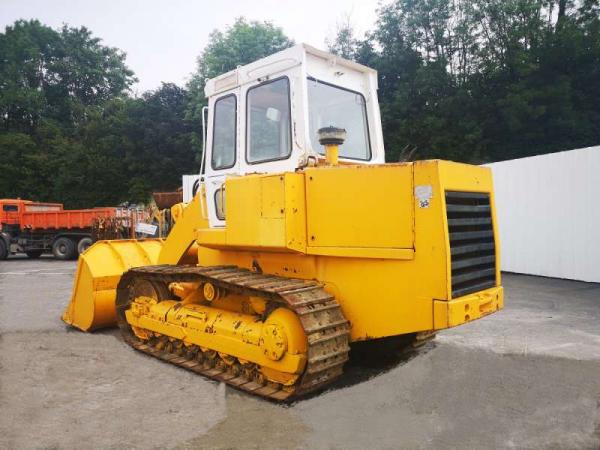
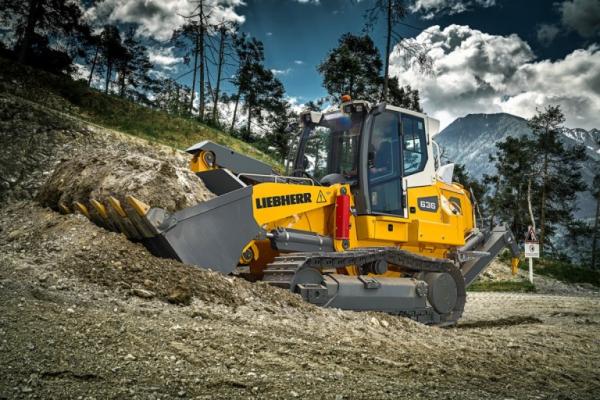
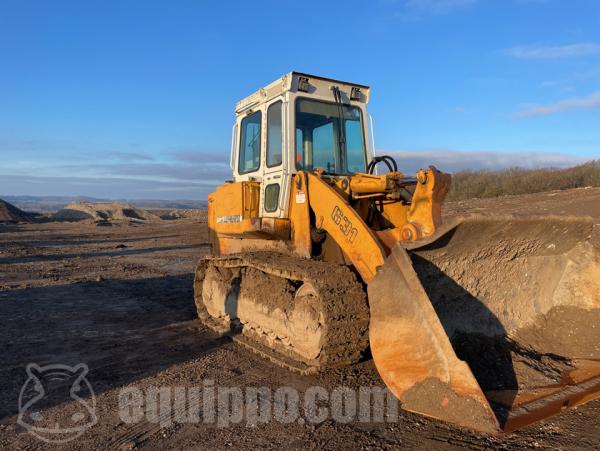
The Liebherr LR 631C crawler loader, introduced in the late 1980s, stands as a testament to Liebherr's commitment to engineering excellence. Designed for versatility and durability, this machine has found applications across various industries, including construction, mining, and forestry. Its robust design and advanced features have made it a preferred choice for many operators worldwide.
Engine Specifications - Engine Model: Mercedes-Benz OM441
- Engine Type: 6-cylinder, water-cooled, turbocharged
- Displacement: Approximately 11.1 liters
- Power Output: Around 150 horsepower
- Torque: Approximately 600 Nm
- Fuel System: Direct injection
Hydraulic System
The LR 631C is equipped with a closed-center hydraulic system, ensuring efficient power transmission and precise control. Key components include:- Hydraulic Pump: Variable displacement piston pump
- Control Valve: Load-sensing valve block
- Cylinders: Double-acting cylinders for loader arms and bucket
- Oil Reservoir: Approximately 200 liters capacity
Transmission and Final Drive
The machine utilizes a hydrostatic transmission system, providing stepless speed control and efficient power delivery. Key features are:- Transmission Type: Hydrostatic, with mechanical backup
- Final Drive: Planetary reduction gears
- Track Drive Motors: Axial piston motors
Dimensions and Capacities- Operating Weight: Approximately 17,700 kg
- Bucket Capacity: 2.1 cubic meters
- Track Width: 508 mm
- Ground Clearance: Approximately 400 mm
- Turning Radius: Approximately 4.5 meters
Service and Maintenance
Regular maintenance is crucial to ensure the longevity and optimal performance of the LR 631C. Key maintenance tasks include:- Engine Oil Change: Every 500 operating hours
- Hydraulic Oil and Filter Replacement: Every 1,000 operating hours
- Air Filter Inspection: Every 250 operating hours
- Track Tension Adjustment: Every 500 operating hours
- Cooling System Inspection: Every 1,000 operating hours
Common Issues and Troubleshooting
While the LR 631C is a reliable machine, operators may encounter certain issues:- Hydraulic System Leaks: Inspect hoses and fittings for wear and replace as necessary.
- Engine Overheating: Check coolant levels and radiator for blockages.
- Track Wear: Regularly inspect tracks for wear and replace sprockets if necessary.
Case Study: LR 631C in Forestry Operations
In a forestry operation in the Pacific Northwest, a fleet of LR 631C loaders was employed for timber handling. The machines demonstrated exceptional performance in challenging terrains, particularly in clearing dense underbrush and transporting logs. Regular maintenance schedules were adhered to, ensuring minimal downtime and maximizing productivity.
Conclusion
The Liebherr LR 631C crawler loader remains a robust and versatile machine, capable of handling a variety of tasks across different industries. With proper maintenance and attention to detail, operators can ensure the longevity and efficiency of this machine. For comprehensive service and repair information, the Liebherr LR 631C Service and Repair Manual is an invaluable resource.
|
|
|
|
| Clearing Land with Excavators: Safety, Technique, and the Hidden Risks of Tree Removal |
|
Posted by: MikePhua - 08-12-2025, 11:19 PM - Forum: Farming, Landscaping, Forestry Industry Forum
- No Replies
|
|
Introduction: When a Tree Falls the Wrong Way
Land clearing with excavators is a common practice in forestry, construction, and agriculture. These machines offer reach, precision, and power—making them ideal for removing trees, stumps, and brush. But a tragic incident in Australia, where an operator was killed when a large tree crushed his cab, highlights the dangers of clearing without proper protection or technique. This article explores the mechanics of tree removal with excavators, the importance of cab guarding, and how experience and equipment choice can make the difference between safe operation and catastrophe.
Excavators vs. Dozers: Different Tools, Different Risks
Excavators are often favored for clearing because they allow operators to push or pull trees from a distance, using the boom and stick to manipulate trunks and roots. Dozers, by contrast, push from the base—closer to the danger zone.
Key differences: - Excavators push higher on the tree, allowing leverage and control.
- Dozers push low, increasing the risk of unpredictable tree movement.
- Excavators offer better visibility and precision, especially with thumbs or grapples.
- Dozers typically have more robust cab protection due to their proximity to falling debris.
Despite these advantages, excavators often lack the reinforced canopies and ROPS/FOPS structures that are standard on dozers used in forestry.
Cab Protection: A False Sense of Security?
Many excavators used for clearing have minimal cab protection—often just glass guards or light-duty mesh. In contrast, purpose-built forestry machines or shovel loggers feature full structural enclosures designed to withstand falling limbs and debris.
Risks of inadequate cab protection:- Falling tops or branches from weakened trees (e.g., termite damage).
- Snap-back from tensioned limbs during pulling.
- Unpredictable tree collapse due to rot or wind stress.
Field anecdote: In regions like Queensland, Australia, mature timber is often compromised by white ants (termites), making trees prone to sudden breakage. Operators report entire tops snapping off with a single push, raining debris on the cab below.
Technique Matters: Push, Pull, or Lift?
Experienced operators use a variety of techniques depending on tree size, clearance, and root structure.
Common methods:- Push from the upper trunk to tip the tree away from the machine.
- Pull with the thumb or grapple when pushing isn’t feasible.
- Lift vertically when space is tight, though this increases risk of instability.
Operator advice:- Always assess tree health before engaging.
- Avoid standing directly under the canopy when manipulating large trees.
- Use spotters when visibility is limited.
- Clear surrounding brush to allow escape routes and better control.
One operator shared that he routinely pushed over 40-foot trees with a 6-ton mini excavator, but only in open areas with plenty of room. In tight quarters, he switched to lifting with the thumb—acknowledging the increased risk and need for precision.
Equipment Recommendations for Safe Clearing
To improve safety and efficiency, consider the following upgrades and practices:- Install FOPS (Falling Object Protective Structure) if clearing large timber.
- Use excavators with reinforced booms and sticks rated for forestry work.
- Equip machines with thumbs or grapples for better control.
- Maintain clear communication with ground crews and spotters.
- Avoid clearing during high winds or unstable weather conditions.
Suggested parameters:- Minimum excavator weight for mature tree clearing: 20 tons.
- Boom reach: 25–30 feet for safe distance manipulation.
- Cab protection: ROPS/FOPS Level II for forestry-grade safety.
Conclusion: Clearing Isn’t Just About Power—It’s About Precision and Protection
Excavators offer unmatched versatility in land clearing, but they’re not invincible. Without proper technique and cab protection, even the most skilled operator can be caught off guard by a falling tree or snapping limb. Whether you're working in termite-prone forests or clearing fence lines on a farm, the key is understanding your machine’s limits and respecting the unpredictable nature of timber.
As one veteran contractor put it, “You don’t clear trees with horsepower—you clear them with judgment.” In the world of heavy equipment, safety starts in the seat and ends with the choices we make before the boom ever moves.
|
|
|
|
| Comprehensive Guide to Troubleshooting and Repairing Brakes on a Case 580C Backhoe Loader |
|
Posted by: MikePhua - 08-12-2025, 11:18 PM - Forum: Troubleshooting & Diagnosing
- No Replies
|
|
Understanding the Case 580C Brake System
The Case 580C backhoe loader is equipped with a hydraulic brake system that operates with master cylinders and slave cylinders located on top of the brake housings. The system’s main function is to ensure safe braking through hydraulic pressure transmission, similar in principle to automotive brake systems, but tailored for heavy equipment operation. Proper brake function depends on the integrity of seals, master and slave cylinders, brake shoes, and associated hydraulic lines.
Hydraulic brakes on the 580C rely on sealed cylinders to convert the pedal force into hydraulic pressure, which then applies the brake shoes inside the brake housings. The system is independent of the machine’s transmission hydraulics, making hydraulic fluid condition and seal integrity critical for performance.
Common Symptoms and Causes of Brake Failure - Brake pedals going all the way to the floor with no braking effect (no resistance).
- One or both master cylinders showing lack of hydraulic fluid or fluid leakage.
- Leaking slave cylinders atop brake housings, often leading to loss of hydraulic pressure and brake failure.
- Brake shoes or linings soaked with oil due to leaking seals inside brake housings resulting in poor braking power.
- Rusted or corroded brake components causing binding or incomplete brake application.
- Bad brake housing seals (such as part numbers A39273 and G10347) allowing hydraulic fluid or differential fluid to contaminate brake shoes.
Detailed Troubleshooting Steps
- Check Master Cylinders and Fluid Levels
- Remove the plugs or caps on master cylinders and inspect fluid presence. One side might be dry indicating a leak or seal failure.
- Add fresh brake fluid if levels are low.
- Test brake pedal travel and pedal feel for resistance.
- Inspect Slave Cylinders for Leakage
- Examine the slave cylinders mounted on the brake housings for visible leaks or fluid seepage.
- Replace leaking slave cylinders to restore hydraulic integrity.
- Disassemble Brake Housings
- Remove brake housings to inspect internal components.
- Look for brake shoes soaked with oil or soaked lining material which significantly reduces friction and stopping power.
- Identify rusted or corroded parts and clean or replace as necessary.
- Replace Seals in Brake Assembly
- Replace all brake housing seals and O-rings, as degraded seals cause internal fluid contamination and brake failure.
- Ensure proper sealing between transmission/differential fluid and brake hydraulic fluid to prevent cross-contamination.
- Replace Brake Shoes and Linings
- Use new brake shoes if the originals are contaminated or worn.
- Rivet the linings properly to avoid slippage and premature wear.
- Bleed the Brake System Thoroughly
- Remove air from master and slave cylinders for effective hydraulic pressure transmission.
- Perform multiple bleeding cycles if needed.
- Inspect and Flush Differential Fluid
- Dark, milky, or two-tone differential fluid signals contamination, possibly seeping into brake housings.
- Drain and replace differential fluid as part of brake system repair.
Maintenance Tips and Preventive Measures- Regularly inspect brake fluid levels and the condition of brake lines for leakage or damage.
- Check seals during routine service to prevent fluid contamination of brake components.
- Monitor pedal feel and travel for early indications of brake wear or hydraulic issues.
- Avoid operating the machine with known brake issues to prevent accidents.
- Use quality replacement parts, including seals and brake shoes, to enhance durability.
- Periodically drain and replace differential fluid to reduce risk of contamination.
Real-World Case Examples- A Case 580C operator found the right brake failed due to oil contamination inside the brake housing caused by a leaking seal. After disassembly, several brake shoes were soaked with oil and the seal was replaced. New brake linings were riveted on, and after reassembly and bleeding, brake function was fully restored.
- Another technician documented replacing both master and slave cylinders on a 580C that had brake pedal travel to the floor on both brakes. After seal replacement and system bleeding, the brakes regained firm pedal feel and stopping power, underscoring the importance of addressing all hydraulic components together.
- News and forum reports often highlight the “snowball effect” where a single leaking seal leads to fluid contamination, which damages internal brake components, requiring comprehensive repair beyond just shoe replacement.
Key Terms Explained- Master Cylinder: A hydraulic component that converts pedal force into hydraulic pressure in the brake lines.
- Slave Cylinder: Cylinder installed on the brake housing applying force to brake shoes when hydraulic pressure is received.
- Brake Housing Seal: Seals that prevent fluid leakage and contamination between hydraulic brake fluid and other fluids like differential oil.
- Brake Shoes: Friction components pressed against a rotating surface to slow or stop motion.
- Bleeding: The process of removing air from hydraulic brake lines and cylinders to ensure proper pressure transmission.
- Differential Fluid: Lubricant in the rear axle housing, separate from brake hydraulic fluid but prone to contamination if seals fail.
Summary
Brake failures on the Case 580C backhoe loader typically arise from hydraulic fluid leaks caused by failed master or slave cylinders, degraded brake housing seals, and fluid contamination of brake shoes. Symptoms include brake pedals falling to the floor without resistance and diminished braking power. Thorough diagnosis involves inspecting fluid levels, brake housings, seals, and shoes.
Effective repair requires replacing leaking cylinders and seals, cleaning or replacing contaminated brake shoes, flushing contaminated differential fluid, and properly bleeding the brake system. Routine inspection and preventive maintenance can mitigate brake system failures and promote safe operation.
Industry experience and user cases show that addressing brake hydraulic components and seals in tandem prevents recurring problems and ensures reliable brake function. Quality replacement parts and meticulous bleeding procedures are critical for successful brake restoration on the 580C.
Through careful maintenance and repair following these guidelines, operators and technicians can restore full braking capability, enhancing machine safety and operational reliability.
|
|
|
|
| Bobcat T590 Overheating and Hooting Issues: Causes, Diagnoses, and Solutions |
|
Posted by: MikePhua - 08-12-2025, 11:17 PM - Forum: Troubleshooting & Diagnosing
- No Replies
|
|
The Bobcat T590 compact track loader is a widely used machine known for its versatility and power in construction and landscaping. However, like many heavy machines, it can sometimes face operational problems such as overheating and unusual hooting sounds. Understanding these issues is critical for maintaining the machine's performance and longevity.
Understanding Overheating in the Bobcat T590
Overheating is a common issue in tracked loaders and usually results from insufficient cooling or excessive engine strain. Several factors contribute to overheating: - Radiator Blockage: Dirt, debris, or buildup can clog the radiator fins, reducing airflow and cooling efficiency.
- Coolant Levels and Quality: Low coolant levels or degraded coolant can impair the system’s ability to regulate temperature.
- Faulty Cooling Fan: The cooling fan might fail to engage properly due to electrical faults or mechanical damage.
- Hydraulic Oil Overheating: The hydraulic system generates heat, and if the oil cooler is obstructed or malfunctioning, system temperature rises.
- Engine Overload: Operating the machine beyond recommended loads or in extreme conditions increases heat generation.
- Sensor or Gauge Malfunction: Sometimes the temperature sensor or the gauge can give false readings, triggering overheating alerts.
Hooting Noise Causes
The “hooting” or unusual alarm sound in the T590 typically serves as a warning, often related to overheating or other mechanical alerts. Key reasons for the hooting include:- Engine Temperature Warning: The alarm signals when the engine reaches critical temperatures.
- Hydraulic System Alerts: Abnormal pressures or temperatures in the hydraulic system can trigger alarms.
- Electrical or Sensor Faults: Faulty wiring, loose connections, or malfunctioning sensors can cause false alarms.
- Other Mechanical Warnings: Low oil pressure, coolant leaks, or fuel system issues may also produce warning sounds.
Diagnosis and Inspection Checklist
To accurately diagnose the overheating and hooting issues, a thorough inspection should cover:- Radiator and Cooling System:
- Inspect radiator fins for dirt and debris.
- Check coolant level and condition.
- Verify operation of cooling fan and fan clutch.
- Hydraulic System:
- Check hydraulic oil level and temperature.
- Inspect oil cooler for blockage.
- Test hydraulic pressure sensors.
- Engine and Electrical:
- Examine temperature sensors and wiring for damage.
- Check alarm system and control module functionality.
- Operational Factors:
- Review recent operating conditions for overload or continuous heavy use.
- Inspect air filters and intake system for clogs reducing engine efficiency.
Maintenance Recommendations
Preventing overheating and hooting requires regular maintenance, including:- Regular Cleaning: Keep radiator and oil cooler fins free of dirt and debris to maintain airflow.
- Coolant Management: Monitor coolant levels and replace coolant according to manufacturer recommendations.
- Hydraulic System Care: Check hydraulic oil levels, replace oil and filters as per schedule, and ensure oil coolers are clean.
- Sensor and Alarm System Checks: Regularly inspect sensors, wiring harnesses, and alarms for proper function.
- Operator Training: Educate operators on proper load management and signs of overheating to prevent damage.
- Routine Diagnostics: Use diagnostic tools to detect sensor faults or system errors early.
Case Study: Field Resolution
In one documented case, a Bobcat T590 experienced persistent overheating during heavy landscaping work. Upon inspection, technicians found radiator fins clogged with soil and vegetation, restricting airflow. Additionally, the hydraulic oil cooler was partially blocked, contributing to elevated temperatures. After thorough cleaning and replacement of degraded coolant and hydraulic oil, along with recalibration of temperature sensors, the overheating and hooting alarms ceased. The operator was advised to implement a regular cleaning schedule, especially when working in dusty or muddy environments, preventing recurrence.
Summary of Key Points- Overheating in the Bobcat T590 often arises from radiator blockages, coolant issues, hydraulic overheating, or sensor faults.
- The hooting alarm is a crucial warning signal for high temperatures or mechanical faults.
- Diagnosis involves checking cooling components, hydraulic systems, sensors, and electrical wiring.
- Preventive maintenance and operator awareness are essential to avoid overheating.
- Cleaning cooling fins and regular fluid changes greatly enhance machine reliability.
By maintaining a proactive approach to inspection and servicing, owners of Bobcat T590 machines can mitigate overheating risks, ensuring efficient operation and prolonging equipment lifespan.
|
|
|
|
| EPA Tier 4 Compliance and Engine-Less Excavator Imports: Navigating Regulatory Boundaries |
|
Posted by: MikePhua - 08-12-2025, 11:17 PM - Forum: Logistics & Transportation
- No Replies
|
|
Introduction: When Emissions Rules Meet Creative Import Strategies
The Environmental Protection Agency (EPA) Tier 4 regulations were introduced to drastically reduce emissions from non-road diesel engines, including those used in construction equipment like excavators. But what happens when an excavator is imported without an engine? Does it still fall under Tier 4 compliance? This question has sparked debate among equipment importers, rebuilders, and regulatory experts. This article explores the legal, technical, and strategic implications of importing a fully assembled excavator minus its powerplant.
Understanding EPA Tier 4: Scope and Intent
Tier 4 regulations apply to diesel engines used in non-road equipment, targeting reductions in: - Nitrogen oxides (NOx)
- Particulate matter (PM)
- Hydrocarbons (HC)
- Carbon monoxide (CO)
These rules are enforced at the point of manufacture and sale of the engine, not necessarily the machine. However, machines powered by non-compliant engines are prohibited from being sold or operated in the U.S. unless exempted.
Key definitions:- Non-road diesel engine: Any internal combustion engine not used in a vehicle on public roads.
- Final equipment manufacturer: The entity that installs the engine into the machine and certifies compliance.
Importing an Excavator Without an Engine: Regulatory Loophole or Legitimate Strategy?
Importing a fully built excavator without an engine may seem like a workaround to avoid Tier 4 restrictions. However, the legality hinges on several factors:- Intended use: If the machine is imported for resale or operation, it must eventually be fitted with a compliant engine.
- Final assembly location: If the engine is installed domestically, the installer becomes the final equipment manufacturer and assumes regulatory responsibility.
- Engine certification: The engine installed must be EPA-certified for the intended application and horsepower class.
Case example: A contractor in Texas imported a mini excavator shell from Asia and installed a pre-Tier 4 engine from a retired generator. The machine was flagged during inspection and barred from operation due to non-compliance.
Canadian vs. U.S. Regulations: A Borderline Distinction
Canada has its own emissions standards, largely harmonized with EPA Tier 4. However, enforcement and exemptions may differ slightly.
Key differences:- Canada may allow limited use of non-compliant engines under provincial exemptions.
- Import classification may vary depending on whether the machine is considered “complete” or “incomplete.”
- Customs declarations must specify whether the machine is operable or requires final assembly.
Advice for Canadian importers:- Consult Environment and Climate Change Canada (ECCC) for specific guidance.
- Ensure the engine installed post-import meets Canadian emissions standards.
- Maintain documentation of engine origin, certification, and installation date.
Risks and Consequences of Non-Compliance
Attempting to bypass Tier 4 rules by importing engine-less machines carries significant risks:- Fines and penalties from EPA or customs authorities.
- Seizure or denial of entry at the border.
- Inability to register or insure the equipment.
- Reputational damage and loss of resale value.
Suggested precautions:- Work with a customs broker familiar with EPA regulations.
- Obtain written confirmation from engine suppliers regarding certification.
- Avoid installing engines from non-certified sources (e.g., marine, generator, or agricultural units).
Alternative Strategies for Compliance and Cost Savings
For those seeking flexibility without violating emissions laws:- Import Tier 4-compliant engines separately and install domestically.
- Use EPA Flex Program allowances for limited use of older engines in specific applications.
- Partner with certified remanufacturers who can rebuild machines with compliant powertrains.
Field anecdote: A forestry operator in Oregon rebuilt a Kobelco excavator using a Tier 4 Final Cummins engine sourced from a decommissioned loader. The machine passed inspection and was registered without issue, thanks to proper documentation and installation by a certified technician.
Conclusion: Compliance Is a Matter of Intent and Execution
Importing an excavator without an engine doesn’t automatically exempt it from EPA Tier 4 regulations. The moment an engine is installed, the machine becomes subject to emissions compliance. Whether in the U.S. or Canada, the key is transparency, documentation, and adherence to certification standards.
As one importer put it, “You can ship a shell, but you can’t hide the smoke.” In today’s regulatory landscape, emissions compliance isn’t optional—it’s built into every bolt and gasket of the machines we run.
|
|
|
|
| International DT466E Diesel Engine: A Comprehensive Overview |
|
Posted by: MikePhua - 08-12-2025, 11:16 PM - Forum: Parts , Attachments & Tools
- No Replies
|
|
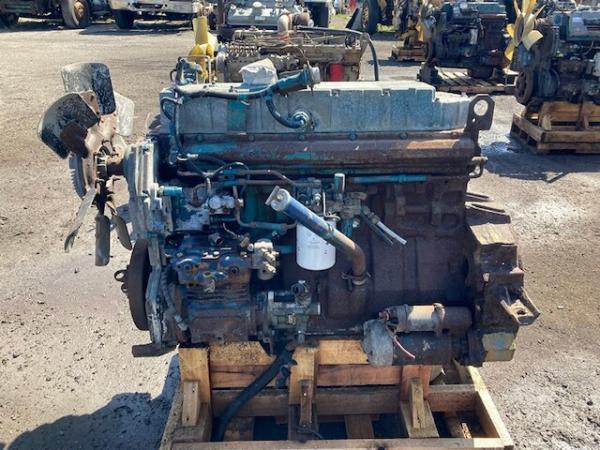
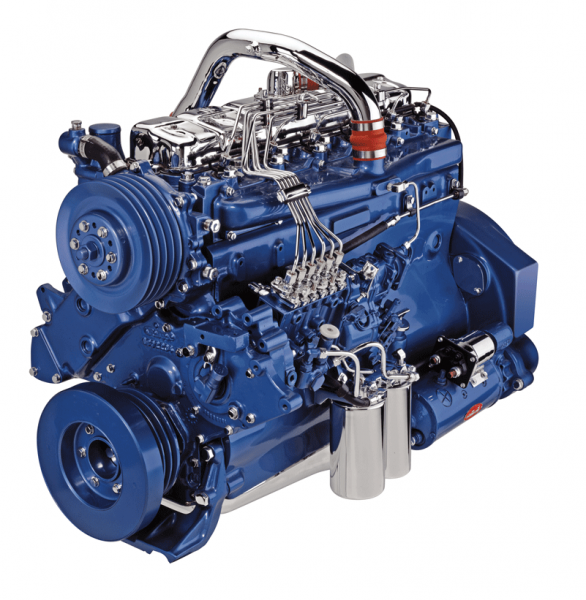
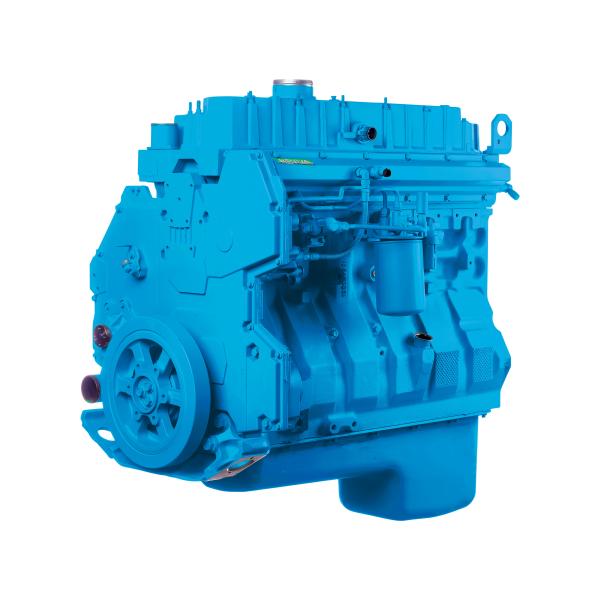
Introduction
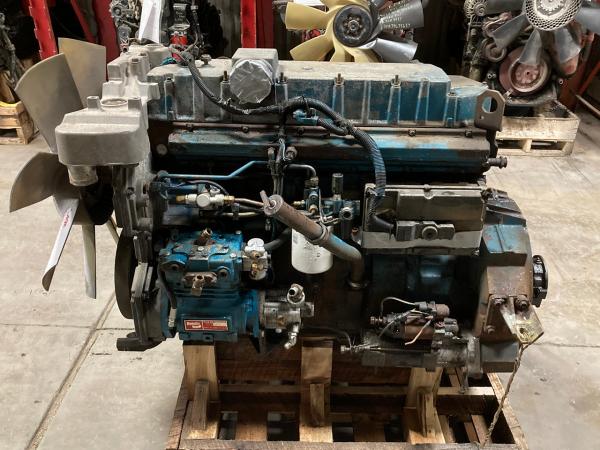
The International DT466E is a 7.6-liter, inline-six diesel engine produced by Navistar International. Renowned for its durability and versatility, it has been widely utilized in various applications, including school buses, delivery trucks, and dump trucks. Introduced in the early 2000s, the DT466E represents a significant evolution from its predecessors, incorporating electronic controls and improved fuel efficiency.
Engine Specifications - Displacement: 7.6 liters (466 cubic inches)
- Configuration: Inline 6-cylinder
- Bore x Stroke: 4.59 inches x 4.68 inches
- Compression Ratio: 16.7:1
- Horsepower: Typically ranges from 175 to 250 hp, depending on the specific model and application.
- Torque: Approximately 520 lb-ft at 1,450 rpm
- Fuel System: Hydraulically Actuated Electronically Controlled Unit Injector (HEUI)
- Aspiration: Turbocharged with intercooler
- Cooling System: Wet-sleeve cylinder liners
Common Issues and Maintenance
While the DT466E is celebrated for its reliability, certain issues have been noted over time:- Cylinder Liner Seal Failures: A known issue where the cylinder liner seals may fail, leading to coolant mixing with oil. This problem is often age-related and can be mitigated by replacing the seals with updated versions.
- High-Pressure Oil Pump (HPOP) Failures: The HPOP is crucial for the operation of the HEUI injectors. Failures can lead to hard starting or poor performance. Regular maintenance and timely replacement are recommended.
- Injector Issues: Sticking or leaking injectors can cause starting difficulties and rough idling. Ensuring clean fuel and proper maintenance can help prevent these issues.
- Turbocharger Failures: Debris in the intake system or oil contamination can lead to turbocharger failure. Regular inspection and maintenance are essential to prevent such occurrences.
Maintenance Tips
To ensure the longevity and optimal performance of the DT466E:- Regular Oil Changes: Use high-quality diesel engine oil and change it at intervals recommended by the manufacturer.
- Monitor Coolant Levels: Regularly check coolant levels and inspect for signs of contamination.
- Inspect Fuel System: Ensure the fuel system is free from contaminants and that filters are replaced as needed.
- Check Turbocharger: Inspect the turbocharger for signs of wear or damage and ensure the intake system is clean.
- Regular Diagnostics: Use diagnostic tools to monitor engine performance and identify potential issues early.
Conclusion
The International DT466E remains a cornerstone in medium-duty diesel engines, offering a blend of power, efficiency, and reliability. With proper maintenance and attention to common issues, it continues to serve a wide range of applications effectively.
|
|
|
|
| Clark 75 Forklift Brake System: Performance, Issues, and Solutions |
|
Posted by: MikePhua - 08-12-2025, 11:15 PM - Forum: General Discussion
- No Replies
|
|
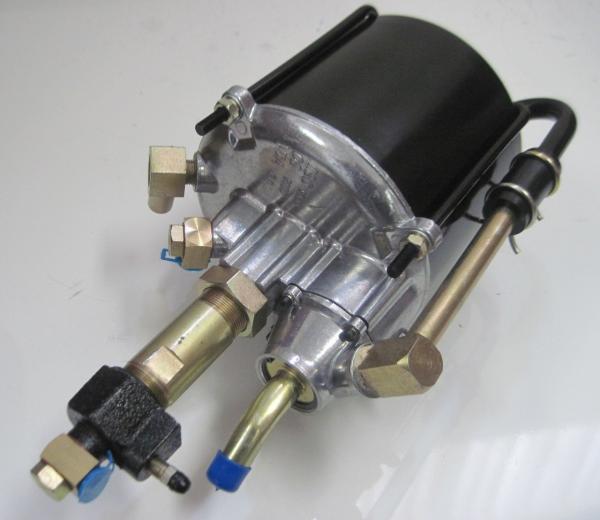
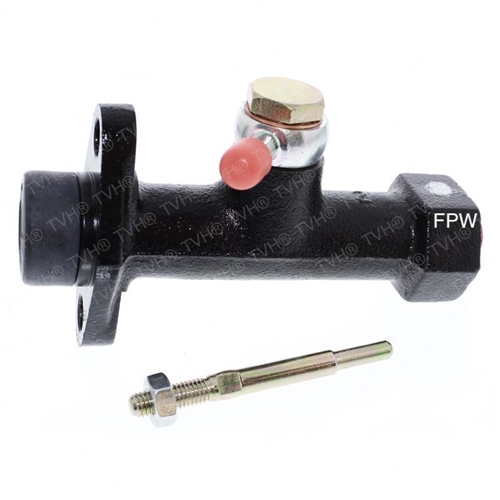
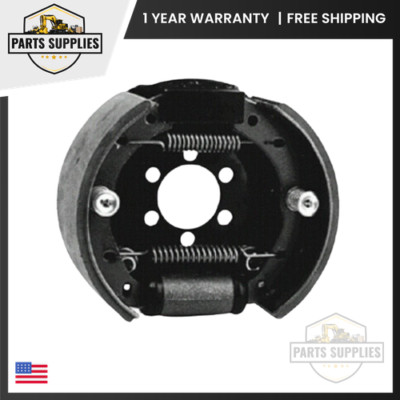
The Clark 75 forklift, part of the C60/70/75/80 series, is a robust industrial vehicle designed to handle heavy loads in demanding environments. Equipped with a 100 HP engine and a fully automatic 3-speed transmission, the Clark 75 offers exceptional performance and durability. However, like any heavy machinery, its brake system can encounter issues that require attention.
Brake System Overview
The Clark 75 features a hydraulic brake system with wet disc brakes and an independent drum parking brake. The wet disc brakes are enclosed and oil-cooled, providing smooth, quiet operation with reduced maintenance needs. The parking brake is hand-operated and activates the brakes, with the transmission disengaging when the parking brake is set to prevent driving against it.
Common Brake Issues
- Weak or Unresponsive Brakes
Operators have reported that the brakes on the Clark 75 can feel weak or unresponsive, especially when operating on steep terrain. This issue may be due to the design of the master cylinder and booster system, which some users describe as "anemic." In one instance, an operator mentioned using the bucket as a brake to compensate for the lack of effective braking power.
- Brake Pedal Sinking
A sinking brake pedal can indicate a significant issue, such as a leak in the brake lines or air in the hydraulic system. This condition requires immediate attention to prevent potential brake failure.
- Brake Locking
In some cases, the brakes may lock on unexpectedly, requiring the operator to release pressure from the wheel cylinder to disengage them. This issue can be caused by rust or corrosion, especially if the forklift has been idle for an extended period.
Maintenance and Troubleshooting
To address and prevent brake issues on the Clark 75, consider the following steps:- Regular Inspection: Conduct regular inspections of the brake system, including checking for leaks, wear on brake pads, and the condition of hydraulic lines.
- Bleeding the Brakes: If the brake pedal sinks, bleed the brake system to remove any air and ensure proper hydraulic pressure.
- Lubrication: Apply appropriate lubricants to moving parts to prevent rust and corrosion, especially in humid or corrosive environments.
- Component Replacement: Replace worn or damaged components, such as brake pads, wheel cylinders, and master cylinders, with OEM parts to maintain system integrity.
- System Upgrade: If persistent issues occur, consider upgrading the brake system components, such as replacing the master cylinder and booster with those from another loader, to improve braking performance.
Conclusion
While the Clark 75 forklift is a reliable machine, its brake system requires regular maintenance and attention to ensure optimal performance. By understanding common issues and implementing proactive maintenance practices, operators can enhance safety and efficiency in their operations.
|
|
|
|
|



