| Welcome, Guest |
You have to register before you can post on our site.
|
| Online Users |
There are currently 155 online users.
» 0 Member(s) | 143 Guest(s)
Ahrefs, Amazon, Applebot, Bing, Claude, Facebook, Google, MJ12, OpenAI, Semrush, Twitter
|
| Latest Threads |
Identifying and Sourcing ...
Forum: Parts , Attachments & Tools
Last Post: MikePhua
01-07-2026, 06:29 PM
» Replies: 0
» Views: 527
|
Cat 931B Brake Parts
Forum: Parts , Attachments & Tools
Last Post: MikePhua
01-07-2026, 06:29 PM
» Replies: 0
» Views: 283
|
Choosing Between Cat 228,...
Forum: General Discussion
Last Post: MikePhua
01-07-2026, 06:28 PM
» Replies: 0
» Views: 558
|
Hydraulic Delay When Lowe...
Forum: Troubleshooting & Diagnosing
Last Post: MikePhua
01-07-2026, 06:27 PM
» Replies: 0
» Views: 446
|
Bale Chopper and Mulcher ...
Forum: General Discussion
Last Post: MikePhua
01-07-2026, 06:26 PM
» Replies: 0
» Views: 323
|
Mini UC Maintenance
Forum: General Discussion
Last Post: MikePhua
01-07-2026, 06:25 PM
» Replies: 0
» Views: 313
|
Locating Wiring Informati...
Forum: General Discussion
Last Post: MikePhua
01-07-2026, 06:24 PM
» Replies: 0
» Views: 345
|
Case Industrial Brown Sub...
Forum: Parts , Attachments & Tools
Last Post: MikePhua
01-07-2026, 06:23 PM
» Replies: 0
» Views: 275
|
Dirt Work in West Virgini...
Forum: Construction & Urban Infrastructure Forum
Last Post: MikePhua
01-07-2026, 06:23 PM
» Replies: 0
» Views: 374
|
D207 P Hydraulic Steering...
Forum: Parts , Attachments & Tools
Last Post: MikePhua
01-07-2026, 06:22 PM
» Replies: 0
» Views: 303
|
|
|
| Understanding Trailer Weight Limits: Comprehensive Guide for Heavy Equipment Hauling |
|
Posted by: MikePhua - 08-12-2025, 11:54 PM - Forum: Logistics & Transportation
- No Replies
|
 |
Introduction to Trailer Weight Limits
Trailer weight limits are a critical consideration for anyone involved in hauling heavy equipment or freight on public roads. Legal weight restrictions are established to ensure road safety, prevent infrastructure damage, and reduce accident risks. These limits are governed by federal and state regulations, involving maximum gross vehicle weight ratings (GVWR) and specific axle weight restrictions. Understanding these parameters is essential for compliant, safe, and efficient transport operations.
Federal and State Weight Regulations - Federal Maximum Gross Vehicle Weight
The federal government sets the maximum allowable gross vehicle weight (truck + trailer + cargo) at 80,000 pounds on interstate highways without special permits.
- Axle Weight Limits
Axle weight limitations protect roads and bridges by controlling how much weight each axle group can bear. Violation can cause road deterioration and safety hazards.
Common Federal Axle Limits:- Single axle: Maximum 20,000 pounds
- Tandem axles (two axles close together): Maximum 34,000 pounds (can be higher with permits)
- Tri-axle: Typically around 54,000 to 60,000 pounds depending on axle spacing and state regulations
- Steering Axle Limits
Steering axles have lower weight limits, often around 12,000 pounds, to preserve tire life and steering control.
- Bridge Formula
The Federal Bridge Formula calculates maximum allowable weight based on the spacing and number of axles, ensuring even weight distribution and preventing excessive bridge stress. Wider axle spacing permits higher weights.
Trailer Types and Weight Considerations- 53-Foot Dry Van Trailers
Usually carry between 43,000 to 46,000 pounds on their axles.
- 53-Foot Flatbed Trailers
Tend to have higher axle weight limits, up to 48,000 pounds, given their construction and load types.
- Tri-Axle and Tandem Axle Trailers
The number and arrangement of axles affect maximum allowable weight; tri-axle trailers with proper spacing can handle heavier loads than tandems.
- Equipment Trailers
Typical heavy equipment trailers weigh around 2,000 to 3,000 pounds empty, with carrying capacities often near 15,000 pounds or higher, depending on design.
Factors Influencing Trailer Weight Limits- Trailer Construction and Axle Configuration
Heavier-duty trailers with more axles and wider axle spreads are legally allowed to carry more weight.
- State-Specific Regulations
States may impose weight limits varying from the federal norms, especially on non-interstate roads, requiring individual route planning and permits for overweight loads.
- Weight Distribution
Proper load distribution across axles is critical. Overconcentration on a single axle group can lead to violations, fines, or unsafe hauling conditions.
Practical Tips and Solutions for Compliant Hauling- Know Your Trailer’s GVWR
Always verify your trailer’s gross vehicle weight rating (GVWR) from the manufacturer or plate markings to avoid overloading.
- Use Certified Scales
Weigh your vehicle at certified scales before hauling to confirm compliance with weight limits on axles and overall load.
- Adjust Axle Loading
Use sliding axles or load distribution techniques to spread weight evenly across axles and reduce single axle overload.
- Air Lift Axles
Air lift or lift axles can temporarily reduce load on certain axles to meet weight requirements but adjusting is often regulated or restricted.
- Permits for Overweight Loads
When loads exceed legal limits, secure proper oversize/overweight permits from relevant authorities covering the entire route.
- Plan Routes Carefully
Avoid bridges or roadways with lower weight limits unless permits allow.
Small Stories and Industry Insights
A professional trucker shared memories of early hauling days when air lift axles helped fine-tune load distribution, technically making loads legal by adjusting pressures. However, regulations evolved to restrict such adjustments to prevent evasions.
Another logistics manager recounted choosing tri-axle trailers with wider axle spacing to increase legal payload capacity, effectively reducing the number of trips needed and saving fuel costs.
Seasoned operators stress the importance of knowing state-specific rules when hauling loads across borders, highlighting instances where loads were stopped and fined due to minor violations related to axle weights or total gross weight.
Terminology Explained- Gross Vehicle Weight Rating (GVWR): Maximum total weight a vehicle is designed to safely carry including trailer, cargo, fuel, and passengers.
- Axle Weight: The weight carried by a specific axle or group of axles.
- Tandem Axle: A pair of axles placed close together to share the load.
- Tri-Axle: A group of three axles, often spaced to distribute weight more effectively.
- Federal Bridge Formula: A formula used to calculate legal axle weight limits based on spacing and number of axles.
- Air Lift Axle: An auxiliary axle that can be raised or lowered to adjust the load on specific axles.
- Beavertail: A downward sloped section at the rear of a trailer used to ease loading.
Summary
Understanding trailer weight limits involves knowing federal and state regulations governing maximum gross vehicle weights and axle-specific limits. The federal maximum gross vehicle weight for a truck and trailer is generally 80,000 pounds, with single axles limited to about 20,000 pounds and tandem axles to about 34,000 pounds, subject to bridge formula calculations and state-specific rules.
Trailer type, axle configuration, and load distribution critically affect allowable weights. Using sliding axles, air lift axles, and proper load placement can help optimize compliance. Overweight loads require permits and route planning to avoid fines and safety issues.
Real-world hauling experiences underline the importance of precise weight measurement, understanding equipment capabilities, and respecting regional regulations to ensure safe, legal, and efficient freight movement.
This detailed insight equips truckers, fleet managers, and heavy equipment operators with the knowledge to plan and execute compliant hauling operations, preserving infrastructure and enhancing road safety.
|

|
|
| Case 580 CK Backhoe Loader: A Comprehensive Guide |
|
Posted by: MikePhua - 08-12-2025, 11:54 PM - Forum: General Discussion
- No Replies
|
|
The Case 580 CK Backhoe Loader, introduced in the mid-1960s, stands as a testament to the durability and versatility of classic construction machinery. As part of Case's renowned "Construction King" series, the 580 CK was designed to tackle a myriad of tasks, from digging trenches to lifting heavy loads. Over the decades, it has become a favorite among operators and collectors alike, thanks to its robust build and adaptability.
Engine Specifications and Performance
The 580 CK was offered with both gasoline and diesel engine options, catering to different fuel preferences and operational needs. - Gasoline Engines:
- G159: 159 cubic inches, approximately 57 horsepower.
- G188: 188 cubic inches, approximately 65 horsepower.
- Diesel Engine:
- D188: 188 cubic inches, approximately 57 horsepower.
These engines provided the necessary power to drive the machine's hydraulic systems and perform demanding tasks. The fuel tank capacity ranged around 22 gallons, ensuring extended operational hours between refueling.
Transmission and Hydraulic System
The 580 CK featured a manual transmission with a synchronized shuttle, offering multiple forward and reverse gears. This design allowed operators to smoothly transition between directions without the need to disengage the clutch, enhancing productivity on the job site.
The hydraulic system was open-center, with a relief valve pressure typically around 1,500 psi. The system powered various functions, including the loader, backhoe, and steering. Notably, the 580 CK utilized a separate power steering pump, which was a distinctive feature of its hydraulic design.
Dimensions and Weight
The dimensions of the 580 CK varied slightly based on the specific configuration and attachments. However, a typical setup included:- Wheelbase: Approximately 77.2 inches (gasoline) to 78.5 inches (diesel).
- Operating Weight: Ranged from 6,262 lbs for a 2WD loader to 10,289 lbs for a fully equipped 4WD backhoe with a 24-inch bucket.
- Tire Sizes: Front tires were commonly 7.50x16, while rear tires were 14.9x24.
These dimensions made the 580 CK maneuverable in various terrains, from tight urban spaces to expansive rural job sites.
Backhoe and Loader Capabilities- Backhoe:
- Digging Depth: Approximately 14 feet.
- Bucket Capacity: Around 1 cubic yard.
- Swing Arc: Full 180 degrees, allowing for efficient material handling.
- Loader:
- Lift Capacity: Approximately 3,800 lbs to full height.
- Bucket Capacity: Varies based on the bucket size, with standard buckets ranging from 0.75 to 1 cubic yard.
These capabilities made the 580 CK a versatile machine, suitable for tasks such as trenching, material handling, and site preparation.
Common Issues and Troubleshooting
While the 580 CK is known for its reliability, like all machines, it has its share of common issues:- Hydraulic System Leaks: Over time, seals and hoses can wear, leading to leaks. Regular inspection and timely replacement of worn components can mitigate this issue.
- Transmission Slippage: Some operators have reported slippage, especially when the transmission oil gets hot. This can often be attributed to low fluid levels or contamination. Flushing the system and replacing the fluid can resolve this problem.
- Clutch and Brake Linkage Problems: Cold weather can cause the clutch and brake linkages to freeze or become stiff. Ensuring proper lubrication and using winter-grade hydraulic fluid can help maintain smooth operation.
- Engine Stalling or Poor Performance: Issues such as stalling or reduced power can stem from fuel delivery problems, clogged filters, or faulty injectors. Regular maintenance, including fuel system checks and filter replacements, can prevent these issues.
Maintenance Tips for Longevity
To ensure the longevity and optimal performance of the 580 CK:- Regular Fluid Checks: Periodically check engine oil, hydraulic fluid, and transmission fluid levels. Use the recommended oils to prevent premature wear.
- Filter Replacements: Replace air, fuel, and hydraulic filters at regular intervals to maintain system efficiency.
- Lubrication: Grease all pivot points and moving parts regularly to reduce friction and wear.
- Tire Maintenance: Check tire pressures and tread conditions. Properly inflated tires ensure better traction and reduce fuel consumption.
- Storage: When not in use, store the machine in a dry, sheltered location to protect it from the elements.
Real-World Applications
The Case 580 CK has been employed in various projects over the years:- Construction: Used for trenching, foundation digging, and material handling.
- Agriculture: Assisted in tasks like digging irrigation ditches and moving soil.
- Landscaping: Helped in grading land and preparing sites for planting.
- Municipal Work: Employed in road maintenance and utility installations.
One notable story involves a small-town contractor who used a 580 CK to rebuild a local bridge. Despite its age, the machine's reliability and performance allowed the project to be completed on time and within budget, showcasing the enduring value of the 580 CK.
Conclusion
The Case 580 CK Backhoe Loader remains a cherished piece of machinery for many operators. Its blend of power, versatility, and durability has allowed it to stand the test of time. With proper maintenance and care, the 580 CK can continue to serve its purpose for many more years, proving that quality engineering never goes out of style.
|
|
|
|
| HP300 Cone Crusher Bowl Liner PN 5530-8267 and Mantle PN 5520-8283: A Comprehensive Overview |
|
Posted by: MikePhua - 08-12-2025, 11:49 PM - Forum: Parts , Attachments & Tools
- No Replies
|
|
The HP300 cone crusher, part of Metso's renowned HP series, is widely utilized in aggregate and mining operations for its efficiency and reliability. Two critical components in its operation are the bowl liner and mantle, which are subject to wear and require periodic replacement. This article delves into the specifications, materials, sourcing options, and maintenance considerations for the HP300 bowl liner (PN 5530-8267) and mantle (PN 5520-8283).
Component Specifications - Bowl Liner (PN 5530-8267): The bowl liner is a vital part of the crushing chamber, forming the stationary surface against which the mantle crushes material. The part number 5530-8267 corresponds to a standard coarse profile liner, designed to handle a wide range of feed materials. Manufacturers often offer this liner in various manganese alloys to enhance durability and wear resistance.
- Mantle (PN 5520-8283): The mantle is the moving component that gyrates within the bowl liner, exerting compressive forces on the material. Part number 5520-8283 typically denotes a standard coarse profile mantle, suitable for general-purpose crushing applications. Similar to the bowl liner, mantles are available in different manganese grades to match specific operational requirements.
Materials and Manufacturing
High-quality manganese steel alloys are commonly used for both bowl liners and mantles. Grades such as Mn18Cr2 and Mn22Cr2 are prevalent, offering a balance between hardness and toughness. These materials are designed to withstand the abrasive forces encountered during crushing operations, extending the lifespan of the components.
Sourcing Options
Replacement parts for the HP300 cone crusher are available through various channels:- OEM Suppliers: Original Equipment Manufacturers provide components that match the exact specifications of the original parts, ensuring compatibility and performance.
- Aftermarket Suppliers: Companies like BDI Wear Parts and GTEK Mining offer high-quality alternatives that can be more cost-effective while maintaining reliability.
- Local Distributors: Regional suppliers may offer quick delivery times and localized support, beneficial for operations in specific geographic areas.
Maintenance and Replacement Considerations
Regular inspection of the bowl liner and mantle is essential to identify wear patterns and determine the appropriate time for replacement. Signs of excessive wear include:- Bowl Liner: Significant grooves or indentations, indicating material has been crushed beyond the liner's capacity.
- Mantle: Thinning or cracking, which can compromise the crushing efficiency and safety of the operation.
Timely replacement of these components is crucial to maintain optimal crusher performance and prevent potential damage to other parts of the machine.
Case Study: Operational Efficiency
In a case study conducted by Mellott Company, replacing worn bowl liners and mantles with high-quality aftermarket parts led to a 15% increase in throughput and a 20% reduction in downtime for a quarry operation. This improvement underscores the importance of selecting the right components and adhering to a proactive maintenance schedule.
Conclusion
The HP300 cone crusher's bowl liner (PN 5530-8267) and mantle (PN 5520-8283) are integral to its crushing efficiency. Understanding their specifications, materials, sourcing options, and maintenance requirements ensures sustained performance and longevity of the equipment. Whether opting for OEM or aftermarket parts, it's imperative to choose components that align with the specific needs of the operation.
|
|
|
|
| John Deere 4219D Diesel Engine Oil Pump: Detailed Overview, Troubleshooting, and Maintenance Guide |
|
Posted by: MikePhua - 08-12-2025, 11:47 PM - Forum: Parts , Attachments & Tools
- No Replies
|
|
Introduction to the John Deere 4219D Engine and Oil Pump
The John Deere 4219D engine is a robust 4-cylinder diesel engine known for its reliability and usage in various tractors and industrial machinery. The oil pump in this engine plays a crucial role in maintaining engine longevity by ensuring continuous lubrication of engine components, reducing friction, and preventing overheating.
Proper understanding of the oil pump's function, common issues, maintenance practices, and troubleshooting methods is essential for operators and technicians who want to keep the 4219D running smoothly and extend its service life.
Function and Importance of the Oil Pump - The oil pump circulates lubricating oil under pressure to the engine’s moving parts, such as bearings, pistons, camshaft, and crankshaft.
- It maintains appropriate oil pressure levels which are crucial for preventing metal-to-metal contact and dissipating heat.
- In the 4219D engine, the oil pump is mechanically driven, ensuring oil delivery proportional to engine speed.
- A failing oil pump can lead to insufficient lubrication, causing premature wear, overheating, and catastrophic engine failure.
Common Symptoms of Oil Pump Problems- Low or fluctuating oil pressure gauge readings.
- Engine overheating due to friction.
- Unusual engine noises such as knocking or ticking caused by insufficient lubrication.
- Oil leaks around the oil pump or adjacent sealing surfaces.
- Presence of metal shavings in the oil filter or oil pan, indicating wear.
- Oil pump priming difficulties during engine start-up.
Inspection and Troubleshooting of the Oil Pump- Visual Inspection: Check for visible leaks, damaged seals or gaskets around the oil pump area.
- Oil Pressure Test: Use a pressure gauge at the engine oil gallery to verify oil pressure matches manufacturer’s specifications at various RPMs.
- Oil Pump Mechanical Check: Inspect the condition of the pump gears or rotors for wear, scoring, or damage, which can reduce pumping efficiency.
- Oil Pick-Up Screen and Tube: Ensure the pick-up tube inside the oil pan is not clogged or damaged, as this restricts oil flow to the pump.
- Oil Quality and Levels: Maintain proper oil level and use the recommended oil grade to ensure pump operation is not impaired by thickened or contaminated oil.
- Check for Blockages: Verify oil passages are clear of sludge or deposits that can reduce flow.
Maintenance and Solutions- Regular Oil and Filter Changes: Adhere to scheduled oil changes with OEM-approved lubricants and quality filters to prevent contamination damaging the pump.
- Gasket and Seal Replacement: Replace worn or leaking oil pump gaskets to prevent pressure loss and oil leaks.
- Oil Pump Replacement or Rebuild: If inspection reveals significant wear or damage to pump components, replacement with OEM or high-quality aftermarket parts is advised.
- Proper Installation: When replacing the oil pump, ensure correct alignment and torques according to John Deere service manual specifications.
- Engine Overhaul Kits: Utilize complete in-frame overhaul kits that include oil pump components, bearings, and seals during major engine service for optimal reliability.
Additional Technical Information- The John Deere 4219D engine features a bore of 4.0157 inches and stroke of 4.330 inches.
- Oil pumps for this engine may come with specific part numbers (e.g., AR67074) and should be sourced from trusted suppliers for fitment and durability.
- The engine oil inlet cover and oil pan gasket sets are critical to maintaining a sealed oil system.
- Oil pump pressure line routing and pickup tube condition are essential for consistent oil delivery.
Practical Case Studies and Anecdotes- An operator working on an older John Deere 410B backhoe experienced low oil pressure leading to engine knock. After diagnosis, the oil pump gears were found worn from contaminant abrasion caused by overdue oil changes. Replacement of the oil pump and oil filter plus regular oil maintenance restored smooth engine operation.
- Another case involved oil leaks at the pump gasket causing gradual oil loss and pressure fluctuations. Replacing the gaskets and resealing the pump housing prevented further lubricant loss and improved engine reliability.
- John Deere dealerships emphasize the importance of using genuine oil pump parts and gaskets to avoid premature wear and fitment problems sometimes seen with generic aftermarket units.
Terminology Explained- Oil Pump: Mechanical device circulating engine oil to lubricate and cool engine parts.
- Oil Pressure: The pressure at which oil is delivered, vital to effective lubrication.
- Pick-Up Tube: The tube within the oil pan drawing oil into the pump.
- Gasket: Sealing material placed between engine components to prevent oil leaks.
- In-Frame Kit: A comprehensive engine rebuilding kit including key wear parts such as bearings and oil pump components.
- OEM: Original Equipment Manufacturer, indicating genuine manufacturer parts.
Recommendations for Operators and Technicians- Follow John Deere’s maintenance schedule strictly to avoid oil pump and engine wear complications.
- Use oil pressure gauges or sensors to monitor engine lubrication health continually.
- Always source oil pump replacements and seals from reputable suppliers and cross-reference part numbers.
- During engine rebuilds, consider replacing the oil pump along with bearings and gaskets to ensure longevity.
- Keep the oil pan clean and inspect pick-up tubes during oil changes to avoid blockages.
- Document maintenance and repairs for tracking engine service history and preventing repeated issues.
Summary
The oil pump in the John Deere 4219D diesel engine is a critical component ensuring proper engine lubrication and preventing premature mechanical failure. Understanding the oil pump’s function, symptoms of failure, and proper maintenance is essential for operators to keep this workhorse engine running efficiently.
Common issues such as low oil pressure, leaks, and abnormal noises often trace back to oil pump wear, gasket failure, or clogged oil pickup screens. Proactive inspection, timely repairs, and adherence to recommended oil change intervals are key solutions to avoid costly breakdowns.
Real-world cases underscore the importance of high-quality replacement parts, proper oil selection, and thorough troubleshooting when addressing oil pump issues.
By mastering oil pump care and maintenance, operators and technicians can significantly extend the life of the John Deere 4219D engine, optimize performance, and reduce costly downtime in various agricultural and industrial applications.
|
|
|
|
| Genie S-60 Drive/Steer Joystick Troubleshooting: A Comprehensive Guide |
|
Posted by: MikePhua - 08-12-2025, 11:46 PM - Forum: Troubleshooting & Diagnosing
- No Replies
|
|
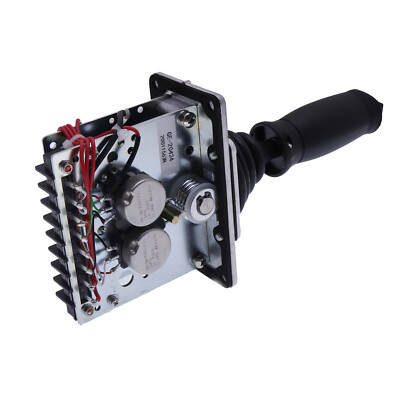
The Genie S-60 articulating boom lift is renowned for its versatility and reliability in various industrial applications. However, operators occasionally encounter issues with the drive and steer joysticks, leading to operational challenges. This article delves into common problems associated with these joysticks, diagnostic procedures, and potential solutions.
Understanding the Joystick System
The drive and steer functions in the Genie S-60 are controlled via dual-axis joysticks equipped with Hall Effect sensors. These sensors detect the joystick's position and send corresponding signals to the ALC-500 control board, which interprets the inputs to control the machine's movements.
Common Issues
- Non-Responsive Joysticks: Operators may find that the drive and steer joysticks do not respond to inputs, rendering the machine immobile.
- Erratic Movements: Joysticks might cause unpredictable movements, such as sudden jerks or unintended directions.
- Calibration Failures: Attempting to calibrate the joysticks may result in no audible confirmation (beep), indicating a failure in the calibration process.
Diagnostic Procedures
- Check for Error Codes: The ALC-500 control board displays error codes through LED indicators. For joystick-related issues, common codes include:
- 51-17: Drive joystick malfunction.
- 61-17: Steer joystick malfunction.
- Inspect Voltage Signals: Using a multimeter, measure the voltage output from the joystick connectors. A properly functioning joystick should produce a voltage range from 0V to 5V as it is moved through its range. A consistent 2.5V reading across all directions may indicate a faulty joystick.
- Perform Joystick Calibration:
- Turn the key switch to the "Platform" position.
- Pull out the emergency stop button.
- Remove the joystick from its connector.
- Wait for 3-4 seconds, then reconnect the joystick.
- Without stepping on the foot switch, move the joystick fully in each direction and hold for 5-7 seconds.
- If calibration is successful, an audible beep will confirm the process.
Potential Solutions
- Joystick Replacement: If the joystick fails to produce the correct voltage signals or calibration is unsuccessful, replacing the joystick may be necessary. Ensure that the replacement part is compatible with the S-60 model.
- Control Board Inspection: Persistent issues after joystick replacement may point to problems with the ALC-500 control board. Inspect the board for visible damage or loose connections. In some cases, reprogramming or replacing the board may be required.
- Wiring and Connector Checks: Inspect all wiring and connectors between the joystick and the control board for signs of wear, corrosion, or loose connections. Repair or replace as needed.
Case Study: Operator Experience
An operator reported encountering error codes 51-17 and 61-17 on their 2006 Genie S-60. After verifying the joystick's voltage signals and attempting calibration without success, the operator replaced the joystick. This action resolved the issue, restoring full functionality to the drive and steer controls.
Conclusion
Issues with the drive and steer joysticks in the Genie S-60 can stem from various sources, including faulty joysticks, control board malfunctions, and wiring problems. By systematically diagnosing the issue using the procedures outlined above, operators can identify the root cause and implement the appropriate solution, ensuring the continued reliability and safety of the equipment.
|
|
|
|
| John Deere 450C Crawler Dozer: A Comprehensive Overview |
|
Posted by: MikePhua - 08-12-2025, 11:45 PM - Forum: General Discussion
- No Replies
|
|
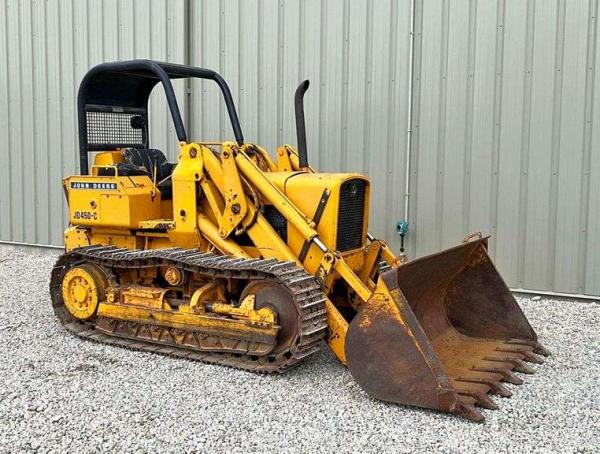
The John Deere 450C Crawler Dozer is a mid-sized, industrial-grade machine that gained popularity in the 1970s and 1980s for its robust performance and versatility. Designed primarily for construction, land clearing, and agricultural tasks, the 450C has earned a reputation for reliability and durability. In this article, we will delve into its specifications, common issues, maintenance tips, and real-world applications.
Engine and Performance
The 450C is powered by a John Deere 4219D, 4-cylinder turbocharged diesel engine with a displacement of 219 cubic inches. It delivers approximately 65 horsepower at 2,500 RPM, providing ample power for various tasks. The engine's design emphasizes fuel efficiency and longevity, making it suitable for prolonged use in demanding environments.
Transmission and Hydraulics
Equipped with an 8-speed partial power shift transmission (4 forward and 4 reverse gears), the 450C offers smooth gear transitions and adaptability to different working conditions. The hydraulic system is open-center with a relief valve pressure of 2,250 psi and a pump flow capacity of 14 gallons per minute, ensuring efficient operation of attachments and implements.
Undercarriage and Dimensions
The undercarriage features sealed track rollers and idlers, contributing to reduced maintenance needs and extended service life. The standard operating weight of the 450C is approximately 14,400 pounds, with a length of 12 feet, a width of 6 feet, and a height of 7 feet 11.8 inches. These dimensions make it maneuverable in confined spaces while maintaining stability during operation.
Common Issues and Troubleshooting
While the 450C is generally reliable, certain issues have been reported by users: - Steering Problems: Some operators have experienced steering difficulties, particularly when the dozer is on an incline. This may be due to hydraulic fluid contamination or low fluid levels. Regular inspection and maintenance of the hydraulic system can mitigate such problems.
- Transmission Engagement Failures: Issues with gear selection and transmission engagement have been noted, often attributed to wear in the shuttle shift linkage or low fluid levels. Ensuring proper fluid maintenance and timely replacement of worn components can address these concerns.
- Clutch Slippage: Instances of clutch slippage, especially in higher gears, have been observed. This could indicate wear in the clutch packs or insufficient hydraulic pressure. Regular inspection and maintenance of the clutch system are recommended.
Maintenance Tips
To prolong the life of the John Deere 450C and ensure optimal performance:- Regular Fluid Checks: Periodically check hydraulic fluid levels and condition. Contaminated or low fluid can lead to operational issues.
- Undercarriage Maintenance: Inspect the undercarriage components for wear and replace them as necessary to prevent costly repairs.
- Clutch and Transmission Inspection: Regularly inspect the clutch and transmission systems for signs of wear or damage. Addressing issues early can prevent more severe problems.
Real-World Applications
The John Deere 450C has been utilized in various projects, including:- Land Clearing: Its powerful engine and durable undercarriage make it suitable for clearing dense vegetation and preparing land for development.
- Construction Projects: The 450C's versatility allows it to perform tasks such as grading, trenching, and material handling on construction sites.
- Agricultural Applications: Farmers have employed the 450C for tasks like soil preparation, leveling fields, and clearing brush.
Conclusion
The John Deere 450C Crawler Dozer remains a valuable asset for many operators due to its robust design, versatility, and reliability. By adhering to regular maintenance schedules and promptly addressing any issues, owners can maximize the lifespan and performance of this capable machine.
|
|
|
|
| Becoming a Successful Heavy Equipment Owner-Operator: An In-Depth Guide |
|
Posted by: MikePhua - 08-12-2025, 11:44 PM - Forum: Rental , Leasing & Investment
- No Replies
|
|
Introduction to Owner-Operator Roles in Heavy Equipment
An owner-operator in the heavy equipment industry is a professional who owns and operates their own machinery, running an independent business or leasing their services to larger companies. This role combines equipment operation skills with business management responsibilities, making it a comprehensive and demanding career path. Owner-operators can be found across various sectors, including construction, mining, agriculture, and towing.
This guide provides a detailed understanding of what it means to be an owner-operator, the types of owner-operators, the key responsibilities, challenges, and strategies for success, enriched with practical examples and insights.
Types of Owner-Operators - Leased Owner-Operator
These individuals lease their equipment and services to an established company, operating under the company’s authority and often benefiting from a steady stream of work, support in compliance, and lower administrative burdens. However, they typically have less control over job selection and rates and may pay fees to the leasing company.
- Independent Owner-Operator
Operates under their own authority, fully managing contracts, freight or job selection, and all business aspects themselves. This offers greater flexibility and profit potential but comes with increased administrative responsibilities, startup costs, and the challenge of securing consistent work.
Key Responsibilities- Business Management
- Securing contracts or loads by networking, bidding, or using online load boards and broker services.
- Handling finances, including budgeting for fuel, maintenance, insurance, taxes, and unexpected expenses.
- Maintaining legal compliance with permits, registrations, licenses, and industry regulations.
- Equipment Maintenance
- Scheduling regular servicing and repairs to avoid breakdowns.
- Performing inspections and preventative maintenance, including fluid checks, tire/brake conditions, and safety systems.
- Operational Excellence
- Efficiently managing work schedules to maximize uptime and profitability.
- Employing GPS and Electronic Logging Devices (ELDs) for route and hours-of-service compliance.
- Maintaining strong relationships with clients, brokers, and repair facilities to ensure smooth operations.
Financial Considerations- Initial costs include purchasing or leasing heavy equipment and securing licenses and insurance.
- Ongoing expenses include fuel, maintenance, insurance premiums, loan repayments, and administrative overhead.
- Earnings can vary widely, with successful owner-operators potentially making between $50,000 to $120,000 annually after expenses.
- Careful financial planning and record-keeping are essential to sustain profitability.
Licenses and Certifications- Holding a Commercial Driver’s License (CDL) is typically required for heavy trucks associated with hauling heavy equipment.
- Operator certifications or licenses depend on the machinery type and local regulations; some equipment requires specific operator training or certification.
- Compliance with safety standards like OSHA and FMCSA is critical, including logging hours, maintaining vehicle safety, and following environmental regulations.
Challenges Faced by Owner-Operators- Managing the dual role of equipment operator and business owner can be overwhelming.
- High upfront and ongoing costs require disciplined budgeting and planning.
- Finding consistent work, negotiating fair contracts, and handling administrative complexities demand industry knowledge and networking.
- Equipment maintenance and unexpected repairs can disrupt revenue streams if not proactively managed.
Tips for Success- Leverage Technology
Use GPS tracking, ELDs, fuel management apps, and digital bookkeeping to streamline operations and maintain compliance.
- Build Strong Industry Relationships
Connect with brokers, shippers, and maintenance providers to access better rates and reliable support.
- Prioritize Preventive Maintenance
Regular upkeep reduces costly downtime and extends equipment life.
- Stay Educated and Informed
Keep abreast of changing regulations, market conditions, and new technologies to stay competitive.
- Financial Discipline
Maintain detailed financial records and set aside reserves for taxes, repairs, and lean periods.
Real-World Examples and Stories- An owner-operator in heavy equipment hauling shared that investing in a used but well-maintained loader and maintaining steady communication with brokers enabled a sustainable business that eventually expanded to multiple machines.
- Another case involved an owner-operator leasing to carriers to mitigate risks and reduce administrative efforts, which provided a stable income stream and allowed gradual scaling of operations.
Terminology Explained- Owner-Operator: Operator who owns and manages their heavy equipment business.
- Leased Owner-Operator: Operator leasing services to a third-party carrier.
- CDL (Commercial Driver’s License): License required to operate heavy commercial vehicles legally.
- Load Boards: Online platforms connecting freight or job opportunities with equipment operators.
- FMCSA (Federal Motor Carrier Safety Administration): U.S. agency regulating commercial vehicles and safety compliance.
- ELD (Electronic Logging Device): Device that electronically records driving time for compliance.
Summary
Operating as a heavy equipment owner-operator offers the opportunity to combine hands-on machinery operation with entrepreneurship. Success requires mastery of equipment management, business skills, industry regulations, and strategic planning. Balancing operational tasks with business responsibilities can be demanding but offers potentially rewarding financial and professional independence.
By leveraging technology, building strong networks, and maintaining disciplined financial and maintenance practices, owner-operators can build sustainable and profitable businesses in diverse heavy equipment sectors.
The owner-operator model embodies a blend of technical expertise and managerial acumen, serving as a critical backbone for specialized, flexible, and efficient service delivery in construction, hauling, and many other fields.
This comprehensive insight aims to prepare aspiring and current owner-operators to navigate the complexities and embrace the opportunities of this challenging but fulfilling career path.
|
|
|
|
| Comprehensive Guide to Online Resources for Heavy Equipment Specifications |
|
Posted by: MikePhua - 08-12-2025, 11:43 PM - Forum: General Discussion
- No Replies
|
|
Introduction to Heavy Equipment Specification Databases
In industries such as construction, agriculture, forestry, and mining, having access to accurate and detailed equipment specifications is vital for making informed purchasing, leasing, maintenance, and operational decisions. Numerous online platforms now serve as comprehensive databases, providing users with searchable and comparable data on thousands of equipment models across various manufacturers and categories. These resources empower operators, fleet managers, dealers, and engineers to optimize machine selection, maintenance planning, and compliance with safety or transport requirements.
This article offers an in-depth overview of some of the most prominent and reliable online heavy equipment specification resources, with illustrative examples, key features, practical tips, and considerations for specific needs.
Leading Heavy Equipment Specification Websites - RitchieSpecs
One of the most extensive and widely used search engines for equipment specifications, RitchieSpecs covers an enormous range of current and historical machine specs. Users can filter searches by manufacturer, model, type, and industry sector. The platform is favored for its comprehensive dimensions and equipment details, including operating weights, engine types, hydraulic flow rates, and detailed mechanical info.
Example Use: An equipment manager choosing between excavator models can compare hydraulic pump outputs and breakout forces side-by-side to match machine capabilities to job requirements.
- SPEC CHECK
Specializing in mining and heavy equipment data, SPEC CHECK provides updated technical information on machine variants, revisions, and regional engine options. The platform emphasizes global coverage and daily data updates. It offers users access via web or mobile apps and features API integrations for larger operations or software developers.
Industry Insight: Leasing companies use SPEC CHECK to verify equipment specs before contracts, avoiding mismatches in machine expectations.
- HeavyEquipmentData.com
With a history spanning over 60 years, this database boasts over 460,000 specifications for more than 20,000 models across over 100 categories, including attachments and trucks. The site offers downloadable datasets and a normalization API to unify client-specific naming conventions into industry standards. This resource is valuable for custom integrators seeking to embed equipment spec data into their applications.
Real-World Scenario: A fleet manager integrates HeavyEquipmentData’s API into their asset tracking software, automatically displaying detailed specs for any tracked equipment by serial number.
- EquipmentWatch (formerly SpecFinder)
EquipmentWatch offers critical specification data mainly sourced from manufacturer publications. The platform specializes in comparing general research information and includes categories such as engine details, axles, weights, and dimensions, grouped logically for ease of use. Users can print or export specs for documentation or presentations. It is especially strong in providing cost, pricing, and market valuation data alongside specs.
Application: Contractors frequently use EquipmentWatch to assess machine operating costs and residual values during equipment acquisition planning.
- VeriTread
Targeting transport and shipping logistics, VeriTread offers thousands of specs especially focusing on equipment dimensions and weight for transportation planning. The service aids haulers in verifying machine clearances and shipping requirements before transport.
Use Case: Transportation coordinators use VeriTread to ensure compliance with road regulations during oversized equipment shipping.
- HeavyHaulers.com
This platform provides manufacturer-specific equipment specifications with an emphasis on shipping needs, including detailed machine dimensions and weights crucial for moving large equipment safely.
Key Features and Advantages Across Platforms- Extensive searchable equipment databases with hundreds of thousands of entries.
- Inclusion of detailed technical data such as engine power, operating weight, hydraulic flow, bucket capacities, and dimensions.
- Accessibility via web portals, mobile applications, and APIs to suit different user needs.
- Regular and real-time updates from manufacturers and industry sources ensuring current and accurate data.
- Export options including PDFs, Excel files, or API feeds for integration with company systems.
- Helpful groupings and categories, such as engine, axles, hydraulic systems, and weights for quick comparisons.
- Industry relevance spanning construction, agriculture, mining, forestry, trucking, and attachments.
Additional Practical Tips and Considerations- Choosing the Right Database: Determine your priority—whether it is detailed technical specs, transport compliance, market valuations, or integration capabilities—and select a platform accordingly.
- Utilize API Access: For organizations managing large fleets or developing support software, API access to these databases ensures automated updates and seamless data integration.
- Cross-reference: Use multiple sources to verify critical information, especially for older machinery or less common models where data might vary.
- Leverage User Feedback: Some platforms offer community insights or real-user comments, which provide valuable context beyond raw specifications.
- Keep Updated: Machinery specs evolve with model revisions and regional variants; subscribe to updates or alerts from your chosen databases.
Terminology Explained- Operating Weight: The total machine weight including standard equipment, fluids, operator, and fuel.
- Hydraulic Flow Rate: The volume of hydraulic fluid the pump delivers, often linked to machine speed and power.
- Normalization API: A tool that standardizes diverse vendor naming conventions into uniform industry-standard terms.
- API (Application Programming Interface): A set of protocols allowing software to retrieve and interact with a database remotely.
- Bucket Capacity: The volume of material a loader or excavator bucket can hold during operation.
- Dump Height/Reach: Critical measurements for planning material handling and loading into trucks or hoppers.
Real-World Stories and Use Cases- A multinational construction company streamlined equipment acquisition by using RitchieSpecs to compare backhoe loaders’ lifting capacities and fuel consumption across brands, allowing for optimized fleet configuration.
- A mineral extraction firm integrated SPEC CHECK data into their operations dashboard, correlating machine hydraulic specs with field productivity data, revealing efficiency gains after fine-tuning equipment selections.
- Transport companies rely heavily on VeriTread to prepare for hauling oversized equipment across state lines, reducing transportation delays and regulatory fines.
- Equipment rental businesses utilize EquipmentWatch’s valuation tools alongside specs to price equipment competitively and manage residual asset values effectively.
Summary
Online heavy equipment specification resources have become indispensable tools for industry professionals seeking detailed, up-to-date, and precise machinery data. Leading platforms like RitchieSpecs, SPEC CHECK, HeavyEquipmentData.com, and EquipmentWatch offer extensive specs databases complemented with searchable interfaces, export capabilities, and API access for broad applicability.
These resources assist in equipment comparison, maintenance planning, transport logistics, and financial analysis. Proper use of such databases improves decision-making, operational planning, and equipment lifecycle costs, fostering enhanced productivity and reduced downtime.
For anyone involved in heavy machinery selection, operation, or maintenance, leveraging these comprehensive online tools and understanding their features ensures access to reliable information tailored for diverse industrial needs.
By integrating specification databases into workflows, businesses gain a competitive edge through informed choices and efficient resource management, supported by a wealth of detailed and current equipment knowledge.
|
|
|
|
| Troubleshooting Overheating and Control Loss in the 2015 Takeuchi TB260 Mini Excavator |
|
Posted by: MikePhua - 08-12-2025, 11:42 PM - Forum: Troubleshooting & Diagnosing
- No Replies
|
|
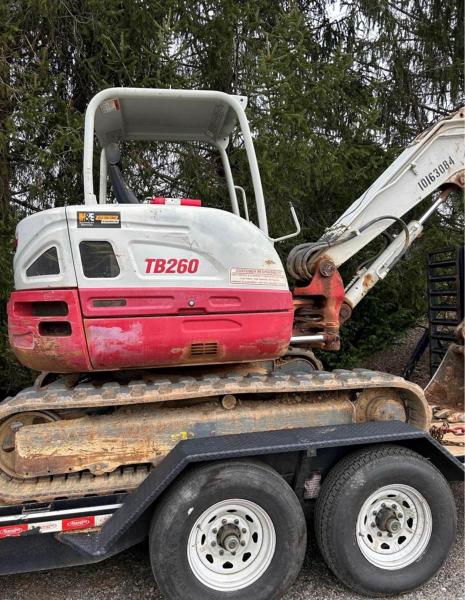
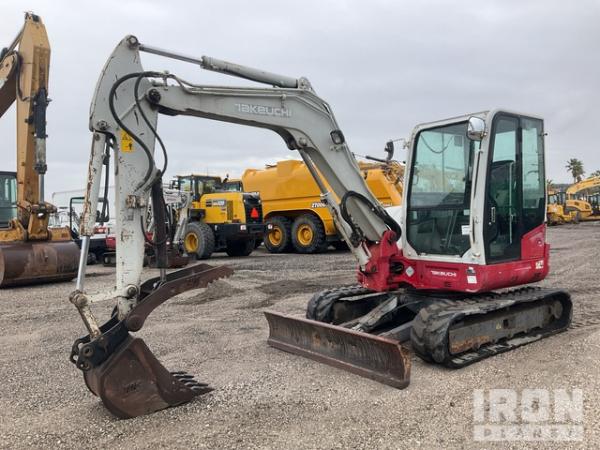
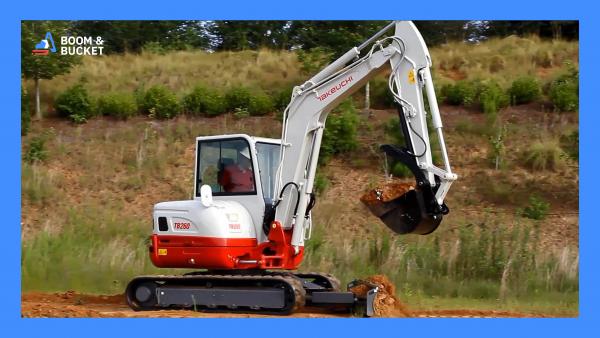
The 2015 Takeuchi TB260 mini excavator is a versatile and compact machine designed for various construction and landscaping tasks. However, some operators have reported intermittent issues where the engine temperature gauge rises, the caution light illuminates, and control functions are temporarily lost, only to return to normal after a short period. This phenomenon can be perplexing, especially when no active error codes are present.
Understanding the Symptoms
Operators have described the issue as follows: - Temperature Gauge Fluctuations: The engine temperature gauge rises unexpectedly.
- Caution Light Activation: The caution light illuminates, indicating a potential issue.
- Loss of Control Functions: Hydraulic and operational controls become unresponsive.
- Temporary Recovery: After a brief period, the system resets, and normal operations resume.
These symptoms often occur without any active error codes, complicating diagnosis and repair efforts.
Potential Causes and Diagnostic Steps
- Cooling System Issues: A malfunctioning cooling system can lead to overheating, triggering the caution light and control loss.
- Check Coolant Levels: Ensure the coolant reservoir is filled to the recommended level.
- Inspect Radiator and Hoses: Look for blockages, leaks, or damage that could impede coolant flow.
- Test Thermostat Function: A stuck thermostat can cause erratic temperature readings.
- Electrical System Faults: Electrical issues can cause intermittent control loss and warning lights.
- Inspect Battery and Alternator: Ensure the battery is charged and the alternator is functioning properly.
- Check Wiring Connections: Loose or corroded connections can lead to erratic behavior.
- Examine Fuses and Relays: Faulty fuses or relays can disrupt normal operations.
- Sensor Malfunctions: Faulty sensors can provide incorrect data to the control system, leading to false warnings.
- Test Temperature Sensors: Verify that temperature sensors are reading accurately.
- Check Pressure Sensors: Ensure hydraulic pressure sensors are functioning correctly.
- Software Glitches: Occasionally, software issues can cause the system to misinterpret sensor data.
- Perform a System Reset: Disconnecting and reconnecting the battery can sometimes reset the system.
- Update Software: Ensure the machine's software is up to date to prevent known issues.
Case Study: Operator Experience
An operator reported experiencing similar symptoms with their TB260. After performing the diagnostic steps mentioned above, they discovered that a loose fan belt was causing inconsistent cooling, leading to overheating and control loss. Tightening the fan belt resolved the issue, restoring normal operation.
Maintenance Tips to Prevent Future Issues- Regularly Inspect and Maintain the Cooling System: Ensure that coolant levels are adequate, and the radiator and hoses are free from obstructions.
- Monitor Electrical Components: Check the battery, alternator, and wiring connections for signs of wear or corrosion.
- Calibrate Sensors Periodically: Regular calibration ensures accurate readings and prevents false warnings.
- Keep Software Updated: Regular software updates can fix bugs and improve system performance.
Conclusion
Intermittent overheating and control loss in the 2015 Takeuchi TB260 can be attributed to various factors, including cooling system malfunctions, electrical issues, sensor faults, and software glitches. By systematically diagnosing and addressing these potential causes, operators can restore normal function and prevent future occurrences. Regular maintenance and timely repairs are crucial to ensuring the longevity and reliability of the machine.
|
|
|
|
| Understanding and Identifying the Caterpillar D4D Crawler Tractor |
|
Posted by: MikePhua - 08-12-2025, 11:41 PM - Forum: General Discussion
- No Replies
|
|
Introduction
The Caterpillar D4D crawler tractor, produced between 1963 and 1977, stands as a testament to Caterpillar's engineering prowess in the mid-20th century. Recognizing its serial number is crucial for maintenance, parts replacement, and historical context. This guide delves into the identification process, offering insights into serial number decoding, model variations, and practical tips for enthusiasts and operators.
Understanding the Serial Number System
Caterpillar employs a specific serial number system to categorize its equipment. The serial number typically comprises a three-character prefix followed by a sequence of digits. For the D4D model, common prefixes include: - 78A: U.S.-manufactured units.
- 85A: Australian-manufactured units.
- 91A: Japanese-manufactured units.
- 86A: French-manufactured units.
These prefixes help identify the manufacturing location and production batch. For instance, a serial number starting with "78A" indicates a U.S.-made D4D tractor. Understanding these prefixes aids in sourcing the correct parts and understanding the tractor's origin.
Locating the Serial Number
The serial number plate is typically affixed to the upper vertical rear face of the steering clutch case. However, this location can vary based on the presence of attachments like winches or rippers. In such cases, the serial number may be stamped directly into the housing. It's important to note that during overhauls, engine blocks might be swapped, leading to discrepancies between the engine number and the tractor's serial number.
Decoding the Serial Number
Once the serial number is located, decoding it involves understanding the prefix and the sequence number. For example, a serial number "78A1234" would indicate:- 78A: U.S.-manufactured D4D.
- 1234: Production unit number.
This system allows for the identification of the manufacturing sequence and potential production year. For instance, a "78A1234" serial number would suggest that it's the 1,234th unit produced in the U.S.
Model Variations and Manufacturing Locations
The D4D model was produced in various countries, leading to slight variations in design and components:- U.S. (78A): Standard components with Delco-Remy electrical systems.
- Australia (85A): Similar to U.S. models but tailored for local conditions.
- Japan (91A): Manufactured under a joint venture between Shin Caterpillar and Mitsubishi, featuring Mitsubishi electric components.
- France (86A): European specifications with region-specific adaptations.
These variations can influence parts compatibility and maintenance practices. For example, a Japanese-manufactured D4D might require Mitsubishi-specific electrical components, which differ from the Delco-Remy systems used in U.S. models.
Common Issues and Maintenance Tips
Owners and operators of the D4D model should be aware of common issues and maintenance practices:- Steering Clutch Wear: Regular inspection and maintenance are essential to prevent slippage and ensure smooth operation.
- Undercarriage Components: Monitor track tension and roller condition to avoid uneven wear.
- Engine Overheating: Ensure proper coolant levels and radiator cleanliness to maintain optimal engine temperature.
Advice and Recommendations- Research and Choose the Right Model: Match the truck specifications (engine power, chassis strength, axle count) to your operational demands.
- Invest in Quality Load Securing Equipment: Use reliable chains, binders, and stakes designed for your typical log sizes.
- Implement a Regular Maintenance Schedule: This extends the truck’s lifespan and ensures safety.
- Train Drivers Thoroughly: Skilled operators reduce accident risk and improve efficiency.
- Consider Environmental Best Practices: Employ route planning to minimize environmental disturbance.
Real-World Example
A forestry company once faced repeated delays due to a poorly matched log truck that could not handle the steep inclines common in their harvest areas. After switching to a model with enhanced torque and upgraded suspension, their hauling efficiency improved dramatically, highlighting the importance of selecting the right equipment for the terrain.
Summary of Considerations- Operational volume and frequency
- Terrain and road conditions
- Regulatory compliance and permits
- Maintenance needs and parts availability
- Cost of ownership beyond purchase price
- Load security and safety
- Driver training and skill requirements
- Environmental impact mitigation
Conclusion
Acquiring a log truck involves more than just the initial purchase. A comprehensive understanding of the operational environment, maintenance requirements, regulatory framework, and driver competencies is crucial. Proper planning and ongoing management ensure that the investment pays off in efficiency, safety, and reliability.
|
|
|
|
|



