| Welcome, Guest |
You have to register before you can post on our site.
|
| Online Users |
There are currently 193 online users.
» 0 Member(s) | 182 Guest(s)
Ahrefs, Amazon, Applebot, Bing, Claude, DotBot, Google, OpenAI, Semrush, Trendiction
|
| Latest Threads |
Identifying and Sourcing ...
Forum: Parts , Attachments & Tools
Last Post: MikePhua
01-07-2026, 06:29 PM
» Replies: 0
» Views: 527
|
Cat 931B Brake Parts
Forum: Parts , Attachments & Tools
Last Post: MikePhua
01-07-2026, 06:29 PM
» Replies: 0
» Views: 283
|
Choosing Between Cat 228,...
Forum: General Discussion
Last Post: MikePhua
01-07-2026, 06:28 PM
» Replies: 0
» Views: 559
|
Hydraulic Delay When Lowe...
Forum: Troubleshooting & Diagnosing
Last Post: MikePhua
01-07-2026, 06:27 PM
» Replies: 0
» Views: 446
|
Bale Chopper and Mulcher ...
Forum: General Discussion
Last Post: MikePhua
01-07-2026, 06:26 PM
» Replies: 0
» Views: 323
|
Mini UC Maintenance
Forum: General Discussion
Last Post: MikePhua
01-07-2026, 06:25 PM
» Replies: 0
» Views: 314
|
Locating Wiring Informati...
Forum: General Discussion
Last Post: MikePhua
01-07-2026, 06:24 PM
» Replies: 0
» Views: 345
|
Case Industrial Brown Sub...
Forum: Parts , Attachments & Tools
Last Post: MikePhua
01-07-2026, 06:23 PM
» Replies: 0
» Views: 275
|
Dirt Work in West Virgini...
Forum: Construction & Urban Infrastructure Forum
Last Post: MikePhua
01-07-2026, 06:23 PM
» Replies: 0
» Views: 374
|
D207 P Hydraulic Steering...
Forum: Parts , Attachments & Tools
Last Post: MikePhua
01-07-2026, 06:22 PM
» Replies: 0
» Views: 303
|
|
|
| Converting Hydraulic Brakes to Air Brakes in Heavy Equipment: A Detailed Guide |
|
Posted by: MikePhua - 08-13-2025, 12:41 AM - Forum: General Discussion
- No Replies
|
 |
Introduction to Brake Conversion
Brake conversion involves upgrading or modifying the braking system of heavy equipment or vehicles—commonly converting from older drum brake systems to more efficient disc brake systems. Such conversions aim to enhance both safety and braking performance, providing better stopping power, improved heat dissipation, and simplified maintenance. Whether upgrading agricultural machinery, trailers, or construction equipment, understanding the process, components, and challenges is essential for a successful brake system retrofit.
Why Convert from Drum Brakes to Disc Brakes? - Improved Braking Performance: Disc brakes provide more consistent and stronger braking force. They are less prone to brake fade under heavy use or heat buildup.
- Reduced Maintenance: Disc brake pads are easier to inspect and replace than drum brake shoes, and the system generally requires less frequent adjustment.
- Better Heat Dissipation: Due to their open design, disc brakes dissipate heat faster, reducing risk of overheating and brake failure.
- Enhanced Safety: Faster and more effective stopping improves operator and site safety.
- Compatibility with Modern Hydraulic Systems: Disc brakes often integrate better with hydraulic braking systems used in modern heavy equipment and trailers.
Key Components of a Brake Conversion Kit- Disc Rotors: Replace traditional brake drums; typically mounted on wheel hubs.
- Calipers: Hydraulic actuators that clamp brake pads onto rotors to create friction.
- Brake Pads: Friction material inside calipers that wear over time and can be replaced easily.
- Hydraulic Lines and Fittings: Specialized lines to carry brake fluid from master cylinders or actuators to calipers.
- Hydraulic Actuator (Pump): Often included to convert mechanical or electrical signals into hydraulic pressure applying the brakes.
- Mounting Brackets and Hardware: Custom brackets to adapt new disc brake components to existing axle or wheel assemblies.
- Brake Fluid: High-quality, compatible brake fluid specifically for hydraulic brake systems.
Step-by-Step Brake Conversion Process
- Preparation and Safety
- Park equipment on a level surface and securely support it using jack stands or lifts.
- Gather all necessary tools, including wrenches, torque wrench, brake bleeding kit, and cleaning supplies.
- Remove Old Drum Brakes
- Remove wheels to access the drums.
- Detach brake drums, shoes, springs, and hardware.
- Inspect axle and hub assemblies; clean and repair as needed.
- Install Disc Brake Components
- Mount the provided rotors onto the hubs, ensuring proper fit and seating.
- Attach calipers using supplied brackets and hardware; verify alignment and clearance.
- Install brake pads within calipers.
- Hydraulic System Setup
- Install the hydraulic actuator/pump unit, selecting an accessible and secure mounting location (commonly near the batteries or frame).
- Connect hydraulic lines from the actuator to each caliper, ensuring secure fittings and proper routing to protect lines from damage or kinking.
- Wire electrical connections if the actuator is electrically activated, following manufacturer instructions.
- Bleeding the Brake System
- Remove air from the hydraulic lines using a brake bleeding kit.
- Pump the brake pedal or use an assistant to maintain steady hydraulic pressure while opening bleed valves at each caliper.
- Continue until clean fluid with no air bubbles flows from bleed screws.
- Final Checks and Adjustments
- Verify all bolts and fittings are torqued to specifications.
- Check for hydraulic fluid leaks and repair if found.
- Replace wheels and lower equipment safely.
- Test brake operation under controlled conditions before normal use.
Common Challenges and Solutions- Rusted or Stuck Components
Older drum brakes and assemblies may be difficult to dismantle due to corrosion. Use penetrating oil and appropriate tools to avoid damage.
- Hydraulic Line Routing
Custom equipment may require careful planning of brake line paths to avoid interference with other systems or damage from movement.
- Bleeding Difficulties
Air trapped in hydraulic lines compromises brake performance; performing multiple bleeding cycles or utilizing vacuum bleeding tools improves results.
- Compatibility Issues
Ensure all components in the conversion kit are compatible with the make and model of the machine or trailer to avoid fitment problems.
Maintenance Tips for Converted Disc Brakes- Regularly inspect brake pads for wear and replace when below recommended thickness.
- Keep hydraulic fluid clean, checking levels and replacing fluid periodically.
- Examine brake lines and fittings for leaks, chafing, or damage.
- Clean rotors periodically to remove dust and debris that can affect braking.
- Perform brake system bleeding as part of routine service to ensure system integrity.
Terminology Explained- Disc Rotor: The round flat disc pressed by calipers to slow wheel rotation.
- Caliper: Hydraulic component that squeezes brake pads onto the rotor.
- Brake Pads: Friction material that contacts rotor surface to create stopping force.
- Hydraulic Actuator: Device that pressurizes brake fluid to engage calipers.
- Brake Bleeding: Process of removing trapped air from brake hydraulic lines.
- Torque Wrench: Tool for tightening fasteners to specific torque settings ensuring secure fixings.
Related Case Stories and Insights
A fleet operator upgrading several trailers from electric drum brakes to hydraulic disc brakes reported significant improvements in braking response and reduced maintenance time. Initial installation took planning to route hydraulic lines safely, but once completed, the system delivered reliable, smooth braking under heavy loads.
In another case, a construction site converted their older skid steer’s rear brakes to discs. Operators noted stronger and less fade-prone braking, particularly on downhill runs, improving safety during material handling.
Many users note that investing in quality kits with detailed instructions, and sometimes professional assistance, helps avoid pitfalls and ensures system longevity.
Summary
Converting brakes from drum to disc systems on heavy equipment and trailers is a valuable upgrade that enhances stopping power, reliability, and maintenance ease. The process involves removing old components, installing disc rotors and calipers, setting up a hydraulic actuator and lines, bleeding the system, and verifying operation.
While challenges like rust or line routing require attention, proper planning and quality parts simplify conversion. Regular maintenance ensures the longevity and safety of the new braking system.
This comprehensive approach to brake conversion empowers operators and technicians to upgrade braking performance confidently, improving overall equipment safety and operability in demanding work conditions.
For specific machine conversions, always consult detailed instructions provided in the kit and consider professional advice for complex systems.
|

|
|
| Troubleshooting and Resolving Movement Issues on a 2003 JCB 214 Backhoe: A Detailed Guide |
|
Posted by: MikePhua - 08-13-2025, 12:39 AM - Forum: Troubleshooting & Diagnosing
- No Replies
|
|
Introduction to the 2003 JCB 214 Backhoe Movement Problem
The 2003 JCB 214 backhoe is a versatile and reliable machine widely used in construction and landscaping. However, issues where the backhoe “will not move” can arise, primarily related to its hydraulic drive and transmission systems. Understanding the potential causes, diagnostic procedures, and solutions is vital for owners and technicians aiming to restore full functionality and minimize downtime.
This detailed guide covers common causes of drive failure in the JCB 214, step-by-step troubleshooting, key hydraulic system insights, practical repair tips, and illustrative examples from real-world scenarios.
Common Causes Behind the JCB 214 Not Moving - Hydraulic System Blockages or Failures
Loss of hydraulic flow or pressure due to damaged pipes, clogged filters, malfunctioning valves, or failing pumps can abruptly stop machine movement. Hydraulic fluid flow might be interrupted by internal valve malfunctions or degraded suction hoses collapsing under pressure.
- Pump and Drive Issues
Though the pump drive may appear intact, internal pump wear or failure can cause sudden loss of hydraulic flow, manifesting as a sharp stall in movement when attempting to drive. The pump may maintain pressure but fail to deliver proper flow.
- Valve Block and Control Malfunctions
The valve block diverts hydraulic oil to various circuits. Problems such as stuck spools, blocked relief valves, faulty shuttle valves, or misrouted oil can close off fluid pathways, preventing movement.
- Hydraulic Filter Blockage
Dirty or clogged hydraulic filters reduce fluid flow rate, causing slow or halted movement and possible overheating. Filters must be regularly inspected and replaced.
- Incorrect Hydraulic Oil or Fluid Contamination
Contaminated or incorrect hydraulic fluids can lead to poor system performance, valve sticking, or pneumatic issues affecting drive function.
- Mechanical or Transmission Failures
Beyond hydraulics, mechanical issues like jammed transmissions, faulty drive motors, or broken axle components can prevent movement.
Step-by-Step Troubleshooting Procedure- Visual Inspection and Preliminary Checks
- Examine hydraulic fluid level and condition. Low or dirty fluid indicates potential contamination or leaks.
- Check hydraulic filter condition and replace if dirty.
- Inspect suction hoses for signs of collapse or damage, especially inside flexible sections.
- Look for obvious leaks, damaged pipes, or loose fittings around the hydraulic pump and valve block.
- Measure Hydraulic Pressures
- Connect pressure gauges at valve block test points or pump output to assess system pressure and flow.
- Observe if pressure suddenly drops or flow stops when attempting to move.
- Test Hydraulic Components Individually
- Operate each hydraulic function independently to isolate affected circuits (e.g., drive motors, loader, backhoe).
- Check for stuck or slow-responding valves or actuators.
- Valve Block and Relief Valve Examination
- Remove and clean valve block spools, shuttle valves, and relief valves.
- Replace damaged O-rings, seals, or worn components known to cause flow blockage.
- Inspect Suction Hose Internals
- Detach suction line and inspect for internal deterioration; unsuitable non-reinforced hoses may collapse under vacuum and restrict fluid.
- Pump Assessment
- Confirm pump drive is functioning mechanically.
- Have the pump pressure and volume tested by a service provider if internal failure is suspected.
Maintenance Recommendations and Solutions- Regular Filter Changes and Fluid Flushes
Replace hydraulic filters at manufacturer intervals and use approved clean hydraulic oil to prevent valve sticking and maintain smooth flow.
- Use Reinforced Suction Hoses
Ensure suction lines are reinforced with wire braid or similar reinforcement to resist internal collapse.
- Valve Block Servicing
Periodically clean and replace valve block seals, shuttles, and spools to avoid blockage-induced flow stoppages.
- Pressure Relief Valve Checks
Verify relief valves are not stuck or incorrectly set, as these control system pressure and flow.
- Pump Maintenance
Inspect pump coupling and interior for wear. Early rebuild or replacement increases system reliability.
- Hydraulic Cooling System Care
Keep radiators and coolers clean to prevent overheating which can degrade hydraulic performance.
Real-World Examples and Stories- One operator found that the 214 backhoe’s movement stalled suddenly due to a deteriorating internal suction hose layer collapsing under vacuum pressure. Replacing the hose with a heavy-duty reinforced line restored flow and resumed normal operation.
- Another case involved the valve block spools sticking intermittently due to contamination and wear, causing the drive circuits to close abruptly. A thorough valve block rebuild and seal replacement eliminated sudden stoppages.
- A user reported gradual loss of power during loader operation linked to a clogged hydraulic filter. After timely filter replacement and fluid flush, machine responsiveness returned.
Terminology Explained- Valve Block: A manifold containing control valves directing hydraulic fluid to various machine functions.
- Shuttle Valve: A small valve allowing fluid flow direction and pilot signal routing within hydraulic circuits.
- Relief Valve: A safety valve controlling maximum hydraulic pressure by diverting excess fluid to prevent system damage.
- Hydraulic Pump: Device converting mechanical energy into fluid flow, powering hydraulic actuators.
- Suction Hose: A hose drawing hydraulic oil from the tank to the pump; must withstand vacuum without collapsing.
- Pressure Gauge/Test Point: Measurement devices or ports used to monitor hydraulic system pressure and diagnose faults.
Additional Tips and Solutions- Acquire a detailed JCB 214 service manual for schematic diagrams and hydraulic circuit details to aid diagnosis.
- Utilize diagnostic test points on the valve block for precise pressure measurement and fault isolation.
- Implement preventive maintenance schedules focusing on hydraulic fluid cleanliness, filter changes, and hose inspections.
- Engage professional hydraulic service specialists when pump or valve block internal faults are suspected.
- Keep a maintenance log to track faults, repairs, and fluid changes, helping identify recurring issues.
Summary
The issue of a 2003 JCB 214 backhoe loader failing to move generally originates from hydraulic flow interruption or pressure loss, often related to suction hose failures, valve block faults, clogged filters, or pump malfunctions. Thorough visual inspections combined with hydraulic pressure testing and valve block service are key steps to identify and resolve the problem.
Maintenance best practices including regular hydraulic fluid and filter changes, use of reinforced suction hoses, and periodic valve block cleaning improve system reliability and prevent costly breakdowns.
Real-world cases emphasize the importance of inspecting internal suction hoses and valve components to avoid sudden flow stoppages. With proper diagnostics and timely repairs, JCB 214 backhoes return to dependable operation, ensuring productive use on job sites.
This detailed guide assists operators and technicians in understanding, diagnosing, and addressing movement issues in the JCB 214, enabling confident problem-solving and prolonged equipment life.
|
|
|
|
| How to Identify Your Heavy Construction Equipment: A Comprehensive Guide |
|
Posted by: MikePhua - 08-13-2025, 12:38 AM - Forum: General Discussion
- No Replies
|
|
Identifying your heavy construction equipment is crucial for maintenance, parts replacement, resale, and ensuring compliance with legal and safety standards. Accurate identification helps in verifying the machine's history, assessing its value, and avoiding potential legal issues. This guide provides detailed steps and tips to help you identify your equipment effectively.
Understanding Heavy Equipment Identification
Heavy equipment identification involves determining the make, model, and year of manufacture of a machine. This information is typically found on the equipment's identification plate or serial number tag. The serial number is unique to each machine and serves as its fingerprint, distinguishing it from others.
Common Types of Heavy Construction Equipment
Heavy construction equipment comes in various types, each designed for specific tasks. Some common categories include: - Excavators: Used for digging and demolition tasks.
- Bulldozers: Employed for grading and moving earth.
- Cranes: Utilized for lifting heavy materials.
- Loaders: Used for loading materials into trucks or other machinery.
- Graders: Employed for leveling and smoothing surfaces.
Each type has its own set of identifying features and serial number locations.
Locating the Serial Number
The serial number is usually located on a metal identification plate, often referred to as a builder's plate. This plate contains essential information such as the manufacturer's name, model number, and serial number. Common locations for these plates include:- Excavators: On the frame near the engine compartment.
- Bulldozers: On the side of the machine near the operator's station.
- Cranes: On the mainframe or near the control panel.
- Loaders: On the chassis or near the engine.
- Graders: On the rear frame or near the engine compartment.
If the identification plate is missing or illegible, alternative methods such as contacting the manufacturer or using specialized equipment databases may be necessary.
Verifying the Serial Number
Once you've located the serial number, it's essential to verify its authenticity. This process helps confirm the machine's identity and can reveal important information about its history. Verification steps include:
- Manufacturer's Database: Many manufacturers maintain online databases where you can enter the serial number to retrieve information about the machine's specifications and history.
- Third-Party Services: Organizations like the National Equipment Register (NER) offer services to verify serial numbers and check for reports of theft or other issues.
- Professional Assistance: Consulting with professionals or experienced equipment dealers can provide additional verification and insights.
Understanding the Serial Number Format
Serial numbers often follow a specific format that can provide information about the machine's production. While formats vary by manufacturer, they may include:- Manufacturer Code: Identifies the manufacturer.
- Model Code: Specifies the model of the machine.
- Production Year: Indicates the year of manufacture.
- Unique Identifier: A unique number assigned to each machine.
Understanding this format can help in decoding the serial number and retrieving detailed information about the equipment.
Importance of Proper Identification
Proper identification of heavy construction equipment is vital for several reasons:- Maintenance and Repairs: Ensures that the correct parts and service procedures are used.
- Resale Value: Accurate identification helps in assessing the machine's value.
- Legal Compliance: Helps in meeting legal requirements and avoiding potential fines.
- Theft Prevention: A unique serial number aids in recovering stolen equipment.
Case Study: The Importance of Equipment Identification
In 2017, a construction company in California purchased a used bulldozer without properly verifying its serial number. After several months of use, the machine was reported stolen, and the company faced legal challenges. This incident highlights the importance of verifying equipment identification before purchase.
Conclusion
Identifying your heavy construction equipment is a critical step in managing its lifecycle. By locating and verifying the serial number, understanding its format, and recognizing the importance of proper identification, you can ensure the longevity and legality of your equipment. Always take the time to verify the details before making any purchase or conducting major repairs.
|
|
|
|
| Troubleshooting the Temperature Gauge on the Takeuchi TL240 |
|
Posted by: MikePhua - 08-13-2025, 12:02 AM - Forum: Troubleshooting & Diagnosing
- No Replies
|
|
The Takeuchi TL240 is a versatile and robust compact track loader, widely used across construction, landscaping, and agricultural applications. However, like any piece of machinery, it can experience issues over time. One common problem reported by operators is a non-functional temperature gauge. This article delves into the potential causes of this issue and provides a step-by-step guide to troubleshooting and resolving it.
Understanding the Temperature Gauge System
The temperature gauge in the TL240 monitors the engine's coolant temperature, providing the operator with real-time data to prevent overheating. The system comprises several key components: - Temperature Sender/Sensor: Typically located on the engine block, this component senses the coolant temperature and sends a corresponding signal to the gauge.
- Wiring Harness: Connects the sender to the gauge, transmitting the signal.
- Gauge: Displays the coolant temperature to the operator.
A malfunction in any of these components can lead to inaccurate or non-functional readings.
Step-by-Step Troubleshooting Guide
1. Inspect the Temperature Sender/Sensor
The first step is to locate the temperature sender on the engine. Ensure that the wire is securely connected. A loose or corroded connection can disrupt the signal transmission.
To test the sender:- With the ignition key turned on and the engine off, disconnect the wire from the sender.
- Briefly ground the wire to the engine block.
- Observe the gauge; it should move to the "hot" position, indicating that the gauge and wiring are functioning correctly. If the gauge does not respond, the issue may lie with the sender or the gauge itself.
2. Check the Wiring Harness
Inspect the wiring harness for any visible signs of damage, such as fraying, corrosion, or loose connections. Even minor issues can cause erratic gauge readings. Pay special attention to areas where the wiring may be exposed to heat or mechanical wear.
3. Test the Gauge
If the sender and wiring appear to be in good condition, the problem may be with the gauge itself. Testing the gauge can be challenging without specialized equipment. However, if the gauge fails to respond when the sender wire is grounded, it may need to be replaced.
4. Examine the Grounding System
A poor ground connection can lead to erratic gauge behavior. Ensure that the gauge has a solid ground connection to a clean metal surface. Clean any corrosion from the ground connection to restore proper functionality.
Potential Causes of Gauge Malfunctions
Several factors can contribute to a non-functional temperature gauge:- Faulty Temperature Sender: Over time, the sender can wear out or become damaged, leading to inaccurate readings.
- Wiring Issues: Corroded or loose connections can interrupt the signal between the sender and the gauge.
- Defective Gauge: The gauge itself may fail due to internal faults or wear.
- Grounding Problems: Inadequate grounding can cause erratic or non-responsive gauge behavior.
Preventive Maintenance Tips
To prevent future issues with the temperature gauge:- Regularly inspect the wiring harness for signs of wear or damage.
- Ensure all connections are clean and secure.
- Periodically check the ground connections for corrosion or looseness.
- Replace the temperature sender at regular intervals, as recommended by the manufacturer.
Conclusion
A non-functional temperature gauge on the Takeuchi TL240 can be caused by various factors, including a faulty sender, wiring issues, or a defective gauge. By systematically troubleshooting each component, operators can identify and resolve the issue, ensuring the loader operates efficiently and safely. Regular maintenance and timely replacement of worn components can prevent such problems and extend the lifespan of the machine.
|
|
|
|
| Adjusting the Relief Valve on a Yanmar 1035-6A Excavator: A Detailed Guide |
|
Posted by: MikePhua - 08-13-2025, 12:01 AM - Forum: General Discussion
- No Replies
|
|
Introduction to the Yanmar 1035-6A Relief Valve Adjustment
The Yanmar 1035-6A is a popular mini excavator model widely used in compact construction and landscaping projects. Key to its hydraulic system's proper function is the relief valve, which protects the hydraulic circuits by limiting maximum pressure, preventing damage to pumps, hoses, and hydraulic components.
Adjusting the relief valve correctly ensures the excavator operates safely within pressure specifications, maximizes efficiency, and prolongs component life. This guide provides a detailed walkthrough on locating, inspecting, and adjusting the relief valve specific to the Yanmar 1035-6A, enriched with practical advice, technical explanations, and maintenance recommendations.
Understanding Hydraulic Relief Valves - Function: Relief valves act as safety devices in hydraulic systems, designed to open and divert excess hydraulic fluid flow when pressure exceeds preset limits. This prevents overpressure situations that can cause leaks or catastrophic failures.
- Location: Typically found on or near the hydraulic pump assembly or integrated within control valve manifolds.
- Adjustability: Most relief valves include an adjustable screw and locking nut, allowing technicians to set the pressure limit according to manufacturer specifications or operational needs.
- Pressure Setting: Specified in pounds per square inch (PSI) or bar units; keeping the setting precise is critical for system protection and optimal hydraulic performance.
Locating and Identifying the Relief Valve on the Yanmar 1035-6A- The relief valve on the Yanmar 1035-6A is usually part of the main hydraulic control valve or mounted directly on the pump housing.
- It appears as a small cylindrical component roughly 3-4 inches long, with an adjustment screw and locknut (jam nut) to secure settings.
- Some models may have multiple relief valves for different hydraulic circuits, such as the PTO (Power Take-Off) or auxiliary functions, so confirm the specific valve to adjust.
Tools and Safety Precautions- Tools Needed:
- A set of wrenches, typically including a 19mm wrench for locknuts.
- A 4mm Allen key (hex wrench) or similar for holding the adjustment screw.
- Pressure gauge capable of reading up to approximately 3,000 PSI connected to the hydraulic system to monitor pressure accurately.
- Safety equipment including gloves and eye protection.
- Safety Tips:
- Perform adjustments on a stable, flat surface with the engine off when installing or loosening components.
- Avoid sudden engine starts or movements during adjustment.
- Never exceed pressure specifications provided by the manufacturer.
- Be cautious as hydraulic fluid under pressure can cause serious injury.
Step-by-Step Relief Valve Adjustment Procedure
- Prepare the Machine:
- Park the excavator on level ground.
- Turn off the engine and relieve hydraulic pressure by cycling hydraulic functions a few times with the engine off.
- Remove covers or panels needed for clear access to the control valve and relief valve assembly.
- Attach the Pressure Gauge:
- Connect the pressure gauge to the pressure port or test port on the hydraulic line feeding the circuit serviced by the relief valve.
- Ensure tight, leak-free connections to obtain accurate readings.
- Loosen the Locknut:
- Using the appropriate wrench, carefully loosen the locknut securing the relief valve adjustment screw.
- Hold the adjustment screw steady with the Allen key to prevent it from turning unintentionally.
- Start the Engine and Engage Hydraulic Function:
- Start the engine and gently operate the hydraulic function (such as the boom or auxiliary PTO circuit) related to the valve being adjusted.
- Monitor the pressure gauge as you do so.
- Adjust the Relief Pressure:
- Turn the adjustment screw clockwise to increase relief pressure.
- Turn counterclockwise to decrease pressure.
- Make small incremental turns (e.g., 1/8 turn), waiting briefly between adjustments for pressure to stabilize.
- Reference the Yanmar 1035-6A service manual or attachment specifications for recommended pressure settings, typically around 2,200 to 2,300 PSI for PTO circuits, but verify exact numbers.
- Secure the Setting:
- Once the desired pressure is reached, hold the adjustment screw in place and tighten the locknut firmly without changing the screw position.
- Recheck pressure to confirm stability.
- Finalize and Test:
- Turn off the engine.
- Remove pressure gauge and replace any access covers.
- Restart the machine and perform hydraulic function tests to confirm normal operation without unusual noises or leaks.
- Observe system behavior during a full range of movement.
Additional Tips and Troubleshooting- Use a pressure gauge with fine resolution to accurately observe small changes in pressure.
- If pressure cannot be adjusted to specification or fluctuates widely, inspect the valve and hydraulic pump for wear or internal damage.
- Contaminated or aerated hydraulic fluid can cause inaccurate gauge readings—ensure fluid cleanliness.
- Keep detailed records of pressure settings and maintenance performed.
- In some cases, consulting or hiring a hydraulic specialist may be advisable when complex issues arise.
Terminology Explained- Relief Valve: A valve that opens to relieve excess pressure in a hydraulic circuit.
- Locknut (Jam Nut): A nut used to lock the adjustment screw in place to prevent unintentional movement.
- Pressure Gauge/Test Port: Instruments and connections used to measure hydraulic pressure.
- PTO (Power Take-Off): A hydraulic circuit or shaft used to power auxiliary equipment.
- Hydraulic Circuit: The path and components through which hydraulic fluid flows to operate machinery parts.
Real-World Example
A landscaping contractor using a Yanmar 1035-6A with a hydraulic breaker attachment noted inconsistent breaker performance. After pressure measurement revealed a relief valve setting slightly below specifications, an adjustment following the outlined procedure increased hydraulic pressure to the optimum PSI, restoring breaker efficiency and reducing cycle times. This improvement demonstrated the critical nature of relief valve calibration for attachment performance.
In another case, a technician found the relief valve locknut on an excavator had loosened after extended use, causing pressure fluctuations and erratic hydraulic behavior. Tightening the locknut per manufacturer torque specs resolved the problem, emphasizing routine inspection importance.
Summary
Adjusting the relief valve on the Yanmar 1035-6A excavator is a vital maintenance task to ensure proper hydraulic system pressure and machine performance. With the right tools, safety practices, and careful adherence to manufacturer specifications, operators and technicians can fine-tune relief valves to optimize hydraulic functions and prevent undue wear or damage.
Key steps include locating the valve, attaching a pressure gauge, loosening the locknut, adjusting the screw to the correct pressure, securing the setting, and testing the system. Regular checks and clean hydraulic fluid contribute to reliable operation.
This knowledge empowers users to maintain robust hydraulic systems, prolong equipment life, and enhance productivity on-site.
If further detailed procedures, torque specifications, or hydraulic schematics are needed, consulting the Yanmar 1035-6A service manual or authorized dealer resources is recommended for precise model-specific information.
|
|
|
|
| Comprehensive Guide to John Deere Flywheel Turning Tools |
|
Posted by: MikePhua - 08-13-2025, 12:00 AM - Forum: Parts , Attachments & Tools
- No Replies
|
|
John Deere flywheel turning tools are indispensable for technicians and operators working on John Deere engines. These tools facilitate precise engine rotation, enabling accurate timing and maintenance procedures. Understanding the various models and their applications is crucial for effective engine servicing.
Understanding Flywheel Turning Tools
Flywheel turning tools are designed to rotate the engine's flywheel, allowing technicians to position the engine at specific points, such as Top Dead Center (TDC). This rotation is essential for tasks like setting valve timing, adjusting fuel injection timing, and performing other maintenance procedures. The tools engage with the flywheel's ring gear, providing the necessary leverage for controlled rotation.
Key Models and Their Applications
- JDE81-1 / JDG820
- Description: This tool is used to rotate the engine flywheel to lock the engine at TDC for checking high-pressure fuel pump timing.
- Applications: Compatible with John Deere engines such as 4024, 4039, 4045, 4239, 4276, 6359, 6619, 6059, 6068, 6076, 6081, 6090, 6105, 6125, and 6135.
- OEM Reference: JDE81-1 (superseded by JDG820).
- Availability: Available through various suppliers, including HGV Tools and John Deere Servicegard.
- JDE83
- Description: A specialty tool used to turn the flywheel ring gear of tractors.
- Applications: Suitable for engines such as 3029, 4039, 4045, 6059, 6068, and 6619.
- Availability: Offered by John Deere Servicegard.
- JDG443
- Description: Designed to rotate the flywheel, ensuring proper engagement with the flywheel ring gear and preventing slippage that could cause damage.
- Applications: Used for various John Deere engines requiring flywheel rotation.
- Availability: Available through GreenPartStore.
- JDG10576
- Description: Works on Powertech engines, used to rotate the engine for service, setting valves, and locating TDC.
- Applications: Compatible with Powertech engines.
- Availability: Offered by AGN Lawn.
Alternative and Aftermarket Options
For those seeking cost-effective alternatives, several aftermarket options are available:- HGV Tools JDG820 Alternative
- Description: An alternative to the JDG820, used to rotate engine flywheels to lock the engine at TDC for checking high-pressure fuel pump timing.
- Applications: Compatible with John Deere engines such as 4024, 4039, 4045, 4239, 4276, 6359, 6619, 6059, 6068, 6076, 6081, 6090, 6105, 6125, and 6135.
- Availability: Available through HGV Tools.
- Tillman JDG820 Alternative
- Description: A high-quality aftermarket tool used to rotate engine flywheels to lock the engine at TDC for checking high-pressure fuel pump timing.
- Applications: Compatible with John Deere engines such as 4024, 4039, 4045, 4239, 4276, 6359, 6619, 6059, 6068, 6076, 6081, 6090, 6105, 6125, and 6135.
- Availability: Offered by Tillman Tools.
Considerations When Choosing a Flywheel Turning Tool- Compatibility: Ensure the tool is compatible with your specific engine model.
- Quality: Opt for tools from reputable manufacturers to ensure durability and reliability.
- Cost: Consider your budget and explore both OEM and aftermarket options.
- Availability: Check the availability of the tool from various suppliers to ensure timely procurement.
Conclusion
Selecting the appropriate flywheel turning tool is essential for efficient engine maintenance. By understanding the different models and their applications, technicians can ensure precise engine rotation, leading to accurate timing and optimal engine performance. Whether opting for OEM or aftermarket tools, it's crucial to consider compatibility, quality, cost, and availability to make an informed decision.
|
|
|
|
| Kubota R510 Wheel Loader: A Comprehensive Overview |
|
Posted by: MikePhua - 08-12-2025, 11:59 PM - Forum: General Discussion
- No Replies
|
|
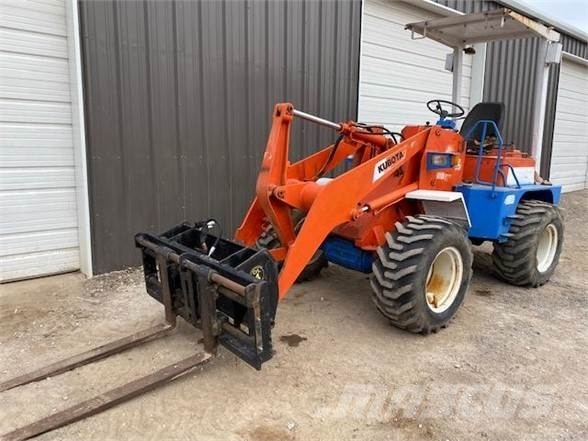
The Kubota R510 wheel loader, manufactured between 1990 and 1997, stands as a testament to Kubota's commitment to producing compact yet powerful machinery. Designed for a variety of applications, the R510 has found its place in construction, agriculture, and landscaping projects worldwide.
Engine Specifications and Performance
At the heart of the Kubota R510 lies the Kubota V2203BD engine, a 4-cylinder, naturally aspirated diesel engine renowned for its reliability and fuel efficiency. With an engine power output of approximately 46 horsepower (34.6 kW), the R510 delivers sufficient power for its size, making it suitable for tasks ranging from material handling to light construction work.
The engine's design emphasizes longevity and ease of maintenance, with accessible components that facilitate routine servicing. This focus on durability has contributed to the R510's reputation for reliability in various operational environments.
Dimensions and Weight
The Kubota R510 is a compact wheel loader with the following approximate dimensions: - Length: 5.1 meters (16.7 feet)
- Width: 1.78 meters (5.8 feet)
- Height: 2.74 meters (9 feet)
- Operating Weight: Approximately 4.3 tons (8,500 lbs)
These dimensions allow the R510 to maneuver in confined spaces, making it ideal for urban construction sites and agricultural settings where space is limited.
Loader and Hydraulic System
Equipped with a standard bucket capacity of 0.6 cubic meters, the R510 is capable of handling a variety of materials, including soil, gravel, and mulch. The hydraulic system operates at a relief pressure of around 2,250 psi, ensuring efficient lifting and dumping operations.
The loader's design includes a parallel lift path, which maintains the bucket's orientation during lifting, enhancing load stability and reducing spillage. This feature is particularly beneficial when handling loose materials or working on uneven terrain.
Transmission and Steering
The R510 features a hydrostatic transmission system, providing smooth and responsive control over the loader's movement. This system allows for seamless transitions between forward and reverse operations, enhancing productivity and operator comfort.
The articulated steering mechanism enables the R510 to achieve a tight turning radius, further improving maneuverability in constrained spaces. This agility is a significant advantage in applications such as landscaping and municipal maintenance.
Common Applications
The Kubota R510's versatility makes it suitable for a wide range of applications:- Construction: Ideal for tasks such as trenching, material handling, and site preparation.
- Agriculture: Useful for feeding livestock, spreading fertilizer, and transporting feed or bedding.
- Landscaping: Efficient in moving soil, mulch, and other materials, as well as clearing debris.
- Municipal Maintenance: Employed in snow removal, road maintenance, and park upkeep.
Operators have reported using the R510 with both buckets and forks for tasks like moving pallets, dirt, and mulch, as well as clearing trees in wooded areas. Its compact size and powerful hydraulics make it a valuable tool for these applications.
Maintenance and Longevity
Regular maintenance is crucial to ensure the longevity and optimal performance of the Kubota R510. Key maintenance practices include:- Regular Fluid Checks: Monitoring and replacing engine oil, hydraulic fluid, and coolant at recommended intervals.
- Filter Replacements: Changing air, fuel, and hydraulic filters to maintain system efficiency.
- Tire Maintenance: Inspecting and maintaining tire pressure to ensure proper traction and reduce wear.
- Component Inspections: Regularly checking the loader's structural components for signs of wear or damage.
By adhering to these maintenance practices, operators can extend the service life of the R510 and minimize downtime.
Real-World Experiences
Operators have shared positive experiences with the Kubota R510, highlighting its reliability and versatility. One operator noted, "I have a Kubota R510 with a cab and backhoe. It is an awesome machine! I could go on and on about its many attributes." This sentiment reflects the R510's reputation among users for its performance and adaptability.
Conclusion
The Kubota R510 wheel loader remains a valuable asset in various industries due to its compact size, powerful performance, and versatility. Whether used in construction, agriculture, or landscaping, the R510 continues to prove its worth as a reliable and efficient machine. With proper maintenance and care, the Kubota R510 can serve operators for many years, delivering consistent performance across a range of applications.
|
|
|
|
| Bergtechnik: A Detailed Historical Overview of the Old Earthmoving Machinery Manufacturer |
|
Posted by: MikePhua - 08-12-2025, 11:58 PM - Forum: General Discussion
- No Replies
|
|
Introduction to Bergtechnik
Bergtechnik was a German manufacturer known for producing heavy earthmoving machinery and related construction equipment. Established during the mid-20th century, Bergtechnik was part of the wave of European manufacturers contributing to the advancement of construction and mining machinery. Although not as globally prominent as brands like Caterpillar or Komatsu, Bergtechnik earned recognition in specialized industrial circles, particularly in Europe, for robust engineering and functional design.
This article delves into Bergtechnik’s origins, product lines, technological contributions, challenges faced in the industry, and lessons from its history, with illustrative anecdotes and practical insights.
Company Origins and Development - Bergtechnik traces its roots to Germany, a country with a strong mechanical engineering tradition and a solid industrial base.
- The company emerged primarily in the post-World War II industrial boom when demand for construction and mining equipment surged.
- Bergtechnik focused on manufacturing machines such as scrapers, tractors, loaders, and related attachments tailored for earthmoving, quarrying, and mining operations.
- Their machines typically featured diesel engines, tracked or wheeled undercarriages, and hydraulic controls that reflected mid-century technological standards.
Product Range and Features- Scrapers and Earthmoving Machines
Bergtechnik was known for producing heavy scrapers designed to efficiently load, haul, and discharge soil and aggregates. These machines were engineered to handle tough terrain with reliable powertrains and durable frames.
- Tractors and Loaders
The company also manufactured industrial tractors and loaders, often integrating German engine technologies (including Deutz powerplants) that were praised for fuel efficiency and reliability.
- Attachments and Accessories
A variety of implements such as dozer blades, buckets, and specialized attachments were available to enhance machine versatility at customer sites.
- The machines generally emphasized rugged construction, ease of maintenance, and adaptability to the varied needs of construction and mining industries.
Technological Contributions and Engineering Characteristics- Bergtechnik machines often incorporated diesel engines with power outputs suitable for mid-to-large scale earthmoving.
- Hydraulic controls and power-shift transmissions became central features as technology evolved, facilitating smoother operation and better productivity.
- The company paid attention to operator ergonomics and serviceability, helping operators manage fatigue and enabling quicker repairs.
- Though sometimes overshadowed by larger manufacturers, Bergtechnik’s engineering was respected in Europe for durability and effective design choices.
Industrial and Market Challenges- The emergence of global heavy equipment giants in the latter half of the 20th century made competition fierce for companies like Bergtechnik.
- Market consolidation, rising production costs, and technological acceleration required significant investments in R&D that mid-sized firms struggled to maintain.
- Bergtechnik’s niche regional presence limited its ability to expand globally compared to American and Japanese competitors.
- Eventually, these pressures contributed to the brand's diminished presence and cessation of manufacturing operations under the Bergtechnik name.
Anecdotes and Historical Cases- Operators in German quarries recall the dependable performance of Bergtechnik scrapers throughout the 1960s and 70s, often praising their resilience on challenging job sites despite limited technological amenities.
- One vintage machinery enthusiast shared restoring a Bergtechnik tractor powered by a classic Deutz engine, highlighting the ease of sourcing parts and the machine’s solid mechanical foundations.
- Industry accounts note that despite modest production volumes, Bergtechnik’s equipment maintained productivity in several European projects, contributing quietly to infrastructural growth across the region.
Maintenance Insights and Operator Tips- Regular maintenance of diesel engines, especially attention to fuel and cooling systems, was crucial to prolong Bergtechnik equipment life.
- Greasing pivot points and hydraulic cylinders ensured consistent operational smoothness, preventing premature wear.
- Operators often managed without advanced diagnostics; hence meticulous manual inspection routines were necessary to identify early malfunctions.
- Given Bergtechnik’s regional spread, users shared practical advice on sourcing compatible parts from allied German manufacturers or aftermarket suppliers.
Terminology Explained- Scraper: Earthmoving machine designed to scrape up soil or aggregate, transport it, and load it for dumping.
- Power-Shift Transmission: A transmission that allows changing gears under load without clutch operation.
- Deutz Engine: A well-regarded German diesel engine brand known for durability and efficiency.
- Hydraulic Controls: System of fluid-powered actuators facilitating machine motion and attachment operation.
- Tracked Undercarriage: Caterpillar-style tracks allowing better traction over rough terrain.
- Loaders: Machines with front-mounted buckets for digging, loading, and material handling.
Modern Reflections and Lessons- Bergtechnik represents the industrial heritage of European mid-20th-century machinery makers who balanced innovation with practical design.
- The evolution of global heavy equipment industries shows the challenge mid-size manufacturers face in scaling technology and distribution.
- Restoration and preservation of Bergtechnik machines by enthusiasts contribute to understanding historical engineering and the development of heavy equipment.
- Lessons in durability, operator-centric design, and mechanical simplicity remain relevant in equipment design debates today.
Summary
Bergtechnik, though less widely recognized internationally, played a meaningful role in earthmoving machinery development, especially within Europe during the mid-1900s. Their machines, built with robust diesel engines and pragmatic hydraulic systems, served the construction and mining sectors effectively. The company’s rise and eventual fade illustrate the pressures of industrial consolidation in heavy equipment manufacturing.
Operators valued Bergtechnik for reliable workhorses, and today, restored units stand as testaments to industrial engineering of their era. Understanding this legacy enriches appreciation for the broader history of earthmoving technology and offers lessons in balancing innovation, durability, and operational practicality.
Through this detailed exploration, users gain insights into Bergtechnik’s machines, engineering ethos, operational challenges, and lasting historical importance within heavy equipment evolution.
If further technical or historical details are desired, specialized vintage machinery resources, German industrial archives, and restoration communities can provide additional information and support.
|
|
|
|
| Caterpillar 216 Skid Steer Loader: Comprehensive Overview |
|
Posted by: MikePhua - 08-12-2025, 11:57 PM - Forum: General Discussion
- No Replies
|
|
The Caterpillar 216 skid steer loader is a compact and versatile machine designed for a wide range of applications, including construction, landscaping, and material handling. Manufactured between 2000 and 2003, the 216 model has been a reliable choice for operators seeking efficiency and maneuverability in tight spaces.
Engine and Performance Specifications
The 216 skid steer loader is equipped with a Caterpillar 3024C engine, delivering a net flywheel power of 48 horsepower (36 kW). This engine provides the necessary power for various tasks while maintaining fuel efficiency. The machine's operating weight is approximately 5,690 pounds (2,581 kg), making it suitable for both indoor and outdoor operations.
Hydraulic System and Lift Capacity
The hydraulic system of the 216 skid steer loader is designed to provide optimal performance. With a rated operating capacity of 1,400 pounds (635 kg) and a tipping load of 2,800 pounds (1,270 kg), the 216 can handle a variety of attachments and materials. The breakout force of the tilt cylinder is 3,612 pounds (1,640 kg), and the lift cylinder provides a breakout force of 2,873 pounds (1,303 kg).
Dimensions and Maneuverability
The 216 skid steer loader boasts compact dimensions that enhance its maneuverability in confined spaces. With a length of 10.88 feet (3.31 meters) with the bucket, a width of 6.01 feet (1.83 meters), and a height to the top of the cab of 6.4 feet (1.95 meters), the 216 is well-suited for urban construction sites and other areas with limited space.
Operator Comfort and Safety
The operator's station in the 216 skid steer loader is designed for comfort and safety. The machine is equipped with a Roll-Over Protective Structure (ROPS) and a Falling Object Protective Structure (FOPS), meeting SAE and ISO standards. These features ensure operator safety during operation.
Maintenance and Serviceability
Routine maintenance is essential to keep the 216 skid steer loader in optimal condition. Regular checks of the hydraulic system, engine, and other critical components can prevent downtime and extend the machine's lifespan. Consulting the operator's manual for maintenance schedules and procedures is recommended.
Conclusion
The Caterpillar 216 skid steer loader, manufactured between 2000 and 2003, offers a combination of power, versatility, and compactness, making it a valuable asset for various applications. Its robust engine, efficient hydraulic system, and operator-friendly design contribute to its reputation as a reliable and durable machine in the skid steer loader category.
|
|
|
|
| Hydraulic Pump Plumbing for CAT 416 Backhoe: A Comprehensive Guide |
|
Posted by: MikePhua - 08-12-2025, 11:55 PM - Forum: General Discussion
- No Replies
|
|
The Caterpillar 416 backhoe loader is a versatile machine widely used in construction and excavation projects. A critical component of its performance is the hydraulic system, which powers various functions such as lifting, digging, and steering. Understanding the hydraulic pump plumbing is essential for maintenance and troubleshooting.
Understanding the Hydraulic System
The hydraulic system in the CAT 416 backhoe is designed to provide consistent power to the loader's functions. It operates using a variable displacement piston pump, which adjusts the flow of hydraulic fluid based on the engine speed and load demands. This system ensures efficient energy use and optimal performance.
Common Hydraulic Pump Models for CAT 416
Several hydraulic pump models are compatible with the CAT 416 backhoe, including: - 9T-6857: A piston pump known for its durability and efficiency.
- 161-6634: A replacement pump suitable for various CAT backhoe models.
- 350-0666: A newer model designed for enhanced performance and reliability.
Plumbing Configuration and Considerations
When replacing or installing a new hydraulic pump, it's crucial to ensure correct plumbing to maintain system integrity. Key considerations include:- Correct Hose Connections: Ensure all hydraulic hoses are connected to the appropriate ports on the pump.
- Pressure Relief Valve: Verify that the pressure relief valve is correctly installed to prevent system overpressure.
- Return Line: Confirm that the return line is properly routed to the hydraulic tank to allow for efficient fluid return.
- Fluid Compatibility: Use hydraulic fluid that meets the specifications outlined in the service manual to ensure optimal performance.
Troubleshooting Common Issues
After installing a new hydraulic pump, operators may encounter issues such as sluggish or unresponsive hydraulics. Potential causes include:- Air in the System: Bleed the system to remove any trapped air, which can cause erratic hydraulic behavior.
- Incorrect Fluid Levels: Check and adjust the hydraulic fluid levels as necessary.
- Contaminated Fluid: Replace any contaminated hydraulic fluid to prevent damage to the pump and other components.
Maintenance Tips
Regular maintenance is vital to prolong the life of the hydraulic system:- Routine Inspections: Regularly check for leaks, hose wear, and other signs of wear and tear.
- Fluid Replacement: Follow the manufacturer's recommendations for hydraulic fluid replacement intervals.
- Filter Changes: Replace hydraulic filters at recommended intervals to ensure clean fluid circulation.
Conclusion
Proper understanding and maintenance of the hydraulic pump plumbing in the CAT 416 backhoe are essential for ensuring reliable performance and longevity of the machine. By following the manufacturer's guidelines and addressing issues promptly, operators can maximize the efficiency and lifespan of their equipment.
|
|
|
|
|



