| Welcome, Guest |
You have to register before you can post on our site.
|
| Online Users |
There are currently 151 online users.
» 0 Member(s) | 141 Guest(s)
Ahrefs, Amazon, Applebot, Bing, Claude, Facebook, Google, Semrush, Twitter
|
| Latest Threads |
Identifying and Sourcing ...
Forum: Parts , Attachments & Tools
Last Post: MikePhua
01-07-2026, 06:29 PM
» Replies: 0
» Views: 527
|
Cat 931B Brake Parts
Forum: Parts , Attachments & Tools
Last Post: MikePhua
01-07-2026, 06:29 PM
» Replies: 0
» Views: 283
|
Choosing Between Cat 228,...
Forum: General Discussion
Last Post: MikePhua
01-07-2026, 06:28 PM
» Replies: 0
» Views: 559
|
Hydraulic Delay When Lowe...
Forum: Troubleshooting & Diagnosing
Last Post: MikePhua
01-07-2026, 06:27 PM
» Replies: 0
» Views: 446
|
Bale Chopper and Mulcher ...
Forum: General Discussion
Last Post: MikePhua
01-07-2026, 06:26 PM
» Replies: 0
» Views: 323
|
Mini UC Maintenance
Forum: General Discussion
Last Post: MikePhua
01-07-2026, 06:25 PM
» Replies: 0
» Views: 314
|
Locating Wiring Informati...
Forum: General Discussion
Last Post: MikePhua
01-07-2026, 06:24 PM
» Replies: 0
» Views: 346
|
Case Industrial Brown Sub...
Forum: Parts , Attachments & Tools
Last Post: MikePhua
01-07-2026, 06:23 PM
» Replies: 0
» Views: 275
|
Dirt Work in West Virgini...
Forum: Construction & Urban Infrastructure Forum
Last Post: MikePhua
01-07-2026, 06:23 PM
» Replies: 0
» Views: 374
|
D207 P Hydraulic Steering...
Forum: Parts , Attachments & Tools
Last Post: MikePhua
01-07-2026, 06:22 PM
» Replies: 0
» Views: 303
|
|
|
| Unlocking the Blueprint: Hydraulic & Electrical Diagrams for Grove AMZ-50 |
|
Posted by: MikePhua - 08-13-2025, 01:01 PM - Forum: Troubleshooting & Diagnosing
- No Replies
|
 |
Why Schematics Matter
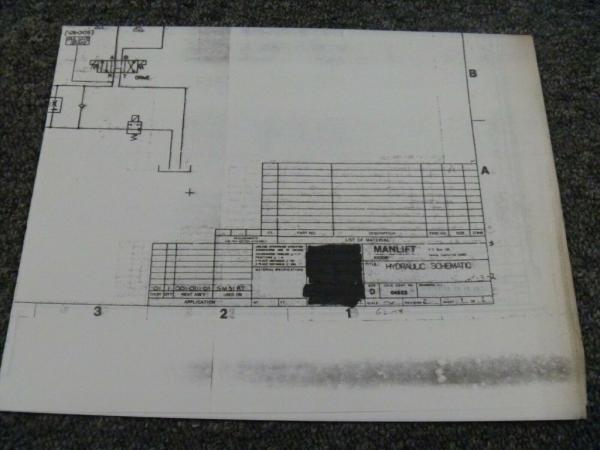
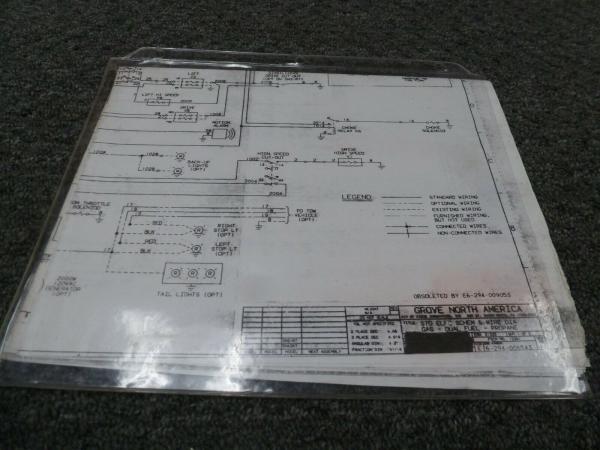
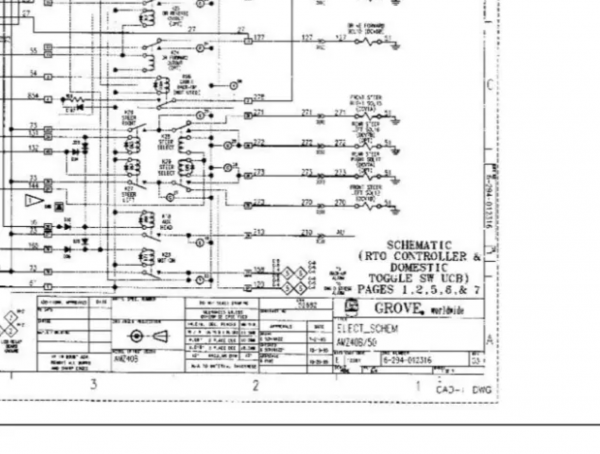
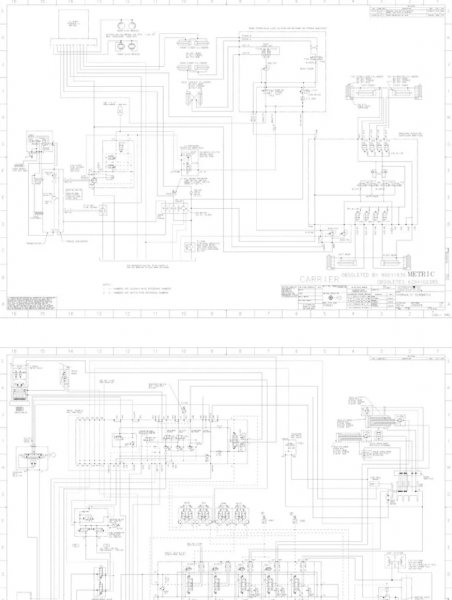
Understanding hydraulic and electrical schematics is like reading the DNA of a machine—these diagrams reveal how systems interconnect, how power and signals flow, and where key components sit. For the Grove AMZ-50, which combines hydraulically powered boom movements and electrical controls, accurate schematics guide safe troubleshooting, precise maintenance, and critical upgrades.
A Case Study in Restoration
Consider an operator who acquired an AMZ-50 in rough condition. The engine was seized from water ingress—after salvaging some oil, installing new filters, spark plugs, carburetor, and fuel lines, it roared back to life. But without schematics, he was navigating blind. His breakthrough came when he obtained the factory electrical and hydraulic diagrams—suddenly, he could trace circuits to restore emergency stop switches and isolate hydraulic flow paths to diagnose jerky boom behavior.
Understanding the Hydraulic System
Key elements in the schematic include: - Reservoir capacity (often around 36 gallons or ~136 L)
- Piston-type hydraulic pump powering the system
- Flow circuits for boom lift, telescope extension, and rotation
- Valves and filters—pressure relief, directional control, plus crucial filtration
- Auxiliary hydraulics where fitted
Having clarity on these lets technicians maintain fluid cleanliness, diagnose sluggish motion, and calibrate boom speed precisely. Schematic insight helps spot air or water contamination or clogged screens—common culprits in inconsistent riser or lift movement.
Decoding the Electrical Layout
The electrical diagram charts:- Power inputs (batteries/generator output, e.g., 12 VDC)
- Control switches (including emergency stops, limit switches)
- Solenoids and relays that drive hydraulic valves
- Wiring paths and harnesses, indicating fuse protection and grounding schemes
With this knowledge, simple switches, relays, and sensor faults can be located and replaced swiftly—saving hours of trial-and-error.
Terminology Corner- Hydraulic reservoir: Stores fluid to feed the pump, stabilizing pressure.
- Directional control valve: Directs hydraulic flow to required actuators.
- Solenoid valve: Electromagnetic valve activated by electrical signals.
- Emergency stop switch: Critical safety device to instantly disable hydraulics or engine power.
- Limit switch: Stops movement when a component reaches a preset position (e.g., rotation limit).
Local Story: Milwaukee’s Retrofit Work
A rental company in Milwaukee retrofitted an older AMZ-50 following schematic guidance. By identifying the correct solenoid coil and replacing it, not only did they restore smooth boom operation—they also added a wireless remote override, upgrading safety and control—thanks to understanding the existing electrical pathways.
Specifications Snapshot
Key dimensions and performance parameters for the AMZ-50 include:- Operating length: 17 ft 2 in (5.23 m)
- Width: 5 ft 11 in (1.80 m)
- Height: 6 ft 7 in (2.01 m)
- Weight: approx. 14,600 lbs (6,624 kg)
- Working height: ~15.4 m
- Max horizontal reach: ~8.2 m
- Load capacity: 227 kg; capacity for two persons
These figures help in planning transportation, ensuring stability, and compliance with job-site requirements.
Practical Advice & Solutions- Secure schematics early—from OEM manuals, reputable parts stores, or digital archives. Knowledge prevents unnecessary part swaps.
- Inspect for contamination—jerky hydraulics often trace back to air or dirt in the system; replace filters and bleed lines methodically.
- Test emergency and limit switches—ensure they cut power reliably, restoring operator safety.
- Label wires when dismantling—even a basic diagram helps during reassembly.
- Use OEM part numbers found in the schematic to order precise cylinders, seals, or solenoids; aftermarket parts may not fit.
- Document modifications—if installing new sensors or control upgrades, record changes directly on schematic copies for future troubleshooting.
Preventive Care Recommendations- Regular flushing of hydraulic fluid every 1,000 hours (or per manual); original filters may not suffice after heavy use.
- Routine testing of all safety-related switches and wiring integrity.
- Backup schematics digitally and keep printed copies onboard for mobile use.
- Train technicians to interpret schematics—not just follow instructions—to empower proactive maintenance.
|

|
|
| Diagnosing and Managing Bad Control Valve Chips in Backhoes: A Detailed Guide |
|
Posted by: MikePhua - 08-13-2025, 12:59 PM - Forum: Troubleshooting & Diagnosing
- No Replies
|
|
Introduction to Backhoe Control Valve Chips
The control valve chip in a backhoe is a critical component in the hydraulic system, responsible for directing hydraulic fluid flow to various actuators, such as the boom, bucket, and dipper functions. When this chip—or the valve assembly it controls—becomes faulty, it can cause significant operational issues that impact machine performance, safety, and productivity.
Understanding the signs of a failing control valve chip, diagnostic methods, maintenance recommendations, and repair solutions is vital for operators and technicians to maintain hydraulic efficiency and avoid costly downtime.
Common Symptoms of a Bad Backhoe Control Valve Chip - Erratic or Unresponsive Hydraulic Movements
The backhoe’s boom, bucket, or dipper may move slowly, jerk, or fail to respond smoothly to operator controls.
- Valve Position Not Changing
The control valve spool or chip may fail to shift correctly, causing certain hydraulic functions to become inoperative.
- Loss or Drop in Hydraulic Pressure
Inconsistent pressure due to valve clutching or internal leaking can reduce the system’s power output.
- Unusual Noises
Sounds such as whistling, hissing, or knocking from the hydraulic system can indicate internal leaks or malfunctioning valves.
- Hydraulic Fluid Leakage
External oil leaks near the valve body or control chip area can be a sign of component damage or seal failure.
- Overheating or Excessive Pump Wear
Faulty valve chips can cause inefficient hydraulic circuits, resulting in pump overwork and temperature rise.
Diagnostic Steps and Testing- Visual and Physical Inspection
Check the valve chip and control valve for signs of physical damage like cracked solder joints, broken wires, or corroded components. Also inspect the external valve body for oil leaks or parts wear.
- Operational Testing
Run hydraulic controls and observe cylinder movement for hesitations, jerks, or failure to respond. Simultaneously, listen for abnormal hydraulic sounds suggesting internal leakage.
- Pressure and Flow Measurements
Attach pressure gauges at relevant valve test ports to confirm system pressure aligns with manufacturer specifications. Sudden drops or inconsistent readings often highlight valve chip or spool problems.
- Electrical Testing
Using a multimeter, check the electrical continuity and signals going to the control valve chip. Faulty wiring or connectors can mimic valve chip failure.
- Valve Spool Movement Check
Disassemble if necessary to ensure the valve spool moves freely within its bore. Dirt, rust, or mechanical wear can impede movement and cause control issues.
Repair and Maintenance Solutions- Cleaning and Rebuilding
Often debris or contamination causes valve sticking. Thorough cleaning, replacing seals, and lubricating moving parts may restore normal function.
- Component Replacement
If the valve chip itself is faulty—such as damaged electronics or circuit board issues—replacement with a new or remanufactured chip is recommended.
- Upgrading to Higher-Quality Parts
In cases of frequent failure, using OEM or premium components can improve reliability and extend valve life.
- Hydraulic Fluid Care
Maintain clean, correct-grade hydraulic fluid to prevent contamination-induced valve damage. Regular filter changes and system flushing are critical.
- System Pressure Adjustment
Verify and adjust relief valve settings and proportional valve parameters to ensure the system operates within correct pressure ranges.
Practical Case Studies and Industry Examples- A backhoe operator experienced slow response and jerky bucket operation. Inspection found corrosion on the valve chip circuit board caused by moisture ingress. After replacing the chip and resealing the valve housing, hydraulic control smoothness was fully restored.
- In another instance, blocked return lines and contaminated fluid caused spool sticking in the control valve. Cleaning the valve assembly and fluid system resolved the issue without chip replacement.
- A maintenance team reported that incorrect wiring after a valve chip replacement led to no valve response. Correcting the wiring harness and verifying electrical connections resolved the problem immediately.
- Some operators find benefit in upgrading to newer control valve chips that incorporate improved electronics and diagnostic capabilities, reducing future troubleshooting needs.
Terminology Explained- Control Valve Chip: Electronic or electro-hydraulic component managing the hydraulic spool position based on operator input signals.
- Valve Spool: The sliding element inside a control valve that directs hydraulic flow to actuators.
- Hydraulic Pressure: The force exerted by hydraulic fluid used to move mechanical components.
- Internal Leakage: Undesired flow of hydraulic fluid inside the valve causing loss of pressure or performance.
- Proportional Valve: Valve capable of modulating flow rate proportionally to control signals for smoother operation.
- Relief Valve: Safety valve that limits maximum hydraulic pressure to prevent system damage.
Additional Tips and Recommendations- Always consult the backhoe’s service manual for diagnostic procedures, pressure specifications, and valve chip part numbers before servicing.
- Use quality electronic diagnostic tools and hydraulic gauges to improve test accuracy and reduce guesswork.
- When cleaning valves, use manufacturer-approved solvents and avoid damaging delicate electronic components.
- Protect valve chips from moisture and vibration by ensuring valve housings are properly sealed and mounted.
- Document all repairs and parts changes to track valve chip performance and identify recurring issues.
Summary
A malfunctioning control valve chip in a backhoe’s hydraulic system can severely impact the machine’s performance, causing erratic, slow, or non-existent hydraulic movements. Diagnosing these issues involves inspecting electrical components, hydraulic pressure levels, and valve spool function. Restoration may require cleaning, parts replacement, or upgrading the control valve chip.
Maintaining clean hydraulic fluid, proper electrical connections, and adherence to manufacturer guidelines are key to prolonging valve chip and system longevity. Real-world cases demonstrate the impact of moisture, contamination, and wiring faults on valve chip performance.
By understanding the symptoms, diagnostic methods, and repair techniques related to backhoe control valve chips, operators and technicians can ensure reliable and efficient hydraulic operation, minimizing downtime and enhancing equipment productivity.
This detailed guide aims to equip professionals with the knowledge to spot, diagnose, and solve control valve chip problems thoughtfully and effectively, promoting safe and smooth backhoe performance.
|
|
|
|
| Ford 575D Backhoe Hydraulic Jerking: Diagnosis and Solutions |
|
Posted by: MikePhua - 08-13-2025, 12:59 PM - Forum: Troubleshooting & Diagnosing
- No Replies
|
|
The Ford 575D backhoe loader, a staple in construction and agricultural settings, is renowned for its durability and versatility. However, like all machinery, it can encounter issues over time. One such problem is hydraulic jerking—a sudden, erratic movement of the boom, dipper, or bucket during operation. This article delves into the potential causes of this issue and offers practical solutions.
Understanding the Hydraulic System
The hydraulic system in the Ford 575D operates through a series of pumps, valves, cylinders, and fluid lines to transmit power. Hydraulic fluid, typically ISO 46 or 68 grade, is essential for the system's operation. Contaminants, air, or moisture in the fluid can disrupt this delicate balance, leading to erratic movements.
Common Causes of Hydraulic Jerking
- Low or Contaminated Hydraulic Fluid
Insufficient or dirty hydraulic fluid can cause cavitation, leading to jerky movements. Symptoms include sluggish operation and unusual noises from the pump.
Solution: Regularly check fluid levels and replace the fluid if it's contaminated. Ensure the correct type and viscosity are used.
- Air in the Hydraulic System
Air can enter the system through loose fittings, cracked hoses, or during fluid changes. This leads to compressible pockets within the fluid, causing erratic movements.
Solution: Bleed the system to remove trapped air. Inspect all connections for leaks and repair them promptly.
- Faulty Hydraulic Pump
A worn or malfunctioning pump can fail to maintain consistent pressure, resulting in jerky movements.
Solution: Test the pump's output pressure. If it's below specifications, consider rebuilding or replacing the pump.
- Clogged or Worn Hydraulic Filters
Filters prevent contaminants from entering the system. Over time, they can clog, restricting fluid flow and causing jerky operation.
Solution: Replace filters at regular intervals as per the manufacturer's recommendations.
- Damaged Hydraulic Cylinders
Wear or damage to cylinders can lead to internal leaks, reducing efficiency and causing jerky movements.
Solution: Inspect cylinders for signs of wear or leaks. Rebuild or replace damaged cylinders as needed.
Additional Considerations- Suction Leaks: Air entering the system through the suction line can cause cavitation. Inspect the suction line for cracks or loose connections.
- Water in the Oil: Moisture can emulsify with the hydraulic fluid, leading to foaming and erratic operation. If the fluid appears milky, it indicates water contamination.
- System Overheating: Excessive heat can degrade hydraulic fluid, leading to foaming and jerky movements. Ensure the cooling system is functioning correctly.
Case Study: Resolving Hydraulic Jerking
A Ford 575D owner reported that the backhoe exhibited jerky movements during operation. After thorough inspection, it was found that the hydraulic fluid was low and contaminated. Upon replacing the fluid and bleeding the system to remove air, the jerking ceased, and the backhoe operated smoothly.
Preventive Maintenance Tips- Regularly check and maintain hydraulic fluid levels and quality.
- Inspect hoses, fittings, and cylinders for wear or damage.
- Replace filters at recommended intervals.
- Monitor system temperature to prevent overheating.
- Bleed the system periodically to remove trapped air.
Conclusion
Hydraulic jerking in the Ford 575D backhoe is often a result of issues within the hydraulic system. By understanding the potential causes and implementing regular maintenance practices, operators can ensure smooth and efficient operation of their equipment. Always refer to the manufacturer's manual for specific maintenance guidelines and consult with professionals when necessary.
|
|
|
|
| Precision in Motion: Mastering Injector-Pump Timing on the Fiat Allis 645 Loader |
|
Posted by: MikePhua - 08-13-2025, 12:58 PM - Forum: General Discussion
- No Replies
|
|
The Heartbeat of Performance: Timing Basics
Injector-pump timing is crucial for diesel performance. It ensures fuel enters the cylinders at the precise point in the piston’s compression stroke. Even a degree of error can lead to rough running, hard starts, poor fuel economy, or long-term engine wear. On a loader like the Fiat Allis 645, this timing is set by aligning specific reference marks on the flywheel and injection pump.
Signs Your Timing Needs Adjustment - Stalling or dying when idling
- Hard starts unless throttle is held open
- Engine only running smoothly at high idle
- Noticeable loss of power under load
These symptoms often point to late or early injection, or to a sticking metering valve inside the pump.
A Small Story from the Field
A veteran operator found his loader stalling at idle unless the pedal was propped open. He pinned the flywheel at TDC, exposed the pump’s timing marks, and rotated the pump body just enough to align them. After re-tightening and firing up, the loader idled steadily again—proof that a small timing tweak can transform an engine’s behavior.
Practical Step-by-Step Adjustment- Bring engine to TDC (Top Dead Center) on the compression stroke.
- Remove the small inspection cover on the injector pump.
- Identify and clean the timing marks on the pump and engine block.
- Loosen the pump’s mounting bolts slightly.
- Rotate the pump gently forward or back a few degrees to align marks.
- Re-tighten bolts and test idle.
If the problem persists, inspect the metering valve and fuel delivery system.
Terminology Corner- TDC (Top Dead Center) – Piston at its highest point in the cylinder.
- Injection advance/retard – Adjusting timing to inject fuel earlier or later in the cycle.
- Metering valve – Internal pump component that regulates fuel flow; if stuck, causes stalling.
- Flywheel pinning – Locking the flywheel in place to prevent movement during timing work.
Inspection Checklist- Confirm idle speed matches spec (approx. 800 RPM).
- Verify condition of timing marks; clean if dirty.
- Look for fuel leaks at pump connections.
- Check for knocking or misfire after adjustments.
- Ensure fuel filters are clean to prevent false symptoms.
Preventive Tips and Solutions- Check timing after any pump or gear train work.
- Keep fuel clean and free of water to protect pump internals.
- Schedule periodic idle and start-up behavior tests.
- If unsure, get a diesel specialist to bench-test the pump.
- Keep a service manual on hand for reference diagrams and torque values.
|
|
|
|
| Evaluating Heavy Equipment Operators: A Comprehensive Guide on Hiring Decisions |
|
Posted by: MikePhua - 08-13-2025, 12:57 PM - Forum: Recruitment & Job Search
- No Replies
|
|
Introduction to Hiring Heavy Equipment Operators
Hiring a skilled heavy equipment operator is a critical decision for construction, mining, or industrial projects. The operator’s expertise directly affects jobsite safety, equipment longevity, and project productivity. Beyond verifying qualifications, employers must assess experience, work ethic, communication, and problem-solving abilities to ensure the operator fits the team and job demands.
This article provides a detailed examination of the key factors involved in assessing potential heavy equipment operators, practical hiring considerations, stories from the field, and useful tips for making informed decisions that reduce risks and promote efficiency.
Essential Qualifications and Certifications - Educational Background
- High school diploma or GED is typically the minimum requirement.
- Completion of vocational training programs or apprenticeships boosts employability by offering hands-on operator experience and safety knowledge.
- Certifications and Licenses
- Operators of certain equipment types (e.g., cranes) may require state licenses or national certifications.
- Commercial Driver’s License (CDL) is often necessary for transporting heavy machinery.
- OSHA safety certificates and equipment-specific operator credentials enhance candidate credibility.
- Technical Skills
- Demonstrated knowledge of operating various machinery models, safe equipment handling, and routine maintenance.
- Mechanical aptitude to identify equipment malfunctions and perform minor repairs.
Key Attributes and Experience Factors- Work Ethic and Reliability
Consistent attendance, punctuality, and a demonstrated commitment to jobsite safety and protocols.
- Communication and Teamwork
Ability to coordinate with supervisors, ground personnel, and other operators for safe and efficient operations. Clear understanding of hand signals and radio communications is vital.
- Problem-Solving
Quick decision-making skills under pressure, including equipment malfunction troubleshooting and adapting to changing site conditions.
- Physical Fitness and Stamina
Capability to work long hours in varied weather, handling the physical demands of operating heavy machinery.
- Previous Job Performance and References
Positive recommendations and verifiable work history signal proven reliability and competency.
Practical Hiring Considerations- Conducting Thorough Interviews
Ask situational and technical questions to gauge operator knowledge and safety awareness.
- Hands-On Skills Testing
Where possible, assess candidates with practical operation tests on equipment relevant to your projects.
- Background Checks
Confirm work history, certifications, and any accident or safety violation records.
- Trial Periods or Probationary Employment
Allow an initial period for on-the-job performance evaluation before permanent hiring.
- Safety Culture Fit
Prioritize operators who demonstrate proactive safety management and adherence to regulations like OSHA.
Case Stories and Industry Insights- A construction superintendent shared an experience where hiring based solely on years of experience resulted in frequent near-misses due to poor communication skills. Incorporating communication and safety scenario questions in later hires improved site safety metrics markedly.
- In another case, an operator with strong mechanical aptitude detected hydraulic issues early during a critical project, preventing expensive downtime. This underscored the value of technical skills beyond operating proficiency.
- Some operators thrive with specific machinery brands due to prior extensive experience, suggesting the merit of matching operator expertise with equipment fleet to maximize productivity.
Terminology Explained- Heavy Equipment Operator: A worker trained to operate machinery like excavators, bulldozers, cranes, and loaders safely and efficiently.
- Commercial Driver’s License (CDL): License required for operating heavy trucks or transporting machinery on public roads.
- OSHA (Occupational Safety and Health Administration): U.S. agency enforcing workplace safety standards.
- Vocational Training: Practical education focused on specific skills for employment.
- Apprenticeship: On-the-job training combined with classroom instruction under experienced supervision.
- Operator Certification: Formal credential verifying competence in equipment operation.
Additional Hiring Tips and Solutions- Build relationships with trade schools, union halls, and training centers to access pre-vetted candidates.
- Offer continuing education opportunities and refresher courses to maintain skills and certifications.
- Establish a clear safety policy and enforce it consistently to attract responsible operators.
- Use technological tools like simulators for operator evaluation and training.
- Maintain open communication with operators to understand their concerns and foster loyalty.
Summary
Deciding whether to hire a particular heavy equipment operator requires balancing qualifications, experience, safety attitude, and interpersonal skills. While certifications and licenses verify baseline competency, evaluating soft skills like communication, reliability, problem-solving, and mechanical insight is equally vital.
Practical assessments, thorough interviews, and trial periods help identify candidates who will contribute to a safe, efficient, and productive jobsite. Industry stories reveal that operators who combine technical expertise with proactive safety and effective communication significantly elevate project outcomes.
Employers who adopt comprehensive hiring strategies not only reduce operational risks but also build skilled, dependable teams capable of tackling challenging projects with confidence and professionalism. This careful approach to operator selection underpins long-term success in heavy equipment operations.
|
|
|
|
| John Deere 60G Mini Excavator: A Comprehensive Overview |
|
Posted by: MikePhua - 08-13-2025, 12:56 PM - Forum: General Discussion
- No Replies
|
|
The John Deere 60G mini excavator stands out as a versatile and robust machine in the compact excavator market. With its combination of power, maneuverability, and advanced features, it caters to a wide range of applications, from urban construction to landscaping.
Key Specifications - Engine Power: 53 hp (39.6 kW)
- Operating Weight: 13,620 lbs (6,180 kg)
- Maximum Digging Depth: 12 ft 4 in (3.77 m)
- Maximum Digging Reach: 20 ft 5 in (6.23 m)
- Swing Speed: 9.5 rpm
- Travel Speed: 3 mph (4.8 km/h)
- Ground Pressure: 5.2 psi (36 kPa)
- Auxiliary Hydraulic Flow: 38.1 gal/min (144 L/min)
- Fuel Tank Capacity: 31.8 gal (120 L)
- Hydraulic Tank Capacity: 21.2 gal (80 L)
- Engine Manufacturer: Yanmar
- Emission Rating: Tier 4
Design and Features
The 60G is designed with a reduced tail swing, measuring 56 inches, allowing it to operate efficiently in confined spaces. Its independent-swing boom enhances maneuverability, enabling operators to dig alongside obstacles without repositioning the entire machine.
The machine's compact size doesn't compromise on performance. It offers impressive lifting capabilities and digging depth, making it suitable for tasks ranging from trenching to landscaping.
Attachments and Versatility
One of the standout features of the 60G is its versatility. The machine comes equipped with boom-mounted auxiliary hydraulic lines and a quick-coupler, facilitating easy attachment changes. Available attachments include:- Augers: For drilling holes of various diameters.
- Hydraulic Hammers: Ideal for breaking concrete or rock.
- Thumbs: Enhance material handling capabilities.
- Ditch-Cleaning Buckets: Available in widths from 30 to 42 inches, suitable for handling loose or mucky materials.
- Mulching Heads: Compatible with the 50G and 60G models, these are used for vegetation management.
Operator Comfort
The 60G offers an ergonomic cab with features designed for operator comfort:- Adjustable Seating: Allows operators to find a comfortable position.
- Climate Control: Air conditioning and heating ensure comfort in various weather conditions.
- Enhanced Visibility: Large windows and strategically placed mirrors provide excellent sightlines.
- User-Friendly Controls: Intuitive joystick controls reduce operator fatigue.
Maintenance and Serviceability
John Deere has designed the 60G with serviceability in mind. Key features include:- Ground-Level Access: Most service points are accessible from ground level, reducing downtime.
- Easy Filter Changes: Filters are conveniently located for quick replacement.
- Diagnostic Ports: Simplify troubleshooting and maintenance procedures.
Comparison with Competitors
When compared to other mini excavators in its class, the John Deere 60G holds its own:- Versatility: The 60G's ability to handle a wide range of attachments makes it more versatile than some competitors.
- Operator Comfort: The ergonomic cab design offers better comfort for long working hours.
- Serviceability: Ground-level access to service points simplifies maintenance compared to some competitors.
Real-World Applications
The 60G is well-suited for various applications:- Urban Construction: Its compact size allows it to navigate tight city spaces.
- Landscaping: With its digging depth and reach, it's ideal for tasks like trenching and planting.
- Utility Work: The machine's lifting capabilities make it suitable for handling materials and equipment.
Conclusion
The John Deere 60G mini excavator offers a blend of power, versatility, and operator comfort. Its design and features make it a valuable asset for contractors and operators seeking a reliable machine for various tasks. Whether working in confined urban spaces or on expansive job sites, the 60G delivers performance and efficiency.
Note: Specifications and features are based on available data and may vary. Always consult the manufacturer's manual for detailed information.
|
|
|
|
| Powerful Performance and Precision |
|
Posted by: MikePhua - 08-13-2025, 11:36 AM - Forum: General Discussion
- No Replies
|
|
At the heart of the EX-200-5 LC lies a robust Isuzu A-6BG1T six-cylinder turbocharged diesel engine, delivering about 132 hp (98 kW) at 1,950 rpm and a solid 340 lb-ft (461 Nm) of torque at 1,600 rpm. This powerplant, known for its smooth throttle response and reliable performance, is carefully matched to Hitachi’s advanced hydraulic pump system .
Operators benefit from a sophisticated E-P (electronic-pilot) control system, combining micro-computer command with multiple actuators to enable responsive multi-function motion—particularly swing, lift, and bucket curl operations. A nifty power-boost feature grants a temporary 6 % hydraulic power increase when needed, ideal for demanding lifts or heavy digging bursts .
Thermal Management & Durability
This machine keeps its cool, literally. A spacious 23 L radiator coolant capacity, snug fan shroud, and high-capacity fan layout ensure efficient heat dispersion. Engine compartment ventilation—including side vents—promotes optimal thermal performance, a key to sustained productivity .
A steel bulkhead separates the engine from hydraulic pumps, keeping both compartments cleaner, quieter, and easier to maintain.
Operator Comfort & Cabin Design
Inside, the EX-200-5 LC treats operators to one of the most comfortable cabs in its class. Broad and spacious—with a width of 1,005 mm (3 ft 4 in)—it provides ample legroom, an expansive right-side window, and a lowered front cross-piece for excellent visibility .
The cab rests on six fluid-filled elastic mounts, effectively isolating vibrations. Seat ergonomics are top-notch: adjustable armrests, seat slide functionality, tilt, raise/lower, and a tilting headrest. Climate control includes powerful air conditioning, a hot-and-cool box, and dual rotatable louvers, all controlled with automotive-style simplicity .
Dimensions, Reach & Stability
Depending on boom and stick configurations, users can expect varied operational geometry. One setup offers: - Maximum cutting height: ~30 ft
- Maximum digging depth: ~20 ft
- Loading height: ~21 ft
- Ground reach: ~30 ft
- Vertical digging depth: ~17 ft
- Shipping dimensions: ~10 ft tall × 32 ft long
More extended configurations achieve a maximum digging depth of ~27 ft, loading height ~24 ft, reach ~37 ft, and shipping height up to ~12 ft .
Other key specs include:- Operating weight: ~44,100 lb (20 ton)
- Fuel capacity: ~82 gal
- Hydraulic fluid: ~53 gal
- Engine oil: ~7 gal
- Swing gear oil: ~2 gal
- Travel speed: ~4 mph (6 kph)
- Ground pressure: ~4.6 psi
- Track length: ~12 ft
- Shoes per side: 49
- Track rollers per side: 8
Troubleshooting Tips & Maintenance Insights
Here are some common issues with practical checks and fixes:- Travel-speed selector stuck on high: Often caused by a faulty potentiometer or worn internal contacts. Inspect the knob and wiring harness; test continuity with a multimeter. Cleaning or replacing the switch usually resolves the problem .
- Engine stalls when hydraulics fully engaged: A frequent culprit is a malfunctioning angle or load sensor. One effective technique: measure sensor voltage while operating; if machine runs well at a specific voltage (~1.45–1.54 V) and falters when it shifts, the sensor or its alignment may be at fault .
- Idle irregularities or sluggish hydraulics: These issues may stem from clogged fuel filters, a compromised idle control valve, or hydraulic drag. Regular inspections and replacements of fuel/air filters, and diagnosing hydraulic pressure drop, can help restore stable performance .
A Practical Story
Take, for example, a contractor in Ohio who inherited a 2000 EX-200-5 LC from a retired foreman. The knob was stuck in “rabbit” mode, and no matter what, it stayed fast. After a quick continuity test confirmed a worn potentiometer, a new switch brought speed control back to smooth normalcy—and saved the project from costly downtime.
Technical Glossary- E-P Control System: Electronic-pilot hydraulic system for precise motion control
- Bulkhead: Partition isolating engine compartment from hydraulic pumps
- Ground Pressure: Weight over surface area (low value indicates soft-ground capability)
- Potentiometer: Variable resistor used in knobs to control electrical signals
- Hydraulic Drag: Resistance in hydraulic systems causing sluggish motion
- Boom/Stick Configuration: Different lengths of boom (arm) and stick (dip) for reach or depth versatility
Recommendations & Solutions
To keep your EX-200-5 LC running reliably:- Establish a routine inspection schedule for fuel and hydraulic filters, idle valve, sensors, and selectors.
- Lubricate sensor connectors, and use dielectric grease if exposed to wet environments.
- Keep cooling fins and radiator spotless for optimum efficiency.
- Offer operators quick reference guides on symptoms like “jerky hydraulics” vs. “stalling”; empower them to flag early issues.
- When buying used, inquire about sensor maintenance and knob replacements—many older units show signs of wear here.
Closing Thoughts
The Hitachi EX-200-5 LC shines with its blend of power, precision control, comfort, and adaptability. Whether digging deep, loading big, or powering through tough terrain, its engineering supports reliability and ease. Armed with sensor knowledge, prevention tips, and calibration insights, operators can keep productivity high and surprises low—making every excavation job smoother and safer.
|
|
|
|
| Troubleshooting and Resolving Hydraulic Issues on the Caterpillar 4500 Loader: Comprehensive Guide |
|
Posted by: MikePhua - 08-13-2025, 11:35 AM - Forum: Troubleshooting & Diagnosing
- No Replies
|
|
Introduction to Caterpillar 4500 Hydraulic Challenges
The Caterpillar 4500 loader is a robust heavy equipment machine widely used in mining, construction, and earthmoving. Like many hydraulic-powered machines, it relies on an intricate hydraulic system to operate loader arms, bucket functions, and steering mechanisms. However, issues with the hydraulic system can cause partial or complete functional failures, such as loss of movement or reduced hydraulic response.
Understanding common hydraulic problems, effective inspection and troubleshooting methods, and practical repair solutions is essential for operators, technicians, and maintenance teams to restore reliable operation and minimize costly downtime.
Common Symptoms of Hydraulic Failures in Caterpillar 4500 - Hydraulic functions show weak or delayed responses.
- Loss of hydraulic power causing loader arms or bucket to hesitate or stop moving.
- Audible whining, knocking, or unusual noises from the hydraulic pump or motors.
- Erratic or minimal hydraulic cylinder movements.
- Hydraulic leaks, visible fluid drips, or reduced fluid levels in the reservoir.
- Overheating of hydraulic fluid or system components.
- Control levers attempt movement but the machine shows no response or minimal motion.
Key Hydraulic Components to Inspect- Hydraulic Pump: Supplies pressurized fluid to all actuators; wear or internal damage leads to flow loss.
- Hydraulic Filters and Screens: Clogged filters restrict fluid flow, cause pressure drops, and reduce system efficiency.
- Hydraulic Hoses and Lines: Cracks, kinks, or collapsed suction hoses prevent adequate oil delivery.
- Valve Blocks and Spools: Faulty, stuck, or worn valves block oil path and disrupt flow direction.
- Hydraulic Cylinders: Leaky seals or damaged rods impair cylinder motion and pressure retention.
- Pressure Relief Valves: Maladjusted or stuck relief valves cause pressure drops or system bypass.
- Hydraulic Fluid: Contaminated, degraded, or insufficient fluid impairs performance and causes damage.
Step-by-Step Troubleshooting Approach- Visual and Fluid Checks:
- Inspect hydraulic fluid color, contamination, and level. Low fluid or dirty oil rarely supports system pressure.
- Look for leaks, damaged hoses, or ruptured seals, especially around pump and valve areas.
- Examine hydraulic filter condition; replace if clogged or past service intervals.
- Pressure Testing:
- Use pressure gauges at valve block test points and pump outputs to measure system pressures relative to specifications.
- Identify pressure drops that pinpoint blockages or pump inefficiency.
- Inspect Suction Hose and Filters:
- Detach and inspect suction hoses for internal collapse or brittleness—a common cause of hydraulic starvation.
- Clean or replace inlet screens or strainers to maintain fluid clarity.
- Valve Block and Relief Valve Inspection:
- Remove valve block spools and check for sticking, wear, or corrosion. Clean or replace components as needed.
- Test relief valve settings and operation; adjust according to manufacturer’s manual.
- Hydraulic Pump Assessment:
- Confirm mechanical drive to the pump and look for wear or damage to internal components that can reduce output.
- Hydraulic Cooling:
- Ensure oil cooler or radiator is clear of debris and functioning to prevent fluid overheating.
Maintenance Tips and Preventive Solutions- Regular replacement of hydraulic filters and fluid every recommended hours.
- Use only manufacturer-approved hydraulic fluids compatible with Cat systems.
- Routinely inspect and replace suction hoses with reinforced, high-quality hoses to avoid collapse.
- Clean valve blocks periodically, and service relief valves to keep pressures in check.
- Conduct annual or bi-annual full hydraulic system flushes to remove contaminants.
- Train operators on proper machine operation to avoid overheating or rapid winding of hydraulic controls.
Practical Cases and Anecdotes- An operator reported intermittent hydraulic sluggishness on a 4500 loader where cleaning the inlet screen inside the hydraulic tank restored full function, proving how easily fluid blockage impairs operation.
- Another case showed that replacing a collapsed suction hose dramatically improved pump suction and loader arm movement.
- Maintenance teams recounted how valve block spools stuck from contamination caused unexpected hydraulic lockouts, resolved only after a thorough valve rebuild and seal replacement.
- User experience emphasizes the importance of correct sequencing during hydraulic repair to avoid secondary damage, such as filling reservoirs before clearing suction lines.
Terminology Explained- Hydraulic Pump: Converts mechanical energy into hydraulic fluid flow, driving all actuator operations.
- Valve Block: A manifold directing hydraulic fluid to desired cylinders or motors via internal valves.
- Relief Valve: Safety valve regulating system pressure and preventing damage by diverting excess flow.
- Suction Hose: The hose drawing hydraulic fluid from tank to pump, essential for uninterrupted flow.
- Hydraulic Cylinder: Actuator that converts hydraulic pressure into linear mechanical motion.
- Hydraulic Filter: Device capturing contaminants from hydraulic fluid, protecting components.
- Hydraulic Fluid: Specialized oil transmitting power and lubricating internal parts.
Recommendations for Effective Repair and Operation- Always follow detailed Caterpillar 4500 hydraulic system manuals or factory service guides during inspection and repair.
- Use genuine replacement parts or high-quality equivalents to preserve system integrity.
- Employ diagnostic tools such as pressure gauges and flow meters for accurate troubleshooting.
- Maintain comprehensive service records for hydraulic system maintenance to anticipate future issues.
- Consider professional hydraulic system audits for complex or persistent problems.
Summary
Hydraulic issues on the Caterpillar 4500 loader typically stem from fluid flow restrictions, worn or damaged components such as pumps, valves, or hoses, and improper maintenance. Early symptoms include weak or jerky hydraulic movements, unusual noises, and leakages. Systematic inspection involving fluid checks, pressure testing, hose integrity, valve function, and pump condition is critical for diagnosing root causes.
Proactive maintenance, including regular fluid and filter changes, careful hose selection, and valve block servicing, prevents many hydraulic failures. Real-world cases confirm the significant impact of suction hose integrity and valve cleanliness on reliable operation.
By understanding the critical hydraulic system parts, following methodical troubleshooting steps, and maintaining proper maintenance schedules, operators and technicians can ensure their Caterpillar 4500 loaders deliver optimum performance, longevity, and uptime in demanding operational settings.
If needed, specialized repair guides and technical support from official Caterpillar sources provide detailed step-by-step procedures and parts specifications for comprehensive system care.
|
|
|
|
| Precision in Motion: Mastering Injector-Pump Timing on the Fiat Allis 645 Loader |
|
Posted by: MikePhua - 08-13-2025, 11:34 AM - Forum: General Discussion
- No Replies
|
|
The Heartbeat of Performance: Timing Basics
Injector-pump timing is pivotal for diesel engine performance. Think of it as ensuring fuel is injected at just the right moment in the combustion cycle—a split-second too early or late can lead to rough idling, poor fuel economy, and in worst cases, engine damage. Timing involves aligning marks on the engine’s flywheel and the injector pump, controlling fuel delivery relative to piston position.
Signs Your Timing Needs a Tune - Stalling at low idle: The engine won't maintain idle unless the throttle is held open.
- Difficulty starting: It may start only after fiddling with the throttle or manually assisting fuel flow.
- High idle hold: A spring or workaround is used to prevent recurring stalls.
These symptoms align closely with mistimed fuel injection or a sticking metering valve—both common in aging loaders.
A Hands-On Mini-Story
One owner recounted how his loader, beloved since youth, began stalling unless held at high idle. Turning the flywheel to TDC (top dead center) and loosening the injector pump mount revealed two faint timing marks beneath the cover. A small adjustment—twisting the pump slightly until the marks aligned—restored smooth idling. He said it felt “like getting the soul of the machine back.”
How to Set Timing: A Practical Step-by-Step Guide- Prepare engine at TDC: Pin the flywheel to hold it steady at top dead center of the compression stroke.
- Access the pump timing marks: Remove the small cover on the injector pump housing.
- Mark alignment points: Use a chisel or marker to line up a mark on both the engine block and pump housing for reference.
- Loosen mounting bolts slightly: This allows you to rotate the pump body gently.
- Rotate pump slightly: Adjust a “dime’s-width” forward or backward while noting if the engine starts more readily.
- Retighten and test: Lock the pump in place, reassemble and test idle behavior.
If no improvement—and especially if stalling continues exactly at or just below low idle—this may point to a stuck metering valve in the pump. Such a failure often demands parts replacement or rebuilds, sometimes confirmed in service bulletins.
Terminology Corner- TDC (Top Dead Center): Position of the piston at the top of its stroke where combustion occurs.
- Injector-pump timing: The synchronization between fuel injection and piston position.
- Metering valve: Regulates fuel flow—if stuck, can cause engine shutdown at idle.
- Flywheel pinning: Securing the flywheel to prevent rotation during adjustments.
- Timing marks: Indentations or lines on gears or pump housing used to correctly align components.
Added Context & News Insight
In agricultural and construction equipment, mistimed injection systems are a recurring culprit behind idle instability. Diesel mechanics often emphasize simple timing checks before diving into full-scale diagnostics. Meanwhile, recent maintenance advisories for vintage industrial machinery underscore that injector-pump covers hide critical alignment cues—neglecting them can result in unnecessary fuel system overhauls.
Suggested Inspection Checklist- Confirm existence and clarity of timing marks—if missing, consider cleaning or referencing a manual diagram.
- Check for symptoms consistent with metering valve issues—stalling exactly at low idle is a major red flag.
- Ensure idle speed is set correctly, around 800 RPM if gage is functional.
- Use light adjustments first—never force pump rotation more than a few degrees.
- If misfires or pre-detonation (knocking) occur, revert to original alignment immediately to avoid damage.
Solutions & Preventive Tips- Regular timing checks—especially after fuel system rebuilds or engine swaps.
- Use a reliable service manual or schematic to understand expected alignment indicators.
- Perform idle speed inspection—if gauge is broken, revive it or use an external tachometer.
- Consult a diesel specialist if metering valve suspects persist—it may need professional rebuilding.
- Keep spare fuel filters and clean fuel—dirty injectors exacerbate idle instability and mask timing issues.
Injector-pump timing may seem obscure, but it's often the invisible switch that restores balance to an aging diesel engine. A little precision brings reliability—and the difference between frustration and operational harmony. Let me know if you’d like help tracing diagrams or accessing service manuals for your loader.
|
|
|
|
| New Holland 675E Bucket Leveling System: Operation, Repair, and Practical Insights |
|
Posted by: MikePhua - 08-13-2025, 11:32 AM - Forum: General Discussion
- No Replies
|
|
Introduction to the New Holland 675E Bucket Leveling System
The New Holland 675E Tractor Loader Backhoe is a versatile and widely used machine in construction, landscaping, and agricultural tasks. One of its essential features is the bucket leveling system, which helps maintain the bucket position relative to the loader arms throughout lifting and dumping operations. This system enhances operator efficiency by minimizing the need for manual bucket adjustment, facilitating smoother and more precise digging, loading, and material handling.
Understanding the operation, maintenance, and troubleshooting of the bucket leveling system is crucial for owners and technicians to ensure consistent machine performance and reduce downtime.
How the Bucket Leveling System Works - Basic Principle: The system automatically adjusts the bucket angle as the loader arms are raised or lowered, keeping the bucket in a near-level position for more efficient loading and unloading.
- Components Involved:
- Hydraulic Cylinders: Control the lift and tilt functions of the loader arms and bucket.
- Mechanical Linkage or Sensors: Detect the position of the loader arms and send feedback to control the bucket angle.
- Control Valves: Direct hydraulic fluid flow to the bucket tilt cylinders to maintain the leveling.
- Electronic Control Module (ECM) (on some models): Monitors sensor inputs and manages hydraulic outputs to optimize leveling.
- Manual Override: Operators can manually override the automatic system to adjust the bucket angle as required for specific tasks.
Common Issues with the Bucket Leveling System and Symptoms- Bucket does not maintain level during lifting or lowering.
- Delayed or unresponsive bucket tilt adjustments.
- Hydraulic fluid leaks around bucket cylinders.
- Erratic or jerky bucket movements.
- Hydraulic noises such as whining or knocking during operation.
- Error codes or warning lights indicating system faults (in models with ECM).
Maintenance and Repair Considerations- Hydraulic System Maintenance
- Regularly check hydraulic fluid levels and quality; contaminants or low fluid can impair system responsiveness.
- Inspect all hydraulic lines, hoses, and fittings for signs of wear, leaks, or damage.
- Replace damaged hoses or fittings promptly to prevent fluid loss and system failure.
- Cylinder Inspection and Repair
- Examine lift and tilt cylinders for seal leaks, bent rods, or corrosion.
- Repair or rebuild cylinders showing signs of wear or leakage.
- Mechanical Linkage Adjustment
- Verify the alignment and condition of mechanical linkages or sensors that influence bucket leveling.
- Make necessary adjustments or replace worn components to restore precise bucket control.
- Control Valve Service
- Periodically clean and service control valves to avoid sticking or sluggish response.
- Test valve operation with pressure gauges and flow meters to confirm correct function.
- Electrical Diagnostics (for systems with ECM or sensors)
- Use appropriate diagnostic tools to read fault codes and sensor outputs.
- Check wiring harnesses for continuity and damage, replacing connectors or cables as needed.
Operational Tips and User Advice- Before operating, ensure bucket leveling controls are engaged and calibrated if adjustable.
- Use manual override modes when performing tasks requiring specific bucket angles not supported by automatic leveling.
- Avoid sudden, harsh movements that can damage hydraulic components or cause spills.
- Periodically clean around sensors and mechanical linkages to prevent dirt-induced sensor malfunctions.
- Perform scheduled hydraulic fluid and filter replacements as per the maintenance chart to keep system integrity.
Practical Case Examples and Stories- An equipment operator in a landscaping company reported that after regular use without hydraulic maintenance, the bucket started to tilt unexpectedly during lifts. Inspection revealed worn seals in the tilt cylinder, which when replaced, restored smooth and level bucket control.
- A contractor faced bucket leveling lag and jerky movements traced back to clogged control valves caused by contaminated hydraulic fluid. Hydraulic system flushing and valve servicing resolved the issue.
- In a retrofit project, an older 675E unit was upgraded with sensor-based level detection and an ECM for the bucket leveling system, leading to smoother bucket control and improved operator comfort.
Terminology Explained- Bucket Leveling System: Mechanism that maintains the bucket’s angle as the loader arms move, improving digging and loading efficiency.
- Hydraulic Cylinder: A device using pressurized fluid to create linear force and movement, controlling lift and tilt.
- Control Valve: Hydraulic valve directing fluid flow to manage cylinder movement.
- Mechanical Linkage: Physical connection transmitting movement or position between machine parts.
- Electronic Control Module (ECM): Computerized unit controlling machine functions based on sensor inputs.
- Manual Override: Operator ability to bypass automatic control for specific adjustments.
Summary
The bucket leveling system on the New Holland 675E backhoe loader is a key feature that enhances operational efficiency by automatically maintaining the bucket angle during lift and dump cycles. Proper knowledge of its hydraulic, mechanical, and electronic components is essential for troubleshooting and repair.
Routine hydraulic maintenance, diligent inspections of cylinders and linkages, and timely servicing of control valves are vital for sustaining system performance. Operators benefit from understanding how and when to use the manual override and from adhering to best operational practices that protect system integrity.
Real-world experiences highlight common failure modes such as hydraulic seal wear and valve clogging, with practical solutions including part replacement and hydraulic fluid care. Advanced upgrades incorporating electronic sensors and control modules can further refine bucket leveling precision and operator convenience.
By maintaining this system carefully and addressing issues promptly, machine users can ensure consistent bucket performance, safer operation, and longer equipment life for the New Holland 675E.
If detailed repair procedures, diagnostic protocols, or calibration settings are required, consulting official New Holland service manuals or dealer support is recommended.
|
|
|
|
|



