| Welcome, Guest |
You have to register before you can post on our site.
|
| Online Users |
There are currently 129 online users.
» 0 Member(s) | 118 Guest(s)
Ahrefs, Amazon, Applebot, Bing, Claude, Facebook, Google, OpenAI, Semrush, Twitter
|
| Latest Threads |
Identifying and Sourcing ...
Forum: Parts , Attachments & Tools
Last Post: MikePhua
01-07-2026, 06:29 PM
» Replies: 0
» Views: 527
|
Cat 931B Brake Parts
Forum: Parts , Attachments & Tools
Last Post: MikePhua
01-07-2026, 06:29 PM
» Replies: 0
» Views: 283
|
Choosing Between Cat 228,...
Forum: General Discussion
Last Post: MikePhua
01-07-2026, 06:28 PM
» Replies: 0
» Views: 559
|
Hydraulic Delay When Lowe...
Forum: Troubleshooting & Diagnosing
Last Post: MikePhua
01-07-2026, 06:27 PM
» Replies: 0
» Views: 446
|
Bale Chopper and Mulcher ...
Forum: General Discussion
Last Post: MikePhua
01-07-2026, 06:26 PM
» Replies: 0
» Views: 323
|
Mini UC Maintenance
Forum: General Discussion
Last Post: MikePhua
01-07-2026, 06:25 PM
» Replies: 0
» Views: 314
|
Locating Wiring Informati...
Forum: General Discussion
Last Post: MikePhua
01-07-2026, 06:24 PM
» Replies: 0
» Views: 346
|
Case Industrial Brown Sub...
Forum: Parts , Attachments & Tools
Last Post: MikePhua
01-07-2026, 06:23 PM
» Replies: 0
» Views: 275
|
Dirt Work in West Virgini...
Forum: Construction & Urban Infrastructure Forum
Last Post: MikePhua
01-07-2026, 06:23 PM
» Replies: 0
» Views: 374
|
D207 P Hydraulic Steering...
Forum: Parts , Attachments & Tools
Last Post: MikePhua
01-07-2026, 06:22 PM
» Replies: 0
» Views: 303
|
|
|
| Understanding and Troubleshooting Warning Lights on the Bobcat E35i Compact Excavator |
|
Posted by: MikePhua - 08-13-2025, 02:37 PM - Forum: Troubleshooting & Diagnosing
- No Replies
|
 |
Introduction
The Bobcat E35i compact excavator is a versatile machine widely used in construction, landscaping, and utility projects. Equipped with advanced diagnostics, it alerts operators to potential issues through various warning lights and fault codes. Understanding these indicators is crucial for maintaining optimal performance and preventing costly repairs.
Common Warning Lights and Their Meanings
The E35i's instrument panel features several warning lights, each signifying specific conditions: - Engine Oil Pressure Warning: Illuminates when engine oil pressure is low, indicating potential lubrication issues.
- Coolant Temperature Warning: Activates if the engine coolant temperature exceeds safe limits, suggesting possible overheating.
- Battery Charging Warning: Signals problems with the charging system, such as a faulty alternator or loose connections.
- Hydraulic Pressure Warning: Appears when hydraulic fluid pressure is low, which could affect machine performance.
- Fuel Level Warning: Indicates low fuel levels, prompting the operator to refuel.
- Glow Plug Indicator: Lights up during cold starts to preheat the engine, ensuring smoother ignition.
Interpreting Fault Codes
In addition to warning lights, the E35i displays diagnostic fault codes on the instrument panel. These codes provide more detailed information about specific issues:- Code 0821: Indicates a faulty coolant temperature sensor or wiring issue, leading to incorrect temperature readings. Even after sensor replacement, it's essential to check the engine control module (ECM) inputs and wiring harness for shorts or poor grounds. Inspect connectors near the sensor and ECM for corrosion.
- Code H7404: Denotes no communication with the main controller, possibly due to a lack of power or lubrication issues. Checking for fluid leaks and ensuring proper lubrication can resolve this.
- Code H3916: Signals no communication or disconnection of the left joystick, which might be a software or hardware issue. Inspecting the joystick's connection and functionality is recommended.
Troubleshooting Steps
When a warning light or fault code appears:
- Consult the Operator's Manual: Refer to the E35i's manual for detailed explanations of warning lights and fault codes.
- Perform Visual Inspections: Check fluid levels, battery connections, and look for any visible signs of damage or leaks.
- Reset the System: After addressing the issue, reset the system to clear any stored codes.
- Seek Professional Assistance: If the problem persists, contact a certified Bobcat technician for further diagnosis.
Preventive Maintenance Tips
To minimize the occurrence of warning lights and fault codes:- Regularly Check Fluid Levels: Ensure engine oil, coolant, and hydraulic fluids are at optimal levels.
- Inspect Electrical Connections: Regularly check battery terminals and wiring for corrosion or loose connections.
- Keep the Machine Clean: Remove debris from the engine compartment and undercarriage to prevent overheating and component wear.
- Follow the Maintenance Schedule: Adhere to the recommended service intervals for oil changes, filter replacements, and other maintenance tasks.
Conclusion
Understanding and addressing warning lights and fault codes on the Bobcat E35i is essential for maintaining machine efficiency and longevity. By staying vigilant and proactive, operators can ensure their equipment remains in optimal condition, reducing downtime and repair costs.
|

|
|
| Comprehensive Guide to the 1974 TD7E Crawler Tractor: Specifications, Operation, and Maintenance |
|
Posted by: MikePhua - 08-13-2025, 02:36 PM - Forum: General Discussion
- No Replies
|
|
Introduction to the 1974 TD7E
The 1974 TD7E crawler tractor is a classic heavy machinery model primarily used for earthmoving, construction, and industrial applications. Known for its robust design and reliable powertrain, this tractor is a valued asset for operators who seek durability and rugged performance. Despite being an older model, it remains a subject of interest among enthusiasts and professionals looking to restore or maintain vintage earthmoving equipment.
This guide offers an in-depth exploration of the TD7E’s technical specifications, engine details, operational features, common maintenance practices, challenges, and practical recommendations reflective of its 1974 design and legacy.
Technical Specifications and Key Features - Engine
The 1974 TD7E is powered by an International Harvester (IH) engine, specifically the D-239 model.- Type: 4-cylinder, direct-injection diesel engine.
- Displacement: Approximately 239 cubic inches (3.9 L).
- Bore and Stroke: 3.875 inches bore x 5.060 inches stroke (98 x 129 mm).
- Power Output:
- Gross horsepower: Around 70 hp (52.2 kW).
- Net horsepower: Approximately 65 hp (48.5 kW).
- Governed RPM: About 2500.
This engine is known for reliability and straightforward mechanical construction, typical of diesel engines from the era.
- Transmission and Drive
The TD7E features a standard crawler drive train designed specifically for traction and durability in rugged conditions. Details on specific transmission speeds are limited, but it is a mechanically operated system optimized for crawler tractors of its class.
- Dimensions
- Operating Length: About 9 ft 5 in (2.87 m), though attachments can alter footprint.
- Operating Width: Approximately 6 ft 6 in (1.98 m).
- Operating Height: Around 8 ft 5 in (2.57 m).
These dimensions reflect a compact but powerful crawler tractor suitable for confined job sites while providing substantial inertia and grip.
- Undercarriage and Tracks
Equipped with durable crawler tracks designed for traction on uneven, muddy, or slippery terrain typical in construction and agricultural environments. Track width and length optimized for stability and floatation on soft ground.
Operational Characteristics and Usage- The TD7E excels in environments demanding powerful traction and resiliant hydraulics. Common uses include land clearing, grading, trenching, and material pushing.
- The tractor’s mechanical simplicity allows for easier field maintenance and parts replacement compared to modern computerized equipment, making it a favorite among those restoring vintage machines.
- The engine’s torque delivery and fuel efficiency at the time balanced performance and operational cost suitable for heavy tasks without overcomplication.
Maintenance and Common Issues- Engine Maintenance
- Regular oil changes and use of appropriate lubricants are essential to maintain the IH D-239 engine’s longevity.
- Fuel system care, including timely replacement of injectors and cleaning of the fuel supply lines, prevents power loss and engine smoking.
- Cooling system upkeep is critical to avoid overheating, especially under heavy loads or high ambient temperatures.
- Hydraulic and Track System
- Track tension adjustment should be checked routinely to prevent premature track wear and ensure smooth operation.
- Hydraulic systems (if equipped) require consistent fluid checks, filter changes, and hose inspection due to the risk of leaks or pressure loss over time.
- Greasing pins and bushings in the undercarriage preserves track alignment and idler roller functionality.
- Electrical and Controls
- Older wiring harnesses may suffer from corrosion or insulation damage; regular inspection and refurbishment help avoid electrical failures.
- Mechanical levers and linkages benefit from lubrication and adjustment to maintain fluid and responsive control.
- Common Challenges
- Some revivals note the presence of basic, outdated cable controls which can be prone to wear and require precise adjustment or replacement.
- Track frame length and track design from this period may not conform to modern expectations, necessitating careful attention during restoration.
- Performance might be limited compared to contemporary tractors, so understanding original specifications is key to setting realistic expectations.
Practical Tips and Solutions- Restoration Projects:
Using a combination of original International Harvester parts and quality aftermarket components can extend machine life while maintaining authenticity.
- Modern Upgrades:
Where sensitive, some operators retrofit improved fuel injectors or cooling system elements discreetly to enhance reliability without compromising vintage status.
- Field Repairs:
Keeping a stock of critical consumables such as filters, seals, and lubricants on hand minimizes downtime in remote sites.
- Documentation and Resources:
Consulting original operator manuals and parts catalogs aid correct servicing and parts identification, critical due to the non-digital nature of the machine’s era.
Industry Stories and Historical Insights- The TD7E evolved from a long lineage of D7 crawler tractors known for their military and commercial robustness, with roots stretching back to the 1930s as one of the flagship heavy-duty tractors.
- Restorers have recounted personal projects where reviving a TD7E involved extensive fabricating of worn track frames and rebuilding IH engines, underscoring the rewarding nature of maintaining vintage industrial heritage.
- In agricultural contexts, vintage TD7Es have been carefully preserved as reliable backup tractors due to their mechanical simplicity and resilience to tough terrain.
Terminology Explained- International Harvester (IH): Manufacturer of engines and agricultural, construction machinery, including iconic diesel engines like the D-239.
- Gross Horsepower: Engine power measured without accessories; a standard performance rating.
- Net Horsepower: Usable engine power available for work after accounting for accessories and auxiliary losses.
- Crawler Tractor: A tractor using continuous tracks instead of wheels for improved traction and flotation on soft ground.
- Track Tension: The correct adjustment of track tightness, crucial for avoiding derailment or excessive wear.
- Hydraulic Systems: Fluid power systems used to operate attachments and machine functionalities.
Summary
The 1974 TD7E crawler tractor remains a durable and significant piece of heavy equipment history featuring the reliable International Harvester D-239 diesel engine, compact dimensions, and robust track systems tailored for demanding earthmoving tasks. While presenting challenges typical of aging machinery—such as older control systems, track frame peculiarities, and the need for regular maintenance—this model offers straightforward mechanics beneficial for restoration and field operation.
Operators and enthusiasts benefit from maintaining precise service routines, sourcing quality parts, and considering minor modern enhancements to extend operational life. Its legacy echoes the enduring reliability of mid-20th-century crawler tractors extensively used worldwide across construction and agriculture.
This detailed guide intends to assist owners, restorers, and heavy equipment professionals in understanding, operating, and maintaining the TD7E tractor effectively, preserving functionality and historical value.
|
|
|
|
| Comprehensive Guide to Used Parts for the Atlas 1604 K-ZW Rail-Road Excavator |
|
Posted by: MikePhua - 08-13-2025, 02:35 PM - Forum: General Discussion
- No Replies
|
|
Introduction to Atlas 1604 K-ZW
The Atlas 1604 K-ZW is a specialized rail-road excavator designed for versatile operations across construction sites and railway maintenance with the unique ability to travel both on rails and roads. Powered by a reliable Deutz turbocharged diesel engine rated at approximately 95 kW (129-130 HP), it combines robust hydraulics and adaptable features to meet demanding operational needs.
This detailed guide focuses on the context of used parts for the Atlas 1604 K-ZW, covering key components, maintenance insights, practical replacement solutions, and recommendations for sourcing and servicing. Understanding these aspects supports effective upkeep and longevity of this specialized machine.
Key Technical Features of the Atlas 1604 K-ZW - Engine:
- Deutz TCD 4.1 turbocharged diesel engine.
- Rated power around 95 kW (130 HP) at 1800 RPM.
- Compliance with Stage V / EU emission standards.
- Hydraulic System:
- Computer-controlled AWE4 system with a high-performance piston pump (HPR 135 or 210 depending on model).
- Variable flow pump with max flow up to 380 l/min and operating pressure up to 340 bar.
- Primary and secondary hydraulic protection for overload and pipe break situations.
- Operating Weight:
- Between 17 to 23 tonnes depending on configuration (rail-road, outriggers, auxiliary equipment).
- Mobility:
- Road/rail operation with a max road speed of 20 km/h and off-road speed up to 5 km/h.
- Equipped with all-wheel drive and planetary drives on excavator axles.
- Cab and Comfort:
- Spacious double cabin with heated, air-suspended comfort seat, designed for operator ergonomics and visibility.
- Braking System:
- Pneumatically and hydraulically actuated drum brakes and parking brakes designed for rail-road operation safety.
Common Used Parts for Atlas 1604 K-ZW and Maintenance Insights- Engine Components:
- Filters (fuel, air, oil) to maintain clean engine operation.
- Turbocharger parts and intercoolers to ensure optimal performance.
- Injector nozzles and fuel pumps for efficient combustion and fuel delivery.
- Hydraulic Parts:
- Piston pumps, such as the HPR 135 or HPR 210 pumps, critical for hydraulic flow and pressure.
- Hydraulic valves including load-holding and fine lowering valves to maintain operation precision.
- Hydraulic hoses, fittings, and pressure relief valves subject to wear and requiring inspection.
- Electrical and Control Parts:
- Computer controllers for the AWE4 system, sensors, and electrical wiring harnesses.
- Cabin controls, switches, and display panels for monitoring machine status.
- Tracks and Running Gear:
- Rail guidance components and wheel sets designed for dual-use travel.
- Track chains, sprockets, rollers, and idlers subject to heavy wear in rail-road environments.
- Cabin and Structural Parts:
- Windows, seat components, heater and air conditioning units for operator comfort.
- Tail swing assemblies and structural panels, particularly in configurations with outriggers.
Practical Replacement Tips and Solutions- Prioritize OEM or Certified Used Parts:
Using original equipment manufacturer parts or thoroughly inspected used components ensures compatibility and reliability. Avoid cheap or non-specified parts that may undermine hydraulic or engine performance.
- Routine Hydraulic System Checks:
Regular inspection of hydraulic fluid condition, filters, hoses, and seals can prevent pump and valve failures. Maintaining cleanliness during parts replacement is critical.
- Engine Maintenance and Upkeep:
Periodic replacement of filters and fuel injection components keeps the Deutz engine running smoothly. Listening for unusual noises or loss of power can indicate parts needing immediate attention.
- Electrical Diagnostics:
Faulty sensors or wiring can cause erratic machine behavior. Employ diagnostic tools to confirm computer system health regularly.
- Track and Rail Wheel Servicing:
Inspect rail wheels and track components for cracks, uneven wear, or deformation. Early replacement avoids further damage to the undercarriage and rail systems.
Related Case Stories and Industry Experiences- A rail maintenance company reported improved uptime after sourcing used hydraulic piston pumps from a reputable supplier, noting cost savings and quick installation compared to new parts orders.
- An operator shared how replacing air filters and injector nozzles on their Atlas 1604 K-ZW prevented unexpected power loss during critical track switching operations.
- Maintenance crews emphasized the importance of checking computer controller modules after electrical faults, often resolving issues by cleaning connectors and replacing damaged wiring harnesses.
- Another user highlighted difficulties finding rail-wheel assemblies for older models, stressing the benefit of stocking compatible used components to reduce machine downtime.
Terminology Explained- AWE4 Hydraulic System: Advanced hydraulic control system managing sensitive, proportional, load-independent operations with protective features.
- Piston Pump (HPR 135, HPR 210): Hydraulic pumps with high-performance pistons providing variable flow and pressure.
- Rail Guidance System: Components allowing machine travel on railway tracks safely and accurately.
- Load-Holding Valve: Hydraulic valve preventing unintended lowering of loads under pressure.
- Outriggers: Stabilizing legs used to enhance machine stability during stationary or heavy lifting tasks.
- Emission Stage V: European regulation standard limiting engine emissions for environmental compliance.
- Tail Swing: The rear overhang of the excavator that rotates around the slewing axis, affecting maneuverability.
Summary
The Atlas 1604 K-ZW is a specialized rail-road excavator combining robust Deutz engine power, advanced hydraulics, and railway mobility features. Used parts for this model encompass engine filters, hydraulic pumps and valves, electrical controllers, and rail-specific running gear components.
Maintaining this machine is a balance of adhering to manufacturer specifications, sourcing quality parts, and performing regular inspections to prevent costly failures. Practical experience shows that timely replacement of wear items, electrical diagnostics, and track component care contribute to reliable operations.
This guide supports owners, operators, and maintenance teams in understanding the critical components and parts options for the Atlas 1604 K-ZW. By focusing on quality maintenance and sensible parts sourcing, machine uptime and operational efficiency on complex rail-road projects can be maximized.
If you require detailed parts catalogs, maintenance procedures, or specific repair information, consulting official Atlas manuals or trusted heavy equipment service providers is highly recommended.
|
|
|
|
| Comprehensive Guide to Excavator Operation, Maintenance, and Troubleshooting |
|
Posted by: MikePhua - 08-13-2025, 02:34 PM - Forum: General Discussion
- No Replies
|
|
Introduction
Excavators are indispensable machines in construction, mining, and various earth-moving projects. Their versatility allows them to perform tasks such as digging, lifting, and demolition. However, to ensure optimal performance and longevity, it's crucial to understand their operation, maintenance, and common issues.
Understanding Excavator Components
Before delving into operational techniques and maintenance, it's essential to familiarize oneself with the primary components of an excavator: - Boom: The long arm extending from the machine's body, used for digging and lifting.
- Stick (Dipper): Connects the boom to the bucket, allowing for extended reach.
- Bucket: Attached at the end of the stick, it's used for scooping materials.
- Hydraulic System: Powers the movement of the boom, stick, and bucket.
- Undercarriage: Comprises the tracks or wheels, providing mobility.
- Cab: The operator's compartment, equipped with controls and safety features.
Best Practices for Excavator Operation
Operating an excavator efficiently requires skill and awareness:- Smooth Movements: Avoid jerky motions to prevent undue stress on components.
- Proper Loading: Ensure the bucket is not overloaded to maintain balance.
- Awareness of Surroundings: Always be cognizant of nearby structures and personnel.
- Avoid Undercutting: Never dig beneath the tracks to prevent tipping.
Routine Maintenance Tasks
Regular maintenance ensures the excavator operates efficiently:- Fluid Checks: Regularly inspect engine oil, hydraulic fluid, and coolant levels.
- Filter Replacements: Change air, fuel, and hydraulic filters as per manufacturer guidelines.
- Track Inspection: Monitor track tension and wear; adjust or replace as necessary.
- Cleaning: Remove debris from the undercarriage and cooling systems to prevent overheating.
Common Excavator Issues and Solutions
Despite regular maintenance, excavators may encounter problems:- Engine Won't Start: Check the battery, fuel system, and starter motor.
- Hydraulic Failures: Inspect for leaks, check fluid levels, and assess pump functionality.
- Overheating: Ensure the radiator is clean and coolant levels are adequate.
- Undercarriage Wear: Regularly inspect tracks for wear and replace components as needed.
Safety Considerations
Safety is paramount when operating excavators:- Operator Training: Ensure all operators are trained and certified.
- Personal Protective Equipment (PPE): Always wear appropriate PPE, including helmets and high-visibility clothing.
- Stability Checks: Before operation, assess ground conditions to ensure stability.
Conclusion
Excavators are vital assets in many industries. By understanding their components, adhering to best operational practices, performing regular maintenance, and being aware of common issues, operators can ensure these machines remain reliable and efficient throughout their service life.
|
|
|
|
| Evolution of Case Dozers: Transition from L Series to M Series |
|
Posted by: MikePhua - 08-13-2025, 02:33 PM - Forum: General Discussion
- No Replies
|
|
The transition from the Case L Series to the M Series dozers marked a significant advancement in design, performance, and operator experience. This evolution reflects Case's commitment to integrating customer feedback and technological innovations into their equipment lineup.
Enhanced Performance and Power - One of the most notable improvements in the M Series is the increase in horsepower.
- For instance, the 850M model delivers 112 horsepower, a 14% increase over its L Series predecessor.
- This boost in power translates to a best-in-class drawbar pull of 42,813 lbs, enabling operators to move more material efficiently.
Fuel Efficiency and Emissions Compliance- The M Series dozers feature Selective Catalytic Reduction (SCR) technology, achieving Tier 4 emissions compliance without the need for regeneration.
- Fuel efficiency is improved—up to 8.7% better than the L Series—while maintaining optimal performance.
Operator Comfort and Visibility- The M Series cab has a redesigned cab-forward layout with floor-to-ceiling glass doors for improved visibility.
- Positive-pressure cab reduces dust and noise, with a decibel rating of 75 dBa, making it one of the quietest in the industry.
Advanced Control Systems- Electrohydraulic controls provide precise blade and ripper operation.
- Optional factory-fit 2D/3D machine control systems enable accurate grading, cutting, and filling for complex site plans.
Durability and Serviceability- Robust undercarriage design enhances durability.
- Heavy-duty swing-out panels provide quick access to service points, minimizing maintenance time and enhancing uptime.
Comparison Overview- Horsepower: L Series – lower; M Series – increased by up to 14%
- Emissions Technology: L Series – Tier 3; M Series – Tier 4 with SCR technology
- Fuel Efficiency: L Series – standard; M Series – up to 8.7% improvement
- Cab Design: L Series – traditional; M Series – redesigned for better visibility
- Control Systems: L Series – basic; M Series – electrohydraulic with 2D/3D options
- Maintenance Accessibility: L Series – standard; M Series – enhanced with swing-out panels
Conclusion
The transition from the Case L Series to the M Series dozers represents a significant leap forward in construction equipment technology. With improvements in power, fuel efficiency, operator comfort, and serviceability, the M Series dozers are well-equipped to meet the demands of modern construction projects. Operators and fleet managers can expect enhanced productivity and reduced downtime, making the M Series a valuable addition to any heavy equipment lineup.
|
|
|
|
| Repowering John Deere Rider Tractors: Upgrading from Onan Engines |
|
Posted by: MikePhua - 08-13-2025, 02:32 PM - Forum: General Discussion
- No Replies
|
|
Introduction
John Deere rider tractors, such as the JD 316, 318, and 420, have long been favored for their durability and performance. However, many of these models were originally equipped with Onan engines, which have become increasingly difficult to maintain due to discontinued parts and aging technology. As a result, many owners are opting to repower their machines with modern engines like the Honda GX series or Kohler engines. This article explores the benefits, challenges, and considerations involved in repowering these classic John Deere tractors.
Understanding the Onan Engine Legacy
Onan engines were once a staple in small engine applications, known for their reliability and smooth operation. Models like the Onan P218G, found in the JD 318, and the B43G, used in the JD 420, provided adequate power for their time. However, as these engines aged, issues such as oil consumption, starting difficulties, and parts scarcity became prevalent. For instance, the JD 420's starter was often inaccessible due to the engine's placement, making maintenance challenging. Additionally, the Onan engines' tendency to consume oil at an alarming rate led many owners to seek alternatives.
Benefits of Repowering
- Improved Reliability: Modern engines like the Honda GX630 or Kohler KT17 offer enhanced reliability and performance, reducing the likelihood of breakdowns.
- Better Fuel Efficiency: Newer engines are designed with improved fuel efficiency, leading to cost savings over time.
- Easier Maintenance: Parts for contemporary engines are more readily available, and their designs often allow for easier access during maintenance.
- Increased Power Output: Upgrading to a more powerful engine can enhance the tractor's performance, especially when using attachments like snow blowers or tillers.
Challenges and Considerations
- Compatibility Issues: Not all engines are directly compatible with older tractor models. Modifications such as new mounting brackets, PTO adapters, and wiring harnesses may be necessary.
- Cost of Conversion Kits: While repowering can be cost-effective in the long run, the initial investment in conversion kits can be substantial. For example, a complete repower kit for a JD 316 with an Onan B43G engine can cost around $2,495.
- Time and Skill Requirements: The conversion process requires mechanical skills and time. For those without the necessary expertise, hiring a professional mechanic may be required, adding to the overall cost.
Case Study: JD 318 Repower
A notable example of a successful repower is the JD 318, which originally came with the Onan P218G engine. Many owners have opted to replace this engine with the Honda GX630, a 24.8 HP engine known for its reliability and performance. Conversion kits are available that include all necessary components, such as mounting brackets, PTO adapters, and wiring harnesses, ensuring a seamless transition.
Repower Kit Components- Engine Mounting Bracket: Custom-designed to fit the tractor's frame and accommodate the new engine.
- PTO Adapter: Ensures compatibility between the engine's output shaft and the tractor's PTO system.
- Wiring Harness: Pre-wired to match the tractor's electrical system, facilitating easy connection.
- Throttle and Choke Cables: Replaces the original cables to match the new engine's controls.
- Muffler and Exhaust System: Designed to fit within the tractor's frame and meet noise regulations.
Conclusion
Repowering a John Deere rider tractor from an Onan engine to a modern engine like the Honda GX series or Kohler engines can breathe new life into an aging machine. While the process involves considerations such as cost, compatibility, and technical expertise, the benefits of improved reliability, performance, and ease of maintenance make it a worthwhile investment for many tractor owners. With the availability of comprehensive repower kits and resources, enthusiasts can continue to enjoy their classic John Deere tractors for years to come.
|
|
|
|
| Center Point Suspension Lift Axle: Comprehensive Guide to Operation, Maintenance, and Practical Applications |
|
Posted by: MikePhua - 08-13-2025, 02:31 PM - Forum: General Discussion
- No Replies
|
|
Introduction to Center Point Suspension Lift Axles
Center Point Suspension Lift Axles are specialized suspension systems commonly used in heavy-duty trailers and trucks to enhance load distribution, improve ride quality, and provide operational flexibility. These lift axles can be raised or lowered depending on load requirements, allowing vehicles to comply with legal weight regulations and optimize tire wear. The center point design refers to the axle’s centralized pivot, which offers balanced suspension movement and reduces stress on vehicle frames.
This guide explores the components, functions, installation considerations, maintenance, and user tips surrounding center point suspension lift axles, supplemented by real-world examples and practical advice.
Core Features and Operation - Design Overview
The center point suspension system typically includes a single pivot point at the center of the axle assembly. This pivot allows the axle to move up and down with minimal lateral movement, helping maintain proper wheel alignment and reducing uneven tire wear.
- Air Bag Suspension
Most center point lift axles utilize air bags (air springs) mounted above the axle to provide cushioning. These air bags can be inflated or deflated to raise or lower the axle, adjusting vehicle height and load distribution.
- Lift Functionality
When the vehicle is unloaded or lightly loaded, the lift axle can be raised via air pressure control to reduce tire wear and rolling resistance. When carrying heavy loads, the axle is lowered to distribute weight more evenly and increase overall axle capacity.
- Control System
A valve system manages the airflow to the airbags. Some setups feature single-point inflation valves with gauges for quick adjustment. Controls can be manual or integrated with the vehicle’s electronic systems for automated or remote operation.
Installation and Positioning Considerations- Load Distribution Compliance
Installation must comply with Federal Bridge Formula and regional weight regulations. Proper axle spacing, positioning relative to vehicle wheelbase, and frame clearance are crucial to satisfy legal requirements and optimize performance.
- Frame Compatibility
The center point suspension brackets and mounting hardware must align with vehicle frame rails. Crossmembers need proper placement to support the suspension pivots and air springs adequately, usually within a few inches from pivot points for structural integrity.
- Ride Height Adjustment
Correct ride height, defined as the distance from the vehicle’s frame rail to the ground under typical load, is essential for suspension longevity and operational safety. Adjustable suspension versions include spacers and shims to accommodate different frame widths and heights.
- Weight Capacity and Axle Ratings
Center point suspension lift axles are available in various capacities ranging from 8,000 to over 20,000 pounds per axle. Selection should be based on vehicle gross weight, intended cargo load, and regulatory weight limits.
Maintenance and Service Practices- Air Bag Inspection and Replacement
Regularly check airbags for cracks, leaks, or abnormal wear, as damaged airbags compromise suspension performance and can lead to premature axle wear.
- Valve and Airline Control Maintenance
Keep inflation valves, airline fittings, and gauges clean and free of obstructions. Leak tests should be conducted frequently to prevent unintended air loss affecting ride height and axle function.
- Lubrication and Pivot Check
Grease pivot points as part of scheduled maintenance to reduce wear and ensure smooth suspension articulation.
- Hardware Tightness
Inspect and tighten all mounting bolts, brackets, and hangers to manufacturer torque specifications. Loose parts may cause suspension misalignment and increased vibration.
- Monitor Ride Height and Adjust as Needed
Use ride height measurements to verify suspension settings, adjusting spacers or valve settings to maintain correct height within specified tolerances.
Practical Tips and Troubleshooting- When adding a center point suspension lift axle to a vehicle, coordinate with local DOT authorities or experienced installers to ensure legal compliance and optimal placement.
- Use single-point automotive-style valve and gauge kits for easier airbag inflation and pressure monitoring from a central location on the trailer or truck.
- Regularly inspect air lines for cracks or wear, particularly near mounting brackets or moving parts, to prevent sudden air loss.
- Greasing pivot points prevents squeaks and binds and prolongs component life, significantly lowering maintenance costs.
- In rough terrain or off-road applications, consider suspensions with additional protection for airbags and valves to guard against physical damage.
Terminology Explained- Center Point Suspension: Suspension design where the axle pivots centrally to evenly distribute load and reduce lateral stress.
- Lift Axle: Auxiliary axle that can be raised or lowered to adapt to load conditions, improving tire life and compliance with weight regulations.
- Air Bag (Air Spring): Pneumatic suspension component providing cushioning and the ability to raise or lower the axle.
- Ride Height: Distance from the vehicle’s frame rail to the ground, indicating suspension and load condition.
- Federal Bridge Formula: Regulation formula controlling axle spacing and weight limits to prevent road damage.
- Valve Assembly: Controls air flow to airbags for raising or lowering the suspension.
- Crossmember: Structural frame component used to support suspension parts and distribute load.
Real-World Stories and Industry Insights
In a logistics fleet upgrade, installing center point suspension lift axles reduced tire wear and improved fuel efficiency by allowing trucks to raise axles when running empty. Maintenance teams noted easier airbag serviceability with centralized valve and gauge setups, cutting downtime significantly.
One trailer operator shared how proper attention to ride height settings prevented axle damage caused by overextension on uneven roads. Adjusting air pressure to manufacturer specifications avoided costly air bag tears and suspension misalignment.
In another case, a contractor working in mixed terrain environments emphasized the importance of protecting the air lines and valve assemblies with guards to prevent damage that could lead to air leaks and operational failures.
Summary
Center Point Suspension Lift Axles offer a flexible and efficient solution for improving load distribution, ride comfort, and compliance with weight regulations in heavy-duty trucks and trailers. Their unique centralized pivot design and airbag-based suspension system allow operators to raise or lower axles according to load needs, reducing tire wear and improving vehicle maneuverability.
Successful installation requires precise attention to frame compatibility, axle positioning, and adherence to legal limits. Regular maintenance, including airbag condition checks, valve and air line servicing, and proper lubrication of pivots, is critical to ensure long-term reliable operation.
Real-world practices highlight benefits such as fuel savings, reduced maintenance costs, and improved operational flexibility. Understanding the components, functions, and maintenance requirements provided here equips operators, fleet managers, and technicians to optimize the use of center point suspension lift axles, maximizing equipment life and vehicle performance.
For detailed installation instructions, maintenance schedules, and specifications, consulting manufacturer manuals and working with experienced lift axle suppliers or installers is recommended.
|
|
|
|
| Comprehensive Guide to Inspecting a Caterpillar TD7G Dozer |
|
Posted by: MikePhua - 08-13-2025, 02:31 PM - Forum: General Discussion
- No Replies
|
|
Purchasing a used Caterpillar TD7G dozer requires a meticulous inspection to ensure its operational integrity and value. This guide provides a detailed approach to evaluating the machine, covering essential systems and components.
Engine and Starting System - Cold Start Performance: Assess the engine's ability to start in cold conditions. Difficulties may indicate issues with the starter motor, solenoid, or wiring connections. Intermittent starting problems can stem from faulty starter solenoids or corroded wiring.
- Oil Quality and Level: Check the engine oil for cleanliness and proper levels. Contaminated or low oil can lead to engine wear and overheating.
Undercarriage and Tracks- Track Condition: Examine the tracks for wear, sag, and alignment. Proper track tension is crucial; too tight can cause excessive wear, while too loose can lead to misalignment.
- Rollers and Idlers: Inspect rollers and idlers for wear and leaks. Dresser TD7G models are known for issues with seals in bottom rollers and front idlers, leading to oil leaks and component failure.
Hydraulic System- Fluid Levels and Leaks: Check hydraulic fluid levels and inspect for leaks around cylinders and hoses. Low fluid levels or leaks can impair performance and cause damage.
- Functionality Test: Operate the blade and ripper to ensure smooth and responsive hydraulic movements.
Transmission and Steering- Transmission Operation: Test all gears for smooth engagement and operation. Issues such as slipping or failure to engage may indicate internal problems.
- Steering Mechanism: Evaluate the steering system for responsiveness and ease of operation. Difficulty in steering can point to hydraulic or mechanical issues.
Electrical System- Battery and Charging: Inspect the battery for corrosion and ensure the charging system is functioning correctly. A weak or failing battery can lead to starting issues.
- Wiring and Connections: Examine wiring for signs of wear, corrosion, or loose connections. Electrical problems can cause intermittent faults and operational inconsistencies.
Cab and Operator Controls- Visibility and Comfort: Ensure the operator's seat is secure and comfortable, with clear visibility from all angles.
- Control Functionality: Test all controls for proper operation, including blade and ripper functions. Sticky or unresponsive controls can affect productivity and safety.
General Condition and Maintenance History- Maintenance Records: Review the machine's maintenance history for regular servicing and any major repairs. A well-maintained dozer is likely to be more reliable.
- Visual Inspection: Look for signs of excessive wear, rust, or damage to the frame and components. Cosmetic issues can indicate neglect or harsh usage.
Conclusion
A thorough inspection of the Caterpillar TD7G dozer is essential to assess its condition and determine its suitability for purchase. By systematically evaluating the engine, undercarriage, hydraulic and electrical systems, transmission, and overall condition, you can make an informed decision and avoid potential costly repairs. Always consider consulting with a professional mechanic or technician for a comprehensive evaluation.
|
|
|
|
| Detailed Guide to Track Tension Troubleshooting on the Blaw-Knox PF-1510 Paver |
|
Posted by: MikePhua - 08-13-2025, 02:30 PM - Forum: Troubleshooting & Diagnosing
- No Replies
|
|
Introduction to Track Tension Issues on Blaw-Knox PF-1510
The Blaw-Knox PF-1510 is a mid-sized, track-mounted asphalt paver widely valued for its rugged construction and smooth paving performance. A vital aspect of its operational reliability is the correct tensioning of its tracks. Proper track tension maintains traction, prevents premature wear, minimizes risk of track derailment, and ensures smooth machine movement during paving operations.
Track tension problems can lead to derailment, slipping, or components catching, especially around the drive hub teeth. Understanding causes, inspection procedures, repair techniques, and preventive maintenance is crucial for operators and technicians managing these sophisticated machines.
Understanding Track Tension Components and Function - Track Tension System:
On the PF-1510, track tension is typically maintained by a hydraulic cylinder connected to the front idler. This cylinder extends or retracts to adjust the idler’s position, controlling track tension dynamically.
- Idler Assembly:
The wheel assembly at the front that guides track movement. Its positioning is critical to maintaining proper slack and preventing track binding or stretching.
- Drive Hub Teeth:
The sprocket teeth that engage track links. Excessive track slack or faulty tensioning causes the track to catch or bind on these teeth, leading to jerky movement or damage.
Common Causes of Track Tension Trouble on PF-1510- Hydraulic Cylinder Malfunction:
Failure to hold pressure or leaks allow the idler to move freely, reducing tension on the track unexpectedly.
- Hydraulic Hose Issues:
Damaged, leaking, or blocked hydraulic lines impair cylinder function, compromising tension control.
- Cylinder Seal Wear:
Worn seals inside the hydraulic cylinder can cause internal fluid bypass, reducing effective tension force.
- Mechanical Linkage Problems:
Loose or damaged pins, bushings, or mounting brackets can allow idler movement independent of hydraulic control.
- Track Wear or Stretching:
Over time, track links wear and elongate, requiring increased tensioning. If beyond limits, effective tension control becomes difficult.
- Incorrect Adjustment or Contamination:
Improper maintenance or dirt in hydraulic components can cause binding or failure to maintain pressure.
Inspection and Troubleshooting Steps- Visual Inspection:
- Check for visible hydraulic leaks around the idler cylinder and hoses.
- Inspect the track for uneven wear, damage, or excessive slack.
- Examine idler assembly mounting pins and bushings for wear or looseness.
- Hydraulic Pressure Test:
- Use a pressure gauge to measure cylinder pressure and confirm it holds at the required level without drop-off.
- Operate the cylinder manually (if possible) to observe full extension and retraction capabilities.
- Functional Testing:
- Observe track behavior during machine start-up and movement. Listen for unusual noises or feel for catching linked to the drive hub.
- Monitor how tension responds to machine operation and if hydraulic pressure fluctuates abnormally.
- Component Removal and Disassembly:
- If seals or cylinder damage is suspected, remove the hydraulic cylinder and inspect internal components.
- Replace worn bushings or damaged mechanical parts during this service.
Maintenance Recommendations and Solutions- Regular Hydraulic System Checks:
- Maintain cleanliness of hydraulic fluid and replace filters regularly to prevent contamination.
- Periodically check and service hoses and connections to avoid leaks or blockages.
- Cylinder Seal Replacement:
- Replace seals proactively based on service intervals or when leaks/deterioration are detected.
- Track Condition Monitoring:
- Inspect tracks for stretching and excessive wear; replace or repair as needed to maintain manageable tension requirements.
- Hydraulic Pressure Adjustment:
- Confirm hydraulic tensioner system settings match manufacturer specifications to prevent under or over-tensioning.
- Mechanical Parts Upkeep:
- Grease idler pins and linkage points regularly to minimize wear and binding.
- Tighten or replace loose mounting hardware.
Practical Case Stories- A paving contractor reported sudden track derailment on a PF-1510 during highway work. Investigation revealed a leaking hydraulic hose to the idler cylinder causing loss of track tension. After hose replacement and cylinder inspection, track behavior normalized, preventing further downtime.
- In another case, worn seals inside the tensioner cylinder led to a gradual reduction in tension, causing catch on the drive hub teeth. Seal replacement and hydraulic fluid flush restored proper tension, extending track life significantly.
- Routine maintenance at a busy asphalt plant included scheduled checks on track tension components, which identified minor cylinder leaks before failure, improving uptime and saving repair costs.
Terminology Explained- Track Tension: The correct looseness or tightness of the track to ensure secure engagement and smooth movement without excessive wear.
- Hydraulic Cylinder: Fluid-powered actuator that moves the idler assembly to adjust track tension.
- Idler Assembly: Front wheel guide for the track chain, its movement controls the track’s tightness.
- Drive Hub Teeth: The sprockets that engage the track’s drive links, essential for propulsion.
- Hydraulic Hose: Flexible tubing transporting hydraulic fluid under pressure to the cylinder.
- Cylinder Seals: Components that prevent fluid leaks and maintain pressure within hydraulic cylinders.
- Bushings and Pins: Mechanical bearings and fasteners that allow controlled movement of idler and linkage parts.
Additional Tips and Solutions- Always follow manufacturer guidelines for pressure settings and track tension specifications.
- When adjusting track tension, avoid over-tightening which accelerates wear on idlers, rollers, and the track itself.
- Use high-quality hydraulic fluid and maintain a clean hydraulic system to extend component life.
- Keep detailed maintenance logs to track issues and preventive repairs related to the track tension system.
- Train operators on daily visual checks for hydraulic leaks and track condition to catch problems early.
Summary
Track tension issues with the Blaw-Knox PF-1510 paver often originate from hydraulic cylinder leaks, worn seals, damaged hoses, or mechanical wear in the idler assembly. These problems can cause the track to loosen, catch on the drive hub teeth, or derail, resulting in operational delays and costly repairs.
A systematic approach involving visual inspection, hydraulic pressure testing, component servicing, and adherence to maintenance schedules effectively addresses track tension troubles. Real-world experiences reinforce the value of routine checks, timely seal replacements, and clean hydraulic systems for optimal track performance.
By understanding the components, symptoms, and solutions associated with PF-1510 track tension, operators and technicians can maintain smooth paver operation, reduce downtime, extend undercarriage life, and ensure consistent paving quality.
This guide serves as a practical resource for maintaining track tension reliability on Blaw-Knox PF-1510 pavers in demanding construction environments.
|
|
|
|
| Evaluating the Decision: Custom Hauling vs. Purchasing Heavy Equipment |
|
Posted by: MikePhua - 08-13-2025, 02:29 PM - Forum: General Discussion
- No Replies
|
|
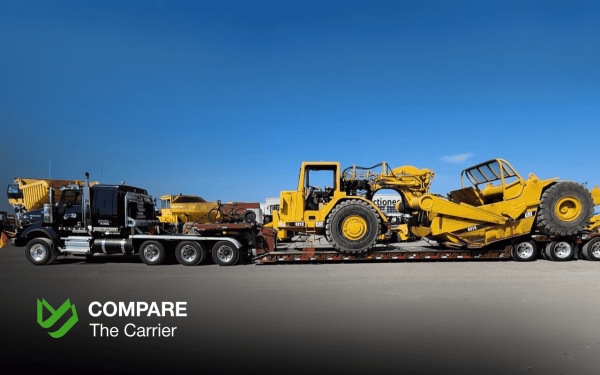
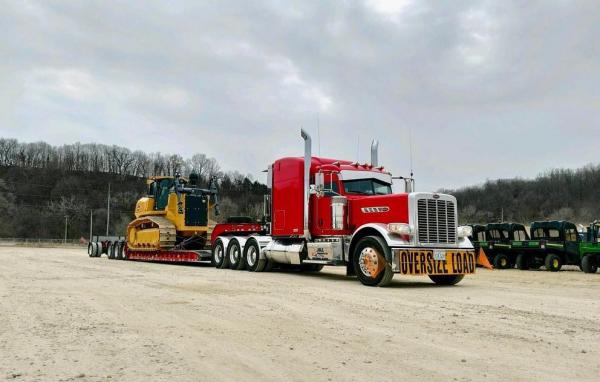
Introduction
In the construction and heavy equipment industry, businesses frequently face the critical decision of whether to invest in purchasing heavy equipment or to opt for custom hauling services. This decision hinges on various factors, including project duration, equipment utilization, financial considerations, and operational flexibility. Understanding the nuances of both options is essential for making an informed choice that aligns with business objectives and operational needs.
Understanding Custom Hauling
Custom hauling involves contracting specialized transportation services to move heavy equipment from one location to another. This option is particularly advantageous when dealing with oversized or specialized machinery that cannot be transported using standard vehicles. Custom haulers utilize specialized trailers, such as lowboys, step decks, and double drops, to accommodate the unique dimensions and weight of the equipment.
Advantages of Custom Hauling - Flexibility: Custom hauling allows businesses to access a wide range of equipment without the long-term commitment of ownership. This is especially beneficial for short-term projects or tasks that require specialized machinery.
- Cost-Effectiveness: For infrequent use, renting equipment and utilizing custom hauling services can be more economical than purchasing and maintaining equipment.
- Maintenance-Free: The responsibility for maintenance and repairs lies with the rental company, alleviating the burden on the business owner.
Challenges of Custom Hauling- Logistical Coordination: Scheduling and coordinating the delivery and pickup of equipment can be complex, potentially leading to project delays.
- Availability: There may be limited availability of specialized equipment, especially during peak seasons, which can affect project timelines.
- Hidden Costs: Additional fees for transportation, permits, and escorts can accumulate, impacting the overall cost-effectiveness.
Evaluating the Purchase of Heavy Equipment
Purchasing heavy equipment entails a significant upfront investment but offers long-term benefits for businesses with consistent equipment needs. Ownership provides control over the equipment's availability, maintenance schedules, and customization.
Advantages of Purchasing Heavy Equipment- Long-Term Cost Savings: For businesses that require equipment regularly, purchasing can be more cost-effective over time compared to renting.
- Asset Building: Ownership contributes to the company's asset base, potentially enhancing its financial standing.
- Operational Control: Having equipment readily available ensures that projects can proceed without waiting for rental availability.
Challenges of Purchasing Heavy Equipment- High Initial Investment: The upfront cost of purchasing equipment can strain financial resources, especially for small to medium-sized enterprises.
- Ongoing Maintenance: Owners are responsible for maintenance, repairs, and storage, which can incur additional costs.
- Depreciation: Equipment value depreciates over time, which can affect resale value and return on investment.
Case Study: Small Business Decision-Making
Consider a small excavation company in North Dakota that faces the dilemma of whether to purchase a large excavator or continue renting. The company estimates using the equipment for approximately 200 hours per year. Renting the equipment incurs a cost of $500 per delivery within a 20-mile radius, with additional hourly hauling fees. Purchasing the equipment would involve a significant upfront cost, along with maintenance and storage expenses. After careful analysis, the company opts to purchase a used excavator, financed through a combination of loans and savings, to reduce long-term costs and increase operational efficiency.
Factors Influencing the Decision
Several key factors should be considered when deciding between custom hauling and purchasing heavy equipment:- Frequency of Use: If equipment is needed frequently, purchasing may be more economical. For occasional use, renting or custom hauling is preferable.
- Project Duration: Long-term projects may justify the purchase of equipment, while short-term tasks may not.
- Financial Resources: Assessing available capital and financing options is crucial in determining the feasibility of purchasing equipment.
- Operational Needs: Consideration of the specific requirements of the project, including the type of equipment needed and its availability.
Conclusion
The decision to engage in custom hauling or to purchase heavy equipment is multifaceted and depends on various business considerations. By thoroughly evaluating the advantages and challenges of each option, businesses can make informed decisions that align with their operational needs and financial capabilities. Consulting with industry experts and conducting a cost-benefit analysis can further aid in making the optimal choice for the business's success.
|
|
|
|
|



