| Welcome, Guest |
You have to register before you can post on our site.
|
| Online Users |
There are currently 76 online users.
» 0 Member(s) | 65 Guest(s)
Ahrefs, Amazon, Applebot, Bing, Claude, DotBot, DuckDuckGo, Google, MJ12, Semrush
|
| Latest Threads |
Identifying and Sourcing ...
Forum: Parts , Attachments & Tools
Last Post: MikePhua
01-07-2026, 06:29 PM
» Replies: 0
» Views: 527
|
Cat 931B Brake Parts
Forum: Parts , Attachments & Tools
Last Post: MikePhua
01-07-2026, 06:29 PM
» Replies: 0
» Views: 283
|
Choosing Between Cat 228,...
Forum: General Discussion
Last Post: MikePhua
01-07-2026, 06:28 PM
» Replies: 0
» Views: 559
|
Hydraulic Delay When Lowe...
Forum: Troubleshooting & Diagnosing
Last Post: MikePhua
01-07-2026, 06:27 PM
» Replies: 0
» Views: 446
|
Bale Chopper and Mulcher ...
Forum: General Discussion
Last Post: MikePhua
01-07-2026, 06:26 PM
» Replies: 0
» Views: 323
|
Mini UC Maintenance
Forum: General Discussion
Last Post: MikePhua
01-07-2026, 06:25 PM
» Replies: 0
» Views: 314
|
Locating Wiring Informati...
Forum: General Discussion
Last Post: MikePhua
01-07-2026, 06:24 PM
» Replies: 0
» Views: 346
|
Case Industrial Brown Sub...
Forum: Parts , Attachments & Tools
Last Post: MikePhua
01-07-2026, 06:23 PM
» Replies: 0
» Views: 275
|
Dirt Work in West Virgini...
Forum: Construction & Urban Infrastructure Forum
Last Post: MikePhua
01-07-2026, 06:23 PM
» Replies: 0
» Views: 375
|
D207 P Hydraulic Steering...
Forum: Parts , Attachments & Tools
Last Post: MikePhua
01-07-2026, 06:22 PM
» Replies: 0
» Views: 303
|
|
|
| Comprehensive Guide to Purchasing Backhoes at Auctions: Tips, Strategies, and Practical Advice |
|
Posted by: MikePhua - 08-13-2025, 03:25 PM - Forum: General Discussion
- No Replies
|
 |
Introduction to Buying Backhoes at Auctions
Backhoes are versatile and essential machines in construction, landscaping, and utility projects. Their combination of a loader bucket in front and an excavator arm in the rear makes them invaluable for digging, material handling, and site preparation. Buying backhoes at auctions has become an increasingly popular way to acquire these machines at competitive prices, often significantly below retail. However, success in auction purchasing requires careful planning, thorough inspection, strategic bidding, and efficient post-auction logistics.
This comprehensive article explores the key aspects of backhoe auctions, from preparation and inspection to bidding strategies and maintenance considerations, enriched with terminology explanations, case stories, and practical tips.
Understanding Backhoe Auctions - Auctions offer backhoes through various formats: live onsite auctions, online auctions, and hybrid events. Platforms like Ritchie Bros, IronPlanet, and other specialized auction houses frequently handle these sales.
- Auction machines can range from older models with varied hours and conditions to nearly new machines withdrawn from rentals or trade-ins.
- Auctions may include buyer’s premiums—typically 10-15% over the winning bid—that add to the total purchase cost and must be budgeted for.
- Payment terms, pickup schedules, and transportation arrangements vary by auction house, so reviewing terms in advance is vital.
Preparing for Backhoe Auction Purchase- Research and Market Knowledge:
- Understand current market values for different makes, models, and machine conditions. Tools such as MachineryTrader, EquipmentWatch, and auction result histories aid in benchmarking reasonable price ranges.
- Set a realistic budget including purchase price, buyer’s premium, taxes, transportation, and any expected repair costs.
- Inspection Checklist:
- Whenever possible, attend auction preview days to test and inspect machines.
- Focus on key operational systems:
- Engine start, idle, and responsiveness
- Hydraulic system performance including loader and backhoe arm movement
- Transmission and drive components
- Undercarriage or tires condition
- Visual check for leaks, structural damage, rust, or excessive wear
- Hours of operation and maintenance history if available
- When onsite inspection is impossible, consider hiring a professional mechanic or use third-party inspection services offered by some auction companies.
Bidding Strategies for Success- Set a Firm Maximum Bid: Define the highest bid based on research and budget before the auction starts to avoid emotional overspending.
- Use Proxy or Online Bidding Tools: Many auctions allow proxy bids or automatic bidding up to your max limit, enabling disciplined participation.
- Watch Competitor Behavior: Observe bidding patterns to find opportunities when others hesitate or drop out.
- Avoid Early Overbidding: Let bidding calm before entering to better gauge true market prices.
- Consider Total Cost: Don’t forget to factor buyer’s premiums, taxes, and transport expenses into your bid decisions.
Post-Auction Purchase and Logistics- Finalize Payment Promptly: Auction houses have strict deadlines for payment methods and timing—failure to pay can result in penalties or lost purchases.
- Arrange Transport Early: Coordinating equipment transport is critical. Heavy machinery shipping requires specialized carriers and planning for dimensions, weight, and route permits.
- Prepare for Inspection and Repairs: Upon delivery, conduct thorough inspections and prioritize maintenance to ensure machine reliability. This may involve fluid changes, filter replacements, and minor repairs.
- Documentation: Secure all legal paperwork like bill of sale, registration, or export/import documents for ownership and operational compliance.
Maintenance and Operational Considerations for Auction-Purchased Backhoes- Machines bought at auction may vary widely in condition from “auction-grade” ready to run, to “project machines” needing significant investment.
- Expect some level of preventive maintenance including hydraulic fluid flushes, engine tune-ups, and wear part replacements.
- Check hydraulic cylinders and hoses for leaks or damages often overlooked in quick auction inspections.
- Monitor controls and electrical systems for responsiveness and safety features.
- Maintain a logbook of repairs and inspections to track machine health and support future resale or service needs.
Terminology Clarified- Buyer’s Premium: Additional fee charged by auction houses, usually a percentage of the hammer price, added to the final cost.
- Proxy Bidding: An automated bidding process where the system bids on behalf of the buyer up to a set maximum.
- Hydraulic System: The fluid power system that operates the loader and backhoe arms, crucial to machine efficiency.
- Undercarriage: The tracked or wheeled base of the machine that supports weight and provides mobility.
- Preview Day: Designated day before an auction when potential buyers can inspect and test machines.
- Third-Party Inspection: Professional evaluation service independent of buyer or seller to assess machine condition.
Real-World Experiences and Case Studies- A contractor reporting success with backhoe auctions highlighted the importance of mechanical inspection and testing during preview days. In one case, bypassing this led to purchasing a machine with severe hydraulic leaks resulting in costly repairs.
- Another operator used proxy bidding effectively during a busy auction, securing a low-hour used backhoe under budget while avoiding emotional overspending.
- Transport coordination stories emphasize the need to align with freight specialists for safe delivery; one buyer experienced delays and damage due to inadequate transport arrangements after purchase.
Practical Tips and Solutions- Maintain a checklist for onsite or third-party inspections including operational tests, leak detection, and controls responsiveness.
- Always confirm auction terms beforehand concerning fees, payment schedules, and removal deadlines.
- Arrange transportation simultaneously with bidding success to avoid storage fees or delays.
- Budget for unexpected repairs or maintenance; purchasing warranties or service agreements when available can mitigate risk.
- Build relationships with auction houses and transport providers for smoother recurrent purchases.
Summary
Buying backhoes at auction presents significant opportunities for cost savings and fleet expansion but requires comprehensive preparation, sharp inspection skills, disciplined bidding, and meticulous follow-through on payments and logistics. Understanding market values, making detailed machine condition assessments, and employing strategic bidding tactics protect buyers from costly mistakes.
Post-auction, diligent maintenance ensures backhoes perform reliably on job sites, maintaining safety and productivity. Real-world accounts demonstrate that successful auction purchasing hinges on informed decision-making, careful planning, and establishing trusted partnerships for inspection and transport.
This guide aims to equip buyers—from contractors to equipment dealers—with the insights needed to navigate backhoe auctions adeptly, maximizing value, minimizing risks, and securing machines that meet their operational needs.
Achieving success at auctions will save capital and grow equipment capabilities, making backhoe auctions a favored approach in the heavy equipment sector.
|

|
|
| Comprehensive Guide to the Cummins KT19 Diesel Engine |
|
Posted by: MikePhua - 08-13-2025, 03:25 PM - Forum: General Discussion
- No Replies
|
|
The Cummins KT19 series represents a significant advancement in diesel engine technology, offering robust performance and versatility across various applications. This guide delves into the engine's specifications, common issues, maintenance practices, and real-world applications, providing a comprehensive understanding for operators and technicians.
Engine Specifications and Performance
The KT19 engine is a 19-liter, inline 6-cylinder, four-stroke diesel engine renowned for its durability and power output. Key specifications include: - Displacement: 19 liters (1150 cubic inches)
- Bore x Stroke: 159 mm x 159 mm
- Compression Ratio: 13.8:1
- Aspiration: Turbocharged and Aftercooled
- Fuel System: Pressure Time (PT) Fuel System
Power ratings vary depending on the specific model and application:- KTA19-M3: 447 kW (600 hp) at 1800 RPM
- KTA19-M4: 522 kW (700 hp) at 2100 RPM
These engines are designed to meet stringent emissions standards, including IMO Tier I and II for marine applications.
Common Issues and Troubleshooting
Despite its robust design, the KT19 engine may encounter several issues:
- Injector Preload Misadjustment: Improper injector preload can lead to poor fuel delivery and engine performance. It's crucial to adjust the injector preload correctly to ensure optimal engine operation.
- Fuel System Contamination: Contaminants in the fuel system can cause starting difficulties and rough engine operation. Regular fuel system maintenance and the use of high-quality fuel are recommended to prevent such issues.
- Cooling System Failures: Problems like blocked oil coolers or faulty water pumps can lead to overheating. Regular inspection and maintenance of the cooling system are essential to prevent engine damage.
- Low Oil Pressure: Causes include dirty oil filters, blocked oil suction pipes, or failing oil pressure regulators. Addressing these issues promptly can prevent severe engine damage.
Maintenance Practices
Regular maintenance is vital to ensure the longevity and reliability of the KT19 engine:- Oil and Filter Changes: Cummins recommends changing the oil and filters every 250 hours or 6 months, whichever comes first. For generator applications, the interval can be extended to 12 months.
- Cooling System Maintenance: Regularly check the coolant levels and inspect the radiator and oil cooler for blockages or leaks.
- Fuel System Checks: Inspect fuel lines and filters for leaks or blockages, and ensure the fuel quality meets Cummins' standards.
- Air Intake System: Regularly clean or replace air filters to prevent debris from entering the engine.
Real-World Applications
The KT19 engine is widely used in various industries:- Marine: Powering vessels where reliability and power are paramount.
- Construction: Used in heavy equipment like excavators and bulldozers.
- Industrial: Providing power for generators and other industrial machinery.
- Agriculture: Driving equipment such as tractors and harvesters.
Case Study: Marine Application Troubleshooting
A notable instance involved a KT19 engine on a vessel experiencing a significant drop in RPM under load. Despite reaching 1800 RPM without load, the engine struggled to exceed 950 RPM when the propeller was engaged. Upon inspection, it was found that two of the four propeller blades were damaged. Replacing the damaged blades restored the engine's performance, highlighting the importance of regular maintenance and prompt attention to issues.
Conclusion
The Cummins KT19 engine stands as a testament to engineering excellence, offering powerful performance and reliability across various applications. By adhering to recommended maintenance practices and promptly addressing any issues, operators can ensure the engine's longevity and optimal performance.
|
|
|
|
| Comprehensive Guide to Skid Steer Buckets: Types, Specifications, and Practical Insights |
|
Posted by: MikePhua - 08-13-2025, 03:24 PM - Forum: General Discussion
- No Replies
|
|
Introduction to Skid Steer Buckets
Skid steer buckets are among the most commonly used attachments in construction, landscaping, farming, and snow removal. Despite their seemingly simple appearance, these buckets come in a variety of types designed to meet specific jobsite demands and materials. Choosing the right bucket impacts productivity, efficiency, and safety of skid steer operations. This detailed guide explores common bucket types, specifications, operational uses, maintenance tips, terminology, and practical advice enriched with real-world experiences.
Common Skid Steer Bucket Types and Their Characteristics - General Purpose Bucket
- Designed for versatile use in light to medium-duty digging, loading, and material handling.
- Typically built with durable steel and may feature bolt-on teeth or cutting edges for better penetration.
- Common widths range from 60 to 86 inches, balancing maneuverability and capacity.
- Suitable for moving dirt, gravel, sand, and other general materials.
- Light Material Bucket
- Larger capacity buckets optimized for low-density materials like snow, mulch, or topsoil.
- Often wider and shallower than general-purpose buckets to maximize volume without excessively weighing the machine down.
- Frequently used for snow removal; their design prevents compaction of lighter materials.
- Examples include 44-inch and 54-inch models for compact skid steers.
- Snow Bucket
- Specifically designed for snow removal with features that aid in pushing, scooping, and clearing snow efficiently.
- May include smooth bottoms and angled cutting edges to reduce snow buildup inside the bucket.
- Some models have extended side panels or rubber edges to minimize damage to curbs and pavement while cleaning.
- Heavy-Duty or Severe-Duty Bucket
- Constructed with thicker steel, reinforced edges, and stronger frames to handle abrasive, rocky, or hard-packed soils.
- Often includes wear plates and replaceable tooth systems to extend service life under tough conditions.
- Ideal for contractors working on demolition, mining, or quarry sites.
- Specialty Buckets
- Includes trenching buckets, clean-up buckets, snow pusher attachments, grapple buckets, and others designed for specific tasks.
- Usually narrower or shaped differently to accomplish specialized functions like digging narrow trenches or handling logs and debris.
Specifications and Capacity Considerations- Bucket capacity typically ranges from about 0.3 to over 1.5 cubic yards depending on width and design.
- Bucket width should ideally be matched or slightly exceed the skid steer’s track or wheel base to ensure stable pushes and even material compaction.
- Typical capacity examples by width:
- 66″ wide bucket: approx. 15 cubic feet (about 0.55 cubic yards)
- 72″ wide bucket: approx. 16.5 cubic feet
- 80″ wide bucket: approx. 18.5 cubic feet
- 84″ wide bucket: approx. 19.2 cubic feet
- When removing snow or handling light materials, larger buckets with shallow depths increase volume without overloading machine lift capacity.
Choosing the Best Bucket for Snow Removal and Curb Cleaning- Contractors often favor light material buckets for snow due to their high volume and wider profile, facilitating faster snow clearing.
- Snow buckets with smooth edges and protective side panels provide better surface protection when working near curbs and pavement edges.
- For curb line cleaning, using a bucket designed with side cutters, rubber edges, or low-profile shapes reduces damage risk while maintaining efficiency.
- Operator technique combined with proper bucket choice minimizes wear and extends attachment life in winter conditions.
Maintenance Tips and Best Practices- Inspect cutting edges, bolt-on teeth, and bucket bodies regularly for wear, cracks, or damage. Replace worn parts promptly to maintain digging efficiency.
- Clean buckets regularly to prevent the buildup of debris, salt, or corrosive materials, especially after snow removal.
- Ensure bolts and pins securing teeth and edges are tightened to recommended torque specifications to avoid loss during operation.
- For light material and snow buckets, avoid overloading beyond machine lift capacity to prevent hydraulic strain and tipping hazards.
- Use manufacturer-recommended lubricants on pivot points and linkage areas linked to the bucket.
Terminology Explained- Bolt-On Edge: A replaceable hardened steel edge attached to the bucket front to improve wear resistance and digging ability.
- Cutting Edge: The front bottom edge of the bucket responsible for ground penetration and scraping.
- Teeth: Replaceable steel tips fitted to bucket edges to enhance digging in compacted soils or rocky conditions.
- Capacity: The volume of material a bucket can hold, usually measured in cubic yards or cubic feet.
- Light Material Bucket: A bucket with larger volume designed for low-density materials like snow or mulch.
- Snow Bucket: A bucket optimized for snow handling with features to improve snow movement and surface protection.
Real-World Stories and Insights
A landscaping firm successfully switched to dedicated light material buckets for snow clearing, reducing cycle times by 30% and improving fuel efficiency due to fewer passes. Operators appreciated the wider bucket profile that allowed them to clear parking lots faster without over-stressing the machines.
In another case, a contractor using standard general-purpose buckets for snow removal reported rapid edge wear and damage to curbs. After switching to specialized snow buckets with rubber edges and side cutters, the frequency of repairs dropped significantly, saving downtime and repair costs.
Additional Recommendations- When possible, test different bucket types on the intended jobsite material to ensure optimum fit and performance.
- Consider modular teeth and cutting edges that are easy to replace for cost-effective maintenance.
- For snowy and icy conditions, buckets with rubber edges or protective skid shoes help prevent surface damage and improve operator confidence.
- Keep backup cutting edges and wear parts on hand during peak seasons to reduce unexpected downtime.
Summary
Choosing the right skid steer bucket is a critical decision that hinges on understanding the specific job requirements, material types, and machine capabilities. General purpose buckets offer versatility for everyday use, while light material and snow buckets excel in winter applications by maximizing volume and protecting surfaces. Heavy-duty buckets suit tough digging conditions requiring enhanced durability.
Proper bucket sizing, regular maintenance, and attachment inspection ensure safe and efficient operations while extending the service life of equipment. Real-world experiences demonstrate that matching bucket type to task not only improves productivity but also reduces operational costs and equipment wear.
This guide offers a practical framework for operators, contractors, and equipment buyers to make informed choices among skid steer buckets, ultimately boosting jobsite efficiency and machine longevity.
By selecting the appropriate bucket and adhering to best operational practices, skid steer users can achieve superior performance, cost savings, and enhanced versatility across diverse applications.
|
|
|
|
| Comprehensive Guide to Sourcing Parts for the Case 9050B Crawler Excavator |
|
Posted by: MikePhua - 08-13-2025, 03:23 PM - Forum: Parts , Attachments & Tools
- No Replies
|
|
Introduction
The Case 9050B Crawler Excavator, a mid-sized machine introduced in the mid-1990s, has been a reliable workhorse in various industries, including construction, mining, and demolition. However, as with any heavy equipment, sourcing replacement parts can become challenging over time. This guide provides insights into the machine's specifications, common issues, and reputable sources for parts and service.
Machine Specifications - Engine: The 9050B is typically equipped with a 6-cylinder, turbocharged diesel engine, offering a balance between power and fuel efficiency.
- Hydraulic System: Features a closed-center, load-sensing hydraulic system, ensuring efficient power distribution and responsiveness.
- Undercarriage: Designed for durability, the undercarriage components are built to withstand the rigors of demanding terrains.
Common Issues and Solutions
- Hydraulic System Failures: Over time, components like pumps and valves may wear out. Regular maintenance and timely replacement can prevent significant downtime.
- Undercarriage Wear: Continuous operation in harsh conditions can lead to wear in tracks and rollers. Monitoring and replacing these parts as needed ensures optimal performance.
- Electrical System Glitches: Aging wiring and connectors can cause intermittent issues. Routine inspections and addressing minor faults promptly can prevent major electrical failures.
Reputable Sources for Parts and Service
- Southern Tractor: Specializes in dismantling Case 9050B machines, offering a wide range of used parts. Their inventory includes components like hydraulic cylinders, undercarriage parts, and more. For more details, visit their website or contact them directly at (877) 672-5824.
- Brikers: Offers rebuilt, used, and new parts for the 9050B. Their inventory includes items like undercarriage components and arm cylinders. They provide nationwide shipping and can be reached at 855-912-0460.
- FinalDriveParts.com: Specializes in final drive assemblies and travel motors for the 9050B. They offer aftermarket parts with a limited lifetime warranty, ensuring reliability and performance.
- AMSparts.com: Provides a comprehensive catalog of new, used, and rebuilt parts for the 9050B. Their offerings include hydraulic pumps, final drives, and undercarriage components.
Maintenance Tips- Regular Inspections: Periodically check the hydraulic system, undercarriage, and electrical components for signs of wear or damage.
- Timely Replacements: Addressing minor issues promptly can prevent costly repairs down the line.
- Use Quality Parts: Opt for OEM or reputable aftermarket parts to ensure compatibility and longevity.
Conclusion
While sourcing parts for the Case 9050B Crawler Excavator can pose challenges, several reputable suppliers offer quality components to keep your machine running efficiently. Regular maintenance and timely replacements are key to prolonging the lifespan of your equipment.
|
|
|
|
| Comprehensive Guide to Diagnosing and Repairing the AC Compressor Power Issue on the 2020 Cat 299D3 XE |
|
Posted by: MikePhua - 08-13-2025, 03:22 PM - Forum: Troubleshooting & Diagnosing
- No Replies
|
|
Introduction to the AC Compressor Power Problem
The air conditioning system in the 2020 Caterpillar 299D3 XE compact track loader is vital for operator comfort, especially in hot work environments. A common but complex issue is when the AC compressor receives no power, resulting in the compressor and related components (pressure switch, relay) being non-operational. Understanding electrical power flow, components involved, and diagnostic steps is essential to resolving this problem effectively.
This guide provides a detailed explanation of the AC compressor power supply system, troubleshooting approaches, practical repair advice, and relevant tips to help operators and technicians restore AC function reliably.
Understanding the AC Compressor Power Circuit - Power Source and Fuse Box
The AC compressor circuit receives power from the machine’s battery system via the fuse box. In the 299D3 XE, two 20-amp fuses protect this circuit. Confirming power at these fuses is the first diagnostic step — if power is present at the fuses but not at the compressor, the issue lies downstream.
- Relay and Pressure Switch
The AC compressor clutch operation depends on a relay and a pressure switch. The pressure switch monitors system pressure and either allows or inhibits power flow to the compressor clutch coil to protect the system from abnormal pressures. If either the relay or pressure switch fails or is not energized, the compressor gets no power.
- Wiring and Connectors
Electrical cables from the fuse box to the compressor, relay, and pressure switch must be intact. Any cable damage, stripped wires, loose connectors, or corrosion can interrupt power supply and control signals, leading to compressor inoperability.
Common Causes for AC Compressor Not Getting Power- Blown or faulty fuses despite apparent power at fuse box terminals.
- Defective or unseated AC compressor relay preventing power flow.
- Faulty pressure switch failing to close the circuit due to wrong pressure or internal failure.
- Damaged, disconnected, or corroded wiring/cable assemblies between fuse box, relay, pressure switch, and compressor.
- Additional safety or control modules in the circuit that may disable compressor power due to sensed faults.
- Relay control signals missing due to ECU or thermostat issues.
Detailed Troubleshooting Steps
- Verify Power at Fuse Box
Use a multimeter or test light to confirm constant 12V at both AC compressor fuses under machine ignition on and off.
- Check Relay Function
Locate the AC compressor relay in the relay panel. Test relay coil resistance and continuity of switching contacts. Swap with a similar relay if available to confirm relay function.
- Inspect Pressure Switch
Measure continuity across the pressure switch terminals. If pressure is within operating range and switch fails continuity test, replace the switch.
- Trace Wiring Harness
Visually inspect and use a wiring diagram to trace cables from fuse box to relay, pressure switch, and compressor. Repair any damage, exposed wires, or loose connections.
- Test Compressor Clutch Coil
If power and control signals reach the clutch coil connector but clutch does not engage, measure coil resistance and verify ground circuit. Replace clutch assembly if faulty.
- Check for Additional Safety Controls
Some models have pressure sensors or control modules that inhibit compressor operation during certain machine functions or fault conditions. Use diagnostic tools or OEM software to verify.
Practical Repair and Maintenance Suggestions- When replacing wires or connectors, use OEM or high-quality approved components that can withstand harsh jobsite environments.
- Always confirm correct torque and secure mounting for relays and pressure switches to avoid signal issues.
- Periodically clean relay sockets and connectors to prevent corrosion-related faults.
- For persistent intermittent issues, consider using a wiring continuity tester or thermal imaging camera to detect hidden shorts or breaks.
- Inspect AC system refrigerant pressure regularly, as abnormally low or high pressures can disable the compressor via the pressure switch.
- Utilize official Caterpillar electrical schematics and service manuals to identify accurate wiring routes, connector pinouts, and component locations.
Terminology Explained- AC Compressor Clutch: Electromagnetically controlled device that engages to drive the compressor pulley.
- Relay: Electrically operated switch controlling high current flow to the compressor clutch from a low current control signal.
- Pressure Switch: Safety device that opens or closes circuit based on refrigerant pressure to protect AC components.
- Fuse Box: Centralized set of fuses protecting electrical circuits from overload.
- Wiring Harness: Bundled electrical cables connecting components.
- Multimeter: Diagnostic tool used to measure voltage, current, and resistance.
Real-World Insights and Case Examples- A Cat operator discovered that despite fuse box power, a burnt relay coil caused the AC compressor to remain inactive. Replacing the relay solved the power supply issue immediately.
- Another technician found a damaged pressure switch wiring connector corroded from moisture exposure, interrupting compressor power. Repairing the connector restored operation and prevented future failures.
- In a preventive maintenance plan, regular inspection and cleaning of AC system electrical connectors and relays reduced unexpected downtime, especially during hot weather seasons.
- Some retrofit cases upgraded to heavy-duty relays and sealed connectors to increase reliability on machines operating in dusty, wet conditions.
Summary
For the 2020 Cat 299D3 XE, when the AC compressor is not getting power despite fuse box voltage presence, the underlying causes typically include defective relays, faulty pressure switches, damaged wiring, or additional control inhibitions. A systematic diagnostic approach verifying power flow, relay operation, pressure switch continuity, and wiring integrity is essential for pinpointing the fault.
Maintaining the electrical components, replacing damaged connectors, and following OEM wiring diagrams during repair guarantee reliable AC system performance. Operator awareness of system pressures and routine preventive maintenance further reduces the risk of power interruptions to the AC compressor.
By applying the detailed troubleshooting, repair strategies, and care tips in this guide, technicians and operators can efficiently restore and sustain comfortable air conditioning functionality in the Cat 299D3 XE, enhancing machine usability and operator well-being on site.
For complex wiring issues, consulting official Caterpillar service manuals or authorized dealers provides the most accurate diagnostics and repair procedures.
This comprehensive understanding empowers users to tackle the AC compressor power problem effectively and safely.
|
|
|
|
| Comprehensive Guide to the Drott 40 Excavator Bucket and Teeth: Specifications, Maintenance, and Practical Insights |
|
Posted by: MikePhua - 08-13-2025, 03:21 PM - Forum: General Discussion
- No Replies
|
|
Introduction to the Drott 40 Excavator
The Drott 40 is a classic crawler excavator widely recognized for its robust construction and versatility in earthmoving operations. A key aspect of its effective performance is the selection, maintenance, and function of its bucket and bucket teeth, which directly affect digging efficiency, material handling, and wear life. Understanding bucket types, teeth configurations, and proper upkeep ensures productivity and longevity of the machine on job sites.
This detailed article discusses the Drott 40 bucket and teeth specifications, maintenance practices, troubleshooting tips, terminology explanations, and practical recommendations enriched with real-world examples to enhance operator knowledge and machine reliability.
Drott 40 Excavator Basic Specifications - Operating Dimensions
- Operating length: Approximately 29 ft 10 in (9.1 m), variable by configuration.
- Operating width: About 8 ft 0 in (2.44 m), depending on attachments.
- Operating height: Roughly 13 ft 0 in (3.96 m).
- Operating Weight: Around 34,720 to 35,620 lbs (15,749 to 16,155 kg) depending on model variant and attachments.
- Bucket Size Options:
- Buckets typically range in width from 30 inches (762 mm) to 42 inches (1,067 mm).
- Capacity ranges from approximately 0.58 cubic yards (0.44 m³) up to around 0.79 cubic yards (0.60 m³) for front loader bucket types.
Bucket and Teeth Details- Bucket Types and Features
- General purpose buckets with moderate tooth length for a wide range of digging and loading tasks.
- Heavy-duty or severe-duty buckets constructed of abrasion-resistant steel designed for rocky or compacted materials.
- Some buckets feature bolt-on or weld-on cutting edges and side cutters to enhance durability and wear resistance.
- Teeth Configuration
- Bucket teeth on the Drott 40 are typically short, stout, and designed for durability in medium to heavy-duty digging.
- Teeth assist in breaking ground, penetrating compacted soil, and scraping material into the bucket efficiently.
- Replacement teeth are essential to maintain optimal bucket performance and avoid rapid wear of bucket bottoms.
Maintenance and Replacement Recommendations- Inspect Teeth Regularly
Frequent inspection for signs of wear, cracks, or chipping prevents sudden tooth failure. Replace worn teeth to maintain cutting efficiency and reduce stress on the bucket and boom.
- Bucket Structural Inspection
Check for cracks, deformation, or worn cutting edges on buckets. Early repairs extend bucket life and maintain digging precision.
- Use Proper Teeth Types for Conditions
Select heavy-duty teeth for abrasive or rock-filled soils, and general-purpose teeth for softer soils and utility tasks.
- Bolt Tightening
Ensure bucket teeth are securely fastened with proper torque to prevent loosening and loss during operation.
- Lubrication and Cleaning
Clean buckets regularly to remove embedded debris and lubricate pin joints on attachments to avoid premature wear.
Operational Tips and Troubleshooting- Avoid excessive bucket impact against hard surfaces to reduce the risk of teeth or bucket damage.
- Use appropriate bucket sizes aligned with the Drott 40’s hydraulic capacity to avoid strain and inefficiency.
- For digging in rocky or frozen ground, utilize specially hardened teeth or add side cutters to reduce wear.
- If bucket performance declines (e.g., poor penetration or excessive spillage), inspect teeth and replace or repair as needed.
Terminology Explained- Bucket Teeth: Replaceable steel tips attached to the bucket edge to improve digging ability.
- Cutting Edge: The bottom edge of the bucket, which may be reinforced for longer wear life.
- Side Cutters: Wear-resistant guards fixed to bucket sides to protect edges from abrasion.
- Bolt-on Teeth: Teeth attached via bolts allowing for easier replacement compared to weld-on types.
- Severe-Duty Bucket: A bucket constructed with extra wear protection for tough digging conditions.
Real-World Stories and Industry Insights
A site supervisor managing a vintage Drott 40 reported that switching to premium heavy-duty bucket teeth extended their lifespan by 30% despite operating in harsh gravelly conditions. This reduced unscheduled downtime and replacement costs significantly.
Another operator shared how neglecting cutting-edge maintenance led to rapid bucket bottom wear and costly repairs, underscoring the importance of regular inspections and proactive teeth replacement.
In a recent news story from a major infrastructure project, the durability of abrasion-resistant buckets with bolt-on teeth improved excavator output by allowing faster digging cycles and reducing tooth replacement downtime.
Additional Parameters and Solutions- Consider measuring bucket tooth wear using gauge templates regularly to track wear progression accurately.
- For projects involving mixed materials, rotating between different tooth types according to tasks can optimize productivity.
- Using protective coatings on buckets helps resist corrosion, extending service life in wet or chemical-exposed environments.
- Training operators on proper bucket use and avoiding misuse such as prying heavy objects reduces premature damage.
Summary
The Drott 40 excavator’s bucket and teeth system plays a crucial role in its digging performance and overall machine productivity. Proper specification matching, regular maintenance, and timely replacement of bucket teeth and cutting edges ensure efficient operation and minimize costly repairs.
Understanding the differences in bucket designs and teeth types allows operators to tailor the machine to specific site conditions, whether for general-purpose earthmoving or more demanding rock excavation. Real-world experiences affirm the value of durable, well-maintained buckets and the operational benefits of selecting the right tooth configuration.
Adopting proactive inspection routines, using quality replacement parts, and following best practices for bucket care empower operators to maintain Drott 40 excavator performance and enhance project efficiency.
This comprehensive guide provides the knowledge necessary for effective management of the Drott 40 bucket and teeth, supporting machine longevity and jobsite success.
|
|
|
|
| Comprehensive Guide to Addressing Power Shuttle Overheating in the Case 580 Super K Backhoe Loader |
|
Posted by: MikePhua - 08-13-2025, 03:20 PM - Forum: Troubleshooting & Diagnosing
- No Replies
|
|
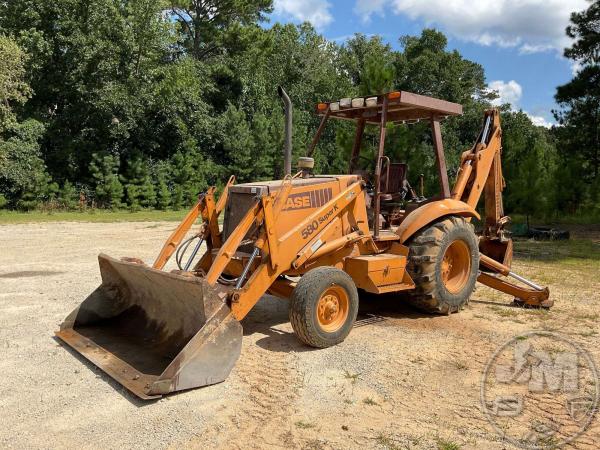
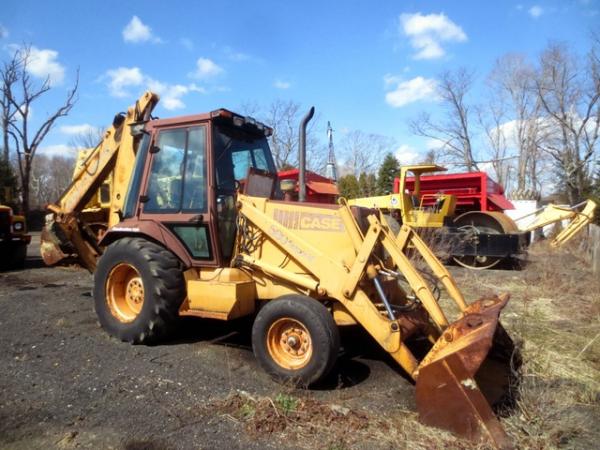
The Case 580 Super K backhoe loader, produced between 1992 and 1994, is renowned for its durability and versatility in construction and agricultural applications. However, like many heavy-duty machines, it is susceptible to specific mechanical issues. One such concern is the overheating of the power shuttle transmission, particularly when operating in higher gears under load. Understanding the causes and solutions to this problem is essential for maintaining optimal performance and longevity of the equipment.
Understanding the Power Shuttle Transmission
The power shuttle transmission in the Case 580 Super K is a hydraulic powershift system that allows for seamless shifting between forward and reverse without the need to clutch. This system is integral to the machine's versatility, especially in applications requiring frequent direction changes. However, its performance can be compromised if the transmission fluid overheats.
Symptoms of Overheating
Operators may notice the following signs indicating power shuttle overheating: - High Fluid Temperature: The transmission oil temperature gauge reading in the red zone, especially during operation in 3rd and 4th gears.
- Loss of Power or Sluggish Response: Reduced responsiveness when shifting between gears or a noticeable decrease in operational power.
- Unusual Noises: Hissing or whining sounds emanating from the transmission area, suggesting internal friction or insufficient lubrication.
Common Causes of Overheating
Several factors can contribute to power shuttle overheating in the Case 580 Super K:
- Low Fluid Levels: Insufficient transmission fluid can lead to inadequate lubrication and cooling, resulting in increased friction and heat generation.
- Contaminated or Degraded Fluid: Old or contaminated fluid loses its effectiveness, reducing its ability to dissipate heat and lubricate components properly.
- Faulty Torque Converter: A malfunctioning torque converter can cause excessive heat buildup due to inefficient power transmission.
- Clogged Oil Cooler: Debris or sludge accumulation in the oil cooler can impede fluid flow, leading to higher operating temperatures.
- Worn Clutch Packs: Deteriorated clutch packs can slip, generating excessive heat and contributing to overheating.
Diagnostic Steps
To accurately diagnose the cause of overheating:
- Check Fluid Levels: Ensure the transmission fluid is at the recommended levels. Low fluid can lead to overheating.
- Inspect Fluid Condition: Examine the fluid for signs of contamination or degradation. Dark, burnt-smelling fluid indicates the need for replacement.
- Test the Torque Converter: Assess the torque converter for signs of malfunction, such as unusual noises or erratic performance.
- Examine the Oil Cooler: Inspect the oil cooler for blockages or damage that could restrict fluid flow.
- Evaluate Clutch Packs: Check for signs of wear or damage in the clutch packs, which could cause slipping and overheating.
Recommended Solutions
Based on the diagnostic findings:- Fluid Replacement: Drain the old fluid and replace it with fresh, manufacturer-recommended transmission fluid.
- Torque Converter Replacement: If the torque converter is found to be faulty, replace it to restore efficient power transmission.
- Oil Cooler Cleaning or Replacement: Clean the oil cooler to remove any blockages or replace it if damaged.
- Clutch Pack Overhaul: If clutch packs are worn, they should be replaced or rebuilt to ensure proper engagement and prevent slipping.
Preventive Maintenance Tips
To prevent future overheating issues:- Regular Fluid Checks: Periodically check transmission fluid levels and condition.
- Scheduled Fluid Changes: Follow the manufacturer's recommended intervals for fluid replacement to maintain optimal performance.
- Monitor Operating Temperatures: Keep an eye on the transmission oil temperature gauge during operation, especially under heavy loads.
- Routine Inspections: Regularly inspect the torque converter, oil cooler, and clutch packs for signs of wear or damage.
Conclusion
Overheating of the power shuttle transmission in the Case 580 Super K backhoe loader is a manageable issue with proper diagnosis and maintenance. By understanding the causes and implementing recommended solutions, operators can ensure the longevity and reliability of their equipment. Regular maintenance and vigilant monitoring are key to preventing overheating and maintaining optimal performance.
|
|
|
|
| Detailed Guide to the 1995 Case 580 SK Turbo Loader Backhoe: Specifications, Operation, and Maintenance |
|
Posted by: MikePhua - 08-13-2025, 03:19 PM - Forum: General Discussion
- No Replies
|
|
Introduction to the 1995 Case 580 SK Turbo
The 1995 Case 580 SK Turbo Loader Backhoe is a versatile and durable machine widely used in construction, excavation, and material handling operations. Known for its turbocharged engine and robust hydraulics, the 580 SK Turbo offers a balance between power, precision, and operator comfort, making it a popular choice for heavy equipment operators seeking a reliable loader-backhoe in the mid-size segment.
This comprehensive article presents detailed technical specifications, operational features, maintenance guidelines, and practical recommendations to support optimal use and upkeep of the 1995 Case 580 SK Turbo.
Engine and Powertrain Specifications - Engine Type:
- Turbocharged diesel engine, delivering strong performance for demanding tasks.
- Displacement of approximately 272 cubic inches (approx. 4.5 liters).
- Engine model: Family III 445T/M2, compliant with Tier II emission standards.
- Rated gross power around 95 horsepower at 2200 rpm; net power near 90 horsepower.
- Torque output measured at approximately 289 lb-ft, providing good low-end pulling strength.
- Fuel and Oil Capacities:
- Fuel tank capacity around 31.4 gallons (119 liters), allowing extended work durations between refills.
- Engine oil capacity about 11.6 quarts (11 liters), with recommended oil type and change interval contributing to engine longevity.
Hydraulic System and Performance- Hydraulic Pumps:
- The machine employs a high-capacity hydraulic pump delivering about 28.5 gallons per minute at system pressure up to 3050 psi, ensuring responsive loader, backhoe, and auxiliary operations.
- Hydraulic Oil Capacity:
- Approximately 31.5 gallons (119 liters) hydraulic fluid reservoir, promoting stable system operation and cooling.
- Hydraulic Functions:
- Loader bucket lift and tilt, backhoe boom, dipper, bucket controls—all powered through precision hydraulic circuits delivering smooth, controllable movements.
Transmission and Mobility- Transmission:
- 4-speed synchromesh transmission equipped with hydraulically actuated clutches, providing quick, smooth gear changes for effective power delivery.
- Drive:
- Four-wheel drive for improved traction on rough or slippery terrain.
- Travel Speeds:
- Maximum travel speed approaching 25.5 mph (41 km/h), enabling efficient transit across job sites.
Dimensions and Capacities- Weight and Size:
- Operating weight approximates 12,821 pounds (5,816 kg), balancing power and mobility.
- Transport height roughly 11 feet 2 inches, width about 8 feet 10 inches, and length near 21 feet 10 inches, compliant with many transportation regulations.
- Loader Bucket Specs:
- Bucket capacity about 0.87 cubic yards, suitable for medium-duty material handling.
- Tire Sizes:
- Front tires commonly sized 11L x 16.1 or 12 x 16.5.
- Rear tires 17.5L x 24 or 19.5 x 24 for stability and traction.
Operator Comfort and Electricals- Cab and Controls:
- Designed for operator comfort and efficiency with thoughtful ergonomics.
- Electrical System:
- 12V electrical system with 90 amp alternator support, powering lighting and auxiliary functions.
Maintenance Recommendations and Oil Types- Recommended usage of high-quality engine oils with regular oil changes every 10 hours to maintain engine health.
- Use manufacturer-specified hydraulic oils for system integrity.
- Regular inspections of filters, fuel system components, and hydraulic lines prevent downtime and costly repairs.
- Monitor transmission fluid condition and follow scheduled maintenance for the synchromesh transmission to ensure longevity.
Practical Advice and Troubleshooting- Regular Lubrication:
- Grease all pivot points, pins, and joints routinely to avoid wear and operational binding.
- Filter Replacements:
- Replace fuel, oil, and hydraulic filters as per service intervals—this extends machine life and reduces failure risks.
- Cooling System:
- Maintain proper coolant levels and clean radiators to prevent engine overheating, especially in hot climates or heavy-use conditions.
- Hydraulic System Checks:
- Inspect hoses and connections regularly for leaks or wear signs.
- Transmission Care:
- Shift gears smoothly, allowing hydraulic clutches to engage properly; avoid harsh shifting to prevent premature wear.
Real-World Experiences and Stories- Operators appreciate the turbocharged engine's ability to deliver strong performance in demanding digging and loading tasks, especially when working on rough terrain or heavy material loads.
- A maintenance supervisor noted that consistent preventative upkeep of the hydraulic system and timely oil changes dramatically reduced machine downtime over a fleet of 580 SK Turbos.
- Another user recounted how timely replacement of transmission fluid and inspection according to manufacturer guidelines avoided costly repairs and kept the machine running reliably for over two decades.
Terminology Explained- Turbocharged Engine: An engine with a turbine-driven forced induction system, increasing air intake and power output.
- Transmission Synchromesh: A type of transmission that enables smooth gear shifting by synchronizing speeds of gears before engagement.
- Hydraulic System Pressure: The force of hydraulic fluid used to operate cylinders and motors within the loader and backhoe functions.
- Gross Power: The engine power output measured without auxiliary losses, such as from accessories or drivetrain.
- Net Power: Power output available for machine operation after accounting for accessory losses.
- Hydraulic Oil: Specially formulated oil used to transmit power in hydraulic machinery, requiring proper grade for performance and wear protection.
Summary
The 1995 Case 580 SK Turbo Loader Backhoe remains a proven and reliable machine combining a turbocharged diesel engine with a strong hydraulic system and responsive synchromesh transmission. Its balance of power, size, and capabilities make it well-suited for various construction and excavation applications.
Maintaining this machine according to recommended service intervals, using proper oils, and focusing on hydraulic and transmission care ensures long-term operational efficiency and reduces costly repairs. Operator comfort, combined with robust mechanical design, contributes to sustained productivity and jobsite performance.
Drawing on real-world operational insights, adopting preventive maintenance routines is the key to extending the machine’s service life and optimizing performance for years to come.
This in-depth understanding equips owners, operators, and service technicians with the knowledge to effectively operate, maintain, and troubleshoot the 1995 Case 580 SK Turbo for best results.
|
|
|
|
| Understanding the Interchangeability Between Detroit Diesel 6V92 and 8V92 Engines |
|
Posted by: MikePhua - 08-13-2025, 03:19 PM - Forum: General Discussion
- No Replies
|
|
Introduction
The Detroit Diesel 6V92 and 8V92 engines are part of the renowned Series 92 family, known for their durability and performance in various applications, including buses, trucks, and industrial machinery. While both engines share the same basic design principles, they differ in several key aspects. Understanding these differences is crucial for maintenance, repairs, and potential engine swaps.
Engine Specifications and Differences - Cylinder Configuration: The 6V92 is a V6 engine, while the 8V92 is a V8 engine. This fundamental difference affects the engine's displacement, power output, and physical dimensions.
- Displacement and Power Output: The 6V92 typically has a displacement of 552 cubic inches, producing around 270 to 335 horsepower. In contrast, the 8V92 boasts a displacement of 736 cubic inches, delivering between 350 and 550 horsepower, depending on the specific model and configuration.
- Weight: The 6V92 weighs approximately 2,345 pounds, whereas the 8V92 is heavier, reflecting its larger size and increased power output.
- Turbocharging: Both engines offer turbocharged variants, such as the 6V92TA and 8V92TA. The turbocharged versions provide enhanced performance, especially in demanding applications.
Interchangeability Considerations
While the 6V92 and 8V92 share many components due to their common design lineage, several factors influence their interchangeability:
- Mounting and Physical Dimensions: The 8V92's larger size may require modifications to the engine mounts and surrounding components to fit into a space designed for the 6V92.
- Cooling Systems: The 8V92 generates more heat due to its higher power output. Therefore, the existing cooling system may need upgrades to handle the increased thermal load.
- Exhaust Systems: Differences in exhaust routing and turbocharger configurations between the two engines can necessitate adjustments to the exhaust system.
- Electrical and Fuel Systems: Variations in electronic controls and fuel delivery systems may require rewiring or the installation of compatible components to ensure proper engine operation.
Case Study: Engine Swap in a Bus Application
In a real-world scenario, a fleet operator decided to replace a failing 6V92 engine with an 8V92 in a bus. The swap involved:- Custom Fabrication: Modifying the engine mounts and transmission adapter to accommodate the larger 8V92 engine.
- Cooling System Upgrade: Installing a more robust radiator and additional cooling fans to manage the increased heat output.
- Exhaust System Modification: Re-routing the exhaust pipes and installing a larger turbocharger to match the 8V92's specifications.
- Electrical Rewiring: Updating the wiring harness to support the 8V92's electronic control module and fuel injectors.
The project was successful, resulting in improved power and performance. However, it highlighted the complexities involved in such an engine swap, emphasizing the need for careful planning and execution.
Conclusion
While the Detroit Diesel 6V92 and 8V92 engines share a common heritage, their differences in size, power, and design necessitate careful consideration when contemplating interchangeability. Operators should assess the specific requirements of their applications and consult with experienced professionals to ensure compatibility and optimal performance.
|
|
|
|
| Comprehensive Guide to Caterpillar 955L, D7F, and 3306 Engine Manuals: Usage, Maintenance, and Insights |
|
Posted by: MikePhua - 08-13-2025, 03:18 PM - Forum: General Discussion
- No Replies
|
|
Introduction to Caterpillar Manuals for Heavy Equipment
Caterpillar equipment such as the 955L track loader, D7F crawler tractor, and the 3306 diesel engine represents some of the most iconic and reliable machinery in construction and industrial applications. Having access to detailed service, maintenance, and operation manuals is critical for owners, operators, and technicians aiming to maximize uptime, maintain performance, and implement correct repair procedures.
This guide provides an in-depth overview of the typical contents, practical usage, maintenance advice, and troubleshooting solutions found in these manuals, clarifying key terminology and supplementing with relevant industry stories and expert tips.
Contents and Importance of Caterpillar 955L Manuals - Service Manual:
- Detailed instructions for disassembly, assembly, lubrication, and adjustments.
- Includes specifications for hydraulic systems, engine, electrical wiring, and structural components.
- Provides torque values, seal installation guidelines, and assembly tools reference to ensure proper rebuilds.
- Parts Manual:
- Exploded views of assemblies with part numbers, essential for ordering replacement components accurately.
- Lists of consumables, seals, and wear parts for routine maintenance.
- Operator Manual:
- Overview of controls, operation procedures, safety warnings, and daily inspections.
- Helps operators avoid misuse that can cause premature wear or damage.
Key Features of the Caterpillar D7F Tractor Manuals- Extended Coverage for SLEP Models:
Service Life Extension Program (SLEP) tractors include different engine configurations (older 3306 vs newer 3306 with ether start and oil sampling valves). Manuals guide owners through operating both configurations.
- Detailed Operating Instructions:
Chapters highlight safe operation under usual and unusual conditions, troubleshooting symptom indexes, and preventive maintenance check sheets (PMCS).
- Maintenance Procedures:
Comprehensive guides on clutch adjustment, track tensioning, hydraulic system checks, and engine care build strong machine reliability.
- Technical Warnings and Notes:
Safety warnings are prominently featured to protect users from injury and equipment damage.
Understanding Caterpillar 3306 Engine Manuals- Complete Shop Manual:
Covers service, troubleshooting, rebuilding, and component specifications for the industrial-grade 3306 engine.
- Detailed Diagrams and Torque Specifications:
Includes precise tightening orders for cylinder heads, valve covers, precombustion chambers, and fuel system components.
- Engine System Coverage:
Sections on cooling, fuel injection, lubrication, and governor adjustments ensure correct engine performance.
- Diagnostic and Repair Procedures:
Step-by-step guidance supports professionals in restoring or maintaining engines to factory standards.
Practical Maintenance and Usage Recommendations- Routine checks of hydraulic oil levels, fuel system cleanliness, and track condition prevent common failures in 955L and D7F machines.
- Following exact torque specifications during engine and component assembly preserves mechanical integrity, reduces leaks, and extends service intervals.
- Operators should adhere to daily inspection charts from the manuals to spot issues early, such as track wear or hydraulic leaks.
- Keep service manuals handy during repairs to identify correct parts and ensure standardized maintenance.
Terminology Explained- SLEP (Service Life Extension Program): A modification program to extend equipment service life with upgrades and improved components.
- Precombustion Chamber: A small chamber in diesel engines to initiate fuel combustion, essential for engine startup and efficiency.
- Torque Specification: The required tightness of bolts and nuts to ensure safe and functional assembly without damage.
- PMCS (Preventive Maintenance Checks and Services): Scheduled inspections recommended to maintain equipment condition and prevent failures.
- Hydraulic System: The system employing fluid under pressure to power machine movements and functions.
Industry Insights and Real-World Stories- Maintenance supervisors report that strict adherence to the 955L service manuals reduced downtime due to accurate and timely hydraulic system repairs.
- Technicians working on D7F tractors appreciate manuals covering multiple engine configurations, which facilitate servicing legacy and upgraded models.
- In engine rebuild shops, precise torque application guided by 3306 manuals prevents head gasket failures, a common issue when overlooked.
- Operators note that using the operator manuals for daily checks helps catch track and hydraulic problems before they escalate, saving significant repair costs.
Summary
Caterpillar manuals for the 955L track loader, D7F crawler tractor, and 3306 engine provide exhaustive resources crucial for proper equipment operation, maintenance, and repair. They encompass detailed technical data, safety information, step-by-step repair procedures, and parts identification guides.
Utilizing these manuals ensures compatibility with factory specifications and prolongs machine life through informed maintenance. Consistent application of torque values, scheduled inspections, and understanding machinery differences—especially in SLEP models—empowers operators and technicians to maintain peak performance and safety.
The practical insights contained in these resources, supported by field experiences, highlight their indispensability in the heavy equipment industry, whether maintaining vintage machinery or managing complex repairs.
For thorough and precise maintenance or repair work, consulting the official Caterpillar manuals or authorized service providers is always recommended.
This guide aims to equip professionals with a clear understanding of the manuals' content and their pivotal role in efficient heavy equipment management.
|
|
|
|
|



