| Welcome, Guest |
You have to register before you can post on our site.
|
| Online Users |
There are currently 129 online users.
» 0 Member(s) | 118 Guest(s)
Ahrefs, Amazon, Applebot, Bing, Claude, Facebook, Google, OpenAI, Semrush, Twitter
|
| Latest Threads |
Identifying and Sourcing ...
Forum: Parts , Attachments & Tools
Last Post: MikePhua
01-07-2026, 06:29 PM
» Replies: 0
» Views: 527
|
Cat 931B Brake Parts
Forum: Parts , Attachments & Tools
Last Post: MikePhua
01-07-2026, 06:29 PM
» Replies: 0
» Views: 283
|
Choosing Between Cat 228,...
Forum: General Discussion
Last Post: MikePhua
01-07-2026, 06:28 PM
» Replies: 0
» Views: 559
|
Hydraulic Delay When Lowe...
Forum: Troubleshooting & Diagnosing
Last Post: MikePhua
01-07-2026, 06:27 PM
» Replies: 0
» Views: 446
|
Bale Chopper and Mulcher ...
Forum: General Discussion
Last Post: MikePhua
01-07-2026, 06:26 PM
» Replies: 0
» Views: 323
|
Mini UC Maintenance
Forum: General Discussion
Last Post: MikePhua
01-07-2026, 06:25 PM
» Replies: 0
» Views: 314
|
Locating Wiring Informati...
Forum: General Discussion
Last Post: MikePhua
01-07-2026, 06:24 PM
» Replies: 0
» Views: 346
|
Case Industrial Brown Sub...
Forum: Parts , Attachments & Tools
Last Post: MikePhua
01-07-2026, 06:23 PM
» Replies: 0
» Views: 275
|
Dirt Work in West Virgini...
Forum: Construction & Urban Infrastructure Forum
Last Post: MikePhua
01-07-2026, 06:23 PM
» Replies: 0
» Views: 374
|
D207 P Hydraulic Steering...
Forum: Parts , Attachments & Tools
Last Post: MikePhua
01-07-2026, 06:22 PM
» Replies: 0
» Views: 303
|
|
|
| The Future of Heavy Equipment Operators: Trends, Training, and Opportunities |
|
Posted by: MikePhua - 08-13-2025, 02:28 PM - Forum: Training & Certification
- No Replies
|
 |
The role of heavy equipment operators is evolving rapidly, influenced by technological advancements, industry demands, and workforce dynamics. As the construction and infrastructure sectors continue to grow, the need for skilled operators remains paramount. This article delves into the current landscape and future prospects for heavy equipment operators, highlighting emerging trends, training pathways, and career opportunities.
Technological Advancements in Heavy Equipment
The integration of technology into construction machinery is transforming the way operators perform their tasks. Modern equipment is increasingly equipped with advanced features such as GPS guidance systems, telematics, and autonomous capabilities. For instance, the International Union of Operating Engineers (IUOE) has partnered with Built Robotics to incorporate autonomous technology into construction equipment. This collaboration aims to train operators to work alongside autonomous machines, enhancing efficiency and safety on job sites .
Training and Certification Pathways
Aspiring heavy equipment operators have various training options to acquire the necessary skills and certifications. Programs typically include a combination of classroom instruction and hands-on experience with real-world equipment. For example, the Heavy Equipment Operator Program at West Coast Training offers an 8-week course that covers site preparation, grade checking, and operator preventive maintenance, culminating in NCCER certification .
Union apprenticeship programs, such as those offered by the IUOE, provide comprehensive training that includes job site work and classroom instruction. These programs often feature state-of-the-art simulators and indoor training facilities to ensure operators are well-prepared for modern construction challenges .
Job Outlook and Career Opportunities
The demand for heavy equipment operators is projected to remain strong. According to the U.S. Bureau of Labor Statistics, employment in this field is expected to grow by 4% from 2023 to 2033, aligning with the average growth rate for all occupations. Approximately 45,700 job openings are anticipated each year, primarily due to the need to replace workers who transfer to different occupations or exit the labor force .
Operators with specialized skills, such as proficiency in GPS-guided equipment or experience with autonomous machinery, may have a competitive edge in the job market. Additionally, regions experiencing significant infrastructure development often present abundant employment opportunities.
Salary Expectations
Compensation for heavy equipment operators varies based on experience, location, and specialization. On average, operators earn a median annual wage of $48,290. However, many experienced operators report earnings exceeding $70,000 per year, with some reaching over $100,000 annually, especially when factoring in overtime and bonuses .
Conclusion
The future of heavy equipment operators is promising, characterized by technological innovation and a steady demand for skilled professionals. By pursuing comprehensive training programs, obtaining relevant certifications, and staying abreast of industry advancements, aspiring operators can position themselves for successful and rewarding careers in the evolving construction landscape.
|

|
|
| Understanding and Adjusting the Track Adjuster Grease Block on a Caterpillar 315BL Excavator |
|
Posted by: MikePhua - 08-13-2025, 01:09 PM - Forum: Troubleshooting & Diagnosing
- No Replies
|
|
Introduction to Track Adjuster Grease Blocks
The track adjuster grease block is an essential component in the undercarriage system of tracked excavators like the Caterpillar 315BL. It facilitates the proper tensioning of the track by housing grease fittings and relief valves that allow controlled injection and release of hydraulic grease to adjust the track’s idler position. Proper alignment and functioning of this grease block are crucial for maintaining track tension, preventing excessive track wear, and ensuring smooth machine operation.
This article explores the positioning challenges of the grease block on the Cat 315BL, offers detailed troubleshooting and adjustment steps, highlights common issues, and provides practical advice backed by industry experience to help operators and technicians effectively maintain and service this component.
Grease Block Function and Configuration - The grease block is usually a square or rectangular housing attached near the idler assembly, containing:
- Grease fitting: The port where grease is injected using a grease gun.
- Relief valve bolt: Allows excess grease and pressure to escape to prevent over-tightening.
- The block is responsible for transferring grease pressure to the track adjuster cylinder, which moves the idler to maintain track tension.
- It is critical that the grease block is correctly aligned with its framed opening on the excavator frame to allow convenient access to the grease fitting and relief valve for maintenance.
Challenges in Grease Block Alignment on Cat 315BL- On certain Cat 315BL machines, the grease block may become misaligned, pointing downward at an angle rather than being squared with the frame opening.
- This misalignment complicates access to the grease fitting and relief bolt, making grease application and pressure relief procedures cumbersome.
- Attempts to manually twist or move the grease block with slight pressure often fail due to mechanical restraints or the design of the idler assembly.
- The track must be loosened and separated to facilitate some degree of movement or servicing of the grease block assembly.
Steps to Adjust or Service the Grease Block
- Loosen the Track and Separate it if Needed:
- Before attempting grease block adjustment, the track must be loosened adequately to relieve tension.
- Separating the track (breaking the track chain) provides more freedom to maneuver components for better access.
- Inspect the Idler Assembly and Mounting:
- The grease housing/block is fixed to the idler assembly.
- Check if the idler assembly needs to be removed or shifted within the slide rails to reposition the grease block for easier access.
- On some models, removing the idler assembly from the slides is necessary to fully realign the grease block.
- Check for Obstructions or Retaining Mechanisms:
- Investigate if any retaining pins, bolts, or brackets hold the grease housing in a fixed orientation.
- Removing or loosening these can permit repositioning of the grease block to align with access openings.
- Align and Re-secure the Grease Block:
- Rotate or adjust the grease housing so the grease fitting and relief valve align squarely with the framed access openings on the excavator frame.
- Tighten any mounting hardware securely to prevent future misalignment.
- Perform Grease Injection and Pressure Relief:
- With proper alignment, apply grease through the fitting.
- Observe pressure and periodically loosen the relief valve bolt if pressure builds excessively, avoiding hydraulic overload on the track adjuster cylinder.
- Reassemble and Test Track Tension:
- Once servicing is complete, reassemble the track and tighten it according to manufacturer specifications.
- Test the track tension adjustment function to confirm proper operation.
Additional Tips and Solutions- Use Proper Tools: Employ suitable sockets and wrench sizes to access relief bolts easily, considering that some bolts may be tight or corroded.
- Preventive Alignment Checks: Regularly inspect track adjuster grease block alignment during routine maintenance to avoid access issues.
- Lubrication Frequency: Adhere to lubrication schedules to prevent excessive filler pressure and potential housing distortion.
- Cleaning Before Servicing: Remove dirt and debris around the grease block to ensure clear access and prevent contamination.
- Consult Parts Catalogues: Reference the Cat 315BL parts book or service manual to understand the grease block assembly configuration and identify related components.
Terminology Explained- Track Adjuster: Mechanism maintaining proper track tension by moving the idler forward or backward hydraulically or via grease pressure.
- Grease Block (Housing): Component housing grease fittings and relief valves controlling grease flow to the adjuster.
- Relief Valve Bolt: A bolt that can be loosened to release excess grease pressure during adjustment.
- Idler Assembly: The wheel assembly that guides and supports the track; movement of the idler changes track tension.
- Frame Opening: The structural cut-out in the excavator’s undercarriage frame enabling access to grease fittings and bolts.
- Slide Rails: Structural channels in which the idler assembly moves during track adjustment.
Real-World Anecdotes and Practical Experience- One Caterpillar 315BL operator recounted a scenario where an initially tight and awkward grease fitting was resolved by fully loosening the track and removing the idler assembly slightly, which then allowed the grease block to be rotated and accessed easily.
- Another maintenance technician shared that on some machines, blocked or sealed grease fittings led to excessive pressure, causing the grease block to shift or deform slightly, complicating future servicing; replacing worn seals and frequent lubrication prevented recurrence.
- In heavy excavation projects, crews emphasized that addressing grease block access issues during scheduled downtime avoided on-site breakdowns caused by improper track tension.
Summary
The track adjuster grease block on the Caterpillar 315BL excavator is a critical yet sometimes challenging component to service, especially when misaligned and difficult to access. Successful servicing requires understanding its relationship with the idler assembly and track looseness, often necessitating partial disassembly for repositioning.
Proper alignment ensures smooth grease fitting access and pressure relief valve operation, vital for correctly adjusting track tension and prolonging undercarriage life. Using the right tools, following maintenance routines, and consulting service documentation improve the efficiency and reliability of this procedure.
Real-world experiences suggest that loosening or temporarily removing the idler assembly allows effective grease block repositioning. Regular inspections and preventive care reduce misalignment problems and maintain optimal track adjustment function, supporting safer and more productive excavator operation.
By following these detailed insights and solutions, operators and technicians can confidently address grease block alignment and servicing challenges on the Cat 315BL, enhancing machine uptime and undercarriage longevity.
|
|
|
|
| HEPCO Graders: Engineering Precision for Challenging Terrains |
|
Posted by: MikePhua - 08-13-2025, 01:08 PM - Forum: General Discussion
- No Replies
|
|
Introduction
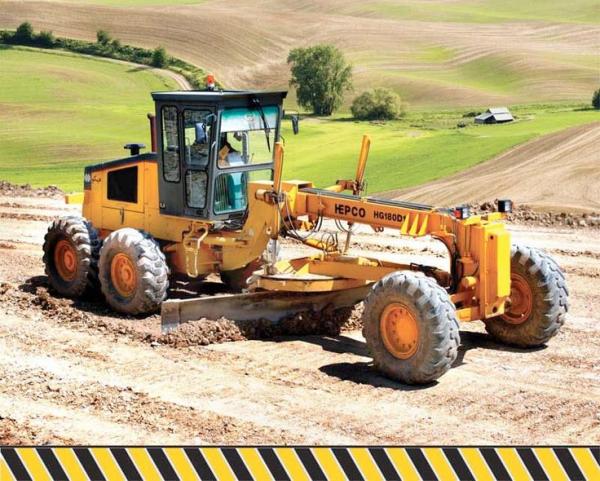
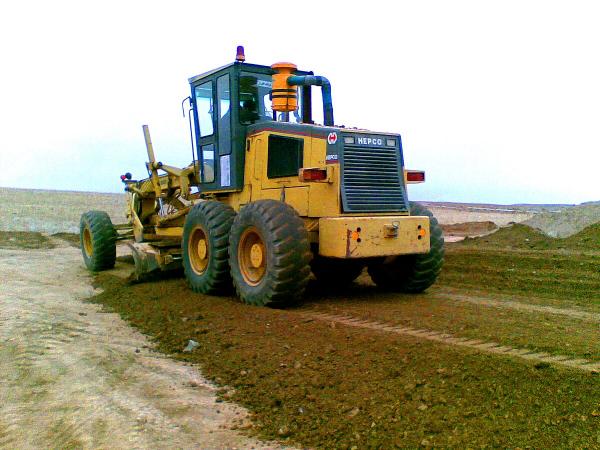
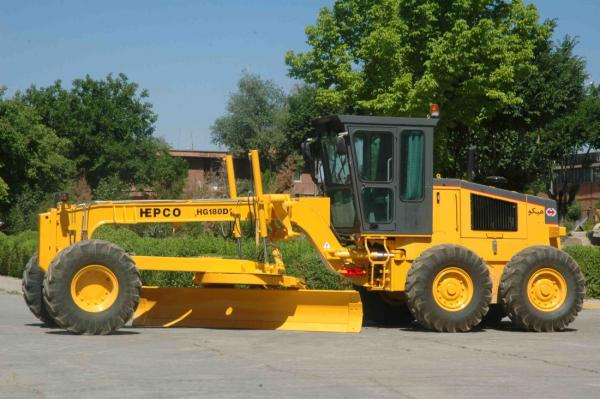
Motor graders are indispensable in construction, mining, and infrastructure projects, serving as the backbone for tasks like road leveling, trenching, and snow removal. Among the diverse range of graders, HEPCO (Heavy Equipment Production Company) stands out as a prominent Iranian manufacturer, producing robust machinery tailored for demanding environments. This article delves into the specifics of HEPCO graders, focusing on the HG180D1 model, and offers insights into their maintenance, performance, and operational considerations.
HEPCO: A Brief Overview
Established in Arak, Iran, HEPCO is the largest heavy equipment manufacturer in the Middle East. The company specializes in producing construction equipment, railroad cars, trucks, forklifts, and industrial machinery for the oil, gas, energy, metal, and mining industries. With a workforce of approximately 1,500 employees, HEPCO boasts an annual production capacity of 4,800 units .
The HEPCO HG180D1 Grader: Specifications and Features
The HG180D1 is a mid-sized motor grader designed for versatility and durability. Key specifications include: - Engine: Powered by a Cummins engine, delivering approximately 214.4 horsepower at 2200 rpm.
- Blade Length: The grader is equipped with a 3660 mm (approximately 12 feet) blade, suitable for various grading tasks.
- Operating Weight: Approximately 17,000 kg, providing stability and traction on uneven terrains.
- Transmission: Features a hydrostatic transmission system, offering smooth gear shifts and enhanced control.
- Hydraulic System: Incorporates a high-efficiency hydraulic system, ensuring optimal performance during operations.
These specifications make the HG180D1 suitable for tasks ranging from road construction to maintenance of mining access routes.
Performance and Operational Efficiency
HEPCO graders are engineered to perform efficiently under challenging conditions. The HG180D1's powerful engine and robust transmission system enable it to handle demanding tasks with ease. Its hydraulic system ensures precise control of the blade, allowing operators to achieve desired grading profiles accurately.
Operators have reported that the HG180D1 performs admirably in various terrains, including loose gravel, compacted soil, and even snow-covered surfaces. The machine's stability and maneuverability make it a reliable choice for projects requiring precision and consistency.
Maintenance Considerations
Regular maintenance is crucial to ensure the longevity and optimal performance of HEPCO graders. Common maintenance tasks include:- Engine Maintenance: Regular oil changes, air filter replacements, and coolant checks to keep the engine running smoothly.
- Hydraulic System Checks: Inspecting hydraulic hoses and connections for leaks, and ensuring the hydraulic fluid is at the appropriate level.
- Transmission Service: Monitoring the transmission fluid and replacing it as per the manufacturer's recommendations.
- Blade Maintenance: Sharpening or replacing the blade to maintain effective grading performance.
Operators are advised to adhere to the maintenance schedule outlined in the operator's manual and to use genuine HEPCO parts to ensure compatibility and reliability.
Challenges and Solutions
While HEPCO graders are designed for durability, operators may encounter certain challenges:- Hydraulic System Leaks: Over time, hydraulic hoses and seals may wear out, leading to leaks. Regular inspections and timely replacements can mitigate this issue.
- Transmission Slippage: Inconsistent shifting or slippage can occur due to low fluid levels or worn components. Ensuring proper fluid levels and servicing the transmission system can address this problem.
- Blade Wear: Continuous use can lead to blade wear, affecting grading efficiency. Regular sharpening or replacement of the blade is recommended.
By proactively addressing these challenges, operators can maintain the performance and reliability of their HEPCO graders.
Conclusion
HEPCO graders, particularly the HG180D1 model, offer a blend of power, precision, and durability, making them suitable for a wide range of grading applications. With proper maintenance and attention to operational best practices, these machines can deliver consistent performance, contributing to the success of construction and infrastructure projects. As with any heavy equipment, understanding the machine's capabilities and limitations is key to maximizing its potential and ensuring safety on the job site.
|
|
|
|
| Transmission Troubleshooting for Champion D-740-A Graders |
|
Posted by: MikePhua - 08-13-2025, 01:07 PM - Forum: Troubleshooting & Diagnosing
- No Replies
|
|
The Champion D-740-A motor grader is a robust piece of machinery known for its durability and performance in various grading applications. However, like any heavy equipment, it can experience transmission-related issues that may affect its operation. Understanding the common problems and their solutions can help operators and maintenance personnel address these issues effectively.
Common Transmission Issues
- Erratic Shifting or Slipping Gears
One of the prevalent issues reported by operators is erratic shifting or slipping gears during operation. This can manifest as sudden changes in speed or the grader unexpectedly jumping between gears. Such behavior often indicates problems within the transmission system.
Possible Causes:- Low or Contaminated Transmission Fluid: Insufficient or dirty fluid can lead to inadequate lubrication and hydraulic pressure, causing shifting problems.
- Worn Clutch Packs or Bands: Over time, the friction materials in clutch packs and bands can wear out, leading to slippage and erratic shifting.
- Faulty Solenoids or Valves: Malfunctioning solenoids or control valves can disrupt the hydraulic flow, affecting gear engagement.
Solutions:- Check and Replace Fluid: Regularly inspect the transmission fluid level and quality. Replace it if it's low or contaminated.
- Inspect and Replace Worn Components: Examine clutch packs, bands, and control valves for wear and replace them as necessary.
- Test Solenoids and Valves: Use diagnostic tools to test solenoids and valves for proper operation and replace faulty components.
- Transmission Overheating
Overheating can lead to severe damage to the transmission components, resulting in costly repairs and downtime.
Possible Causes:- Clogged Transmission Cooler: Debris or sediment can block the transmission cooler, reducing its efficiency.
- Faulty Thermostat or Pressure Relief Valve: A malfunctioning thermostat or pressure relief valve can cause improper fluid circulation, leading to overheating.
- Overloaded Operation: Operating the grader beyond its rated capacity can generate excessive heat.
Solutions:- Clean or Replace Cooler: Regularly inspect and clean the transmission cooler. Replace it if it's damaged or excessively clogged.
- Test and Replace Faulty Components: Check the thermostat and pressure relief valve for proper operation and replace them if necessary.
- Avoid Overloading: Operate the grader within its specified capacity to prevent excessive heat buildup.
- Unusual Noises from the Transmission
Unusual noises, such as whining, grinding, or clunking sounds, can indicate internal issues within the transmission.
Possible Causes:- Worn Gears or Bearings: Continuous operation can lead to wear on gears and bearings, causing noise.
- Low Fluid Levels: Inadequate lubrication can result in metal-on-metal contact, producing noise.
- Foreign Objects: Debris entering the transmission can cause grinding sounds.
Solutions:- Inspect Internal Components: Disassemble the transmission to inspect gears and bearings for wear and replace them as needed.
- Check Fluid Levels: Ensure the transmission fluid is at the correct level and replace it if it's low or contaminated.
- Remove Foreign Objects: Inspect the transmission for any foreign objects and remove them to prevent further damage.
Preventive Maintenance Tips- Regular Fluid Checks: Establish a routine to check transmission fluid levels and quality.
- Scheduled Component Inspections: Perform regular inspections of clutch packs, bands, solenoids, and valves.
- Monitor Operating Conditions: Avoid operating the grader under excessive loads or in extreme conditions that can strain the transmission.
- Timely Repairs: Address minor issues promptly to prevent them from escalating into major problems.
Conclusion
Transmission issues in the Champion D-740-A grader can disrupt operations and lead to costly repairs. By understanding the common problems and their solutions, operators and maintenance personnel can take proactive steps to ensure the longevity and reliability of the transmission system. Regular maintenance and timely interventions are key to keeping the grader in optimal working condition.
|
|
|
|
| Detailed Guide to the 1982 JCB 3D-1700B Lifter Pump: Service, Parts, and Maintenance Insights |
|
Posted by: MikePhua - 08-13-2025, 01:06 PM - Forum: Troubleshooting & Diagnosing
- No Replies
|
|
Introduction to the JCB 3D-1700B Lifter Pump
The 1982 JCB 3D-1700B is a classic JCB backhoe loader model featuring robust hydraulic systems critical for its lifting and digging capabilities. Central to this hydraulic system is the lifter pump, a key component responsible for providing hydraulic pressure to operate loader arms, buckets, and auxiliary functions. Maintaining and servicing this pump ensures the backhoe performs reliably in demanding construction and earthmoving tasks.
This guide offers an in-depth exploration of the lifter pump’s characteristics, common service parts, practical maintenance tips, troubleshooting advice, and relevant field anecdotes—all designed to help operators and technicians keep this vital component in optimal condition.
Understanding the Lifter Pump and Its Role - The lifter pump is typically a gear or gear-type hydraulic pump designed to deliver consistent flow at sufficient pressure to power the loader lift cylinders and associated hydraulic functions.
- It operates mechanically driven off the powertrain, pumping hydraulic fluid from the reservoir through lines and valves to actuate loader movements.
- Efficient pump operation is crucial for smooth and powerful lifting, precise bucket control, and overall machine responsiveness.
Key Service Parts for the 3D-1700B Lifter Pump
Common replacement or maintenance parts necessary to keep the pump functional include:- Gears and Gear Sets: These are the internal rotating elements generating hydraulic pressure; wear or damage reduces output and causes noise.
- Bearings and Bushings: Support rotating shafts inside the pump; worn bearings can cause vibration, increased clearance, and eventual failure.
- Seals and O-Rings: Prevent hydraulic fluid leaks around shafts and housing joints; timely replacement avoids pressure loss and contamination.
- Caps and Covers: Protect internal components and maintain correct assembly pressures; cracked or damaged covers can lead to leaks or misalignment.
- Nuts, Bolts, and Fasteners: Retain pump components in place; proper torque and condition are essential during reassembly.
- Filters and Screens: Some pump designs incorporate internal screens; clean or replacement items prevent particulate contamination.
Maintenance and Service Guidelines- Regularly inspect the pump for external leaks or unusual noises indicating internal wear.
- Monitor hydraulic fluid cleanliness and level to ensure the pump receives unimpeded flow and lubrication.
- At scheduled intervals, dismantle and inspect the pump to assess wear on gears, bearings, and seals.
- Replace worn parts with OEM or high-quality aftermarket equivalents to maintain performance and service life.
- Properly lubricate moving parts during assembly, following torque specifications to avoid stamping damage or misalignments.
- Use compatible hydraulic oils meeting JCB’s specifications to promote pump longevity.
- Maintain or upgrade filtration systems to prevent ingress of abrasive contaminants that accelerate pump wear.
Practical Troubleshooting and Solutions- Symptom: Noisy Operation or Vibration
Cause: Worn or damaged gear teeth, failing bearings.
Solution: Replace worn internal components promptly to prevent catastrophic failure.
- Symptom: Hydraulic Pressure Loss or Weak Lift
Cause: Seal leakage, worn clearances between gears and housing.
Solution: Rebuild pump seals and replace worn parts; check clearances carefully during rebuild.
- Symptom: External Leaks Around Shaft or Housing
Cause: Failed shaft seals or improperly tightened covers.
Solution: Replace seals using quality parts; tighten bolts to proper torque and confirm sealing surfaces are clean.
- Symptom: Pump Fails to Build Pressure
Cause: Internal damage or failure, clogged inlet filters.
Solution: Clean or replace filters; inspect internal components for damage; consider complete pump overhaul or replacement.
Real-World Case Stories- An operator reported replacing the lifter pump gears after noticing unusual whine and reduced lifting speed on his 3D-1700B. Following part replacement and cleaning, the hydraulic response returned to normal, preventing further damage to the loader arms.
- A workshop manager recounted that many older JCB models suffer seal failures leading to slow leaks and pressure drops. Proactive seal replacement during annual servicing intervals was recommended as a cost-saving measure to avoid expensive hydraulic system failures.
- Some users have sourced compatible replacement pumps from aftermarket suppliers at significantly reduced costs, though care is advised to verify part quality and compatibility.
Additional Parameters and Suggestions- Maintaining the hydraulic fluid at recommended operating temperature ranges is vital; overheating can degrade fluid properties and damage pump components.
- Consider installing inline pressure gauges to monitor the hydraulic system’s health and detect pump degradation early.
- For longevity, avoid frequent sudden hydraulic load shocks; smooth operator inputs protect the pump and entire hydraulic circuit.
- When replacing parts, ensure proper cleanliness—dirt or debris introduced during service is a common cause of premature wear.
- If the original pump is no longer serviceable or parts are scarce, investigate remanufactured or newly engineered compatible pumps designed for the 3D-1700B.
Terminology Explained- Lifter Pump: The hydraulic pump powering the loader lifting cylinders on a backhoe.
- Gear Pump: A type of hydraulic pump utilizing intermeshing gears to generate fluid flow under pressure.
- Bearing: Mechanical support allowing smooth shaft rotation minimizing friction.
- Seal: A flexible material component preventing hydraulic fluid leakage from pump assemblies.
- O-Ring: Circular elastomer ring used as a static seal between mating parts.
- Torque Specification: The exact turning force required to safely and effectively tighten fasteners.
- Hydraulic Fluid: Specialized oil transmitting power and lubricating hydraulic components.
Summary
The lifter pump in the 1982 JCB 3D-1700B backhoe is a vital hydraulic component whose maintenance and timely servicing ensure reliable machine lifting performance. Key service parts include gears, bearings, seals, caps, and fasteners that must be inspected and replaced as part of routine upkeep or when symptoms of wear appear.
Proactive maintenance practices, including fluid cleanliness, scheduled inspections, and correct assembly procedures, extend pump life and prevent costly failures on-site. Operators and maintenance professionals benefit from sourcing quality parts and following torque and cleanliness standards during repair.
Real-world experiences underscore the importance of recognizing early signs of pump wear and engaging in preventive servicing. Additionally, exploring cost-effective sourcing options for parts can help manage maintenance budgets without compromising machine operability.
By understanding the lifter pump’s function, common failure modes, and maintenance requirements outlined here, users of the JCB 3D-1700B can maximize equipment uptime, safety, and productivity in daily operations.
If further detailed part numbers, diagrams, or step-by-step overhaul instructions are needed, consulting official JCB manuals or trusted heavy equipment service resources is recommended.
|
|
|
|
| Drilling Challenges in Construction: Identifying and Overcoming Common Issues |
|
Posted by: MikePhua - 08-13-2025, 01:06 PM - Forum: Construction & Urban Infrastructure Forum
- No Replies
|
|


Introduction
Drilling is a fundamental operation in various industries, including construction, mining, and foundation work. However, drilling operations often encounter challenges that can lead to delays, increased costs, and safety hazards. Understanding these common drilling problems and implementing effective solutions is crucial for maintaining efficiency and safety on job sites.
1. Equipment Failure
One of the most prevalent issues in drilling operations is equipment failure. This can range from minor malfunctions to complete breakdowns, often resulting from: - Wear and Tear: Continuous use of drilling equipment leads to natural degradation of parts.
- Lack of Maintenance: Infrequent servicing can result in undetected issues escalating into major problems.
- Design Flaws: Some equipment may have inherent design weaknesses that predispose them to failure.
Solution: Implementing a rigorous maintenance schedule, conducting regular inspections, and investing in high-quality equipment can mitigate the risk of equipment failure.
2. Hard Ground Conditions
Drilling through dense geological formations presents significant challenges:- Increased Wear: Harder materials cause more rapid wear on drill bits and other components.
- Slower Progress: Dense formations can slow down drilling speeds, affecting project timelines.
- Higher Energy Consumption: More power is required to penetrate tough materials, increasing operational costs.
Solution: Utilizing specialized drill bits designed for hard materials, adjusting drilling parameters, and pre-drilling to soften the ground can improve efficiency.
3. Water Ingress
Water ingress during drilling operations can destabilize the ground and pose safety risks:- Ground Instability: Water can erode surrounding soil, leading to collapses.
- Equipment Corrosion: Prolonged exposure to water can corrode drilling equipment.
- Operational Delays: Managing water ingress often requires additional equipment and time.
Solution: Employing well casing, monitoring groundwater levels, and implementing drainage systems can prevent and manage water ingress effectively.
4. Misalignment
Misalignment during drilling can compromise the structural integrity of the project:- Structural Weakness: Deviations from the intended path can lead to weak points in the structure.
- Increased Costs: Correcting misalignment often requires additional work and materials.
- Safety Hazards: Misaligned structures can pose safety risks to workers and end-users.
Solution: Utilizing advanced alignment tools, conducting thorough site surveys, and ensuring proper training for operators can minimize misalignment issues.
5. Inadequate Removal of Cuttings
Efficient removal of drill cuttings is essential for maintaining drilling efficiency:- Blockages: Accumulation of cuttings can block the drilling path.
- Equipment Strain: Excessive cuttings can strain equipment, leading to potential failures.
- Reduced Visibility: Cuttings can obscure the drilling area, making it challenging to monitor progress.
Solution: Using appropriate drilling fluids, employing high-pressure air or water to clear cuttings, and ensuring proper disposal methods can enhance cuttings removal.
6. Operator Fatigue
Fatigue among drilling operators can lead to mistakes and accidents:- Reduced Attention: Tired operators may overlook critical details.
- Slower Response Times: Fatigue can delay reactions to unexpected situations.
- Increased Risk of Accidents: Tiredness heightens the likelihood of errors leading to accidents.
Solution: Implementing shift rotations, ensuring adequate rest periods, and promoting a healthy work-life balance can reduce operator fatigue.
7. Borehole Instability
Unstable boreholes can cause various complications:- Collapse: Weak borehole walls can collapse, trapping equipment and personnel.
- Lost Circulation: Loss of drilling fluid into the formation can halt operations.
- Difficulties in Logging: Instability can hinder accurate data collection.
Solution: Using appropriate borehole fluids, selecting suitable mud weights, and minimizing time spent in open holes can maintain borehole stability.
8. Pipe Sticking
Pipe sticking occurs when the drill pipe becomes lodged in the borehole:- Differential Pressure Sticking: Caused by mud cake buildup leading to pressure differences.
- Mechanical Sticking: Resulting from cuttings accumulation or borehole irregularities.
- Hydraulic Sticking: Due to inadequate mud flow or pressure.
Solution: Implementing proper mud circulation, using oil spotting techniques, and adjusting drilling parameters can alleviate pipe sticking issues.
Conclusion
Addressing common drilling problems requires a proactive approach, combining proper equipment maintenance, advanced technology, and skilled personnel. By understanding these challenges and implementing effective solutions, drilling operations can be conducted more efficiently and safely, leading to successful project outcomes.
|
|
|
|
| Transmission Interchange Options for the Ford FL70: A Comprehensive Guide |
|
Posted by: MikePhua - 08-13-2025, 01:05 PM - Forum: Parts , Attachments & Tools
- No Replies
|
|
The Ford FL70, a medium-duty truck, is renowned for its versatility and durability, making it a popular choice for various applications. However, as with any vehicle, there may come a time when the transmission needs to be replaced or upgraded. Understanding the options available for transmission interchange can help owners and mechanics make informed decisions, ensuring compatibility and optimal performance.
Original Equipment Manufacturer (OEM) Transmissions
The FL70 was originally equipped with transmissions from reputable manufacturers, including: - Eaton Fuller: Known for their heavy-duty manual transmissions, Eaton Fuller units are designed to handle substantial torque and are commonly found in medium to heavy-duty trucks.
- Spicer: Another prominent manufacturer, Spicer transmissions are recognized for their reliability and are often used in various commercial vehicles.
- Allison: For those seeking automatic transmission options, Allison provides robust automatic transmissions suitable for medium-duty applications.
Considerations for Transmission Interchange
When contemplating a transmission swap or replacement, several factors must be considered to ensure compatibility and performance:
- Mounting and Dimensions: Different transmission models may have varying mounting configurations and dimensions. It's crucial to ensure that the replacement transmission aligns with the existing mounts and space constraints of the FL70 chassis.
- Gear Ratios: The gear ratios of the transmission affect the vehicle's performance, including acceleration and fuel efficiency. Selecting a transmission with appropriate gear ratios is essential to match the intended use of the vehicle.
- Driveline Compatibility: The driveshaft and yoke must be compatible with the new transmission. In some cases, modifications may be necessary to ensure proper fitment.
- Shift Linkage: The shift linkage mechanism must align with the new transmission. This may involve adjustments or the use of adapter kits to facilitate proper operation.
- Electronic Controls: For automatic transmissions, especially modern units, electronic control systems may be required. Ensuring compatibility with the truck's existing electronic systems is vital for seamless integration.
Popular Transmission Swap Options
Several transmission models are commonly considered for swapping into the FL70, each with its advantages:- Eaton Fuller 5, 6, or 9-Speed Transmissions: These manual transmissions are widely used in medium-duty trucks and offer a range of gear ratios to suit various applications.
- Allison 1000 or 2000 Series: These automatic transmissions are known for their smooth shifting and durability, making them a popular choice for those seeking automatic options.
- Spicer 5 or 6-Speed Transmissions: Spicer transmissions are recognized for their reliability and are often used in various commercial vehicles.
Case Study: Successful Transmission Swap
A notable example of a successful transmission swap involves a 2001 FL70 equipped with a Cummins 8.3L engine and a 6-speed manual transmission. The owner sought to upgrade to a 10-speed transmission to improve highway cruising capabilities. After researching various options, the Eaton Fuller 6406 transmission was selected due to its compatibility with the engine's torque output and the truck's chassis dimensions. The swap involved modifying the driveshaft length and adjusting the shift linkage. Post-installation tests showed improved performance and driver satisfaction.
Conclusion
Selecting the appropriate transmission for the Ford FL70 requires careful consideration of compatibility, performance requirements, and intended use. By understanding the options available and consulting with experienced professionals, FL70 owners can ensure a successful transmission replacement or upgrade, extending the vehicle's service life and enhancing its operational efficiency.
|
|
|
|
| When the Travel Arm Sticks: Troubleshooting & Practical Insights |
|
Posted by: MikePhua - 08-13-2025, 01:03 PM - Forum: Troubleshooting & Diagnosing
- No Replies
|
|
Understanding the Issue: What Does “Travel Arm Sticking” Look Like?
A sticking travel arm manifests when the arm or travel control refuses to return to neutral or move smoothly. Common symptoms include: - The arm or track movement stays engaged even after releasing the joystick or pedal.
- It sticks forward or backward but doesn't self-center or unlatch.
- Manual force is needed to return it to neutral.
This kind of problem can disrupt operations and prompt unnecessary concern—yet often it's rooted in fundamental issues.
Real-Life Scenario: A Sticky Situation in the Field
A compact excavator operator noticed their left travel arm wouldn’t return to neutral unless manually nudged. The machine had been recently towed through a muddy site. Clearing dirt around the control lever helped—suggesting that simple debris interference caused a much bigger headache. A reminder: sometimes, the simplest interference can create operational puzzles.
Possible Causes of a Sticking Travel Arm
The issue typically stems from one or more of the following:- Mechanical binding due to dirt, debris, or worn linkages.
- Hydraulic spool valve stuck or unseated, failing to center automatically.
- Return springs broken or missing, meaning the control isn't pushed back to neutral.
- Internal pressure lock in the hydraulic system—it holds the arm in position without spring or control feedback. .
Terminology Corner- Spool Valve: Central to hydraulic control, it routes fluid to cylinders or motors. When centered, it should block flow and allow returns—if stuck, return motion may fail.
- Return Spring: A spring mechanism designed to automatically push controls back to neutral when released.
- Neutral Position: Control state where no input is being requested—no hydraulic flow to the actuator.
- Hydraulic Lock: A condition created by trapped pressure that holds parts stationary until relieved.
Troubleshooting Checklist
- Inspect control area for debris—dirt or clay around levers or pedals can physically prevent return.
- Observe control feel—does it move freely, or feel sticky? If the latter, likely a spool or spring issue.
- Check for return spring absence or failure—sometimes springs weaken or break and go unnoticed.
- Test for hydraulic lock—center the control and gently relieve pressure at a safe point; see if movement returns.
- Monitor other functions—if only the travel arm is affected, it points more to a localized control or hydraulic circuit issue.
Solutions & Preventive Recommendations- Clean around the control fully—embedment of grit is common, especially post off-road work.
- Replace or repair springs if the control doesn’t auto-center.
- Service the spool valve—disassemble, clean or replace it if sticky or worn.
- Flush and bleed the hydraulic circuit to eliminate trapped pressures.
- Schedule regular control-zone maintenance, including lubrication and inspection after muddy or sandy conditions.
Expanded Insight from Analogous Equipment
On farm tractors, sticking three-point hitch arms are sometimes caused by corroded cylinders, misadjusted "drop rate" valves, or internal cylinder lock-ups. Technicians recommend checking clean hydraulic fluid, corrosion inside cylinders, and proper valve settings.
In compact excavators, similar principles apply: contamination, control valve wear, or pressure traps can suspension-centered components—and only intervention or maintenance restores responsiveness.
|
|
|
|
| Detailed Overview of the John Deere 555 Crawler Loader: Manuals, Specifications, Maintenance, and Practical Insights |
|
Posted by: MikePhua - 08-13-2025, 01:03 PM - Forum: General Discussion
- No Replies
|
|
Introduction to the John Deere 555 Crawler Loader
The John Deere 555 crawler loader is a robust and versatile machine widely used in construction, agriculture, and industrial applications. It combines the tractive power and stability of a tracked chassis with the efficiency and multi-functionality of a loader, making it suitable for heavy-duty excavation, material handling, and site preparation.
This article provides a comprehensive guide to the John Deere 555 crawler loader, including detailed specifications, operating principles, maintenance practices, and practical tips for operators and technicians. It also covers information from relevant technical and parts manuals essential for upkeep and troubleshooting.
Key Specifications and Design Features - Engine:
- The John Deere 555 is powered by a 4-cylinder, 276 cubic inch (4.5 L) engine from the John Deere 300 series.
- Features a turbocharger for enhanced power output and efficiency.
- Delivers approximately 78 SAE horsepower at 2200 rpm and a maximum torque of 250 lb-ft at 1300 rpm.
- The engine uses a diesel fuel system with a nozzle opening pressure of around 3700 psi when new.
- Machine Dimensions:
- Transport height is about 8 ft 5.9 in (2.59 m), allowing for easier movement on public roads.
- Transport length is approximately 13 ft 10 in (4.23 m), with a width of 8 ft (2.44 m).
- Operating length varies slightly depending on attachments and configuration, with figures around 13 ft 11 in reported in some configurations.
- Hydraulic and Transmission System:
- Uses an open-center hydraulic system with a pump delivering around 21.7 gpm at 2000 psi when new.
- The transmission is a 3-speed powershift with 3 forward and 3 reverse gears.
- Transmission features include cooler flow of at least 15 gpm and lube pressures around 30 psi when steering clutches are engaged.
- Relief valve settings are set to specific pressures for loader functions, ensuring optimal hydraulic performance and safety.
- Lifting and Cycle Times:
- Loader boom raise times are around 6.6 to 7.1 seconds.
- Bucket dump and rollback cycles take approximately 1.6 to 3.5 seconds, depending on pump size.
- Capacities for Fluids:
- Fuel tank capacity of roughly 36 gallons (136 liters).
- Cooling system holds around 5 gallons (19 liters).
- Hydraulic system reservoirs contain approximately 13 gallons (49 liters) in total, with a separate hydraulic reservoir of about 7 gallons (27 liters).
- Engine lubrication capacity is around 15 quarts (14 liters).
- Transmission fluid capacity is about 13.5 gallons (51 liters).
Manuals and Their Importance- Technical Service Manual:
The John Deere 555 technical manual (TM1111) provides detailed instructions on maintenance, diagnostics, repair procedures, torque values, part numbers, and safety guidelines. It covers all major assemblies including the engine, tracks, transmission, hydraulic system, and electrical wiring.
- Parts Manual:
The parts manual lists exploded views of assemblies and parts with corresponding numbers, aiding in ordering replacements and understanding component layouts.
- Operation and Test Manual:
This manual is instrumental for operators and service personnel, including operational checks, system tests, troubleshooting instructions, and adjustment procedures.
Having these manuals on hand significantly eases troubleshooting, ensures correct maintenance, and extends the working life of the crawler loader.
Maintenance and Practical Recommendations- Routine Inspections:
Conduct daily checks of hydraulic fluid levels, engine oil, coolant, and fuel. Look for leaks or worn hoses especially in the loading and track areas.
Clean the air filters regularly to promote efficient engine breathing and prevent premature wear.
- Hydraulic System Care:
Maintain hydraulic fluid cleanliness and replace filters according to the service schedule. Use manufacturer-specified fluids to preserve system integrity and performance.
Monitor condition of relief valves and loader cylinder seals to avoid pressure loss and hydraulic jerks.
- Transmission and Track Maintenance:
Regularly check track tension to avoid excessive wear or slippage. Lubricate pivot points and bearings as indicated in the service manual.
Inspect transmission oil level and quality, changing the fluid for consistent shifting and power delivery.
- Engine Maintenance:
Follow recommended service intervals for oil changes, fuel filter replacement, and injector checks. Proper compression and injection timing are vital for fuel efficiency and power.
- Safety Checks:
Ensure safety devices such as emergency stops, warning lights, and operator presence controls function reliably. Check all controls for smooth operation without sticking or excessive play.
Practical Use Cases and Operator Stories- Many operators appreciate the 555’s balance between power and maneuverability on tight construction sites and farm tasks. Its durable diesel engine and hydraulics enable long shifts with reliable performance.
- A fleet maintenance supervisor reported that consistent use of the official technical manual significantly reduced downtime by allowing quick diagnostics for common hydraulic issues and track repairs.
- Another user shared that timely replacement of wear parts from the parts manual prevented costly failures during critical excavation projects.
- In one large-scale construction project, coordination between operators and maintenance teams was enhanced using manual instructions for specific hydraulic pressure checks and transmission adjustments, increasing operational confidence.
Terminology Explained- SAE Horsepower: A standardized measure of engine power output.
- Open-Center Hydraulic System: A system design where hydraulic fluid flows continuously through the system and only pressurizes when valves are activated.
- Powershift Transmission: A type of transmission allowing gear changes without interrupting power flow, enhancing smooth operation.
- Relief Valve: Hydraulic safety valve limiting maximum pressure to prevent component damage.
- Torque: Rotational force produced by the engine, important for moving heavy loads.
- Cycle Time: The duration of a repetitive machine operation such as boom lift or bucket dump.
- Torque Values: Specific tightening specifications essential for correct assembly and component longevity.
Summary
The John Deere 555 crawler loader is a dependable workhorse suited to demanding environments requiring sturdy construction machinery. Detailed technical, parts, and operation manuals equip operators and technicians with essential knowledge for optimal machine use, maintenance, and troubleshooting.
Key technical specifications such as engine power, hydraulic flow rates, transmission type, and dimensions set the foundation for understanding its capabilities. Regular maintenance based on manual guidance ensures long-term reliability, safety, and operational efficiency.
Real-world user accounts demonstrate the value of these manuals in preventing unplanned downtime and supporting efficient machine management. For owners and professionals working with the 555 crawler loader, investing in comprehensive manuals and adhering to manufacturer-recommended procedures is critical to maximizing machine life and productivity.
|
|
|
|
| Diagnosing and Resolving Fuse Blowing Issues in the Caterpillar 226 Skid Steer |
|
Posted by: MikePhua - 08-13-2025, 01:02 PM - Forum: Troubleshooting & Diagnosing
- No Replies
|
|
The Caterpillar 226 Skid Steer is a versatile and reliable piece of equipment used in various construction and landscaping tasks. However, like any machine, it can encounter electrical issues that may disrupt operations. One common problem reported by operators is the frequent blowing of fuses, particularly the 10-amp fuse associated with the starter circuit. This issue can be perplexing, but with systematic troubleshooting, it can be resolved.
Understanding the Electrical System
The Caterpillar 226 Skid Steer is equipped with a 12-volt electrical system that powers various components, including the starter motor, solenoids, lights, and auxiliary hydraulics. Fuses are integral to this system, protecting circuits from overcurrent situations that could cause damage or fire hazards. The 10-amp fuse in question is crucial for the starter circuit and other essential functions.
Common Causes of Fuse Blowing
- Short Circuits in Wiring
Over time, the wiring harnesses in skid steers can wear out due to friction, exposure to elements, or rodent damage. Such wear can lead to short circuits, causing fuses to blow. Operators have reported that engaging the joysticks or moving the bucket can immediately blow the fuse, indicating a short in the control circuits.
- Faulty Solenoids
Solenoids control the flow of hydraulic fluid to various components. A malfunctioning solenoid can draw excessive current, leading to fuse failure. Replacing faulty solenoids has resolved the issue for some operators.
- Alternator Issues
A faulty alternator can cause electrical surges or shorts, leading to blown fuses. Disconnecting the alternator and attempting to start the machine can help determine if the alternator is the culprit.
- Overloaded Circuits
Connecting additional accessories or equipment that draw more current than the circuit is designed for can overload the system, causing fuses to blow. It's essential to ensure that any added components are within the system's capacity.
Troubleshooting Steps
- Visual Inspection
Begin by inspecting the wiring harnesses for visible signs of wear, cuts, or abrasions. Pay close attention to areas where wires may rub against metal parts.
- Check Solenoids
Test the solenoids for proper operation. Ensure they are not drawing excessive current when activated.
- Test the Alternator
With the machine off, disconnect the alternator. Attempt to start the machine. If the fuse does not blow, the alternator may be faulty.
- Circuit Isolation
Disconnect components one at a time and replace the fuse after each disconnection. This process helps identify the specific component causing the short.
- Use of Diagnostic Tools
Utilize a multimeter to check for continuity and resistance in the wiring. This can help pinpoint short circuits or areas of concern.
Case Study: Resolving Fuse Blowing in a Cat 226
An operator reported that their Cat 226 Skid Steer kept blowing the 10-amp fuse associated with the starter circuit. After replacing several solenoids without success, they conducted a thorough inspection of the wiring harnesses. Upon closer examination, they discovered a frayed wire that was intermittently shorting against the frame. After repairing the wire, the fuse blowing issue was resolved.
Preventive Measures- Regular Inspections: Conduct routine checks of the wiring harnesses and electrical components.
- Proper Wiring Routing: Ensure that wires are securely fastened and routed away from moving parts or areas where abrasion could occur.
- Use of Fuses with Correct Ratings: Always replace blown fuses with ones of the correct amperage rating to prevent overloading circuits.
- Avoid Overloading Circuits: When adding accessories, ensure they do not exceed the electrical system's capacity.
Conclusion
Fuse blowing issues in the Caterpillar 226 Skid Steer can be caused by various factors, including short circuits, faulty solenoids, alternator problems, and overloaded circuits. By systematically troubleshooting and addressing these potential causes, operators can restore their equipment to optimal functioning. Regular maintenance and vigilance are key to preventing such issues in the future.
|
|
|
|
|



