| Welcome, Guest |
You have to register before you can post on our site.
|
| Online Users |
There are currently 622 online users.
» 0 Member(s) | 614 Guest(s)
Ahrefs, Amazon, Bing, Bytespider, Claude, DotBot, Google, Semrush
|
| Latest Threads |
Identifying and Sourcing ...
Forum: Parts , Attachments & Tools
Last Post: MikePhua
01-07-2026, 06:29 PM
» Replies: 0
» Views: 532
|
Cat 931B Brake Parts
Forum: Parts , Attachments & Tools
Last Post: MikePhua
01-07-2026, 06:29 PM
» Replies: 0
» Views: 285
|
Choosing Between Cat 228,...
Forum: General Discussion
Last Post: MikePhua
01-07-2026, 06:28 PM
» Replies: 0
» Views: 564
|
Hydraulic Delay When Lowe...
Forum: Troubleshooting & Diagnosing
Last Post: MikePhua
01-07-2026, 06:27 PM
» Replies: 0
» Views: 449
|
Bale Chopper and Mulcher ...
Forum: General Discussion
Last Post: MikePhua
01-07-2026, 06:26 PM
» Replies: 0
» Views: 327
|
Mini UC Maintenance
Forum: General Discussion
Last Post: MikePhua
01-07-2026, 06:25 PM
» Replies: 0
» Views: 316
|
Locating Wiring Informati...
Forum: General Discussion
Last Post: MikePhua
01-07-2026, 06:24 PM
» Replies: 0
» Views: 349
|
Case Industrial Brown Sub...
Forum: Parts , Attachments & Tools
Last Post: MikePhua
01-07-2026, 06:23 PM
» Replies: 0
» Views: 278
|
Dirt Work in West Virgini...
Forum: Construction & Urban Infrastructure Forum
Last Post: MikePhua
01-07-2026, 06:23 PM
» Replies: 0
» Views: 380
|
D207 P Hydraulic Steering...
Forum: Parts , Attachments & Tools
Last Post: MikePhua
01-07-2026, 06:22 PM
» Replies: 0
» Views: 305
|
|
|
| Locating the Travel Alarm on the Komatsu PC50MR-2 Mini Excavator |
|
Posted by: MikePhua - 08-14-2025, 12:15 AM - Forum: General Discussion
- No Replies
|
 |
The Komatsu PC50MR-2 is a versatile mini excavator known for its compact design and efficient performance. A notable feature of this model is the travel alarm, which emits a beeping sound when the machine moves forward or in reverse. This safety feature is crucial for alerting nearby personnel of the machine's movements, thereby preventing accidents.
Understanding the Travel Alarm System
The travel alarm, often referred to as a "travel buzzer," is an integral component of the excavator's safety system. It is activated when the operator engages the travel levers to move the machine. The alarm serves as an audible warning to individuals in the vicinity, especially in noisy construction environments where visual signals might be overlooked.
Location of the Travel Alarm
In the Komatsu PC50MR-2, the travel alarm is typically mounted on the rear of the machine. This placement ensures that the sound is directed away from the operator, reducing noise exposure inside the cab. The alarm is usually positioned near the tail section, often close to the counterweight, to maximize its effectiveness in alerting those behind the machine.
Troubleshooting the Travel Alarm
If the travel alarm is not functioning properly, several steps can be taken to diagnose and resolve the issue: - Check the Alarm Itself: Inspect the alarm for any visible signs of damage or wear.
- Verify the Electrical Connections: Ensure that all wiring connections to the alarm are secure and free from corrosion.
- Inspect the Travel Lever Switch: The switch that activates the alarm when the travel levers are engaged should be checked for proper operation.
- Consult the Operator's Manual: Refer to the Komatsu PC50MR-2 Operation & Maintenance Manual for detailed instructions on the alarm system and troubleshooting steps.
Safety Considerations
While the travel alarm is an essential safety feature, there may be situations where it is temporarily disabled. For instance, in areas with low foot traffic or when working in remote locations, operators might find the constant beeping unnecessary. However, it's important to note that disabling the alarm should only be done after careful consideration of safety implications and in compliance with local regulations.
Conclusion
The travel alarm on the Komatsu PC50MR-2 mini excavator plays a vital role in ensuring the safety of personnel working in proximity to the machine. By understanding its location, functionality, and maintenance requirements, operators can ensure that this safety feature remains effective throughout the machine's service life.
|

|
|
| Understanding IMP in the Context of Heavy Equipment |
|
Posted by: MikePhua - 08-13-2025, 09:48 PM - Forum: General Discussion
- No Replies
|
|
Introduction
In the realm of heavy equipment, the abbreviation "IMP" can pertain to various terms, each significant within its specific context. Understanding these interpretations is crucial for professionals navigating the industry, as the same acronym can denote different concepts depending on the application.
1. Interface Message Processor (IMP)
In the domain of computer networking, particularly concerning the ARPANET—the precursor to the modern internet—the Interface Message Processor (IMP) played a pivotal role. Developed in the late 1960s, IMPs were specialized computers designed to manage data traffic between different nodes on the network. They acted as gateways, ensuring that data packets were correctly routed and delivered, thereby facilitating communication between diverse computer systems. The introduction of IMPs marked a significant advancement in network architecture, laying the groundwork for the interconnected digital world we experience today.
2. Integrity Management Plan (IMP)
Within the oil and gas industry, an Integrity Management Plan (IMP) is a comprehensive strategy aimed at ensuring the safety, reliability, and longevity of pipelines and other critical infrastructure. Post the Deepwater Horizon oil spill, the emphasis on asset integrity intensified, leading to the development of robust IMPs. These plans encompass various elements, including failure analysis, design reviews, and remediation techniques, to proactively address potential risks and maintain operational excellence. Implementing an effective IMP is not only a regulatory requirement but also a best practice to safeguard both the environment and public health.
3. Industrial Motor Power (IMP)
In the context of power generation and heavy equipment, IMP refers to Industrial Motor Power, a company specializing in the procurement and supply of engines, generator sets, and power plants. Established in 2001, IMP Corporation has positioned itself as a global buyer and supplier, catering to industries such as oil and gas, mining, marine, and construction. They offer a range of services, including the sale, purchase, and rental of new and used power equipment, with a focus on renowned manufacturers like Caterpillar and Cummins.
4. IMP Construction Ltd
IMP Construction Ltd is a construction company based in Manchester, United Kingdom. While specific details about their operations are limited, companies like IMP Construction Ltd typically engage in various construction activities, including residential, commercial, and infrastructure projects. Their services may encompass project management, design and build, and general contracting, contributing to the development and maintenance of built environments.
5. IMP Parts
IMP Parts is a company based in Kosovo, specializing in machinery for the wire industry. They offer a range of services, including the supply of parts and equipment tailored to the specific needs of wire manufacturing. By focusing on this niche sector, IMP Parts aims to provide high-quality and accurate services, supporting the operational requirements of businesses within the wire industry.
Conclusion
The abbreviation "IMP" encompasses a diverse array of meanings within the heavy equipment and related industries. From technological innovations in networking to strategic plans in asset management and specialized services in construction and manufacturing, IMP signifies concepts that are integral to the advancement and operation of various sectors. Understanding the context in which "IMP" is used is essential for professionals to grasp the specific implications and applications of the term.
|
|
|
|
| Comprehensive Guide to the John Deere 410 Backhoe Loader and Its Buckets |
|
Posted by: MikePhua - 08-13-2025, 09:48 PM - Forum: General Discussion
- No Replies
|
|
Introduction
The John Deere 410 Backhoe Loader is a versatile and powerful machine widely used in construction, landscaping, and utility work. Its ability to perform multiple tasks efficiently makes it a valuable asset on any job site. This article provides an in-depth look at the 410 Backhoe Loader, focusing on its bucket specifications, compatibility, and considerations for optimal use.
John Deere 410 Backhoe Loader Overview
The 410 Backhoe Loader is equipped with a range of features that enhance its performance and versatility: - Engine Power: The machine is powered by a 4-cylinder engine, delivering substantial horsepower to handle demanding tasks.
- Operating Weight: Approximately 17,786 lbs (8,068 kg), providing stability and lifting capacity.
- Loader Lift Capacity: Up to 7,149 lbs (3,240 kg) at full height, allowing for the handling of heavy materials.
- Backhoe Digging Depth: Up to 19 feet 8 inches (6.0 m), enabling deep excavation capabilities.
- Loader Bucket Capacity: Typically ranges from 1.25 to 1.31 cubic yards (0.96 to 1.00 m³), depending on the specific model and configuration.
- Bucket Width: Common widths include 86 inches (2,180 mm) and 92 inches (2,340 mm), suitable for various tasks.
- Bucket Weight: Varies based on size and configuration; for instance, a 92-inch heavy-duty bucket weighs approximately 875 lbs (397 kg).
Bucket Types and Applications
The John Deere 410 Backhoe Loader supports various bucket types, each designed for specific tasks:
- General Purpose Buckets: Ideal for standard digging and loading operations.
- Tooth Buckets: Equipped with teeth for breaking through hard materials like compacted soil or asphalt.
- Ditching Buckets: Narrow buckets designed for trenching and ditching applications.
- Heavy-Duty Buckets: Reinforced for handling tough materials and heavy-duty tasks.
- Hydraulic Thumbs: Attachments that enhance the machine's ability to grasp and manipulate materials.
Bucket Compatibility and Pin Sizes
When selecting a bucket for the John Deere 410 Backhoe Loader, it's crucial to ensure compatibility:- Pin Sizes: Common pin sizes include 55mm (2.17 inches) and 50mm (1.97 inches), depending on the bucket and machine configuration.
- Pin Spacing: The distance between the center of the pins (center-to-center) typically measures around 13.00 inches (330.2 mm).
- Inside Ear Width: The width between the ears of the bucket, which should match the machine's specifications.
Maintenance and Care
Proper maintenance is essential to prolong the life of the backhoe loader and its buckets:- Regular Inspections: Check for wear and tear on bucket teeth, cutting edges, and hydraulic components.
- Lubrication: Ensure that all moving parts are adequately lubricated to prevent friction and wear.
- Hydraulic System: Monitor hydraulic fluid levels and check for leaks to maintain optimal performance.
- Storage: When not in use, store the machine and attachments in a dry, sheltered area to protect them from the elements.
Conclusion
The John Deere 410 Backhoe Loader, with its robust design and versatile bucket options, is a reliable machine for a wide range of applications. By understanding its specifications, selecting the appropriate bucket, and adhering to maintenance best practices, operators can maximize the machine's efficiency and lifespan. Whether you're digging trenches, loading materials, or performing landscaping tasks, the 410 Backhoe Loader is a valuable tool that delivers consistent performance.
|
|
|
|
| Towable Mini Excavators: A Practical Solution for Home Users and ATV Enthusiasts |
|
Posted by: MikePhua - 08-13-2025, 09:47 PM - Forum: General Discussion
- No Replies
|
|
Introduction
In rural and semi-rural areas, where large-scale construction equipment is often impractical, towable mini excavators have emerged as a versatile solution for homeowners and small-scale contractors. These compact machines, typically powered by small gasoline engines and designed to be towed by ATVs or UTVs, offer a balance between functionality and affordability. Whether it's digging trenches, planting trees, or clearing debris, a towable mini excavator can be an invaluable tool for various tasks.
Design and Functionality
Towable mini excavators are engineered to be lightweight and portable, making them suitable for users with limited space and resources. They are often equipped with features such as hydraulic arms, adjustable digging depths, and swiveling capabilities, allowing for efficient operation in confined spaces. The ability to tow these machines behind an ATV or UTV enhances their mobility, enabling users to transport them across different terrains without the need for a trailer.
Specifications and Features - Engine Power: Typically ranging from 9 to 15 horsepower, providing adequate power for most residential and light commercial tasks.
- Digging Depth: Varies between models, with some offering depths up to 8 feet, suitable for trenching and post-hole digging.
- Swing Radius: Many models feature a 360-degree swing, allowing for greater maneuverability and precision.
- Weight: Generally between 800 to 1,200 pounds, facilitating towing and storage.
- Attachments: Common attachments include 9-inch buckets, thumbs, and augers, expanding the machine's versatility.
Advantages
- Cost-Effective: Priced between $1,500 and $5,000, towable mini excavators are significantly more affordable than full-sized excavators, making them accessible for homeowners and small businesses.
- Portability: Their compact size and towing capability allow for easy transportation and storage, ideal for users with limited space.
- Ease of Use: Designed for simplicity, many models can be operated by individuals with minimal training, reducing the learning curve.
- Versatility: Suitable for a wide range of tasks, from landscaping and gardening to light construction and utility work.
Considerations and Limitations- Power Limitations: While adequate for many tasks, the engine power may be insufficient for heavy-duty applications or dense soil conditions.
- Durability: Some users have reported that these machines, often manufactured overseas, may not match the durability of higher-end equipment.
- Maintenance: Regular maintenance is essential to ensure longevity and optimal performance. Users should be prepared for routine upkeep and potential repairs.
User Experiences
Many users have found towable mini excavators to be a valuable addition to their toolkit. For instance, a homeowner in a rural area reported using a 9 HP towable backhoe for various tasks, including digging trenches and clearing debris, with satisfactory results. However, they noted that while the machine was effective for light to moderate tasks, it struggled with more demanding applications, such as digging in rocky soil.
Conclusion
Towable mini excavators offer a practical and affordable solution for homeowners and small-scale contractors seeking to perform excavation tasks without the need for large, expensive equipment. While they may not replace full-sized excavators for heavy-duty applications, they provide sufficient power and versatility for a wide range of tasks. By considering the specific needs of the user and the tasks at hand, a towable mini excavator can be a worthwhile investment for those seeking to enhance their capabilities in excavation and landscaping projects.
|
|
|
|
| The Versatility and Practicality of the 4-in-1 Loader Bucket |
|
Posted by: MikePhua - 08-13-2025, 09:47 PM - Forum: General Discussion
- No Replies
|
|
Introduction
The 4-in-1 loader bucket is a multifunctional attachment designed to enhance the capabilities of loaders, particularly in construction, agriculture, and landscaping applications. By combining four essential functions—loading, dozing, grappling, and leveling—into a single tool, it offers significant advantages in terms of efficiency and cost-effectiveness.
Key Functions of the 4-in-1 Bucket
- Loading
In its closed position, the 4-in-1 bucket functions as a standard loader bucket, ideal for scooping and transporting materials such as soil, gravel, and debris. Its design allows for efficient loading operations, reducing the need for multiple attachments.
- Dozing
When the bucket is partially opened, it transforms into a dozer blade, enabling operators to push and spread materials across a worksite. This feature is particularly useful in grading and leveling tasks, providing better control and precision compared to traditional dozers.
- Grappling
The bucket's ability to open fully allows it to function as a grapple, making it effective for picking up and handling large or irregularly shaped objects like logs, rocks, or construction debris. This versatility reduces the need for separate grappling tools.
- Leveling
With its clamshell design, the 4-in-1 bucket excels in backdragging and leveling operations. By adjusting the bucket's angle, operators can achieve a smooth and even surface, which is essential in tasks like road construction and landscaping.
Advantages of Using a 4-in-1 Bucket- Increased Productivity
By consolidating multiple functions into one attachment, the 4-in-1 bucket minimizes downtime associated with changing tools. This leads to more efficient operations and faster project completion.
- Cost-Effectiveness
Investing in a 4-in-1 bucket eliminates the need for purchasing and maintaining several separate attachments. This not only reduces equipment costs but also lowers maintenance and storage expenses.
- Space Efficiency
For operations with limited storage space, the 4-in-1 bucket offers a practical solution by combining the functionalities of multiple tools into a single attachment.
- Enhanced Safety
With fewer attachments to handle and switch between, the risk of accidents during attachment changes is reduced. Additionally, the precise control offered by the 4-in-1 bucket enhances operator safety during operations.
Considerations and Limitations
While the 4-in-1 bucket offers numerous benefits, it's essential to consider certain factors before integrating it into operations:- Compatibility
Ensure that the 4-in-1 bucket is compatible with the specific loader model in use. Factors such as hydraulic capacity and mounting configurations should be verified.
- Weight and Capacity
The added weight of the 4-in-1 bucket may impact the loader's lifting capacity. It's crucial to assess whether the loader can handle the combined weight of the bucket and the materials being moved.
- Maintenance
Regular maintenance is necessary to keep the 4-in-1 bucket functioning optimally. This includes checking hydraulic systems, wear parts, and ensuring that all moving components are properly lubricated.
Real-World Applications and Testimonials
Operators across various industries have reported significant improvements in efficiency and versatility after adopting the 4-in-1 bucket. For instance, a construction company noted that the ability to switch between loading, dozing, and grappling without changing attachments streamlined their operations and
The Versatility and Practicality of the 4-in-1 Loader Bucket
Introduction
The 4-in-1 loader bucket is a multifunctional attachment that greatly enhances the capabilities of loaders in construction, agriculture, and landscaping. By combining four essential functions—loading, dozing, grappling, and leveling—into a single tool, it provides operators with increased efficiency and versatility, reducing the need for multiple attachments.
Key Functions of the 4-in-1 Bucket- Loading
The bucket in its closed position acts as a standard loader bucket, ideal for scooping and transporting materials such as soil, gravel, and debris. It allows for fast and efficient loading operations.
- Dozing
When partially opened, the bucket functions as a dozer blade, useful for pushing and spreading materials across a site. This function is effective for grading and leveling tasks.
- Grappling
Fully opening the bucket transforms it into a grapple, allowing it to handle large or irregularly shaped objects like logs, rocks, or construction debris. This feature reduces the need for a separate grappling attachment.
- Leveling
The clamshell design enables backdragging and precise leveling. By adjusting the bucket’s angle, operators can achieve smooth surfaces for road construction, landscaping, and site preparation.
Advantages of Using a 4-in-1 Bucket- Increased Productivity
Operators can switch between multiple functions without changing attachments, reducing downtime and speeding up project completion.
- Cost-Effectiveness
One attachment replaces several, cutting equipment, maintenance, and storage costs.
- Space Efficiency
For limited storage areas, a 4-in-1 bucket consolidates multiple tools into a single attachment.
- Enhanced Safety
Fewer attachment changes reduce the risk of accidents, while the bucket’s precise control improves operator safety during operations.
Considerations and Limitations- Compatibility
Ensure the bucket fits the specific loader model and that hydraulic capacity and mounting configurations are appropriate.
- Weight and Capacity
The bucket adds weight and may reduce the loader’s lifting capacity; always consider combined weight with materials being moved.
- Maintenance
Regular checks of hydraulic systems, wear parts, and lubrication of moving components are essential to maintain performance.
Real-World Applications and Recommendations- Construction companies have reported significant efficiency gains by using the 4-in-1 bucket for multi-tasking on site.
- Landscapers benefit from its leveling and grading capabilities.
- Forestry and recycling operations use the grappling function for handling debris, logs, and scrap materials.
Tips for Optimal Use- Adjust hydraulic pressure according to the function being used to prevent overloading.
- Inspect wear plates and pivot points weekly to avoid unexpected failures.
- Train operators on proper usage of the clamshell and grapple functions to maximize safety and efficiency.
Conclusion
The 4-in-1 bucket offers unmatched versatility for loaders, allowing operators to complete loading, dozing, grappling, and leveling tasks with a single attachment. Proper maintenance, correct compatibility, and operator training ensure that the tool delivers maximum productivity and safety on any worksite.
|
|
|
|
| Optimizing Fuel Tank Placement on Multi-Axle Twin-Steer Trucks |
|
Posted by: MikePhua - 08-13-2025, 09:46 PM - Forum: General Discussion
- No Replies
|
|
Introduction
In the realm of heavy-duty transportation, multi-axle twin-steer trucks are engineered for specialized tasks requiring enhanced load distribution and maneuverability. These vehicles, often utilized in construction, logging, and mining operations, present unique challenges in design, particularly concerning fuel tank placement. The positioning of fuel tanks is not merely a matter of convenience but is intricately linked to factors such as weight distribution, chassis design, and operational efficiency.
Understanding Multi-Axle Twin-Steer Configurations
A multi-axle twin-steer truck is characterized by having two steerable front axles, which provide improved load distribution and maneuverability, especially in challenging terrains. These configurations are commonly found in vehicles like cement mixers, logging trucks, and heavy haulage rigs. The complexity of these setups necessitates careful consideration of component placement to ensure optimal performance and safety.
Challenges in Fuel Tank Placement
- Space Constraints: The presence of multiple axles, particularly tag axles, occupies significant space within the chassis, limiting available areas for fuel tank installation.
- Weight Distribution: Improper placement can lead to uneven weight distribution, adversely affecting vehicle handling and tire wear.
- Accessibility: Fuel tank placement must allow for easy access for refueling and maintenance, which can be challenging with complex axle configurations.
Optimal Fuel Tank Placement Strategies
- Under-Cab Positioning: Placing fuel tanks beneath the cab area, between the steerable axles, can help centralize weight and maintain balance. This configuration is commonly seen in vehicles like the Kenworth T600, which integrates fuel tanks into the lower bodywork to reduce drag and improve fuel efficiency.
- Side-Mounted Tanks: Mounting fuel tanks on the sides of the chassis, typically between the steerable and drive axles, is a prevalent method. This placement allows for easier access and maintenance. However, it requires careful consideration of chassis width and clearance.
- Above-Axle Mounting: In some cases, especially in military or specialized vehicles like the M970 fuel tanker, fuel tanks are mounted above the axles, often behind the cab. This setup can be beneficial for maximizing cargo space but may affect the vehicle's center of gravity.
Case Study: Western Star 6900 Twin-Steer
The Western Star 6900 Twin-Steer is a notable example of a multi-axle twin-steer truck. In the game SnowRunner, this vehicle is equipped with a fuel tank capacity of 360 liters, reflecting the challenges in accommodating larger tanks due to the extended wheelbase and multiple axles.
Design Considerations
When designing fuel tank placement for multi-axle twin-steer trucks, several factors must be taken into account:- Regulatory Compliance: Adherence to safety standards is paramount. For instance, in the United States, fuel tanks with capacities greater than 25 US gallons must pass stringent tests, including drop and leakage tests, to ensure safety.
- Chassis Strength: The chassis must be reinforced to support the weight of the fuel tanks, especially when mounted in unconventional positions.
- Accessibility for Maintenance: Designs should facilitate easy access for refueling and routine maintenance tasks.
Innovative Solutions
To address the challenges of fuel tank placement, some manufacturers have adopted innovative solutions:- Modular Fuel Tank Systems: These systems allow for flexible placement and capacity adjustments, catering to the specific needs of the vehicle and its intended use.
- Integrated Fuel Management Systems: Advanced systems that monitor fuel levels and distribution, ensuring optimal fuel usage and reducing the risk of overloading.
Conclusion
The placement of fuel tanks in multi-axle twin-steer trucks is a critical aspect of vehicle design that impacts performance, safety, and operational efficiency. By carefully considering factors such as space constraints, weight distribution, and accessibility, manufacturers can design vehicles that meet the demanding requirements of specialized industries. As the industry continues to evolve, ongoing innovation and adherence to safety standards will remain essential in optimizing fuel tank placement for these complex vehicles.
|
|
|
|
| Understanding the Hazards of Engine Dynamometer Rooms |
|
Posted by: MikePhua - 08-13-2025, 09:45 PM - Forum: General Discussion
- No Replies
|
|
Introduction
Engine dynamometer rooms are specialized facilities designed for testing and tuning internal combustion engines. While these rooms are essential for performance evaluation and development, they present several hazards that can pose significant risks to personnel if not properly managed. This article explores the potential dangers associated with engine dynamometer rooms and provides guidelines for ensuring safety.
Key Hazards in Engine Dynamometer Rooms
- Explosion Risks
High-performance engines, especially those tuned for maximum output, can experience catastrophic failures during testing. Instances of engine explosions have been documented, resulting in significant damage to the dynamometer room and potential harm to personnel. For example, incidents where engine blocks have disintegrated under load highlight the importance of robust containment measures.
- Carbon Monoxide Poisoning
Engines operating in a dynamometer room emit carbon monoxide (CO), a colorless, odorless gas that can be lethal in high concentrations. Without adequate ventilation, CO can accumulate to dangerous levels, leading to symptoms such as headaches, dizziness, and even unconsciousness. Proper exhaust extraction systems and CO monitors are critical to mitigate this risk.
- Noise Exposure
Engine testing generates high noise levels, which can lead to hearing damage or loss over time. Continuous exposure to noise levels above 85 decibels without proper hearing protection increases the risk of auditory damage. Implementing noise control measures and requiring the use of personal protective equipment (PPE) such as earplugs or earmuffs are essential safety practices.
- Mechanical Failures and Flying Debris
The high torque and stress placed on engine components during testing can lead to mechanical failures. Parts such as flywheels, pulleys, or belts may detach and become projectiles, posing a threat to anyone in the vicinity. Installing safety barriers and ensuring that only authorized personnel are present during tests can help prevent injuries.
- Electrical Hazards
Dynamometer rooms contain complex electrical systems that power the testing equipment. Improper grounding, faulty wiring, or equipment malfunctions can lead to electrical shocks or fires. Regular maintenance and adherence to electrical safety standards are necessary to minimize these risks.
Safety Measures and Best Practices
To ensure the safety of personnel working in engine dynamometer rooms, the following measures should be implemented:- Ventilation Systems: Install high-capacity exhaust fans and CO detectors to maintain air quality and prevent the buildup of hazardous gases.
- Safety Barriers: Use reinforced barriers or cages around the engine and dynamometer to contain debris in case of component failure.
- Personal Protective Equipment (PPE): Mandate the use of appropriate PPE, including hearing protection, flame-resistant clothing, and safety goggles.
- Training and Procedures: Ensure all personnel are trained in emergency response procedures and understand the operational limits of the equipment.
- Regular Maintenance and Inspections: Conduct routine checks and servicing of all equipment to identify and address potential issues before they lead to failures.
Conclusion
While engine dynamometer rooms are invaluable for engine testing and development, they come with inherent risks that must be managed proactively. By implementing stringent safety protocols, maintaining equipment properly, and ensuring that all personnel are adequately trained, the hazards associated with these facilities can be minimized, creating a safer working environment for all involved.
|
|
|
|
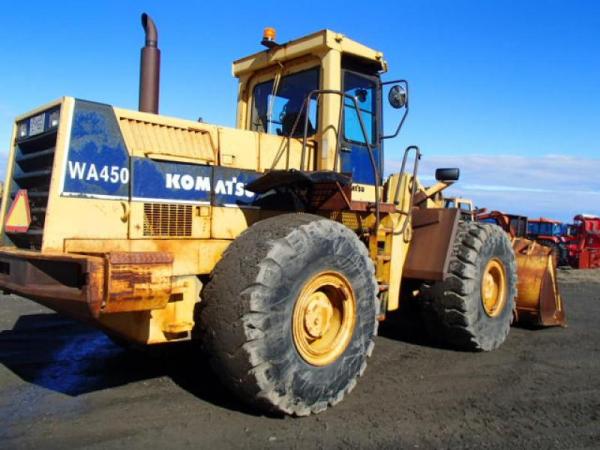
| Komatsu WA450-1 Wheel Loader: Comprehensive Overview and Troubleshooting |
|
Posted by: MikePhua - 08-13-2025, 09:45 PM - Forum: General Discussion
- No Replies
|
|
Introduction
The Komatsu WA450-1 wheel loader, manufactured between 1987 and 1994, stands as a testament to Komatsu's engineering prowess and commitment to durability. Designed for heavy-duty applications in mining, construction, and material handling, the WA450-1 combines robust performance with user-friendly features, making it a preferred choice for operators worldwide.
Technical Specifications - Engine: Powered by the Komatsu S6D125E-3, a 6-cylinder turbocharged diesel engine, the WA450-1 delivers a net power of 177 kW (approximately 237 horsepower) at 2,200 rpm. With a displacement of 11 liters, this engine ensures optimal performance under demanding conditions.
- Transmission: Equipped with a 4-speed powershift transmission, the loader offers three forward and three reverse gears, providing versatility and control across various terrains.
- Hydraulic System: The hydraulic system boasts a pump capacity of 2 × 80 L/min, facilitating efficient lifting and dumping operations.
- Dimensions:
- Length: 8.43 meters
- Width: 2.835 meters
- Height: 3.48 meters
- Turning Radius: 6.27 meters
- Weight: Approximately 19.225 metric tons
- Bucket Capacity: Ranges from 3.0 to 3.5 cubic meters, depending on the attachment.
Performance and Fuel Efficiency
The WA450-1's design emphasizes fuel efficiency without compromising on power. Its advanced hydraulic system and engine management contribute to reduced fuel consumption, making it an economical choice for long-term operations.
Operator Comfort and Safety
The operator's cabin is designed for comfort and safety, featuring a ROPS (Roll-Over Protective Structure) and FOPS (Falling Object Protective Structure) certified cabin. The spacious interior includes adjustable seating, ergonomic controls, and excellent visibility, reducing operator fatigue during extended shifts.
Common Issues and Maintenance Tips
While the WA450-1 is renowned for its reliability, operators should be aware of potential issues:- Gear Engagement Problems: Some users have reported difficulties with gear engagement. It's advisable to inspect the solenoid valve signals and wiring connections.
- Electrical System Glitches: Instances of dashboard and lighting failures have been noted. Regular inspection of the electrical connections and fuses can prevent such issues.
- Hydraulic System Leaks: Over time, hydraulic hoses and seals may wear out. Regular maintenance and timely replacement of these components ensure optimal performance.
Case Study: WA450-1 in Mining Operations
In a large-scale mining operation in Western Australia, the WA450-1 played a pivotal role in transporting materials from the extraction site to the processing plant. With its high bucket capacity and powerful engine, it consistently met the demands of the operation. The maintenance team implemented a proactive maintenance schedule, addressing minor issues before they escalated, resulting in minimal downtime and enhanced productivity.
Conclusion
The Komatsu WA450-1 wheel loader remains a reliable and efficient machine, suitable for various heavy-duty applications. Its combination of power, durability, and operator comfort makes it a valuable asset in any fleet. Regular maintenance and attention to common issues ensure that the WA450-1 continues to perform at its best, delivering exceptional value over its operational lifespan.
|
|
|
|
| Removing the Piston Lock Nut on a Volvo EC140C Excavator: A Comprehensive Guide |
|
Posted by: MikePhua - 08-13-2025, 09:43 PM - Forum: Parts , Attachments & Tools
- No Replies
|
|
Introduction
The Volvo EC140C excavator is a robust machine widely utilized in construction and heavy-duty applications. A common maintenance task involves removing the piston lock nut during cylinder disassembly or seal replacement. This process can present challenges due to the lock nut's design and the presence of thread-locking compounds. This guide provides detailed steps and considerations for effectively removing the piston lock nut.
Understanding the Piston Lock Nut
The piston lock nut on the Volvo EC140C is a critical component that secures the piston within the cylinder. Its design often includes features to prevent loosening during operation, such as the application of thread-locking compounds or the use of specialized locking mechanisms. Understanding these features is essential for selecting the appropriate tools and techniques for removal.
Tools Required
To successfully remove the piston lock nut, the following tools are recommended: - SKF TMFS11 Socket: This specialized socket is designed for Volvo excavator piston lock nuts, providing a secure fit and ease of removal.
- Heat Source (e.g., Propane Torch): Applying controlled heat can soften or break down thread-locking compounds, facilitating easier nut removal.
- Pipe Wrench or Strap Wrench: These tools can be used to grip the piston rod securely, preventing rotation during nut removal.
- Penetrating Oil: Lubricants like PB Blaster or WD-40 can help loosen rusted or corroded threads.
- Torque Wrench: To ensure proper reassembly, a torque wrench is necessary for tightening the lock nut to the manufacturer's specifications.
Step-by-Step Removal Process
- Preparation: Ensure the excavator is parked on a level surface with the engine off. Engage the parking brake and relieve any hydraulic pressure in the system.
- Access the Cylinder: Remove any components obstructing access to the cylinder assembly, such as covers or hoses.
- Apply Penetrating Oil: Generously apply penetrating oil to the threads of the piston lock nut and allow it to sit for several minutes to loosen any corrosion.
- Heat Application: Using a propane torch, carefully heat the piston lock nut. This can help break down any thread-locking compounds and expand the metal, making the nut easier to remove.
- Secure the Piston Rod: Utilize a pipe wrench or strap wrench to hold the piston rod firmly in place, preventing it from rotating during nut removal.
- Remove the Lock Nut: Using the SKF TMFS11 socket, apply steady force to loosen and remove the piston lock nut. If the nut does not budge, reapply heat and penetrating oil, and attempt again.
- Inspect and Clean: After removal, inspect the piston and cylinder for any signs of damage. Clean all components thoroughly before reassembly.
Reassembly Considerations
When reassembling the cylinder, it's crucial to replace any O-rings or seals that were removed. Ensure all components are clean and free of debris. Apply the appropriate torque to the piston lock nut as specified in the Volvo EC140C service manual to prevent future issues.
Additional Tips- Avoid Overheating: Excessive heat can damage seals and other components. Apply heat cautiously and only to the nut area.
- Use Genuine Parts: Always use OEM parts and tools to ensure compatibility and maintain the integrity of the excavator.
- Consult the Service Manual: Refer to the Volvo EC140C service manual for detailed specifications and torque settings.
Conclusion
Removing the piston lock nut on a Volvo EC140C excavator requires the right tools, techniques, and precautions. By following the steps outlined above and adhering to safety guidelines, you can effectively perform this maintenance task, ensuring the longevity and optimal performance of your equipment.
|
|
|
|
| Bobcat T770 Fuel System Troubleshooting: A Comprehensive Guide |
|
Posted by: MikePhua - 08-13-2025, 09:42 PM - Forum: Troubleshooting & Diagnosing
- No Replies
|
|
Introduction
The Bobcat T770, a robust compact track loader, is renowned for its performance and reliability. However, like any complex machinery, it can encounter fuel system issues that affect its operation. Understanding these problems and knowing how to address them is crucial for maintaining the machine's efficiency and longevity.
Common Fuel System Issues in the Bobcat T770
- Fuel Delivery Problems
- Symptoms: The engine may start but then stall, or it might fail to start altogether. This can be accompanied by error codes such as E001076-16, indicating fuel rail pressure issues.
- Potential Causes:
- Clogged Fuel Filter: Over time, fuel filters can become clogged with debris, restricting fuel flow.
- Contaminated Fuel: Water or dirt in the fuel can cause blockages and damage to the fuel system components.
- Faulty Fuel Pump: A malfunctioning fuel pump may not provide adequate pressure, leading to insufficient fuel delivery.
- Air Leaks: Cracks in fuel lines or the primer bulb can allow air into the system, disrupting fuel flow.
- Solutions:
- Replace the fuel filter with a genuine Bobcat part.
- Drain and replace contaminated fuel.
- Inspect and replace the fuel pump if necessary.
- Check and repair any damaged fuel lines or seals.
- Injector Pump Misalignment
- Symptoms: The engine may exhibit rough idling, lack of power, or failure to start.
- Potential Causes:
- Incorrect Installation: Improper alignment during installation can cause the injector pump to operate out of sync with the engine.
- Worn Components: Over time, wear and tear can affect the pump's performance.
- Solutions:
- Ensure correct alignment during installation.
- Regularly inspect and maintain the injector pump to prevent wear-related issues.
- Electrical Issues Affecting Fuel System
- Symptoms: The engine may fail to start or stall unexpectedly.
- Potential Causes:
- Low Battery Voltage: Insufficient voltage can prevent the fuel system components from operating correctly.
- Faulty Wiring: Damaged or corroded wires can disrupt signals to the fuel system.
- Solutions:
- Check and replace the battery if necessary.
- Inspect and repair any damaged wiring connections.
Case Study: Fuel Starvation in a Bobcat T770
A notable instance of fuel system issues in the Bobcat T770 involved a machine that experienced intermittent stalling and difficulty starting. Upon inspection, several potential causes were identified:- Clogged Fuel Filter: The fuel filter was found to be partially clogged, restricting fuel flow.
- Contaminated Fuel: Water and debris were present in the fuel tank.
- Faulty Fuel Pump: The fuel pump was not delivering adequate pressure.
The resolution involved replacing the fuel filter, draining and cleaning the fuel tank, and replacing the fuel pump. After these interventions, the machine's performance returned to normal.
Preventive Measures
To prevent fuel system issues in the Bobcat T770:- Regularly replace the fuel filter as per the manufacturer's recommendations.
- Use clean, high-quality fuel and add fuel additives if necessary to prevent waxing in cold weather.
- Periodically inspect the fuel system for signs of wear or damage.
- Ensure proper maintenance of the electrical system to support fuel system operations.
Conclusion
Fuel system issues in the Bobcat T770 can stem from various sources, including clogged filters, contaminated fuel, faulty components, and electrical problems. By understanding these potential issues and implementing regular maintenance practices, operators can ensure the longevity and reliability of their machines. Always consult the operator's manual and seek professional assistance when needed to address complex fuel system problems.
|
|
|
|
|



