| Welcome, Guest |
You have to register before you can post on our site.
|
| Online Users |
There are currently 250 online users.
» 0 Member(s) | 239 Guest(s)
Ahrefs, Amazon, Applebot, Bing, Claude, Facebook, Google, OpenAI, Semrush, Twitter
|
| Latest Threads |
Identifying and Sourcing ...
Forum: Parts , Attachments & Tools
Last Post: MikePhua
01-07-2026, 06:29 PM
» Replies: 0
» Views: 532
|
Cat 931B Brake Parts
Forum: Parts , Attachments & Tools
Last Post: MikePhua
01-07-2026, 06:29 PM
» Replies: 0
» Views: 285
|
Choosing Between Cat 228,...
Forum: General Discussion
Last Post: MikePhua
01-07-2026, 06:28 PM
» Replies: 0
» Views: 566
|
Hydraulic Delay When Lowe...
Forum: Troubleshooting & Diagnosing
Last Post: MikePhua
01-07-2026, 06:27 PM
» Replies: 0
» Views: 450
|
Bale Chopper and Mulcher ...
Forum: General Discussion
Last Post: MikePhua
01-07-2026, 06:26 PM
» Replies: 0
» Views: 327
|
Mini UC Maintenance
Forum: General Discussion
Last Post: MikePhua
01-07-2026, 06:25 PM
» Replies: 0
» Views: 316
|
Locating Wiring Informati...
Forum: General Discussion
Last Post: MikePhua
01-07-2026, 06:24 PM
» Replies: 0
» Views: 349
|
Case Industrial Brown Sub...
Forum: Parts , Attachments & Tools
Last Post: MikePhua
01-07-2026, 06:23 PM
» Replies: 0
» Views: 279
|
Dirt Work in West Virgini...
Forum: Construction & Urban Infrastructure Forum
Last Post: MikePhua
01-07-2026, 06:23 PM
» Replies: 0
» Views: 380
|
D207 P Hydraulic Steering...
Forum: Parts , Attachments & Tools
Last Post: MikePhua
01-07-2026, 06:22 PM
» Replies: 0
» Views: 305
|
|
|
| CAT 931B: Troubleshooting No Forward/Reverse Movement |
|
Posted by: MikePhua - 08-14-2025, 03:14 PM - Forum: Troubleshooting & Diagnosing
- No Replies
|
 |
1. Introduction: Understanding the CAT 931B Transmission System
The CAT 931B is a well-regarded track loader used in a variety of construction and earth-moving applications. Like all heavy machinery, the 931B relies on a complex hydraulic and mechanical system to operate smoothly. A common issue faced by many operators of the 931B is the failure to engage forward or reverse movement, which can halt operations and lead to downtime. This problem may stem from various causes, ranging from hydraulic system failures to mechanical wear and tear.
The following guide explores possible causes of the issue and provides solutions to troubleshoot and resolve the problem effectively.
2. Common Causes of No Forward/Reverse Movement
When a CAT 931B loader fails to move in forward or reverse, several factors could be at play. The issue may stem from the transmission, hydraulic system, or even electrical controls. Here are the common causes:
2.1 Hydraulic System Failure
The 931B uses hydraulic power to engage the forward and reverse movements. If there’s an issue with the hydraulic system, it can result in no movement. Key components to check include: - Hydraulic Fluid Levels: Low hydraulic fluid can result in inadequate pressure, causing the loader to fail in moving forward or backward.
- Hydraulic Pump Failure: If the hydraulic pump is malfunctioning, it may not generate the necessary pressure to move the loader.
- Clogged Filters: Dirty or clogged filters can restrict hydraulic fluid flow, causing insufficient power for the drive system.
2.2 Transmission Issues
The transmission of the CAT 931B is critical to its movement. If the transmission isn’t functioning properly, it can cause the loader to become stuck in neutral. Common transmission-related issues include:- Worn Clutch Plates: Over time, clutch plates can wear out, leading to the inability to engage gears.
- Transmission Fluid: Low or contaminated transmission fluid can cause the gears to slip or fail to engage properly.
- Faulty Gear Selector: If the gear selector is malfunctioning, the loader might not recognize the command to go forward or reverse.
2.3 Electrical System Problems
Many modern heavy equipment systems rely on electronic controls to manage hydraulic flow and transmission engagement. A faulty electrical system could prevent the loader from moving. Electrical components to inspect include:- Solenoids: Solenoids are responsible for engaging the hydraulic valves that control forward and reverse movement. If a solenoid fails, the loader may not move.
- Wiring Issues: Loose, corroded, or damaged wiring can lead to electrical failure, preventing the transmission or hydraulic system from engaging.
3. Diagnosing the Problem: Step-by-Step Approach
When faced with a CAT 931B that won’t move forward or backward, a systematic approach to diagnostics is essential. Here’s a step-by-step guide to identify the issue:
3.1 Check Hydraulic Fluid Levels
Start by inspecting the hydraulic fluid reservoir. Low fluid levels can cause a lack of hydraulic pressure, preventing movement. If the fluid is low, top it up with the manufacturer’s recommended hydraulic oil. Check for any leaks in the system that could be causing fluid loss.
3.2 Inspect the Hydraulic Pump and Valves
If the fluid levels are normal, inspect the hydraulic pump for signs of wear or damage. Ensure that the hydraulic valves controlling forward and reverse movement are functioning properly. You may need to consult the machine’s service manual for the location and testing procedures for the hydraulic pump.
3.3 Examine the Transmission Fluid
Next, check the transmission fluid levels. Low fluid or contaminated fluid can cause issues with gear engagement. If the fluid appears dirty or contaminated, perform a fluid change and check the transmission for any leaks.
3.4 Test the Electrical System
If the hydraulic and transmission systems are functioning correctly, the issue might be electrical. Use a multimeter to check for power at the solenoids that control the forward/reverse function. Inspect the wiring for any visible damage, and ensure that all electrical connections are tight and free of corrosion.
3.5 Examine the Clutch Plates
If none of the above checks reveal the cause, it may be time to inspect the clutch plates. Worn or damaged clutch plates can prevent the loader from engaging the transmission. This requires disassembling parts of the transmission and may need professional expertise to replace the clutch.
4. Preventive Measures and Solutions
To avoid future issues with the CAT 931B not moving in forward or reverse, implementing regular maintenance procedures is key. Here are some preventive solutions:
4.1 Regular Fluid Checks
Ensure that both hydraulic and transmission fluids are checked and changed at regular intervals. The fluid should be free from contamination and at the proper levels.
4.2 Solenoid Maintenance
Periodically inspect and clean the solenoids. If you notice any erratic behavior or failure to engage, replace faulty solenoids before they cause larger issues.
4.3 Clutch Plate Inspection
Regularly inspect the clutch plates for signs of wear. If they are showing significant wear, replace them before they fail completely.
4.4 Electrical System Checks
Ensure that all wiring is secure and undamaged. Corrosion can cause poor electrical connections, so clean the terminals and inspect the wiring harness regularly.
5. Real-World Case Study: CAT 931B No Forward/Reverse Issue
A construction company experienced significant downtime on their CAT 931B loader when it suddenly stopped moving forward or reverse. After initial checks, the hydraulic fluid levels were found to be low. They topped up the fluid, but the loader still wouldn’t move.
Upon further inspection, the hydraulic pump was identified as the problem. The pump was no longer providing enough pressure, leading to an inability to move the loader. After replacing the pump and flushing the hydraulic system, the loader was back to normal operation within a few hours.
This case highlights the importance of regular fluid checks and the need for a thorough diagnostic approach when troubleshooting complex machinery like the CAT 931B.
6. Conclusion: Keep Your CAT 931B Running Smoothly
The CAT 931B is a rugged and reliable machine, but like all heavy equipment, it requires regular maintenance and attention. By staying on top of hydraulic fluid levels, transmission maintenance, and electrical system checks, you can avoid the issue of no forward or reverse movement. If problems persist, always follow a step-by-step troubleshooting guide, and consider professional assistance when needed.
|

|
|
| Fine-Tuning the Selection of Replacement Coils for Hydraulic Solenoid Valves |
|
Posted by: MikePhua - 08-14-2025, 03:13 PM - Forum: General Discussion
- No Replies
|
|
Understanding the Role of Solenoid Coils in Hydraulic Systems
A solenoid coil is essentially a tightly wound conductor—usually copper—wrapped around a core. When energized, it converts electrical energy (AC or DC) into magnetic force, pulling the valve’s internal plunger (armature) to regulate hydraulic fluid flow. When power is removed, a spring typically pushes the plunger back, closing the valve.
Term Spotlight - Duty cycle: the percentage or mode of operation—whether the coil is designed for continuous duty (can remain energized indefinitely) or intermittent duty (on for only short periods).
- Holding current vs. inrush current: the initial surge of current when energizing (inrush) is often much higher; once the valve moves, sustaining current (holding) is lower.
- Insulation class (e.g., Class F): indicates temperature resilience—Class F withstands up to ~155 °C.
Case Mini-Story: A Broken Joystick and a Hot Coil
A skid-steer operator once lost half-functionality of his joystick. In a pinch, he borrowed a 12 V coil from an unused electric hydraulic pump. It worked—until months later, the spare coil began emitting a burning plastic smell and physically deformed from heat. It wasn’t just coincidence; he’d unknowingly used a coil not designed for continuous duty, causing overheating and eventual failure. Lesson learned: mismatched coil specifications can lead to dramatic consequences.
Key Factors to Consider When Choosing a Replacement Coil- Voltage and Current Ratings
- Always match the voltage (e.g., 12 V DC, 24 V DC, 120 VAC) exactly.
- Check the coil’s watts (power rating)—this (volts × amps) directly impacts how much heat it generates.
- Duty Type
- Continuous-duty coils are meant to remain powered long-term; intermittent-duty coils will overheat if used continuously.
- Mechanical Fit
- The coil’s inner diameter around the center post and its outer dimensions must match the valve’s geometry. Even minor size mismatches can cause poor contact or magnetic performance.
- Protection and Environment
- Hydraulic systems often get dirty and wet—opt for coils with at least IP65 rating to guard against dust and oil ingress.
- Power Type: AC versus DC
- DC coils offer smooth, quiet operation with constant magnetic force—ideal for silent, precise control.
- AC coils respond faster and may be more energy-efficient overall, but can buzz or vibrate due to the changing current—mitigated by shading rings, which maintain magnetic pull during the zero-crossing phase of the AC cycle.
- Thermal and Efficiency Considerations
- High inrush current when the plunger is stuck can cause overheating.
- Continuous coils may need cooling or heat-resistant insulation (e.g., Class B, 130 °C; Class F, 155 °C).
- Voltage fluctuations, rapid cycling, or high ambient temperatures can further elevate overheating risk.
Practical Troubleshooting Checklist
Here are common failure scenarios and ways to diagnose them:- Overheating
- Check if the plunger is stuck—high inrush current will persist, burning out the coil.
- Confirm if the coil's temperature class is sufficient and if ventilation is adequate.
- Overvoltage
- Excess voltage raises holding current and causes gradual overheating—measure supply voltage over time.
- Short Circuits
- Hydraulic oil, especially with metallic particulates, can cause shorts at wire junctions—inspect for fluid-induced degradation.
- Mechanical Damage
- A coil can be damaged if the armature slams against its stop—inspect for physical deformation or broken housing.
Bonus Mini-Story: The Surprising Role of a Simple Housing
Another user found that coils scrounged from eBay didn’t work—until he included the stamped-metal protective shrouds (normally thought to be mere housings). Strangely, when the coil sat inside the shroud, it had enough magnetic “bite” to operate the valve as intended. He theorized the shroud helped contain and focus the magnetic field. So, when swapping coils, consider even the “optional” parts—they might be essential to proper function.
Choosing the Right Replacement: A Handy How-To Checklist
- Identify coil voltage and AC/DC type (e.g., 24 V DC).
- Verify duty cycle—only use continuous-duty if it's always energized.
- Match mechanical dimensions—inner diameter, length, shape.
- Check power and thermal specs—wattage, insulation class, heat handling.
- Ensure environmental sealing—prefer at least IP65/SP (dust-proof, splash-proof).
- Mind shading rings (for AC coils)—necessary to reduce buzz and vibration.
- Test resistance with an ohmmeter—compare to originals (e.g., ~23 Ω for certain OEM coils).
- Use a megohmmeter (megger) to test for insulation leakage to ground.
- Inspect surrounding temperature and heat sources, especially fluid temperature.
Suggested Solutions for Common Challenges- Coils overheating during continuous operation → Use continuous-duty coil with higher thermal rating or add heat dissipation (e.g., passive metal housing or airflow).
- Buzzing AC coil → Clean shading ring area or switch to DC if vibration is unacceptable.
- Weak or no pull → Double-check coil’s voltage and ensure proper resistance and mechanical fit; consider the magnetic circuit (shroud, post geometry).
- Frequent failure from dirty environment → Use IP-rated connectors and clean housing regularly; prevent oil ingress.
Conclusion
Selecting a replacement hydraulic solenoid coil is about much more than matching voltage and shape. It demands a comprehensive check of thermal ratings, duty cycle, power draw, mechanical fit, environment, and even auxiliary parts like shrouds. Overlooking any one detail—like using an intermittent coil in a continuous-use application—can lead to overheating, degradation, and failure. But with thoughtful matching, proper protective design, and awareness of the operating context, you can restore and optimize hydraulic system performance with reliability and longevity.
|
|
|
|
| Diagnosing Side Swing Power Loss in the Cat 302.5 Mini Excavator: Hydraulic Behavior, Misuse, and Practical Remedies |
|
Posted by: MikePhua - 08-14-2025, 03:13 PM - Forum: Troubleshooting & Diagnosing
- No Replies
|
|
Introduction: When Side Swing Fails to Deliver
The Cat 302.5 mini excavator is known for its compact design and versatile hydraulic capabilities, especially in confined job sites. However, when the side swing function—used to offset the boom for trenching or grading—loses power or becomes unresponsive under load, it can frustrate operators and raise concerns about hydraulic integrity. This article explores the underlying causes of side swing power loss, clarifies common misconceptions about its intended use, and offers practical diagnostic and repair strategies.
Understanding the Side Swing Mechanism
The side swing function on the Cat 302.5 is hydraulically actuated, typically through a dedicated cylinder mounted at the boom base. Its purpose is to reposition the boom left or right, not to exert significant force against external resistance.
Key components include: - Side swing hydraulic cylinder
- Control valve section for swing
- Hydraulic lines and fittings
- Pilot control system
- Relief valve settings specific to swing circuit
Unlike the main boom or bucket cylinders, the side swing system is designed for positioning, not for pushing or grading.
Terminology Clarification
- Side Swing: The ability to pivot the boom left or right, independent of the house rotation
- Pilot Pressure: Low-pressure hydraulic signal used to control main valve sections
- Relief Valve: A safety valve that limits maximum hydraulic pressure in a circuit
- Swing Motor: Typically refers to the house rotation motor, not the boom swing cylinder
- Grading with Bucket Edge: Using the bucket to level material, often misapplied to side swing
Common Symptoms and Misinterpretations
Operators may report that the side swing:- Stops moving when the bucket touches the ground
- Cannot push even small objects sideways
- Feels weak or delayed compared to other functions
- Requires “nudging” or jerking the controls to initiate movement
These symptoms often stem from:- Misuse of the side swing as a grading or pushing tool
- Low relief pressure settings in the swing circuit
- Internal leakage in the swing cylinder
- Contamination or wear in the control valve spool
- Pilot signal degradation due to debris or weak pump output
Why Side Swing Isn’t Meant for Forceful Tasks
The side swing cylinder is engineered for precision, not brute strength. Attempting to use it to push rocks or grade compacted soil can:- Overload the cylinder seals
- Stress the boom pivot bushings
- Trigger premature relief valve activation
- Cause control valve wear due to repeated stalling
In one documented case, an operator attempted to “side grade” with the bucket edge, resulting in a cracked swing cylinder mount and bent boom pivot pin. The repair cost exceeded $1,200 and required frame welding.
Diagnostic Checklist for Side Swing Power Loss
To properly assess the issue, technicians should follow a structured approach:- Check hydraulic fluid level and condition
- Inspect swing cylinder for external leaks or scoring
- Measure pilot pressure at control valve (typically 300–500 psi)
- Test main pressure at swing circuit (should match system spec, ~2,500–3,000 psi)
- Observe relief valve behavior—does it chatter or dump prematurely?
- Examine control lever response—does it feel spongy or delayed?
- Inspect valve spool for sticking or contamination
- Verify that swing cylinder bushings are not seized or misaligned
Suggested Remedies and Adjustments
Depending on the findings, the following actions may restore proper function:- Clean or replace swing control valve spool
- Adjust relief valve setting to match factory spec
- Replace worn swing cylinder seals or piston
- Flush hydraulic system and replace filters
- Upgrade pilot lines if pressure drop is detected
- Educate operators on proper use—avoid pushing with side swing
In some cases, retrofitting a stronger swing cylinder may be feasible, but only if the frame and pivot points can accommodate the increased force.
Operator Training: A Preventive Solution
Many side swing failures stem from misuse. Training programs should emphasize:- Side swing is for positioning, not pushing
- Use the bucket curl or boom swing for material movement
- Avoid side grading with the bucket edge
- Monitor hydraulic response and report sluggishness early
- Understand the limits of mini excavator hydraulics
A contractor in Oregon reduced side swing failures by 80% after implementing a 30-minute operator orientation focused on hydraulic etiquette.
Conclusion: Respecting the Limits of Precision Hydraulics
The Cat 302.5’s side swing system is a valuable tool when used correctly. Power loss or unresponsiveness often reflects either mechanical wear or operational misuse. By understanding the system’s design intent, applying structured diagnostics, and promoting proper operator behavior, technicians and fleet managers can extend component life and maintain productivity. In the world of compact excavators, finesse often trumps force—and nowhere is that more true than in the side swing circuit.
|
|
|
|
| The Complete Guide to Left Idler Roller Function, Maintenance, and Practical Experience |
|
Posted by: MikePhua - 08-14-2025, 03:12 PM - Forum: General Discussion
- No Replies
|
|
Understanding the Idler Roller in Track-Type Machinery
The idler roller is a critical component of the undercarriage in track-driven heavy equipment such as excavators, bulldozers, and crawler carriers. Unlike powered rollers (sprockets or drive wheels), the idler roller acts as a directional guide for the tracks, helping align the chain and maintain optimal tension. While it doesn’t transmit engine torque to the track, its role in keeping the tracks running true and stable is foundational for both performance and longevity.
Terminology Annotation: - Idler Roller: Non-powered, rotates freely to guide the track.
- Track Tension: The tightness or slack of a track chain, directly affecting wear and operational smoothness.
- Undercarriage: All mechanical components beneath the machine, including rollers, sprockets, chains, and tracks.
Case Story: The Squeaky Track Troubles
Consider the experience of an operator working with a mid-size excavator. After thousands of hours of service, the left idler roller started squeaking noisily during maneuvers. The sound, though irritating, signaled a deeper problem. Investigation revealed worn bushings and leaking seals, leading to loss of lubrication and rapid wear. This incident mirrored stories across industry circles, where neglected idler rollers precipitate not just noise, but costly repairs and dangerous breakdowns.
Subtle Symptoms and Inspection Insights
Frequent inspection is paramount. Seasoned mechanics always watch for these warning signs:- Squeaking, grinding, or unusual noises while operating.
- Visual signs of wear or damage on the roller shell, bushings, or mounting hardware.
- Evidence of leaking lubrication, manifested either by oil stains or a dry roller surface.
- Track misalignment or uneven sag, which suggests improper tension or possible idler deformation.
Routine checks should include:- Ensuring there’s appropriate clearance between the track chain and idler roller.
- Assessing roller rotation—binds or excessive play indicate bushing issues.
- Monitoring track tension; a track too tight accelerates idler wear, while a loose one can derail, harming components.
Maintenance Tips and Professional Solutions
Key maintenance principles include:- Clean the undercarriage daily, removing dirt or packed material that accelerates abrasion or retains moisture, leading to corrosion.
- Regularly adjust track tension based on OEM recommendations, accounting for load and environmental conditions. For instance, mud or snow can cause loss of tension, demanding more frequent checks.
- In machines with track adjusters, use a grease gun to add grease to move the idler outward, tightening the track. To loosen, carefully release grease; always consult the operator’s manual for details and precautions.
Lubrication of bushings and seals is mandatory. The idler roller often rotates directly over bushings—without adequate oil or grease, metal-on-metal contact quickly damages both surfaces. In some machines, specific motor oil or heavy-duty grease is required to prolong component life.
Extended Life Practices and Operator Awareness
Good habits extend idler life and boost machine reliability:- Plan work to minimize unnecessary travel and sharp turns, reducing side stresses that wear rollers and lugs.
- Favor operating on flat surfaces; constant turns and slopes impart uneven loads, causing asymmetric idler wear.
- Dig over the front idlers rather than sprockets or the machine’s side to distribute loads safely—improper digging orientation can crack bushings or overstress the track assembly.
Anecdote: Smart Telematics and Preventative Culture
On a recent highway construction project, a fleet manager employed telematics—digital tracking systems—on heavy equipment. While not directly sensing the idler roller, telematics delivered usage statistics on speed, turn frequency, and terrain traversed. By correlating maintenance history with tracked behaviors, she identified that frequent high-speed operation and repeated sharp left turns were shortening the left idler roller’s expected lifespan. Corrective actions included operator education and route planning, resulting in a 20% drop in premature failures.
Material Innovations and Engineering Developments
Modern idler rollers are crafted from high-strength steel alloys, sometimes featuring advanced coatings to minimize friction and improve corrosion resistance. Seals are engineered for longevity, but environmental stress and vibration inevitably lead to wear. Innovations such as plasma coatings or chrome plating offer smooth roller faces and resistance to contaminant buildup, which help in both construction and industrial settings.
Some advanced designs feature shock-absorbing suspension pads, permitting bogie action and sharing loads between interconnected rollers. This reduces the risk of overloading one idler and prolongs the service interval.
Common Problems and Solutions- Symptom: Persistent squeak from idler roller.
Solution: Inspect lubricant levels, replace worn bushings, and swap out damaged seals.
- Symptom: Track misalignment or excessive track derailment during turning.
Solution: Adjust tension to specifications, check idler roller mounting hardware for deformation, and reshim as necessary.
- Symptom: Rapid roller surface wear or recurring oil leaks.
Solution: Use only OEM-approved sealing kits and lubricants; improper products can accelerate fail rates.
Practical Advice for Operators- Always perform a daily undercarriage walk-around before and after use.
- Track tension should display slight sag, as specified for each machine—neither taut nor excessively slack.
- In hostile environments like thick mud or sand, increase inspection frequency and clean components more thoroughly.
Closing Story: Saving Costs with Routine Care
On a large municipal engineering site, a single tracked machine with a neglected idler roller failed spectacularly while maneuvering a load up an embankment, causing costly delays. By contrast, a competing contractor’s team, renowned for diligent undercarriage maintenance, completed their portion ahead of schedule. Their secret: daily discipline, team accountability, and a checklist culture backed by ongoing training on idler roller care and system checks.
Summary List of Key Parameters and Solutions- Idler Roller Material: High-strength steel or alloy, optional coatings.
- Bushing Type: Bronze or steel, oil/gas lubricated, replaceable when worn.
- Seal System: Multi-stage oil seals, O-rings, must be replaced with each maintenance cycle.
- Track Tension Spec: Machine-specific; refer to manufacturer for exact numbers.
- Common Maintenance Intervals: Daily inspection, monthly lubrication, semi-annual replacement of seals/bushings depending on usage.
Through careful diagnosis, proactive maintenance, and operator diligence, the left idler roller can serve as an unsung hero in the reliability and profitability of heavy equipment operations.
|
|
|
|
| Eurosteel Quick Coupler: Enhancing Efficiency and Safety in Heavy Equipment Operations |
|
Posted by: MikePhua - 08-14-2025, 03:11 PM - Forum: Parts , Attachments & Tools
- No Replies
|
|
1. Introduction: The Need for Quick Couplers in Modern Excavators
In the world of heavy equipment, the efficiency of operations often hinges on the ability to quickly and safely switch attachments. Quick couplers, such as the Eurosteel quick coupler, are critical components in this regard. These devices allow for the fast attachment and detachment of various implements, reducing downtime and increasing overall productivity.
Eurosteel, a company known for producing high-quality equipment parts, has designed a quick coupler that provides reliable performance for a wide range of excavators and construction machinery. The quick coupler ensures that operators can easily change attachments such as buckets, forks, and grapples, making it a versatile solution for various industries.
2. What is a Quick Coupler?
A quick coupler is a mechanical or hydraulic device used to connect and disconnect attachments to heavy equipment, such as excavators, loaders, and cranes. The primary function of a quick coupler is to allow operators to switch between different tools without leaving the operator’s seat, thus improving productivity and reducing manual labor.
Eurosteel's quick coupler, specifically designed for excavators, features several key components: - Coupler Body: The main frame that connects to the machine’s arm.
- Locking Mechanism: Ensures a secure attachment of tools, preventing accidental disengagement.
- Hydraulic or Manual Release: Depending on the model, the coupler may be operated hydraulically or manually to lock and unlock attachments.
3. Key Features and Specifications of Eurosteel Quick Coupler
Eurosteel's quick coupler is designed to be durable, easy to use, and compatible with a variety of excavator models. The following features and specifications make it an attractive choice for heavy equipment operators:- Compatibility: Eurosteel couplers are designed to work with a wide range of excavators and other heavy machinery, accommodating different attachment types.
- Durability: Made from high-strength steel, these couplers are built to withstand the harsh conditions of construction and demolition sites.
- Easy Operation: Quick couplers are designed for simple attachment and detachment, allowing for faster tool changes without requiring extensive manual labor.
- Safety Features: Integrated locking mechanisms prevent accidental disengagement of attachments, reducing the risk of accidents on the job site.
- Hydraulic Operation: For models that use hydraulic mechanisms, operators can release and secure attachments with ease, improving efficiency and reducing the physical strain on operators.
4. Advantages of Using Eurosteel Quick Couplers
The Eurosteel quick coupler offers several distinct advantages that make it a preferred choice among heavy equipment operators:- Reduced Downtime: By allowing quick attachment changes, the Eurosteel quick coupler minimizes downtime, ensuring that the equipment spends more time in operation and less time being reconfigured.
- Improved Safety: The secure locking mechanisms prevent accidental detachment, reducing the chances of accidents caused by tools becoming loose during operation.
- Increased Versatility: The ability to quickly swap out attachments makes the equipment more versatile, as it can be used for various tasks such as digging, lifting, and material handling.
- Operator Comfort: With the ability to switch attachments without leaving the cabin, operators can remain comfortable and focused on the task at hand, enhancing overall efficiency.
5. Common Issues and Troubleshooting Tips
While Eurosteel quick couplers are designed for reliability, like any piece of machinery, they can experience issues. Here are some common problems and their solutions:
- Attachment Not Locking Securely:
- Possible Causes: Dirt, debris, or wear on the locking mechanism.
- Solution: Inspect the locking mechanism for wear and clean any debris. Lubricate the mechanism and check for any signs of damage. Replace any worn components if necessary.
- Hydraulic Release Not Working:
- Possible Causes: Low hydraulic pressure or air in the hydraulic lines.
- Solution: Check the hydraulic system for leaks and ensure the pressure is adequate. Bleed the system to remove any trapped air, and check for faulty valves or seals.
- Difficulty Detaching Attachments:
- Possible Causes: Misalignment between the coupler and attachment, or debris blocking the release mechanism.
- Solution: Ensure that the coupler and attachment are properly aligned. Inspect the release mechanism and clear any debris. If the problem persists, check for worn or damaged parts.
6. Case Study: Efficient Excavation Operations with Eurosteel Quick Coupler
In a large-scale urban construction project, a construction company experienced delays due to the slow attachment changeover time on their excavators. The equipment often had to be manually disconnected and reconnected, which caused downtime and reduced overall efficiency.
The company decided to equip their excavators with Eurosteel quick couplers, and the results were significant. With the ability to quickly switch between different attachments like buckets and grapples, the team was able to perform multiple tasks in a fraction of the time it previously took. This not only improved productivity but also allowed the crew to handle a wider variety of tasks, from excavation to material handling, with the same equipment.
As a result, the project was completed ahead of schedule, and the company reported an increase in profitability due to the enhanced efficiency and reduced labor costs.
7. Conclusion: Why Choose Eurosteel Quick Couplers?
Eurosteel quick couplers offer a practical solution for construction and heavy equipment operations, combining ease of use, reliability, and safety. Their ability to quickly and securely connect and disconnect various attachments makes them an invaluable tool for improving efficiency on job sites. By choosing a Eurosteel quick coupler, operators can enhance their productivity, reduce downtime, and ensure a safer working environment for all personnel involved. Whether working in construction, demolition, or material handling, the Eurosteel quick coupler provides the versatility and performance required to get the job done.
|
|
|
|
| Caterpillar 289C Main Relief Valve: Analysis, Troubleshooting & Best Practices |
|
Posted by: MikePhua - 08-14-2025, 03:10 PM - Forum: Parts , Attachments & Tools
- No Replies
|
|
1. Background & Context
When hydraulic pump pressure is lower than expected on a Cat 289C skid steer loader—say around 2750 psi, whereas the target should be approximately 3340 psi—the instinct may be to adjust the main relief valve. However, the location and adjustment of this valve can be elusive, and improper handling can lead to severe consequences. This article provides a more comprehensive, detailed breakdown of potential causes, solutions, practical recommendations, and illustrative stories from the field.
2. Importance of the Main Relief Valve - The main relief valve (MRV) controls maximum system pressure, protecting the hydraulic circuits and pump.
- On certain configurations—especially loaders with XPS High Flow systems—the MRV may not exist in the standard control valve body, complicating direct adjustment .
- Adjusting it without proper diagnostics can risk catastrophic hydraulic failure. Always confirm its presence and configuration for your specific serial number before proceeding .
3. Practical Troubleshooting Steps
Here’s a logical diagnostic approach to take before even considering adjusting relief settings:- A. Confirm Model Configuration with Serial Number
- Use the serial number to verify whether the machine is equipped with XPS High Flow, standard flow, or another variant.
- XPS High Flow systems may use load-sensing circuits and pressure adjustments via electronic controls rather than a manual external valve .
- B. Inspect Hydraulic Filters
- Before making any adjustments, disassemble and inspect hydraulic filters for debris such as brass shavings—a common sign of pump wear.
- A clogged filter can restrict flow, depressurizing the system, or cause erratic behavior. Multiple technicians have urged this first step to avoid needless adjustments .
- C. Use Accurate Pressure Testing Tools
- Employ proper pressure gauges and taps to measure system performance in both forward and reverse flow.
- Compare actual readings to the manufacturer’s specifications. For example, aux circuit performance differences between models may be normal due to design—but measurement confirms whether they fall within expected ranges .
- D. Understand Load-Sensing Functionality
- Many modern Cat hydraulic systems use load-sensing modes, in which pressure settings adjust automatically based on demand.
- In such systems, manual intervention might require electronic diagnostic tools, such as CAT’s Electronic Technician (ET), rather than physical valve adjustments .
4. Reader Story: “Don’t Just Twist a Screw”
A technician in Pennsylvania, familiar with Cat machines, faced exactly this scenario. He had a 289C2 loader with pump pressure hovering around 2750 psi, well below the target. After posting on heavy equipment forums, community members advised:- First, cut open and inspect filters—he did so and found only normal wear metals.
- A seasoned technician then reminded him that some configurations simply don’t have a main relief valve in the expected location, redirecting him to load-sensing adjustments via ET tools .
The lesson: even with years of experience, diagnosing hydraulics requires more than just turning a screw.
5. Recommended Best Practices
Before adjusting pressure relief, follow this structured checklist:- Confirm machine configuration and hydraulic flow option using serial number.
- Inspect filters and hydraulic fluid condition; clean or replace as needed.
- Pressure-test at key hydraulic ports in multiple operating modes.
- Review system schematics—particularly for XPS variants—for valve location and behavior.
- If model uses electronic controls or load sensing, consult CAT ET or dealership support for proper adjustment.
6. Summary List: Troubleshooting Flow- Step 1: Identify machine variant (XPS High Flow vs Standard Flow)
- Step 2: Inspect hydraulic filters for contaminants
- Step 3: Measure system pressures (forward and reverse)
- Step 4: Compare with factory specs
- Step 5: Determine if relief adjustment is manual or electronic
- Step 6: Proceed with ET-based calibration or physical adjustment if appropriate
7. Final Insight
Hydraulic issues like low main pump pressure are common in compact track loaders—but resolving them requires combining mechanical insight, diagnostic tools, and patience. Avoid the urge to twist relief valves without confirming whether they're present or appropriate for your configuration. Instead, trust the process of inspection, measurement, and proper adjustment—either mechanical or electronic.
|
|
|
|
| Troubleshooting Brake Failure on VOLVO EC360 Excavator |
|
Posted by: MikePhua - 08-14-2025, 12:46 AM - Forum: Troubleshooting & Diagnosing
- No Replies
|
|
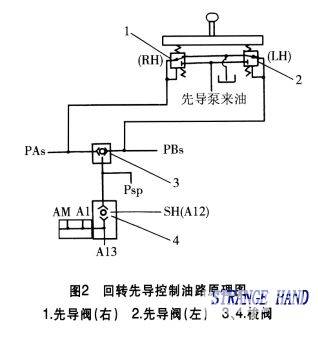
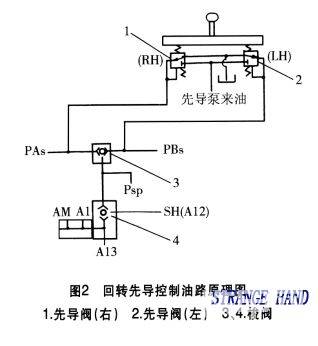
Introduction
Brake failure on excavators can be subtle at first but quickly escalate into severe operational risks. One VOLVO EC360 excavator, after reaching 3,000 working hours, began exhibiting insufficient braking on the upper turntable. Initially, the swing would not stop immediately during rotation. After two more hours of operation, the issue worsened significantly. Slow rotation required reversing over 90 degrees to halt, while fast rotation forced the swing to continue a short distance in the same direction before stopping. This case highlights the critical need for systematic diagnosis and maintenance of hydraulic swing motors and brake systems.
Fault Analysis
The primary symptom indicated insufficient braking force. Multiple potential causes were systematically investigated:
1. Brake Pad Wear and Spring Force - Test: The excavator was parked on a slope, with the upper turntable perpendicular to the incline. Engine was turned off; the swing did not roll downhill due to gravity.
- Procedure: Pilot valve was operated while the engine ran; the turntable could not rotate.
- Conclusion: Brake pads and springs were intact, ruling out wear or insufficient spring tension.
2. Leakage or Pilot Valve Issues- Possible causes included: pilot valve not returning correctly, directional valve wear allowing hydraulic oil to bypass into the brake circuit, or other leaks in lines such as AM, A1, A13, and Psp.
- Test: Pressure measurement at SH(A12) during and after pilot valve operation. Pressure dropped from 3.6 MPa to 0 after releasing the valve.
- Conclusion: No abnormal leakage or valve malfunction was detected.
3. Throttle Valve or Brake Control Valve Malfunction- Concern: Blockage in the throttle valve or brake control valve stuck in the engaged position could prevent pressure release, leaving the brake inactive.
- Test: Pressure in the brake piston chamber dropped from 3.6 MPa to 0 within approximately 3 seconds after releasing the pilot valve. However, the swing still failed to stop.
- Conclusion: Both the throttle and brake control valves were functioning normally.
4. Swing Motor Wear- Observations: Swing motor oil provides hydraulic braking alongside mechanical brake pads. Wear in pistons, slippers, or distribution plates can destroy the oil film necessary for hydraulic braking. Leaks reduce braking efficiency.
- Conclusion: The primary focus shifted to the swing motor, as it likely caused delayed stopping during rotation.
Fault Resolution
1. Pressure Tests and Initial Diagnosis- Maximum pressure measured at swing motor start: 16 MPa required to initiate rotation (high resistance).
- Maximum pressure under load: 20 MPa, lower than standard 26 MPa.
- Indication: Excessive internal resistance and wear.
2. Inspection of Swing Motor- Removing the discharge filter revealed significant metallic debris.
- Disassembly showed:
- Numerous metal shavings inside the motor
- Scratches on distribution plate surfaces
- Extruded seals behind distribution plates
- Visible damage on piston slippers, swash plates, and nine-hole plates
- Lower bearing surface with severe metal loss
3. Root Cause- Measured bearing height: 29.7 mm vs. standard 29.0 mm
- Faulty installation: Oversized or incorrect bearings created excessive radial load, leading to abnormal wear.
- Metal debris caused additional scoring on mating surfaces, worsening performance.
4. Repair Actions- Replaced bearings with standard, correctly sized units
- Manually polished: piston slippers, distribution plates, swash plates, and nine-hole plates
- Cleaned hydraulic lines and oil tank
- Replaced hydraulic filters and hydraulic oil
- After reassembly and test operation, the brake failure was resolved completely
Recommendations for Prevention- Regular inspection of swing motor components every 2,000–2,500 hours, focusing on piston slippers, distribution plates, and seals
- Maintain clean hydraulic fluid and replace filters at recommended intervals
- Monitor swing motor pressure to detect early resistance increases
- Ensure correct bearing selection and installation, avoiding excessive axial or radial loads
- Train operators to detect abnormal swing behavior early, such as delayed stopping or unusual resistance
Key Terminology- Pilot Valve: Controls hydraulic flow to the main actuator or brake system
- Throttle/Control Valve: Regulates oil flow to maintain proper braking force
- Swing Motor: Hydraulic motor driving upper structure rotation, provides both motion and hydraulic braking
- Swash Plate: Converts piston reciprocation into rotary motion
- Slippers/Pistons: Components within the motor responsible for force transmission via hydraulic pressure
- Nine-Hole Plate: Component distributing hydraulic fluid to pistons in the swing motor
Case Note
This repair demonstrates how seemingly minor internal wear, such as incorrectly installed bearings, can progressively compromise hydraulic braking. Early detection through pressure monitoring and scheduled maintenance prevents severe downtime and potential safety hazards. Operators often underestimate subtle swing irregularities until failure becomes significant, emphasizing proactive diagnostics.
Would you like me to create a diagram showing the pressure flow and braking circuit for EC360? It would make these steps visually clearer.
|
|
|
|
| Troubleshooting Hydraulic Pump 2 Issues in Hitachi ZX225USLC-3 Excavators |
|
Posted by: MikePhua - 08-14-2025, 12:35 AM - Forum: Troubleshooting & Diagnosing
- No Replies
|
|
Introduction
The Hitachi ZX225USLC-3 is a robust and versatile machine, widely used in various construction and excavation projects. However, like any complex machinery, it can encounter hydraulic system issues that hinder performance. One such problem reported by operators is the malfunction of Hydraulic Pump 2, which affects critical functions like the swing, left track, and auxiliary attachments. Understanding the root causes and implementing effective solutions is essential for maintaining optimal machine performance.
Symptoms and Observations
Operators have reported a lack of pressure from Hydraulic Pump 2, rendering the swing and left track inoperative. Interestingly, activating the auxiliary pedal in a specific direction temporarily restores functionality. Additionally, the control pressure for Pump 2 remains consistently high at 40 bar, suggesting that the pump is operating at maximum flow despite the lack of pressure output. These symptoms indicate a potential issue within the pump control system or associated components.
Potential Causes
Several factors could contribute to the malfunction of Hydraulic Pump 2: - Control Pressure Valve Malfunction: The control pressure valve regulates the hydraulic pressure within the system. A malfunction or blockage in this valve could result in improper pressure readings and inadequate pump performance.
- Flow Limit Solenoid Valve Issues: The flow limit solenoid valve controls the maximum flow rate of the hydraulic pump. If this valve is faulty or stuck, it may prevent the pump from adjusting its flow, leading to operational issues.
- Torque Control Solenoid Valve Problems: The torque control solenoid valve adjusts the torque output of the hydraulic pump. A malfunction in this valve could cause erratic pump behavior and inadequate power delivery.
- Wiring Harness or Connector Faults: Damaged or corroded wiring connections can disrupt signals to the pump control system, leading to erratic pump operation.
Diagnostic Steps
To accurately diagnose the issue:
- Verify Control Pressure Readings: Use a mechanical gauge to confirm the control pressure readings, ensuring they align with those displayed on the monitor.
- Inspect Solenoid Valves: Check the flow limit and torque control solenoid valves for proper operation. Listen for audible clicks when the valves are energized and verify that they are not stuck or damaged.
- Examine Wiring and Connectors: Inspect the wiring harness and connectors associated with the pump control system for signs of wear, corrosion, or loose connections.
- Check Pump Operation: Monitor the pump's response to joystick movements and auxiliary pedal inputs. A lack of response or delayed reaction may indicate internal pump issues.
Case Study: Operator Experience
An operator reported that upon pressing the auxiliary pedal in a specific direction, Hydraulic Pump 2 temporarily resumed normal function. This observation suggests that the issue may be related to the control signals or solenoid valves rather than a mechanical failure within the pump itself.
Recommended Solutions
Based on the diagnostic findings:- Replace Faulty Solenoid Valves: If the flow limit or torque control solenoid valves are found to be malfunctioning, replace them with OEM parts to restore proper pump control.
- Repair or Replace Damaged Wiring: Address any issues with the wiring harness or connectors by repairing or replacing damaged components to ensure reliable signal transmission.
- Calibrate Pump Control System: After addressing the hardware issues, calibrate the pump control system to ensure accurate pressure regulation and optimal pump performance.
Conclusion
Hydraulic Pump 2 issues in the Hitachi ZX225USLC-3 can stem from various factors, including solenoid valve malfunctions, wiring issues, or control system faults. By systematically diagnosing and addressing these potential causes, operators can restore full functionality to their machines and minimize downtime. Regular maintenance and vigilant monitoring of the hydraulic system are essential practices to prevent such issues and ensure the longevity of the equipment.
|
|
|
|
| Comprehensive Guide to Installing a 6-Inch Fire Hydrant Main via Tunneling |
|
Posted by: MikePhua - 08-14-2025, 12:35 AM - Forum: Construction & Urban Infrastructure Forum
- No Replies
|
|
Installing a 6-inch fire hydrant main using tunneling techniques is a critical task in urban infrastructure development, ensuring that fire services are readily accessible and effective. This process involves various methods, each suited to specific soil conditions, environmental factors, and project requirements. In this guide, we will explore the key tunneling methods, considerations, and best practices for such installations.
1. Understanding the Importance of Fire Hydrant Mains
Fire hydrant mains are essential components of municipal water systems, providing a reliable water source for firefighting operations. The installation of these mains must adhere to strict standards to ensure functionality and safety. In the United States, the National Fire Protection Association (NFPA) sets guidelines for fire hydrant spacing, flow rates, and maintenance. Typically, hydrants should be spaced no more than 500 feet apart in residential areas and 300 feet in commercial zones.
2. Tunneling Methods for Installing Fire Hydrant Mains
Several tunneling methods are employed to install underground utilities like fire hydrant mains. The choice of method depends on factors such as soil conditions, depth of installation, and environmental impact.
a. Pipe Jacking - Description: A trenchless method where pipes are pushed through the ground using hydraulic jacks.
- Applications: Suitable for installing pipelines under roads, railways, and other obstacles.
- Advantages: Minimal surface disruption and suitable for urban areas.
- Considerations: Requires precise alignment and may be limited by soil conditions.
b. Microtunneling- Description: An advanced trenchless technique using a remotely operated tunnel boring machine (TBM).
- Applications: Ideal for installing small-diameter pipelines in congested urban environments.
- Advantages: High precision and minimal surface disruption.
- Considerations: Higher initial costs and requires skilled operators.
c. Horizontal Directional Drilling (HDD)- Description: A method where a drill is used to create a horizontal bore path for the pipeline.
- Applications: Suitable for crossing rivers, roads, and other obstacles.
- Advantages: Minimal environmental impact and suitable for long-distance installations.
- Considerations: Not suitable for all soil types and requires careful planning.
d. Auger Boring- Description: Utilizes a rotating auger to remove soil and create a tunnel for the pipeline.
- Applications: Best for short-distance installations in stable soil conditions.
- Advantages: Cost-effective and straightforward.
- Considerations: Limited to certain soil conditions and depths.
3. Design Considerations for Fire Hydrant Mains
When designing a fire hydrant main, several factors must be considered to ensure reliability and compliance with standards:- Pipe Material: Common materials include ductile iron, PVC, and HDPE. Each material has its advantages and is chosen based on factors like soil conditions and pressure requirements.
- Pipe Diameter: A 6-inch diameter is standard for residential areas, providing adequate flow rates for firefighting.
- Depth of Installation: Pipes should be buried below the frost line to prevent freezing.
- Valves and Fittings: Proper placement of valves ensures that sections of the main can be isolated for maintenance without affecting the entire system.
- Hydrant Placement: Hydrants should be strategically located to ensure coverage and accessibility.
4. Installation Best Practices
To ensure a successful installation of a 6-inch fire hydrant main, adhere to the following best practices:- Site Assessment: Conduct a thorough geotechnical survey to understand soil conditions and groundwater levels.
- Method Selection: Choose the appropriate tunneling method based on the site assessment and project requirements.
- Equipment Calibration: Ensure all equipment is properly calibrated and maintained to prevent malfunctions during installation.
- Safety Protocols: Implement safety measures to protect workers, including proper ventilation and monitoring for hazardous gases.
- Quality Control: Regularly inspect the installation to ensure compliance with design specifications and standards.
5. Case Studies and Real-World Applications
Case Study 1: Urban Fire Hydrant Main Installation
In a densely populated urban area, a 6-inch fire hydrant main was installed using microtunneling. The project faced challenges due to existing underground utilities and limited access points. By employing microtunneling, the installation was completed with minimal disruption to surface activities and existing infrastructure.
Case Study 2: Rural Fire Hydrant Main Installation
In a rural setting, auger boring was used to install a 6-inch fire hydrant main under a dirt road. The method proved cost-effective and efficient, with the installation completed ahead of schedule. However, challenges arose when unexpected rocky soil conditions were encountered, requiring adjustments to the equipment and technique.
6. Challenges and Solutions- Soil Variability: Unexpected soil conditions can hinder tunneling operations. Solution: Conduct comprehensive geotechnical surveys and be prepared to adjust methods accordingly.
- Utility Conflicts: Existing underground utilities can interfere with tunneling paths. Solution: Utilize non-invasive detection methods and plan tunneling routes to avoid conflicts.
- Environmental Impact: Tunneling can affect local ecosystems. Solution: Implement measures to minimize environmental disruption, such as using trenchless methods and conducting environmental impact assessments.
7. Conclusion
Installing a 6-inch fire hydrant main via tunneling is a complex but essential task in modern infrastructure development. By understanding the various tunneling methods, adhering to design considerations, and implementing best practices, municipalities can ensure the reliability and effectiveness of their fire protection systems. Continuous advancements in tunneling technology and techniques will further enhance the efficiency and safety of such installations in the future.
|
|
|
|
| Troubleshooting Persistent Ignition Fuse Failures in Caterpillar 416 Series II Backhoe Loaders |
|
Posted by: MikePhua - 08-14-2025, 12:33 AM - Forum: Troubleshooting & Diagnosing
- No Replies
|
|
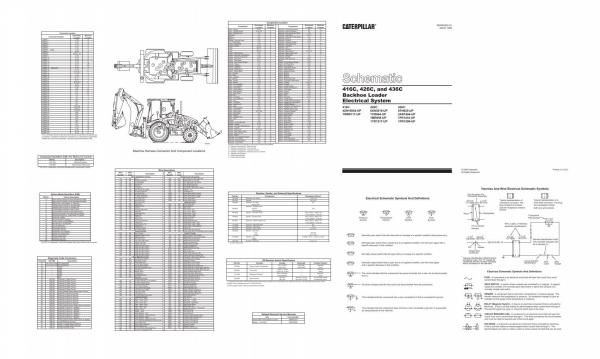
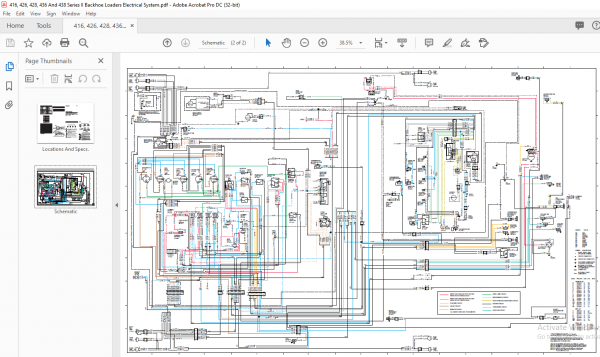
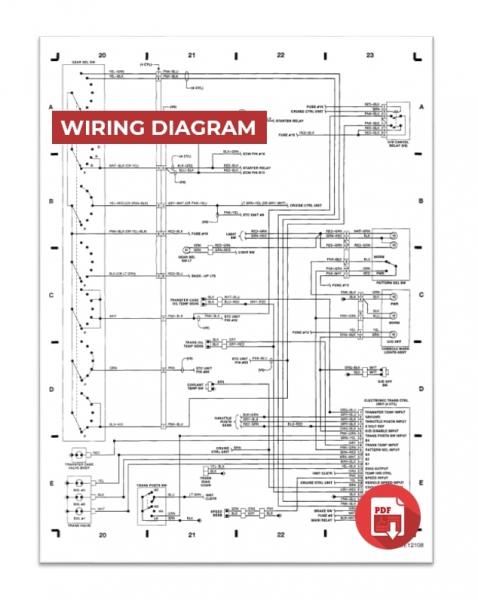
Introduction
The Caterpillar 416 Series II backhoe loader is a versatile and durable machine commonly used in construction and agricultural applications. However, operators may encounter electrical issues, such as the ignition fuse blowing repeatedly, which can disrupt operations. Understanding the potential causes and troubleshooting steps is essential for efficient repair and maintenance.
Symptoms and Initial Observations
A common symptom reported is the 10-amp ignition fuse (F9) blowing when the engine is running at full throttle. After replacing the fuse, it blows again immediately upon starting the engine. This issue often points to an underlying electrical fault that needs to be addressed promptly to prevent further damage.
Potential Causes
Several factors can contribute to the repeated blowing of the ignition fuse: - Fuel Shutoff Solenoid Malfunction: The fuel shutoff solenoid controls the flow of fuel to the engine. A short circuit or internal fault in the solenoid can cause excessive current draw, leading to fuse failure.
- Alternator Wiring Issues: Faulty wiring or a short circuit in the alternator circuit can cause an overload, blowing the ignition fuse.
- Damaged Wiring Harness: Chafed or pinched wires in the harness can create short circuits, resulting in fuse failure.
- Faulty Ignition Switch or Relay: A malfunctioning ignition switch or relay can cause electrical faults that lead to fuse blowing.
Diagnostic Steps
To accurately diagnose the issue:
- Inspect the Fuel Shutoff Solenoid: Disconnect the solenoid and replace the blown fuse. If the fuse does not blow upon starting the engine, the solenoid is likely the culprit. Measure the resistance across the solenoid terminals; a reading of 0.1 ohms indicates a short circuit, confirming the need for replacement.
- Check the Alternator Wiring: Inspect the alternator wiring for signs of wear, corrosion, or short circuits. Ensure all connections are secure and free from damage.
- Examine the Wiring Harness: Thoroughly inspect the wiring harness for any chafed, pinched, or damaged wires. Pay special attention to areas where the harness passes through tight spaces or near moving parts.
- Test the Ignition Switch and Relay: Use a multimeter to test the ignition switch and relay for proper operation. Replace any faulty components as necessary.
Case Study: Fuel Shutoff Solenoid Replacement
In a reported case, a Caterpillar 416 Series II backhoe experienced repeated ignition fuse failures. Upon disconnecting the fuel shutoff solenoid and replacing the fuse, the engine started without issue. Further testing revealed a resistance of 0.1 ohms across the solenoid terminals, indicating a short circuit. After replacing the faulty solenoid, the backhoe operated normally without further fuse failures.
Preventive Measures
To prevent future occurrences:- Regular Maintenance: Perform routine inspections of the electrical system, including the fuel shutoff solenoid, alternator wiring, and ignition components.
- Proper Wiring Practices: Ensure all wiring is properly routed and secured to prevent chafing and damage.
- Use Quality Components: Replace faulty components with high-quality, OEM-approved parts to ensure reliability.
Conclusion
Repeated ignition fuse failures in the Caterpillar 416 Series II backhoe loader are often caused by electrical faults, such as a malfunctioning fuel shutoff solenoid. By following systematic diagnostic procedures and replacing faulty components, operators can restore normal operation and prevent future issues. Regular maintenance and attention to the electrical system are key to ensuring the longevity and reliability of the machine.
|
|
|
|
|



