| Welcome, Guest |
You have to register before you can post on our site.
|
| Online Users |
There are currently 626 online users.
» 0 Member(s) | 618 Guest(s)
Ahrefs, Amazon, Bing, Bytespider, Claude, DotBot, Google, Semrush
|
| Latest Threads |
Identifying and Sourcing ...
Forum: Parts , Attachments & Tools
Last Post: MikePhua
01-07-2026, 06:29 PM
» Replies: 0
» Views: 532
|
Cat 931B Brake Parts
Forum: Parts , Attachments & Tools
Last Post: MikePhua
01-07-2026, 06:29 PM
» Replies: 0
» Views: 285
|
Choosing Between Cat 228,...
Forum: General Discussion
Last Post: MikePhua
01-07-2026, 06:28 PM
» Replies: 0
» Views: 564
|
Hydraulic Delay When Lowe...
Forum: Troubleshooting & Diagnosing
Last Post: MikePhua
01-07-2026, 06:27 PM
» Replies: 0
» Views: 449
|
Bale Chopper and Mulcher ...
Forum: General Discussion
Last Post: MikePhua
01-07-2026, 06:26 PM
» Replies: 0
» Views: 327
|
Mini UC Maintenance
Forum: General Discussion
Last Post: MikePhua
01-07-2026, 06:25 PM
» Replies: 0
» Views: 316
|
Locating Wiring Informati...
Forum: General Discussion
Last Post: MikePhua
01-07-2026, 06:24 PM
» Replies: 0
» Views: 349
|
Case Industrial Brown Sub...
Forum: Parts , Attachments & Tools
Last Post: MikePhua
01-07-2026, 06:23 PM
» Replies: 0
» Views: 278
|
Dirt Work in West Virgini...
Forum: Construction & Urban Infrastructure Forum
Last Post: MikePhua
01-07-2026, 06:23 PM
» Replies: 0
» Views: 380
|
D207 P Hydraulic Steering...
Forum: Parts , Attachments & Tools
Last Post: MikePhua
01-07-2026, 06:22 PM
» Replies: 0
» Views: 305
|
|
|
| Comprehensive Guide to the Caterpillar 953C Track Loader: Specifications, Maintenance, and Troubleshooting |
|
Posted by: MikePhua - 08-14-2025, 12:26 AM - Forum: General Discussion
- No Replies
|
 |
The Caterpillar 953C track loader, a robust and versatile piece of equipment, has been a staple in construction, landscaping, and material handling since its introduction. This guide delves into its specifications, common maintenance practices, and troubleshooting tips to ensure optimal performance.
Specifications of the Caterpillar 953C - Engine: Equipped with the Cat 3116 DIT engine, the 953C delivers 121 horsepower, providing ample power for demanding tasks.
- Operating Weight: Approximately 32,000 lbs, offering a balance between stability and maneuverability.
- Bucket Capacity: Standard bucket capacity is 2.4 cubic yards, suitable for various materials and applications.
- Hydraulic System: Features a closed-center, load-sensing hydraulic system with a 29-gallon capacity, ensuring efficient power delivery.
- Dimensions:
- Length with bucket on ground: 19.29 ft
- Width to outside of tracks: 7.55 ft
- Height to top of cab: 10.34 ft
- Ground clearance: 1.24 ft
Maintenance Practices
Regular maintenance is crucial to prolong the lifespan and ensure the reliability of the 953C. Key maintenance tasks include:- Engine Oil and Filter Change: Replace engine oil and filters every 250 hours or as recommended in the operator's manual.
- Hydraulic Fluid and Filter: Change hydraulic fluid and filters at intervals specified in the service manual to maintain system efficiency.
- Track Inspection and Adjustment: Regularly inspect tracks for wear and adjust tension to prevent damage and ensure optimal performance.
- Cooling System Maintenance: Check coolant levels and inspect hoses for leaks to prevent overheating.
- Battery Care: Inspect battery terminals for corrosion and ensure a secure connection to maintain electrical system integrity.
Troubleshooting Common Issues
Operators may encounter various issues with the 953C. Here are some common problems and their solutions:- Hydraulic Functions Operate Only at Half Throttle: This could indicate a clogged hydraulic filter or low hydraulic fluid levels. Inspect and replace filters as necessary and check fluid levels.
- Loader Locking Up During Travel: This may be due to issues with the track speed sensors. Inspect and adjust sensors to ensure proper operation.
- Transmission Warning Light Illuminates: Check for fault codes in the electronic control module (ECM). Address any identified issues and clear codes as per the service manual.
- Loader Creeps When Not in Use: This could be caused by a malfunctioning valve or control spool. Inspect and clean valves to remove any debris or buildup.
Case Study: Resolving Loader Function Issues
A common scenario involves a 953C experiencing loader function problems, such as operating only at half throttle. In one instance, the operator discovered a clogged hydraulic filter and low fluid levels. After replacing the filter and topping off the hydraulic fluid, the loader's performance returned to normal.
Preventive Measures
To minimize downtime and repair costs:- Adhere to Maintenance Schedules: Follow the maintenance intervals outlined in the operator's manual.
- Use Quality Fluids and Filters: Always use Caterpillar-approved fluids and filters to ensure compatibility and performance.
- Regular Inspections: Conduct daily inspections before operation to identify potential issues early.
- Operator Training: Ensure operators are trained on proper machine operation and maintenance procedures.
Conclusion
The Caterpillar 953C track loader is a reliable and efficient machine when properly maintained. By understanding its specifications, adhering to maintenance practices, and addressing common issues promptly, operators can ensure the longevity and performance of this versatile equipment.
|

|
|
| M7504 Fault Code on Bobcat S740 Skid Steer Loaders |
|
Posted by: MikePhua - 08-14-2025, 12:25 AM - Forum: Troubleshooting & Diagnosing
- No Replies
|
|
The Bobcat S740 skid steer loader is a versatile machine widely used in construction, agriculture, and landscaping. However, like all complex machinery, it can encounter faults that disrupt operations. One such issue is the M7504 fault code, which indicates a communication failure between the drive controller and the mainframe controller. Addressing this problem requires a methodical approach to diagnose and resolve the underlying issues.
Understanding the M7504 Fault Code
The M7504 code specifically points to a communication problem between the drive controller and the mainframe controller. This issue can manifest in various ways, such as unresponsive drive functions, erratic machine behavior, or complete loss of drive control. The drive controller, located beneath the cab, manages the machine's movement and interacts with other controllers via the Controller Area Network (CAN) bus system. A failure in communication can disrupt this network, leading to operational issues.
Common Causes of the M7504 Fault Code
Several factors can contribute to the M7504 fault code: - Wiring Harness Issues: Damaged, corroded, or disconnected wires can interrupt communication between controllers.
- Connector Problems: Loose or corroded connectors can impede the flow of signals between components.
- Faulty Controllers: A malfunctioning drive or mainframe controller can fail to communicate properly.
- Software Glitches: Corrupted or outdated software can disrupt controller communication.
- Electrical Interference: External electrical disturbances can affect the CAN bus system's integrity.
Diagnostic Steps
To effectively diagnose and resolve the M7504 fault code, follow these steps:
- Visual Inspection: Begin by examining the wiring harnesses for any visible signs of wear, corrosion, or disconnections. Pay close attention to areas where wires may rub against other components.
- Check Connectors: Inspect all connectors associated with the drive and mainframe controllers. Ensure they are clean, free of corrosion, and securely connected.
- Controller Testing: Using a compatible diagnostic tool, check the functionality of both the drive and mainframe controllers. Look for any error messages or lack of communication signals.
- Software Updates: Verify that the controllers are operating with the latest software versions. Update if necessary, following manufacturer guidelines.
- Electrical System Check: Test the machine's electrical system, including the battery, alternator, and fuses, to ensure they are functioning correctly.
- CAN Bus Integrity: Use a diagnostic tool to check the integrity of the CAN bus system. Look for any faults or interruptions in communication.
Case Study: Resolving M7504 on a Bobcat A770
A similar issue was reported on a Bobcat A770, where the M7504 code led to the disabling of drive functions. The troubleshooting process involved:- Steering Angle Sensor Inspection: Checking for leaks or damage in the hydraulic lines and steering angle sensors.
- Wiring Harness Examination: Inspecting the wiring harness for any signs of wear or disconnections.
- Controller Reset: Performing a reset on the onboard computer to clear any temporary faults.
- Hydraulic Fluid Levels: Ensuring that hydraulic fluid levels were within the recommended range.
After addressing these areas, the fault was resolved, restoring full drive functionality to the machine.
Preventive Measures
To minimize the occurrence of the M7504 fault code:- Regular Maintenance: Conduct routine inspections of wiring harnesses, connectors, and controllers.
- Software Updates: Keep all controllers updated with the latest software versions.
- Electrical System Care: Maintain the electrical system, ensuring all components are in good working condition.
- CAN Bus Monitoring: Regularly check the integrity of the CAN bus system to detect potential issues early.
Conclusion
The M7504 fault code on the Bobcat S740 is a significant issue that can impact the machine's performance. By following a systematic diagnostic approach and addressing the common causes, operators can resolve this issue and restore the machine's functionality. Regular maintenance and proactive monitoring are key to preventing such faults and ensuring the longevity of the equipment.
|
|
|
|
| John Deere 210G LC Excavator Auxiliary Pressure Adjustment: A Comprehensive Guide |
|
Posted by: MikePhua - 08-14-2025, 12:23 AM - Forum: General Discussion
- No Replies
|
|
Introduction
The John Deere 210G LC excavator is renowned for its versatility and performance in various construction and landscaping applications. Equipped with advanced hydraulic systems, it offers operators the flexibility to adjust auxiliary hydraulic pressures to suit different attachments and tasks. Understanding how to adjust these pressures is crucial for optimizing machine performance and extending the lifespan of both the excavator and its attachments.
Understanding Auxiliary Hydraulic Systems
Auxiliary hydraulics in excavators are systems that provide power to attachments such as hammers, grapples, and augers. These systems consist of hydraulic lines, control valves, and pressure relief valves. The pressure relief valve is particularly important as it regulates the maximum pressure in the auxiliary circuit, ensuring that attachments receive the appropriate force without causing damage.
Adjusting Auxiliary Pressure on the 210G LC
Contrary to some expectations, the auxiliary hydraulic pressure on the John Deere 210G LC excavator cannot be adjusted through the in-cab monitor interface. Instead, adjustments are made manually via mechanical pressure relief valves located within the hydraulic system. This design emphasizes the importance of mechanical precision and operator knowledge in maintaining optimal hydraulic performance.
Step-by-Step Guide to Adjusting Auxiliary Pressure
- Safety First: Before making any adjustments, ensure the excavator is on a stable surface and the engine is turned off. Engage the parking brake and relieve any residual pressure in the hydraulic system by operating the controls.
- Locate the Pressure Relief Valve: The auxiliary pressure relief valve is typically situated near the hydraulic pump or control valve block. Refer to the machine's service manual for the exact location.
- Access the Valve: Depending on the machine's configuration, you may need to remove panels or covers to access the valve. Use appropriate tools to avoid damaging any components.
- Adjust the Pressure: Using a suitable wrench, turn the adjustment screw on the pressure relief valve. Turning it clockwise increases the pressure, while counterclockwise decreases it. Make small adjustments and test the system's response to ensure accuracy.
- Verify the Adjustment: After making adjustments, operate the excavator with the intended attachment to verify that the hydraulic pressure is appropriate. Monitor the system for any signs of overpressure or underperformance.
Common Issues and Troubleshooting- Inconsistent Attachment Performance: If an attachment operates erratically or lacks power, it may be due to incorrect hydraulic pressure settings. Recheck the pressure relief valve settings and adjust as necessary.
- Overheating Hydraulic System: Excessive pressure can lead to overheating. Ensure that the pressure settings align with the manufacturer's specifications for both the excavator and the attachment.
- Attachment Damage: Prolonged operation at incorrect pressures can damage attachments. Regularly inspect attachments for wear and tear and adjust hydraulic pressures accordingly.
Best Practices for Maintenance- Regular Inspections: Periodically check the hydraulic system for leaks, wear, and proper fluid levels.
- Use Compatible Attachments: Ensure that attachments are compatible with the excavator's hydraulic specifications.
- Consult the Service Manual: Always refer to the John Deere 210G LC service manual for detailed maintenance procedures and specifications.
Conclusion
Adjusting the auxiliary hydraulic pressure on the John Deere 210G LC excavator is a straightforward process when approached with the proper knowledge and tools. By understanding the system's components and following the correct procedures, operators can ensure optimal performance and longevity of both the excavator and its attachments.
|
|
|
|
| Decoding the 'W' in Allis-Chalmers HD7W: A Comprehensive Analysis |
|
Posted by: MikePhua - 08-14-2025, 12:23 AM - Forum: Troubleshooting & Diagnosing
- No Replies
|
|
The Allis-Chalmers HD7W crawler tractor is a piece of heavy machinery that has intrigued many due to its unique nomenclature. While the 'HD7' part is straightforward, signifying a 7-ton class crawler tractor, the 'W' has been a subject of curiosity. This article delves into the possible meanings of the 'W', explores the specifications of the HD7W, and provides insights into its historical context and applications.
Understanding the 'W' in HD7W
Allis-Chalmers, like many manufacturers, used specific letters to denote particular features or configurations of their machines. In the case of the HD7W, the 'W' likely stands for 'Wide Gauge'. This designation indicates that the crawler tractor was equipped with a wider track gauge compared to standard models, enhancing its stability and load distribution, especially in soft or uneven terrains.
Technical Specifications of the HD7W
The Allis-Chalmers HD7W was designed for various construction and agricultural tasks. Its specifications reflect its capabilities and the technological standards of its time: - Engine: The HD7W was powered by a 6-cylinder gasoline engine, providing sufficient horsepower for its class.
- Operating Weight: Approximately 14,000 pounds, making it suitable for medium-duty tasks.
- Track Gauge: The 'W' variant featured a wider track gauge, improving flotation and reducing ground pressure.
- Blade Options: Equipped with a straight or angle blade, depending on the specific configuration.
- Transmission: Manual transmission with multiple forward and reverse gears, allowing for versatile operation.
Historical Context and Applications
Introduced in the mid-20th century, the HD7W was part of Allis-Chalmers' effort to provide reliable and efficient machinery for the growing construction and agricultural industries. The wider track gauge made the HD7W particularly effective in applications where ground conditions were less than ideal, such as marshy fields or soft construction sites.
Legacy and Collectibility
Today, the Allis-Chalmers HD7W is considered a vintage piece of machinery. Enthusiasts and collectors value it for its historical significance and the role it played in the development of crawler tractors. Restored models are showcased in various machinery exhibitions, and some are still operational on farms and construction sites, testament to their durability and design.
Conclusion
The 'W' in Allis-Chalmers HD7W likely stands for 'Wide Gauge', highlighting the tractor's enhanced stability and suitability for challenging terrains. Understanding this nomenclature provides a deeper appreciation for the engineering choices made during its design and the machine's role in the evolution of heavy machinery. The HD7W remains a notable example of mid-20th-century industrial design and continues to be a subject of interest for those passionate about vintage construction equipment.
|
|
|
|
| Driving Excavators on Public Roads: Practical Insights and Guidelines |
|
Posted by: MikePhua - 08-14-2025, 12:22 AM - Forum: General Discussion
- No Replies
|
|
Excavators are primarily designed for off-road construction tasks, but there are instances where transporting them over short distances on public roads becomes necessary. Understanding the feasibility, limitations, and best practices for driving excavators on roads is crucial for operators and fleet managers.
Factors Influencing Road Travel for Excavators
- Type of Excavator: Wheeled excavators are generally more suited for road travel compared to tracked models. They are designed with roadworthiness in mind, offering better speed and maneuverability on paved surfaces. Tracked excavators, while stable on uneven terrains, can cause significant damage to road surfaces and may not be legal to operate on public roads without proper permits.
- Distance and Terrain: Short distances on well-maintained roads are more manageable. For example, operators have reported driving excavators for distances ranging from 1.5 to 10 miles, especially in areas where transporting via trailers is impractical due to road conditions or tight turns. However, longer distances or challenging terrains can lead to overheating and excessive wear.
- Legal Considerations: Local regulations vary widely. In some regions, operating an excavator on public roads requires special permits, escort vehicles, or compliance with specific weight and size restrictions. It's essential to consult local authorities to ensure compliance and avoid potential fines or legal issues.
Best Practices for Operating Excavators on Roads- Pre-Operation Checks: Before embarking on road travel, inspect the excavator's undercarriage, tracks, and hydraulic systems for any signs of wear or damage. Ensure that all components are in optimal condition to handle the stresses of road operation.
- Speed and Driving Behavior: Maintain a moderate speed to reduce the risk of overheating and to minimize road surface damage. Avoid sudden accelerations, sharp turns, or abrupt stops, as these can strain the machine and compromise safety.
- Monitoring During Transit: Regularly check the machine's temperature gauges and listen for any unusual noises. Stopping periodically to allow the excavator to cool down can prevent overheating and ensure smooth operation.
- Route Planning: Choose routes with minimal traffic and avoid areas with low bridges, narrow lanes, or other obstacles. Planning the route in advance can help identify potential hazards and ensure a safer journey.
Alternatives to Road Travel
When road conditions are unsuitable or legal restrictions apply, consider the following alternatives:- Trailer Transport: Using lowboy trailers or flatbeds equipped with ramps can facilitate safe transport of excavators over longer distances. This method is especially useful for transporting tracked models or when road travel is not permitted.
- Hiring Professional Hauling Services: Specialized equipment transport companies have the expertise and equipment to move heavy machinery safely. They can handle logistics, permits, and ensure compliance with all regulations.
Conclusion
While driving an excavator on public roads is feasible under certain conditions, it's essential to assess the type of machine, distance, terrain, and legal requirements before proceeding. By adhering to best practices and considering alternative transport methods when necessary, operators can ensure the safety of their equipment and compliance with regulations.
|
|
|
|
| The Terex TS-14 Double Bowl Scraper: Engineering Marvel and Historical Icon |
|
Posted by: MikePhua - 08-14-2025, 12:21 AM - Forum: General Discussion
- No Replies
|
|
Introduction
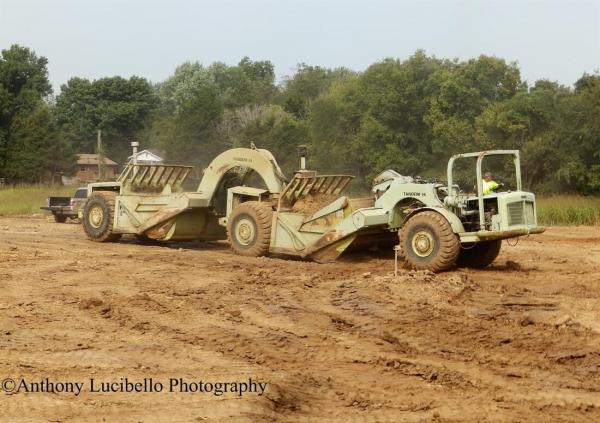
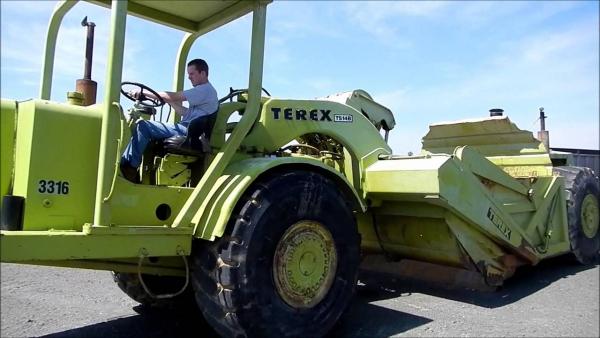
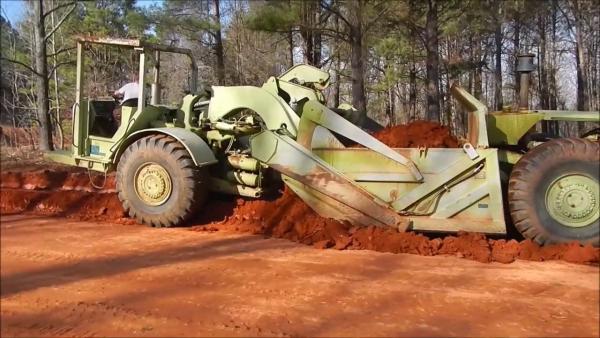
The Terex TS-14 Double Bowl Scraper stands as a testament to mid-20th-century engineering ingenuity. Originally developed by Euclid and later enhanced by Terex, this machine revolutionized earthmoving operations with its dual-bowl design and robust performance. Its legacy endures, with some units still operational today, a nod to their enduring design and utility.
Historical Context and Development
In the late 1950s, Euclid recognized a growing demand for more efficient earthmoving equipment. The result was the TS-14, introduced in 1960. The machine featured two Detroit Diesel 4-71 engines, each delivering 136 horsepower, coupled with Allison CLT 3340 four-speed powershift transmissions. This configuration allowed for a top speed of approximately 25 mph, though operators often found that the machine's design prioritized durability and load capacity over speed.
The TS-14's simplicity was one of its key strengths. It was ruggedly built, easy to maintain, and parts were interchangeable with other Euclid scrapers. This made it particularly appealing to contractors who valued reliability and ease of service.
Technical Specifications - Engine Configuration: Dual Detroit Diesel 4-71N engines
- Horsepower: 144 hp per engine
- Transmission: Allison CLT3461 six-speed powershift
- Top Speed: Approximately 25 mph
- Operating Weight: Approximately 57,000 lbs
- Bowl Capacity:
- Struck: 14 yd³
- Heaped: 20 yd³
- Width of Cut: 10 ft
- Max Depth of Cut: 1 inch
- Rated Payload: 48,000 lbs
- Tire Size: 29.5 R25 radial tires
These specifications made the TS-14 a formidable machine in large-scale earthmoving projects, capable of handling substantial material volumes efficiently.
Innovations and Variants
The TS-14's design was not static; it evolved to meet changing demands and technological advancements. In 1963, Euclid introduced the Tandem TS-14, a dual-bowl configuration that allowed for increased capacity and efficiency. This model featured a 7UOT single-axle prime mover with two scrapers yoked together, each powered by a Detroit 4-71 engine. The combined system could achieve a total payload of 94,000 lbs and was particularly useful in expansive projects like canal construction.
Despite its impressive capabilities, the Tandem TS-14 was not without its challenges. The complexity of managing a 135-foot-long machine with multiple pivot points and powered axles required skilled operators and careful coordination. Nonetheless, it represented a significant leap forward in scraper technology.
Legacy and Continued Use
Even decades after its introduction, the TS-14 continues to be a subject of interest among heavy equipment enthusiasts and collectors. Its robust construction and historical significance have cemented its place in the annals of construction machinery. For instance, a rare Euclid/Terex scraper model was spotted in Missouri, still in operation, highlighting the enduring legacy of the TS-14.
Challenges and Maintenance Insights
Operating the TS-14, especially in its Tandem configuration, presented unique challenges. One notable issue was the air-controlled throttles of the rear engines, which could become unresponsive, leading to operational difficulties. Additionally, the center axle housing was prone to breakage under certain conditions. Operators often had to borrow alignment jigs from Euclid dealers to perform repairs.
Regular maintenance was crucial to keep these machines operational. The rear Detroit Diesel 4-71 engines, while powerful, required frequent overhauls to maintain performance. The harsh operating environments, such as sandy terrains, also contributed to wear and tear, necessitating diligent upkeep.
Conclusion
The Terex TS-14 Double Bowl Scraper is more than just a piece of machinery; it is a symbol of innovation and resilience in the field of earthmoving. Its design and capabilities set standards for future equipment and left an indelible mark on the industry. As we look back on its history, the TS-14 serves as a reminder of the ingenuity that drives progress in construction technology.
|
|
|
|
| Galion 118C Motor Grader: A Detailed Overview |
|
Posted by: MikePhua - 08-14-2025, 12:20 AM - Forum: General Discussion
- No Replies
|
|
The Galion 118C motor grader, produced by Galion Iron Works, is a vintage piece of heavy machinery that continues to serve various construction and maintenance tasks. Renowned for its robust design and mechanical simplicity, the 118C has become a favorite among enthusiasts and professionals dealing with older equipment.
Technical Specifications - Engine: The 118C is typically equipped with a Cummins NHC-4 diesel engine, delivering approximately 125 horsepower.
- Transmission: It features a manual transmission with multiple forward and reverse gears, providing operators with precise control over the grader's movement.
- Operating Weight: Approximately 30,100 pounds, making it suitable for both heavy-duty tasks and maneuvering in tighter spaces.
- Blade: The grader is equipped with a 14-foot moldboard, capable of 360-degree rotation, allowing for versatile grading operations.
- Hydraulics: The hydraulic system operates at a flow rate of 35 gallons per minute, powering various attachments and ensuring efficient operation.
Common Issues and Troubleshooting
Despite its durability, the Galion 118C is not without its challenges. Common issues reported by operators include:- Engine Seizure: Some owners have encountered engine seizure due to prolonged inactivity, often attributed to fuel leaking through the injectors. In such cases, inspecting the injectors and considering a repower with a more modern engine may be necessary.
- Injector Pump Drive Gear Wear: The aluminum housing with a brass bushing supporting the injector pump drive gear can wear over time, leading to gear misalignment and pump damage. Regular lubrication and timely replacement of the housing or bushing can mitigate this issue.
- Sluggish Steering: Operators have reported sluggish or inoperable steering systems, often due to a sticking flow regulator spool or a faulty steering system relief valve cartridge. Cleaning or replacing these components can restore proper steering function.
Maintenance Tips
To ensure the longevity and optimal performance of the Galion 118C:- Regular Fluid Checks: Monitor engine oil, hydraulic fluid, and transmission fluid levels. Adhere to the manufacturer's recommended intervals for fluid changes.
- Tire Inspection: Check tire pressure and tread wear regularly. Uneven wear may indicate alignment issues or improper loading.
- Cooling System Maintenance: Clean the radiator and cooling fins to prevent overheating, especially in dusty environments.
- Blade Maintenance: Inspect the moldboard for wear and ensure it is properly aligned. Sharpening the blade periodically can enhance grading efficiency.
Operator Feedback and Anecdotes
Many operators have shared positive experiences with the 118C's performance. One operator noted, "The 118C has been a reliable machine for our municipal projects. With proper maintenance, it continues to perform like new." Such testimonials underscore the importance of regular upkeep in extending the machine's service life.
Conclusion
The Galion 118C motor grader remains a valuable asset in the construction industry. Its robust design, coupled with diligent maintenance, ensures it continues to meet the demands of various grading tasks. By addressing common issues proactively and adhering to recommended maintenance practices, operators can maximize the performance and lifespan of this enduring machine.
|
|
|
|
| Comprehensive Guide to the Caterpillar D3 Small Dozer |
|
Posted by: MikePhua - 08-14-2025, 12:20 AM - Forum: General Discussion
- No Replies
|
|
Introduction
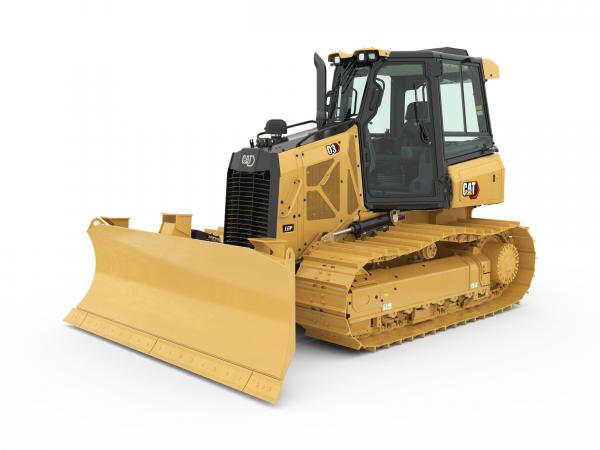
The Caterpillar D3 Small Dozer is a versatile and compact machine designed for a variety of applications, including construction, landscaping, and utility work. Known for its maneuverability and efficiency, the D3 offers operators a reliable solution for tasks that require precision and power in confined spaces.
Technical Specifications - Engine Model: Cat® C3.6
- Net Power: 104 hp (77.6 kW) at 2,200 rpm
- Displacement: 220 in³ (3.6 L)
- Operating Weight: 20,640 lb (9,362 kg)
- Blade Width: 126.7 in (3,220 mm)
- Blade Capacity: 3.06 yd³ (2.34 m³)
- Track Gauge: 63 in (1,600 mm)
- Shoe Width: 20 in (510 mm) standard; 26 in (660 mm) for Low Ground Pressure (LGP)
- Length of Track on Ground: 91 in (2,310 mm)
- Number of Rollers per Side: 7
- Number of Shoes per Side: 40 (Heavy Duty Undercarriage); 36 (Abrasion Undercarriage)
- Ground Pressure: 7.9 psi
- Hydraulic System:
- Type: Open center
- Capacity: 8 gal (30.3 L)
- Pressure: 2,500 psi (172.4 bar)
- Pump Flow: 14.5 gpm (54.9 L/min)
- Fuel Tank Capacity: 30 gal (113.6 L)
- Hydraulic Tank Capacity: 8 gal (30.3 L)
Performance and Efficiency
The D3 is equipped with a fully hydrostatic transmission, providing seamless acceleration and deceleration without the need for shifting gears. This feature enhances operator control and reduces fatigue during extended operations. The machine's design emphasizes fuel efficiency, with up to 10% improved fuel economy compared to previous models in its class. Additionally, the D3 offers up to 20% improvement in fuel efficiency when operating in ECO mode, without sacrificing performance .
Operator Comfort and Visibility
Caterpillar has prioritized operator comfort in the D3 design. The machine features a spacious cab with adjustable seating, air conditioning, and ergonomic controls. The sloped hood design enhances forward visibility, allowing operators to have a clear view of the blade and the work area. This improved visibility contributes to better job site awareness and reduced operator fatigue .
Technology Integration
The D3 is compatible with Caterpillar's advanced technology systems, such as GRADE with 3D and Slope Assist. These systems assist operators in achieving precise grading results, improving productivity and accuracy on the job site. The integration of these technologies makes the D3 a modern and efficient choice for various applications .
Maintenance and Service
Regular maintenance is crucial to ensure the longevity and optimal performance of the D3. Caterpillar provides comprehensive service manuals and maintenance schedules to assist operators and service technicians. Key maintenance tasks include:- Engine Oil and Filter Changes: Regularly replacing engine oil and filters to ensure proper lubrication and engine health.
- Hydraulic System Maintenance: Checking hydraulic fluid levels and inspecting hoses and fittings for leaks.
- Undercarriage Inspection: Monitoring track tension and wear, and ensuring proper alignment of rollers and shoes.
- Cooling System Maintenance: Cleaning radiators and checking coolant levels to prevent overheating.
Adhering to the recommended maintenance schedule helps in minimizing downtime and extending the service life of the machine .
Real-World Applications
The Caterpillar D3 Small Dozer is well-suited for a variety of tasks, including:- Land Clearing: Efficiently removing vegetation and debris to prepare land for construction or agricultural use.
- Grading and Leveling: Achieving precise slopes and elevations for roads, foundations, and drainage systems.
- Trenching: Digging trenches for utilities and other infrastructure projects.
- Site Preparation: Preparing construction sites by moving and leveling soil.
Its compact size and maneuverability make it ideal for working in confined spaces, such as residential areas or areas with limited access.
Conclusion
The Caterpillar D3 Small Dozer combines power, efficiency, and operator comfort in a compact package. Its advanced features, such as the hydrostatic transmission, fuel-efficient engine, and integration with modern technology systems, make it a valuable asset for a wide range of applications. Regular maintenance and adherence to service schedules ensure that the D3 continues to perform at its best, providing operators with a reliable and productive machine for their projects.
|
|
|
|
| Hitachi 8-Ton Dipper Failure: Causes, Analysis, and Solutions |
|
Posted by: MikePhua - 08-14-2025, 12:18 AM - Forum: Troubleshooting & Diagnosing
- No Replies
|
|
In the realm of heavy equipment, the failure of key structural and hydraulic components can significantly disrupt operations and lead to costly repairs. A frequent complaint with Hitachi 8-ton excavators involves the failure of dipper arm components, especially the dipper arm brackets or related hydraulic systems, critical to the machine’s function.
Understanding the Dipper Arm and Its Importance
The dipper arm, sometimes called the stick or arm, is a pivotal component of an excavator’s working mechanism. It connects the boom (the largest arm connected to the machine body) to the bucket and transfers hydraulic forces to manipulate the bucket during digging, loading, or backfilling. In hydraulic excavators like the Hitachi 8-ton class, the dipper arm carries hydraulic cylinders that generate movement.
Failure of the dipper arm or its brackets compromises the machine’s ability to carry loads, dig, or backfill, causing operational delays and safety concerns.
Common Causes of Hitachi 8T Dipper Failure
- Structural Stress and Fatigue of Brackets
The dipper arm brackets, which attach the hydraulic cylinder to the arm, are subject to intense repetitive forces. In one typical scenario, a riddling bucket (used for sorting materials) was backfilling, and the cylinder brackets fixed to the upper dipper arm fractured under load. Such failure is indicative of metal fatigue exacerbated by constant stress cycles and potential material defects or poor weld quality.
- Hydraulic Cylinder Malfunction
Hydraulic cylinder failures often accompany structural issues. Causes include:- Worn piston seals leading to hydraulic oil leakage and insufficient pressure.
- Contaminated or degraded hydraulic fluid causing internal wear or blockages.
- Mechanical damage to the cylinder rods or barrels due to impact or corrosion.
These can prevent full extension or retraction of the cylinder, reducing dipper arm operability.
- Valve and Pump Faults Affecting Cylinder Power
In Hitachi excavators, the bucket cylinder and left travel motor share hydraulic supply via the rear pump. When both experience weakness simultaneously, a typical root cause is failure in the rear pump or its controls causing pressure loss. Similarly, stuck or worn control valves can impair hydraulic flow to the dipper arm cylinder, reducing strength or responsiveness.
- Cracks in the Dipper Arm Itself
Over time, cracks can develop due to stress concentrations, welding defects, or impacts. These cracks, if left untreated, propagate leading to catastrophic arm failure.
Technical Analysis and Troubleshooting
Inspection usually reveals specific symptoms:- Cylinder brackets fractured or bent.
- Hydraulic cylinders retracting slowly or incompletely.
- Loss of hydraulic pressure in the dipper arm circuit.
- Visible cracks or deformation on the dipper arm or weld joints.
Diagnosing involves:- Checking hydraulic fluid condition and level.
- Testing hydraulic pressure in the dipper arm circuit.
- Visual and ultrasonic examination for cracks or weld defects.
- Inspecting and testing the rear pump and relevant valves.
In a known case study, weak operation of the bucket cylinder and left travel motor was traced back to severe wear on the valve plate of the rear hydraulic pump, which prevented establishing proper hydraulic pressure. Repair involved precision grinding and polishing of the worn valve plate and cylinder plunger surfaces to restore hydraulic sealing and pressure.
Repair Strategies and Solutions- Bracket Replacement or Reinforcement
Broken or fatigued dipper arm cylinder brackets must be replaced or reinforced with high-strength weld repairs. Modern repair shops use welding techniques like air carbon arc gouging, followed by controlled welding and post-weld heat treatment to ensure durability.
To prevent repeated failure, manufacturers advise inspection frequency enhancement and using improved bracket designs or higher-grade materials if recurrent fatigue is detected.
- Hydraulic Cylinder Overhaul or Replacement
Routine maintenance involves replacing worn seals, flushing or replacing hydraulic fluid to avoid contamination, and repairing or replacing mechanically damaged cylinders. Using OEM-approved seals and fluid matching the operating pressure/temperature specifications is key to durability.
- Pump and Valve Reconditioning
Repairing worn pumps includes grinding and polishing valve plates and cylinder plungers to restore surface flatness and prevent internal leakage, which restores hydraulic pressure delivery. Control valves should be cleaned or replaced if their cores are stuck or severely worn.
- Welding Crack Repairs and Reinforcement
Dipper arm cracks require cutting out damaged sections, performing guided weld repair, and sometimes adding reinforcement plates. Using preheating and post-weld heat treatment can minimize residual stresses and prevent new cracks.
Line boring and machining may be needed to restore pin and bushing alignments after repairs.
Practical Recommendations- Implement regular inspections focused on dipper arm brackets, welds, and hydraulic cylinder performance.
- Establish a preventive maintenance schedule for changing hydraulic fluids and seals before failure signs appear.
- Use only OEM parts or verified aftermarket quality parts for hydraulic components and structural repairs.
- Train operators to avoid extreme loads or sudden jerks that add unnecessary stress on the dipper arm components.
- When performing repairs, employ precision machining and heat treatment processes to extend component life.
- Consider upgrading components to newer designs if recurrent failures affect productivity.
Real-world Example
A repair shop documented a case where a Hitachi ZX120 excavator’s dipper arm developed a serious crack near the hydraulic cylinder mount. Repair involved cutting a V-shaped groove along the crack, fully grinding out defective metal, then multi-layer welding with controlled heating. The arm was reinforced with additional welded plates on stress-prone areas. Post-repair testing showed restored strength and no progression of cracks over two years of regular service use.
Conclusion
Dipper failure in Hitachi 8-ton excavators stems mainly from structural fatigue, hydraulic issues, and component wear. A combined approach of detailed diagnosis, routine maintenance, precise repair, and operational care can mitigate these failures. Leveraging advanced repair techniques and adhering to manufacturer guidelines ensures safe, reliable excavator operation and maximizes equipment uptime.
Terminology- Dipper Arm (Stick Arm): The excavator arm segment connecting the boom to the bucket, enabling digging and loading motions.
- Cylinder Bracket: Structural mounts connecting a hydraulic cylinder to the dipper arm, transferring force.
- Hydraulic Cylinder: Actuator using pressurized hydraulic fluid to produce linear motion.
- Valve Plate: Hydraulic pump component sealing fluid passages inside the pump; wear leads to leakage and pressure loss.
- Line Boring: Precision machining process to restore roundness and alignment of pin bores in excavator components.
- Air Carbon Arc Gouging: Welding process used for metal removal or preparation in repair work.
- Preheating/Post-weld Heat Treatment: Processes to reduce thermal stresses in metals after welding, improving structural integrity.
This detailed overview combines technical insights, practical examples, and repair advice for addressing Hitachi 8-ton dipper arm failures effectively.
|
|
|
|
| 1984 John Deere 120G Motor Grader: A Comprehensive Overview |
|
Posted by: MikePhua - 08-14-2025, 12:17 AM - Forum: General Discussion
- No Replies
|
|
The 1984 John Deere 120G motor grader stands as a testament to the durability and engineering prowess of John Deere. Designed for a variety of grading applications, this model has been a reliable workhorse in construction, road maintenance, and municipal projects. Understanding its specifications, common issues, and maintenance practices is crucial for operators and fleet managers aiming to maximize its lifespan and performance.
Technical Specifications - Engine: The 120G is equipped with a John Deere 4045T turbocharged diesel engine, delivering approximately 125 horsepower.
- Transmission: It features a powershift transmission with six forward and three reverse gears, allowing for smooth transitions and control.
- Operating Weight: The grader's operating weight is approximately 25,320 pounds, making it suitable for both heavy-duty tasks and maneuvering in tighter spaces.
- Blade: The moldboard is 14 feet in length, with a 360-degree rotation capability, enabling precise grading and shaping of surfaces.
- Hydraulics: The hydraulic system operates at a flow rate of 35 gallons per minute, powering various attachments and ensuring efficient operation.
Common Issues and Troubleshooting
While the 120G is renowned for its reliability, certain issues have been noted over time:- Transmission Slippage: Some operators have reported slippage in the transmission, particularly under heavy loads. Regular maintenance and timely fluid changes can mitigate this issue.
- Hydraulic Leaks: Leaks in hydraulic lines can lead to decreased performance. Routine inspections and replacing worn seals can prevent such problems.
- Electrical Failures: Electrical components, such as sensors and wiring, may degrade over time. Ensuring connections are clean and secure can help maintain electrical integrity.
Maintenance Tips
To ensure the longevity and optimal performance of the 120G:- Regular Fluid Checks: Monitor engine oil, hydraulic fluid, and transmission fluid levels. Adhere to the manufacturer's recommended intervals for fluid changes.
- Tire Inspection: Check tire pressure and tread wear regularly. Uneven wear may indicate alignment issues or improper loading.
- Cooling System Maintenance: Clean the radiator and cooling fins to prevent overheating, especially in dusty environments.
- Blade Maintenance: Inspect the moldboard for wear and ensure it is properly aligned. Sharpening the blade periodically can enhance grading efficiency.
Operator Feedback and Anecdotes
Many operators have shared positive experiences with the 120G's performance. One operator noted, "The 120G has been a reliable machine for our municipal projects. With proper maintenance, it continues to perform like new." Such testimonials underscore the importance of regular upkeep in extending the machine's service life.
Conclusion
The 1984 John Deere 120G motor grader remains a valuable asset in the construction industry. Its robust design, coupled with diligent maintenance, ensures it continues to meet the demands of various grading tasks. By addressing common issues proactively and adhering to recommended maintenance practices, operators can maximize the performance and lifespan of this enduring machine.
|
|
|
|
|



