| Welcome, Guest |
You have to register before you can post on our site.
|
| Online Users |
There are currently 417 online users.
» 0 Member(s) | 407 Guest(s)
Ahrefs, Amazon, Applebot, Bing, Claude, DotBot, Google, OpenAI, Semrush
|
| Latest Threads |
Identifying and Sourcing ...
Forum: Parts , Attachments & Tools
Last Post: MikePhua
01-07-2026, 06:29 PM
» Replies: 0
» Views: 534
|
Cat 931B Brake Parts
Forum: Parts , Attachments & Tools
Last Post: MikePhua
01-07-2026, 06:29 PM
» Replies: 0
» Views: 285
|
Choosing Between Cat 228,...
Forum: General Discussion
Last Post: MikePhua
01-07-2026, 06:28 PM
» Replies: 0
» Views: 571
|
Hydraulic Delay When Lowe...
Forum: Troubleshooting & Diagnosing
Last Post: MikePhua
01-07-2026, 06:27 PM
» Replies: 0
» Views: 450
|
Bale Chopper and Mulcher ...
Forum: General Discussion
Last Post: MikePhua
01-07-2026, 06:26 PM
» Replies: 0
» Views: 333
|
Mini UC Maintenance
Forum: General Discussion
Last Post: MikePhua
01-07-2026, 06:25 PM
» Replies: 0
» Views: 319
|
Locating Wiring Informati...
Forum: General Discussion
Last Post: MikePhua
01-07-2026, 06:24 PM
» Replies: 0
» Views: 352
|
Case Industrial Brown Sub...
Forum: Parts , Attachments & Tools
Last Post: MikePhua
01-07-2026, 06:23 PM
» Replies: 0
» Views: 279
|
Dirt Work in West Virgini...
Forum: Construction & Urban Infrastructure Forum
Last Post: MikePhua
01-07-2026, 06:23 PM
» Replies: 0
» Views: 380
|
D207 P Hydraulic Steering...
Forum: Parts , Attachments & Tools
Last Post: MikePhua
01-07-2026, 06:22 PM
» Replies: 0
» Views: 305
|
|
|
| John Deere 310G Backhoe Parking Brake Troubleshooting and Solutions |
|
Posted by: MikePhua - 08-14-2025, 07:18 PM - Forum: Troubleshooting & Diagnosing
- No Replies
|
 |
Introduction
The John Deere 310G backhoe loader, a staple in construction and agricultural operations, features a spring-applied, hydraulically released parking brake system. While this design ensures the machine remains stationary when not in use, it can present challenges if components fail or maintenance is neglected. Addressing parking brake issues promptly is crucial to maintain safety and operational efficiency.
Understanding the Parking Brake System
The parking brake system in the 310G backhoe operates as follows: - Spring-Applied: The brake is engaged by a spring when the system is not pressurized.
- Hydraulically Released: When the engine is running, hydraulic pressure is applied to release the brake, allowing movement.
This design ensures the machine remains stationary when the engine is off, preventing unintended movement.
Common Issues and Causes
- Electrical Component Failures
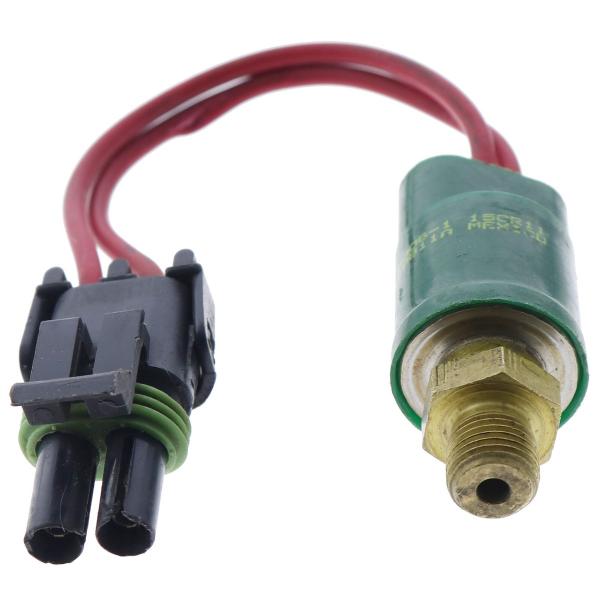
- Solenoid Valve Malfunctions: The parking brake solenoid, located on the transmission control valve, can fail, preventing hydraulic pressure from releasing the brake.
- Wiring Issues: Damaged or corroded wiring can disrupt the signal to the solenoid, causing erratic brake behavior.
- Hydraulic System Problems
- Low Hydraulic Fluid Levels: Insufficient fluid can lead to inadequate pressure, preventing the brake from releasing.
- Internal Leaks: Worn seals within the brake assembly can cause pressure loss, leading to brake engagement.
- Mechanical Failures
- Brake Assembly Wear: Over time, components within the brake assembly can wear out, leading to malfunction.
- Contaminated Hydraulic Fluid: Debris or water in the hydraulic system can impair brake function.
Diagnostic and Repair Procedures
- Visual Inspection
- Check Wiring: Inspect wiring for signs of wear, corrosion, or damage, especially around the transmission control valve.
- Examine Hydraulic Lines: Look for leaks or signs of wear in hydraulic lines connected to the parking brake system.
- Functional Testing
- Solenoid Operation: With the engine running, test the parking brake switch. The solenoid should activate, releasing the brake. If not, further investigation is needed.
- Pressure Testing: Measure hydraulic pressure at the brake assembly to ensure it meets specifications.
- Component Replacement
- Solenoid Valve: If the solenoid is faulty, replace it with a compatible part.
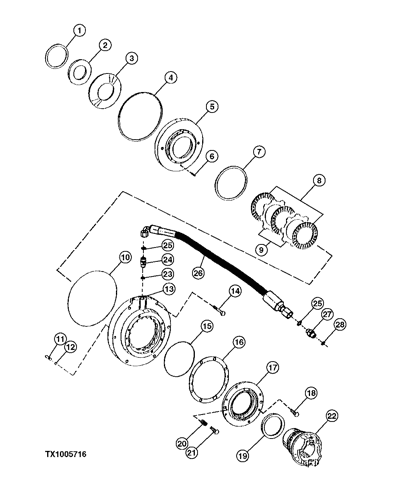
- Brake Assembly Components: Replace worn seals or components within the brake assembly as needed.
- Hydraulic System Maintenance
- Fluid Replacement: Drain and replace hydraulic fluid to remove contaminants.
- Filter Inspection: Check and replace hydraulic filters to ensure clean fluid circulation.
Preventive Maintenance Tips- Regular Inspections: Conduct routine checks of the parking brake system, including wiring, hydraulic lines, and components.
- Timely Fluid Changes: Follow manufacturer recommendations for hydraulic fluid replacement intervals.
- Proper Storage: Store the backhoe in a dry environment to prevent moisture-related issues.
Conclusion
Addressing parking brake issues in the John Deere 310G backhoe requires a systematic approach, including thorough diagnostics and timely repairs. By understanding the system's operation and common failure points, operators can ensure the longevity and reliability of their equipment. Regular maintenance and prompt attention to issues will minimize downtime and enhance safety on the job site.
|

|
|
| Engine Side Panels on Heavy Equipment: Comprehensive Guide to Function, Maintenance, and Practical Advice |
|
Posted by: MikePhua - 08-14-2025, 07:17 PM - Forum: Troubleshooting & Diagnosing
- No Replies
|
|
Understanding Engine Side Panels and Their Importance
Engine side panels on heavy equipment serve as critical protective covers that shield the engine compartment and its components from external elements such as dirt, debris, moisture, and impact damage. These panels also contribute to the machine’s structural integrity and can influence cooling efficiency by directing airflow. Proper management and upkeep of engine side panels ensure not only protection of expensive engine parts but also contribute to overall machine performance, operator safety, and serviceability.
Functions of Engine Side Panels - Protection: Prevent contaminants like dust, mud, rocks, and water from entering the engine compartment, which could cause wear, corrosion, or clogging of vital systems.
- Safety: Shield operators, mechanics, and bystanders from moving parts, hot surfaces, and electrical components inside the engine bay.
- Thermal Management: Design and placement of panels help channel cooling air to the radiator and other heat exchangers, helping maintain ideal engine operating temperatures.
- Structural Support: Panels can support attached components such as filters, hoses, and electrical wiring harnesses by providing mounting points and reducing vibration.
Materials and Design Considerations
Engine side panels are typically made from durable materials such as sheet metal or reinforced composite plastics. Their design balances robustness and accessibility:- Panels are often hinged or bolted for easy removal during maintenance.
- Ventilation louvers or perforations are incorporated to optimize airflow.
- Seals or gaskets may be used around panel edges to limit dust and water ingress.
- Some heavy equipment models include quick-release mechanisms to accelerate servicing.
Common Issues and Maintenance Best Practices
Engine side panels, while sturdy, are susceptible to damage and wear from regular operation and environmental exposure. Maintenance and inspections should focus on:- Physical Damage: Check for dents, cracks, or deformations that can compromise panel fit or protection.
- Fasteners and Hinges: Ensure all bolts, screws, latches, and hinges are secure and functional to prevent panels from loosening or dropping unexpectedly.
- Corrosion: Inspect metal panels for rust, especially near mounting points, edges, and ventilation holes. Treat surface rust promptly to avoid spread.
- Seals and Gaskets: Examine rubber or foam seals for wear or hardening, and replace to maintain dust and moisture protection.
- Cleanliness: Regularly remove accumulated dirt, debris, and grease from panels and ventilation areas to sustain airflow and cooling efficiency.
- Alignment: Properly mounting panels prevents vibrations, rubbing against moving components, or creating noise during engine operation.
Failure to maintain engine side panels properly can lead to overheating, increased wear on engine components, and costly repairs due to contamination or exposure.
Inspection and Repair Recommendations
A thorough inspection routine is recommended during scheduled maintenance or before heavy use periods:- Remove panels carefully and examine both visible and hidden surfaces.
- Clean panels using appropriate solvents or mild detergents; avoid abrasive cleaning that can scratch finishes.
- Repair minor dents with professional metalwork if applicable.
- Apply rust inhibitors or repaint metal panels showing signs of corrosion.
- Replace damaged panels promptly when repair is not feasible to maintain machine integrity.
- Lubricate hinges and check latch mechanisms for smooth operation.
- Ensure all electrical grounds and wire harnesses mounted to or routed through panels are intact and secure.
Practical Tips and Case Examples
A construction company operating in harsh, rocky environments found that neglected engine side panels led to increased radiator clogging and resultant engine overheating incidents. After implementing a strict inspection and cleaning schedule focused on panel maintenance and airflow channels, their equipment downtime decreased by 25%. In one case, a damaged panel was easily replaced during routine service, preventing exposure of the battery and electrical connections to water ingress, which in harsh wet conditions could have caused significant electrical failures.
In agricultural equipment, properly sealed and maintained engine side panels have prevented dust infiltration that would otherwise accelerate air filter clogging and reduce engine performance during harvest seasons.
Suggestions for Upgrades and Enhancements- Consider installing side panels with enhanced corrosion-resistant coatings or materials for longevity in corrosive environments (e.g., salty coastal or chemical exposure).
- Using panels with tool-less or quick-release latches can significantly reduce maintenance time.
- Adding additional ventilation options or dust filters integrated into panels may further protect sensitive engine components.
- Retrofit insulation materials on the interior of panels can reduce engine compartment noise and improve operator comfort.
- Utilize panels designed for easy integration of diagnostic sensors or cameras to assist in real-time engine monitoring.
Glossary of Key Terms- Engine Side Panel: Protective covering on the side of heavy equipment covering the engine compartment.
- Ventilation Louvers: Slotted openings on panels for air passage to facilitate cooling.
- Seals/Gaskets: Materials used at panel edges to prevent contamination ingress.
- Quick-Release Mechanism: Fastening system allowing panels to be quickly removed or secured without tools.
- Corrosion: Chemical degradation of metal panels due to exposure to moisture and chemicals.
- Radiator: Engine cooling component that transfers heat from coolant to air.
Summary and Recommendations
Proper maintenance of engine side panels is essential for safeguarding heavy equipment engines from environmental damage, ensuring effective cooling, and maintaining safety. Routine inspections for physical damage, fastener integrity, corrosion, and cleanliness should be integrated into maintenance schedules.
Operators and maintenance personnel are advised to:- Regularly clean and inspect side panels, paying attention to ventilation areas.
- Repair or replace damaged panels promptly to prevent secondary engine issues.
- Use corrosion protection treatments to extend panel service life.
- Opt for panels with practical features like quick-release latches and enhanced materials suited to working environments.
- Integrate panel maintenance into broader engine care practices to maximize equipment reliability.
Through attentive care of engine side panels, heavy equipment owners can significantly reduce unexpected breakdowns, optimize engine cooling efficiency, and improve overall operational uptime, translating into safer and more cost-effective machine performance.
This collective knowledge benefits industries ranging from construction and mining to agriculture, where engine protection is paramount to maintaining critical machinery performance under challenging conditions.
|
|
|
|
| Restoring a John Deere 440 Backhoe with Water in the Transmission/Differential Case |
|
Posted by: MikePhua - 08-14-2025, 07:16 PM - Forum: Troubleshooting & Diagnosing
- No Replies
|
|
Introduction
The John Deere 440 backhoe loader, a robust machine from the 1960s, is renowned for its durability and versatility. However, like many vintage machines, it can suffer from water ingress into the transmission and differential cases, leading to potential damage if not addressed promptly. This article explores the causes, implications, and restoration steps for a John Deere 440 backhoe experiencing water contamination in its transmission/differential case.
Understanding the Problem
Water contamination in the transmission and differential cases of the John Deere 440 backhoe is a common issue, especially for machines that have been exposed to adverse environmental conditions. The transmission/differential case, which houses the gears and bearings responsible for power transfer, is susceptible to water ingress through various points.
Causes of Water Ingress
- Failed Seals and Gaskets: Over time, seals and gaskets can degrade, allowing water to enter the transmission and differential cases.
- Improper Storage: Storing the backhoe in damp or uncovered areas can lead to water accumulation in the transmission and differential cases.
- Submersion or Flooding: Operating the backhoe in flooded conditions or submerging it in water can introduce significant amounts of water into the transmission and differential cases.
Implications of Water Contamination
Water in the transmission and differential cases can have several detrimental effects:- Corrosion: Water can cause rust and corrosion on internal components, leading to premature wear and failure.
- Lubrication Breakdown: Water dilutes the lubricating oil, reducing its effectiveness and increasing friction between moving parts.
- Component Damage: Continuous operation with water-contaminated oil can lead to scoring and pitting of gears and bearings.
Restoration Process
Restoring a John Deere 440 backhoe with water in the transmission and differential cases involves several critical steps:
- Draining Contaminated Oil: Begin by draining the water-contaminated oil from both the transmission and differential cases.
- Flushing the System: Use a flushing agent or clean oil to flush out any remaining water and contaminants from the system.
- Inspecting Components: Remove and inspect gears, bearings, and seals for signs of corrosion or damage. Replace any worn or damaged parts.
- Replacing Seals and Gaskets: Install new seals and gaskets to prevent future water ingress.
- Refilling with Proper Lubricant: Fill the transmission and differential cases with the recommended lubricating oil, such as SAE 80W-90 gear oil.
- Testing the System: Operate the backhoe under load to ensure proper function and check for any leaks or unusual noises.
Preventive Measures
To prevent future water contamination:- Regular Maintenance: Perform routine inspections and maintenance to identify and address potential issues early.
- Proper Storage: Store the backhoe in a dry, covered area to protect it from environmental elements.
- Seal Inspection: Regularly check seals and gaskets for wear and replace them as necessary.
Conclusion
Water contamination in the transmission and differential cases of a John Deere 440 backhoe is a serious issue that requires prompt attention. By following the restoration process outlined above and implementing preventive measures, operators can extend the life of their backhoe and maintain its performance. Regular maintenance and proper storage are key to preventing water ingress and ensuring the longevity of this classic machine.
|
|
|
|
| Mechanical Lift Pump Location and Function on the New Holland 555E Backhoe: Detailed Explanation, Maintenance Tips, and Practical Insights |
|
Posted by: MikePhua - 08-14-2025, 07:15 PM - Forum: General Discussion
- No Replies
|
|
Overview of the Mechanical Lift Pump in New Holland 555E
The New Holland 555E backhoe loader is equipped with a mechanical lift pump that plays a crucial role in supplying fuel from the tank to the fuel injection system. Unlike electric lift pumps found in some tractors and machinery, the mechanical lift pump in the 555E operates purely by mechanical means driven by the engine. Understanding its location, function, and maintenance is essential for ensuring reliable engine starting and fuel delivery performance, especially in cold or demanding environments.
Location of the Mechanical Lift Pump
According to repair manuals and user experiences, the mechanical lift pump on the New Holland 555E is typically mounted on the right side of the engine, positioned below the fuel injection pump. However, some operators have noted difficulty locating it due to engine configuration variations and emission-related modifications within different production runs of the 555E. The pump is connected mechanically via a camshaft lobe or dedicated lift arm that activates its diaphragm to create suction and pressure cycles necessary for pumping fuel.
Function and Working Principle
The mechanical lift pump functions through a diaphragm actuated by a camshaft-driven lift arm. This diaphragm movement causes alternating suction and pressure within the pump: - Suction stroke: When the camshaft lobe presses the pump lift arm, the diaphragm moves downwards, creating suction that draws fuel from the fuel tank through the inlet line into the pump chamber.
- Pressure stroke: As the camshaft lobe rotates away, a spring attached to the diaphragm pushes it back upwards, compressing fuel and forcing it through the outlet side to the fuel filter and onwards to the fuel injection pump.
The pump contains two critical rubber check valves—one on the suction side and one on the pressure side—that open and close alternately to maintain fuel flow direction and prevent backflow, ensuring efficient fuel delivery. When these check valves fail or detach, the pump loses the ability to build adequate pressure and suction, resulting in fuel delivery problems such as hard starting or engine stalling.
Common Issues and Troubleshooting
A common issue with the mechanical lift pump is wear or failure of the internal check valves or diaphragms. Symptoms include:- Difficulty starting the engine or requiring ether to start in cold conditions.
- Engine stalling or running rough due to inadequate fuel flow.
- Visible leaks or fuel odor near the pump area.
Disassembling the pump reveals rubber check valves that may become brittle or break, found as loose pieces inside the pump chamber. Also, internal filters/screens can accumulate debris, restricting fuel flow. It is recommended to:- Inspect and clean the internal foam filter and pump chamber.
- Replace damaged or broken check valves.
- Verify the pump diaphragm's integrity for cracks or wear.
- Check associated banjo bolts and fuel lines for blockages or damage.
Maintenance and Replacement Tips
Mechanical lift pumps are generally robust but require periodic inspection and maintenance to ensure long service life. Suggested maintenance steps include:- Removing the pump cover to inspect the diaphragm, check valves, and filter screen.
- Cleaning out any debris from the pump and surrounding fuel lines.
- Checking the seal and O-rings, replacing them if cracked or damaged.
- Ensuring that banjo bolts (fuel line connectors) and passages are clear from solids that can cause blockage.
- Reassembling carefully to maintain correct alignment of the diaphragm and camshaft lift arm engagement.
Replacement of the lift pump is typically straightforward and economical, with new pumps available for reasonable prices. Operators note the importance of confirming the pump is correctly timed with the camshaft lobe for effective fuel delivery.
Additional Practical Advice
During cold weather operation, such as below 20°F (-7°C), fuel delivery issues related to the lift pump can become more pronounced, as diesel fuel viscosity increases and components are more susceptible to wear. Using fuel additives or winterized diesel and ensuring fuel lines and filters are free of water and contaminants helps maintain reliable operation.
One practical tip for priming the fuel system involves loosening the banjo bolt at the pump's inlet slightly and cranking the engine to expel air bubbles until a steady stream of fuel is visible, then tightening the bolt before attempting to start the engine. This ensures the lift pump has removed air and created sufficient fuel pressure.
Case Story and Real-World Example
An operator of a New Holland 555E backhoe in a northern rural area encountered severe hard-start issues during winter. After investigation, the mechanical lift pump was found to have broken check valves inside, causing a loss of suction and fuel pressure. By replacing the pump and performing a thorough fuel system prime, they restored reliable starting and running, avoiding the frequent need for ether starts. This saved costly downtime during critical winter months and highlighted the importance of mechanical lift pump maintenance in older machinery.
Another common scenario involves clogged banjo bolt passages causing fuel starvation; cleaning or replacing these small connectors can resolve similar symptoms without full pump replacement.
Glossary of Key Terms- Mechanical Lift Pump: A diaphragm-based fuel pump driven mechanically by the engine's camshaft, responsible for lifting fuel from the tank to the injection pump.
- Diaphragm: A flexible membrane inside the pump that moves up and down to create suction and pressure.
- Check Valve: A one-way valve that prevents fuel backflow, ensuring directional flow through the pump.
- Banjo Bolt: A hollow bolt used to connect fuel lines to the pump, allowing fuel flow through its hollow center and side holes.
- Priming: The process of removing air from the fuel system to ensure continuous fuel flow.
- Camshaft Lobe: A protrusion on the camshaft that actuates the pump lift arm, controlling diaphragm movement.
Summary and Recommendations
The mechanical lift pump on the New Holland 555E backhoe is a vital component for fuel delivery, located on the engine's right side under the injection pump, operating mechanically via a camshaft-driven diaphragm and check valves. Regular inspection and maintenance of the pump’s internal check valves, diaphragm, and fuel inlet screen are essential to prevent hard starting, fuel starvation, and engine performance issues.
Operators should:- Ensure the pump is free from debris and the check valves are intact.
- Perform seasonal inspection, especially before cold weather.
- Use proper priming techniques to eliminate air pockets.
- Replace worn or damaged lift pumps promptly.
- Maintain fuel quality and keep filters clean to aid pump function.
By following these practices and addressing common problems proactively, New Holland 555E users can maintain reliable fuel system operation, reduce downtime, and extend the life of their backhoe loader in demanding working conditions.
This knowledge is applicable not only to New Holland 555E but to similar diesel engines using mechanical lift pumps, providing practical wisdom for heavy equipment operators worldwide.
|
|
|
|
| Scat Trak Skid Steer Loaders: A Detailed Overview |
|
Posted by: MikePhua - 08-14-2025, 07:15 PM - Forum: General Discussion
- No Replies
|
|
Introduction
Scat Trak skid steer loaders, once a prominent name in the compact construction equipment industry, were known for their rugged design and versatility. These machines played a significant role in various construction, landscaping, and agricultural applications. This article delves into the history, specifications, and legacy of Scat Trak skid steer loaders.
Historical Background
The origins of Scat Trak can be traced back to the late 1990s when the company was under the ownership of Trak International. Trak International was later acquired by Compact Technologies, which was a part of OmniQuip, a company owned by Textron. In 2001, Volvo Construction Equipment acquired the rights to the Scat Trak skid steer loader line, including manufacturing and product design rights for a range of models with operating capacities from 1,350 to 2,450 pounds. However, Volvo did not acquire the OmniQuip manufacturing facilities and instead assembled the skid steers at its Asheville plant .
Model Specifications
Scat Trak offered a variety of skid steer loader models, each designed to meet specific operational needs. Below is a summary of some notable models: - 1300D
- Operating Load: 1,350 lbs
- Operating Weight: 5,404 lbs
- Engine: 49.5 hp
- Hydraulic Flow: 16.4 gpm
- Dimensions: Length: 10 ft 9 in, Width: 4 ft 11 in, Height: 6 ft 5 in
- 1500D
- Operating Load: 1,500 lbs
- Operating Weight: 5,867 lbs
- Engine: 49.5 hp
- Hydraulic Flow: 16.4 gpm
- Dimensions: Length: 10 ft 9 in, Width: 5 ft 5 in, Height: 6 ft 6 in
- 1750D
- Operating Load: 1,875 lbs
- Operating Weight: 6,825 lbs
- Engine: Perkins 1004.42, 64 kW
- Hydraulic Flow: 72 l/min
- Dimensions: Length: 11 ft 5 in, Width: 5 ft 11 in, Height: 6 ft 8 in
- 2300D
- Operating Load: 2,450 lbs
- Operating Weight: 7,675 lbs
- Engine: 86 hp
- Hydraulic Flow: 72 l/min
- Dimensions: Length: 11 ft 9 in, Width: 5 ft 11 in, Height: 6 ft 9 in
Design Features
Scat Trak skid steer loaders were designed with several key features to enhance performance and operator comfort:- Engine Power: Equipped with engines ranging from 49.5 hp to 86 hp, providing sufficient power for various tasks.
- Hydraulic System: High-flow hydraulic systems with capacities up to 72 l/min allowed for efficient operation of attachments.
- Operator Comfort: Forward-tilting ROPS/FOPS cabs provided safety and comfort for operators.
- Maneuverability: Compact dimensions and zero-turn capabilities made these machines ideal for tight spaces.
Legacy and Market Impact
While Scat Trak skid steer loaders are no longer in production, they left a lasting impact on the compact construction equipment market. Their rugged design and reliable performance made them a preferred choice for many operators during their production years. The acquisition by Volvo allowed for the integration of Scat Trak's designs into Volvo's product lineup, ensuring that the legacy of these machines continued in a new form.
Conclusion
Scat Trak skid steer loaders were a testament to innovation and durability in the compact construction equipment industry. Their history reflects the evolution of the industry and the continuous drive for improvement in machine performance and operator safety. Although no longer in production, Scat Trak's influence persists in the designs of modern skid steer loaders.
|
|
|
|
| Bobcat T200 Compact Track Loader: Detailed Overview, Features, Maintenance, and Practical Insights |
|
Posted by: MikePhua - 08-14-2025, 07:14 PM - Forum: General Discussion
- No Replies
|
|
Introduction to the Bobcat T200
The Bobcat T200 represents a significant milestone in Bobcat’s foray into the compact track loader market. Originally released in 1999 as the Bobcat 864 and later renamed the T200, this machine was Bobcat’s first tracked loader, designed to deliver superior flotation and traction compared to traditional skid steer loaders with wheels. Its rugged undercarriage and reliable engine make it an enduring choice for operators working in challenging terrains such as muddy, wet, or slick conditions.
Key Technical Specifications and Features - Engine:
- Type: 4-cylinder turbocharged liquid-cooled Deutz diesel
- Displacement: Approximately 178 cubic inches (2.9 liters)
- Power Output: Around 73 horsepower
- Operating Weight: Roughly 8,080 lbs (3,664 kg)
- Operating Capacity: 2,000 lbs (907 kg) rated operating capacity (ROC)
- Tipping Load: Approximately 5,715 lbs (2,592 kg)
- Dimensions:
- Length (with bucket): About 11 feet (3.0 meters)
- Width: Approximately 6 feet (1.83 meters)
- Height: Around 7 feet (2.13 meters)
- Travel Speed: Around 6.7 to 7 mph (10.8 to 11.3 km/h)
- Fuel Capacity: About 7 gallons (25 liters)
- Hydraulic System:
- Auxiliary flow rate: Up to 32 gallons per minute (gpm) in later versions (notably the 864H G and T200)
- Ground Pressure: Approximately 5.2 psi, benefiting soft ground operation
- Undercarriage: Designed with rubber tracks for enhanced flotation, durability, and reduced ground disturbance
The use of a turbocharged Deutz engine ensures reliable power delivery and efficiency suited for various tasks such as digging, grading, material handling, and site preparation. The machine combines the frame and cab components of the earlier Bobcat 863 skid steer loader but enhances capability with tracks.
Design and Operational Advantages
The T200’s rubber tracks give it an edge over traditional skid steers by enabling operation in slick conditions where wheeled machines might falter or cause ground damage. These tracks extend the working season for users by allowing earlier return to muddy sites and prolonging operation later into the year when ground conditions worsen. This makes the T200 especially valuable for landscaping, agricultural, and construction jobs in varied climates.
Common Maintenance Considerations- Final Drive and Undercarriage: Like all tracked machines, the T200’s undercarriage components (track chains, rollers, sprockets) require regular inspection and maintenance to avoid wear-related failures. Replacement of final drives can be costly but essential to maintain machine performance; remanufactured final drive motors often offer reliable OEM or better performance.
- Engine Care: Frequent oil checks and coolant monitoring are critical to keep the turbocharged diesel engine running smoothly. Using recommended lubricants prolongs engine life and prevents overheating.
- Hydraulic System: Hydraulic fluid levels and lines should be checked regularly for leaks, as the auxiliary hydraulic system powers many attachments and functions.
- Track Maintenance: Checking track tension & condition prevents slippage and improves longevity. Lubrication of moving parts helps reduce wear.
- Operational Best Practices: Skilled operators who avoid abrupt maneuvers and keep loads within rated capacities reduce strain on drivetrain and hydraulic components.
Attachments and Usage Versatility
The T200 supports a wide range of attachments, facilitating flexibility onsite:- Buckets of various sizes for digging and loading
- Augers for drilling holes
- Hydraulic breakers for demolition tasks
- Grapples for material handling
- Snow blades and sweepers for winter maintenance
The machine’s higher auxiliary flow rate in the T200 version compared to earlier 864 models allows more demanding hydraulic attachments to be used effectively.
Practical Stories and Case Insights
A landscaping company operating in the Pacific Northwest praised the Bobcat T200 for its reliability in muddy sites where wheeled loaders failed. They highlighted how the T200 allowed them to start projects weeks earlier in spring, significantly improving scheduling flexibility. However, they also emphasized the importance of regular undercarriage maintenance to avoid expensive downtime, sharing an experience where neglected track tension led to premature sprocket wear requiring costly repairs.
Similarly, a small farm utilized a T200 equipped with an auger and grapple to efficiently manage fencing and material hauling tasks. The operator reported that consistent hydraulic system checks and proper engine oil selection for fluctuating weather conditions were key to maintaining performance over several seasons.
Glossary of Key Terms- Compact Track Loader (CTL): A small, tracked machine used for digging, grading, and loading, offering better flotation than wheeled skid steers on soft ground.
- Final Drive: Motor assembly in the drivetrain responsible for moving the tracks; critical for mobility and load handling.
- Operating Capacity (ROC): The recommended safe load the machine can carry based on stability.
- Tipping Load: The maximum load the machine can carry before becoming unstable and tipping.
- Auxiliary Hydraulic Flow: The volume of hydraulic fluid available to power attachments, measured in gallons per minute (gpm).
- Undercarriage: The track system including chains, rollers, sprockets, and shoes.
- Turbocharged Engine: An engine that uses a turbocharger to increase power output and efficiency.
Recommendations for Operators and Owners- Select the Bobcat T200 for operations requiring stable traction on soft or challenging ground.
- Maintain a rigorous inspection and maintenance routine for undercarriage and hydraulic systems.
- Use high-quality lubricants and monitor engine oil and coolant levels to ensure engine longevity.
- Train operators on proper machine handling to reduce wear and prevent damage.
- Plan attachment usage to match the machine’s hydraulic capacity to avoid overload.
- Consider investment in remanufactured final drive motors when repairs are needed, as these can exceed original specifications at lower cost.
Conclusion
The Bobcat T200 stands out as a pioneering compact track loader combining the reliability of Bobcat’s skid steer platforms with the enhanced capacity of tracks. Its thoughtful design, powertrain, and hydraulic capacity enable versatile operations in tough ground conditions. With proper maintenance, operator training, and appropriate attachments, the T200 remains a valuable asset that extends operational seasons and improves jobsite productivity.
Through case experiences and technical understanding, users can optimize their use of the Bobcat T200 by tailored maintenance plans and strategic application choices, ensuring long-term performance and return on investment.
|
|
|
|
| Hyundai Excavators: A Comprehensive Overview |
|
Posted by: MikePhua - 08-14-2025, 07:14 PM - Forum: General Discussion
- No Replies
|
|
Introduction
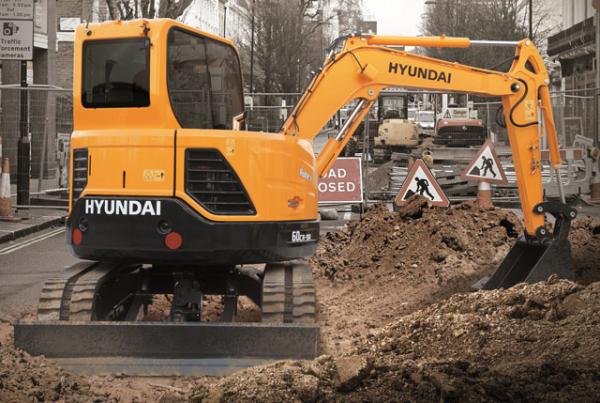
Hyundai Construction Equipment has emerged as a formidable player in the global heavy machinery market, offering a diverse range of excavators tailored to meet the varying demands of construction, mining, and infrastructure projects. Renowned for their reliability, advanced technology, and fuel efficiency, Hyundai excavators have garnered a reputation for delivering exceptional performance across different terrains and applications.
Hyundai Excavator Models and Specifications
Hyundai's excavator lineup encompasses a broad spectrum of models, each designed to cater to specific operational requirements. Below is an overview of some notable models:
1. HX Series (Crawler Excavators) - HX235A LCR
- Engine Power: 170 hp (126 kW)
- Operating Weight: 52,910 lbs (24,000 kg)
- Bucket Capacity: 0.67 m³
- Key Features: Reduced tail swing for enhanced maneuverability in confined spaces.
- HX300A L
- Engine Power: 221 hp (165 kW)
- Operating Weight: 70,000 lbs (31,751 kg)
- Bucket Capacity: 1.2 m³
- Key Features: Optimized hydraulic system for improved fuel efficiency and productivity.
- HX480A L
- Engine Power: 355 hp (265 kW)
- Operating Weight: 106,000 lbs (48,080 kg)
- Bucket Capacity: 2.2 m³
- Key Features: Heavy-duty design suitable for large-scale excavation and mining operations.
2. R Series (Robex Crawler Excavators)- R215L
- Engine Power: 148 hp (110 kW)
- Operating Weight: 49,600 lbs (22,500 kg)
- Bucket Capacity: 0.87 m³
- Key Features: Versatile machine ideal for both urban and rural construction projects.
- R220LC-9
- Engine Power: 174 hp (130 kW)
- Operating Weight: 49,600 lbs (22,500 kg)
- Bucket Capacity: 1.0 m³
- Key Features: Enhanced hydraulic performance for increased digging force and lifting capacity.
- R290LC-9
- Engine Power: 197 hp (147 kW)
- Operating Weight: 64,600 lbs (29,300 kg)
- Bucket Capacity: 1.7 m³
- Key Features: High productivity and fuel efficiency for demanding applications.
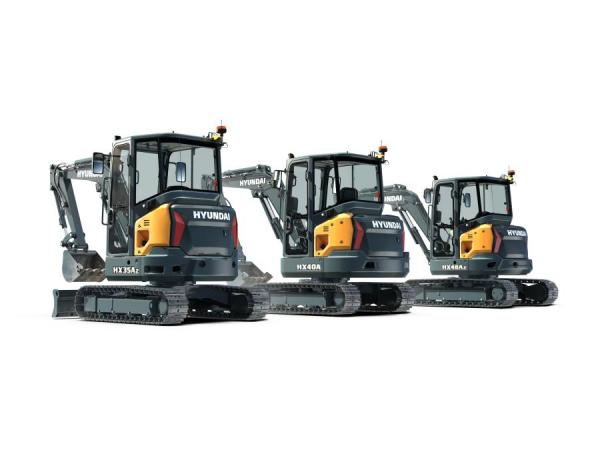
3. Compact Excavators- R35Z-9A
- Engine Power: 33 hp (24.6 kW)
- Operating Weight: 8,000 lbs (3,629 kg)
- Bucket Capacity: 0.11 m³
- Key Features: Compact size and zero tail swing for work in tight spaces.
- R55-9A
- Engine Power: 47 hp (35 kW)
- Operating Weight: 12,100 lbs (5,500 kg)
- Bucket Capacity: 0.18 m³
- Key Features: Enhanced lifting capacity and stability for small to medium-scale projects.
Key Features and Technologies
Hyundai excavators are equipped with advanced technologies and features that enhance their performance and efficiency:- Advanced Hydraulic System: Hyundai's excavators feature a load-sensing hydraulic system that adjusts the flow of oil based on the load, ensuring optimal performance and fuel efficiency.
- Ergonomic Operator Cabin: The cabins are designed for operator comfort, featuring adjustable seats, air conditioning, and intuitive controls to reduce operator fatigue and increase productivity.
- Enhanced Fuel Efficiency: The integration of fuel-efficient engines and hydraulic systems reduces fuel consumption, lowering operational costs and environmental impact.
- Durability and Reliability: Hyundai excavators are built with high-quality materials and components, ensuring long service life and minimal downtime.
Maintenance Tips for Hyundai Excavators
Regular maintenance is crucial to ensure the longevity and optimal performance of Hyundai excavators. Here are some essential maintenance practices:- Engine Oil and Filters: Regularly check and replace engine oil and filters as per the manufacturer's recommendations to ensure smooth engine operation and prevent premature wear.
- Hydraulic System: Inspect hydraulic hoses and cylinders for leaks or wear. Replace hydraulic filters and check fluid levels to maintain system efficiency.
- Undercarriage: Regularly inspect the undercarriage components, including tracks, rollers, and sprockets, for wear and damage. Proper maintenance ensures optimal mobility and reduces repair costs.
- Cooling System: Check coolant levels and inspect the radiator for blockages or leaks to prevent engine overheating.
- Electrical System: Inspect wiring and battery connections for corrosion or damage. Ensure that all electrical components are functioning correctly to prevent operational issues.
Conclusion
Hyundai excavators offer a diverse range of models equipped with advanced technologies to meet the varying demands of construction and excavation projects. By adhering to regular maintenance practices and understanding the specific features of each model, operators can maximize the efficiency and longevity of their equipment. Whether for urban construction, mining, or infrastructure development, Hyundai excavators provide reliable and cost-effective solutions for heavy machinery needs.
|
|
|
|
| Heavy Equipment Maintenance: Comprehensive Guide to Best Practices, Tips, and Solutions |
|
Posted by: MikePhua - 08-14-2025, 07:12 PM - Forum: General Discussion
- No Replies
|
|
Understanding the Importance of Heavy Equipment Maintenance
Heavy equipment is the backbone of construction, mining, agriculture, and many other industries requiring large-scale earth-moving and material handling. Proper maintenance is more than just fixing breakdowns—it is a strategic approach that boosts productivity, minimizes downtime, extends equipment lifespan, and enhances safety. With the high cost of machinery and repairs, a thoughtful maintenance program ensures equipment runs efficiently under harsh operating environments.
Key Maintenance Areas and Practices - Daily Inspections: Routine visual checks help identify leaks, cracks, loose parts, and abnormal wear before they develop into major issues. This includes examining hydraulic lines, tires, tracks, boom hoses, electrical systems, and cab safety features like seatbelts and fire extinguishers.
- Lubrication Management: Greasing all moving parts such as pins, bushings, drive shafts, and track components prevents excessive wear and prolongs service life. Poor lubrication leads to premature failure and costly repairs.
- Engine and Fluid Maintenance: Regularly monitoring and replacing engine oil, coolant, hydraulic fluid, filters, and fuel components is essential. Fluid analysis can reveal contamination and wear particles, aiding in early problem detection.
- Undercarriage and Tracks Care: For tracked machinery, inspecting track chains, rollers, sprockets, and shoes is critical due to their constant ground contact. Rubber tracks require attention to tension and axles. Proper maintenance here saves expensive replacements.
- Hydraulic System Checks: This includes inspecting hoses, cylinders, valves, and fittings for leaks or damage. Maintaining hydraulic fluid quality and levels ensures smooth operation of lifting and articulated functions.
- Transmission and Drivetrain: Monitoring transmission fluid, drive shaft bearings, and related components prevents operational failures. These parts endure heavy loads and sudden stresses.
Developing a Maintenance Schedule
Effective maintenance programs rely on planned, preventive maintenance rather than reactive repairs:- Service Intervals: Identify intervals based on engine hours, workload cycles, or manufacturer recommendations. Tasks can be categorized by daily, weekly, monthly, or seasonal frequency.
- Digital Tracking: Using computerized maintenance management software or telematics systems helps track equipment health in real time, schedule tasks, and maintain detailed service histories.
- Baseline Performance Assessment: Understand the machine's normal performance to spot deviations early.
- Maintenance Logs: Record all performed services and repairs, parts used, and dates. This helps spot patterns and budget accurately.
Operator Training and Safety
Well-trained operators are an integral part of equipment longevity. Training focuses on:- Proper machine operation techniques to avoid excessive wear or misuse.
- Basic maintenance tasks and reporting early signs of trouble.
- Safety procedures to prevent accidents and equipment damage.
Case Stories and Practical Solutions
A construction fleet that implemented a centralized maintenance system combined with operator training saw a 40% reduction in downtime. Another example involves a mining operation that extended track life by 30% after adopting a strict greasing schedule and undercarriage inspection routine tailored for abrasive terrain.
In cold climates, selecting engine oils and hydraulic fluids rated for low temperatures (-20°F or lower) reduces wear during startup and prevents costly component damage.
Common Challenges and How to Overcome Them- Unexpected Breakdowns: Mitigate by conducting daily walkarounds and thorough inspections.
- Component Wear from Harsh Environments: Customize undercarriage and lubrication plans for specific terrain and climate.
- Operator Errors: Regular refresher training and certification maintain consistent operating standards.
- Maintenance Delays: Use proactive scheduling and software reminders to avoid missed service windows.
Glossary of Key Terms- Hydraulic System: Mechanism using pressurized fluid to power machine movements.
- Undercarriage: Tracks, rollers, and supporting components that allow machine mobility.
- Telematics: Real-time monitoring technology for equipment health and location.
- Preventive Maintenance (PM): Scheduled maintenance based on time or usage to prevent failures.
- Powershift Transmission: Transmission type allowing gear shifts without interrupting power flow.
- Rollover Protective Structure (ROPS): Safety frame to protect operators in rollover accidents.
Recommendations for Equipment Management- Perform thorough inspections daily to catch issues early.
- Maintain lubrication schedules and regularly replace fluids and filters.
- Use digital tools for maintenance scheduling and telematics for equipment monitoring.
- Train operators consistently on machinery handling and basic upkeep.
- Adjust maintenance plans based on environment, equipment age, and usage patterns.
- Establish record-keeping habits to track costs, repairs, and part replacements.
By following these practices, companies can save on repair costs, reduce unscheduled downtime, enhance safety, and maximize their return on heavy equipment investments. An organized and proactive approach to maintenance is no longer optional but vital in the highly competitive construction and industrial sectors.
|
|
|
|
| Identifying and Understanding Grove Rough Terrain Cranes |
|
Posted by: MikePhua - 08-14-2025, 07:12 PM - Forum: General Discussion
- No Replies
|
|
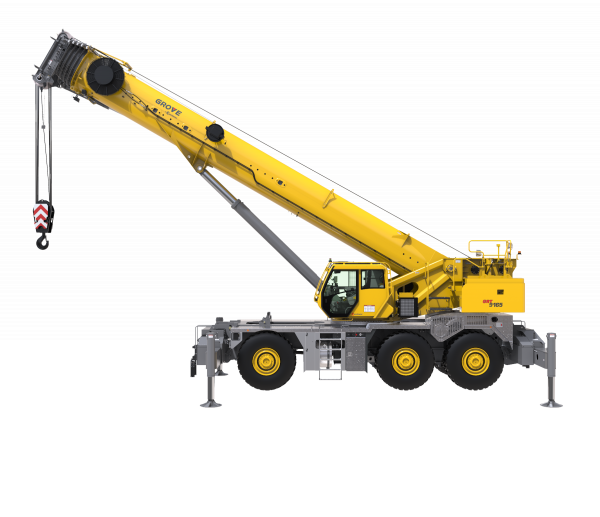
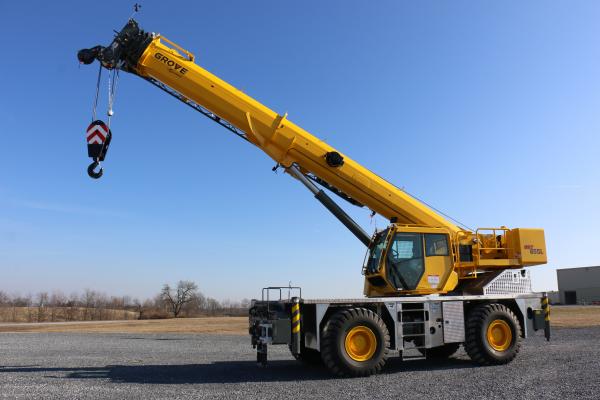
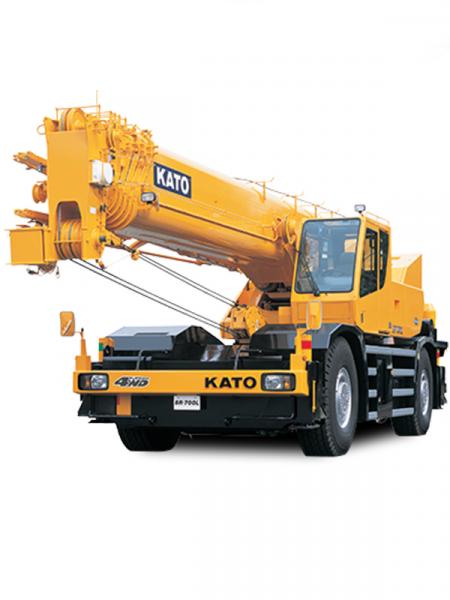
Grove rough terrain cranes are renowned for their versatility and ruggedness, making them a staple in various industries requiring heavy lifting capabilities in challenging environments. These cranes are designed to operate efficiently on uneven and rough terrains, offering mobility and stability that are crucial for construction, industrial, and infrastructure projects.
Key Features and Specifications
Grove rough terrain cranes come in various models, each tailored to meet specific lifting needs and operational conditions. Below are some notable models and their specifications:
Grove RT530E-2 - Maximum Capacity: 30 USt (27.2 metric tons)
- Main Boom Length: 29 ft to 95 ft (8.8 m to 29 m)
- Maximum Tip Height: 146 ft (44.5 m)
- Gross Vehicle Weight: 60,750 lbs (27,555 kg)
- Engine: Cummins QSB6.7
- Steering Modes: Four-wheel, two-wheel, and crab steering for enhanced maneuverability
- Outriggers: Hydraulic outriggers with automatic leveling
Grove RT540E- Maximum Capacity: 40 USt (36.3 metric tons)
- Main Boom Length: 32 ft to 102 ft (9.7 m to 31 m)
- Maximum Tip Height: 154 ft (46.9 m)
- Gross Vehicle Weight: 63,770 lbs (28,925 kg)
- Engine: Cummins QSB6.7
- Outriggers: Hydraulic outriggers with automatic leveling
Grove GRT655- Maximum Capacity: 55 USt (50 metric tons)
- Main Boom Length: 34.9 ft to 114.3 ft (10.6 m to 34.8 m)
- Maximum Tip Height: 170 ft (51.8 m)
- Gross Vehicle Weight: 75,560 lbs (34,275 kg)
- Engine: Cummins QSB6.7
- Outriggers: Hydraulic outriggers with automatic leveling
Grove GRT880- Maximum Capacity: 80 USt (72.6 metric tons)
- Main Boom Length: 41.2 ft to 134.7 ft (12.6 m to 41.1 m)
- Maximum Tip Height: 223 ft (68 m)
- Gross Vehicle Weight: 115,800 lbs (52,525 kg)
- Engine: Cummins QSB6.7
- Outriggers: Hydraulic outriggers with automatic leveling
Grove GRT9165- Maximum Capacity: 165 USt (150 metric tons)
- Main Boom Length: 44.9 ft to 205 ft (13.7 m to 62.5 m)
- Maximum Tip Height: 299 ft (91.1 m)
- Gross Vehicle Weight: 191,795 lbs (86,997 kg)
- Engine: Cummins QSB6.7
- Outriggers: Hydraulic outriggers with automatic leveling
Identifying Features
Identifying a Grove rough terrain crane involves looking for several distinctive features:- Color Scheme: Grove cranes typically feature a bright yellow and black color scheme, enhancing visibility on job sites.
- Boom Design: Grove cranes are equipped with full-power synchronized booms, allowing for smooth and efficient telescoping operations.
- Outriggers: The cranes are fitted with hydraulic outriggers that provide stability during lifting operations.
- Cab Design: Grove cranes often have a spacious, ergonomically designed cab with excellent visibility, ensuring operator comfort and safety.
- Tires: The rough terrain cranes are mounted on large, heavy-duty tires designed to navigate uneven surfaces.
Applications and Use Cases
Grove rough terrain cranes are versatile machines used in various applications:- Construction: Erecting structures, lifting heavy materials, and setting up equipment.
- Industrial: Maintenance and assembly tasks in factories and plants.
- Infrastructure: Lifting components for bridges, power lines, and other infrastructure projects.
- Oil and Gas: Assisting in the installation and maintenance of equipment in remote locations.
Maintenance and Troubleshooting Tips
To ensure the longevity and optimal performance of Grove rough terrain cranes, regular maintenance is essential:- Hydraulic System: Regularly check hydraulic fluid levels and replace filters as needed to maintain system efficiency.
- Engine Maintenance: Follow the manufacturer's guidelines for oil changes, air filter replacement, and other engine maintenance tasks.
- Tire Inspection: Inspect tires for wear and damage, and ensure they are properly inflated to maintain mobility.
- Outrigger Functionality: Test outriggers regularly to ensure they deploy and retract smoothly, providing necessary stability during operations.
Conclusion
Grove rough terrain cranes are robust and reliable machines designed to perform in challenging environments. By understanding their specifications, identifying features, and adhering to maintenance practices, operators can maximize the efficiency and lifespan of these cranes. Whether for construction, industrial, or infrastructure projects, Grove cranes continue to be a valuable asset in the heavy equipment industry.
|
|
|
|
| Case 550H Transmission Rebuild: Labor, Lessons, and Real-World Wisdom |
|
Posted by: MikePhua - 08-14-2025, 07:10 PM - Forum: General Discussion
- No Replies
|
|
Introduction: When Transmission Time Becomes a Test of Patience
The Case 550H crawler dozer is a compact yet capable machine, often found on construction sites, farms, and forestry operations. Its hydrostatic transmission system allows for smooth, variable-speed control and precise maneuvering. But when the transmission fails—or needs a rebuild—the job can quickly evolve from a straightforward mechanical task into a logistical and financial challenge. This article explores the realities of rebuilding a 550H transmission, including labor estimates, parts sourcing delays, and the hidden costs of downtime.
Understanding the Transmission System
The Case 550H uses a hydrostatic transmission, which differs from traditional gear-based systems. Key components include:
- Hydrostatic Pumps: Convert mechanical energy into hydraulic flow
- Drive Motors: Receive hydraulic flow and convert it back into rotational motion
- Control Valves: Regulate pressure and direction of flow
- Oil Control Rings: Maintain hydraulic integrity and prevent cross-contamination
- Torque Converter (optional): May be present depending on configuration, used to multiply torque and smooth engagement
Hydrostatic systems offer excellent control but are sensitive to contamination, wear, and seal failure. A failed oil control ring, for example, can allow hydraulic oil to mix with transmission fluid, degrading clutch performance and causing erratic behavior.
Labor Time: Book Estimates vs. Reality
Official service manuals may suggest a transmission rebuild time of approximately 45 hours. However, seasoned mechanics often report that real-world conditions push that number significantly higher. Factors include: - Seized bolts requiring heat or extraction
- Time spent sourcing parts and coordinating with suppliers
- Cleaning and inspecting components before reassembly
- Mandatory removal and reinstallation of the torque converter
- Testing and calibration after rebuild
Experienced technicians estimate a more realistic labor time of 100–120 hours for a full rebuild, especially when contamination is involved or when the converter must be removed.
Terminology Clarification
- FSM (Factory Service Manual): The official repair guide provided by the manufacturer
- Contamination: The presence of foreign material (e.g., metal shavings, oil mixing) that compromises system integrity
- Clutch Pack: A series of friction discs and steel plates used to engage or disengage power flow
- Converter Removal: The process of detaching the torque converter, often required for full transmission access
Parts Sourcing Challenges
One of the most frustrating aspects of a rebuild is waiting for parts. In this case, the technician had the machine disassembled but struggled to get timely quotes from local dealers. This delay not only stalls the repair but also affects labor recovery and scheduling.
To mitigate this:- Build relationships with multiple suppliers
- Keep a parts inventory list with updated pricing
- Use OEM part numbers to cross-reference aftermarket options
- Consider pre-ordering common wear items during routine service
Field Anecdotes: Lessons from the Shop Floor
A mechanic in Alberta shared that he once quoted a rebuild based on book time, only to spend nearly double the hours due to rusted fasteners and misaligned components. Since then, he multiplies book time by two when estimating labor for hydrostatic systems.
Another technician in Kentucky witnessed a rebuild on a Case 850H that cost $12,000, including a $1,500 bearing kit. The machine ran flawlessly afterward, but the owner admitted that had he caught the issue earlier, the cost might have been halved.
Step-by-Step Rebuild Strategy
To approach a 550H transmission rebuild methodically:
1. Disassemble with care
- Label and organize bolts and components
- Photograph assemblies for reference
2. Inspect for contamination
- Check oil control rings and clutch packs
- Look for scoring, discoloration, or metal debris
3. Clean all components
- Use solvent baths and compressed air
- Replace seals and gaskets proactively
4. Source parts efficiently
- Use digital catalogs and supplier portals
- Confirm availability before teardown if possible
5. Reassemble with precision
- Torque bolts to spec
- Use thread locker where appropriate
- Test hydraulic circuits before full reinstallation
6. Calibrate and test
- Monitor pressure readings
- Perform operational checks under load
- Document performance for future reference
Preventive Maintenance Tips
To extend transmission life and reduce rebuild frequency:- Change hydraulic fluid every 500–750 hours
- Inspect seals and control rings during service intervals
- Monitor for early signs of slippage or hesitation
- Train operators to avoid abrupt directional changes under load
- Keep service records to track wear patterns
Conclusion: Rebuilding with Realism and Respect
The Case 550H transmission rebuild is not just a mechanical task—it’s a test of planning, patience, and practical wisdom. While factory estimates offer a starting point, real-world conditions demand flexibility and foresight. By understanding the system, preparing for delays, and learning from field experience, technicians can turn a complex repair into a successful restoration. And in the world of heavy equipment, that’s often the difference between downtime and dependability.
|
|
|
|
|



