| Welcome, Guest |
You have to register before you can post on our site.
|
| Online Users |
There are currently 98 online users.
» 0 Member(s) | 85 Guest(s)
Ahrefs, Amazon, Applebot, Bing, Claude, DotBot, Facebook, Google, OpenAI, Semrush, Trendiction, Twitter
|
| Latest Threads |
Identifying and Sourcing ...
Forum: Parts , Attachments & Tools
Last Post: MikePhua
01-07-2026, 06:29 PM
» Replies: 0
» Views: 534
|
Cat 931B Brake Parts
Forum: Parts , Attachments & Tools
Last Post: MikePhua
01-07-2026, 06:29 PM
» Replies: 0
» Views: 285
|
Choosing Between Cat 228,...
Forum: General Discussion
Last Post: MikePhua
01-07-2026, 06:28 PM
» Replies: 0
» Views: 571
|
Hydraulic Delay When Lowe...
Forum: Troubleshooting & Diagnosing
Last Post: MikePhua
01-07-2026, 06:27 PM
» Replies: 0
» Views: 450
|
Bale Chopper and Mulcher ...
Forum: General Discussion
Last Post: MikePhua
01-07-2026, 06:26 PM
» Replies: 0
» Views: 333
|
Mini UC Maintenance
Forum: General Discussion
Last Post: MikePhua
01-07-2026, 06:25 PM
» Replies: 0
» Views: 319
|
Locating Wiring Informati...
Forum: General Discussion
Last Post: MikePhua
01-07-2026, 06:24 PM
» Replies: 0
» Views: 352
|
Case Industrial Brown Sub...
Forum: Parts , Attachments & Tools
Last Post: MikePhua
01-07-2026, 06:23 PM
» Replies: 0
» Views: 279
|
Dirt Work in West Virgini...
Forum: Construction & Urban Infrastructure Forum
Last Post: MikePhua
01-07-2026, 06:23 PM
» Replies: 0
» Views: 380
|
D207 P Hydraulic Steering...
Forum: Parts , Attachments & Tools
Last Post: MikePhua
01-07-2026, 06:22 PM
» Replies: 0
» Views: 305
|
|
|
| Caterpillar D5C Dozer Left Side Track Not Moving: Detailed Analysis, Causes, Diagnosis, and Solutions |
|
Posted by: MikePhua - 08-14-2025, 07:34 PM - Forum: Troubleshooting & Diagnosing
- No Replies
|
 |
Overview of the Problem
The Caterpillar D5C dozer experiencing an issue where the left side track fails to move while the right side functions normally is a common but complex problem in tracked heavy equipment. Operators often report this symptom after maintenance or component replacement such as an ignition switch change. The feeling is described as if the left side brake is engaged or locked, preventing movement.
Understanding the intricate systems involved—from the steering clutches and brakes to hydraulic pumps and power transmission—is key to diagnosing and remedying this issue effectively.
Core Systems Involved - Steering Clutches and Brakes: The D5C uses a hydrostatic drive system with separate steering clutches or brake packs for each track. Proper disengagement of clutches and release of brakes on the non-moving side is essential for synchronized track operation.
- Hydraulic Pumps and Motors: Dual variable-displacement hydraulic pumps supply flow to track motors. A failure or malfunction in the left track's pump or motor can cause no movement. Internal fault, contamination, or mechanical damage can disrupt flow or torque transmission.
- Transmission and Drive Components: Issues in the final drives, such as broken clutch plates or worn seals, can prevent power transfer to the tracks. Mechanical damage or improper assembly during repairs can cause track lock.
- Electrical and Control Systems: Some D5C models integrate electronic controls with sensors and switches influencing brake and clutch engagement. An ignition switch replacement or wiring fault could mistakenly apply brakes or disable clutch release on one side.
Common Causes and Diagnoses- Brake Pack Engaged or Jammed: The left side brake may fail to release either due to hydraulic pressure holding it engaged, mechanical jamming, or malfunctioning control valves.
- Faulty Steering Clutch: A failing or stuck steering clutch can cause the track to lock as the clutch does not disengage when needed, making it feel like the brake is on.
- Hydraulic Pump or Motor Failure: Internal damage such as broken gears, worn bearings, or debris contamination can arrest the movement of the track.
- Hydraulic Oil Contamination or Low Pressure: Dirty or insufficient hydraulic fluid can impair clutch and brake function, restricting track motion.
- Faulty Ignition Switch or Wiring Errors: Replacing the ignition switch may cause unintended electrical issues affecting hydraulic controls or solenoid valves responsible for brake release.
- Misaligned or Damaged Linkages: Physical damage or improper reassembly after repair can cause mechanical binding or improper engagement of braking components.
Diagnostic Procedures- Visual and Physical Inspection: Examine the left track area for signs of leaks, damage, or loose components. Check for abnormal heat signs near brakes or clutches that might indicate drag or lockup.
- Hydraulic Pressure Testing: Measure hydraulic pressures in the steering and brake circuits for both tracks. Compare left and right side values to detect pressure discrepancies or blockages.
- Bleeding and Flushing Hydraulic System: Remove air or contaminants from the hydraulic system to restore clutch and brake proper functioning.
- Check Electrical Controls and Wiring: Inspect ignition switch wiring and related solenoids for shorts, disconnected or damaged wires affecting brake control valves.
- Component Function Tests: Engage and disengage clutches and brakes manually where possible to isolate mechanical jamming.
- Service Manual Reference: Use detailed OEM manuals to verify correct hydraulic circuit operation, clutch pack assembly, and wiring diagrams.
Repair and Maintenance Solutions- Brake Pack Overhaul: Disassemble the brake pack for inspection and cleaning. Replace worn friction plates, seals, and springs. Ensure release mechanisms work freely.
- Steering Clutch Replacement or Repair: Replace damaged clutches with OEM parts. Clean and inspect all internal components for wear.
- Hydraulic Pump and Motor Service: Repair or replace failed hydraulic pumps or motors ensuring clean fluid and filters are installed.
- Electrical System Correction: Restore or replace ignition switch wiring and connectors. Reset or recalibrate hydraulic control solenoids.
- Hydraulic Fluid Service: Change hydraulic oil with manufacturer recommended fluid. Flush the system to remove contaminants.
- Track and Undercarriage Alignment: Adjust track tension and inspect the undercarriage components for proper alignment and wear.
Practical Case Examples- One operator reported that after replacing the ignition switch, the left track would not move and felt like the brake was applied. Troubleshooting revealed a wiring fault causing hydraulic brake solenoid to remain energized, holding the brake on. Rewiring and solenoid replacement fixed the problem.
- Another case involved a D5C with a worn steering clutch causing intermittent lockup of the left track. Replacing clutch friction plates and cleaning hydraulic passages restored normal operation.
- In a third scenario, contamination in the hydraulic system led to sticking brake valves. A complete hydraulic flush and seal replacement in the brake pack resolved the issue, preventing premature clutch and brake wear.
Additional Tips and Maintenance Recommendations- Regularly inspect hydraulic fluid condition and maintain proper oil levels to prevent component sticking.
- Avoid ignition switch or electrical system alterations without thorough testing or OEM guidance to prevent unintended hydraulic lockups.
- Schedule periodic brake and clutch pack inspections as part of routine maintenance for Dozers.
- Train operators and mechanics on symptom diagnosis to speed up troubleshooting and reduce downtime.
- Use quality OEM replacement parts to ensure durability and correct fit.
- Consider installing diagnostic aids like pressure gauges or electronic monitoring to quickly identify hydraulic faults.
Glossary of Key Terms- Steering Clutch: Hydraulic clutch controlling power transmission to each track, allowing steering by varying track speeds.
- Brake Pack: Set of friction plates and springs that provide braking and locking action on the track drive.
- Hydrostatic Drive: Drive system using hydraulic fluid under pressure to transmit torque to track motors.
- Solenoid Valve: Electrically controlled valve regulating hydraulic pressure and flow.
- Hydraulic Pump: Pump supplying pressured oil to clutches, brakes, and track motors.
- Friction Plates: Wear components in clutches and brakes creating grip through contact.
- Ignition Switch: Electrical switch controlling power flow to engine and hydraulic control circuits.
- OEM Parts: Original Equipment Manufacturer components ensuring compatibility and quality.
Summary
A Caterpillar D5C dozer’s left side track failure to move is often linked to brake engagement, steering clutch issues, or hydraulic system faults. Diagnosing this problem requires a methodical approach examining hydraulic pressures, mechanical components, and electrical controls. Common causes include brake pack sticking, clutch failure, hydraulic pump or motor damage, or electrical faults post-maintenance such as ignition switch replacement.
Timely repairs involve brake and clutch pack overhaul, pump and motor servicing, electrical system fixes, and hydraulic system maintenance. Real-world experiences highlight wiring errors and component wear as frequent culprits. Preventive maintenance, careful electrical work, and system diagnostics are essential to avoid recurrence.
By understanding these factors and applying structured troubleshooting steps, dozer operators and technicians can effectively restore the left track’s functionality, ensuring safe, reliable operation and minimizing costly downtime in construction and earthmoving projects.
|

|
|
| How to Safely and Effectively Remove Fuel Injectors from a John Deere 310C Backhoe |
|
Posted by: MikePhua - 08-14-2025, 07:33 PM - Forum: General Discussion
- No Replies
|
|
Removing fuel injectors from a John Deere 310C backhoe requires careful attention to detail, proper tools, and adherence to safety protocols. This guide provides a comprehensive, step-by-step approach to ensure a successful injector removal process.
Understanding the Importance of Injector Removal
Fuel injectors play a crucial role in delivering the precise amount of fuel into the engine's combustion chamber. Over time, injectors can become clogged or worn, leading to engine performance issues such as rough idling, increased fuel consumption, or difficulty starting. Removing and inspecting the injectors can help diagnose these problems and determine whether cleaning or replacement is necessary.
Tools and Equipment Required
Before beginning the injector removal process, gather the following tools and equipment: - Socket and wrench set
- Torque wrench
- Injector puller tool
- Clean rags
- Penetrating oil
- Safety gloves and goggles
- Service manual for John Deere 310C (for torque specifications and diagrams)
Step-by-Step Injector Removal Process
- Preparation
- Safety First: Disconnect the battery to prevent accidental electrical shorts or shocks.
- Fuel System Depressurization: Relieve the fuel system pressure by loosening the fuel cap and allowing any residual pressure to dissipate.
- Access the Injectors: Remove any engine covers or components obstructing access to the injectors.
- Disconnect Fuel Lines
- Label Connections: Before disconnecting, label each fuel line to ensure correct reassembly.
- Loosen Fittings: Use the appropriate wrenches to loosen and remove the fuel lines from the injectors. Be prepared for some residual fuel spillage; have rags ready to catch any drips.
- Remove Injector Hold-Down Bolts
- Locate Bolts: Identify the hold-down bolts securing the injectors in place.
- Loosen and Remove: Using a socket wrench, carefully loosen and remove these bolts. Keep them in a safe place for reinstallation.
- Extract the Injectors
- Apply Penetrating Oil: If the injectors are stuck, apply a small amount of penetrating oil around their base and allow it to sit for a few minutes.
- Use Injector Puller Tool: Attach the injector puller tool to the injector according to the manufacturer's instructions. Gradually apply pressure to remove the injector without damaging surrounding components.
- Inspect and Clean
- Examine Injectors: Check each injector for signs of wear, clogging, or damage.
- Clean Components: Use appropriate cleaning solutions to remove any carbon buildup or debris from the injectors and their seats.
Reinstallation and Testing
- Install New Seals
- Use New Seals: Always replace the old seals with new ones to ensure a proper seal and prevent leaks.
- Lubricate Seals: Lightly lubricate the new seals with clean engine oil before installation.
- Insert Injectors
- Align Injectors: Carefully align each injector with its respective seat.
- Secure Injectors: Gently insert the injectors and tighten the hold-down bolts to the manufacturer's specified torque settings.
- Reconnect Fuel Lines
- Attach Fuel Lines: Reconnect each fuel line to its corresponding injector, ensuring all connections are tight and secure.
- Final Checks
- Inspect Work: Double-check all connections and components to ensure everything is properly reassembled.
- Reconnect Battery: Reconnect the battery and ensure all electrical connections are secure.
- Test Engine
- Start Engine: Start the engine and observe its performance.
- Check for Leaks: Monitor for any fuel leaks around the injectors or fuel lines.
- Listen for Irregularities: Pay attention to the engine's idle and acceleration to ensure smooth operation.
Troubleshooting Tips- Injector Sticking: If injectors are difficult to remove, avoid using excessive force. Instead, apply penetrating oil and allow it to sit before attempting removal again.
- Fuel Leaks After Reinstallation: If fuel leaks are present after reinstallation, recheck all connections for tightness and inspect seals for proper placement.
- Engine Performance Issues: If the engine continues to exhibit performance issues after injector removal and reinstallation, further diagnostics may be necessary to identify underlying problems.
Conclusion
Removing and servicing the fuel injectors on a John Deere 310C backhoe is a detailed process that requires careful attention to safety and precision. By following this guide and utilizing the proper tools and techniques, you can effectively address injector-related issues and maintain optimal engine performance. Always consult the service manual for specific torque specifications and procedures related to your equipment.
|
|
|
|
| Replacing Swing Frame Tower Bushings and Pins in Heavy Equipment |
|
Posted by: MikePhua - 08-14-2025, 07:32 PM - Forum: Parts , Attachments & Tools
- No Replies
|
|
Maintaining the swing frame tower bushings and pins is crucial for ensuring the smooth operation and longevity of heavy equipment, such as backhoes and excavators. These components facilitate the rotation of the boom and arm assembly, allowing for versatile movement during operations. Over time, wear and tear can compromise their integrity, leading to excessive play, misalignment, and potential damage to surrounding structures.
Understanding Swing Frame Components - Swing Frame: The structural assembly that supports the boom and arm, allowing for rotational movement.
- Bushings: Cylindrical liners that fit into the swing frame, providing a bearing surface for the pins. They reduce friction and wear between moving parts.
- Pins: Metal rods that pass through the bushings, connecting the swing frame to the boom and arm assembly. They bear the load and facilitate movement.
Signs of Worn Bushings and Pins
Regular inspection is essential to detect early signs of wear:- Excessive Play: Noticeable movement or wobbling between the boom and swing frame.
- Unusual Noises: Grinding or squeaking sounds during operation.
- Visual Wear: Scoring, pitting, or discoloration on bushings or pins.
- Misalignment: Difficulty in aligning attachment points or uneven wear on the boom.
Replacement Procedure
- Preparation:
- Ensure the equipment is on stable ground and the engine is off.
- Use safety gear, including gloves and eye protection.
- Disassembly:
- Remove any components obstructing access to the swing frame.
- Support the boom securely to prevent movement.
- Detach the swing frame from the boom by removing the retaining pins.
- Removing Old Bushings and Pins:
- For frozen bushings, consider chilling them with dry ice or liquid nitrogen to contract them, facilitating easier removal.
- Use a press or hammer to extract the old pins, taking care not to damage surrounding areas.
- Cleaning:
- Thoroughly clean the pin bores and surrounding areas to remove debris and old lubrication.
- Installing New Components:
- Lubricate the new bushings and pins with appropriate grease.
- Install the bushings into the swing frame, ensuring they are seated correctly.
- Insert the new pins through the bushings, aligning them with the attachment points.
- Reassembly:
- Reattach the swing frame to the boom, securing it with the retaining pins.
- Reinstall any components removed during disassembly.
- Testing:
- Operate the equipment at low speed to ensure proper function and check for any unusual noises or movements.
Maintenance Tips- Regular Lubrication: Apply grease to the bushings and pins at recommended intervals to reduce friction and wear.
- Inspection: Conduct periodic inspections for signs of wear or damage.
- Proper Storage: Store equipment in a dry environment to prevent corrosion of metal components.
- Quality Parts: Use OEM or high-quality aftermarket parts to ensure compatibility and longevity.
Case Study: Backhoe Swing Tower Repair
A Case 580B backhoe experienced significant wear in its swing tower bushings, leading to excessive play and operational inefficiencies. The repair involved removing the worn bushings and pins, cleaning the components, and installing a new swing tower pin and bushing kit. The process restored the machine's functionality, demonstrating the importance of timely maintenance and quality parts.
Conclusion
Replacing swing frame tower bushings and pins is a vital maintenance task that ensures the efficient operation of heavy equipment. By recognizing signs of wear early and following proper replacement procedures, operators can extend the lifespan of their machinery and maintain optimal performance.
|
|
|
|
| Iveco Trakker 440 Engine Failure: Diagnosing Damage from Dry Start and Repair Strategies |
|
Posted by: MikePhua - 08-14-2025, 07:32 PM - Forum: Troubleshooting & Diagnosing
- No Replies
|
|
Introduction: When a Diesel Engine Starts Without Oil
The Iveco Trakker 440 is a heavy-duty truck designed for demanding off-road and construction applications. Powered by the Cursor 13 engine—a robust inline-six turbocharged diesel—it delivers high torque and reliability under load. However, even the toughest engines are vulnerable to catastrophic damage if started without lubrication. This article explores the consequences of a dry start, the feasibility of in-situ repairs, and practical steps for diagnosing and restoring a damaged Cursor 13 engine.
Engine Overview: Cursor 13 in the Trakker 440
The Cursor 13 engine is a 12.9-liter, six-cylinder diesel equipped with: - Common rail fuel injection
- Turbocharging with intercooling
- Electronic engine management
- Cast iron block and forged steel crankshaft
- Wet-sleeve cylinder liners for serviceability
Typical output ranges from 440 to 480 horsepower, depending on configuration. The engine is designed for long service intervals and high-load duty cycles, but relies heavily on proper oil pressure for bearing and journal protection.
Terminology Clarification
- Dry Start: Starting an engine without oil in the crankcase, leading to metal-on-metal contact and rapid wear.
- Main Bearing Bedrail: The lower structural portion of the engine block that supports the crankshaft main bearings.
- In Situ Repair: Performing repairs without removing the engine from the chassis.
- Crankshaft Journal: The machined surface on the crankshaft that rotates within the bearing shell.
Consequences of a Dry Start
Starting a diesel engine without oil can cause immediate and irreversible damage. Within seconds, the following may occur:- Scoring of crankshaft journals
- Galling or seizure of main and rod bearings
- Piston ring damage due to lack of lubrication
- Oil pump cavitation or failure
- Metal debris circulating through the oil galleries
In the Cursor 13, the main bearings are particularly vulnerable. If the engine was cranked or run for more than a few seconds without oil, expect significant wear or deformation in the bearing shells and possible damage to the crankshaft itself.
Can the Main Bearing Bedrail Be Removed In Situ?
The feasibility of removing the main bearing bedrail without pulling the engine depends on several factors:- Chassis clearance under the engine
- Accessibility of oil pan bolts and crossmembers
- Ability to support the engine safely during disassembly
- Availability of lifting equipment and jacking points
In most Trakker 440 configurations, the engine sits low in the frame, making in-situ removal of the bedrail extremely difficult. The oil pan may be removable, but accessing the bedrail and main bearings typically requires engine removal or partial lifting.
Recommended Diagnostic Steps
Before attempting repairs, perform the following:- Drain any remaining oil and inspect for metal shavings
- Remove the oil pan and inspect bearing caps
- Check crankshaft end play and radial movement
- Use a borescope to inspect cylinder walls and piston crowns
- Perform a compression test to assess ring and liner integrity
- Inspect oil pump and pickup screen for debris
If metal fragments are found, a full teardown is recommended to prevent future failures.
Repair Strategy and Component Replacement
If the damage is localized to the bearings and journals, the following steps may be taken:- Remove crankshaft and inspect for scoring or ovality
- Polish or grind journals as needed
- Replace all main and rod bearings with OEM or high-performance equivalents
- Flush oil galleries and replace oil pump
- Install new gaskets and seals throughout the lower end
- Refill with high-quality diesel-rated oil (15W-40 or as specified)
If the crankshaft is damaged beyond repair, replacement may be necessary—adding significant cost and labor.
Preventive Measures and Operator Training
To prevent dry starts in the future:- Always verify oil level before starting after service or storage
- Install low oil pressure warning systems or interlocks
- Train operators to monitor gauges during startup
- Use pre-lube systems in cold climates or after rebuilds
- Maintain service logs and checklist protocols
Field Anecdote: A Costly Oversight in Angola
A fleet operator in Angola reported a similar incident where a Trakker 440 was started after an oil change without refilling the crankcase. The engine ran for 30 seconds before seizing. The repair required a full engine replacement, costing over $18,000 and sidelining the truck for six weeks. Since then, the company implemented a double-check protocol before every service restart.
Conclusion: Repairing Damage with Precision and Patience
The Iveco Trakker 440 is a powerful and capable machine, but its Cursor 13 engine demands respect—especially when it comes to lubrication. A dry start can turn a reliable workhorse into a costly liability. While in-situ repairs may be possible in rare cases, most bearing and crankshaft damage requires full engine removal and rebuild. With careful diagnostics, proper tools, and a commitment to preventive maintenance, even a serious failure can be turned into a successful recovery.
|
|
|
|
| Bobcat Loader Not Starting: Detailed Troubleshooting Guide, Maintenance Tips, and Practical Solutions |
|
Posted by: MikePhua - 08-14-2025, 07:31 PM - Forum: Troubleshooting & Diagnosing
- No Replies
|
|
Understanding the Challenge of a Bobcat Loader Not Running
When a Bobcat skid steer loader or similar machine fails to start or run properly, it can be due to a variety of mechanical, electrical, or fuel-related issues. Bobcat loaders, known for their robust design and versatility, still require regular maintenance and careful troubleshooting to avoid prolonged downtime. Identifying the root causes of starting problems and resolving them efficiently is essential for minimizing work interruptions and operational costs.
Common Causes of Starting and Running Problems - Battery and Electrical System Issues: Weak or discharged batteries, corroded terminals, loose wiring connections, or damaged fuses can prevent the engine from cranking or powering the control systems. Electrical faults in ignition switches, relays, or wiring harnesses can also stop the machine from starting.
- Fuel System Problems: Insufficient or contaminated fuel, blocked fuel lines, clogged fuel filters, or faulty fuel pumps can restrict fuel flow, leading to hard starts or non-start conditions. Diesel engines require clean fuel and functional pumps for proper combustion.
- Hydraulic System Faults: Bobcat loaders depend on hydraulic pressure for certain starting interlocks; low hydraulic fluid levels or leaks may disable startup.
- Safety Interlocks: Machines are equipped with safety switches (operator presence, parking brake, seat switches) that must be engaged properly. Faulty switches or wiring can falsely signal the system to inhibit starting.
- Sensor and Control Module Errors: Modern Bobcat machines use electronic control units (ECUs) and sensors that monitor engine and system health. Fault codes indicating sensor failures or communication problems can result in a no-start condition.
Step-by-Step Troubleshooting Approach
- Check Battery and Electrical Connections
- Measure battery voltage; a fully charged battery should be around 12.6 volts (for 12V systems).
- Inspect battery terminals and cables for corrosion or looseness and clean or tighten as needed.
- Use a multimeter or test light to verify power supply to ignition switch and starter relay.
- Perform a "wiggle test" to detect intermittent wiring issues by moving harnesses and observing effects on electrical components.
- Inspect Fuel System
- Verify fuel level and quality; refill with fresh, clean diesel or gasoline as applicable.
- Examine fuel filters for clogging; replace if dirty or past service interval.
- Check fuel lines for leaks, damage, or blockage.
- Test fuel pump operation by listening for priming sounds or checking pressure if accessible.
- Evaluate Safety Switches and Interlocks
- Confirm all safety devices such as seat sensors, parking brake switches, and neutral start switches are functioning.
- Test switches with a multimeter for continuity and replace faulty units.
- Ensure lift arms or other machine components that may have safety switches are in correct positions.
- Scan for Fault Codes and Diagnostic Messages
- Use Bobcat diagnostic tools or third-party scanners to read stored fault codes.
- Refer to the operator’s manual or fault code lists to interpret errors and identify remedial actions.
- Reset cleared codes after repairs and retest machine functionality.
- Perform Visual and Physical Inspection
- Look for damaged or rubbed wiring harnesses especially in areas exposed to vibration or movement.
- Inspect fuses and circuit breakers; replace blown fuses.
- Check all connectors to ensure secure, corrosion-free contacts.
Maintenance Strategies to Prevent Starting Issues- Keep batteries clean, fully charged, and replaced as needed (typically every 3-5 years).
- Regularly replace fuel filters and drain water separators following manufacturer guidelines.
- Perform periodic hydraulic system maintenance including fluid level checks and leak repairs.
- Clean air filters to ensure proper engine breathing and combustion.
- Train operators to use machines following safe startup procedures, avoiding premature engine shutdown.
- Schedule routine electrical inspections, including testing relays, switches, and wiring harnesses.
Related Real-World Case Stories
A landscaping contractor experienced intermittent starting on a Bobcat 863 that eventually failed completely. After extensive diagnostics, the issue was traced to a worn main ignition relay and a partially broken wiring harness under the operator cab. Once replaced and rewired with OEM parts, the machine returned to reliable operation. The operator emphasized the importance of quick troubleshooting and maintaining an inventory of common wear parts.
Another fleet using older Bobcat models introduced a preventive maintenance program focusing on fuel system cleanliness and battery health, reducing no-start incidents by over 40% during seasonal busy periods.
Glossary of Essential Terms- Starter Relay: An electrical switch that activates the starter motor to crank the engine.
- Fuel Pump: A mechanical or electric component that delivers fuel from the tank to the engine.
- Safety Interlocks: Devices ensuring the operator is in control and that the machine is in a safe state before allowing engine start.
- Fault Code: A diagnostic message generated by the machine’s control system indicating a specific malfunction.
- Multimeter: A tool used to measure voltage, current, and resistance in electrical circuits.
- Wiring Harness: A bundled set of wires routing electricity and signals throughout the machine.
Recommendations and Solutions- Invest in a reliable multimeter and basic diagnostic tools for quick on-site trouble spotting.
- Keep operator and service manuals handy to interpret fault codes and wiring diagrams.
- Replace electrical components with OEM quality to ensure reliability.
- Develop a pre-shift checklist focusing on battery, fuel, and safety systems.
- Consider installing telematics or monitoring devices for remote diagnostics in fleet operations.
- When in doubt, consult certified Bobcat technicians or authorized repair centers to avoid compounding problems.
By systematically addressing electrical, fuel, safety, and diagnostic aspects, operators and maintenance teams can restore a non-running Bobcat loader to full function efficiently. Preventive maintenance coupled with early fault code recognition ensures longevity and reduces costly downtime, supporting successful jobsite productivity.
|
|
|
|
| Exploring the Legacy of the International Dresser TD20 Dozer |
|
Posted by: MikePhua - 08-14-2025, 07:30 PM - Forum: General Discussion
- No Replies
|
|
The International Dresser TD20 dozer stands as a testament to the engineering prowess of its era, combining rugged durability with versatile functionality. Introduced in the mid-20th century, this machine has been a cornerstone in various industries, from construction to land clearing. Its legacy continues to influence modern heavy equipment design and operation.
Design and Engineering
The TD20 was engineered to tackle challenging terrains and demanding tasks. Equipped with the DVT573 engine, it delivered substantial power, enabling it to perform heavy-duty operations efficiently. The design emphasized operator comfort and safety, featuring a spacious cab and intuitive controls.
Legacy and Modern Relevance
Despite its age, the TD20 remains relevant in certain niches. Its robust construction and reliability have made it a valuable asset for specialized tasks. Enthusiasts and collectors continue to maintain and restore these machines, preserving their historical significance.
Challenges and Maintenance
Maintaining a TD20 requires specialized knowledge and access to parts. Common issues include hydraulic system leaks and wear on undercarriage components. Operators often share experiences and solutions, fostering a community dedicated to keeping these machines operational.
Conclusion
The International Dresser TD20 dozer is more than just a piece of machinery; it embodies a rich history of engineering and innovation. Its enduring presence in certain sectors underscores its lasting impact and the dedication of those who continue to operate and preserve it.
|
|
|
|
| Reviving the International TD-14: A Collector’s Gamble or a Practical Workhorse? |
|
Posted by: MikePhua - 08-14-2025, 07:30 PM - Forum: General Discussion
- No Replies
|
|
Introduction: The Allure of Old Iron
The International TD-14 crawler tractor, a mid-20th-century brute, still captures the imagination of landowners and vintage machinery enthusiasts. With its imposing frame and distinctive single-stack exhaust, the TD-14 was built for serious earthmoving. But in today’s world of hydrostatic drives and joystick controls, does this relic still have a place on a working property—or is it better suited for a museum?
This article explores the practical realities of acquiring and operating a TD-14, including mechanical quirks, parts availability, and alternative equipment options. We’ll also weave in stories from the field and offer guidance for those considering a similar purchase.
Engine Overview and Historical Footnotes
The TD-14 was powered by a 4-cylinder gas-start diesel engine, a design that required the operator to start the engine on gasoline and then switch to diesel once warmed up. This dual-fuel system was common in the 1940s and 1950s, offering cold-start reliability before glow plugs became standard.
Key engine features: - 4-cylinder inline configuration
- Gasoline start, diesel run
- Compression ratio: ~15:1 (diesel mode)
- Estimated output: ~60–70 horsepower
- Dry weight: ~18,000–20,000 lbs depending on blade and attachments
Interestingly, some TD-14 units were retrofitted with TD-18 engines (6-cylinder diesels), leading to confusion in identification. The TD-14’s engine was essentially a TD-9 block with two additional cylinders, and only around 399 of these engines were ever produced—making parts scarce and expensive.
Terminology Clarification
- Gas-Start Diesel: An engine that uses gasoline for initial combustion, then switches to diesel once warm.
- Final Drive: The gear assembly that transmits torque from the transmission to the tracks.
- Undercarriage: Includes track chains, rollers, idlers, and sprockets—critical for traction and stability.
- Cable Blade: A blade raised and lowered by winch and cable rather than hydraulics.
Mechanical Challenges and Parts Scarcity
While the TD-14 is mechanically straightforward, sourcing parts can be a serious hurdle. Common issues include:- Worn sprocket teeth and track pins
- Leaking seals in final drives
- Cracked fuel injection pumps
- Rusted cable winches and frayed lifting cables
- Obsolete bearings and bushings
Finding a replacement crankshaft or injection pump may require scouring salvage yards or contacting vintage tractor clubs. Some owners resort to machining parts from scratch or adapting components from similar models.
Field Anecdotes: Lessons from the Land
One landowner in Missouri purchased a TD-14 for $2,000 to clear brush on his 50-acre property. While the machine ran, it required constant attention—tightening cables, topping off fluids, and nursing the undercarriage. After a year, a rear bearing failed and chewed up the final drive. Replacement parts were unavailable, and the machine was parked indefinitely.
Another operator in Alberta inherited a TD-14 from his uncle. He used it for seasonal grading and snow clearing. Despite its age, the machine performed reliably—thanks to meticulous maintenance and a stash of NOS (new old stock) parts collected over decades.
Alternative Equipment Considerations
For those seeking versatility and reliability, a track loader with a 4-in-1 bucket and optional backhoe may be a better fit. Advantages include:- Hydraulic blade and bucket control
- Easier parts sourcing (especially for Cat and Deere models)
- Ability to dig, lift, and push with one machine
- Better visibility and operator comfort
Recommended alternatives:- Cat 931B with 4-in-1 bucket and rotary swing backhoe
- Deere 455G with twin-cylinder swing and integrated seat controls
- Case 850B with hydraulic blade and loader options
Recommendations and Solutions
If you’re considering a TD-14, here’s how to prepare:- Inspect the undercarriage thoroughly
- Check track tension, pin wear, and sprocket condition
- Verify engine operation
- Ensure gas-start system functions and diesel transition is smooth
- Test blade and winch operation
- Replace cables before they snap
- Research parts availability
- Join vintage tractor forums and locate regional salvage yards
- Budget for unexpected repairs
- Set aside at least $2,000 for initial restoration and another $1,000 for contingency
Preventive Maintenance Tips
To keep a TD-14 running:- Change engine oil every 100 hours
- Grease all pivot points monthly
- Inspect cables and winch drums quarterly
- Flush fuel system annually
- Store under cover to prevent rust and water intrusion
Conclusion: A Machine with Muscle and Memory
The International TD-14 is more than a crawler—it’s a piece of industrial history. For collectors and mechanically inclined landowners, it offers a rewarding challenge and a sense of nostalgia. But for those seeking efficiency and uptime, modern alternatives may be more practical. Whether you choose to restore or retire, the TD-14 reminds us that old iron still has stories to tell—and sometimes, the best tool is the one you already understand.
|
|
|
|
| Bobcat 825 Skid Steer Loader: An In-Depth Guide to Specifications, Parts, Maintenance, and Practical Advice |
|
Posted by: MikePhua - 08-14-2025, 07:29 PM - Forum: General Discussion
- No Replies
|
|
Introduction to the Bobcat 825 Skid Steer Loader
The Bobcat 825 is a classic skid steer loader known for its robust design, moderate power output, and versatility on various job sites. As a key machine from Bobcat’s line of loaders, the 825 model is widely used in construction, landscaping, agriculture, and material handling tasks. Understanding its key features, available parts, maintenance requirements, and common upgrades can help owners and operators enhance productivity and extend machine life.
Core Specifications of the Bobcat 825 - Engine and Power: The Bobcat 825 is powered by a reliable diesel engine delivering approximately 38 to 42 horsepower. This engine is typically liquid-cooled (not turbocharged) and designed for durability in rugged environments.
- Operating Weight: Around 5,780 lbs, providing a stable platform for various attachments and loads.
- Rated Operating Capacity: Approximately 1,500 lbs, which refers to the safe lifting capacity per SAE standards.
- Tipping Load: About 3,100 lbs, indicating the maximum tipping point when lifting a load.
- Dimensions:
- Length: Approximately 125 inches (about 10.4 feet)
- Width: Around 61 inches (about 5 feet)
- Height: Roughly 85 inches (7 feet) to the operator cab or top of machine
- Auxiliary Hydraulic Flow: Available on an optional basis, high flow auxiliary hydraulics deliver about 12.5 gallons per minute, enabling the use of hydraulic-powered attachments.
- Controls and Features: The Bob-tach® attachment system is standard, providing quick attachment changes. Optional equipment includes operating lights and auxiliary hydraulics, though advanced features such as air conditioning or deluxe instrumentation are not standard on this model.
Parts and Common Components
Owners looking for Bobcat 825 parts need to focus on several key categories:- Engine Components: Fuel filters, air filters, injectors, and cooling system parts are essential for sustained engine performance.
- Hydraulic System Parts: Hoses, pumps, cylinders, and optional high-flow components require regular inspection and replacement to avoid leaks and maintain power delivery.
- Undercarriage and Tires: While the 825 is wheeled, tire condition affects stability and traction—replacement tires or tubes should match original size specifications.
- Drive and Transmission Parts: Drive belts, wheel bearings, seals, and linkage components wear over time and need timely attention.
- Attachment Interface: Bob-tach components, pins, bushings, and locking mechanisms must remain robust to safely handle frequent attachment changes.
Maintenance Considerations and Solutions- Regular Inspections: Daily or pre-shift checks on fluid levels, leaks, tire integrity, and attachment security minimize unexpected breakdowns.
- Lubrication: Greasing pivot points, lift arms, and attachment pins reduces wear and extends component life.
- Hydraulic Oil and Filters: Maintain clean hydraulic fluid and timely replacement of filters to sustain performance, particularly important if using a high-flow hydraulic system.
- Engine Fluids: Routine oil changes, coolant checks, and fuel system maintenance are critical for reliable engine operation.
- Electrical System Care: Inspect wiring, battery terminals, and switchgear periodically to prevent electrical faults.
- Operator Training: Skilled handling reduces undue stress on the machine, especially during loading and maneuvering.
Practical Tips and Upgrade Recommendations- Attachment Compatibility: The Bob-tach system accommodates a wide range of attachments such as buckets, pallet forks, hydraulic augers, trenchers, sweepers, and brush cutters. Investing in quality attachments enhances machine utility.
- High-Flow Hydraulic Kits: Upgrading to or maintaining a high-flow auxiliary system expands attachment options, enabling more powerful tools like hydraulic breakers or stump grinders.
- Tire Choices: Selecting tires appropriate for the terrain (e.g., turf tires for grass, lugged tires for rough ground) improves traction and reduces wear.
- Parts Sourcing: Using OEM or certified aftermarket parts ensures fit, durability, and safety compliance. Trusted suppliers often stock critical parts such as hydraulic pumps, seals, control arms, and engine components.
- Storage and Pre-Season Checks: Proper winterization, cleaning, and storage procedures protect machine components during off-season periods and prepare the loader for peak performance upon return to work.
Case Examples and Operator Stories
A landscaping company operating Bobcat 825 loaders reported that regular hydraulic system maintenance and using genuine parts helped prevent frequent downtime during peak seasons. They found that the quick attachment changes via Bob-tach saved significant time on job transitions, improving daily productivity.
In a small farm application, a Bobcat 825 equipped with a grappling bucket and auger helped efficiently clear fence lines and post holes. The operator emphasized the importance of pre-shift inspections and timely replacement of worn hoses to avoid costly hydraulic failures in remote locations.
Glossary of Key Terms- Rated Operating Capacity (ROC): Maximum load the machine can safely lift according to SAE standards.
- Tipping Load: The threshold weight at which the loader may tip over when lifting a load.
- Bob-tach® Attachment System: A quick-attachment system designed by Bobcat for fast and secure mounting of accessories.
- Hydraulic Auxiliary Flow: Hydraulic fluid volume available to power attachments, typically measured in gallons per minute (gpm).
- High-Flow Hydraulic System: An enhanced hydraulic circuit providing increased flow for more powerful attachments.
- OEM (Original Equipment Manufacturer): Original parts produced by the machinery maker, ensuring proper fit and function.
Summary and Recommendations
The Bobcat 825 skid steer loader balances reliable diesel power, moderate lifting capacity, and compatibility with diverse attachments, making it a versatile choice for many industries. Proper maintenance focusing on hydraulics, engine care, and undercarriage components is vital to keep this machine performing efficiently.
Owners should prioritize sourcing quality parts, especially hydraulic components and engine filters, and invest in operator training to maximize machine lifespan and safety. Upgrading auxiliary hydraulics where feasible can expand functionality and machine versatility.
By incorporating these best practices and understanding the machine’s technical specifications and parts needs, Bobcat 825 owners can ensure dependable service and optimal performance across a wide range of job types and environments. This approach supports long-term operational success and cost-effective equipment management.
|
|
|
|
| Genie TMZ-34/19 Towable Lift: Comprehensive Overview |
|
Posted by: MikePhua - 08-14-2025, 07:28 PM - Forum: General Discussion
- No Replies
|
|
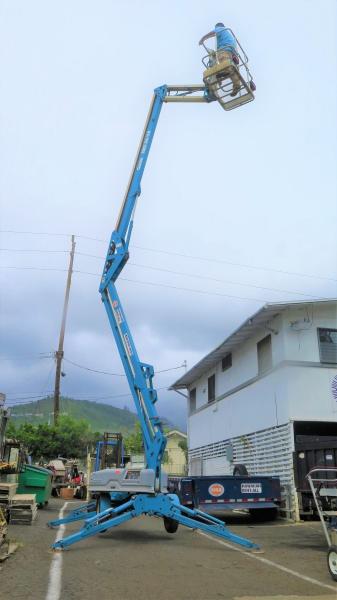
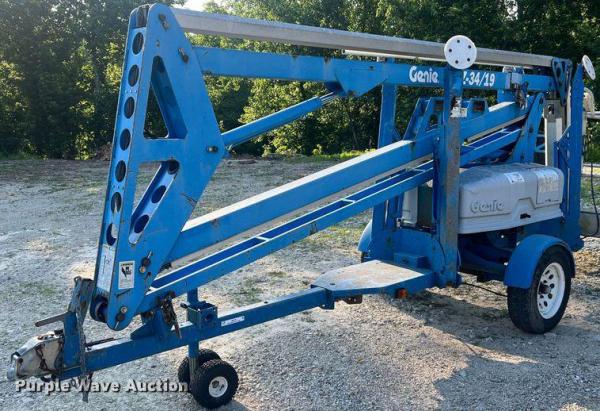
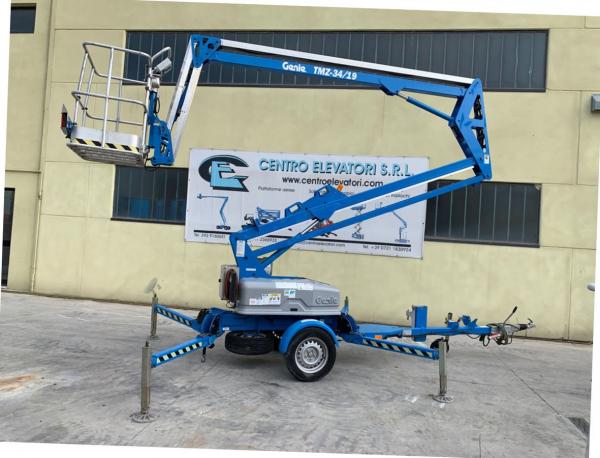
Introduction
The Genie TMZ-34/19 is a trailer-mounted articulating boom lift designed for versatility and mobility in various work environments. Its compact size and impressive reach make it suitable for tasks ranging from building maintenance to outdoor installations.
Key Specifications - Working Height: 12.4 meters (40 feet)
- Horizontal Reach: 5.8 meters (19 feet)
- Lift Capacity: 227 kg (500 lbs)
- Platform Dimensions: 0.76 meters (2.5 feet) in length and 1.22 meters (4 feet) in width
- Weight: Approximately 1,252 kg (2,760 lbs)
- Outriggers: Equipped with large 8-inch (20 cm) footpads for stability
- Jib Range: 135° articulating jib for enhanced maneuverability
- Braking System: Surge brakes with parking brake for secure positioning
Operational Features
The TMZ-34/19 boasts several features that enhance its functionality:- Negative Angle Boom: Allows operators to reach areas below the platform, increasing versatility in confined spaces.
- Simultaneous Down Function: Enables multiple boom sections to descend simultaneously, improving efficiency during setup and teardown.
- Hydraulic Outriggers: Facilitate quick leveling of the lift on uneven terrain.
- Automatic Machine Leveling: Ensures the lift remains stable during operation, reducing the risk of accidents.
- Platform Rotation: Provides the ability to rotate the platform, offering a wider range of motion.
Maintenance and Troubleshooting
Regular maintenance is crucial to ensure the longevity and safe operation of the TMZ-34/19:- Scheduled Inspections: Follow the manufacturer's guidelines for routine inspections to identify potential issues early.
- Solenoid Valve Leaks: Address any hydraulic solenoid valve leaks promptly to prevent system failures.
- Electrical Components: Regularly check the electrical system for any signs of wear or damage.
For detailed maintenance procedures, refer to the official service manual .
Case Study: Enhancing Building Maintenance
A property management company in a metropolitan area utilized the Genie TMZ-34/19 to perform routine maintenance on high-rise buildings. The lift's ability to access difficult-to-reach areas allowed maintenance crews to efficiently clean windows and perform inspections, reducing downtime and improving tenant satisfaction.
Conclusion
The Genie TMZ-34/19 towable lift is a reliable and versatile piece of equipment suitable for various aerial tasks. Its compact design, combined with advanced features, makes it an excellent choice for both indoor and outdoor applications. Regular maintenance and adherence to safety protocols are essential to maximize its performance and lifespan.
|
|
|
|
| Barko 270B Processor Harvester: Comprehensive Guide to Features, Specifications, and Operational Insights |
|
Posted by: MikePhua - 08-14-2025, 07:27 PM - Forum: General Discussion
- No Replies
|
|
Introduction to the Barko 270B Processor
The Barko 270B is a purpose-built processor harvester designed to excel in forestry applications such as delimbing, cut-to-length harvesting, and stacking. Engineered with input from experienced operators and forestry professionals, this machine offers superior power, hydraulic control, and stability to meet the demanding needs of timber processing, especially in challenging terrains like those found in the Pacific Northwest.
Robust Power and Engine Technology - Powered by a robust 225-horsepower Cummins QSB6.7 Tier 4 Final diesel engine, equipped with SCR aftertreatment to meet stringent emission standards.
- Features a large, 36-inch diameter auto-reversing fan with automatic blade pitch control to optimize cooling efficiency and engine performance.
- Includes a 275-gallon fuel tank and a 30-gallon DEF (Diesel Exhaust Fluid) tank, supporting extended operating periods in remote forestry environments.
- A heavy-duty, extreme cooling package integrates a three-core heat exchanger that combines charge air cooler (CAC), radiator, and hydraulic cooler to maintain optimal temperatures in harsh conditions.
Advanced Hydraulic and Control Systems- The Barko 270B features an intelligent IQAN electrohydraulic control system tailored specifically for processing tasks. This system offers infinite variable control with programmable settings to suit individual operator preferences and operating scenarios.
- Load-sensing hydraulics automatically adjust hydraulic power output based on load demand, maintaining peak efficiency and responsiveness.
- The system provides ample hydraulic horsepower to the attachment with exceptional pressure and flow rates, including a dedicated attachment pump for the dangle head that doesn't compromise machine performance.
- Operators interact with system diagnostics and functions via a Parker IQAN-MD4 touchscreen cab display, allowing real-time monitoring for improved productivity and fault detection.
Undercarriage, Mobility, and Stability- Featuring a D7 heavy-duty undercarriage with an 8.5-inch chain pitch and ground clearance of 29.5 inches, providing firm and stable footing on rough and uneven terrain.
- Track width is notable at 11 feet, 5.5 inches with 700-mm track pads, offering low ground pressure (around 7 to 9 psi depending on track shoe width) to minimize environmental impact while maximizing traction.
- Longer tracks contribute to machine stability, enabling effective operation on steep and rugged slopes.
- Impressively, the machine delivers a drawbar pull of 66,700 lbf (foot-pounds), empowering it to tackle steep hills and challenging ground with ease.
Innovative Swing and Boom Design- Dual swing-drive motors allow continuous 360-degree rotation with high swing torque rated at 58,384 foot-pounds at 4,025 psi, facilitating efficient positioning and boom movement.
- The heavy-duty oversized swing bearing (53.5 inches outer diameter) enhances durability and load-bearing capacity.
- The dangle head boom configuration provides excellent reach (29 feet 7 inches from attachment pin to swing center), optimizing picking, delimbing, and cutting tasks in dense timber stands.
Operator Comfort and Serviceability- The patented forward-sliding cab design enables the cab to move forward up to 36 inches, granting easier access to electrical panels and engine compartments, streamlining daily inspections and servicing.
- A large hydraulically opening gull-wing door spans nearly the full length of the machine, creating a slip-resistant service platform that enhances safety and convenience for maintenance tasks.
- The climate-controlled operator cab includes features such as:
- Heated air-ride seat for fatigue reduction
- Large access door and spacious interior
- Integrated cup holder and storage compartments
- Wide visibility windows with an air knife system to keep surfaces clear of debris and improve operator awareness
- Exterior LED lighting to enhance work area illumination during low-light conditions.
Attachments and Versatility- The 270B supports a range of factory-approved dangle head attachments, primarily from Southstar, designed for efficient delimbing and cutting operations.
- Hydraulic systems include a high-pressure filter between carrier and attachment, ensuring the longevity of sensitive hydraulic components.
- Attachment components fold completely under the processor boom, enhancing transport safety and compliance with road regulations.
Additional Features and Winter Operation Support- Offers various track shoe width options, including 700 mm (28 inches), 800 mm (32 inches), and 900 mm (36 inches), allowing operators to select based on terrain and operational needs.
- Includes a Proheat system that warms the engine, fuel tank, and hydraulics in cold climates to ensure reliable starting and operation during winter months.
- Optional hydraulic tank features include an electric fill pump and vacuum pump to ease maintenance procedures.
Dimensions and Performance Parameters- Overall height: 11 feet 5 inches (348 cm)
- Track length: 15 feet 2 inches (462 cm)
- Overall width: 11 feet 5.5 inches (349 cm)
- Ground clearance: 29.5 inches (75 cm)
- Approximate operating weight (without attachment): 71,000 lbs (32,205 kg)
- Maximum travel speed: 2.9 mph (4.7 km/h) high, 1.1 mph (1.8 km/h) low
- Maximum front lift capacity varies with boom radius from 26,950 lbs at 10-foot radius to 10,270 lbs at full reach.
Terminology and Explanation- Dangle Head Boom: A specialized boom with a flexible, pivoting head that allows for precise delimbing and cutting around tree trunks.
- Load Sensing Hydraulics: A system that automatically adjusts hydraulic power based on current load demands, enhancing efficiency and responsiveness.
- IQAN Control System: An electrohydraulic control platform enabling customizable and infinite variable control, alongside integrated diagnostic capabilities.
- Drawbar Pull: The pulling force exerted by the machine, indicating its ability to traverse steep or rough terrains.
- Proheat System: Equipment to preheat engine and hydraulic systems to prepare for cold-weather operations.
- Swing Torque: The rotational force the machine can exert during boom swings, crucial for positioning large limbs or logs.
Practical Insights, Stories, and Use Case Examples
Operators in the forestry sector have praised the 270B’s combination of power and control, particularly for its ability to handle the steep, uneven slopes of the Pacific Northwest. The machine’s drawbar pull and track stability reduce slipping and improve safety in demanding conditions.
The forward-sliding cab and gull-wing door design are often cited for reducing downtime during service, as they provide quick, ergonomic access to critical machine components, a valuable feature in remote logging sites where time is crucial.
One forestry contractor shared that the load sensing hydraulics noticeably improved fuel efficiency compared to older processors. The adaptive hydraulic response optimized power consumption by delivering hydraulic pressure only when needed, lowering operating costs over time.
Recommended Practices and Solutions- Select track shoe widths to balance ground pressure and flotation according to soil conditions and terrain.
- Utilize the Proheat system and winterized fluids in cold climates to maintain machine start-up reliability.
- Plan routine inspection and cleaning of hydraulic filters and cooling systems to prevent overheating and component wear.
- Train operators on IQAN system usage for optimal customization and diagnostic interpretation to anticipate maintenance needs.
- Maintain the swing-drive and undercarriage components proactively to ensure long-term durability and reduce unexpected repairs.
Summary
The Barko 270B processor harvester is a powerful, technologically advanced forestry machine designed for precise and efficient delimbing, cutting, and stacking operations. Its robust Cummins engine, sophisticated IQAN hydraulic control system, and stable D7 undercarriage provide superior performance on challenging terrain. Ergonomic operator features and serviceability innovations reduce downtime and enhance safety.
By leveraging its adjustable hydraulic settings, versatile attachments, and cold-weather readiness, the 270B offers logging professionals a reliable, productive, and fuel-efficient tool tailored to demanding timber harvesting environments.
These combined attributes and real-world performance experiences position the Barko 270B as a leading processor in the forestry industry, capable of meeting modern operational challenges with power, precision, and operator-focused design.
|
|
|
|
|



