| Welcome, Guest |
You have to register before you can post on our site.
|
| Online Users |
There are currently 83 online users.
» 0 Member(s) | 74 Guest(s)
Ahrefs, Amazon, Applebot, Bing, Claude, Google, OpenAI, Semrush
|
| Latest Threads |
Identifying and Sourcing ...
Forum: Parts , Attachments & Tools
Last Post: MikePhua
01-07-2026, 06:29 PM
» Replies: 0
» Views: 534
|
Cat 931B Brake Parts
Forum: Parts , Attachments & Tools
Last Post: MikePhua
01-07-2026, 06:29 PM
» Replies: 0
» Views: 285
|
Choosing Between Cat 228,...
Forum: General Discussion
Last Post: MikePhua
01-07-2026, 06:28 PM
» Replies: 0
» Views: 571
|
Hydraulic Delay When Lowe...
Forum: Troubleshooting & Diagnosing
Last Post: MikePhua
01-07-2026, 06:27 PM
» Replies: 0
» Views: 450
|
Bale Chopper and Mulcher ...
Forum: General Discussion
Last Post: MikePhua
01-07-2026, 06:26 PM
» Replies: 0
» Views: 333
|
Mini UC Maintenance
Forum: General Discussion
Last Post: MikePhua
01-07-2026, 06:25 PM
» Replies: 0
» Views: 319
|
Locating Wiring Informati...
Forum: General Discussion
Last Post: MikePhua
01-07-2026, 06:24 PM
» Replies: 0
» Views: 352
|
Case Industrial Brown Sub...
Forum: Parts , Attachments & Tools
Last Post: MikePhua
01-07-2026, 06:23 PM
» Replies: 0
» Views: 279
|
Dirt Work in West Virgini...
Forum: Construction & Urban Infrastructure Forum
Last Post: MikePhua
01-07-2026, 06:23 PM
» Replies: 0
» Views: 380
|
D207 P Hydraulic Steering...
Forum: Parts , Attachments & Tools
Last Post: MikePhua
01-07-2026, 06:22 PM
» Replies: 0
» Views: 305
|
|
|
| Comprehensive Guide to Purchasing a Bulldozer: Key Considerations and Insights |
|
Posted by: MikePhua - 08-14-2025, 07:27 PM - Forum: General Discussion
- No Replies
|
 |
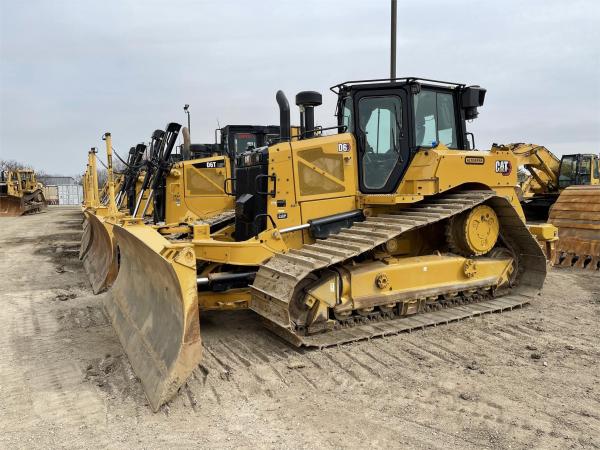
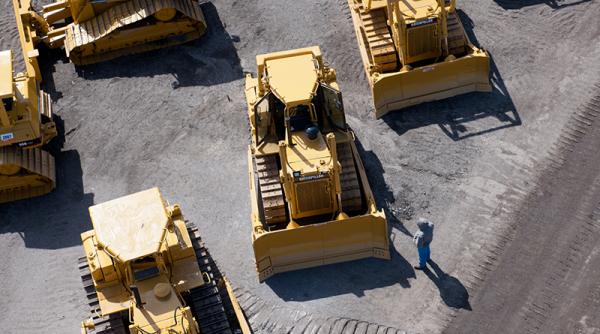
Introduction
Acquiring a bulldozer is a significant investment, whether for construction, land clearing, or other heavy-duty tasks. It's essential to approach this decision with thorough research and understanding. This guide delves into the critical factors to consider when purchasing a bulldozer, offering insights to help you make an informed choice.
1. Define Your Project Requirements
Before initiating your search, clearly outline the tasks the bulldozer will perform. Different projects demand specific capabilities: - Construction Projects: Require dozers with robust power and versatility.
- Land Clearing: Demand machines with strong pushing power and durability.
- Finish Grading: Need dozers with precise control and smooth blade surfaces.
Understanding these requirements will guide you in selecting the appropriate size, power, and features.
2. Choose the Right Size and Model
Bulldozers come in various sizes, each suited for specific tasks:- Small Dozers (e.g., Cat D3): Ideal for residential projects and tight spaces.
- Medium Dozers (e.g., Cat D6): Versatile machines suitable for a range of construction tasks.
- Large Dozers (e.g., Cat D9): Designed for heavy-duty operations like mining and large-scale grading.
Consider the scale of your projects and choose a dozer that aligns with your needs.
3. Inspect the Undercarriage
The undercarriage is a critical component, comprising tracks, rollers, sprockets, and idlers. Inspect for:- Track Wear: Check for uneven wear patterns or missing track links.
- Roller Condition: Ensure rollers rotate smoothly without excessive play.
- Sprocket Teeth: Look for signs of wear or damage.
A well-maintained undercarriage ensures optimal performance and longevity.
4. Evaluate the Engine and Hydraulics
The engine's health directly impacts performance:- Oil Levels: Check for proper oil levels and cleanliness.
- Leaks: Inspect for any signs of oil or coolant leaks.
- Hydraulic System: Test for smooth operation of the blade and attachments.
Addressing engine and hydraulic issues early can prevent costly repairs.
5. Assess the Blade and Attachments
The blade's condition and type are vital:- Blade Wear: Examine for excessive wear or damage.
- Attachment Compatibility: Ensure the dozer can accommodate necessary attachments like rippers or winches.
Proper blade and attachment functionality enhances operational efficiency.
6. Review Maintenance and Service History
A comprehensive maintenance record indicates a well-cared-for machine:- Service Logs: Request detailed service and repair records.
- Previous Ownership: Understand the machine's usage history.
- Inspection Reports: Look for any documented issues or recurring problems.
Transparent records provide confidence in the machine's reliability.
7. Consider Technological Features
Modern dozers come equipped with advanced technologies:- Grade Control Systems: Ensure precise grading and reduced operator fatigue.
- Telematics: Monitor machine health and performance remotely.
- Fuel Efficiency Technologies: Reduce operational costs and environmental impact.
Incorporating these features can enhance productivity and reduce long-term expenses.
8. Set a Realistic Budget
Factor in all associated costs:- Purchase Price: Negotiate based on market value and machine condition.
- Transportation: Account for shipping or delivery fees.
- Insurance: Obtain comprehensive coverage.
- Maintenance: Budget for routine servicing and unexpected repairs.
A well-planned budget ensures financial preparedness for the acquisition and upkeep.
9. Test the Machine
Before finalizing the purchase:- Operational Test: Run the dozer through various functions to assess performance.
- Noise Levels: Listen for unusual sounds indicating potential issues.
- Control Response: Ensure all controls are responsive and intuitive.
A thorough test drive can reveal hidden problems and confirm suitability.
10. Seek Expert Advice
Consult with experienced operators or mechanics:- Professional Inspection: Hire an expert to evaluate the machine's condition.
- Operational Insights: Gain feedback on the dozer's performance and reliability.
Expert opinions can provide valuable perspectives and prevent costly mistakes.
Conclusion
Purchasing a bulldozer requires careful consideration and due diligence. By thoroughly evaluating the machine's condition, understanding your project needs, and consulting with professionals, you can make an informed decision that ensures the longevity and efficiency of your investment.
Additional Resources
For more detailed information and resources on bulldozer selection and maintenance:- Caterpillar's Used Dozer Buying Guide
- Veritread's Bulldozer Buying Tips
These guides offer in-depth insights into various aspects of bulldozer acquisition and maintenance.
Related Case Studies- Marvin Heemeyer and the Granby Bulldozer Rampage: In 2004, Marvin Heemeyer used a modified Komatsu D355A bulldozer to destroy several buildings in Granby, Colorado, after a dispute with local authorities. This incident underscores the importance of responsible equipment ownership and the potential consequences of misuse.
- Caterpillar D9 in Military Operations: The Caterpillar D9 bulldozer has been utilized by military forces for various engineering tasks, including clearing obstacles and fortifications. Its robust design and powerful capabilities make it suitable for demanding environments.
These case studies highlight the diverse applications and potential implications of bulldozer operations.
Final Thoughts
Investing in a bulldozer is a significant decision that requires careful planning and consideration. By following the guidelines outlined in this article and leveraging available resources, you can ensure that your purchase aligns with your operational needs and budget, leading to successful project outcomes.
|

|
|
| Komatsu F-700 Forklift (1988 Model): Comprehensive Overview, Features, Maintenance, and Practical Insights |
|
Posted by: MikePhua - 08-14-2025, 07:26 PM - Forum: General Discussion
- No Replies
|
|
Introduction to the Komatsu F-700 Forklift
The Komatsu F-700 from 1988 is a robust industrial forklift designed for heavy-duty lifting and material handling in warehouses, manufacturing plants, and logistic centers. Known for its reliable construction, power, and operational efficiency, this model balances strength with maneuverability and operator comfort. Understanding its technical aspects, maintenance requirements, and usage best practices can help owners maximize its service life and operational safety.
Key Specifications and Technical Features - Engine and Powertrain:
- Equipped with a powerful diesel engine providing sufficient horsepower to manage medium to heavy loads efficiently.
- Hydrostatic drive system ensures smooth and responsive travel control with automatic two-speed selection.
- Load Capacity and Dimensions:
- Typical load handling capacity is approximately in line with mid-to-large forklifts, supporting loads in the range of several thousand pounds (often around 7,000 lbs or more, depending on specific configuration).
- Forklift dimension and turning radius allow it to navigate efficiently in confined industrial spaces.
- Undercarriage and Mobility:
- Equipped with durable tires suitable for both indoor and outdoor operations.
- Steering is managed through dual levers with pedals, allowing full independent control of each drive track.
- Gradeability is high (up to 70% or 35°), facilitating operations on slopes or uneven ground.
- Hydrostatic drive provides two-speed automatic selection for both low-speed precision and higher-speed travel.
- Hydraulic and Lifting Systems:
- The lifting system uses power hydraulic controls with multiple levers for smooth and precise load raising, tilting, and positioning.
- Safety valves and overload warning devices protect the hydraulic system and operator during demanding lifts.
- Operator Cabin and Comfort Features:
- A spacious and well-sealed cabin with climate control and sound insulation enhances operator comfort.
- The cab design includes clear sightlines, adjustable seating, and easy-to-operate controls.
- Additional practical features such as large handrails, rear-view mirrors, cigarette lighter, radio preparation, and various storage options improve operator convenience and productivity.
- Fuel and Fluids:
- A large fuel tank capacity to support extended operations without frequent refueling.
- Efficient cooling system with radiator and engine oil capacity designed to manage heat even during strenuous tasks.
Maintenance Considerations and Best Practices- Routine Inspections: Daily pre-shift checks for fluid levels (engine oil, hydraulic fluid, coolant), leaks, tire condition, and hydraulic hose integrity prevent downtime.
- Hydraulic System Care: Maintaining clean hydraulic fluid and timely replacement of filters preserve lifting efficiency and prevent premature wear.
- Engine Maintenance: Regular oil changes and filter replacements, alongside fuel system cleaning, ensure reliable power delivery and prevent costly engine repairs.
- Cooling and Lubrication: Proper radiator cleaning and lubrication of moving components guard against overheating and mechanical failures.
- Wear Part Monitoring: Attention to wear on tires, brakes, and lifting chains ensures safe operation and prevents unexpected failures.
- Operator Training: Educating operators on safe lifting practices, appropriate load handling, and proactive reporting of machine issues reduces accidents and extends machine life.
Practical Usage Advice and Solutions- Use the forklift within its rated capacity and avoid sudden movements to minimize strain on drivetrain and hydraulic systems.
- Consider environment-specific adaptations, such as tire types optimized for outdoor uneven surfaces or indoor smooth floors.
- Keep a detailed maintenance log to track services, repairs, and performance trends.
- Employ preventative maintenance software or scheduling tools to avoid missed service intervals.
- Equip the forklift with modern telematics if possible for real-time monitoring of machine health and fuel efficiency.
- For extended work on slopes, ensure the hydraulic and braking systems are fully functional and regularly tested.
Related Case Insights and Stories
A manufacturing facility using the Komatsu F-700 reported improved operational flow after implementing strict daily inspections and proactive hydraulic fluid changes. They minimized costly downtime related to hydraulic pump failures by tracking fluid condition carefully. The operator comfort features enabled longer shifts with reduced fatigue, positively impacting productivity.
Another warehouse manager shared how they upgraded the forklift’s tires to heavy-duty versions to better handle outdoor loading areas with uneven surfaces. This drastically reduced tire wear and improved traction, enhancing safety during high-load maneuvers on ramps.
Glossary of Key Terms- Hydrostatic Drive: A transmission method using hydraulic fluid pressure to transmit power to the wheels or tracks, allowing smooth variable speed and direction control.
- Gradeability: The maximum slope a forklift can climb safely while carrying a load.
- Power Hydraulic Controls: A system where hydraulic pressure is used to operate lifting and tilting functions with precise control.
- Load Capacity: Maximum weight the forklift can safely lift.
- Operator Cabin: Enclosed space where the driver controls the forklift, designed for comfort and safety.
- Tire Types: Options vary by environment, including pneumatic for rough outdoor terrain and solid or cushion tires for indoor use.
- Overload Warning Device: Safety feature that alerts operators when a load exceeds the forklift’s rated capacity.
Summary and Recommendations
The 1988 Komatsu F-700 forklift remains a reliable and powerful industrial machine capable of handling diverse material movement needs. Its robust engine, hydrostatic drive, and ergonomic features make it suitable for extended use in varied environments ranging from warehouses to outdoor yards.
Owners and operators should prioritize regular maintenance of hydraulic and engine systems, routinely inspect wear parts, and adapt their forklift usage to environmental conditions. Emphasizing operator training and leveraging maintenance tracking tools will maximize uptime and minimize repair costs.
Modernizing older models by integrating aftermarket monitoring technology or upgrading tires and hydraulic fluids to contemporary standards can further enhance the machine’s performance and longevity.
By comprehensively understanding the Komatsu F-700’s technical specifications and maintenance practices, users can optimize its functionality, ensuring continued safe and effective operations well beyond its production era.
|
|
|
|
| Understanding Gray Market Heavy Equipment: Risks and Considerations |
|
Posted by: MikePhua - 08-14-2025, 07:25 PM - Forum: General Discussion
- No Replies
|
|
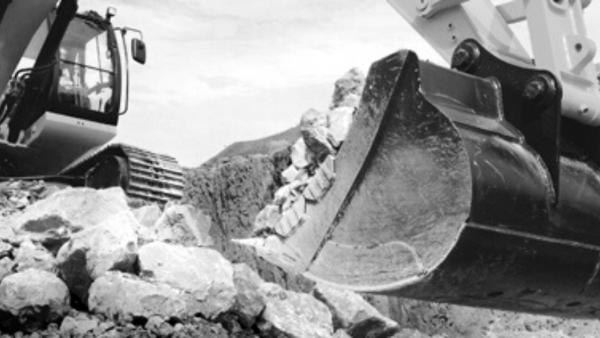
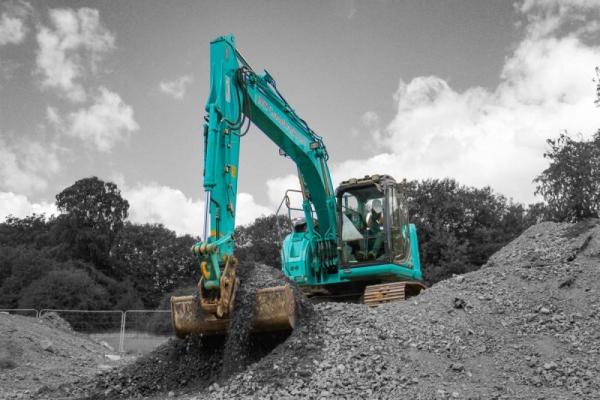
Introduction
The allure of acquiring heavy equipment at a reduced price often leads buyers to consider gray market machines. These are construction machines imported into a country without going through the manufacturer's authorized distribution channels. While the initial cost savings can be tempting, it's crucial to understand the potential risks and challenges associated with gray market equipment.
What Defines a Gray Market Machine?
A gray market machine is typically manufactured for use in a different country and imported into another without the manufacturer's consent. For instance, a Japanese-made Komatsu excavator intended for the Japanese market might be sold in the U.S. without going through the authorized Komatsu dealers. These machines may have different specifications, features, and support systems compared to their officially imported counterparts.
Potential Risks of Purchasing Gray Market Equipment
- Limited or No Warranty Support
Manufacturers often refuse to honor warranties on gray market machines. This means that any repairs or parts replacements could become the buyer's responsibility, potentially leading to significant unexpected costs.
- Difficulty in Obtaining Replacement Parts
Parts for gray market machines may not be readily available through local dealers. This can lead to extended downtime while waiting for parts to be sourced, often from overseas suppliers.
- Non-Compliance with Local Regulations
Gray market machines might not meet local safety, emissions, or operational standards. For example, they may lack necessary safety features or not comply with environmental regulations, leading to legal and operational challenges.
- Challenges in Servicing and Maintenance
Local service centers might not have the expertise or resources to repair gray market machines, especially if they lack access to technical manuals or specialized tools.
- Resale Value Concerns
Selling a gray market machine can be challenging, as potential buyers might be wary of the associated risks. This can lead to reduced resale value and difficulty in liquidating the asset.
Case Studies and Real-World Examples- Case Study 1: The Hitachi Excavator Dilemma
A construction company purchased a gray market Hitachi excavator to save costs. However, they soon faced challenges in sourcing replacement parts, leading to prolonged downtime and increased operational costs. The lack of warranty support further compounded the issue, highlighting the risks of opting for gray market equipment.
- Case Study 2: The Kubota Tractor Experience
A farmer imported a gray market Kubota tractor from overseas, attracted by its lower price. Upon arrival, the tractor lacked essential safety features required by local regulations. Additionally, the local dealer refused to service the machine, citing it as a gray market unit, leaving the farmer with limited options for maintenance and support.
Guidelines for Buyers Considering Gray Market Equipment- Research Thoroughly: Before purchasing, research the machine's specifications, compliance with local regulations, and availability of parts and service support.
- Consult with Authorized Dealers: Engage with authorized dealers to understand potential challenges and risks associated with gray market machines.
- Evaluate Total Cost of Ownership: Consider not just the purchase price but also potential costs related to maintenance, parts, and compliance.
- Assess Long-Term Viability: Think about the long-term implications, including resale value and the availability of support services.
Conclusion
While gray market heavy equipment can offer initial cost savings, the associated risks often outweigh the benefits. Buyers should exercise caution, conduct thorough research, and consider the long-term implications before making such purchases. In many cases, opting for equipment through authorized channels may provide better value and peace of mind in the long run.
|
|
|
|
| Caterpillar 287B Multi-Terrain Loader: Detailed Overview, Features, Maintenance, and Practical Guidance |
|
Posted by: MikePhua - 08-14-2025, 07:24 PM - Forum: General Discussion
- No Replies
|
|
Introduction to the Caterpillar 287B Multi-Terrain Loader
The Caterpillar 287B is a versatile multi-terrain loader designed to provide reliable power, maneuverability, and productivity in demanding work environments such as construction, landscaping, agriculture, and snow removal. Manufactured from around 2004 to 2007, it is built on a robust design with a mix of compactness and heavy-duty functionality, featuring a specialized undercarriage and efficient engine to handle diverse terrains and tasks effectively.
Core Specifications and Features - Engine: Caterpillar 3044C-DIT, a four-cylinder turbocharged diesel engine producing approximately 76 to 82 gross horsepower. This engine is known for its reliability, fast torque response, and complies with EPA Tier 2 and EU Stage II emissions standards.
- Operating Weight: Around 10,275 lbs, offering substantial stability and heaviness for tough applications.
- Operating Capacity: The 50% tipping load rated operating capacity is about 3,600 lbs, with a tipping load of approximately 7,200 lbs, allowing safe and effective lifting capabilities for moderate to heavy loads.
- Undercarriage: Typically equipped with an 18-inch wide wide rubber track system which provides a low ground pressure of about 3.8 psi. This multi-terrain undercarriage features around 42 wheeled contact points and torsion axles designed to absorb shocks and provide smooth travel over rough ground. The elevated positive track drive helps protect drive components from debris damage.
- Hydraulics: Standard low flow auxiliary hydraulic system delivers 22 gallons per minute (gpm) at 3,335 psi, with a high flow XPS option available that increases flow to 33 gpm at 4,060 psi for powering more demanding implements and attachments.
- Transmission: Single-speed hydrostatic transmission delivering a ground speed of up to 7 mph.
- Dimensions: Width over tracks is approximately 6.44 feet, height to top of the cab about 6.97 feet, providing a compact footprint for maneuverability in tight spaces.
- Fuel Capacity: Roughly 29 gallons, suitable to support extended operating times in remote sites.
- Operator Comfort: The cab provides ample space and uncluttered floors for easy entry and exit, with adjustable contoured seats, cushioned armrests, pilot-operated joysticks, dual throttle controls (hand and foot throttles), 12-volt power socket, and optional cup holders.
Undercarriage and Track System Details
The 18-inch wide rubber tracks are reinforced with high tensile strength cords, combining lightweight flexibility and durability. The suspension system includes heavy-duty torsion axles that absorb shocks from uneven terrain, minimizing operator fatigue and protecting internal components from premature wear. The track design with numerous contact points ensures even pressure distribution to reduce ground disturbance, making the machine conscientious in sensitive environments.
Hydraulic and Powertrain System
The Caterpillar 287B uses dual closed-loop axial piston hydrostatic pumps driven directly by the engine. These pumps power two fixed displacement motors that operate the final drive tracks without chains, enhancing reliability and reducing maintenance. The hydraulic system not only propels the tracks but also facilitates loader lift, tilt movements, auxiliary tool operation, and engine cooling fan function.
The machine’s loader arms are engineered for strength and durability with a vertical lift design, providing a straight load path and excellent visibility to the tool and work area. Spherical bearings distribute load evenly into the frame, reducing fatigue cracks and prolonging component life.
Operational Advantages and Use Cases
The 287B excels in applications requiring multi-terrain versatility: from snow clearing and landscaping to construction tasks and material handling. Operators benefit from the smooth hydrostatic controls, capable of precise movements and consistent power delivery across various ground conditions. The high flow hydraulic option enables the operation of demanding attachments like cold planers, trenchers, or snow blowers, broadening the machine’s utility.
Common Maintenance Practices and Solutions- Regular inspection and maintaining track tension and condition are critical to maximize undercarriage life. Attention should be given to rollers, sprockets, and drive motors for early signs of wear or damage.
- Hydraulic fluid and filters require scheduled monitoring and replacement to sustain hydraulic system health and avoid erratic operation.
- Engine oil and fuel system should be routinely checked, with turbocharger maintenance included to protect performance.
- Clean air filters and cooling systems to prevent overheating, especially when working in dusty or adverse environments.
- Operators should be trained to use throttle controls judiciously, balancing power needs with fuel efficiency.
- The hand throttle is helpful for consistent engine speeds during attachments use, while the foot throttle allows responsive speed control in load and carry or grading tasks.
Related Case Stories
A landscaping company in a rocky and wet environment reported that switching from wheeled skid loaders to the Caterpillar 287B dramatically improved productivity during wet seasons. The low ground pressure tracks allowed them to work without damaging soft turf and enabled earlier job starts in spring thaw conditions. A focus on consistent undercarriage maintenance reduced downtime related to track and drive system repairs.
In Northern climates, operators highlighted the value of the anti-stall system which allowed smoother operation during snow blowing and plowing, preventing machine stalls in heavy snow drifts and increasing job site uptime.
Glossary of Key Terms- Multi-Terrain Loader: A compact track loader designed for superior traction and low ground pressure in varied terrains compared to wheeled skid steers.
- Operating Capacity (50% Tipping Load): The maximum recommended load the machine can safely carry, measured at half the tipping load.
- Hydrostatic Transmission: A transmission system using hydraulic fluid under pressure to drive motors and provide smooth speed control.
- Torsion Axle: A suspension component that absorbs shocks by twisting action, improving ride comfort and protecting components.
- Load Sensing Hydraulic System: Advanced hydraulic system that adjusts flow and pressure based on demand, improving efficiency.
- High Flow XPS: An optional high flow hydraulic system providing increased flow and pressure for demanding attachments.
- Vertical Lift Design: Loader arm geometry that provides straight vertical lifting paths, improving lifting capacity and visibility.
Recommendations and Practical Advice- Plan for regular undercarriage inspection and maintenance, especially in abrasive or debris-filled environments to avoid costly downtime.
- Use the high flow hydraulic option if operating hydraulic-intensive attachments regularly.
- Schedule engine and turbocharger maintenance according to runtime hours to ensure sustained power and emission compliance.
- Train operators on throttle control usage to maximize fuel efficiency and machine responsiveness.
- Employ cooling system inspections and cleanings routinely to prevent overheating, particularly in dusty or hot worksites.
- Consider attaching telemetry or hour meters to monitor real-time machine health and schedule preventive maintenance.
Summary
The Caterpillar 287B multi-terrain loader combines rugged engine performance, advanced hydraulic systems, and a thoughtfully engineered undercarriage to deliver effective operation across various tough environments. Its balance of power, low ground pressure, and operator comfort makes it a valuable asset for construction, landscaping, snow removal, and agricultural tasks.
Through proper maintenance, operator training, and matched attachment selection, the 287B can provide years of reliable service. Real-world experiences underline its versatility and durability in challenging conditions, confirming its place as a trusted workhorse in the compact track loader category.
By understanding its technical strengths and operational best practices, users can optimize productivity, reduce downtime, and extend equipment lifespan with the Caterpillar 287B multi-terrain loader.
|
|
|
|
| Choosing the Best Winter Tracks for the CAT 299D Skid Steer Loader |
|
Posted by: MikePhua - 08-14-2025, 07:23 PM - Forum: Parts , Attachments & Tools
- No Replies
|
|
Introduction
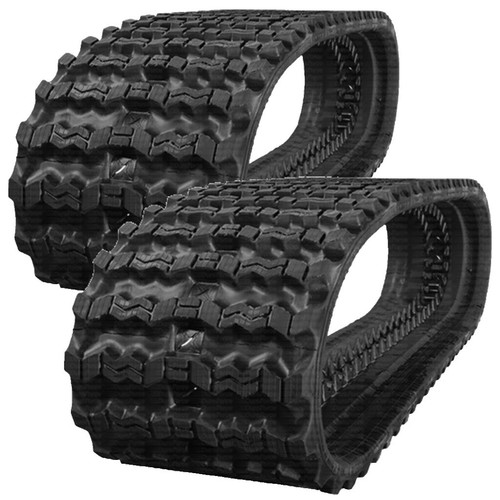
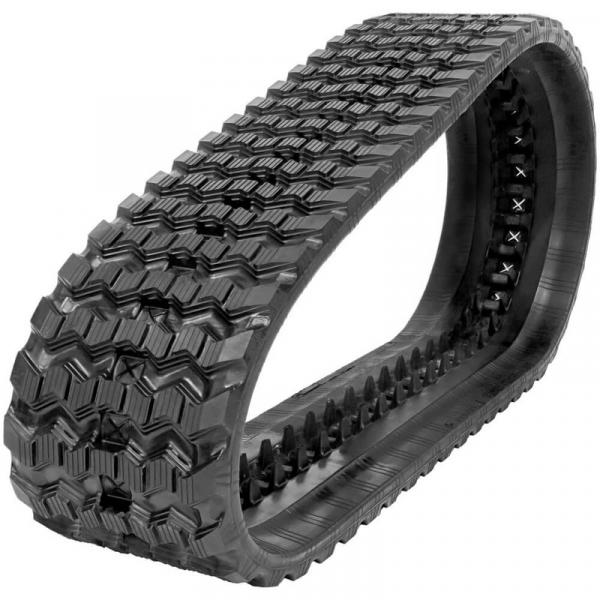
The Caterpillar 299D Skid Steer Loader is a versatile machine, particularly effective in snow removal applications. Equipping it with the right winter tracks enhances performance, safety, and efficiency. This guide delves into the optimal track options for snow plowing, considering various tread patterns, materials, and real-world experiences.
Understanding Track Tread Patterns
The tread pattern of a track significantly influences traction, floatation, and maneuverability in snowy conditions. Here's an overview of common tread patterns: - Z-Lug (Zig-Zag): Features angled lugs that provide exceptional grip on icy and snow-packed surfaces. Ideal for steep inclines and slippery terrains.
- Multi-Bar: Designed for balanced traction and floatation, making it suitable for various snow conditions.
- C-Tread: Offers enhanced forward traction, beneficial for pushing heavy snow accumulations.
- Sawtooth: Provides aggressive traction, effective for compacted snow and icy surfaces.
Material Considerations
The material composition of the tracks affects durability and performance:- Rubber Tracks: Commonly used for their balance between durability and ride comfort. Brands like Arisun and Camso offer tracks with reinforced steel cords, enhancing strength and longevity.
- Steel Tracks: While offering superior durability, they can be noisy and may damage paved surfaces. Suitable for rugged terrains but less ideal for urban snow removal.
Top Track Options for the CAT 299D
Based on performance and user feedback, here are some recommended track options:- Arisun Rubber Tracks: Known for their durability and cost-effectiveness. Suitable for general snow removal tasks.
- Camso Rubber Tracks: Offer enhanced traction and comfort, making them ideal for extended snow plowing operations.
- Z-Lug Pattern Tracks: Provide maximum grip on icy surfaces, ensuring safety on steep inclines.
Real-World Applications
Operators have shared their experiences with different track types:- Arisun Tracks: Users report satisfactory performance in moderate snow conditions, offering a balance between cost and functionality.
- Camso Tracks: Praised for their superior traction and comfort, especially during prolonged snow removal sessions.
- Z-Lug Tracks: Recommended for areas with icy conditions, providing enhanced grip and stability.
Maintenance Tips
To prolong the lifespan of your tracks:- Regular Inspections: Check for signs of wear, cracks, or debris accumulation.
- Proper Storage: Store equipment in a dry place to prevent track degradation.
- Cleanliness: Remove snow and ice buildup after each use to maintain track integrity.
Conclusion
Selecting the appropriate winter tracks for your CAT 299D Skid Steer Loader is crucial for efficient and safe snow removal. Consider factors like tread pattern, material, and real-world performance to make an informed decision. Regular maintenance ensures longevity and optimal performance of your equipment.
|
|
|
|
| Excavator Travel Motor: Comprehensive Guide to Function, Components, Maintenance, and Practical Insights |
|
Posted by: MikePhua - 08-14-2025, 07:22 PM - Forum: Parts , Attachments & Tools
- No Replies
|
|
Introduction to Excavator Travel Motors
The travel motor in an excavator is a critical hydraulic component responsible for propelling the machine forward, backward, and turning it with precision. It converts hydraulic energy from the machine's hydraulic system into mechanical rotational force that drives the tracks or wheels. Understanding its function and maintenance is essential for ensuring smooth movement, optimizing performance, and preventing costly breakdowns on the job site.
Key Components and How They Work - Hydraulic Motor: This is the core part of the travel motor system. Hydraulic fluid from the excavator’s main hydraulic pump enters the motor, generating force by pushing against internal components such as pistons or gears. The motor converts this pressurized fluid into rotational mechanical energy, which powers the movement of the excavator’s tracks.
- Travel Gearbox: Connected to the hydraulic motor, the travel gearbox increases the torque output, enabling the excavator to move effectively across different terrains, including soft soil and rocky ground. This gear reduction is vital to provide the necessary tractive effort and control the machine’s speed.
- Final Drive Assembly: The final drive links the travel motor to the tracks, incorporating planetary gears that further reduce speed while increasing torque, ensuring stable and precise track movement.
These components work together seamlessly to translate hydraulic power into controlled travel motion.
Operational Principles
When the operator commands movement, hydraulic fluid is directed through control valves to the travel motor. The pressure and flow of this fluid influence how fast and powerful the motor turns. As the motor rotates, it drives the gearbox and then the final drive gears, which mechanically turn the sprocket linked to the tracks.
A hydraulic principle called Pascal’s law supports this process, meaning pressure applied to the hydraulic fluid transmits equally, allowing consistent force to be generated within the motor’s pistons or gear teeth. High torque at low speed settings is important when traversing uneven or heavy-load terrain, while higher speeds with lower torque are suitable for traveling over flat areas.
Common Issues and Symptoms- Wear and Damage: Components such as pistons, gears, seals, and bearings can wear out due to contamination, improper lubrication, or heavy operational loads.
- Hydraulic Leaks: Leaks in lines or seals reduce motor efficiency and can damage other components.
- Overheating: Insufficient hydraulic fluid or dirty fluid causes overheating, accelerating wear.
- Noise and Vibration: Abnormal sounds or vibrations often indicate bearing or gear problems.
- Loss of Power or Stalling: Reduced torque or motor failure leads to sluggish or halted travel functions.
Maintenance Best Practices- Regular Inspection: Check for hydraulic fluid leaks around the motor assembly and track areas.
- Fluid Quality: Maintain clean, properly filtered hydraulic fluid with correct viscosity ratings.
- Lubrication: Ensure related moving parts such as bearings have proper lubrication.
- Seal Replacement: Proactively replace worn seals before leaks develop.
- System Pressure Checks: Monitor system pressures and flow rates to detect inefficiencies early.
- Timely Repairs: Address unusual noises or performance drops immediately to avoid catastrophic failure.
Practical Stories and Case Examples
A construction firm once experienced frequent jamming on one side of a Cat 312C excavator’s travel motor, manifesting as intermittent track lock-ups. Upon inspection, worn internal gears and damaged seals were found, requiring a full travel motor overhaul. After maintenance, their site productivity improved significantly, and downtime decreased.
Another story involves an excavator operating in muddy, abrasive conditions where the travel motor’s final drive oil was contaminated rapidly. Implementing a stricter oil change interval and installing enhanced filtration systems extended the final drive’s and motor’s life by over 30%, saving significant repair costs.
Suggestions and Solutions- Choose high-quality OEM or certified remanufactured travel motors to ensure durability.
- Use hydraulic fluid recommended by the manufacturer and replace filters regularly.
- Implement routine maintenance schedules based on machine hours and operating environment severity.
- Train operators to avoid abrupt starts/stops and excessive speed changes that strain the travel motor.
- Consider installing telematics systems to monitor travel motor performance remotely for early fault detection.
- Be mindful of terrain and load; heavy work on steep slopes demands cautions with travel motor stress.
Glossary of Key Terms- Travel Motor: Hydraulic motor converting fluid power into mechanical rotation for machine movement.
- Travel Gearbox: Gear system that increases torque and reduces speed to effectively drive tracks.
- Final Drive: Assembly that transmits power from the travel motor to the sprockets and tracks, including planetary gears.
- Hydraulic Fluid: Specialized fluid transmitting power within hydraulic systems.
- Torque: Rotational force essential for moving loads and navigating terrain.
- Pascal’s Law: Hydraulic principle stating pressure applied to fluid is transmitted equally in all directions.
- Seals: Components preventing fluid leaks in the hydraulic system.
- OEM: Original Equipment Manufacturer, implying genuine manufacturer parts.
Summary
The excavator travel motor is a vital hydraulic component responsible for translating hydraulic energy into mechanical movement, enabling the machine to travel across various terrains with strength and precision. It works in concert with the travel gearbox and final drive to provide the necessary torque and controlled speed.
Proper maintenance — including fluid management, seal upkeep, and system inspections — alongside attentive operation, significantly extends the travel motor’s lifespan and reliability. Practical insights from the field underscore the importance of responding quickly to symptoms of wear or malfunction, which can prevent costly downtime.
By understanding the travel motor’s function, common challenges, and maintenance requirements, operators and maintenance teams can optimize excavator performance and longevity, achieving safer and more efficient operations on site.
|
|
|
|
| Komatsu PC300 Excavator Bucket Compatibility: A Comprehensive Guide |
|
Posted by: MikePhua - 08-14-2025, 07:21 PM - Forum: Parts , Attachments & Tools
- No Replies
|
|
Introduction
The Komatsu PC300 is a versatile and widely used hydraulic excavator in the 30-ton class, known for its durability and performance across various construction and mining applications. A crucial aspect of maximizing its utility is selecting the appropriate bucket attachments. Understanding bucket compatibility ensures optimal performance, safety, and cost-effectiveness.
Understanding Excavator Bucket Compatibility
Excavator buckets are designed to fit specific models based on factors like pin diameter, center-to-center distance, and machine weight class. For the Komatsu PC300, compatibility extends beyond Komatsu-branded buckets to include certain models from other manufacturers. However, it's essential to verify compatibility through detailed specifications or professional consultation.
Compatible Buckets for Komatsu PC300
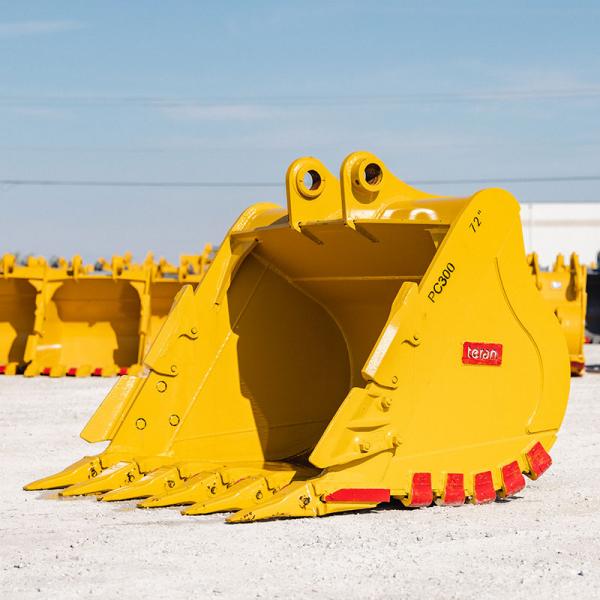
Several buckets are compatible with the Komatsu PC300, offering various capacities and designs to suit different tasks: - CMS UHE 35" Excavator Bucket: Designed for Komatsu PC300-6, PC300HD-6, PC300LC-7, and PC340 models, this bucket offers a capacity of approximately 0.93 cubic yards.
- Teran Industries BKTPC30060HD: A heavy-duty bucket suitable for Komatsu PC300LC-6 models, with a capacity of 1.6 cubic meters.
- Teran Industries BKTPC30072HD: Another heavy-duty option for PC300LC-6, offering a larger capacity of 2 cubic meters.
- Carroll Equipment 42" DE Tooth Bucket: Compatible with Komatsu PC300-3 to PC300-6 models, this bucket is designed for general-purpose digging.
- Hawk Excavator KOMPC300-HRB3148: A severe-duty bucket tailored for demanding applications, ensuring durability and performance.
Interchangeability with Other Brands
While Komatsu PC300 buckets are primarily designed for Komatsu machines, certain models from other manufacturers may be compatible:- Caterpillar 325CB Type Bucket: Some users have reported that Caterpillar 325CB type buckets can fit Komatsu PC300 models, though this may require verification and potential modifications.
- Hitachi EX270 and EX220 Buckets: Buckets from these Hitachi models have been noted to fit Komatsu PC300-3 to PC300-6, indicating potential interchangeability within certain specifications.
Factors Influencing Bucket Compatibility
When considering bucket compatibility, several factors should be evaluated:- Pin Diameter and Center-to-Center Distance: Ensure that the bucket's pin dimensions match those of the PC300's linkage.
- Machine Weight Class: Buckets are designed to handle specific weight classes; using an incompatible bucket can affect performance and safety.
- Coupler System: Machines equipped with quick couplers may have different compatibility requirements compared to those with direct pinning systems.
Recommendations for Optimal Performance
To ensure the best performance and longevity of your Komatsu PC300 excavator:- Consult Manufacturer Specifications: Always refer to the manufacturer's guidelines for compatible attachments.
- Professional Assessment: Before purchasing or fitting a bucket from another brand, consult with a professional to assess compatibility.
- Regular Maintenance: Regularly inspect buckets and coupler systems for wear and tear to maintain optimal performance.
Conclusion
The Komatsu PC300's versatility allows for the use of various bucket attachments, both from Komatsu and other manufacturers. However, ensuring compatibility is crucial to maintain the machine's performance and safety standards. By considering factors like pin dimensions, machine weight class, and coupler systems, operators can select the most suitable bucket for their specific needs.
|
|
|
|
| Caterpillar 120M Motor Grader Event Code 127-3: Transmission Oil Pressure Sensor Voltage Above Normal – Diagnosis, Location, Testing, and Solutions |
|
Posted by: MikePhua - 08-14-2025, 07:20 PM - Forum: Troubleshooting & Diagnosing
- No Replies
|
|
Understanding the Event Code 127-3 on the Cat 120M
The Caterpillar 120M motor grader is a robust machine widely used for precision grading and heavy earthmoving. When an Event Code such as 127-3 appears, indicating transmission oil pressure sensor voltage is above normal, it signals an abnormal electrical voltage reading related to the transmission oil pressure sensor. This condition may affect transmission performance and requires swift diagnosis and repair to avoid operational interruptions.
Event codes like 127-3 are generated by the Electronic Control Module (ECM) to alert operators and technicians about significant deviations in engine or machine system parameters, highlighting potential faults needing investigation.
Location of the Transmission Oil Pressure Sensor
On the Caterpillar 120M, the transmission oil pressure sensor is typically mounted on the transmission housing, often on the right or side face near the hydraulic control valve or oil supply lines feeding the transmission. This sensor monitors the oil pressure within the transmission, converting hydraulic pressure into an electrical voltage signal sent to the ECM.
Locating this sensor can be challenging as it may be obscured by other components or protective coverings on the transmission. Reference to the machine’s service and parts manuals or detailed transmission schematics is advised, and physical inspection is often necessary to confirm the sensor’s exact position.
Function and Importance of the Transmission Oil Pressure Sensor
The transmission oil pressure sensor is critical for monitoring transmission health and performance. It helps the ECM regulate shifting, torque converter lockup, and other hydraulic functions by providing real-time oil pressure data. Anomalies in this sensor’s signal, such as voltages above the normal operating range, can trigger protective diagnostics and limit machine functionality to prevent damage.
Common Causes of High Voltage Readings in the Transmission Oil Pressure Sensor - Faulty or failing sensor producing inaccurate voltage signals
- Wiring issues such as damaged cables, poor connectors, or short circuits causing signal interference
- Problems in the transmission hydraulic circuit leading to abnormal oil pressure
- ECM or electronic system faults misinterpreting signals
- Sensor contamination or mechanical damage due to dirt, corrosion, or wear
Testing the Transmission Oil Pressure Sensor
Proper diagnosis involves several steps:- Visual Inspection: Examine wiring harnesses, connectors, and sensor body for damage, corrosion, or loose connections.
- Sensor Location Verification: Use service documentation or consult experienced technicians to locate the sensor accurately on the transmission.
- Electrical Testing: Using a multimeter, test the sensor’s output voltage or resistance values against manufacturer specifications. Voltage should fall within a certain range corresponding to normal oil pressures.
- Functional Testing: Apply hydraulic pressure to the transmission while monitoring sensor output to verify proper sensor response.
- ECM Diagnostics: Connect Caterpillar Electronic Technician (Cat ET) or equivalent diagnostic tools to read live data streams and error codes, confirm sensor operation, and perform resets or calibrations if needed.
Maintenance and Repair Recommendations- Replace faulty sensors promptly with OEM (Original Equipment Manufacturer) parts to ensure reliability.
- Inspect and repair wiring harnesses or connectors showing wear or damage.
- Flush or service transmission hydraulic fluid systems if contamination or pressure irregularities are detected, following Caterpillar maintenance guidelines.
- Consider ECM updates or recalibration during sensor replacement to optimize system operation.
- Provide technicians with specialized training on reading event codes and diagnosing sensor-related faults.
Case Story and Experience Sharing
A Marine Corps heavy equipment mechanic working in a deployment environment encountered Event Code 127-3 on a Cat 120M scheduled for imminent field use. Lacking technical manual details on sensor location and testing procedures, the mechanic consulted experienced technicians and online resources. After identifying the sensor location on the transmission’s right side and confirming intermittent wiring faults, repairing the harness and replacing the sensor resolved the voltage anomaly. Ensuring proper diagnostic tools like Cat ET were available was crucial. This experience underscored the importance of understanding sensor functions and maintaining communication with expert networks to troubleshoot uncommon codes efficiently.
Glossary of Key Terms- Event Code: Diagnostic alert generated by the ECM indicating a specific system fault or condition.
- Transmission Oil Pressure Sensor: Device that measures hydraulic oil pressure in the transmission and sends an electrical signal to the ECM.
- ECM (Electronic Control Module): Computer that monitors and controls engine and transmission systems.
- Voltage Signal: Electrical output from the sensor proportional to measured pressure.
- Cat ET (Caterpillar Electronic Technician): Diagnostic software and tool for reading machine codes and performing system tests.
- OEM Parts: Components produced by the original manufacturer, ensuring compatibility and reliability.
Summary and Solutions
The Caterpillar 120M transmission oil pressure sensor is essential for proper transmission operation, with Event Code 127-3 indicating a high voltage warning that requires attention to avoid transmission issues. Locating the sensor involves inspection near the transmission housing, often on the right side, followed by electrical testing to confirm sensor integrity. Wiring and connector health must also be verified. Using diagnostic tools like Cat ET enhances troubleshooting accuracy and efficiency.
Solutions involve replacing faulty sensors with OEM parts, repairing wiring, servicing transmission hydraulics, and updating ECM calibrations as necessary. Operator and mechanic training in event code interpretation and sensor function is vital for timely maintenance and minimizing equipment downtime.
Proactive management of sensor-related issues ensures reliability and operational readiness of the Cat 120M motor grader, crucial in demanding environments, including military deployments and construction projects.
By integrating detailed technical knowledge with practical field experience, operators and technicians can effectively diagnose, maintain, and resolve transmission oil pressure sensor faults, safeguarding performance and mission-critical machine availability.
|
|
|
|
| The Impact of Rising Fuel Prices on Heavy Equipment Operations |
|
Posted by: MikePhua - 08-14-2025, 07:19 PM - Forum: Rental , Leasing & Investment
- No Replies
|
|
Introduction
Fuel costs have long been a significant concern for the construction industry, but recent surges in diesel prices have intensified this issue. With diesel fuel accounting for over 40% of equipment operating costs, any fluctuation can substantially affect project budgets and timelines.
Understanding Fuel Consumption in Heavy Equipment
Heavy machinery, such as excavators, bulldozers, and cranes, predominantly runs on diesel fuel. Factors influencing fuel consumption include: - Engine Efficiency: Modern engines are designed for optimal fuel usage, but older models may consume more fuel.
- Load and Terrain: Heavier loads and challenging terrains require more power, increasing fuel consumption.
- Idle Time: Extended periods of idling waste fuel without contributing to productivity.
- Operator Behavior: Aggressive driving and sudden starts can lead to higher fuel usage.
Economic Implications of Rising Fuel Prices
The construction industry is particularly vulnerable to fuel price fluctuations. For instance, in 2024, diesel prices increased by 74% compared to the previous year, leading to a significant rise in operating costs. This escalation affects various aspects:- Increased Operating Expenses: Higher fuel prices directly elevate the cost of running machinery.
- Budget Overruns: Projects may exceed initial budgets due to unforeseen fuel costs.
- Contract Adjustments: Some companies incorporate fuel surcharges into contracts to mitigate risks.
Strategies to Mitigate Fuel Costs
To counteract rising fuel expenses, construction companies can implement several strategies:- Regular Maintenance: Ensuring equipment is well-maintained can improve fuel efficiency.
- Operator Training: Educating operators on fuel-efficient practices can lead to significant savings.
- Technology Integration: Utilizing telematics and fuel management systems helps monitor and optimize fuel usage.
- Equipment Upgrades: Investing in newer, more fuel-efficient machinery can reduce long-term costs.
Case Study: Transitioning to Electric Equipment
In response to escalating fuel prices, some companies are exploring alternative energy sources. For example, a broadacre farmer in Western Australia transitioned to electric machinery, resulting in annual savings of over A$36,000. While electric equipment is more suitable for certain applications, advancements are being made to develop electric machinery for larger-scale operations.
Conclusion
The rising cost of fuel presents a significant challenge to the construction industry. By adopting proactive strategies, such as regular maintenance, operator training, and exploring alternative energy sources, companies can mitigate the impact of fuel price fluctuations and maintain project profitability.
|
|
|
|
| Caterpillar GP25 Forklift: In-Depth Guide to Specifications, Features, Maintenance, and Practical Use |
|
Posted by: MikePhua - 08-14-2025, 07:19 PM - Forum: General Discussion
- No Replies
|
|
Introduction to the Caterpillar GP25 Forklift
The Caterpillar GP25 forklift is recognized as a durable and versatile material handling machine used in multiple industrial and warehouse settings. With its balanced design, reliable powertrain, and operator-friendly features, the GP25 serves well for lifting, moving, and stacking loads efficiently and safely. Understanding its technical details, maintenance needs, and operational considerations allows users to maximize performance and minimize downtime.
Technical Specifications and Key Features - Power Source: Typically powered by an internal combustion engine, often LPG or diesel, designed for low emissions and reliable output.
- Load Capacity: Rated to lift approximately 5,000 pounds (about 2,268 kg), ideal for medium-duty lifting tasks in warehouses, manufacturing, and distribution environments.
- Load Center Distance: Approximately 24 inches (600 mm), which affects the forklift’s lifting leverage and stability.
- Mast Types and Lift Heights: Available with simplex, duplex, and triplex mast configurations allowing variable lift heights suitable for stacking and retrieval on racks.
- Dimensions: Compact design allows a manageable overall length and width, facilitating navigation in tight aisles and confined spaces.
- Operating Weight: Roughly 8,500 to 10,000 lbs depending on configuration and attachments, balancing stability and maneuverability.
- Travel Speed: Moderate travel speeds calibrated for safe operation with various load weights.
- Braking System: Equipped with reliable service brakes and inching pedals facilitating precise load positioning.
- Tires: Options include solid pneumatic or cushion tires, adaptable to indoor or smooth outdoor surfaces.
- Operator Safety and Comfort: Features like overhead guards, ergonomic seating, clear sightlines, and intuitive control layouts enhance safety and reduce operator fatigue.
Advanced Features and Performance Enhancements
The GP25 forklift integrates electronically controlled engines compliant with emissions standards while optimizing fuel efficiency. Innovations in braking systems and hydraulic controls contribute to smoother lifting and travel performance, improving worker productivity and load handling precision. The forklift’s mast design caters to different vertical reach needs, accommodating pallet racks and multi-level storage configurations.
Maintenance Considerations and Best Practices- Regular Inspections: Key components such as mast chains, hydraulic hoses, forks, and tires should be checked frequently for wear, damage, or deformation.
- Engine and Fuel System Care: Scheduled oil and filter changes, radiator cleaning, and fuel system checks maintain engine performance and longevity.
- Hydraulic System Health: Hydraulic fluid levels and quality require routine monitoring and timely replacement to prevent system damage or erratic operation.
- Brake and Tire Maintenance: Brake pads, discs, and tire condition directly impact operational safety and must be maintained per manufacturer guidelines.
- Operator Training: Proper operation, including load handling techniques and machine control, extends equipment life and prevents accidents.
- Record Keeping: Maintain detailed service logs to track repairs, part replacements, and scheduled maintenance.
Practical Usage Tips and Solutions- Always verify load weights relative to rated capacities to avoid tipping hazards.
- Use the appropriate tire types based on floor surfaces—cushion tires for smooth indoor floors and pneumatic or solid pneumatic for rough or outdoor terrains.
- Implement pre-shift inspection routines to catch minor issues early.
- Consider retrofitting with telemetry or monitoring systems to optimize fleet management in larger operations.
- Store machinery in sheltered conditions when not in use to reduce weather-related wear.
- In cold climates, use fluids and lubricants suited to low temperatures to maintain hydraulic and engine efficiency.
Related Case Stories and Industry Insights
A regional warehouse manager shared how switching to Caterpillar GP25 forklifts enabled tighter aisle design without sacrificing lift quality, increasing storage density and throughput simultaneously. Routine maintenance schedules and operator certification programs reduced downtime by nearly 30%, demonstrating the value of disciplined upkeep and training.
In a manufacturing plant deploying GP25 models with triplex masts, personnel benefitted from enhanced visibility and ease of handling heavy loads, reducing product damage and improving safety metrics. The plant manager highlighted that while upfront costs were competitive, the forklifts’ durability and parts availability contributed to lower total cost of ownership over time.
Glossary of Key Terms- Load Center Distance: The horizontal distance from the vertical face of the forks to the center of gravity of the load.
- Simplex/Duplex/Triplex Mast: Types of forklift masts offering varying lifting height capabilities and stages of extension.
- Inching Pedal: A control pedal allowing slow, precise movements of the forklift without disengaging the transmission.
- Solid Pneumatic Tires: Durable, airless tires suitable for indoor or smooth surface operation.
- Cushion Tires: Smooth rubber tires optimized for indoor use on concrete floors.
- Hydraulic System: The mechanism using pressurized fluid to power lifting and tilting actions.
- Overhead Guard: Protective structure over the operator to prevent injury from falling objects.
Summary and Recommendations
The Caterpillar GP25 forklift is a robust and adaptable machine optimized for efficient material handling in medium-duty applications. Selecting the correct mast type, tires, and power source for your environment is essential to leverage its capabilities fully. Preventive maintenance, operator training, and adherence to safety protocols maximize performance while minimizing repair costs and downtime.
Users should prioritize:- Conducting regular inspections of critical mechanical and hydraulic components.
- Maintaining engine and hydraulic fluid health with genuine or recommended products.
- Employing proper operational techniques to safeguard both the machine and load.
- Investing in operator training and refresher courses to enhance productivity and safety.
- Considering fleet management technologies for better maintenance tracking.
By adopting these best practices, companies can optimize the productivity and longevity of the GP25 forklift, ensuring reliable and cost-effective service in demanding material handling operations.
This comprehensive understanding combines technical knowledge, practical advice, and real-world examples, empowering users to make informed decisions and achieve operational excellence with the Caterpillar GP25 forklift.
|
|
|
|
|



