| Welcome, Guest |
You have to register before you can post on our site.
|
| Online Users |
There are currently 382 online users.
» 0 Member(s) | 372 Guest(s)
Ahrefs, Amazon, Applebot, Bing, Claude, DotBot, Google, OpenAI, Semrush
|
| Latest Threads |
Identifying and Sourcing ...
Forum: Parts , Attachments & Tools
Last Post: MikePhua
01-07-2026, 06:29 PM
» Replies: 0
» Views: 534
|
Cat 931B Brake Parts
Forum: Parts , Attachments & Tools
Last Post: MikePhua
01-07-2026, 06:29 PM
» Replies: 0
» Views: 285
|
Choosing Between Cat 228,...
Forum: General Discussion
Last Post: MikePhua
01-07-2026, 06:28 PM
» Replies: 0
» Views: 571
|
Hydraulic Delay When Lowe...
Forum: Troubleshooting & Diagnosing
Last Post: MikePhua
01-07-2026, 06:27 PM
» Replies: 0
» Views: 450
|
Bale Chopper and Mulcher ...
Forum: General Discussion
Last Post: MikePhua
01-07-2026, 06:26 PM
» Replies: 0
» Views: 333
|
Mini UC Maintenance
Forum: General Discussion
Last Post: MikePhua
01-07-2026, 06:25 PM
» Replies: 0
» Views: 319
|
Locating Wiring Informati...
Forum: General Discussion
Last Post: MikePhua
01-07-2026, 06:24 PM
» Replies: 0
» Views: 352
|
Case Industrial Brown Sub...
Forum: Parts , Attachments & Tools
Last Post: MikePhua
01-07-2026, 06:23 PM
» Replies: 0
» Views: 279
|
Dirt Work in West Virgini...
Forum: Construction & Urban Infrastructure Forum
Last Post: MikePhua
01-07-2026, 06:23 PM
» Replies: 0
» Views: 380
|
D207 P Hydraulic Steering...
Forum: Parts , Attachments & Tools
Last Post: MikePhua
01-07-2026, 06:22 PM
» Replies: 0
» Views: 305
|
|
|
| Replacing Return Line Seals on the International Dresser TD20 Dozer (DVT573 Engine) |
|
Posted by: MikePhua - 08-14-2025, 07:10 PM - Forum: General Discussion
- No Replies
|
 |
The International Dresser TD20 dozer, equipped with the DVT573 diesel engine, is a robust machine known for its durability in heavy-duty applications. However, like all machinery, it requires maintenance to ensure optimal performance. One common maintenance task is replacing the return line seals, which are crucial for maintaining the integrity of the fuel system.
Understanding the Role of Return Line Seals
Return line seals are integral components in the fuel system of diesel engines. They prevent fuel leaks at the injector return lines, ensuring that excess fuel is safely returned to the fuel tank without contaminating other engine components. In the case of the DVT573 engine, these seals are located at the injector return lines and are subject to high pressure and temperature conditions.
Identifying the Correct Seal Dimensions
Accurate identification of the seal dimensions is essential for a successful replacement. For the DVT573 engine, the return line seals typically have the following approximate dimensions: - Height: 0.270 inches
- Outer Diameter (OD): 0.475 inches
- Inner Diameter (ID): 0.250 inches (seals to a 0.250-inch OD return line)
These dimensions are based on user reports and may vary slightly depending on the specific model and manufacturing tolerances. It's advisable to measure the existing seals before purchasing replacements to ensure compatibility.
Sourcing Replacement Seals
Finding the correct replacement seals can be challenging due to the age and specificity of the DVT573 engine. However, several avenues can be explored:- Komatsu Dealers: Since Komatsu acquired Dresser, they may have compatible parts or can provide guidance on sourcing the correct seals.
- Aftermarket Suppliers: Companies like CEA-Services offer seal kits compatible with Dresser TD20 models, which may include the necessary return line seals.
- Online Marketplaces: Platforms like eBay and TractorPartsASAP list various seal kits and individual seals that may fit the TD20 dozer.
It's crucial to verify the compatibility of any replacement seals with the DVT573 engine before purchasing.
Installation Process
Replacing the return line seals involves several steps:
- Preparation: Ensure the engine is cool and disconnect the battery to prevent any electrical hazards.
- Accessing the Injectors: Remove any components obstructing access to the fuel injectors, such as air intake hoses or engine covers.
- Removing Old Seals: Carefully detach the return lines from the injectors. Use a seal removal tool to extract the old seals without damaging the injector ports.
- Cleaning: Thoroughly clean the injector ports and return lines to remove any debris or old seal remnants.
- Installing New Seals: Lubricate the new seals with clean diesel fuel and install them into the injector ports. Ensure they are seated properly to prevent leaks.
- Reassembling: Reconnect the return lines to the injectors and reassemble any components removed during the process.
- Testing: Start the engine and check for any fuel leaks around the injector return lines. If leaks are present, recheck the seal installation and ensure proper seating.
Maintenance Tips
To prolong the life of the return line seals and ensure the longevity of the fuel system:- Regular Inspections: Periodically check for signs of fuel leaks around the injector return lines.
- Use Quality Fuel: Ensure the use of clean, high-quality diesel fuel to prevent contamination and clogging of the return lines.
- Proper Storage: If the dozer is not in use for extended periods, store it in a dry environment to prevent corrosion of fuel system components.
Conclusion
Replacing the return line seals on the International Dresser TD20 dozer with the DVT573 engine is a manageable task that can prevent costly repairs and downtime. By sourcing the correct seals, following proper installation procedures, and adhering to maintenance best practices, operators can ensure the continued reliability and performance of their equipment.
|

|
|
| Deere 650G Final Drive Oil Leak: Diagnosis, Repair, and Real-World Wisdom |
|
Posted by: MikePhua - 08-14-2025, 07:09 PM - Forum: Troubleshooting & Diagnosing
- No Replies
|
|
Understanding the Final Drive System
The final drive on a crawler dozer like the John Deere 650G is a critical component that transmits torque from the transmission to the tracks. It typically consists of: - A planetary gear set for torque multiplication
- Bearings to support radial and axial loads
- Seals to retain gear oil and exclude contaminants
- A housing that integrates with the track frame
In the Deere 650G, the rear final drive is a self-contained unit bolted to the rear of the track frame. It operates under high torque and vibration, making seal integrity and lubrication essential for longevity.
Common Symptoms of Final Drive Failure
When oil begins leaking from the final drive, it’s often a sign of deeper mechanical wear. Typical symptoms include:- Visible oil seepage or pooling near the sprocket hub
- Reduced gear oil levels despite regular top-ups
- Grinding or whining noises during travel
- Excessive heat buildup in the drive housing
- Track hesitation or jerky movement under load
In this case, the operator noticed oil leaking from the rear final drive and questioned whether to repair or simply continue topping off oil during use.
Terminology Clarification
- Planetary Gear Set: A gear system that multiplies torque using a central sun gear, planet gears, and a ring gear.
- Radial Load: Force applied perpendicular to the shaft axis, typically from track tension.
- Axial Load: Force applied along the shaft axis, often from pushing or pulling.
- Seal Lip: The flexible edge of an oil seal that maintains contact with the rotating shaft.
Repair vs. Top-Off: A Cost-Benefit Analysis
Continuing to top off oil may seem economical, but it risks catastrophic failure. Consider the following:- Oil loss leads to gear starvation, increasing wear
- Leaking oil attracts dust and grit, accelerating seal damage
- A failed bearing or gear can destroy the housing, multiplying costs
- Environmental regulations may penalize oil leaks on job sites
Estimated repair costs for a Deere 650G final drive:- Seal kit: $150–$300
- Bearing set: $200–$500
- Labor (8–12 hours): $800–$1,500
- Complete rebuilt unit (if needed): $2,500–$4,000
Real-World Anecdotes: Lessons from the Field
A forestry contractor in Oregon ignored a minor leak on his 650G for two seasons. One winter, the final drive seized during a cold start, snapping the sprocket bolts and damaging the track frame. The repair cost exceeded $6,000 and sidelined the machine for three weeks.
Conversely, a rancher in Alberta caught a leak early and replaced the seal during routine maintenance. The repair took half a day and cost under $500. His dozer continued operating for another 1,200 hours without issue.
Step-by-Step Diagnostic Strategy
To properly assess and repair a leaking final drive:
1. Clean the housing thoroughly to identify the leak source
- Use degreaser and pressure wash
- Inspect around the sprocket hub and drain plug
2. Check oil level and condition
- Remove fill plug and inspect for metal shavings
- Smell for burnt oil or contamination
3. Inspect seal and bearing wear
- Remove sprocket and hub
- Check for play in the shaft
- Look for scoring or pitting on the seal surface
4. Evaluate gear condition
- Drain oil and inspect with borescope if possible
- Rotate gears manually to feel for roughness
5. Replace worn components
- Install new seals with proper orientation
- Torque bolts to spec and use thread locker
- Refill with manufacturer-recommended gear oil (typically SAE 85W-140)
Preventive Maintenance Tips
To extend final drive life:- Change gear oil every 500–750 hours
- Use synthetic oil in extreme climates
- Inspect seals during undercarriage service
- Avoid high-speed travel over rocky terrain
- Monitor track tension to reduce radial load
Historical Perspective: Why Final Drives Fail
In the 1980s, many dozers used open gear final drives with minimal sealing. The Deere 650G introduced improved sealing and planetary gearing, but still relied on proper maintenance. A 1992 study by the U.S. Forest Service found that 60% of crawler dozer downtime was linked to undercarriage and final drive issues—often preventable with routine checks.
Conclusion: Fix It Before It Fails
A leaking final drive is more than a nuisance—it’s a warning. While topping off oil may buy time, it risks long-term damage and costly repairs. With a methodical inspection, timely seal replacement, and preventive care, the Deere 650G can continue serving reliably for years. In the world of heavy equipment, small leaks often lead to big lessons—and the smartest operators learn them early.
|
|
|
|
| Champion 740 Motor Grader: Comprehensive Overview, Maintenance Tips, and Practical Advice |
|
Posted by: MikePhua - 08-14-2025, 07:09 PM - Forum: General Discussion
- No Replies
|
|
Introduction to the Champion 740 Motor Grader
The Champion 740 is a robust motor grader designed for heavy-duty tasks such as road grading, snow plowing, and maintenance on gravel or dirt roads. It is often employed in remote or rugged environments, including hunting camps and rural northern areas, where durability and reliability are critical. These machines offer versatility through multiple attachments and are known for their solid engineering and functionality.
Key Specifications of the Champion 740 - Operating Length: Approximately 28 feet 4 inches
- Operating Width: About 8 feet 4 inches
- Overall Height (with cab): Around 11 feet 2 inches
- Operating Weight: Roughly 35,230 lbs
- Engine: Typically equipped with a Cummins M11 turbodiesel engine rated around 210 to 225 horsepower
- Hydraulic Power: Hydraulic articulated frame with twin 5-inch cylinders allowing 22° articulation left and right, featuring anti-drift lock valves for stability
- Transmission: Powershift transmission with a top speed near 26.6 mph
- Fuel Tank Capacity: About 100 gallons
- Tires: Commonly 14.00 x 24 G-2 tires
- Steering: Wheel steering system
- Cab: High profile, enclosed with ROPS (rollover protective structure)
These specifications make the Champion 740 ideal for heavy maintenance tasks across diverse terrain types. The engine’s turbocharged design offers enhanced power and efficiency suitable for cold climates.
Common Mechanical Issues and Repairs
A typical issue faced by users is drivetrain wear and failure, such as bearings and drive shafts degrading under heavy usage or age. Bearings can wear out and cause chain failure in the rear drive shafts, leading to costly repairs estimated around several thousand dollars including parts and labor.
Snow wing leaks, especially around moldboard fittings, are another frequent maintenance item. Given the machine’s use in snowy conditions, maintaining hydraulic line integrity is crucial to avoid downtime during winter operations.
Operating Environment and Oil Recommendations
For machines operating in extreme temperatures, such as down to -20°F (-29°C), selecting appropriate engine oil is vital for lubricity and cold start performance. Synthetic or semi-synthetic oils rated for low ambient temperatures are recommended to ensure smooth engine operation and protection during cold starts.
Usage Patterns and Maintenance Scheduling
Many Champion 740 units operate around 80 hours annually in low-frequency use scenarios like seasonal road maintenance or snow plowing. For such limited use, focus is placed on:- Seasonal inspections before use
- Hydraulic system checks to detect leaks
- Engine oil and coolant changes timed by calendar or hours, whichever comes first
- Greasing all pins, bushings, and track components to prevent wear
- Checking tire condition, including replacement or repairs as needed for off-road conditions
- Testing battery health for reliable cold-weather starts
Attachment Options and Enhancements
Common attachments include:- Snow wings for extended snow plowing capability
- Dozer blades for clearing and grading broader areas
- Front hitch/lift mechanisms for mounting additional equipment
These attachments enhance operational flexibility and should be inspected regularly for wear or hydraulic leaks.
Practical Advice and Solutions- When purchasing used units, confirm the machine’s service history and inspect driveline components carefully for wear.
- Engage experienced mechanics for drivetrain repairs to ensure quality and longevity.
- Maintain a proactive lubrication and maintenance schedule even during off-use periods.
- Invest in proper low-temperature engine oil and hydraulic fluids tailored for the machine’s operating environment.
- Operator training is essential to avoid excessive wear from improper use, particularly in steering, grading angles, and abrupt maneuvers.
- Consider adding telemetry or simple hour meters to monitor usage and schedule maintenance proactively.
Related Case Story
A northern Ontario hunting camp owner acquired a Champion 740 for road maintenance and snow plowing at a modest cost, inclusive of transport. Early use revealed a bearing failure in the rear drive shaft which led to a chain failure needing a repair exceeding $3,000 including parts and labor from a local versatile heavy equipment mechanic. Despite this setback, the machine’s other systems performed well, with the exception of a minor hydraulic leak on the moldboard, which was planned for repair. Operating mainly in cold temperatures, the owner sought advice on engine oil suitable for use in -20°F conditions, illustrating common challenges faced in remote, low-use applications.
Glossary of Key Terms- Motor Grader: A piece of heavy equipment with a long adjustable blade used for grading surfaces.
- Moldboard: The large curved blade beneath the grader used for cutting, spreading, and leveling material.
- Drive Shaft: A mechanical component transmitting power from the engine to the wheels or tracks.
- Bearings: Mechanical parts that allow constrained relative motion between components, reducing friction.
- Powershift Transmission: A type of transmission allowing gear shifts under load without interrupting power flow.
- ROPS (Rollover Protective Structure): Safety frame surrounding the operator’s cab to protect during rollovers.
Summary and Recommendations
The Champion 740 motor grader is a capable, powerful machine well-suited for heavy maintenance on gravel roads and snow plowing in harsh climates. Regular inspections, timely repairs, and suitable lubricants are essential to extend its service life. For infrequent but critical usage, maintaining mechanical health is more beneficial than reactive repair.
Owners should invest in quality mechanical services for drivetrain components, adhere to seasonal maintenance schedules, and leverage appropriate hydraulic and engine oils for cold weather reliability. Operator education on handling and maintenance procedures will reduce wear and costly repairs. With proper care, the Champion 740 can be a trustworthy asset for rural road management and seasonal snow removal.
By understanding the machine’s technical features, common problems, and operational best practices, users can optimize their investment and minimize downtime in challenging environments.
|
|
|
|
| Case CX210 Hydraulic Excavator: Comprehensive Overview and Operational Insights |
|
Posted by: MikePhua - 08-14-2025, 07:08 PM - Forum: General Discussion
- No Replies
|
|
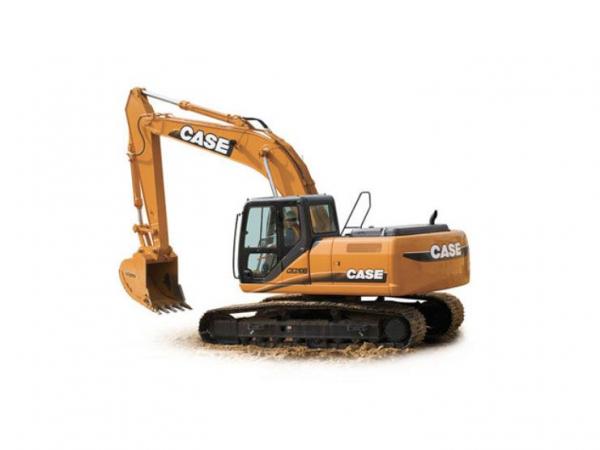
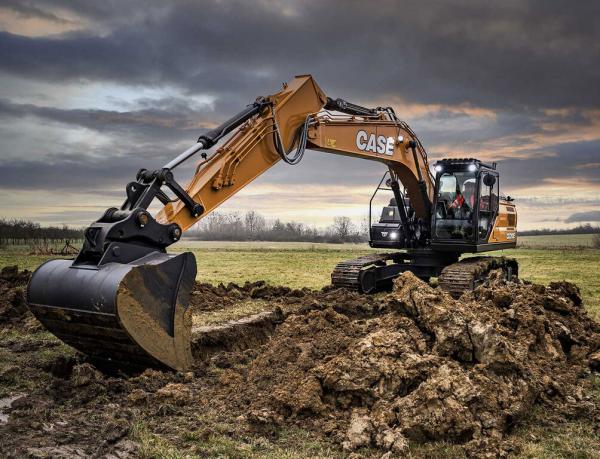
The Case CX210 hydraulic excavator has established itself as a reliable and efficient machine in the heavy equipment industry. With its robust design and advanced features, it caters to a wide range of applications, including construction, demolition, and mining. This article delves into the specifications, common issues, and maintenance practices associated with the CX210, providing a comprehensive guide for operators and fleet managers.
Specifications and Performance
The Case CX210 is engineered for optimal performance and versatility. Below are its key specifications: - Operating Weight: Approximately 19,959 kg (44,002 lbs)
- Engine: Isuzu GI-4HK1X, 4-cylinder, turbocharged with air-to-air intercooler
- Engine Power: 157 hp (117 kW) at 1,800 rpm
- Hydraulic System:
- Pump Flow Capacity: 53.1 gal/min (201 L/min)
- Relief Valve Pressure: 4,975 psi (343 bar)
- System Fluid Capacity: 54.5 gal (206 L)
- Swing Speed: 11.9 rpm
- Fuel Tank Capacity: 89.8 gal (340 L)
- Cooling System Fluid Capacity: 7.1 gal (27 L)
- Operating Voltage: 24V
- Alternator Output: 45 amps
These specifications highlight the CX210's capability to handle demanding tasks efficiently.
Common Operational Issues
Despite its robust design, the CX210 may encounter certain operational challenges:
1. Hydraulic System Failures
Operators have reported issues such as low hydraulic pressure, slow boom movements, and unresponsive controls. These problems can stem from:- Low Hydraulic Fluid Levels: Insufficient fluid can lead to inadequate system pressure.
- Contaminated Hydraulic Fluid: Dirt or debris can damage components and impede performance.
- Damaged Hoses or Seals: Leaks can reduce system efficiency.
Regular maintenance, including fluid checks and filter replacements, is essential to prevent these issues.
2. Electrical System Malfunctions
Electrical faults can lead to engine stalling or erratic behavior of hydraulic functions. Common causes include:- Faulty Sensors or Relays: These components may fail, causing incorrect readings or system responses.
- Wiring Harness Issues: Corrosion or wear can lead to short circuits or open circuits.
Routine inspections and timely replacement of electrical components can mitigate these problems.
3. Engine Performance Issues
Problems such as engine bogging down under load can occur due to:- Fuel Delivery Interruptions: Clogged fuel filters or failing lift pumps can restrict fuel flow.
- Air Intake Restrictions: Dirty air filters can reduce engine efficiency.
Regular servicing of the fuel and air intake systems is recommended to maintain optimal engine performance.
Maintenance and Troubleshooting Tips
To ensure the longevity and reliability of the Case CX210, consider the following maintenance practices:- Regular Fluid Checks: Monitor hydraulic fluid levels and quality. Replace filters as per the manufacturer's recommendations.
- Electrical System Inspections: Check wiring harnesses for signs of wear or corrosion. Test sensors and relays for proper operation.
- Engine Maintenance: Replace fuel and air filters regularly. Inspect the fuel system for leaks or blockages.
- Hydraulic System Maintenance: Inspect hoses and seals for leaks. Flush the system periodically to remove contaminants.
Implementing a proactive maintenance schedule can prevent common issues and enhance the machine's performance.
Conclusion
The Case CX210 hydraulic excavator is a versatile and powerful machine suitable for various heavy-duty applications. By understanding its specifications, recognizing potential issues, and adhering to recommended maintenance practices, operators can maximize the machine's efficiency and lifespan. Regular attention to both mechanical and electrical systems ensures that the CX210 continues to perform reliably in demanding environments.
|
|
|
|
| Big Cat Machines: An In-Depth Guide to Heavy Equipment Usage, Maintenance, and Optimization |
|
Posted by: MikePhua - 08-14-2025, 07:07 PM - Forum: General Discussion
- No Replies
|
|
Introduction to Big Cat Machines and Their Importance
Heavy machinery, often referred to as "big cats" in industry slang, such as excavators, bulldozers, and loaders, plays a crucial role in modern construction, mining, and agriculture. These machines are the backbone of large-scale earth-moving and material handling tasks, offering power, durability, and versatility. Proper understanding and management of such equipment can maximize productivity and extend operational life significantly.
Heavy Equipment Systems and Key Components
At the core of these machines are several technical systems and components that require regular attention: - Undercarriage Systems: This includes track chains, rollers, sprockets, and track shoes. The undercarriage is the foundation that supports the machine’s weight and mobility, designed specifically for different types of terrains and operation loads. For example, Caterpillar offers several undercarriage options varying by ground conditions and intended workload—from standard to heavy-duty and XL heavy-duty categories.
- Hydraulic Systems: Hydraulic cylinders and pumps provide the force needed for lifting, pushing, and digging. These systems must be meticulously maintained to prevent leaks and ensure consistent performance.
- Engine and Powertrain: These provide the machine’s propulsion and are critical for efficiency and fuel economy. Regular oil changes, filter replacements, and monitoring of operational parameters are mandatory to avoid costly downtime.
Choosing the Right Under Carriage System
Selecting the appropriate undercarriage system is pivotal to achieving low operating costs and maximizing uptime. Factors influencing the choice include:- Type of soil or ground condition—hard, abrasive, or sticky soil.
- Workload intensity—light, moderate, or heavy operational impacts.
- Terrain slopes—both lateral and longitudinal slope conditions.
- Duration and frequency of machine use.
For example, a standard load track system may suffice for light to moderate workloads on firm ground, while a heavy or XL heavy-duty undercarriage is better for severe conditions with constant impacts such as rocky or uneven terrain. Cat machines, known for their broad range of options, allow for interchangeability between these undercarriage components, offering flexibility to adjust to changing work conditions.
Best Practices for Maintenance and Longevity
Maintaining large heavy equipment is not merely about fixing issues after they arise; it is about proactive, predictive, and preventive care:- Regular Inspections: Daily walkarounds to check for leaks, cracks, or abnormal wear can prevent unexpected failures.
- Scheduled Maintenance: Adopting computerized maintenance management systems (CMMS) can plan service intervals based on hours used, fuel consumed, or detected machine health diagnostics.
- Lubrication Management: Proper greasing of pins, bushings, and track components reduces wear and extends service life.
- Component Replacement: Timely changing of track shoes, rollers, and hydraulic seals before they fail keeps the machine running longer.
- Operator Training: Skilled operators who understand machine limits and operate machines carefully contribute significantly to reduced wear and damage.
Technology and Software in Heavy Equipment Management
Modern advances integrate software solutions that automate maintenance scheduling, resource allocation, and real-time monitoring. Cloud-based CMMS platforms enable:- Centralized data access for fleets spread across multiple sites.
- Predictive maintenance using machine telemetry to anticipate parts wear.
- Improved communication between maintenance teams, enhancing responsiveness.
- Inventory control of spare parts to avoid delays during repairs.
Such software has been proven to reduce unplanned downtime by up to 42%, chop maintenance costs by approximately 40%, and decrease repair time by nearly 20%, making technology adoption a vital part of heavy equipment management today.
Supplemental Advice and Case Examples
A well-documented case from a mining site revealed that switching to a proactive CMMS software reduced their excavator downtime from 15 hours monthly to under 3 hours, saving significant operational costs and boosting output. Moreover, investment in proper undercarriage configuration tailored for their abrasive terrain improved track lifespan by nearly 30%, substantiating equipment choice customization.
Another construction company shared a story where insufficient lubrication management caused premature wear of a bulldozer's track components, leading to costly mid-project interruptions. Post-root-cause analysis, they implemented strict greasing schedules and operator training, reversing previous losses and achieving a notable decrease in unscheduled repairs.
Glossary of Key Terms- Undercarriage: The parts of a tracked machine that provide support and enable mobility, including tracks, rollers, and sprockets.
- Hydraulic System: A system using pressurized fluid to power machinery movements.
- CMMS (Computerized Maintenance Management System): Software that helps manage maintenance tasks and scheduling.
- Grease Lubricated Track (GLT): Tracks where lubrication is done by grease to reduce wear.
- XL Heavy-Duty Track: An extra durable undercarriage designed for extreme working conditions.
- Mean Time to Repair (MTTR): Average time required to repair a piece of equipment.
Summary and Recommendations
To optimize heavy equipment performance, enterprises should carefully match equipment specifications, particularly undercarriage selection, to operational demands, supported by a proactive maintenance culture driven by technology. Regular inspections, scheduled servicing, operator education, and smart software integration are essential components of a successful heavy equipment maintenance program.
Investing in proper maintenance not only extends equipment lifespan but also safeguards profitability and safety on-site. Today’s industry leaders turn toward predictive maintenance technologies and tailor-made undercarriage solutions to meet their unique challenges efficiently.
Suggested Solutions- Choose undercarriage systems based on detailed analysis of operational and ground conditions.
- Implement a CMMS with cloud-based capabilities for real-time fleet management and predictive maintenance.
- Schedule regular operator training programs emphasizing best practices to minimize equipment misuse.
- Establish a lubrication and replacement plan to keep wear parts in optimal condition.
- Use telematics data to adjust maintenance activities dynamically, reducing downtime and repair costs.
By embracing these best practices and innovations, companies can greatly improve their heavy equipment utilization and operational success.
|
|
|
|
| The Rebel Crusher: An In-Depth Guide to Its Features, Benefits, and Operational Considerations |
|
Posted by: MikePhua - 08-14-2025, 07:05 PM - Forum: General Discussion
- No Replies
|
|
In the world of construction, demolition, and aggregate processing, the Rebel Crusher has gained considerable attention for its ability to combine crushing, screening, and stockpiling into one versatile machine. Manufactured by R.R. Equipment Company, the Rebel Crusher is designed to provide a highly portable solution for contractors needing a powerful and efficient crusher that can operate in the toughest environments. This article explores the key features of the Rebel Crusher, its various advantages, common operational concerns, and tips for maintenance to help maximize its performance.
What Is the Rebel Crusher?
The Rebel Crusher is a compact, mobile jaw crusher that combines the best features of both conventional jaw crushers and impact crushers. It is designed to be highly portable, meaning it can be used in a variety of job sites, including demolition sites, quarries, and construction projects where space and mobility are critical.
Key characteristics include: - Fully Integrated Screening System: The Rebel Crusher is not just a crusher; it also includes a screening system that allows operators to size and separate materials on-site, saving time and reducing the need for additional equipment.
- Modular Design: The modular design makes the Rebel Crusher easy to transport and set up. The machine can be configured in different ways depending on the job requirements, making it adaptable to various crushing needs.
- Compact Yet Powerful: Despite its compact size, the Rebel Crusher is known for its impressive crushing power, capable of processing even hard materials with ease.
The machine is particularly known for its versatility in processing a wide range of materials, such as concrete, asphalt, rock, and even brick, making it a valuable asset for contractors who deal with a variety of construction materials.
Key Features of the Rebel Crusher
To understand why the Rebel Crusher is favored in many industries, it's important to examine its key features:
1. High-Quality Construction
The Rebel Crusher is built to withstand tough conditions. Its durable construction is made from high-strength steel, designed to handle heavy-duty operations in challenging environments. Whether on a demolition site or a quarry, the Rebel Crusher is made to last.
2. Large Feed Hopper
The Rebel Crusher comes with a spacious feed hopper that allows it to process large quantities of material at once. This large hopper reduces downtime between loading cycles, which is crucial for high-output operations.
3. Adjustable Jaw Opening
One of the standout features of the Rebel Crusher is its adjustable jaw opening. The size of the jaw opening can be modified to accommodate different sizes of materials, allowing for greater flexibility in processing.
4. Self-Contained Power System
Equipped with a hydraulic power system, the Rebel Crusher is entirely self-contained, which eliminates the need for an external power source. This independence from additional machinery means the Rebel Crusher can be set up quickly, making it ideal for remote or off-grid locations.
5. Compact and Portable
The Rebel Crusher is built with portability in mind. Its compact size allows it to be transported easily to different job sites, making it a perfect fit for operations that require mobility. It can be transported on a flatbed trailer and set up without the need for special equipment or assistance.
6. Innovative Feed Design
The feed system of the Rebel Crusher is designed to optimize the flow of material into the crushing chamber, reducing blockages and ensuring consistent crushing performance. The system helps prevent material jamming, which is often a concern with other crushers.
Applications of the Rebel Crusher
The Rebel Crusher is a highly versatile piece of equipment that can be used in a wide range of industries. Below are some of the most common applications:
1. Demolition
The Rebel Crusher is commonly used in demolition projects to crush concrete, asphalt, and other materials left behind after buildings or structures are demolished. Its ability to process debris on-site saves time and reduces the need for off-site hauling, which can be costly.
2. Construction
In the construction industry, the Rebel Crusher is frequently used to crush materials such as rock, stone, and concrete for use in building materials. It can also be used for aggregate production, turning waste materials into usable product for roads, highways, and other infrastructure.
3. Recycling
The machine’s versatility makes it an excellent choice for recycling applications. The Rebel Crusher can process old asphalt, concrete, and other recyclable materials to produce high-quality aggregate, making it a valuable tool in green building initiatives and sustainable construction practices.
4. Mining and Quarry Operations
For smaller-scale quarrying and mining operations, the Rebel Crusher provides a convenient and efficient way to process raw materials. It can crush hard rock, stone, and ores, reducing them to the desired size for further processing or shipment.
Advantages of the Rebel Crusher
There are several advantages to using the Rebel Crusher over other crushers, particularly for contractors who need a reliable and flexible solution.
1. Reduced Operating Costs
Because the Rebel Crusher is compact and highly mobile, it reduces the need for other equipment such as screening plants, making it a cost-effective solution for small to medium-sized jobs. The ability to process material on-site also eliminates the costs associated with transporting raw materials to a processing facility.
2. Time-Saving
The Rebel Crusher’s integrated screening system allows operators to size and sort materials without the need for an additional screen. This not only saves time but also eliminates the need for a separate piece of equipment, further reducing overall operational costs.
3. Flexibility in Material Handling
The ability to adjust the jaw opening means the Rebel Crusher can be used for a wide variety of materials, including concrete, asphalt, rock, and even brick. This flexibility makes it an invaluable piece of equipment for operations that deal with a range of materials.
4. Easy Transport and Setup
With its compact design and self-contained power system, the Rebel Crusher is easy to transport and set up. This ease of transportation makes it ideal for contractors who frequently move between job sites, as it requires minimal setup time.
Operational Considerations and Challenges
While the Rebel Crusher offers a range of benefits, it’s important to be aware of some potential challenges to ensure smooth operation:
1. Maintenance Requirements
Like any heavy machinery, the Rebel Crusher requires regular maintenance to keep it running at peak efficiency. Common maintenance tasks include cleaning the hydraulic system, checking for wear on the jaw and conveyor components, and ensuring that the screening system is working correctly.
2. Material Restrictions
Although the Rebel Crusher is highly versatile, it may not be suitable for certain materials. For example, it may struggle with extremely hard or abrasive materials, such as granite or basalt, which can wear down the crusher’s components more quickly.
3. Fuel Efficiency
The Rebel Crusher operates on a hydraulic power system, which can consume significant amounts of fuel, especially in heavy-duty applications. Monitoring fuel consumption and maintaining optimal operating conditions is essential to minimize costs.
4. Operator Training
To get the best performance out of the Rebel Crusher, operators must be trained in how to use it properly. Incorrect operation, such as overloading the machine or failing to monitor the screening system, can lead to inefficient processing and potentially damage the equipment.
Conclusion
The Rebel Crusher is an excellent tool for contractors and operators who need a portable, versatile, and cost-effective solution for material processing. With its self-contained power system, integrated screening, and ability to crush a variety of materials, it offers many advantages over traditional crushers. However, it’s essential to properly maintain the machine, train operators, and be mindful of material restrictions to maximize its efficiency and lifespan.
Whether for demolition, construction, recycling, or mining, the Rebel Crusher is a valuable asset that can save time, reduce costs, and increase productivity on job sites. By following recommended maintenance practices and operating the machine within its limits, contractors can ensure that the Rebel Crusher continues to perform reliably for years to come.
|
|
|
|
| Dresser 580 Wheel Loader: Comprehensive Overview, Features, and Practical Insights |
|
Posted by: MikePhua - 08-14-2025, 07:04 PM - Forum: General Discussion
- No Replies
|
|
The Dresser 580 is a heavy-duty wheel loader known for its robust performance, durability, and operator-friendly design. It is widely used in construction, mining, and industrial applications for tasks such as material handling, earthmoving, and loading operations. This guide delves deeply into its specifications, design elements, practical usage scenarios, maintenance advice, and real-world anecdotes to provide a thorough understanding of this classic machine.
Core Specifications and Physical Dimensions - Operating Weight: Approximately 254,150 lbs (Note: This is a very heavy piece of equipment; verify exact specs based on model variant)
- Overall Length: Around 47 feet 6 inches (including attachments)
- Width: 20 feet 4 inches
- Height: Approximately 18 feet 7 inches
- These dimensions indicate the machine’s massive scale, emphasizing the need for careful planning in transport and operation.
Powertrain and Performance
While exact engine specifications for the Dresser 580 vary with different production years and configurations, the machine typically features a powerful diesel engine capable of delivering substantial horsepower suited for heavy lifting and earthmoving. Paired with a robust transmission system and heavy-duty axles, it ensures good tractive effort and stable performance in rough terrains.
Operator Comfort and Control Features
The Dresser 580 incorporates features aimed at boosting operator efficiency and comfort, including:- Spacious, well-designed cab with ergonomic controls reducing operator fatigue.
- Intuitive control layout facilitating precise loader and articulation movements for improved accuracy.
- Good visibility for safe maneuvering in busy worksites.
These elements collectively contribute to longer productive shifts with less operator strain.
Loader and Attachments- Equipped with a heavy-duty bucket designed for efficient material digging and loading.
- Bucket capacity and dimensions can vary but are tailored to handle high volumes of earth, gravel, or aggregate per cycle, enhancing jobsite productivity.
- The machine supports a range of attachments for diversified applications including forks, grapples, and specialty lifting gear.
Maintenance and Durability
The Dresser 580 is constructed with rugged components designed to endure heavy use over prolonged periods. Maintenance tips include:- Regular inspection and servicing of hydraulic systems to prevent leaks and maintain operational pressures.
- Scheduled lubrication of pins, bushings, and bearings to minimize wear.
- Engine and transmission fluid checks following manufacturer intervals to ensure longevity.
- Air filter and cooling system upkeep to preserve engine performance, especially in dusty or high-temperature environments.
- Use of genuine parts and qualified service technicians for repairs enhances reliability.
Practical Usage Tips- Ensure proper tire pressure and condition to optimize traction and stabilize load handling.
- Prioritize operator training focusing on safe articulation controls and load management.
- Plan work sequences to minimize unnecessary machine travel, reducing wear and fuel consumption.
- Employ on-board diagnostics (if equipped) or manual checks regularly to detect early mechanical issues.
Real-World Anecdotes and Case Examples
In one construction project involving large earthmoving, operators of a Dresser 580 commended the machine's stability and bucket capacity, which allowed fewer cycles to move the same volume compared to smaller loaders. They noted the importance of routine hydraulic system checks, sharing a story where an unnoticed hose degradation resulted in a leak that could have led to downtime if not caught early.
In heavy aggregate handling, users appreciated the robust frame and articulation mechanism that sustained high-impact loads effectively. Additionally, adaptation of attachments for specific job needs, like pallet forks to handle materials beyond earthworks, showcased the machine's versatility.
Glossary of Key Terms- Operating Weight: Total weight of the machine including standard equipment and fluids, important for transport and stability analysis.
- Articulation: A joint in the frame allowing the front and rear sections of the machine to pivot, improving maneuverability.
- Hydraulic System: Network of pumps, valves, and cylinders that control loader and steering functions.
- Pins and Bushings: Connection points in moving parts subject to wear, requiring regular lubrication and inspection.
- Bucket Capacity: Volume of material a loader bucket can hold, usually measured in cubic yards or meters.
- Ergonomics: Design factors gearing towards reducing operator discomfort and improving usability.
Additional Recommendations and Solutions- Conduct pre-shift machine inspections focusing on hydraulics, tires, and structural integrity.
- Schedule regular operator training refresher courses to keep skills and safety awareness high.
- When transporting, account for the machine's large size by adhering to transport regulations and securing loads properly.
- Invest in quality lubricants and fluids to reduce mechanical friction and wear.
- Maintain comprehensive service records to track maintenance and anticipate part replacements.
Conclusion
The Dresser 580 wheel loader stands as a heavyweight performer in the material handling and earthmoving domain. Its combination of size, power, and operator-centered design makes it suitable for demanding work environments requiring not just brute force but precision and versatility. Proper maintenance and thoughtful operation extend its service life and ensure sustained productivity.
Through diligent care, operator expertise, and adaptation of tasks to leverage its strengths, the Dresser 580 remains a valuable asset on heavy equipment fleets worldwide, embodying a balance of ruggedness and operational sophistication.
|
|
|
|
| Troubleshooting Track Banging on John Deere 850J and 750J Dozers |
|
Posted by: MikePhua - 08-14-2025, 07:04 PM - Forum: Troubleshooting & Diagnosing
- No Replies
|
|
When operating heavy equipment like the John Deere 850J and 750J dozers, one of the most frustrating issues operators can encounter is the "banging" or "clunking" noise coming from the tracks. This problem is not only irritating but could also indicate underlying mechanical issues that need to be addressed to avoid further damage or performance loss. Understanding the cause of this issue and how to fix it is crucial for maintaining the optimal performance of these dozers.
This article delves into the potential causes of track banging on the John Deere 850J and 750J dozers, along with diagnostic methods, solutions, and preventive measures to ensure the longevity of the tracks and the overall equipment.
Common Causes of Track Banging on Dozers
Track banging on dozers is often a result of misalignment, loose components, or wear and tear. Below are some of the most common reasons why you might experience this problem:
1. Track Tension Issues
Track tension plays a significant role in the overall operation of dozer tracks. If the tracks are too loose or too tight, they can cause a banging sound as they move over the rollers, sprockets, and other components. - Loose Tracks: If the track is too loose, the track pads may hit the track frame, rollers, and the undercarriage, creating a banging or clunking sound. Loose tracks also increase the risk of derailing, which can lead to further damage.
- Over-Tightened Tracks: If the track is too tight, it will create excessive tension on the track components, leading to premature wear of the sprockets, rollers, and idlers. This can cause a repetitive knocking or banging noise as the components strain under pressure.
Solution: Always check the track tension regularly using the manufacturer’s specifications. The tracks should be tensioned to the recommended settings for optimal performance and safety. Use the correct tools to measure tension and make adjustments as necessary.
2. Worn or Damaged Rollers and Idlers
Rollers and idlers play a critical role in the smooth movement of the tracks. Worn or damaged rollers can cause irregular contact between the track and the machine, resulting in clunking or banging sounds.- Worn Rollers: Over time, rollers can become worn out due to constant contact with the tracks. This wear can cause the rollers to become misshapen or out of alignment, creating an uneven surface for the tracks to travel over.
- Damaged Idlers: Idlers help guide the tracks around the drive sprockets. If the idlers are damaged or have excessive wear, the tracks may not run smoothly, and this can cause banging or clunking sounds.
Solution: Inspect the rollers and idlers for signs of wear, such as pitting, uneven surfaces, or excessive play. If they appear worn or damaged, they should be replaced immediately to prevent further damage to the tracks and undercarriage.
3. Track Pad Wear and Misalignment
Track pads are designed to make contact with the ground, providing traction and stability. However, if the track pads are worn unevenly or misaligned, they can cause the track to jump or bang against the frame as the dozer moves.- Uneven Track Pad Wear: This occurs when some pads wear down more quickly than others due to improper use or poor maintenance. This can lead to an unbalanced track that may cause noise or a bumpy ride.
- Misalignment of Track Pads: Track pads that are not properly aligned with the tracks can cause the tracks to shift or jump as they move over the rollers and sprockets. This misalignment can result in a repetitive banging sound, especially when moving at higher speeds.
Solution: Check the track pads for even wear and proper alignment. Replace any worn or misaligned track pads. Track alignment should be adjusted during regular maintenance intervals to prevent any issues from arising.
4. Sprocket Wear and Misalignment
The sprockets play a crucial role in the movement of the tracks. They engage with the track links to propel the machine forward. Worn or misaligned sprockets can cause jerky movement and noise.- Worn Sprockets: Sprockets can wear out over time due to constant engagement with the track links. If the teeth on the sprockets become worn or chipped, they will no longer mesh smoothly with the track links, resulting in a banging or clunking noise.
- Sprocket Misalignment: If the sprockets are misaligned, they will not engage the track links properly, which can lead to uneven movement and excessive noise.
Solution: Inspect the sprockets for wear and misalignment. If the teeth are damaged or worn down, the sprockets should be replaced. Regular maintenance and alignment checks will help prevent issues with the sprockets.
5. Track Link Wear and Pin Failure
Track links and the pins that connect them are essential components for maintaining track movement. Over time, the pins can wear out or fail, causing a gap between the links, which results in the tracks clunking or banging against the undercarriage.- Track Link Wear: Track links wear down over time due to constant movement and friction. If the links become excessively worn, they may not fit properly, causing them to hit or rub against other components.
- Pin Wear or Failure: The pins that connect the track links can wear out or even fail, causing a loss of flexibility and improper track movement. This can lead to jerking or banging noises as the machine moves.
Solution: Inspect the track links and pins for signs of wear. If the pins are loose, worn, or damaged, replace them immediately. Proper lubrication and maintenance can help extend the life of the track links and pins.
6. Lack of Lubrication or Poor Maintenance Practices
Regular lubrication is essential for the smooth operation of the track system. Lack of proper lubrication can lead to increased friction, wear, and banging noises as the tracks move.- Dry Components: If the rollers, idlers, or track links are not properly lubricated, they can wear out prematurely, leading to excess play and noise.
- Poor Maintenance Practices: Skipping regular maintenance, such as track inspection, tightening, and lubrication, can cause small issues to escalate into more significant problems.
Solution: Ensure that all track components are properly lubricated at regular intervals. Follow the manufacturer's guidelines for maintenance and lubrication. Regular maintenance checks will help identify issues before they cause extensive damage.
7. Track Component Compatibility
If the tracks, rollers, or sprockets are replaced with incompatible parts, this can result in poor performance and excessive noise. It’s essential to use the correct parts that match the machine’s specifications.- Incompatible Parts: Using non-genuine or incorrectly sized components can cause alignment issues, leading to banging noises as the machine operates.
Solution: When replacing parts, always use OEM (Original Equipment Manufacturer) or equivalent components. Ensure that they are compatible with your specific model of the John Deere dozer.
Preventive Measures to Avoid Track Banging
To prevent track banging and ensure the longevity of your John Deere 850J or 750J dozer, follow these preventive measures:
- Regular Track Inspections: Perform routine inspections of the tracks, rollers, sprockets, and undercarriage components. Look for signs of wear, misalignment, or damage.
- Proper Track Tension: Maintain the correct track tension according to the manufacturer’s specifications. This ensures the tracks operate smoothly and reduces the risk of banging.
- Frequent Lubrication: Keep all moving components properly lubricated to minimize friction and prevent premature wear.
- Proper Track Alignment: Ensure that the track pads are aligned and evenly worn. Misalignment can cause the tracks to jump, resulting in noise and potential damage.
- Use Quality Parts: Always use high-quality replacement parts that are compatible with your machine. This will help avoid issues with misalignment, wear, or improper fitting.
Conclusion
Track banging on John Deere 850J and 750J dozers is often a sign of underlying issues with the track system, such as poor track tension, worn rollers, misaligned track pads, or damaged sprockets. By understanding the causes of these problems and taking proactive steps for diagnosis and maintenance, operators can keep their machines running smoothly, avoid costly repairs, and extend the life of their dozers.
Regular inspections, timely repairs, and proper maintenance practices are essential to ensure that your John Deere dozer remains in peak condition, minimizing downtime and maximizing productivity on the job site.
|
|
|
|
| Pulling the Hydraulic Pan on a Caterpillar D6C: A Detailed Guide |
|
Posted by: MikePhua - 08-14-2025, 07:03 PM - Forum: General Discussion
- No Replies
|
|
Removing the hydraulic pan (also commonly referred to as the belly pan or sump pan) on a Caterpillar D6C dozer is a maintenance task sometimes necessary for inspection, repair, or replacement of components like the hydraulic pump, oil pump, or other drivetrain parts located beneath the machine. This article walks through the process, tool requirements, precautions, and practical advice to safely and effectively remove the hydraulic pan, enhanced with technical concepts and practical insights.
Understanding the Hydraulic/Belly Pan and Its Role
The hydraulic pan on a D6C is a large metal plate situated under the transmission and engine area, serving as a protective cover and containing hydraulic fluid or oil sump elements. It also provides access to internal components without requiring full disassembly of the machine. Removing it enables servicing of: - Hydraulic pump
- Oil pump
- Transmission components
- Sump cleaning and inspection
- Cooling system drainage (rad radiator drain accessible with pan off)
This pan is often bolted securely and may be heavy or stuck due to dirt, rust, or previous repairs.
Preparation and Tools Needed for Removal- Tools:
- Impact wrench or breaker bar with appropriate sockets (commonly 3/4 inch or 9/16 inch)
- Pry bars or crowbars
- Penetrating oil (e.g., PB Blaster) for loosening rusty or stuck bolts
- Hydraulic jack or tractor for controlled dragging/support
- Safety gear (eye protection, gloves, steel-toe boots)
- Gasket scraper and new gasket material or sealant for reinstallation
- Preparation Steps:
- Park machine on level ground and ensure stable setup.
- Drain hydraulic or engine oil if necessary to prevent spills.
- Clean around the pan bolts and edges to minimize debris dropping inside when removed.
- Apply penetrating oil on stubborn bolts several hours or a day before removal for easier loosening.
Step-by-Step Removal Process
- Loosen and Remove Bolts:
Loosen all pan bolts with an impact wrench or breaker bar. Some bolts may be very tight or rusted, so patience and repeated penetrating oil application may be required. It is common to encounter cross-threaded or damaged bolts that require careful removal to avoid stripping.
- Support and Partially Detach the Pan:
The pan is often large and heavy with limited room. Support it partially by wedging pry bars carefully under edges or using a jack or tractor (like the D6C itself) to gently drag or hold the pan as bolts come free.
- Remove the Pan Slowly and Carefully:
Once loosened, the pan can be pulled out slowly to avoid injury or damage. Be aware of attached components like scavenge pipes or hoses that might be connected to the pan or sump plate and may come off with it.
- Inspect and Clean:
After removal, inspect the pan for damage, clean out accumulated dirt, sludge, or debris, and check the gasket surface. Also, inspect accessible internal components and the radiator drain hole (sometimes clogged with dirt and debris).
- Prepare for Reinstallation:
Remove old gasket residue carefully, prepare or cut new gasket material (some use Fel-Pro gasket sheets shaped with a ball peen hammer), or apply appropriate gasket sealant. Ensure all bolts and threads are clean and apply anti-seize if recommended to aid future removal.
Safety Considerations- Avoid working under the machine unsupported; use appropriate stands or blocks.
- Be cautious of pinch points when removing or reinstalling the pan.
- Use proper lifting or dragging tools to handle the heavy pan and avoid personal injury.
- Be mindful of environmental regulations when draining fluids and disposing of old oil or contaminated materials.
Common Challenges and Solutions- Stubborn Bolts: Heating with a torch or continued application of penetrating oil helps loosen old bolts.
- Limited Space: Maneuvering the pan in tight undercarriage space requires patience and sometimes creative blocking or tilting.
- Damaged Threads: If bolts are cross-threaded or stripped, repair using thread inserts or helicoils as needed.
- Radiator Drain Access: Removing the pan exposes the radiator drain, often clogged with dirt—cleaning it helps cooling system maintenance.
Practical Anecdotes
Operators have reported successful hydraulic pan removal by patiently heating and soaking bolts overnight, then carefully prying and dragging the pan out with a tractor. One particular instance involved finding a clogged radiator drain hole hidden under years of packed dirt, which when cleaned improved the cooling efficiency noticeably.
Maintenance teams have also shared tips on making reusable gasket templates from Fel-Pro material using soft hammer shaping to ensure good sealing and reduce future leaks. Swapping old bolts for high-grade replacements improved bolt longevity on subsequent servicing.
Recommendations for Efficient Maintenance- Schedule pan removal during regular hydraulic service intervals to inspect sump and pumps.
- Keep a set of extra strong tougher bolts and anti-seize on hand for reinstallation.
- Regularly clean drainage holes and gasket surfaces to avoid buildup.
- Train maintenance crews in correct procedures to minimize damage and downtime.
Glossary of Terms- Hydraulic/Belly Pan: Protective and functional cover plate under transmission/engine housing, often containing sump oil.
- Scavenge Pipe: Part of the oil pump system that collects oil from the sump and returns it to the pump.
- Penetrating Oil: Lubricant designed to loosen rusted or seized bolts.
- Fel-Pro Gasket Material: Brand of gasket sheet used for custom-cut seals.
- Anti-Seize: Compound applied to bolt threads to prevent galling and ease future removal.
- Breaker Bar: Manual tool providing leverage to loosen tight bolts.
- Impact Wrench: Power tool that delivers high torque in short bursts for loosening fasteners.
Conclusion
Removing the hydraulic pan on a Caterpillar D6C dozer is a manageable but meticulous task requiring proper tools, preparation, and safety precautions. It is essential for accessing critical components like the hydraulic and oil pumps and performing thorough maintenance. By methodically loosening bolts, supporting the pan carefully, and employing practical sealing methods during reinstallation, operators and mechanics can maintain the machine’s reliability and longevity.
Real-world experiences emphasize patience, proper tool use, thorough cleaning, and gasket care as keys to efficient pan removal and reinstallation, ultimately minimizing downtime and optimizing machine performance in heavy-duty applications.
|
|
|
|
| Troubleshooting Cat 330BL Problems: A Comprehensive Guide for Operators and Technicians |
|
Posted by: MikePhua - 08-14-2025, 07:02 PM - Forum: Troubleshooting & Diagnosing
- No Replies
|
|
The Caterpillar 330BL is a well-regarded hydraulic excavator, known for its power, versatility, and durability. Used in a wide range of applications, including construction, mining, and demolition, the 330BL is built to withstand tough working conditions. However, like any heavy equipment, it is not immune to issues that may arise over time, particularly as the machine ages. Operators and maintenance personnel must be well-versed in common problems and the best practices for diagnosing and fixing them.
This article will focus on troubleshooting common issues with the Cat 330BL excavator, including hydraulic system malfunctions, engine problems, and mechanical failures. We will walk through a systematic approach to identifying and resolving these issues, as well as offering suggestions for preventive maintenance to avoid future problems.
1. Engine Issues: Identifying and Fixing Power Loss
The engine is the heart of any excavator, and issues with it can significantly impact performance. If you experience a drop in power or difficulty starting your 330BL, it's essential to perform a thorough diagnostic check.
Potential Causes of Engine Power Loss: - Fuel System Problems: A clogged fuel filter or air in the fuel lines can cause the engine to run rough or lose power. Check the fuel filter and replace it if it's dirty. Additionally, ensure that the fuel is clean and there are no blockages in the fuel lines.
- Air Intake Blockage: A blocked air filter or air intake system can prevent the engine from receiving adequate airflow, leading to reduced performance. Check the air filter and clean or replace it as necessary.
- Faulty Fuel Injectors: If fuel injectors are clogged or malfunctioning, the engine may not receive the right amount of fuel, causing power loss. Inspect the fuel injectors and clean or replace them if needed.
- Engine Timing Issues: Over time, the timing of the engine can shift, leading to inefficient combustion. Check the engine timing using diagnostic tools and adjust if necessary.
Solution: Start by inspecting the fuel system, air intake, and fuel injectors. If you notice any issues, replace or clean the relevant components. If the problem persists, it may be necessary to check for deeper engine issues, such as a malfunctioning pump or valve.
2. Hydraulic System Malfunctions: Slow or Unresponsive Hydraulics
One of the most common issues with the Cat 330BL involves hydraulic system malfunctions. Hydraulic power is critical for the smooth operation of the boom, arm, and bucket. If the hydraulics are slow, unresponsive, or leaking, the excavator will struggle to perform basic tasks.
Common Hydraulic Issues and Their Causes:- Low Hydraulic Fluid: One of the simplest causes of hydraulic issues is low hydraulic fluid. If the fluid level is low, it can lead to reduced pressure, causing slow or weak hydraulic operation. Always check the hydraulic fluid level and top it up if necessary.
- Hydraulic Oil Contamination: Contaminated hydraulic oil, often due to dirt or debris entering the system, can block valves or wear out the pump. If the oil is dirty, replace it and change the filters to ensure clean fluid circulates through the system.
- Faulty Hydraulic Pump: A worn or damaged hydraulic pump can result in poor fluid circulation, causing slow response times or power loss. Inspect the pump for any signs of wear or damage, and replace it if needed.
- Leaking Seals or Hoses: Leaking seals, hoses, or fittings are common causes of hydraulic system problems. Inspect all hydraulic lines for visible leaks or signs of wear and replace any faulty components.
Solution: Start by checking the fluid level and replacing the hydraulic oil if it’s dirty. Inspect the system for leaks and check the hydraulic pump’s condition. If necessary, replace the pump or any damaged seals or hoses. Regular maintenance of the hydraulic system, including fluid checks and filter replacements, is essential to prevent these issues from arising in the future.
3. Electrical System Failures: Diagnosing Electrical Issues
Electrical issues can be tricky to diagnose, especially if the excavator's lights, gauges, or warning indicators are malfunctioning. The Cat 330BL relies on a complex electrical system that controls everything from engine diagnostics to hydraulic performance.
Common Electrical Problems:- Dead Battery: A simple but common issue is a dead or weak battery. If the excavator refuses to start, check the battery’s charge and condition. Corrosion on the battery terminals can also prevent proper charging. Clean the terminals and replace the battery if necessary.
- Blown Fuses or Circuit Breakers: A blown fuse or tripped circuit breaker can cause electrical malfunctions in the control system. Check the fuses and reset the circuit breakers if needed.
- Faulty Alternator: If the battery keeps losing charge, it could indicate a problem with the alternator, which is responsible for charging the battery during operation. Inspect the alternator for damage or wear and replace it if needed.
- Wiring Issues: Over time, wiring can become frayed, corroded, or disconnected, leading to poor electrical performance. Check all major wiring connections, especially those connected to sensors and relays, for signs of wear or corrosion.
Solution: Start by inspecting the battery and alternator for any obvious issues. Check for blown fuses or tripped circuit breakers and replace as needed. Ensure all wiring connections are clean, secure, and free of corrosion. If the problem is more complex, use diagnostic tools to test individual electrical components.
4. Undercarriage Wear and Tear: Improving Stability and Longevity
The undercarriage of the Cat 330BL, which includes the tracks, rollers, and sprockets, is essential for stability and mobility. Over time, the undercarriage may wear out due to harsh operating conditions or poor maintenance.
Signs of Undercarriage Wear:- Track Tension Problems: If the tracks are too loose or too tight, it can lead to inefficient movement and accelerated wear. Regularly check the track tension and adjust it as necessary.
- Worn-Out Rollers: Rollers support the weight of the machine and help distribute pressure evenly across the tracks. Worn or damaged rollers can cause uneven wear and instability. Inspect the rollers and replace any that are damaged or excessively worn.
- Damaged Sprockets: The sprockets are responsible for driving the tracks. If the sprockets are worn or damaged, the tracks will not engage properly. Inspect the sprockets for wear, and replace them if necessary.
Solution: Perform regular checks on the undercarriage, particularly the tracks, rollers, and sprockets. If any components show signs of excessive wear, replace them to maintain the machine's mobility and efficiency. Keep the tracks properly tensioned and lubricate the undercarriage regularly to prolong its lifespan.
5. Preventive Maintenance: Keeping the Cat 330BL in Top Shape
To avoid common problems and reduce the risk of major breakdowns, regular preventive maintenance is essential. Following the manufacturer’s maintenance schedule will help keep the Cat 330BL running smoothly for years. Here are some key preventive maintenance tips:- Regular Fluid Changes: Change the engine oil, hydraulic fluid, and coolant at the recommended intervals. Clean or replace filters as needed to ensure proper fluid circulation.
- Daily Inspections: Conduct daily pre-operation inspections, checking fluid levels, tire pressure, and ensuring there are no visible leaks or damage.
- Grease Points: Lubricate all grease points regularly to keep the moving parts functioning smoothly. This includes the boom, arm, bucket, and undercarriage components.
- Track Maintenance: Inspect and clean the tracks regularly. Remove any debris or buildup that could interfere with the tracks’ operation.
Conclusion: Maximizing the Life of Your Cat 330BL
The Caterpillar 330BL is a robust and versatile excavator, but like any heavy equipment, it requires proper maintenance and attention to ensure it continues to perform at its best. By diagnosing and fixing common issues related to the engine, hydraulics, electrical system, and undercarriage, operators and technicians can extend the life of their 330BL and avoid costly repairs.
Regular inspections, fluid checks, and preventive maintenance are essential to maintaining the performance and reliability of the Cat 330BL. By staying ahead of potential problems and addressing them promptly, you can ensure your excavator remains a valuable asset on the job site for years to come.
|
|
|
|
|



