| Welcome, Guest |
You have to register before you can post on our site.
|
| Online Users |
There are currently 397 online users.
» 0 Member(s) | 388 Guest(s)
Ahrefs, Amazon, Applebot, Bing, Claude, Google, OpenAI, Semrush
|
| Latest Threads |
Identifying and Sourcing ...
Forum: Parts , Attachments & Tools
Last Post: MikePhua
01-07-2026, 06:29 PM
» Replies: 0
» Views: 538
|
Cat 931B Brake Parts
Forum: Parts , Attachments & Tools
Last Post: MikePhua
01-07-2026, 06:29 PM
» Replies: 0
» Views: 286
|
Choosing Between Cat 228,...
Forum: General Discussion
Last Post: MikePhua
01-07-2026, 06:28 PM
» Replies: 0
» Views: 575
|
Hydraulic Delay When Lowe...
Forum: Troubleshooting & Diagnosing
Last Post: MikePhua
01-07-2026, 06:27 PM
» Replies: 0
» Views: 451
|
Bale Chopper and Mulcher ...
Forum: General Discussion
Last Post: MikePhua
01-07-2026, 06:26 PM
» Replies: 0
» Views: 333
|
Mini UC Maintenance
Forum: General Discussion
Last Post: MikePhua
01-07-2026, 06:25 PM
» Replies: 0
» Views: 322
|
Locating Wiring Informati...
Forum: General Discussion
Last Post: MikePhua
01-07-2026, 06:24 PM
» Replies: 0
» Views: 353
|
Case Industrial Brown Sub...
Forum: Parts , Attachments & Tools
Last Post: MikePhua
01-07-2026, 06:23 PM
» Replies: 0
» Views: 279
|
Dirt Work in West Virgini...
Forum: Construction & Urban Infrastructure Forum
Last Post: MikePhua
01-07-2026, 06:23 PM
» Replies: 0
» Views: 382
|
D207 P Hydraulic Steering...
Forum: Parts , Attachments & Tools
Last Post: MikePhua
01-07-2026, 06:22 PM
» Replies: 0
» Views: 307
|
|
|
| Bridge Collapse: Causes, Mechanisms, and Prevention |
|
Posted by: MikePhua - 08-15-2025, 12:11 AM - Forum: Construction & Urban Infrastructure Forum
- No Replies
|
 |
Bridge collapse is a devastating event where the structural integrity of a bridge fails, causing partial or total failure that results in the loss of load-bearing capacity. Such collapses pose significant safety hazards, economic losses, and disruption to transportation networks. Understanding the multiple causes, failure mechanisms, and ways to prevent collapse are essential for engineers, inspectors, and authorities to design safer bridges and maintain existing infrastructure effectively.
Fundamental Concepts of Bridge Collapse
Bridges are engineered structures designed to carry loads safely across obstacles like rivers, valleys, or roads. Their capacity to bear loads depends on components such as beams, girders, cables, piers, and foundations. - Structural Failure: Breakdown of critical parts (e.g., beams, piers, cables) that compromises the load path.
- Load-Bearing Capacity: The maximum load a bridge or element can safely support without failure.
- Progressive Collapse: A failure that starts locally, then rapidly spreads causing a total or major collapse.
- Support Structures: Includes piers, columns, abutments, and foundations that transfer load to the ground.
Common Causes of Bridge Collapse
Bridge collapses often result from complex interactions of natural forces and human factors:- Natural Factors:
- Floods and Scour: Erosion of soil around foundations, which undermines piers and abutments.
- Earthquakes and Landslides: Sudden ground movements cause shocks, displacements, or foundation failures.
- Wind Load and Hurricanes: High winds exert lateral and dynamic forces that can cause structural instability, including torsional vibrations.
- Debris Impact: Floating objects or ice colliding with supports can produce severe damage.
- Human and Design Factors:
- Design Flaws: Inadequate load path design, undersized or poorly detailed components, insufficient safety margins.
- Construction Errors: Use of low-quality materials, poor workmanship, or incomplete construction practices.
- Overloading: Excessive vehicle or equipment weight beyond the bridge’s rating.
- Collisions: Impact from ships, vehicles, or trains damaging critical structural elements.
- Maintenance Neglect: Failure to inspect, repair, or protect against corrosion, fatigue, or other degradation.
- Material Defects: Flaws in steel, concrete, welds, or fasteners reducing strength.
- Fire or Explosions: Heat damages structural components leading to weakened load capacity.
- Deliberate Sabotage or Terrorism: Intentional damage causing catastrophic failure.
Mechanisms of Collapse
Bridge structural failures occur through one or more failure modes, including:- Flexural Collapse: Failure due to bending stresses exceeding the capacity of beams or girders.
- Shear Failure: When shear forces surpass the strength of concrete or reinforcement.
- Buckling: Compression forces cause slender members or columns to bend out of shape and fail suddenly.
- Fatigue: Progressive weakening from repeated loading cycles leading to cracks and fractures.
- Foundation Undermining: Loss of soil support causes uneven settlement or collapse.
- Connection Failures: Rivets, bolts, welds breaking under stress.
- Overload Yielding: Materials deform permanently under excessive stress.
Famous Bridge Collapse Examples- The Tacoma Narrows Bridge (1940) collapsed due to aeroelastic flutter — a dangerous torsional vibration caused by wind forces interacting with the flexible deck.
- The Silver Bridge (1967) failed because of a single eyebar fracture, highlighting the risks of critical component fatigue.
- The I-35W Mississippi River Bridge (2007) collapsed due to design flaws combined with construction overload and fatigue.
These cases teach vital lessons about understanding dynamic forces, structural redundancy, and thorough inspection.
Key Terminology- Scour: Erosion of soil or sediment around bridge foundations by flowing water.
- Gusset Plate: Steel plates connecting beams and structural members.
- Compression Chord: A part of the truss under compressive forces.
- Redundancy: Multiple load paths to prevent total failure if one part fails.
- Flutter: Self-reinforcing oscillations leading to failure (as in Tacoma Narrows).
- Load Path: The route by which weight and forces travel through the structure.
- Hydraulic Forces: Water-related pressures acting on submerged structures.
Prevention and Mitigation Strategies- Robust Structural Design: Incorporate safety factors, redundancy, and consider realistic, future load scenarios including wind, seismic, and traffic.
- Regular Inspections and Maintenance: Use visual inspections and non-destructive testing to identify early damage such as cracks, corrosion, or deformation.
- Scour Protection: Implement erosion control such as riprap, concrete aprons, or sheet piling around foundations.
- Collision Protection: Install fenders or barriers to absorb impact from ships or vehicles.
- Use of Advanced Materials: Employ corrosion-resistant steels, fiber-reinforced polymers (FRP), and high-performance concrete.
- Real-Time Load and Structural Health Monitoring: Employ sensors to detect overloads or structural changes.
- Seismic Resilience: Design bridges with flexible joints, base isolators, and energy dissipating devices to withstand earthquakes.
- Thorough Documentation and Emergency Plans: Maintain records of inspections and repairs, and plan for rapid response in emergencies.
Practical Advice for Stakeholders- Assess bridges for vulnerabilities based on environmental exposure and usage.
- Train inspection teams to recognize early signs of distress.
- Coordinate with transportation authorities and maritime operators to manage traffic and protect bridges.
- Invest in retrofitting aging infrastructure with modern reinforcement and monitoring systems.
- Prepare emergency response procedures to reduce harm if collapse occurs.
Summary Checklist: Bridge Collapse Factors and Prevention- Natural forces (flood, earthquake, wind) and human factors (design, construction, load) interplay in collapse
- Scour and foundation erosion are leading causes of sudden failures
- Design flaws are often related to undersized or poorly detailed elements
- Impact collisions and overloads cause instant or progressive structural damage
- Mechanisms include flexural failure, buckling, shear failure, fatigue, connection failures
- Regular inspection and maintenance prevent many failures
- Protective barriers and advanced materials improve resilience
- Real-time monitoring enhances safety
- Emergency preparedness minimizes consequences
Conclusion
Bridge collapse is a multifaceted phenomenon driven by environmental factors, engineering design, construction quality, maintenance, and operational use. Through understanding the common causes and mechanisms, leveraging advanced materials, rigorous inspection protocols, and protective measures, engineers and authorities can vastly reduce the risk of catastrophic failures. Learning from past collapses fuels innovation in safer bridge designs and maintenance practices, securing vital infrastructure for the future.
|

|
|
| Bobcat 773 Error Codes |
|
Posted by: MikePhua - 08-14-2025, 11:50 PM - Forum: Troubleshooting & Diagnosing
- No Replies
|
|
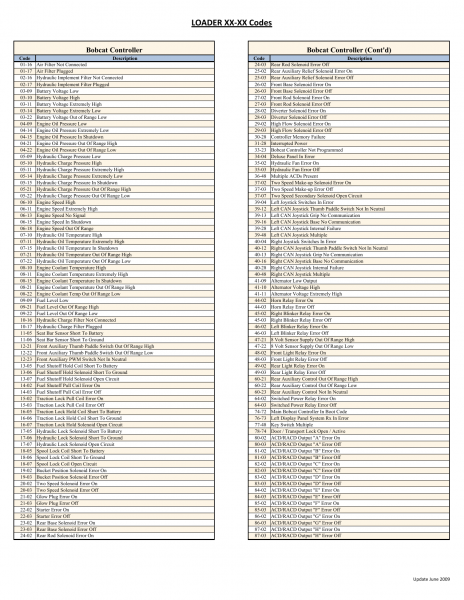
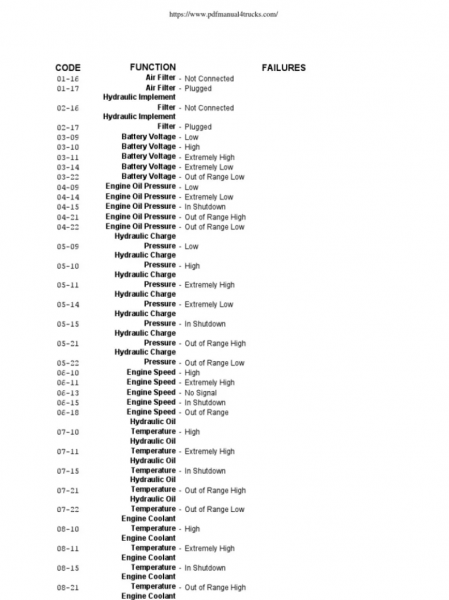
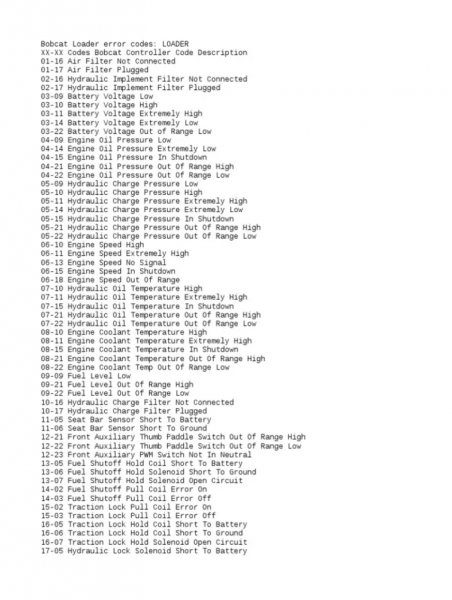
The Bobcat 773 is a versatile skid-steer loader, but like all machinery, it can encounter issues that manifest as error codes. Understanding these codes is crucial for diagnosing and rectifying problems efficiently.
Understanding Bobcat 773 Error Codes
Bobcat machines, including the 773 model, utilize a diagnostic system that displays error codes when the machine detects a fault. These codes are typically shown on the control panel and correspond to specific issues within the machine's systems.
Common Error Codes and Their Meanings
- Code 05-15: Hydrostatic Charge Pressure Low
- Cause: This code indicates that the hydrostatic charge pressure is lower than the required level.
- Possible Solutions:
- Check and replace the hydrostatic charge pressure switch if faulty.
- Inspect the hydrostatic pump and motor for leaks or damage.
- Ensure hydraulic fluid levels are adequate and free from contamination.
- Verify all hydraulic lines and connectors are secure and undamaged.
- Code 04-14: Engine Oil Pressure Extremely Low
- Cause: The engine oil pressure is critically low, which can lead to engine damage if not addressed promptly.
- Possible Solutions:
- Check the engine oil level and top up if necessary.
- Replace the engine oil pressure sensor if it's malfunctioning.
- Inspect the oil pump for proper operation.
- Ensure there are no blockages in the oil passages.
- Code 12-23: Seat Bar Sensor Fault
- Cause: This code appears when the seat bar sensor detects an issue, often due to wiring problems.
- Possible Solutions:
- Inspect the seat bar sensor wiring for loose connections or corrosion.
- Clean and secure all connectors related to the seat bar sensor.
- Replace the seat bar sensor if it's found to be defective.
- Code 05-14: Hydraulic Charge Pressure Extremely Low
- Cause: Similar to code 05-15, this code indicates an extremely low hydraulic charge pressure.
- Possible Solutions:
- Check hydraulic fluid levels and top up if necessary.
- Inspect the hydraulic charge pressure sensor for proper operation.
- Examine hydraulic lines for leaks or blockages.
- Ensure the hydraulic pump is functioning correctly.
General Troubleshooting Tips- Battery and Electrical System: Ensure the battery is fully charged and all electrical connections are clean and secure. Weak batteries or corroded terminals can cause erratic sensor readings.
- Sensor Calibration: Some error codes may require sensor calibration. Refer to the Bobcat 773 service manual for specific calibration procedures.
- Control Module Reset: After addressing the underlying issue, reset the control module to clear the error code. This can often be done by disconnecting the battery for a few minutes.
Preventive Maintenance
Regular maintenance can help prevent many of the issues that lead to error codes:- Hydraulic System: Regularly check hydraulic fluid levels and replace filters as recommended in the service manual.
- Engine Oil: Change engine oil and replace the oil filter at intervals specified by Bobcat.
- Electrical System: Inspect wiring and connectors for signs of wear or corrosion, and address any issues promptly.
Conclusion
Understanding and addressing error codes on the Bobcat 773 is essential for maintaining the machine's performance and longevity. By following the troubleshooting steps outlined above and adhering to a regular maintenance schedule, operators can minimize downtime and ensure their equipment operates efficiently. Always consult the Bobcat 773 service manual for detailed procedures and specifications.
|
|
|
|
| How to Understand the Sale and Market Position of Bobcat: Insights, Market Value, and Industry Impact |
|
Posted by: MikePhua - 08-14-2025, 11:49 PM - Forum: General Discussion
- No Replies
|
|
The Bobcat Company, widely recognized for its compact construction equipment such as skid steers, track loaders, and compact excavators, remains a significant player in the construction machinery market. While ownership and corporate transitions often shape the landscape of heavy equipment brands, understanding Bobcat’s market value, strategic importance, and the implications of ownership changes is crucial for industry stakeholders, operators, and buyers. This detailed article outlines Bobcat’s market positioning, ownership history, valuation factors, and future outlook, enriched with terminology explanations, related industry stories, and practical analysis.
Bobcat’s Roots and Brand Significance
Bobcat, originally known as Melroe Manufacturing, established its reputation in the mid-20th century with the invention of the compact skid steer loader. Known for innovation, reliability, and versatility, it has become synonymous with compact construction machinery worldwide. - The Bobcat brand name carries strong recognition and loyalty in diverse sectors including construction, landscaping, agriculture, and municipal services.
- Bobcat machines are appreciated for maneuverability, attachment variety, and operator-friendly features.
- Maintaining the Bobcat name post-acquisition has been a critical strategy for previous owners to preserve brand equity.
Ownership History and Recent Sales Dynamics- Previously owned by Ingersoll-Rand, who acquired Bobcat from Melroe in the early 2000s, Bobcat was kept as a flagship brand leveraging its global footprint.
- More recently, Doosan Group acquired Bobcat, integrating it into Doosan Bobcat, leveraging Doosan’s global manufacturing and distribution capabilities to expand market reach.
- The sale and acquisition process often involves evaluating Bobcat’s intrinsic brand value, product portfolio, dealer network, and growth prospects.
Industry sources observed market moves where Volvo initially showed interest but refrained from bidding, leading Doosan to finalize acquisition deals. Such negotiations reflect the competitive value and strategic significance Bobcat holds in the compact equipment market.
Market Value and Industry Competitiveness- In 2025, the global compact construction equipment market—including Bobcat’s key product segments—is valued at approximately USD 35.6 billion and is projected to grow steadily at around 3% CAGR over the next decade.
- Bobcat competes alongside major players such as Caterpillar, JCB, Kubota, Komatsu, and Volvo CE in this space.
- Its diverse product range includes skid steers, compact track loaders, mini excavators, and attachments, further driving its market presence.
Price trends for used Bobcat equipment show a peak average around $60,000 for compact track loaders in early 2024, reflecting strong demand and brand value retention. This price adjustment aligns with broader market fluctuations influenced by supply, demand, and economic conditions.
Strategic Importance of Bobcat for Doosan and Market Outlook- Doosan Bobcat views its brand and portfolio as central to growth in mature and emerging markets.
- The company focuses on innovation in electric and autonomous compact equipment, aiming to maintain leadership in operator comfort, environmental compliance, and smart technology integration.
- Despite a slight revenue decrease reported in early 2024, Doosan Bobcat expects market recovery and growth with new product launches and dealer support.
Investment in M&A activity and innovation highlights the continuing emphasis on maintaining Bobcat’s competitive edge and market leadership.
Key Terminology Clarified- Compact Construction Equipment: Machinery designed for earthmoving, material handling, or landscaping in smaller sizes for tight or urban job sites.
- CAGR (Compound Annual Growth Rate): The average annual growth rate over a specified period.
- Brand Equity: The value derived from consumer perception and loyalty to a brand.
- M&A (Mergers and Acquisitions): Business transactions where companies merge or one company acquires another.
- Dealer Network: Authorized distributors and service providers ensuring regional sales and support.
- Electric Over Hydraulic Controls: Technology enabling electric rather than mechanical control of hydraulic systems for precision and reliability.
Practical Insights and Industry Stories- Historical acquisitions of Bobcat illustrate the value placed on established compact equipment brands with loyal customers.
- Market analysts debate whether the price paid in recent deals fully corresponds to Bobcat’s long-term growth potential amid shifting technology demands.
- Industry professionals note that Bobcat’s survival and success amid changing ownership depend on preserving innovation culture and dealer trust.
- Users appreciate how Bobcat’s machines often set standards in compact equipment flexibility, crucial in urban and constrained environments.
Summary List: Bobcat’s Market and Sale Highlights- Bobcat is a globally recognized brand for compact construction equipment with strong operator loyalty.
- Formerly owned by Ingersoll-Rand, later acquired by Doosan Group; Volvo showed interest but did not purchase.
- The compact equipment market valued around USD 35.6 billion in 2025 with steady growth expected.
- Bobcat holds competitive positioning alongside Caterpillar, JCB, Komatsu, and Kubota.
- Doosan Bobcat invests in innovation, electrification, and dealer support for future growth.
- Used equipment prices peaked around $60,000 for compact track loaders in 2024, reflecting demand.
- Brand equity and dealer network retention are critical for post-sale success.
- Market outlook expects a recovery after recent revenue dips and increased focus on advanced technology.
Conclusion
Understanding the sale and market positioning of Bobcat provides valuable perspectives on the compact construction equipment industry's dynamics. Bobcat’s enduring brand strength, innovative capacity, and expansive dealer relationships underpin its strategic value in acquisitions and ongoing market competition. As Doosan Bobcat steers the brand into a technology-driven future, balancing legacy and modern demands will be key to sustaining Bobcat’s leadership.
|
|
|
|
| Bobcat 773 Skid Steer Loader: Troubleshooting Common Hydraulic and Electrical Issues |
|
Posted by: MikePhua - 08-14-2025, 11:48 PM - Forum: General Discussion
- No Replies
|
|
The Bobcat 773, a versatile skid steer loader, is widely utilized in construction, landscaping, and agricultural applications. However, like all machinery, it can experience operational challenges. This guide delves into common hydraulic and electrical issues faced by Bobcat 773 owners and provides practical solutions to address them.
Hydraulic System Challenges
- Intermittent Boom and Tilt Functionality
Operators have reported instances where the boom and tilt functions become unresponsive, despite the engine running smoothly. This issue often arises from malfunctions in the hydraulic valve block or internal spool sticking. Even with adequate fluid levels and clean filters, debris or wear within the control valve can restrict flow, leading to inconsistent operation. Inspecting and cleaning the valve block, and replacing worn components, can restore functionality.
- Hydraulic Pressure Release Valve Failure
A malfunctioning pressure release valve can cause excessive hydraulic pressure, leading to engine stalling. If the pressure isn't adequately released, it may bind other parts, preventing movement. Rebuilding or replacing the pressure release valve, often located near the control valve, is recommended to resolve this issue.
- Slow or Unresponsive Auxiliary Hydraulics
Slow or unresponsive auxiliary hydraulics can result from issues with the auxiliary hydraulic pump, clogged filters, or low hydraulic fluid levels. Regular maintenance, including checking fluid levels and replacing filters, can prevent these problems. Additionally, inspecting the hydraulic pump for wear or damage ensures optimal performance.
Electrical System Troubles
- Startup Failures and No Response
If the Bobcat 773 shows no lights or starts, it's essential to verify the battery's health and ensure all cable connections are secure. Corrosion or loose connections can impede electrical flow. Cleaning the battery terminals and inspecting the wiring harness for damage can often resolve these startup issues.
- Flashing Parking Brake Light
A flashing parking brake light typically indicates a brake system fault or sensor error. Ensure the parking brake lever is fully disengaged. Inspect the brake override button and wiring for damage or poor connections. The system may prevent movement if it detects the brake engaged. Resetting the system by cycling power or consulting the service manual for brake sensor diagnostics can resolve the issue.
- BICS (Bobcat Interlock Control System) Problems
The BICS system ensures safety by preventing unintended machine movement. Issues such as a flashing parking brake light or unresponsive controls can stem from sensor malfunctions or wiring problems. Inspecting and cleaning connectors, especially those near the seat bar switch, can address these concerns. In some cases, replacing faulty sensors or components may be necessary.
Preventive Maintenance Tips- Regular Fluid Checks: Ensure that hydraulic and engine fluids are at appropriate levels and are free from contaminants.
- Inspect Hydraulic Components: Regularly check hoses, filters, and seals for wear or damage. Replace any compromised components promptly.
- Electrical System Maintenance: Periodically clean battery terminals and inspect wiring for signs of wear or corrosion.
- System Calibration: Ensure that control systems, including the BICS, are properly calibrated to prevent operational issues.
Conclusion
The Bobcat 773 is a reliable and powerful skid steer loader when properly maintained. By proactively addressing common hydraulic and electrical issues, operators can ensure optimal performance and longevity of their equipment. Regular maintenance and timely repairs are key to keeping the Bobcat 773 running smoothly and efficiently.
|
|
|
|
| How to Solve Transmission Overheat Issues on a Caterpillar D4H Dozer |
|
Posted by: MikePhua - 08-14-2025, 11:48 PM - Forum: Troubleshooting & Diagnosing
- No Replies
|
|
Transmission overheating in Caterpillar D4H dozers is a common and challenging problem for operators and maintenance professionals, especially on machines with high service hours. Persistent overheating can lead to component damage, reduced performance, and costly downtime. This detailed guide explores typical causes, diagnostic steps, component explanations, maintenance recommendations, and practical solutions to address and prevent transmission overheating in the Cat D4H.
Understanding Transmission Overheating and Its Importance
The transmission in the Cat D4H powers the movement and steering of the dozer through a complex hydraulic and mechanical system. Overheating occurs when transmission oil temperature rises beyond acceptable limits, often around 115-130°C (239-266°F), risking oil breakdown, seal damage, and component failure. - Transmission Fluid (Oil): Lubricates gears, provides hydraulic pressure, and cools system components.
- Torque Converter (TC): Transfers and multiplies engine power to the transmission, using oil to allow smooth torque transfer.
- Hydraulic Clutches and Brakes: Control power flow and track movement; overheating here can cause burning or slippage.
- Oil Cooler and Radiator: Key components to remove heat from the transmission oil.
- Pump: Circulates transmission fluid through valves, clutches, and cooling systems.
Common Causes of Transmission Overheating in Cat D4H- Hydraulic Pump Wear or Failure: Reduced flow or pressure causes inadequate lubrication and cooling.
- Clutch or Brake Slippage: Worn friction discs create excess heat.
- Restricted Oil Flow: Clogged filters, blocked lines, or pinched hoses impair cooling.
- Contaminated or Degraded Oil: Using incorrect fluids or neglecting oil changes results in poor heat transfer.
- Radiator and Cooler Issues: Dirty, bent fins or leaking coolers reduce cooling efficiency.
- Oil Leaks: Loss of fluid volume lowers cooling capacity.
- Improper Oil Viscosity: Using too thick or thin oil compromises lubrication and heat dissipation.
- High Workload and Ambient Temperatures: Heavy dozing and hot environments increase heat load.
- Valve Problems: Malfunctioning control valves or resonator valves may cause abnormal pressures and overheating.
Diagnostic and Inspection Steps
- Check Transmission and Torque Converter Oil Level:
- Ensure oil level is within manufacturer limits; low oil causes overheating.
- Inspect oil condition for milky appearance (water contamination) or burnt smell.
- Inspect Transmission Filters and Oil Flow:
- Replace clogged filters; verify oil flow rate through the transmission.
- Look for suction or vacuum indications that block flow.
- Examine Hydraulic Pump Condition:
- Test hydraulic pump pressures; a worn or damaged pump reduces oil circulation.
- Pump removal and teardown may be necessary to identify wear.
- Inspect Clutch Packs and Friction Discs:
- Check for wear or glazing; replace discs if slipping or damaged.
- Inspect piston seals in clutches which may leak or fail.
- Evaluate Radiator and Oil Cooler:
- Clean debris and straighten fins regularly.
- Check for leaks or blockages; flow through cooler should be adequate.
- Check Cooling System Components:
- Inspect water pump operation, hoses, and coolant levels that impact heat dissipation.
- Verify thermostats and fans function properly.
- Monitor Temperatures During Operation:
- Use temperature gauges or diagnostic tools to track transmission oil temp.
- Note if temperature spikes occur quickly or during heavy load conditions.
- Test Valve Functions:
- Inspect selector and control valves for sticking or malfunction.
- Check the resonator valve for proper operation as it regulates pressure spikes.
Recommended Maintenance and Repair Solutions- Fluid Change and Quality: Use high-quality Cat ELC transmission fluid; change per schedule or more frequently if contamination is suspected.
- Full Clutch Pack Service: Replace worn friction plates, seals, and pistons to prevent slippage and overheating.
- Hydraulic Pump Rebuild or Replacement: Ensure the pump delivers proper flow and pressure.
- Radiator and Cooler Maintenance: Clean, straighten, and replace damaged coolers to restore heat exchange efficiency.
- Fix Oil Leaks: Repair seals, hoses, or fittings to maintain fluid level and pressure.
- Upgrade Cooling: Some operators add oil-to-air coolers to supplement existing systems for extreme conditions.
- Check and Adjust Valve Clearance: Service control valves to ensure smooth hydraulic flow.
- Reduce Load or Modify Work Practices: Limiting continuous high-load dozing or adding rest periods reduces thermal stress.
Real-World Case Example
A D4H LGP Series 3 dozer used for farm cleanup work showed increasing transmission overheating, reaching 115–120°C within two hours. Despite thorough clutch and pressure testing being in spec, and radiator and cooler cleaning, the issue persisted. Changing from 50W to 30W transmission oil improved shifting and slightly delayed overheating. After removing and inspecting the torque converter (TC) and hydraulic pump, no severe wear was found, but replacing the pump was planned as a next step. This case illustrates that gradual worsening overheating may require a system-wide approach, not just clutch or cooler repairs.
Key Terminology- Torque Converter (TC): Hydraulic coupling that transfers engine torque to the transmission input shaft.
- Friction Disc: Component of clutch packs providing contact and power transfer; worn discs cause slippage.
- Resonator Valve: A valve that smooths hydraulic pressure spikes, preventing shock loads.
- Oil-to-Air Cooler: An additional cooling device to help dissipate heat from the transmission fluid using air.
- Cat ELC: Caterpillar Electronic Lubricant Conditioner, a specialized transmission fluid offering optimal performance under heavy loads.
Summary List: Addressing D4H Transmission Overheat- Monitor and maintain correct transmission oil level and condition
- Replace transmission filters and inspect oil flow paths
- Service or replace hydraulic pump for proper pressure and flow
- Inspect and replace worn clutch friction discs and seals
- Maintain radiator and oil cooler cleanliness and integrity
- Repair any fluid leaks to preserve oil volume
- Consider upgrading cooling with oil-to-air cooler if needed
- Check operation of control and resonator valves
- Use correct Cat ELC transmission oil and adhere to drain intervals
- Adjust work practices to avoid continuous heavy load overheating
Conclusion
Transmission overheating in the Cat D4H dozer is a multifaceted issue often requiring comprehensive system inspection and maintenance. Key contributors include hydraulic pump wear, clutch slippage, oil contamination, cooler inefficiency, and valve malfunctions. Regular fluid upkeep, component servicing, cooling system care, and workload management significantly reduce overheating risk. Operators should monitor temperatures proactively and address signs early to prevent costly damage and downtime.
|
|
|
|
| SkyTrak 6000M Telehandler: Troubleshooting and Maintenance Insights |
|
Posted by: MikePhua - 08-14-2025, 11:47 PM - Forum: General Discussion
- No Replies
|
|
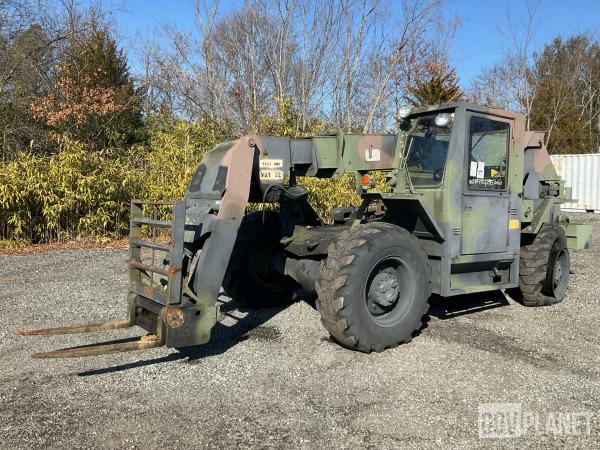
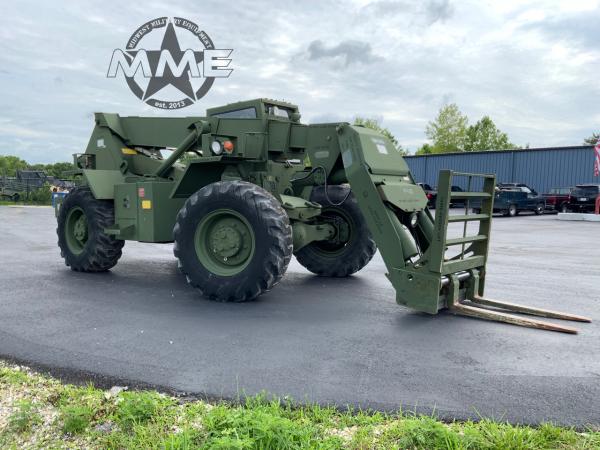
The SkyTrak 6000M telehandler, a robust piece of equipment, is designed to handle heavy lifting and maneuvering in challenging terrains. However, like any complex machinery, it can experience issues that require attention. Understanding common problems and their solutions can help operators maintain optimal performance.
Common Issues and Solutions
- Steering Problems
Operators have reported issues with steering, particularly with crab steering not functioning and rear wheels turning faster than front wheels during four-wheel steering. This misalignment can lead to difficulties in maneuvering the telehandler. Potential causes include faulty steering control units or issues with the steering linkage. Regular inspection and maintenance of the steering system are essential to ensure proper alignment and functionality.
- Braking System Failures
Another common issue is the loss of brakes, especially at idle. Operators have noted that brakes work well when the engine is running at higher speeds but fail to engage properly at idle. This inconsistency can be hazardous. Possible causes include low hydraulic pressure, worn brake components, or issues with the brake control valve. Addressing these issues promptly is crucial for safety.
- Hydraulic System Malfunctions
Hydraulic system failures can manifest as slow boom movements or unresponsive hydraulic functions. Operators have experienced slow boom descent even with higher engine RPMs. Such issues may arise from problems with the auxiliary hydraulic pump, clogged filters, or low hydraulic fluid levels. Regular maintenance, including checking fluid levels and replacing filters, can prevent these problems.
Maintenance Tips- Regular Fluid Checks: Ensure that hydraulic and engine fluids are at appropriate levels and are free from contaminants.
- Inspect Steering Components: Regularly check the steering control units and linkage for wear and proper function.
- Brake System Maintenance: Monitor brake performance and address any inconsistencies promptly.
- Hydraulic System Care: Replace filters as needed and ensure the hydraulic pump is functioning correctly.
Conclusion
The SkyTrak 6000M telehandler is a valuable asset in various industries, but like all machinery, it requires regular maintenance and attention to function optimally. By staying vigilant and addressing issues promptly, operators can ensure the longevity and reliability of their equipment.
|
|
|
|
| How to Find Inspiration and Success as a Heavy Equipment Operator: Stories, Insights, and Practical Advice |
|
Posted by: MikePhua - 08-14-2025, 11:46 PM - Forum: Training & Certification
- No Replies
|
|
Inspiration plays a powerful role in shaping careers and overcoming challenges, especially in demanding fields like heavy equipment operation. This detailed guide explores motivational stories of individuals who have built successful careers in heavy equipment, the qualities and strategies they embraced, technical and career-related terminology, and actionable advice for those pursuing or advancing in this field. Enriched with real-world examples and practical tips, it offers a comprehensive narrative to inspire and guide current and future operators.
Understanding the Heavy Equipment Operator Career Path
A heavy equipment operator controls machinery such as excavators, bulldozers, loaders, and cranes used in construction, mining, agriculture, and infrastructure projects. The role demands technical skill, safety awareness, physical stamina, and continuous learning. - Apprenticeship: A formal program combining on-the-job training with classroom instruction, preparing individuals for certification and skilled operation.
- Certification: Credentials verifying an operator’s competence with specific machinery or techniques, often required by employers or regulatory bodies.
- Safety Culture: The prioritized practice of consistently following safety protocols to protect operators and jobsite personnel.
- Continuous Improvement: The regular acquisition of new skills and knowledge to adapt to evolving technologies and industry standards.
Inspirational Stories and Key Qualities- Taking Initiative and Perseverance: For example, Mahaila Houle, a heavy equipment operator from Minnesota, seized a rare training opportunity within her tribal community. Despite initial competition and high standards, her persistence, eagerness to learn, and proactive attitude led her to secure on-site work and progress into an apprenticeship. Her success highlights the importance of showing up, asking questions, and never hesitating to take the initiative.
- Lifelong Learning: Many operators emphasize the need to keep learning, attending training classes during slower seasons or off-hours to stay current with new machinery and safety protocols.
- Safety Focus: Operators working in fast-paced and potentially hazardous environments credit their understanding and commitment to safety procedures for long and successful careers.
- Overcoming Barriers: Women operators like Julia Theobald share stories about breaking stereotypes and choosing the trades over traditional college pathways, finding pride, independence, and financial security in heavy equipment operation.
- Leveraging Training Programs: Many operators share how structured programs, union apprenticeships, or private training schools equipped them with confidence and skills, accelerating their employment prospects.
Terminology and Career Concepts- TERO (Tribal Employment Rights Office): Programs supporting employment and training for indigenous workers.
- IUOE (International Union of Operating Engineers): A labor union offering training, apprenticeship, and support for equipment operators.
- Local Union Apprenticeship: Regional union programs combining classroom and hands-on training under mentorship.
- Safety Protocols: Rules and practices aimed at preventing accidents and injuries.
- Mentorship: Guidance from experienced operators helping newcomers develop skills and navigate career challenges.
- Jobsite Productivity: Efficiency and effectiveness of work completed at construction or mining sites.
Practical Tips and Recommendations for Career Success- Be Proactive: Never hesitate to show up early, volunteer for tasks, and learn beyond basic requirements.
- Ask Questions: Cultivate curiosity and a willingness to seek knowledge from instructors, experienced operators, and supervisors.
- Prioritize Safety: Always adhere to safety practices; a good safety record enhances reputation and job security.
- Engage in Continuous Learning: Attend training sessions, certifications, and stay updated on equipment technology.
- Networking: Build relationships within companies, unions, and training centers to open doors for advancement.
- Maintain Physical and Mental Fitness: The work demands alertness and stamina; self-care supports long-term career sustainability.
- Leverage Available Resources: Utilize union programs, community training opportunities, and employer-sponsored education.
- Keep Detailed Records: Track certifications, training completed, and feedback to demonstrate competence and commitment.
Real-World Stories and Outcomes- A Minnesota operator’s decision to stand ready even when a job was assigned to someone else led to a key employment opportunity. Her blend of preparation, patience, and skill impressed management and launched her career into an apprenticeship, demonstrating how readiness meets opportunity.
- Numerous graduates of heavy equipment training schools report rapid employment after completing certifications, often with increased wages and greater job satisfaction.
- Operators who embrace safety as a core value often receive recognition and advance into supervisory roles, underscoring safety not just as compliance but as leadership.
- Women entering heavy equipment trades report increased financial independence, pride in their work, and expanding opportunities in unionized construction and mining sectors.
Summary List: Keys to Inspiration and Success in Heavy Equipment Operation- Seize every training and learning opportunity
- Demonstrate initiative and reliability on the job
- Build and maintain a strong safety mindset
- Network with peers, mentors, and industry professionals
- Engage in formal apprenticeships or certified programs
- Embrace continuous skill development and certifications
- Maintain physical fitness and mental readiness
- Use union and community resources for career support
- Keep records of qualifications and safety achievements
- Cultivate resilience and adaptability in changing work environments
Conclusion
Success as a heavy equipment operator combines technical skill with personal qualities such as initiative, safety awareness, and continuous learning. Inspirational stories from diverse operators — from indigenous trainees to women breaking new ground — illustrate that perseverance, readiness, and embracing education lead to rewarding careers. By understanding essential terminology, leveraging training pathways, and adopting a proactive mindset, aspiring and current operators can build stable, fulfilling, and financially sound careers in the heavy equipment industry.
|
|
|
|
| Troubleshooting Steering Issues in Fiat-Allis FD5 Crawler Dozers |
|
Posted by: MikePhua - 08-14-2025, 11:45 PM - Forum: Troubleshooting & Diagnosing
- No Replies
|
|
The Fiat-Allis FD5 crawler dozer, a robust machine designed for heavy-duty tasks, can encounter steering issues over time. One common problem reported by operators is the failure of the steering mechanism, particularly the steering clutches, which can lead to difficulties in maneuvering the dozer. Understanding the components involved and the potential causes of these issues is crucial for effective troubleshooting and repair.
Understanding the Steering Mechanism
The FD5 dozer employs a mechanical steering system that utilizes steering clutches and brakes to control the movement of each track independently. These clutches are hydraulic-actuated and are responsible for engaging and disengaging the drive to each track. When a steering clutch fails to disengage properly, it can cause the dozer to veer to one side or become unresponsive to steering inputs.
Common Symptoms of Steering Clutch Issues
Operators have reported various symptoms indicative of steering clutch problems: - Unresponsive Steering: The dozer fails to turn or responds sluggishly to steering inputs.
- Uneven Track Movement: One track moves while the other remains stationary, affecting the dozer's balance and maneuverability.
- Hydraulic Pressure Fluctuations: Erratic or insufficient hydraulic pressure can prevent the steering clutches from engaging or disengaging properly.
Potential Causes
Several factors can contribute to steering clutch failures:- Contaminated Hydraulic Fluid: Dirt, moisture, or metal particles in the hydraulic fluid can cause wear and malfunction of the steering clutches.
- Worn or Damaged Clutch Plates: Over time, the friction plates within the steering clutches can wear out, leading to slippage and inadequate engagement.
- Faulty Hydraulic Components: Issues with the hydraulic pump, valves, or lines can result in insufficient pressure, affecting clutch operation.
- Incorrect Linkage Adjustments: Improper adjustment of the clutch linkage can prevent full engagement or disengagement of the clutches.
Diagnostic and Repair Procedures
To address steering clutch issues, the following steps are recommended:
- Inspect Hydraulic Fluid: Check the hydraulic fluid for contamination and ensure it is at the correct level. Replace the fluid if necessary.
- Examine Clutch Linkages: Verify that the clutch linkage is properly adjusted and free from obstructions or damage.
- Test Hydraulic Pressure: Measure the hydraulic pressure at the steering clutch ports to ensure it meets manufacturer specifications.
- Disassemble and Inspect Clutches: If previous steps do not resolve the issue, disassemble the steering clutches to inspect for worn or damaged components. Replace any faulty parts.
- Reassemble and Test: After repairs, reassemble the steering clutches, adjust the linkages as needed, and test the dozer to ensure proper steering function.
Maintenance Tips
To prevent future steering issues:- Regularly Change Hydraulic Fluid: Implement a routine schedule for changing the hydraulic fluid to prevent contamination and ensure optimal performance.
- Monitor Hydraulic Pressure: Regularly check hydraulic pressure to detect any fluctuations that could indicate potential problems.
- Adjust Linkages Periodically: Periodically inspect and adjust the clutch linkages to maintain proper engagement and disengagement.
- Store Properly: When not in use, store the dozer in a dry, clean environment to prevent contamination of hydraulic components.
Conclusion
Steering issues in the Fiat-Allis FD5 crawler dozer are often related to hydraulic or mechanical failures in the steering clutches. By systematically diagnosing the problem and performing necessary repairs, operators can restore full steering functionality to the dozer. Regular maintenance and vigilant monitoring are key to preventing such issues and ensuring the longevity and reliability of the equipment.
|
|
|
|
| How to Maintain and Troubleshoot Excavator Doors |
|
Posted by: MikePhua - 08-14-2025, 11:44 PM - Forum: Troubleshooting & Diagnosing
- No Replies
|
|
Excavator doors are an essential component of the machine’s cab, offering protection, operator comfort, and safety. Proper maintenance of these doors ensures smooth operation, prevents damage, and extends cab longevity. This detailed guide covers the key aspects of excavator door maintenance, common issues, terminology, troubleshooting tips, and practical advice, illustrated with examples and industry insights.
Understanding Excavator Doors and Their Importance
Excavator cab doors serve several vital functions: - Protection: They shield operators from dust, debris, noise, weather elements, and hazards on the jobsite.
- Structural Integrity: Doors contribute to the cab’s overall safety features, including rollover protection.
- Comfort and Safety: Properly functioning doors maintain climate control, reduce noise levels, and prevent accidental openings during operation.
Door types may vary: some have manual latches, others may include locking mechanisms with key or emergency releases, and some feature windows for visibility.
Key Terminology- Door Hinges: Pivot points that allow the door to open and close smoothly.
- Latch Mechanism: Locks the door securely.
- Seals and Weatherstripping: Rubber or foam strips around the door frame that prevent water, dust, and noise infiltration.
- Cab Glass Window: The transparent section that can be fixed or sliding, often made from safety glass.
- Door Handle: External or internal mechanism to open and close the door.
- Door Frame: The metal framework that supports the door structure.
- Gas Struts (if equipped): Assist in holding the door open or controlling its movement softly.
Common Excavator Door Issues- Stiff or Difficult Door Movement: Caused by rusted hinges, accumulated dirt, or lack of lubrication.
- Faulty or Loose Latch Mechanisms: Prevent door from closing securely, posing safety risks.
- Damaged or Worn Seals: Lead to water leaks, dust ingress, or excessive cab noise.
- Broken or Cracked Door Glass: Compromises visibility and safety; can cause injury if shattered.
- Misaligned Doors: Result in poor sealing, difficult closing, or rattling during operation.
- Corrosion and Rusting: Particularly on hinges, door edges, or frame, weakening door integrity.
- Damaged Door Handles: Make accessing or securing the cab difficult.
Maintenance and Troubleshooting Tips
- Regular Cleaning:
- Clean doors and hinges using mild detergent and water to remove dirt and debris.
- Avoid using harsh chemicals that can degrade seals or paint.
- Clean cab glass with appropriate glass cleaner to maintain visibility.
- Lubrication:
- Apply lubricant (such as silicone spray or grease) to door hinges and latch mechanisms to ensure smooth operation.
- Avoid lubricants that attract dirt or dust, which may worsen wear.
- Inspect and Replace Seals:
- Check door seals periodically for cracks, tears or hardening.
- Replace damaged weatherstripping to restore effective sealing and reduce noise.
- Ensure seals are properly seated and clean.
- Check Latches and Handles:
- Test latches for secure engagement and smooth locking.
- Tighten loose screws or bolts on handles and latches.
- Replace broken parts promptly for safety.
- Hinge and Alignment Inspection:
- Inspect for rust, corrosion, or bent hinges.
- Adjust door alignment if doors are misaligned or difficult to close.
- Remove and treat rust with rust converter or repaint affected areas.
- Glass Maintenance:
- Inspect glass for cracks or chips that can worsen over time.
- Replace damaged glass with manufacturer-approved safety replacements.
- Ensure that window seals are intact to prevent leaks.
- Operational Checks:
- Open and close doors regularly to detect binding or rattling.
- Check emergency releases or locking mechanisms to ensure functionality in all conditions.
Practical Solutions and Enhancement Tips- Installing rubber bump stops can reduce door slamming and noise.
- Using rust-inhibiting sprays on hinges prevents corrosion in harsh environments.
- Applying anti-slip coatings or pads on door steps can improve operator safety.
- Retrofitting gas struts for heavier doors improves opening ease and operator comfort.
- For glass replacement, professional service ensures correct installation and cab integrity.
Real-World Example
A construction company operating excavators in coastal environments noticed increasing issues with door rust and difficult door closing due to salty air exposure. They implemented regular hinge lubrication using marine-grade grease and replaced worn seals yearly. Additionally, they installed protective hinge covers to shield from corrosive spray. This maintenance strategy restored smooth door operation and extended door lifespan significantly, reducing downtime and repair costs.
Summary List: Excavator Door Maintenance Checklist- Regularly clean door surfaces, hinges, and window glass
- Lubricate hinges and latches with appropriate lubricants
- Inspect and replace weatherstripping for effective sealing
- Check and tighten door handles and latch components
- Inspect door alignment and adjust or repair as needed
- Treat and prevent rust on hinges and door frames
- Replace damaged or cracked door glass promptly
- Test door operation including locking and emergency releases
- Consider installing enhancements like gas struts or protective bumpers
Conclusion
Maintaining excavator doors is crucial for operator safety, comfort, and machine reliability. By understanding door components, regularly inspecting and servicing hinges, latches, seals, and glass, and addressing issues promptly, operators and maintenance teams can avoid costly repairs and ensure the cab remains a secure and comfortable workspace. Incorporating preventive measures and practical enhancements further prolongs door life and functionality under tough working conditions.
|
|
|
|
| John Deere 444H Parking Brake and Transmission Issues |
|
Posted by: MikePhua - 08-14-2025, 11:43 PM - Forum: Troubleshooting & Diagnosing
- No Replies
|
|
The John Deere 444H wheel loader is a robust machine, but like any heavy equipment, it can encounter issues that hinder performance. One such problem is when the parking brake won't release, and the transmission fails to engage. This issue can be perplexing, but understanding the system's components and their interactions can aid in diagnosing and resolving the problem.
Understanding the Parking Brake System
The parking brake on the John Deere 444H is an integral part of the hydraulic system. It relies on hydraulic pressure to engage and disengage. When the parking brake is engaged, it prevents the machine from moving, ensuring safety when the loader is stationary.
Common Symptoms and Initial Checks
Operators have reported instances where the parking brake functions correctly when the machine is cold but fails to release when it warms up. In such cases, the following components should be inspected: - Hydraulic Fluid Levels: Low hydraulic fluid can lead to insufficient pressure, preventing the parking brake from releasing.
- Brake Pressure Switch: A faulty brake pressure switch can send incorrect signals, causing the brake to remain engaged.
- Solenoid Valve: The solenoid valve controls the application and release of the parking brake. If it's malfunctioning, it can cause the brake to stay engaged.
Advanced Diagnostic Steps
If basic checks don't resolve the issue, more in-depth diagnostics are necessary:
- Check for Fault Codes: Use a diagnostic tool to check for any fault codes that might indicate specific issues within the system.
- Inspect the Transmission Pressure: Low transmission pressure can affect the operation of the parking brake. Ensure that the transmission pressure is within the manufacturer's specified range.
- Examine the Wiring and Connectors: Damaged or corroded wiring and connectors can disrupt the signals between components, leading to malfunction. Inspect all related wiring for integrity.
Potential Solutions
Depending on the findings from the diagnostic steps, the following solutions may be applicable:- Replace Faulty Components: If any component, such as the brake pressure switch or solenoid valve, is found to be defective, replace it with a genuine John Deere part.
- Repair or Replace Damaged Wiring: Any damaged or corroded wiring should be repaired or replaced to ensure proper signal transmission.
- Adjust Hydraulic Fluid Levels: Ensure that the hydraulic fluid is at the correct level and is of the appropriate type as specified by the manufacturer.
Conclusion
While the issue of the parking brake not releasing and the transmission failing to engage on the John Deere 444H can be challenging, a systematic approach to diagnostics can lead to a resolution. By understanding the system's components and their interactions, operators can effectively troubleshoot and address the problem, ensuring the continued reliable operation of the machine.
|
|
|
|
|



