| Welcome, Guest |
You have to register before you can post on our site.
|
| Online Users |
There are currently 980 online users.
» 0 Member(s) | 971 Guest(s)
Ahrefs, Amazon, Applebot, Bing, Claude, Google, OpenAI, Semrush
|
| Latest Threads |
Identifying and Sourcing ...
Forum: Parts , Attachments & Tools
Last Post: MikePhua
01-07-2026, 06:29 PM
» Replies: 0
» Views: 538
|
Cat 931B Brake Parts
Forum: Parts , Attachments & Tools
Last Post: MikePhua
01-07-2026, 06:29 PM
» Replies: 0
» Views: 286
|
Choosing Between Cat 228,...
Forum: General Discussion
Last Post: MikePhua
01-07-2026, 06:28 PM
» Replies: 0
» Views: 575
|
Hydraulic Delay When Lowe...
Forum: Troubleshooting & Diagnosing
Last Post: MikePhua
01-07-2026, 06:27 PM
» Replies: 0
» Views: 451
|
Bale Chopper and Mulcher ...
Forum: General Discussion
Last Post: MikePhua
01-07-2026, 06:26 PM
» Replies: 0
» Views: 333
|
Mini UC Maintenance
Forum: General Discussion
Last Post: MikePhua
01-07-2026, 06:25 PM
» Replies: 0
» Views: 322
|
Locating Wiring Informati...
Forum: General Discussion
Last Post: MikePhua
01-07-2026, 06:24 PM
» Replies: 0
» Views: 353
|
Case Industrial Brown Sub...
Forum: Parts , Attachments & Tools
Last Post: MikePhua
01-07-2026, 06:23 PM
» Replies: 0
» Views: 279
|
Dirt Work in West Virgini...
Forum: Construction & Urban Infrastructure Forum
Last Post: MikePhua
01-07-2026, 06:23 PM
» Replies: 0
» Views: 382
|
D207 P Hydraulic Steering...
Forum: Parts , Attachments & Tools
Last Post: MikePhua
01-07-2026, 06:22 PM
» Replies: 0
» Views: 307
|
|
|
| D31E Dozer Temperature Gauge Testing |
|
Posted by: MikePhua - 08-15-2025, 12:27 AM - Forum: General Discussion
- No Replies
|
 |
Introduction
The Caterpillar D31E dozer is a compact, versatile machine widely used in construction and earthmoving tasks. Monitoring engine temperature is critical to maintaining its performance and preventing costly damage. The temperature gauge on this dozer provides operators with real-time information, helping avoid overheating and ensuring the hydraulic and engine systems function optimally. Understanding how to test and interpret this gauge is essential for safe and efficient operation.
Common Temperature Gauge Issues - Inaccurate Readings
Operators sometimes notice that the temperature gauge does not reflect actual engine conditions. This can be caused by a faulty temperature sensor, wiring issues, or a failing gauge. In some cases, the needle may stick at a high or low reading regardless of engine temperature.
- Gauge Fluctuations
Rapid or erratic movement of the gauge needle often indicates electrical issues, poor grounding, or intermittent sensor contact. This can make it difficult to accurately monitor engine temperature, increasing the risk of overheating.
- Complete Gauge Failure
A gauge that does not move at all could signal a burned-out instrument, broken wiring, or a disconnected sensor. This is particularly dangerous as it removes the operator's primary warning system for overheating.
Testing Procedures- Check Sensor Functionality
Identify the temperature sensor on the engine block, typically near the cylinder head. Using a multimeter, measure resistance at various temperatures and compare it to manufacturer specifications. A sensor that does not vary its resistance with temperature likely needs replacement.
- Inspect Wiring and Connections
Trace the wiring from the sensor to the gauge, looking for damaged insulation, corrosion, or loose connectors. Cleaning and securing connections can often resolve intermittent gauge problems.
- Test the Gauge
Remove the gauge if necessary and use a variable resistor to simulate the sensor. Monitor the needle movement to confirm it responds accurately across the temperature range. Replace the gauge if it fails to respond correctly.
- Check Grounding
Ensure that the gauge and sensor have a proper ground connection. Poor grounding can cause erratic readings or complete failure.
Maintenance Recommendations- Regular Sensor Inspection
Periodically inspect the temperature sensor for signs of corrosion or damage. Replace it according to the maintenance schedule or if it shows inconsistent readings.
- Monitor Electrical Connections
Check wiring and connectors during routine maintenance to prevent failures that can lead to gauge malfunction.
- Keep Coolant System in Check
Maintaining the radiator, coolant levels, and hoses in good condition ensures that the temperature readings are accurate and that the engine is protected from overheating.
Conclusion
A functional temperature gauge on the D31E dozer is vital for safe operation and engine longevity. Proper testing of the sensor, gauge, wiring, and grounding ensures that operators receive accurate temperature information. By following these diagnostic steps and maintenance practices, the risk of engine overheating can be minimized, keeping the dozer reliable and efficient in demanding work conditions.
|

|
|
| Running Water in Radiator Instead of Coolant Risks and Considerations |
|
Posted by: MikePhua - 08-15-2025, 12:27 AM - Forum: Troubleshooting & Diagnosing
- No Replies
|
|
Using plain water in the radiator instead of a proper coolant mixture is a practice that some operators might consider in emergencies or under budget constraints. However, especially for heavy equipment engines such as Caterpillar and other diesel machines, running only water in the cooling system during summer or normal operation can cause significant and costly damage. This article explores the risks of using water alone, explains terms related to coolant systems, expands on missing aspects such as preventive measures, and offers practical advice and real-world insights to guide equipment users.
Role of Radiator Coolant in Heavy Equipment
The radiator coolant mixture, typically a blend of water and antifreeze (ethylene glycol or propylene glycol), serves several critical purposes beyond just temperature regulation: - Heat Transfer: Coolant absorbs engine heat and disperses it via the radiator to prevent overheating.
- Corrosion Protection: Antifreeze contains inhibitors that protect metal parts like radiator cores, engine blocks, and water pumps from rust and corrosion.
- Boiling Point Elevation: The mixture raises the boiling point above that of pure water, allowing the engine to operate safely at higher temperatures without boiling over.
- Freezing Point Depression: It prevents freezing in cold climates, which can cause engine block cracks.
- Lubrication: It lubricates seals and water pump components, reducing wear.
Water alone lacks corrosion inhibitors and boiling point modifiers, making it inadequate for modern heavy equipment cooling needs.
Risks of Using Only Water in Radiators- Corrosion and Rust Formation: Water oxygen content promotes corrosion inside engine passages and radiator cores. Over time, rust deposits can clog the cooling system, reducing flow and cooling efficiency.
- Reduced Heat Transfer Efficiency: Though water has good thermal conductivity, rust and scale buildup lower heat exchange capability, leading to overheating risks.
- Boiling and Vapor Formation: Water boils at 100°C (212°F) under atmospheric pressure; engines frequently exceed this temperature especially under load. Without antifreeze, water can boil, form steam pockets, cause overheating, and pressure spikes.
- Cavitation and Pump Damage: Boiling or vapor in the coolant can cause cavitation in the water pump, damaging impeller blades and leading to pump failure.
- Increased Maintenance and Downtime: Damage to hoses, seals, water pumps, and radiators can arise over time necessitating costly repairs or replacements.
- Potential Overheating and Engine Damage: Loss of cooling due to corrosion or boiling can cause engine warping, head gasket failure, and premature wear.
Technical Terms Explained- Boiling Point: The temperature at which liquid turns to vapor. Coolant mixtures raise this above pure water’s 100°C.
- Corrosion Inhibitors: Chemicals added to coolant to protect metallic engine components from rust and degradation.
- Cavitation: Formation and collapse of vapor bubbles inside a fluid, causing mechanical damage to pumps.
- Heat Transfer Efficiency: The rate at which heat moves from the engine into the coolant and through the radiator.
- Thermostat: A valve regulating coolant flow based on engine temperature, preventing overcooling or overheating.
- Water Pump: A pump circulating coolant through engine and radiator passages.
Best Practices and Recommendations- Always Use Manufacturer-Recommended Coolant Mixtures: Typically a 50/50 ratio of antifreeze to water balances freeze protection, boiling point elevation, and corrosion prevention.
- Use Distilled or Deionized Water if Mixing Coolant: Tap water contains minerals that can form scale deposits; distilled water is cleaner and safer.
- Regularly Check Coolant Condition and Replace as Needed: Coolants degrade over time, losing inhibitor effectiveness.
- Do Not Rely on Water Alone Even in Summer: Heat generated by heavy equipment engines exceeds safe boiling points for water.
- Flushing and Maintenance: Periodic flushing removes rust, deposits, and contaminants extending radiator and engine life.
- Monitor Engine Temperatures and Cooling System Pressure: Early detection of overheating prevents catastrophic failures.
- Emergency Use of Water: While pure water may be used briefly if coolant is unavailable, replacement with proper coolant should be immediate to avoid damage.
- Install Proper Radiator Caps: Maintaining system pressure raises coolant boiling point, preventing vapor lock.
Practical Examples and Industry Context
Operating Caterpillar engines with only water in the cooling system during hot weather has led to heater core failures, radiator core corrosion, and water pump cavitation in multiple field reports. In one documented case, a rental fleet neglecting coolant replacement experienced multiple premature radiator replacements and engine head gasket failures, costing significant downtime and repair expenses. Conversely, fleets adhering to coolant maintenance schedules routinely report longer radiator and engine life, fewer breakdowns, and lower repair costs.
Industries that operate heavy equipment under extreme conditions emphasize the importance of correct coolant use, often employing specialized coolant blends with enhanced additives to meet rigorous demands. Moreover, advanced telemetry and temperature monitoring systems in modern equipment alert operators to overheating risks early.
Summary List of Water vs. Coolant Considerations- Water lacks corrosion inhibitors and boiling point elevation chemicals
- Pure water promotes rust and scale buildup, reducing cooling efficiency
- Antifreeze/coolant raises boiling point above 100°C, preventing vapor formation
- Using water alone increases risk of cavitation and water pump damage
- Regular coolant maintenance protects engine and radiator components
- Distilled water recommended when mixing with antifreeze to avoid mineral deposits
- Emergency use of water only; replace with proper coolant immediately
- Radiator caps maintain system pressure critical for coolant boiling point
- Monitoring coolant condition and temperature prevents costly engine failures
- Avoid extensive downtime and repair costs through proper coolant management
Conclusion
Running heavy equipment engines with water alone in the radiator, particularly during summer or under heavy loads, is a high-risk practice that can severely compromise engine cooling, cause corrosion, lead to overheating, and ultimately result in expensive repairs or catastrophic failures. Properly formulated coolant mixtures with corrosion inhibitors and boiling point enhancers are essential to protect the engine’s cooling system and ensure reliable operation.
Adopting consistent coolant care, monitoring temperatures, and following manufacturer guidelines offers the best defense against cooling system failures. Operators and maintenance teams should treat water-only cooling as strictly temporary, prioritizing immediate coolant replacement and proactive system inspection.
|
|
|
|
| 1988 Komatsu PC120 Hydraulic System Troubleshooting |
|
Posted by: MikePhua - 08-15-2025, 12:26 AM - Forum: Troubleshooting & Diagnosing
- No Replies
|
|
Introduction
The 1988 Komatsu PC120 hydraulic excavator, part of the PC120-2 series, is renowned for its robust performance in various construction and excavation tasks. However, like any heavy machinery, it is susceptible to hydraulic system issues that can impede its functionality. Understanding the common problems, diagnostic procedures, and maintenance practices is crucial for operators and technicians to ensure the machine's optimal performance.
Common Hydraulic Issues
- Weak or Slow Hydraulics
One prevalent issue reported is the gradual loss of hydraulic power, especially after the machine has been in operation for a period. Symptoms include sluggish boom movements and reduced lifting capacity. This condition often points to internal leakage within the hydraulic pump or control valves. For instance, after approximately 45 minutes of operation, some operators have observed significant weakening of hydraulic functions, despite recent pump overhauls and relief valve replacements.
- Erratic Pressure Readings
Inconsistent hydraulic pressure, such as fluctuations from 1000 PSI to zero, can indicate issues like pump wear, internal leakage, or problems within the valve block. This erratic behavior necessitates a thorough inspection of the hydraulic components to pinpoint the exact cause.
- Hydraulic System Overheating
Overheating of the hydraulic system can lead to a temporary loss of power. This condition often results from clogged filters, low hydraulic fluid levels, or contamination within the system. Regular maintenance and timely replacement of filters are essential to prevent such issues.
Diagnostic Procedures
To accurately diagnose hydraulic issues in the Komatsu PC120, the following steps are recommended:- Check Hydraulic Fluid Levels and Quality: Ensure that the hydraulic fluid is at the proper level and is free from contaminants. Dirty or low fluid can lead to inadequate lubrication and cooling, affecting system performance.
- Inspect Hydraulic Filters: Clogged filters restrict fluid flow and can cause pressure drops. Regular inspection and replacement are vital to maintain system efficiency.
- Test Hydraulic Pressure: Use a pressure gauge to monitor the hydraulic system's pressure. Fluctuations or drops in pressure can indicate internal leaks or pump issues.
- Examine Hydraulic Components: Inspect the hydraulic pump, control valves, and hoses for signs of wear, leaks, or damage. Any abnormalities should be addressed promptly.
Maintenance Practices
Regular maintenance is key to prolonging the life of the hydraulic system:- Regular Fluid and Filter Changes: Adhere to the manufacturer's recommended intervals for changing hydraulic fluid and filters to prevent contamination and ensure optimal performance.
- Monitor Operating Conditions: Avoid overloading the machine and ensure it operates within its specified limits to prevent undue stress on the hydraulic system.
- Timely Component Replacements: Replace worn or damaged components, such as seals and hoses, promptly to prevent further damage and maintain system integrity.
Conclusion
The hydraulic system of the 1988 Komatsu PC120 is integral to its performance and efficiency. Understanding common issues, implementing diagnostic procedures, and adhering to regular maintenance practices are essential for ensuring the machine operates at its best. By proactively addressing hydraulic concerns, operators can minimize downtime and extend the lifespan of their equipment.
|
|
|
|
| Case 580C Kingpin Issues |
|
Posted by: MikePhua - 08-15-2025, 12:24 AM - Forum: General Discussion
- No Replies
|
|
Introduction
The Case 580C backhoe loader, renowned for its durability and versatility, has been a staple in construction and agricultural operations since its introduction in the 1970s. However, like all heavy machinery, it is susceptible to wear and tear, particularly in its steering components. One such component is the kingpin, which plays a crucial role in the front axle's steering mechanism. Over time, the kingpin can experience issues that affect the machine's performance and safety.
Understanding the Kingpin
The kingpin is a vertical steel pin that connects the steering knuckle to the axle beam, allowing for the rotation necessary for steering. It is supported by bearings and bushings, which facilitate smooth movement. Given the stresses placed on this component during operation, it is prone to wear, especially if maintenance is neglected.
Common Kingpin Issues
- Excessive Play or Slop: Over time, the bearings and bushings supporting the kingpin can wear out, leading to excessive play in the steering. This manifests as a loose or wobbly steering feel, which can compromise control and safety.
- Uneven Tire Wear: A worn kingpin can cause misalignment in the wheels, leading to uneven tire wear. This not only reduces tire lifespan but can also affect fuel efficiency and handling.
- Increased Steering Effort: As the kingpin and its associated components wear, more effort is required to steer the machine. This can lead to operator fatigue and decreased productivity.
- Noise During Operation: A failing kingpin may produce knocking or clunking sounds, especially when turning. This is indicative of loose components and should be addressed promptly.
Maintenance and Replacement
Regular inspection and maintenance of the kingpin assembly are vital to ensure the longevity and safe operation of the Case 580C.- Inspection: Periodically check for signs of wear or damage in the kingpin, bearings, and bushings. Look for excessive play, unusual noises, or uneven tire wear.
- Lubrication: Ensure that the kingpin and its components are properly lubricated to reduce friction and wear. Use the manufacturer's recommended grease and apply it at regular intervals.
- Replacement: If wear is evident, replace the kingpin and associated components promptly. Delaying replacement can lead to more severe damage and costly repairs.
Case Study: A Real-World Example
In a forum discussion, an owner of a Case 580C shared their experience with a worn kingpin. They noted that the steering had become increasingly loose, and the machine exhibited uneven tire wear. Upon inspection, they discovered that the kingpin and its bearings were significantly worn. They proceeded with a replacement, which restored the machine's steering responsiveness and eliminated the uneven tire wear.
Conclusion
The kingpin is a critical component in the steering system of the Case 580C backhoe loader. Regular maintenance and timely replacement of worn parts are essential to ensure the machine's optimal performance and safety. By staying proactive, operators can avoid costly repairs and downtime, keeping their equipment running efficiently.
|
|
|
|
| Volvo EW145B Wheel Excavator Troubleshooting and Maintenance Guide |
|
Posted by: MikePhua - 08-15-2025, 12:24 AM - Forum: Troubleshooting & Diagnosing
- No Replies
|
|
The Volvo EW145B is a versatile and powerful wheeled excavator widely utilized across construction, urban infrastructure, and utility projects. Known for its mobility, productivity, and advanced hydraulics, the EW145B is designed to perform well in diverse environments—including high-temperature and dusty conditions. However, issues such as hydraulic malfunction, especially involving critical functions like swinging and travel directions, can impact machine efficiency and uptime. This detailed article discusses the common problems experienced in Volvo EW145B excavators related to hydraulic system failures, the impact of component quality, diagnostic processes, and practical solutions to restore full machine operation.
Typical Hydraulic Problems on Volvo EW145B
The most frequent hydraulic issues seen on the EW145B involve loss of function in crucial working movements, such as inability to swing the upper structure, or failure to move forward or reverse. These symptoms often signal underlying faults in the hydraulic circuit or related control components. - Swing malfunction means the upper frame cannot rotate, severely limiting operational scope.
- Failure in forward and reverse travel restricts basic mobility.
- Such problems may be intermittent or persistent and sometimes present without error codes, complicating troubleshooting.
Root Causes of Hydraulic Failures
Several factors commonly contribute to hydraulic system malfunction on wheeled excavators like the Volvo EW145B:- Non-genuine Hydraulic Pump: Usage of non-OEM or counterfeit pumps may cause premature wear, erratic pressure delivery, and internal contamination. OEM pumps are specifically engineered for hydraulic flow, pressure, and durability demands on Volvo machines.
- Worn or Faulty Solenoid Valves: The main pressure solenoid valve controls key fluid pathways and pressures inside the pump or control valves. A worn or incorrectly matched valve can hinder hydraulic pressure generation or distribution. Locally sourced solenoid replacements may lack specification matching, leading to operational failures.
- Metal Particles in Hydraulic Filter: The appearance of metal particles in filters indicates internal wear or damage—causing contamination that can block hydraulic passages, degrade seals, and accelerate component failure.
- Hydraulic Fluid Contamination: Dirty or degraded fluid reduces lubrication, leads to overheating, and causes erosion in valves, pumps, and actuators.
- Electrical Control Issues: Although no module errors might appear, wiring, connectors, or sensor faults may still interfere with valve actuation or pump control.
- Clogged or Damaged Hydraulic Lines: Any restrictions or leaks in lines can reduce system pressure or flow.
Essential Hydraulic System Components- Hydraulic Pump: Provides pressurized oil to the entire hydraulic system; must be capable of delivering correct flow and pressure.
- Solenoid Valves: Electrically actuated valves controlling the flow paths for functions including swing and travel directions.
- Hydraulic Filters: Trap contaminants and protect sensitive components from damage.
- Hydraulic Oil: Specialized fluid designed for viscosity, lubrication, and heat dissipation suitable for Volvo systems.
- Control Module (ECU): Manages electrical signals for valve operation and pump settings.
- Lines and Hoses: High-pressure conduits for hydraulic fluid.
Step-by-Step Troubleshooting and Repair Approach
- Inspect Hydraulic Fluid and Filter:
- Drain and replace hydraulic fluid if contaminated.
- Replace hydraulic filters; physically examine for metal shavings or debris signaling internal wear.
- Examine Hydraulic Pump Condition:
- Verify if the installed pump is OEM certified or a substitute; non-genuine pumps are prone to failures.
- Listen for unusual noises or check pressure output readings indicative of pump malfunction.
- Consider replacing worn or suspect pumps with genuine Volvo parts.
- Assess Solenoid Valves:
- Test electrical and hydraulic functionality of main pressure solenoids.
- Replace worn or improperly matched solenoid valves with OEM components to ensure compatibility.
- Clean valve ports and avoid using second-hand or "sample-based" parts from local sources due to specification variances.
- Check Hydraulic Lines and Connections:
- Inspect for leaks, kinks, or blockages.
- Replace damaged hoses and secure fittings correctly.
- Test Electrical Controls:
- Scan control module for error codes and diagnostic data (even if none are visible, deeper electrical tests can reveal open/short circuits or connector faults).
- Inspect wiring and control relays related to hydraulic valve actuation.
- System Flush and Cleaning:
- Perform hydraulic system flush to remove metal particles and contaminants.
- Use hydraulic fluid that meets Volvo specifications.
- Functional Testing:
- After repairs and replacements, run the excavator in idle and operational modes checking swing, forward, and reverse functions.
- Monitor hydraulic pressure and temperature to ensure stable operation.
Preventive and Maintenance Recommendations- Always use genuine Volvo hydraulic pumps and solenoid valves to maintain system integrity and compatibility.
- Frequently inspect hydraulic fluid condition and filters; change as per service intervals or when contamination is detected.
- Monitor hydraulic filter condition for signs of internal component wear or contamination.
- Avoid cheap or unverified component substitutions; improper parts drastically shorten system life.
- Maintain electrical system cleanliness and secure connections, reducing erratic valve behavior.
- Schedule regular hydraulic system flushes in line with Volvo’s maintenance guidelines.
- Train operators to note early symptoms of hydraulic irregularities to allow prompt intervention.
Relevant Terms and Definitions- Solenoid Valve: An electro-hydraulic valve that uses an electric coil to control hydraulic fluid flow direction or pressure.
- Hydraulic Pump: A device that converts mechanical energy into hydraulic energy by pressurizing fluid.
- Hydraulic Filter: A filter element that removes contaminants from hydraulic oil to protect components.
- OEM (Original Equipment Manufacturer): Parts made by or approved by the original machine manufacturer ensuring correct fit and function.
- Hydraulic Contamination: Presence of foreign particles or degraded fluid adversely affecting system performance.
- Control Module (ECU): The electronic unit controlling actuator signals and hydraulic parameters.
Real-World Example
In one case at a busy construction site, an EW145B experienced loss of swing and forward travel functions without triggering error codes. The maintenance team replaced a worn main pressure solenoid valve purchased from a local non-OEM supplier, which temporarily improved reverse travel but failed to restore full hydraulic function. Metal particles found in the hydraulic filter highlighted significant pump wear likely due to the prior use of a counterfeit pump. Replacing the pump and solenoid valve with OEM Volvo parts and performing a complete hydraulic flush restored normal operation, preventing further costly damage and downtime.
Summary List of Recommendations for Volvo EW145B Hydraulic Issues- Inspect hydraulic fluid and change if contaminated
- Replace hydraulic filters regularly and check for metal particles
- Use only genuine Volvo hydraulic pumps and solenoid valves
- Avoid using locally sourced or sample-based hydraulic parts without OEM approval
- Thoroughly test and repair or replace solenoid valves controlling pressure and flow
- Inspect hydraulic hoses, fittings, and lines for damage or blockages
- Check wiring and control module for faults even without error code presence
- Flush hydraulic system after repairs to remove contamination
- Conduct functional tests for swing, forward, and reverse motions before returning machine to service
- Follow manufacturer maintenance schedules to prevent recurrent issues
Conclusion
Hydraulic malfunctions in the Volvo EW145B wheeled excavator, particularly involving loss of swing and travel functions, often relate to the quality and condition of the hydraulic pump, solenoid valves, and contamination within the hydraulic system. Using genuine components, maintaining hydraulic fluid cleanliness, and following systematic diagnosis and repair procedures ensures reliable machine operation and extended equipment life. Failure to address metal contamination and component incompatibility can lead to escalating degradation and costly downtime.
|
|
|
|
| New Holland D-Series Wheel Loaders: W110D to W190D |
|
Posted by: MikePhua - 08-15-2025, 12:23 AM - Forum: General Discussion
- No Replies
|
|
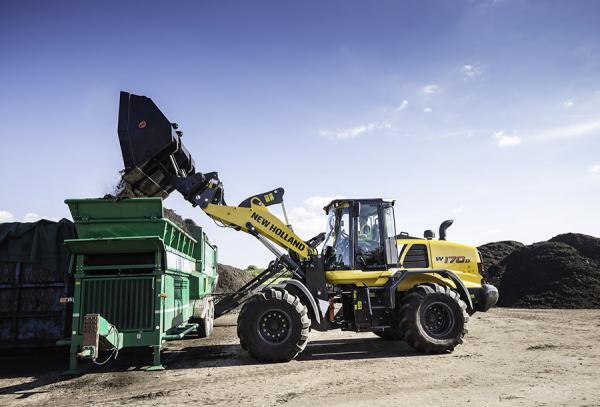
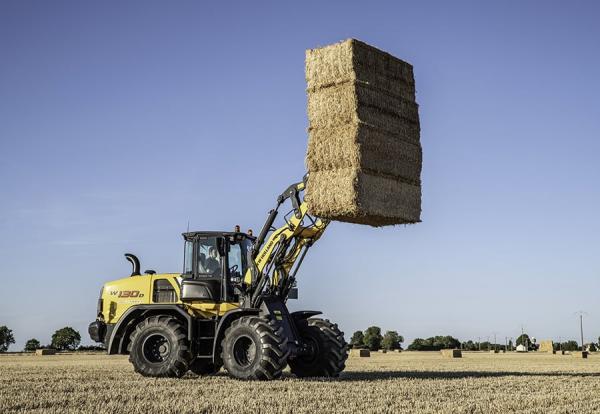
Overview
New Holland's D-Series wheel loaders, encompassing models W110D, W130D, W170D, and W190D, are engineered to meet the demands of various industries, including agriculture, construction, and material handling. These machines are designed for efficiency, durability, and operator comfort, making them suitable for tasks ranging from stockpiling materials to heavy-duty lifting.
Engine and Performance
The D-Series loaders are powered by FPT Industrial engines equipped with HI-eSCR2 technology, ensuring compliance with Stage V emissions standards without compromising on performance. This technology offers improved fuel efficiency and reduced environmental impact. - W110D: Equipped with a 4.5L engine delivering 142 hp, this model is ideal for light to medium-duty tasks.
- W130D: Featuring a 6.7L engine producing 172 hp, it offers enhanced power for more demanding applications.
- W170D: With a 6.7L engine generating 195 hp, this model is suited for heavy-duty operations requiring higher lifting capacities.
- W190D: Also powered by a 6.7L engine, it delivers 230 hp, making it the most powerful in the series, suitable for the most demanding tasks.
Hydraulic System
The hydraulic systems across the D-Series models are designed for efficiency and responsiveness:- W110D: Features a hydraulic pump capacity of 134 l/min.
- W130D: Offers a hydraulic pump capacity of 169 l/min.
- W170D: Equipped with a hydraulic pump capacity of 206 l/min.
- W190D: Provides a hydraulic pump capacity of 236 l/min.
These systems ensure that the loaders can handle various attachments and tasks efficiently.
Boom and Linkage
The D-Series loaders come standard with a Z-bar linkage boom, constructed from 45mm thick plate steel, offering high breakout force and durability. Additionally, a Tool Carrier linkage option is available, providing self-leveling capabilities and enhanced visibility for tasks such as pallet handling.
Operator Comfort
New Holland prioritizes operator comfort with features like a redesigned cab offering improved visibility, reduced noise levels, and ergonomic controls. The optional Ride Control system further enhances comfort by reducing boom oscillations during transport.
Payload Management
For applications where accurate material handling is crucial, the D-Series loaders offer an optional factory-fit payload scale. This system allows operators to monitor and record the amount of material being handled, ensuring efficiency and accuracy in operations.
Maintenance and Serviceability
The D-Series loaders are designed with serviceability in mind. Key maintenance points are easily accessible, and the optional auto lubrication system ensures regular and metered lubrication, reducing maintenance time and costs.
Conclusion
New Holland's D-Series wheel loaders, from the W110D to the W190D, offer a range of models to suit various operational needs. With powerful engines, efficient hydraulic systems, durable booms, and a focus on operator comfort, these loaders are well-equipped to handle the demands of modern construction and material handling tasks.
|
|
|
|
| Troubleshooting Cat 301.8C Display Shutdown During Engine Start |
|
Posted by: MikePhua - 08-15-2025, 12:22 AM - Forum: Troubleshooting & Diagnosing
- No Replies
|
|
Introduction
The Cat 301.8C Mini Excavator is renowned for its compact design and robust performance. However, some operators have reported an issue where the display screen turns off immediately upon engine startup. This problem can disrupt operations and may be indicative of underlying electrical or system faults.
Potential Causes
- Electrical System Faults
The 301.8C's electrical system is intricate, with various components interconnected. A common issue arises from the ignition key switch, which controls power to the display and other essential systems. If there's a malfunction or poor connection within the ignition circuit, it can cause the display to shut off when the engine starts. Additionally, issues with the 10A fuse linked to the engine shutoff solenoid can lead to similar problems.
- Fuel Shutoff Solenoid Malfunctions
The fuel shutoff solenoid plays a critical role in controlling engine operation. If this solenoid fails or its associated relay malfunctions, it can prevent the engine from starting correctly, which might also affect the display functionality. In some cases, operators have resorted to manually disconnecting the solenoid to maintain operations temporarily.
- Software or ECU Issues
The Engine Control Unit (ECU) manages various machine functions, including the display system. Software glitches or ECU faults can lead to erratic behavior, such as the display turning off during engine startup. Resetting the ECU or updating its software might resolve such issues.
Diagnostic Steps
To identify and rectify the issue:- Inspect the Ignition Circuit: Check the ignition key switch and associated wiring for signs of wear, corrosion, or loose connections.
- Examine the Fuel Shutoff Solenoid: Test the solenoid and its relay for proper operation. Ensure that the 10A fuse is intact and providing the necessary power.
- Monitor the Display Behavior: Observe if the display turns off immediately upon startup or after a brief delay. This can provide clues about the underlying cause.
- Check for Error Codes: Utilize diagnostic tools to retrieve any stored error codes from the ECU. These codes can pinpoint specific faults within the system.
Recommended Solutions- Address Electrical Faults: Repair or replace faulty ignition components and ensure all connections are secure.
- Service the Fuel Shutoff Solenoid: Replace the solenoid or its relay if found defective. Ensure the 10A fuse is functioning correctly.
- Reset or Update the ECU: Perform a reset or update the ECU software to eliminate potential glitches.
Conclusion
While the Cat 301.8C Mini Excavator is a reliable machine, issues like the display turning off during engine startup can arise due to various factors. By systematically diagnosing the problem and addressing the root cause, operators can restore full functionality and ensure smooth operations.
|
|
|
|
| JLG 34HA Slow Hydraulics Detailed Explanation and Troubleshooting |
|
Posted by: MikePhua - 08-15-2025, 12:21 AM - Forum: Troubleshooting & Diagnosing
- No Replies
|
|
The JLG 34HA is a versatile articulating boom lift designed for industrial and construction applications requiring access to elevated or hard-to-reach areas. Its hydraulic system is essential for boom articulation, platform lift, and precise control. When users experience slow hydraulics on the JLG 34HA, it can affect machine productivity, safety, and operation. This detailed article explores common causes of slow hydraulic performance, important components and terminology, diagnostic procedures, practical repair tips, and maintenance recommendations to restore optimal hydraulic function.
JLG 34HA Hydraulic System Overview
The 34HA features a hydraulic system designed to power the articulating boom sections, the platform lift, steering, and other functions using hydraulic fluid pressure. Key components include: - Hydraulic Pump: Typically a variable displacement or fixed displacement pump driven by the engine or motor, providing pressurized fluid.
- Control Valves: Direct flow of hydraulic fluid to cylinders and motors to execute boom raising, lowering, extension, and steering.
- Hydraulic Cylinders: Convert hydraulic pressure into mechanical motion, extending or retracting boom sections and platform leveling.
- Reservoir and Filters: Store hydraulic fluid and remove contaminants to protect system components.
- Hydraulic Hoses and Fittings: Transport pressurized fluid throughout the system, designed to handle high pressures.
- Relief Valve: Limits system pressure to prevent damage.
- Control Joysticks and Electronic Controls: Interface for the operator to command hydraulic functions.
Terminology Clarified- Hydraulic Flow Rate: The volume of fluid delivered by the pump per unit time, typically in liters per minute (lpm) or gallons per minute (gpm). Low flow can cause sluggish movement.
- Pressure Drop: A reduction in hydraulic pressure between the pump and actuator, often caused by restrictions or leaks.
- Contamination: The presence of dirt or debris in fluid, causing component wear or blockage.
- Relief Valve Setting: Pressure threshold at which the relief valve opens to protect the system from excess pressure.
- Pump Wear: Gradual loss of pump efficiency due to worn internal components.
- Air in Hydraulic Fluid: Entrapped air can cause spongy or delayed hydraulic response.
- Cylinder Seal Leak: Damaged seals in cylinders can cause fluid bypass, reducing force and speed.
Common Causes of Slow Hydraulics on JLG 34HA- Low Hydraulic Fluid Level: Insufficient fluid limits pump suction and flow.
- Contaminated or Degraded Hydraulic Fluid: Dirty or old fluid impacts flow and damages components.
- Worn Hydraulic Pump or Motor: Internal wear reduces flow capacity and pressure generation.
- Clogged or Dirty Filters: Restrict flow leading to pressure drops and sluggish operation.
- Leaking Hydraulic Cylinders or Hoses: Fluid bypass or leaks reduce effective pressure at actuators.
- Malfunctioning Control Valves: Sticking or damaged valves reduce or block fluid flow.
- Air Entrapment: Water or air bubbles in fluid create compressibility and reduce system responsiveness.
- Relief Valve Maladjustment: Incorrect settings can prematurely dump pressure, reducing effective force.
Detailed Diagnostic Approach
- Check Hydraulic Fluid Level and Condition: Verify fluid at correct level and inspect for discoloration or contamination. Replace if dirty or degraded.
- Inspect Filters: Replace hydraulic filters and strainers as clogged filters restrict flow.
- Look for Visible Leaks: Check hoses, fittings, cylinders, and control valves for leaks or damages.
- Listen for Unusual Noises: Pump cavitation or air intake sounds suggest low fluid or suction issues.
- Measure System Pressure: Use hydraulic pressure gauges to verify pump output and valve operation.
- Test Cylinder Operation: Observe cylinder extension and retraction speed and check for smooth motion or jerking.
- Examine Relief Valve Settings and Function: Confirm pressure limits per manufacturer specs.
- Bleed Hydraulic System: Remove trapped air to restore firm response.
Practical Maintenance and Repair Recommendations- Maintain clean and properly filled hydraulic fluid following the manufacturer’s recommended fluid types and change intervals.
- Replace worn or damaged hoses, seals, and cylinder components promptly to avoid further system degradation.
- Regularly change hydraulic filters and keep reservoir clean to minimize contamination risks.
- Inspect and service the hydraulic pump if low pressure or flow is detected; rebuild or replace if necessary.
- Adjust relief valves carefully, ensuring settings align with operational requirements for optimum performance.
- Use diagnostics tools and service manuals specific to JLG 34HA to verify component conditions and specifications.
- Train operators in smooth control use to avoid unnecessary strain on hydraulics.
- Schedule routine inspections and proactive maintenance to identify issues early.
Illustrative Story
A maintenance team on an industrial site observed that their JLG 34HA boom lift began operating with noticeable sluggishness during boom extension and platform lifting. Investigation revealed several contributing factors: low fluid level due to a small leak, heavily contaminated fluid from extended intervals between servicing, and partially clogged hydraulic filters. After draining and replacing the fluid, installing new filters, and fixing a worn hose, hydraulic performance returned to normal. This case highlights the importance of fluid maintenance and leak monitoring for hydraulic system health.
Summary List of Causes and Remedies for Slow JLG 34HA Hydraulics- Check and maintain proper hydraulic fluid level and quality
- Replace dirty or clogged hydraulic filters
- Repair leaks in hoses, fittings, and cylinders
- Inspect and rebuild or replace worn hydraulic pumps or motors
- Clean reservoir and monitor fluid contamination regularly
- Adjust relief valve settings as per specifications
- Bleed air from hydraulic system for responsive controls
- Use manufacturer-recommended hydraulic fluids and service intervals
- Train operators to handle controls smoothly and avoid shocks
- Conduct routine inspections and preventive maintenance
Conclusion
Slow hydraulics on the JLG 34HA indicate potential issues in fluid condition, pump efficiency, component leaks, or valve malfunctions. Systematic maintenance, timely repairs, and proper operation are key to restoring and preserving optimum hydraulic performance. Understanding the hydraulic system components, operation principles, and troubleshooting methods empowers operators and technicians to effectively manage and extend the life of their JLG 34HA boom lifts.
|
|
|
|
| Komatsu Dash-10 Series Excavators: Performance, Reliability, and Maintenance Insights |
|
Posted by: MikePhua - 08-15-2025, 12:21 AM - Forum: General Discussion
- No Replies
|
|
Introduction
The Komatsu Dash-10 series excavators represent a significant advancement in construction machinery, combining enhanced performance, fuel efficiency, and operator comfort. Introduced as part of Komatsu's commitment to innovation, these machines are designed to meet the rigorous demands of modern construction sites.
Key Features and Specifications - Engine Power and Efficiency: The Dash-10 series is equipped with engines that comply with Tier 4 Interim/Stage IIIB emissions standards. For instance, the PC490LC-10 model boasts a 270 kW (362 HP) engine, offering up to a 10% increase in fuel efficiency compared to its predecessor.
- Enhanced Hydraulics: These excavators feature advanced hydraulic systems that provide improved lifting capabilities and faster cycle times, contributing to increased productivity on site.
- Operator Comfort: The Dash-10 series prioritizes operator comfort with spacious cabs, low noise levels, and intuitive controls, reducing fatigue during extended operations.
- Advanced Technology: Incorporation of KOMTRAX® technology allows for real-time monitoring of machine health and performance, aiding in predictive maintenance and reducing downtime.
Common Operational Issues
Despite their advanced design, Dash-10 excavators may encounter certain issues:- Hydraulic System Concerns: Operators have reported challenges such as slow travel speeds and difficulty turning under load. These issues are often linked to hydraulic system problems, including wear or damage to travel motors and final drives, or contamination in hydraulic fluid.
- Electrical Failures: Instances of dashboard electrical failures and faulty instrument cluster connections have been noted. These can be caused by blown fuses, corroded wiring, or issues with the ignition switch, leading to a loss of power to gauges and lights.
Maintenance and Troubleshooting Tips
To ensure optimal performance and longevity of Dash-10 excavators:- Regular Hydraulic System Checks: Monitor hydraulic fluid levels and quality, and inspect travel motors and final drives for wear or damage. Contaminated or low fluid can reduce performance and lead to operational issues.
- Electrical System Inspections: Periodically check fuses, wiring harnesses, and connectors for signs of corrosion or loose connections. Addressing these can prevent dashboard electrical failures.
- Utilize KOMTRAX® Data: Leverage the KOMTRAX® system to monitor machine health and performance metrics, enabling proactive maintenance and reducing the risk of unexpected breakdowns.
Conclusion
The Komatsu Dash-10 series excavators offer a blend of power, efficiency, and operator comfort, making them a valuable asset on construction sites. By adhering to regular maintenance schedules and promptly addressing any operational issues, operators can maximize the lifespan and performance of these machines, ensuring they continue to meet the demands of modern construction projects.
|
|
|
|
| Case 580K Series 1 Hard Brake Pedal Detailed Analysis and Solutions |
|
Posted by: MikePhua - 08-15-2025, 12:20 AM - Forum: Troubleshooting & Diagnosing
- No Replies
|
|
The Case 580K Series 1 backhoe loader is a robust machine widely used in construction and earthmoving, but hard brake pedal issues can significantly affect safety and operation. A very stiff or hard brake pedal with poor braking response is a common yet complex problem that requires careful diagnosis and understanding of the hydraulic and mechanical brake system. This detailed article discusses causes, key components, diagnostic steps, potential solutions, technical terminology, maintenance tips, and real-world insights to help operators and technicians effectively address hard brake pedals on the Case 580K Series 1.
Brake System Overview
The braking system on the Case 580K Series 1 includes hydraulic brake circuits controlling braking force on the wheels or brakes integrated with the transmission. Critical components include: - Brake Pedal and Linkages: The operator interface transmitting force to the hydraulic system.
- Master Cylinder(s): Convert mechanical pedal force to hydraulic pressure.
- Brake Lines and Hoses: Carry hydraulic fluid to brake actuators.
- Brake Actuators/Shoes or Discs: Apply friction force to slow or stop wheel rotation.
- Hydraulic Fluid: Proper brake fluid ensures effective pressure transfer.
- Parking/Emergency Brake: Usually a mechanical or hydraulic system locking the brakes in place.
Common Causes for Hard Brake Pedal and Poor Braking- Air in Brake Lines: Air compresses more than fluid, causing a hard pedal without sufficient braking force.
- Sticking or Worn Brake Components: Calipers, shoes, or drum brakes may become stuck or worn, increasing pedal effort.
- Master Cylinder Issues: Internal leaks, worn seals, or improper adjustment can reduce hydraulic pressure and make the pedal hard.
- Hydraulic Line or Valve Problems: Blockages, collapsing hoses, or malfunctioning valves restrict fluid flow.
- Incorrect Fluid or Contamination: Using wrong brake fluid or contamination reduces hydraulic efficiency.
- Brake Booster or Assist Failure (if fitted): Loss of power assist increases pedal effort.
- Parking Brake Interference: If the parking brake is partially engaged or the system does not fully release, pedal feel worsens.
- Mechanical Linkage Misadjustment: Incorrect pedal free play or linkage adjustment can affect pedal travel and feel.
Diagnostic and Troubleshooting Procedures
- Check Brake Fluid: Ensure the reservoir is full of the correct type of brake fluid; inspect for leaks in lines or cylinders.
- Bleed Brake System Thoroughly: Remove trapped air by bleeding all brake circuits multiple times until there is consistent, firm pedal pressure.
- Inspect Brake Components: Examine brake pads, shoes, drums, calipers, and wheel cylinders for wear, corrosion, or sticking parts; replace or rebuild as needed.
- Master Cylinder Inspection: Test for leaks, internal seal failure, or improper pressure generation; replacing the master cylinder can resolve persistent pedal issues.
- Examine Linkages and Pedal Free Play: Adjust or repair linkages to ensure correct pedal travel, typically around 3.5 inches of free play before engagement.
- Check Parking Brake Operation: Verify full release and smooth engagement; malfunctioning parking brakes may cause dragging feel.
- Assess Hydraulic Lines and Valves: Inspect hoses for swelling, kinks, or damage, and ensure valves are operating without obstruction.
- Test Under Load: Observe braking response when the machine is moving; checking for uneven braking or dragging helps isolate problems.
Practical Solutions and Maintenance Tips- Regular maintenance including brake fluid changes prevents contamination and maintains hydraulic integrity.
- Use high-quality, manufacturer-recommended brake fluids compatible with the system.
- If brake pedal feels hard after emergency brake usage, avoid simultaneous use of foot and emergency brakes which can cause pressure locking.
- Maintain clean and properly adjusted master cylinder push rods and linkage.
- Replace worn or defective brake components promptly to avoid damage to other parts.
- Conduct periodic system bleeding and testing especially after repairs or fluid changes.
- Inspect for and repair any leaks in hydraulic brake lines immediately.
Technical Terminology- Brake Pedal Free Play: Distance the pedal moves before brake engagement; critical for proper brake function.
- Master Cylinder: Hydraulic unit converting pedal force into fluid pressure.
- Bleeding: Process of removing air trapped in hydraulic brake lines.
- Hydraulic Assist/Brake Booster: Device providing power assist to reduce pedal effort.
- Parking Brake: Secondary braking system used for securing the vehicle when parked.
- Brake Drag: Unintended partial application of brakes causing resistance.
- Caliper: Device that applies pressure to brake pads in disc brake systems.
Real-World Case Insight
A Case 580K operator faced a persistently hard brake pedal despite correct fluid levels and no external leaks. The issue was traced to air trapped in the brake lines due to improper bleeding after routine brake servicing. After thorough multiple-circuit bleeding and replacing a worn master cylinder seal, braking responsiveness and pedal feel returned to normal. This underlines the importance of systematic diagnosis and adherence to bleeding procedures.
Another example involved worn brake discs and sticking calipers causing uneven brake drag and increased pedal firmness. Timely component replacement restored safe and comfortable brake operation.
Summary List: Key Points for Hard Brake Pedal on Case 580K- Check and maintain proper brake fluid level and quality
- Bleed brake system to remove air, ensure consistent pedal pressure
- Inspect and service brake shoes, discs, calipers, and wheel cylinders
- Test and replace master cylinder if showing leaks or pressure loss
- Adjust pedal free play to manufacturer specifications (~3.5 inches)
- Verify parking brake fully releases and does not cause drag
- Inspect brake hoses and valves for damage or blockages
- Avoid combining foot brake and emergency brake to prevent pressure lock
- Conduct regular brake system maintenance and inspections
- Replace worn components promptly to avoid safety hazards
Conclusion
A hard brake pedal on the Case 580K Series 1 is often a sign of air in the hydraulic system, worn brake components, or master cylinder issues. Correctly diagnosing the problem involves comprehensive inspection of hydraulic lines, brake actuators, pedal linkages, and braking sub-systems. Regular maintenance, careful bleeding, and timely replacement of defective parts are crucial to restore safe, effective braking performance. Understanding these principles and following structured troubleshooting enables operators and technicians to address brake pedal stiffness confidently, ensuring machine safety and reliability.
|
|
|
|
|



