| Welcome, Guest |
You have to register before you can post on our site.
|
| Forum Statistics |
» Members: 79
» Latest member: cioCruch
» Forum threads: 47,411
» Forum posts: 47,417
Full Statistics
|
| Online Users |
There are currently 415 online users.
» 0 Member(s) | 407 Guest(s)
Ahrefs, Applebot, Bing, Claude, MJ12, OpenAI, Semrush
|
| Latest Threads |
Identifying and Sourcing ...
Forum: Parts , Attachments & Tools
Last Post: MikePhua
01-07-2026, 06:29 PM
» Replies: 0
» Views: 494
|
Cat 931B Brake Parts
Forum: Parts , Attachments & Tools
Last Post: MikePhua
01-07-2026, 06:29 PM
» Replies: 0
» Views: 276
|
Choosing Between Cat 228,...
Forum: General Discussion
Last Post: MikePhua
01-07-2026, 06:28 PM
» Replies: 0
» Views: 517
|
Hydraulic Delay When Lowe...
Forum: Troubleshooting & Diagnosing
Last Post: MikePhua
01-07-2026, 06:27 PM
» Replies: 0
» Views: 435
|
Bale Chopper and Mulcher ...
Forum: General Discussion
Last Post: MikePhua
01-07-2026, 06:26 PM
» Replies: 0
» Views: 307
|
Mini UC Maintenance
Forum: General Discussion
Last Post: MikePhua
01-07-2026, 06:25 PM
» Replies: 0
» Views: 295
|
Locating Wiring Informati...
Forum: General Discussion
Last Post: MikePhua
01-07-2026, 06:24 PM
» Replies: 0
» Views: 332
|
Case Industrial Brown Sub...
Forum: Parts , Attachments & Tools
Last Post: MikePhua
01-07-2026, 06:23 PM
» Replies: 0
» Views: 269
|
Dirt Work in West Virgini...
Forum: Construction & Urban Infrastructure Forum
Last Post: MikePhua
01-07-2026, 06:23 PM
» Replies: 0
» Views: 365
|
D207 P Hydraulic Steering...
Forum: Parts , Attachments & Tools
Last Post: MikePhua
01-07-2026, 06:22 PM
» Replies: 0
» Views: 295
|
|
|
| Restoring a 1961 Allis-Chalmers HD6 Crawler Tractor |
|
Posted by: MikePhua - 08-24-2025, 12:38 AM - Forum: Troubleshooting & Diagnosing
- No Replies
|
 |
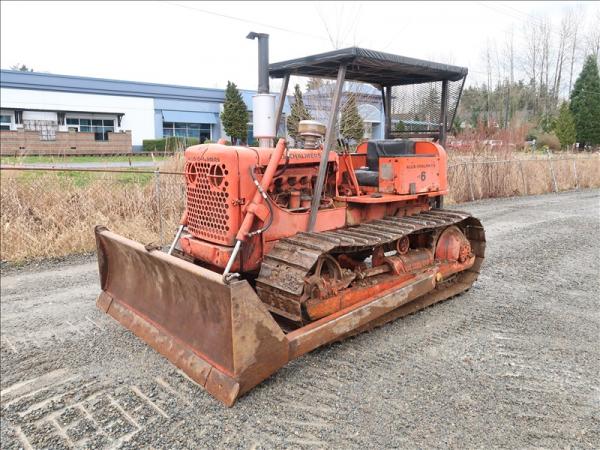
The 1961 Allis-Chalmers HD6 crawler tractor stands as a testament to mid-20th-century engineering, combining rugged durability with mechanical simplicity. As one of the most popular small track-type tractors produced by Allis-Chalmers from 1955 to 1974, the HD6 was widely utilized in agriculture, construction, and forestry. Its design evolution and restoration present valuable insights into the history and maintenance of classic heavy machinery.
Historical Context and Evolution
Introduced in 1955, the HD6 was powered by a 4-cylinder Allis-Chalmers (Buda) D-344 diesel engine, delivering 57 flywheel horsepower. This engine was later replaced by the 6000 series direct injection engine in 1960, offering improved fuel efficiency and performance. The HD6 underwent several model variations, including the HD6A, HD6B, HD6E, and HD6G, each tailored for specific applications and markets. By 1963, over 13,000 units had been sold, underscoring its popularity and reliability in various industries.
Specifications of the 1961 HD6 - Engine: Allis-Chalmers 6000 series 4-cylinder diesel
- Horsepower: Approximately 69 flywheel horsepower
- Transmission: 5-speed sliding gear with 2-speed reverse
- Track Gauge: 60 inches
- Track Type: 5-roller frame with 13-inch tracks
- Weight: Approximately 13,400 lbs (6,078 kg)
Restoration Challenges and Considerations
Restoring a 1961 HD6 involves addressing several key areas to ensure functionality and safety:
- Engine Overhaul: Inspecting and potentially rebuilding the engine to restore compression and eliminate leaks.
- Transmission Repair: Assessing the sliding gear transmission for wear and replacing components as necessary to ensure smooth shifting.
- Undercarriage Inspection: Evaluating the condition of the tracks, rollers, and sprockets, with replacement of worn parts to maintain mobility.
- Hydraulic System Restoration: Cleaning and testing hydraulic lines and cylinders to ensure proper operation of attachments.
- Electrical System Upgrades: Replacing outdated wiring and components to meet modern safety standards.
Preserving Historical Integrity
While restoring the HD6, it's crucial to maintain the original specifications and appearance to preserve its historical value. Utilizing period-correct parts and finishes ensures that the tractor retains its authenticity. Engaging with vintage equipment communities and forums can provide valuable resources and guidance during the restoration process.
Conclusion
Restoring a 1961 Allis-Chalmers HD6 crawler tractor is a rewarding endeavor that honors the legacy of a machine that played a significant role in the development of modern agriculture and construction. Through careful attention to detail and a commitment to preserving its original design, enthusiasts can bring this classic piece of machinery back to life, ensuring its continued appreciation for future generations.
|

|
|
| Understanding Bomb Steer Lowbed Trailers |
|
Posted by: MikePhua - 08-24-2025, 12:37 AM - Forum: General Discussion
- No Replies
|
|
Lowbed trailers are essential for transporting heavy and oversized equipment, such as construction machinery, cranes, and transformers. Among the various configurations, the "Bomb Steer" system stands out for its unique approach to maneuverability, particularly in tight spaces.
What Is Bomb Steer?
The term "Bomb Steer" refers to a specialized steering mechanism used in lowbed trailers to enhance maneuverability. Unlike traditional trailers where the rear axles follow the path of the front axles, Bomb Steer systems allow the rear axles to steer in the opposite direction of the front axles. This counter-steering capability significantly reduces the turning radius, enabling the trailer to navigate sharp corners and confined areas more effectively.
How Bomb Steer Works
Bomb Steer systems typically employ hydraulic cylinders connected to the rear axle assembly. These cylinders are activated by the tractor unit, allowing the operator to control the steering angle of the rear axles. The system's design ensures that when the front axles turn in one direction, the rear axles turn in the opposite direction, facilitating tighter turns and improved maneuverability.
Advantages of Bomb Steer Systems
- Enhanced Maneuverability: The primary benefit is the reduced turning radius, which is crucial when operating in congested or confined spaces.
- Improved Safety: By allowing for more precise control during turns, the risk of jackknifing or tipping is minimized.
- Increased Efficiency: Operators can navigate challenging routes more quickly, reducing travel time and improving overall efficiency.
- Versatility: Bomb Steer systems are particularly beneficial for transporting large equipment through urban areas, construction sites, or along winding roads.
Considerations and Limitations
While Bomb Steer systems offer significant advantages, they also come with certain considerations:- Complexity: The hydraulic components and steering mechanisms add complexity to the trailer, which may require specialized maintenance and repair.
- Cost: The advanced technology involved can increase the initial purchase price of the trailer.
- Training: Operators need to be adequately trained to handle the unique steering characteristics to ensure safe operation.
Real-World Applications
Bomb Steer lowbed trailers are widely used in industries such as construction, mining, and heavy haulage. For instance, transporting a large crane to a construction site in a densely populated urban area would benefit from the maneuverability provided by a Bomb Steer system. The ability to navigate narrow streets and tight corners without the need for extensive road closures or detours makes these trailers invaluable in such scenarios.
Maintenance and Operation
Proper maintenance is crucial to ensure the longevity and functionality of Bomb Steer systems:- Regular Inspections: Check hydraulic lines, cylinders, and steering components for wear and leaks.
- Hydraulic Fluid: Ensure that the hydraulic system is filled with the appropriate type and amount of fluid.
- Steering Calibration: Periodically calibrate the steering system to maintain accurate responsiveness.
- Operator Training: Ensure that all operators are trained in the specific handling characteristics of Bomb Steer trailers.
Conclusion
Bomb Steer lowbed trailers represent a significant advancement in heavy equipment transportation, offering enhanced maneuverability and safety. While they come with added complexity and cost, the benefits they provide in terms of efficiency and versatility make them a valuable asset in industries requiring the transport of large and heavy equipment. Proper maintenance and operator training are essential to maximize the advantages of these specialized trailers.
|
|
|
|
| Diagnosing and Addressing Slow Throttle Response in Heavy Equipment |
|
Posted by: MikePhua - 08-24-2025, 12:37 AM - Forum: Troubleshooting & Diagnosing
- No Replies
|
|
Experiencing delayed throttle response in heavy machinery can significantly hinder operational efficiency and safety. This issue is often indicative of underlying mechanical or electronic problems that require prompt attention. Understanding the common causes and implementing effective solutions can help restore optimal performance.
Common Causes of Slow Throttle Response
- Clogged Fuel Filter
A clogged fuel filter restricts the flow of diesel to the engine, leading to sluggish acceleration and reduced power output. Even new filters can become compromised if they are of poor quality or if contaminants bypass them. Regular inspection and timely replacement of the fuel filter are essential to maintain engine responsiveness.
- Faulty Fuel Injectors
Malfunctioning fuel injectors can cause uneven fuel distribution, resulting in hesitation during acceleration. Symptoms may include rough idling and poor fuel economy. Cleaning or replacing defective injectors can restore proper engine performance.
- Throttle Position Sensor (TPS) Issues
The TPS monitors the position of the throttle valve and communicates this information to the Engine Control Unit (ECU). A miscalibrated or faulty TPS can send incorrect signals, leading to delayed throttle response. Using diagnostic tools to recalibrate or replace the TPS can resolve this issue.
- Air Intake Restrictions
Obstructions in the air intake system, such as a dirty air filter or collapsed intake hoses, can limit airflow to the engine. This restriction reduces engine power and causes sluggish acceleration. Regular maintenance of the air intake components ensures optimal engine performance.
- Turbocharger Performance
In turbocharged engines, slow spool-up of the turbocharger can result in delayed throttle response. This is often due to issues such as low boost pressure or exhaust restrictions. Addressing these problems can improve throttle responsiveness.
Diagnostic and Maintenance Procedures- Visual Inspection
Begin with a thorough visual inspection of the fuel and air intake systems. Look for signs of leaks, cracks, or blockages that could impede performance.
- Use of Diagnostic Tools
Employ diagnostic scanners to check for error codes related to the TPS, fuel system, or turbocharger. These tools can provide real-time data and help pinpoint the exact cause of the issue.
- Component Testing
Test individual components such as the TPS, fuel injectors, and turbocharger to ensure they are functioning correctly. This may involve measuring voltage outputs, fuel pressure, or boost levels.
- Regular Maintenance
Implement a routine maintenance schedule that includes replacing fuel and air filters, cleaning injectors, and checking the turbocharger system. Consistent upkeep can prevent many common causes of slow throttle response.
Preventative Measures- Quality Fuel
Use high-quality diesel fuel to minimize the risk of contaminants that can clog filters and injectors.
- Proper Warm-Up
Allow the engine to warm up before heavy use, especially in cold weather conditions, to ensure optimal performance.
- Avoid Overloading
Do not exceed the recommended load capacity of the equipment, as overloading can strain the engine and throttle system.
- Timely Repairs
Address any signs of throttle lag or hesitation promptly to prevent further damage and costly repairs.
Conclusion
Slow throttle response in heavy equipment is often a symptom of underlying issues within the fuel, air intake, or electronic systems. By conducting thorough diagnostics and adhering to a strict maintenance regimen, operators can ensure their machinery operates at peak performance, thereby enhancing productivity and safety on the job site.
|
|
|
|
| Understanding and Addressing Tire Bead Leaks |
|
Posted by: MikePhua - 08-24-2025, 12:36 AM - Forum: Troubleshooting & Diagnosing
- No Replies
|
|
Tire bead leaks are a common issue that can affect the performance and safety of vehicles. These leaks occur where the tire's bead—the inner edge that sits against the rim—fails to form a proper seal, leading to gradual air loss. Understanding the causes, detection methods, and repair techniques for bead leaks is essential for vehicle owners and operators.
Causes of Tire Bead Leaks
- Corrosion and Contamination: Over time, the bead area of the rim can accumulate dirt, rust, or other contaminants. These deposits prevent the tire from seating correctly, allowing air to escape. This is particularly prevalent in regions with harsh winters, where road salts accelerate corrosion.
- Wheel Damage: Physical damage to the rim, such as bends or cracks, can distort the bead seat, compromising the seal between the tire and rim. Impacts from potholes or curbs are common culprits.
- Improper Installation: During tire mounting, if the bead isn't seated correctly or if the tire isn't inflated to the recommended pressure, leaks can develop. Inadequate lubrication during installation can also cause issues.
- Aging Tires: As tires age, the rubber can lose its elasticity, leading to poor sealing at the bead area. This is often seen in older vehicles or those with infrequent tire maintenance.
Detecting Bead Leaks
Identifying a bead leak requires careful inspection:- Visual Inspection: Look for signs of corrosion, dirt, or damage around the rim's bead area.
- Soapy Water Test: Mix water with a small amount of dish soap and apply it to the bead area. Inflate the tire to the recommended pressure and observe for bubbling, indicating escaping air.
- Listen for Hissing Sounds: In a quiet environment, listen for any hissing sounds near the bead area, which can signify air escaping.
Repairing Tire Bead Leaks
Addressing bead leaks involves several steps:
- Dismount the Tire: Carefully remove the tire from the rim to access the bead area.
- Clean the Bead Seat: Use a wire brush or sandpaper to remove any corrosion, dirt, or debris from the bead seat. This ensures a clean surface for sealing.
- Apply Bead Sealer: A rubber-based bead sealer can be applied to the bead area to create a temporary seal. This is particularly useful for minor imperfections.
- Reinstall and Inflate: Mount the tire back onto the rim, ensuring the bead seats properly. Inflate the tire to the recommended pressure and recheck for leaks.
- Monitor Tire Pressure: Regularly check the tire pressure over the following days to ensure the leak has been effectively sealed.
Preventing Future Bead Leaks
To minimize the risk of future bead leaks:- Regular Maintenance: Periodically inspect the bead area for signs of corrosion or damage.
- Proper Tire Installation: Ensure tires are mounted correctly, with adequate lubrication and proper inflation.
- Protective Coatings: Applying a protective coating to the rim can help prevent corrosion.
- Timely Replacement: Replace aging tires that may no longer form a proper seal at the bead area.
Conclusion
Tire bead leaks, while common, can be effectively managed with proper detection and repair techniques. Regular maintenance and prompt attention to issues can ensure the longevity and safety of your tires. Always consult with a professional if you're uncertain about performing repairs yourself.
|
|
|
|
| Caterpillar D3K2 LGP Dozer |
|
Posted by: MikePhua - 08-24-2025, 12:36 AM - Forum: General Discussion
- No Replies
|
|
The Caterpillar D3K2 LGP is a compact yet powerful dozer designed for a variety of applications, including construction, forestry, and land clearing. Its low ground pressure (LGP) configuration makes it particularly suited for soft or marshy terrains where traditional dozers might struggle.
Key Specifications - Engine: Powered by a Cat® C4.4 engine, delivering approximately 80 horsepower.
- Operating Weight: Ranges from 17,465 to 18,896 lbs, depending on configuration.
- Blade Width: Available with a 6-way blade, offering versatility in various tasks.
- Transmission: Hydrostatic transmission with a maximum forward speed of 5.6 mph and reverse speed of 6.2 mph.
- Hydraulics: Equipped with a 17.7 gal/min pump, providing efficient power for attachments.
Advantages
- Enhanced Traction in Soft Terrain: The LGP configuration, characterized by wider tracks, distributes the machine's weight more evenly, reducing ground pressure and enhancing flotation on soft or wet surfaces.
- Maneuverability: Despite its size, the D3K2 LGP offers excellent maneuverability, making it suitable for confined spaces and intricate tasks.
- Operator Comfort: The dozer's cabin is designed for operator comfort, featuring air conditioning and a user-friendly interface, which can reduce fatigue during prolonged operations.
- Versatility: The 6-way blade allows for various adjustments, making the machine adaptable to different tasks, from grading to land clearing.
Disadvantages
- Underpowered for Heavy Tasks: Some operators have noted that the D3K2 LGP may be underpowered for certain heavy-duty tasks, such as pushing large volumes of material.
- Maintenance Costs: Like many compact dozers, the D3K2 LGP may incur higher maintenance costs relative to its size, especially if used intensively.
- Limited Reach: The dozer's size, while compact, may limit its reach and capacity compared to larger models, potentially requiring more passes to complete certain tasks.
User Experiences
Feedback from operators suggests that the D3K2 LGP is well-suited for tasks requiring high maneuverability and operation in soft terrains. However, for heavy-duty applications, some users have expressed a preference for larger models like the D5 or D6 series, which offer more power and capacity.
Conclusion
The Caterpillar D3K2 LGP dozer is a versatile and efficient machine, ideal for specific applications where its unique features shine. While it may not replace larger dozers for heavy-duty tasks, its performance in soft terrains and confined spaces makes it a valuable asset in many operations.
|
|
|
|
| Komatsu D31 Dozer Troubleshooting Guide |
|
Posted by: MikePhua - 08-24-2025, 12:35 AM - Forum: Troubleshooting & Diagnosing
- No Replies
|
|
The Komatsu D31 series dozers, including models like the D31P-16 and D31EX-21, are renowned for their durability and performance in various construction and agricultural applications. However, like any heavy machinery, they can encounter issues that require attention. This guide delves into common problems faced by operators and provides insights into troubleshooting and maintenance practices.
Common Issues and Troubleshooting
- Steering Clutch Problems
- Symptoms: Difficulty in turning, uneven track movement, or the machine pulling to one side.
- Potential Causes: Moisture accumulation leading to rust on clutch components, worn-out clutch plates, or hydraulic issues.
- Solutions: Inspect and clean the steering clutches, check hydraulic fluid levels, and replace worn components as necessary.
- Transmission Slippage Under Load
- Symptoms: The dozer moves fine under no load but struggles or stops when pushing heavy material.
- Potential Causes: Clogged transmission filter, low hydraulic pressure, or issues with the transmission pump.
- Solutions: Replace the transmission filter, check hydraulic pressure, and inspect the pump for wear or damage.
- Engine Starting Issues
- Symptoms: The engine cranks but fails to start or starts intermittently.
- Potential Causes: Faulty fuel system components, such as the fuel filter or injector pump, or electrical issues like a weak battery or bad starter relay.
- Solutions: Inspect and replace the fuel filter, check the fuel lines for blockages, and test the battery and starter relay for proper operation.
- Hydraulic Lockout
- Symptoms: The machine runs, but the tracks don't move, or movement is erratic.
- Potential Causes: Hydraulic lockout valves engaged, low hydraulic fluid levels, or issues with the hydraulic pump.
- Solutions: Disengage any lockout valves, check and top up hydraulic fluid, and inspect the hydraulic pump for functionality.
- Fuel System Contamination
- Symptoms: Engine surges or stalls after running for a short period.
- Potential Causes: Contaminants in the fuel tank or lines, such as dirt or water.
- Solutions: Drain and clean the fuel tank, replace fuel filters, and inspect fuel lines for blockages.
Maintenance Tips- Regular Inspections: Periodically check all fluid levels, including engine oil, hydraulic fluid, and coolant.
- Component Lubrication: Ensure that all moving parts, especially in the steering and transmission systems, are adequately lubricated.
- Filter Replacements: Replace air, fuel, and hydraulic filters at recommended intervals to prevent clogging and ensure optimal performance.
- Hydraulic System Maintenance: Regularly check for leaks and ensure that the hydraulic system is free from contaminants.
Conclusion
The Komatsu D31 series dozers are robust machines capable of handling demanding tasks. However, like all heavy equipment, they require regular maintenance and prompt attention to issues to ensure longevity and reliable performance. By understanding common problems and implementing proactive maintenance practices, operators can minimize downtime and maximize productivity.
|
|
|
|
| Troubleshooting Sticky Air Dryers in Heavy-Duty Trucks |
|
Posted by: MikePhua - 08-24-2025, 12:35 AM - Forum: Troubleshooting & Diagnosing
- No Replies
|
|
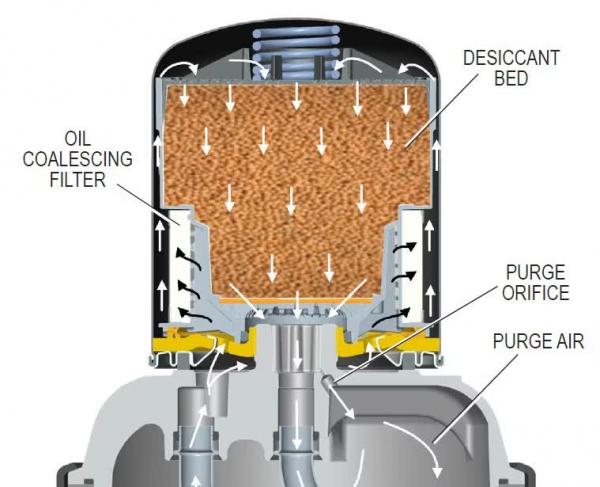
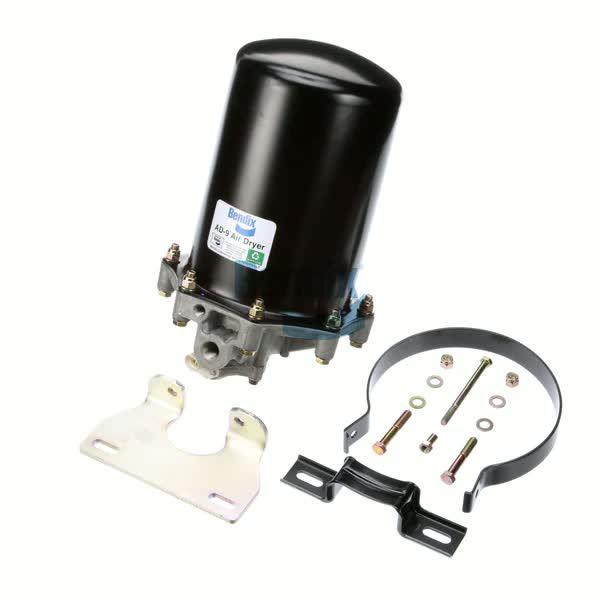
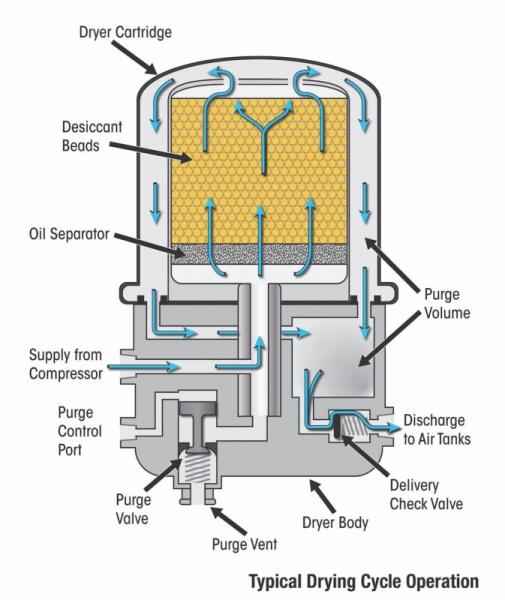
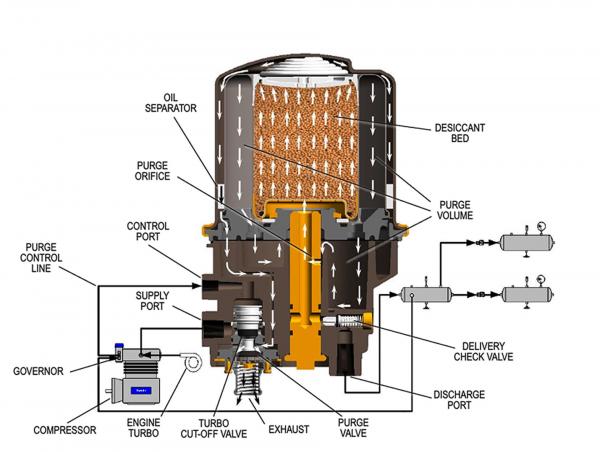
A sticky or malfunctioning air dryer can lead to significant issues in a truck's braking and air systems. Understanding the causes and solutions for a sticky air dryer is essential for maintaining vehicle safety and performance.
Understanding the Role of the Air Dryer
The air dryer in a heavy-duty truck serves a crucial function: it removes moisture and contaminants from the compressed air before it enters the braking system. This process prevents corrosion, freezing, and ensures the reliability of the air brakes. Over time, components within the air dryer can wear out or become contaminated, leading to malfunctions.
Common Causes of a Sticky Air Dryer
- Worn or Contaminated Purge Valve: The purge valve controls the release of accumulated moisture and contaminants. If it becomes sticky or clogged, it may fail to operate correctly, leading to improper air system function.
- Degraded Desiccant Material: Air dryers use desiccant material to absorb moisture. Over time, this material can become saturated or contaminated, reducing its effectiveness and causing issues in the air system.
- Faulty Delivery Check Valve: This valve ensures air flows in the correct direction. If it fails, it can cause pressure issues and affect the air dryer's performance.
- Oil Contamination: Oil entering the air system can mix with moisture, creating a sticky substance that clogs components and impairs function. This is often indicated by black debris in the air dryer.
Signs of a Sticky Air Dryer- Inability to build or maintain air pressure
- Frequent cycling of the air compressor
- Presence of black debris in the air dryer
- Unusual noises from the air dryer unit
- Excessive moisture in the air tanks
Maintenance and Troubleshooting Steps
- Inspect the Purge Valve: Check for signs of sticking or clogging. Cleaning or replacing the purge valve may resolve the issue.
- Replace the Air Dryer Cartridge: If the desiccant material is degraded, replacing the cartridge can restore proper function.
- Check the Delivery Check Valve: Ensure it is functioning correctly to maintain proper air flow.
- Address Oil Contamination: If oil contamination is present, inspect the air compressor for issues and replace any affected components.
Preventive Measures- Regular Maintenance: Follow the manufacturer's recommended maintenance schedule for air dryer components.
- Monitor Air Quality: Use filters and separators to prevent contaminants from entering the air system.
- Timely Replacements: Replace air dryer cartridges and related components at the recommended intervals to ensure optimal performance.
Conclusion
A sticky air dryer can compromise the safety and efficiency of a heavy-duty truck's braking system. By understanding the causes and implementing regular maintenance, truck operators can prevent issues and ensure reliable vehicle performance.
|
|
|
|
| Understanding the Caterpillar 236B Chain Case System |
|
Posted by: MikePhua - 08-24-2025, 12:33 AM - Forum: General Discussion
- No Replies
|
|
The Caterpillar 236B skid steer loader, introduced in the early 2000s, has become a staple in construction and agricultural operations due to its compact size and robust performance. Central to its functionality is the chain case system, which plays a pivotal role in transmitting power from the engine to the wheels, ensuring efficient movement and operation.
Chain Case Design and Functionality
The chain case houses the drive chains and sprockets, components responsible for transferring power from the engine to the wheels. Over time, these components can experience wear and tear, leading to potential issues such as chain slippage or uneven wear. Regular maintenance, including checking chain tension and lubrication, is essential to prolong the lifespan of the chain case system.
Common Issues and Troubleshooting
Operators may encounter several issues related to the chain case system:
- Chain Slippage or Uneven Wear: This can result from improper chain tension or lack of lubrication. Regular inspection and adjustment can mitigate this problem.
- Oil Leaks: Leaks from the chain case can lead to a loss of lubrication, causing increased wear. Identifying and sealing leaks promptly is crucial.
- Noise and Vibration: Unusual noises or vibrations during operation may indicate worn-out bearings or misaligned components. Addressing these issues early can prevent more severe damage.
Maintenance Best Practices
To ensure the longevity and optimal performance of the chain case system:- Regular Inspections: Periodically check for signs of wear, oil leaks, and unusual noises.
- Proper Lubrication: Use the manufacturer-recommended oil type and maintain appropriate levels.
- Chain Tension Adjustment: Regularly adjust chain tension to prevent slippage and uneven wear.
- Seal Integrity: Inspect seals for wear and replace them as necessary to prevent oil leaks.
Real-World Example: A Case Study
Consider a scenario where an operator noticed increased noise and vibration from the chain case during operation. Upon inspection, it was found that the drive chain was excessively worn, and the oil level was low due to a slow leak. By replacing the worn chain, sealing the leak, and replenishing the oil, the machine's performance was restored, demonstrating the importance of timely maintenance.
Conclusion
The chain case system in the Caterpillar 236B is integral to the machine's performance. Regular maintenance and prompt attention to potential issues can ensure the longevity and reliability of this critical component. Operators should remain vigilant and proactive in caring for the chain case to maximize the skid steer's operational efficiency.
|
|
|
|
| GMC 860 Diesel Truck: A Classic Workhorse |
|
Posted by: MikePhua - 08-24-2025, 12:33 AM - Forum: General Discussion
- No Replies
|
|
The GMC 860 is a vintage diesel truck that holds a special place in the history of American heavy-duty vehicles. Produced in the late 1950s, the GMC 860 was part of General Motors' 800 series, which was designed to meet the growing demands of the trucking industry during that era.
Development and Specifications
The GMC 860 was equipped with the Detroit Diesel 6-71 engine, a two-stroke, six-cylinder diesel engine known for its reliability and power. This engine was part of the Detroit Diesel Series 71, which was widely used in various applications, including trucks, buses, and military vehicles. The 6-71 engine produced approximately 190 horsepower, providing the GMC 860 with the necessary power to handle heavy loads and challenging terrains.
In terms of design, the GMC 860 featured a conventional cab-over-engine layout, which was common for trucks of that period. This design allowed for a shorter overall length, making the truck more maneuverable in tight spaces. The truck's chassis was robust, built to withstand the rigors of long-distance hauling and construction work.
Legacy and Impact
The GMC 860, along with other trucks in the 800 series, played a significant role in the development of the trucking industry. These vehicles were used extensively for freight hauling, construction, and other heavy-duty applications. Their durability and performance set a standard for future truck designs.
Over the years, the GMC 860 has become a sought-after collector's item. Enthusiasts and restorers appreciate the truck's historical significance and the challenge of bringing these vintage machines back to life. Restored models are often showcased in vintage truck shows and museums, where they serve as a testament to the engineering and craftsmanship of mid-20th-century American manufacturing.
Modern Comparisons
While the GMC 860 was a formidable truck in its time, modern heavy-duty trucks have seen significant advancements in technology and performance. Today's trucks offer improved fuel efficiency, advanced safety features, and greater payload capacities. However, the GMC 860's legacy continues to influence truck design, with many modern vehicles drawing inspiration from its robust construction and functional design.
Conclusion
The GMC 860 diesel truck stands as a symbol of American industrial ingenuity. Its blend of power, durability, and design reflects the aspirations of an era focused on progress and efficiency. For those interested in the history of heavy-duty trucks, the GMC 860 offers a glimpse into the past and a reminder of the foundational vehicles that helped shape the industry.
|
|
|
|
| My First DOT Inspection: A New Driver's Experience |
|
Posted by: MikePhua - 08-24-2025, 12:32 AM - Forum: General Discussion
- No Replies
|
|
Embarking on a career as a commercial truck driver is both exciting and challenging. One of the significant milestones in this journey is undergoing the first Department of Transportation (DOT) inspection. For many new drivers, this experience can be nerve-wracking, but it's an essential part of ensuring safety and compliance on the road.
Understanding DOT Inspections
DOT inspections are conducted by certified officers to ensure that commercial vehicles and their drivers adhere to federal safety regulations. These inspections are categorized into different levels, with Level 1 being the most comprehensive. A Level 1 inspection involves a 37-step process that examines both the driver and the vehicle, including checks on the driver's license, hours of service, and the vehicle's mechanical components.
The First Encounter
For many drivers, the first DOT inspection occurs unexpectedly. One driver shared their experience of being stopped at a weigh station and undergoing a Level 1 inspection. Despite initial apprehension, the inspection was thorough yet professional, and the driver was cleared without any issues.
Preparation is Key
To navigate a DOT inspection successfully, preparation is crucial. Drivers should ensure that their vehicles are well-maintained and compliant with all safety standards. Regular pre-trip inspections can help identify potential issues before they become problems. Additionally, keeping all necessary documentation, such as the driver's license, registration, and proof of insurance, readily accessible can expedite the inspection process.
Learning from the Experience
After the inspection, many drivers reflect on the experience and recognize areas for improvement. Some drivers have found that maintaining a clean and organized cab not only creates a positive impression but also ensures that all necessary documents are easily accessible. Others have emphasized the importance of staying calm and cooperative during the inspection, as a positive attitude can facilitate a smoother process.
Conclusion
Undergoing a DOT inspection for the first time is a rite of passage for commercial drivers. While it may seem daunting initially, with proper preparation and a calm demeanor, drivers can navigate the process successfully. These inspections play a vital role in maintaining safety standards on the road, benefiting both drivers and the public.
Key Takeaways - Preparation is Essential: Regular vehicle maintenance and having all necessary documentation accessible can make the inspection process smoother.
- Stay Calm and Cooperative: A positive attitude can facilitate a more efficient inspection.
- Learn from the Experience: Reflecting on the inspection can help identify areas for improvement and ensure future compliance.
By embracing DOT inspections as an opportunity to ensure safety and compliance, drivers can continue to build a successful and responsible career in the trucking industry.
|
|
|
|
|



