| Welcome, Guest |
You have to register before you can post on our site.
|
| Forum Statistics |
» Members: 79
» Latest member: cioCruch
» Forum threads: 47,411
» Forum posts: 47,417
Full Statistics
|
| Online Users |
There are currently 162 online users.
» 0 Member(s) | 152 Guest(s)
Ahrefs, Amazon, Bing, Claude, Facebook, Google, OpenAI, Petalbot, Semrush, Twitter
|
| Latest Threads |
Identifying and Sourcing ...
Forum: Parts , Attachments & Tools
Last Post: MikePhua
01-07-2026, 06:29 PM
» Replies: 0
» Views: 494
|
Cat 931B Brake Parts
Forum: Parts , Attachments & Tools
Last Post: MikePhua
01-07-2026, 06:29 PM
» Replies: 0
» Views: 276
|
Choosing Between Cat 228,...
Forum: General Discussion
Last Post: MikePhua
01-07-2026, 06:28 PM
» Replies: 0
» Views: 517
|
Hydraulic Delay When Lowe...
Forum: Troubleshooting & Diagnosing
Last Post: MikePhua
01-07-2026, 06:27 PM
» Replies: 0
» Views: 435
|
Bale Chopper and Mulcher ...
Forum: General Discussion
Last Post: MikePhua
01-07-2026, 06:26 PM
» Replies: 0
» Views: 307
|
Mini UC Maintenance
Forum: General Discussion
Last Post: MikePhua
01-07-2026, 06:25 PM
» Replies: 0
» Views: 296
|
Locating Wiring Informati...
Forum: General Discussion
Last Post: MikePhua
01-07-2026, 06:24 PM
» Replies: 0
» Views: 332
|
Case Industrial Brown Sub...
Forum: Parts , Attachments & Tools
Last Post: MikePhua
01-07-2026, 06:23 PM
» Replies: 0
» Views: 269
|
Dirt Work in West Virgini...
Forum: Construction & Urban Infrastructure Forum
Last Post: MikePhua
01-07-2026, 06:23 PM
» Replies: 0
» Views: 366
|
D207 P Hydraulic Steering...
Forum: Parts , Attachments & Tools
Last Post: MikePhua
01-07-2026, 06:22 PM
» Replies: 0
» Views: 295
|
|
|
| JLG 400S Boom Lift: Troubleshooting and Maintenance |
|
Posted by: MikePhua - 08-24-2025, 12:14 AM - Forum: Troubleshooting & Diagnosing
- No Replies
|
 |
Introduction
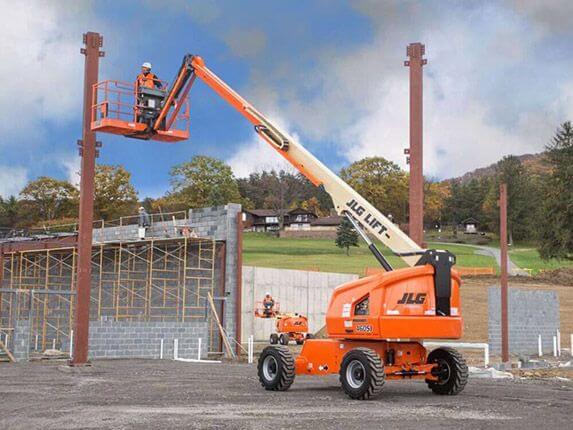
The JLG 400S is a diesel-powered telescopic boom lift designed for various applications, including construction, maintenance, and industrial tasks. Known for its versatility and performance, the 400S offers a platform height of 40 feet and a horizontal outreach of 33 feet 3 inches, making it suitable for tasks requiring extended reach and maneuverability.
Specifications - Platform Height: 40 ft (12.19 m)
- Working Height: 46 ft (14.02 m)
- Horizontal Outreach: 33 ft 3 in (10.13 m)
- Platform Capacity: 600 lb (272 kg) unrestricted; 1,000 lb (453.6 kg) restricted
- Engine: Diesel-powered, typically a 3-cylinder Deutz engine
- Drive: 4WD hydrostatic drive with oscillating axle
- Tires: Foam-filled for durability
- Weight: Approximately 12,650 lbs (5,740 kg)
- Swing: 360 degrees continuous
- Platform Size: 96" x 36" (2.44 m x 0.91 m)
Common Issues and Troubleshooting
Operators have reported various issues with the JLG 400S, often related to electrical and hydraulic systems. Common problems include intermittent drive or steering, boom movement failures, and engine performance issues.
Electrical System Troubleshooting- Battery and Connections: Inspect the main battery connections and fuses for corrosion or damage. Ensure the control box wiring harness is intact and free from loose or frayed wires. Test the emergency stop switch and joystick controls for proper function.
- Control Modules: Use a diagnostic tool to check for fault codes in the drive/steer control module. Ensure that hydraulic valves linked to steering are actuating properly. Regularly clean connectors and test joystick potentiometers for wear.
Hydraulic System Troubleshooting- Fluid Levels and Filters: Check hydraulic fluid levels and inspect filters for clogs. Low fluid levels or clogged filters can cause delays in hydraulic response.
- Hydraulic Valves: Ensure that hydraulic valves are functioning correctly and are not obstructed. Regular maintenance and timely replacement of hydraulic components can prevent system failures.
Engine Performance Issues- Fuel System: Check for fuel contamination or air in the fuel lines. Ensure that the fuel filter is clean and properly installed.
- Ignition System: Inspect spark plugs and ignition coils for wear or damage. Replace faulty components to restore engine performance.
- Cooling System: Ensure that the radiator and cooling fans are clean and functioning properly. Overheating can lead to engine stalling or reduced performance.
Maintenance Recommendations- Regular Inspections: Conduct routine inspections of the electrical and hydraulic systems to identify potential issues before they become major problems.
- Component Replacement: Replace worn or damaged components promptly to maintain optimal performance and safety.
- Operator Training: Ensure that operators are trained in the proper use and maintenance of the JLG 400S to prevent misuse and prolong the lifespan of the equipment.
Conclusion
The JLG 400S is a reliable and versatile boom lift that, when properly maintained, can provide years of service. By addressing common issues promptly and adhering to recommended maintenance practices, operators can ensure the longevity and performance of the equipment. For detailed troubleshooting and maintenance procedures, refer to the manufacturer's service manual or consult with a certified technician.
|

|
|
| RD690 Throttle Shaft Seal Leak: Diagnosis and Repair |
|
Posted by: MikePhua - 08-24-2025, 12:13 AM - Forum: Troubleshooting & Diagnosing
- No Replies
|
|
The Mack RD690, a robust truck model known for its durability and performance, has been a staple in the heavy-duty trucking industry. However, like all mechanical systems, it is susceptible to wear and tear over time. One common issue reported by operators is fuel leakage around the throttle shaft of the fuel injection pump. This problem can lead to fuel wastage, potential fire hazards, and engine performance issues if not addressed promptly.
Understanding the Throttle Shaft Seal
The throttle shaft in a diesel engine's fuel injection pump controls the amount of fuel delivered to the engine. Seals around this shaft prevent fuel from leaking out of the pump. Over time, these seals can degrade due to factors like age, fuel quality, and operating conditions, leading to leaks.
Symptoms of a Throttle Shaft Seal Leak
Operators may notice several signs indicating a throttle shaft seal leak: - Visible Fuel Leakage: Fuel pooling around the base of the throttle shaft.
- Fuel Odor: A strong smell of diesel fuel, especially after engine shutdown.
- Engine Performance Issues: Irregular idling, hard starting, or increased smoke emissions.
- Increased Fuel Consumption: A noticeable drop in fuel efficiency.
Diagnosing the Leak
To confirm a throttle shaft seal leak:
- Visual Inspection: Examine the area around the throttle shaft for signs of fuel leakage.
- Operational Test: With the engine running, observe any fuel dripping or pooling around the shaft.
- Pressure Test: In some cases, applying slight pressure to the fuel system can help identify the source of the leak.
Repair Options
Addressing a throttle shaft seal leak can be approached in several ways:
- Seal Replacement: For minor leaks, replacing the worn seal may suffice. This involves removing the throttle housing, extracting the old seal, and installing a new one.
- Bushing Kit Installation: In cases where the throttle shaft has worn grooves, installing a bushing kit can restore a proper seal.
- Complete Pump Rebuild: If the pump has significant internal wear, a full rebuild may be necessary. This process involves disassembling the pump, replacing all worn components, and reassembling it to factory specifications.
Preventive Measures
To prolong the life of the throttle shaft seal:- Regular Maintenance: Adhere to the manufacturer's maintenance schedule, including timely oil and fuel filter changes.
- Quality Fuel: Use high-quality, clean diesel fuel to reduce contaminants that can degrade seals.
- Proper Storage: Store the vehicle in a dry, temperature-controlled environment to prevent seal deterioration.
Real-World Example
A Mack RD690 operator reported a gradual increase in fuel consumption and noticed fuel pooling around the throttle shaft. After conducting a visual inspection and confirming the leak, the operator opted to replace the throttle shaft seal. Post-repair, the truck's fuel efficiency improved, and the fuel leakage ceased, demonstrating the importance of timely maintenance.
Conclusion
A throttle shaft seal leak in the Mack RD690 is a manageable issue with proper diagnosis and repair. By understanding the symptoms, diagnosing the problem accurately, and choosing the appropriate repair method, operators can ensure their vehicles remain in optimal condition, minimizing downtime and maintenance costs.
|
|
|
|
| Caterpillar D4D Crawler Dozer: A Legacy of Power and Precision |
|
Posted by: MikePhua - 08-24-2025, 12:12 AM - Forum: General Discussion
- No Replies
|
|
Introduction
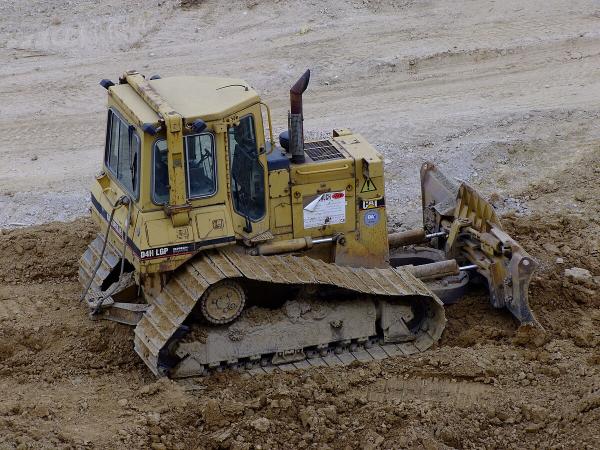
The Caterpillar D4D Crawler Dozer, introduced in the early 1960s, stands as a testament to Caterpillar's commitment to producing durable and efficient machinery for various earthmoving tasks. Renowned for its versatility and reliability, the D4D has been a preferred choice for construction, mining, and agricultural applications. Its robust design and performance capabilities have made it a staple in the heavy equipment industry.
Development and Evolution
Caterpillar's journey with the D4 series began in 1936 with the RD4 model, which was the company's first diesel-powered crawler tractor. Over the decades, the D4 series underwent several upgrades, culminating in the D4D model. The D4D was produced from 1963 to 1977, bridging the gap between the earlier D4 models and the more advanced D4E series. This evolution reflects Caterpillar's continuous efforts to enhance performance, operator comfort, and machine longevity.
Specifications and Features
The Caterpillar D4D Crawler Dozer boasts several key specifications: - Engine Power: Approximately 65 horsepower (48.5 kW)
- Operating Weight: Approximately 13,000 lbs (5,896 kg)
- Length: Approximately 13 ft 1 in (3.99 m)
- Width: Approximately 6 ft 3 in (1.91 m)
- Height: Approximately 8 ft 11 in (2.72 m)
- Track Width: Approximately 13 inches (33 cm)
- Transmission: 5-speed gear transmission
- Drive: Crawler drive with spur gear final drives
These specifications enabled the D4D to perform a wide range of tasks, from grading and trenching to land clearing and material handling.
Performance and Applications
The D4D's design allowed it to navigate various terrains with ease, making it suitable for diverse applications:- Construction: Used for site preparation, grading, and trenching.
- Agriculture: Employed in land clearing and soil cultivation.
- Mining: Assisted in overburden removal and material handling.
- Landscaping: Utilized for shaping and leveling land.
Its compact size and powerful engine made it particularly effective in confined spaces and challenging terrains.
Maintenance and Longevity
The Caterpillar D4D is known for its durability and longevity. With proper maintenance, many D4D dozers have remained operational for decades. Routine maintenance tasks include:- Engine Oil Changes: Regular oil changes to ensure engine longevity.
- Track and Undercarriage Inspection: Monitoring for wear and tear to maintain mobility.
- Hydraulic System Checks: Ensuring proper fluid levels and functionality.
- Cooling System Maintenance: Cleaning radiators and checking coolant levels.
Operators and maintenance personnel often emphasize the importance of adhering to Caterpillar's recommended maintenance schedules to maximize the machine's lifespan.
Legacy and Impact
The Caterpillar D4D's impact on the heavy equipment industry is significant. Its design influenced subsequent models, and its performance set benchmarks for dozers in its class. The D4D's success also contributed to Caterpillar's reputation as a leader in the manufacturing of construction and mining equipment.
Conclusion
The Caterpillar D4D Crawler Dozer exemplifies Caterpillar's dedication to engineering excellence and innovation. Its robust design, coupled with versatile capabilities, has made it a valuable asset in various industries. As many D4D models continue to operate today, they serve as a reminder of the enduring legacy of Caterpillar's commitment to quality and performance.
|
|
|
|
| Rebuilding the Case W20C Wheel Loader Engine with Sleeve Kits |
|
Posted by: MikePhua - 08-24-2025, 12:11 AM - Forum: Parts , Attachments & Tools
- No Replies
|
|
The Legacy of the Case W20C
The Case W20C wheel loader, produced in the mid-1980s, was part of Case Corporation’s push to deliver versatile, mid-sized loaders for construction, agriculture, and municipal work. Case, founded in 1842 and later merged with New Holland to form CNH Industrial, had a long history of building durable earthmoving equipment. The W20C was powered by the A504BD diesel engine—a robust, naturally aspirated inline-six that became a staple across Case’s agricultural and construction lines.
With an operating weight of approximately 10,000 kg and a bucket capacity of around 2 cubic meters, the W20C was designed for material handling, site preparation, and light excavation. Its mechanical simplicity and parts interchangeability made it popular in developing regions and among owner-operators who valued serviceability over electronics.
Engine Rebuild Essentials
Rebuilding the A504BD engine typically involves replacing key internal components to restore compression, oil pressure, and fuel efficiency. The most sought-after parts include: - Cylinder sleeve kits (also called liner kits), which contain the sleeves, pistons, rings, and wrist pins.
- Undersized main and rod bearings, often .030" under, to compensate for crankshaft wear.
- Oil pump, critical for maintaining lubrication under load.
- Full gasket set, including head, pan, intake, and exhaust gaskets.
Terminology Explained- Sleeve Kit: A set of components used to recondition the cylinder bore, including the liner (sleeve), piston, rings, and associated hardware.
- Undersize Bearings: Bearings that are smaller than standard to fit a reground crankshaft journal.
- A504BD Engine: A naturally aspirated diesel engine used in Case equipment, known for its torque and longevity.
Parts Availability and Supplier Landscape
Despite the age of the W20C, parts for the A504BD engine remain accessible due to its widespread use. Several suppliers continue to stock rebuild kits:- Joseph Industries and Reliance Power Parts specialize in remanufactured components for legacy Case engines.
- Hy-Capacity offers agricultural-grade rebuild kits compatible with construction models.
- Agkits.com has earned a reputation for shipping complete rebuild kits internationally, often with better pricing than OEM channels.
In one instance, a contractor in Namibia was able to source a full rebuild kit—including six sleeve assemblies and bearings—from a U.S. supplier within two weeks. He noted that while shipping costs were high, the quality and completeness of the kit saved him weeks of downtime.
Field Anecdote and Practical Advice
A mechanic in Texas shared his experience rebuilding a 504 engine in a Case 1150B dozer. He discovered that the crankshaft journals were worn beyond standard tolerance and required machining. After installing .030" undersize bearings and verifying oil clearance with plastigage, the engine ran smoother than it had in years. He emphasized the importance of checking oil pump wear and replacing it if pressure readings fall below spec.
Another operator in Ireland rebuilt a similar engine using parts sourced online. He recommended verifying piston height and ring gap before final assembly, as some aftermarket kits may have slight dimensional variances.
Rebuild Tips and Technical Considerations- Always measure cylinder bore and crankshaft journals before ordering parts.
- Use a ring compressor and torque wrench to ensure proper installation.
- Replace connecting rod bolts if they show signs of stretch or fatigue.
- Clean oil passages thoroughly to prevent debris from damaging new bearings.
- Prime the oil pump before startup to avoid dry running.
Preventive Maintenance After Rebuild
Once rebuilt, the A504BD engine should be maintained rigorously:- Change oil and filter every 150 hours.
- Monitor coolant temperature and replace coolant annually.
- Inspect valve lash every 500 hours.
- Use high-quality diesel fuel and additives to reduce injector wear.
Operators should also keep a log of service intervals and oil pressure readings. A sudden drop in pressure may indicate bearing wear or pump failure.
Modern Comparisons and Equipment Longevity
While newer loaders like the Case 521F offer electronic diagnostics, joystick controls, and Tier 4 emissions compliance, many operators still prefer the mechanical reliability of the W20C. In regions with limited access to diagnostic tools or dealer support, the ability to rebuild an engine with basic tools and readily available parts is invaluable.
In 2023, a municipality in South America refurbished three W20C units for landfill operations. The rebuilds cost less than half the price of new machines and extended service life by another decade. The project was hailed as a model for sustainable fleet management.
Conclusion
Rebuilding the Case W20C’s A504BD engine is a practical and cost-effective way to extend the life of a proven workhorse. With sleeve kits, undersize bearings, and a reliable oil pump, operators can restore performance and avoid costly replacements. Whether in rural Africa or industrial America, the W20C continues to demonstrate that good engineering, when paired with thoughtful maintenance, can stand the test of time.
|
|
|
|
| Clearing Driveways and Building Sites: Essential Equipment and Techniques |
|
Posted by: MikePhua - 08-24-2025, 12:10 AM - Forum: Construction & Urban Infrastructure Forum
- No Replies
|
|
Introduction
Preparing a driveway and building site involves more than just clearing land; it's about creating a stable foundation for construction and ensuring safe access. Whether you're embarking on a DIY project or overseeing a professional operation, understanding the right equipment and techniques is crucial.
Assessing the Site
Before selecting equipment, evaluate the site thoroughly: - Terrain: Is the ground level, sloped, or uneven?
- Obstacles: Are there trees, rocks, or existing structures?
- Soil Type: Is the soil sandy, clayey, or rocky?
This assessment will guide your equipment choices and approach.
Essential Equipment for Site Preparation
- Excavators: Versatile machines ideal for digging, lifting, and moving materials. Equipped with various attachments, they can handle tasks from trenching to grading.
- Bulldozers: Powerful machines designed for pushing large quantities of soil, rubble, or other materials. They're excellent for clearing land and leveling surfaces.
- Skid Steer Loaders: Compact and maneuverable, these loaders are perfect for tight spaces and can be fitted with various attachments like brush cutters or augers.
- Backhoe Loaders: Combining the capabilities of a tractor and an excavator, backhoe loaders are versatile for digging and material handling.
- Tractors with Attachments: Useful for tasks like grading, tilling, and hauling materials.
Techniques for Effective Clearing- Grading: Leveling the ground to ensure proper drainage and a stable foundation.
- Stump Removal: Using specialized equipment or manual methods to remove tree stumps.
- Debris Management: Organizing and disposing of cleared materials responsibly.
- Drainage Planning: Ensuring the site has adequate drainage to prevent water accumulation.
Safety Considerations- Utility Awareness: Before digging, locate and mark any underground utilities to avoid accidents.
- Equipment Operation: Ensure operators are trained and familiar with the machinery.
- Personal Protective Equipment (PPE): Always wear appropriate PPE, including helmets, gloves, and steel-toed boots.
Budgeting and Cost Management- Equipment Rental vs. Purchase: For short-term projects, renting may be more cost-effective.
- Labor Costs: Factor in the cost of skilled labor for operating machinery.
- Material Disposal: Consider fees for hauling and disposing of debris.
Environmental Considerations- Erosion Control: Implement measures to prevent soil erosion during and after clearing.
- Wildlife Protection: Be mindful of local wildlife and habitats during site preparation.
- Sustainable Practices: Opt for eco-friendly equipment and methods when possible.
Conclusion
Clearing a driveway and building site requires careful planning, the right equipment, and adherence to safety and environmental standards. By assessing the site properly and choosing appropriate machinery, you can ensure a successful and efficient preparation process. Whether undertaking the project yourself or hiring professionals, informed decisions will lead to a solid foundation for your construction endeavors.
|
|
|
|
| Troubleshooting Sticking Brakes on the Case 580 CK Backhoe |
|
Posted by: MikePhua - 08-24-2025, 12:10 AM - Forum: Troubleshooting & Diagnosing
- No Replies
|
|
Introduction
The Case 580 CK backhoe, a staple in construction and agricultural machinery since the 1960s, is renowned for its durability and versatility. However, like all machines, it is susceptible to mechanical issues over time. One common problem faced by operators is the rear wheel locking up, often attributed to brake malfunctions. Understanding the brake system's design and identifying potential causes can aid in effective troubleshooting and repair.
Brake System Design and Operation
The Case 580 CK employs a mechanical band brake system. When the brake pedal is depressed, a band applies pressure to a drum, causing friction that slows the wheel. This system utilizes a set of steel balls that roll along ramps; as the pedal is engaged, the balls move, pressing the brake lining against the drum. This design is efficient but can be prone to issues if not properly maintained.
Common Causes of Brake Locking
- Brake Lining Adhesion: Over time, the brake linings can become adhered to the brake housing due to moisture, oil, or rust. This adhesion can cause the wheel to lock up. Tapping the brake housing with a medium-sized hammer can help break the lining free by inducing vibrations .
- Worn or Broken Return Springs: The return springs inside the brake assembly are crucial for disengaging the brake after the pedal is released. If these springs are worn or broken, the brake may not fully disengage, leading to the wheel locking up. Replacing these springs can resolve the issue .
- Contaminated Brake Components: Dirt, rust, or oil contamination can cause the steel balls and ramps to malfunction, leading to brake sticking. Cleaning and lubricating these components can restore proper function .
- Differential Issues: In some cases, problems within the differential, such as worn bearings or thrust washers, can contribute to brake locking. Inspecting and servicing the differential may be necessary if other causes are ruled out .
Diagnostic and Repair Procedures
- Initial Inspection: Begin by raising the affected wheel off the ground using the backhoe's stabilizers. Attempt to rotate the wheel by hand. If it moves slightly but not fully, the brake is likely engaged.
- Brake Housing Examination: Remove the brake housing cover to access the brake components. Inspect the brake lining for signs of adhesion to the housing. If adhesion is present, gently tap the housing to release the lining .
- Component Inspection: Check the return springs for wear or breakage. Replace any damaged springs. Clean the steel balls and ramps, removing any rust or debris. Apply a light coating of lubricant to these components to ensure smooth operation .
- Differential Check: If the brake components appear in good condition, inspect the differential for issues. Look for signs of worn bearings or thrust washers. Address any problems found within the differential .
Maintenance Tips- Regular Inspection: Periodically check the brake system for signs of wear or damage. Early detection of issues can prevent more severe problems.
- Proper Lubrication: Ensure that all moving parts within the brake assembly are properly lubricated to reduce friction and wear.
- Cleanliness: Keep the brake components free from dirt, oil, and rust. Contaminants can impair the brake's function and lead to sticking.
Conclusion
The Case 580 CK backhoe's brake system is robust and reliable when properly maintained. Understanding the common causes of brake locking and following systematic diagnostic and repair procedures can help operators resolve issues efficiently. Regular maintenance and attention to detail are key to ensuring the longevity and performance of the brake system.
|
|
|
|
| John Deere 690B Excavator: A Legacy of Durability and Performance |
|
Posted by: MikePhua - 08-24-2025, 12:09 AM - Forum: General Discussion
- No Replies
|
|
Introduction
The John Deere 690B hydraulic excavator, produced between 1979 and 1984, stands as a testament to the brand's commitment to durability and performance in the construction and agricultural sectors. Despite its vintage status, many of these machines continue to serve in various applications, from farm operations to municipal projects.
Development and Evolution
John Deere, renowned for its agricultural machinery, expanded into construction equipment in the mid-20th century. The 690B was part of their mid-size B-Series excavators, designed to offer a balance between power and maneuverability. Over the years, the 690B evolved into the 690D and 690E models, and eventually the 200 series, reflecting advancements in technology and design.
Specifications - Engine: The 690B is equipped with a 6-cylinder, turbocharged diesel engine, delivering a gross power of 141 hp (105 kW) at 2,400 rpm.
- Operating Weight: Approximately 40,971 lbs (18,600 kg), making it suitable for a variety of tasks without being overly cumbersome.
- Dimensions:
- Length: 29 ft 6 in (9.0 m)
- Width: 9 ft 6 in (2.9 m)
- Height: 10 ft 10 in (3.3 m)
- Tail Swing Radius: 8 ft 6 in (2.6 m)
- Ground Clearance: 1.25 ft (0.4 m)
- Hydraulic System: Offers a flow rate of up to 65 GPM, ensuring efficient operation of the boom, arm, and bucket.
Performance and Applications
The 690B's robust engine and hydraulic system allow it to handle various tasks, including digging, lifting, and trenching. Its design makes it particularly effective in tight spaces, such as urban construction sites or farmyards. Operators have noted its reliability and ease of maintenance, contributing to its longevity in the field.
Challenges and Considerations
While the 690B is known for its durability, some operators have reported issues with the swing mechanism, particularly in older models. Regular maintenance and timely replacement of components are crucial to ensure optimal performance. Additionally, due to its age, parts may be harder to find, though aftermarket suppliers and salvage yards often provide solutions.
Legacy and Community
The John Deere 690B has garnered a dedicated community of enthusiasts and operators who share experiences, maintenance tips, and restoration projects. Online forums and social media platforms feature numerous discussions highlighting the machine's capabilities and the pride owners take in preserving its legacy.
Conclusion
The John Deere 690B excavator exemplifies the brand's dedication to producing reliable and efficient machinery. Despite the advancements in construction technology, the 690B remains a valuable asset for many operators, proving that with proper care, older equipment can continue to deliver exceptional performance.
|
|
|
|
| Repairing Fuel Leaks at the Throttle Linkage of Diesel Injector Pumps |
|
Posted by: MikePhua - 08-24-2025, 12:09 AM - Forum: Troubleshooting & Diagnosing
- No Replies
|
|
Introduction
Fuel leaks at the throttle linkage of diesel injector pumps are common issues in older machinery, particularly those equipped with CAV (Commonwealth Agricultural Bureaux) or similar rotary distributor pumps. These leaks often manifest as drips or seepage around the shaft where the throttle linkage enters the pump housing. While minor leaks may seem inconsequential, they can lead to significant operational problems, including starting difficulties, erratic engine performance, and potential environmental hazards.
Understanding the Problem
The throttle linkage connects the engine's throttle control to the injector pump, regulating fuel delivery based on engine speed and load. Over time, wear and tear can degrade the seals or O-rings around the throttle shaft, leading to fuel leakage. Additionally, broken or stripped threads on the linkage bolts can exacerbate the issue, making it challenging to secure the linkage properly.
Common Causes of Fuel Leaks - Worn or Missing Seals/O-Rings: The throttle shaft typically passes through the pump housing, where seals or O-rings prevent fuel from leaking. Over time, these seals can wear out, allowing fuel to escape. This is a prevalent issue in older pumps.
- Broken or Stripped Threads: The bolts securing the throttle linkage to the pump can become damaged due to corrosion or over-tightening, leading to improper attachment and potential fuel leaks.
- Pump Housing Wear: In some cases, the housing where the throttle shaft enters can become worn, especially if the shaft is steel and the housing is aluminum. This wear can compromise the seal's effectiveness, leading to leaks.
Repair Options
- Temporary Fixes: For those needing a quick solution, some have used products like FlexSeal as a temporary measure. While not a permanent fix, it can help manage minor leaks until proper repairs can be made.
- Replacing Seals/O-Rings: If the seals or O-rings are accessible and not integrated into the pump's internal components, they can be replaced without fully disassembling the pump. However, this requires careful attention to detail and cleanliness to avoid introducing contaminants into the pump.
- Rebuilding the Pump: For more severe leaks or when other components are also worn, a complete pump rebuild may be necessary. This involves disassembling the pump, replacing all worn seals and components, and reassembling it to factory specifications. While this is the most thorough solution, it requires specialized knowledge and tools.
Considerations for Repair- Cleanliness: Diesel injector pumps are precision instruments. Even a small particle of dirt can cause significant damage. Ensure the work area is clean, and use lint-free cloths and clean tools.
- Documentation: Before disassembling any components, take detailed notes or photographs of the assembly. This will aid in accurate reassembly and ensure all components are correctly positioned.
- Professional Assistance: If unsure about the repair process, consult with professionals or experienced mechanics. They can provide guidance or perform the repair to ensure optimal engine performance.
Conclusion
Fuel leaks at the throttle linkage of diesel injector pumps are manageable issues with the right approach. Whether opting for a temporary fix or a complete rebuild, addressing the problem promptly can restore engine performance and prevent further complications. Always prioritize safety and cleanliness during repairs to maintain the integrity of the injector pump and the overall engine system.
|
|
|
|
| Safe Excavation Practices for Utility Crossings in Right-of-Way Areas |
|
Posted by: MikePhua - 08-24-2025, 12:08 AM - Forum: Construction & Urban Infrastructure Forum
- No Replies
|
|
Introduction
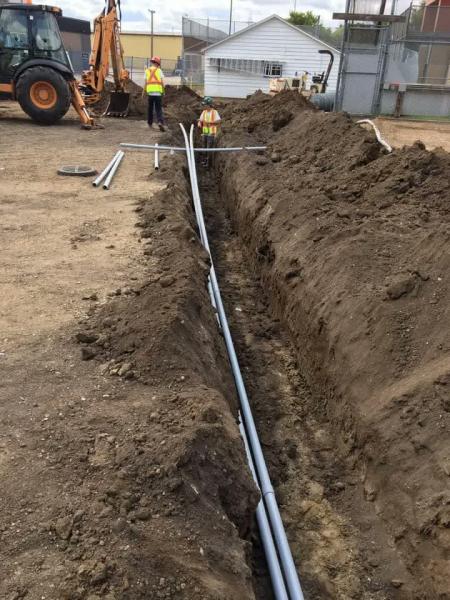
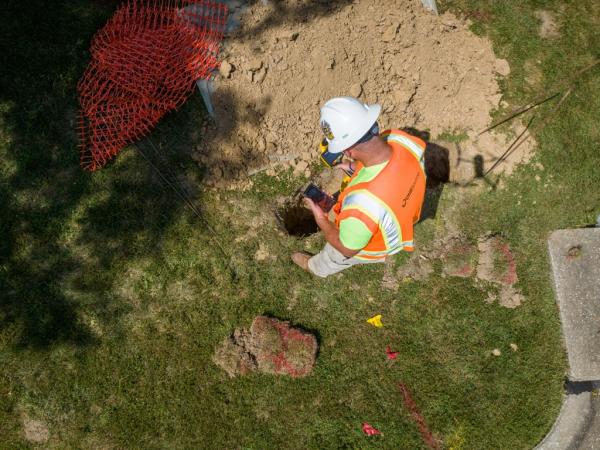
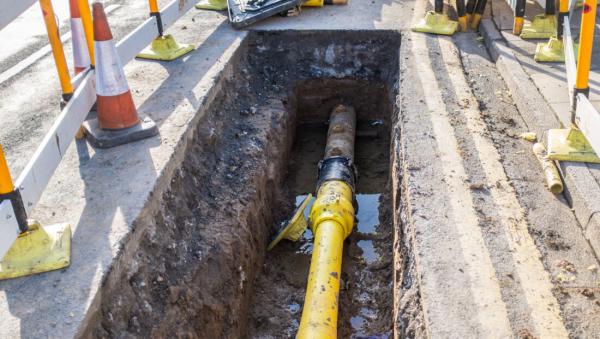
Excavating across utilities within a right-of-way (ROW) presents significant challenges due to the complexity of underground infrastructure and the potential risks involved. Proper planning, adherence to safety protocols, and utilization of appropriate techniques are essential to ensure both the safety of workers and the integrity of existing utilities.
Understanding Right-of-Way and Utility Crossings
A right-of-way refers to a legal right to pass through grounds or property owned by another party. In construction and infrastructure projects, ROWs are designated corridors that accommodate various utilities such as water, gas, electricity, and telecommunications. Excavating across these utilities requires careful coordination to prevent damage and service disruptions.
Pre-Excavation Planning
- Utility Location and Marking
- Call Before You Dig: In many regions, it's mandatory to contact a local utility notification center before commencing excavation. In the U.S., this service is commonly known as "Call 811."
- Utility Mapping: Obtain and review as-built drawings or utility maps to understand the exact locations and depths of existing utilities.
- Physical Verification: Use utility locators or ground-penetrating radar (GPR) to confirm the presence and exact positioning of utilities.
- Risk Assessment
- Identify Potential Hazards: Assess the types of utilities present and the risks associated with each, such as gas leaks, electrical shocks, or water contamination.
- Environmental Considerations: Evaluate soil conditions, groundwater levels, and weather patterns that may affect excavation safety.
Excavation Techniques
- Hand Digging
- Tools: Utilize hand tools like shovels or spades to carefully expose utilities.
- Method: Begin digging at a distance from the marked utility line and gradually work towards it, removing soil in layers to prevent sudden shifts.
- Hydro Excavation
- Process: Employ high-pressure water to loosen soil, combined with vacuum suction to remove debris.
- Advantages: This method is non-destructive and ideal for locating and exposing utilities without causing damage.
- Directional Boring
- Application: Used for installing utilities beneath existing infrastructure without open excavation.
- Procedure: A drill is guided along a predetermined path, minimizing surface disruption.
Safety Protocols
- Personal Protective Equipment (PPE)
- Essential Gear: Ensure all workers wear appropriate PPE, including helmets, gloves, high-visibility clothing, and steel-toed boots.
- Trench Safety
- Shoring and Shielding: Implement trench boxes or shoring systems to prevent cave-ins.
- Access and Egress: Provide safe entry and exit points for workers within trenches.
- Emergency Preparedness
- First Aid Training: Equip workers with basic first aid knowledge and access to first aid kits.
- Emergency Contacts: Maintain a list of emergency contacts, including local utility companies and medical facilities.
Post-Excavation Procedures
- Inspection
- Utility Assessment: After excavation, inspect exposed utilities for any signs of damage or wear.
- Documentation: Record the condition and location of utilities for future reference.
- Backfilling
- Material Selection: Use suitable backfill materials that provide adequate support and prevent future settling.
- Compaction: Compact the backfill in layers to ensure stability and prevent voids.
- Restoration
- Surface Repair: Restore the surface to its original condition, including repaving or replanting as necessary.
Case Study: Urban Utility Crossing
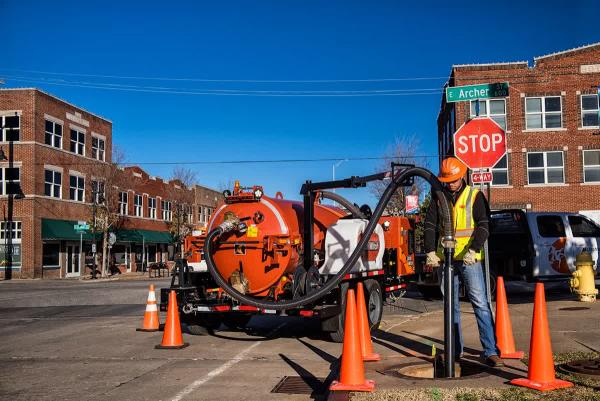
In a recent urban development project, contractors faced the challenge of excavating across multiple utility lines within a congested ROW. By employing hydro excavation techniques, they were able to expose utilities without causing disruptions. Additionally, real-time utility mapping and constant communication with utility providers ensured the project's success and safety.
Conclusion
Excavating across utilities in a right-of-way requires meticulous planning, adherence to safety standards, and the use of appropriate excavation methods. By implementing these practices, construction projects can proceed efficiently while minimizing risks to workers and existing infrastructure.
|
|
|
|
| JCB JS160 Tracked Excavator |
|
Posted by: MikePhua - 08-24-2025, 12:06 AM - Forum: General Discussion
- No Replies
|
|
Introduction
The JCB JS160 is a 17-ton tracked excavator that has been a significant player in the construction and excavation sectors. Known for its durability, efficiency, and advanced features, the JS160 has been designed to meet the demanding needs of various applications, from urban construction to heavy-duty digging tasks.
Development and Evolution
JCB, a renowned British manufacturer of construction equipment, introduced the JS160 as part of its JS series of tracked excavators. Over the years, the JS160 has undergone several upgrades to enhance performance, reduce emissions, and improve operator comfort. The latest models comply with Stage V emissions standards, reflecting JCB's commitment to environmental responsibility.
Key Specifications - Engine Power: The JS160 is equipped with a JCB EcoMAX engine, delivering 97 kW (approximately 130 hp) of power.
- Operating Weight: The machine has an operating weight ranging from 17,000 to 19,000 kg, depending on the configuration.
- Digging Depth: The maximum digging depth is approximately 6.3 meters.
- Reach: The maximum reach along the ground is about 8.5 meters.
- Bucket Capacity: Standard buckets range from 0.72 to 0.99 cubic meters.
Design and Features- Undercarriage: The JS160 features a high-strength undercarriage designed for stability and durability, even in challenging terrains.
- Hydraulics: Advanced hydraulic systems ensure precise control and efficient power delivery, enhancing productivity.
- Operator Comfort: The cab is designed with ergonomics in mind, offering reduced noise levels and vibration, contributing to operator comfort during extended shifts.
- Safety Features: Equipped with Rollover Protection Structure (ROPS) and Safety Level Lock, the JS160 prioritizes operator safety.
Maintenance and Serviceability
JCB has engineered the JS160 for ease of maintenance. Components such as the air filter, engine radiator, hydraulic cooler, and intercooler are easily accessible, simplifying routine servicing and reducing downtime.
Applications
The versatility of the JS160 makes it suitable for a wide range of applications, including:- Construction: Excavation for foundations, trenching, and site preparation.
- Demolition: Breaking down structures and clearing debris.
- Landscaping: Shaping terrains and digging ponds or pools.
- Agriculture: Digging irrigation channels and land leveling.
Global Presence and Popularity
Since its introduction, the JCB JS160 has been widely adopted across various regions, including Europe, North America, and Asia. Its reputation for reliability and performance has made it a preferred choice among contractors and operators.
Conclusion
The JCB JS160 stands out as a robust and efficient tracked excavator, combining advanced technology with user-friendly features. Whether for urban construction or heavy-duty excavation tasks, the JS160 offers the performance and reliability needed to meet diverse operational challenges.
|
|
|
|
|



