| Welcome, Guest |
You have to register before you can post on our site.
|
| Forum Statistics |
» Members: 79
» Latest member: cioCruch
» Forum threads: 47,411
» Forum posts: 47,417
Full Statistics
|
| Online Users |
There are currently 162 online users.
» 0 Member(s) | 152 Guest(s)
Ahrefs, Amazon, Bing, Claude, Facebook, Google, OpenAI, Petalbot, Semrush, Twitter
|
| Latest Threads |
Identifying and Sourcing ...
Forum: Parts , Attachments & Tools
Last Post: MikePhua
01-07-2026, 06:29 PM
» Replies: 0
» Views: 494
|
Cat 931B Brake Parts
Forum: Parts , Attachments & Tools
Last Post: MikePhua
01-07-2026, 06:29 PM
» Replies: 0
» Views: 276
|
Choosing Between Cat 228,...
Forum: General Discussion
Last Post: MikePhua
01-07-2026, 06:28 PM
» Replies: 0
» Views: 517
|
Hydraulic Delay When Lowe...
Forum: Troubleshooting & Diagnosing
Last Post: MikePhua
01-07-2026, 06:27 PM
» Replies: 0
» Views: 435
|
Bale Chopper and Mulcher ...
Forum: General Discussion
Last Post: MikePhua
01-07-2026, 06:26 PM
» Replies: 0
» Views: 307
|
Mini UC Maintenance
Forum: General Discussion
Last Post: MikePhua
01-07-2026, 06:25 PM
» Replies: 0
» Views: 296
|
Locating Wiring Informati...
Forum: General Discussion
Last Post: MikePhua
01-07-2026, 06:24 PM
» Replies: 0
» Views: 332
|
Case Industrial Brown Sub...
Forum: Parts , Attachments & Tools
Last Post: MikePhua
01-07-2026, 06:23 PM
» Replies: 0
» Views: 269
|
Dirt Work in West Virgini...
Forum: Construction & Urban Infrastructure Forum
Last Post: MikePhua
01-07-2026, 06:23 PM
» Replies: 0
» Views: 366
|
D207 P Hydraulic Steering...
Forum: Parts , Attachments & Tools
Last Post: MikePhua
01-07-2026, 06:22 PM
» Replies: 0
» Views: 295
|
|
|
| Preventing Track Derailment on Steep Slopes: Best Practices for Dozer Operators |
|
Posted by: MikePhua - 08-24-2025, 12:31 AM - Forum: General Discussion
- No Replies
|
 |
Operating a dozer on steep slopes presents unique challenges, one of the most critical being the risk of throwing a track. This issue not only halts work but can also lead to costly repairs and potential safety hazards. Understanding the factors contributing to track derailment and adopting best practices can significantly mitigate these risks.
Understanding Track Derailment
Track derailment occurs when the track disengages from the sprocket or idler, often due to excessive tension, improper alignment, or uneven terrain. On steep inclines, the forces acting on the undercarriage components are amplified, increasing the likelihood of derailment. Factors such as worn components, improper track tension, and aggressive maneuvering can exacerbate this risk.
Best Practices to Prevent Track Derailment
- Maintain Proper Track Tension
Regularly check and adjust track tension according to the manufacturer's specifications. Overly tight tracks can lead to increased wear and potential derailment, while loose tracks may disengage more easily. Proper tension ensures optimal contact between the track and undercarriage components, enhancing stability on slopes.
- Travel with the Sprocket Downhill
When operating on slopes, always travel with the sprocket facing downhill. This orientation maintains proper track tension and alignment, reducing the risk of the track coming off the idler. Reversing uphill can cause slack to accumulate under the machine, increasing the chance of derailment.
- Avoid Operating Across Slopes
Whenever possible, avoid traveling diagonally across steep slopes. Operating at less than a 45-degree angle can destabilize the dozer, leading to track disengagement. Instead, travel straight up or down the slope to maintain balance and control.
- Keep the Blade Close to the Ground
Maintaining the blade as low as possible while traveling up or down a slope helps keep the machine balanced. A raised blade can shift the center of gravity, making the dozer more prone to tipping and increasing the risk of track derailment.
- Implement Surface Roughening Techniques
Techniques such as stair-step grading or grooving can enhance traction on steep slopes. These methods create a more stable surface, reducing the likelihood of the dozer slipping and the track coming off.
- Regular Maintenance and Inspection
Routine maintenance is crucial in preventing track derailment. Regularly inspect components like rollers, idlers, and sprockets for wear and replace them as needed. Worn components can compromise the undercarriage's integrity, increasing the risk of track issues.
Real-World Considerations
Experienced operators emphasize the importance of maintaining proper track tension and avoiding reversing uphill on steep slopes. For instance, one operator noted that "two-thirds of track wear happens when reversing," highlighting the added strain on components during such maneuvers.
Conclusion
Preventing track derailment on steep slopes requires a combination of proper equipment maintenance, strategic operation techniques, and adherence to best practices. By maintaining appropriate track tension, traveling with the sprocket downhill, and avoiding diagonal movements across slopes, operators can significantly reduce the risk of track issues. Regular inspections and surface preparation further enhance stability and safety. Implementing these practices ensures efficient and safe dozer operation on challenging terrains.
|

|
|
| Understanding the Hydraulic Working Cycle of Motor Graders |
|
Posted by: MikePhua - 08-24-2025, 12:30 AM - Forum: General Discussion
- No Replies
|
|
Introduction
Motor graders are essential machines in construction and road maintenance, designed to create a flat surface during grading. Their hydraulic systems play a pivotal role in controlling the blade and other attachments, ensuring precision and efficiency. This article delves into the hydraulic working cycle of motor graders, exploring their components, operations, and common issues.
Key Components of a Motor Grader's Hydraulic System
- Hydraulic Pump: The heart of the system, it converts mechanical energy from the engine into hydraulic energy by pressurizing the hydraulic fluid.
- Control Valve: Directs the flow of hydraulic fluid to various actuators, allowing the operator to control movements such as blade elevation and tilt.
- Hydraulic Cylinders: These actuators convert hydraulic energy back into mechanical energy, facilitating linear movements like lifting and angling the blade.
- Hydraulic Fluid Reservoir: Stores the hydraulic fluid, ensuring a steady supply to the pump and cooling the fluid during operation.
- Pressure Relief Valve: Protects the system from excessive pressure, preventing potential damage to components.
Hydraulic Working Cycle in Action
During operation, the hydraulic pump pressurizes the fluid, which flows through the control valve to the hydraulic cylinders. Depending on the operator's input, the fluid's direction and flow rate change, resulting in the desired blade movement. For instance:- Blade Elevation: Pressurized fluid enters the cylinder's base, lifting the blade.
- Blade Angling: Fluid flows into the side ports of the cylinder, tilting the blade accordingly.
- Blade Extension: Fluid enters the rod end of the cylinder, extending the blade outward.
Load-Sensing Hydraulic Systems
Modern motor graders often incorporate load-sensing hydraulic systems. These systems adjust the pump's output based on the load's demands, optimizing efficiency and reducing fuel consumption. By sensing the resistance encountered by the blade, the system can modulate the hydraulic flow, ensuring consistent performance under varying loads.
Common Hydraulic Issues and Troubleshooting
- Slow Blade Movements: This can result from low hydraulic fluid levels, air in the system, or worn-out seals. Regularly check fluid levels and inspect for leaks.
- Uneven Blade Angling: Possible causes include malfunctioning control valves or imbalanced hydraulic fluid distribution. Ensure the control valve is functioning correctly and that fluid is evenly distributed.
- Unusual Noises: Grinding or whining sounds may indicate cavitation, where air enters the hydraulic system. Bleed the system to remove trapped air and check for any blockages.
Preventive Maintenance Tips- Regular Fluid Checks: Monitor hydraulic fluid levels and quality. Contaminated or low fluid can lead to system inefficiencies.
- Component Inspections: Periodically inspect hoses, cylinders, and valves for signs of wear or damage.
- System Bleeding: After maintenance or if air is suspected in the system, bleed the hydraulic lines to ensure optimal performance.
Conclusion
Understanding the hydraulic working cycle of motor graders is crucial for operators and maintenance personnel. By familiarizing oneself with the system's components and operations, one can ensure efficient performance and longevity of the equipment. Regular maintenance and prompt troubleshooting of hydraulic issues will contribute to the machine's reliability and productivity on the job site.
|
|
|
|
| Is the Schulte Power Rake a Worthy Contender in Site Preparation |
|
Posted by: MikePhua - 08-24-2025, 12:30 AM - Forum: General Discussion
- No Replies
|
|
Schulte’s Agricultural Roots and Entry into Compact Equipment
Schulte Industries, founded in Saskatchewan, Canada in the 1960s, built its reputation manufacturing heavy-duty agricultural implements—rock pickers, rotary cutters, and snow blowers. Known for their rugged build and prairie-tested durability, Schulte’s equipment became a staple across North American farms. In recent years, the company expanded into compact construction attachments, including the SMR800 Multi-Rake Windrower, a power rake designed for skid steers and compact loaders.
While Schulte’s agricultural DNA is evident in the SMR800’s robust frame and aggressive tine layout, its transition into the landscaping and site prep market raises questions about design nuance, depth control, and finish quality—areas where long-established competitors like Harley, FFC, and Quick Attach have refined their offerings over decades.
What Makes a Power Rake Effective
A power rake, also known as a soil conditioner or preparator, is used to: - Pulverize and level soil
- Remove rocks and debris
- Prepare seedbeds or turf foundations
- Windrow material for easy collection
Key performance factors include:- Tooth design and spacing
- Depth control mechanisms
- Hitch configuration (fixed vs. floating)
- Drive system (chain vs. direct)
- Finish quality and consistency
Terminology Explained- Windrower: A tool that gathers debris or soil into rows for easier removal.
- Floating Hitch: A mounting system that allows the attachment to follow ground contours independently of the loader arms.
- Direct Drive: A transmission system where the motor connects directly to the drum, eliminating chains and reducing maintenance.
Design Strengths and Limitations of the SMR800
The SMR800 features long, heavy-duty teeth mounted on a rotating drum, intended to dig aggressively and windrow material. Its frame is visibly overbuilt, with thick steel gussets and reinforced side plates. However, several operators have noted concerns:- Lack of adjustable guide wheels limits consistent depth control.
- Tooth length may cause excessive digging, especially in turf prep.
- No clear specification on minimum rock size capture.
- Absence of floating hitch may reduce finish smoothness on uneven terrain.
One contractor in Idaho, familiar with Schulte’s rock pickers, praised the build quality but questioned the rake’s suitability for fine grading. He noted that without adjustable wheels or a floating hitch, maintaining a uniform finish across a lawn or sports field would be difficult.
Field Anecdotes and Operator Feedback
A landscaper in Connecticut, who had used a Harley MX7 for over a decade, explored alternatives after repeated weld repairs on his aging unit. He considered the Schulte rake but hesitated due to its aggressive tooth profile and lack of depth control. He emphasized that when prepping lawns, the goal is to remove surface debris—not churn up subsoil and expose more rocks.
Another operator in Pennsylvania shared his experience with FFC Power Rakes, noting their direct drive system and robust construction. He had previously used Harley chain-drive models and found the FFC units more reliable under heavy use. However, he cautioned that direct drive systems can transmit shock loads more directly to the motor—raising concerns when striking hidden stumps or buried concrete.
Comparative Observations Across Brands- Harley Rakes: Known for adjustable wheels, chain drive, and consistent finish. Vulnerable to chain wear and frame fatigue under heavy machines.
- FFC Preparator: Offers direct drive, floating hitch, and aggressive conditioning. Heavier and more expensive but praised for durability.
- Quick Attach Rakes: Lightweight and affordable, but may lack structural integrity under larger skid steers.
- Schulte SMR800: Built like a tank, but may over-dig and lacks fine-tuning features.
Maintenance and Durability Considerations
Operators pushing power rakes with 10,000–12,000 lb machines often experience frame fatigue, broken welds, and worn bushings. To extend lifespan:- Inspect and grease pivot points weekly
- Check drum bearings and motor mounts monthly
- Replace worn teeth before they shear
- Avoid high-speed operation over rocky terrain
A mechanic in Maryland noted that plastic netting from sod farms and straw bale twine often wrap around rake drums, causing jams and premature wear. He recommended installing deflector plates or using a rake with tighter tooth spacing to reduce entanglement.
Suggestions for Improvement and Retrofit Options
For Schulte to compete more effectively in the compact equipment market, several enhancements could be considered:- Add adjustable guide wheels for consistent depth
- Offer a floating hitch option for smoother finish
- Include specs on rock size capture and drum speed
- Provide demo units for contractors to evaluate performance
Operators seeking to retrofit existing rakes can:- Weld on adjustable wheel brackets
- Install hydraulic depth control cylinders
- Replace teeth with shorter, curved profiles for turf prep
Conclusion
The Schulte SMR800 power rake brings agricultural-grade toughness to the compact equipment world. While its build quality is undeniable, its design may be better suited for aggressive rock removal than precision landscaping. For contractors focused on lawn prep, sports field grading, or fine finish work, traditional brands like Harley and FFC may offer more refined solutions. Still, with thoughtful modifications and operator awareness, the SMR800 could carve out a niche among users who value brute strength over finesse.
|
|
|
|
| Protecting Your Vehicle Frame from Rust: The Role of Undercoating and Line-X |
|
Posted by: MikePhua - 08-24-2025, 12:29 AM - Forum: Parts , Attachments & Tools
- No Replies
|
|
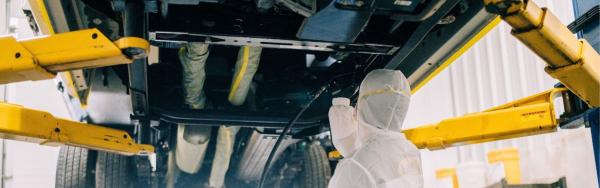
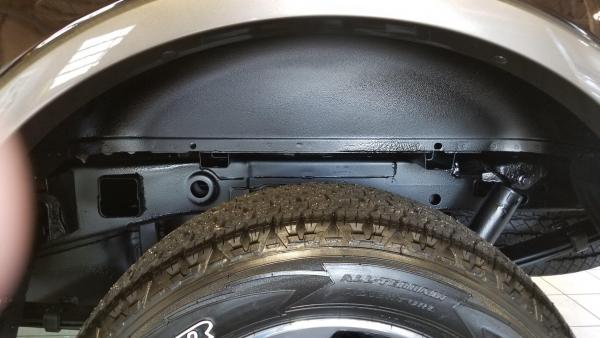
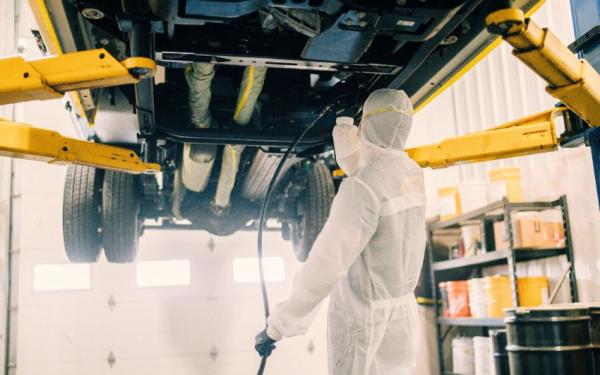
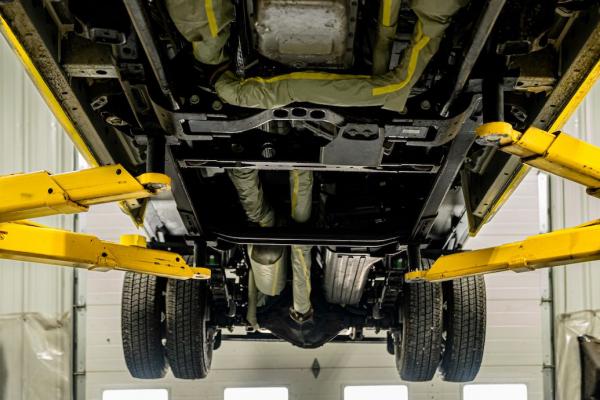
Understanding the Importance of Frame Protection
The undercarriage of a vehicle, particularly the frame, is highly susceptible to rust and corrosion due to constant exposure to road salts, moisture, and debris. Rust can compromise the structural integrity of the vehicle, leading to costly repairs and potential safety hazards. Therefore, implementing effective rust prevention measures is crucial for maintaining the longevity and safety of your vehicle.
Line-X Undercoating: A Durable Solution
Line-X is a well-known brand specializing in protective coatings, particularly spray-on bedliners. Their undercoating services are designed to protect the undercarriage of vehicles from rust and corrosion. The process involves applying a thick, durable coating to the frame and other vulnerable areas, creating a barrier against environmental elements. This coating is known for its toughness and resistance to abrasion, making it a popular choice among truck owners.
The Undercoating Process
The application of Line-X undercoating typically involves several steps to ensure optimal adhesion and coverage:
- Preparation: The vehicle is thoroughly cleaned to remove dirt, grease, and existing rust.
- Inspection: Technicians inspect the undercarriage for any signs of damage or areas requiring special attention.
- Application: The Line-X undercoating is sprayed onto the frame and other susceptible areas, forming a protective layer.
- Curing: The coating is allowed to cure, ensuring it bonds effectively to the vehicle's surface.
This process helps in creating a robust defense against rust and corrosion.
Advantages of Line-X Undercoating
Opting for Line-X undercoating offers several benefits:- Durability: The coating provides a long-lasting protective layer that can withstand harsh conditions.
- Corrosion Resistance: It effectively shields the undercarriage from moisture and salts, reducing the risk of rust formation.
- Abrasion Protection: The tough surface resists damage from road debris and rough terrains.
- Enhanced Resale Value: A well-maintained undercarriage can increase the vehicle's resale value.
Considerations Before Application
While Line-X undercoating offers significant protection, it's essential to consider the following:- Existing Rust: Applying undercoating over existing rust can trap moisture, potentially worsening the condition.
- Maintenance: Regular inspections are necessary to ensure the coating remains intact and effective.
- Cost: The application process can be an investment; however, it may save on future repair costs.
Alternative Rust Prevention Methods
Other rust prevention methods include:- Fluid Film: A lanolin-based product that provides a protective layer against rust.
- POR-15: A rust-preventive coating that can be applied directly to rusted surfaces.
- Wax-Based Coatings: These provide a protective barrier but may require more frequent application.
Conclusion
Protecting your vehicle's frame from rust is vital for its longevity and safety. Line-X undercoating offers a durable solution to shield against corrosion and environmental damage. However, it's crucial to assess the condition of your vehicle's undercarriage and consider all available options before proceeding with any rust prevention method. Regular maintenance and inspections will ensure that your vehicle remains in optimal condition for years to come.
|
|
|
|
| Hydraulic Performance Issues in Volvo EC160B LC Excavators |
|
Posted by: MikePhua - 08-24-2025, 12:28 AM - Forum: General Discussion
- No Replies
|
|
Introduction
The Volvo EC160B LC is a mid-sized hydraulic excavator renowned for its versatility and efficiency in various construction tasks. However, like many heavy machines, it can experience hydraulic performance issues that impact its operational efficiency. Understanding these issues and their solutions is crucial for maintaining the machine's performance and longevity.
Common Hydraulic Issues
- Pump Regulation and Drainage Problems
A prevalent issue in the EC160B LC is related to pump regulation. If the pump regulation system fails to drain properly, it can lead to reduced hydraulic efficiency, especially during operations involving the bucket and swing functions. This problem is often due to a malfunctioning pump regulation valve or clogged drainage lines.
- Power Loss at Operating Temperature
Another common problem is a noticeable power loss and a drop in hydraulic performance when the engine reaches its normal operating temperature. This issue can be attributed to several factors, including sensor faults, fuel delivery problems, or issues with the hydraulic pressure sensors. Regular maintenance of the fuel and hydraulic systems is essential to prevent such performance drops.
Diagnostic and Troubleshooting Steps
- Check for Error Codes
Utilize the machine's diagnostic system to check for any error codes. For instance, the presence of error code PPID1190-4 may indicate sensor faults or fuel delivery problems. Addressing these issues promptly can prevent further complications.
- Inspect Hydraulic Components
Regularly inspect hydraulic components, including the pump, valves, and hoses, for signs of wear or damage. Ensure that all connections are tight and free from leaks. Replace any faulty components as necessary to maintain optimal hydraulic performance.
- Monitor Fluid Levels and Quality
Regularly check hydraulic fluid levels and quality. Low fluid levels or contaminated fluid can lead to reduced hydraulic efficiency and potential damage to components. Ensure that the fluid is clean and at the proper level.
Preventive Maintenance Tips
- Regular Fluid Changes
Change hydraulic fluid at the intervals recommended by the manufacturer. This practice helps in removing contaminants and maintaining the efficiency of the hydraulic system.
- Routine Inspections
Conduct regular inspections of the hydraulic system, including checking for leaks, worn hoses, and damaged components. Early detection of issues can prevent costly repairs and downtime.
- Proper Storage and Handling
Store hydraulic fluid in clean, sealed containers to prevent contamination. When adding fluid to the system, ensure that the equipment is clean to avoid introducing contaminants.
Conclusion
Hydraulic performance issues in the Volvo EC160B LC excavator can stem from various sources, including pump regulation problems and power loss at operating temperatures. By implementing regular maintenance practices, conducting thorough diagnostics, and addressing issues promptly, operators can ensure the machine's longevity and optimal performance. Understanding and addressing these hydraulic issues are crucial for maintaining the efficiency and reliability of the EC160B LC excavator.
|
|
|
|
| Brad Quicktrax and the Evolution of Undercarriage Management |
|
Posted by: MikePhua - 08-24-2025, 12:27 AM - Forum: Parts , Attachments & Tools
- No Replies
|
|
Introduction to Undercarriage Management
Undercarriage systems are pivotal in the performance and longevity of crawler dozers. These systems, comprising components like tracks, rollers, and sprockets, endure significant wear due to constant contact with abrasive materials. Effective management of these components is essential to minimize downtime and repair costs.
Brad Quicktrax's Contribution
Brad Davis, a consultant with Quick Trax of Texas, has been instrumental in advancing undercarriage management practices. His expertise has led to the development of strategies that focus on proactive maintenance and cost-effective solutions. For instance, Davis emphasizes the importance of regular inspections and the judicious use of premium undercarriage systems. He suggests that while systems like Caterpillar's SystemOne and Komatsu's PLUS offer extended life, they may not always be the most cost-effective choice for every operation. In some cases, standard undercarriages, when properly maintained, can provide comparable performance at a lower cost.
The Importance of Regular Maintenance
Regular maintenance is crucial in extending the life of undercarriage components. This includes practices such as cleaning out debris from tracks, adjusting track tension, and monitoring wear patterns. By adhering to these practices, operators can detect early signs of wear and address them before they lead to costly repairs. Additionally, utilizing telematics systems can aid in tracking machine usage and scheduling maintenance based on actual operating hours rather than relying solely on hour-meter readings.
Innovations in Undercarriage Technology
Advancements in undercarriage technology have introduced systems designed to reduce wear and extend component life. For example, John Deere's SC-2 design incorporates super-hard metallic slurry fused to the outside of the bushing, potentially doubling its life before requiring a turn. Similarly, Case's CELT system uses a hardened bushing over the standard bushing, allowing the larger outer bushing to rotate and eliminate scrubbing between the bushing and sprocket. These innovations aim to enhance the durability and efficiency of undercarriage systems.
Economic Considerations
When evaluating undercarriage options, it's essential to consider the cost-benefit ratio. While premium systems may offer extended life, their higher initial cost may not always justify the investment, especially for operations with specific usage patterns. In such cases, standard undercarriages, when properly maintained, can provide a more economical solution without compromising performance.
Conclusion
Brad Davis's insights into undercarriage management have significantly influenced industry practices. By emphasizing proactive maintenance, regular inspections, and cost-effective solutions, operators can enhance the performance and longevity of their dozers. The ongoing advancements in undercarriage technology further support these efforts, offering tools and systems designed to reduce wear and improve efficiency. As the industry continues to evolve, the principles of effective undercarriage management remain fundamental to successful operations.
|
|
|
|
| Engine Oil Leak in Case 480B Backhoe: Diagnosis and Solutions |
|
Posted by: MikePhua - 08-24-2025, 12:26 AM - Forum: Troubleshooting & Diagnosing
- No Replies
|
|
Introduction
The Case 480B Construction King backhoe loader, produced between 1972 and 1976, is a versatile machine known for its durability. However, like many older machines, it can develop engine oil leaks over time. Understanding the common causes and solutions for these leaks is essential for maintaining the machine's performance and longevity.
Common Causes of Engine Oil Leaks
- Rear Main Seal Failure
The rear main seal, located between the engine and transmission, is a common culprit for oil leaks in the Case 480B. Over time, this seal can wear out, leading to oil seeping into the bell housing. Symptoms include oil dripping from the clutch shaft hole near the bottom of the bell housing.
- Valve Cover Gasket Leaks
The valve cover gasket seals the area between the engine block and the valve cover. If this gasket deteriorates, oil can leak onto the engine's exterior. While this may not always result in significant oil loss, it's important to inspect and replace the gasket if necessary.
- Injector Seal Failures
Leaking injector seals can allow diesel fuel to enter the engine oil, leading to contamination. This can cause the oil to appear milky or foamy. Regular inspection of injector seals and replacement when worn is crucial to prevent such issues.
- Oil Pressure Sending Unit Leaks
The oil pressure sending unit monitors the engine's oil pressure. If the seal on this unit fails, oil can leak out, often appearing near the engine's front. Inspecting and replacing the sending unit seal can resolve this issue.
Diagnosis and Troubleshooting
To accurately diagnose the source of an oil leak:- Clean the Engine: Use a degreaser to clean the engine thoroughly. This will help in identifying the exact location of the leak.
- Inspect Seals and Gaskets: Check the rear main seal, valve cover gasket, injector seals, and oil pressure sending unit for signs of wear or damage.
- Monitor Oil Levels: Regularly check the engine oil level. A sudden drop can indicate a significant leak.
- Check for Contaminants: If the oil appears milky or foamy, it may be contaminated with diesel fuel, pointing to injector seal issues.
Repair Solutions- Rear Main Seal Replacement: Replacing the rear main seal involves splitting the tractor and removing the flywheel. It's a labor-intensive process, but necessary if the seal is compromised.
- Valve Cover Gasket Replacement: If the valve cover gasket is leaking, remove the valve cover, clean the mating surfaces, and install a new gasket.
- Injector Seal Replacement: Replacing injector seals requires removing the injectors. It's recommended to consult the service manual for detailed instructions.
- Oil Pressure Sending Unit Seal Replacement: If the sending unit seal is leaking, replace the seal or the entire sending unit as needed.
Preventive Maintenance Tips- Regular Oil Changes: Changing the engine oil at recommended intervals helps in maintaining engine health and identifying potential issues early.
- Routine Inspections: Regularly inspect seals and gaskets for signs of wear or damage.
- Proper Storage: Store the backhoe in a dry, sheltered area to prevent environmental factors from accelerating wear on seals and gaskets.
Conclusion
Engine oil leaks in the Case 480B backhoe can arise from various sources, including rear main seal failure, valve cover gasket leaks, injector seal failures, and oil pressure sending unit leaks. By conducting thorough diagnostics and addressing the root causes promptly, operators can ensure the longevity and reliability of their equipment. Regular maintenance and vigilance are key to preventing and resolving oil leak issues.
|
|
|
|
| Dozer Blade Resurfacing and Repair Techniques |
|
Posted by: MikePhua - 08-24-2025, 12:21 AM - Forum: Troubleshooting & Diagnosing
- No Replies
|
|
Dozer blades are essential components in construction and mining operations, tasked with tasks such as grading, pushing, and leveling. Over time, these blades endure significant wear and tear due to constant contact with abrasive materials. Resurfacing and repairing dozer blades are crucial to maintaining their efficiency and prolonging their service life.
Understanding Dozer Blade Wear
The primary causes of wear on dozer blades include: - Abrasion: Continuous contact with soil, rocks, and debris leads to surface wear.
- Impact: Striking hard objects can cause dents and deformations.
- Corrosion: Exposure to moisture and chemicals can weaken the blade material.
Regular inspection is essential to identify early signs of wear, such as thinning edges, cracks, or uneven surfaces.
Resurfacing Techniques
Resurfacing involves restoring the blade's surface to its original condition. Common methods include:- Welding: Applying hardfacing materials like tungsten carbide or chrome carbide using welding techniques to rebuild worn areas.
- Plasma Arc Gouging: Utilizing a plasma arc to remove damaged sections before welding.
- Grinding: Smoothing out rough surfaces after welding to achieve a uniform finish.
A practical example of this process can be seen in the repair of a Caterpillar D8 dozer blade. The blade underwent extensive welding to rebuild worn areas, followed by grinding to restore its original shape. This comprehensive repair extended the blade's usability, demonstrating the effectiveness of resurfacing techniques.
Material Selection for Resurfacing
Choosing the right materials is critical for effective resurfacing:- Welding Rods: Electrode 7018 is commonly used for its strong welds.
- Hardfacing Alloys: Tungsten carbide and chrome carbide alloys offer excellent wear resistance.
- Base Plate: A36 steel is often used for its balance of strength and workability.
In some cases, only the lower half of the blade may require resurfacing, as this area experiences the most wear. This approach saves time, cost, and weight.
Repairing Structural Damage
Beyond surface wear, structural issues like bent or cracked blades need attention:- Inspection: Thoroughly examine the blade for structural integrity.
- Cutting and Replacing: Use plasma arc gouging to remove damaged sections.
- Reinforcement: Weld in new material and reinforce weak points.
For instance, a dozer blade with a bent frame was repaired by cutting out the damaged section and welding in a new piece, restoring its strength and functionality.
Preventive Maintenance Tips
To minimize the need for resurfacing and repairs:- Regular Inspections: Check for early signs of wear and address them promptly.
- Proper Operation: Avoid overloading the blade and operate within recommended parameters.
- Protective Coatings: Apply anti-corrosion coatings to prevent rust and degradation.
Implementing these practices can significantly extend the lifespan of dozer blades.
Conclusion
Resurfacing and repairing dozer blades are vital for maintaining their performance and longevity. By employing appropriate techniques and materials, operators can restore blades to their optimal condition, ensuring efficient operation in demanding environments. Regular maintenance and timely repairs not only enhance productivity but also contribute to the overall safety and cost-effectiveness of construction and mining operations.
For a visual demonstration of dozer blade repair, you can watch the following video:
|
|
|
|
| Grove RT745 Rough Terrain Crane: Specifications and Operational Insights |
|
Posted by: MikePhua - 08-24-2025, 12:21 AM - Forum: General Discussion
- No Replies
|
|
Introduction
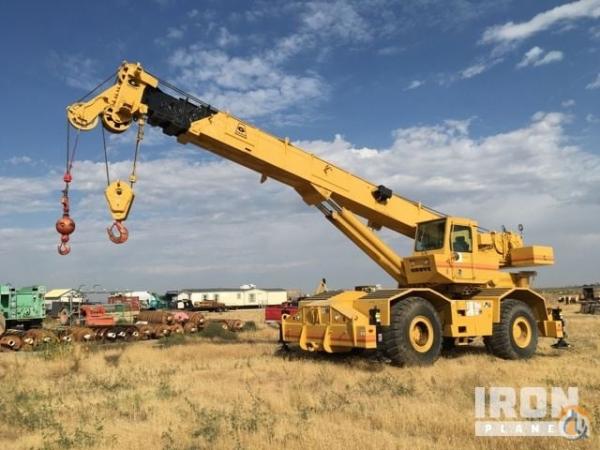
The Grove RT745 is a 45-ton (40.8 metric tonne) rough terrain crane renowned for its robust performance in challenging job sites. Manufactured by Grove, a subsidiary of Manitowoc Cranes, this model has been a staple in the construction and industrial sectors. Discontinued in 1996, the RT745 continues to be valued for its reliability and versatility.
Key Specifications - Capacity: 45 tons (40.8 metric tonnes)
- Engine Options:
- Detroit Diesel 8.2L
- Cummins 6BTA5.9
- CAT 3208
- Main Boom: 34 ft to 104 ft (10.4 m to 31.7 m) four-section trapezoidal boom
- Jib: Optional 32 ft (9.8 m) lattice swingaway jib with 0°, 15°, and 30° offsets
- Maximum Tip Height: 165 ft (50.3 m) with jib
- Maximum Reach: 104 ft (31.7 m)
- Maximum Load Moment: 27.5 tm
- Drive System: 4x4 wheel drive and four-wheel steer
- Transport Dimensions:
- Length: 42.29 ft (12.9 m)
- Width: 10.92 ft (3.3 m)
- Height: 12.38 ft (3.8 m)
- Wheelbase: 12.5 ft (3.8 m)
- Ground Clearance: 1.34 ft (0.4 m)
- Swing Speed: 2.6 rpm
- Outrigger Spread: 25 ft (7.6 m) with outriggers extended
Operational Features
The RT745 is equipped with several features to enhance its operational efficiency:- Load Moment Indicator (LMI): Provides real-time data to prevent overloading.
- Auxiliary Boom Nose: Allows for additional lifting configurations.
- Powershift Transmission: Offers 6 forward and 6 reverse speeds for versatile movement.
- Hydraulic System: Ensures smooth and responsive crane operations.
- Operator's Cabin: Designed for comfort with clear visibility and ergonomic controls.
Maintenance and Service
Regular maintenance is crucial for the longevity and optimal performance of the RT745. Key maintenance practices include:- Engine Maintenance: Regular oil changes, air filter replacements, and coolant checks.
- Hydraulic System: Periodic inspection of hoses, cylinders, and fluid levels.
- Boom and Jib: Inspect for wear and tear, ensuring all pins and bushings are secure.
- Electrical System: Check wiring for signs of corrosion or damage.
- Outriggers: Ensure proper operation and lubrication.
Conclusion
The Grove RT745 remains a testament to Grove's engineering excellence. Its combination of power, versatility, and durability makes it a valuable asset for various lifting operations. While newer models have since been introduced, the RT745 continues to serve in many fleets worldwide, underscoring its lasting impact on the rough terrain crane market.
|
|
|
|
| Caterpillar 248B Skid Steer Loader Overview |
|
Posted by: MikePhua - 08-24-2025, 12:20 AM - Forum: General Discussion
- No Replies
|
|
The Caterpillar 248B Skid Steer Loader is a versatile and compact machine designed to handle a wide range of tasks in construction, landscaping, and agriculture. Introduced in the mid-2000s, the 248B model has been a reliable choice for operators seeking power, maneuverability, and efficiency in tight spaces.
Engine and Performance
At the heart of the 248B is the Caterpillar 3044C DIT engine, a turbocharged 4-cylinder diesel engine delivering approximately 82 horsepower. This engine provides a robust power-to-weight ratio, enabling the loader to tackle demanding tasks such as digging, grading, and lifting. The engine's design emphasizes fuel efficiency and durability, adhering to Tier 2 emission standards.
Hydraulic System and Lift Capacity
The 248B is equipped with a high-flow hydraulic system capable of delivering up to 33 gallons per minute (GPM), facilitating the operation of various attachments like augers, trenchers, and hydraulic hammers. Its rated operating capacity stands at 2,000 pounds, with a maximum lift height of 10.2 feet, making it suitable for tasks requiring vertical reach and material handling.
Dimensions and Maneuverability
With an operating weight of approximately 7,320 pounds, the 248B offers a compact footprint, measuring about 11.5 feet in length and 5.5 feet in width. This compact size allows for excellent maneuverability in confined spaces, such as urban construction sites or residential landscaping projects. The machine's low ground pressure minimizes soil compaction, making it ideal for sensitive terrains.
Operator Comfort and Safety
Caterpillar has designed the 248B with operator comfort and safety in mind. The loader features an enclosed cab with heating and air conditioning options, providing a comfortable working environment in various weather conditions. The ergonomic joystick controls and adjustable seating enhance operator efficiency and reduce fatigue during extended operations.
Maintenance and Durability
Routine maintenance is straightforward, thanks to the 248B's design, which allows easy access to key components like the engine, filters, and hydraulic systems. Regular maintenance ensures the longevity of the machine and its components. The 248B's robust construction is built to withstand the rigors of daily use in demanding environments.
Applications and Use Cases
The Caterpillar 248B Skid Steer Loader is well-suited for a variety of applications: - Construction: Excavation, trenching, and grading tasks.
- Landscaping: Soil preparation, material transport, and site clearing.
- Agriculture: Handling feed, digging post holes, and other farm-related tasks.
- Municipal Work: Snow removal, debris clearing, and maintenance of public spaces.
Conclusion
The Caterpillar 248B Skid Steer Loader stands out as a reliable and efficient machine capable of handling a diverse range of tasks. Its combination of power, compact size, and operator-friendly features make it a valuable asset for professionals across various industries. Whether for construction, landscaping, or agricultural applications, the 248B continues to be a trusted choice for operators seeking performance and versatility.
|
|
|
|
|



