| Welcome, Guest |
You have to register before you can post on our site.
|
| Forum Statistics |
» Members: 79
» Latest member: cioCruch
» Forum threads: 47,411
» Forum posts: 47,417
Full Statistics
|
| Online Users |
There are currently 129 online users.
» 0 Member(s) | 121 Guest(s)
Ahrefs, Amazon, Bing, Claude, DotBot, Google, Petalbot, Semrush
|
| Latest Threads |
Identifying and Sourcing ...
Forum: Parts , Attachments & Tools
Last Post: MikePhua
01-07-2026, 06:29 PM
» Replies: 0
» Views: 508
|
Cat 931B Brake Parts
Forum: Parts , Attachments & Tools
Last Post: MikePhua
01-07-2026, 06:29 PM
» Replies: 0
» Views: 280
|
Choosing Between Cat 228,...
Forum: General Discussion
Last Post: MikePhua
01-07-2026, 06:28 PM
» Replies: 0
» Views: 533
|
Hydraulic Delay When Lowe...
Forum: Troubleshooting & Diagnosing
Last Post: MikePhua
01-07-2026, 06:27 PM
» Replies: 0
» Views: 438
|
Bale Chopper and Mulcher ...
Forum: General Discussion
Last Post: MikePhua
01-07-2026, 06:26 PM
» Replies: 0
» Views: 316
|
Mini UC Maintenance
Forum: General Discussion
Last Post: MikePhua
01-07-2026, 06:25 PM
» Replies: 0
» Views: 304
|
Locating Wiring Informati...
Forum: General Discussion
Last Post: MikePhua
01-07-2026, 06:24 PM
» Replies: 0
» Views: 339
|
Case Industrial Brown Sub...
Forum: Parts , Attachments & Tools
Last Post: MikePhua
01-07-2026, 06:23 PM
» Replies: 0
» Views: 274
|
Dirt Work in West Virgini...
Forum: Construction & Urban Infrastructure Forum
Last Post: MikePhua
01-07-2026, 06:23 PM
» Replies: 0
» Views: 371
|
D207 P Hydraulic Steering...
Forum: Parts , Attachments & Tools
Last Post: MikePhua
01-07-2026, 06:22 PM
» Replies: 0
» Views: 300
|
|
|
| Understanding Warning Lights on the Caterpillar 963 Track Loader |
|
Posted by: MikePhua - 08-08-2025, 08:13 PM - Forum: General Discussion
- No Replies
|
 |
Modern heavy equipment relies on a complex network of sensors and electronics to ensure the safe and efficient operation of the machine. In the case of the Caterpillar 963 track loader, the dashboard features a series of indicator lights—often colloquially known as idiot lights—that alert the operator to issues ranging from minor notifications to critical system failures. While the term “idiot lights” might sound dismissive, these symbols play a crucial role in preventing equipment damage, injury, and costly downtime.
The Function and Philosophy of Warning Lights
Warning lights are designed to provide quick visual feedback to the operator without requiring deep mechanical knowledge. Unlike a digital diagnostic display that shows fault codes, these lights simplify complex sensor inputs into intuitive signals—usually colored red, amber, or green, and shaped like familiar icons (oil can, thermometer, battery, etc.).
Their purpose is to: - Warn the operator of system malfunctions
- Prevent catastrophic failure through early detection
- Reduce the need for constant manual inspection
- Serve as a gateway to deeper diagnostics when needed
Common Warning Lights on the CAT 963 and Their Meanings
Although exact configurations may vary slightly by model year and generation, a typical Caterpillar 963 dashboard includes the following warning indicators:- Engine Oil Pressure Light (Red)
Indicates low oil pressure, often caused by a failing oil pump, clogged filter, or dangerously low oil level. If ignored, this can lead to engine seizure.
- Coolant Temperature Warning (Red)
Signals that engine coolant has reached unsafe temperatures. Could result from a faulty thermostat, broken fan belt, or clogged radiator.
- Hydraulic Oil Temperature (Amber or Red)
Shows that hydraulic fluid is too hot, which can degrade fluid properties and damage seals, pumps, or valves.
- Battery/Charging System Light (Red)
Alerts the operator that the alternator is not charging the battery. Often a result of belt failure, worn alternator, or corroded terminals.
- Transmission Temperature Warning (Red)
Signals excessive heat in the transmission fluid. This is common when operating under load in high ambient temperatures or with low fluid levels.
- Parking Brake Indicator (Amber)
Shows whether the parking brake is engaged. May also signal a fault in the brake sensor if it stays on when the brake is released.
- Fuel Level Warning (Amber)
Triggers when the fuel tank drops below a preset level, often around 10–15% capacity.
- Air Filter Restriction Light (Amber)
Indicates high intake restriction. This is often caused by a clogged air filter, but could also point to collapsed ducting or intake obstruction.
- Service Reminder (Amber Wrench Icon)
A maintenance prompt, usually set to trigger based on engine hours or intervals for oil changes, filter replacements, or inspections.
Color Coding System Explained- Red Lights: Require immediate attention. Indicates critical failure or imminent damage. Stop the machine as soon as it is safe to do so.
- Amber/Yellow Lights: Suggest caution. The machine can often continue operating temporarily, but service is needed soon.
- Green Lights: Generally used for system confirmation (e.g., lights on, systems enabled). No action required.
Sensor Inputs That Trigger Warning Lights
Each light corresponds to one or more sensors. For example:- The oil pressure switch activates the red oil can icon when pressure falls below a safe threshold.
- A thermistor in the coolant passage triggers the overheat light if temperatures exceed preset limits.
- The hydraulic temperature sensor, mounted in the return line, monitors the working fluid’s heat buildup.
- A voltage regulator circuit tied to the alternator determines whether the charging system is active.
Technicians often test these with a multimeter or CAN bus diagnostic scanner.
Real-World Cases of Warning Light Neglect
One example from a mining operation in Queensland involved a CAT 963 where the engine overheat light was ignored for several hours due to a dim display under bright sunlight. The result: warped cylinder heads, damaged injectors, and nearly $18,000 in repairs. A cheap sunshade for the instrument panel could have prevented it.
In another case, a forestry company in Oregon replaced their 963’s battery without resetting the system. A lingering battery light led to confusion and multiple unnecessary alternator replacements before it was traced back to an unacknowledged fault code stored in the ECM (Engine Control Module).
Troubleshooting Warning Lights
When a warning light appears, the correct approach is to:
- Stop the machine if the light is red.
- Perform a visual inspection—check fluid levels, fan belts, wiring.
- Connect a diagnostic tool (such as CAT ET or a third-party scanner) to retrieve fault codes.
- Reset the light only after confirming the issue is resolved.
- Monitor closely after restarting.
Common Diagnostic Pitfalls- Intermittent warning lights are often caused by chafed wires or corroded connectors.
- Lights that don’t illuminate during startup may indicate blown indicator bulbs or failed clusters.
- False positives can result from sensor drift or degraded ground connections, especially in older machines.
Tips for Maintaining the Instrument Panel- Clean the lens cover weekly to ensure visibility
- Test all lights during startup (many panels do a self-check)
- Replace worn or unreadable icon overlays
- Periodically inspect the wiring harnesses behind the dashboard for rodent damage or loose plugs
- Upgrade to LED clusters in harsh environments to improve durability
Terminology Reference- Thermistor: A temperature-sensitive resistor used in temperature monitoring.
- CAN Bus: A digital communication protocol used in vehicles and heavy equipment.
- Multimeter: A handheld device for measuring voltage, current, and resistance.
- Service Interval Reminder: A programmable alert based on engine hours or mileage.
Historical Perspective: From Gauges to Lights
In the early days of heavy equipment, operators relied solely on analog gauges. These provided continuous readings but required frequent attention. The move toward warning lights began in the 1970s to reduce operator distraction and accommodate machines with enclosed cabs, where visual feedback had to be clearer and more immediate.
A humorous anecdote from a 1980s CAT dealership training session recounted a new operator who covered the oil pressure warning light with electrical tape because it was "too bright." The engine seized two days later.
Conclusion: Reading the Lights, Saving the Machine
The so-called idiot lights on the Caterpillar 963 are anything but trivial. They are your first line of defense against hidden mechanical failures and serve as the voice of the machine. Understanding what each light means, how it’s triggered, and what action to take can dramatically reduce downtime and repair costs.
Treat every warning light as a conversation with your machine. When it flashes, it’s speaking up—sometimes in a whisper, sometimes in a scream. Either way, it's worth listening.
|

|
|
| Yanmar VIO55 Excavator Battery Replacement: A Complete Guide |
|
Posted by: MikePhua - 08-08-2025, 08:12 PM - Forum: General Discussion
- No Replies
|
|
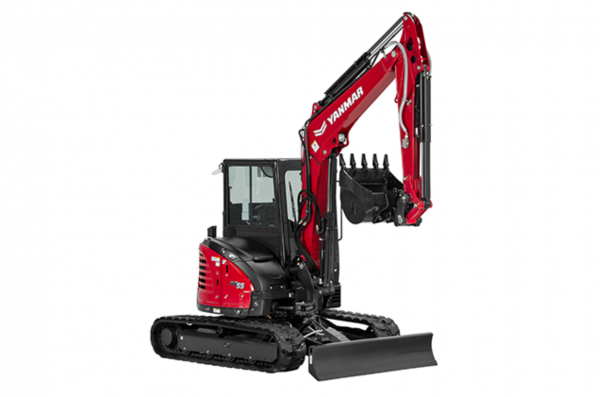
The Importance of a Healthy Battery
Replacing the battery in a Yanmar VIO55 isn’t just about getting the machine to crank—it ensures reliable engine starts in cold weather, keeps your on-board electronics functional, and supports the auxiliary hydraulics and remote monitoring systems.
Symptoms Indicating Battery Replacement
Common signs that your battery may be failing include: - Slow engine crank or no crank at all
- Warning lights on the display panel or error codes
- Reduced performance of hydraulic systems at startup
- Visible corrosion or a bulging case on the battery itself
Choosing the Correct Replacement
While official documents may not always list battery specs, technicians recommend looking for batteries that align with these general points for compact excavators like the VIO55:- Voltage: 12 V (standard for this machine class)
- Cold Cranking Amps (CCA): Sufficient to handle low‑temperature starts—typically 600–800 CCA for a 3–5‑ton excavator
- Physical size: Group 31 or equivalent, to fit the machine’s battery compartment and hold‑down tray
- Type: Maintenance‑free sealed lead‑acid (AGM or comparable), favoring corrosion resistance and longevity
Replacement Procedure (Step‑by‑Step)
Here’s a careful breakdown of the battery swap process:
- Park on level ground, lower boom and attachments, turn off the engine, and remove the ignition key.
- Wear safety gloves and eye protection to guard against acid exposure.
- Locate the battery—typically found beneath service panels or near the access step.
- Clean any corrosion from cable clamps and nearby surfaces.
- Always disconnect the negative (–) terminal first, then the positive (+)—this prevents short circuits.
- Remove battery hold‑down hardware, then lift the old battery free.
- Clean the tray and terminals with a baking soda and water solution to neutralize acid residue; dry completely.
- Position the new battery securely; reconnect the positive (+) terminal first, followed by the negative (–).
- Tighten clamps to a firm, snug fit—avoid over‑torquing plastic components.
- Apply a light layer of dielectric grease or terminal protectant to inhibit future corrosion.
- Start the engine to verify normal cranking and confirm no error codes appear.
- Consider performing a short engine idle and cycling the hydraulic systems to confirm system readiness.
Technical Glossary & Notes- CCA (Cold Cranking Amps): The current in amps that a battery can deliver for 30 seconds at 0 °F while maintaining at least 7.2 V; a key measure of starting power.
- Battery Group Size: Standardized dimensions and terminal placement for easier fitment; Group 31 often matches compact excavator frames.
- Maintenance‑Free Battery: A sealed design that doesn't require topping off—common in modern equipment.
- Dielectric Grease: Silicone-based grease that protects terminals from corrosion and dirt.
Anecdote from the Field
One equipment technician recalled a winter where the excavator refused to start on a frigid morning—just a soft click. After replacing the corroded battery with a high‑CCA AGM unit and adding powder-coated terminal guards, the machine roared to life even in sub‑zero temperatures. The crew considered the battery replacement a small fix with big returns in uptime and dependability.
Safety & Environmental Tips- Disposal: Always recycle old batteries at a certified center—lead and acid are hazardous to the environment.
- Handling caution: Avoid skin or eye contact with acid, and never lay battery tools across both terminals simultaneously.
- Preventive maintenance: Clean battery terminals quarterly and visually inspect for swelling or cracked casing to catch issues early.
Final Thoughts
A robust battery keeps the Yanmar VIO55 reliable, particularly under tough conditions and heavy cycles. By choosing the right spec, installing it carefully, and maintaining it wisely, operators avoid downtime—and ensure the excavator performs when it matters most.
|
|
|
|
| Rebuilding Engine Control Units in Heavy Equipment: An In-Depth Guide |
|
Posted by: MikePhua - 08-08-2025, 08:11 PM - Forum: General Discussion
- No Replies
|
|
Modern heavy equipment depends on a sophisticated network of sensors, actuators, and microprocessors, all orchestrated by a central component—the Engine Control Unit (ECU). Also known as the Engine Control Module (ECM), this brain of the machine monitors and adjusts fuel injection, timing, emissions, and various diagnostics in real time. When an ECU fails, the machine becomes either inefficient or completely inoperable. For contractors and fleet managers, rebuilding an ECU is often a faster and more cost-effective solution than buying new.
What Is an Engine Control Unit?
An Engine Control Unit (ECU) is an embedded system that uses input from various sensors to control engine parameters. The ECU ensures compliance with performance targets and emissions regulations by processing: - Air intake volume
- Fuel injection timing
- Exhaust gas recirculation
- Turbo boost pressure
- Engine load and RPM
ECUs are programmable and store calibration data for specific engines. When they fail, typical issues include:- Engine won’t start
- Random shutdowns
- Diagnostic Trouble Codes (DTCs) with no clear cause
- Limp mode activation
- Irregular fuel consumption
Common Causes of ECU Failure
The environment in which heavy equipment operates can be brutal on electronics. Unlike passenger vehicles, construction and agricultural machinery frequently face moisture, vibration, dust, and voltage fluctuations.
Top causes of ECU failure include:- Water ingress through worn harness seals
- Vibration-related solder joint cracks
- Voltage surges from jump-starting with improper polarity
- Corrosion due to humidity and electrolyte vapors
- Overheating in poorly ventilated compartments
Real-world example: A CAT D6N dozer in a Midwest quarry repeatedly lost throttle response. Investigation revealed a cracked PCB trace inside the ECU due to years of vibration and thermal cycling. The OEM wanted $4,000 for a replacement, but a $900 rebuild restored full function.
Signs You Need an ECU Rebuild
Before assuming the ECU is at fault, technicians should eliminate sensor and harness issues. However, if diagnostics point to the module itself, signs might include:- No communication with diagnostic tools
- ECU fuse repeatedly blowing
- Burnt smell from the ECU case
- Intermittent or total engine failure
Some mechanics use an oscilloscope or CAN bus scanner to detect waveform irregularities or data dropout from the ECU.
The Rebuild Process Explained
Rebuilding an ECU involves more than just replacing burnt components. It’s a structured procedure that requires advanced tools and expertise in microelectronics.
Steps typically include:- Visual Inspection: Checking for signs of burnt components, corrosion, and mechanical damage.
- Bench Testing: Using simulators to replicate engine conditions and verify function.
- Solder Joint Reflow: Re-soldering cracked or cold joints under a microscope.
- Component Replacement: Swapping failed ICs, capacitors, or transistors.
- Memory Cloning: Extracting and reprogramming EEPROM to retain original engine calibration.
- Waterproofing: Resealing with conformal coating to protect against future moisture damage.
Not all shops can handle this. Proper ECU repair demands:- ESD-safe workstations
- Micro-soldering stations
- JTAG/BDM programmers
- Access to proprietary engine maps
Where to Get ECUs Rebuilt
Not all electronics shops are qualified to work on heavy machinery ECUs. Ideal service providers include:- Diesel electronic specialists with experience in CAT, Cummins, Deere, and Komatsu systems
- Authorized remanufacturers who maintain OEM certifications
- Mobile ECU repair technicians for on-site diagnostics in remote job sites
Look for services that offer:- Warranty (minimum 6 months)
- Quick turnaround (2–5 business days)
- Bench test report
- Ability to clone data from the failed ECU to a donor unit
Case Study: The Loader in the Highlands
A logging contractor in the Scottish Highlands experienced recurring ECU faults in a Volvo L180 loader. The ECU failed after three weeks of rain and mud. With no replacement available for four weeks due to backorder, they shipped it to a UK-based rebuilder who diagnosed water damage on the circuit board. Within three days, the rebuilt unit was back and the loader was up again—saving a £12,000/week downtime cost.
Alternatives to Rebuilding
Sometimes rebuilding isn’t viable, especially when:- The ECU is physically destroyed (fire or impact)
- The microcontroller is locked and unreadable
- OEM encryption blocks EEPROM access
In these cases, options include:- Used ECU + data cloning
- OEM remanufactured module
- Aftermarket programmable ECU (rare for Tier 4 engines)
ECU and Emissions Compliance
Modern ECUs play a critical role in emissions control, especially in Tier 4 Final and Stage V engines. They regulate:- Diesel Particulate Filter (DPF) regeneration cycles
- Selective Catalytic Reduction (SCR) using DEF
- Exhaust Gas Recirculation (EGR) valves
A malfunctioning ECU can result in non-compliance fines or shutdowns by automated derate procedures. For regulated fleets, keeping ECUs in working condition is not just about performance—it’s about legality.
Tips to Prevent ECU Failure
Proactive maintenance goes a long way. Best practices include:- Sealing ECU harnesses after each service
- Never jump-start without surge protection
- Mount ECUs on vibration-dampening pads
- Inspect for pin corrosion quarterly
- Use OEM-spec batteries to avoid voltage sag
Field Advice from Veteran Mechanics
Many seasoned mechanics keep a spare ECU per machine model, especially in remote areas. One technician in Alberta shared that during winter months, he pre-warms ECUs in the shop before installation to avoid moisture condensation inside the case.
Another trick used in South African mines: installing mini desiccant pouches inside the ECU compartment to absorb humidity.
Terminology Reference- EEPROM: Electrically Erasable Programmable Read-Only Memory, holds calibration data.
- CAN Bus: Controller Area Network used for communication between modules.
- Oscilloscope: Device used to view voltage signals from ECUs and sensors.
- JTAG/BDM: Programming interfaces for accessing ECU microcontrollers.
- Remanufacturing: Restoring a component to OEM specs using new parts and testing.
Final Thoughts: ECU Rebuilds as an Operational Strategy
In today’s supply-chain-constrained environment, rebuilding ECUs is no longer just an alternative—it’s often the only practical option. With the right knowledge and partners, what once seemed like catastrophic failure can become a 48-hour detour. Understanding the symptoms, choosing the right service, and applying preventive care will keep machines running smoothly—and profitably.
Whether on a coastal wind farm or a desert pipeline, the ECU remains the silent strategist of every modern diesel engine. Treat it with care, and it will quietly deliver millions of revolutions worth of productivity.
|
|
|
|
| Understanding the Hydraulic System of the Dynapac CA25 Soil Compactor |
|
Posted by: MikePhua - 08-08-2025, 08:10 PM - Forum: General Discussion
- No Replies
|
|
The Dynapac CA25 is one of the most recognized soil compactors in the construction and civil engineering sectors, known for its ruggedness and efficiency. Central to its operation is a well-engineered hydraulic system that powers propulsion, vibration, and steering mechanisms. Understanding the nuances of this system is critical for field mechanics, fleet managers, and site supervisors who want to maximize uptime and prevent failures in challenging jobsite conditions.
Overview of the Dynapac CA25 Hydraulic Architecture
The hydraulic system in the CA25 serves three main operational domains: - Travel drive (forward/reverse propulsion)
- Vibratory drum actuation
- Steering and auxiliary functions
Each of these domains relies on hydraulic circuits powered by an engine-driven gear pump or variable displacement pump, depending on the model and production year.
Components typically include:- Main hydraulic pump (gear or piston type)
- Hydraulic motors (for drum and wheel drive)
- Vibratory system valve block
- Directional control valves
- Hydraulic reservoir
- Spin-on filters and suction strainers
- Relief and flow control valves
Drive System: Hydrostatic Propulsion
The CA25 uses a hydrostatic drive—a closed-loop system where hydraulic fluid moves from a variable displacement pump to a fixed displacement motor or variable motor at the wheels. This allows for smooth acceleration, deceleration, and reversal without a mechanical transmission.
Key features:- Infinite variable speed control
- Dynamic braking through swash plate angle adjustment
- Minimal mechanical wear due to fewer moving parts
In cold climates, this system can suffer from sluggish response due to increased oil viscosity. Preheating or using multi-grade hydraulic fluids helps mitigate this.
Vibratory Drum System: Precision Through Pressure
The vibratory function is what makes the CA25 a true compactor. Its single steel drum contains an eccentric weight system driven by a hydraulic motor. The frequency and amplitude of the vibrations are controlled via pressure adjustments in the hydraulic circuit.
Symptoms of vibration failure often include:- No vibration activation
- Low or inconsistent amplitude
- Loud rattling noises (caused by worn eccentric bearings)
This part of the system is particularly sensitive to hydraulic contamination, and many in the field report vibration loss due to clogged or bypassed filters.
Steering and Auxiliary Hydraulics
The steering on the CA25 is powered by a separate hydraulic circuit that utilizes a priority valve to ensure steering gets fluid even under full drive load. A hydraulic steering orbitrol (non-feedback type) directs fluid to a double-acting steering cylinder.
Typical steering problems include:- Jerky motion due to air in lines
- Dead zones in control (orbitrol wear)
- Slow response due to bypassing seals
Common Hydraulic Problems and Field Diagnostics
The CA25, like all hydraulic machines, can suffer from age-related degradation, contamination, and component failure. Common issues include:- Low travel power: Often caused by worn hydraulic pumps, slipping drive motors, or internal leakage in control valves.
- No vibration: Usually traced to a faulty solenoid valve, failed pressure switch, or cavitation in the vibratory motor line.
- Hydraulic overheating: Caused by bypassing valves or clogged oil coolers.
- Whining noise: Often due to aerated fluid from a leaking suction line or low oil levels.
A simple field diagnostic procedure might include:
- Visual inspection for leaks and fluid levels
- Filter element examination (for metal flakes or sludge)
- Temperature check at return lines (indicates flow issues)
- Listening for pump whine under load (sign of cavitation)
- Checking pressure at test ports using a hydraulic gauge
Case Study: The Sugarcane Field Breakdown
In a 2016 project in northern Brazil, a Dynapac CA25 failed during a sugarcane field compaction job. The machine lost vibration and steering simultaneously. Initial suspicion was a pump failure, but diagnostics revealed a clogged priority flow valve—a result of contaminated fluid from a ruptured return filter. After a complete system flush and valve rebuild, full functionality was restored.
This case underscores the importance of preventive maintenance and filter integrity, especially in dusty agricultural settings.
Preventive Maintenance Recommendations
To prolong the lifespan and efficiency of the CA25’s hydraulic system, the following practices are critical:- Regular fluid sampling (look for water, metal content)
- Replace filters at manufacturer-recommended intervals
- Use OEM-spec hydraulic oil (typically ISO VG 46 or 68)
- Check hydraulic pressure levels quarterly
- Train operators to warm up the system in cold climates
- Inspect and clean breathers on hydraulic tanks
Hydraulic Fluid Considerations
The type and quality of hydraulic fluid directly affect system longevity. Key fluid properties include:- Viscosity index
- Anti-wear additive package
- Foam resistance
- Thermal stability
Avoid mixing fluid brands or types. If the fluid is unknown, it's best to perform a complete drain and flush.
Terminology Reference- Hydrostatic drive: Closed-loop fluid system for variable propulsion
- Swash plate: Controls displacement in variable pumps and motors
- Orbitrol: Hydraulic steering control unit (manual input, hydraulic output)
- Cavitation: Formation of vapor bubbles due to pressure drops in fluid, damaging to pumps
- Relief valve: Safety valve to prevent over-pressurization
Lessons from the Field
Veteran operators often rely on “feel” and sound to detect hydraulic issues. For example, if the machine struggles on inclines but engine RPM is steady, they’ll suspect internal bypass in drive motors. Similarly, if the vibration takes longer to kick in, they know it’s time to check the solenoid coil or pressure switch wiring.
In 2020, a contractor in Manitoba retrofitted a CA25 with digital pressure gauges and flow sensors, allowing real-time hydraulic diagnostics—reducing downtime by 40% over a six-month season.
Conclusion: The Beating Heart of the CA25
The hydraulic system is the lifeblood of the Dynapac CA25, enabling it to perform with strength and finesse on some of the toughest terrains. From high-frequency vibrations to smooth propulsion and responsive steering, every function depends on hydraulic integrity. Whether you’re a shop mechanic in Nairobi or an operator in Texas, understanding the fluid logic behind the steel helps ensure your compactor keeps working—day after day, job after job.
For those committed to maintaining and restoring these legendary machines, hydraulics aren’t just about pressure—they’re about precision, patience, and pride.
|
|
|
|
| Mysterious Machine Identification: A Practical Guide for Heavy Equipment Professionals |
|
Posted by: MikePhua - 08-08-2025, 08:10 PM - Forum: General Discussion
- No Replies
|
|
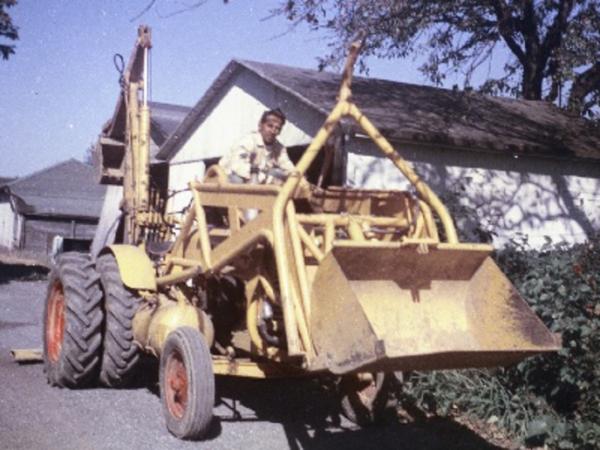
Prologue: When a Machine Defies Easy Classification
Sometimes, a piece of equipment appears—old, modified, or mismatched—and its origin or function isn’t obvious. Rather than letting it remain a relic of mystery, technicians follow a structured, investigative path to identify it. This article walks through that process, offering guidance grounded in real-world scenarios.
Visual Clues to Unlocking Identity
Key features to observe carefully include: - Distinctive fender shapes—like curved or squared forms—that suggest a manufacturer or era.
- Presence of tanks, valves, or visible frame shapes can hint at attachments or special configurations.
- Tire tread and size may reflect intended terrain or load capacity.
- Frame and body styling often reveal design language from specific brands or decades.
Technical Term Glossary- Fender: Protective panel over the wheel well; varies in contour and styling by model.
- Attachments: Additional components (like scoops, tanks, or booms) that can reclassify a base machine’s purpose.
- Tread pattern: Tire design that suggests usage—e.g., deep, aggressive lugs for off-road vs. smooth rumbles for yards.
- Frame structure: Includes chassis and rollover bars, helping indicate machine type or compliance standards.
Stories from the Field- One vintage machinery hobbyist inherited a weathered tractor with no nameplate. Identifying its unusual rear fender—with a sculpted triangular contour—helped him narrow it down to a ‘50s utility model. He then visited a local antique decipher club, showed them photos, and they confirmed it was a rare model produced for orchard work.
- On another farm, a mismatched loader cab turned up in a scrap pile. After noting a side-mounted air tank and squared fenders, the owner visited vintage equipment gatherings where several enthusiasts chimed in—one recalled a similar layout from a discontinued brand of the early 60s.
Methodical Identification Steps
- Examine key design features
- Note fender curves, presence of tanks, visible frames, and tire styles.
- Photograph thoroughly
- Capture multiple angles: front, side, rear, and close-up of unique elements.
- Compare with known marque styles
- Reference equipment catalogs, museums, or enthusiast archives for matching shapes or components.
- Seek expertise among communities
- Antique machinery clubs, restoration groups, or historic equipment events often yield quick clues.
- Narrow down via regional clues
- Local dealerships or regional production lines may explain particular parts or styling.
- Document findings and parts
- Once identified, build a list of compatible parts, suggested service manuals, or restoration kit sources.
Why This Matters
Identifying a mysterious machine isn’t just idle curiosity—it matters for sourcing parts, ensuring safety, planning restorations, or even preserving industrial heritage. The right identity brings access to manuals, heritage knowledge, compatibility info, and even healthier resale value.
Wrap‑Up Reflection
Finding a machine’s identity can feel like detective work, but it’s grounded in observation, comparison, and community. What starts as a vague silhouette becomes a known entity with value and history. Whether you’re preserving machinery or keeping a fleet running, these steps ensure no machine stays a mystery for long.
|
|
|
|
| Return‑to‑Dig Bar Bending in the John Deere 310D: Causes, Fixes, and Practical Wisdom |
|
Posted by: MikePhua - 08-08-2025, 08:08 PM - Forum: Troubleshooting & Diagnosing
- No Replies
|
|
Overview of the Issue
On some John Deere 310D machines (circa 1994), operators have noticed the return‑to‑dig linkage bar twisting or bending—particularly near the threaded end. This happens when the loader is raised and fully rolled back; the bucket doesn’t roll forward fast enough to relieve pressure, causing the metal bar to deform under load.
Mechanical Sequence at Play - Raising the loader boom triggers a hydraulic piston to retract, rolling the bucket backward for dumping.
- A rod and cam-linked bar (the “return‑to‑dig bar”) then drives bucket leveling when lowering begins.
- If the bucket doesn’t roll forward quickly enough, the bar takes excess force, bending instead of guiding smooth realignment.
- This indicates an imbalanced interaction between the linkage geometry, hydraulic flow, and timing.
Diagnosing the Problem
Inspect the following:- Linkage pivot movement
- Ensure all pivot points operate freely without corrosion or binding, especially near the cab connection.
- Caps and stops
- Check whether the linkage rod hits a hard stop before engaging the dump motion—this can delay bucket leveling.
- Hydraulic flow
- Confirm the hydraulic valve allows sufficient return flow to the tilt cylinder during aggressive boom movement.
- Linkage adjustment
- Adjust the “down rod” so that dump movement is initiated slightly earlier—mitigating excessive strain on the bar.
Technical Glossary- Return‑to‑Dig Bar: The linkage that triggers automatic bucket leveling when raising or lowering.
- Pivot Points / Zerk Fittings: Joints that require lubrication; seized pivots disrupt smooth motion.
- Hard Stop: A mechanical limit that halts linkage travel—poor adjustment can delay required action.
Real‑World Fixes and Enhancements- A seasoned mechanic fixed a similar issue on a different loader by disassembling, cleaning, and greasing a seized pivot, then installing a grease zerk for easy future maintenance—restoring smooth operation.
- In one case, adjusting the down rod to contact the dump lever just slightly before its hard stop allowed smoother engagement, reducing stress and preventing further bending.
- A wise veteran suggested a simple workaround when automatic leveling fails: manually rotate the bucket forward as it lifts above the hood—this prevents material from dumping unexpectedly, even if return‑to‑dig isn’t perfectly timed.
Step‑by‑Step Repair Approach
- Examine linkages
- Clean, lubricate, and ensure free motion at all pivot points, especially where grease is hard to reach.
- Adjust linkage timing
- Fine‑tune the down‑rod position so the dump lever is engaged just before the linkage hits its limit.
- Test motion
- Raise the loader and roll the bucket back quickly; observe movement and listen for binding.
- Iteratively tweak
- Repeat adjustments until the bucket rolls forward promptly—avoiding excessive force on linkage.
- Add preventive maintenance
- Add grease nipples at pivot points and include the linkage in scheduled greasing routines.
Why Attention to This Matters
A bent return‑to‑dig bar isn’t merely cosmetic—it signals impaired system function that may result in unintended dumping, lost productivity, or operator frustration. Addressing it earns not just mechanical fix, but smoother, safer operation day‑to‑day.
|
|
|
|
| Kobelco SK200-8 Flash File: ECU Reprogramming, Troubleshooting, and Field Applications |
|
Posted by: MikePhua - 08-08-2025, 08:08 PM - Forum: General Discussion
- No Replies
|
|
In the world of heavy machinery, modern excavators like the Kobelco SK200-8 have evolved into sophisticated, electronically controlled systems, where performance and diagnostics depend not just on hydraulic precision, but on the firmware embedded in the machine’s Electronic Control Units (ECUs). When issues arise—whether due to software corruption, ECU replacement, or system calibration—the flash file becomes a critical tool in the mechanic’s arsenal. This article explores what a flash file is, why and how it's used in the Kobelco SK200-8, and dives deep into real-world considerations, challenges, and practices in the field.
What is a Flash File?
A flash file, in the context of heavy equipment, is a firmware image—essentially the operating system for the ECU. It contains control logic, calibrations, machine configurations, and the embedded code that governs everything from fuel injection timing to hydraulic modulation.
In Kobelco equipment, these flash files are used for: - Updating the ECU after part replacement
- Correcting software faults
- Upgrading machine performance or features
- Localizing machine behavior for region-specific fuel or emissions standards
- Resetting the machine after electrical corruption
The Kobelco SK200-8 and its ECU System
The SK200-8 is part of Kobelco’s dynamic line of excavators that combines power with precision electronic control. It uses a multi-ECU setup, including:- Engine Control Module (ECM): Manages engine operation including fuel delivery, turbo pressure, and temperature regulation.
- Machine Control Unit (MCU): Controls hydraulic pumps, travel motors, and swing circuits.
- Monitor Display Unit: Interfaces with the operator and logs fault codes and operational data.
- Communication Bus (CAN): Allows all control units to share real-time data.
Each ECU has its own firmware, and the compatibility between versions is essential. Flashing one ECU often requires updating others to maintain communication integrity.
When and Why Flashing is Required
Flashing is typically required under these conditions:- Replacement of an ECU or monitor panel
- Software corruption from battery voltage loss or surges
- Incorrect behavior post-repair, such as hydraulic lag or false warnings
- Engine performance derating due to emissions control conflicts
- Calibration mismatch after component swaps (e.g., engine, pump, solenoid)
Consider the case of a contractor in the Philippines whose SK200-8 lost engine power after a lightning-induced surge. The diagnostics showed no hardware damage, but the engine ECU wasn’t communicating with the machine ECU. Flashing both modules using factory software restored communication and full function.
How Flashing is Performed
Flashing Kobelco excavators requires specialized equipment and software:- Kobelco Diagnostic Software (commonly referred to as “SRDP” or “KDP”)
- Communication cable (RS232 or CAN adapter depending on ECU type)
- Authorized flash files (typically .bin or .sdf formats)
- Stable power source or backup battery connection
Steps typically include:
- Connect diagnostic laptop to the machine’s communication port
- Verify ECU type and existing software version
- Load correct flash file into the software interface
- Start the flashing process, which may take 15–40 minutes
- Monitor voltage levels to ensure no drop during flashing
- Restart system and reinitialize settings (time, language, service intervals)
Risks and Precautions
Flashing ECUs isn’t without risk. A power interruption or corrupted file can brick the control unit, rendering the machine inoperable until the ECU is replaced. Key precautions include:- Never interrupt the flash once started
- Always use a voltage stabilizer during field flashing
- Ensure flash file compatibility (wrong region or version can disable emissions system)
- Backup existing parameters if possible
The Black Market of Flash Files: A Word of Caution
In recent years, unauthorized distribution of Kobelco flash files has become rampant. Mechanics trade them via email or USB drives, often unaware of the legal and functional risks. In 2021, a European contractor bricked three SK200-8 machines after flashing them with an unofficial modified file designed to disable the DPF (Diesel Particulate Filter). Not only did this violate emissions laws, but it also voided the warranty and triggered a recall from Kobelco.
Always source flash files from authorized service partners or OEM representatives.
Flash File vs Parameter Adjustment
It’s important to distinguish between flashing the ECU and adjusting machine parameters. While flashing replaces the entire firmware, parameter adjustment modifies configuration values such as:- Pump pressure settings
- Travel speed modes
- Attachment configurations
- Idle timing or auto deceleration
Technicians should always exhaust parameter tuning options before flashing, unless corruption or ECU replacement demands it.
Success Story: Remote Recovery Using Flash
In a remote mining site in Western Australia, a Kobelco SK200-8 shut down mid-operation with an ECU fault. The local technician had a satellite link and received the flash files via email from Kobelco’s Perth dealer. With a rugged diagnostic laptop and generator-stabilized voltage, the technician reflashed both the engine and monitor ECU overnight—bringing the machine back to life the next morning.
Field Realities: Connectivity and Compatibility Challenges- Older SK200-8 models may use J1708 protocol, while newer ones support CAN J1939—using the wrong adapter can cause a connection failure.
- Flashing sometimes requires region-specific firmware (e.g., Japan domestic vs Southeast Asia export models).
- Flashing one ECU may reset fault logs, complicating future troubleshooting.
Terminology Clarification- ECU (Electronic Control Unit): Embedded computer that manages a specific system.
- Flashing: The act of rewriting firmware to an ECU.
- Firmware: The software code permanently programmed into hardware.
- CAN bus: Controller Area Network; digital wiring system that lets different modules communicate.
- Checksum: A data integrity marker; incorrect checksums during flashing can trigger faults.
Preventive Tips
To reduce the need for emergency flashes:- Maintain stable voltage during startups and shutdowns
- Avoid repeated short-cycling of battery systems
- Log all fault codes before performing resets
- Keep a record of current firmware versions before any update
- Install surge protection on charging stations and battery cables
Closing Thoughts
The Kobelco SK200-8 remains a workhorse in global construction fleets, balancing mechanical strength with modern electronic control. As its intelligence grows, so does the responsibility of field technicians to understand software maintenance as deeply as hydraulic systems. Flash files, when used correctly, are powerful tools—but in the wrong hands, they can just as easily become liabilities.
Whether you're in a shop in Bangkok, a mine in Peru, or a wheat field in Nebraska, the ability to update or restore your Kobelco’s brain can mean the difference between downtime and job completion. So treat flash files with care—just as you would with fire.
|
|
|
|
| Bobcat 763 Cab Mounting Bolt Mishap: A Deep Dive |
|
Posted by: MikePhua - 08-08-2025, 08:07 PM - Forum: General Discussion
- No Replies
|
|
Overview of the Situation
It's easy to underestimate how vital the two bolts securing the operator’s cab can be. But when they go missing—whether during maintenance or transportation—the result can be a loose cab, compromised safety, or even damage to the ROPS/FOPS structure. Addressing this issue promptly means getting the right parts, understanding their function, and restoring secure assembly.
Bolt Function and Operator Safety - These bolts anchor the cab to the loader frame while ensuring the ROPS (Roll-Over Protective Structure) and FOPS (Falling Object Protective Structure) function as designed.
- Losing them—even temporarily—can destabilize the cab, increasing the risk of damage or personal injury.
Identifying Replacement Bolts
While exact bolt specifications might vary slightly by model year, general guidance includes:- Bolts strong enough to clamp the cab firmly to the frame.
- Dimensions and thread pitch matching factory standards—critical for safety.
- Reputable parts catalogs or service manuals for confirmation.
Helpful resources:- The Bobcat 763 Skid Steer Loader Service & Repair Manual offers detailed diagrams and torque specs—it’s an essential resource for safe reassembly.
- The Bobcat Parts Catalog, accessible via model or serial number lookup, guides users to exact replacement part numbers.
Technical Glossary- ROPS / FOPS: Safety systems designed to protect the operator in case of roll-over or falling debris.
- Torque specification: The recommended tightening force applied to a bolt, ensuring secure fastening without over-stressing the part.
- Service Manual: The factory document containing assembly procedures, safety warnings, and technical details critical for effective maintenance.
Anecdote from the Field
One technician shared the panic that struck when he discovered the cab bolts missing—he’d just tilted the cab back for servicing hydraulic hoses. Thankfully, he hadn’t driven it. With the cab resting on support stands and lifted slightly, he retrieved the schematic from the service manual, confirmed the bolt size, and sourced replacements from a local hardware supplier. Once tightened to spec, the cab felt solid again—and he learned the importance of stowing small parts safely before work.
Repair Steps- Step 1: Secure the cab safely
- Park on level ground and shut off the engine. Use jack stands or support blocks to stabilize the cab before attempting removal or reattachment.
- Follow service manual guidance for the cab-raising procedure.
- Step 2: Locate bolt specs and part numbers
- Consult the parts catalog or manual to identify the correct bolt dimensions and part numbers.
- Step 3: Source replacements
- Use OEM parts whenever possible for strength and compliance.
- Aftermarket and industrial-grade fasteners may work—ensure they meet or exceed factory specs in diameter, grade, length, and thread pitch.
- Step 4: Install and torque carefully
- Thread the bolts by hand initially to avoid cross-threading.
- Tighten evenly, following the service manual’s torque values for structural components.
- Confirm the cab seats uniformly and latching mechanisms engage properly.
- Step 5: Final safety check
- Gently lower the cab onto its frame.
- Move levers or seats to check for movement or binding.
- Walk around and visually inspect both inside and out for misalignment.
Why This Matters
The cab isn’t just a shelter—it’s a certified safety zone. Correctly mounting it with the right bolts ensures compliance with ROPS/FOPS standards and preserves the machine’s protective integrity. A simple loss of hardware becomes a serious hazard if overlooked.
|
|
|
|
| JLG 1932E2 Scissor Lift Reverse Failure: Diagnosis, Repair, and Prevention |
|
Posted by: MikePhua - 08-08-2025, 08:07 PM - Forum: Troubleshooting & Diagnosing
- No Replies
|
|
The JLG 1932E2 scissor lift has earned a reputation for reliability, efficiency, and durability in indoor maintenance and warehouse operations. However, as with any electrically controlled equipment, users may sometimes encounter motion-related failures that interrupt workflow and delay critical tasks. One such issue—when the lift will move forward but refuses to reverse—may seem minor, but its causes are often surprisingly complex. This article unpacks this issue in full: what causes it, how to diagnose it, and how to keep it from happening again.
Understanding the Drive System in the JLG 1932E2
The JLG 1932E2 operates using an electric direct drive system powered by DC motors and controlled through a series of relays, limit switches, joystick signals, and controller logic.
Key components involved in the drive system include: - Joystick controller – The input device the operator uses to command motion.
- Directional relays (forward/reverse) – Electromagnetic switches that route electrical current to the drive motors depending on the chosen direction.
- Limit switches – Safety components that stop travel when certain boundaries are reached (e.g., pothole protection engaged or lift too high).
- Motor contactors – Larger relays capable of handling the current needed to drive the motors.
- Control card / logic board – Interprets input signals and enforces safety interlocks.
- Proximity sensors – Detect conditions like steering angle or platform position.
Symptoms of a Reverse Failure
Operators experiencing a reverse-only failure (i.e., the lift moves forward but not in reverse) often report:- The lift powers on and functions normally except when trying to reverse.
- No fault codes or beeping errors.
- Forward motion is smooth and strong.
- Battery charge is sufficient, and hydraulics are responsive.
- Steering, raising, and lowering all function correctly.
In some cases, users may hear a faint “click” when trying to reverse, suggesting a relay is attempting to engage but failing.
Likely Causes of a Reverse Failure
Here is a breakdown of the most common culprits behind a JLG 1932E2 not going in reverse:- Faulty reverse relay
- One of the most common failures. A relay may click but fail to pass sufficient current due to worn contacts or internal damage.
- Joystick potentiometer malfunction
- The joystick’s internal potentiometer sends varying voltage to determine direction. If the “reverse” range of movement fails, the lift won’t engage reverse.
- Broken or disconnected wire in the control harness
- Wires leading from the joystick to the relay board can become damaged over time, especially in machines with years of vibration and movement.
- Direction signal not reaching the logic controller
- Even if the relay is fine, if the logic controller never sees a valid reverse command, it won’t energize the reverse circuit.
- Limit switch engaged
- A limit switch—especially one linked to platform height or pothole protection—can prevent reverse if it falsely indicates a hazard.
- Contactor failure
- The contactor responsible for engaging reverse motion may have burnt contacts or mechanical failure.
- Motor brush wear (less common)
- If the DC drive motor brushes are heavily worn or damaged, they may not respond equally in both directions.
Step-by-Step Troubleshooting Approach
To isolate and resolve the reverse failure issue, technicians and operators can follow this methodical diagnostic approach:
- Test Forward and Reverse Relays
- Swap the forward and reverse relays to see if the problem moves with the relay.
- If reverse begins to work and forward stops, the relay is the issue.
- Check Voltage at the Relays During Operation
- Use a multimeter to verify that voltage is sent to the reverse relay when the joystick is pulled back.
- If no voltage is present, trace the signal back toward the joystick.
- Inspect the Joystick Potentiometer
- Use an ohmmeter or multimeter to verify the output voltage when moving the joystick forward and backward.
- Ensure the full range of motion gives smooth voltage variation.
- Inspect Wiring and Connections
- Look for pinched, frayed, or corroded wires, especially near articulation points or the control box.
- Pay close attention to connectors at the base of the joystick and the interface card.
- Check Limit and Safety Switches
- Ensure no limit switches are stuck or misaligned.
- The pothole protection system, for example, can disable motion if falsely engaged.
- Test Motor and Contactor
- Manually test the drive motor in both directions by bypassing the relay (only if safe and experienced).
- Inspect contactors for overheating signs or melted contacts.
- Consult Diagnostic LED or Error Flash Codes
- On some models, the control board has LED indicators that blink error codes.
- Reference the JLG service manual for interpretation.
Real-World Story: The Warehouse Incident
In a distribution center outside Chicago, a maintenance worker was stranded on the raised platform of a JLG 1932E2. The machine worked fine during the ascent but refused to back away from a steel beam after repositioning. Panic set in briefly, but a mechanic on-site recognized the symptoms. Swapping the forward/reverse relays immediately solved the issue—one relay had burned slightly due to poor ventilation and high duty cycles.
This real-life example reminds us of the importance of basic electrical knowledge and being prepared with spare relays—especially when using older lifts for frequent shifts.
Additional Considerations for Legacy Machines
The 1932E2 is not a recent model. Machines from this generation may have:- Worn or oxidized circuit boards
- Loose grounding connections
- Joystick drift due to mechanical fatigue
In these cases, refurbishment or parts replacement may be more cost-effective than extended troubleshooting.
Terminology Clarification- Relay: An electrically operated switch that opens or closes circuits by receiving small control signals.
- Contactor: A relay designed to handle high current, typically used to control motors.
- Potentiometer: A variable resistor often used in joysticks to translate position into electrical signals.
- Limit Switch: A safety switch that prevents certain motions beyond safe ranges.
Preventive Maintenance Tips
To reduce the risk of control system failures in the future, implement a proactive maintenance schedule:- Test all motion functions weekly, including reverse
- Keep all connectors dry and clean, using dielectric grease as needed
- Periodically remove and re-seat relays to prevent oxidation
- Avoid overloading the platform beyond rated capacity
- Ensure platform gate is fully latched before attempting motion
When to Call for Help
If after swapping relays and testing signal voltage the machine still won’t reverse, it’s time to involve a professional technician—especially if logic controller faults are suspected. JLG service centers can perform deeper diagnostics using factory tools and may offer reprogramming or updated control cards.
Final Thoughts
A JLG 1932E2 that won’t reverse can halt an entire job. But with a grounded understanding of how its electrical systems interact, even non-certified operators can confidently identify the root of the issue. In most cases, the failure is minor—like a relay or joystick problem—and can be fixed with inexpensive parts and basic tools.
Understanding your machine not only saves time and money but ensures your crew stays safe and productive. After all, troubleshooting is just another word for “listening carefully to what the machine is trying to tell you.”
|
|
|
|
| Case 580SE Hydraulic Weakness: Diagnosing Power Loss in Backhoe and Loader Functions |
|
Posted by: MikePhua - 08-08-2025, 08:03 PM - Forum: Troubleshooting & Diagnosing
- No Replies
|
|
Understanding the Symptom
Operators of the Case 580SE may notice that the hydraulic system loses strength, particularly when the machine warms up or attempts to lift an empty bucket. Symptoms include: - Loader struggles to lift, especially when fully lowered or under light load
- After one or more cycles, the loader may raise only a few inches, requiring a pause
- Stabilizer arms fail to lift the rear of the machine with full force
- Hydraulic weakening occurs across both loader and backhoe functions
Common Root Causes
Experts and experienced technicians point to these likely origins of weak hydraulic performance:- Main relief valve issues
The loader control valve’s internal relief may stall in an extended stroke or contain debris. Wear of the poppet or seat can reduce operating pressure and flow. Cleaning or rebuilding with genuine components can restore performance.
- Hydraulic pump wear or failure
Age-related wear reduces the pump’s ability to maintain pressure under load. Subtle signs may include sluggish response during heavy lifting.
- Air in the system or improper priming
Air pockets from recent filter changes or fluid loss can choke hydraulic flow. Proper bleeding or test‑port purging is essential to restore full system capacity.
- Sticking or clogged check valves
Load‑check valves can stick if contamination enters during maintenance. This can allow unintended reverse flow or delayed responsiveness.
Technical Glossary- Main Relief Valve: A pressure safety component within the loader control valve that limits hydraulic system pressure to prevent damage.
- Poppet & Seat: The internal seal surfaces of the relief valve; wear or contamination here reduces sealing effectiveness.
- Hydraulic Pump: Supplies pressurized fluid; wear compromises pressure stability under load.
- Priming / Bleeding: The process of removing trapped air from hydraulic lines post-maintenance or fluid change.
- Check Valve: A one-way valve ensuring flow follows intended direction; contamination can cause malfunction.
Real-World Examples
One operator recounted that after changing the filter and topping off fluid, loader operation was initially normal—followed by inconsistent lift behavior and effort-loss after the machine warmed up. This scenario points to air entrapment or relief malfunction.
Another technician recalled fixing a sluggish backhoe similar to a 580SE by cleaning the hydraulic control valve; dislodging debris restored full hydraulic power. This underscores the value of valve inspection before pump replacement.
Step-by-Step Troubleshooting Guide
- Pressure Testing
- Install a hydraulic gauge on the loader rollback circuit, with the bucket ~6 inches off the ground.
- Check for normal-rated pressure (~2300 psi ± tolerance) while holding the rollback; weak readings indicate relief valve or pump fault.
- Inspect Main Relief Valve
- Remove the loader control valve to examine poppet, seat, and O‑rings.
- Clean, lubricate, and reassemble—or replace worn parts as needed.
- Prime and Bleed the System
- Purge pressure via the test port or quick‑coupler to remove air.
- Stroke the loader several times upon startup to fully evacuate air bubbles.
- Assess Pump Health
- Listen for unusual noise under load or observe throttle loading behavior.
- Test pressure; if pressure fails under load despite a clean valve, the pump may be worn.
- Check Load-Check Valves and Relief Fittings
- Disassemble and inspect check valves in loader and backhoe circuits for wear or contamination.
- Replace O-rings with OEM parts and ensure proper assembly to avoid slow rising or drift.
Maintenance Insights- Always follow proper bleeding procedures after filter changes—many manuals lack clear guidance, so proactive priming is vital.
- Use OEM-grade components for relief valve rebuilds to maintain pressure integrity and longevity.
- Schedule regular system flushes, filter replacements, and hydraulic fluid analysis to detect wear early.
Closing Reflection
Weak hydraulics on a 580SE often trace back to a single failing component—whether a sticky relief valve, air in the system, or a worn pump—but the interdependence of components means a structured diagnosis is key. With gauges, clean components, and methodical checks, many issues can be resolved without major overhauls. Let me know if you'd like a deep dive into valve schematics or pump spec comparisons next!
|
|
|
|
|



