| Welcome, Guest |
You have to register before you can post on our site.
|
| Forum Statistics |
» Members: 79
» Latest member: cioCruch
» Forum threads: 47,411
» Forum posts: 47,417
Full Statistics
|
| Online Users |
There are currently 660 online users.
» 0 Member(s) | 648 Guest(s)
Ahrefs, Amazon, Applebot, Baidu, Bing, Claude, DotBot, Google, MJ12, Semrush, Seznam
|
| Latest Threads |
Identifying and Sourcing ...
Forum: Parts , Attachments & Tools
Last Post: MikePhua
01-07-2026, 06:29 PM
» Replies: 0
» Views: 509
|
Cat 931B Brake Parts
Forum: Parts , Attachments & Tools
Last Post: MikePhua
01-07-2026, 06:29 PM
» Replies: 0
» Views: 281
|
Choosing Between Cat 228,...
Forum: General Discussion
Last Post: MikePhua
01-07-2026, 06:28 PM
» Replies: 0
» Views: 533
|
Hydraulic Delay When Lowe...
Forum: Troubleshooting & Diagnosing
Last Post: MikePhua
01-07-2026, 06:27 PM
» Replies: 0
» Views: 438
|
Bale Chopper and Mulcher ...
Forum: General Discussion
Last Post: MikePhua
01-07-2026, 06:26 PM
» Replies: 0
» Views: 316
|
Mini UC Maintenance
Forum: General Discussion
Last Post: MikePhua
01-07-2026, 06:25 PM
» Replies: 0
» Views: 305
|
Locating Wiring Informati...
Forum: General Discussion
Last Post: MikePhua
01-07-2026, 06:24 PM
» Replies: 0
» Views: 339
|
Case Industrial Brown Sub...
Forum: Parts , Attachments & Tools
Last Post: MikePhua
01-07-2026, 06:23 PM
» Replies: 0
» Views: 274
|
Dirt Work in West Virgini...
Forum: Construction & Urban Infrastructure Forum
Last Post: MikePhua
01-07-2026, 06:23 PM
» Replies: 0
» Views: 371
|
D207 P Hydraulic Steering...
Forum: Parts , Attachments & Tools
Last Post: MikePhua
01-07-2026, 06:22 PM
» Replies: 0
» Views: 301
|
|
|
| Understanding Radiator Cap PSI for Diesel Engines: Importance, Selection, and Troubleshooting |
|
Posted by: MikePhua - 08-08-2025, 10:25 PM - Forum: Training & Certification
- No Replies
|
 |
Introduction to Radiator Caps and Their Pressure Ratings
A radiator cap is a small but critical component in a vehicle's cooling system. It serves to maintain system pressure, which raises the boiling point of the coolant, allowing the engine to operate efficiently without overheating. For diesel engines, proper radiator cap pressure rating (measured in PSI — pounds per square inch) ensures optimal cooling performance and engine longevity.
Why Radiator Cap PSI Matters in Diesel Engines
Diesel engines typically generate higher combustion pressures and temperatures than gasoline engines, resulting in a cooling system that operates under more strenuous conditions. The radiator cap pressure rating directly affects: - Boiling Point of Coolant
Increasing pressure raises the coolant boiling point, preventing vapor lock and overheating.
- System Integrity
The cap controls when excess pressure is released to prevent hose or radiator damage.
- Coolant Flow and Recovery
Maintaining the right pressure enables the coolant recovery system to function properly.
Using a radiator cap with an incorrect PSI rating can cause premature failure of cooling components or lead to engine overheating.
Typical PSI Ratings for Diesel Radiator Caps- Standard PSI Range:
Most diesel engines use radiator caps rated between 13 psi and 16 psi. This range balances raising boiling point without overstressing hoses.
- Heavy-Duty Applications:
Larger diesel engines, such as those in trucks, construction, or agricultural equipment, may require caps rated up to 18 psi or more, depending on manufacturer specifications.
- Low PSI Caps (below 13 psi):
Generally not recommended for diesel engines as they may cause early coolant boiling.
Factors Influencing Radiator Cap Pressure Selection- Engine Design and Cooling System Pressure Rating
Manufacturer recommendations should always be followed.
- Operating Environment
Engines operating in hot climates or under heavy loads may need higher-pressure caps.
- Coolant Type
Some advanced coolants allow higher temperature and pressure operation.
- Age and Condition of Cooling System Components
Older hoses or radiators may not tolerate high pressures safely.
Terminology Explained- PSI (Pounds per Square Inch): Unit of pressure measuring the force exerted by coolant within the cooling system.
- Boiling Point Elevation: Increase in coolant boiling temperature caused by pressurization.
- Radiator Overflow Tank: Reservoir that collects excess coolant released by the radiator cap to prevent spillage.
- Pressure Relief Valve: A spring-loaded valve inside the radiator cap that opens when pressure exceeds the cap’s rating.
Common Symptoms of Incorrect Radiator Cap Pressure- Overheating
A cap with too low PSI may cause the coolant to boil prematurely.
- Coolant Loss
A cap with PSI rating too high for the system can cause hoses or seals to burst, leading to leaks.
- Coolant Overflow or No Return
Faulty or wrong-rated caps can disrupt coolant recovery cycles, causing overflow or air pockets.
- Steam from Radiator
Indicates coolant boiling, often linked to insufficient pressure.
Real-World Case Study
A construction company operating a fleet of diesel excavators noticed frequent overheating during summer months. Investigation revealed that several units had replacement radiator caps rated at only 10 psi, lower than the original 15 psi caps specified by the manufacturer.
Replacing the caps with the correct 15 psi rating restored normal operating temperatures and prevented further overheating incidents, illustrating the critical role of proper cap selection.
Maintenance Tips for Radiator Caps- Inspect Caps Regularly
Check for physical damage, corrosion, or worn seals.
- Test Cap Pressure
Use a radiator cap tester to ensure it holds the correct PSI.
- Replace Caps with OEM or Equivalent Quality
Avoid using universal or low-quality aftermarket caps.
- Monitor Coolant Condition and Level
A healthy coolant system complements the correct cap function.
Summary: Recommended Radiator Cap PSI for Diesel Engines- Common Diesel Radiator Cap PSI Ratings:
- 13 psi
- 14 psi
- 15 psi (most common)
- 16 psi
- 18 psi (heavy-duty or specialized systems)
- Always check manufacturer specifications before replacement.
- Using the correct PSI rating prolongs cooling system life and prevents overheating.
Conclusion
While often overlooked, the radiator cap’s PSI rating is essential for diesel engine cooling system health. Selecting the right pressure rating ensures coolant stays in liquid form under high operating temperatures, maintains system integrity, and prevents costly overheating failures. For operators and mechanics working with diesel machinery, understanding and maintaining the radiator cap is a simple yet effective step toward reliable engine performance.
|

|
|
| Mass‑Hoisting Operator Licensing: What You Should Know |
|
Posted by: MikePhua - 08-08-2025, 10:25 PM - Forum: Training & Certification
- No Replies
|
|
Operational Context and Motivation
Mass‑hoisting refers to the operation of machinery designed to raise and lower heavy loads—think cranes or winches on construction sites, shipyards, or industrial facilities. Securing a hoisting operator’s license ensures not only legal compliance but also precision, safety, and protection for operators and nearby workers.
Imagine a bustling port where massive shipping containers are gracefully lifted and stacked like Tetris pieces—every movement is choreographed, requiring controlled strength and impeccable judgment, justifying the need for stringent licensing.
Core Knowledge Areas for Licensing - Load Dynamics and Weight Calculations
Operators should master how to compute load center, dynamic effects like swinging or momentum, and the relationship between weight, lift capacity, and gear ratios.
- Equipment Mechanics
Understanding the braking systems, pull‑in and pull‑out thresholds of winches or hoists, gear trains, cable tensile limits, and torque margins are foundational.
- Safety Protocols and Regulations
Familiarity with applicable standards—such as safe working loads (SWL), emergency brakes, cable inspections, warning signals, and lockout/tagout procedures—is essential.
- Signal Communication
Recognizing and giving standard hand signals or radio cues, managing load paths, and coordinating with ground personnel help prevent mishaps.
- Emergency Handling
Scenarios like sudden load drops, power failures, or cable breaks require operators to enact safe shutdown and secure procedures with rapid precision.
Terminology Highlights- Load Center: The point at which the entire weight of a load is concentrated; misjudging it can cause instability or overload.
- Safe Working Load (SWL): Maximum load an operator is authorized to lift under normal working conditions, accounting for safety factors.
- Recall Brake: A secondary braking system designed to activate automatically and prevent uncontrolled descent in case the main brake fails.
- Lockout/Tagout (LOTO): Safety procedure ensuring machinery is properly shut off and incapable of being restarted during servicing or emergencies.
- Load Swing: The lateral or angular motion of a suspended load, often caused by inertia or wind—critical to anticipate when starting or stopping a hoist.
Practical Case Stories
- Emergency Brake Saves the Day
At an industrial renovation site, an operator lifted a heavy steel beam when the main brake failed and the load began to descend. Thanks to the properly maintained recall brake, the beam halted before striking the ceiling—demonstrating why secondary systems aren’t optional back‑ups, but lifesavers.
- Misjudged Load Center Causes Tipping
On a remote wind-turbine construction, an operator lifted a nacelle expecting even weight. However, miscalculating the center of gravity caused the load to tip, nearly colliding with the tower. After retraining, the team began running load-center simulations before every lift—preventing future close calls.
- Signal Miscommunication Leads to Delay
On a crowded port, a mistaken hand signal from a dockworker almost lowered a container onto a vehicle. It sparked a protocol overhaul: radio confirmation became mandatory for complex lifts—illustrating that communication is as vital as mechanical strength.
Real‑World Insight: Licensing Trends
In many regions, licensing authorities are shifting toward scenario‑based evaluations. Instead of simple multiple‑choice tests, operators are now assessed through simulated emergency situations—such as responding to an unexpected power failure or identifying a frayed cable before countdown. This mirrors the “practical exam” approach used in aviation licensing, where theory alone doesn’t suffice; real‑time decision‑making is tested.
Checklist for Preparing for the Exam- Familiarize yourself with mechanical diagrams of hoisting gear systems.
- Practice calculating load centers and adjusting for wind or momentum.
- Memorize and rehearse standard hand signals and radio comms.
- Review safety codes relevant to your jurisdiction (e.g., OSHA or recognized equivalents).
- Engage in mock drills for emergency shutdown and lockout/tagout.
Closing Reflections
Becoming a licensed mass‑hoisting operator is not just a milestone—it’s a commitment to precision, foresight, and safety. Like a seasoned conductor orchestrating a complex symphony, every signal, calculation, and response must harmonize to prevent accidents. From emergency brakes saving lives to communication missteps causing near misses, the classroom lessons carry weight—literally and figuratively—in the real world.
|
|
|
|
| Falcon Cameras: Comprehensive Overview and Applications in Heavy Equipment |
|
Posted by: MikePhua - 08-08-2025, 10:25 PM - Forum: Parts , Attachments & Tools
- No Replies
|
|
Introduction to Falcon Cameras
Falcon Cameras are ruggedized camera systems designed primarily for industrial and heavy equipment applications. These cameras provide operators with enhanced visibility around large machinery, improving safety, precision, and operational efficiency. Typically integrated with monitors in cabs, Falcon Cameras are vital for blind spot elimination and monitoring critical areas during operation.
Key Features of Falcon Cameras
Falcon Cameras are known for several standout features: - Durability and Ruggedness
Built to withstand harsh environments, including dust, vibration, moisture, and extreme temperatures. This makes them suitable for construction, mining, forestry, and agricultural equipment.
- High-Resolution Imaging
Provides clear video feed essential for operator awareness, especially in low-light or nighttime conditions.
- Wide Dynamic Range (WDR)
Enables cameras to handle varying lighting conditions, preventing image washout in bright sunlight or loss of detail in shadows.
- Multiple Mounting Options
Flexible installation on booms, rear sections, or side panels according to operator needs.
- Compatibility and Integration
Can be connected with factory or aftermarket display units; supports various video signals like analog composite or digital feeds.
Common Applications
Falcon Cameras are widely used in:- Excavators and Loaders
To monitor bucket position and surroundings.
- Dump Trucks and Haulers
For rear and side visibility during loading and unloading.
- Harvesters and Forestry Machines
To keep track of logs and personnel around the equipment.
- Material Handlers and Cranes
Enhancing operator precision in tight spaces.
Terminology Explained- Blind Spot: An area around the machine not visible to the operator through direct sight or mirrors.
- Wide Dynamic Range (WDR): A camera feature that balances bright and dark areas in the same image for better clarity.
- Composite Video Signal: An analog video transmission format that combines all video information into a single channel.
Maintenance and Troubleshooting
Common maintenance tips include:- Regular cleaning of camera lenses to remove dust and grime.
- Inspecting wiring and connectors for corrosion or damage, especially in wet environments.
- Ensuring secure mounting to prevent vibration-induced image distortion.
- Periodic software updates if cameras have digital interfaces.
Troubleshooting typical issues:- No Image Displayed: Check power supply and video cable connections.
- Flickering Image: May indicate loose wiring or interference.
- Blurred or Dark Image: Clean the lens or adjust camera angle.
Case Study: Enhancing Safety in a Forestry Operation
In a large-scale forestry operation, Falcon Cameras were installed on harvesters and forwarders to address frequent near-misses between equipment and ground workers. The cameras provided operators with real-time views of the machine's rear and blind spots.
After installation, safety incidents related to limited visibility dropped by over 40%. Operators reported increased confidence in maneuvering in dense terrain, especially in low light.
Future Trends
Integration of Falcon Cameras with advanced systems like radar, LIDAR, and AI-based collision avoidance is becoming more common. This synergy aims to create smarter, semi-autonomous equipment that can proactively warn operators or intervene to prevent accidents.
Summary- Falcon Cameras offer rugged, high-quality visual monitoring for heavy equipment.
- Key features include durability, high-resolution video, WDR, and flexible mounting.
- Widely applied across construction, forestry, mining, and agriculture.
- Proper maintenance ensures reliable performance and longevity.
- They significantly enhance operational safety and efficiency.
Falcon Cameras stand as a vital technology component in modern heavy machinery, transforming operator situational awareness and contributing to safer work environments worldwide.
|
|
|
|
| When a Dresser TD8E Bulldozer Feels “Weak” After a Few Hours |
|
Posted by: MikePhua - 08-08-2025, 10:24 PM - Forum: Troubleshooting & Diagnosing
- No Replies
|
|
Some operators experience a puzzling drop in performance—akin to a car sluggishly dragging with low transmission fluid—after running a Dresser TD8E for a couple of hours. The engine may still rev normally, and gauges don’t show overheating, yet the machine loses drive strength virtually in one fell swoop, sometimes first noticeable in reverse a few minutes before forward motion becomes sluggish.
Possible Causes of Late-Run Power Loss - Torque Converter Wear or Malfunction
Bulldozers like the TD8E often use a torque converter, a fluid coupling that transfers engine torque to the drivetrain. If worn or slipping, it may fail to sustain power under prolonged load.
- Transmission Pump or Hydraulic Oil Pressure Issues
A weakened transmission pump, or decreased hydraulic pressure—especially as the fluid heats—can cause a drop-off in drive strength. If the pump cannot maintain pressure, the machine may lose propulsion even if gauges show adequate temperature.
- Driveshaft or Transmission Engagement Faults
Checking the driveshaft under load can be revealing: if it spins freely when engaged, this might indicate transmission slippage; if it doesn’t turn at all, the problem could lie with the torque converter not locking up or slipping internally.
- Engine Condition (e.g., Piston Ring Wear)
In rare but serious cases, loss of compression from worn piston rings results in power fade over time. Though the engine may sound healthy at first, performance degrades under sustained load.
Operator’s Practical Observations- The machine typically struggles after around two and a half hours of heavy work—such as building a woods road.
- The power fade happens abruptly, with little to no warning.
- Reverse may show symptoms slightly before forward, possibly because it undergoes less stress and takes longer to manifest the issue.
Real‑World Analogy: A Tired Runner Losing Stride
Imagine a marathon runner who paces well for the first 10 miles, feeling strong. As discomfort builds—sore muscles, dehydration—they lose power abruptly. It’s not weakness at the start, but exhaustion and inability to sustain pace over time. Similarly, the TD8E may perform fine initially, but systems gradually reach their limits under sustained load.
A Related Case from User Reports
One user recounts a similar ordeal: a bulldozer that bogged down under continuous use, ultimately traced to faulty transmission components. After replacing the torque converter or pump, full power was restored—even after hours of heavy operation. Another user suspected engine wear (piston rings), leading to an engine rebuild. Though less likely, it’s an important potential culprit.
Terminology Notes- Torque Converter: A hydrodynamic device that multiplies torque using fluid coupling. It allows the engine to spin somewhat freely of the transmission, especially at low RPMs.
- Transmission Pump: The hydarulic pump that pressurizes transmission fluid to engage gears and drive power through the drivetrain.
- Slip Under Load: When drivetrain components (like torque converters) spin without effectively transferring power—usually symptomatic of lubrication or component wear issues.
- Compression Loss: Degraded engine ability to compress the fuel-air mixture, often due to worn piston rings or cylinder walls, resulting in poor power and efficiency.
Suggested Diagnostic Checklist
- Warm up the transmission deliberately—some faults only appear after fluid heat‑expands or thins.
- Monitor hydraulic oil pressure under load—particularly after extended operation.
- Inspect the torque converter and consider a pressure test or consultation with a transmission specialist.
- Observe drive engagement: pull up the floor, check if the driveshaft rotates when under stress.
- If the engine is suspect (e.g., poor compression), consider a compression test or professional rebuild assessment.
Concluding Thoughts
When a rugged workhorse like a Dresser TD8E suddenly weakens after a few hours of build-up, the culprit is rarely the engine itself—but rather the drivetrain’s ability to maintain pressure and engagement under prolonged load. Diagnosing torque converter slippage, transmission pump performance, and hydraulic pressure are critical steps. Drawing from similar real‑life reports and maintenance wisdom, the focus should be on identifying weakening hydraulic or mechanical components before the machine fails at the point of greatest demand.
This kind of gradual torque loss is much like a seasoned athlete fading late in a competition—initial form is solid, but the ability to sustain fades. Addressing the root cause early helps ensure reliable, sustained performance when it matters most.
|
|
|
|
| Understanding and Troubleshooting CASE TV380 ATS Fail - Error Code 3766 |
|
Posted by: MikePhua - 08-08-2025, 10:24 PM - Forum: Troubleshooting & Diagnosing
- No Replies
|
|
Introduction to the CASE TV380 and Its Emissions System
The CASE TV380 is a high-performance compact track loader used in various construction, landscaping, and agricultural applications. With a powerful Tier 4 Final diesel engine, the TV380 is designed to meet strict environmental standards. One of the critical components ensuring compliance with these emissions regulations is the Aftertreatment System (ATS).
The ATS is a set of components designed to reduce harmful emissions, particularly nitrogen oxides (NOx) and particulate matter. It includes parts like the Diesel Oxidation Catalyst (DOC), Diesel Particulate Filter (DPF), and Selective Catalytic Reduction (SCR) system. These components work together to treat exhaust gases before they are released into the atmosphere.
Understanding Error Code 3766: What Does It Mean?
When a CASE TV380 displays error code 3766, it’s typically associated with a failure or malfunction in the Aftertreatment System (ATS). Specifically, it often refers to: - SCR Efficiency Below Threshold
- DEF (Diesel Exhaust Fluid) System Error
- NOx sensor malfunction
- Blocked or restricted DPF
This error triggers a derate condition, meaning the machine’s power and speed are intentionally reduced to limit emissions and prevent damage. In severe cases, the machine may go into limp mode, severely impacting productivity.
Key Components to Inspect When Error Code 3766 Appears
When faced with this error, several components should be systematically inspected:- DEF Tank and Quality Sensor
- Check for contamination (e.g., water, diesel, dirt)
- Verify DEF concentration (should be 32.5% urea)
- Inspect the tank for freezing in cold weather
- DEF Pump and Lines
- Listen for pump priming sounds when the key is turned on
- Check lines for leaks, clogs, or air bubbles
- NOx Sensors (Upstream and Downstream)
- These sensors monitor NOx levels before and after the SCR
- Faulty sensors can give false readings leading to code 3766
- DPF Condition
- Check ash load level and regeneration history
- A blocked filter will lead to poor SCR efficiency
- Wiring and Connectors
- Corroded, broken, or loose wiring can interfere with sensor data
Field Scenario: A Troubleshooting Case on a Construction Site
A crew operating a CASE TV380 in the Nevada desert began experiencing performance drops. The error 3766 appeared alongside a red alert on the dashboard. The team initially suspected low-quality DEF and flushed the tank. However, the issue persisted.
Eventually, a mobile diesel technician was called in. Using a diagnostic tool, they found that the downstream NOx sensor was reading high NOx levels even after multiple regeneration cycles. Swapping the sensor with a known good unit resolved the issue, confirming sensor failure.
This example highlights the importance of confirming sensor performance before replacing costly components like the DPF or SCR.
Common Causes of Error Code 3766
Below is a list of the most frequent causes of error 3766 and how they present:- Contaminated DEF
- Crystallization around the injector
- Poor atomization into the exhaust stream
- Failed NOx Sensors
- Irregular or flat voltage readings
- False low SCR efficiency errors
- Clogged DPF
- Excessive soot buildup
- Failed or incomplete regeneration cycles
- Electrical Issues
- Broken ground wires or corroded connectors
- Moisture ingress in harness plugs
- Software Glitches
- ECM software may require updates to fix emission logic bugs
Prevention: Best Practices to Avoid ATS Failures
To avoid being sidelined by ATS issues, operators and maintenance teams should follow these practices:- Use high-quality DEF fluid
- Store in a clean, sealed container
- Avoid using old or expired fluid
- Run complete work cycles
- Allow the machine to reach operating temperature
- Avoid shutting down during passive regeneration
- Regularly inspect wiring and connectors
- Especially in wet or dusty conditions
- Monitor DPF ash load
- Use diagnostic tools to track filter health
- Stay current with software updates
- OEM updates can prevent false codes or fix regen logic
Related Incident: A Municipal Fleet Story
In 2022, a municipal fleet of skid steers in Illinois experienced a wave of ATS failures during a particularly cold winter. Investigation revealed that the DEF was freezing due to inadequate heating in the DEF tank. Furthermore, some operators had been topping off the DEF with water to "thin it out"—a disastrous move that led to injector and sensor failures.
This prompted the municipality to retrain all operators and invest in DEF quality control measures. Since then, the error code 3766 became a rarity in their fleet.
Mechanical Terms Explained- SCR (Selective Catalytic Reduction): A system that uses urea-based DEF to convert NOx into harmless nitrogen and water vapor.
- DPF (Diesel Particulate Filter): Captures soot and ash from exhaust gases. Must undergo regeneration to remain clean.
- NOx Sensor: Measures nitrogen oxide levels. Two are typically used—before and after the SCR unit.
- Regeneration (Regen): The process by which the DPF burns off accumulated soot, either passively (while working) or actively (via high-temp injection).
Conclusion: Solving 3766 Is About System Thinking
Dealing with error code 3766 on a CASE TV380 is not just a matter of resetting a light or replacing a sensor. It's about understanding the entire emissions ecosystem. The ATS is highly sensitive and interconnected. One small failure—like contaminated DEF or a loose wire—can trigger a cascade of error codes and performance problems.
Technicians and operators who treat the system with respect, apply methodical diagnostics, and stay informed about software and sensor developments will keep their machines running and avoid costly downtime.
In modern diesel equipment, emissions aren’t just environmental—they’re operational. Treating the ATS with the same importance as the engine or hydraulics is the key to uninterrupted productivity.
|
|
|
|
| The Mysterious “Cater Stick”—Imagining a Hybrid Excavator Component |
|
Posted by: MikePhua - 08-08-2025, 10:23 PM - Forum: General Discussion
- No Replies
|
|
Conceptual Overview: What Could “Cater Stick” Mean?
Imagine an excavator with a tracked base—like a caterpillar—and an innovative “stick” designed for precision or reach. The term “Cater Stick” might evoke a hybrid arm combining the strength and stability of a tracked system with the versatility of a specialized stick attachment.
Technical Glossary - Tracked Undercarriage (Caterpillar Base): Provides excellent ground grip and stability across rough terrain.
- Stick (Dipper Arm): The segment that connects the boom to the bucket, essential for reach and digging depth.
- Hybrid Arm: A theoretical extension or modification that enhances traditional arm performance—perhaps telescopic or with multiple tool interfaces.
Why Such a Concept Might Be Valuable- Enhanced Reach and Versatility: A hybrid stick could double as a telescoping boom for tasks like trenching deep ditches or reaching over obstructions.
- Multi-Attachment Capability: It might allow direct mounting for thumbs, breakers, or grapples without needing interface welds or quick couplers.
- Stability Meets Precision: When combined with a tracked base, the stick could deliver steady, accurate control, ideal for fine excavation near structures.
Hypothetical Use Cases and Stories- A demolition crew imagines a “Cater Stick” that telescopes past rubble to place payload without repositioning the machine—saving time and reducing undo wear.
- In tunnel construction, operators whisper about a stick that doubles as a bracing beam—anchoring the boom to the roof of the tunnel to keep the base stable while digging overhead.
Engineering Considerations: Potential Features List- Telescoping sections with hydraulic or mechanical locks for variable length.
- Modular end-cap that accepts multiple tool attachments directly—e.g. hammer, clamp, cutting shears.
- Built-in reinforcement ribs or layered alloys for added strength under lateral loading.
- Integrated sensors (strain gauges, angle encoders) for automated safety monitoring during extended reach.
Real-World Inspiration from Existing Technologies- Telescopic Excavators: Some models already extend their dipper arm—this could be seen as the starting point for a “Cater Stick.”
- Quick-Coupler Systems: Promote swift tool change; a hybrid stick could internalize this capability for even more seamless tool switching.
- Tracked Steer Systems with Grapple Arms: Combine stability, steering agility, and grabbing power—pointing toward the kind of integration “Cater Stick” imagines.
Final Thoughts
Though “Cater Stick” isn’t an established term, envisioning it as a hybrid tracked‑base dipper extension opens a window to innovation. Imagine a tracked excavator with a telescopic, multi-tool-ready arm—steady, adaptable, and tool‑ready. Such a concept blends engineering insight with imagination, prompting us to consider how machinery might evolve.
If you have any more context about the intended meaning—or want to flesh out a blueprint for such a device—I’d love to help explore further!
|
|
|
|
| Diagnosing and Resolving a Sticking Single-Action Hydraulic Cylinder on a 1983 F700 Dump Truck |
|
Posted by: MikePhua - 08-08-2025, 10:23 PM - Forum: Troubleshooting & Diagnosing
- No Replies
|
|
Understanding Single-Action Hydraulic Cylinders
A single-action hydraulic cylinder is a type of actuator that uses hydraulic pressure to move in one direction—usually to extend—while retraction relies on gravity, a spring, or the load itself. In dump trucks like the 1983 Ford F700, this design is often used to lift the dump bed. The hydraulic pump pushes fluid into the cylinder to raise the bed, and then gravity helps the bed descend once the pressure is released.
Single-action cylinders are simpler and less expensive than their double-acting counterparts, but they rely heavily on fluid quality, proper valve operation, and unimpeded movement to function smoothly.
Symptoms of a Sticking Hydraulic Cylinder
When a single-action hydraulic cylinder sticks, you may observe the following symptoms: - The dump bed raises slowly or not at all
- The bed gets stuck halfway through its motion
- A jerky or pulsating motion during lift
- Audible groaning, squeaking, or hissing noises
- The cylinder does not fully retract, or retracts very slowly
These issues may seem mechanical, but they often stem from hydraulic problems or internal contamination.
Common Causes of Cylinder Sticking
A sticking single-action cylinder can result from a variety of problems. Below are the most common culprits:- Contaminated Hydraulic Fluid
Dirt, water, or metal shavings in the fluid can block valves or score the cylinder bore, leading to friction and sticking.
- Damaged Cylinder Seals
Hardened or swollen seals can create uneven friction during extension or retraction.
- Pitted or Bent Cylinder Rod
Even slight warping or pitting of the rod will cause it to bind during operation.
- Faulty Control Valve
A control valve not fully opening can restrict fluid flow, causing delayed or uneven motion.
- Internal Corrosion
Especially common in older vehicles like a 1983 F700, corrosion inside the cylinder or the reservoir can lead to erratic movement.
- Air in the Hydraulic System
Air bubbles compress under pressure and can create a spongy or erratic response when the system activates.
Real-World Diagnosis: The F700 Dump Truck Case
A user of a 1983 F700 dump truck noticed that the bed would raise, but very slowly, and sometimes stick mid-lift unless the engine was revved high. Once lifted, the bed would eventually come back down, but not without coaxing. The hydraulic pump seemed to be working, but the performance was inconsistent.
Through a process of elimination, they checked:- Hydraulic Fluid Level: Found to be adequate
- Pump Operation: Delivering sufficient pressure
- Cylinder Rod: Slight pitting visible upon closer inspection
- Control Valve: Functional but somewhat stiff
- Hose Connections: One slightly kinked return hose
After cleaning and flushing the system, lubricating the valve, and replacing the return hose, the issue improved dramatically. This highlighted how even minor mechanical obstructions can manifest as serious hydraulic symptoms.
Steps to Troubleshoot a Sticking Single-Action Cylinder
To systematically diagnose the issue, follow these steps:
- Check Fluid Level and Condition
- Ensure the reservoir is full
- Look for milky (water-contaminated) or dark (oxidized) fluid
- Drain and replace if fluid is old or contaminated
- Inspect Cylinder and Rod
- Look for visible pitting, corrosion, or bends
- Check for leaking seals
- Bleed the System
- Remove air from the lines by cycling the bed up and down several times
- Use manual bleeding ports if available
- Examine Valves and Controls
- Ensure valves are opening fully and moving freely
- Clean or replace as needed
- Flush Hydraulic System
- If contamination is suspected, flush the system using manufacturer-recommended procedure and filters
- Test Under Load
- Operate the bed with a typical load to see if symptoms change
- High resistance under load may indicate internal bypass or pressure loss
Anecdote: A Tale of Two Trucks
In rural Missouri, a pair of brothers operated identical 1980s-era F700 dump trucks. One had recently developed a sticking cylinder issue similar to the one described above. Rather than diving into diagnostics, they swapped hydraulic control valves between the trucks. Miraculously, the sticking issue followed the valve, not the cylinder.
This revealed that a sticky valve spool was at fault—an insight that saved them hundreds in unnecessary parts and labor. This case emphasizes the importance of swapping components when possible as a diagnostic method.
Long-Term Prevention Tips
To avoid future issues with a single-action cylinder, follow these best practices:- Regular Fluid Replacement
Change hydraulic fluid every 1,000 to 2,000 hours of operation, or annually
- Use Clean Equipment
Always wipe off hoses and ports before disconnecting
- Inspect Seals and Rods Periodically
Small nicks or corrosion can lead to larger failures
- Protect Against Moisture
Store the truck under cover when not in use to prevent condensation
- Cycle the Dump Bed Weekly
Even when not in use, this keeps fluid circulating and prevents sticking
Why the F700 Remains a Favorite Despite Its Age
The Ford F700 series, particularly the models produced in the early 1980s, is widely respected for its mechanical simplicity and rugged build. Many of these trucks are still in operation on farms, construction sites, and in small municipalities. While modern equipment may offer greater efficiency, the F700’s ease of maintenance and readily available parts make it a dependable workhorse.
In older trucks, however, wear and tear in the hydraulic system is inevitable. Cylinders, especially those that rely on gravity or external forces for retraction, are susceptible to internal gumming, corrosion, and mechanical drag.
Conclusion: Patience and Process are Key
A sticking single-action hydraulic cylinder can be a frustrating issue, but it’s often solvable without replacing the entire assembly. By carefully diagnosing each component—fluid, valves, cylinder rod, and seals—you can identify the cause and return the system to smooth operation.
As one seasoned mechanic said, “With hydraulics, it’s never just brute force—it’s flow, it’s finesse, and it’s finding the clog in the vein.” The 1983 F700 may be a relic of the past, but with the right attention, it can still move mountains—one dump load at a time.
|
|
|
|
| Understanding and Troubleshooting Blower Issues in the 3-53 Detroit Diesel Engine |
|
Posted by: MikePhua - 08-08-2025, 10:22 PM - Forum: General Discussion
- No Replies
|
|
Introduction to the Detroit Diesel 3-53
The Detroit Diesel 3-53 is a two-stroke, three-cylinder diesel engine with a 53-cubic-inch displacement per cylinder—hence the “3-53” designation. This engine was a staple powerplant in industrial equipment, military vehicles, agricultural machinery, and marine applications throughout the mid-20th century. Known for its distinct “screaming” sound, reliability, and compact design, the 3-53 remains in use today in many vintage and remote operations.
One of the critical components of the 3-53’s operation is the Roots-type blower—a mechanically driven air pump that supplies scavenging air into the cylinders, enabling the two-stroke cycle. When blower issues arise, they can severely affect engine performance, starting, fuel efficiency, and longevity.
What is a Roots Blower and Why It's Crucial in Two-Stroke Diesels
In a two-stroke diesel engine like the 3-53, there's no separate intake stroke. Instead, the blower forces air into the cylinder after combustion to flush out exhaust gases (a process known as scavenging) and fill the cylinder with fresh air for the next power stroke.
The Roots blower is a positive displacement device consisting of two meshing lobed rotors spinning inside a housing. It does not compress air internally but moves a fixed volume from the intake to the output. In the 3-53 engine, the blower is mounted directly to the side of the block and driven by gears.
Failure or inefficiency in this blower results in: - Poor scavenging and incomplete combustion
- Excessive black smoke from unburnt fuel
- Difficulty starting, especially when cold
- Unstable idling or surging
- Overheating due to residual exhaust gases
Common Blower Issues in the 3-53 Detroit Engine
The most frequently reported blower-related issues include:- Worn rotor lobes or end plates: Reduces the volumetric efficiency of the blower
- Oil leakage into the blower housing: Indicates failed seals and can cause oil carryover
- High-pitched whining noise: May suggest bearing failure or gear lash problems
- Air leaks around blower gaskets: Lowers internal pressure, impacting performance
- Backfiring or airbox explosion: Caused by poor timing or injector failure, sometimes damaging the blower
Detailed Diagnosis Approach
To determine if the blower is at fault, follow a structured approach:
- Visual Inspection
- Check for oil leaks around the blower housing and mounting surface
- Look for broken gaskets or signs of soot at joints
- Inspect the blower shaft for play or wobble
- Performance Symptoms
- Slow cranking or white smoke during cold start
- Surging RPM at idle
- Loss of power under load
- High exhaust temperature or visible black smoke
- Disassembly and Internal Inspection
- Remove the blower to check rotor condition
- Look for scratches, galling, or excessive rotor endplay
- Spin the blower manually and listen for grinding or binding
- Examine seals for degradation
Case Study: Sudden Loss of Power in a Logging Skidder
In 2016, an experienced operator in British Columbia noticed his Clark skidder powered by a 3-53 engine was losing power during uphill hauls. The engine would bog down and belch thick black smoke. After ruling out fuel and injector issues, attention turned to the blower.
Upon disassembly, mechanics found significant wear on the rotor ends and the rear bearing had nearly seized. The blower was rebuilt with new bearings, end plates, and seals. After reinstalling, performance returned to normal. This case highlighted how gradual blower degradation can mimic injector or fuel issues and be overlooked during routine checks.
Maintenance Tips and Best Practices
Maintaining the blower system is essential to extending the life of a 3-53 engine. Here are best practices:- Use high-quality blower gaskets to prevent leaks and ensure tight sealing
- Inspect the blower during every major service (approx. every 1,000 hours)
- Replace seals and bearings every 2,000–3,000 hours depending on environment
- Use Detroit Diesel-approved lubricants in the blower drive system
- Avoid prolonged low-RPM operation, which can cause oil accumulation in the blower housing
- Install a blower airbox drain to release trapped oil and condensation
Blower Backfire and Explosions: A Hidden Danger
A particularly dangerous issue is blower backfire. This occurs when unburnt fuel vapor ignites in the airbox, sending shockwaves through the blower. Causes include:- Incorrect injector timing
- Malfunctioning injectors dripping fuel
- Poor compression
- Blocked or stuck-open exhaust valves
One historical incident in the 1980s involved a military cargo truck powered by a 3-53 where a backfire blew the blower cover off and injured a nearby technician. As a result, Detroit Diesel later introduced airbox safety valves or flame arrestors in certain applications.
Blower Rebuild vs. Replacement
When faced with blower issues, operators often ask whether to rebuild or replace. Consider:- Rebuild if housing and rotors are intact, and only seals or bearings are worn
- Replace if rotor lobes are chipped, housing is cracked, or performance drop is severe
A complete blower rebuild kit typically includes:- Rotor shaft bearings
- Lip seals and O-rings
- End plates
- Gaskets
- Shims for rotor alignment
Professional rebuilds should always be done with rotor timing tools to ensure proper clearance and backlash.
Conclusion: Don't Overlook the Blower
In Detroit Diesel 3-53 engines, the blower is not just a supporting component—it is fundamental to combustion and overall performance. Issues with the blower can manifest as many different symptoms, often leading to misdiagnosis. By understanding how the blower works, monitoring for key signs of failure, and committing to regular maintenance, operators can extend the life of their 3-53 engines and avoid costly downtime.
Just like the lungs in a human body, the blower breathes life into a two-stroke diesel engine. Keep it healthy, and the machine will keep running strong—even after decades of hard work in the field.
|
|
|
|
| Understanding the Auxiliary Hydraulic Pump on Cat 323D/320D Excavators |
|
Posted by: MikePhua - 08-08-2025, 10:21 PM - Forum: General Discussion
- No Replies
|
|
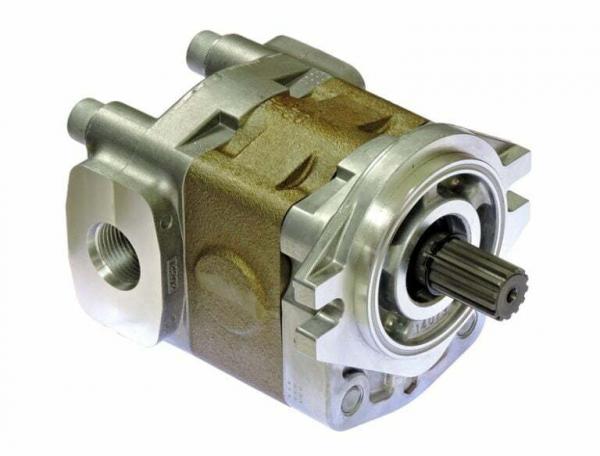
Here’s an image illustrating a gear‑type hydraulic pump, similar to the auxiliary pump found on Cat 323D/320D series excavators—it helps visualize the component central to the discussion.
Overview of Auxiliary Hydraulic Pump Functionality
Auxiliary hydraulic pumps on Cat 323D and 320D excavators extend the machine’s utility by supplying hydraulic power beyond the primary control of boom, stick, and bucket. This pump enables operation of work tools such as hydraulic breakers, augers, shears, or specialized attachments without interfering with core systems. It ensures constant auxiliary fluid flow, independent of main control valves.
Technical Breakdown and Terminology - Auxiliary Hydraulic Pump: An additional, dedicated pump that supplies hydraulic flow to external tools, protecting the primary circuit from pressure drops or interference.
- Pilot Valve: Acts as a control gate—capturing operator input and regulating how auxiliary flow is directed.
- Work Tools: Attachments like breakers, grapples, or augers that require dedicated hydraulic power beyond the loader’s built-in control circuit.
Installation and Compatibility Notes- These pumps are often integrated at the factory or offered as OEM optional kits for retrofitting.
- Proper installation typically involves mounting the pump near the hydraulic pump housing and routing new hydraulic lines to pilot valves.
- Ensuring compatibility with existing control logic and hydraulic flow/pressure ratings is essential to prevent malfunctions or damage.
Real-World Examples and Anecdotes- Emergency Response Use Case: A demolition contractor installed an auxiliary pump on a Cat 323D to operate a high‑flow breaker. The added pump allowed simultaneous tool deployment and boom control—dramatically speeding up workflow and improving safety.
- Remote Forestry Work: Forestry operators retrofitted a 320D with an auxiliary pump to power log grapples without unloading the operator’s flow share—boosting efficiency during remote roadbuilding and clearing.
Maintenance and Reliability Insights
Maintaining this system involves:- Regular inspection of auxiliary pump and line integrity to prevent leaks.
- Verifying flow rates against tool specifications—many attachments rely on consistent GPM (gallons per minute); deviations can impair performance or harm tools.
- Cleaning filters and checking pressure control valves to ensure proper response under load.
Summary List of Key Benefits- Enables simultaneous operation of multiple hydraulic functions and attachments.
- Offers efficient, tool‑specific hydraulic delivery without compromising main excavator functions.
- Enhances machine versatility across demolition, forestry, utility, and rental applications.
- Supports seamless transition between attachments via pilot‑controlled switching.
Understanding the auxiliary hydraulic pump in these Cat models highlights how modern excavators can masterfully manage both primary operations and heavy-duty attachments with minimal compromise. If you’d like a deeper look at specific installation steps, part numbers, or troubleshooting advice, feel free to ask—I’d be happy to help!
|
|
|
|
| Decoding the 'DOF' Fault on a 2015 Cat 924K Loader |
|
Posted by: MikePhua - 08-08-2025, 09:56 PM - Forum: Troubleshooting & Diagnosing
- No Replies
|
|
Understanding the Mystery Behind ‘DOF’ Fault Codes
When you encounter an unfamiliar fault code like “DOF” on a Cat 924K loader, it often points to something related to “Depth of Flow,” “Drive Oil Filter,” or perhaps “Digital Oil Flow.” Without official documentation, operators often interpret it using logic and diagnostics. This ambiguity can be frustrating yet also sparks curiosity—leading many to become equipment code sleuths.
Initial Diagnostic Steps and Operator Strategies
Operators often start by: - Power cycling the machine—switching the ignition fully off, waiting a minute, then restarting, to see if the code resets
- Recording the exact conditions when the code appears—load weight, engine revs, hydraulic temperature, or terrain type
- Checking onboard diagnostic tools or service manuals (if available) for clues to interpret the cryptic code
A contractor in Montana shared how their loader threw “DOF” only under heavy bucket loads, usually on rocky terrain. A dealer’s response: it could be sensing abnormal hydraulic flow.
Potential Meaning: Hydraulic Flow or Oil Filter Concern
While “DOF” lacks formal definition, informed guesses suggest it might signal:- Digital Oil Filter issue—perhaps a bypass valve fault or full-element detection
- Depth-of-Flow sensor failure—monitoring downstream hydraulic flow rates
- Drive Oil Flow warning—indicating the front-wheel-drive circulation is disrupted
Clarified terminology:- Hydraulic flow sensor: Monitors oil flow in key circuits; deviations often trigger fault signals
- Oil filter bypass valve: Opens when filtration element is clogged, allowing unfiltered oil to flow and potentially causing sensor alerts
- Drive oil circuit: Lubricates wheel hubs or drive motors; interruptions raise performance concerns
Troubleshooting Path and Practical Checks
Here’s a step-by-step list technicians commonly conduct:- Inspect relevant hydraulic hoses and fittings for kinks or restricted flow
- Measure hydraulic pressure and flow rates using diagnostic tools—especially in drive or loader arms
- Replace or clean oil filter elements, then clear codes and retest under load
- Monitor oil temperature and viscosity—thick or overheated fluid can mimic restriction faults
- Review service logs—if similar codes recurred after coolant or fluid changes, connections and compatibility could be suspect
Real-World Examples and Anecdotes
A medium-duty application near Denver experienced “DOF” codes after extended operation on hot summer days. The culprit turned out to be an aftermarket oil—its lower viscosity at high temps falsely triggered a flow sensor alarm. Reverting to OEM-grade hydraulic fluid cleared the issue.
In another case, a loader working at a marine construction site had saltwater corrosion on sensor wiring near the hydraulic manifold. Cleaning and resealing the connectors halted fault recurrence—demonstrating how environmental factors can masquerade as mechanical failures.
Preventive Maintenance and Sensor Care
Operators and maintenance crews can mitigate “DOF”-like codes by:- Performing regular oil sampling and analyzing for viscosity, contaminants, or wear particles
- Replacing hydraulic filters on schedule—and labeling replacements with install date and hours
- Inspecting electrical connectors near hydraulic components for corrosion or water ingress
- Conducting pre-shift flow checks, especially under maximum load or when using heavy attachments
Interpretive Summary: What 'DOF' Might Mean- Could point to hydraulic flow or drive oil flow irregularities affecting loader performance under strain
- Might be related to filter bypass condition if oil is unfiltered due to clogging upstream
- Sensor or wiring issues—especially under rust-prone or dusty conditions—should not be overlooked
Closing Thoughts
A cryptic “DOF” code on a robust machine like the Cat 924K loader can feel like a riddle. Yet, a methodical diagnostic approach—combining fluid checks, filter changes, sensor inspection, and environmental awareness—often reveals the answer. In several real-world scenarios, simple fixes like returning to proper hydraulic oil, cleaning connectors, or servicing filters have averted downtime.
If you can gather details about the alert’s frequency, operating context, or specific symptoms, we can further refine the diagnosis or propose more targeted tests.
|
|
|
|
|



