| Welcome, Guest |
You have to register before you can post on our site.
|
| Forum Statistics |
» Members: 79
» Latest member: cioCruch
» Forum threads: 47,411
» Forum posts: 47,417
Full Statistics
|
| Online Users |
There are currently 672 online users.
» 0 Member(s) | 660 Guest(s)
Ahrefs, Amazon, Applebot, Baidu, Bing, Claude, DotBot, Google, MJ12, Semrush, Seznam
|
| Latest Threads |
Identifying and Sourcing ...
Forum: Parts , Attachments & Tools
Last Post: MikePhua
01-07-2026, 06:29 PM
» Replies: 0
» Views: 509
|
Cat 931B Brake Parts
Forum: Parts , Attachments & Tools
Last Post: MikePhua
01-07-2026, 06:29 PM
» Replies: 0
» Views: 281
|
Choosing Between Cat 228,...
Forum: General Discussion
Last Post: MikePhua
01-07-2026, 06:28 PM
» Replies: 0
» Views: 533
|
Hydraulic Delay When Lowe...
Forum: Troubleshooting & Diagnosing
Last Post: MikePhua
01-07-2026, 06:27 PM
» Replies: 0
» Views: 438
|
Bale Chopper and Mulcher ...
Forum: General Discussion
Last Post: MikePhua
01-07-2026, 06:26 PM
» Replies: 0
» Views: 316
|
Mini UC Maintenance
Forum: General Discussion
Last Post: MikePhua
01-07-2026, 06:25 PM
» Replies: 0
» Views: 305
|
Locating Wiring Informati...
Forum: General Discussion
Last Post: MikePhua
01-07-2026, 06:24 PM
» Replies: 0
» Views: 339
|
Case Industrial Brown Sub...
Forum: Parts , Attachments & Tools
Last Post: MikePhua
01-07-2026, 06:23 PM
» Replies: 0
» Views: 274
|
Dirt Work in West Virgini...
Forum: Construction & Urban Infrastructure Forum
Last Post: MikePhua
01-07-2026, 06:23 PM
» Replies: 0
» Views: 371
|
D207 P Hydraulic Steering...
Forum: Parts , Attachments & Tools
Last Post: MikePhua
01-07-2026, 06:22 PM
» Replies: 0
» Views: 301
|
|
|
| Towing an 8,500-Pound SANY 35U Excavator with a Chevrolet Silverado 1500: Capabilities and Considerations |
|
Posted by: MikePhua - 08-08-2025, 10:32 PM - Forum: General Discussion
- No Replies
|
 |
Introduction to Towing Small Excavators with Pickup Trucks
The task of towing heavy construction equipment like a mini excavator requires careful evaluation of both the towing vehicle and the load. The Chevrolet Silverado 1500 is a popular full-size pickup truck known for its towing capabilities, but pulling an 8,500-pound compact excavator such as the SANY 35U pushes the limits of many half-ton trucks. Understanding the factors involved ensures safety and preserves equipment integrity.
Specifications Overview - SANY 35U Excavator Weight: Approximately 8,500 pounds (operating weight)
- Chevrolet Silverado 1500 Towing Capacity: Varies by model year, engine, and configuration, generally ranging from 7,000 to 13,300 pounds with proper towing package
- Trailer Weight: Dependent on trailer type but can add 1,500 to 3,000 pounds for equipment trailers
Key Factors Affecting Towing Capability- Gross Combined Weight Rating (GCWR): Maximum allowable combined weight of truck, trailer, and load
- Gross Vehicle Weight Rating (GVWR): Max weight truck can safely carry including passengers and cargo
- Trailer Tongue Weight: The downward force the trailer exerts on the hitch, typically 10-15% of trailer weight
- Hitch Rating: The maximum weight the hitch and ball can safely handle
- Truck Configuration: Engine type (V6, V8, diesel), axle ratio, and transmission affect towing performance
Practical Considerations When Towing a SANY 35U- Trailer Selection: Using a heavy-duty, properly rated equipment trailer with brakes is crucial to manage the load safely.
- Weight Distribution: Properly distributing the excavator’s weight on the trailer prevents sway and improves control.
- Braking Systems: Trailer brakes should be in good condition and compatible with the truck’s brake controller for effective stopping power.
- Towing Package: Trucks equipped with towing packages generally include upgraded cooling systems, transmission coolers, and suspension components to handle heavy loads better.
- Speed and Terrain: Towing on flat, paved roads at moderate speeds reduces stress; steep grades and rough terrain require additional caution.
Terminology Explained- GCWR (Gross Combined Weight Rating): Maximum combined weight of the truck, trailer, cargo, passengers, and fuel.
- Tongue Weight: The downward force the trailer hitch places on the rear axle of the tow vehicle.
- Towing Package: A factory or aftermarket package that enhances a vehicle’s towing capability.
- Axle Ratio: The gear ratio of the truck’s rear axle, influencing towing power and fuel efficiency.
Safety Tips for Towing- Always check the vehicle and trailer ratings before towing.
- Inspect the trailer hitch, safety chains, lights, and brakes before every trip.
- Use proper towing mirrors for increased visibility.
- Avoid sudden acceleration, braking, and sharp turns while towing.
- Regularly monitor transmission and engine temperatures during towing.
Case Study: Silverado 1500 Towing Experience
An owner of a Chevrolet Silverado 1500 shared their experience towing a SANY 35U mini excavator loaded on a dual-axle equipment trailer. The truck was a 2018 model with a V8 engine and towing package. The owner noted:- The combined load approached the upper limits of the truck’s GCWR.
- Upgraded trailer brakes and a proportional brake controller were essential for safe stopping.
- Driving on highways required reducing speed to maintain control and reduce strain.
- Pre-trip inspections and slow acceleration reduced trailer sway.
- The truck’s transmission temperature gauge was monitored closely to avoid overheating.
This real-world example highlights the importance of matching truck capabilities with load and trailer characteristics for safe equipment transport.
Summary of Key Points- SANY 35U weighs ~8,500 lbs; Silverado 1500 max towing varies 7,000–13,300 lbs
- Trailer weight adds significant load; must be factored into GCWR
- Proper trailer and hitch ratings are critical
- Towing package and truck configuration affect performance
- Safe towing requires attention to speed, braking, and vehicle condition
Conclusion
Towing an 8,500-pound SANY 35U with a Chevrolet Silverado 1500 is feasible with the right truck configuration, towing equipment, and safety practices. Operators should always verify ratings, use appropriate trailers with braking systems, and drive cautiously to maintain control and prevent damage.
Proper preparation, routine inspections, and understanding the mechanics of towing help ensure both the excavator and truck are transported safely and efficiently.
|

|
|
| Hitachi 120‑2 Excavator: Tackling Throttle Control Glitches |
|
Posted by: MikePhua - 08-08-2025, 10:31 PM - Forum: Troubleshooting & Diagnosing
- No Replies
|
|
Decoding the Throttle System
The Hitachi 120‑2 employs an electronic throttle mechanism—commonly called the "EC motor"—which adjusts engine speed via a controller, relay, wiring, and a mechanical linkage to the injector pump. This system responds to ignition position and control panel input, calibrating throttle smoothly. When misaligned, corroded, or malfunctioning, this network can manifest serious throttle irregularities.
Typical Symptoms of Faulty Throttles - Engine starts but stalls when switching to idle.
- Throttle motor runs constantly or “jumps” between on/off.
- Power inconsistencies when switching between modes like "P" and "idle."
- Clicking relays, skewed voltages, or throttles that freeze at high RPM despite input.
Technical Terms to Know- EC Motor: Electric actuator that sets throttle via linkage control.
- Relay Legs: Electrical terminals in a relay; misvoltages here indicate grounding or controller issues.
- Pump Valve Controller (PVC): A controller module managing throttle or pump-related circuitry.
- Engine Learning Procedure: A setup routine enabling throttle systems to recalibrate after repairs or replacements; typically involves toggling the key in “P” mode, waiting, then powering system off.
Insights from Field Experience
One technician shared a scenario where a greymarket Hitachi 120‑2 had a problematic stop motor due to faulty wiring—once fixed, the EC motor relay displayed around 1 V in the wrong relay leg (leg 2). According to the manual, this should never be energized. Plugging the relay back in changed voltage readings to 24 V, but the throttle refused to work. When probing the corresponding circuit (pin 104 on the PVC), the voltage shifted from 24 V (key off) to 1.5 V (key on). Such anomalies pointed to a likely issue in the engine controller logic, not the motor or wiring alone.
In another case, a greymarket excavator’s throttle control kept strobing due to incorrect wiring in the pump access area—essentially two connectors had been plugged into wrong positions. Once corrected and followed by the engine learning cycle (key on → P mode → wait → key off), the throttle became functional again.
Older user reports have also pointed toward intermittent ground faults or deteriorated harnesses—especially where harnesses run near hydraulic pumps or cab floors, getting rubbed, exposed to oil, or prone to deterioration.
Practical Diagnostic Checklist- Measure voltage at EC motor relay legs—expect proper grounding behavior (key-off high, key-on grounded).
- Inspect wiring and connectors near the pump access—ensure no mismatched plug connections.
- Watch EC motor behavior with a camera or visual—stuck or growling movement suggests control rather than mechanical failure.
- Run the engine learning cycle after any repairs to recalibrate throttle control system.
- Evaluate overall harness health—especially near hot, oily, or abrasive areas.
A Real‑World Scenario
Picture this: a workshop receives a 120‑2 that revs uncontrollably, with nonexistent idle response. No fault codes appear on the screen. Techs bring in digital diagnostics, but everything seems within spec. Tracing errors through the wiring harness, they eventually identify two wires tucked behind the pump that were plugged into the wrong terminals after a prior repair. Swapping them back, followed by the learning procedure, restores normal throttle behavior. Operator control is regained—the machine idles, revs, and shuts off precisely when expected.
Why It Matters- Safety and Control: Unpredictable throttle behavior is a serious hazard for operators and nearby personnel.
- Efficiency: Small wiring mistakes or failed calibrations can result in costly downtime.
- Diagnostics Savvy: Understanding throttle systems—motor, controller, harness, learning cycle—empowers faster, more reliable repair outcomes.
|
|
|
|
| Troubleshooting the Komatsu HM350: Cranks But No Start Issue |
|
Posted by: MikePhua - 08-08-2025, 10:31 PM - Forum: Troubleshooting & Diagnosing
- No Replies
|
|
Introduction to the Komatsu HM350 Articulated Dump Truck
The Komatsu HM350 is a robust articulated dump truck widely used in mining, construction, and heavy-duty hauling. Equipped with a powerful diesel engine and advanced electronic control systems, it offers reliable performance in demanding environments. However, like any complex machinery, it can encounter operational issues such as “cranks but no start,” where the engine turns over but fails to ignite.
Understanding the “Cranks But No Start” Condition
When the engine cranks but does not start, it means the starter motor engages and rotates the engine, but combustion does not occur. This problem can arise from several causes including fuel delivery issues, air supply problems, or electrical faults.
Common Causes of No Start on Komatsu HM350 - Fuel Delivery Problems
- Empty or contaminated fuel tank
- Faulty fuel pump or fuel pump relay
- Clogged fuel filters restricting flow
- Air trapped in fuel lines causing vapor lock
- Malfunctioning fuel injectors or injector pump
- Air Intake and Compression Issues
- Dirty or clogged air filters reducing airflow
- Faulty turbocharger or intake leaks
- Low engine compression from worn piston rings or valves
- Electrical and Sensor Failures
- Defective crankshaft or camshaft position sensors
- Malfunctioning engine control unit (ECU) or electronic control module (ECM)
- Faulty glow plugs or ignition system components in cold conditions
- Wiring harness damage or loose connections
- Safety Interlocks and System Locks
- Activated emergency stop or safety interlock systems preventing start
- Transmission or parking brake switches signaling the ECU to inhibit starting
Diagnostic Approach
- Visual and Preliminary Checks
- Verify fuel level and quality
- Inspect fuel lines and filters for leaks or blockages
- Check air filter condition and intake system integrity
- Examine battery charge and starter function
- Fuel System Testing
- Prime the fuel system to remove air
- Measure fuel pressure at the pump and injectors
- Test operation of fuel pump relay and injectors
- Electrical System Diagnosis
- Scan for diagnostic trouble codes (DTCs) using Komatsu’s diagnostic software
- Test sensors related to engine timing and fuel delivery
- Inspect wiring for continuity and shorts
- Mechanical Evaluation
- Conduct compression tests on cylinders
- Assess condition of glow plugs in cold weather
- Safety System Verification
- Check status of emergency stop and interlock switches
- Confirm transmission and brake switch positions
Terminology Explained- Vapor Lock: Air bubbles in fuel lines preventing fuel from reaching injectors.
- ECU/ECM (Engine Control Unit/Module): Onboard computer managing engine functions.
- DTC (Diagnostic Trouble Code): Error codes generated by the ECU for troubleshooting.
- Glow Plugs: Devices heating the combustion chamber to aid cold starting in diesel engines.
- Interlock System: Safety mechanism preventing engine start under unsafe conditions.
Real-Life Example
In a mining operation, an HM350 failed to start after refueling. Technicians found that air had entered the fuel system, causing vapor lock. After bleeding the fuel lines and replacing a clogged fuel filter, the truck started normally. This case highlights the importance of proper refueling procedures and routine filter maintenance.
Maintenance Tips to Prevent No Start Issues- Use clean, high-quality fuel and avoid contamination
- Regularly replace fuel and air filters according to schedule
- Inspect and maintain fuel pumps and injectors
- Ensure battery and starter are in good condition
- Perform periodic sensor diagnostics and update ECU software if needed
- Train operators on proper shutdown and start procedures to avoid interlock activation
Summary of Troubleshooting Steps- Check fuel supply and filter condition
- Verify air intake and engine compression
- Scan and interpret diagnostic codes
- Inspect electrical wiring and sensor functionality
- Confirm safety system and interlocks are disengaged
Conclusion
The “cranks but no start” issue on the Komatsu HM350 often stems from fuel delivery complications, sensor faults, or safety interlocks. A systematic approach combining visual inspections, diagnostic scanning, and mechanical testing allows effective identification and resolution of the root cause. Regular maintenance and operator training reduce the likelihood of such problems, ensuring reliable machine availability and minimizing downtime.
|
|
|
|
| Mastering the Hyundai Robex Excavator: Insights, Fixes, and Field Wisdom |
|
Posted by: MikePhua - 08-08-2025, 10:30 PM - Forum: General Discussion
- No Replies
|
|
Understanding Its Appeal and Versatility
The Hyundai Robex excavator series, ranging from compact models to heavy-duty giants, is renowned for combining robust engineering with operator-friendly design. Its ergonomic cab layouts, intuitive controls, and efficient powertrains make it a staple at construction sites, infrastructure projects, and industrial heavy-lift operations.
Key Operational Strengths and Innovations - Efficient Powertrain
Robust Tier‑compliant engines deliver a balance of fuel efficiency and torque, ensuring strong digging force and smooth throttle response.
- Hydraulic Performance
Responsive hydraulic systems maintain consistent boom and bucket control—crucial for precision trenching and grading tasks.
- Operator Comfort Features
Spacious cabs, low-noise operation, and simplified control panels reduce fatigue on long shifts.
- Maintenance Accessibility
Convenient service points—such as grouped fluid ports and fold-down panels—streamline routine checks and repairs.
Terminology Highlights- Tier‑compliant Engine: Engines designed to meet emissions regulations (e.g., Tier 4 Final) while sustaining performance and efficiency.
- Hydraulic Back‑Pressure: The resistance fluid experiences returning to the reservoir; excessive back-pressure can lead to sluggish hydraulics or heat buildup.
- Pilot Control System: A hydraulic control method that uses low-pressure signals to direct high‐flow main valves, enabling smooth yet responsive movement.
- Boom Drift: The gradual, uncontrolled descent of the boom or arm when hydraulic pressure leaks—often due to seal wear.
A Field Story: When the Arm Slips After Coffee Break
On a suburban site, an operator named Leo grabbed coffee and returned to find the Robex’s boom drifting despite controls in neutral. He suspected hydraulic leakage. Inspection revealed worn boom seals causing slow hydraulic bleed. Replacing those seals halted the drift, restoring the boom’s lock-in-place stability and saving time on re-aligning tasks.
Common Operational Hiccups and Solutions- Boom Drift after Idling
Typically stems from worn seals, internal valve leaks, or pilot system pressure loss. Remediated by replacing seals, servicing pilot valves, or purging air.
- Slow Response in Cold Starts
Thicker hydraulic fluid at low temperatures causes sluggish controls. Install a cold‑weather viscosity fluid or use pre‑start warm‑up routines to preserve responsiveness.
- Engine Overheating in Heavy-Duty Work
Radiator blockage or fan clutch failure can cause heat buildup. Cleaning the cooling system or replacing the fan clutch often restores proper temperature regulation.
- Erratic Movement under Load
Irregular motion—especially in swing or lift functions—may result from air in the hydraulic circuit or a worn control valve. Bleeding hydraulics and inspecting the valve for wear addresses the root cause.
Industry Insight: News and Application Trends
Some logistics firms have started integrating hybrid models of medium-class Hyundai excavators into urban projects. These hybrids reduce noise and exhaust emissions—especially important in sensitive zones. Early reports show fuel savings up to 20 percent and less disruption to communities during overnight construction.
Diagnostic Checklist- Inspect boom and arm seals for signs of wear or oil seepage.
- Purge and refill hydraulic fluid if air bubbles or foaming are present.
- Verify fluid viscosity suits current climate or consider switching to a low-temperature grade.
- Examine radiator fins, coolant levels, and fan clutch operation.
- Test hydraulic control valves for spongy or inconsistent movement; rebuild if necessary.
Bonus Story: Night‑Time Noise Reduction
In a late-evening build near a hospital, a Hyundai Robex hybrid was deployed. Its ultra‑quiet electric assist mode enabled excavation for several hours without disturbing patients. As dawn broke, the operator remarked on how the gentle hum—rather than roar—made the work feel almost… calm.
Wrapping Up
The Hyundai Robex excavators are champions of reliability, ergonomics, and operational finesse. Their strengths shine through diverse tasks—from city utility digs in tight operations to large-scale earthmoving. Still, common challenges like hydraulic leaks, temperature-related delays, or overheats can arise—yet they're usually fixable with targeted maintenance, guided by systematic checks. With proper care and awareness, the Robex remains a trusted ally across construction, urban work, and beyond.
Let me know if you'd like an in-depth troubleshooting diagram or tips for a specific Robex model or configuration next!
|
|
|
|
| Comprehensive Overview of Medium Duty Trucks: Types, Uses, and Considerations |
|
Posted by: MikePhua - 08-08-2025, 10:30 PM - Forum: General Discussion
- No Replies
|
|
Introduction to Medium Duty Trucks
Medium duty trucks occupy an essential niche in the transportation and logistics industries. They bridge the gap between light-duty pickups and heavy-duty commercial vehicles, offering a balance of payload capacity, maneuverability, and operational cost. These trucks typically fall into Class 4 to Class 6 categories, based on their Gross Vehicle Weight Rating (GVWR), ranging approximately from 14,001 to 26,000 pounds.
Classification and Specifications
Medium duty trucks are classified primarily by their GVWR: - Class 4: 14,001 - 16,000 lbs
- Class 5: 16,001 - 19,500 lbs
- Class 6: 19,501 - 26,000 lbs
Within these classes, trucks vary widely in configuration and capability depending on intended use.
Common Types of Medium Duty Trucks- Box Trucks (Straight Trucks)
Enclosed cargo areas used for deliveries and freight transport. Often equipped with lift gates or roll-up doors.
- Flatbed Trucks
Open platforms suited for hauling heavy machinery, building materials, or irregularly shaped cargo.
- Dump Trucks
Featuring hydraulic beds for transporting loose materials like sand, gravel, or demolition waste.
- Tow Trucks and Car Carriers
Used for vehicle recovery and transport.
- Service and Utility Trucks
Outfitted with tool compartments, cranes, or specialized equipment for field service work.
Engine and Drivetrain Considerations
Medium duty trucks usually feature more robust powertrains than light trucks, with common engine types including:- Diesel Engines
Favored for torque, fuel efficiency, and longevity. Brands such as Cummins, Caterpillar, and Detroit Diesel are prevalent.
- Gasoline Engines
Sometimes preferred for lower upfront cost and lighter weight applications.
- Transmission Options
Manual transmissions offer control and reliability, but automatic and automated manual transmissions (AMTs) are increasingly common for ease of use and fuel savings.
Applications and Industries
Medium duty trucks serve diverse sectors, including:- Construction: Transporting materials, tools, and equipment to and from job sites. Dump trucks and flatbeds are common.
- Delivery and Logistics: Box trucks dominate in last-mile delivery, courier services, and small freight hauling.
- Municipal Services: Utility trucks, snow plows, and street sweepers often fall into this category.
- Landscaping and Agriculture: Carrying plants, soil, equipment, and feed.
Terminology Explained- GVWR (Gross Vehicle Weight Rating): The maximum allowable total weight of the truck and its load.
- Chassis Cab: A truck frame with a cab but without a factory-installed cargo body, allowing customization.
- Wheelbase: The distance between front and rear axles, affecting maneuverability and stability.
- Payload Capacity: The maximum weight a truck can carry, excluding its own weight.
Maintenance and Operational Considerations- Regular Inspections: Brake systems, tires, and suspension components require frequent checks due to heavier loads.
- Fluid Management: Diesel engines necessitate monitoring fuel quality, oil, and coolant levels closely.
- Driver Training: Operating medium duty trucks often requires additional licensing and skills due to size and handling differences.
- Cost Factors: Fuel economy, insurance, maintenance, and downtime influence total cost of ownership.
Industry Trends and Developments- Electrification: Electric medium duty trucks are gaining traction with models offering zero emissions for urban delivery fleets.
- Telematics and Fleet Management: Advanced software helps monitor vehicle health, optimize routes, and improve driver safety.
- Enhanced Safety Features: Collision avoidance, lane departure warnings, and adaptive cruise control are becoming more common.
Real-World Example: Medium Duty Truck in Construction
A regional construction company replaced aging Class 5 trucks with newer models featuring diesel engines and automated transmissions. The result was improved fuel efficiency by 15% and reduced driver fatigue. The flatbed configurations enabled easier transport of heavy materials, contributing to project timelines being shortened.
Summary of Medium Duty Truck Characteristics- GVWR typically 14,001 - 26,000 lbs
- Versatile body styles including box, flatbed, dump, and utility
- Powered mainly by diesel engines with growing gasoline and electric options
- Serve industries from construction and delivery to municipal and agriculture
- Require diligent maintenance and skilled operation
Conclusion
Medium duty trucks are a vital link in the commercial vehicle spectrum, combining payload capability with manageable size. Selecting the right model involves understanding specific application needs, engine and drivetrain options, and maintenance requirements. As technology advances, these trucks continue to evolve, offering operators improved efficiency, safety, and environmental performance.
For fleet managers and operators, investing in proper training and upkeep ensures the medium duty truck fleet remains reliable and cost-effective over its operational life.
|
|
|
|
| Cat 988B Loader: Diagnosing Brake‑Steering Challenges |
|
Posted by: MikePhua - 08-08-2025, 10:29 PM - Forum: Troubleshooting & Diagnosing
- No Replies
|
|
Understanding the Integration of Braking and Steering
On machines like the Cat 988B wheel loader, the braking and steering systems often share components or hydraulics because steering is achieved by modulating hydraulic pressure to each wheel. If braking components—such as servo brakes or hydraulic accumulators—are worn or leaking, steering responsiveness may degrade or feel uneven.
Common Underlying Causes of Brake‑Steering Symptoms - Worn Brake Servo or Linkage
If the servo mechanism that aids brake application becomes weak, you might sense sluggish deceleration or uneven steering as brakes struggle to hold the machine on sloped surfaces.
- Hydraulic Fluid Deterioration or Leakage
Brake systems often rely on pressurized fluid. If contamination, low levels, or a loose hose exist, both braking and steering could feel spongy or intermittently unresponsive.
- Steering Valve Malfunction
The steering control valve can leak internally—particularly if its spools stick—causing some cylinders to bleed off and resulting in asymmetric steering and decel behavior under brake application.
- Structural Binding in Steering Knuckles or Wheels
Physical bind at the steering joints can create unexpected resistance during brake engagement—making one side grab before the other.
Terminology Notes- Brake Servo: A mechanism that boosts driver force applied to the brake pedal or lever—often via hydraulic multiplication or air pressure—to improve braking efficiency.
- Hydraulic Accumulator: A fluid‑pressure storage device that releases stored energy to assist braking or steering, especially under peak load or response lag.
- Spool Valve: A sliding valve inside the steering control that lets fluid flow selectively to steer cylinders; wear or contamination can cause leaks or sluggish responses.
- Wheel Knuckle Binding: A physical resistance in the steering pivot, often the result of worn bushings, dried lubrication, or misalignment, leading to inconsistent steering feel.
Real‑World Insight: Stories from the Yard
- Unexpected Drift on the Ramp
A loader operator was descending a steep loading ramp when suddenly one side seemed to lose steering control upon braking. After investigation, the brake servo diaphragm was found cracked—losing pressure when braking. Replacing the diaphragm restored smooth, centered control immediately.
- Spongy Brake That Skewed Turns
At a quarry, one Cat 988B felt dangerously soft when braking into turns. Mechanics found that the hydraulic fluid’s condition had deteriorated, with entrained air due to a slow leak in a return hose. After flushing the system and replacing the hose, both brake and steering response returned to normal.
- Stuck Spool, Lopsided Steering
In a maintenance incident, operators noticed that one turn felt firmer than the other under braking. The steering valve’s spool had debris buildup, causing it to stick—leading to sluggish fluid flow to one cylinder. Cleaning and reconditioning the valve cured the issue, and steering became as precise as ever.
Troubleshooting Guide- Inspect brake servo components (diaphragm, linkages) for cracks or wear.
- Check hydraulic fluid level, condition, and signs of foam or air entrapment.
- Look for leaks in hoses, fittings, and cylinders around the brake and steering circuits.
- Clean or rebuild the steering spool valve if internal leakage is suspected.
- Evaluate steering knuckles for binding—grease joints, inspect bushings, and check alignment.
Why It Matters- Enhancing Safety: Uneven or delayed steering under braking can lead to dangerous drift, especially on inclines or slippery surfaces. Addressing the issue is critical to operator control.
- Preserving Longevity: Keeping hydraulic fluid clean and leak-free prevents accelerated component wear—saving time and repair costs.
- Improving Operator Confidence: A loader that brakes and steers predictably builds trust—not just in equipment performance, but in site safety culture.
Summary of Key Checks in List Format- Brake servo inspection
- Hydraulic fluid condition and air entrapment
- Hose and fitting leak checks
- Steering valve (spool) cleaning or rebuild
- Steering knuckle lubrication and alignment
Closing Thoughts
When a Cat 988B wheel loader exhibits odd brake‑steering behavior—such as asymmetric turning under braking or spongy response—the root cause often lies in hydraulic or control components operating at their limits. By inspecting brake servos, fluid condition, steering valves, and mechanical bindings, technicians can restore smooth, reliable control—making the difference between cautious handling and confident operation. Let me know if you’d like a breakdown of any hydraulic circuit diagram or deeper analysis of a specific component next!
|
|
|
|
| Troubleshooting No Swing Brake on Caterpillar 320L Serial Number 9KK |
|
Posted by: MikePhua - 08-08-2025, 10:29 PM - Forum: Troubleshooting & Diagnosing
- No Replies
|
|
Introduction to the Caterpillar 320L Swing System
The Caterpillar 320L is a popular medium-sized hydraulic excavator known for its versatility and reliability in construction and earthmoving. One critical component in its operation is the swing system, which allows the upper structure of the excavator to rotate smoothly on the undercarriage. The swing brake plays an essential role in safely holding the upper structure in place when the operator stops swinging the boom.
Understanding the Swing Brake Function
The swing brake is a mechanical or hydraulic device that locks the swing bearing or pinion gear to prevent unwanted rotation. This is crucial for maintaining stability during digging operations, traveling, or when the machine is parked on uneven terrain.
The brake is typically engaged automatically when the swing control joystick is neutral or manually through system commands. It ensures operator safety and protects mechanical components from excessive wear.
Common Symptoms When the Swing Brake Fails - Upper structure rotates freely even with controls in neutral
- Difficulty in precise boom positioning
- Increased wear on swing motor or bearing due to uncontrolled movement
- Audible grinding or unusual noises near the swing gear area
- Warning lights or error codes related to the swing system (depending on model and diagnostics capability)
Key Components Involved in the Swing Brake Assembly- Swing Brake Caliper or Disc: Applies friction force to stop rotation
- Swing Motor: Powers the rotation and interfaces with the brake system
- Swing Bearing: The large gear and bearing assembly supporting the upper structure
- Control Valves and Sensors: Regulate hydraulic pressure to the brake and monitor its status
- Electronic Control Module (ECM): In newer machines, controls brake engagement and diagnostics
Possible Causes for No Swing Brake on a Caterpillar 320L (Serial 9KK)- Hydraulic Pressure Loss: Insufficient pressure to engage the brake due to pump, hose, or valve failure
- Worn or Damaged Brake Pads/Discs: Mechanical wear reduces friction capability
- Hydraulic Leak: External or internal leaks reduce brake actuation force
- Control Valve Malfunction: Valve stuck open or closed, preventing brake engagement
- Sensor or ECM Fault: Faulty feedback signals can disable brake function for safety
- Incorrect Hydraulic Fluid Level or Quality: Contaminated or low fluid affects brake responsiveness
- Mechanical Damage to Swing Bearing or Motor: Excessive wear can cause misalignment affecting brake performance
Diagnostic Steps
- Visual Inspection
- Check hydraulic lines and fittings around the swing brake for leaks
- Inspect brake pads or discs for wear or damage
- Examine swing motor and bearing area for mechanical damage
- Hydraulic Pressure Test
- Use gauges to verify pressure at brake control valves during swing stop
- Confirm pump and system deliver specified pressure
- Electronic Diagnostics
- Connect to machine ECM with diagnostic software
- Check for stored fault codes related to swing brake or swing system
- Functional Testing
- Manually engage and disengage swing brake (if possible)
- Observe brake response and swing motor behavior
- Component Testing or Replacement
- Replace worn pads, faulty valves, or sensors as needed
- Rebuild or replace swing motor or bearing if mechanical damage is detected
Terminology Explained- Swing Motor: A hydraulic motor that rotates the excavator’s upper structure
- Swing Brake: Mechanism applying friction to stop swing motion
- ECM (Electronic Control Module): Computer controlling hydraulic and electrical functions
- Hydraulic Pressure: The force generated by hydraulic fluid to actuate components
- Swing Bearing: Large ring gear and bearing that supports rotation of the upper house
Case Example: Resolving No Swing Brake on a 320L
A field technician working on a 320L (serial number 9KK) encountered an issue where the upper structure would not hold position when swing controls were released. The excavator would slowly rotate, creating safety concerns on the jobsite.
Initial inspection revealed a significant hydraulic leak at the brake control valve. Further testing showed low pressure delivery to the brake actuator. Replacement of the valve and bleeding the hydraulic lines restored proper brake function. The operator noted immediate improvement in stability and control.
This case underlines the importance of hydraulic integrity in swing brake performance and how minor leaks can have serious operational impact.
Maintenance Tips to Prevent Swing Brake Failure- Regularly inspect hydraulic lines and fittings for leaks or damage
- Monitor brake pad thickness and replace before excessive wear
- Keep hydraulic fluid clean and at recommended levels
- Perform periodic diagnostic checks on swing system electronics
- Avoid abrupt or excessive swinging movements that strain the brake system
Summary: Common Causes and Solutions- Hydraulic leaks → Repair or replace hoses/valves
- Worn brake components → Replace brake pads/discs
- Control valve faults → Test and replace faulty valves
- Electronic faults → Diagnostics and ECM repair or reset
- Mechanical damage → Service swing motor and bearing assembly
Conclusion
The swing brake system on the Caterpillar 320L is a vital safety and operational component. When issues arise, such as the brake not engaging, it compromises machine control and safety. Systematic troubleshooting focusing on hydraulic, mechanical, and electronic subsystems ensures timely identification and repair.
Operators and technicians should prioritize regular maintenance and promptly address symptoms of brake failure. With careful attention, the 320L swing system can maintain reliable performance, extending machine life and enhancing jobsite safety.
|
|
|
|
| Iveco’s Journey: Innovation Stops and Road‑Ready Stories |
|
Posted by: MikePhua - 08-08-2025, 10:28 PM - Forum: General Discussion
- No Replies
|
|



From Roots to Roads
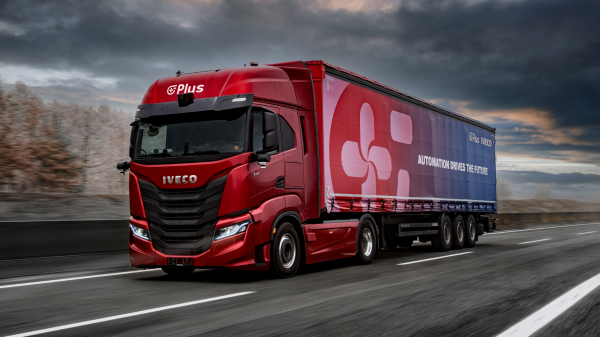
Once a division of a broader industrial group, Iveco blossomed into a leading global truck and commercial vehicle brand. It built a reputation on robust engineering, versatile product offerings—from lightweight city vans to heavy-duty haulage—and a widespread presence across continents.
Newsworthy Milestones and the Drive Toward Zero Emissions - Strong Business Momentum
The brand recorded solid operating profits thanks to its ability to weather supply-chain challenges and maintain steady pricing. Order backlogs remained healthy, indicating sustained demand for vehicles across segments.
- Pioneering Electric and Hydrogen Trucks
Iveco rolled out heavy-duty battery-electric (BEV) and fuel-cell electric (FCEV) trucks based on the S‑Way platform. The BEV offers up to 500 km of range with fast charging capability, while the hydrogen-powered FCEV reaches up to 800 km with refueling in under 20 minutes. Both leverage modular architecture and advanced powertrain collaborations.
- Autonomy in Motion
Partnering with autonomous driving specialist Plus, Iveco integrated Level‑4 automation into its S‑Way trucks. Having tackled closed-course trials, the team is moving toward supervised public testing—bringing self-driving future trucking onto European roads.
Terminology Toolbox- BEV (Battery Electric Vehicle): A truck powered entirely by battery-stored electricity—ideal for zero-emission operations.
- FCEV (Fuel Cell Electric Vehicle): Uses hydrogen fuel cells to generate electricity, combining long range with fast refueling.
- Modular Architecture: A design approach making a platform adaptable to different powertrains—be it diesel, electric, or hydrogen.
- Level‑4 Autonomy: Advanced automation allowing trucks to perform without human input under certain conditions—safety driver typically required for transitions.
Anecdotes from the Road
- A Silent Haul Through the Night
In a logistics hub, one operator noticed that the BEV truck glided almost whisper‑quiet, gliding past night-shift workers. The minimal noise, smooth acceleration, and precise control showcased how electrified trucks are already reshaping driver experience.
- Hydrogen Power Stretching Boundaries
On a cross-border haul, the hydrogen FCEV amazed the fleet manager—returning without a refill and completing the round trip in under 20 minutes at origin refuel. The manager quipped, “It’s like having jet fuel speed, diesel range, and an electric conscience on board.”
- Autonomous Test Drive in the Alps
On a winding stretch of road high in the Alps, the Level‑4-enabled S‑Way truck navigated tight curves with a human driver supervising closely. Onlookers were struck by the seamless steering and prompt speed adjustments—hinting at a future where trucks pilot themselves, especially in repetitive routes.
Real-World Applications- Commercial Fleets Reducing Emissions: Urban delivery fleets piloting BEVs saw nighttime noise complaints disappear and maintenance intervals extend thanks to fewer moving parts in electric drivetrains.
- Cross-Border Operators Embracing Hydrogen: With limited downtime and extended range, FCEVs have begun proving their worth in long-haul sectors, particularly across nations building hydrogen refueling infrastructure.
- Tech Integration on the Rise: Autonomous capabilities are being trialed not just in flatlands but also in varied geographics—across Germany, Switzerland, and Italy—reflecting Europe's diverse terrain as a proving ground.
Why It All Matters- Sustainability: Electric and hydrogen tech underpin efforts to reduce carbon emissions, aligning with global green transport goals.
- Efficiency: Fast refueling and long range cut downtime, increase fleet turnarounds, and drive operational value.
- Safety & Autonomy: Level‑4 systems promise reduced fatigue, consistent driving behavior, and paving the path toward fully unmanned logistics.
Technical Highlights in Lists
BEV Key Specs- Up to 500 km range
- 738 kWh total battery (9 modules)
- Charging at up to 350 kW
FCEV Key Specs- Up to 800 km range
- Refuel time under 20 minutes
- Holds 70 kg hydrogen at 700 bar
- High continuous power and torque for heavy hauling
In Closing
Iveco’s ongoing evolution—from bold electric and hydrogen mobility to pioneering autonomous trucks—demonstrates how a traditional heavy-duty brand can drive innovation without losing its rugged identity. Whether quietly delivering deep into the night, zipping through borders on clean power, or inching forward under digital command in Alpine passes, Iveco trucks are telling a story of transformation—where grit meets green, and roads meet tomorrow.
|
|
|
|
| Comprehensive Overview of the Kubota SVL75-2 Compact Track Loader |
|
Posted by: MikePhua - 08-08-2025, 10:27 PM - Forum: General Discussion
- No Replies
|
|
Introduction to the Kubota SVL75-2
The Kubota SVL75-2 is a versatile compact track loader widely used in construction, landscaping, agriculture, and utility work. Known for its robust build, reliable performance, and operator comfort, the SVL75-2 blends Kubota’s engineering legacy with modern hydraulic and electronic technologies. This model is well-regarded for its ability to operate efficiently in tight spaces and challenging terrains.
Engine and Performance - Engine Type: Kubota diesel, Tier 4-compliant, 3-cylinder
- Displacement: Approximately 1.6 liters
- Power Output: Around 74 horsepower
- Cooling System: Advanced cooling with thermostatic fan control to optimize temperature and efficiency
- Fuel Efficiency: Designed for lower consumption with optimized combustion and reduced emissions
The engine is matched with an advanced hydraulic system to deliver smooth, precise control for digging, lifting, and grading tasks.
Hydraulic and Drive System- Hydraulic Flow: High-flow and standard-flow options available, accommodating a wide range of attachments
- Hydrostatic Drive: Provides excellent traction and smooth acceleration with low operating noise
- Auxiliary Hydraulics: Two-way auxiliary hydraulics standard, supporting versatile implement operation
- Track System: Heavy-duty rubber tracks with steel inserts for durability on rough terrain
- Lift Capacity: Around 3,300 lbs rated operating capacity, suitable for demanding jobs
- Tipping Load: Approximately 6,600 lbs, ensuring stability under load
Operator Comfort and Safety- Spacious Cab: Fully enclosed with HVAC system, reducing operator fatigue in extreme weather
- Visibility: Large glass panels and strategically placed mirrors improve job site awareness
- Controls: Ergonomic joystick controls with optional fingertip auxiliary hydraulics
- Safety Features: Rollover Protective Structure (ROPS) and Falling Object Protective Structure (FOPS) certified
- Easy Access: Wide door opening and well-positioned steps simplify cab entry and exit
Maintenance and Serviceability
Kubota engineered the SVL75-2 for straightforward maintenance:- Easy Access Panels: Allow quick inspection and servicing of engine, filters, and hydraulics
- Grease Points: Centralized lubrication points simplify daily upkeep
- Fuel and Hydraulic Filters: High-quality, replaceable filters protect system longevity
- Diagnostic System: Onboard diagnostics assist in quick fault identification and troubleshooting
Common Use Cases- Construction Sites: Ideal for grading, trenching, and material handling in confined areas
- Landscaping: Efficient for loading, hauling, and shaping land with various attachments
- Agriculture: Handles feed transport, manure management, and light excavation
- Utility Work: Suitable for pipe laying, debris removal, and site preparation
Terminology Explained- Tier 4 Emissions Compliance: EPA standard limiting engine emissions for cleaner air
- Hydrostatic Drive: A type of transmission using fluid pressure to transfer power, allowing smooth variable speeds
- Rated Operating Capacity: The maximum load the machine can safely handle at full reach
- ROPS/FOPS: Safety standards protecting operators from rollovers and falling objects
Real-World User Experience
Operators report that the SVL75-2 balances power with agility. In a landscaping project in Colorado, users praised the machine’s ability to maneuver steep slopes and uneven terrain while maintaining strong hydraulic responsiveness for attachment control. Its quiet operation and comfortable cab also received positive feedback, especially during long shifts.
Maintenance Story
One user in the Midwest shared a maintenance anecdote: after 1,000 hours, they noticed slight track wear and proactively replaced the rubber tracks before failure. This preventative maintenance avoided costly downtime during a busy season. Regular filter changes and grease applications were highlighted as keys to the machine’s reliability over years of service.
Summary of Key Specifications- Engine Power: ~74 hp
- Operating Capacity: ~3,300 lbs
- Tipping Load: ~6,600 lbs
- Hydraulic Flow: High and standard flow options
- Track Width: Heavy-duty rubber tracks
- Emissions: Tier 4 compliant
- Safety: ROPS/FOPS certified
Conclusion
The Kubota SVL75-2 compact track loader stands out as a reliable, powerful, and operator-friendly machine designed for diverse heavy-duty applications. Its combination of efficient diesel power, advanced hydraulics, and ease of maintenance makes it a popular choice for contractors and operators who demand versatility and durability in tight or challenging job sites.
Regular upkeep, understanding the machine’s capabilities, and attention to operating environment help maximize the SVL75-2’s productivity and lifespan. This model exemplifies Kubota’s commitment to combining innovation with rugged performance.
|
|
|
|
| W2000 with Level Pro Grade‑Control: Enhancing Precision in Earthwork |
|
Posted by: MikePhua - 08-08-2025, 10:26 PM - Forum: General Discussion
- No Replies
|
|
Understanding Level Pro Grade‑Control Systems
Level‑control systems like “Level Pro” integrate GPS, laser, or ultrasonic sensors with hydraulic automation to maintain blade elevation and slope during earthmoving. These systems reduce reliance on manual eyeballing and string-line setups, enabling operators to achieve more accurate grading in less time.
Key Components and Functions - Sensors
These may include laser receivers, ultrasonic sensors, or GNSS/GPS modules that constantly monitor the blade’s position relative to a target elevation.
- Control Unit
A central processor interprets sensor data and sends commands to the hydraulic valves, adjusting blade height automatically.
- Hydraulic Actuators
These translate electronic signals into mechanical action, raising or lowering the grader’s blade with precision.
- Operator Interface
Usually a cab-mounted display showing current grade error, target elevation, and system status. Simple joysticks or buttons enable manual override.
Real‑World Analogy
Consider a self-parking car with sensors that detect curb distance and steer automatically. The operator doesn’t need to judge steering angle precisely—just select park mode and let the system execute. Similarly, a Level‑Pro system lets the grader focus on positioning while automation maintains the grade.
Small Story: From Frustration to Precision
On a rural road project, a grader operator named Maria was battling uneven shoulders and time pressure. Manual grading required multiple passes and frequent stakes. After installing a Level‑Pro system, Maria traced her cut with a single pass—blade level without guesswork. The project finished ahead of schedule and with tighter tolerances, impressing the foreman.
Terminology Notes- Grade Error: The difference between the current blade position and the desired grade; minimized by the control system.
- GNSS (Global Navigation Satellite System): Coordinates position using satellites; useful for open-area grading.
- Laser Receiver: A sensor that detects a rotating laser plane, providing precise elevation reference—especially in confined or no-GNSS zones.
- Hydraulic Proportional Valve: A valve that regulates fluid flow in proportion to the electrical signal, enabling smooth blade movement rather than abrupt shifts.
- Manual Override: A feature allowing the operator to bypass automation temporarily—for special maneuvers or fine adjustments.
Typical Operational Workflow with Level‑Pro- Define the target grade—e.g., plan a slope of 3%.
- Set up reference: either via GPS coordinates or laser benchmark.
- Engage Level‑Pro mode on the operator panel.
- Begin grading: as the blade contacts the ground, sensors detect elevation, and hydraulics maintain slope automatically.
- Monitor display: keep an eye on grade error; intervene manually as needed.
Lessons from Industry Cases
- Airport Runway Prep
On a runway extension, contractors used GNSS-based grade control on motor graders. Pavement base was done within ±½ inch of spec, saving thousands in material and rework. The precision enabled faster paving, reducing airstrip closure time.
- Mining Pit Slope
A quarry equipped several graders with laser-based systems. In cut-and-fill workflows, grade consistency meant safer ramp design and smoother truck movement, decreasing shovel cycle times by a full minute.
- Autonomous Road Builders
In Sweden, pilot projects have tested fully automated graders—no operator—where machine guidance systems follow digital terrain models (DTMs). Though not widespread yet, it shows the trajectory toward fully robotic earthmoving.
Advantages of Using Grade‑Control on W2000- Increased Productivity: Fewer passes needed for accuracy.
- Lower Operator Fatigue: No need for constant gauge-line checking.
- Material Savings: Accurate cuts reduce over‑excavation.
- Quality Assurance: Meets tight tolerances—vital for paving or foundation subgrades.
Considerations and Limitations- Setup Time: Initial calibration of sensors or GNSS reference can take time.
- Signal Interference: GPS signals may be weak under canopy or near slopes; lasers help but require clear line‑of‑sight.
- Costs: Grade-control systems add upfront expense and require periodic maintenance.
Preparing to Use Level‑Pro Effectively- Ensure the W2000’s hydraulic system is properly maintained—no leaks, correct fluid viscosity.
- Invest time in sensor calibration daily to avoid drift.
- Train operators to understand manual override—critical during complex tasks.
- Integrate quality checks: verify blade height occasionally with conventional leveling tools to confirm system accuracy.
Final Thoughts
Integrating a Level Pro grade-control system on the W2000 is like giving the machine a digital “third eye”—one that watches the blade continuously and silently adjusts for perfect grade. With familiar grounding in terms like GNSS, hydraulic control, and grade error, the benefits emerge clearly: precision, efficiency, and consistency. Whether building roads, airport bases, or slopes, such systems evolve graders from brute-force earthmoving tools into instruments of surgical accuracy.
|
|
|
|
|



