| Welcome, Guest |
You have to register before you can post on our site.
|
| Forum Statistics |
» Members: 79
» Latest member: cioCruch
» Forum threads: 47,411
» Forum posts: 47,417
Full Statistics
|
| Online Users |
There are currently 544 online users.
» 0 Member(s) | 533 Guest(s)
Ahrefs, Amazon, Applebot, Baidu, Bing, Claude, DotBot, Google, OpenAI, Semrush
|
| Latest Threads |
Identifying and Sourcing ...
Forum: Parts , Attachments & Tools
Last Post: MikePhua
01-07-2026, 06:29 PM
» Replies: 0
» Views: 518
|
Cat 931B Brake Parts
Forum: Parts , Attachments & Tools
Last Post: MikePhua
01-07-2026, 06:29 PM
» Replies: 0
» Views: 282
|
Choosing Between Cat 228,...
Forum: General Discussion
Last Post: MikePhua
01-07-2026, 06:28 PM
» Replies: 0
» Views: 544
|
Hydraulic Delay When Lowe...
Forum: Troubleshooting & Diagnosing
Last Post: MikePhua
01-07-2026, 06:27 PM
» Replies: 0
» Views: 440
|
Bale Chopper and Mulcher ...
Forum: General Discussion
Last Post: MikePhua
01-07-2026, 06:26 PM
» Replies: 0
» Views: 319
|
Mini UC Maintenance
Forum: General Discussion
Last Post: MikePhua
01-07-2026, 06:25 PM
» Replies: 0
» Views: 308
|
Locating Wiring Informati...
Forum: General Discussion
Last Post: MikePhua
01-07-2026, 06:24 PM
» Replies: 0
» Views: 343
|
Case Industrial Brown Sub...
Forum: Parts , Attachments & Tools
Last Post: MikePhua
01-07-2026, 06:23 PM
» Replies: 0
» Views: 274
|
Dirt Work in West Virgini...
Forum: Construction & Urban Infrastructure Forum
Last Post: MikePhua
01-07-2026, 06:23 PM
» Replies: 0
» Views: 372
|
D207 P Hydraulic Steering...
Forum: Parts , Attachments & Tools
Last Post: MikePhua
01-07-2026, 06:22 PM
» Replies: 0
» Views: 303
|
|
|
| Diagnosing a Stuck Three-Point Hitch on the Kubota LT292: Hydraulic Insights and Repair Strategies |
|
Posted by: MikePhua - 08-11-2025, 08:20 PM - Forum: Troubleshooting & Diagnosing
- No Replies
|
 |
Introduction to the Kubota LT292 and Its Grey Market Variants
The Kubota LT292 is a compact utility tractor often found in grey market configurations imported from Japan. These variants, such as the LT2020, may differ slightly in labeling and kilowatt ratings but share core mechanical and hydraulic systems. One common issue reported by owners is a stuck three-point hitch (3PH) that refuses to lower, even when the hydraulic fluid is topped off and the tiller engages properly via the PTO.
This article explores the underlying causes of this issue, offers diagnostic steps, and provides practical solutions based on mechanical principles and field experience.
Terminology Clarification
- Three-Point Hitch (3PH): A standardized rear-mounted implement attachment system using two lower lift arms and one upper link.
- PTO (Power Take-Off): A rotating shaft that transfers engine power to implements like tillers or mowers.
- Hydraulic Control Valve: A valve that regulates fluid flow to raise or lower the 3PH.
- Depth Control Lever: A cabin-mounted lever that adjusts the position of the 3PH based on operator input.
- Grey Market Tractor: A machine imported outside official distribution channels, often with limited documentation or support.
Symptoms of a Stuck Hitch
In the reported case, the 3PH remained locked in the highest position and would not descend. Key observations included: - The tiller engaged and spun via the PTO, confirming engine and PTO function
- Hydraulic fluid was topped off and appeared clean
- The depth control lever rotated the shaft at the top of the 3PH case, indicating mechanical linkage was intact
- No physical obstruction was found in the hitch arms
These symptoms suggest an internal hydraulic control issue rather than a mechanical jam.
Probable Cause: Stuck Hydraulic Valve Under the Top Plate
The most likely culprit is a stuck or seized hydraulic valve located beneath the top plate of the 3PH housing. This valve controls fluid flow to the lift cylinder and responds to the depth control lever. If the valve is stuck in the “raise” position or fails to respond, the hitch remains elevated regardless of operator input.
Recommended Diagnostic Steps
To confirm and address the issue:- Remove the top cover of the 3PH housing carefully, noting spring tension and linkage positions
- Inspect the control valve for corrosion, debris, or scoring
- Manually actuate the valve to test movement and response
- Clean the valve with hydraulic-safe solvent and compressed air
- Replace worn seals, O-rings, or springs as needed
- Reassemble with fresh hydraulic fluid and test hitch operation
Suggested Parameters for Inspection- Hydraulic fluid viscosity: ISO 46 or equivalent
- Valve clearance: Should move freely with light manual pressure
- Lift arm travel: 12–16 inches depending on model
- Control lever resistance: Smooth with no binding
Field Story: The Saskatchewan Vineyard Fix
In Saskatchewan, a vineyard owner faced a similar issue with his imported Kubota LT-series tractor. The 3PH refused to lower during spring tilling. With no manual available, he disassembled the top plate and discovered a rusted valve spool. After cleaning and lubricating the spool, the hitch operated normally. He later installed a moisture shield to prevent future condensation inside the housing.
Preventive Measures for Long-Term Reliability
To avoid recurrence of 3PH issues:- Change hydraulic fluid annually or every 500 hours
- Store tractor under cover to prevent moisture ingress
- Exercise the hitch weekly during off-season to prevent valve sticking
- Use compatible hydraulic fluid with anti-corrosion additives
- Install a breather cap with a moisture trap on the hydraulic reservoir
Solutions for Grey Market Support Gaps
Owners of grey market Kubota tractors often face documentation and parts sourcing challenges. To mitigate this:- Identify engine and transmission models stamped on the block for cross-reference
- Join regional tractor owner groups for shared repair experiences
- Use Japanese-language manuals with translation apps if necessary
- Contact independent tractor repair shops familiar with grey market imports
Conclusion: Mechanical Curiosity Meets Practical Repair
The stuck three-point hitch on a Kubota LT292 is a solvable issue rooted in hydraulic valve behavior. With careful disassembly, inspection, and cleaning, owners can restore full functionality—even without factory support. These tractors may be grey market imports, but their mechanical principles are universal. And with a bit of curiosity and grit, even a stubborn hitch can be coaxed back into action.
|

|
|
| Troubleshooting Electrical Power Issues in the 2004 IH 9400 |
|
Posted by: MikePhua - 08-11-2025, 08:18 PM - Forum: Troubleshooting & Diagnosing
- No Replies
|
|
The 2004 International Harvester (IH) 9400 is a robust and widely used truck, known for its durability and performance in long-haul and heavy-duty applications. However, like many complex machines, issues can arise over time, particularly in its electrical system. One such issue is when the truck runs but there is no power to any electrical components, leaving operators unable to use vital systems like lights, dashboard instruments, or power accessories.
This article provides an in-depth guide on diagnosing and solving the issue of no power to electrical components in a 2004 IH 9400. We will break down the potential causes, outline troubleshooting steps, and provide solutions to get your truck back on the road safely and efficiently.
Key Symptoms and Initial Checks
When encountering electrical power loss in the IH 9400, the most obvious symptom is the inability to operate any electrical systems despite the engine running. This may include: - No dashboard lights or gauges
- Non-functioning accessories (radio, HVAC system, etc.)
- Power loss to lights and signals
Before diving into the electrical system, it is essential to conduct a few basic checks to rule out any simple issues:
1. Battery Voltage- Ensure the truck’s battery is fully charged. A low or dead battery can cause the electrical system to fail, even though the engine is running.
- Use a multimeter to check the battery voltage. A fully charged battery should read around 12.6 volts (for a 12V system).
2. Fuses- Check the truck’s fuse box to ensure that none of the fuses have blown. If you find any blown fuses, replace them with the correct type and amperage.
- A blown fuse may point to an issue with an individual component, such as a malfunctioning accessory or short in the wiring.
3. Ground Connections- Inspect the battery ground connections and other major ground points in the truck's electrical system. A loose or corroded ground connection can disrupt power delivery to various electrical components.
- Clean and tighten any ground connections to ensure they are making proper contact.
Potential Causes of Power Loss in Electrical System
If the basic checks do not resolve the issue, more specific electrical faults may be present. Here are some potential causes for a 2004 IH 9400 experiencing no power to electrical systems:
1. Faulty Alternator
The alternator plays a critical role in charging the battery and providing electrical power to the truck’s systems while the engine is running. If the alternator is faulty, it may not charge the battery or supply power to the truck’s electrical systems, leading to a complete loss of electrical functionality.- Symptoms of a bad alternator:
- Dim or flickering lights
- A battery warning light on the dashboard
- Low or fluctuating voltage readings
- Solution:
- Test the alternator’s output with a voltmeter. It should typically produce around 13.5 to 14.5 volts while the engine is running.
- If the alternator is not charging, it may need to be replaced or rebuilt.
2. Ignition Switch Failure
The ignition switch on the IH 9400 controls power to most of the truck’s electrical components. A malfunctioning ignition switch can prevent electrical power from reaching the necessary circuits, even if the engine is running.- Symptoms of ignition switch failure:
- The engine starts, but none of the accessories or dashboard electronics work
- A clicking noise when turning the key to the "on" position
- Intermittent power loss to electrical components
- Solution:
- Test the ignition switch by checking for continuity with a multimeter. If the switch is faulty, it may need to be replaced.
3. Blown Fusible Link
A fusible link is a component that acts as a safety fuse within the electrical system. It’s designed to protect the truck’s wiring from overheating and causing damage. If a fusible link blows, it can result in a complete power loss to the truck’s electrical systems.- Symptoms of a blown fusible link:
- No power to electrical systems (lights, radio, gauges)
- A sudden or complete loss of power to accessories
- Solution:
- Locate the fusible link (usually near the battery or the power distribution box) and inspect it for damage. If it is blown, it must be replaced with the correct type.
4. Corroded or Loose Wiring Connections
Over time, wiring connections can corrode or become loose, especially in the truck’s battery or fuse box areas. Loose connections can interrupt the flow of electricity to various systems, causing complete or partial power loss.- Symptoms of corroded or loose wiring:
- Electrical systems working intermittently
- Visible signs of corrosion at connection points
- Power loss after a period of use
- Solution:
- Inspect wiring harnesses, fuse boxes, and connection points for corrosion or loose connectors.
- Clean corrosion from terminals and connectors using a terminal cleaner, or replace severely damaged connectors.
5. Power Distribution Problems
The power distribution system in the truck, including relays and junction blocks, directs power from the alternator and battery to various systems. A malfunctioning relay or junction block can prevent electrical power from reaching essential components.- Symptoms of power distribution issues:
- No power to specific circuits or components
- Electrical systems that do not activate or behave erratically
- Solution:
- Check the power distribution panel for any signs of damage or malfunctioning relays.
- Test relays using a multimeter and replace any faulty ones.
Step-by-Step Troubleshooting Process
Here’s a more structured approach to troubleshooting the issue of no power to the electrical system:
- Step 1: Battery and Fuses
- Begin by checking the battery voltage and ensuring all fuses are intact.
- Step 2: Alternator Check
- If the battery and fuses are in good condition, test the alternator’s output voltage while the engine is running.
- Step 3: Ignition Switch
- If the alternator is functioning correctly, test the ignition switch for proper operation.
- Step 4: Inspect Wiring and Fusible Links
- Inspect the wiring and fusible links for any signs of wear, corrosion, or damage.
- Step 5: Power Distribution
- Check the power distribution relays and junction blocks for proper function.
Conclusion
Dealing with electrical issues in the 2004 IH 9400 can be frustrating, but by systematically troubleshooting and addressing common causes, operators can often resolve the problem themselves. Regular maintenance of the electrical system, such as checking battery charge, inspecting fuses, and ensuring clean wiring connections, can prevent many of these issues from arising in the first place.
If the problem persists after following these steps, it may be necessary to seek professional help. An experienced mechanic or electrician familiar with the IH 9400 can assist in diagnosing more complex electrical issues, ensuring the truck remains safe and operational.
|
|
|
|
| Evaluating the Daewoo DSL801 and Older Daewoo Skid Steers: Reliability, Parts Access, and Field Performance |
|
Posted by: MikePhua - 08-11-2025, 08:17 PM - Forum: General Discussion
- No Replies
|
|
Legacy of Daewoo Skid Steers in the Compact Equipment Market
Daewoo’s entry into the compact equipment segment during the late 1990s and early 2000s brought machines like the DSL801 into the spotlight. These skid steers were designed with simplicity, affordability, and ruggedness in mind—often marketed as cost-effective alternatives to mainstream brands like Bobcat, Case, and New Holland. While they never dominated the market, Daewoo skid steers carved out a niche among budget-conscious contractors and small landowners.
Terminology Clarification
- Skid Steer Loader: A compact, rigid-frame machine with lift arms that can attach to a wide variety of tools and buckets.
- Hydrostatic Drive: A transmission system using hydraulic fluid to power the wheels, offering smooth variable speed control.
- Auxiliary Hydraulics: Additional hydraulic circuits that power attachments like augers, trenchers, or grapples.
- Aftermarket Support: Availability of non-OEM parts and services for older or discontinued equipment.
Performance Characteristics of the DSL801
The Daewoo DSL801 is a mid-sized skid steer with a rated operating capacity around 1,500 lbs and an approximate engine output of 60 hp. It features a basic mechanical layout with chain-driven wheels, manual controls, and a straightforward hydraulic system. While not packed with modern electronics, its simplicity is often seen as a strength in field repairs.
Key performance traits include:
• Responsive lift and tilt functions under moderate load
• Stable footprint for light grading and material handling
• Basic but effective operator ergonomics
• Reliable cold starts in temperate climates
Common Challenges and Limitations
Despite its strengths, the DSL801 and similar Daewoo models face several recurring issues:
• Limited parts availability due to brand discontinuation and corporate transitions
• Sparse documentation, especially for wiring diagrams and hydraulic schematics
• Inconsistent build quality across production years
• Weak resale value compared to mainstream competitors
• Difficulty sourcing proprietary components like control valves and drive motors
Real-World Case: Missouri Craigslist Mystery
In Missouri, a contractor spotted a DSL801 listed for $9,000 with 1,600 hours. While the price seemed attractive, the machine had lingered unsold for over a month. Upon inspection, the buyer noted that the machine ran well but lacked service records and had worn tires. After contacting a regional dealer, he learned that parts support was minimal and most replacements would require custom sourcing or salvage. He ultimately passed on the deal, citing long-term maintenance concerns.
Parts Sourcing Strategies
For owners of older Daewoo skid steers, sourcing parts requires creativity and persistence:
• Identify engine model (often a Perkins or Kubota) to source engine-specific components
• Use physical dimensions and thread types to match hydraulic fittings and filters
• Contact industrial suppliers for universal parts like bearings, seals, and hoses
• Explore salvage yards and online marketplaces for donor machines
• Collaborate with local machine shops to fabricate brackets or bushings
Recommended Maintenance Intervals
To keep older Daewoo skid steers running smoothly:
• Engine oil and filter: Every 250 hours
• Hydraulic fluid and filter: Every 500 hours
• Chain case oil: Every 1,000 hours or annually
• Air filter: Inspect monthly, replace as needed
• Tire pressure and tread: Weekly inspection
Preventive Measures for Longevity
• Store machine under cover to prevent UV damage to hoses and seals
• Grease all pivot points weekly, especially lift arm pins
• Flush hydraulic system every two years to remove contaminants
• Use fuel stabilizers if machine sits idle for extended periods
• Keep a log of all repairs and part numbers for future reference
Industry Insight: The Fate of Forgotten Brands
Daewoo’s construction equipment division eventually merged into Doosan, and many of its compact machines were phased out. This left a gap in parts support and dealer networks. Similar stories have unfolded with brands like Thomas, Scat Trak, and Mustang—machines that were once common but now rely on enthusiast communities and niche suppliers for survival.
In 2021, a group of equipment restorers in Alberta launched a digital archive project to catalog specs and parts for orphaned skid steers. Their goal: to preserve the mechanical legacy of machines like the DSL801 and empower owners to keep them working.
Conclusion: A Machine for the Resourceful
The Daewoo DSL801 may not be a household name in the skid steer world, but it offers a rugged, no-frills option for those willing to invest time in maintenance and parts sourcing. For mechanically inclined owners with access to fabrication resources, it can be a reliable workhorse. But for those seeking plug-and-play convenience and dealer-backed support, newer models may offer a smoother path. In the end, the DSL801 rewards resourcefulness—and reminds us that not all value is found in brand names.
|
|
|
|
| Reviving a Flood-Damaged Case 680E Backhoe: A Comprehensive Restoration Guide |
|
Posted by: MikePhua - 08-11-2025, 08:17 PM - Forum: Troubleshooting & Diagnosing
- No Replies
|
|
Introduction
The Case 680E backhoe loader, a staple in construction and agricultural operations, is renowned for its durability and versatility. However, exposure to flooding can pose significant challenges to its functionality. This guide delves into the restoration process of a flood-damaged Case 680E, offering insights into common issues, diagnostic procedures, and effective solutions.
Understanding the Case 680E
The Case 680E is equipped with a 4-cylinder diesel engine, providing a balance between power and fuel efficiency. Its hydrostatic transmission system offers smooth operation, while the extendable dipper enhances digging reach. The machine's hydraulic system powers various functions, including lifting, digging, and steering.
Initial Assessment Post-Flood
Upon encountering floodwaters, the first step is to assess the extent of water ingress. Water can infiltrate the engine, transmission, hydraulic system, and electrical components. It's crucial to avoid starting the engine immediately, as this can cause further damage. Instead, begin by removing excess water and mud from the exterior.
Engine and Transmission Inspection
The engine and transmission are particularly vulnerable to water damage. Disassemble components to inspect for rust, corrosion, or water contamination. For instance, a user reported that after purchasing a machine with a bad transmission, they salvaged the engine for a swap, highlighting the importance of thorough inspection and potential component replacement .
Hydraulic System Restoration
Hydraulic systems are sensitive to contamination. Begin by draining the hydraulic fluid and replacing filters. Inspect hoses and cylinders for signs of water ingress or corrosion. In some cases, users have reported issues with hydraulic pumps and steering linkages after prolonged idle periods, emphasizing the need for comprehensive checks .
Electrical System Overhaul
Floodwaters can cause short circuits and corrosion in electrical components. Carefully inspect wiring, connectors, and control panels. Dry out components using compressed air and apply dielectric grease to prevent future corrosion. It's advisable to replace any components that show signs of significant damage.
Transmission Troubleshooting
Transmission issues, such as slipping out of gear, can arise from water contamination. Inspect the transmission for water ingress and check for damaged seals or internal components. In some cases, users have found that problems were due to worn snap rings or synchronizer issues, necessitating a full teardown for diagnosis and repair .
Restoration Tips and Best Practices - Documentation: Keep detailed records of all inspections, repairs, and parts replaced.
- OEM Parts: Where possible, use Original Equipment Manufacturer (OEM) parts to ensure compatibility and reliability.
- Professional Assistance: For complex issues, consider seeking assistance from professionals with experience in heavy equipment restoration.
Conclusion
Restoring a flood-damaged Case 680E backhoe requires meticulous attention to detail and a systematic approach. By thoroughly assessing and addressing issues in the engine, transmission, hydraulic, and electrical systems, it's possible to bring the machine back to operational status. While the process can be labor-intensive, the result is a fully functional backhoe ready to resume work.
|
|
|
|
| Servicing and Sourcing Parts for the Case CX135SR Excavator: A Practical Guide for New Owners |
|
Posted by: MikePhua - 08-11-2025, 08:15 PM - Forum: Parts , Attachments & Tools
- No Replies
|
|
Introduction to the Case CX135SR
The Case CX135SR is a short-radius excavator designed for maneuverability in tight spaces without sacrificing digging power. First introduced in the early 2000s, the CX135SR quickly gained popularity among contractors for its balance of size, hydraulic performance, and fuel efficiency. However, for new owners—especially those acquiring used units—servicing and sourcing parts can be a challenge due to limited aftermarket support and aging documentation.
Terminology Clarification
- Short-Radius Excavator: A machine with a compact tail swing, allowing operation in confined areas without the rear end extending beyond the tracks.
- OEM (Original Equipment Manufacturer): The company that originally manufactured the parts or equipment.
- Cross-Reference: The process of matching part numbers across different brands or suppliers to find compatible replacements.
- Service Interval: The recommended time or usage hours between maintenance tasks such as fluid changes or filter replacements.
Initial Service Checklist for Used CX135SR Units
When acquiring a used CX135SR, a full baseline service is essential to ensure reliability. Recommended tasks include: - Replace engine oil and oil filter
- Change hydraulic fluid and filters
- Inspect and replace fuel filters
- Flush and refill coolant system
- Check and adjust track tension
- Inspect swing bearing and gear for wear
- Clean or replace air filters
- Test battery and electrical connections
Recommended Fluids and Capacities- Engine oil: SAE 15W-40, approx. 3.5 gallons
- Hydraulic fluid: ISO 46 or 68 depending on climate, approx. 30 gallons
- Coolant: 50/50 ethylene glycol mix, approx. 4 gallons
- Fuel tank: Diesel, approx. 45 gallons
Parts Sourcing Challenges and Solutions
One of the most common frustrations for CX135SR owners is locating replacement parts—especially filters, gaskets, and seals. Unlike automotive parts, excavator components often lack standardized listings across online retailers. Many parts are listed only by OEM numbers, which may not appear in third-party catalogs.
To overcome this:- Use the engine model (often an Isuzu 4JJ1 or similar) to source engine-specific parts like oil pan gaskets and injectors
- Cross-reference filter numbers with major suppliers like Baldwin, Fleetguard, or Donaldson
- Contact local industrial supply stores (e.g., NAPA) with part numbers or dimensions for assistance
- Search for Case construction equipment dealers who may have legacy inventory
- Join equipment owner communities to share verified part substitutions
Real-World Story: A Gunsmith’s Excavator Journey
In 2022, a retired gunsmith in the Midwest purchased a 2006 CX135SR for land clearing. While the machine ran well, he wanted to perform a full service. He found the service manual online but struggled to locate parts. With help from a local NAPA branch, he cross-referenced several filter numbers successfully. However, the oil pan gasket remained elusive. Using the engine model, he identified a compatible gasket from an Isuzu truck application. The machine was fully serviced and went on to clear 12 acres of brush without issue.
Tips for Identifying Hidden Components
Due to the compact design of the CX135SR, some components—like the oil pan—are difficult to inspect without partial disassembly. Before removing any part:- Use a mirror and flashlight to inspect mounting surfaces
- Photograph the area for reference during reassembly
- Confirm part compatibility before removal to avoid extended downtime
- Label hoses and connectors to prevent confusion
Preventive Maintenance Recommendations
To extend the life of your CX135SR:- Change engine oil every 250 hours or annually
- Replace hydraulic filters every 500 hours
- Inspect undercarriage monthly for wear and debris
- Grease all pivot points weekly during active use
- Monitor fluid levels and check for leaks after each shift
Industry Insight: The Rise of Hybrid Parts Catalogs
As older excavators remain in service, hybrid parts catalogs—combining OEM data with aftermarket substitutions—are becoming more common. These catalogs allow users to search by dimensions, thread type, or application rather than brand. Some equipment cooperatives now offer subscription-based access to searchable databases for legacy machines like the CX135SR.
Conclusion: From Frustration to Familiarity
Owning a Case CX135SR can be deeply rewarding, especially when you understand its quirks and service needs. While parts sourcing may feel like detective work, the machine’s reliability and performance make it worth the effort. With a methodical approach, resourceful cross-referencing, and a bit of mechanical curiosity, even a first-time owner can master the art of keeping this compact powerhouse running strong.
|
|
|
|
| Link-Belt 2650 Excavator: Features, Maintenance, and Common Issues |
|
Posted by: MikePhua - 08-11-2025, 08:14 PM - Forum: General Discussion
- No Replies
|
|
The Link-Belt 2650 is a heavy-duty crawler excavator known for its robust performance and versatility in construction and earth-moving tasks. Widely used for its durability and advanced features, the 2650 series is favored by operators who need reliable machinery for challenging work sites. However, like all complex machinery, it comes with its set of maintenance needs and potential issues that can affect performance.
This article explores the key features of the Link-Belt 2650, how to maintain it for optimal performance, and troubleshooting common issues operators may encounter.
Key Features of the Link-Belt 2650 Excavator
The Link-Belt 2650 is designed to tackle heavy lifting and digging tasks, making it ideal for use in construction, roadwork, and mining operations. Here’s a closer look at some of the essential features:
1. Powerful Engine
The Link-Belt 2650 is equipped with a high-performance engine that provides the necessary power for demanding tasks. Depending on the model year and configuration, it may come with a Perkins, Mitsubishi, or Cummins engine. The engine is designed to deliver both fuel efficiency and power, allowing operators to work long hours without compromising performance.
2. Hydraulics System
The hydraulic system in the 2650 provides the necessary lifting and digging force. It’s typically configured with a load-sensing system, which adjusts the pump output depending on the load, providing optimal power without wasting fuel. This system contributes to both power and efficiency, ensuring that the machine performs well under heavy workloads.
3. Versatile Boom and Arm
The 2650 is known for its versatile boom and arm configuration. The arm offers extended reach, making it ideal for tasks that require significant digging depth. The boom is built to withstand heavy loads while providing the flexibility needed for a variety of excavation tasks.
4. Advanced Control System
The 2650 features an advanced hydraulic control system that enables precise movement and responsiveness. This system allows operators to handle the machine with greater accuracy, which is essential for tasks like trenching, material handling, and grading.
5. Operator Comfort and Visibility
The operator’s cab is designed for comfort and visibility, which reduces operator fatigue during long shifts. The cab is equipped with climate control, ergonomic seating, and a spacious design. Additionally, the wide windows ensure excellent visibility, which is important for both operator safety and precision when working around obstacles.
6. Durability and Construction
Link-Belt is known for its rugged construction, and the 2650 is no exception. The undercarriage is built to handle tough terrain, and the machine’s components are designed for longevity. With proper maintenance, the 2650 is built to last for thousands of hours of operation.
Maintenance of the Link-Belt 2650 Excavator
Maintaining the Link-Belt 2650 is critical to keeping it running smoothly and extending its service life. Regular maintenance should be carried out according to the manufacturer’s recommendations, but here are some common tasks that should be prioritized:
1. Engine Maintenance - Oil Changes: Regular oil changes are essential to keeping the engine in top condition. Check the oil levels regularly and replace the oil filter during each change.
- Air and Fuel Filters: The air filter should be inspected and cleaned or replaced regularly to ensure optimal engine performance. The fuel filter should also be checked and replaced to prevent any contamination from affecting engine operation.
2. Hydraulic System Care- Hydraulic Fluid: Ensure that the hydraulic fluid is at the correct level and check for any leaks in the system. Contaminated hydraulic fluid can lead to poor machine performance and even damage the hydraulic components.
- Hydraulic Filter: The hydraulic filter should be replaced periodically to prevent debris from entering the hydraulic system. A clogged filter can lead to overheating and reduced efficiency.
3. Undercarriage Inspection- Tracks: The tracks on the Link-Belt 2650 should be inspected regularly for wear. Worn tracks can affect the machine’s stability and traction. Proper track tension is also crucial for maintaining efficient operation.
- Rollers and Idlers: Inspect rollers and idlers for any signs of wear or damage. Damaged rollers can cause uneven wear on the tracks and reduce the machine’s performance.
4. Electrical System- Battery: The battery should be checked periodically to ensure it is charged and free of corrosion. A faulty battery can cause the machine to fail to start, leading to costly downtime.
- Wiring and Connections: Regularly inspect the wiring and electrical connections to ensure there are no shorts or loose connections that could cause electrical issues or safety hazards.
5. Cooling System- Radiator: The radiator should be kept clean to ensure proper cooling of the engine and hydraulics. Overheating can lead to serious engine damage.
- Coolant Levels: Always check the coolant levels before use, and refill or replace it as needed to avoid engine overheating.
6. Greasing and Lubrication
Greasing all moving parts, such as joints and pivots, is essential to reduce friction and prevent premature wear. Follow the recommended lubrication schedule for the machine, as outlined in the owner’s manual.
Common Issues with the Link-Belt 2650 and Troubleshooting
While the Link-Belt 2650 is a reliable machine, like any heavy equipment, it may encounter issues during its lifespan. Below are some common problems and how to troubleshoot them:
1. Hydraulic Leaks- Cause: Hydraulic leaks can occur in the lines, cylinders, or valves due to worn seals or damaged hoses.
- Solution: Inspect the entire hydraulic system for visible leaks. Check the hoses, fittings, and cylinders for any cracks or signs of wear. Replace any damaged parts immediately.
2. Poor Boom or Arm Performance- Cause: If the boom or arm is not responding well, it could be due to low hydraulic fluid levels, a malfunctioning control valve, or an issue with the hydraulic pump.
- Solution: Check hydraulic fluid levels and top them off as necessary. Inspect the control valve and hydraulic lines for any blockages or leaks. If the hydraulic pump is damaged, it may need to be repaired or replaced.
3. Engine Overheating- Cause: Overheating can occur due to insufficient coolant, a clogged radiator, or a malfunctioning water pump.
- Solution: Ensure the coolant levels are correct, and check the radiator for debris. Clean the radiator fins to ensure proper airflow, and inspect the water pump for any signs of failure.
4. Electrical System Failures- Cause: Electrical issues may arise from a dead battery, faulty alternator, or damaged wiring.
- Solution: Check the battery charge and condition, and inspect the alternator for proper output. Examine the wiring for any signs of damage or loose connections.
5. Track Issues- Cause: Track issues can arise from poor maintenance, such as improper tension or wear from heavy use.
- Solution: Inspect the tracks regularly for wear or damage. Ensure that the tracks are properly tensioned. If the tracks are excessively worn, they may need to be replaced.
Conclusion
The Link-Belt 2650 is a powerful and versatile excavator, built to handle the toughest jobs. Regular maintenance, including engine care, hydraulic system checks, and undercarriage inspections, is key to maximizing the machine's lifespan and ensuring optimal performance.
While the 2650 is generally a reliable machine, being aware of common issues such as hydraulic leaks, electrical failures, and track wear can help operators address problems before they lead to costly repairs. By following the manufacturer’s maintenance guidelines and conducting regular inspections, the Link-Belt 2650 can continue to deliver exceptional performance on the job site.
|
|
|
|
| Liebherr R 9800: The Pinnacle of Mining Excavation |
|
Posted by: MikePhua - 08-11-2025, 08:14 PM - Forum: General Discussion
- No Replies
|
|
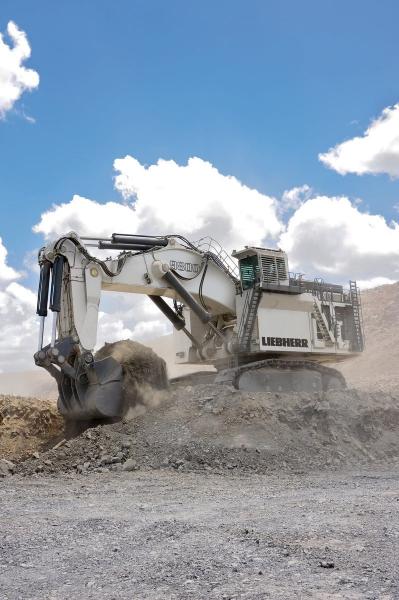
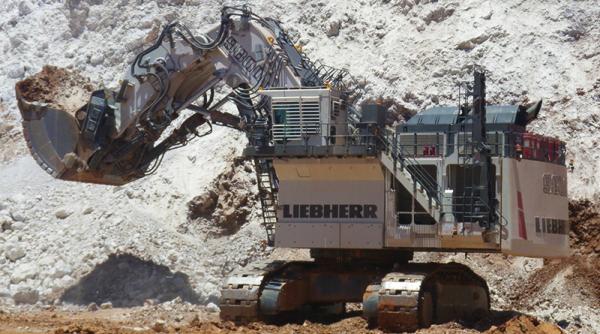

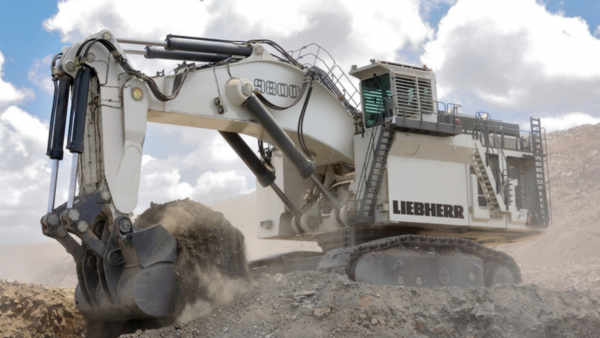
Introduction
The Liebherr R 9800 stands as a testament to engineering excellence in the mining industry. As one of the largest hydraulic mining excavators globally, it epitomizes power, efficiency, and precision. Designed for the most demanding mining operations, the R 9800 combines advanced technology with robust construction to deliver unparalleled performance.
Specifications and Design - Operating Weight: 800 tons (backhoe configuration) / 810 tons (face shovel configuration)
- Engine Power: 2,984 kW (4,000 hp)
- Bucket Capacity: 38.00 - 42.00 m³
- Maximum Reach: 20.1 meters
- Dredging Depth: 9 meters
- Tear-out Force: 1,760 kN
The R 9800's design emphasizes modularity, allowing for upgrades and extended service life. Its robust construction ensures durability in challenging mining environments.
Performance and Efficiency
Equipped with Liebherr's proprietary engine management system, the R 9800 achieves significant fuel savings. Operators have reported up to 120,000 liters of fuel saved annually due to the machine's efficient design and operation . This efficiency not only reduces operational costs but also minimizes the environmental footprint of mining operations.
Operational Excellence
The R 9800's rapid loading cycles and high digging forces make it an ideal match for ultra-class mining trucks like the Liebherr T 274 and T 284. These pairings enhance productivity by ensuring optimal material transfer and minimizing downtime .
Transport and Assembly
Transporting and assembling the R 9800 is a meticulous process. Due to its massive size and weight, disassembly into components is necessary for transportation. Each component is carefully transported to the mining site, where they are reassembled using specialized cranes and equipment. This process ensures the machine's structural integrity and readiness for operation.
Case Study: Implementation at Carmichael Mine, Australia
The Carmichael Mine in Queensland, Australia, serves as a prime example of the R 9800's capabilities. Utilizing the R 9800, the mine has achieved significant improvements in excavation efficiency and material handling. The excavator's high payload capacity and rapid cycle times have streamlined operations, leading to increased productivity and reduced operational costs.
Conclusion
The Liebherr R 9800 represents the pinnacle of mining excavation technology. Its combination of power, efficiency, and advanced design makes it a valuable asset for large-scale mining operations. As mining demands continue to grow, the R 9800 stands ready to meet these challenges, delivering exceptional performance and reliability.
|
|
|
|
| Manual Hydraulics in the John Deere 690E LCG: A Comprehensive Guide |
|
Posted by: MikePhua - 08-11-2025, 08:12 PM - Forum: General Discussion
- No Replies
|
|
When dealing with heavy machinery like the John Deere 690E LCG (Long-Crawler Grapple), understanding the intricacies of its hydraulic system is essential for both performance and safety. Hydraulics play a crucial role in the operation of this equipment, facilitating tasks such as lifting, digging, and various other functions. Whether you're a mechanic, operator, or a business owner maintaining this type of equipment, it's important to have a solid grasp of the manual hydraulic systems and their components.
This guide delves into the manual hydraulic system of the John Deere 690E LCG, discussing its components, troubleshooting common issues, maintenance tips, and more.
Understanding the Basics of Hydraulic Systems
Hydraulics in construction equipment like the John Deere 690E LCG use fluid under pressure to operate various systems and attachments. Unlike mechanical systems, hydraulics offer more flexibility and power, which is crucial for the operation of heavy machinery. The hydraulic system comprises several components, including: - Hydraulic Fluid: A specially formulated oil that transmits power through the hydraulic system.
- Pumps: These create the pressure needed to move hydraulic fluid.
- Valves: Control the flow of hydraulic fluid and direct it to the necessary parts of the machine.
- Actuators: These are the moving parts, like cylinders, which carry out the desired movement (e.g., lifting the arm, turning the wheel).
- Hoses and Tubing: These carry the hydraulic fluid between different components.
Each part must work in harmony to ensure that the hydraulic system operates efficiently.
Components of the John Deere 690E LCG Manual Hydraulic System
In the John Deere 690E LCG, the manual hydraulic system is designed for greater precision and ease of control. Understanding the specific components of this system helps in troubleshooting and maintaining its efficiency:
Hydraulic Pump
The pump is the heart of the hydraulic system, generating the required pressure to move fluid. The John Deere 690E uses a gear-driven pump to supply the necessary power to the cylinders, which, in turn, operate the boom, arm, and other attachments. Proper maintenance of the pump is vital to ensure adequate power output and prevent overheating.- Common Issue: A failing pump may not generate enough pressure, causing sluggish movement of the hydraulics or complete failure. If the hydraulic system responds slowly or erratically, the pump could be the issue.
Control Valve
The control valve directs the flow of hydraulic fluid to the actuators based on the operator's commands. In a manual hydraulic system like the one in the John Deere 690E, the control valve is typically operated by a lever or joystick. This allows for precise control over the movements of the boom, arm, and other attachments.- Common Issue: Blocked or worn-out control valves can cause the hydraulic fluid to flow erratically or not at all, making the machine's movements jerky or unresponsive.
Hydraulic Cylinders
These are the actuators that convert the hydraulic pressure into mechanical force. In the John Deere 690E, hydraulic cylinders control the movement of the boom, arm, and other parts. Proper maintenance of the cylinders is crucial for smooth operation.- Common Issue: Hydraulic leaks, often due to damaged seals or worn-out components, can result in reduced lifting power, slower response times, or complete failure to move.
Hydraulic Reservoir
The hydraulic reservoir holds the hydraulic fluid necessary for operation. Over time, the fluid can become contaminated with dirt, metal shavings, or water, which can damage the hydraulic components.- Common Issue: Low fluid levels or contaminated fluid can impair system performance, causing overheating or inadequate fluid flow.
Common Hydraulic Problems and How to Troubleshoot Them
When working with a John Deere 690E LCG, operators often face hydraulic issues. Here’s a breakdown of common problems, their causes, and solutions:
1. Low Hydraulic Power- Cause: This could be due to a malfunctioning hydraulic pump, low fluid levels, or air trapped in the system.
- Solution: Check the hydraulic fluid levels and top them off if necessary. Inspect the pump and ensure it's functioning properly. If air is trapped in the system, it may need to be bled out to restore optimal pressure.
2. Slow or Irregular Movements- Cause: Often caused by a blocked control valve, air in the hydraulic lines, or a failing pump.
- Solution: Inspect the control valve for any blockages or damage. Ensure the hydraulic fluid is free of contaminants and that it is circulating properly. If the pump shows signs of wear, it may need to be replaced or repaired.
3. Hydraulic Leaks- Cause: Leaks typically occur from seals in the hydraulic cylinders, hoses, or the pump.
- Solution: Inspect all hydraulic hoses and cylinders for visible leaks. If the seals in the cylinders are damaged, replace them immediately. Check the hydraulic fluid reservoir for leaks around the cap or hoses.
4. Overheating Hydraulic Fluid- Cause: This can happen when the hydraulic fluid becomes contaminated, or there’s a malfunction in the cooling system.
- Solution: Clean or replace the hydraulic fluid and replace any filters. If the machine has a hydraulic cooler, make sure it’s functioning properly to keep the fluid temperature within the optimal range.
Maintaining the John Deere 690E LCG Manual Hydraulic System
Proper maintenance of the hydraulic system is essential for long-term reliability and performance. Here are some key tips for maintaining your John Deere 690E’s hydraulic system:
1. Regular Fluid Checks
Ensure that the hydraulic fluid is always at the recommended level and is free from contaminants. Perform regular fluid checks and replace the fluid as per the manufacturer's guidelines to avoid issues related to overheating or poor performance.
2. Change Filters and Clean Reservoir
The filters in the hydraulic system play a crucial role in trapping debris and preventing contaminants from entering the pump and valves. Clean or replace these filters regularly to maintain fluid purity and system efficiency. Also, clean the hydraulic reservoir periodically to prevent any build-up of sludge or debris.
3. Inspect Hoses and Fittings
Check all hydraulic hoses and fittings for wear, cracks, or leaks. A small crack or leak can cause a significant drop in system pressure, leading to slow or irregular movements. If you find any issues, replace the hose or fitting as necessary.
4. Perform Regular Load Testing
Occasionally, conduct load tests to check the lifting and pushing capacity of the machine. This ensures that the hydraulics are functioning at full capacity. If you notice a decline in performance, it might indicate that there's a problem with the pump or valves.
5. Lubricate Moving Parts
Keep the moving parts of the hydraulic system well-lubricated. This reduces friction, prevents premature wear, and keeps the system running smoothly.
Conclusion
The John Deere 690E LCG’s manual hydraulic system is a sophisticated yet essential part of the machine, enabling it to perform a range of lifting and digging tasks efficiently. By understanding the components and common issues, you can effectively troubleshoot and maintain the hydraulic system, ensuring that your equipment remains operational for years to come.
Regular maintenance, including fluid checks, system inspections, and replacing worn-out parts, is key to preventing costly repairs and downtime. With the right knowledge and proactive care, the John Deere 690E LCG will continue to provide reliable service, helping you meet the demands of tough jobs on the construction site.
|
|
|
|
| Diagnosing and Resolving PWM9101-05 Faults in the Volvo ECR145CL Excavator: Electrical Integrity, ECM Behavior, and Hydraulic Performance |
|
Posted by: MikePhua - 08-11-2025, 08:12 PM - Forum: Troubleshooting & Diagnosing
- No Replies
|
|
Introduction to the Volvo ECR145CL’s Control System
The Volvo ECR145CL, a compact-radius excavator introduced around 2008, integrates advanced electronic control systems to manage hydraulic functions, engine performance, and operator inputs. Central to this architecture is the V-ECU (Vehicle Electronic Control Unit), which communicates with sensors and actuators via a CAN bus network. When faults arise, the system logs diagnostic codes—such as PWM9101-05—that help technicians pinpoint issues.
Terminology Clarification
- PWM (Pulse Width Modulation): A method of controlling electrical devices by varying the width of voltage pulses, commonly used for proportional valves.
- V-ECU: The main control unit responsible for interpreting sensor data and regulating hydraulic and engine functions.
- Limp Mode: A protective operating state where machine performance is deliberately reduced to prevent damage.
- Manual Override: A switch or function that bypasses certain electronic controls, often used during diagnostics or emergencies.
Understanding Fault Code PWM9101-05
The PWM9101-05 fault code typically indicates a high voltage or open circuit condition in the proportional valve control system. This valve modulates hydraulic flow for specific functions, and its failure can lead to sluggish or erratic machine behavior. In the ECR145CL, this fault often triggers limp mode, reducing hydraulic speed and travel performance.
Common Symptoms and Observations - Machine runs normally for hours, then enters limp mode after restart
- Hydraulic functions slow down, especially travel and boom operations
- Manual override triggers additional V-ECU fault codes
- Hammer attachment operates at full speed uncontrollably when fault is active
- Resistance across the proportional valve reads ~17 ohms, though manual specs suggest ~11 ohms
Real-World Case: A Somerset Excavator’s Intermittent Failure
An operator in Somerset experienced intermittent limp mode activation on his ECR145CL. After replacing a cracked sensor housing (SE9122), the machine ran fine—until the PWM9101-05 fault returned. Despite correct resistance readings and intact wiring, the issue persisted. Eventually, a loose terminal at the ECU connector was discovered during a resoldering attempt. Re-seating the terminal temporarily resolved the fault, but it returned days later, suggesting deeper electrical instability.
Diagnostic Strategy and Electrical Testing
To isolate the fault, technicians should:- Perform a “tug test” on each wire leading to the proportional valve and ECU. If a wire stretches under light tension, it may be internally broken.
- Use service mode to monitor live data from the V-ECU, including pilot pressure, pump pressure, and PWM current values.
- Compare pressure readings during normal operation and limp mode. Look for sudden drops or missing values (displayed as dashes).
- Stall the tracks using a steel pin or socket to measure drive pressure under load.
- Check all Deutsch connectors for pinching or corrosion, especially near the breach insulator.
Recommended Parameters for Troubleshooting- Proportional valve resistance: 10–12 ohms (OEM spec)
- PWM current: 0.5–1.2 mA depending on function
- Pilot pressure: 400–600 psi during active operation
- Pump pressure: 4,000–5,000 psi under full load
- Battery voltage: 12.6–13.8 V with engine running
Solutions and Preventive Measures
To resolve and prevent PWM9101-05 faults:- Replace the proportional valve with a verified OEM unit if resistance is outside spec
- Re-terminate ECU connectors using crimped pins and dielectric grease
- Shield wiring harnesses from vibration and moisture using split loom tubing
- Update ECU firmware if available to improve fault detection logic
- Avoid frequent manual override use unless necessary, as it may trigger false faults
Anecdote: The Eswatini Hammer Dilemma
In Eswatini, a contractor reported that his hydraulic hammer ran uncontrollably with the PWM9101-05 fault active. His valve measured 17 ohms—above spec—and the fault appeared 30 seconds after ignition. With a replacement solenoid weeks away, he adjusted flow manually and used service mode to monitor pressure. Though not ideal, this workaround allowed limited operation until the new part arrived.
Industry Insight: ECM Sensitivity and Aging Electronics
As excavators age, their electronic control systems become more sensitive to voltage fluctuations, connector wear, and sensor drift. The ECR145CL’s V-ECU, while robust, can misinterpret minor anomalies as critical faults. This has led manufacturers to develop more fault-tolerant systems in newer models, with redundant sensors and adaptive error thresholds.
Conclusion: Precision, Patience, and Persistence
The PWM9101-05 fault in the Volvo ECR145CL is a classic example of how electronic and hydraulic systems intersect—and how small electrical issues can cascade into major operational disruptions. With careful diagnostics, attention to wiring integrity, and a solid understanding of control logic, technicians can restore full functionality and avoid unnecessary component replacements. In the world of modern excavators, solving faults is as much about finesse as it is about force.
|
|
|
|
| Comprehensive Guide to Troubleshooting and Maintaining the Caterpillar 272C Skid Steer Loader |
|
Posted by: MikePhua - 08-11-2025, 08:11 PM - Forum: Troubleshooting & Diagnosing
- No Replies
|
|
The Caterpillar 272C Skid Steer Loader is a versatile and robust machine widely used in construction, landscaping, and agriculture. However, like all heavy equipment, it can experience various issues that may affect its performance. This guide provides an in-depth look at common problems, diagnostic procedures, and maintenance practices to ensure the longevity and reliability of your 272C loader.
Common Issues and Diagnostic Procedures
- Hydraulic System Failures
- Symptoms: Loss of hydraulic function, including inability to lift, tilt, or operate attachments.
- Possible Causes:
- Hydraulic Fluid Contamination: Presence of metal particles or debris in the hydraulic fluid can indicate internal component wear or failure.
- Pump or Motor Malfunction: A sudden loss of hydraulic function accompanied by unusual noises may suggest a pump or motor failure.
- Electrical Issues: Faulty sensors or wiring can disrupt hydraulic system operation.
- Diagnostic Steps:
- Visual Inspection: Check for visible leaks, damaged hoses, or loose connections.
- Fluid Analysis: Inspect hydraulic fluid for contaminants and metal particles.
- Pressure Testing: Measure system pressure to ensure it meets specifications.
- Electrical Checks: Test sensors, wiring, and control modules for proper function.
- Engine Performance Issues
- Symptoms: Engine stalling, lack of power, or erratic idling.
- Possible Causes:
- Fuel System Problems: Clogged fuel filters or failing fuel injectors can impede engine performance.
- Air Intake Restrictions: Dirty air filters or intake hoses can reduce engine efficiency.
- Exhaust System Blockages: Obstructions in the exhaust system can lead to increased backpressure and engine strain.
- Diagnostic Steps:
- Fuel System Inspection: Replace fuel filters and check for proper fuel flow.
- Air Intake Assessment: Inspect and replace air filters as needed.
- Exhaust System Evaluation: Check for blockages or damage in the exhaust system.
- Electrical System Malfunctions
- Symptoms: Non-functioning lights, gauges, or control systems.
- Possible Causes:
- Battery Issues: Low voltage or corroded terminals can disrupt electrical systems.
- Fusible Link Failures: Blown fuses can interrupt power to critical components.
- Wiring Problems: Damaged or frayed wires can cause intermittent electrical failures.
- Diagnostic Steps:
- Battery Check: Test battery voltage and inspect terminals for corrosion.
- Fuse Inspection: Replace any blown fuses and check for underlying issues.
- Wiring Examination: Inspect wiring harnesses for signs of wear or damage.
Maintenance Practices
- Regular Fluid Changes
- Hydraulic Fluid: Change hydraulic fluid at recommended intervals to prevent contamination and ensure system efficiency.
- Engine Oil: Regularly replace engine oil and filters to maintain engine health.
- Coolant: Monitor and replace coolant to prevent overheating and corrosion.
- Filter Maintenance
- Air Filters: Inspect and replace air filters to ensure optimal engine performance.
- Fuel Filters: Replace fuel filters to prevent contaminants from entering the engine.
- Hydraulic Filters: Regularly change hydraulic filters to maintain system cleanliness.
- Component Inspections
- Hoses and Fittings: Check for signs of wear, leaks, or damage.
- Belts and Pulleys: Inspect for proper tension and wear.
- Battery and Electrical Connections: Ensure clean and secure connections.
- System Flushes
- Hydraulic System: Periodically flush the hydraulic system to remove contaminants.
- Cooling System: Flush the cooling system to prevent scale and corrosion buildup.
Case Study: Hydraulic System Failure
A construction company operating a 2010 Cat 272C loader experienced a sudden loss of all hydraulic functions. The operator reported hearing an unusual noise before the failure. Upon inspection, technicians discovered metal particles in the hydraulic fluid, indicating internal component wear. The hydraulic pump was replaced, and the system was flushed to remove contaminants. Post-repair, the loader's hydraulic functions were restored to normal operation.
Conclusion
The Caterpillar 272C Skid Steer Loader is a powerful and reliable machine when properly maintained. Regular inspections, timely maintenance, and prompt attention to issues can extend the life of the equipment and ensure optimal performance. By following the diagnostic procedures and maintenance practices outlined in this guide, operators can minimize downtime and maximize productivity.
|
|
|
|
|



