| Welcome, Guest |
You have to register before you can post on our site.
|
| Forum Statistics |
» Members: 79
» Latest member: cioCruch
» Forum threads: 47,411
» Forum posts: 47,417
Full Statistics
|
| Online Users |
There are currently 410 online users.
» 0 Member(s) | 398 Guest(s)
Ahrefs, Amazon, Applebot, Bing, Claude, DotBot, Google, OpenAI, Petalbot, Semrush, Seznam
|
| Latest Threads |
Identifying and Sourcing ...
Forum: Parts , Attachments & Tools
Last Post: MikePhua
01-07-2026, 06:29 PM
» Replies: 0
» Views: 519
|
Cat 931B Brake Parts
Forum: Parts , Attachments & Tools
Last Post: MikePhua
01-07-2026, 06:29 PM
» Replies: 0
» Views: 282
|
Choosing Between Cat 228,...
Forum: General Discussion
Last Post: MikePhua
01-07-2026, 06:28 PM
» Replies: 0
» Views: 547
|
Hydraulic Delay When Lowe...
Forum: Troubleshooting & Diagnosing
Last Post: MikePhua
01-07-2026, 06:27 PM
» Replies: 0
» Views: 440
|
Bale Chopper and Mulcher ...
Forum: General Discussion
Last Post: MikePhua
01-07-2026, 06:26 PM
» Replies: 0
» Views: 319
|
Mini UC Maintenance
Forum: General Discussion
Last Post: MikePhua
01-07-2026, 06:25 PM
» Replies: 0
» Views: 309
|
Locating Wiring Informati...
Forum: General Discussion
Last Post: MikePhua
01-07-2026, 06:24 PM
» Replies: 0
» Views: 343
|
Case Industrial Brown Sub...
Forum: Parts , Attachments & Tools
Last Post: MikePhua
01-07-2026, 06:23 PM
» Replies: 0
» Views: 274
|
Dirt Work in West Virgini...
Forum: Construction & Urban Infrastructure Forum
Last Post: MikePhua
01-07-2026, 06:23 PM
» Replies: 0
» Views: 372
|
D207 P Hydraulic Steering...
Forum: Parts , Attachments & Tools
Last Post: MikePhua
01-07-2026, 06:22 PM
» Replies: 0
» Views: 303
|
|
|
| Diagnosing Cylinder Failure in the Case CX80: A Bent Rod and the Mystery of Hydraulic Lock |
|
Posted by: MikePhua - 08-11-2025, 09:48 PM - Forum: Troubleshooting & Diagnosing
- No Replies
|
 |
Overview of the Problem
A Case CX80 excavator equipped with an Isuzu 4JG1 engine began exhibiting classic signs of internal engine trouble: reduced power, excessive smoke, and rough operation. Upon closer inspection, it was discovered that the engine was only running on three cylinders. This kind of partial combustion failure can stem from a variety of causes—ranging from injector malfunction to catastrophic mechanical damage. In this case, the root cause turned out to be a bent connecting rod, a rare but serious failure that demands both mechanical insight and investigative rigor.
Initial Diagnostics and Observations
The troubleshooting process began with standard steps: - Swapping fuel injectors between cylinders to rule out injector failure
- Performing a compression test, which revealed one cylinder was down by 150–200 psi
- Removing the engine for teardown and inspection
The compression loss and persistent misfire pointed toward internal mechanical damage. Upon disassembly, the technician discovered a visibly bent connecting rod—an unmistakable sign of hydraulic lock.
Understanding Hydraulic Lock
Hydraulic lock (or hydrolock) occurs when a liquid—typically coolant, fuel, or oil—enters the combustion chamber and prevents the piston from completing its stroke. Because liquids are incompressible, the piston’s upward motion is abruptly halted, often resulting in bent rods, cracked pistons, or damaged crankshafts.
Common causes of hydraulic lock include:- Coolant intrusion due to a failed head gasket or cracked liner
- Rainwater entering through an uncovered exhaust port
- Overfueling from a faulty injector
- Oil flooding the intake via a compromised valve guide or breather system
In this case, multiple theories were proposed, including:- Rapid oil filling during service, causing oil to overflow into the valve cover and enter the intake via an open valve
- Rainwater ingress through an uncovered exhaust stack
- A worn valve guide allowing oil to seep into the cylinder
Bent Rods: Rare but Devastating
Bent connecting rods are relatively rare in diesel engines unless exposed to extreme conditions. When they do occur, they often result in:- Permanent compression loss
- Piston misalignment
- Crankshaft imbalance
- Cylinder wall scoring
In one documented case from Arkansas, a similar failure occurred when an excavator was parked near a riverbank overnight. Rainwater entered the exhaust system, pooled in the cylinder, and caused a bent rod on startup. The incident led to a company-wide policy requiring rain caps on all idle machines.
Recommended Repair Strategy
When a bent rod is discovered, the repair process should be methodical and comprehensive. Recommended steps include:- Replace the bent connecting rod with a new OEM-spec rod
- Inspect the crankshaft journals for scoring or cracks
- Pressure test the cylinder head and liners for leaks
- Replace valve seals and guides if wear is detected
- Clean and inspect the intake manifold and breather system
- Verify injector spray patterns and fuel delivery rates
Additional parameters to check:- Cylinder compression: All cylinders should be within 10% of each other
- Oil pressure: Ensure consistent pressure at cold and hot idle
- Coolant integrity: Test for combustion gases in the coolant using a block tester
Preventive Measures and Best Practices
To avoid future occurrences of hydraulic lock and bent rods, operators and technicians should adopt the following practices:- Always install rain caps or exhaust covers when machines are parked outdoors
- Avoid rapid oil filling; allow time for oil to drain through the head and block
- Inspect valve guides and seals during routine maintenance
- Monitor injector performance and replace units showing signs of overfueling
- Use engine block heaters in cold climates to reduce startup stress
Anecdote: The Oil Fill That Broke the Engine
At a dealership in Saskatchewan, a technician filled a CX80’s engine oil too quickly during a service. The oil backed up into the valve cover and, through a worn valve guide, entered the intake manifold. On startup, the engine hydrolocked and bent a rod. Though initially dismissed as improbable, the incident was later confirmed through teardown and led to a revised service protocol: oil must be added slowly and in stages, with a 30-second pause between quarts.
Conclusion: From Misfire to Mechanical Insight
The Case CX80’s three-cylinder operation was more than a simple misfire—it was a window into the complex interplay between fluid dynamics, mechanical tolerance, and operator habits. Bent rods are unforgiving failures, but they also offer valuable lessons. By combining careful diagnostics with preventive strategies, technicians can not only restore performance but also build resilience into their maintenance routines. In the world of heavy equipment, every cylinder counts—and every startup tells a story.
|

|
|
| Making Things Harder Than Necessary: Common Pitfalls in Heavy Equipment Operations and How to Avoid Them |
|
Posted by: MikePhua - 08-11-2025, 09:48 PM - Forum: General Discussion
- No Replies
|
|
In the world of heavy equipment, operators, technicians, and managers are often faced with complex situations that demand skill, precision, and efficiency. However, sometimes problems arise due to unnecessary complexity—situations where things are made more difficult than they need to be. This can stem from improper planning, lack of knowledge, poor maintenance practices, or simply taking shortcuts. In this article, we’ll explore common mistakes that make equipment operations harder than necessary, along with practical solutions and preventive measures to streamline processes and improve efficiency.
Understanding the Problem: Why Do Things Get Made Harder?
The phrase "making things harder than necessary" is often used to describe situations where simple tasks become unnecessarily complicated due to a lack of foresight, preparation, or knowledge. This could manifest in many ways in the realm of heavy equipment operations, from maintenance oversights to poor decision-making in the field.
While it may seem like a minor issue at first, consistently making tasks harder than they need to be can lead to: - Increased downtime: Equipment that is difficult to operate or maintain will spend more time out of service, affecting productivity.
- Higher repair costs: Simple fixes left unaddressed can snowball into more complex problems that require expensive repairs.
- Safety risks: Complicated processes can lead to operator fatigue, confusion, and mistakes, all of which can create hazardous situations on job sites.
- Lower morale: Constantly dealing with inefficiencies can frustrate operators and maintenance staff, impacting their performance and satisfaction.
To avoid these issues, it is essential to recognize where things might be getting unnecessarily complicated and take proactive steps to streamline operations.
1. Lack of Proper Training and Knowledge
A common issue that makes things harder than necessary is insufficient training. When operators or technicians are not fully equipped with the skills and knowledge to handle equipment efficiently, simple tasks can quickly become complicated.
For example, incorrect use of the controls, improper handling of attachments, or misunderstanding the machine’s capabilities can lead to mistakes, which ultimately waste time and resources.
Solution:- Comprehensive Training Programs: Ensure that all operators receive thorough training on both the equipment's operation and routine maintenance. Hands-on training and continuous education are essential.
- Certification: Operators should be encouraged or required to get certified through industry-recognized programs to ensure they are fully competent.
- On-the-Job Mentorship: Pairing less experienced operators with seasoned veterans on the job site can foster skill development and better problem-solving.
2. Overlooking Preventive Maintenance
Preventive maintenance is one of the easiest ways to ensure smooth operations and reduce unnecessary complications. Failing to perform routine maintenance or ignoring small issues often leads to bigger, more expensive problems down the road.
For example, neglecting to replace a worn-out air filter or hydraulic fluid might seem like a small task, but it can quickly lead to engine failure or system malfunctions.
Solution:- Scheduled Maintenance: Create and follow a strict maintenance schedule that includes checks for all key systems, such as hydraulics, engine, electrical, and cooling systems.
- Monitoring Tools: Use diagnostic tools to monitor equipment health in real-time, helping identify problems before they escalate.
- Maintenance Logs: Keep detailed records of all maintenance activities to track patterns of wear and address recurring issues proactively.
3. Improper Tool and Equipment Selection
Sometimes, tasks become unnecessarily difficult when operators use the wrong tool or attachment for a job. For example, using a large excavator bucket on a smaller job site or choosing an underpowered machine for a heavy task can make the work more laborious and reduce efficiency.
Solution:- Correct Equipment for the Job: Always choose the right size and type of equipment for the job at hand. This will ensure better performance and reduce the strain on both the machine and the operator.
- Versatility with Attachments: Invest in versatile attachments that can be easily swapped out depending on the task, ensuring that the machine can handle a variety of jobs without unnecessary complexity.
4. Poor Job Planning and Coordination
Inadequate planning is another area where things get made unnecessarily difficult. Without a clear plan, operators may face confusion on the job site, leading to inefficiency, delays, and sometimes accidents. This could range from poorly marked work zones to a lack of communication about what tasks need to be prioritized.
Solution:- Clear Work Plans: Establish clear, detailed work plans before starting a project. This should include timelines, equipment needs, safety protocols, and any contingencies.
- Effective Communication: Ensure that all team members are on the same page by holding regular briefings and using communication tools like two-way radios or project management software.
- Equipment Coordination: Plan equipment usage carefully to avoid unnecessary back-and-forth or downtime while waiting for machines or materials.
5. Ignoring Environmental Factors
Another area where unnecessary difficulties arise is when environmental conditions are not considered. Weather conditions, ground stability, and site layout can all have a significant impact on how equipment operates. Ignoring these factors can make tasks much harder than they need to be, such as attempting to operate equipment in muddy or uneven terrain without appropriate ground support.
Solution:- Pre-Work Site Assessment: Conduct thorough site evaluations to identify potential challenges such as soil instability, water drainage, or adverse weather conditions.
- Proper Ground Support: In challenging terrain, use ground mats or stabilizers to provide extra support and prevent equipment from getting stuck or tipping over.
- Weather Considerations: Always factor in weather forecasts and make adjustments to the work schedule or machine selection as needed.
6. Overcomplicating Simple Repairs
When machines break down, the tendency is sometimes to overcomplicate the repair process. Operators and technicians may mistakenly assume a complex issue when the problem is much simpler. For instance, an engine failure might be attributed to a complicated fuel issue when the real problem is just a clogged fuel filter.
Solution:- Diagnostic Checks: Begin troubleshooting with basic diagnostic checks. Check fluids, filters, and simple components before jumping to complex repairs.
- Repair Documentation: Follow manufacturer repair guides to ensure the correct procedures are followed, and to avoid overcomplicating the fix.
- Regular Updates and Training: Ensure all team members are up-to-date with the latest repair techniques and equipment manuals to avoid misdiagnosis.
7. Overworking Machines
Overworking machinery is another sure way to make things harder than necessary. Pushing equipment beyond its limits to complete jobs faster or meet deadlines can cause undue strain, leading to breakdowns, excessive wear, and safety hazards.
Solution:- Understand Equipment Limits: Know the machine’s operational limits and work within them. Pushing a machine too hard not only increases the risk of failure but can also affect overall productivity in the long run.
- Monitor Performance: Use load monitoring systems to track the performance of equipment in real-time and ensure it is operating within safe parameters.
Conclusion
In the world of heavy equipment, making things harder than they need to be is often a result of poor planning, inadequate training, or lack of attention to detail. However, by recognizing these pitfalls and implementing the right solutions, you can simplify operations, improve machine longevity, and create a safer and more efficient work environment. By focusing on proper training, preventive maintenance, and strategic planning, operators can avoid unnecessary complexity and keep projects running smoothly.
|
|
|
|
| Welding Safety: Precautions When Working Near Batteries |
|
Posted by: MikePhua - 08-11-2025, 09:47 PM - Forum: General Discussion
- No Replies
|
|
Introduction
Welding is an essential process in various industries, from automotive repairs to heavy equipment maintenance. However, when performing welding operations near batteries—especially lead-acid or lithium-ion types—specific safety measures must be taken to prevent accidents such as fires, explosions, or damage to sensitive electronics.
Understanding Battery Hazards During Welding
Batteries, particularly lead-acid and lithium-ion types, can pose significant risks during welding operations: - Overheating: Welding generates intense heat, which can cause batteries to overheat, leading to potential thermal runaway, especially in lithium-ion batteries.
- Gas Emission: Lead-acid batteries emit hydrogen gas during charging or discharging. Welding sparks can ignite this gas, resulting in explosions.
- Electrical Surges: Welding can introduce voltage spikes into the electrical system, potentially damaging sensitive electronic components connected to the battery.
Precautions Before Welding Near Batteries
To mitigate risks, consider the following precautions:
- Disconnect the Battery: Always disconnect the battery before starting welding operations. This step isolates the battery from the electrical system, reducing the risk of electrical surges. However, be cautious when disconnecting; ensure you follow proper procedures to avoid short circuits or damage to the battery terminals.
- Remove the Battery: If feasible, remove the battery from the equipment entirely. This eliminates the risk of overheating and gas emission during welding.
- Cover the Battery: If removing the battery isn't possible, cover it with a fire-resistant material to protect it from sparks and heat.
- Use Surge Protectors: Install surge protectors to safeguard sensitive electronic components from voltage spikes caused by welding.
- Maintain Proper Ventilation: Ensure adequate ventilation in the welding area to disperse any gases emitted by the battery and to provide fresh air to the welder.
Best Practices During Welding Operations- Grounding: Always ground the welding machine properly to prevent stray currents that could damage the battery or other electrical components.
- Monitor Battery Temperature: Regularly check the battery's temperature during welding operations. If it becomes excessively hot, cease welding immediately and allow the battery to cool.
- Avoid Direct Heat Exposure: Position the welding arc away from the battery to minimize direct heat exposure.
- Use Appropriate PPE: Wear personal protective equipment, including flame-resistant clothing, gloves, and eye protection, to safeguard against sparks and heat.
Post-Welding Considerations
After completing welding operations:- Inspect the Battery: Check the battery for signs of damage, such as swelling, leakage, or discoloration. Any abnormalities may indicate internal damage.
- Test Electrical Systems: Verify that all electrical systems function correctly, ensuring no damage occurred during welding.
- Reinstall the Battery: If the battery was removed, reinstall it following the manufacturer's guidelines, ensuring all connections are secure.
Conclusion
Welding near batteries requires careful planning and adherence to safety protocols. By disconnecting or removing the battery, using surge protectors, maintaining proper ventilation, and following best practices, welders can significantly reduce the risks associated with welding operations near batteries. Always prioritize safety to prevent accidents and ensure the longevity of both the equipment and its components.
|
|
|
|
| Troubleshooting Sluggish Transmission in the CAT 140H Motor Grader |
|
Posted by: MikePhua - 08-11-2025, 09:47 PM - Forum: Troubleshooting & Diagnosing
- No Replies
|
|
Understanding the Transmission System in the CAT 140H
The CAT 140H motor grader is equipped with a full powershift transmission system designed to deliver smooth gear transitions and responsive control under varying load conditions. This transmission relies on hydraulic pressure, electronic control modules, and a suction line system to maintain consistent performance. When the transmission becomes sluggish—especially during cold starts—it often signals underlying issues in priming, fluid delivery, or air intrusion.
Symptoms of Sluggish Transmission
Operators typically report the following symptoms: - Delay in gear engagement during cold starts
- Need to idle the machine for 10–15 minutes before normal operation
- Hesitation or lag when shifting between gears
- Occasional failure to engage forward or reverse until warmed up
These symptoms are especially common in colder climates or after prolonged machine inactivity.
Root Causes and Diagnostic Pathways
Sluggish transmission behavior in the CAT 140H can stem from several interrelated issues. The most common culprits include:- Air Leak in Suction Line: A leak in the suction line prevents the transmission pump from priming efficiently. This delay in fluid delivery causes gear engagement to lag.
- Damaged or Crushed Suction Tube: Physical damage to the suction tube—often caused by impact or improper guarding—can restrict fluid flow or introduce air.
- Loose Hose Clamps or Faulty O-Rings: Connections between the screen housing and steel lines may degrade over time. Hose clamps may loosen, and O-rings can harden or crack, allowing air to enter the system.
- Ambient Temperature Effects: Cold temperatures increase fluid viscosity, making it harder for the pump to build pressure. This exacerbates priming delays.
Field Case: Rustenburg Morning Routine
In one documented case from Rustenburg, South Africa, a CAT 140H required a daily warm-up ritual. The operator would lift the machine, select a gear, and idle for 10–15 minutes before the transmission responded normally. Despite replacing the transmission pump and confirming pressure readings, the issue persisted. Further inspection revealed a minor leak in the suction line near the differential housing—an area often overlooked during routine checks.
Inspection Checklist for Suction Line Integrity
To identify and resolve suction-related issues, technicians should inspect the following:- Hose from screen housing to steel line: Check for cracks, wear, and clamp tightness
- Steel line entry into differential housing: Inspect O-rings for brittleness or deformation
- Transmission guard: Ensure it hasn’t been bent upward into the suction tube
- Suction tube itself: Look for dents, crushing, or signs of impact
Preventive Measures and Solutions
To prevent sluggish transmission behavior and extend system life, consider the following strategies:- Replace O-rings and hose clamps every 2–3 years, especially in high-vibration environments
- Install reinforced guards to protect suction lines from impact
- Use hydraulic fluid rated for low-temperature operation to reduce viscosity-related delays
- Conduct overnight cold-start diagnostics to observe priming behavior firsthand
- Apply vacuum testing to suction lines to detect micro-leaks invisible to the naked eye
Technical Notes on Transmission Priming
The transmission pump in the CAT 140H relies on a sealed suction path to draw fluid from the reservoir. Any breach in this path introduces air, which compresses differently than fluid and delays pressure buildup. Unlike pressure-side leaks, suction-side leaks often go unnoticed because they don’t produce visible fluid loss. Instead, they manifest as delayed engagement or erratic shifting.
Anecdote: The Bent Guard That Broke the Flow
In a remote Australian quarry, a grader operator noticed sluggish gear response after a minor collision with a boulder. The machine’s transmission guard had been pushed upward, subtly deforming the suction tube. Though the damage appeared cosmetic, it restricted fluid flow enough to prevent proper priming. After replacing the suction tube and realigning the guard, the transmission returned to normal operation. This incident led the site manager to revise inspection protocols to include guard clearance checks.
Recommendations for Fleet Managers
For those managing multiple CAT 140H units, proactive maintenance can prevent costly downtime:- Schedule quarterly suction line inspections
- Train operators to recognize early signs of sluggish transmission
- Maintain a log of ambient temperature vs. start-up behavior
- Stock replacement O-rings and clamps for field repairs
- Use thermal imaging to detect cold spots in fluid lines during startup
Conclusion: Restoring Responsiveness Through Precision Diagnostics
Sluggish transmission in the CAT 140H is rarely a sign of catastrophic failure—it’s often a subtle issue rooted in suction line integrity or environmental factors. By understanding the hydraulic principles at play and applying targeted diagnostics, technicians can restore full responsiveness and ensure the grader performs reliably across all conditions. In the world of heavy equipment, even a small leak can make a big difference.
|
|
|
|
| Restoring the Side Tilt Ram Assembly of the Fiat-Allis FD5 Crawler Dozer |
|
Posted by: MikePhua - 08-11-2025, 09:46 PM - Forum: Troubleshooting & Diagnosing
- No Replies
|
|
Introduction
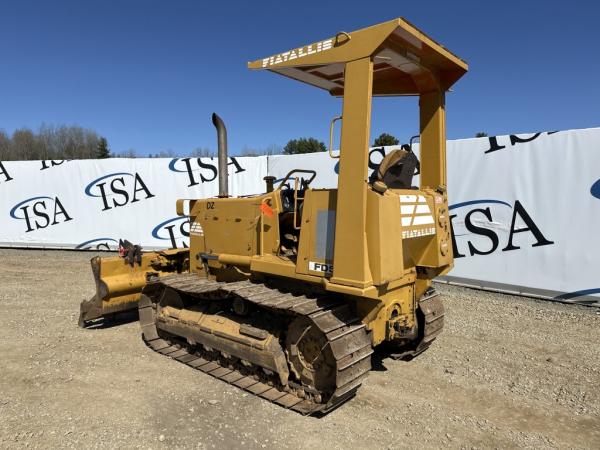
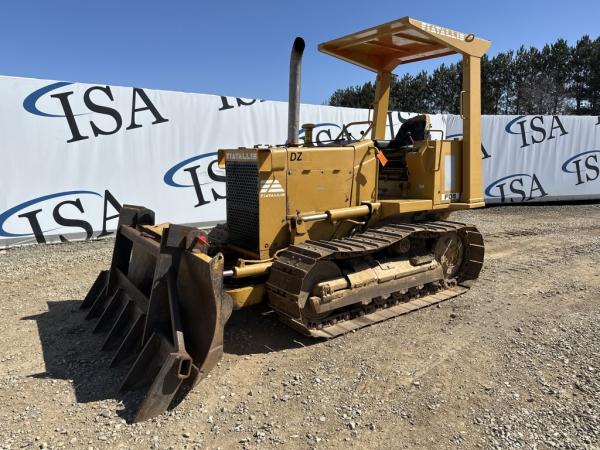
The Fiat-Allis FD5 crawler dozer, introduced in the early 1980s, was a robust machine designed for heavy-duty earthmoving tasks. A critical component of this dozer is the side tilt ram assembly, which allows for precise blade angle adjustments. Over time, wear and tear can compromise the functionality of this assembly, leading to operational challenges. This article delves into the specifics of the side tilt ram assembly, common issues faced, and potential solutions for restoration.
Understanding the Side Tilt Ram Assembly
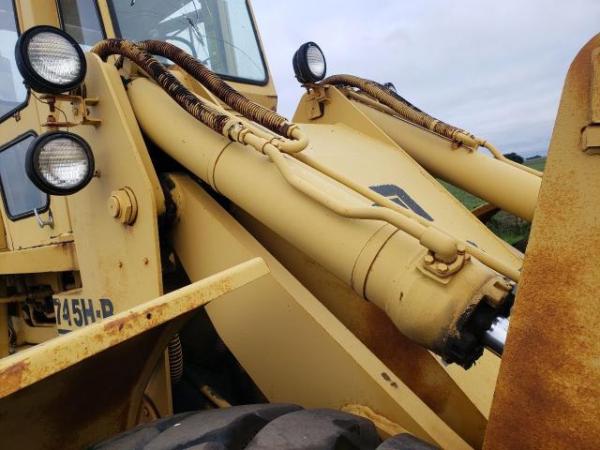
The side tilt ram assembly is a hydraulic cylinder responsible for tilting the dozer blade laterally. This function is essential for tasks such as grading and contouring, where precise blade positioning is crucial. The assembly typically consists of a cylinder housing, piston rod, gland, seals, and mounting brackets. Hydraulic fluid under pressure actuates the piston, causing the blade to tilt accordingly.
Common Issues and Challenges
Owners of vintage Fiat-Allis FD5 dozers often encounter several issues with the side tilt ram assembly: - Seal Degradation: Over time, seals within the hydraulic cylinder can degrade, leading to hydraulic fluid leaks and loss of pressure.
- Corrosion: Exposure to harsh environmental conditions can lead to rust and corrosion, compromising the integrity of the cylinder.
- Worn Components: Continuous use can cause wear on the piston rod and gland, affecting the smooth operation of the assembly.
- Obsolete Parts: Given the age of the FD5 model, sourcing original replacement parts can be challenging.
Restoration and Repair Options
For those looking to restore or repair the side tilt ram assembly, several options are available:
- OEM Replacement Parts: Original Equipment Manufacturer (OEM) parts ensure compatibility and maintain the authenticity of the dozer. However, these parts may be scarce due to the age of the machine.
- Rebuilt Assemblies: Purchasing a rebuilt side tilt ram assembly can be a cost-effective solution. Rebuilt units are refurbished to meet OEM specifications and often come with warranties.
- Custom Fabrication: For those with machining capabilities, custom fabricating the side tilt ram assembly is an option. This approach requires precise measurements and expertise in hydraulic systems.
Maintenance Tips
To prolong the lifespan of the side tilt ram assembly and ensure optimal performance:- Regular Inspection: Periodically check for signs of hydraulic fluid leaks and address them promptly.
- Seal Maintenance: Replace seals at regular intervals to prevent leaks and maintain pressure.
- Protective Coatings: Apply anti-corrosion coatings to exposed metal parts to prevent rust.
- Proper Storage: When not in use, store the dozer in a sheltered environment to protect it from the elements.
Conclusion
Restoring the side tilt ram assembly of the Fiat-Allis FD5 crawler dozer requires careful consideration of the available options and a commitment to maintaining the machine's performance. Whether opting for OEM parts, rebuilt assemblies, or custom fabrication, ensuring the functionality of this critical component is essential for the dozer's operational efficiency. With proper maintenance and timely repairs, the Fiat-Allis FD5 can continue to serve effectively in various earthmoving applications.
|
|
|
|
| Diagnosing and Repairing Joystick Control Modules on the CAT D5G Dozer |
|
Posted by: MikePhua - 08-11-2025, 09:45 PM - Forum: Troubleshooting & Diagnosing
- No Replies
|
|
Introduction to Joystick Control Challenges
The Caterpillar D5G dozer, especially models from the early 2000s, introduced joystick-based steering and control systems that replaced traditional lever configurations. While this innovation improved operator ergonomics and responsiveness, it also introduced a layer of electronic complexity that can become a maintenance headache over time. One common issue involves restricted motion or erratic behavior in the joystick, particularly when steering in one direction. These symptoms often point to internal faults in the joystick control module—a critical component that translates operator input into hydraulic or electronic actuation.
Understanding the Joystick Control Module
The joystick control module is an integrated electronic unit that processes signals from the joystick handle and communicates with the machine’s hydraulic or electronic systems. It typically includes: - A printed circuit board (PCB) with signal processing capabilities
- Pulse Width Modulation (PWM) drivers to control actuators
- Moisture-resistant housing (though not always fully sealed)
- Plug-and-play connectors for integration with the machine’s wiring harness
In the D5G, early versions of the control module (e.g., part number 230-1024) were later superseded by more robust designs (e.g., 286-7039), which featured stronger PWM output, improved moisture protection, and reinforced circuit boards.
Common Failure Modes and Symptoms
Failures in the joystick control module can manifest in several ways:- Limited range of motion in one direction (e.g., steering right)
- Delayed or inconsistent response to joystick input
- Spontaneous engagement of the parking brake
- Calibration drift over time, requiring periodic recalibration
- Voltage-related anomalies due to alternator or battery issues
One technician reported a case where the parking brake engaged unexpectedly while the dozer was moving forward at full throttle. The root cause was traced to a failing alternator that dropped system voltage below 14.4V, triggering safety protocols in the control module.
Moisture Ingress and Corrosion
Moisture ingress is a notorious culprit in control module failures. Despite being housed in protective casings, early modules lacked adequate sealing, allowing condensation or water intrusion to corrode internal components. Once corrosion sets in, signal degradation and short circuits become inevitable.
A field technician in Louisiana discovered that a D5G’s joystick module had failed due to internal corrosion after a particularly humid season. Upon disassembly, the PCB was visibly oxidized, and several solder joints had deteriorated. This prompted a shift toward using updated modules with conformal coating and sealed connectors.
Repair vs. Replacement: Making the Right Call
While some operators hope to repair faulty modules, manufacturers often label them “non-repairable” due to the complexity and risk of further damage. However, specialized electronics repair firms may offer refurbishment services, including:- PCB cleaning and re-soldering
- Replacement of damaged components
- Reapplication of moisture barriers
- Bench testing and recalibration
Still, replacement is often the more reliable path. Updated modules offer better longevity and compatibility with newer diagnostic tools. For example:- Replacement cost for the control group: approximately $1,500
- Replacement cost for the joystick handle: approximately $515
- Calibration tools may be required post-installation
Calibration and Software Considerations
Joystick modules on the D5G require periodic calibration to maintain accurate response. This is typically done via laptop-based diagnostic software connected through the machine’s service port. Calibration ensures that the joystick’s neutral position, range, and directional bias are correctly interpreted by the control module.
Operators report that calibration tends to drift every 4–5 years, especially in machines exposed to vibration, voltage fluctuations, or frequent power cycling. A technician in Alabama noted that his D5G began veering off course until recalibration restored proper tracking.
Preventive Maintenance Tips
To extend the life of joystick control modules and avoid costly downtime, consider the following:- Maintain system voltage at a steady 14.4V; inspect alternator and battery regularly
- Keep fan belts properly tensioned to prevent voltage drops
- Inspect connectors for corrosion and apply dielectric grease
- Avoid pressure washing near electronic components
- Store machines in dry environments when possible
Case Study: First-Time CAT Owner’s Experience
A first-time CAT dozer owner purchased a 2004 D5G with a known joystick issue. Steering to the right was restricted, and diagnostics pointed to a failing control module. After researching options, the owner opted to replace both the joystick handle and the control module to start fresh. The updated module resolved the steering issue, and a full calibration restored smooth operation. The experience highlighted the importance of understanding electronic systems in modern heavy equipment and the value of investing in updated components.
Conclusion: Embracing the Electronic Era of Dozer Control
The transition from mechanical levers to electronic joysticks in machines like the CAT D5G represents a leap forward in control precision and operator comfort. However, it also demands a deeper understanding of electronic diagnostics, calibration, and preventive care. By recognizing common failure modes, investing in robust replacements, and maintaining optimal system conditions, operators can ensure their machines remain responsive, reliable, and safe for years to come.
|
|
|
|
| Troubleshooting and Maintenance of the JLG 20 DVL Series Boom Lift |
|
Posted by: MikePhua - 08-11-2025, 09:45 PM - Forum: Troubleshooting & Diagnosing
- No Replies
|
|
The JLG 20 DVL Series boom lift is a versatile piece of equipment used extensively in various industries such as construction, maintenance, and industrial applications. Known for its compact design, efficient performance, and reach, this machine is favored for tasks requiring elevated work platforms. However, like any heavy equipment, it can encounter a range of issues over time. This guide delves into the most common problems associated with the JLG 20 DVL boom lift, offering solutions and preventive maintenance tips to ensure optimal performance and extend the life of the machine.
Overview of JLG 20 DVL Series Boom Lift
The JLG 20 DVL Series boom lift is a self-propelled aerial work platform that provides operators with the ability to reach high working heights with ease. The machine is designed for indoor and outdoor use, providing excellent maneuverability in tight spaces.
Key Specifications: - Working Height: Approximately 20.1 meters (66 feet)
- Platform Capacity: 250 kg (550 lbs)
- Platform Dimensions: 0.76 x 1.83 meters (2.5 x 6 feet)
- Lift Capacity: Up to 227 kg (500 lbs) in the platform
- Overall Length: 5.6 meters (18.4 feet)
- Width: 2.2 meters (7.2 feet)
- Weight: 2,700 kg (5,950 lbs)
- Fuel Type: Diesel (for rough terrain models) or Electric (for indoor use)
This machine combines high reach and robust lifting capacity, making it suitable for a variety of jobs such as building maintenance, window cleaning, and installations that require significant height access.
Common Issues and Troubleshooting
While the JLG 20 DVL Series is built for reliability, like any piece of machinery, it can experience problems due to wear, misuse, or environmental factors. Below, we explore some of the most common issues and provide solutions.
1. Hydraulic System Failure
Hydraulic issues are among the most common problems in aerial work platforms. A malfunctioning hydraulic system can prevent the lift from moving smoothly or operating its boom arm properly. Some of the symptoms include:- Slow or No Boom Movement: If the boom is slow to extend or doesn’t move at all, it could be due to a lack of hydraulic fluid or air in the hydraulic lines.
- Fluid Leaks: Leaking hydraulic fluid is a clear sign that there could be damaged seals, hoses, or valves.
- Erratic Movements: Sudden jerky movements can indicate air trapped in the hydraulic system, or a malfunctioning hydraulic pump.
Solution:- Check Fluid Levels: Make sure the hydraulic fluid is at the correct level. Low fluid can cause the hydraulic system to fail, so ensure it's topped off with the appropriate fluid type.
- Inspect Hoses and Seals: Regularly inspect hydraulic hoses and seals for wear, cracks, or leaks. Replace any damaged components to avoid further issues.
- Bleed the System: If the issue is related to air in the system, bleeding the hydraulic system can restore smooth operation. Follow the manufacturer’s instructions for this procedure.
2. Electrical Issues
The JLG 20 DVL relies on a combination of electrical systems to control functions like platform elevation, tilt, and rotation. Electrical failures can manifest in various ways:- Non-Responsive Controls: If the lift's controls stop responding or are intermittent, it might be due to a blown fuse or wiring issue.
- Warning Lights: Warning lights on the control panel can indicate problems such as low battery voltage, system faults, or sensor issues.
- Battery Drain: If the lift is not holding a charge or the battery is draining too quickly, it could signal a faulty alternator or charging system.
Solution:- Check Fuses and Wiring: Start by inspecting the fuses in the system. Replace any blown fuses, and check the wiring for any exposed or corroded connections.
- Battery and Alternator Inspection: Test the battery voltage to ensure it’s within the required range. If the battery is old or faulty, replace it. Similarly, inspect the alternator to ensure it’s charging the battery correctly.
- Inspect Control Panel and Sensors: If warning lights persist, check the control panel for any malfunctions or sensor failures. It may require calibration or replacement.
3. Platform and Boom Arm Movement Problems
Issues with the platform or boom arm not moving smoothly can severely hinder the functionality of the JLG 20 DVL Series boom lift. Common symptoms include:- Uneven Platform Elevation: If the platform rises unevenly or doesn’t lift to its full height, it could be a sign of an issue with the lift mechanism or the hydraulic system.
- Boom Sticking: The boom arm might become stuck or hesitate during extension, which can be caused by dirt buildup, rust, or hydraulic fluid contamination.
Solution:- Lubricate Moving Parts: Regular lubrication of the boom arm and platform mechanism is essential to prevent friction and wear. Use a high-quality grease recommended by the manufacturer.
- Check for Obstructions: Inspect the rails and boom arm for any obstructions or debris that might be impeding smooth movement.
- Hydraulic Fluid Check: If the movement remains sluggish, ensure the hydraulic system is in top condition. Low or contaminated hydraulic fluid can cause poor performance.
4. Tire and Traction Problems
The tires of the JLG 20 DVL Series are essential for traction and stability. If the lift is used on rough terrain, tire-related issues can become prevalent:- Flat or Under-Inflated Tires: Flat tires can result in instability, reducing the machine's lifting capacity and safety.
- Uneven Wear: Uneven tire wear can indicate improper tire alignment or underuse/overuse of certain wheels.
Solution:- Tire Pressure Check: Always check the tire pressure before use to ensure optimal traction. Use a pressure gauge to measure tire pressure, and inflate tires to the manufacturer’s recommended levels.
- Inspect for Damage: Check for punctures, cuts, or wear in the tires. Replace any tires that are damaged or worn excessively.
- Tire Alignment and Rotation: Ensure the tires are aligned and rotate them regularly to prevent uneven wear.
5. Engine Issues
Engine problems can prevent the JLG 20 DVL from starting or operating at full capacity. Some common signs include:- Hard Starting: Difficulty starting the engine could be related to issues with the fuel system, spark plugs, or air filters.
- Loss of Power: If the engine runs but lacks power, it could be due to clogged fuel lines, a malfunctioning fuel pump, or dirty air filters.
- Excessive Smoke: White or black smoke from the engine could indicate a fuel mixture problem, engine overheating, or excessive carbon buildup.
Solution:- Fuel System Inspection: Check the fuel lines, filters, and pump to ensure they are clean and free of obstructions. Replace any clogged filters.
- Air Filter Maintenance: Clean or replace the air filters to ensure proper airflow to the engine. Dirty air filters can reduce engine performance.
- Engine Diagnostics: For persistent engine issues, use an onboard diagnostic tool or consult with a qualified technician to diagnose internal engine problems.
Preventive Maintenance Tips
Regular maintenance is essential for keeping the JLG 20 DVL Series boom lift in good working order. Here are some preventive maintenance practices:- Routine Inspections: Conduct visual inspections before each use, focusing on the hydraulic system, electrical connections, tires, and engine.
- Scheduled Servicing: Follow the manufacturer’s maintenance schedule, including oil changes, hydraulic fluid checks, and battery inspections.
- Clean the Lift: Keep the machine clean to prevent dirt buildup, especially in moving parts, tires, and hydraulic components.
- Calibration: Regularly calibrate the control system to ensure that the lift operates smoothly and responds accurately to input from the operator.
Conclusion
The JLG 20 DVL Series boom lift is a reliable and efficient machine used across many industries for elevated work. By following regular maintenance practices and addressing common issues promptly, operators can ensure the machine continues to perform well and remains safe to use. Whether dealing with hydraulic problems, electrical faults, or mechanical failures, timely repairs and preventive care can prolong the life of the equipment and improve productivity on the job site.
|
|
|
|
| Restoring the Side Tilt Ram Assembly of the Fiat-Allis FD5 Crawler Dozer |
|
Posted by: MikePhua - 08-11-2025, 09:45 PM - Forum: Troubleshooting & Diagnosing
- No Replies
|
|
Introduction
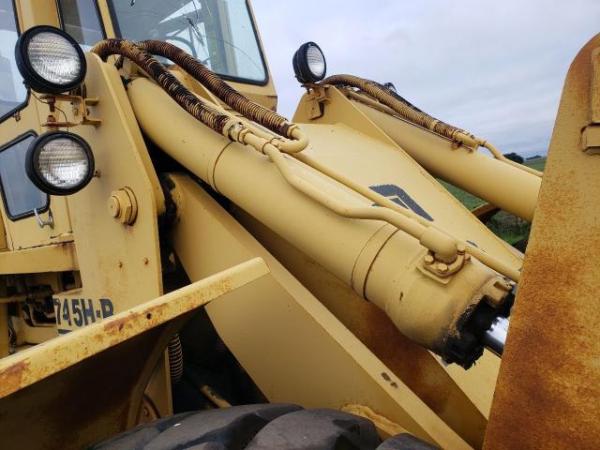
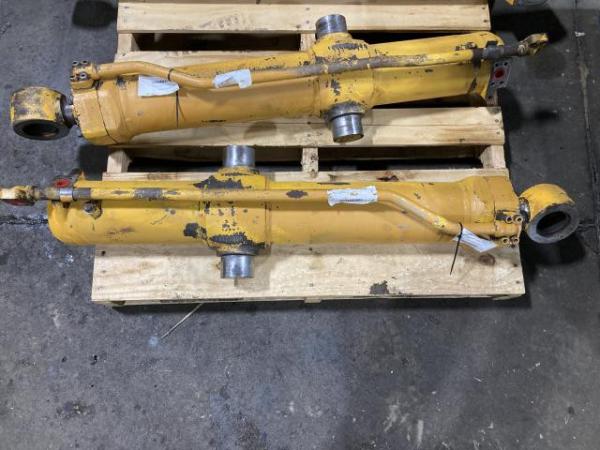
The Fiat-Allis FD5 crawler dozer, introduced in the early 1980s, was a robust machine designed for heavy-duty earthmoving tasks. A critical component of this dozer is the side tilt ram assembly, which allows for precise blade angle adjustments. Over time, wear and tear can compromise the functionality of this assembly, leading to operational challenges. This article delves into the specifics of the side tilt ram assembly, common issues faced, and potential solutions for restoration.
Understanding the Side Tilt Ram Assembly
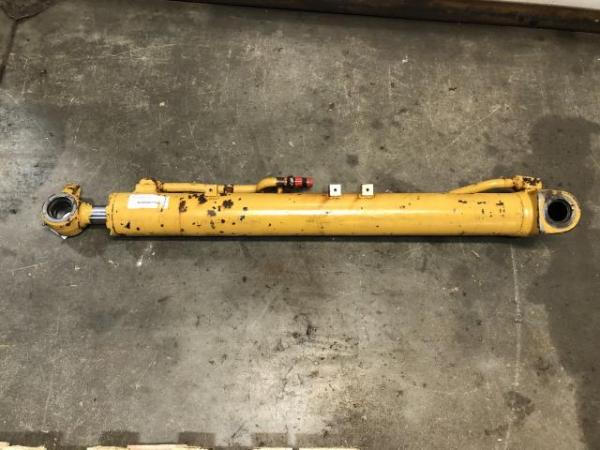
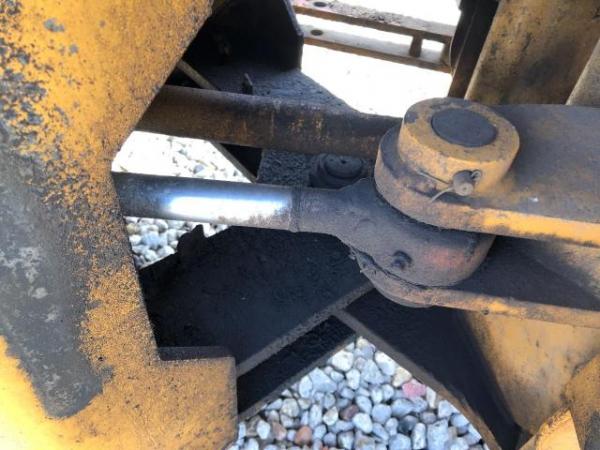
The side tilt ram assembly is a hydraulic cylinder responsible for tilting the dozer blade laterally. This function is essential for tasks such as grading and contouring, where precise blade positioning is crucial. The assembly typically consists of a cylinder housing, piston rod, gland, seals, and mounting brackets. Hydraulic fluid under pressure actuates the piston, causing the blade to tilt accordingly.
Common Issues and Challenges
Owners of vintage Fiat-Allis FD5 dozers often encounter several issues with the side tilt ram assembly: - Seal Degradation: Over time, seals within the hydraulic cylinder can degrade, leading to hydraulic fluid leaks and loss of pressure.
- Corrosion: Exposure to harsh environmental conditions can lead to rust and corrosion, compromising the integrity of the cylinder.
- Worn Components: Continuous use can cause wear on the piston rod and gland, affecting the smooth operation of the assembly.
- Obsolete Parts: Given the age of the FD5 model, sourcing original replacement parts can be challenging.
Restoration and Repair Options
For those looking to restore or repair the side tilt ram assembly, several options are available:
- OEM Replacement Parts: Original Equipment Manufacturer (OEM) parts ensure compatibility and maintain the authenticity of the dozer. However, these parts may be scarce due to the age of the machine.
- Rebuilt Assemblies: Purchasing a rebuilt side tilt ram assembly can be a cost-effective solution. Rebuilt units are refurbished to meet OEM specifications and often come with warranties.
- Custom Fabrication: For those with machining capabilities, custom fabricating the side tilt ram assembly is an option. This approach requires precise measurements and expertise in hydraulic systems.
Maintenance Tips
To prolong the lifespan of the side tilt ram assembly and ensure optimal performance:- Regular Inspection: Periodically check for signs of hydraulic fluid leaks and address them promptly.
- Seal Maintenance: Replace seals at regular intervals to prevent leaks and maintain pressure.
- Protective Coatings: Apply anti-corrosion coatings to exposed metal parts to prevent rust.
- Proper Storage: When not in use, store the dozer in a sheltered environment to protect it from the elements.
Conclusion
Restoring the side tilt ram assembly of the Fiat-Allis FD5 crawler dozer requires careful consideration of the available options and a commitment to maintaining the machine's performance. Whether opting for OEM parts, rebuilt assemblies, or custom fabrication, ensuring the functionality of this critical component is essential for the dozer's operational efficiency. With proper maintenance and timely repairs, the Fiat-Allis FD5 can continue to serve effectively in various earthmoving applications.
|
|
|
|
| Mastering Lifting Calculations: A Practical Guide for Rigging Operations |
|
Posted by: MikePhua - 08-11-2025, 09:44 PM - Forum: General Discussion
- No Replies
|
|
Understanding the Foundations of Lifting Maths
Lifting operations are the backbone of construction, offshore engineering, and industrial logistics. Yet, despite their ubiquity, the mathematics behind safe and efficient lifting is often misunderstood or oversimplified. This guide aims to demystify the core principles of lifting calculations, offering practical insights, terminology explanations, and real-world anecdotes to enrich understanding.
At its heart, lifting maths involves calculating forces, load distributions, and safety margins to ensure that every lift is executed without compromising structural integrity or human safety. These calculations are not just academic—they directly impact the success and safety of field operations.
Key Terminology Explained
Before diving into formulas and examples, it's essential to clarify some foundational terms: - CoG (Center of Gravity): The point at which the entire weight of an object is considered to act. Accurate CoG identification is crucial for balanced lifting.
- VRF (Vertical Reaction Force): The force exerted vertically by each lifting point or sling. It determines how much load each point bears.
- Statically Determinate vs. Indeterminate Systems: A determinate system allows for straightforward force calculations using equilibrium equations. Indeterminate systems require advanced structural analysis due to complex force interactions.
- Sling Angle Factor: A multiplier that adjusts the load on a sling based on its angle from vertical. Lower angles increase tension dramatically.
Calculating Load Distribution in Multi-Point Lifts
When lifting with multiple points—such as three or four slings—the distribution of load becomes critical. In a perfectly symmetrical three-point lift, each point bears one-third of the total weight. However, this symmetry is rare in real-world scenarios.
For four-point lifts, symmetry along one axis allows manual calculation of VRFs. But even slight slack in one sling can shift load dramatically. For example, in a lift involving a large transformer, a minor misalignment caused one corner to bear nearly 40% of the total load, leading to sling failure. This incident led to a revision of lifting protocols across several European utility companies.
Practical Sling Angle Considerations
Sling angle is one of the most overlooked yet impactful variables in lifting operations. As the angle between the sling and vertical decreases, the tension increases exponentially. Here's how it plays out:- At 90° (vertical): Sling tension equals the load.
- At 60°: Tension increases to 115% of the load.
- At 45°: Tension reaches 141%.
- At 30°: Tension spikes to 200%.
To mitigate risk, it's recommended to keep sling angles above 45° whenever possible. If lower angles are unavoidable, use slings with higher rated capacities and inspect anchor points meticulously.
Case Study: Offshore Platform Lift
In 2012, a North Sea offshore platform required the lifting of a 12-ton compressor module using a four-point configuration. Engineers initially assumed equal load distribution. However, due to asymmetrical lifting lug placement and uneven sling tension, one point bore nearly 6 tons. The lift was aborted mid-operation, and recalculations revealed the need for a fifth lifting point and load spreader beams. This incident underscores the importance of precise VRF calculations and redundancy planning.
Recommendations for Lift Planning
To ensure safe and efficient lifting operations, consider the following best practices:- Always verify the CoG through CAD modeling or physical measurement.
- Use load cells or dynamometers to measure actual sling tensions during test lifts.
- Incorporate redundancy in sling configurations to accommodate unexpected load shifts.
- Avoid sling angles below 45° unless absolutely necessary.
- Conduct pre-lift simulations using software like AutoCAD or SolidWorks with FEA modules.
Troubleshooting Common Lifting Challenges
Here are some frequent issues and suggested solutions:- Uneven Load Distribution: Use adjustable slings or spreader bars to balance forces.
- Sling Slack: Pre-tension all slings and verify equal tension before lifting.
- Unknown CoG: Perform a trial lift with load cells to identify imbalance.
- Limited Headroom: Use low-profile lifting beams or nested sling configurations.
Historical Perspective: Evolution of Rigging Calculations
In the early 20th century, lifting operations relied heavily on experience and intuition. The introduction of standardized rigging handbooks in the 1950s marked a turning point. By the 1980s, computer-aided design revolutionized lift planning, allowing engineers to simulate complex lifts with precision. Today, AI-assisted modeling and real-time sensor feedback are pushing the boundaries even further.
Anecdote: The Bridge That Taught a Lesson
During the construction of a suspension bridge in Southeast Asia, a 20-ton segment was lifted using a four-point rig. Despite meticulous planning, one sling failed mid-lift. Investigation revealed that the sling had been slightly longer than the others, causing uneven tension. The incident led to a new protocol: all slings must be measured and tagged with verified lengths before deployment. This simple change prevented future failures and became a regional standard.
Conclusion: Precision Meets Practicality
Lifting maths is not just about numbers—it's about understanding how forces interact in the real world. By mastering these principles and applying them with care, rigging professionals can elevate safety, efficiency, and confidence in every lift. Whether you're hoisting a generator onto a rooftop or maneuvering a subsea module, the math behind the lift is your most reliable ally.
|
|
|
|
| Comprehensive Guide to Doosan Excavators |
|
Posted by: MikePhua - 08-11-2025, 09:43 PM - Forum: General Discussion
- No Replies
|
|
Introduction
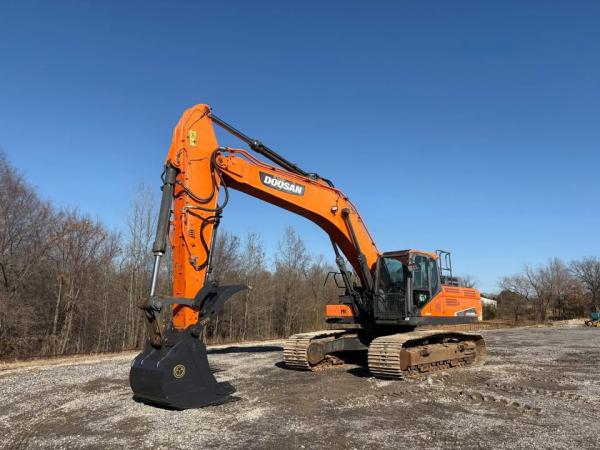
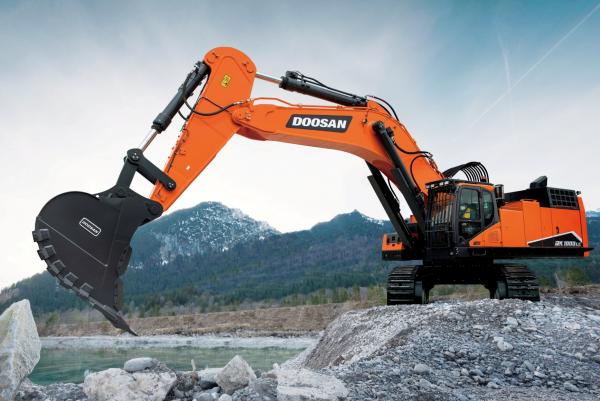
Doosan Infracore, a prominent South Korean manufacturer, has established itself as a formidable player in the global construction equipment market. Their excavators, ranging from compact models to heavy-duty machines, are renowned for their durability, advanced technology, and operator comfort. This guide delves into the specifications, features, and considerations associated with Doosan excavators, offering insights for potential buyers and operators.
Engine and Performance
Doosan excavators are powered by high-performance engines that comply with international emission standards. For instance, the DX225LC-5 model is equipped with a 6-cylinder turbocharged engine delivering 166 horsepower. These engines are designed to provide optimal power while ensuring fuel efficiency and reduced emissions. Advanced features like the Electronic Power Optimizing System (EPOS) allow operators to select from various work modes, tailoring the machine's performance to specific tasks.
Hydraulic System and Attachments
The hydraulic systems in Doosan excavators are engineered for high efficiency and reliability. Models like the DX225LC-5 boast a main pump flow of 109.2 gallons per minute, facilitating swift and powerful movements. These systems support a wide range of attachments, including buckets, hammers, and grapples, enhancing the machine's versatility across different applications.
Dimensions and Weight
Doosan offers a diverse lineup of excavators to cater to various project requirements. For example, the DX140LC-3 is a compact model with an operating weight of 30,865 lbs, suitable for urban construction and utility work. In contrast, the DX800LC-7 is a heavy-duty machine with an operating weight of 176,370 lbs, designed for large-scale mining and infrastructure projects. These dimensions ensure stability and performance tailored to the specific demands of each project.
Operator Comfort and Cab Design
Operator comfort is a priority in Doosan excavator designs. The cabins are spacious, with features like air conditioning, adjustable seating, and intuitive controls. The pressurized cab design minimizes dust ingress, and sound suppression systems reduce noise levels, contributing to a comfortable working environment. Additionally, the layout of the controls is ergonomic, reducing operator fatigue during extended shifts.
Maintenance and Durability
Doosan excavators are built with durability in mind, incorporating high-quality materials and components. Routine maintenance is facilitated by easily accessible service points and clear maintenance schedules. The machines are designed to withstand harsh working conditions, ensuring longevity and reliable performance over time.
Considerations for Potential Buyers
When considering the purchase of a Doosan excavator, potential buyers should evaluate: - Project Requirements: Assess the scale and nature of the projects to determine the appropriate model.
- Total Cost of Ownership: Consider factors like fuel consumption, maintenance costs, and potential downtime.
- Dealer Support and Parts Availability: Ensure that there is a reliable dealer network for parts and service.
- Operator Training: Invest in training programs to maximize the machine's efficiency and lifespan.
Conclusion
Doosan excavators represent a blend of advanced technology, robust performance, and operator-centric design. Whether for urban construction or large-scale infrastructure projects, these machines offer solutions that meet diverse industry needs. By considering the specifications and features outlined in this guide, stakeholders can make informed decisions that align with their operational requirements and objectives.
|
|
|
|
|



