| Welcome, Guest |
You have to register before you can post on our site.
|
| Forum Statistics |
» Members: 79
» Latest member: cioCruch
» Forum threads: 47,411
» Forum posts: 47,417
Full Statistics
|
| Online Users |
There are currently 425 online users.
» 0 Member(s) | 413 Guest(s)
Ahrefs, Amazon, Applebot, Baidu, Bing, Claude, DotBot, Google, OpenAI, Petalbot, Semrush
|
| Latest Threads |
Identifying and Sourcing ...
Forum: Parts , Attachments & Tools
Last Post: MikePhua
01-07-2026, 06:29 PM
» Replies: 0
» Views: 519
|
Cat 931B Brake Parts
Forum: Parts , Attachments & Tools
Last Post: MikePhua
01-07-2026, 06:29 PM
» Replies: 0
» Views: 283
|
Choosing Between Cat 228,...
Forum: General Discussion
Last Post: MikePhua
01-07-2026, 06:28 PM
» Replies: 0
» Views: 547
|
Hydraulic Delay When Lowe...
Forum: Troubleshooting & Diagnosing
Last Post: MikePhua
01-07-2026, 06:27 PM
» Replies: 0
» Views: 440
|
Bale Chopper and Mulcher ...
Forum: General Discussion
Last Post: MikePhua
01-07-2026, 06:26 PM
» Replies: 0
» Views: 320
|
Mini UC Maintenance
Forum: General Discussion
Last Post: MikePhua
01-07-2026, 06:25 PM
» Replies: 0
» Views: 309
|
Locating Wiring Informati...
Forum: General Discussion
Last Post: MikePhua
01-07-2026, 06:24 PM
» Replies: 0
» Views: 343
|
Case Industrial Brown Sub...
Forum: Parts , Attachments & Tools
Last Post: MikePhua
01-07-2026, 06:23 PM
» Replies: 0
» Views: 274
|
Dirt Work in West Virgini...
Forum: Construction & Urban Infrastructure Forum
Last Post: MikePhua
01-07-2026, 06:23 PM
» Replies: 0
» Views: 372
|
D207 P Hydraulic Steering...
Forum: Parts , Attachments & Tools
Last Post: MikePhua
01-07-2026, 06:22 PM
» Replies: 0
» Views: 303
|
|
|
| Diagnosing Hydraulic Drive Issues on the ASV MD-70 Positrack Loader |
|
Posted by: MikePhua - 08-11-2025, 10:02 PM - Forum: Troubleshooting & Diagnosing
- No Replies
|
 |
Introduction to the ASV MD-70
The ASV MD-70 is a compact track loader designed for grading, excavation, and light earthmoving tasks. Known for its rubber track undercarriage and maneuverability, the MD-70 is favored by contractors working in soft terrain or confined spaces. However, like many hydraulic-driven machines, it can suffer from performance degradation over time—particularly in its track drive system.
One common issue reported by operators is poor track power, especially after driveline repairs or extended use. Understanding the hydraulic architecture and recognizing symptoms of internal bypassing are key to restoring full functionality.
Hydraulic Drive System Overview
The MD-70 uses a hydrostatic drive system composed of: - Hydraulic drive motors (left and right)
- A main hydraulic pump
- Case drain lines returning to the reservoir
- Control valves for forward and reverse actuation
Each drive motor receives pressurized fluid to rotate the tracks. Excess fluid and internal leakage are routed through the case drain line—a small third hose that returns oil to the reservoir.
Symptoms of Internal Bypass and Drive Weakness
When the machine exhibits poor track power, especially after replacing the driveline, the following symptoms may appear:- Oil pouring from the case drain line during forward or reverse engagement
- Weak or sluggish movement despite throttle input
- Uneven track response between left and right sides
- No visible external leaks or hose damage
These signs suggest internal bypassing within the hydraulic drive motors. In other words, pressurized fluid is leaking past internal seals and returning prematurely to the tank, reducing torque output.
Understanding the Case Drain Line
The case drain line is designed to relieve internal pressure and return low-pressure fluid to the reservoir. However, excessive flow through this line indicates that the motor is no longer sealing properly. This can be caused by:- Worn internal seals or bearings
- Scored motor housing or rotor
- Contaminated hydraulic fluid
- Overheating or cavitation damage
In one documented case, a contractor noticed a steady stream of oil from the case drain line after engaging the drive circuit. The machine could barely climb a small grade. After removing the drive motor and inspecting the internals, he found a scored rotor and degraded seals—classic signs of internal bypass.
Are the Drive Motors Rebuildable?
Yes, most hydraulic drive motors used in compact loaders are rebuildable, provided the housing is intact and parts are available. Rebuilding typically involves:- Replacing seals, bearings, and wear rings
- Cleaning or resurfacing the rotor and stator
- Pressure testing the motor before reinstallation
However, rebuilding requires precision tools and hydraulic knowledge. If the motor housing is cracked or deeply scored, replacement may be more cost-effective.
Removal and Replacement Tips
Removing the drive motors from the MD-70 involves:- Disconnecting hydraulic lines (mark them to avoid confusion)
- Unbolting the motor from the frame or final drive assembly
- Draining residual fluid and inspecting for contamination
- Checking couplers and splines for wear
Before installation, flush the hydraulic system to remove debris and ensure clean fluid reaches the new or rebuilt motor.
Recommendations for Long-Term Reliability
To prevent future drive issues and extend motor life:- Replace hydraulic fluid and filters every 500 hours or annually
- Use OEM-spec fluid with proper viscosity and anti-foaming additives
- Inspect case drain flow periodically—excessive flow is an early warning
- Avoid prolonged idling with drive circuits engaged
- Keep track tension within manufacturer specs to reduce motor strain
Anecdote: The Vineyard Loader That Lost Its Pull
In central California, a vineyard operator used an MD-70 to grade rows and haul compost. After replacing the driveline, he noticed the machine struggled to move uphill. Oil poured from the case drain line, and the tracks barely responded. A local technician diagnosed internal bypass in the left drive motor. After rebuilding the motor and flushing the system, the loader regained full power—just in time for harvest season.
Finding Technical Support and Manuals
While service manuals for older ASV models can be hard to locate, many technicians recommend:- Contacting ASV factory support directly
- Searching aftermarket parts sites for downloadable PDFs
- Joining regional equipment forums or user groups for shared resources
Having a manual on hand simplifies troubleshooting and ensures correct torque specs, fluid types, and disassembly procedures.
Conclusion: Restoring Power Through Precision Diagnosis
The ASV MD-70 is a capable machine, but like any hydraulic loader, its performance depends on the integrity of its drive motors and fluid system. When track power fades and oil pours from the case drain, it’s time to look inside—not just at hoses and fittings, but at the motor’s internal health. With careful inspection, proper rebuilds, and preventive maintenance, the MD-70 can return to full strength and keep pushing through the toughest terrain.
|

|
|
| Decoding the Quirks of the 5.9L Cummins Common Rail: Diagnostics, Failures, and Field Fixes |
|
Posted by: MikePhua - 08-11-2025, 10:01 PM - Forum: Troubleshooting & Diagnosing
- No Replies
|
|
Introduction to the 5.9L Cummins Common Rail
The 5.9L Cummins High Output (HO) engine, particularly in its 2004.5–2007 common rail configuration, is revered for its torque, reliability, and simplicity. Yet, even this workhorse has its quirks—especially when paired with automatic transmissions and tasked with hauling heavy loads. From hard hot starts to mysterious idle noises, these engines can exhibit symptoms that puzzle even seasoned diesel techs. Understanding the interplay between fuel delivery, electrical signals, and injector behavior is key to diagnosing and resolving these issues.
Common Symptoms and Their Implications
Operators have reported a range of strange behaviors, including: - Hard hot starts requiring extended cooldown periods
- Intermittent idle “cackle” or unusual combustion sounds
- Temporary limp mode after using certain fuel additives
- Smoke after prolonged idling that clears quickly under load
These symptoms often appear sporadically and may resolve themselves temporarily, making root cause identification challenging.
Fuel System Anatomy and Failure Points
The 5.9L Cummins common rail system includes:- Lift Pump: Supplies low-pressure fuel from the tank to the high-pressure pump
- CP3 High-Pressure Pump: Pressurizes fuel for injection; gear-driven, no diaphragm
- Injectors: Solenoid-actuated, capable of multiple injection events per cycle
- Return Line: Routes excess fuel back to the tank; includes banjo fitting at rear of head
Failures in any of these components can cause pressure drop, delayed injection, or erratic combustion.
Typical failure scenarios:- Weak lift pump forces CP3 to work harder, potentially reducing rail pressure during hot starts
- Leaking injector returns fuel prematurely, preventing pressure buildup
- Sticking injector solenoids delay injection timing, altering engine sound
Electrical Connections and Harness Issues
The injector harness on 2004.5+ models includes three connectors on the driver’s side valve cover. These carry high-voltage signals from the ECM to the injectors. Corrosion, loose connections, or damaged wiring can cause misfires, delayed starts, or erratic idle.
Recommended inspection steps:- Disconnect and clean all harness connectors
- Check for pin corrosion or bent terminals
- Verify harness continuity with a multimeter
- Secure connectors to prevent vibration-induced faults
In one case, simply blowing out and reseating the connectors resolved both the idle cackle and hot start issue permanently.
Old-School vs. Modern Diagnostic Techniques
Two schools of thought dominate diesel diagnostics:- Traditional Mechanics: Use physical tests like return flow observation and line plugging
- Modern Technicians: Rely on scan tools for cylinder contribution and leak-down tests
Return flow test procedure:- Remove banjo bolt at rear of head
- Crank engine and observe fuel flow
- Excessive flow indicates injector leaking to return, not combustion chamber
Injector isolation method:- Use a modified injection line with welded plug
- Plug each injector line one at a time
- When return flow stops, the leaking injector is identified
While time-consuming, this method is effective without expensive diagnostic software.
Fuel Quality and Additive Sensitivity
The 5.9L Cummins common rail system is highly sensitive to fuel quality. Low-sulfur diesel lacks lubricity, increasing wear on injectors and pumps. Some additives, like Power Service, have triggered limp mode in certain trucks—likely due to chemical interactions with sensors or seals.
Best practices:- Use fresh fuel from high-turnover stations
- Replace fuel filters every 10,000–15,000 miles
- Consider adding 2-stroke marine oil (1 oz per gallon) to improve lubricity
- Avoid mixing additives unless compatibility is confirmed
Case Study: The Flatbed That Wouldn’t Start Hot
A one-ton dually flatbed hauling a compact track loader began exhibiting hard hot starts. After replacing the lift pump and experimenting with additives, the issue persisted. Eventually, the operator cleaned the injector harness connections and replaced the fuel filter. The problem vanished. This case highlights the importance of electrical integrity and routine maintenance over chasing expensive component replacements.
Recommendations for Owners and Technicians
To maintain peak performance and avoid common rail quirks:- Inspect and clean injector harness connections annually
- Monitor fuel pressure at rail during startup and idle
- Perform return flow tests before replacing injectors
- Use OEM or high-quality fuel filters; avoid off-brand units
- Keep diagnostic tools on hand, but don’t overlook manual methods
Additional parameters to monitor:- Rail pressure during cranking: Should exceed 5,000 psi for reliable start
- Injector balance rates: Should be within ±3 mm³/stroke
- Battery voltage during crank: Must remain above 10.5V
Anecdote: The Dozer That Wouldn’t Restart
A fleet manager in Georgia encountered similar symptoms on several dozers with 5.9L Cummins engines. After shutdown, they wouldn’t restart until cooled. Return flow tests revealed leaking injectors—not into the chamber, but back to the tank. Replacing the faulty units resolved the issue. The manager now trains all techs to perform return flow checks before ordering injectors.
Conclusion: Diagnosing the Diesel Puzzle
The 5.9L Cummins common rail engine is a marvel of diesel engineering—but like all machines, it has its quirks. By combining electrical inspection, fuel system analysis, and old-school diagnostics, operators and technicians can decode even the most puzzling symptoms. Whether it’s a mysterious idle cackle or a stubborn hot start, the solution often lies in the details—and in the wisdom of those who’ve seen it all before.
|
|
|
|
| Comparing the John Deere 27D and Bobcat 425: A Detailed Breakdown |
|
Posted by: MikePhua - 08-11-2025, 10:00 PM - Forum: General Discussion
- No Replies
|
|
When choosing between compact excavators, the John Deere 27D and Bobcat 425 are two models often put head-to-head in various applications. Both offer reliability and versatility, making them strong candidates for urban construction, landscaping, and general excavation work. However, each has its unique features, specifications, and advantages. Understanding their differences and strengths is crucial for making an informed decision based on job requirements and operational needs.
This article explores a detailed comparison between the John Deere 27D and Bobcat 425, focusing on performance, design, ease of use, and other important aspects.
John Deere 27D Overview
The John Deere 27D is a compact, zero-turn radius excavator designed for tight spaces and precise operation. It is a popular choice for landscapers and contractors working on small to medium-sized projects. With its durable build and powerful hydraulics, the 27D excels in digging, lifting, and trenching operations. Let’s take a closer look at its key specifications and performance features.
Key Specifications of John Deere 27D: - Engine Power: 24.7 HP (18.4 kW)
- Operating Weight: 6,100 lbs (2,767 kg)
- Max Digging Depth: 8.2 feet (2.5 m)
- Max Dump Height: 8.2 feet (2.5 m)
- Bucket Capacity: 0.08-0.16 cubic yards (0.06-0.12 m³)
- Ground Pressure: 4.4 psi (30.3 kPa)
Strengths of the John Deere 27D:- Compact Size: The 27D’s compact design allows it to navigate through narrow spaces easily, making it ideal for urban areas, tight construction sites, and residential work.
- Powerful Hydraulics: With a strong hydraulic system, the 27D is capable of handling various attachments such as augers, breakers, and grapples, providing versatility in different operations.
- Fuel Efficiency: The engine is optimized for fuel efficiency, making the 27D a cost-effective option for extended operations.
Drawbacks:- Limited Lifting Capacity: While powerful for its size, the 27D’s lifting capacity may not be sufficient for more significant operations or handling larger attachments compared to some other models in its class.
- Higher Ground Pressure: With a ground pressure of 4.4 psi, the 27D may not be ideal for very soft or sensitive ground conditions.
Bobcat 425 Overview
The Bobcat 425 is another highly regarded compact excavator designed for similar applications. Known for its compactness and maneuverability, the 425 offers excellent control in confined spaces. It is especially suitable for landscaping, trenching, and small-scale construction projects. The machine offers strong hydraulics and a robust design for versatile performance.
Key Specifications of Bobcat 425:- Engine Power: 24.8 HP (18.5 kW)
- Operating Weight: 5,950 lbs (2,698 kg)
- Max Digging Depth: 8.2 feet (2.5 m)
- Max Dump Height: 8.5 feet (2.6 m)
- Bucket Capacity: 0.08-0.12 cubic yards (0.06-0.09 m³)
- Ground Pressure: 4.2 psi (29 kPa)
Strengths of the Bobcat 425:- Compact and Agile: The Bobcat 425 is known for its agility and compact size, making it ideal for working in tight, urban spaces or areas with limited access.
- Excellent Visibility: The design of the 425 offers exceptional operator visibility, improving safety and operational precision.
- Versatile Attachments: The 425’s hydraulic system allows for the use of various attachments, making it a versatile choice for multiple applications.
Drawbacks:- Lower Lifting Capacity: Like the John Deere 27D, the Bobcat 425 is not designed for handling large loads or heavy attachments.
- Limited Speed: While powerful, the 425 is not the fastest excavator in its class, with a top travel speed of approximately 2.5 mph (4 km/h).
Comparison Between John Deere 27D and Bobcat 425
Let’s now compare the John Deere 27D and Bobcat 425 across several important factors to help determine which model is better suited to specific needs.
1. Performance and Lifting Capacity
Both machines have similar engine power (24.7-24.8 HP), and their maximum digging depths are nearly identical (8.2 feet or 2.5 m). When comparing the lifting capacities, both models have somewhat limited capabilities in handling heavy loads. However, the John Deere 27D offers a slightly higher maximum lift height of 8.2 feet (2.5 m) compared to the Bobcat 425’s 8.5 feet (2.6 m).
Conclusion: Performance-wise, both are well-matched, but the Bobcat 425 edges ahead slightly in lifting capabilities due to its higher dump height.
2. Compactness and Maneuverability
The John Deere 27D and Bobcat 425 are both compact machines designed for tight spaces. However, the Bobcat 425 is marginally lighter, with an operating weight of 5,950 lbs (2,698 kg) versus the 6,100 lbs (2,767 kg) of the John Deere 27D. This weight difference, though small, contributes to the Bobcat’s superior maneuverability in confined spaces.
Conclusion: The Bobcat 425 is a slightly better option for operations where space is especially limited, thanks to its smaller weight and improved maneuverability.
3. Fuel Efficiency and Operating Costs
Both the John Deere 27D and Bobcat 425 are designed with fuel efficiency in mind, and their engines are well-suited for longer operational hours. The John Deere 27D, with its slightly larger engine and optimized fuel system, may provide a slight edge in fuel savings over extended operations, although the differences in consumption are negligible for short-term work.
Conclusion: Both machines are efficient, but John Deere 27D may offer slightly better fuel economy in long-term operations.
4. Operator Comfort and Ease of Use
Operator comfort is essential for long working hours. The John Deere 27D and Bobcat 425 are both designed with ergonomics in mind, providing easy-to-use controls and adjustable seats. The Bobcat 425, however, is widely praised for its visibility and comfort, making it easier for operators to maintain focus on precision work in tight spaces.
Conclusion: While both offer comfort, the Bobcat 425 tends to have the edge in visibility and ease of operation, which is crucial for operators in busy environments.
5. Hydraulic System and Attachments
Both the John Deere 27D and Bobcat 425 come with powerful hydraulic systems that allow for a variety of attachments. Whether you need to use an auger, hydraulic breaker, or grapple, both models can handle these tasks with ease. However, the John Deere 27D offers a more robust hydraulic system for heavy-duty applications.
Conclusion: The John Deere 27D is likely to perform better in tougher tasks and heavy-duty applications requiring powerful hydraulics.
6. Price and Value
Pricing can be a major deciding factor. While both machines are priced similarly in their respective markets, the Bobcat 425 tends to be slightly more affordable, making it an attractive option for smaller contractors or those with budget constraints.
Conclusion: The Bobcat 425 offers better value for those with budget limitations or for contractors who don’t require the heavy lifting capabilities of the John Deere 27D.
Which is Better for You?
Both the John Deere 27D and Bobcat 425 are excellent choices for compact excavation work, each with its unique advantages. The John Deere 27D is ideal for operators who need slightly more lifting power and durability in demanding tasks. It’s particularly well-suited for those in construction or landscaping who require a tough machine that can handle various attachments and heavy-duty applications.
On the other hand, the Bobcat 425 shines in terms of maneuverability, visibility, and overall operator comfort. It is an excellent choice for projects that require precision and for those who often work in tight spaces or urban environments.
Final Recommendation: If you need a compact excavator for demanding tasks and heavy lifting, the John Deere 27D is a better fit. However, for those seeking versatility, ease of use, and a more budget-friendly option for smaller-scale jobs, the Bobcat 425 will likely be the better choice.
|
|
|
|
| Cedarapids Remix Pavers: Revolutionizing Asphalt Paving Technology |
|
Posted by: MikePhua - 08-11-2025, 10:00 PM - Forum: General Discussion
- No Replies
|
|
Introduction
The Cedarapids Remix Paver, now under the BOMAG brand, represents a significant advancement in asphalt paving technology. Designed to address common challenges in the paving industry, such as material segregation and uneven mat quality, the Remix Paver integrates innovative features that enhance performance, efficiency, and operator comfort.
Key Features and Specifications - Anti-Segregation System: The Remix Paver incorporates a unique system that replaces traditional slat conveyors with two sets of two variable-pitch counter-rotating augers. This design ensures uniform material flow and aggressive reblending of asphalt, effectively combating segregation at the job site.
- Engine and Power: Equipped with a 260 hp Cummins Tier 4 Final diesel engine, the Remix Paver delivers ample power to operate the anti-segregation system, paver functions, and electric screed. The engine also provides reserve power for optional features like night paving lights.
- Operator Platform: The redesigned operator's platform offers enhanced visibility and comfort. A swiveling seat provides an unobstructed line of sight to the front wheel bogies and tracks, while the adjustable console aligns with the operator's seat for improved ergonomics.
- Telematics: Integrated BOMAG Telematics allow for real-time monitoring of machine performance, including location, operating hours, idle time, fuel consumption, and maintenance reminders. The system's Geo-Fence feature alerts personnel if the machine leaves a defined area, aiding in theft prevention.
- Drive System: Featuring the largest drive tire in the industry, the Remix Paver offers a 35% larger footprint than comparable machines, enhancing flotation. Heavy-duty rear drive motors provide increased drawbar pull, and the optional front-wheel drive assist improves traction by 50% over standard two-wheel drive systems.
Applications and Performance
The Cedarapids Remix Paver is ideal for full-width paving applications, including airports, interstates, state highways, and major county roads. Its innovative design ensures high-quality mat production and efficient operation, even in challenging conditions.
Maintenance and Support
Regular maintenance is crucial to ensure the longevity and optimal performance of the Remix Paver. BOMAG provides comprehensive service and support through its distribution network, offering parts, service, and technical assistance. Utilizing genuine parts is recommended to maintain machine reliability and performance.
Conclusion
The Cedarapids Remix Paver sets a new standard in the asphalt paving industry. Its innovative features address common challenges, providing contractors with a reliable and efficient machine that enhances paving quality and productivity. As the paving industry continues to evolve, the Remix Paver stands as a testament to BOMAG's commitment to innovation and excellence.
|
|
|
|
| Reviving a Michigan 175-DTLO Wheel Loader: Operation, Maintenance, and Field Wisdom |
|
Posted by: MikePhua - 08-11-2025, 09:59 PM - Forum: General Discussion
- No Replies
|
|
Rediscovering a Classic Workhorse
The Michigan 175-DTLO wheel loader is a rugged, mid-sized machine built for heavy-duty earthmoving, aggregate handling, and industrial yard work. Though no longer in production, these loaders remain in service across North America, often passed down through generations or acquired secondhand. Their mechanical simplicity and robust construction make them ideal candidates for restoration and continued use—provided operators understand their controls and quirks.
In one case, a newly acquired 175-DTLO was found in a tight spot, and the operator had never run one before. With limited documentation and no prior experience, the challenge was to identify the control layout and safely maneuver the machine without causing damage to nearby structures.
Control Layout and Operating Logic
The Michigan 175-DTLO uses a mechanical control system with multiple levers and floor-mounted selectors. Understanding their function is essential before attempting to move the loader.
Typical control configuration: - Two levers on the steering column:
- Top lever: Forward and reverse gear selection
- Bottom lever: High and low range selector
- Two hydraulic levers on the right side (near the operator’s thigh):
- Closest lever: Bucket tilt (dump and rollback)
- Farthest lever: Boom lift and lower
- Floor-mounted selectors:
- 2WD/4WD selector
- Mechanical high/low travel gear selector
These controls may vary slightly depending on production year and regional configuration, but the general layout remains consistent across the 175–375 series.
Starting and Moving Safely in Confined Spaces
When operating a loader in tight quarters, especially for the first time, caution is paramount. Recommendations include:- Perform a walk-around inspection to identify leaks, tire condition, and obstructions
- Start the engine with all hydraulic levers in neutral
- Engage low gear and 2WD mode for initial movement
- Use minimal throttle and feather the boom and bucket controls to test responsiveness
- Avoid sudden directional changes until familiar with the transmission’s delay and clutch engagement
In one anecdote, an operator nearly struck a telephone pole due to misidentifying the forward/reverse lever. A quick correction saved the day—and the pole.
Common Maintenance Needs for Older Loaders
Vintage loaders like the 175-DTLO often require attention in several key areas:- Tires: Dry rot and sidewall cracking are common; replacement may be needed
- Hydraulic leaks: Seals and hoses degrade over time; inspect all fittings
- Charging system: Alternators and voltage regulators may fail; test battery voltage under load
- Electrical wiring: Rodents and corrosion can compromise circuits; rewire as needed
- Cooling system: Flush radiators and replace thermostats to prevent overheating
Preventive maintenance checklist:- Check transmission fluid and hydraulic oil levels
- Inspect fan belts and tensioners
- Grease all pivot points and joints
- Test brake function before operating on slopes
- Verify lighting and horn operation for safety
Field Case: Loader and Dump Truck Duo
In one restoration story, a Michigan 175-DTLO was acquired alongside an aging dump truck. While the truck needed extensive work, the loader was surprisingly intact. After replacing a front tire, sealing minor leaks, and repairing the charging system, the loader was back in action. The owner used it to load gravel into the dump truck, creating a self-sufficient earthmoving setup for rural property development.
Tips for First-Time Operators
For those unfamiliar with older loaders, here are some practical tips:- Practice in an open area before working near structures
- Label levers with tape and marker to avoid confusion
- Use wheel chocks when parked on slopes
- Keep a fire extinguisher onboard—older wiring can spark unexpectedly
- Carry basic tools and spare fuses for field repairs
Anecdote: The Loader That Cleared a Barn
In eastern Oregon, a farmer inherited a Michigan loader from a retired neighbor. With no manuals and limited mechanical experience, he relied on community advice to get it running. After repairing the charging system and replacing a tire, he used the loader to clear out an old barn foundation. The machine’s raw power and simplicity impressed him so much that he later bought a second unit for parts.
Conclusion: Breathing Life into Legacy Equipment
The Michigan 175-DTLO wheel loader may be decades old, but its utility and durability remain unmatched in the right hands. With a bit of mechanical know-how, careful operation, and community wisdom, these machines can be restored to full working order and serve reliably for years to come. Whether you're grading a driveway, moving aggregate, or clearing land, the 175-DTLO proves that old iron still has plenty of muscle left.
|
|
|
|
| Understanding P&H Crane Outriggers: Function, Types, and Best Practices |
|
Posted by: MikePhua - 08-11-2025, 09:58 PM - Forum: General Discussion
- No Replies
|
|
Outriggers are crucial components of any crane, providing stability during lifting operations. On large mobile cranes such as the P&H (Pittsburg-Des Moines Steel) models, outriggers ensure that the crane remains safe and stable, even when lifting heavy loads at extended reaches. This article explores the role of outriggers in P&H cranes, the different types of outriggers, and essential safety guidelines for operating these machines.
What Are Outriggers and Why Are They Important?
Outriggers are extendable arms or stabilizers that are deployed when a crane is set up for lifting. They help distribute the weight of the crane and its load more evenly across the ground, increasing stability and preventing tipping. Without outriggers, a crane could easily become unbalanced, especially when lifting loads that are far from the center of the machine’s body.
In P&H cranes, the outriggers are essential for preventing structural failure during heavy operations. These cranes are used in a variety of industries, including construction, mining, and oil & gas, where lifting and moving heavy materials is a daily task. Ensuring that the outriggers are used properly can make the difference between a successful lift and a catastrophic accident.
Types of Outriggers on P&H Cranes
Different types of outriggers are used on cranes depending on the model, design, and operational needs. On P&H cranes, outriggers are generally hydraulic and extendable, providing a balance between ease of operation and powerful support. Below are the main types of outriggers found on these cranes:
1. Hydraulic Outriggers
Hydraulic outriggers are the most common type on modern cranes, including P&H models. These outriggers use hydraulic cylinders to extend and retract the stabilizers. The hydraulic system is controlled by the operator, who can deploy and adjust the outriggers remotely from the crane’s cabin. - Advantages:
- Ease of Use: Hydraulic outriggers can be deployed quickly, reducing setup time.
- High Load Capacity: Hydraulic systems can handle heavy loads, making them ideal for large cranes used in construction and mining.
- Precision: The operator can adjust the extension of the outriggers for fine-tuned stability.
- Considerations:
- Regular maintenance is required to ensure the hydraulic system functions properly.
- Hydraulic lines must be checked regularly for leaks or wear.
2. Manual Outriggers
While less common on newer cranes, some older P&H cranes may have manual outriggers. These require the operator to extend and position the outriggers by hand, using a series of mechanical levers, winches, or cranks.- Advantages:
- Simplicity: Fewer mechanical components mean there is less to maintain or repair.
- Cost-Effective: Manual outriggers are often cheaper to repair and maintain than hydraulic systems.
- Considerations:
- Time-Consuming: The operator must manually position and adjust the outriggers, which increases setup time.
- Limited Load Handling: Manual outriggers do not provide the same level of stability as hydraulic outriggers.
3. Fixed or Swing-Out Outriggers
Some P&H cranes feature fixed or swing-out outriggers that extend from the side of the crane. These outriggers can be either manual or hydraulic but are typically designed to be deployed from a stationary position. Fixed outriggers are often used on smaller cranes or in areas where space is limited.- Advantages:
- Stability in Tight Spaces: Swing-out outriggers are beneficial when the crane is used in confined spaces or in urban environments.
- Quick Deployment: These outriggers can be deployed and retracted quickly, making them ideal for short-duration lifts.
- Considerations:
- Limited Reach: Fixed outriggers may not extend as far as fully hydraulic models, limiting the crane's lifting capabilities in certain configurations.
Factors to Consider When Using Outriggers on P&H Cranes
The proper use of outriggers is key to the safe operation of a P&H crane. There are several factors that operators must take into account before deploying the outriggers, including ground conditions, crane positioning, and load requirements.
1. Ground Conditions
Outriggers are designed to provide stability, but the type of surface the crane is operating on can significantly impact their effectiveness. Operators should always assess the ground conditions before deploying the outriggers.- Solid, Level Ground: For optimal performance, outriggers should be deployed on firm, level surfaces. Soft or uneven ground may require additional measures, such as the use of mats or pads to distribute the weight of the crane more evenly.
- Sloped Terrain: When working on a slope, additional precautions must be taken to ensure that the outriggers are deployed at the proper angle. Operators should use the crane’s leveling system, if available, to compensate for the slope.
2. Outrigger Pad Placement
Outrigger pads are critical in ensuring that the weight of the crane and its load is evenly distributed over a large area. This helps prevent the crane from sinking into soft ground and maintains stability during lifting operations.- Use of Large Pads: The larger the outrigger pad, the more weight it can support. For cranes operating on soft or muddy ground, it is essential to use larger, more robust pads.
- Ensure Even Surface: Pads should be placed on solid, level ground to ensure even pressure distribution. If the surface is uneven, the crane could become unstable during lifting.
3. Lifting Capacity and Reach
The lifting capacity of the crane is significantly affected by the position of the outriggers. When the outriggers are fully extended, the crane has maximum stability and lifting capacity. However, as the outriggers are retracted or positioned closer to the machine, the lifting capacity is reduced.- Full Extension: For maximum lifting capacity, outriggers should be fully extended. This increases the width of the crane’s base and provides more stability.
- Shorter Lifts: In situations where the load is closer to the crane, it may be possible to retract the outriggers slightly, which can reduce setup time and allow for easier maneuvering.
4. Operator Training and Safety
Operating a crane with outriggers requires careful attention to safety protocols. Operators must be trained to understand the dynamics of the crane and outriggers and should always be aware of the machine’s stability during lifting operations.- Pre-Operation Inspection: Operators should inspect the outriggers for any damage or signs of wear before use. This includes checking hydraulic lines, pins, and locking mechanisms.
- Weight Limits: Operators must always ensure that the crane is operating within its specified weight limits, taking into account the position and extension of the outriggers.
Best Practices for Outrigger Operation on P&H Cranes
To ensure safe and effective use of outriggers, operators should follow these best practices:
- Always Use Outriggers for Stability: Never attempt to lift a load without fully deploying the outriggers, even if the crane appears stable without them.
- Monitor Crane Positioning: Constantly check the position of the crane and the extension of the outriggers, especially when lifting at high reaches or near the maximum load capacity.
- Use Outrigger Pads Appropriately: Always use the correct size and type of outrigger pads for the conditions. Pads help prevent the crane from sinking into soft ground and ensure stable lifting.
- Level the Crane: Ensure that the crane is level before lifting, especially when working on uneven ground. Use the crane’s leveling system if available.
- Check Hydraulic Systems Regularly: For hydraulic outriggers, ensure that the hydraulic system is maintained in good condition to prevent leaks and ensure proper functioning.
Conclusion
Outriggers play an essential role in ensuring the stability and safety of P&H cranes during lifting operations. Understanding the different types of outriggers, their proper use, and the factors that affect their performance is critical for safe and efficient crane operation. By following best practices and maintaining the equipment, operators can minimize the risks associated with lifting and maximize the productivity and longevity of their cranes. Proper training and regular inspections are key to ensuring that outriggers provide the necessary support for safe operations, whether the crane is used on solid ground, sloped surfaces, or in confined spaces.
|
|
|
|
| Replacing the Blade Pivot Trunnion on a John Deere 450G Dozer |
|
Posted by: MikePhua - 08-11-2025, 09:58 PM - Forum: General Discussion
- No Replies
|
|
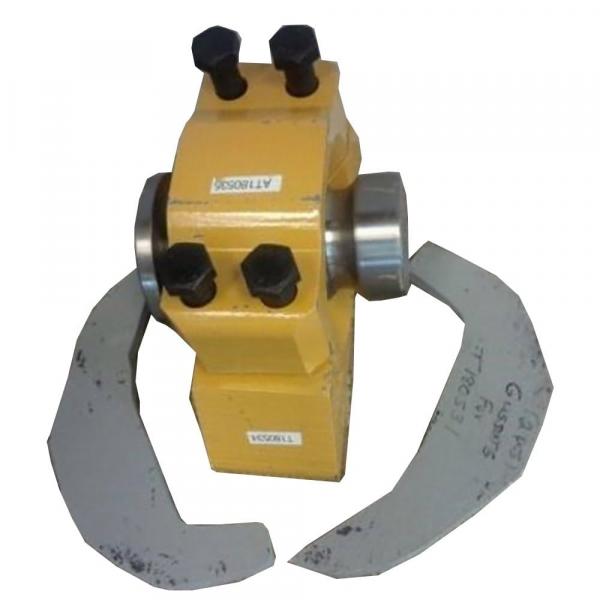
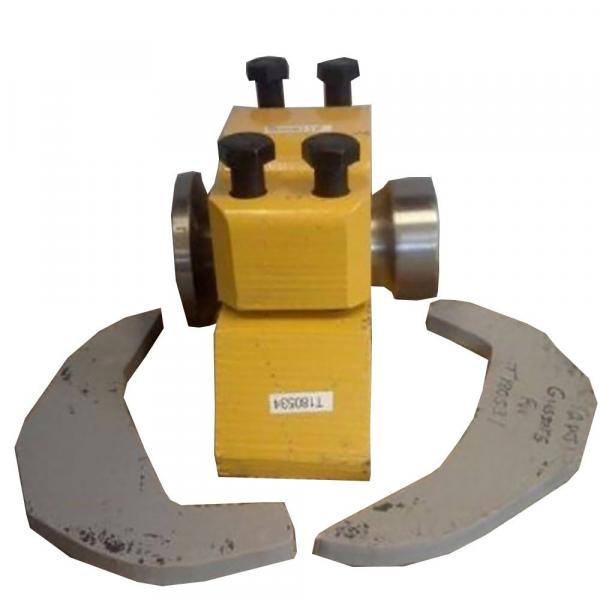
Introduction
The blade pivot trunnion is a critical component of the John Deere 450G dozer's blade assembly. It facilitates the articulation of the blade, allowing for precise control during operations such as grading and leveling. Over time, wear and tear can compromise its integrity, leading to potential issues like excessive play, misalignment, or even failure. Addressing these concerns promptly is essential to maintain optimal performance and safety.
Understanding the Blade Pivot Trunnion Assembly
The blade pivot trunnion assembly comprises several key components: - Trunnion Ball (Part # T147801): This spherical component serves as the central pivot point for the blade.
- Socket with Gussets (Part # T180534): Houses the trunnion ball and provides structural support.
- Socket Cap (Part # T180535): Secures the trunnion ball within the socket.
- Mounting Bolts (Part # 19M7963): Fasten the assembly to the dozer's frame.
These parts are available individually or as a complete kit, often referred to as the T147801-KIT. Aftermarket options are also available, such as the RAParts assembly, which includes all necessary components for replacement.
Symptoms of a Worn or Damaged Blade Pivot Trunnion
Operators may notice several signs indicating issues with the blade pivot trunnion:- Excessive Blade Play: Noticeable movement or wobbling of the blade during operation.
- Misalignment: The blade may not return to its neutral position after adjustments.
- Unusual Noises: Grinding or clunking sounds when the blade is moved.
- Uneven Wear Patterns: Irregularities on the blade or surrounding components.
If these symptoms are observed, it's advisable to inspect the blade pivot trunnion for wear or damage.
Replacement Procedure
- Preparation:
- Park the dozer on a level surface and engage the parking brake.
- Raise the blade and secure it using appropriate supports.
- Removal:
- Locate and remove the mounting bolts (Part # 19M7963) securing the blade pivot assembly.
- Carefully detach the socket cap (Part # T180535) and remove the trunnion ball (Part # T147801).
- Take note of any shims or spacers used during assembly for reinstallation.
- Inspection:
- Examine the socket with gussets (Part # T180534) for signs of wear or damage.
- Check the surrounding components for any issues that may have contributed to the trunnion's failure.
- Installation:
- Place the new trunnion ball (Part # T147801) into the socket with gussets (Part # T180534).
- Reinstall the socket cap (Part # T180535) and secure it with the mounting bolts (Part # 19M7963).
- Ensure all components are properly aligned and tightened to the manufacturer's specifications.
- Testing:
- Lower the blade and test its movement to ensure smooth operation.
- Check for any unusual noises or resistance during blade articulation.
Maintenance Tips- Regular Inspections: Periodically check the blade pivot trunnion for signs of wear or damage.
- Lubrication: Apply appropriate grease to the trunnion assembly to reduce friction and wear.
- Prompt Repairs: Address any issues with the blade pivot trunnion promptly to prevent further damage to the dozer's blade assembly.
Conclusion
The blade pivot trunnion is a vital component in the John Deere 450G dozer's blade assembly. Regular maintenance and timely replacement of worn or damaged parts ensure the dozer operates efficiently and safely. By following the outlined procedures and utilizing quality replacement parts, operators can maintain the performance and longevity of their equipment.
For a visual guide on replacing the blade center joint on a John Deere 450G dozer, you can refer to the following video:
|
|
|
|
| Troubleshooting Coolant Foaming in Cummins 855 Engines: Causes and Solutions |
|
Posted by: MikePhua - 08-11-2025, 09:56 PM - Forum: Troubleshooting & Diagnosing
- No Replies
|
|
The Cummins 855 engine, known for its durability and performance, has been a staple in heavy equipment, trucks, and industrial machinery for decades. However, like any mechanical system, it can develop issues over time, including coolant foaming. Coolant foaming in the Cummins 855 engine can lead to poor cooling performance, engine overheating, and, in severe cases, engine damage. Understanding the causes of coolant foaming and knowing how to address them can prevent significant issues and ensure the longevity of the engine.
In this article, we will explore the causes of coolant foaming, how to diagnose the issue, and practical solutions to fix and prevent it.
What is Coolant Foaming?
Coolant foaming occurs when air or gas is trapped in the coolant, causing bubbles or foam to form. This can interfere with the coolant’s ability to properly dissipate heat from the engine. In an engine like the Cummins 855, which operates under high stress, efficient cooling is critical for maintaining optimal performance and preventing overheating.
When coolant foaming happens, it creates several problems: - Reduced Cooling Efficiency: Foam is less effective at transferring heat compared to liquid coolant.
- Airlocks: Air in the coolant can cause localized areas of the engine to overheat.
- Potential Damage to the Water Pump: Foam can reduce the effectiveness of the water pump, leading to further cooling system failures.
Common Causes of Coolant Foaming in Cummins 855 Engines
There are several potential causes of coolant foaming, ranging from simple issues like incorrect coolant mixture to more complex problems such as a head gasket failure or water pump malfunction. Here’s a look at the most common culprits:
1. Incorrect Coolant Mixture
The ratio of coolant to water is critical for proper engine cooling. If the mixture is too diluted with water, it can cause the coolant to foam more easily. The proper coolant mixture ensures that the coolant has the right properties for heat transfer, corrosion resistance, and foam prevention.- Cause: A mixture that is too weak (too much water) can lower the surface tension of the coolant, causing it to foam more easily.
- Solution: Always follow the manufacturer’s recommended coolant-to-water ratio. Typically, a 50/50 mix of antifreeze and water is ideal for most climates, but extreme conditions may require a different ratio. Verify the coolant strength with a refractometer.
2. Faulty or Clogged Radiator Cap
The radiator cap plays a crucial role in maintaining the pressure within the cooling system. If the cap is faulty, it can cause the system to run at lower pressure, leading to a decrease in boiling point and potentially allowing air to enter the coolant, leading to foaming.- Cause: A malfunctioning radiator cap can let air into the system, causing the coolant to foam.
- Solution: Inspect the radiator cap for damage or wear. If the cap is defective, replace it with one that meets the manufacturer’s specifications. Ensure that the spring inside the cap is functioning properly to maintain the correct pressure.
3. Air in the Cooling System
Air trapped in the cooling system can cause significant problems, including foaming. This can occur during routine maintenance if the system is not properly bled, or it could be the result of a leak in the system.- Cause: Leaks in the cooling system or improper bleeding can introduce air, which leads to foaming.
- Solution: Check for any visible leaks in hoses, radiator, water pump, or head gasket. If any leaks are found, repair them. After repairing, ensure the system is properly bled to remove all air pockets. Use a coolant vacuum filler tool to ensure a complete bleed, especially after major repairs or coolant changes.
4. Faulty Water Pump
The water pump circulates the coolant throughout the engine and cooling system. If the water pump is faulty, it may fail to circulate the coolant properly, leading to an increase in temperature and, ultimately, foaming.- Cause: A failing or malfunctioning water pump may not create enough pressure or flow to circulate coolant efficiently, causing it to foam.
- Solution: Inspect the water pump for signs of wear, including leaking seals or abnormal noise. If the water pump is faulty, replace it with a new one to restore proper coolant circulation.
5. Blown Head Gasket
A blown head gasket is a serious issue that can lead to coolant contamination, causing the coolant to foam. When the head gasket fails, exhaust gases can leak into the coolant system, causing bubbles and foam.- Cause: A blown head gasket allows exhaust gases to enter the coolant, resulting in foaming and other signs of contamination.
- Solution: Perform a compression test or a coolant system pressure test to check for leaks in the head gasket. If a blown head gasket is confirmed, it will need to be replaced. This is a complex repair and may require professional assistance.
6. Overheating and Coolant Boiling
If the engine is running too hot, the coolant may start to boil, leading to foaming. Overheating can be caused by a variety of factors, including poor coolant circulation, a clogged radiator, or excessive engine load.- Cause: Overheating causes the coolant to reach its boiling point, leading to the formation of bubbles and foam.
- Solution: Ensure that the cooling system is functioning properly, with no obstructions in the radiator or hoses. Check for proper fan operation and clean any debris that may be blocking airflow. Also, monitor the engine temperature to ensure it remains within the normal operating range.
How to Diagnose Coolant Foaming
Diagnosing the cause of coolant foaming can be tricky, but a systematic approach can help pinpoint the issue. Here are some steps to help with the diagnosis:
1. Check the Coolant Mixture
Start by checking the coolant-to-water ratio. A coolant refractometer can be used to measure the mixture strength. If the mixture is too diluted with water, this can lead to foaming, as discussed earlier.
2. Inspect the Radiator Cap and System Pressure
Test the radiator cap for proper sealing and ensure it maintains the correct pressure. A simple pressure test of the cooling system can help identify leaks or a faulty radiator cap.
3. Perform a Leak Down or Compression Test
If you suspect a blown head gasket, perform a leak-down test or compression test to check for any loss of compression in the cylinders. If pressure is escaping into the coolant, you likely have a head gasket failure that needs to be addressed.
4. Inspect for Air in the System
Check for air pockets in the cooling system, especially after a coolant change or repair. If air is trapped, use a vacuum coolant filler or follow the proper bleeding procedure to eliminate it.
5. Test the Water Pump
Inspect the water pump for proper operation. Look for leaks, abnormal noise, or lack of coolant flow. If the pump is worn, replace it to restore proper coolant circulation.
Preventive Maintenance and Solutions
To prevent coolant foaming in the future, follow these maintenance tips:- Use the Proper Coolant Mixture: Always follow the manufacturer’s recommended coolant-to-water ratio. Consider using a high-quality coolant with anti-foam additives.
- Regularly Inspect the Radiator Cap: Check the radiator cap regularly for wear and replace it if necessary. This simple maintenance step can prevent air from entering the system.
- Check for Leaks and Bleed the System: Inspect hoses, radiator, and gaskets for leaks. Ensure the cooling system is properly bled during coolant changes or after repairs.
- Monitor Engine Temperature: Keep an eye on the engine temperature gauge and ensure that the engine doesn’t overheat. Proper maintenance of the cooling system will help keep the engine running within the optimal temperature range.
- Replace Faulty Components Promptly: Replace worn-out components such as the water pump, hoses, and thermostat to ensure that the cooling system operates effectively.
Conclusion
Coolant foaming in the Cummins 855 engine is a symptom that should not be ignored, as it can lead to overheating, poor engine performance, and potentially severe damage. By identifying the root cause of the foaming—whether it’s an incorrect coolant mixture, faulty water pump, air in the system, or a blown head gasket—you can take the necessary steps to repair the issue and restore optimal performance to the engine. Regular maintenance and proper system checks will go a long way in preventing coolant foaming and ensuring the long-term health of your Cummins 855 engine.
|
|
|
|
| Troubleshooting Unintended Throttle Surge in the Ford 655A Backhoe |
|
Posted by: MikePhua - 08-11-2025, 09:56 PM - Forum: Troubleshooting & Diagnosing
- No Replies
|
|
Introduction
Experiencing an unexpected increase in engine speed, commonly referred to as "throttling up on its own," in a Ford 655A backhoe can be both perplexing and concerning. This issue often stems from the fuel system, particularly the fuel injection pump and its associated components. Understanding the underlying causes and implementing appropriate solutions can restore normal operation and prevent further complications.
Understanding the Fuel Injection Pump and Governor Mechanism
The Ford 655A backhoe is equipped with a Simms or similar mechanical fuel injection pump, which regulates the amount of fuel delivered to the engine based on throttle input. This system includes a governor that maintains engine speed by adjusting the fuel delivery in response to load changes. If the governor or related components malfunction, it can lead to unintended throttle surges.
Common Causes of Unintended Throttle Surge
- Sticking Governor Components: Over time, the governor's flyweights and control rack can become sticky due to varnish buildup or lack of lubrication. This can cause the governor to stick in a higher fuel delivery position, resulting in increased engine speed.
- Contaminated Fuel: Dirty or contaminated fuel can cause debris to enter the fuel injection pump, leading to erratic fuel delivery and engine surging.
- Improper Fuel Pump Lubrication: The fuel injection pump requires proper lubrication to function correctly. Insufficient oil levels can cause internal components to seize or operate erratically.
- Faulty Governor Springs: The governor relies on springs to regulate fuel delivery. Worn or broken springs can lead to improper fuel regulation and surging.
Diagnostic Steps
- Inspect Fuel Quality: Check the fuel for signs of contamination or water. Replace the fuel filter if necessary and ensure the fuel lines are clear.
- Examine Fuel Injection Pump Oil Levels: Locate the oil fill plug on the side of the fuel injection pump. Using a 1/2-inch wrench, remove the plug and check the oil level. If the oil is low, add clean engine oil until it reaches the full mark. If the oil appears dirty or contaminated, drain and replace it.
- Check Governor Operation: With the engine off, manually move the governor control rack through its full range. It should move smoothly without binding. If resistance is felt, the governor may need cleaning or internal inspection.
- Inspect Governor Springs: Remove the governor cover and inspect the springs for wear or damage. Replace any defective springs.
Preventive Measures- Regular Maintenance: Perform routine maintenance on the fuel system, including replacing fuel filters and checking for leaks.
- Use Clean Fuel: Always use clean, filtered fuel to prevent contamination of the fuel system.
- Proper Lubrication: Ensure the fuel injection pump is properly lubricated to prevent internal wear and sticking components.
- Monitor Engine Performance: Regularly monitor engine performance for signs of irregularities, such as surging or unusual noises.
Conclusion
Unintended throttle surging in the Ford 655A backhoe is often a result of issues within the fuel injection system, particularly the governor mechanism. By systematically diagnosing and addressing potential causes, such as contaminated fuel, improper lubrication, or faulty governor components, operators can restore normal engine function and prevent future occurrences. Regular maintenance and vigilance are key to ensuring the longevity and reliability of the backhoe's engine.
|
|
|
|
| Navigating Subcontractor Margins and Ethics in Construction Projects |
|
Posted by: MikePhua - 08-11-2025, 09:55 PM - Forum: Construction & Urban Infrastructure Forum
- No Replies
|
|
Understanding the Role of Subcontractors
Subcontractors are the backbone of modern construction. They bring specialized skills—masonry, electrical, landscaping, steelwork—that general contractors (GCs) rely on to complete complex projects. But with specialization comes complexity: managing subcontractors involves financial risk, legal responsibility, and logistical coordination. The question of how much markup a GC should apply to subcontracted work is not just about profit—it's about balancing risk, responsibility, and fairness.
Markup: More Than Just a Percentage
Markup is often misunderstood as a simple percentage added to a subcontractor’s bid. In reality, it reflects multiple layers of responsibility: - Researching and vetting qualified subcontractors
- Financing work before client payment
- Managing schedules, quality control, and compliance
- Assuming liability if the subcontractor defaults or fails to honor warranties
While some GCs aim for a markup close to their self-performed profit margin, others adjust based on the complexity and risk of the task. For example:- A retaining wall with engineering requirements and long-term performance risks may justify a higher markup
- Sod installation, with minimal risk and short duration, may warrant a lower margin
Typical Markup Ranges and Influencing Factors
Markup varies widely depending on region, market conditions, and project type. Common ranges include:- 3% to 10% for standard subcontracted work
- Up to 20% during economic booms or on high-risk tasks
- Lower margins (2–5%) in competitive bidding environments
Factors influencing markup include:- Project complexity and duration
- Subcontractor reliability and insurance status
- GC’s overhead for managing paperwork, payroll, and compliance
- Market saturation and competition
Case Study: The Retaining Wall vs. Sod Dilemma
A GC managing a large landscape project faced two subcontracting decisions: a retaining wall and sod installation. The wall required engineering review, soil testing, and long-term structural integrity. The sod, by contrast, was a one-day job with minimal risk. The GC applied a 15% markup to the wall subcontractor and just 3% to the sod installer. This differential reflected not just profit goals but the GC’s exposure to warranty claims and project delays.
Ethical Considerations and Industry Practices
Unfortunately, not all GCs operate with transparency. Some common but questionable practices include:- “Bid shopping”: Accepting a subcontractor’s bid, then pressuring them to lower it after winning the project
- “Clawbacks”: Withholding payment or forcing extra work without compensation
- Delayed retainage: Holding final payments for months, often contingent on unrelated paperwork
These tactics erode trust and can drive skilled subcontractors away. Ethical GCs, by contrast, offer:- Clear contracts with defined scopes and payment terms
- Fair negotiation practices
- Bonuses for exceptional performance
- Willingness to reduce their own margin before asking subs to cut theirs
Administrative Costs Behind the Scenes
Managing subcontractors involves more than field coordination. Office overhead includes:- Collecting and verifying insurance certificates, licenses, and bonds
- Processing certified payroll and compliance documents
- Reviewing invoices and tracking percent completion
- Handling retainage and lien waivers
These tasks consume hours of administrative time per subcontractor and must be factored into the GC’s markup. Some experienced estimators prefer assigning real dollar values to these tasks rather than using flat percentages, resulting in more accurate bids and fewer surprises.
Anecdote: The Hotel Chain That Taught a Lesson
A subcontractor working for a national hotel chain was required to submit lien waivers from every supplier and sub-subcontractor before receiving retainage. The process took over six months. Meanwhile, the GC refused to honor change orders without exhaustive documentation. The subcontractor, though experienced, vowed never to work with that chain again. In contrast, a family-owned chain in Missouri offered clear scopes, prompt payments, and direct communication—earning loyalty and repeat business.
Recommendations for General Contractors
To build lasting relationships and maintain profitability:- Use transparent markup strategies based on actual risk and overhead
- Avoid bid shopping and post-award price manipulation
- Document all expectations in contracts, including scope, payment terms, and change order procedures
- Track administrative time and assign real costs to subcontractor management
- Offer performance bonuses to incentivize quality and timeliness
Recommendations for Subcontractors
To protect your interests and maintain profitability:- Review contracts carefully, especially clauses on retainage and change orders
- Document all work and maintain clear communication with the GC
- Avoid underbidding to win jobs—focus on value and reliability
- Build relationships with ethical GCs who respect your expertise
- Track your own overhead and factor it into your bids
Conclusion: Building Trust Through Fair Margins
Markup on subcontracted work is not just a number—it’s a reflection of trust, responsibility, and business ethics. When GCs and subcontractors understand each other’s risks and costs, they can collaborate more effectively, deliver better projects, and build reputations that outlast any single job. In construction, as in life, fairness isn’t just good practice—it’s good business.
|
|
|
|
|



