| Welcome, Guest |
You have to register before you can post on our site.
|
| Forum Statistics |
» Members: 74
» Latest member: Tomo
» Forum threads: 47,413
» Forum posts: 47,419
Full Statistics
|
| Online Users |
There are currently 147 online users.
» 0 Member(s) | 138 Guest(s)
Amazon, Bing, Claude, DotBot, Google, OpenAI, Petalbot, Semrush, Seznam
|
| Latest Threads |
Identifying and Sourcing ...
Forum: Parts , Attachments & Tools
Last Post: MikePhua
01-07-2026, 06:29 PM
» Replies: 0
» Views: 468
|
Cat 931B Brake Parts
Forum: Parts , Attachments & Tools
Last Post: MikePhua
01-07-2026, 06:29 PM
» Replies: 0
» Views: 271
|
Choosing Between Cat 228,...
Forum: General Discussion
Last Post: MikePhua
01-07-2026, 06:28 PM
» Replies: 0
» Views: 489
|
Fix It or Part It Out
Forum: General Discussion
Last Post: MikePhua
01-07-2026, 06:27 PM
» Replies: 0
» Views: 337
|
Hydraulic Delay When Lowe...
Forum: Troubleshooting & Diagnosing
Last Post: MikePhua
01-07-2026, 06:27 PM
» Replies: 0
» Views: 422
|
Bale Chopper and Mulcher ...
Forum: General Discussion
Last Post: MikePhua
01-07-2026, 06:26 PM
» Replies: 0
» Views: 296
|
Mini UC Maintenance
Forum: General Discussion
Last Post: MikePhua
01-07-2026, 06:25 PM
» Replies: 0
» Views: 287
|
Locating Wiring Informati...
Forum: General Discussion
Last Post: MikePhua
01-07-2026, 06:24 PM
» Replies: 0
» Views: 321
|
Case Industrial Brown Sub...
Forum: Parts , Attachments & Tools
Last Post: MikePhua
01-07-2026, 06:23 PM
» Replies: 0
» Views: 262
|
Dirt Work in West Virgini...
Forum: Construction & Urban Infrastructure Forum
Last Post: MikePhua
01-07-2026, 06:23 PM
» Replies: 0
» Views: 356
|
|
|
| Troubleshooting No Start on Caterpillar 420F Backhoe |
|
Posted by: MikePhua - 08-27-2025, 03:47 AM - Forum: Troubleshooting & Diagnosing
- No Replies
|
 |
Machine Overview
The Caterpillar 420F is a versatile backhoe loader equipped with a robust Cat C4.4 ACERT diesel engine delivering approximately 93 horsepower. Known for its reliability and efficiency in heavy construction and agricultural work, the 420F incorporates advanced hydraulic systems and electronic controls. It is designed for smooth operation with operator comfort and easy maintenance in mind.
Common No-Start Issues with the 420F
A frequent no-start issue in the 420F backhoe involves the fuel system, often attributed to fuel contamination or faults in the fuel delivery components. When the machine fails to start: - Fuel contamination with sludge or water can block filters or injectors.
- The fuel tank or sending unit might develop rust or debris buildup, but may still appear relatively clean post-drain.
- The system is self-priming, meaning the electric fuel pump should activate upon key-on to pressurize the fuel line.
- If the fuel filter canister remains empty and the fuel pump is silent, the pump may not be receiving power or may have failed.
Diagnostic Steps- Inspect the fuel tank for contamination and rust; a clean tank reduces the possibility of blockage.
- Remove and examine the fuel sending unit; rust on the sensor doesn’t necessarily prove clogging but indicates potential long-term wear.
- Confirm fuel pump operation by checking electrical power supply and wiring continuity to the pump.
- Verify fuses and relays controlling the fuel pump circuit; these often cause power interruptions.
- Listen for pump activation sound during key-on; absence indicates electrical or pump failure.
Practical Solutions- Charge the fuel filter manually to start the machine if the fuel pump cannot prime automatically.
- Consider replacing the fuel pump if electrical supply is confirmed but pump silent.
- Replace fuel filters and thoroughly clean the tank.
- Ensure wiring harness and connectors to the pump are secure and undamaged.
Real-World Account
One user reported a similar issue where the machine would not start until the fuel filter canister was manually filled. This temporary workaround allowed loading the machine onto a trailer. Upon further diagnosis, the fuel pump was suspected to have failed or lost electrical supply, and rust on the sensor indicated the need for component replacements.
Glossary of Terms- Self-Priming Fuel Pump: An electric pump that automatically draws fuel through the system upon ignition.
- Sending Unit: Sensor measuring fuel level in the tank.
- Fuel Filter Canister: Part of the fuel system that filters contaminants before fuel reaches injectors.
- Injector: Device delivering fuel into the combustion chamber.
- Fuel Circuit: Electrical and hydraulic pathways responsible for fuel delivery.
Conclusion
Fuel system issues are a common cause of no-start conditions in Caterpillar 420F backhoes. A systematic approach focusing on fuel quality, electrical power to the pump, and component inspection effectively resolves these problems. Regular maintenance, including tank cleaning and filter replacements, combined with attentive diagnostics, ensures reliable engine start-up and prolonged machine life.
|

|
|
| Repairing a Damaged Bucket Cutting Edge |
|
Posted by: MikePhua - 08-27-2025, 03:46 AM - Forum: Troubleshooting & Diagnosing
- No Replies
|
|
The Role of the Cutting Edge in Earthmoving Buckets
The cutting edge of a loader or excavator bucket is the primary wear surface that contacts soil, rock, and debris during digging and loading operations. Typically made from high-carbon steel or boron-alloyed steel, this component is engineered to resist abrasion, impact, and deformation. Over time, however, even the toughest edges can crack, peel, or break due to fatigue, improper welding, or extreme working conditions.
Bucket cutting edges are often bolted or welded onto the base edge of the bucket. The base edge itself may be drilled to accommodate bolt-on systems, which allow for easier replacement and reduced downtime. In high-production environments, bolt-on edges are preferred, while welded edges are common in custom or older buckets.
Common Failure Modes and Field Symptoms
Failures in cutting edges usually manifest as: - Cracks along weld seams
- Peeling or delamination of the edge
- Crystalized fractures due to hardened steel fatigue
- Repeated weld failures after repair attempts
One operator in Arkansas recalled a case where the center of a loader bucket peeled back during stump removal. Despite multiple weld attempts using 6011 rods, the repair failed repeatedly at the joint between the weld and the hardened steel. This is a textbook example of mismatched welding technique and material hardness.
Material Properties and Welding Challenges
Most bucket base edges are made from steels like C1060 (high-carbon) or 15B41 (boron-alloyed), which require specific welding procedures to avoid brittle welds and premature failure. These steels are heat-treated and work-hardened during use, making them resistant to standard welding rods.
Key welding challenges include:- High hardness leading to brittle weld zones
- Poor fusion with mild steel electrodes
- Thermal shock during welding causing microfractures
- Lack of preheat and post-weld cooling control
Recommended Welding Techniques
To successfully repair or replace a cutting edge, follow these best practices:- Preheat the steel to at least 400°F using a rosebud torch. Use temperature sticks to verify.
- Bevel the edges of the break to a 90° V-groove for full penetration.
- Use low-hydrogen electrodes such as 7018 or 110-18 for better fusion and reduced cracking.
- Run hot passes at around 210 amps for deep penetration. Ensure slag peels easily.
- Grind out all slag between passes to prevent inclusions.
- Cool the weld slowly using sand piles or asbestos blankets to prevent thermal shock.
For small root passes, a 5/32" rod is ideal. Multi-pass welding is essential for strength, especially on thicker sections.
When to Replace Instead of Repair
If the cutting edge is severely worn, cracked across multiple points, or has been previously patched several times, replacement is often more cost-effective. New edges come pre-beveled and can be welded directly onto the bucket base after proper surface preparation.
Advantages of replacement:- Reduced labor time compared to extensive patching
- Improved structural integrity
- Longer service life
- Easier future maintenance with bolt-on systems
One technician from Georgia noted that the time spent beveling and welding a damaged edge often equals or exceeds the cost of installing a new blade. Replacement also avoids the risk of heat distortion that can warp the bucket.
Reinforcement and Structural Support
For buckets used in high-impact environments, reinforcing the area behind the cutting edge can extend service life. This may include:- Welding stiffener bars behind the edge
- Adding gussets to distribute force
- Using wear strips along the bottom of the bucket
However, reinforcement should be balanced with weight considerations. Over-reinforcing can affect machine performance and fuel efficiency.
Bolt-On Edge Systems and Their Benefits
Modern buckets often feature bolt-on edge systems, which allow operators to replace only the wear edge without disturbing the base structure. These systems are drilled into the base edge and secured with high-strength bolts.
Benefits include:- Quick replacement in the field
- Reduced welding requirements
- Lower long-term maintenance costs
- Compatibility with different edge profiles (flat, serrated, spade)
Bolt-on systems are especially popular in rental fleets and municipal operations where uptime is critical.
Real-World Lessons and Operator Stories
In Illinois, a landfill operator shared a story of welding a cutting edge with stainless rods after repeated failures with mild steel. The stainless weld held up for over a year under heavy use. In contrast, a Florida contractor reported rapid wear on 745C loader buckets due to light construction and poor edge design, leading to frequent repairs.
Another operator in Manitoba emphasized the importance of post-weld cooling. After welding in sub-zero temperatures without sand insulation, the weld cracked overnight. Switching to sand cooling resolved the issue permanently.
Industry Trends and Repair Economics
According to a 2023 survey of fleet managers in North America, 22% of loader downtime was attributed to bucket edge failures. The average cost of a full edge replacement ranged from $600 to $1,200, depending on bucket size and steel grade. Welding repairs averaged $300 to $500 but often required repeat work.
Manufacturers are now offering modular edge systems and hybrid steel alloys to reduce wear and simplify repairs. Some OEMs provide edge kits with pre-cut bevels and installation guides, making field replacement more accessible.
Final Thoughts
Repairing a bucket cutting edge is both an art and a science. Success depends on understanding the metallurgy, choosing the right welding technique, and knowing when to stop patching and start replacing. Whether you're working in a quarry, landfill, or construction site, a well-maintained cutting edge is essential for productivity and safety.
The edge may be just a strip of steel, but it’s the frontline of every dig, push, and load. Treat it with respect, and it will return the favor with years of reliable service.
|
|
|
|
| ASV Inc. Company History and Impact |
|
Posted by: MikePhua - 08-27-2025, 03:46 AM - Forum: General Discussion
- No Replies
|
|
Founding and Early Development
ASV Inc. was founded in 1983 by Edgar Hetteen and Gary Lemke, pioneers from the snowmobile industry. Their initial innovation was the Track Truck, a rubber-tracked compact vehicle designed to provide low ground pressure and excellent maneuverability. Weighing roughly three tons yet leaving less ground imprint than a human footprint, the Track Truck was revolutionary in traversing sensitive terrain without damage, making it popular for grooming snowmobile and cross-country ski trails.
Expansion with the Posi-Track
Recognizing the limited market for the Track Truck, ASV expanded its product line by introducing the Posi-Track in 1990. This multipurpose rubber track loader combined the power of steel track dozers with the versatility of loader-mounted quick couplers. The Posi-Track featured a three-point hitch allowing attachments such as brush cutters, bulldozers, augers, and mowers. Its design delivered ultra-low ground pressure of approximately 1.5 psi, enabling operations on delicate surfaces where traditional tracked machines struggled.
Growth and Market Penetration
By 1994, ASV's dealer network had broadened significantly across North America. Annual sales exceeded $5 million, almost entirely from Posi-Track loaders. To accommodate growth, ASV completed an initial public offering in 1994, raising $3.3 million and moving operations to a larger manufacturing facility in Grand Rapids, Minnesota. Over the next several years, the company expanded its manufacturing capacity substantially and introduced larger, higher-featured models such as the HD 4500 and HD 125 (later the DX 4530).
Alliance and Partnership with Caterpillar
In 1998, Caterpillar Inc. formed an alliance with ASV, drawn by ASV's Maximum Traction and Support System technology. Caterpillar progressively increased its stake in ASV, reaching 24.9 percent by 2004. This partnership bolstered ASV’s innovative development, particularly in the creation of multi-terrain loaders (MTLs), which combined the low ground pressure advantages of the Posi-Track with greater attachments flexibility and terrain adaptability. These advancements helped position ASV as a leader in the compact equipment segment.
Innovations and Product Line
ASV’s product line evolved from the Track Truck to the Posi-Track and the R-Series multi-terrain loaders, renowned for their suspended undercarriage design that protects turf and soft ground from damage. Their vehicles deliver exceptional flotation, maneuverability, and versatility, allowing operators to “Get More Done” on diverse job sites. The strong aftermarket and availability of replacement parts contribute to the longevity and reliability of ASV machines.
Industry Impact and Legacy
ASV has been influential in shaping compact tracked equipment, especially for construction, agriculture, and landscaping markets. Their innovation in low ground pressure vehicles paved the way for enhanced productivity while minimizing environmental impact on sensitive surfaces. The company’s legacy endures through continuous product evolution and the lasting relationships cultivated with dealers and customers.
Glossary of Terms - Track Truck: Early rubber-tracked vehicle designed for minimal ground disturbance.
- Posi-Track: ASV's versatile rubber tracked loader with multipurpose capabilities.
- Ground Pressure: The force exerted on the ground by the vehicle, influencing soil impact.
- Multi-Terrain Loader (MTL): Compact, tracked machines with suspended undercarriage for delicate surfaces.
- Maximum Traction and Support System: ASV’s patented technology improving machine flotation and maneuverability.
Conclusion
ASV Inc.’s journey from snowmobile pioneers to leading compact equipment manufacturer demonstrates innovation driven by practical needs and customer feedback. Their advances in rubber-tracked, low-ground-pressure machines revolutionized industries from trail grooming to construction. The enduring influence of ASV continues today through advanced multi-terrain loaders and strong partnerships, notably with Caterpillar, ensuring a prominent role in compact equipment markets for decades to come.
|
|
|
|
| Replacing the Arm-to-Coupler Pivot Bushing on a Case 580K Backhoe Loader |
|
Posted by: MikePhua - 08-27-2025, 03:45 AM - Forum: Troubleshooting & Diagnosing
- No Replies
|
|
Introduction to the Case 580K Backhoe Loader
The Case 580K backhoe loader, introduced in the early 1990s, is renowned for its durability and versatility in construction and agricultural applications. As part of Case's K series, it offers advanced hydraulics and improved operator comfort. Over the years, the 580K has become a staple on job sites, known for its reliability and ease of maintenance.
Understanding the Arm-to-Coupler Pivot Bushing
The arm-to-coupler pivot bushing is a critical component in the linkage system of the backhoe loader. It facilitates the smooth movement of the dipper arm by providing a bearing surface for the pivot pin. Over time, due to constant movement and load-bearing, these bushings can wear out, leading to play or slop in the dipper arm, which affects the machine's performance and precision.
Identifying Signs of Worn Bushings
Operators should be vigilant for the following indicators of worn arm-to-coupler pivot bushings: - Increased Play in the Dipper Arm: Excessive movement or looseness when the arm is extended or retracted.
- Unusual Noises: Grinding or clunking sounds during operation, especially when the arm is under load.
- Uneven Wear Patterns: Visible signs of uneven wear on the bucket or arm, indicating misalignment.
- Hydraulic Performance Issues: Slower response times or jerky movements when operating the dipper arm.
Replacement Procedure
Replacing the arm-to-coupler pivot bushing involves the following steps:
- Preparation: Ensure the backhoe is on a stable surface and the hydraulic system is depressurized.
- Removal of the Dipper Arm: Using appropriate lifting equipment, remove the dipper arm from the coupler, taking care not to damage hydraulic lines or electrical connections.
- Extraction of the Old Bushing: Depending on the design, the bushing may be pressed in. Utilize a bushing driver or a suitable puller to remove the old bushing without damaging the surrounding components.
- Cleaning and Inspection: Thoroughly clean the pivot area to remove any debris or old grease. Inspect the pivot pin and surrounding components for wear or damage.
- Installation of the New Bushing: Apply a thin layer of grease to the new bushing and carefully press it into place, ensuring it is seated correctly.
- Reassembly: Reattach the dipper arm to the coupler, ensuring all fasteners are torqued to the manufacturer's specifications.
- Testing: Operate the backhoe through its full range of motion to ensure the new bushing is functioning correctly and there is no play or unusual noise.
Selecting the Right Replacement Bushing
The correct replacement bushing for the Case 580K backhoe loader is part number 307186A1. This bushing is designed to fit models including 580K, 580SK, 580SL, 580M, and 580SM. It is crucial to use the specified part to ensure proper fit and function.
Maintenance Tips
To prolong the life of the arm-to-coupler pivot bushing:- Regular Lubrication: Ensure the pivot points are greased at regular intervals, as recommended in the operator's manual.
- Routine Inspections: Periodically check for signs of wear or damage, especially after heavy usage.
- Proper Operation: Avoid sudden movements or overloading the backhoe, as these can accelerate wear on the bushings.
Conclusion
Regular maintenance and timely replacement of components like the arm-to-coupler pivot bushing are essential to keep the Case 580K backhoe loader operating at peak performance. By following the proper procedures and using the correct replacement parts, operators can ensure the longevity and reliability of their equipment.
|
|
|
|
| Joystick Pull-Back Hydraulic Function on Caterpillar 306E2 |
|
Posted by: MikePhua - 08-27-2025, 03:45 AM - Forum: Troubleshooting & Diagnosing
- No Replies
|
|
Overview of the Caterpillar 306E2
The Caterpillar 306E2 is a versatile mini hydraulic excavator powered by a 34.7 kW (47.2 hp) Cat C2.4 DI Turbo engine designed for excellent fuel efficiency, power, and smooth hydraulic control. With an operating weight around 5800 kg and a hydraulic system flow capacity of 140 L/min at 25,000 kPa, it excels in precision digging, grading, and material handling. Its conventional tail swing design provides stability during lifting and digging operations.
Joystick Controls and Hydro Function
The joystick in the 306E2 is a hydraulic pilot control lever responsible for precise operation of boom, arm, bucket, and swing systems. Operators often ask about specific functions like "pull-back hydro," which refers to the hydraulic action activated by pulling the joystick back. - Pull-back action generally controls the movement of the excavator arm or boom, retracting or lifting the implement.
- The joystick sends pilot pressure signals to control valves that modulate hydraulic flow to cylinders.
- Smooth, responsive joystick feedback is essential for fine control and safe, efficient operation.
- Cat uses ergonomic joysticks designed for reduced fatigue with integrated lock-outs to prevent inadvertent activation when necessary.
Hydraulic System and Operator Experience
The 306E2 uses a high-definition hydraulic system that balances power with precision. This system links joystick commands directly to hydraulic actuators with minimal lag, enabling operators to handle delicate tasks such as trenching or grading with confidence.
Operators have noted the importance of:- Ensuring joysticks have no mechanical slack or excessive stiffness to maintain precise control.
- Checking for leaks or worn seals in hydraulic pilot lines if control response feels inconsistent.
- Confirming hydraulic pressures and flow rates meet the manufacturer's specs to guarantee proper joystick responsiveness.
- Leveraging the two-speed travel function for balancing maneuverability and torque during operation.
Maintenance and Troubleshooting
Common hydraulic joystick issues often arise from wear and tear or contamination, leading to sluggish response or uncontrolled movements:- Inspect and replace worn joystick seals or pilot valves.
- Flush hydraulic fluid regularly and use manufacturer-approved oils.
- Adjust or repair linkage if mechanical deficiencies cause unusual joystick behavior.
- Diagnostic tools and service manuals provide wiring and hydraulic schematics crucial for troubleshooting.
Glossary of Terms- Pilot Control: Low-pressure hydraulic signal used to operate larger control valves.
- Hydraulic Cylinder: Device converting fluid power into mechanical motion for boom and arm movement.
- Lock-Out: Safety feature preventing accidental hydraulic activation.
- Two-Speed Travel: Mode switching between low and high travel speeds optimizing control.
- Hydro Function: Hydraulic operation activated through joystick movements.
Conclusion
The joystick pull-back hydro function on the Caterpillar 306E2 mini excavator exemplifies precise hydraulic control integral to operator productivity. Understanding joystick mechanics, hydraulic pilot signaling, and maintenance needs ensures optimal machine responsiveness and safety. Regular inspection combined with manufacturer guidelines preserves joystick functionality critical to complex excavation tasks, reinforcing the 306E2’s status as a highly capable, operator-friendly machine.
|
|
|
|
| Terex TX760B Engine Fault Light Troubleshooting |
|
Posted by: MikePhua - 08-27-2025, 03:44 AM - Forum: Troubleshooting & Diagnosing
- No Replies
|
|
The Evolution of the TX760B
The Terex TX760B is a mid-sized backhoe loader introduced in the early 2000s as part of Terex’s push to expand its presence in the construction and utility equipment sector. Terex Corporation, originally founded in 1933 as a division of General Motors, evolved through acquisitions and mergers to become a global manufacturer of lifting and material handling equipment. The TX760B was designed to compete with models like the Caterpillar 420D and the Case 580 Super M, offering a balance of power, versatility, and affordability.
Equipped with a Perkins 1104C-44T turbocharged diesel engine producing approximately 94 horsepower, the TX760B features a four-speed synchro shuttle transmission, load-sensing hydraulics, and a robust rear excavator arm. Its popularity surged in North America and parts of Europe, with thousands of units sold for municipal work, farm use, and small-scale construction.
Understanding the Engine Fault Light
The engine fault light on the TX760B is part of the machine’s diagnostic system, designed to alert operators to potential issues affecting engine performance, emissions, or fluid levels. Unlike newer machines with digital displays and onboard diagnostics, the TX760B uses a more basic warning system—typically a red or amber light on the dashboard.
Common triggers for the fault light include: - Low engine oil pressure
- High coolant temperature
- Air intake restriction
- Fuel contamination
- Sensor malfunction
Operators often encounter this warning during startup or under heavy load, especially in dusty or cold environments.
Initial Checks and Operator Response
When the fault light appears, the first step is to perform a basic fluid and filter inspection. In one case from Montana, an owner topped off the engine oil, transmission fluid, and hydraulic fluid, and cleaned the air filter using compressed air. Despite these efforts, the fault light persisted.
Recommended initial actions:- Verify oil level and condition (look for discoloration or metal particles)
- Check coolant level and inspect for leaks
- Clean or replace the air filter element
- Inspect fuel filter and water separator for contamination
- Confirm battery voltage and terminal connections
If the light remains after these checks, deeper diagnostics are required.
Sensor Systems and Hidden Triggers
The TX760B includes several sensors that feed data to the engine control unit (ECU). These include:- Oil Pressure Sensor: Monitors lubrication system health
- Coolant Temperature Sensor: Prevents overheating
- Air Intake Sensor: Detects restriction or clogging
- Water-in-Fuel Sensor: Alerts to diesel contamination
A common oversight is the water-in-fuel sensor located on the fuel filter housing. If water accumulates in the separator bowl and isn’t drained, the sensor may trigger the fault light even if the engine runs smoothly. This issue is more prevalent in humid regions or when using off-road diesel stored in unsealed containers.
Manuals and Language Barriers
Finding a service manual for the TX760B can be challenging. While English versions are scarce, French and Spanish editions are more readily available. Operators have successfully translated key sections using online tools or bilingual colleagues. The hydraulic system, electrical schematics, and fault code tables are essential for troubleshooting.
Sections to prioritize:- Engine diagnostics and fault code interpretation
- Sensor locations and wiring diagrams
- Hydraulic system pressure testing
- ECU reset procedures
Field Anecdotes and Practical Wisdom
In Newfoundland, a contractor shared a story of chasing a persistent fault light for weeks. After replacing filters and sensors, the issue turned out to be a loose ground wire behind the dashboard. Once tightened, the light disappeared. This highlights the importance of checking electrical connections—especially in machines exposed to vibration and moisture.
Another operator in Washington discovered that a cracked air intake hose was causing intermittent fault signals due to fluctuating airflow readings. Replacing the hose resolved the issue and improved fuel efficiency.
Preventive Maintenance Strategies
To reduce fault light occurrences and extend engine life, consider the following:- Drain water separator weekly in humid climates
- Replace air filters every 250 hours or sooner in dusty conditions
- Use high-quality diesel with additives to prevent microbial growth
- Inspect wiring harnesses for abrasion or corrosion
- Keep a log of fault light events and maintenance actions
Industry Trends and Diagnostic Advances
While the TX760B lacks advanced telematics, newer backhoe loaders now feature CAN bus systems and real-time diagnostics. Manufacturers like JCB and John Deere offer smartphone apps that sync with onboard computers, allowing remote fault code reading and service scheduling.
In 2024, a study by a Canadian fleet analytics firm found that 18% of unplanned downtime in mid-sized backhoes was linked to unresolved fault light issues. The report recommended investing in handheld diagnostic tools compatible with legacy machines like the TX760B.
Final Thoughts
The engine fault light on the Terex TX760B is more than a nuisance—it’s a vital signal that something in the system needs attention. Whether it’s a clogged filter, a faulty sensor, or a hidden electrical issue, resolving it requires a methodical approach and respect for the machine’s design.
Despite its age, the TX760B remains a workhorse in the field. With proper care, attention to detail, and a bit of detective work, operators can keep it running strong and avoid costly downtime. The fault light may flash, but it’s also a reminder that the machine is watching out for itself—and for the person behind the controls.
|
|
|
|
| Case Minotaur DL550 Compact Dozer Loader |
|
Posted by: MikePhua - 08-27-2025, 03:44 AM - Forum: General Discussion
- No Replies
|
|
Overview and Company Legacy
The Case Minotaur DL550 is an innovative machine that combines the power and stability of a small dozer with the agility and versatility of a loader. Manufactured by Case Construction Equipment, a company with a long history dating back to the 1800s and known for its reliability in construction and earthmoving equipment, the DL550 redefines the compact dozer loader segment by integrating advanced hydraulics, operator comfort, and precision tooling.
Technical Specifications - Operating weight: Approximately 18,600 lbs, providing excellent stability and traction.
- Engine: 114 horsepower FPT diesel, optimized for efficiency and power delivery, running at 2,500 rpm for best performance.
- Hydraulic flow: Standard auxiliary hydraulics at 24.2 gpm and high-flow options at 41.6 gpm, with enhanced high-flow (EHF) up to 41.6 gpm at 4,100 psi.
- Blade: Six-way variable pitch blade with a width of 90 or 96 inches, capable of precise lift, angle, and tilt adjustments controlled via a single lever.
- Loader: Vertical lift geometry with a 1.25 cubic yard bucket and hydraulic coupler making it compatible with hundreds of attachments.
- Tracks: Heavy-duty steel tracks with sealed and lubricated track chains for longevity.
- Operator cab: Enclosed, fully sealed cab offering ROPS/FOPS Level 1 protection, equipped with heating, air conditioning, and ergonomic controls including adjustable seats and joysticks.
Performance and Features
The hallmark of the DL550 is its chassis-integrated C-frame that hydraulically couples the six-way dozer blade to the machine’s chassis and attachment coupler. This design channels all dozing power through the machine body rather than the loader arms, giving the DL550 superior dozing capability and a smooth operating plane similar to conventional dozers. The machine offers drawbar pull exceeding 25,000 lbs and breakout force over 12,900 lbs, making it a powerful contender on small to mid-sized job sites.
Additional key features include:- Auto Ride Control for smoother operation on rough terrain.
- Creep Speed Mode enabling precise work at low speeds.
- Compatibility with CASE Universal Machine Control systems for blade guidance and precision grading.
- Fully integrated rear ripper with adjustable shanks for soil loosening and enhanced jobsite versatility.
Operator Experience
The machine’s cab provides comfort for full-day operations, reducing operator fatigue through climate control, vibration-dampening seats, and intuitive control layouts. The joystick controls give excellent feedback and control precision, allowing easy management of both dozer blade and loader attachments.
Maintenance and Warranty
The DL550 comes with a base and extended warranty offering up to 2 years or 2,000 hours of coverage on the machine and engine, reflecting Case’s confidence in build quality. Routine maintenance includes hydraulic system checks, track tensioning, and cab filtration inspections supported by telematics systems like CASE SiteWatch™, which provide remote diagnostics and maintenance reminders.
Market Position and Industry Impact
This machine bridges the gap between compact track loaders and traditional dozers, appealing to contractors needing combined dozing power and loader versatility without multiple machines. Since its introduction, the Minotaur DL550 has been recognized for its innovative design, earning accolades for safety, performance, and operator-focused features. It has enabled smaller contractors and rental businesses to undertake tougher earthmoving tasks with a single, adaptable machine.
Glossary of Terms- C-frame: A chassis-integrated frame connecting the dozer blade securely to the machine.
- Breakout Force: The maximum force exerted by the bucket or blade to penetrate material.
- ROPS/FOPS: Roll-over and Falling Object Protective Structures ensuring cab safety.
- Hydraulic Flow (GPM): Gallons per minute of hydraulic fluid delivery influencing attachment power.
- Telematics: Remote data communication tools monitoring machine health and usage.
Conclusion
The Case Minotaur DL550 compact dozer loader is a groundbreaking machine that combines raw dozing strength with loader agility. Its fully integrated chassis design, powerful engine, advanced hydraulics, and operator comforts position it as a formidable tool for modern construction projects. It offers users the efficiency of two machines in one, backed by extensive support and innovative technology that promise durability, precision, and productivity for years to come.
|
|
|
|
| Understanding and Troubleshooting the Caterpillar 773G Haul Truck |
|
Posted by: MikePhua - 08-27-2025, 03:43 AM - Forum: Troubleshooting & Diagnosing
- No Replies
|
|
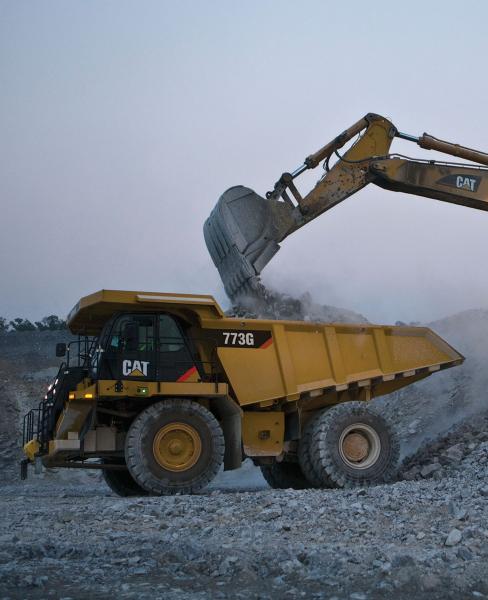
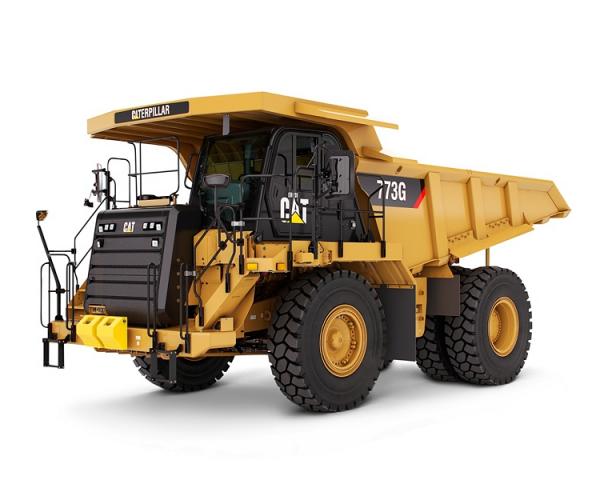
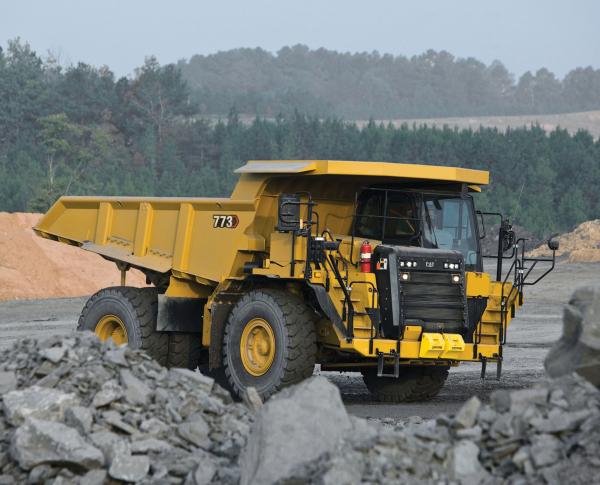
Introduction to the Caterpillar 773G
The Caterpillar 773G is a robust off-highway haul truck designed for heavy-duty operations in mining, construction, and aggregate industries. Equipped with a Cat® C27 ACERT™ engine, it delivers a net power of 572 kW (768 hp) and a peak torque of 4,269 N·m (3,148 lbf·ft) at 1,200 rpm . This powertrain enables the 773G to achieve a top speed of 41.6 mph (67 km/h) when fully loaded.
Common Electrical Issues
A prevalent issue reported by operators involves electrical malfunctions, particularly concerning the master disconnect switch. Failures in this component can lead to erratic electrical behavior, such as: - Inconsistent voltage readings across circuits.
- Intermittent operation of dashboard indicators.
- Erratic behavior of the starter motor.
For instance, operators have observed voltage fluctuations from 25 volts to as low as 5.6 volts when the key is turned on, indicating potential issues with the master disconnect switch .
Troubleshooting Steps
- Initial Inspection
- Verify the battery charge and connections.
- Inspect fuses and relays for continuity.
- Check for any visible wiring damage or corrosion.
- Master Disconnect Switch Evaluation
- Test the switch for continuity in both the open and closed positions.
- If the switch is integrated with the jump-start plug assembly, consider replacing the entire unit, as disassembly may not be feasible .
- Voltage Testing
- Using a multimeter, measure voltage at various points in the electrical system to identify voltage drops or inconsistencies.
- Compare readings with standard operating voltages to pinpoint faulty components.
Hydraulic System Considerations
The 773G's hydraulic system is integral to its performance, powering the dump bed and steering mechanisms. Common hydraulic issues include:- Erratic dump bed operation.
- Unresponsive steering.
- Overheating of hydraulic fluid.
Maintenance Recommendations- Regular Fluid Checks: Monitor hydraulic fluid levels and quality to ensure optimal performance.
- Filter Replacements: Replace hydraulic filters at intervals recommended by the manufacturer to prevent contaminants from entering the system.
- System Inspections: Periodically inspect hoses and connections for leaks or signs of wear.
Transmission and Drivetrain Insights
The 773G utilizes a fully automatic transmission system, which, while efficient, can present challenges if not properly maintained. Operators have reported issues such as:- Delayed shifting or slipping gears.
- Unusual noises during operation.
Preventive Measures- Fluid Monitoring: Regularly check transmission fluid levels and condition.
- Diagnostic Tools: Utilize Caterpillar's diagnostic software to identify potential issues before they become critical.
Real-World Application
At a mining operation in Southland, New Zealand, the 773G has been instrumental in transporting coal from extraction sites to processing facilities. Operators have noted the truck's reliability and efficiency, especially when paired with the Cat® 988K Wheel Loader for optimal load matching .
Conclusion
The Caterpillar 773G haul truck is a formidable machine capable of handling demanding tasks. By adhering to regular maintenance schedules and promptly addressing electrical and hydraulic issues, operators can ensure the longevity and efficiency of the 773G, maximizing productivity and minimizing downtime.
|
|
|
|
| Earthworm Tractors and the Rise of Bulldozer Culture |
|
Posted by: MikePhua - 08-27-2025, 03:42 AM - Forum: General Discussion
- No Replies
|
|
The Film That Celebrated Machinery
Released in 1936, Earthworm Tractors was a black-and-white comedy film that unexpectedly became a cult favorite among equipment enthusiasts. Starring Joe E. Brown as the bumbling but enthusiastic salesman Alexander Botts, the movie was based on a series of stories published in the Saturday Evening Post. Botts, self-described as a “natural-born salesman,” finds himself selling tractors for the fictional Earthworm Tractor Company—a thinly veiled stand-in for the real-life Caterpillar Tractor Co., which was rapidly expanding its influence across America at the time.
The film’s comedic tone belied its deeper cultural significance. It was one of the earliest cinematic portrayals of heavy machinery as both a symbol of progress and a source of personal pride. Botts’ antics—such as pulling a stuck truck out of the mud with an Earthworm bulldozer—reflected the growing fascination with mechanized earthmoving and the rugged personalities behind the controls.
The Real Machines Behind the Fiction
While the Earthworm brand was fictional, the machines depicted in the film were inspired by early Caterpillar tractors, particularly the Caterpillar Sixty and the Ten series. These machines were known for their tracked undercarriages, which allowed them to traverse muddy terrain and perform tasks that wheeled vehicles could not.
Key features of early bulldozers: - Crawler Tracks: Provided superior traction in soft or uneven ground.
- Gasoline Engines: Typically 4-cylinder, producing 20–60 horsepower.
- Manual Blade Control: Operated via levers and cables before hydraulic systems became standard.
- Open Operator Stations: No cab, just a seat and a steering clutch.
By the mid-1930s, Caterpillar had already sold tens of thousands of units globally, with strong adoption in agricultural, logging, and road-building sectors. The company, formed in 1925 through the merger of Holt Manufacturing and C.L. Best Tractor Co., was pioneering the use of tracked vehicles for civilian infrastructure.
Alexander Botts and the Salesman Archetype
Botts’ character was more than comic relief—he embodied the optimism and hustle of Depression-era America. His exaggerated confidence and mechanical ignorance were played for laughs, but they also mirrored the real challenges faced by salesmen trying to push new technology into skeptical markets.
In one memorable scene, Botts attempts to demonstrate the power of an Earthworm tractor by pulling a delivery truck out of deep mud. The stunt works, but not without chaos. This moment resonated with audiences because it dramatized the promise of mechanization: overcoming nature’s obstacles with steel and horsepower.
Salesmen in the 1930s often traveled rural routes, demonstrating equipment in person. They carried catalogs, repair kits, and sometimes even spare parts. The film’s depiction of this lifestyle was surprisingly accurate, despite its comedic tone.
Cultural Impact and Legacy
Though Earthworm Tractors was not a box office blockbuster, it became a beloved film among operators, mechanics, and machinery buffs. Its portrayal of early bulldozers helped cement the image of the dozer as a heroic tool of progress. The film was frequently shown on television in the 1950s and 60s, often during weekend matinees, introducing new generations to the romance of earthmoving.
In 2008, a group of equipment enthusiasts rediscovered the film and began sharing memories of watching it as children. One operator from Ontario recalled seeing it on a black-and-white TV and being inspired to pursue a career in excavation. Another from Tennessee remembered the film’s humor but also its realistic portrayal of field conditions and machine capabilities.
Terminology and Technical Notes- Bulldozer: Originally referred to the blade attachment used to push earth. Over time, it came to describe the entire machine.
- Crawler Tractor: A tractor with continuous tracks instead of wheels, offering better traction and stability.
- Drawbar Pull: A measure of a tractor’s pulling power, critical for tasks like towing stuck vehicles.
- Sales Demonstration: A live performance of a machine’s capabilities, often used to close deals in the field.
Modern Reflections and Comparisons
Today’s bulldozers are vastly more advanced, featuring GPS-guided grading systems, climate-controlled cabs, and engines producing over 500 horsepower. Yet the core appeal remains: a powerful machine that reshapes the land and empowers its operator.
Modern dozers like the Caterpillar D6 XE or Komatsu D71PXi integrate electric drive systems and automated blade control, reducing fuel consumption and operator fatigue. Despite these advances, the spirit of Alexander Botts lives on in every operator who takes pride in mastering their machine.
Preserving the Story
Efforts to preserve Earthworm Tractors have included digital restorations and DVD releases. The film is occasionally screened at vintage machinery shows and collector events, often accompanied by real-life demonstrations of antique dozers.
In 2023, a small museum in Illinois hosted a “Botts Day,” featuring screenings of the film alongside restored Caterpillar Sixty tractors. Attendees shared stories of their first machines, their toughest jobs, and the lessons learned from the seat of a dozer.
Final Thoughts
Earthworm Tractors may have started as a lighthearted comedy, but it evolved into a cultural touchstone for the heavy equipment world. It captured the grit, humor, and ingenuity of an era when machines were changing the landscape—literally and figuratively. For those who operate, repair, or simply admire bulldozers, the film remains a reminder that behind every machine is a story worth telling.
|
|
|
|
| Case W14H Wheel Loader Overhaul |
|
Posted by: MikePhua - 08-27-2025, 03:41 AM - Forum: Troubleshooting & Diagnosing
- No Replies
|
|
Introduction to the Case W14H Wheel Loader
The Case W14H wheel loader, introduced in 1975, is part of Case Construction Equipment's legacy of durable and versatile machinery. With a weight of 7.12 tons and a transport length of 5.59 meters, the W14H is designed for various heavy-duty tasks in construction and agriculture. Its specifications include a bucket capacity of 1.34 cubic meters and a maximum discharge height of 2.71 meters. Powered by a 336 cubic inch diesel engine, the W14H delivers reliable performance under demanding conditions.
Common Issues and Symptoms
Over time, the Case W14H may exhibit several issues that necessitate an overhaul: - White Smoke Emission: Persistent white smoke from the exhaust often indicates incomplete combustion, which could be due to incorrect fuel injection timing or issues with the fuel system.
- Engine Stalling: If the engine runs for a short period and then stalls, it may point to fuel delivery problems or air intake restrictions.
- Loss of Power: A noticeable decrease in engine power can result from worn-out components like pistons, rings, or valves.
Overhaul Procedure
- Preparation and Safety Measures
- Disconnection of Battery: Always disconnect the battery to prevent electrical shocks or accidental starts.
- Drain Fluids: Drain engine oil, coolant, and fuel to avoid spills and ensure a clean working environment.
- Lift and Secure the Loader: Use appropriate lifting equipment to raise the loader and secure it on stable supports.
- Engine Disassembly
- Remove the Hood and Panels: Carefully detach the hood and any surrounding panels to access the engine compartment.
- Disconnect Fuel Lines and Wiring: Label and disconnect all fuel lines and electrical connections to prevent confusion during reassembly.
- Detach the Engine: Unbolt and remove the engine from its mounts, ensuring all connections are safely detached.
- Inspection and Cleaning
- Visual Inspection: Check for any visible signs of wear, corrosion, or damage on components like the cylinder head, pistons, and crankshaft.
- Cleaning: Use appropriate solvents and brushes to clean all parts, removing carbon buildup and debris.
- Component Replacement
- Cylinder Sleeves and Pistons: Replace worn-out cylinder sleeves and pistons to restore engine compression and efficiency.
- Bearings and Gaskets: Install new bearings and gaskets to ensure proper lubrication and sealing.
- Timing Components: Set the fuel injection pump timing to the manufacturer's specifications to ensure optimal engine performance.
- Reassembly and Testing
- Reassemble the Engine: Carefully reassemble all components, ensuring all bolts are torqued to the specified values.
- Reconnect Fuel Lines and Wiring: Reconnect all fuel lines and electrical connections, double-checking for secure fittings.
- Fill Fluids: Refill the engine with fresh oil, coolant, and fuel.
- Test Run: Start the engine and monitor for any unusual noises, leaks, or performance issues.
Troubleshooting Tips- Persistent White Smoke: If white smoke continues after the overhaul, recheck the fuel injection timing and inspect the fuel system for clogs or leaks.
- Engine Stalling: Ensure the fuel filter is clean and that there is no air in the fuel lines.
- Loss of Power: Verify that all components are correctly installed and that there are no exhaust restrictions.
Maintenance Recommendations
To prolong the life of the Case W14H wheel loader:- Regular Oil Changes: Change the engine oil and filter at recommended intervals to ensure proper lubrication.
- Monitor Coolant Levels: Regularly check and maintain the coolant levels to prevent overheating.
- Inspect Hydraulic System: Periodically inspect the hydraulic system for leaks and ensure proper fluid levels.
- Tire Maintenance: Check tire pressure and tread wear to ensure optimal traction and safety.
Real-World Application
A notable instance of the Case W14H's reliability is its use in agricultural settings. Farmers have reported that, with proper maintenance, the W14H can operate efficiently for decades, handling tasks like loading feed, moving soil, and clearing debris. One farmer shared that after a comprehensive overhaul, his W14H loader continued to serve his farm for another 15 years, demonstrating the machine's durability and the effectiveness of regular maintenance.
Conclusion
The Case W14H wheel loader, with its robust design and capable performance, remains a valuable asset in various industries. By adhering to a structured overhaul procedure and implementing regular maintenance practices, operators can ensure the longevity and efficiency of this machine. Understanding the intricacies of the W14H's components and systems is essential for troubleshooting and optimizing its performance. With the right care and attention, the Case W14H can continue to deliver reliable service for many years.
|
|
|
|
|



