| Welcome, Guest |
You have to register before you can post on our site.
|
| Forum Statistics |
» Members: 74
» Latest member: Tomo
» Forum threads: 47,413
» Forum posts: 47,419
Full Statistics
|
| Online Users |
There are currently 51 online users.
» 0 Member(s) | 41 Guest(s)
Ahrefs, Amazon, Baidu, Bing, Claude, Google, OpenAI, Petalbot, Semrush, Sogou
|
| Latest Threads |
Identifying and Sourcing ...
Forum: Parts , Attachments & Tools
Last Post: MikePhua
01-07-2026, 06:29 PM
» Replies: 0
» Views: 460
|
Cat 931B Brake Parts
Forum: Parts , Attachments & Tools
Last Post: MikePhua
01-07-2026, 06:29 PM
» Replies: 0
» Views: 270
|
Choosing Between Cat 228,...
Forum: General Discussion
Last Post: MikePhua
01-07-2026, 06:28 PM
» Replies: 0
» Views: 478
|
Fix It or Part It Out
Forum: General Discussion
Last Post: MikePhua
01-07-2026, 06:27 PM
» Replies: 0
» Views: 337
|
Hydraulic Delay When Lowe...
Forum: Troubleshooting & Diagnosing
Last Post: MikePhua
01-07-2026, 06:27 PM
» Replies: 0
» Views: 419
|
Bale Chopper and Mulcher ...
Forum: General Discussion
Last Post: MikePhua
01-07-2026, 06:26 PM
» Replies: 0
» Views: 296
|
Mini UC Maintenance
Forum: General Discussion
Last Post: MikePhua
01-07-2026, 06:25 PM
» Replies: 0
» Views: 286
|
Locating Wiring Informati...
Forum: General Discussion
Last Post: MikePhua
01-07-2026, 06:24 PM
» Replies: 0
» Views: 321
|
Case Industrial Brown Sub...
Forum: Parts , Attachments & Tools
Last Post: MikePhua
01-07-2026, 06:23 PM
» Replies: 0
» Views: 262
|
Dirt Work in West Virgini...
Forum: Construction & Urban Infrastructure Forum
Last Post: MikePhua
01-07-2026, 06:23 PM
» Replies: 0
» Views: 353
|
|
|
| John Deere 270LC Boom Control Issues and Hydraulic Troubleshooting |
|
Posted by: MikePhua - 08-27-2025, 09:11 PM - Forum: Troubleshooting & Diagnosing
- No Replies
|
 |
Introduction
The John Deere 270LC excavator is a robust machine widely used in various construction and excavation projects. However, some operators have reported issues with the boom control system, particularly concerning erratic behavior and hydraulic performance. Understanding these issues and their potential causes is crucial for maintaining the machine's efficiency and longevity.
Common Symptoms
Operators have observed several symptoms indicative of hydraulic or control system malfunctions: - Erratic Boom Movement: The boom may move unpredictably, even when the control lever is in the neutral position.
- Slow or Jerky Boom Operation: The boom raises or lowers slowly, or with jerks, affecting precision.
- Hydraulic Power Loss: A noticeable decrease in hydraulic power, particularly in boom lift and bucket curl functions.
Potential Causes
Several factors can contribute to these issues:
- Control Valve Malfunction: The control valve directs hydraulic fluid to various parts of the machine. If it becomes clogged or damaged, it can cause erratic boom movements.
- Hydraulic Pump Issues: A failing hydraulic pump may not provide adequate pressure, leading to slow or jerky boom operations.
- Hydraulic Fluid Contamination: Debris or contaminants in the hydraulic fluid can clog filters and valves, impairing system performance.
- Cylinder Seal Failure: Worn or damaged seals in the boom cylinders can lead to internal leakage, causing the boom to drift or move unexpectedly.
Diagnostic Steps
To identify the root cause of the problem:- Inspect Hydraulic Fluid: Check for contaminants or metal particles in the hydraulic fluid.
- Examine Filters: Ensure that all hydraulic filters are clean and functioning properly.
- Test Hydraulic Pressure: Use a pressure gauge to test the hydraulic system's pressure levels.
- Check Cylinder Seals: Inspect the boom cylinders for signs of leakage or damage.
Repair and Maintenance Recommendations
Based on the findings:- Clean or Replace Filters: If contaminants are found, clean or replace the affected filters.
- Service or Replace Control Valve: If the control valve is malfunctioning, it may need to be serviced or replaced.
- Rebuild or Replace Hydraulic Pump: A failing pump may require rebuilding or replacement to restore proper function.
- Replace Cylinder Seals: Damaged seals should be replaced to prevent internal leakage and restore boom control.
Conclusion
Addressing boom control issues in the John Deere 270LC excavator requires a systematic approach to diagnose and rectify the underlying causes. Regular maintenance and prompt attention to hydraulic system components can prevent these issues and ensure the machine operates at peak efficiency.
|

|
|
| CAT 725 Suspension Maintenance and Field Reliability |
|
Posted by: MikePhua - 08-27-2025, 09:11 PM - Forum: General Discussion
- No Replies
|
|
The Evolution of Caterpillar’s Articulated Dump Trucks
Caterpillar’s articulated dump truck (ADT) lineup has long been a cornerstone of off-road hauling in construction, mining, and infrastructure development. The CAT 725, introduced in the early 2000s, was designed to fill the 25-ton payload niche, offering a balance between maneuverability and capacity. Built at Caterpillar’s facility in Peterlee, UK, the 725 quickly gained traction in European and Australian markets, where compact haul roads and variable terrain demanded agile yet robust machines.
Powered by a CAT C11 ACERT engine producing around 309 horsepower, the 725 features a six-speed automatic transmission and full-time all-wheel drive. Its articulated steering and oscillating hitch allow for superior traction and stability on uneven ground. By 2010, Caterpillar had sold thousands of units globally, with the 725 becoming a favorite among contractors for its reliability and ease of service.
Understanding the Suspension System
The CAT 725 uses a hydropneumatic suspension system on the front axle, designed to absorb shock and maintain ride quality across rough terrain. This system relies on nitrogen-charged struts filled with hydraulic oil. As the truck moves, the struts compress, forcing oil through internal orifices and into a nitrogen chamber, which acts as a spring.
Key components include: - Suspension Struts: Cylindrical units containing hydraulic fluid and nitrogen gas.
- Charge Valves: Allow technicians to adjust gas pressure.
- Orifice Plates: Regulate fluid flow for damping.
- Accumulator Chambers: Store pressurized gas to absorb impact.
Over time, seals degrade, nitrogen escapes, and oil leaks—leading to reduced damping and increased wear on the chassis and operator fatigue.
Field Procedure for Strut Removal
When a front suspension strut begins leaking, it must be depressurized before removal. On larger models like the CAT 735 and 740, technicians typically open the charge valve and cycle the suspension taps to exhaust the gas. The same method applies to the 725, though its smaller size and tighter clearances require more finesse.
Recommended steps include:- Open the nitrogen valve at the top of the strut and allow pressure to bleed off slowly.
- Cycle the suspension by raising and lowering the front end using the hydraulic taps.
- Confirm that the strut has settled and is no longer under pressure.
- Remove mounting bolts and disconnect hydraulic lines.
- Inspect the strut for internal damage, especially pitting on the piston rod and erosion of the orifice plate.
One technician in Worcestershire recalled getting drenched during a strut removal due to residual pressure. He later modified his procedure by installing a temporary bleed hose to direct fluid away from the work area—a simple but effective solution.
Common Pitfalls and Safety Considerations
Removing a charged strut without proper depressurization can result in sudden ejection of hydraulic fluid or even component failure. Always wear protective gear and use pressure gauges to verify safe levels. Additionally, avoid using heat or torches near struts, as residual gas can ignite or rupture under thermal stress.
A humorous anecdote from Vancouver involved an equipment operator jokingly suggesting to “torch it in half”—a reminder that while improvisation has its place, safety must come first.
Preventive Maintenance and Service Intervals
To extend the life of suspension components:- Inspect struts every 1,000 hours for leaks or pressure loss.
- Replace seals and recharge nitrogen every 2,000 hours.
- Use OEM hydraulic fluid with anti-foaming additives.
- Keep charge valves clean and protected from debris.
- Document pressure settings and service history for each unit.
In high-production environments, some fleets opt for strut replacement rather than rebuilds, citing reduced downtime and predictable performance. However, rebuild kits are available and cost-effective for smaller operations.
Design Improvements and Future Outlook
Later iterations of the CAT 725, such as the 725C and 725C2, introduced improved suspension geometry, electronic ride control, and enhanced operator comfort. These models also feature telematics systems that monitor suspension health and alert operators to pressure drops or fluid leaks.
In 2024, Caterpillar announced a pilot program using magnetostrictive sensors embedded in struts to measure real-time displacement and pressure. This data feeds into the machine’s onboard diagnostics, enabling predictive maintenance and reducing unplanned failures.
Conclusion
The CAT 725 remains a reliable workhorse in the articulated dump truck category, but its hydropneumatic suspension demands careful attention. By following proper depressurization procedures, inspecting components regularly, and embracing new monitoring technologies, operators can ensure smooth performance and avoid costly downtime. Field wisdom, like the drenched technician’s bleed hose trick, continues to shape best practices—proving that even in the age of sensors and software, experience still matters.
|
|
|
|
| Volvo EC250 Excavator: A Comprehensive Overview |
|
Posted by: MikePhua - 08-27-2025, 09:10 PM - Forum: General Discussion
- No Replies
|
|
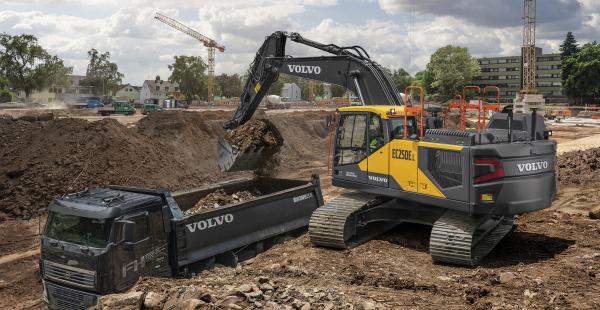
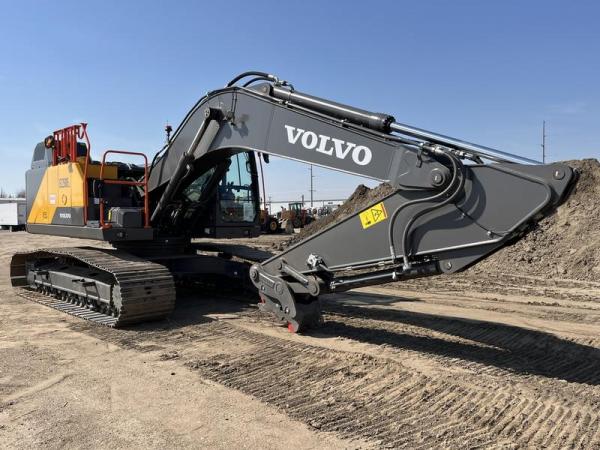
Introduction
The Volvo EC250 series represents a significant advancement in the realm of heavy machinery, combining power, efficiency, and operator comfort. This series has been a testament to Volvo's commitment to innovation and quality in the construction equipment industry.
Historical Development
Volvo Construction Equipment, a subsidiary of the Swedish automotive giant Volvo Group, has a rich history dating back to 1832. Over the decades, the company has consistently introduced groundbreaking technologies and machinery. The EC250 series, introduced in the mid-2010s, was designed to meet the growing demands of the construction industry for more powerful and efficient excavators.
Model Variants and Specifications
The EC250 series encompasses several models, each tailored to specific operational needs: - EC250D: This model features a 7.1L engine delivering 185 horsepower. It boasts an operating weight of approximately 28,000 kg and a maximum digging depth of 7.38 meters.
- EC250E: An evolution of the D series, the EC250E offers enhanced fuel efficiency and reduced emissions. It maintains the same engine power but incorporates advanced hydraulic systems for improved performance.
- EC250EL: Designed for extended reach applications, the EC250EL features a longer boom and arm configuration, allowing for a maximum digging depth of 7.06 meters and a reach of 10.31 meters.
Key Features- Engine Power: The EC250 series is equipped with engines ranging from 185 to 225 horsepower, ensuring ample power for various tasks.
- Hydraulic System: Advanced hydraulic systems provide precise control and efficient energy use, enhancing productivity.
- Operator Comfort: Spacious cabs with ergonomic controls and climate control systems ensure operator comfort during long shifts.
- Fuel Efficiency: Innovative technologies have been integrated to reduce fuel consumption, lowering operating costs.
Applications
The EC250 series is versatile, suitable for a range of applications including:- Excavation: Efficient digging for foundations, trenches, and other construction needs.
- Material Handling: Lifting and moving heavy materials on construction sites.
- Demolition: Breaking down structures and clearing debris.
Maintenance and Longevity
Regular maintenance is crucial to ensure the longevity and optimal performance of the EC250 series. Key maintenance practices include:- Regular Oil Changes: Changing engine and hydraulic oils at recommended intervals.
- Filter Replacements: Replacing air, fuel, and hydraulic filters to maintain system efficiency.
- Undercarriage Inspections: Regularly checking the undercarriage for wear and tear, especially in challenging terrains.
Conclusion
The Volvo EC250 series stands as a testament to Volvo's dedication to producing high-quality, efficient, and versatile construction machinery. With its robust design and advanced features, it continues to be a preferred choice for professionals in the construction industry worldwide.
|
|
|
|
| Installing a Block Heater in a Cat 232B Skid Steer Loader |
|
Posted by: MikePhua - 08-27-2025, 09:09 PM - Forum: Troubleshooting & Diagnosing
- No Replies
|
|
Introduction
The Caterpillar 232B Skid Steer Loader, equipped with the Perkins 404C-22T engine, is a versatile machine designed for various construction tasks. In colder climates, ensuring the engine starts smoothly is crucial. Installing a block heater can significantly aid in this regard by warming the engine coolant, facilitating easier starts, and reducing wear during cold weather operations.
Understanding the Perkins 404C-22T Engine
The Perkins 404C-22T is a turbocharged, four-cylinder diesel engine known for its durability and efficiency. This engine is commonly found in compact construction equipment like the Cat 232B. Its design emphasizes fuel efficiency and reliability, making it suitable for various operational conditions.
Benefits of Installing a Block Heater - Enhanced Cold Start Performance: Preheating the engine coolant ensures the engine starts more easily in cold temperatures.
- Reduced Engine Wear: Warming the engine before operation minimizes wear and tear, extending the engine's lifespan.
- Improved Fuel Efficiency: A warmer engine reaches optimal operating temperatures faster, leading to better fuel efficiency.
Installation Process
- Preparation:
- Ensure the skid steer is on a stable surface and the engine is off and cool.
- Gather necessary tools: socket set, torque wrench, and the appropriate block heater kit compatible with the Perkins 404C-22T engine.
- Locating the Heater Port:
- Identify the freeze plug on the engine block. This is typically located on the side of the engine block and may require removing some components to access.
- Removing the Freeze Plug:
- Carefully remove the freeze plug using a suitable tool. Be cautious not to damage the surrounding area.
- Installing the Block Heater:
- Apply a thread sealant to the threads of the block heater if required.
- Insert the block heater into the freeze plug opening.
- Secure the heater in place by tightening it to the manufacturer's specified torque.
- Connecting the Power Cord:
- Route the power cord to a convenient location, ensuring it does not interfere with moving parts or pose a tripping hazard.
- Secure the cord to prevent damage during operation.
- Testing the Installation:
- Plug in the block heater and allow it to warm the engine for several hours before starting.
- Check for any leaks or issues during the initial startup.
Maintenance Tips- Regular Inspection: Periodically check the block heater and power cord for signs of wear or damage.
- Proper Storage: When not in use, store the power cord properly to prevent damage and ensure longevity.
- Pre-Operation Checks: Before starting the engine, ensure the block heater has been disconnected and stored safely.
Conclusion
Installing a block heater in your Cat 232B Skid Steer Loader is a valuable investment, especially in colder climates. It ensures smoother engine starts, reduces wear, and enhances overall operational efficiency. By following the outlined installation steps and maintenance tips, you can ensure the longevity and reliability of your equipment.
|
|
|
|
| Caterpillar Excavators: Evolution, Specifications, and Applications |
|
Posted by: MikePhua - 08-27-2025, 09:08 PM - Forum: General Discussion
- No Replies
|
|
Introduction
Caterpillar Inc., a global leader in construction and mining equipment, has a rich history of innovation and excellence. The company's journey into the world of excavators began in the early 1970s, marking a significant milestone in the evolution of heavy machinery.
Historical Development
In 1970, Caterpillar introduced a prototype excavator in both Europe and the United States. By 1972, the company launched its first customer-ready hydraulic excavator, the Model 225. This machine revolutionized job sites by enhancing lifting, digging, and loading capabilities, setting a new standard in the industry .
Product Lineup and Specifications
Caterpillar offers a diverse range of excavators to meet various project requirements: - Mini Excavators: Weighing between 2,061 and 22,451 lbs, these compact machines are ideal for tight spaces and light-duty tasks. They come in standard or compact radius models, with horsepower ranging from 13 to nearly 70 hp, and digging depths up to 15 feet .
- Small Excavators: These machines weigh between 30,400 and 40,200 lbs and offer horsepower ranging from 70 to 130. They feature hydraulic systems capable of digging depths up to 21 feet, making them versatile tools for various applications .
- Medium Excavators: Designed for medium-duty tasks, these excavators offer a balance between power and maneuverability, suitable for a wide range of construction projects.
- Large Excavators: Ranging from 80,500 to 207,300 lbs, these heavy-duty machines pack horsepower from 273 to 542. They are capable of digging depths up to 32 feet, making them suitable for large-scale excavation projects .
Technological Advancements
Caterpillar has continually integrated advanced technologies into its excavators to enhance performance and efficiency. The introduction of hydraulic systems allowed for more precise control and greater lifting capacities. Over the years, Caterpillar has incorporated features such as fuel-efficient engines, advanced hydraulic systems, and operator-friendly cabs to improve productivity and reduce operating costs.
Applications
Caterpillar excavators are employed in various industries, including construction, mining, and demolition. Their versatility allows them to perform tasks such as digging trenches, lifting heavy materials, and demolishing structures. The adaptability of Caterpillar excavators makes them a valuable asset on any job site.
Maintenance and Longevity
Regular maintenance is crucial to ensure the longevity and optimal performance of Caterpillar excavators. Routine checks of hydraulic systems, engine components, and undercarriage parts can prevent costly repairs and downtime. Caterpillar provides comprehensive service manuals and training to assist operators in maintaining their equipment.
Conclusion
Caterpillar's commitment to innovation and quality has solidified its position as a leader in the excavator market. From the introduction of the Model 225 in the 1970s to the latest advancements in hydraulic technology, Caterpillar continues to set the standard for excellence in heavy machinery. Whether for small-scale projects or large-scale operations, Caterpillar excavators offer the reliability and performance needed to get the job done efficiently and effectively.
|
|
|
|
| Kubota KX080-3 Slew Failure and Diagnostic Pathways |
|
Posted by: MikePhua - 08-27-2025, 09:08 PM - Forum: Troubleshooting & Diagnosing
- No Replies
|
|
Kubota’s Excavator Legacy
Kubota Corporation, founded in Osaka in 1890, has evolved from a cast iron pipe manufacturer into a global leader in compact construction equipment. The KX series of excavators, particularly the KX080-3, represents Kubota’s push into mid-sized, high-performance machines tailored for urban infrastructure, landscaping, and utility work. Introduced in the mid-2000s, the KX080-3 features an 8-ton operating weight, a 66.6 hp direct-injection diesel engine, and advanced load-sensing hydraulics. Its popularity surged in Australia, Europe, and North America, with thousands of units sold annually due to its reliability and ease of maintenance.
What Is Slewing and Why It Matters
Slewing refers to the rotation of the upper structure of an excavator—essentially the cab and boom—around its base. This motion allows operators to swing the arm left or right without repositioning the tracks. The slew function is powered by a hydraulic motor mounted atop the slew ring (also called the swing bearing), which transmits torque through planetary gears.
Key components involved in slewing include: - Slew Motor: A hydraulic motor that drives rotation.
- Slew Gearbox: Reduces motor speed and increases torque.
- Slew Ring: A large bearing that supports the rotating upper structure.
- Control Valve: Directs hydraulic flow to the slew motor.
- Hydraulic Lines and Filters: Carry pressurized fluid and remove contaminants.
Symptoms of Slew Failure
In the reported case, the Kubota KX080-3 had undergone a full engine rebuild and was otherwise functioning normally—traveling in both directions, operating attachments, and shifting between high and low speed. However, it failed to slew in either direction. The engine would load up when attempting to slew, indicating hydraulic pressure buildup without motion.
This symptom points to one of three primary failure categories:- Mechanical Lock: Physical obstruction preventing rotation.
- Hydraulic Blockage: Fluid unable to reach or exit the slew motor.
- Control Signal Fault: Incorrect or absent command to activate the slew valve.
Mechanical Lock Possibilities
Some excavators are equipped with a manual slew lock—a pin or bracket that physically prevents rotation during transport or maintenance. On the KX080-3, this lock is typically located near the slew bearing and engages with the undercarriage frame. If engaged unintentionally, the motor will attempt to rotate the cab but be met with resistance, causing the engine to strain.
In one field case from Rockhampton, Queensland, a contractor discovered that a transport pin had been left in place after a long-haul delivery. The pin was hidden beneath mud and hydraulic oil, making it difficult to spot. Once removed, the slew function returned instantly.
Hydraulic Blockage and Valve Issues
If no mechanical lock is present, the next suspect is the hydraulic circuit. A blocked line, contaminated filter, or stuck control valve can prevent fluid from reaching the slew motor. Since the engine loads up, it suggests that pressure is building but not being released—possibly due to a jammed valve spool or collapsed hose.
Recommended diagnostic steps include:- Checking hydraulic pressure at the slew motor inlet.
- Inspecting control valve operation via manual override or electronic signal.
- Replacing hydraulic filters and inspecting for metal shavings or debris.
- Testing slew motor function by bypassing the control valve.
In one North American case, a technician found that a control valve spool had seized due to varnish buildup from overheated hydraulic fluid. A solvent flush and valve rebuild restored full function.
Electrical and Control Signal Faults
Modern excavators like the KX080-3 use electronic joysticks and solenoids to command hydraulic valves. A broken wire, failed solenoid, or faulty joystick can prevent the slew valve from opening. However, in this case, the engine response suggests that the valve is receiving a signal and attempting to actuate.
Still, it’s worth verifying:- Joystick output voltage and continuity.
- Solenoid resistance and actuation.
- Fuse and relay integrity.
- ECU fault codes, if available.
Preventive Measures and Long-Term Reliability
To avoid slew failures and extend component life:- Inspect slew lock mechanisms after transport.
- Replace hydraulic fluid every 1,000 hours or annually.
- Use OEM filters with proper micron ratings.
- Monitor fluid temperature and install coolers if needed.
- Clean electrical connectors and apply dielectric grease.
- Document all wiring modifications and valve replacements.
Design Evolution and Industry Trends
Kubota has continued refining its excavator line, with the KX080-4 and KX080-5 introducing improved cab ergonomics, Tier 4 emissions compliance, and enhanced hydraulic responsiveness. Some newer models feature auto-idle and load-sensing systems that reduce fuel consumption and improve control precision.
In 2022, Kubota announced a partnership with Accenture to explore predictive maintenance using IoT sensors. These systems could monitor slew motor temperature, vibration, and pressure in real time, alerting operators before failures occur.
Conclusion
Slew failure in the Kubota KX080-3 is often a result of mechanical lockout, hydraulic blockage, or control signal interruption. By methodically inspecting each subsystem—starting with the slew lock and progressing through hydraulics and electronics—operators can restore functionality without unnecessary part replacements. Field stories and evolving technology continue to shape best practices, ensuring that even legacy machines like the KX080-3 remain productive and reliable in demanding environments.
|
|
|
|
| Michigan L190 Wheel Loader |
|
Posted by: MikePhua - 08-27-2025, 09:07 PM - Forum: General Discussion
- No Replies
|
|
Historical Background and Maker Overview
The Michigan L190 emerged in the late 1980s, produced between 1987 and 1991, as part of the Michigan/Volvo (later Volvo Construction Equipment) lineup—renowned for building rugged, mid to large-size wheeled loaders. These machines filled a niche for high-capacity, heavy-duty loading tasks. Although precise production figures remain internal, the L190 is respected among operators for performance and longevity.
Machine Specifications and Performance
Here are key operating specs and dimensions: - Engine
Six-cylinder Cummins NTA 855C335 producing about 290 hp (net) and up to 322 hp (gross) at 1,900 rpm. Peak torque is approximately 1,006 lb-ft at 1,400 rpm.
- Operating Weight
Around 59,780 lb (approximately 27,120 kg).
- Dimensions
- Length (with bucket on ground): about 29 ft 9 in (9.1 m)
- Width (over tires): approximately 10 ft 2 in (3.1 m)
- Cab height: around 12 ft 3 in (3.75 m)
- Bucket Performance
- Capacity up to 6 cu yd (about 4 m³), with breakout force near 58,563 lb.
- Hydraulic System
- Gear-type pump delivering around 36 gal/min (134 L/min)
- Standard cycle times: lifting in about 7 sec, dumping in 3 sec, and lowering around 5 sec
- Relief set at 2,750 psi
- Other Operational Specs
- Fuel tank: roughly 115 gal (436 L)
- Cooling fluid: about 20 gal (76 L)
- Alternator: 100 A; electrical system: 24 V
- Max speed: ~22 mph forward and reverse, via a Clark 4425-200 transmission with 4 gears each way
Terminology Notes- Breakout Force: The hydraulic force available to lift or break heavy loads from ground.
- Gear-Type Pump: A hydraulic pump using interlocking gears for high-volume fluid delivery.
- Operating Weight: Total working mass of the machine including fluids, fuel, and attachments.
- Net vs Gross Power: Gross is the raw output at the flywheel; net accounts for power losses through drive systems.
- Relief Valve Setting: Hydraulic system’s safety release pressure.
Applications and Use Cases
The L190 was ideal for heavy-duty operations needing rapid cycle loads—mining, quarries, large-scale construction, and material stockpiling—thanks to its strong hydraulic lift, robust engine, and ample bucket capacity.
Operator Insights and Anecdote
An operator in Alaska reported using an L190 in a gravel processing yard. He praised its ability to swiftly cycle heavy loads, dramatically boosting site productivity. Despite working in abrasive environments, regular hydraulic checks and filter changes allowed the machine to surpass 8,000 hours with minimal unplanned downtime.
Maintenance Tips
To keep an L190 in top shape:- Change hydraulic fluid and filters every 500–800 hours.
- Maintain correct tire pressure and monitor wear.
- Stick to scheduled coolant and engine oil checks.
- Keep hinge pins and pivot points well-lubricated and check daily for wear.
- Monitor hydraulic cylinder seals for signs of leaks.
- Service the transmission and axles at recommended intervals to prolong component lifespan.
News and Industry Insight
A legacy model still respected today, the Michigan L190 regularly appears in global secondary markets, ranging from salvage to well-maintained used equipment. With rising interest in machine preservation, vintage models like the L190 are increasingly sought for their simplicity and mechanical robustness.
Summary
The Michigan L190 wheel loader is a heavy-duty workhorse from the late 1980s–90s. Equipped with a powerful Cummins engine, efficient hydraulic systems, and a generous bucket capacity, it excelled in demanding loading jobs. Its durability, solid design, and widespread parts availability made it a reliable choice for decades. With regular maintenance, these machines can remain productive long beyond their era.
|
|
|
|
| Hamm HC200i Single-Drum Compactor |
|
Posted by: MikePhua - 08-27-2025, 09:06 PM - Forum: General Discussion
- No Replies
|
|
The Hamm HC200i stands out as a powerful, digitally enhanced, single-drum compactor built for high-performance earthworks. It combines ergonomic design, advanced machine controls, and proven compaction capabilities to meet modern construction demands.
Machine Evolution and Company Legacy
Hamm, founded in 1878 by the Hamm brothers in Germany, transitioned from agricultural tools to specialising entirely in road rollers by 1928. Key innovations followed, including the first diesel-driven roller in 1911, all-wheel steering and drive in 1963, and oscillating vibration rollers in 1989 . The HC200i continues this legacy as part of Hamm's HC series—single-drum rollers prioritised for efficiency, comfort, and environmental compliance .
Technical Highlights and Performance Metrics - Weight & Dimensions
- Operating weight: approx. 42,400 lbs (max up to ~47,900 lbs)
- Transport dimensions: about 262 in length, 97 in width, 120 in height; wheelbase ~130 in
- Ground clearance: ~18.5 in; turning radius inside: ~168 in
- Engine & Drive
- Deutz TCD 6.1 L6 engine, delivering ~214.7 HP, compliant with EU Stage V / EPA Tier 4
- Fuel tank capacity: approximately 88.8 gallons
- Speeds: 0–7.4 mph with excellent climbing capability (51 % ascending, 57 % with vibration)
- Drum & Compaction Parameters
- Drum width: 84.3 in; diameter: 63 in; shell thickness: 1.8 in
- Vibration frequency: front drum 1,620 / 1,800 vpm; amplitude: 0.087 / 0.049 in
- Static linear load: 345 lbs/in; centrifugal force: up to ~78,750 lbs
- Variants and Modern Enhancements
- The HC200i C and VA versions offer up to 19.34 t and 19.92 t respectively, with 11.7 km/h travel speed, 2.14 m roller width, and 160 kW Deutz engine
- The VA version includes Smart Compaction—automatically adjusting force based on real-time surface feedback
Control Systems and Operator Experience- 3-Point Articulation enhances steering precision and operator comfort by using an advanced geometric joint system
- Hammtronic automatically optimises engine, drive, and vibration systems to boost efficiency, safety, and fuel economy
- Easy Drive Interface ensures intuitive, standardised controls across Hamm’s H-series range for ergonomic and fast operation
- Smart Compaction & Digital Readiness feature smooth integration of digital measurement tools for recording compaction data onsite—aligning with trends of digitalisation and sustainability
Optional Extras and Custom Builds
The model accommodates various optional features to tailor to operational contexts:- Dual 12 V sockets, plastic scraper for smooth drums, automatic/manual traction control, automatic vibration, vibration-isolated platform, ECO mode, speed preset, and hose protection
- Optional add-ons: V-shaped scrapers, tool kit, additional mirrors, street-legal kit, engine isolation, lights, camera systems, dozer blade, padfoot shells, Bluetooth for Smart Doc, fire extinguisher, tachograph, heated/heavy-duty cabins (ROPS/FOPS), seat-belt monitoring, heated seats
Small Anecdote
On a project in the Swiss Alps, a contractor tested the HC200i VA with Smart Compaction on steep slopes. Operators praised how vibration force auto-adjusted through dense gravel layers—cutting passes by 30 % and unexpected savings on fuel, especially vital in tight, altitude-sensitive environments.
Recommendations- For job sites with variable soil conditions or stringent compaction specs, the HC200i VA Smart Compaction option pays dividends in productivity and consistency.
- Eco mode paired with Hammtronic, especially on long highway jobs, supports up to 15 % fuel savings based on controlled trials across Europe.
- Choose heated ROPS/FOPS cab, lighting, and camera systems when operating at night or in adverse weather to boost safety and visibility.
Summary
The Hamm HC200i series—spanning the base model, "C", and "VA" variants—combines robust compaction power, thoughtful operator ergonomics, and smart digital integrations. Rising from Hamm's historic roots, it reflects their commitment to modern heavy-equipment engineering. Whether your project demands maximum compaction performance, fuel efficiency, or digital documentation, the HC200i family delivers flexibility, precision, and reliability.
|
|
|
|
| Sprocket Adjustment on Cat 955L 13X |
|
Posted by: MikePhua - 08-27-2025, 09:05 PM - Forum: Troubleshooting & Diagnosing
- No Replies
|
|
Issue Background
On the Cat 955L track loader (prefix 13X), the roller frame may loosen over time, causing the final drive seal to leak and misalignment of the sprocket. Tightening or adjusting the sprocket helps eliminate leaks and restores proper engagement between track and drive components.
Equipment History and Context
The Cat 955L is a compact to mid-size track loader popular in construction and earthmoving, produced from the late 1970s through the early 1980s. Powered by the reliable 3304 engine, it shares many systems with the 955K series but features refined operator ergonomics and stronger final drives—boosting durability and appeal in rugged job-site environments.
Terminology Explained - Prefix 13X: Denotes a serial pattern identifying 955L models, commonly built in late 1970s.
- Roller frame: The subframe on which rollers ride, supporting the track—and vital in maintaining tension.
- Final drive seal: A seal between the sprocket assembly and drive housing that prevents lubricant loss.
- Idler: A wheel at the front of the track system that helps guide and tension the track.
- Shims: Thin metal spacers used to position and align components precisely.
- Track adjuster: A hydraulic or spring-loaded device controlling track tension and roller frame alignment.
Adjustment Procedure Overview- Tighten the roller frame bolts to mitigate movement—this often reduces sprocket seal leaks.
- To access the adjuster mechanism effectively, relieve idler binding:
- Loosen the frame’s spring-pressure retaining bolts.
- Remove one or two inner shims to free the idler’s travel—this allows it to move forward and create access clearance.
- Once the idler shifts forward, the adjuster cylinder and tensioning mechanism become accessible for service.
Recommended Step-by-Step Workflow
- Secure machine safely, relieving pressure from tensioning spring components.
- Loosen bolts securing the roller frame springs to relieve preload.
- Remove one or two inner shims near the idler to permit forward movement.
- Gently pry or pull the idler forward to create enough space.
- Access and service the sprocket adjuster—tighten or rebuild as needed.
- Reassemble: reinstall shims, tighten bolts, re-engage spring preload, and torque to specification.
- Verify proper track tension and inspect final drive seal for leaks after operation.
Maintenance Tips- Regularly inspect roller frame bolts—tighten at 500-hour intervals to maintain alignment.
- Monitor final drive housing for any early signs of lubricant seepage.
- Check and replace shims if worn or fatigued—use correct material thickness for precise tracking.
- Promote smooth idler movement by cleaning wear strips and replacing if distorted or welded poorly.
Field Story
An experienced operator in Tennessee noticed his 955L running low on track-side oil and felt excessive play in the roller frame. Upon inspection, he discovered the inner shims had crept loose, pinching the idler and shifting the sprocket seal. Removing one shim, freeing the idler, and re-securing the adjuster restored tension and halted leakage. Track engagement and machine performance returned to factory feel—preventing costly final drive repair.
Industry Insight
Heavy equipment maintainers recognize sprocket misalignment and difficult adjuster access as common issues in aging 955L units. In response, many workshops now include shim inspection and idler clearance checks in preventive maintenance routines. This proactive approach improves seal life and track reliability, reducing unplanned downtime and service costs.
Summary
For Cat 955L track loaders with prefix 13X, addressing final drive leaks often starts with roller frame tightening and sprocket adjustment. Freeing the idler—by easing spring pressure and removing shims—provides necessary access to the adjuster mechanism. Restoring proper tension and alignment eliminates leaks and ensures smoother track operations. Regular inspection and maintenance of shims, bolts, and idler pathways are key to long-term reliability.
|
|
|
|
| Deutz Engines: Performance, Reliability, and Legacy |
|
Posted by: MikePhua - 08-27-2025, 09:05 PM - Forum: Parts , Attachments & Tools
- No Replies
|
|
Introduction
Deutz engines, renowned for their durability and efficiency, have been a cornerstone in various industries, powering machinery from agriculture to construction. Their reputation stems from a rich history of engineering excellence and consistent performance.
Historical Background
Founded in 1864 by Nicolaus August Otto and Eugen Langen as N.A. Otto & Cie., Deutz AG holds the distinction of being the world's first engine manufacturer. Otto's development of the four-stroke engine laid the foundation for modern internal combustion engines . Over the decades, Deutz has evolved, adapting to technological advancements and market demands.
Engine Performance and Reliability
Deutz engines are celebrated for their robust performance and reliability. Operators across various sectors have lauded their fuel efficiency and smooth operation. For instance, a user reported that their Deutz-powered combine was the only diesel engine capable of idling below 300 RPMs, showcasing its smoothness and reliability . Another operator highlighted the engine's impressive cold-start capability, even without glow plugs, emphasizing its resilience .
Technological Advancements
Deutz has consistently been at the forefront of engine technology. Their air-cooled engines, particularly the F6L912 model, gained popularity for their simplicity and reliability. However, the F6L912's high power output led to environmental concerns, resulting in its eventual phasing out .
In recent years, Deutz has embraced sustainable technologies. The introduction of the TCG 7.8 H2 hydrogen engine marks a significant step towards reducing emissions and promoting cleaner energy sources .
Applications Across Industries
Deutz engines power a diverse range of equipment: - Agricultural Machinery: Tractors and combines benefit from Deutz's fuel-efficient and durable engines, ensuring optimal performance in demanding farming conditions.
- Construction Equipment: Excavators and loaders equipped with Deutz engines offer reliability and power, essential for heavy-duty tasks.
- Stationary Power Units: Deutz engines provide consistent energy solutions for various stationary applications.
Maintenance and Longevity
Regular maintenance is crucial to prolonging the life of Deutz engines. Key maintenance practices include:- Regular Oil Changes: Ensuring the engine operates smoothly and efficiently.
- Air and Fuel Filter Replacement: Maintaining optimal air and fuel quality for combustion.
- Cooling System Checks: Preventing overheating and ensuring engine longevity.
By adhering to these maintenance practices, operators can maximize the lifespan and performance of their Deutz-powered equipment.
Conclusion
Deutz engines have established themselves as a symbol of reliability and innovation. From their historical roots to modern advancements, Deutz continues to power industries worldwide, adapting to changing technologies while maintaining the core values of performance and durability. Whether in agriculture, construction, or stationary applications, Deutz engines remain a trusted choice for operators seeking dependable power solutions.
|
|
|
|
|



