| Welcome, Guest |
You have to register before you can post on our site.
|
| Forum Statistics |
» Members: 74
» Latest member: Tomo
» Forum threads: 47,413
» Forum posts: 47,419
Full Statistics
|
| Online Users |
There are currently 50 online users.
» 0 Member(s) | 40 Guest(s)
Ahrefs, Amazon, Baidu, Bing, Claude, Google, OpenAI, Petalbot, Semrush, Sogou
|
| Latest Threads |
Identifying and Sourcing ...
Forum: Parts , Attachments & Tools
Last Post: MikePhua
01-07-2026, 06:29 PM
» Replies: 0
» Views: 460
|
Cat 931B Brake Parts
Forum: Parts , Attachments & Tools
Last Post: MikePhua
01-07-2026, 06:29 PM
» Replies: 0
» Views: 270
|
Choosing Between Cat 228,...
Forum: General Discussion
Last Post: MikePhua
01-07-2026, 06:28 PM
» Replies: 0
» Views: 478
|
Fix It or Part It Out
Forum: General Discussion
Last Post: MikePhua
01-07-2026, 06:27 PM
» Replies: 0
» Views: 337
|
Hydraulic Delay When Lowe...
Forum: Troubleshooting & Diagnosing
Last Post: MikePhua
01-07-2026, 06:27 PM
» Replies: 0
» Views: 419
|
Bale Chopper and Mulcher ...
Forum: General Discussion
Last Post: MikePhua
01-07-2026, 06:26 PM
» Replies: 0
» Views: 296
|
Mini UC Maintenance
Forum: General Discussion
Last Post: MikePhua
01-07-2026, 06:25 PM
» Replies: 0
» Views: 286
|
Locating Wiring Informati...
Forum: General Discussion
Last Post: MikePhua
01-07-2026, 06:24 PM
» Replies: 0
» Views: 321
|
Case Industrial Brown Sub...
Forum: Parts , Attachments & Tools
Last Post: MikePhua
01-07-2026, 06:23 PM
» Replies: 0
» Views: 262
|
Dirt Work in West Virgini...
Forum: Construction & Urban Infrastructure Forum
Last Post: MikePhua
01-07-2026, 06:23 PM
» Replies: 0
» Views: 353
|
|
|
| Upgrading the Case 580CK: Converting from Generator to Alternator with Charging Light Integration |
|
Posted by: MikePhua - 08-27-2025, 09:54 PM - Forum: General Discussion
- No Replies
|
 |
Introduction
The Case 580CK, a popular backhoe loader from the late 1960s and early 1970s, originally came equipped with a generator-based charging system. Over time, many operators have opted to upgrade to a more efficient alternator system. This conversion not only enhances charging capabilities but also allows for the integration of a charging indicator light, providing real-time feedback on the electrical system's status.
Understanding the Conversion
Converting from a generator to an alternator involves several key steps:
- Selecting the Right Alternator: A Delco 10SI alternator is a common choice due to its reliability and ease of installation.
- Mounting the Alternator: Custom brackets may be required to fit the alternator onto the existing generator mount points.
- Wiring the System: Proper wiring is crucial for the alternator to function correctly and to integrate the charging light.
Wiring the Alternator
The Delco 10SI alternator typically has three terminals:- BATT: Connects directly to the battery positive terminal.
- #1 (Exciter): Requires a 12V signal, usually sourced from the ignition switch, to activate the alternator.
- #2 (Sense): Monitors the battery voltage to regulate charging.
To integrate a charging light, the #1 terminal can be wired through the light to the ignition switch. When the engine is off, the light will illuminate, indicating no charging. Once the engine starts and the alternator begins charging, the voltage at the #1 terminal rises, causing the light to turn off.
Installing the Charging Light
The charging light serves as a visual indicator of the alternator's charging status. To install:
- Choose a Suitable Location: Select a location on the dashboard where the light will be visible to the operator.
- Wire the Light: Connect one side of the light to the #1 terminal of the alternator and the other side to the ignition switch.
- Test the System: With the ignition on and the engine off, the light should illuminate. Starting the engine should cause the light to turn off, indicating charging is occurring.
Troubleshooting Tips
If the charging light remains on after the engine starts, consider the following:- Check Wiring Connections: Ensure all connections are secure and free of corrosion.
- Inspect the Alternator: Test the alternator to ensure it is functioning correctly.
- Verify the Voltage Regulator: A faulty regulator can prevent proper charging.
For more detailed guidance, refer to the "Step by Step 12-Volt Conversion" article by Bob Melville, available on the Yesterday's Tractors website.
Conclusion
Upgrading the Case 580CK from a generator to an alternator system with a charging light integration enhances the reliability and functionality of the electrical system. By carefully selecting components, wiring correctly, and troubleshooting as needed, operators can ensure their equipment remains in optimal working condition.
|

|
|
| Case 580K Fuel Injection Pump Leak Explanation and Solutions |
|
Posted by: MikePhua - 08-27-2025, 09:45 PM - Forum: Troubleshooting & Diagnosing
- No Replies
|
|
The Case 580K backhoe loader, a versatile and robust machine widely used in construction and agricultural sectors, sometimes suffers issues with the fuel injection pump leaking on the side. Understanding the root causes and remedies for this problem is essential to maintain engine performance and avoid costly repairs.
Fuel Injection Pump Leak Overview
The fuel injection pump on the Case 580K is responsible for delivering precise amounts of diesel fuel to the engine’s cylinders at high pressure. A leak on the side of this pump is often noticeable through a small cover panel secured by two bolts diagonally opposed. The leak often arises near the throttle linkage or shaft area of the pump.
This issue primarily stems from worn or damaged seals—specifically O-rings—which fail over time due to heat, vibration, and fuel exposure. In some cases, bushings within the housing may also wear out, causing additional clearance and worsening leaks.
Technical Details and Common Causes - The pump shaft, which connects to the throttle control, has seals (O-rings) that maintain the fuel inside the pump under high pressure.
- Over time, these O-rings dry out, crack, or become brittle, resulting in fuel seeping out around the linkage.
- Wear can also occur in the collar or bushings around the throttle shaft, requiring their replacement to ensure a proper seal.
- Some fuel injection pumps used on the 580K model, such as those from Roosa Master, are particularly prone to leaking around these shaft seals.
Typical symptoms include visible fuel seepage, smell of diesel around the pump, and sometimes fuel dripping while the engine is running or idling.
Repair and Maintenance Approaches
Replacing the leaking O-rings and gaskets is the primary solution. The good news is that in many cases, the leak can be fixed without removing the entire fuel injection pump—only the small side cover needs to be taken off. This approach avoids major disassembly and makes the repair quicker and more cost-effective.
A detailed repair involves:- Removing the small cover panel held by two bolts.
- Carefully extracting the throttle linkage shaft and collar to access and replace the worn O-rings.
- Installing new O-rings and gaskets, ensuring they are lubricated slightly to prevent damage during reassembly.
- In cases where the O-ring alone is insufficient due to bushing wear, replacing the throttle shaft bushing or collar may be needed.
Replacing parts with high-quality components, preferably OEM or certified aftermarket, extends the life of the pump and prevents future leaks.
Technical Advice and Cautions- Do not ignore minor leaks as they can worsen and affect engine fuel delivery, causing poor performance or possible fire hazards.
- Some users report that old O-rings can be very stiff and difficult to remove or install; using gentle cutting or soft wire to aid installation helps avoid damage.
- Aligning the throttle shaft keyways properly during reassembly is important for correct function.
- Cleaning all parts and ensuring no debris enters the pump during repair can prevent future malfunctions.
- In more severe cases, or if internal wear is suspected, a full pump rebuild or replacement might be necessary.
Historical Context and Industry Notes
The Case 580 series, produced since the late 1950s with various updates through decades, is highly regarded for its reliability. The 580K model was a popular version in the 1980s and 1990s with an estimated tens of thousands sold worldwide, primarily used in construction, utilities, and farming. Its engine and fuel system components, including the injection pump, have a well-documented maintenance history within the heavy equipment community.
Fuel injection pumps like those on the 580K commonly use proven mechanical designs but are vulnerable to seal wear due to operational stresses. Many mechanics in the industry recommend preventive maintenance by periodically inspecting and replacing seals before leaks manifest.
Related Anecdote and Industry Insight
A mechanic who acquired a similar Case model years ago faced an injection pump leak that was initially ignored. Over time, the leak worsened, causing fuel to spray on the hot engine parts, raising fire concerns. Upon repair, the mechanic replaced two critical O-rings and a gasket on the pump throttle side without full pump removal, spending only a fraction of the cost of a pump rebuild. Since then, preventative replacement of these seals has been adopted as a standard practice during routine engine servicing, saving costly damages and downtime.
Parameters and Recommendations- Torque specifications for bolts during reassembly should be confirmed from the service manuals—usually between 8-12 Nm for small cover bolts.
- Stock replacement O-rings will typically be nitrile rubber or Viton depending on fuel type and ambient temperature ranges.
- Fuel pump seal kits generally cost under $50, versus pump rebuilds or replacements which can range from $700 to over $1000.
- Regular inspection intervals for injection pump seals are recommended every 1000 operating hours or annually, whichever comes first.
Employing these repair and maintenance techniques sustains the performance reliability of the Case 580K’s fuel system and contributes to the longevity of this important heavy equipment asset.
|
|
|
|
| Foam-Filled Tires with Over-the-Tire Tracks: Enhancing Telehandler Performance |
|
Posted by: MikePhua - 08-27-2025, 09:44 PM - Forum: General Discussion
- No Replies
|
|
Introduction
Telehandlers, or telescopic handlers, are versatile machines widely used in construction, agriculture, and material handling. Equipped with a boom and extendable arm, they can lift heavy loads to significant heights, making them indispensable on job sites. However, the performance of telehandlers is heavily influenced by their tires. Traditionally, pneumatic tires were standard, but advancements have introduced foam-filled tires and over-the-tire (OTT) tracks as alternatives. This article explores the combination of foam-filled tires with OTT tracks, examining their benefits, challenges, and considerations.
Understanding Foam-Filled Tires
Foam-filled tires are standard pneumatic tires injected with a polyurethane foam mixture, transforming them into solid, puncture-resistant units. This modification eliminates the risk of flats, a common issue on construction sites where sharp debris and rough terrains prevail. The foam provides a cushioning effect, offering a ride quality superior to solid rubber tires. Additionally, foam-filled tires are less prone to sidewall damage compared to their solid counterparts.
Over-the-Tire Tracks: An Overview
Over-the-tire (OTT) tracks are rubberized tracks that fit over the existing tires of a telehandler. They are designed to distribute the machine's weight more evenly, reducing ground pressure and enhancing flotation on soft or uneven surfaces. OTT tracks are particularly beneficial in muddy, snowy, or sandy conditions, providing improved traction and stability. They can be easily installed and removed, offering flexibility for operators working in varying terrains.
Combining Foam-Filled Tires with OTT Tracks
The integration of foam-filled tires with OTT tracks aims to capitalize on the benefits of both technologies. The foam-filled tires offer puncture resistance and a cushioned ride, while the OTT tracks enhance flotation and traction. Together, they provide a robust solution for telehandlers operating in challenging environments.
Benefits of the Combination
- Enhanced Traction and Stability: The OTT tracks improve grip on soft or uneven surfaces, reducing the likelihood of the telehandler becoming bogged down.
- Reduced Ground Pressure: By distributing the machine's weight over a larger area, OTT tracks decrease ground pressure, minimizing soil compaction and damage.
- Puncture Resistance: Foam-filled tires eliminate the risk of flats, ensuring continuous operation without the need for tire repairs.
- Improved Ride Quality: The combination offers a smoother ride compared to solid tires, reducing operator fatigue and enhancing safety.
Challenges and Considerations
- Increased Weight: The addition of both foam-filled tires and OTT tracks increases the overall weight of the telehandler, which can affect lifting capacity and fuel efficiency.
- Compatibility Issues: Not all telehandlers are compatible with OTT tracks, and the combination with foam-filled tires may require specific configurations or modifications.
- Cost Implications: While foam-filled tires and OTT tracks reduce maintenance costs by preventing flats and enhancing traction, the initial investment can be significant.
- Maintenance Requirements: Regular inspection and maintenance are essential to ensure the longevity and performance of both foam-filled tires and OTT tracks.
Real-World Applications
In sectors like agriculture, where telehandlers are used to transport materials across fields, the combination of foam-filled tires and OTT tracks proves advantageous. For instance, during harvest seasons, operators navigate through muddy fields, and the enhanced flotation and traction provided by OTT tracks prevent the telehandler from getting stuck. Similarly, in construction sites with uneven terrains, the combination ensures stability and reduces downtime due to tire-related issues.
Conclusion
Integrating foam-filled tires with over-the-tire tracks offers telehandler operators a comprehensive solution to enhance performance in challenging environments. While there are considerations regarding weight, compatibility, and cost, the benefits of improved traction, stability, and reduced maintenance make this combination a valuable investment for many industries. As technology advances, further innovations in tire and track systems are expected to provide even more efficient solutions for telehandler operations.
|
|
|
|
| Grove TMS9000-2 Crane Control System |
|
Posted by: MikePhua - 08-27-2025, 09:44 PM - Forum: General Discussion
- No Replies
|
|
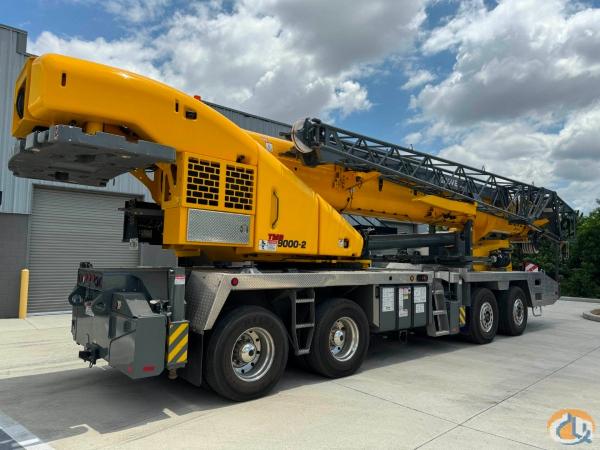
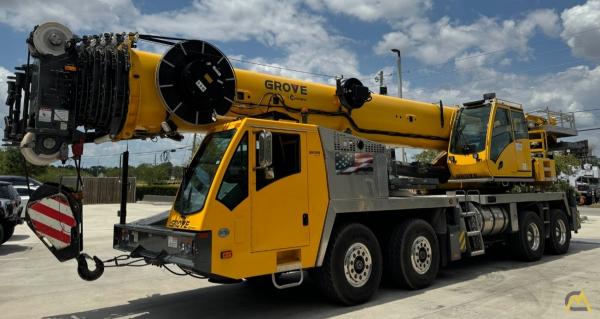
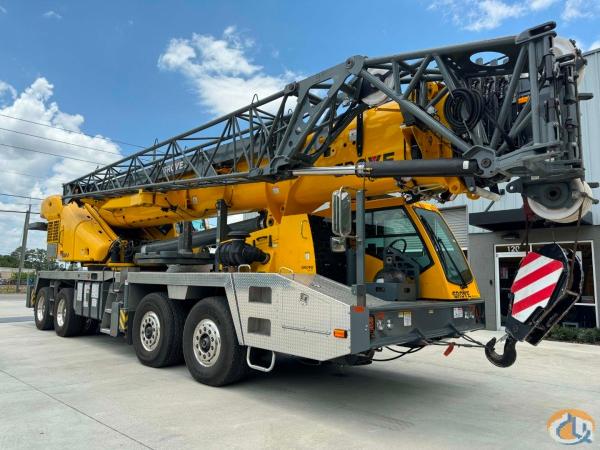
Introduction
The Grove TMS9000-2 is a 115-ton truck-mounted crane renowned for its advanced features and versatility in various lifting applications. One of its standout components is the Crane Control System (CCS), which enhances operational efficiency and safety.
Crane Control System (CCS) Overview
The CCS is an integrated electronic system that manages the crane's functions, providing real-time data and diagnostics to the operator. It comprises several key components: - Crane Controller: The central unit that processes input from various sensors and controls the crane's operations.
- Safety Controller: Monitors safety parameters and ensures compliance with operational limits.
- Input/Output Modules: Facilitate communication between the controller and the crane's mechanical systems.
- Operator Interface: Includes joysticks, jog-dial, and display screens for user interaction.
This system allows for precise control, reducing the risk of errors and enhancing safety on the job site.
Key Features of the TMS9000-2
The TMS9000-2 is equipped with several features that contribute to its performance:- MEGAFORM Boom: A six-section, greaseless boom that extends up to 169 feet, providing a wide range of lifting capabilities.
- TWIN-LOCK Pinning System: Ensures secure boom extension and retraction, enhancing stability during operations.
- Hydraulic Counterweight Removal System: Allows for easy installation and removal of up to 48,500 lbs of counterweight, facilitating transport and setup.
- Tilt Cab: A 20-degree hydraulically tilting cab that improves visibility and operator comfort.
- Boom Configurator Mode: An intuitive feature within the CCS that helps operators select the optimal boom configuration for specific lifts.
Operational Efficiency and Safety
The integration of CCS in the TMS9000-2 enhances operational efficiency by providing real-time diagnostics and performance data. This allows for proactive maintenance and reduces downtime. Additionally, the system's safety features, such as load moment indicators and overload protection, ensure that the crane operates within safe parameters, minimizing the risk of accidents.
Conclusion
The Grove TMS9000-2, with its advanced Crane Control System, sets a high standard in the truck-mounted crane industry. Its combination of powerful features, user-friendly interface, and safety enhancements make it a valuable asset for a wide range of lifting applications.
|
|
|
|
| Understanding Engine Hours on the Caterpillar 315L Excavator |
|
Posted by: MikePhua - 08-27-2025, 09:42 PM - Forum: General Discussion
- No Replies
|
|
Introduction
The Caterpillar 315L is a mid-sized hydraulic excavator introduced in the mid-1990s, widely recognized for its durability and versatility in various construction applications. As with all heavy machinery, monitoring engine hours is crucial for assessing the machine's usage and planning maintenance schedules. The engine hour meter provides an indication of the total operational time the engine has accumulated, serving as a vital tool for maintenance planning and resale evaluations.
Engine Hour Meter Functionality
The engine hour meter in the 315L records the cumulative operating time of the engine, typically displayed in hours. This data is essential for determining when routine maintenance tasks, such as oil changes, filter replacements, and component inspections, are due. It's important to note that the hour meter reflects the total time the engine has been running, regardless of the machine's load or operating conditions.
Maintenance Considerations Based on Engine Hours
Regular maintenance intervals are often determined by the number of engine hours accumulated. For the 315L, typical maintenance tasks and their recommended intervals include: - Engine Oil and Filter Change: Every 500 hours.
- Hydraulic Oil and Filter Change: Every 1,000 hours.
- Final Drive Oil Change: Every 2,000 hours.
These intervals can vary based on operating conditions, such as dust levels, climate, and load factors. It's advisable to consult the operator's manual or a qualified technician for specific maintenance schedules tailored to your machine's usage.
Interpreting High Engine Hour Readings
An excavator with high engine hours, typically over 10,000, may indicate extensive use. While this doesn't necessarily mean the machine is near the end of its service life, it does suggest that more frequent maintenance and potential component replacements should be anticipated. Common areas that may require attention in high-hour machines include:- Engine Overhaul: Depending on maintenance history and operating conditions, an engine overhaul may be considered after 10,000 to 15,000 hours.
- Final Drive Seals: These components can wear out over time, leading to leaks and reduced efficiency.
- Swing Gearbox: Excessive wear can affect the machine's rotation capabilities.
- Hydraulic Pump Drive Coupler: This part can degrade, leading to hydraulic system issues.
Regular inspections and proactive maintenance can help identify and address potential issues before they lead to significant downtime or costly repairs.
Tips for Managing High Engine Hour Machines- Maintain Detailed Service Records: Keep comprehensive logs of all maintenance activities, including parts replaced and service dates.
- Conduct Regular Inspections: Frequent checks can help detect early signs of wear or malfunction.
- Utilize Oil Sampling: Analyzing oil samples can provide insights into the condition of internal engine components.
- Consult with Professionals: Engage with Caterpillar-certified technicians for expert advice and service.
Conclusion
Monitoring engine hours on the Caterpillar 315L excavator is essential for effective maintenance management and ensuring the machine's longevity. By adhering to recommended maintenance schedules and addressing issues promptly, operators can maximize the performance and reliability of their equipment. Always refer to the operator's manual and consult with professionals for guidance tailored to your specific machine and operating conditions.
|
|
|
|
| Komatsu PC320-3MC Wiring Harness: Troubleshooting and Solutions |
|
Posted by: MikePhua - 08-27-2025, 09:40 PM - Forum: Troubleshooting & Diagnosing
- No Replies
|
|
Introduction
The Komatsu PC320-3MC is a robust hydraulic excavator renowned for its performance in demanding construction and mining environments. However, like any heavy machinery, it is susceptible to electrical issues, particularly concerning the wiring harness. The wiring harness serves as the nervous system of the excavator, transmitting power and signals to various components. Malfunctions in this system can lead to operational inefficiencies and costly downtimes.
Understanding the Wiring Harness
The wiring harness in the PC320-3MC is an intricate assembly of wires, connectors, and terminals that facilitates the electrical connections between the engine, hydraulic systems, sensors, and control units. Given the excavator's exposure to harsh conditions—such as moisture, dust, and extreme temperatures—the wiring harness is designed with durable insulation and protective sheathing. Nonetheless, over time, wear and tear can compromise its integrity.
Common Wiring Harness Issues
- Corrosion: Operating in humid or saline environments can lead to corrosion of connectors and terminals, resulting in poor electrical connections and erratic machine behavior.
- Physical Damage: Abrasion from moving parts or external impacts can cause the wiring to fray or short-circuit.
- Connector Failures: Loose or damaged connectors can disrupt communication between components, leading to system malfunctions.
- Signal Interference: Improperly routed wires or inadequate shielding can cause electromagnetic interference, affecting sensor readings and control signals.
Troubleshooting Steps
- Visual Inspection: Conduct a thorough visual examination of the wiring harness for signs of wear, corrosion, or physical damage. Pay close attention to areas where wires are exposed or in contact with moving parts.
- Connector Checks: Ensure all connectors are securely fastened and free from corrosion. Use dielectric grease to protect terminals from moisture ingress.
- Continuity Testing: Utilize a multimeter to check for continuity in the wiring. This can help identify broken or shorted wires.
- Signal Verification: Use diagnostic tools to verify the integrity of signals transmitted through the wiring harness, ensuring proper communication between components.
Replacement and Repair Options
In cases where the wiring harness is extensively damaged, replacement may be necessary. Komatsu offers OEM wiring harnesses tailored for the PC320-3MC. These parts are designed to meet the exact specifications of the original harness, ensuring compatibility and reliability.
Preventive Measures
- Regular Maintenance: Implement a routine inspection schedule to identify potential issues before they lead to failures.
- Environmental Protection: Where possible, shield the wiring harness from harsh environmental factors by using protective covers or rerouting wires away from potential hazards.
- Upgraded Components: Consider using upgraded connectors and wiring with enhanced resistance to abrasion and corrosion, especially if the excavator operates in particularly harsh conditions.
Conclusion
The wiring harness is a critical component of the Komatsu PC320-3MC excavator's electrical system. Understanding its role and potential issues can aid in timely maintenance and repairs, ensuring the machine operates at peak efficiency. By adhering to preventive measures and promptly addressing any electrical concerns, operators can extend the lifespan of their equipment and minimize unexpected downtimes.
|
|
|
|
| Fuel Leaks in Lull 844 Telehandlers: Causes, Diagnosis, and Solutions |
|
Posted by: MikePhua - 08-27-2025, 09:40 PM - Forum: Troubleshooting & Diagnosing
- No Replies
|
|
Fuel leaks in Lull 844 telehandlers, particularly models like the 844C-42, can disrupt operations and pose safety risks. Understanding the common causes, diagnostic procedures, and effective solutions is essential for maintaining these machines.
Common Causes of Fuel Leaks
- Fuel Line Failures: Over time, fuel lines can degrade due to exposure to heat and chemicals, leading to cracks or disconnections.
- Fuel Filter Issues: Clogged or improperly sealed fuel filters can cause fuel to leak from the filter housing.
- Fuel Pump Malfunctions: Mechanical or electrical failures in the fuel pump can result in leaks, especially around seals and connections.
- Injector Problems: Faulty injectors can leak fuel into the combustion chamber or externally, affecting engine performance.
Diagnostic Procedures
- Visual Inspection: Begin by inspecting all fuel lines, filters, and pumps for visible signs of leaks.
- Pressure Testing: Use a fuel pressure gauge to check for irregularities in fuel pressure, which can indicate leaks or blockages.
- Leak Detection Fluid: Apply leak detection fluid to suspected areas to identify the source of the leak.
- Electrical Testing: For models with electronic fuel pumps, test the electrical connections and components for proper functionality.
Solutions and Recommendations
- Replace Damaged Components: Any cracked or worn fuel lines, filters, or seals should be replaced promptly.
- Clean or Replace Fuel Filters: Ensure that fuel filters are clean and properly sealed to prevent leaks.
- Repair or Replace Fuel Pumps: Address any mechanical or electrical issues with the fuel pump to prevent leaks.
- Check Injector Seals: Inspect and replace injector seals if fuel leakage is detected around injectors.
Preventive Maintenance Tips- Regular Inspections: Conduct routine inspections of the fuel system to catch potential issues early.
- Use Quality Fuel: Ensure that only clean, high-quality fuel is used to prevent contamination and clogging.
- Proper Storage: Store fuel in clean, sealed containers to prevent contamination.
- Training: Ensure that operators are trained to recognize signs of fuel system issues and report them promptly.
Conclusion
Addressing fuel leaks in Lull 844 telehandlers requires a systematic approach to diagnose and resolve the underlying issues. By understanding the common causes, following proper diagnostic procedures, and implementing effective solutions, operators can maintain the reliability and safety of their equipment.
|
|
|
|
| Komatsu PC320-3MC Wiring Harness: Troubleshooting and Solutions |
|
Posted by: MikePhua - 08-27-2025, 09:39 PM - Forum: Troubleshooting & Diagnosing
- No Replies
|
|
Introduction
The Komatsu PC320-3MC is a robust hydraulic excavator renowned for its performance in demanding construction and mining environments. However, like any heavy machinery, it is susceptible to electrical issues, particularly concerning the wiring harness. The wiring harness serves as the nervous system of the excavator, transmitting power and signals to various components. Malfunctions in this system can lead to operational inefficiencies and costly downtimes.
Understanding the Wiring Harness
The wiring harness in the PC320-3MC is an intricate assembly of wires, connectors, and terminals that facilitates the electrical connections between the engine, hydraulic systems, sensors, and control units. Given the excavator's exposure to harsh conditions—such as moisture, dust, and extreme temperatures—the wiring harness is designed with durable insulation and protective sheathing. Nonetheless, over time, wear and tear can compromise its integrity.
Common Wiring Harness Issues
- Corrosion: Operating in humid or saline environments can lead to corrosion of connectors and terminals, resulting in poor electrical connections and erratic machine behavior.
- Physical Damage: Abrasion from moving parts or external impacts can cause the wiring to fray or short-circuit.
- Connector Failures: Loose or damaged connectors can disrupt communication between components, leading to system malfunctions.
- Signal Interference: Improperly routed wires or inadequate shielding can cause electromagnetic interference, affecting sensor readings and control signals.
Troubleshooting Steps
- Visual Inspection: Conduct a thorough visual examination of the wiring harness for signs of wear, corrosion, or physical damage. Pay close attention to areas where wires are exposed or in contact with moving parts.
- Connector Checks: Ensure all connectors are securely fastened and free from corrosion. Use dielectric grease to protect terminals from moisture ingress.
- Continuity Testing: Utilize a multimeter to check for continuity in the wiring. This can help identify broken or shorted wires.
- Signal Verification: Use diagnostic tools to verify the integrity of signals transmitted through the wiring harness, ensuring proper communication between components.
Replacement and Repair Options
In cases where the wiring harness is extensively damaged, replacement may be necessary. Komatsu offers OEM wiring harnesses tailored for the PC320-3MC. These parts are designed to meet the exact specifications of the original harness, ensuring compatibility and reliability.
Preventive Measures
- Regular Maintenance: Implement a routine inspection schedule to identify potential issues before they lead to failures.
- Environmental Protection: Where possible, shield the wiring harness from harsh environmental factors by using protective covers or rerouting wires away from potential hazards.
- Upgraded Components: Consider using upgraded connectors and wiring with enhanced resistance to abrasion and corrosion, especially if the excavator operates in particularly harsh conditions.
Conclusion
The wiring harness is a critical component of the Komatsu PC320-3MC excavator's electrical system. Understanding its role and potential issues can aid in timely maintenance and repairs, ensuring the machine operates at peak efficiency. By adhering to preventive measures and promptly addressing any electrical concerns, operators can extend the lifespan of their equipment and minimize unexpected downtimes.
|
|
|
|
| Case ProCare and the Changing Landscape of Heavy Equipment Ownership |
|
Posted by: MikePhua - 08-27-2025, 09:38 PM - Forum: General Discussion
- No Replies
|
|
The Rise of Case Construction Equipment
Case Construction Equipment, a brand under CNH Industrial, has been a fixture in the global machinery market since its founding in 1842 by Jerome Increase Case. Originally focused on threshing machines, Case evolved into a full-line manufacturer of construction equipment, including backhoes, excavators, dozers, and compact track loaders. By the early 2000s, Case had established a strong presence in North America, Europe, and parts of Asia, with thousands of units sold annually across its product lines.
Despite its engineering pedigree, Case has faced challenges in dealer consistency and regional support. In several U.S. markets, franchise turnover and uneven service quality have impacted customer loyalty. Recognizing this, Case launched the ProCare program—a bold initiative aimed at redefining ownership experience and restoring trust.
What Is ProCare and Why It Matters
ProCare is a bundled support package offered with new Case equipment purchases. It includes: - A 3-year/3,000-hour full-machine warranty.
- A 3-year/3,000-hour planned maintenance program.
- Optional telematics integration for fleet monitoring.
This package goes beyond the industry norm, where warranties typically cover only powertrain and hydraulics, and maintenance is left to the owner. By including scheduled service, Case shifts the burden of upkeep back onto the manufacturer and dealer network.
Warranty vs. Maintenance Coverage
In heavy equipment, warranties often exclude wear items and require strict adherence to service intervals. Maintenance plans, on the other hand, ensure that filters, fluids, and inspections are performed by certified technicians using OEM parts.
ProCare’s dual coverage means:- No surprise costs for major failures within the first 3,000 hours.
- Predictable service intervals every 250–500 hours.
- Reduced downtime due to proactive inspections.
- Higher resale value due to documented service history.
A contractor in Pennsylvania noted that his Hyundai loaders came with a 5-year/5,000-hour warranty, which influenced his decision over competing brands. Case’s ProCare, while shorter in duration, includes maintenance—making it more comprehensive in practice.
Impact on Small Contractors and Owner-Operators
Large firms often have in-house mechanics and parts inventories. But for small businesses, downtime is costly and technical expertise may be limited. ProCare targets this segment by offering peace of mind and budget stability.
Benefits for small operators include:- No need to stock filters or fluids.
- Fewer service errors due to factory-trained technicians.
- Easier financing with bundled support.
- Simplified recordkeeping for tax and resale purposes.
In Alabama, one operator shared that his reluctance to buy Case stemmed from inconsistent dealership support. With ProCare, he felt more confident knowing that service was guaranteed regardless of dealer turnover.
Dealer Network and Regional Variability
The success of ProCare hinges on dealer execution. In regions with stable, long-standing Case dealers, customers report high satisfaction. In areas with frequent franchise changes, service quality can vary.
To mitigate this, Case has invested in dealer training, standardized service protocols, and digital platforms for scheduling and diagnostics. Telematics systems like SiteWatch allow remote monitoring of machine health, enabling dealers to preemptively schedule service.
Comparative Industry Trends
Other manufacturers have responded with similar programs:- John Deere offers extended warranties with optional maintenance contracts.
- Caterpillar’s Customer Value Agreements (CVAs) include parts kits and fluid analysis.
- Komatsu’s KomCare bundles warranty and telematics but often excludes labor.
However, few match Case’s inclusion of both warranty and full maintenance for three years. This positions Case as a disruptor in the ownership model, especially for mid-sized contractors.
Recommendations for Maximizing ProCare
To get the most from ProCare:- Register equipment promptly to activate coverage.
- Follow service intervals strictly to avoid voiding warranty.
- Use telematics to track usage and anticipate service needs.
- Retain all service records for resale and audit purposes.
- Communicate with dealers about upcoming jobs to align service schedules.
Looking Ahead
As equipment becomes more complex—with Tier 4 emissions systems, electronic controls, and hybrid drivetrains—maintenance will require specialized tools and training. Programs like ProCare will become essential, not optional.
In 2025, CNH Industrial announced plans to expand ProCare to include remote diagnostics and predictive analytics. Using AI-driven models, the system will forecast component wear based on usage patterns, terrain, and operator behavior.
Conclusion
Case ProCare represents a shift in how construction equipment is sold, supported, and maintained. By bundling warranty and service, Case reduces risk for owners and sets a new standard for customer care. While dealer consistency remains a challenge in some regions, the program’s structure offers a compelling value proposition—especially for small contractors seeking reliability without complexity. As the industry evolves, ownership models like ProCare may become the norm, reshaping expectations and elevating the role of service in equipment performance.
|
|
|
|
| Caterpillar Excavators: Evolution, Performance, and Troubleshooting |
|
Posted by: MikePhua - 08-27-2025, 09:12 PM - Forum: General Discussion
- No Replies
|
|
Introduction
Caterpillar Inc., established in 1925 through the merger of the Holt Manufacturing Company and C. L. Best Tractor Company, has become a global leader in construction and mining equipment. The company's journey from producing steam tractors to pioneering hydraulic excavators showcases its commitment to innovation and excellence. Today, Caterpillar's excavators are renowned for their durability, efficiency, and technological advancements, serving a diverse range of industries worldwide.
The Evolution of Caterpillar Excavators
Caterpillar's foray into hydraulic excavators began in the late 1960s, responding to the mining industry's demand for more powerful machines. In 1970, the company introduced a prototype excavator in both Europe and the United States. By 1972, Caterpillar launched its first customer-ready hydraulic excavator, the 225 model, revolutionizing job sites by enhancing lifting, digging, and loading capabilities.
Caterpillar Excavator Models and Specifications
Caterpillar offers a comprehensive range of excavators, each designed to meet specific operational needs. Below is an overview of some models: - Cat 301.7 CR: A compact model ideal for tight spaces, featuring a maximum digging depth of 7 feet 8 inches and a weight of 4,153 lbs.
- Cat 302 CR: A mini excavator with a net power of 21 hp and a maximum weight of 4,987 lbs, suitable for various tasks requiring precision and maneuverability.
- Cat 336D L: A large hydraulic excavator offering a net power of 266 hp and an operating weight of 67,236.6 lbs, designed for heavy-duty applications.
Performance and Efficiency
Caterpillar excavators are engineered for optimal performance and fuel efficiency. The integration of advanced hydraulic systems allows for precise control and increased productivity. Models like the Cat 336D L are equipped with powerful engines that deliver high performance, making them suitable for demanding tasks such as deep excavation and material handling.
Troubleshooting Common Issues
Operators may encounter various issues with Caterpillar excavators. A common problem reported is the engine running as if it's "starving for fuel," accompanied by sputtering. Potential causes include clogged fuel filters, air intake restrictions, or fuel line leaks. For instance, one operator noted, "Cat running like it is starving for fuel and spitting and sputtering." In such cases, it's advisable to:- Inspect and replace fuel and air filters.
- Check for leaks or cracks in fuel lines.
- Verify the fuel quality and cleanliness.
- Consult the operator's manual for specific troubleshooting steps.
Conclusion
Caterpillar excavators have a rich history of innovation and reliability. From their inception in the early 1970s to the present day, these machines have undergone significant advancements, incorporating cutting-edge technology to meet the evolving needs of the construction industry. Whether it's a compact model for residential projects or a large excavator for heavy-duty applications, Caterpillar continues to lead the way in providing equipment that enhances productivity and efficiency on job sites worldwide.
|
|
|
|
|



