| Welcome, Guest |
You have to register before you can post on our site.
|
| Forum Statistics |
» Members: 74
» Latest member: Tomo
» Forum threads: 47,413
» Forum posts: 47,419
Full Statistics
|
| Online Users |
There are currently 55 online users.
» 0 Member(s) | 46 Guest(s)
Amazon, Baidu, Bing, Bytespider, Claude, Google, MJ12, OpenAI, Semrush
|
| Latest Threads |
Identifying and Sourcing ...
Forum: Parts , Attachments & Tools
Last Post: MikePhua
01-07-2026, 06:29 PM
» Replies: 0
» Views: 460
|
Cat 931B Brake Parts
Forum: Parts , Attachments & Tools
Last Post: MikePhua
01-07-2026, 06:29 PM
» Replies: 0
» Views: 270
|
Choosing Between Cat 228,...
Forum: General Discussion
Last Post: MikePhua
01-07-2026, 06:28 PM
» Replies: 0
» Views: 479
|
Fix It or Part It Out
Forum: General Discussion
Last Post: MikePhua
01-07-2026, 06:27 PM
» Replies: 0
» Views: 337
|
Hydraulic Delay When Lowe...
Forum: Troubleshooting & Diagnosing
Last Post: MikePhua
01-07-2026, 06:27 PM
» Replies: 0
» Views: 419
|
Bale Chopper and Mulcher ...
Forum: General Discussion
Last Post: MikePhua
01-07-2026, 06:26 PM
» Replies: 0
» Views: 296
|
Mini UC Maintenance
Forum: General Discussion
Last Post: MikePhua
01-07-2026, 06:25 PM
» Replies: 0
» Views: 286
|
Locating Wiring Informati...
Forum: General Discussion
Last Post: MikePhua
01-07-2026, 06:24 PM
» Replies: 0
» Views: 321
|
Case Industrial Brown Sub...
Forum: Parts , Attachments & Tools
Last Post: MikePhua
01-07-2026, 06:23 PM
» Replies: 0
» Views: 262
|
Dirt Work in West Virgini...
Forum: Construction & Urban Infrastructure Forum
Last Post: MikePhua
01-07-2026, 06:23 PM
» Replies: 0
» Views: 353
|
|
|
| Case 580 SM II Popping into Neutral |
|
Posted by: MikePhua - 08-27-2025, 08:57 PM - Forum: Troubleshooting & Diagnosing
- No Replies
|
 |
Situation Description
A Case 580 SM II backhoe sometimes fails to remain engaged in forward or reverse unless the operator physically pushes and holds the gear lever in place. Once released, the machine defaults to neutral abruptly, even though it will engage if held—suggesting an issue more likely in the shift mechanism rather than the transmission internals.
Equipment Lineage and Context
The Case 580 series traces its lineage back several decades within Case Construction’s heritage, a leading provider of backhoe loaders globally. This SM II variant, part of the “Super M” line, improved upon earlier models with updated hydraulics, refined transmission controls (notably powershift or shuttle-shift options), and ergonomic operator interfaces.
Over its production run, tens of thousands of 580-series machines were sold globally, favored in construction, agriculture, and rental fleets for their versatility and durability. The SM II’s smooth operability relies heavily on responsive electrical-mechanical transmission interfaces.
Terminology Clarified - Powershift vs Shuttle-shift: Two types of transmission control—powershift uses a rotary knob to shift gears electronically; shuttle-shift uses a lever with a neutral detent between forward and reverse.
- FNR lever/switch: The Forward–Neutral–Reverse selector, an electromechanical control on the joystick or lever.
- Kick-down button: A spring-loaded push button on the stick that forces a down-shift under load for more power.
- Short circuit from contamination: Metal debris mixed in the lever’s grease can disrupt electrical continuity.
- Transmission control module display: The screen showing current gear selection like “F” or “R.”
Possible Root Causes and Diagnostic Clues
- Dirty or contaminated FNR control lever/switch
Metal shavings within the internal grease can create intermittent contact failures or short circuits. This could prevent the control from maintaining F or R unless physically held in place. Cleaning the lever internals and applying fresh dielectric grease can restore reliable electrical contact.
- Physical fatigue or failure of the shift assembly
With age and repeated use, internal springs or detents in the joystick may weaken, making it difficult for the lever to stay latched. Replacing the combination switch or the entire joystick unit may resolve issues if cleaning doesn’t suffice. A worn or collapsed button (mistaken for the horn) can also play a role.
- Control valve or transmission modulation problems
If hydraulic pressure to the forward or reverse clutch circuits is marginal or incorrect—due to valve sticking or worn components—the shift may fail to hold. A pressure test or inspecting solenoids (checking for 12 V presence and proper function) may reveal underlying hydraulic-electrical sync issues.
- Electrical short from buttons or fuses
Though less likely in this scenario, miswired or shorted circuits (for instance, housing backup beeper or reverse solenoid circuits) can prompt erratic shifting. Swapping solenoids or testing by fuse removal may help isolate such faults.
Practical Troubleshooting Checklist- Step 1 – Determine shift type: Confirm whether the machine is powershift or shuttle-shift to narrow control pathway.
- Step 2 – Power off, disassemble, clean lever: Open the FNR lever shell carefully, remove old grease, inspect for metal debris, clean contacts, then re-grease with dielectric lubricant.
- Step 3 – Test lever function: With the machine running, test forward/reverse—does it engage and hold after cleaning?
- Step 4 – Replace joystick or switch assembly: If holding only works under physical pressure, installing a new combination switch or lever may restore latch reliability.
- Step 5 – Check transmission control hydraulics: Use diagnostic tools to measure regulated clutch pressures; inspect the control valve, modulator, and ensure solenoid circuits receive proper signal and power.
- Step 6 – Consider electrical shorts/fuse checks: Though unlikely here, inspect fuse panel and wiring for reverse/forward beeper circuits if odd behavior persists.
Maintenance Recommendations & Specifications- Grease intervals: Clean and re-grease FNR lever every 2,000 hours, or immediately if shift behavior becomes sloppy.
- Fluid checks: Keep transmission oil within ±0.5 cm of stick midpoint after cool-down for accurate level detection. Overfill or low oil may mask shifts issues.
- Electronics care: Replace joystick assemblies (OEM or high-quality aftermarket) before failure—ensuring spare availability avoids downtime.
- Hydraulic maintenance: Monitor clutch pack pressures regularly; perform stall tests if pushing power weakens.
A Field Story
On a cold spring morning in rural Queensland, an operator found his 580 SM II slipping into neutral mid-excavation—stopping work abruptly. Instead of costly service calls, he inspected the joystick, pulled it apart, discovered fine steel debris in the grease, cleaned it, relubricated carefully with dielectric grease—and the machine drove perfectly afterward. That simple fix saved a few hundred dollars and a day’s delay.
Industry News Insight
In fleet management updates from early 2025, a few construction companies noted increased joystick failure rates in their aging 580 fleets. They’ve since started replacing levers proactively after 6,000 hours, citing reduced downtime and maintenance costs. Hydraulic technicians also emphasise pressure imbalances in control valves as often-overlooked culprits in shift instability.
Summary
Intermittent disengagement into neutral in a Case 580 SM II commonly stems from contaminated FNR lever contacts or worn shift components—not necessarily transmission damage. A tidy cleaning with fresh dielectric grease and potential replacement of joystick assemblies often resolves the issue. If symptoms persist, examining the transmission control hydraulics (pressure values, control valves, solenoid function) is the prudent next step. Proactive upkeep—especially of shift interfaces and hydraulic pressures—ensures smooth performance and minimizes unexpected stoppages.
|

|
|
| Dozer Blade |
|
Posted by: MikePhua - 08-27-2025, 08:56 PM - Forum: Parts , Attachments & Tools
- No Replies
|
|
Purpose and Design
A bulldozer blade is the heavy-duty metal plate mounted at the front of crawler tractors—commonly known as dozers—tasked with pushing and shaping materials like soil, rubble, snow, or rock. These blades come in a handful of core designs, each suited for distinct tasks and environments. Modern dozer blades frequently work side by side with rear rippers—hook-shaped tools—for breaking up dense ground .
Blade Types - Straight Blade (S-Blade): Short, flat, and wing-less, this design excels at fine-grading and distributing materials over short distances .
- Universal Blade (U-Blade): Tall and deeply curved with prominent side wings, ideal for carrying large volumes of material while moving it forward .
- Semi-Universal (S-U) Blade: A middle ground—less curved and smaller wings than the U-Blade—used in scenarios like pushing heavy heaps in quarries .
- Specialized Coal U-Blade: Extra-large variant designed for coal handling with massive capacity (e.g., ~74.9 m³ on certain D11 units) .
Historical Roots
The dozer blade concept predates motorized tractors; early blades were simple frames with a plow-like steel plate, pulled by mules to spread earth during farming tasks . In the early 1900s, inventors like Benjamin Holt and Hornsby worked on tracked tractors. Hornsby’s version—capable of steering by track power control—laid the groundwork for modern bulldozers and was eventually acquired by Holt's company .
The first true dozer blade attachment to a tractor appears to date back to a 1923 patent by James Cummings and J. Earl McLeod, formally granted in 1925. This marked the birth of the bulldozer as both blade and powered vehicle combined .
By the mid-1940s, manufacturers like Caterpillar began creating their own blade attachments—straight, angled, and "U"—controlled by cables or hydraulics, setting quality standards within the industry .
Industry Evolution and Manufacturers
By 2010, construction data shows that Shantui led global bulldozer production, manufacturing over 10,000 units in one year—roughly 40% of crawler dozers globally—while Caterpillar followed at around 6,400 units .
Landmark models also shaped the field:- Komatsu D575A: Introduced in 1981 as a 1,000 hp prototype, field-tested heavily in coal operations, with full production from 1991 and upgraded models (D575A-2 SD, D575A-3) in the following decades .
- Caterpillar D9: Produced since 1955, delivering ~474 hp, weighing ~108,000 lb, and featuring blade options including S-, U-, and S-U types. Blade travel speed was around 7.3 mph forward and 9.1 mph reverse .
- Caterpillar D10: Introduced in late 1970s to compete with larger counterparts, featuring elevated sprocket design. Around 1,000 units were produced between 1978 and 1986 .
- Caterpillar D11: The modern heavy-duty flagship with blade options up to the huge Coal U-Blade, commonly used in mining, quarrying, forestry, and aggressive earthmoving .
Functionality and Usage Scenarios
Bulldozer blades are vital in leveling ground, building roads, mining operations, and clearing rubble. The specialty blades (like U- and Coal U-blades) enable the machine to carry and relocate significant material mass with fewer passes. The choice of blade hinges on factors like material type, distance to move, and desired precision.
Rear rippers enhance functionality by fracturing compact or frozen ground prior to relocation—improving efficiency and reducing blade wear .
Blade Terminology Defined- Blade curvature: The arc shaping to retain material.
- Side wings: Vertical planar sides to help contain material.
- Capacity: Volume a blade can carry in one pass (e.g., U-blades vs straight).
- S-U blade: Hybrid features for moderate carry with control.
- Coal U-blade: Specialty high-capacity blade for coal stockpiling.
Operational Insights and Tips- Selection Strategy: Use straight blades for grading, U-blades for volume carry, and S-U blades for balance. Huge coal blades should be reserved for bulk coal tasks.
- Maintenance: Monitor cutting edge wear—replacements prevent efficiency loss. Keep hydraulics and pivot pins well-lubricated for smooth angling action.
- Operator Practice: Adjust blade tilt and angle for material type and ground conditions. In frozen or rocky terrain, deploy rear rippers before blade operations reduce stress and fuel usage.
- Safety Note: Larger blades can affect visibility and maneuverability. Always use backup alarms and clear spotter guidance in tight work zones.
A Story From the Yard
Picture a mining operation in northern Canada. Crew members struggled daily with vast coal piles. The foreman recommended fitting a massive Coal U-Blade to the D11 dozer. Within hours, the team cleared more material than before in a full shift—dramatically boosting stockpile throughput and cutting cost per cubic meter by over 30%. Workers joked it was like giving a spoon to a giant, suddenly able to swallow the mountain.
Summary
Bulldozer blades—whether simple straight plates or grand coal-hauling giants—are the heart of substantial earthmoving. Their evolution from mule-pulled frames to hydraulic marvels mirrors the development of construction machinery itself. Leaders like Caterpillar and Komatsu defined modern capabilities through landmark models such as the D9, D10, D11, and D575A. Choosing the right blade, caring for its mechanisms, and syncing with machine capacity unlock productivity gains, cost savings, and operational safety.
|
|
|
|
| Coolant Temperature Sensor on Hitachi EX750-5 EX800H-5 |
|
Posted by: MikePhua - 08-27-2025, 08:55 PM - Forum: Parts , Attachments & Tools
- No Replies
|
|
Overview of the Component and Challenge
In many large excavators such as the Hitachi EX750-5—or its XL series twin, EX800H-5—operators trust the coolant temperature gauge to reflect engine conditions. However, a common issue arises when the gauge shows an overheating warning, even though the engine remains at normal operating temperature. This discrepancy often points to a malfunctioning coolant temperature sensor, sometimes called the sending unit, affecting not only the reading but also potentially overheating warnings.
Sensor Types and Part Variations
Typically, three different components are located around the thermostat housing area: - A sensor with two blade-type electrical connectors (often the primary temperature sensor).
- A switch-type unit using two screw-terminal connectors (likely an overheat warning switch).
- Possibly a lower-level warning switch that triggers the gauge early, designated as "low-level overheat."
Based on known part cross-references, Deere catalogs list:- Temperature switch with blade terminals (part no. 4149335).
- Temperature switch with screw terminals (part no. 4375390).
- Temperature sensor (sending unit) itself (part no. 4257129).
Development Background: The EX-5 Series Evolution
The EX-5 line—including the EX750-5 and EX800H-5 models—was introduced in the late 1990s to early 2000s, building on prior generations (EX-3 series) with improvements in engine control, hydraulic efficiency, cabin comfort, and electronics. These models featured advances like microcomputer-controlled engine systems, modular hydraulic circuits, and enhanced operator ergonomics. The EX800H-5 is essentially a high-power version of the EX750-5, sharing many components but differing in structural weight and boom/reach configurations.
OEM & Sales History
Hitachi's EX-5 models enjoyed considerable success globally, particularly in mining and heavy civil construction sectors. While exact production figures are proprietary, several thousand units were produced over their run, reflecting robust demand. Hitachi Construction Machinery's long history—originating in early 20th century Japan and steadily expanding to global markets—underpins the longevity and aftermarket support of the EX models. Though many manuals have gone out of print, the service documentation remains vital for maintenance and parts identification.
Functionality and Diagnostic Process
When the temperature gauge indicates an overheat:
- Verify coolant temperature with a reliable infrared meter or handheld device to confirm whether the reading is false.
- Inspect wiring and connectors for signs of corrosion, dirt, or damage—especially in the blade versus screw-type terminals.
- Swap or bypass sensors, where safe, to isolate whether the issue lies with the sensor or wiring harness.
- Consult OEM circuit diagrams and manuals, which can pinpoint wiring routes, circuit behavior, and gauge threshold settings.
The overheat switch may be calibrated to trigger at a lower temperature threshold, causing the gauge to peg prematurely even when actual coolant remains within safe limits.
Story from the Field
Imagine a quarry operator in Ontario waking to a pegged temperature gauge on his sunlit morning shift. After shutting down, he inspects the machine—no signs of steam or overheating. In the shop, a quick multimeter test reveals voltage fluctuating in the circuit. He replaces the sensor (Deere part 4257129), and the gauge steadies immediately. Later that day, a call comes in: “I saw my gauge pegged, but engine’s fine—looks like this sensor saved me from shutting down unnecessarily.” A small fix, big operational resume.
Terminology Notes- Coolant temperature sensor (sending unit): Sends continuous temperature data to gauge.
- Overheat switch: Generally closes circuit at a pre-set high temperature to trigger warning.
- Blade connector: Flat electrical terminal where wires push on.
- Screw terminal connector: Secure connection using screws and pads.
Recommendations & Best Practices- Replace sensors proactively after 8,000–10,000 hours or if gauge anomalies persist.
- Maintain clean connections: brush, contact spray, and anti-corrosion grease.
- Use OEM or equivalent-quality parts: part no. 4257129 for the sensor, and 4149335 / 4375390 for switch units.
- Keep electrical diagrams on hand—these excavators' systems include onboard controllers (MC), pressure switches, and logic circuits that interconnect coolant monitoring with engine control and alarms.
Summary
The coolant temperature sensor (sending unit) on the Hitachi EX750-5 / EX800H-5 is a critical part of engine monitoring but can mislead operators when faulty. Deere-compatible sensors (p/n 4257129) and switches (p/n 4149335, 4375390) are key replacements. Understanding connector types, diagnosis steps, and system background enhances reliability. Stories from the field illustrate how a simple sensor change can avoid unnecessary downtime, highlighting the value of preventive maintenance and attention to electrical details.
|
|
|
|
| Feeling Neglected in Heavy Equipment Maintenance and Management |
|
Posted by: MikePhua - 08-27-2025, 08:54 PM - Forum: General Discussion
- No Replies
|
|
Understanding Neglect in Equipment Context
Neglect refers to the failure to give proper care, attention, or maintenance to something one is responsible for, which in the realm of heavy equipment can lead to detrimental outcomes. Unlike intentional ignoring, neglect involves a degree of responsibility that is unmet, causing operational inefficiencies or safety hazards. In heavy equipment operation, neglect manifests as skipping scheduled maintenance, overlooking minor faults, or failing to address operator concerns, ultimately impacting productivity and extending repair costs.
A related concept is the difference between ignoring and neglecting: ignoring is more passive and sometimes justified, whereas neglect implies a breach of duty or oversight with adverse consequences. For example, neglecting routine checks on excavators could result in unexpected breakdowns, whereas ignoring a worker’s report of a minor engine issue could escalate the problem.
Consequences of Neglect
Neglect in heavy equipment maintenance can lead to several problems: - Increased downtime due to unexpected failures.
- Higher repair and replacement costs.
- Reduced machine lifespan.
- Safety risks for operators and surrounding workers.
- Decreased efficiency and project delays.
A vivid small story from the field involves a construction company that postponed hydraulic system inspections on their fleet of loaders. After several months without maintenance, one loader’s hydraulic failure caused a costly work stoppage, forcing the project to halt for days until repairs were completed. The financial rebound was steep, illustrating how neglect can multiply operational risks and expenses.
Current Industry Challenges Affecting Equipment Care
As of 2025, heavy equipment manufacturers and dealers are navigating evolving market dynamics characterized by supply-demand rebalancing. After years of supply chain disruptions and excess inventory challenges, many businesses are limiting production to allow dealers to clear stocks and fleet operators to better plan equipment replacement or rental strategies.
Stabilized supply chains are improving equipment availability, but persistent issues such as skilled labor shortages and fluctuating project demands still affect maintenance routines. Automation and digital tools are increasingly being integrated to monitor machine health and provide predictive maintenance alerts, helping mitigate neglect risks.
Advancements in Technology to Combat Neglect
Recent technological innovations help combat neglect by enabling proactive equipment management:- Autonomous and semi-autonomous equipment reduce reliance on manual operation and allow for precise diagnostics.
- Telemetry and sensors provide real-time data on machine health, usage, and wear.
- Digital platforms track maintenance schedules, operator reports, and predictive analytics for timely interventions.
For instance, Caterpillar’s 330 UHD Ultra High Demolition Hydraulic Excavator, introduced in 2025, includes stability monitoring systems that enhance operational safety. Likewise, autonomous hauling trucks use intelligent systems to maintain performance and alert operators or managers before potential failures.
Best Practices for Avoiding Neglect in Heavy Equipment- Follow manufacturer-recommended maintenance schedules strictly.
- Implement routine inspections focusing on critical systems such as hydraulics, engines, and safety devices.
- Use condition monitoring tools to detect early signs of wear or malfunction.
- Train operators to report anomalies promptly and document all maintenance activities.
- Plan for inventory and parts availability in advance to avoid delays.
- Consider fleet rotation or rental to manage aging equipment proactively.
A practical recommendation is adopting integrated equipment management software that centralizes data and alerts, ensuring that no aspect of maintenance is overlooked due to human error or resource constraints.
Industry Growth and Market Context
The heavy construction equipment market is projected to grow from about $224 billion in 2025 to around $286 billion by 2030, at an average growth rate of 5% annually. Asia Pacific leads the sector with expanding mining and infrastructure projects driving equipment demand. Leading global companies—such as Caterpillar, Komatsu, Volvo, and Liebherr—focus heavily on technological innovation and sustainability to stay competitive.
This growth underlines the critical importance of equipment upkeep, as frequent and reliable machine availability is vital to meet project timelines and economic targets.
Summary
Neglect in heavy equipment maintenance is a significant risk that can degrade machine performance, safety, and cost-effectiveness. Understanding the nature of neglect, its consequences, and the industry context helps operators and managers prioritize care. The integration of technological advances and strict adherence to best practices forms a robust defense against neglect, ensuring that construction and mining operations stay productive and safe in the evolving heavy equipment landscape.
|
|
|
|
| Troubleshooting Starting Issues in the Caterpillar D5B Dozer |
|
Posted by: MikePhua - 08-27-2025, 08:54 PM - Forum: Troubleshooting & Diagnosing
- No Replies
|
|
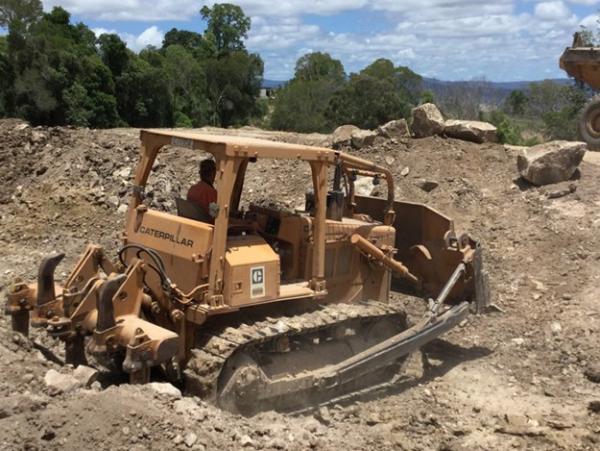
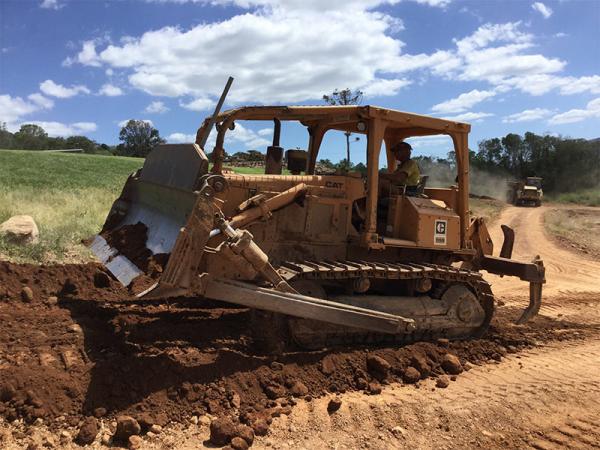
Introduction
The Caterpillar D5B, introduced in 1977, is a medium-sized track-type tractor renowned for its durability and versatility in various construction and agricultural applications. Powered by the 3306 engine, the D5B has been a staple in heavy equipment fleets for decades. However, like all machinery, it is susceptible to starting issues that can hinder productivity. Understanding common starting problems and their solutions is essential for maintaining the D5B's performance.
Common Starting Problems
- Starter Motor Clicking Without Cranking
A prevalent issue is when the starter motor clicks but fails to turn over the engine. This symptom often points to electrical problems, such as:- Weak or Corroded Battery Connections: Even if the battery appears charged, poor connections can prevent sufficient current flow.
- Faulty Starter Solenoid: The solenoid may fail to engage, even if it operates correctly outside the machine.
- Worn Starter Motor: Internal wear can impede the starter's ability to turn the engine.
For instance, a mechanic noted that "D5B dozers often face battery overheating and starter solenoid engagement failures during startup."
- Engine Turns Over but Fails to Start
When the engine cranks but doesn't start, the issue might be fuel-related:- Air in the Fuel Lines: Air bubbles can disrupt fuel delivery, leading to starting failures.
- Faulty Fuel Lift Pump: The lift pump, integral to the fuel system, may fail, hindering fuel flow.
- Clogged Fuel Filters: Obstructions can restrict fuel supply to the engine.
An operator shared, "I have air (very small bubbles almost like foam) when I crack the fuel lines. Fuel pressure is fine for 5 minutes, then it starts to drop."
- No Crank, No Click
This scenario often indicates a complete electrical failure:- Blown Fuses: Fuses protect circuits; a blown fuse can halt electrical flow.
- Faulty Ignition Switch: A malfunctioning switch may fail to send the start signal.
- Broken Wiring: Damaged wires can interrupt the electrical circuit.
Diagnostic Steps
To accurately diagnose starting issues:
- Visual Inspection: Check for obvious signs of wear or damage in wiring and components.
- Battery Voltage Test: Ensure the battery voltage is within the recommended range.
- Starter Voltage Test: Measure voltage at the starter during cranking to detect voltage drops.
- Fuel System Check: Inspect for air in the fuel lines and ensure proper fuel flow.
Maintenance Tips
Regular maintenance can prevent starting issues:- Clean Battery Terminals: Corrosion can impede electrical flow; keep terminals clean.
- Replace Worn Components: Regularly inspect and replace parts like the starter motor and solenoid.
- Monitor Fuel System: Regularly check for air in the fuel lines and replace filters as needed.
Conclusion
The Caterpillar D5B is a robust machine, but like all equipment, it requires regular maintenance and attention to detail. By understanding common starting issues and their solutions, operators can ensure the longevity and reliability of their D5B dozers. Always consult the operator's manual and, when necessary, seek professional assistance to address complex issues.
|
|
|
|
| Understanding the Dozer Rolling Process in Construction Compaction |
|
Posted by: MikePhua - 08-27-2025, 08:52 PM - Forum: General Discussion
- No Replies
|
|
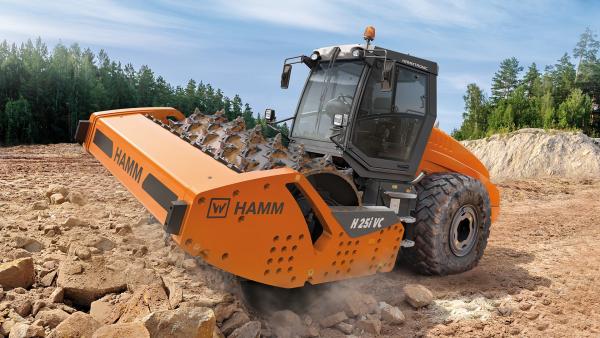
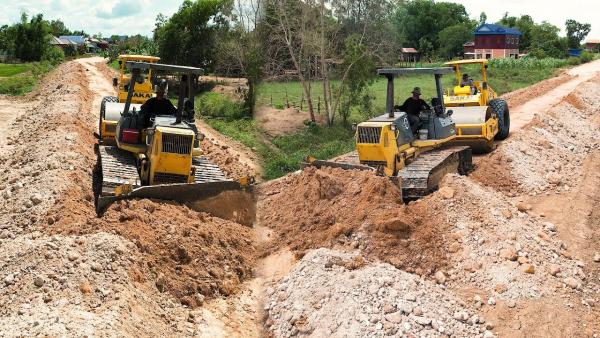
Introduction to Dozer Rolling in Construction
Dozer rolling, commonly referred to as "dozer compaction," is a critical technique in construction, particularly in road building and foundation preparation. This method employs bulldozers equipped with specialized blades to compact soil, enhancing its density and stability. The primary objective is to create a solid base that can support heavy loads and resist settling over time.
The Role of Bulldozers in Compaction
Bulldozers, or dozers, are versatile machines designed for various tasks, including grading, pushing materials, and compacting soil. Equipped with a front-mounted blade, they can spread and compress soil effectively. In the context of compaction, dozers are particularly useful for large-scale projects where other compacting equipment might be less efficient.
Mechanics of the Dozer Rolling Process
The dozer rolling process involves several key steps:
- Soil Preparation: Before compaction, the soil is loosened to facilitate better compaction.
- Rolling: The dozer moves over the soil in overlapping passes, applying pressure through its blade.
- Moisture Control: Maintaining optimal moisture content is crucial, as it affects the soil's compaction ability.
- Layering: Compaction is often done in layers, with each layer compacted before the next is added.
Factors Influencing Compaction Efficiency
Several factors can impact the effectiveness of dozer rolling:- Soil Type: Clayey soils compact more effectively than sandy ones.
- Moisture Content: Too much or too little moisture can hinder compaction.
- Blade Type: The design and angle of the dozer blade can influence compaction.
- Operating Speed: Optimal speed ensures adequate pressure application.
Challenges and Solutions
While dozer rolling is effective, it presents certain challenges:- Inconsistent Compaction: Uneven pressure distribution can lead to weak spots.
- Soil Variability: Different soil types require adjustments in technique.
- Equipment Limitations: Dozers may not achieve the same compaction levels as specialized rollers.
To address these challenges, operators can:- Utilize graders to achieve a uniform surface before rolling.
- Monitor soil moisture levels regularly.
- Combine dozer rolling with other compaction methods for optimal results.
Historical Significance of Bulldozers
The development of bulldozers revolutionized construction practices. In the early 20th century, the introduction of continuous tracks allowed these machines to traverse rough terrains, making them indispensable in large-scale projects. Over time, advancements in technology have enhanced their efficiency and versatility.
Modern Applications and Innovations
Today, dozer rolling is complemented by advanced technologies:- GPS Guidance Systems: Ensure precise compaction and grading.
- Automated Controls: Adjust blade angles and pressure in real-time.
- Data Analytics: Monitor soil conditions and compaction progress.
Conclusion
Dozer rolling remains a fundamental technique in construction compaction. By understanding its mechanics, challenges, and advancements, professionals can ensure the creation of stable and durable foundations for various structures.
|
|
|
|
| Caterpillar D3B Crawler Tractor |
|
Posted by: MikePhua - 08-27-2025, 08:51 PM - Forum: General Discussion
- No Replies
|
|
The Caterpillar D3B Crawler Tractor is a mid-sized bulldozer renowned for its versatility, durability, and efficiency. Introduced in the late 1970s, the D3B quickly became a staple in various industries, including construction, agriculture, and land reclamation. Its compact size and powerful performance made it ideal for tasks ranging from grading and trenching to forestry and site preparation.
Development and Evolution
Caterpillar's commitment to innovation led to the development of the D3B as an enhancement over its predecessors. The D3B incorporated advanced features such as a planetary powershift transmission, improved hydraulics, and a more ergonomic operator's station. These upgrades not only increased productivity but also reduced operator fatigue, making the D3B a preferred choice for many.
Key Specifications - Engine Power: The D3B is equipped with a 65 horsepower engine, providing ample power for its size and class.
- Operating Weight: Depending on the configuration, the D3B's operating weight ranges from approximately 11,300 to 15,160 pounds.
- Hydraulic System: The dozer features an open-center hydraulic system with a pump flow capacity of 14.5 gallons per minute and a system pressure of 2,500 psi.
- Dimensions:
- Length with Blade: 12.09 feet
- Width Over Tracks: 5.84 feet
- Height to Top of Cab: 8.75 feet
- Ground Clearance: 1.01 feet
- Length without Blade: 9.09 feet
These specifications contribute to the D3B's compactness and maneuverability, allowing it to operate effectively in confined spaces.
Operator Experience
Operators of the D3B appreciate its straightforward controls and visibility. The machine's layout is designed to minimize operator fatigue, with controls positioned for ease of use and a cabin that offers clear sightlines. The simplicity of the D3B's design also translates to easier maintenance and lower operating costs, making it an attractive option for both large contractors and small business owners.
Maintenance and Longevity
Regular maintenance is key to extending the lifespan of the D3B. Operators should adhere to Caterpillar's recommended service intervals for engine oil changes, hydraulic fluid checks, and undercarriage inspections. Given its robust construction, many D3B units have surpassed 10,000 operating hours with proper care, attesting to the model's durability.
Conclusion
The Caterpillar D3B Crawler Tractor remains a testament to Caterpillar's engineering excellence, offering a blend of power, efficiency, and reliability. Whether tackling earthmoving tasks on a construction site or performing landscaping duties, the D3B continues to serve operators with distinction. Its enduring popularity underscores its status as a trusted workhorse in the dozer category.
|
|
|
|
| Caterpillar D3B Crawler Tractor |
|
Posted by: MikePhua - 08-27-2025, 08:50 PM - Forum: General Discussion
- No Replies
|
|
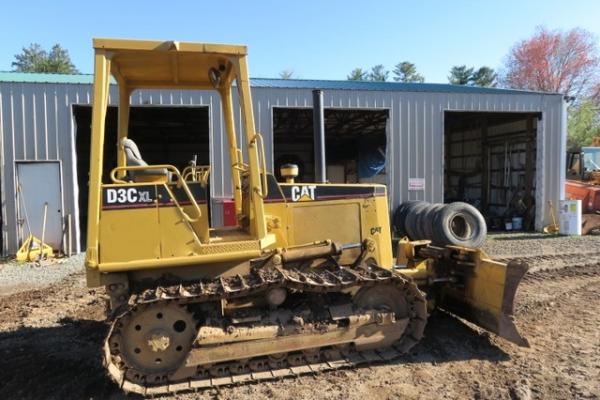
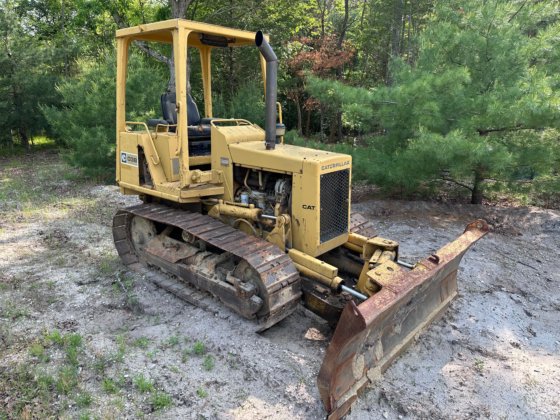
The Caterpillar D3B Crawler Tractor is a compact yet powerful dozer that has been a staple in construction, landscaping, and agricultural projects since its introduction. Renowned for its durability and versatility, the D3B continues to be a preferred choice for operators seeking reliable performance in various terrains.
Development and Legacy
The D3B model was introduced as part of Caterpillar's commitment to providing efficient and robust machinery for earthmoving tasks. It succeeded the earlier D3 models, incorporating advancements that enhanced its operational capabilities. The D3B's design focused on optimizing power-to-weight ratio, maneuverability, and ease of maintenance, making it suitable for both large-scale construction sites and smaller, more confined areas.
Specifications and Features - Engine Power: The D3B is equipped with a 65 horsepower engine, providing ample power for its size and class. This engine is designed to deliver consistent performance across various applications.
- Operating Weight: Depending on the configuration, the D3B's operating weight ranges from approximately 11,300 to 15,160 pounds. This weight ensures stability during operation while maintaining the machine's agility.
- Hydraulic System: The dozer features an open-center hydraulic system with a pump flow capacity of 14.5 gallons per minute and a system pressure of 2,500 psi. This setup allows for efficient operation of attachments and implements.
- Dimensions:
- Length with Blade: 12.09 feet
- Width Over Tracks: 5.84 feet
- Height to Top of Cab: 8.75 feet
- Ground Clearance: 1.01 feet
- Length without Blade: 9.09 feet
These dimensions contribute to the D3B's compactness, enabling it to navigate tight spaces effectively.
Operator Experience
Operators of the D3B appreciate its straightforward controls and visibility. The machine's layout is designed to minimize operator fatigue, with controls positioned for ease of use and a cabin that offers clear sightlines. The simplicity of the D3B's design also translates to easier maintenance and lower operating costs, making it an attractive option for both large contractors and small business owners.
Maintenance and Longevity
Regular maintenance is key to extending the lifespan of the D3B. Operators should adhere to Caterpillar's recommended service intervals for engine oil changes, hydraulic fluid checks, and undercarriage inspections. Given its robust construction, many D3B units have surpassed 10,000 operating hours with proper care, attesting to the model's durability.
Conclusion
The Caterpillar D3B Crawler Tractor remains a testament to Caterpillar's engineering excellence, offering a blend of power, efficiency, and reliability. Whether tackling earthmoving tasks on a construction site or performing landscaping duties, the D3B continues to serve operators with distinction. Its enduring popularity underscores its status as a trusted workhorse in the dozer category.
|
|
|
|
| Case 450 Dozer Recoil Spring Replacement Guide |
|
Posted by: MikePhua - 08-27-2025, 08:48 PM - Forum: Troubleshooting & Diagnosing
- No Replies
|
|
The recoil spring in the track adjuster system of the Case 450 dozer plays a crucial role in maintaining proper track tension and alignment. Over time, these springs can wear out or break, leading to reduced track performance and potential damage to other components. This guide provides detailed information on the recoil spring, its replacement process, and considerations for Case 450 dozer owners.
Understanding the Recoil Spring
The recoil spring is a vital component of the track adjuster system, which is responsible for maintaining the correct tension in the tracks. It ensures that the tracks remain tight enough to prevent slipping but not so tight as to cause excessive wear. A malfunctioning or broken recoil spring can lead to issues such as: - Loose or sagging tracks
- Uneven wear on track components
- Increased fuel consumption due to inefficient track performance
Identifying the Need for Replacement
Signs that the recoil spring may need replacement include:- Visible cracks or breaks in the spring
- Difficulty in adjusting track tension
- Unusual noises during operation
- Excessive track sagging
If any of these symptoms are present, it's advisable to inspect the recoil spring and consider replacement.
Selecting the Correct Replacement Spring
For the Case 450 dozer, it's essential to select the correct recoil spring based on the serial number and model variant. The following options are available:- D35277 Recoil Spring: Suitable for Case 450 models up to serial number 3050800. This aftermarket replacement spring is designed to match the original specifications and is available from various suppliers.
- 187917A2 (Right Hand) and PV603 (Left Hand) Recoil Spring Assemblies: These assemblies are compatible with Case 450B, 450C, and 455C models. They include the spring and housing, ensuring a complete replacement solution.
- 187916A2 (Left Hand) Recoil Spring Housing: For models requiring only the housing component, this part is available for replacement.
Replacement Process
Replacing the recoil spring involves several steps:
- Preparation: Ensure the dozer is on a stable surface, and the track is properly supported. It's advisable to use a spring compressor tool to safely handle the tensioned spring.
- Removal: Detach the track adjuster assembly from the dozer. Carefully remove any retaining bolts or pins securing the recoil spring.
- Installation: Position the new recoil spring into the adjuster assembly. Using the spring compressor, compress the spring to the required length (typically 16 inches for the Case 450). Secure the spring with the appropriate retaining hardware.
- Reassembly: Reattach the track adjuster assembly to the dozer, ensuring all bolts and pins are tightened to the manufacturer's specifications.
Safety Considerations
Handling high-tension springs can be hazardous. Always use appropriate safety equipment, including gloves and eye protection. If unsure about the replacement process, consult with a professional mechanic or technician experienced with heavy equipment.
Maintenance Tips
To prolong the life of the recoil spring and associated components:- Regularly inspect the track adjuster system for signs of wear or damage.
- Keep the track area clean and free from debris.
- Ensure proper lubrication of moving parts.
- Address any issues promptly to prevent further damage.
Conclusion
Replacing the recoil spring on a Case 450 dozer is a manageable task for those with mechanical experience. By selecting the correct replacement part and following proper procedures, you can restore optimal track performance and extend the life of your equipment. Always prioritize safety and consult professionals when necessary.
|
|
|
|
| Getting Unstuck When Your Skid Steer Sinks in the Mud |
|
Posted by: MikePhua - 08-27-2025, 08:47 PM - Forum: General Discussion
- No Replies
|
|
Why Skid Steers Get Trapped in Soft Terrain
Skid steers are compact, powerful, and agile—but they’re not invincible. When operating in wet, silty, or clay-heavy soils, even a well-maintained machine can become immobilized. The problem is compounded when the operator is alone, far from help, and the machine is equipped with tires instead of tracks. Mud creates suction, increasing resistance exponentially as the machine sinks deeper. Once the belly pan is resting on the ground, traction is lost and brute force alone won’t solve the problem.
Operators often underestimate the terrain, especially when testing new attachments like brush cutters or mowers. What looks like firm ground may conceal a saturated sublayer, especially near ponds, low spots, or areas with buried water flow. One operator discovered an underground stream only after his machine was buried past the tracks.
Recovery Techniques That Actually Work
Getting unstuck requires a combination of mechanical leverage, patience, and sometimes improvisation. Here are proven methods used in the field: - Bucket Crawl: Use the skid steer’s bucket to push or pull the machine incrementally. Curling the bucket against the ground and extending the boom can shift the machine a few inches at a time. Repeating this motion can eventually free the unit.
- Winch Recovery: A 12,000 lb winch mounted to a receiver hitch or custom bumper can pull a skid steer out with controlled force. Anchor to a tree, stump, or another machine. Use a snatch block to redirect force if needed.
- Chain and Tree Method: Tie a chain to a tree and route it under the bucket to the machine’s tie-down points. Use the boom to apply downward pressure on the chain, creating forward movement. This method requires multiple resets but is effective when no winch is available.
- Excavator Assist: If available, an excavator or wheel loader can lift or drag the skid steer out. Pallet forks or a tow chain can be used, but always attach to rated recovery points.
- Manual Digging: Sometimes the only option is a shovel. Removing mud from around the tracks and under the belly pan reduces suction and allows the machine to move. This is slow but often necessary.
Safety Considerations During Recovery
Recovery operations carry risk. Chains, cables, and ropes store energy when under tension. If they snap, they can cause serious injury or damage. To minimize risk:- Use rated recovery gear (e.g., Grade 70 chain, synthetic recovery rope)
- Drape a heavy blanket or jacket over the middle of the line to deflect recoil
- Avoid jerking motions—apply steady tension
- Keep bystanders clear of the recovery zone
- Use screw-pin shackles, not clevises, for secure connections
Kinetic recovery ropes are designed to stretch and release energy gradually, but they must be used with care. Always inspect gear before use and retire damaged components.
Upgrades That Prevent Getting Stuck
Several equipment upgrades can reduce the likelihood of getting stuck:- Over-the-Tire Tracks (OTT): These bolt-on steel or rubber tracks dramatically improve flotation and traction. Bar-style tracks turn a wheeled skid steer into a mini dozer. However, they must be installed before entering soft terrain.
- Dedicated Winch Mounts: A rear-mounted winch on a 2" receiver hitch provides a self-recovery option. Some operators fabricate bumpers with integrated winches and suitcase weights for balance.
- High-Flotation Tires: Wider tires with aggressive tread patterns reduce ground pressure and improve grip in muddy conditions.
- Custom Recovery Attachments: Some operators build front-mounted winch plates or recovery bars for quick access during emergencies.
Lessons from the Field
Operators across North America have shared their recovery stories. One contractor in Texas used an ATV winch to pull his skid steer 60 feet through mud, only to slide sideways into a fence. He eventually called a wrecker with a 12,000 lb winch, which pulled the machine out in minutes. Another operator in British Columbia built a dedicated winch attachment for his loader, complete with a snatch block and 150 feet of cable.
In Wisconsin, a recovery expert emphasized the importance of understanding mud resistance. Charts exist that estimate the load increase based on soil type and depth. A machine buried to its belly pan may require double its weight in pulling force. Breaking suction is key—once the mud releases, movement becomes easier.
Manufacturer Background and Equipment Context
Bobcat, founded in 1947, is one of the most recognized names in compact equipment. Their skid steers are used worldwide in construction, agriculture, and landscaping. While newer models offer electronic traction control and telematics, older machines rely on operator skill and mechanical recovery methods.
Warn Industries, established in 1948, is a leading manufacturer of winches and recovery gear. Their 12,000 lb winches are commonly used on trucks, trailers, and heavy equipment. Grouser Products, known for OTT tracks, offers rebuildable systems that extend the life of wheeled machines in soft terrain.
Conclusion
Getting stuck in the mud is a rite of passage for skid steer operators. Whether it’s a solo job gone wrong or a misjudged terrain, recovery is possible with the right tools and techniques. From winches and chains to bucket finesse and manual digging, each method has its place. The key is preparation, safety, and knowing when to call for backup. With experience and a few upgrades, even the worst mud hole becomes just another challenge to overcome.
|
|
|
|
|



