| Welcome, Guest |
You have to register before you can post on our site.
|
| Forum Statistics |
» Members: 74
» Latest member: Tomo
» Forum threads: 47,413
» Forum posts: 47,419
Full Statistics
|
| Online Users |
There are currently 78 online users.
» 0 Member(s) | 66 Guest(s)
Amazon, Applebot, Baidu, Bing, Bytespider, Claude, MJ12, OpenAI, Semrush, Seznam, Trendiction
|
| Latest Threads |
Identifying and Sourcing ...
Forum: Parts , Attachments & Tools
Last Post: MikePhua
01-07-2026, 06:29 PM
» Replies: 0
» Views: 458
|
Cat 931B Brake Parts
Forum: Parts , Attachments & Tools
Last Post: MikePhua
01-07-2026, 06:29 PM
» Replies: 0
» Views: 270
|
Choosing Between Cat 228,...
Forum: General Discussion
Last Post: MikePhua
01-07-2026, 06:28 PM
» Replies: 0
» Views: 477
|
Fix It or Part It Out
Forum: General Discussion
Last Post: MikePhua
01-07-2026, 06:27 PM
» Replies: 0
» Views: 336
|
Hydraulic Delay When Lowe...
Forum: Troubleshooting & Diagnosing
Last Post: MikePhua
01-07-2026, 06:27 PM
» Replies: 0
» Views: 418
|
Bale Chopper and Mulcher ...
Forum: General Discussion
Last Post: MikePhua
01-07-2026, 06:26 PM
» Replies: 0
» Views: 296
|
Mini UC Maintenance
Forum: General Discussion
Last Post: MikePhua
01-07-2026, 06:25 PM
» Replies: 0
» Views: 286
|
Locating Wiring Informati...
Forum: General Discussion
Last Post: MikePhua
01-07-2026, 06:24 PM
» Replies: 0
» Views: 320
|
Case Industrial Brown Sub...
Forum: Parts , Attachments & Tools
Last Post: MikePhua
01-07-2026, 06:23 PM
» Replies: 0
» Views: 261
|
Dirt Work in West Virgini...
Forum: Construction & Urban Infrastructure Forum
Last Post: MikePhua
01-07-2026, 06:23 PM
» Replies: 0
» Views: 353
|
|
|
| Excavating a Pond in Winter Conditions |
|
Posted by: MikePhua - 08-29-2025, 01:34 AM - Forum: Farming, Landscaping, Forestry Industry Forum
- No Replies
|
 |
Understanding Pond Excavation Challenges
Excavating a pond is more than just digging a hole—it’s a complex operation involving soil mechanics, water management, equipment selection, and seasonal strategy. In colder climates, winter excavation introduces additional layers of difficulty, especially when dealing with saturated soils and freezing temperatures. Mud becomes a formidable adversary, and timing becomes critical to avoid frozen ground or waterlogged spoil piles.
Mud Management and Drainage Strategy
One of the most persistent challenges in pond excavation is handling wet, unstable soil—commonly referred to in operator slang as “slop.” This term describes a mix of saturated clay, silt, and organic matter that resists stacking and drainage. Operators often attempt to build spoil piles that can shed water over time, but in winter, this becomes a race against freezing temperatures.
To improve drainage, spoil piles should be shaped with a slight crown and gentle slopes. This allows gravity to assist in shedding surface water. In some cases, operators will intentionally expose piles to sub-freezing temperatures, hoping that the frozen crust will stabilize the mass for easier handling later. However, this tactic can backfire if the pile freezes unevenly, trapping water inside and creating thaw instability.
Cab Positioning and Visibility Techniques
Modern excavators offer multiple vantage points for operators to monitor their work, but visibility remains a challenge when working in muddy conditions. One creative solution involves placing a camera on the cab floor, looking out through the lower glass panel. This unconventional angle avoids obstruction from control levers and provides a stable, immersive view of the bucket and spoil pile interaction.
This technique has gained popularity among operators who document their work for training or review. It also reflects a broader trend in the industry: the integration of visual feedback systems to enhance precision and safety. Some newer excavator models now include factory-installed cameras with adjustable angles and real-time display overlays.
Equipment Spotlight New Holland Backhoe
One operator mentioned using a New Holland backhoe with a unique drainage hole in the rear bucket. This design feature, while uncommon, serves a practical purpose: it allows excess water to escape during scooping, reducing the weight and improving control. New Holland, founded in 1895 in Pennsylvania, has long been known for its agricultural and construction equipment innovations. Their backhoe loaders gained traction in the 1990s for their reliability and ergonomic design.
The rear bucket drainage hole is a subtle but effective solution for handling slop. By allowing water to escape, the operator avoids the “hydraulic balloon” effect—where trapped water increases resistance and destabilizes the load. This feature is especially useful in pond excavation, where every scoop may contain more water than soil.
Cold Weather Excavation Tactics
When temperatures drop below freezing, excavation strategy must adapt. Ground that is saturated during the day can freeze solid overnight, making it nearly impossible to dig without damaging equipment or creating unsafe conditions. Operators often plan their work around weather forecasts, aiming to complete major digging before a cold snap.
In one example, an operator anticipated a 13°F morning and hoped the spoil pile would freeze solid enough to stabilize. This tactic relies on the principle of frost heave—where moisture in the soil expands as it freezes, creating a temporary crust. While this can aid in shaping piles, it also risks creating voids and uneven surfaces that collapse during thaw.
To mitigate these risks, some contractors use ground heaters or insulated tarps to control freezing. Others schedule excavation during midday hours when the sun softens the surface. In extreme cases, additives like lime or fly ash are mixed into the soil to reduce moisture content and improve workability.
Operator Culture and Field Wisdom
Pond excavation is as much an art as it is a science. Experienced operators develop a sixth sense for soil behavior, bucket control, and machine balance. They share tips through informal channels—videos, stories, and field banter—that often contain more practical wisdom than formal manuals.
One such story involves an operator who learned to “squirt the slop” by accelerating the bucket motion just before lift. This technique forces water out the back of the bucket, lightening the load and improving control. It’s a move that’s rarely taught but often passed down through observation and imitation.
This culture of shared knowledge is vital in heavy equipment operations. It bridges the gap between textbook theory and muddy reality, ensuring that new operators learn not just how to run a machine, but how to read the ground, anticipate problems, and adapt on the fly.
Conclusion and Recommendations
Excavating a pond in winter requires a blend of technical planning, equipment adaptation, and operator intuition. Key recommendations include: - Shape spoil piles for drainage with crowned tops and sloped sides
- Use camera angles that enhance visibility without obstructing controls
- Consider equipment features like drainage holes in buckets for slop management
- Monitor weather forecasts and plan excavation around freeze-thaw cycles
- Share field-tested techniques among operators to build collective wisdom
As climate patterns shift and construction schedules tighten, winter excavation will become more common. By combining modern equipment with time-honored field strategies, operators can tackle even the nastiest slop with confidence and precision.
|

|
|
| John Deere 850K Dozer: Troubleshooting Movement Issues |
|
Posted by: MikePhua - 08-28-2025, 10:47 PM - Forum: Troubleshooting & Diagnosing
- No Replies
|
|
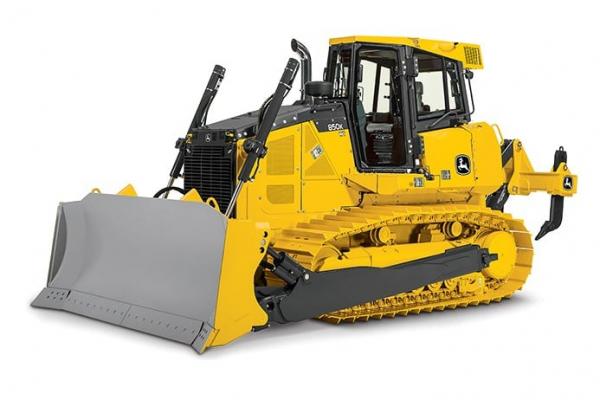
Introduction
The John Deere 850K Crawler Dozer is a powerful machine designed for heavy-duty tasks in construction and mining. However, like any complex piece of machinery, it can encounter issues that hinder its performance. One common problem reported by operators is when the engine runs, but the dozer won't move. This article delves into potential causes and solutions for this issue.
Understanding the 850K Dozer
The John Deere 850K is a mid-sized crawler dozer equipped with a 205 horsepower engine. It features advanced hydraulics and transmission systems to provide optimal performance in various terrains. The machine's design emphasizes durability and efficiency, making it a popular choice among contractors.
Potential Causes for Lack of Movement
- Transmission Issues
The transmission system is crucial for transferring engine power to the tracks. If the dozer starts but doesn't move, the transmission could be the culprit. Common problems include:- Low or Contaminated Fluid: Insufficient or dirty transmission fluid can impede the system's function.
- Faulty Charge Pump: A malfunctioning charge pump may fail to maintain adequate pressure, leading to movement issues.
- Clutch Problems: Worn or damaged clutches can prevent proper engagement.
- Hydraulic System Failures
The hydraulic system powers various functions, including steering and blade operations. A failure here can also affect movement. Potential causes are:- Relief Valve Malfunction: A sticking or partially open relief valve can limit hydraulic pressure, affecting performance.
- Hydraulic Fluid Issues: Low or contaminated fluid can reduce system efficiency.
- Electrical and Sensor Problems
Modern dozers like the 850K rely on electronic systems for operation. Issues such as:- Faulty Sensors: Malfunctioning sensors can send incorrect signals, disrupting operations.
- Wiring Issues: Damaged or corroded wires can interrupt communication between components.
- Final Drive Concerns
The final drive transfers power from the transmission to the tracks. Problems here can prevent movement, including:- Gear Damage: Worn or broken gears can disrupt power transfer.
- Lubrication Failures: Inadequate lubrication can lead to overheating and damage.
Diagnostic Steps
To identify the root cause:- Check Fluid Levels: Ensure that both transmission and hydraulic fluids are at proper levels and free from contamination.
- Inspect Filters: Clogged filters can restrict fluid flow, leading to performance issues.
- Test Pressure Levels: Use a pressure gauge to verify that the system maintains appropriate pressures.
- Examine Electrical Connections: Look for loose or corroded connections that might affect sensor readings.
- Listen for Unusual Noises: Strange sounds can indicate mechanical issues within the final drive or transmission.
Maintenance Tips
Regular maintenance can prevent many issues:- Fluid Changes: Regularly replace transmission and hydraulic fluids as per the manufacturer's recommendations.
- Filter Replacements: Change filters to ensure clean fluid circulation.
- Component Inspections: Periodically check the final drive, transmission, and hydraulic systems for wear and tear.
- Electrical System Checks: Ensure that all sensors and wiring are functioning correctly.
Conclusion
Experiencing a situation where the John Deere 850K dozer runs but won't move can be frustrating. By systematically diagnosing potential issues and adhering to regular maintenance practices, operators can resolve these problems and ensure the dozer's optimal performance. Always consult the operator's manual and consider seeking professional assistance when necessary.
|
|
|
|
| Understanding Capped Hydraulic Lines on Heavy Equipment |
|
Posted by: MikePhua - 08-28-2025, 10:46 PM - Forum: Parts , Attachments & Tools
- No Replies
|
|
Introduction
Capped hydraulic lines on heavy machinery often raise questions among operators and maintenance personnel. These capped lines are typically present in equipment like backhoes, excavators, and skid steers. Their purpose varies, ranging from facilitating future attachments to serving as maintenance points. Understanding their function is crucial for proper equipment operation and maintenance.
Purpose of Capped Hydraulic Lines
Capped hydraulic lines are intentionally left unused but are designed for specific functions: - Future Attachments: Manufacturers often include capped lines to allow for the easy addition of hydraulic attachments. For example, a backhoe may have capped lines intended for a hydraulic thumb or auger. This design simplifies the process of upgrading the equipment without significant modifications.
- Maintenance Access: In some cases, capped lines provide access points for maintenance tasks. They may serve as test ports or pressure relief points, allowing technicians to diagnose issues or perform system checks without disrupting the entire hydraulic circuit.
- System Configuration: Some equipment models come with capped lines to accommodate different configurations or regional specifications. These lines may be activated or connected depending on the specific requirements of the machine's intended use.
Identifying Capped Lines
Capped hydraulic lines can be identified by:- Physical Appearance: They often have protective caps or plugs covering the ends of the hoses or fittings. These caps are typically made of durable materials to withstand environmental conditions.
- Location: Capped lines are usually located near the hydraulic manifold or control valves, areas where additional hydraulic functions might be added.
- Labeling: Some manufacturers label capped lines with tags or markings indicating their purpose, such as "Auxiliary Out" or "For Future Use."
Safety Considerations
When dealing with capped hydraulic lines:- Avoid Removing Caps During Operation: Removing caps while the system is pressurized can lead to fluid leakage or contamination. Always ensure the system is depressurized before removing any caps.
- Use Appropriate Tools: When installing or removing caps, use the correct tools to prevent damage to the fittings or caps.
- Replace Damaged Caps Promptly: If a cap becomes damaged or lost, replace it immediately to prevent contaminants from entering the hydraulic system.
Conclusion
Capped hydraulic lines are a standard feature in many heavy equipment models, serving purposes ranging from facilitating future attachments to providing maintenance access points. Recognizing their function and handling them appropriately ensures the longevity and efficiency of the equipment's hydraulic system. Always consult the equipment's manual or a qualified technician if uncertain about the role of specific capped lines.
|
|
|
|
| Clark C50SD Forklift with Deutz Engine |
|
Posted by: MikePhua - 08-28-2025, 10:45 PM - Forum: General Discussion
- No Replies
|
|
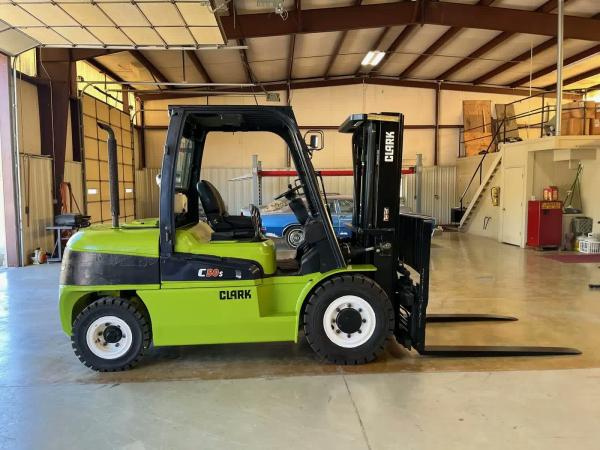
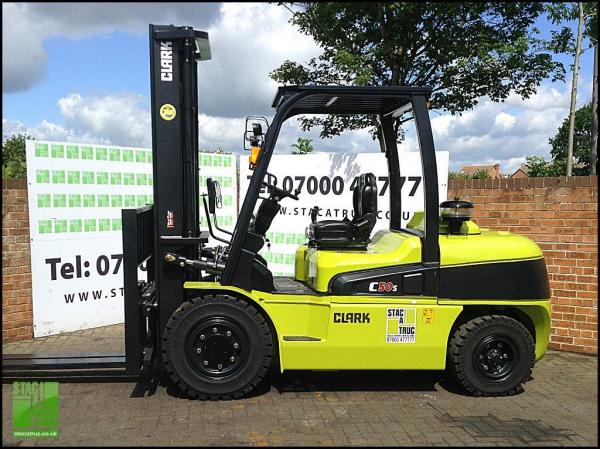
Introduction
The Clark C50SD forklift stands as a testament to the evolution of material handling equipment, combining robust design with advanced engineering. Manufactured by Clark Material Handling Company, this model is powered by a Deutz engine, renowned for its reliability and efficiency. This article delves into the specifications, features, and historical context of the Clark C50SD forklift, offering insights into its performance and suitability for various industrial applications.
Clark Material Handling Company: A Brief History
Founded in 1917 by Eugene Bradley Clark, Clark Material Handling Company revolutionized the material handling industry by introducing the first internal combustion engine-powered forklift. Over the decades, Clark has maintained its position at the forefront of forklift innovation, producing a wide range of models to meet diverse industrial needs .
Clark C50SD Forklift Specifications
The Clark C50SD is a diesel-powered internal combustion forklift designed for heavy-duty applications. Below are its key specifications: - Engine Manufacturer: Deutz
- Engine Model: TD3.6
- Engine Power: 55.4 kW (approximately 74 horsepower)
- Rated Load Capacity: 5,000 kg (11,000 lbs)
- Load Center: 500 mm
- Lift Height: Up to 4.552 meters
- Travel Speed: 21.6 km/h with load, 23.4 km/h without load
- Turning Radius: 3.032 meters
- Weight: 7,074 kg
- Dimensions: Width – 1,400 mm; Height – 2,384 mm
Deutz Engine: Powering the Clark C50SD
The Deutz TD3.6 engine powering the Clark C50SD is a turbocharged diesel engine known for its durability and fuel efficiency. Deutz AG, established in 1864, is a German manufacturer specializing in high-performance engines for various applications, including construction machinery and agricultural equipment .
Design and Features
The Clark C50SD forklift is engineered for demanding industrial environments. Its heavy-duty, welded steel plate frame provides durability and impact resistance. The open-core, plate fin radiator ensures optimal engine and transmission cooling, even in harsh conditions .
Safety is paramount in the design of the C50SD. Features include:- Neutral Start Switch: Prevents engine start unless the transmission is in neutral.
- Transmission Disengagement: Automatically disengages when the parking brake is set.
- Safety Valve: Prevents uncontrolled mast lowering in case of hydraulic failure.
Performance and Applications
The Clark C50SD forklift is designed for a variety of applications, including:- Construction Sites: Handling heavy materials and equipment.
- Warehouses: Efficient loading and unloading of goods.
- Industrial Facilities: Transporting large items across factory floors.
Its robust design and powerful engine make it suitable for both indoor and outdoor operations.
Maintenance and Longevity
Regular maintenance is essential to ensure the longevity and optimal performance of the Clark C50SD forklift. Key maintenance practices include:- Engine Maintenance: Regular oil changes and air filter replacements.
- Hydraulic System Checks: Inspecting hoses and cylinders for leaks.
- Tire Inspections: Ensuring tires are in good condition and properly inflated.
Adhering to the manufacturer's maintenance schedule can extend the lifespan of the forklift and reduce the risk of unexpected breakdowns.
Conclusion
The Clark C50SD forklift, powered by the Deutz TD3.6 engine, exemplifies the fusion of engineering excellence and practical design. Its robust construction, coupled with advanced features, makes it a reliable choice for various industrial applications. As industries continue to evolve, the Clark C50SD remains a testament to the enduring legacy of Clark Material Handling Company in the field of material handling equipment.
|
|
|
|
| Hydraulic Pattern Switching Valves: Enhancing Excavator Control Flexibility |
|
Posted by: MikePhua - 08-28-2025, 10:44 PM - Forum: Parts , Attachments & Tools
- No Replies
|
|
Introduction
Hydraulic pattern switching valves are integral components in modern excavators, enabling operators to alternate between different joystick control patterns. This adaptability is particularly beneficial when operators are accustomed to specific control layouts or when equipment is shared among multiple users with varying preferences. By facilitating quick and efficient pattern changes, these valves contribute to improved operational efficiency and reduced downtime.
Understanding Joystick Control Patterns
Excavators typically offer two primary joystick control patterns: - ISO Pattern: In this configuration, the left joystick controls the boom and swing functions, while the right joystick manages the stick and bucket operations.
- SAE (or Backhoe) Pattern: Here, the left joystick operates the stick and bucket, and the right joystick controls the boom and swing.
The ability to switch between these patterns allows operators to work in a manner that feels most intuitive to them, enhancing comfort and reducing the learning curve when transitioning between different machines.
Functionality of Pattern Switching Valves
Pattern switching valves, such as the Holmbury OCUKAC2318, are designed to redirect pilot signals within the hydraulic system. These valves provide 8-way, 2-position control of pilot signals, enabling the reversal of joystick functions without the need to physically swap hydraulic hoses. This mechanical solution eliminates the downtime, labor, and potential environmental hazards associated with manual hose reconfiguration .
Installation and Compatibility
Installing a pattern switching valve typically involves integrating it into the pilot circuit of the excavator's hydraulic system. While some newer models come equipped with built-in pattern changers, older machines may require retrofitting. For instance, the Kawasaki K16AR pattern change valve is a genuine part designed to facilitate joystick pattern changes in older excavators, offering a straightforward installation process that enhances operator comfort and safety .
Considerations for Installation
When installing a pattern switching valve, it's crucial to:- Ensure Compatibility: Verify that the valve is compatible with the specific make and model of the excavator.
- Follow Manufacturer Guidelines: Adhere to the installation instructions provided by the valve manufacturer to ensure proper functionality.
- Test the System: After installation, conduct thorough testing to confirm that the joystick pattern switches correctly and that all hydraulic functions operate as intended.
Benefits of Pattern Switching Valves
The primary advantages of incorporating a pattern switching valve include:- Enhanced Operator Comfort: Allows operators to use the control pattern they are most familiar with, reducing fatigue and increasing productivity.
- Increased Equipment Versatility: Makes it easier to adapt equipment for different operators or tasks without the need for extensive modifications.
- Reduced Downtime: Enables quick pattern changes without the need for manual hose adjustments, minimizing operational interruptions.
Conclusion
Hydraulic pattern switching valves are valuable tools that offer significant benefits in terms of flexibility and efficiency in excavator operations. By understanding their functionality and proper installation, operators and fleet managers can enhance the versatility of their equipment, leading to improved performance and satisfaction.
|
|
|
|
| Quick Attach Company Overview |
|
Posted by: MikePhua - 08-28-2025, 10:43 PM - Forum: Parts , Attachments & Tools
- No Replies
|
|
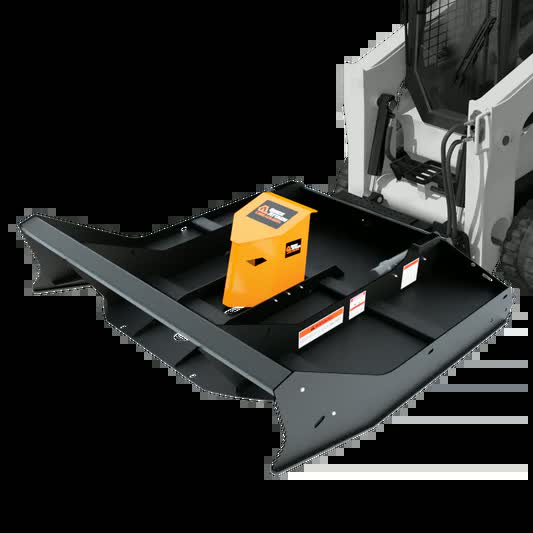
Introduction
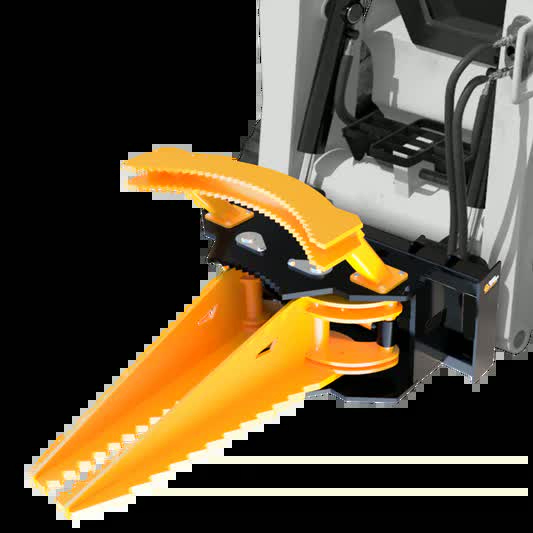
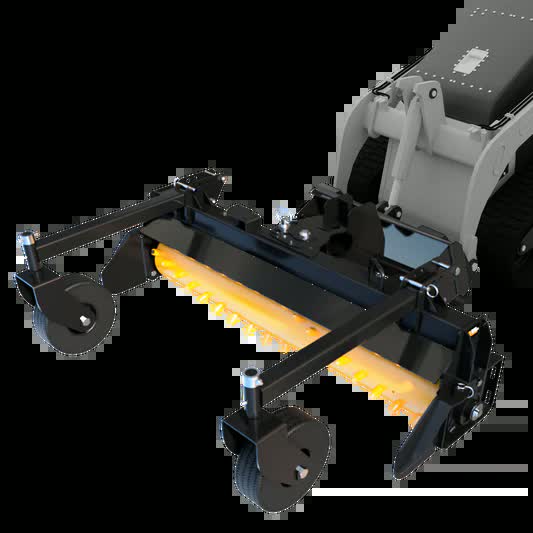
Quick Attach is a prominent American manufacturer specializing in skid steer and mini skid steer attachments. Established in 1948 and headquartered in Alexandria, Minnesota, the company has a rich history of innovation and quality craftsmanship. Over the decades, Quick Attach has developed a reputation for producing durable and versatile attachments that cater to various industries, including construction, landscaping, agriculture, and snow removal.
Historical Background
The origins of Quick Attach trace back to 1948 when the company was founded. Initially, it focused on manufacturing rotary and hydraulic snow blowers, pioneering these technologies in the industry. This early innovation set the stage for the company's future endeavors in the attachment manufacturing sector. In 2002, Quick Attach expanded its operations by establishing a manufacturing facility in Fosston, Minnesota, further solidifying its presence in the industry.
Product Offerings
Quick Attach boasts an extensive catalog of over 150 different attachments designed to enhance the functionality of skid steers and mini skid steers. These attachments are engineered to meet the diverse needs of professionals across various sectors. Some of the key product categories include: - Brush Cutters & Forestry Equipment: Attachments like the Mega Mower X and Quick Mulch forestry mulcher are designed for efficient vegetation management and land clearing.
- Excavation & Dirt Working Tools: Products such as the Quick Excavator Mini and Quick Tiller facilitate tasks like digging, tilling, and soil conditioning.
- Grapples & Buckets: The Quick Claw grapple rake and Quick Stack pallet forks are essential for material handling and debris removal.
- Snow Equipment: Attachments like the Quick Sweep power angle broom and Quick Power Scape Harley rake are tailored for snow removal and surface preparation.
- Concrete & Asphalt Tools: The Quick Tilt-Tach tilt attachment and Quick Move material bucket are designed for precise handling of concrete and asphalt materials.
Manufacturing Excellence
Quick Attach prides itself on its manufacturing capabilities. The company's facility in Fosston, Minnesota, is equipped with state-of-the-art machinery and staffed by skilled professionals dedicated to producing high-quality attachments. The manufacturing process emphasizes precision, durability, and innovation, ensuring that each product meets the rigorous standards set by the company.
Customer-Centric Approach
With over 55,000 satisfied customers, Quick Attach has built a strong reputation for customer satisfaction. The company's commitment to quality is reflected in its products and services. Quick Attach offers direct sales to end-users, providing personalized assistance and support to ensure that customers select the right attachments for their needs. Additionally, the company maintains a robust dealer network, expanding its reach and accessibility to a broader audience.
Community Engagement
Quick Attach is deeply rooted in its community. The company's headquarters in Alexandria, Minnesota, serves as a hub for its operations, fostering a strong connection with the local community. Quick Attach actively participates in local events and initiatives, supporting various causes and contributing to the region's economic development.
Conclusion
Quick Attach stands as a testament to American ingenuity and craftsmanship. From its humble beginnings in 1948 to its current status as a leading manufacturer of skid steer attachments, the company has consistently demonstrated a commitment to quality, innovation, and customer satisfaction. As industries continue to evolve, Quick Attach remains dedicated to providing reliable and efficient solutions to meet the diverse needs of professionals worldwide.
|
|
|
|
| Finding the Right Oil Pan for the Detroit Diesel 4-53 Engine |
|
Posted by: MikePhua - 08-28-2025, 10:41 PM - Forum: Parts , Attachments & Tools
- No Replies
|
|
Introduction
The Detroit Diesel 4-53 engine, renowned for its durability and versatility, powers a range of equipment from construction machinery to marine vessels. A critical component of this engine is the oil pan, which serves to collect and store engine oil, ensuring proper lubrication of engine components. Over time, these oil pans may require replacement due to damage or wear. Understanding the specifications and options available for the 4-53 oil pan is essential for maintaining engine performance.
OEM Specifications and Part Numbers
The original equipment manufacturer (OEM) part numbers for the Detroit Diesel 4-53 oil pan include: - 5142731: A stamped steel oil pan.
- 5196848: Another stamped steel variant.
- 5109234: A cast iron oil pan.
These part numbers correspond to different materials and designs, catering to various applications and preferences.
Material Variants- Stamped Steel Oil Pans: These are the most common and are typically used in standard applications. They are lighter and easier to manufacture but may be more prone to damage under extreme conditions.
- Cast Iron Oil Pans: Known for their strength and durability, cast iron pans are often used in heavy-duty applications where additional protection is required.
Replacement Options
Replacement oil pans for the 4-53 engine are available through various suppliers. For instance, Powerline Components offers both stamped and cast iron oil pans, with prices ranging from approximately $195 to over $1,000, depending on the material and condition (new or used) .
Gaskets and Seals
When replacing the oil pan, it's crucial to also replace the oil pan gasket to ensure a proper seal and prevent leaks. The OEM part number for the 4-53 oil pan gasket is 5116257. This gasket is available from various suppliers, including Agkits and Highway and Heavy Parts, with prices typically around $10 to $14 .
Installation Considerations
Replacing the oil pan on a Detroit Diesel 4-53 engine requires careful attention to detail:- Draining the Oil: Before removal, ensure that all engine oil is properly drained to prevent spills and ensure safety.
- Removing the Old Pan: Depending on the application, it may be necessary to remove other components to access the oil pan. In some cases, flipping the engine may be required to facilitate removal .
- Cleaning the Mating Surfaces: Thoroughly clean the mating surfaces on the engine block to remove any old gasket material and debris. This ensures a proper seal with the new gasket.
- Installing the New Gasket and Pan: Place the new gasket onto the engine block, align the new oil pan, and secure it with the appropriate fasteners. Torque specifications should be followed as per the manufacturer's guidelines.
Conclusion
Selecting the correct oil pan for the Detroit Diesel 4-53 engine involves understanding the specific requirements of your application and the available options. By considering factors such as material type, OEM specifications, and proper installation procedures, you can ensure the longevity and reliability of your engine. Always consult with a professional mechanic or technician if you're uncertain about the replacement process or the best part for your needs.
|
|
|
|
| The Forgotten Legacy of Pierce Logging Towers |
|
Posted by: MikePhua - 08-28-2025, 10:41 PM - Forum: Farming, Landscaping, Forestry Industry Forum
- No Replies
|
|
Origins of the Pierce Tower
In the 1970s, Pierce Pacific Manufacturing—based in Portland, Oregon—ventured into the design and production of specialized logging towers. These vertical steel structures, often referred to as yarders or tower yarders, were engineered to support cable logging operations in steep terrain. While Pierce was already known for its hydraulic attachments and forestry conversions, the tower yarder represented a bold move into high-line logging systems. Only a handful of these towers were ever built, with most deployed in Alaska and the Pacific Northwest.
Pierce Pacific, founded in the mid-20th century, had a reputation for building rugged, purpose-built machinery for rail, forestry, and demolition. Their tower yarders were designed to compete with established names like Berger, Madill, and Skagit, but production remained limited—likely fewer than five units were ever completed.
Terminology Clarification - Tower Yarder: A vertical steel structure used in cable logging to support skyline and haulback lines.
- Skyline Logging: A method where logs are suspended and transported via cables over long distances.
- Guy Lines: Steel cables anchored to the ground to stabilize the tower during operation.
- Drum Winch: A rotating spool used to control cable tension and movement.
- Landing: The area where logs are gathered after being yarded in.
Deployment and Regional Use
Most Pierce towers were used in Alaska, where vast tracts of timber and remote terrain made cable logging essential. A few units were also spotted in Washington state, including one repurposed as a signpost in Yelm—a creative reuse that saved it from the scrapyard. These towers were known for their height and heavy-duty construction, often exceeding 70 feet and weighing several tons.
In Aberdeen, Washington, one tower was installed by Bill Paulson, a respected yarder operator and owner of McPaul Cat & Crane. Paulson was known for his deep knowledge of tower systems and played a key role in deploying Pierce towers in the region. His storage yard once housed one of these rare machines, a testament to their durability and niche appeal.
Design Features and Engineering Challenges
Pierce towers were built with modular steel sections, allowing for transport and assembly in rugged terrain. Their drum winches were powered by diesel engines, and the towers featured multiple guy line anchor points for stability. Unlike some yarders that used telescoping masts, Pierce towers were fixed-height, requiring careful planning during setup.
Challenges included:- Transporting the tower to remote landings
- Anchoring guy lines in rocky or unstable soil
- Coordinating skyline rigging with ground crews
- Maintaining winch systems in harsh weather
Operators often had to hike into steep terrain to set chokers and rig skyline blocks. The tower’s height allowed for longer spans and reduced ground disturbance, but setup could take several days depending on terrain and crew experience.
Decline and Disappearance
By the late 1980s, tower yarders began to decline in popularity as helicopter logging and mechanized ground-based systems gained traction. The cost of transporting and maintaining towers, combined with environmental regulations and changing timber practices, led many units to be scrapped or repurposed.
One Pierce tower in Washington was reportedly dismantled and sold for scrap, while another was converted into a permanent landmark. The lack of advertising and documentation from the 1970s has made these machines difficult to trace. Unlike Madill or Berger, Pierce never mass-produced their towers, and few photos or spec sheets remain.
Preservation and Historical Value
Today, surviving Pierce towers are rare artifacts of a transitional period in logging history. Their design reflects the ingenuity of regional manufacturers responding to the demands of steep-slope forestry. Enthusiasts and historians have begun documenting these machines, often relying on personal recollections and field sightings.
Recommendations for preservation include:- Photographing and cataloging surviving units
- Interviewing retired operators and riggers
- Archiving technical drawings and manuals
- Collaborating with museums and forestry schools
In Oregon and Washington, local logging museums have expressed interest in acquiring tower components for display. These efforts aim to honor the legacy of small-batch manufacturers like Pierce, whose contributions shaped the evolution of logging technology.
Conclusion
The Pierce tower yarders were bold, functional, and built for the unforgiving terrain of the Pacific Northwest and Alaska. Though few were made, their impact on cable logging operations was notable. As the industry continues to modernize, remembering and preserving these machines offers a window into the craftsmanship and challenges of a bygone era.
|
|
|
|
| Troubleshooting Drive Control Issues in the Caterpillar 252B Skid Steer Loader |
|
Posted by: MikePhua - 08-28-2025, 10:40 PM - Forum: Troubleshooting & Diagnosing
- No Replies
|
|
Introduction
The Caterpillar 252B Skid Steer Loader is renowned for its versatility and robust performance in various construction and landscaping tasks. However, operators may encounter issues where the drive joystick operates, but the machine fails to move forward or backward. Understanding the underlying causes and effective troubleshooting methods is essential for restoring full functionality.
Common Symptoms
Operators experiencing drive control issues in the 252B may notice the following symptoms: - The drive joystick moves freely without resistance.
- The machine does not respond to forward or reverse commands.
- The loader's auxiliary functions, controlled by the other joystick, operate normally.
Potential Causes
Several factors can contribute to the described symptoms:
- Faulty Joystick Control Module: The joystick control module interprets operator inputs and sends signals to the machine's hydraulic system. A malfunction can prevent the machine from responding to drive commands.
- Electrical Connection Issues: Loose, corroded, or damaged wiring connections between the joystick and the machine's control system can disrupt signal transmission, leading to unresponsiveness.
- Hydraulic System Failures: Issues such as low hydraulic fluid levels, air in the system, or faulty hydraulic pumps can impede the machine's ability to move, even if the joystick functions correctly.
- Software or Calibration Errors: Improper calibration of the joystick or software glitches in the machine's control system can cause the drive functions to malfunction.
Diagnostic Steps
To accurately diagnose and address the issue:
- Inspect Electrical Connections: Examine all wiring and connectors associated with the joystick control module for signs of wear, corrosion, or loose connections. Ensure all connections are secure and free from damage.
- Test the Joystick Control Module: Using appropriate diagnostic tools, test the joystick control module to ensure it is sending the correct signals to the machine's control system. If the module is faulty, replacement may be necessary.
- Check Hydraulic System: Verify that the hydraulic fluid levels are adequate and that the system is free from air pockets. Inspect hydraulic components for any signs of wear or failure.
- Calibrate the Joystick: Follow the manufacturer's guidelines to calibrate the joystick control system. This process can often resolve software-related issues affecting drive functionality.
Preventive Maintenance Tips
To prevent future drive control issues:- Regularly inspect and maintain electrical connections to ensure reliable signal transmission.
- Periodically check hydraulic fluid levels and system integrity.
- Follow the manufacturer's recommended maintenance schedule for calibration and software updates.
Conclusion
While encountering drive control issues in the Caterpillar 252B can be challenging, systematic troubleshooting can often identify and resolve the underlying causes. By addressing electrical, hydraulic, and calibration factors, operators can restore their machine's full functionality and continue to rely on its performance for demanding tasks.
|
|
|
|
| Troubleshooting a 1969 Case 580 CK 188 Power Shuttle Diesel That Won't Start |
|
Posted by: MikePhua - 08-28-2025, 10:40 PM - Forum: Troubleshooting & Diagnosing
- No Replies
|
|
Introduction
The 1969 Case 580 CK backhoe loader, equipped with the 188 Power Shuttle diesel engine, is a robust machine renowned for its versatility and durability. However, like any vintage equipment, it can encounter starting issues over time. One such common problem is the engine's failure to start, even after performing head work and ensuring a weak battery can start it when cold. This article delves into potential causes and solutions for this issue.
Understanding the 188 Power Shuttle Diesel Engine
The 188 Power Shuttle is a four-cylinder, naturally aspirated diesel engine known for its reliability and simplicity. It was widely used in various Case equipment during the late 1960s and early 1970s. Its design emphasizes ease of maintenance and longevity, making it a favorite among operators and mechanics alike.
Common Starting Issues and Their Causes
- Compression Loss
One of the primary reasons for a diesel engine's failure to start is low compression. In the case of the 580 CK, compression readings of 260-275 psi, as opposed to the expected 400 psi when warm, indicate a significant loss. This could be due to worn piston rings, cylinder head issues, or valve problems. Such low compression hampers the engine's ability to ignite the fuel-air mixture effectively.
- Fuel Delivery Problems
Even after addressing the head work, if the fuel system isn't functioning correctly, the engine won't start. Potential issues include:- Clogged Fuel Filters: Dirt and debris can obstruct fuel flow.
- Air in Fuel Lines: Air pockets can disrupt fuel delivery.
- Faulty Fuel Pump: A malfunctioning pump can't supply adequate fuel pressure.
- Injector Problems: Worn or clogged injectors can prevent proper fuel atomization.
It's essential to inspect and maintain the entire fuel system to ensure reliable engine performance.
- Electrical System Faults
A weak or failing battery can lead to insufficient cranking speed, preventing the engine from starting. Additionally, issues with the starter motor, solenoid, or wiring can impede the starting process. Regularly checking and maintaining the electrical system is crucial for consistent engine starts.
- Injection Pump and Timing Issues
The injection pump plays a pivotal role in delivering fuel at the correct timing and pressure. If the pump is out of time or malfunctioning, it can lead to starting difficulties. Symptoms of such issues include excessive smoke, rough idling, or failure to start. Ensuring the pump's proper operation and timing is vital for engine performance.
Diagnostic Steps
To pinpoint the exact cause of the starting issue:- Compression Test: Perform a compression test on all cylinders to assess engine health.
- Fuel System Inspection: Check for clogged filters, air in lines, and proper fuel flow.
- Electrical System Check: Verify battery voltage, starter operation, and wiring integrity.
- Injection Pump Timing: Ensure the pump is correctly timed and functioning.
Preventive Maintenance Tips
To avoid future starting problems:- Regularly Change Fuel Filters: Replace filters at recommended intervals to prevent clogging.
- Bleed Fuel System After Maintenance: Always bleed air from the system after any fuel-related maintenance.
- Maintain Battery Health: Keep the battery charged and terminals clean.
- Monitor Engine Performance: Address any signs of rough running or unusual noises promptly.
Conclusion
While the 1969 Case 580 CK 188 Power Shuttle diesel engine is a reliable workhorse, it can experience starting issues due to various factors. By systematically diagnosing and addressing potential problems, operators can ensure the longevity and performance of their equipment. Regular maintenance and timely repairs are key to keeping this vintage machine running smoothly.
|
|
|
|
|



