| Welcome, Guest |
You have to register before you can post on our site.
|
| Forum Statistics |
» Members: 79
» Latest member: cioCruch
» Forum threads: 47,411
» Forum posts: 47,417
Full Statistics
|
| Online Users |
There are currently 230 online users.
» 0 Member(s) | 217 Guest(s)
Ahrefs, Amazon, Applebot, Baidu, Bing, Bytespider, Claude, Google, MJ12, OpenAI, Semrush, Trendiction
|
| Latest Threads |
Identifying and Sourcing ...
Forum: Parts , Attachments & Tools
Last Post: MikePhua
01-07-2026, 06:29 PM
» Replies: 0
» Views: 508
|
Cat 931B Brake Parts
Forum: Parts , Attachments & Tools
Last Post: MikePhua
01-07-2026, 06:29 PM
» Replies: 0
» Views: 280
|
Choosing Between Cat 228,...
Forum: General Discussion
Last Post: MikePhua
01-07-2026, 06:28 PM
» Replies: 0
» Views: 533
|
Hydraulic Delay When Lowe...
Forum: Troubleshooting & Diagnosing
Last Post: MikePhua
01-07-2026, 06:27 PM
» Replies: 0
» Views: 438
|
Bale Chopper and Mulcher ...
Forum: General Discussion
Last Post: MikePhua
01-07-2026, 06:26 PM
» Replies: 0
» Views: 316
|
Mini UC Maintenance
Forum: General Discussion
Last Post: MikePhua
01-07-2026, 06:25 PM
» Replies: 0
» Views: 305
|
Locating Wiring Informati...
Forum: General Discussion
Last Post: MikePhua
01-07-2026, 06:24 PM
» Replies: 0
» Views: 339
|
Case Industrial Brown Sub...
Forum: Parts , Attachments & Tools
Last Post: MikePhua
01-07-2026, 06:23 PM
» Replies: 0
» Views: 274
|
Dirt Work in West Virgini...
Forum: Construction & Urban Infrastructure Forum
Last Post: MikePhua
01-07-2026, 06:23 PM
» Replies: 0
» Views: 371
|
D207 P Hydraulic Steering...
Forum: Parts , Attachments & Tools
Last Post: MikePhua
01-07-2026, 06:22 PM
» Replies: 0
» Views: 301
|
|
|
| Troubleshooting Air Shift Issues in 13-Speed Mack Transmissions |
|
Posted by: MikePhua - 08-08-2025, 09:14 PM - Forum: Troubleshooting & Diagnosing
- No Replies
|
 |
Introduction to 13-Speed Mack Transmissions
Mack trucks are renowned for their heavy-duty performance and reliability in the harshest commercial and industrial settings. One of the common transmissions found in these trucks is the 13-speed Eaton Fuller-style air-shift transmission, often modified and integrated with Mack’s unique shift designs.
These gearboxes combine a traditional 5-speed pattern with a splitter and range selector, operated pneumatically. While the base gear shift is mechanical, range changes—such as moving from low to high range, or splitting gears—are controlled through an air-actuated system. When this system fails or performs inconsistently, it can significantly reduce drivability, fuel efficiency, and safety.
Common Symptoms of Air Shift Problems
Air shift issues usually manifest in several clear ways: - Failure to shift between high and low range
- Grinds or locks when attempting a split
- Lack of audible air hiss during range shift
- “Stuck in gear” feeling despite lever movement
- Slow or delayed engagement between ranges
Such symptoms often hint at specific mechanical or pneumatic faults that need to be traced methodically.
Core Components Involved in the Air Shift System
Understanding the key components can make troubleshooting more intuitive:- Air Supply System – Provides compressed air to operate the shift mechanisms. This includes air tanks, valves, regulators, and lines.
- Splitter Valve – Mounted on the shift knob; it controls air direction to split gears within a range.
- Range Valve (Shift Knob Selector) – Used to switch between high and low range gears. This small lever routes air to the range cylinder.
- Air Lines and Fittings – Often color-coded (red, blue, black) depending on application, these carry air to the actuators.
- Range Cylinder – Located on the transmission case; physically changes the gearset range when air pressure is applied.
- Synchronizers – Internally match gear speed to prevent grinding.
Troubleshooting Steps for Air Shift Malfunctions
1. Verify Air Supply
Start with the basics. Make sure your truck has sufficient air pressure in the primary tank—typically over 90 PSI is required for reliable shift actuation. Also, check for:- Audible air leaks near the shift knob, transmission, or under the dash
- Loose fittings or cracked lines
- Moisture or oil in the lines, which can block valves
A Minnesota-based fleet maintenance shop once traced sporadic shifting failures to water contamination in the airline during winter. The solution? An air dryer replacement and improved daily tank drainage.
2. Test the Shift Knob Valve
The knob is more than just a lever—inside it is a valve that redirects air. Remove the knob and check:- If it hisses when actuated
- If air flows when you toggle the splitter
- If the plastic housing or internal seals are cracked
Sometimes, simply replacing the knob or resealing it resolves the issue entirely.
3. Inspect the Range Cylinder
The range cylinder (sometimes called the “actuator”) is prone to wear or sticking, especially in cold climates. Problems here often lead to:- Failure to upshift into high range
- Getting “stuck” in one range
Check for air leaks at the cylinder base. A visual inspection while toggling the knob can also reveal if the actuator is responding to commands.
4. Check the Transmission Filter or Air Dryer
The Mack system sometimes includes a fine inline filter near the transmission to keep debris out of the actuator. Over time, these clog and prevent airflow.
Also inspect the air dryer system. If the dryer isn’t removing moisture effectively, freezing or sludge can obstruct valves and lines—particularly in northern or high-humidity regions.
5. Synchronizer or Internal Wear Issues
If all external systems check out, the issue may be internal. Possible internal problems include:- Worn synchronizer teeth
- Broken shift forks
- Contaminated or insufficient oil levels
- Debris jamming internal ports
Such problems require a teardown or shop inspection. A notable incident occurred in Kansas when a company driver couldn’t get out of high range after a downhill load. The root cause was a broken internal detent spring, which let the shift rail float aimlessly. A rebuild was required.
Operator Tips for Preventing Shift Issues
Many air shift problems arise due to improper operating habits. Avoid the following:- Shifting range while still under heavy torque load
- Riding the shift lever or applying pressure before the clutch disengages
- Ignoring abnormal hissing or popping noises
Instead, follow these habits:- Always allow RPM to drop before shifting ranges
- Use clutch smoothly when moving through ranges or split gears
- Drain air tanks regularly, especially in winter
- Inspect and replace air filters seasonally
Air System Maintenance Best Practices
To keep your Mack’s transmission air system healthy, implement the following:- Daily Checks:
- Listen for leaks
- Drain tanks
- Monthly Checks:
- Test knob function
- Check range shift speed
- Seasonal Checks:
- Replace any in-line filters
- Inspect air dryer desiccant
A Midwest logging outfit developed a clever trick—adding colored zip ties near each airline connection. If the system failed, they could trace the specific airline path by color instead of crawling underneath in freezing weather.
Case Study: The Mysterious No-Shift in a 1998 Mack
In one real-world scenario, a 1998 Mack experienced failure to shift into high range. Mechanics suspected the knob, swapped it, and tested the system—still no luck. Eventually, they noticed the air line to the range cylinder had developed a hairline crack near a bend point. The damage only opened under pressure, making it difficult to trace. A quick $5 hose replacement resolved what nearly became a $1,000 teardown.
Conclusion: Diagnose from the Outside In
Air shift issues in 13-speed Mack transmissions often stem from small, inexpensive failures—hoses, knobs, or dirty valves. Operators who leap straight to internal mechanical causes may waste time and money. Instead, start from the air source and work your way down the system.
Arming yourself with a simple air pressure gauge, some soapy water spray (to check leaks), and a basic understanding of your transmission’s pneumatic logic will turn most breakdowns into manageable fixes. And in the heavy-haul world, avoiding unnecessary downtime is half the battle won.
|

|
|
| Understanding the Automatic Transmission Challenges in the Mitsubishi BD2G Dozer |
|
Posted by: MikePhua - 08-08-2025, 09:13 PM - Forum: General Discussion
- No Replies
|
|
Introduction to the Mitsubishi BD2G
The Mitsubishi BD2G is a compact crawler dozer widely used in small to medium-scale grading, land clearing, and agricultural tasks. It gained popularity due to its relatively lightweight build, ease of transport, and affordable price point. The BD2G features a hydrostatic or powershift automatic transmission that gives it smooth forward and reverse operation, an essential trait for tight workspaces or frequent directional changes.
However, despite its reputation for reliability, many owners and operators have encountered issues with the transmission system, particularly as the machine ages or sees frequent heavy-duty use. Understanding these issues—and how to troubleshoot them—can save significant time, money, and operational downtime.
Common Transmission Problems in the BD2G
1. Failure to Move in Forward or Reverse
This is one of the most frequently reported issues. The machine starts fine, the engine runs well, but engaging forward or reverse yields no response.
Possible causes include: - Low transmission fluid level
- Clogged hydraulic filters
- Worn or broken clutch packs
- Faulty directional solenoids or shift valves
- Hydraulic pump failure
Operators have found that in many cases, simply changing the transmission filter and replenishing fluid corrects the issue. However, if this does not resolve the problem, further inspection is necessary.
2. Delayed Engagement or Slipping
In this case, the dozer may move sluggishly after selecting a gear or may appear to "slip" during operation, especially under load or incline.
This typically points to:- Worn clutch discs
- Weak hydraulic pressure
- Internal leakage in the valve body
- Contaminated transmission fluid
In a notable case from Oregon, a contractor noticed slipping when grading a slope. Upon inspection, the transmission fluid showed signs of fine metal particles—a clear sign of internal wear. Replacing the clutch pack resolved the issue, but cost both labor and a week of downtime.
3. Overheating Transmission
Prolonged use or improper cooling can cause transmission temperatures to spike, leading to accelerated wear or outright failure.
Symptoms include:- Sudden loss of power after extended use
- Burnt smell from the rear housing
- Warning indicators, if equipped
Causes typically include:- Clogged or dirty transmission cooler
- Inadequate fluid levels
- Poor quality or wrong type of hydraulic fluid
Using the manufacturer-recommended ATF (automatic transmission fluid) is crucial. Some operators mistakenly use standard hydraulic fluid, which lacks the thermal stability required by this system.
4. Inconsistent or Harsh Shifting
Shifting between forward and reverse should be smooth and immediate in the BD2G. If the machine lurches or hesitates, the following might be at fault:- Worn shift linkages
- Air in the hydraulic system
- Sticky shift valves
- Improperly adjusted detents or linkage alignment
Routine inspection of control linkages and hydraulic circuit bleed procedures can often correct this problem.
How the Transmission Works: A Quick Primer
The BD2G’s transmission is typically a powershift design, where gear selection is managed hydraulically via clutch packs that engage and disengage based on shift lever input. Unlike manual gearboxes, no traditional clutch pedal is used. Instead, hydraulic pressure determines engagement.
Key components include:- Torque converter – Transfers engine power smoothly to the transmission
- Hydraulic pump – Supplies pressurized fluid to operate clutch packs
- Valve body – Directs fluid flow depending on gear selector position
- Clutch packs – Engage different gear ratios inside the transmission
Failure in any of these components can cause total or partial transmission failure.
Preventative Maintenance Best Practices
To extend the life of your BD2G’s transmission system, follow these best practices:- Check fluid levels daily before use
- Change transmission fluid and filters at recommended intervals
- Inspect for leaks regularly, especially around seals and cooler lines
- Use OEM-grade parts and fluids whenever possible
- Avoid overloading or towing beyond the machine’s capacity
Case Story: The Fix That Wasn’t
A rural landowner in Kentucky experienced intermittent forward drive loss and attempted to solve the issue by replacing the shift solenoid. While this did restore function briefly, the problem recurred. A full teardown later revealed a cracked hydraulic valve body housing that only failed under pressure. This case is a reminder that small parts aren’t always the full answer—diagnosis requires a system-wide view.
The Importance of Accurate Diagnosis
Because the symptoms of different failures can overlap, diagnosing transmission issues in a BD2G isn’t always straightforward. For example:- Low hydraulic pressure could indicate pump wear or simply a clogged filter
- Slipping could mean a worn clutch pack or incorrect fluid type
- A machine that won’t move might have electrical solenoid failure or total mechanical breakdown
Avoid throwing parts at the problem. Instead, use pressure gauges, fluid testing, and visual inspections to isolate the root cause.
Recommendations When Buying a Used BD2G
If you're in the market for a used Mitsubishi BD2G, transmission health should be one of your top concerns. Ask the seller the following:- When was the transmission fluid last changed?
- Has the torque converter or hydraulic pump ever been replaced?
- Are there service records or overhaul history?
- Can you test drive it under load and at working temperature?
Inspect the machine for:- Smooth operation in both directions
- No hesitation when shifting
- No burnt smell from fluid
- Proper fluid color (typically red or amber, not brown or black)
Conclusion: A Capable Machine with a Demanding Transmission
The Mitsubishi BD2G is a workhorse machine for the right applications, but its automatic transmission system is both its strength and potential weakness. With regular maintenance and informed troubleshooting, many of the most common issues can be prevented or corrected without extreme cost. But when neglected, these systems can become complex and expensive to repair.
Operators who know their machine—how it sounds, how it feels, and how it behaves—are the ones who keep them running longest. Whether you're troubleshooting a non-moving dozer or considering buying a used one, the key is awareness, inspection, and patience.
|
|
|
|
| Understanding Water Pressure from Elevation: Turning Vertical Drop into Fluid Force |
|
Posted by: MikePhua - 08-08-2025, 09:13 PM - Forum: General Discussion
- No Replies
|
|
The Foundation of Static Head Pressure
Imagine a farmer—let’s call her Rosa—who’s laid out a 3‑inch pipeline stretching 1,000 feet, with the source being a settling pond 10 feet deep, and the pipeline falling 15 feet over its length. Rosa wants to know the static water pressure at an 8‑inch turnout along the line.
Here’s how the basic elevation-driven calculation works: - How elevation converts to pressure: One foot of elevation equals about 0.43 psi. So:
- 15 feet fall → 15 × 0.43 = 6.45 psi
- Add the pond depth (10 feet) → 10 × 0.43 = 4.3 psi
- Total static head pressure ≈ 6.45 + 4.3 = 10.75 psi (i.e., roughly 10–11 psi)
This is the pressure when water is simply at rest—no flow, no friction losses—just gravity turning height into pressure.
Terminology Annotation- Static head (static pressure): The pressure resulting solely from the vertical distance between water source and output, with no movement—measured as psi (pounds per square inch).
- Pond depth contribution: The submerged head adds to the elevation drop, creating pressure even before flow begins.
When Water Flows: Enter Friction, Flow Rates, and Complex Equations
Once water is moving, especially through pipes, life gets a lot more complicated:- Friction losses occur along the pipeline’s interior surface.
- You need to account for:
- Flow rate in gallons per minute (gpm)
- Pipe diameter and length
- Pipe material roughness
- Pressure changes at junctions and turns
- Bernoulli’s Equation (and variants like the Darcy–Weisbach formula) become essential—but they demand data and calculation precision.
In practical plumbing or irrigation work, estimating static head is straightforward; calculating dynamic pressure under flow requires more engineering finesse.
A Related Anecdote: The Pool That Defied Time
A landowner once needed to fill a 16,000‑gallon pool but relied on a low‑powered well pump. The fill might’ve taken days—and risked wearing out the pump. Enter a more robust, gas‑powered pump delivering 90 psi over long distance. Two hours later, the pool was filled; the hose even shot a water arc 30 feet into the air—proof that a little extra pressure and volume can drastically change outcomes under flow conditions.
Industry Practice and Real‑World Context
Engineers and irrigation specialists routinely use a rule of thumb: about 0.43 psi per foot of head. It’s widely taught and relied upon in fields like municipal plumbing, firefighting, and agricultural pumping.- Firefighting example: Gravity helps here too—some operations use a simplified rule like gaining or losing ½ psi per 10 ft of vertical movement. Though approximate, it offers quick field estimates.
Such approximations help non‑engineers make informed decisions when precise calculations may be impractical or unnecessary.
Recommended Calculation Steps for Practical Use
- Determine static head pressure:
- Sum all elevation drops—pond depth, slopes, vertical pipe distances—then multiply by 0.43 psi/ft.
- Estimate flow pressure (if flow is involved):
- Identify flow rate (gpm) and pipe characteristics.
- Use formulas like Darcy–Weisbach or Hazen–Williams.
- Simplify where possible:
- Use practical rules of thumb for rapid assessments (e.g., firefighter’s ½ psi per 10 ft for rough guidance).
- Validate with real-world testing:
- Field readings from gauge measurements or pump curves help confirm theoretical results.
Conclusion
Calculating water pressure from elevation—known as static head—is simple and intuitive: multiply feet of head by 0.43 psi/ft to estimate static pressure. Once you introduce flowing water, friction and flow dynamics complicate things significantly. Stories like a pressured pump filling a massive pool highlight the real-world impact of understanding both static and dynamic pressure. Whether you’re designing irrigation systems, firefighting setups, or plumbing layouts, knowing both the simple formulas and when to lean on advanced hydraulics is key.
Let me know if you'd like deeper guidance on flow calculation methods, practical charts, or real-case engineering examples!
|
|
|
|
| The Ultimate Guide to Buying a Wheel Loader: What to Look For and How to Choose Wisely |
|
Posted by: MikePhua - 08-08-2025, 09:12 PM - Forum: General Discussion
- No Replies
|
|
Introduction to Wheel Loaders
Wheel loaders are among the most versatile and commonly used machines in construction, mining, and agricultural industries. From scooping gravel and snow to moving logs or feed, their applications span countless environments. However, buying one—especially on the used market—can be a risky endeavor if you’re not well-informed. A wheel loader may look sound from a distance, but hidden mechanical issues or wear can cost thousands in repairs down the road.
This guide explores critical points of inspection, buying strategies, and industry tips to help you choose a reliable, efficient wheel loader that fits your needs and budget.
Understanding the Application
Before starting the inspection or even searching listings, it’s important to understand what you need the machine for. The demands of pushing snow at a ski resort are very different from feeding aggregate into a crusher.
Consider the following: - Bucket capacity – Measured in cubic yards or cubic meters
- Operating weight – Impacts transportation and terrain suitability
- Horsepower – Influences digging and loading capability
- Tire type and size – Off-road, all-terrain, or solid for industrial applications
- Articulation and turning radius – Critical in tight spaces like barns or recycling yards
Choosing a loader tailored to your work will save money and avoid frustration later.
Key Areas to Inspect When Buying a Wheel Loader
Whether new or used, thoroughly inspecting the machine before purchase is non-negotiable. Here are the most important components to examine:
Engine- Check for cold starts; a healthy engine should start easily even after sitting.
- Look for excessive smoke, which could mean worn rings or bad injectors.
- Listen for knocking or ticking sounds that may indicate valve or piston issues.
- Inspect for oil leaks or signs of previous patch jobs.
Hydraulic System- Operate all functions and listen for whining or hesitation.
- Check for smooth lift and tilt, even under a load.
- Look for hydraulic fluid leaks at lines, cylinder seals, and pump areas.
- Make sure hydraulic fluid is clean and free from metal shavings or sludge.
Transmission and Drivetrain- Drive the machine forward and reverse at all speeds.
- Feel for smooth shifting in automatic transmissions or responsiveness in torque converters.
- A lag in forward/reverse engagement can mean transmission wear or low pressure.
- Check axles, differentials, and driveline for wear or signs of oil seepage.
Articulation and Frame- Turn the steering fully left and right. Feel for play or clunking.
- Inspect the articulation joint; it should not have excessive movement.
- Look for cracks or welds in the main frame—signs of previous damage or stress.
- Use a pry bar to test bushing and pin wear in the center pivot.
Brakes and Steering- Make sure the loader stops evenly and doesn’t pull to one side.
- Test service brakes and emergency brake separately.
- Steering should be responsive, with no dead zones or jerky movement.
Tires or Rims- Look for uneven wear, which may signal suspension issues or misalignment.
- Inspect sidewalls for cuts, bubbles, or dry rot.
- On solid tires, check for chunking or signs of overloading.
- Rims should not be bent or cracked.
Bucket and Attachments- Inspect the cutting edge—a worn blade may suggest overuse.
- Check pins and bushings for wear or ovalization.
- Look for cracks around welds or at stress points.
- Ensure quick coupler systems function properly and seat securely.
Cab and Controls- Test all switches, gauges, and indicator lights.
- Make sure seat adjustments, HVAC, and visibility are operator-friendly.
- Evaluate hours meter but verify against machine condition—it’s often unreliable.
Electrical and Lighting- Test all exterior and interior lights.
- Inspect wiring for splices, corrosion, or damaged insulation.
- Battery should crank engine reliably and hold a charge.
Small But Telling Signs- Oil analysis or blackstone report (if available) reveals internal wear.
- Grease fittings should not be dry or clogged.
- Look for overspray on paint—may indicate cosmetic cover-ups.
- Operator manual or maintenance logs add credibility to seller’s claims.
Red Flags to Walk Away From- Major leaks at transmission or final drives
- Misaligned articulation joints or uneven tire wear
- Sloppy bucket linkage and broken pins
- Frequent stalling or delayed gear response
- Unverifiable hours with excessive cab wear
Case Story: A Costly Overlooked Crack
In one case from a contractor in Alberta, a used loader was purchased at auction with a seemingly minor hairline crack at the articulation joint. Within 40 hours of use, that crack spread and led to a catastrophic frame failure. The cost of the repair ($17,000+) nearly doubled the cost of the machine. Had the buyer spent an hour with a flashlight and straight edge during the inspection, it could’ve been caught early.
New vs. Used: Strategic Considerations
New Machine Advantages:- Warranty and dealer support
- Latest technology and emissions compliance
- Lower downtime risk
Used Machine Advantages:- Lower upfront cost
- Less depreciation
- May avoid complex emissions systems
If buying new, consider the value of extended warranty packages. If used, inspect multiple machines to develop a comparison baseline.
Smart Buying Tips- Always inspect in person, never rely solely on photos or seller promises.
- Bring a mechanic if you’re not familiar with heavy equipment.
- Request a demonstration of operation under load.
- Ask for maintenance records and verify against machine condition.
- Use serial numbers to run a theft check or warranty status inquiry.
Final Thoughts
Buying a wheel loader is not just about choosing the right size—it’s about buying a partner for years of heavy-duty work. Whether you’re a farmer, a contractor, or a recycler, the quality of your machine will directly affect your bottom line.
Approach the buying process with curiosity, skepticism, and patience. Every grease mark and scratch tells a story. Read it carefully before you sign the check.
|
|
|
|
| Why a D8K Bulldozer Vibrates Going Uphill—A Smooth Ride Turns Rough |
|
Posted by: MikePhua - 08-08-2025, 09:12 PM - Forum: Troubleshooting & Diagnosing
- No Replies
|
|
The Puzzle Emerges
I once encountered a dirt-moving veteran—let's call him Dan—who’d been running a Crawler Bulldozer, the Caterpillar D8K, with years of quiet confidence. One day, while ascending a slope layered with crumbly topsoil, the machine that had always purred on flat ground suddenly started to shake—just enough to make his coffee tremble. The question was puzzling: why would a classic behemoth like the D8K, steady and reliable on level terrain, begin to vibrate when the gradient increased?
Initial Suspicions and Machinist Muscle Memory
Experienced operators and mechanics often fall back on a toolkit of usual suspects when a machine starts shimmying: - Thrower bearing (crankshaft bearing) – sometimes wear shows up under load, especially uphill strain.
- Universal joints (U‑joints) on the driveshaft—noticeable when one starts to fail and binds under angle shifts.
- Engine mounts, especially the rear ones—loose or worn mounts let the engine bounce, mimicking vibration.
- Binding in drivetrain components or misaligned couplings—common in heavy, aged equipment.
In Dan’s case, he and his crew had already inspected these usual failure points and found nothing amiss. No loose U‑joints, no failing engine mounts—everything seemed tight, smooth, and within tolerances.
The Real Culprit: A Whisper‑Quiet Mechanical Oversight
Turns out the vibration culprit wasn’t hidden in the engine or powertrain—it was hiding in the grimy pivot of the blade itself. Dan’s hired hand hadn’t greased the front blade lift pivot bushings for some time. When Dan would raise the blade to doze uphill, the dry, binding bushings created torque resistance that transmitted as a vibration through the entire machine.
Once greased—just a tube per side—the shakes vanished. The bulldozer was smooth again, and Dan felt sheepish to admit it—but the lesson was valuable.
Technical Note (Terminology Annotation)- Front blade lift pivot bushings are the cylindrical bearings located in the joint where the blade connects to the lift arms. They allow smooth vertical motion of the blade.
- Binding bushings occur when lubrication is insufficient, increasing friction and impeding movement—resulting in vibration or harsh motion.
A Small Story to Cement the Lesson
I recall a similar incident with a friend working on an excavator: he was hunting for hydraulic pump failure reports when the machine began juddering under load—but it turned out to be a brittle, cracked fuel line vibrating and brushing against the frame. A minor fix, but the lesson stuck—that sometimes the smallest, most overlooked maintenance can cause the biggest headaches.
Broader Context and Industry Insight
Preventive maintenance best practices often focus on engine oil and filters, undercarriage wear, and hydraulic fluid condition—but it's the “little” pivot grease points that are frequently missed. In large construction fleets, where operators rotate, nobody takes responsibility for those grease fittings until a failure draws attention. It’s a reminder that a routine grease schedule—with checklists that include every pivot and bushing—can prevent these "mystery shakes."
Practical Takeaways for Heavy‑Equipment Fleet Managers- List of pivot points to regularly grease:
- Blade lift pivot bushings (front)
- Ripper or rear attachments
- Articulated joints (if any)
- Track adjusters and idler pivots
- Routine inspection checklist when vibration occurs uphill:
- Check blade/pivot lubrication.
- Inspect universal joints and drivetrain under load.
- Examine engine mounts for looseness or wear.
- Listen for bearing noise or odd resonance in powertrain.
- Maintenance culture story: Share tales like Dan’s with crews—these reinforce that even veteran operators can overlook basics—and that maintenance is as much about habit as it is about heads-up diagnostics.
Conclusion
What seemed like a deep mechanical mystery was resolved by one small maintenance miss: ungreased blade pivot bushings. The gradient revealed the problem, but lubrication fixed it swiftly. It’s a simple reminder that in heavy equipment, the devil—or the cure—is often in the details.
Let me know if you'd like to explore similar troubleshooting stories, deeper technical glossary, or create a maintenance checklist for your fleet!
|
|
|
|
| Diagnosing and Repairing Steering Problems in the Dresser TD15E Dozer |
|
Posted by: MikePhua - 08-08-2025, 09:10 PM - Forum: Troubleshooting & Diagnosing
- No Replies
|
|
Introduction to the Dresser TD15E
The Dresser TD15E is a mid-sized crawler dozer known for its durability, straightforward mechanics, and usefulness in road building, forestry, and mining. Originally produced by International Harvester and later by Dresser Industries, the TD15E features a power shift transmission, torque converter, and hydraulic steering clutches. While robust in design, steering problems in older units are common and can result in decreased productivity, operator fatigue, or complete failure to maneuver.
Understanding the nuances of steering problems in this machine requires both mechanical insight and historical knowledge of its drivetrain layout.
Common Steering Symptoms and Initial Observations
Operators of TD15E dozers have reported a variety of steering issues. These often present with subtle changes at first but can quickly deteriorate into full mechanical failure if not addressed early.
Typical symptoms include: - Machine turns poorly or not at all to one side
- Steering lever feels loose or offers no resistance
- One side feels sluggish or delayed in response
- Machine moves forward or backward fine, but cannot turn under load
- Audible whining or hissing from hydraulic system during steering
These problems can originate from multiple sources, including hydraulic issues, worn steering clutches, brake bands, or linkage misalignment.
Understanding the Steering System
The Dresser TD15E uses a hydraulically actuated steering clutch and brake system. Each side of the machine is controlled by a steering lever. Pulling the lever engages a hydraulic piston, which in turn releases the steering clutch and applies the brake on that track. This slows or stops one track, causing the machine to pivot.
Key components include:- Hydraulic steering control valve
- Steering clutch assemblies
- Brake bands and actuators
- Return springs and linkage rods
- Steering hydraulic pump (shared with transmission)
A problem in any one of these components can cause loss of steering. Pinpointing the failure requires a systematic approach.
Step-by-Step Diagnosis Approach
- Hydraulic Fluid Check
- Inspect reservoir fluid level and condition.
- Use manufacturer-recommended oil (typically 10W or 30W non-detergent hydraulic oil).
- Look for aeration, discoloration, or burnt smell—signs of contamination or overheating.
- Hydraulic Pressure Test
- Connect a test gauge to the steering circuit port.
- Pressure should match factory specs (usually 200–300 psi for steering actuation).
- Low pressure may indicate a worn pump, clogged filter, or faulty valve.
- Clutch Inspection
- Clutches may be worn, stuck, or oil-soaked.
- Remove inspection cover and check for clutch disc wear.
- Oil contamination often comes from leaking seals on the final drive or steering input shaft.
- Brake System Check
- Ensure brake linkage moves freely.
- Broken or misadjusted brake bands will cause poor stopping on one side.
- Heat discoloration on brake band surface indicates dragging or improper contact.
- Control Linkage and Levers
- Inspect mechanical linkages for slack or disconnection.
- Bent or worn levers can prevent full actuation of hydraulic valves.
- Internal Hydraulic Leaks
- Sometimes the problem lies within the hydraulic steering valve itself.
- Internal bypassing may occur, especially in older valves with worn O-rings or scoring.
Real-World Story: Lessons from the Forest
A contractor in Oregon operating a TD15E for logging trail maintenance experienced sudden loss of right-side steering. Initial inspection showed full hydraulic pressure and good fluid levels, but one track would not respond. Upon opening the final drive cover, they discovered the steering clutch had completely delaminated—the friction discs were nothing but metal rings.
Further inspection showed the main seal had been leaking, slowly contaminating the clutch pack with oil over several months. This caused the clutch to slip under load and eventually fail. The operator admitted they had noticed a minor loss in turning force but ignored it. The final repair required full removal of the clutch housing, new seals, and a new friction disc set.
Preventive Measures and Maintenance Tips
To avoid major failures, operators and maintenance teams should observe the following practices:- Regularly check and change hydraulic fluid and filters
- Inspect steering clutch covers for oil leaks every 250 hours
- Grease control linkages and check for travel range
- Use clean, filtered hydraulic fluid to avoid valve and piston scoring
- Test hydraulic pressures during scheduled service intervals
Many older TD15E units are still in use today, but due to their age, proactive maintenance is critical to avoid catastrophic failures. Once water or dirt enters the hydraulic system, it can cause internal pitting and wear that isn’t immediately obvious.
Case Study: Avoiding Unnecessary Component Replacement
In another example from a mining company in British Columbia, an inexperienced mechanic nearly ordered an entire steering clutch replacement due to poor turning. A senior technician, however, discovered that the problem was a collapsed return spring in the control linkage. A $12 part, not a $3,000 assembly, fixed the issue. This emphasizes the importance of detailed diagnosis and experience in troubleshooting heavy equipment.
When to Consider Professional Rebuild
If multiple components are suspected to be failing—such as a weak clutch, leaking seals, worn brakes, and aging hydraulics—it may be more cost-effective to perform a full steering system rebuild. Many shops offer rebuild kits that include:- Friction and steel clutch discs
- New brake bands
- Actuator pistons and seals
- Return springs and valve body O-rings
Rebuilding both sides at once ensures consistent performance and avoids offset wear patterns.
Conclusion: Steering the TD15E with Confidence
The steering system of the Dresser TD15E is a marvel of rugged hydraulic and mechanical integration. While problems can and do arise—especially in aging machines—most are repairable with careful inspection and targeted service.
Operators should remain alert to changes in machine handling and not delay addressing early signs of steering failure. With proper maintenance and an understanding of the clutch-brake hydraulic system, the TD15E can continue to serve reliably for decades.
The key lies in respecting the machine's engineering, using correct diagnostic methods, and never assuming the biggest fix is always the right one. Sometimes, the path to smooth steering is just a few seals, springs, and careful hands away.
|
|
|
|
| Understanding the Grove Antenna: Function, Installation, and Practical Insights |
|
Posted by: MikePhua - 08-08-2025, 09:10 PM - Forum: Parts , Attachments & Tools
- No Replies
|
|
The term “Grove antenna” may not be widely recognized outside specialized equipment circles, but in fields like heavy machinery and lifting operations, it often refers to a specialized radio-frequency extension or mounting system—frequently used for telemetry, remote signal reception, or machine tracking.
Practical Applications of a Grove Antenna - Enhances radio reception for remote controls or machine telemetry systems, especially useful on cranes or mobile equipment anchored in complex job-site environments
- Enables GPS signal augmentation, improving location tracking for safety and dispatch
- Offers a durable, elevated mounting solution, placing the antenna where it remains clear of interference and obstructions
Key Features and Considerations- External, weather‑rated design: Built to endure moisture, vibration, and temperature swings
- Elevated installation: Positioned amid structural elements—boom, cab, or mast—to ensure clean signal access
- Integrated cabling: Connected via shielded coaxial run to onboard radios, GPS, or data systems—maintaining signal clarity
An Anecdote from the Field
On a construction site, an operator noticed poor signal strength from his remote-control transmitter when the crane jib extended over buildings. Installing a Grove-style antenna on the antenna mast increased range and eliminated the lag felt during lateral movements. The crew remarked that what once felt like "spotty signal dead zones" became seamless operation across the entire swing radius.
Checklist for Installing or Servicing a Grove Antenna- Select a mounting location: Elevated and away from obstructions
- Securely attach base and wiring: Use robust, weather-tight connections
- Route coaxial cable with strain relief, protected from abrasion
- Conduct signal testing: Ensure improved reception and no interference
- Perform periodic inspections to confirm integrity and function
Glossary of Terms- Telemetric Signal – Data transmitted wirelessly, often conveying equipment status or positioning to a central system
- Coaxial Cable – A type of cabling designed to preserve signal strength over distances via shielding
- Elevated Mounting – Placement of equipment (like antennas) in higher positions to achieve clearer signal paths
- Remote-Control Range – The operational distance over which control signals maintain effective communication
Let me know if you’d like help identifying antenna types for different machines, optimal installation methods for cranes or heavy vehicles, or guidance on signal testing tools!
|
|
|
|
| Understanding the Rear Wheel Nut Size and Maintenance of the Case 580 Super L 4x4 |
|
Posted by: MikePhua - 08-08-2025, 09:09 PM - Forum: Parts , Attachments & Tools
- No Replies
|
|
Introduction to the Case 580 Super L
The Case 580 Super L 4x4 backhoe loader is part of a long-standing and highly respected line of construction equipment produced by Case Construction. Introduced in the early 1990s, the Super L series incorporated several improvements over its predecessors, including enhanced hydraulics, a more comfortable cab, and better 4WD capability. This machine remains a favorite among contractors and municipalities for its versatility, reliability, and ease of maintenance.
A key aspect of ownership or maintenance of a backhoe like the Super L involves attention to basic mechanical needs—including something as seemingly simple, yet critically important, as removing and reinstalling the rear wheels.
Rear Wheel Lug Nut Socket Size: The Precise Answer
When it comes to removing the rear wheels of the Case 580 Super L 4x4, many operators and mechanics have asked: What is the correct socket size for the rear lug nuts?
The correct socket size is typically 1-1/2 inches (or 38.1 mm), with a 3/4-inch drive or 1-inch drive impact socket being preferred depending on torque application needs. This size accommodates the standard heavy-duty flange nuts used on the machine’s rear hubs. Depending on aftermarket or previous owner modifications, some variations may exist—especially in units with swapped axles, custom rims, or stud conversions.
In practice, many seasoned operators carry both 1-1/2 inch and 1-5/8 inch sockets to cover edge cases, particularly if working on older units with service history ambiguity.
Understanding Lug Torque and Equipment Safety
Correct socket size is only one part of the equation. Just as important is the proper torque applied during reinstallation. Torque for the rear wheel nuts is generally between 450–500 ft-lbs, though always consult the Case service manual for the exact value. Over-torquing can stretch the studs or deform the rim seat, while under-torquing can lead to catastrophic wheel loss under load.
Consider the case of a 2018 highway maintenance crew in Colorado, where a backhoe lost a rear wheel on a downhill slope after a tire change. Investigation revealed the nuts had been hand-tightened but not torqued with a calibrated wrench. The machine veered, hit a guardrail, and nearly tipped. Thankfully, the operator was unharmed, but the incident led to a departmental policy requiring all wheel nut installations be verified with torque sticks.
Best Practices for Wheel Removal and Installation
When removing or installing rear wheels on a machine like the 580 Super L, several steps are critical for safety and longevity: - Use the right socket and impact wrench rated for high torque (at least 800 ft-lbs for removal).
- Chock the front wheels and ensure the machine is on level, stable ground.
- Loosen lug nuts before lifting the rear end.
- Use proper lifting equipment, such as a 20-ton bottle jack and cribbing blocks.
- Clean and inspect threads and studs before reinstalling nuts.
- Torque nuts in a crisscross pattern, in stages (e.g., 100 ft-lbs, then 300, then final torque).
- Recheck torque after 10–15 hours of operation, especially on freshly mounted wheels.
These procedures mirror those used on dump trucks and other heavy equipment. Neglecting them has caused avoidable injuries and equipment failures.
Socket Selection: Impact vs. Chrome Sockets
Another frequently overlooked factor is the type of socket used. For high-torque jobs like wheel nut removal, only impact-rated sockets should be used. These are typically made of chrome-molybdenum steel and are thicker, black-coated, and designed to absorb sudden torque loads.
Using a standard chrome (non-impact) socket can result in shattered tools or injuries. In 2021, a shop in Missouri reported an apprentice breaking a chrome socket under load, resulting in flying metal shrapnel. The accident caused a minor eye injury despite PPE. This is why professional shops and experienced field mechanics always stress using the right grade of tools.
Additional Notes on Wheel Configuration
Some Case 580 Super L units came with adjustable rear wheels for variable tread width. This means the wheel hub might have an offset or spacer configuration, affecting how nuts are seated. In such cases:- Verify the depth of nut engagement, especially if spacers are added.
- Ensure lug nuts are the correct taper, typically 60 degrees, and match the rim countersink.
- Replace any deformed or stretched studs before reinstalling wheels.
Preservation Tips for Older Units
Older Super Ls may have corroded or galled lug nuts due to exposure, age, or over-torquing. In these situations:- Apply penetrating oil (like Kroil or PB Blaster) and allow soaking time before attempting removal.
- Use heat carefully on stubborn nuts, but avoid damaging nearby seals.
- Replace nuts showing rounding or thread damage, and consider investing in locking-style lug nut kits for security in urban job sites.
A Story from the Field
An independent contractor from rural Georgia shared how he once spent three hours on the side of a jobsite with a Case 580 that had a sheared lug nut. He had the wrong socket size—1-3/8” instead of 1-1/2”—and stripped three lugs trying to "make it work." The downtime cost him a half-day’s pay and taught him an expensive lesson in tool preparedness.
He now carries a full heavy-duty socket set in his service truck, including 6-point deep impact sockets from 1-1/4” to 2”.
Conclusion: Small Details Matter in Heavy Equipment
Understanding something as fundamental as the correct socket size for your machine’s rear wheel nuts may seem trivial—until you're under pressure, on a remote jobsite, or stuck with the wrong tools. In the case of the Case 580 Super L 4x4, the rear wheel nut size is generally 1-1/2”, but always verify based on your particular machine.
Preparedness with the correct tools, adherence to torque specs, and using proper safety protocols ensure that your equipment works as intended—and that you return home safely every day. The legacy of durable, user-serviceable machines like the Super L depends on operators and mechanics respecting even the smallest mechanical interfaces.
And sometimes, success in heavy equipment isn’t about horsepower or hydraulics. It's about knowing which socket fits.
|
|
|
|
| Tackling a Top‑Cover Leak on a CAV DPA Injection Pump |
|
Posted by: MikePhua - 08-08-2025, 09:09 PM - Forum: Troubleshooting & Diagnosing
- No Replies
|
|
When diesel oozes from the top of a CAV DPA (Distributor-type Pump Assembly), it typically indicates a compromised seal or mechanical wear. Though the fix may seem daunting, a structured approach can restore reliability—and extend the life of your engine’s fuel system.
Understanding Why the Top Cover Leaks
Several clues point to the underlying issue: - Worn or deteriorated O‑ring or gasket that seals between the top cover and pump housing.
- Deformation or warping of the metal mating surfaces, causing an uneven seal.
- Loose or overtightened fasteners, leading to uneven compression of the seal.
- Cracked cover or housing, from vibration, age, or stress.
Leaks may only appear under pressure or when the pump is operating, masking their presence when idle.
Step‑By‑Step Repair Process
Approach the fix methodically:- Ensure safety first:
- Let the engine cool completely and relieve any fuel system pressure.
- Work in a well-ventilated area, free from ignition sources.
- Remove the top cover:
- Loosen bolts in a crisscross sequence to avoid distorting the cover.
- Gently lift—binding indicates internal pressure or warped components.
- Inspect the gasket or O‑ring:
- Look for cracks, hardening, or compression set.
- Seal materials lose flexibility over time, inviting leaks.
- Assess metal surfaces:
- Check both the underside of the cover and the pump housing for pitting, gouges, or uneven mating surfaces.
- A clean, flat surface ensures a proper seal.
- Replace sealing components:
- Choose high-quality, fuel-rated O‑rings or gaskets matching OEM specs.
- Lightly coat the seal with compatible diesel-grade lubricant to aid seating.
- Reinstall with precision:
- Torque bolts as specified—cross pattern to maintain even pressure.
- Avoid overtightening, which can split gaskets or crack the housing.
- Test for leakage:
- Run the engine briefly under idle and moderate throttle, watching for fuel seepage.
- Repeat checks after returning to operating temperature.
A Practical Repair Anecdote
One fleet technician noticed his delivery truck dripping diesel right from the pump’s top seam. After replacing the brittle, discolored gasket and carefully lapping the cover to remove minute surface pitting, he resealed and torqued the assembly properly. The leak vanished, and the truck ran cleanly through the next long haul—even under repeated cold starts and high-load conditions.
Glossary of Technical Terms- CAV DPA pump – A type of distributor-style diesel injection pump common in older engines, featuring a top-mounted rotor and distributor head.
- O‑ring – A circular rubber seal that fits between mating parts to prevent fluid escape.
- Gasket – A flat sealing material, often fiber or metal-reinforced, used when broader surface sealing is needed.
- Cover warping – Slight deformation of the pump’s top lid, usually from age or uneven bolt tension, leading to imperfect sealing.
- Mating surface – The area where two components touch and form a seal; flatness here is essential for leak prevention.
A seemingly minor fuel leak at the pump’s top cover can escalate into serious safety and performance concerns if left unchecked. With careful inspection, gasket replacement, and attention to fitting integrity, the repair is straightforward—and restoring leak-free operation ensures engine reliability and cleaner service. Let me know if you'd like tips on refilling once the pump is reinstalled or on torque specs for specific pump models!
|
|
|
|
| Milford, Connecticut Gas-Line Rupture: A Close Call and Key Lessons |
|
Posted by: MikePhua - 08-08-2025, 09:08 PM - Forum: Life, Festive Activities & Culture
- No Replies
|
|


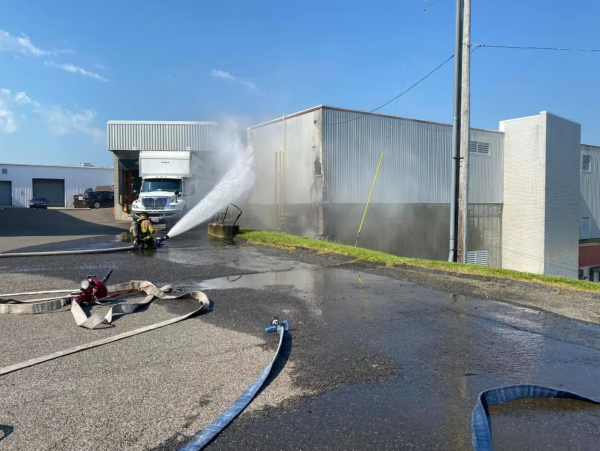

A routine landscaping task became a life-altering event when a gas main was ruptured in Milford, Connecticut, sparking both fire and serious injury. The incident serves as a powerful reminder of excavation hazards and emergency response coordination.
Incident Recap
On a June Monday morning, a landscaper ruptured an underground gas line while trimming near a commercial building on Bic Drive. The rupture immediately ignited—triggering a blaze that severely burned the operator. Fire crews arrived swiftly, deploying hoses to suppress the flames, while gas utility teams shut down and isolated the leak. Approximately 300 people were evacuated from multiple nearby structures as a safety precaution, and the injured individual was transported to a burn center for treatment.
Emergency Response Dynamics - Firefighters contained the fire with aggressive water streams, limiting spread and damage.
- Gas utility technicians secured and shut off the compromised line, stopping further fuel to the blaze.
- Scene-wide gas levels were repeatedly measured using chemical metering devices to ensure no explosive concentrations remained.
These actions reflect coordinated training and the effectiveness of rapid cross-agency communication in crises.
Why It Matters
This event underscores several critical takeaways:- Know what's below: Failure to confirm underground utility locations can lead to catastrophic consequences.
- Swift response saves lives: Emergency planning and clear roles helped evacuate dozens quickly and limit hazards.
- Safety culture works: Redundant monitoring—like metering for gas—safeguards responders and occupants.
Glossary of Key Terms- Gas Line Rupture – A break in a pipeline carrying pressurized natural gas, which can lead to fires or explosions.
- Evacuation Protocol – Structured procedures to clear people from danger zones safely and efficiently.
- Chemical Metering Device – Instruments used to detect and measure the concentration of combustible or toxic gases.
- Emergency Shutoff Valve – A control mechanism that halts gas flow during a release or other emergency conditions.
- First-Responder Coordination – The synergy between fire services, utilities, and law enforcement during emergency response.
Takeaway
In Milford, quick action—from the fire department’s hose lines to utility crews’ shutoff procedures—prevented further destruction and ensured public safety. For anyone working near underground utilities, this incident is a stark lesson: always verify subsurface conditions, respect safety protocols, and know that preparation can avert tragedy.
If you’d like guidance on safe digging practices or best protocols for construction site utility checks, I’d be happy to help deepen the conversation.
|
|
|
|
|



