| Welcome, Guest |
You have to register before you can post on our site.
|
| Forum Statistics |
» Members: 79
» Latest member: cioCruch
» Forum threads: 47,411
» Forum posts: 47,417
Full Statistics
|
| Online Users |
There are currently 233 online users.
» 0 Member(s) | 220 Guest(s)
Ahrefs, Amazon, Applebot, Baidu, Bing, Bytespider, Claude, Google, MJ12, OpenAI, Semrush, Trendiction
|
| Latest Threads |
Identifying and Sourcing ...
Forum: Parts , Attachments & Tools
Last Post: MikePhua
01-07-2026, 06:29 PM
» Replies: 0
» Views: 508
|
Cat 931B Brake Parts
Forum: Parts , Attachments & Tools
Last Post: MikePhua
01-07-2026, 06:29 PM
» Replies: 0
» Views: 280
|
Choosing Between Cat 228,...
Forum: General Discussion
Last Post: MikePhua
01-07-2026, 06:28 PM
» Replies: 0
» Views: 533
|
Hydraulic Delay When Lowe...
Forum: Troubleshooting & Diagnosing
Last Post: MikePhua
01-07-2026, 06:27 PM
» Replies: 0
» Views: 438
|
Bale Chopper and Mulcher ...
Forum: General Discussion
Last Post: MikePhua
01-07-2026, 06:26 PM
» Replies: 0
» Views: 316
|
Mini UC Maintenance
Forum: General Discussion
Last Post: MikePhua
01-07-2026, 06:25 PM
» Replies: 0
» Views: 305
|
Locating Wiring Informati...
Forum: General Discussion
Last Post: MikePhua
01-07-2026, 06:24 PM
» Replies: 0
» Views: 339
|
Case Industrial Brown Sub...
Forum: Parts , Attachments & Tools
Last Post: MikePhua
01-07-2026, 06:23 PM
» Replies: 0
» Views: 274
|
Dirt Work in West Virgini...
Forum: Construction & Urban Infrastructure Forum
Last Post: MikePhua
01-07-2026, 06:23 PM
» Replies: 0
» Views: 371
|
D207 P Hydraulic Steering...
Forum: Parts , Attachments & Tools
Last Post: MikePhua
01-07-2026, 06:22 PM
» Replies: 0
» Views: 301
|
|
|
| Effective Suggestions for Heavy Equipment Maintenance and Operation |
|
Posted by: MikePhua - 08-08-2025, 09:20 PM - Forum: General Discussion
- No Replies
|
 |
Introduction to Practical Equipment Suggestions
Successful heavy equipment operation and maintenance rely not only on technical knowledge but also on practical experience and well-considered advice. Suggestions from seasoned operators and mechanics can improve machine reliability, safety, and efficiency. This article compiles essential tips, common pitfalls, and real-world examples to guide owners and technicians.
Maintenance Best Practices
Proper maintenance extends equipment lifespan and reduces unexpected failures. Key recommendations include: - Regular Fluid Checks: Engine oil, hydraulic fluid, coolant, and transmission fluid levels should be checked frequently. Maintaining proper fluid quality and quantity prevents overheating, wear, and system failures.
- Scheduled Filter Replacements: Fuel, air, and hydraulic filters must be changed according to manufacturer intervals. Dirty filters can cause performance loss and component damage.
- Track and Tire Inspections: For tracked machines, monitor track tension and wear regularly. For wheeled equipment, inspect tires for damage and proper inflation to ensure stability and reduce downtime.
- Greasing Moving Parts: Lubrication of pins, bushings, and joints prevents excessive wear and corrosion. Use the right type of grease and adhere to greasing schedules.
- Battery Care: Clean terminals and check charge levels to avoid electrical failures. Batteries in heavy equipment endure vibrations and extreme conditions, so preventive maintenance is critical.
Operational Tips for Efficiency and Safety- Warm-Up Time: Allow engines and hydraulics to warm up gradually, especially in cold weather, to prevent damage from sudden pressure or temperature changes.
- Avoid Overloading: Operating machines beyond their rated capacity leads to premature wear and potential safety hazards.
- Smooth Controls Usage: Gentle and deliberate use of controls reduces stress on hydraulic systems and mechanical linkages.
- Operator Training: Well-trained operators understand machine limits and maintenance needs, enhancing productivity and safety.
Common Pitfalls to Avoid- Neglecting Minor Leaks: Small hydraulic or fuel leaks can escalate into major failures if not addressed promptly.
- Ignoring Warning Signs: Strange noises, sluggish response, or unusual vibrations are early indicators of problems requiring immediate attention.
- Using Wrong Parts or Fluids: Substituting parts or fluids not specified by the manufacturer can void warranties and cause damage.
- Delayed Maintenance: Skipping scheduled services to save time or money often results in higher costs from breakdowns.
Case Example: Preventing Hydraulic Failure through Proactive Maintenance
An earthmoving company experienced multiple boom cylinder failures on a mid-sized excavator. Investigation revealed contaminated hydraulic fluid was the root cause. Implementing a stricter fluid sampling and filter replacement schedule drastically reduced downtime and repair costs. This story underscores the importance of vigilance in fluid maintenance.
Parts Sourcing and Inventory Management
Maintaining a stock of frequently replaced parts such as filters, hoses, seals, and bolts minimizes downtime. When sourcing:- Choose OEM parts where reliability is critical.
- For wear parts, consider high-quality aftermarket alternatives.
- Verify compatibility carefully to avoid installation issues.
Safety Recommendations- Conduct daily safety checks including brakes, lights, horns, and safety guards.
- Ensure the operator’s cab is clean and free from obstructions.
- Use seat belts and rollover protective structures (ROPS).
- Follow site safety protocols and maintain clear communication.
Conclusion
Implementing practical maintenance and operational suggestions can significantly improve the performance, reliability, and lifespan of heavy equipment. The combination of routine care, skilled operation, and timely interventions helps avoid costly repairs and unsafe conditions.
Through awareness and proactive management, equipment owners and operators can maximize uptime and achieve efficient, safe working environments.
Maintenance Suggestions- Regularly check engine oil, hydraulic fluid, coolant, and transmission fluid
- Replace fuel, air, and hydraulic filters on schedule
- Inspect tracks and tires for wear and damage
- Grease pins, bushings, and joints frequently
- Maintain battery charge and cleanliness
Operational Tips- Warm up equipment gradually before heavy use
- Avoid exceeding rated load capacities
- Use controls smoothly and deliberately
- Ensure operators are properly trained
Common Pitfalls to Avoid- Ignoring minor leaks or warning signs
- Using incorrect parts or fluids
- Delaying scheduled maintenance
Safety Checklist- Daily check of brakes, lights, and horns
- Use seat belts and ROPS consistently
- Keep operator cab clean and organized
- Adhere to site safety protocols
Real-World Example- Hydraulic failures caused by contaminated fluid
- Stricter maintenance schedules reduced downtime
- Highlights importance of fluid quality management
Applying these well-rounded suggestions supports sustained heavy equipment performance and safer job sites.
|

|
|
| The Case 580K Backhoe Loader: A Deep Dive |
|
Posted by: MikePhua - 08-08-2025, 09:20 PM - Forum: General Discussion
- No Replies
|
|
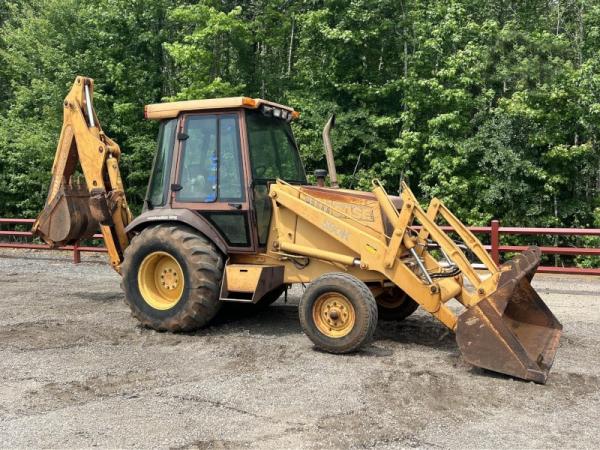
Modern Workhorse Defined
The Case 580K stands as a formidable backhoe loader that began production in the mid‑1980s and continued through the early ‘90s. Built on a legacy of adaptability and ruggedness, this machine delivers solid digging power, respectable transport speed (~24 mph), user-friendly controls, and reliable performance across construction, farming, and public works sectors.
Evolution Through Phases
Case introduced serial‑numbered production phases, notably:
• Phase I (before serial # JJG0020000): featured separate power-shuttle and 4‑speed gearbox
• Phase III (after serial # JJG0020000): integrated a 4‑speed transaxle with forward–reverse capability
Accurate phase identification is essential when sourcing components, as transmission and axle parts are not interchangeable.
Technical Specifications at a Glance
Engine & Performance:
• Cummins 4B diesel engine (6.4 L) – approximately 62 hp, naturally aspirated
Backhoe Capabilities:
• Dig depth up to 14.3 ft
• Bucket size around 24 in (¼ cu yd)
Loader Features:
• Bucket capacity ~1.25 cu yd
• Max loading height ~11.3 ft
Physical Metrics:
• Operating weight: ~13,426 lb (2WD), ~13,912 lb (4WD)
Nomenclature & Definitions - Phase I / Phase III – Production categories demarcated by transmission design
- Power Shuttle – Mechanism for gear shifting without foot clutching
- Transaxle – Integrated gearbox and axle system simplifying driveline layout
- Cummins 4B – Reliable 6.4 L four‑cylinder engine known for durability
- Operating Weight – Fully equipped mass of the machine, essential for transport and stability calculations
Anecdote from the Field
A midwestern road crew recalled switching from a tired 580K that still dug firm trenches in winter clay. Despite being over 30 years old, its simplicity and dependability made it a favorite—solid proof that well-designed machines can outlast newer models when properly maintained.
Broader Context & Relevance
While no blockbuster headlines feature the 580K today, its impact is quietly enduring. In vintage equipment markets, these machines remain prized thanks to parts availability and known reliability. A regional newspaper once ran a short story about a town upgrading water lines. Though newer, fancier models were available, the team opted for a veteran 580K—and used it for nearly half its lifecycle budget compared to a rental or newer purchase.
Summary of Strengths & Utility- Proven track record and manageable repair logistics
- Strong performance across both digging and loading tasks
- Simpler mechanics compared to modern electronics-heavy machines
- Continued community support via parts catalogs and forums
In short, the Case 580K remains a trusted workhorse—versatile, no-nonsense, and built to last. Let me know if you'd like deeper comparisons, maintenance tips, or modern equivalents!
|
|
|
|
| The Enduring Charm of Retired Old Iron: A Look at Vintage Heavy Equipment |
|
Posted by: MikePhua - 08-08-2025, 09:19 PM - Forum: General Discussion
- No Replies
|
|
Introduction to Vintage Heavy Equipment
Old heavy machinery, often affectionately called “old iron,” represents a significant chapter in the history of construction and industrial work. Despite retirement from active duty, many of these machines continue to captivate enthusiasts, collectors, and operators due to their robust engineering, unique designs, and nostalgic value.
Why Old Iron Still Matters
Retired equipment such as bulldozers, excavators, loaders, and cranes showcases the evolution of heavy machinery technology. These machines were built in eras when durability and simplicity were prioritized, often resulting in equipment that was easier to maintain but heavier and less efficient than modern counterparts.
Many operators and collectors appreciate old iron for several reasons: - Simplicity of Design — Older machines tend to have fewer electronic components, making them more accessible for hands-on repair.
- Durability — Built with heavy steel and over-engineered parts, these machines often outlasted early expectations.
- Historical Significance — They serve as physical markers of industrial progress and regional development.
- Aesthetic Appeal — The rugged, industrial look holds a nostalgic charm for many.
Common Types of Retired Equipment- Bulldozers such as the Caterpillar D8 or D9 models from the mid-20th century.
- Crawler Excavators with basic hydraulic controls predating modern electronics.
- Wheel Loaders featuring mechanical transmissions.
- Draglines and Cranes with classic mechanical winch systems.
Challenges with Retired Equipment
While interesting and durable, old iron faces challenges that limit its use:- Parts Scarcity — Replacement components can be hard to find, often requiring custom fabrication.
- Fuel Inefficiency — Older engines are typically less fuel-efficient and have higher emissions.
- Safety Standards — Many lack modern safety features such as rollover protection structures (ROPS) or enclosed cabs.
- Operator Comfort — Cab ergonomics and vibration isolation are minimal compared to newer machines.
Case Story: Restoring a 1950s Bulldozer
A retired bulldozer enthusiast in the Midwest dedicated several years to restoring a 1953 Caterpillar D8. Using a mix of salvaged parts, aftermarket reproductions, and custom-machined components, the project highlighted both the challenges and rewards of working with old iron. The finished machine still operates at local vintage equipment shows, drawing admiration and educating new generations on historic machinery.
Preserving History and Legacy
Organizations and clubs dedicated to vintage heavy equipment hold regular shows and meetups. These events provide venues for owners to display their machines, exchange restoration tips, and celebrate the legacy of early heavy equipment design.
Museums worldwide also preserve examples of retired machinery, recognizing their contribution to infrastructure and economic growth.
Technical Glossary- Old Iron — Slang for retired or vintage heavy machinery.
- ROPS (Rollover Protective Structure) — Safety frame designed to protect operators in rollovers.
- Dragline — Large excavating machine with a bucket suspended from a boom.
- Hydraulic Controls — System using pressurized fluid to control machinery movement.
- Crawler — Machine with tracks instead of wheels for better traction on rough terrain.
Conclusion
Though retired from modern worksites, old iron machines remain a vital part of industrial heritage. Their robust engineering, historical context, and mechanical simplicity continue to fascinate collectors and operators alike. Restoration projects and vintage shows help keep the spirit of these machines alive, bridging past and present in the world of heavy equipment.
Key Points on Retired Old Iron- Simpler mechanical design with fewer electronics
- Built for durability with heavy materials
- Historical and aesthetic significance
- Challenges include parts scarcity and outdated safety features
Popular Vintage Equipment Types- Caterpillar bulldozers from the 1950s and 1960s
- Early hydraulic crawler excavators
- Mechanical wheel loaders
- Classic draglines and cranes
Restoration and Preservation Highlights- Restoration requires scavenging and custom parts fabrication
- Vintage machinery shows promote knowledge sharing and preservation
- Museums play a key role in conserving heavy equipment history
Interesting Anecdote- Midwest bulldozer enthusiast restored a 1953 Caterpillar D8
- Machine now runs at vintage equipment events
- Project exemplifies passion and technical skill in preserving old iron
Retired old iron continues to inspire and educate, reminding us of the foundational machines that built today’s infrastructure.
|
|
|
|
| Hydraulic Alternatives to Blowtorches in Heavy Equipment Maintenance |
|
Posted by: MikePhua - 08-08-2025, 09:18 PM - Forum: General Discussion
- No Replies
|
|
Overview of the Shift from Blowtorches to Hydraulic Tools
When it comes to removing stubborn components like pins and bushings from heavy machinery, traditional methods—like using a blowtorch, sledgehammer, or makeshift tools—are becoming outdated. These techniques often pose significant risks, including burns, fires, warped parts, and extended machinery downtime. Innovations in hydraulic equipment offer a safer, more precise, and more efficient approach.
Hydraulic Pin Pullers: Superior Safety and Efficiency
Hydraulic pin puller systems, such as the Enerpac PPH‑Series, represent a significant leap forward. Designed specifically for heavy-duty tasks, these kits allow single operators to extract large joint or track pins with precision. For example, the PPH‑Series handles pins up to 302 mm long and offers capacities up to 67 metric tonnes, all packaged in portable, wheeled carry cases with modular, locking C‑sleeves for flexibility and added safety .
Likewise, HEMS Hydraulic Pin Pullers—available in 30-ton and 50-ton variants—feature lightweight aluminum alloy construction and spring-balanced trolleys. They ensure safer, simpler onsite operations compared to older manual or fire‑based methods .
Common benefits across hydraulic tools include: - Time efficiency – Tasks that once took hours now take minutes.
- Operator safety – Reduces risks associated with heat and manual force.
- Precision – Avoids damage to surrounding components.
- Portability – Field-ready kits simplify onsite maintenance.
Double‑Action Presses: Enhanced Control and Versatility
Double‑action hydraulic presses apply force in both directions—pushing and pulling—eliminating the need to reposition during the process. Key advantages:- Balanced force application reduces operator fatigue and ensures smooth removal.
- Delicate control minimizes damage, particularly with serious alignment-sensitive tasks.
- Versatility—these presses can handle hydraulic pins, master pins, track pins, and even bushings across diverse equipment types .
Master Pin Pusher Tools: Precision Under Pressure
For precise operations in track chains, excavators, and hydraulic systems, the Master Pin Pusher Tool stands out. This hydraulically powered device delivers accurate force without resorting to dangerous hammers or heat, supporting quicker, safer disassembly and reassembly of complex machinery parts . Its value shines in high‑volume workshops where speed, accuracy, and reduced downtime are crucial.
Real-World Example
In late 2024, Enerpac released the enhanced PPH‑Series Hydraulic Pin Puller. This kit addressed common pitfalls of using torches—such as metal warping and fire risks—by offering operators a tool capable of extracting pins up to 67 tonnes safely and efficiently on-site . The design features locking, C‑shaped sleeves to securely grasp pins while including a shackle for lifting if needed—underscoring efficiency and operator protection.
Safety Focus: Why Hydraulic Wins Over Blowtorches
Heat-based methods, especially blowtorches, carry numerous risks:- Risk of unburned gas buildup leading to fires or explosions
- Poorly maintained torches and cylinders can fail or leak
- Accidents from improper handling or lack of permits and training
Hydraulic tools eliminate open flames, reduce risk to operators, require less specialized training, and support a disciplined workflow with fewer hazards.
Quick Comparison: Hydraulic Tools vs Blowtorches- Blowtorch (traditional):
- Open flame, high heat, fire hazard
- Risk of thermal damage and operator injury
- Requires skilled handling and strict safety protocols
- Hydraulic Tools:
- Controlled force, no flame
- High precision, minimal collateral damage
- Easier training, portable, consistent safety
Terminology Glossary- Pin Puller – A specialized tool designed to dislodge pins or shafts from tight housings.
- Double‑Action Press – A hydraulic press that applies force in both directions without repositioning.
- Master Pin Pusher – A precise hydraulic device for pushing pins out of heavy-duty machinery linkages.
- PPH‑Series Kit – Enerpac’s modular hydraulic system with locking collars and high capacity for pin extraction.
- C‑Sleeves (Locking Collars) – Adjustable components that wrap around a pin’s flag to ensure secure grip during extraction.
Anecdote
A heavy machinery technician once recounted spending an entire morning under overcast skies, trying to free a frozen pin using a blowtorch and hammer—only to damage the housing and delay return to service. The following week, using a hydraulic PPH‑style puller, he completed a similar job in thirty minutes, cleanly and without risk. That moment marked his total conversion to hydraulic methods.
Conclusion
Heavy equipment maintenance is undergoing a quiet revolution. Hydraulic pin pullers, double‑action presses, and master pin pushers offer safer, faster, and more precise alternatives to blowtorches. Accessible, portable, and operator‑friendly, these tools have become the new gold standard—keeping machinery rolling and technicians safe.
If you'd like, I can dive deeper into choosing the right tonnage, safe work protocols, or supplier options—just let me know!
|
|
|
|
| An In-Depth Look at Hyundai Excavators: Performance, Reliability, and User Perspectives |
|
Posted by: MikePhua - 08-08-2025, 09:18 PM - Forum: General Discussion
- No Replies
|
|
Introduction to Hyundai Excavators
Hyundai Heavy Industries, a major global player in the heavy equipment market, has steadily gained recognition for its range of hydraulic excavators. Offering models from compact to large-scale machines, Hyundai aims to deliver a balance of performance, durability, and affordability. Over the years, Hyundai excavators have been adopted worldwide in various sectors including construction, landscaping, and mining.
User Opinions and Performance Overview
Feedback from operators and owners reveals a mix of praise and constructive criticism regarding Hyundai excavators. Commonly noted strengths include: - Competitive Pricing — Hyundai models often come at a lower cost compared to traditional Japanese and American brands, providing value especially for small to mid-sized fleets.
- Fuel Efficiency — Many users report good fuel economy, attributing it to Hyundai’s modern engine and hydraulic system designs.
- Comfort and Ergonomics — Cab design receives positive remarks for operator comfort, visibility, and intuitive controls.
- Parts Availability — In several regions, parts supply has improved significantly, though this varies by location.
On the flip side, some users highlight areas where Hyundai machines can improve:- Initial Quality Control — Early models sometimes showed minor quality inconsistencies, such as paint defects or component fitment issues.
- Durability in Heavy-Duty Applications — Some operators experienced accelerated wear on undercarriage components or hydraulic hoses under extreme workloads.
- Dealer Support Variability — The quality of local dealer service and parts availability can be inconsistent depending on the market.
Technical Aspects and Innovations
Hyundai excavators integrate several advanced technologies:- Common Rail Engines — To meet emissions regulations and optimize power delivery.
- Load-Sensing Hydraulic Systems — Improving efficiency by adjusting pump output to demand.
- Advanced Monitoring Systems — Offering real-time diagnostics and machine management via onboard computers.
- Modular Components — Simplifying maintenance and repairs.
These features position Hyundai as a competitive choice for operators who value modern technology and efficiency.
Case Example: Hyundai Excavator in Municipal Projects
A municipal contractor in the southern U.S. replaced older machines with Hyundai R210LC excavators. Over two years, the operator noted improved fuel savings of up to 10%, smoother hydraulic response during delicate digging, and less operator fatigue due to ergonomic cab design. Scheduled maintenance intervals aligned well with the demanding daily use, reducing downtime. The contractor highlighted the importance of selecting the right dealer for parts support, which was initially a challenge but improved after dealer restructuring.
Operator Considerations When Choosing Hyundai
When evaluating Hyundai excavators, prospective buyers and fleet managers should consider:- Machine Size and Application — Hyundai offers models ranging from compact 10-ton units to large 50+ ton machines, each suited to different jobs.
- Local Dealer Network — Availability of support and parts is crucial for long-term ownership.
- Warranty and Service Plans — Hyundai’s warranty terms and service packages vary by region.
- Operator Training — Proper training enhances machine efficiency and longevity.
Comparison with Competitors
Compared to brands like Caterpillar, Komatsu, and Hitachi, Hyundai excavators often represent a cost-effective alternative without sacrificing core capabilities. While traditional brands may have a longer service record, Hyundai’s rapid innovation and expanding global footprint are closing the gap.
Challenges and Market Perception
Early market skepticism around Korean heavy equipment brands has diminished, but lingering concerns about resale value and long-term durability remain among some buyers. However, as Hyundai continues to invest in quality improvements, dealer networks, and technology, user confidence is increasing steadily.
Maintenance and Repair Insights
Routine maintenance for Hyundai excavators is generally straightforward:- Regular oil and filter changes based on hours of operation.
- Monitoring hydraulic fluid condition and replacing hoses as needed.
- Checking undercarriage wear and adjusting track tension.
- Updating onboard software to maintain optimal system performance.
Some operators recommend keeping a stock of common wear parts locally, especially if operating in remote areas.
Conclusion
Hyundai excavators have carved out a meaningful position in the heavy equipment market by offering a blend of affordability, technology, and operator comfort. While not without their challenges, especially in early model iterations, ongoing improvements and strong user feedback indicate a promising future.
For operators seeking a modern machine with efficient fuel use and competitive pricing, Hyundai presents a viable option—especially when supported by a reliable dealer network and proactive maintenance strategies.
User-Reported Strengths of Hyundai Excavators- Competitive initial purchase price
- Good fuel efficiency with modern engines
- Comfortable operator cab with good visibility
- Advanced hydraulic systems for smoother operation
- Improving parts availability in many regions
Areas for Improvement Highlighted by Operators- Early model quality control inconsistencies
- Durability concerns under heavy-duty, prolonged use
- Variable dealer and parts support depending on location
Key Maintenance Recommendations- Regular oil, filter, and hydraulic fluid changes
- Frequent inspection of hydraulic hoses and cylinders
- Track tension adjustment and undercarriage checks
- Onboard system diagnostics and software updates
Real-World Example- Municipal contractor’s experience with Hyundai R210LC
- Achieved 10% fuel savings over older equipment
- Noted smoother hydraulic response and operator comfort
- Dealer support initially inconsistent, improved over time
Hyundai’s commitment to innovation and improving global support networks continues to enhance its reputation, making its excavators a competitive choice for diverse applications worldwide.
|
|
|
|
| Understanding Ice Loggers: Maintenance, Costs, and Missteps |
|
Posted by: MikePhua - 08-08-2025, 09:17 PM - Forum: General Discussion
- No Replies
|
|
Introduction to Ice Logger Operations
Ice loggers and forest machinery operators often face challenging environments—swampy, remote terrain—working around the clock. Equipment like chippers and debarkers endure extreme stress, demanding frequent maintenance and replacements to stay operational. The cost of chains and the labor to replace them are more than just routine—they define profitability. Yet details can vary widely in practice.
Chain Replacement Rates and Controversies - Several operators claim chains are swapped out every 24 hours for continuous operation.
- Other accounts suggest a less frequent schedule—possibly every 12 hours—with only portions of the chain rows being changed each time.
- A calculation breaks down chain costs:
- Each chipper may use around 190 chains.
- At roughly $1 per link and with 8 links per chain, that equates to $1 × 8 × 190 = $1,520 per full set.
- Changing these 6 times weekly yields approximately $9,120 in weekly chain expenses per chipper.
- It’s argued that 96–120 loads per chipper bear these expenses and still yield profit.
Terminology Note- Chipper: Machine that cuts or shreds large pieces of wood into chips.
- Chain link: Individual segment of a chain used in the chipper; multiple links form a complete chain.
- Load: A unit of processed material—typically a truckload or batch—produced by the chipper.
- Load count per chipper: A key metric to offset costs like chain replacements.
Skepticism from the Field- Some operators doubt the rapid replacement narratives, sharing that chains wear out more slowly—maybe every 5–6 loads—not every 12 or 24 hours.
- Concerns arise that downtime for chain changes cuts into productive hours, especially if mechanics are needed.
- Others clarify it’s not the mechanic, but the chipper or skidder operator who handles chain replacements—reducing costly labor interruptions.
Extended Perspective: Industry Insights & Added Examples- In one case study, a logging crew operating in harsh winter conditions found that extreme cold accelerated wear. Replacement schedules had to adapt—what worked in temperate months failed under icy loads. Incremental maintenance and monitoring chain tension helped avoid wholesale replacements.
- A news segment once featured a forest operation where the logging team implemented a chain-tracking log system: every chain set was stamped with a batch ID and logged by operating hours. Over time, they discovered they could push chain life from 24 hours to closer to 30–36 hours, saving as much as 25% on chain costs without risking downtime.
- In another small story, a remote operation in Alaska experimented with ultra-hardened alloy links. The upfront per-link cost rose 30%, but replacements dropped from daily to every 2–3 days, yielding net savings and fewer interruptions.
Terminology Note- Chain-tracking log system: A method to track chain use by logging hours or loads per set, enabling predictive maintenance.
- Ultra-hardened alloy links: Higher-strength components designed to resist wear—more expensive but longer-lasting.
Financial Breakdown: Chain Costs vs. Load Revenue- Per‑week chain cost per chipper: ~$9,000
- Weekly load volume: 96–120 loads
- Average cost per load: If $9,120 ÷ 100 loads = ~$91 per load in chain costs.
- If a load sells for significantly more than $91, operations remain profitable.
- By extending chain life via tracking and better materials, cost per load can fall substantially.
Conclusion: Balancing Wear, Downtime, and Profitability
In forestry and ice-logging operations, the lifespan of chipper chains is a critical factor. Standard practice may suggest daily full replacements, but real-world insights and innovations (like tracking systems and advanced alloys) challenge that. Operator-driven replacements reduce labor costs. Cost control doesn’t just rely on cheap links but strategic management—smarter monitoring, material upgrades, and adaptive schedules. These small shifts can make the difference between slashing profits and staying ahead in one of the toughest environments in logging.
Let me know if you’d like an expanded case study, real‑world cost breakdowns from specific companies, or comparisons across different climates or machinery types!
|
|
|
|
| Troubleshooting Boom Problems on the Komatsu PC78 Excavator |
|
Posted by: MikePhua - 08-08-2025, 09:16 PM - Forum: Troubleshooting & Diagnosing
- No Replies
|
|
Introduction to the PC78 Boom System
The Komatsu PC78 is a popular mid-sized hydraulic excavator widely used in construction, landscaping, and utility work. The boom is a critical component that enables the excavator to reach, dig, and lift. Problems with the boom can significantly impact productivity and safety. Understanding the common causes, diagnostic methods, and repair strategies is essential for operators and maintenance personnel.
Common Boom Problems on the PC78
Operators frequently report issues such as: - Boom drifting or sinking slowly when holding position
- Jerky or erratic boom movement
- Unusual noises during boom operation
- Loss of boom lifting power or slow response
- Hydraulic leaks around the boom cylinders or connections
These symptoms often indicate underlying hydraulic or mechanical issues that require systematic investigation.
Hydraulic Cylinder Issues
The boom relies on hydraulic cylinders to extend and retract smoothly. Common cylinder-related problems include:- Internal seal failure causing slow sinking or inability to hold position
- Cylinder rod damage or scoring leading to leaks and erratic movement
- Contamination inside hydraulic fluid wearing out seals prematurely
- Loose or damaged cylinder mounting pins
A leaking boom cylinder seal is one of the most common reasons for boom drift. The fluid bypasses the seal internally, causing the boom to slowly descend even when the control lever is held steady.
Hydraulic System Diagnostics
Hydraulic problems are often related to pressure loss or contamination. Key diagnostic steps are:- Check hydraulic fluid level and quality—dirty or low fluid can cause sluggish response
- Inspect hydraulic hoses and fittings for leaks or damage
- Monitor system pressure with gauges during boom operation
- Test boom control valves for proper function and responsiveness
In some cases, boom drift can also result from worn or malfunctioning control valves, which fail to hold pressure adequately.
Mechanical Wear and Damage
Besides hydraulic issues, mechanical wear can cause boom problems:- Worn bushings or pins at boom pivot points can create excessive play or misalignment
- Cracked or bent boom structure from heavy use or impacts
- Loose bolts or fasteners leading to instability
Regular inspection of the boom’s structural integrity is vital to prevent catastrophic failure.
Case Study: Boom Drift Caused by Internal Seal Wear
A contractor operating a PC78 in a wetland restoration project noticed the boom slowly drifting down when holding position, causing safety concerns. Inspection revealed internal seal wear in the boom cylinder. After replacing the seals and flushing the hydraulic system, boom control returned to normal, illustrating the importance of preventive maintenance.
Maintenance Recommendations
To avoid boom problems:- Regularly check and maintain hydraulic fluid quality and levels
- Inspect hydraulic cylinders for leaks or physical damage
- Lubricate pivot pins and bushings as per manufacturer guidelines
- Monitor boom movement and address any irregularities promptly
- Keep detailed maintenance logs to track repairs and replacements
Additional Operator Tips- Avoid sudden or jerky movements that strain hydraulic components
- Warm up the hydraulic system before heavy use, especially in cold climates
- Be vigilant for unusual noises or resistance when operating the boom
- Schedule periodic professional inspections for hydraulic and mechanical systems
Conclusion
Boom problems on the Komatsu PC78 excavator often stem from hydraulic seal wear, contamination, or mechanical fatigue. Early detection through vigilant inspection and maintenance can prevent downtime and costly repairs. Understanding the hydraulic principles, mechanical wear patterns, and proper diagnostic techniques empowers operators and technicians to keep the boom functioning smoothly and safely.
Common Causes of PC78 Boom Problems- Hydraulic cylinder seal failure
- Contaminated or low hydraulic fluid
- Worn bushings and pivot pins
- Damaged hydraulic hoses or fittings
- Control valve malfunction
- Structural damage or loose fasteners
Diagnostic and Maintenance Checklist- Check hydraulic fluid level and condition
- Inspect boom cylinder rods for damage
- Examine hoses and fittings for leaks
- Monitor system pressure during boom operation
- Inspect pivot pins and bushings for wear
- Replace worn seals and flush hydraulic system as needed
This comprehensive approach to boom troubleshooting helps ensure reliability and safety in daily excavator operations.
|
|
|
|
| Quality Management Tools for Elevating Business Standards |
|
Posted by: MikePhua - 08-08-2025, 09:15 PM - Forum: Parts , Attachments & Tools
- No Replies
|
|
Introduction
Maintaining and enhancing business standards—whether in manufacturing, services, or heavy‑duty environments—require more than good intentions. Quality management tools offer systematic, repeatable methods to diagnose issues, sustain improvements, and drive consistency. Understanding and applying these tools can transform a team’s performance, customer satisfaction, and long‑term resilience.
Key Concepts and Definitions
Before exploring tools in depth, here are essential terms: - Quality Management Tool: A structured methodology or instrument—like flowcharts or control charts—used to assess, correct, and enhance processes.
- Business Standards: A set of agreed benchmarks for processes, safety, productivity, customer satisfaction, and regulatory compliance.
- Continuous Improvement (Kaizen): An ongoing effort to enhance business operations, focusing on incremental changes rather than sweeping reforms.
- Root Cause Analysis (RCA): A systematic method for identifying the underlying reasons for problems, rather than just addressing symptoms.
- Corrective and Preventive Action (CAPA): Steps taken to rectify identified problems and to prevent recurrence.
Popular Tools at a Glance- Flowchart: A map of the steps in a process. Imagine an assembly line where every step—from taking the raw material to delivering the finished product—is visualized. This clearer overview can expose unnecessary turns or delays.
- Fishbone Diagram (Ishikawa or Cause‑and‑Effect Diagram): A branching diagram that helps identify multiple root causes of a problem— such as defects or delays—by sorting them into categories like Personnel, Methods, Materials, Equipment, Environment, and Measurement.
- Pareto Chart: Based on the principle that a small number of causes often contribute to the majority of issues (the 80/20 rule). A Pareto approach helps pinpoint which few problem areas deserve the most attention.
- Control Chart: A time‑based chart to monitor process variation and stability—perfect for spotting when a process drifts outside acceptable bounds.
- Check Sheet & Histogram: Tools to collect data systematically (check sheet) and then visualize patterns in frequency (histogram) for further action.
- 5 Whys: A simple but powerful technique—by repeatedly asking “Why?” (typically five times), you unravel layered causes to reach the root issue.
How These Tools Elevate Standards
Implementing these tools brings multifaceted gains:- They reveal hidden inefficiencies, like unnecessary moves, duplicated efforts, or probabilities for errors.
- They foster a culture of measurement, where staff base decisions on data rather than instinct.
- They help root out chronic problems through disciplined analysis and encourage proactive prevention.
- They promote standardization: once improved, processes can be locked in and replicated across teams or locations.
Real‑World Tales
A mid‑sized fabrication shop struggled with frequent weld re‑work, eating into productivity. Rather than chasing symptoms, the team sketched a flowchart of the welding process. It revealed an inconsistent hand‑off between prep and welding. Using the 5 Whys, they discovered welders were using incorrectly tagged parts—a labeling system glitch. Fixing that alone reduced re‑work by 60 %.
At an earth‑moving equipment parts supplier, complaints about delayed shipments were mounting. They employed a Pareto chart and found that 20 % of parts types accounted for 80 % of delays. Focusing on improved inventory tracking for those key parts eliminated most late deliveries.
A construction firm facing recurring inspection failures used a fishbone diagram. The diagram showed that temperature fluctuations in the warehouse led to calibration variances in torque tools. By implementing temperature control and more frequent calibration, compliance shoot up.
Practical Adoption Strategy
- Pick the right tool to match your problem—don’t employ control charts on a one‑off failure or 5 Whys on statistical variation.
- Involve the team: the best insights often come from the people doing the work daily.
- Visualize thoroughly: hand‑drawn charts or simple software can make a world of difference.
- Turn insights into actions: once you identify a root cause, commit to corrective measures and then monitor outcomes.
- Repeat and standardize: when improvements stick, integrate them into standard operating procedures.
Industry Anecdote from News
A global heavy construction manufacturer recently reported that applying a combination of flowcharts and root‑cause analysis across 50 factories cut defect‑return rates by nearly a third. By mapping every operation—from casting to assembly—they uncovered a persistent alignment issue during component handling—a problem previously dismissed as “random.” A minor jig redesign solved it. The manufacturer credited this shift toward visual process control and RCA as a major step toward operational excellence.
Additional Insight
Beyond classic tools, modern enterprises are now blending Lean Six Sigma techniques, digital dashboards, and mobile data collection to monitor quality in real time. While traditional diagrams still form the backbone of root‑cause thinking, the fusion with data analytics enables faster detection and more automated tracking of deviations.
Conclusion
When properly applied, quality management tools offer more than fixes—they instill a mindset of continual vigilance and improvement. Whether your challenge is rejection rates, late deliveries, or compliance failures, there’s a structured tool to dissect and address it. Pair that with team engagement, methodical action, and measurement, and you’ve laid the foundation for sustainable, resilient business standards.
Let me know if you'd like to dive deeper into one specific tool—or explore a full case study across a particular industry!
|
|
|
|
| Liebherr Parts Cross-Reference: A Comprehensive Guide for Equipment Owners and Technicians |
|
Posted by: MikePhua - 08-08-2025, 09:15 PM - Forum: General Discussion
- No Replies
|
|
Introduction to Liebherr Equipment and Parts Management
Liebherr, a globally recognized heavy equipment manufacturer, produces a wide range of machinery including excavators, cranes, loaders, and mining equipment. Due to the longevity and complexity of these machines, owners and maintenance teams often face challenges sourcing the right replacement parts. The issue of parts compatibility and availability becomes critical, especially in remote locations or when dealing with legacy equipment.
A parts cross-reference is an invaluable tool that matches Liebherr part numbers with equivalent or compatible alternatives from other manufacturers or aftermarket suppliers. This facilitates quicker repairs, cost savings, and reduces machine downtime.
Understanding the Need for Parts Cross-Reference
Liebherr machines use proprietary components, but many parts are manufactured by third-party suppliers or share dimensions and specifications with common industry standards. Over time, parts may become obsolete or difficult to source due to supply chain shifts, factory discontinuations, or global demand.
Cross-referencing helps by: - Identifying interchangeable parts from other brands
- Allowing substitution with more readily available or less expensive components
- Helping mechanics verify compatibility for critical wear parts
- Reducing lead times by using local or universal equivalents
Key Categories of Parts for Cross-Referencing
The parts commonly cross-referenced in Liebherr machinery include:- Hydraulic Seals and O-rings
- Filters (Fuel, Oil, Air, Hydraulic)
- Bearings and Bushings
- Electrical Components (Sensors, Relays, Switches)
- Fasteners (Bolts, Nuts, Washers)
- Engine Components (Filters, Gaskets, Belts)
- Wear Parts (Cutting Edges, Teeth, Pins, and Bushings)
Each category has unique challenges in terms of fitment and performance, necessitating precise matching.
Hydraulic Seals and O-Rings
Hydraulic systems in Liebherr equipment rely heavily on high-quality seals to maintain pressure and prevent leaks. Cross-referencing involves matching size, material compound, and pressure ratings. Standard seal suppliers often use ISO dimensions, which helps mechanics source replacements when genuine parts are unavailable.
Filters
Filters are among the most frequently replaced items. Many Liebherr filter part numbers correspond with those from established suppliers such as Mann, Fleetguard, or Baldwin. Cross-reference charts typically list OEM numbers alongside aftermarket equivalents.
Bearings and Bushings
Heavy machinery bearings and bushings are subject to heavy wear and require precision fit. Cross-referencing here involves matching the exact dimensions and load ratings. Using the wrong bearing can cause premature failure and damage.
Electrical Components
Sensors and relays specific to Liebherr controls may have compatible alternatives from brands like Bosch, Siemens, or Delphi. Cross-reference databases assist in identifying these to reduce cost and procurement time.
Fasteners and Hardware
Though often overlooked, fasteners must meet specific strength and material standards. Substituting with incorrect hardware risks safety and structural integrity. Cross-reference ensures that bolts and nuts meet Liebherr’s engineering specifications.
Wear Parts
Wear parts such as bucket teeth, cutting edges, pins, and bushings are crucial for machine productivity. Many aftermarket suppliers produce compatible parts to fit Liebherr models. Cross-reference lists help identify those that meet or exceed OEM durability.
Case Study: Emergency Repairs Using Cross-Referenced Parts
A mining operation in South Africa faced urgent downtime when a Liebherr R 9800 excavator’s hydraulic seal kit was unavailable locally. Using a cross-reference chart, the maintenance team identified a suitable seal set from a European aftermarket supplier. After verification of dimensions and materials, the parts were installed successfully, saving weeks of idle time and tens of thousands of dollars.
Tips for Effective Use of Cross-Reference Tools- Always confirm dimensions and material specifications before substituting parts.
- Use manufacturer catalogs and verified cross-reference databases for accuracy.
- Consult with experienced technicians or Liebherr dealers when in doubt.
- Keep a digital or printed cross-reference list handy for your specific machine models.
- Update your reference regularly as new aftermarket parts and equivalents emerge.
Challenges and Limitations
While cross-referencing is invaluable, there are limitations:- Some parts are strictly proprietary and cannot be substituted.
- Quality variation exists among aftermarket suppliers; not all alternatives perform equally.
- Warranty terms may be affected if non-OEM parts are used.
- Cross-referenced parts may require slight adjustments or fitting modifications.
Conclusion
Liebherr parts cross-referencing is an essential strategy for owners and maintenance professionals to ensure operational continuity, reduce costs, and improve parts availability. With careful verification and use of trusted resources, cross-referencing helps overcome supply chain hurdles and supports the long-term health of heavy equipment fleets.
By understanding the categories of parts and their critical specifications, mechanics can confidently select compatible components. Stories from real-world operations emphasize the practical benefits and potential risks, underscoring the need for diligence and expertise in parts substitution.
Parts Categories Commonly Cross-Referenced- Hydraulic seals and O-rings
- Fuel, oil, air, and hydraulic filters
- Bearings and bushings
- Electrical sensors, relays, and switches
- Fasteners: bolts, nuts, washers
- Engine gaskets, belts, and components
- Wear parts: bucket teeth, cutting edges, pins, bushings
Real-World Example- Mining operation avoided long downtime by sourcing aftermarket hydraulic seals matched via cross-reference
- Saved significant costs and reduced machine idle time
- Demonstrates cross-reference value in emergency situations
Cross-referencing is not merely a cost-saving measure but a critical component of effective equipment maintenance and repair strategy, ensuring Liebherr machinery keeps performing at peak levels despite supply challenges.
|
|
|
|
| Hydraulic Coupler Leaking at Case Drain During Connection: Causes, Fixes, and Insights |
|
Posted by: MikePhua - 08-08-2025, 09:14 PM - Forum: Troubleshooting & Diagnosing
- No Replies
|
|
Introduction
Hydraulic couplers can sometimes flood with oil during the connection process, particularly at the case‑drain or service port—often an unexpected and messy hassle. Understanding why this happens and how to address it can save hours in the field and help maintain equipment reliability.
Understanding the Phenomenon
When attaching hydraulic couplers, especially on machines like skid‑steer loaders or compact excavators, it's not uncommon for oil to gush from the case drain—or a seldom‑used service port—until the coupler is fully seated. At that moment, the flow abruptly stops. This sudden release is generally not a built‑in pressure relief function but rather a symptom of a sealing or valve failure.
Key Terms and Explanations - Hydraulic Coupler: The quick‑connect fitting used to attach an implement’s hydraulic hose to the machine’s circuit.
- Case Drain / Service Port: A line designed to return low‑pressure hydraulic fluid back to the tank, usually carrying just a trickle—not a torrent.
- O‑Ring / Internal Seal: Circular elastomeric seals within the coupler that maintain pressure integrity and prevent leakage.
- Check Valve (Non‑Return Valve): A one‑way valve that allows fluid flow in one direction and prevents backflow.
- Pressure Relief Valve (PRV): A safety device that opens to prevent excessive system pressure; typically not relevant to a case drain.
Common Causes of Leak‑Before‑Seat- Worn or damaged internal seals: Dirt and grit can erode O‑rings, causing incomplete sealing until the hoses are fully mated.
- Clogged or compromised check valve: If the valve fails, fluid can flow out freely when connecting the coupler.
- Obstruction or contamination on the coupler face: Even minor debris can prevent a seal from seating properly.
- Misidentification of port type: Infrequently used “case drain” or “service” ports may be mistaken for regular hydraulic lines and left uncapped or ignored.
Steps for Diagnosis and Repair
- Clean the coupler surface thoroughly, using a solvent like brake cleaner to remove sediments and grime.
- Inspect internal seals and check valves for wear or damage; replace with a seal kit if necessary.
- Cap or plug unused ports—if the drain port is never used, installing a mechanical plug can eliminate future leaks.
- Perform a test connection after each intervention to confirm that oil expulsion occurs only during the final mating, and then stops.
Real‑World Insight
A rancher installing a grapple on his loader noted streams of oil spurting from an idle drain port as he connected the implement. He suspected a faulty pressure relief mechanism at first. Yet, after cleaning and examining the coupling, he concluded that worn seals or a bad check valve were the true causes. Since he didn’t plan to use that drain line anymore, he plugged it—solving the issue permanently.
Illustrative Anecdote
An equipment mechanic once shared: while servicing a compact track loader on a job site, he watched hydraulic oil dribble uncontrollably while connecting hoses. The culprit? A contaminated coupler and degraded seals. After a careful cleaning and seal replacement, everything worked as designed—and the crew saved both cleanup time and hydraulic fluid.
Supplemental Case Studies- Crane Operation: A crane operator noticed oil leakage when connecting the boom extension’s hydraulic line. Investigation revealed minute debris inside the coupler’s check valve. On‑site cleaning and replacement of the check valve restored proper flow control.
- Agricultural Equipment: A farmhand discovered slow seepage from a coupler on a hydraulic tiller. Though minimal, the leak affected performance. Swapping the old O‑rings for new nitrile seals and wiping connection surfaces removed the issue entirely.
Best Practices Summary- Always inspect and clean coupler surfaces before attaching hoses.
- Keep a seal kit and basic tools on hand for field maintenance.
- Cap or plug unused ports to eliminate risk of leakage.
- After repairs, observe connection flow behavior: excessive outflow signals a sealing issue, not a relief valve function.
Why This Matters
Left unchecked, leaks during coupling can lead to:- Hydraulic fluid waste and environmental contamination.
- Slip hazards in work areas.
- Increased wear on seals due to flash contaminant intrusion.
- Downtime during cleanup and re‑attachment.
By proactively maintaining couplers, recognizing the signs of seal or valve failure, and capping unnecessary ports, you preserve both operational efficiency and equipment longevity.
|
|
|
|
|



